Congo to replace cobalt export ban with quotas from Oct 16
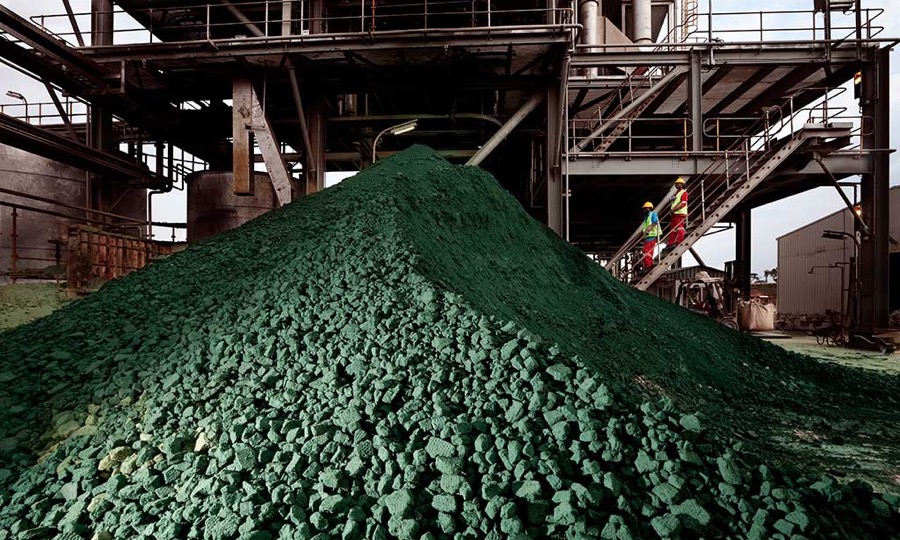
The Democratic Republic of Congo will lift its ban on cobalt exports from October 16 and manage global supply by imposing annual export quotas, the country’s strategic minerals regulator said on Sunday.

Miners will be allowed to ship up to 18,125 tons of cobalt for the rest of 2025, with annual caps of 96,600 tonnes in 2026 and 2027, the Authority for the Regulation and Control of Strategic Mineral Substances’ Markets said.
Congo, which produced about 70% of global cobalt output last year, suspended exports in February after prices fell to a nine-year low. The move was extended in June, prompting force majeure declarations from major producers including Glencore and China’s CMOC Group.
Congo’s largely unregulated artisanal mining sector accounts for a significant share of cobalt output, complicating traceability and compliance for global buyers.
The move to a quota system comes amid escalating conflict in eastern Congo, where the government says illegal mineral exploitation is fueling violence by M23 rebels.
The new system, backed by Glencore but opposed by CMOC, aims to reduce inventories and support prices. Quotas will be allocated based on historical exports of the critical electric battery material.
Glencore declined to comment. CMOC was not immediately available for comment.
Congo’s regulator said 10% of future volumes will be reserved for strategic national projects and quotas could be revised based on market conditions or progress in local refining.
The regulator can buy back cobalt stocks exceeding the quarterly authorized quotas per company, said the statement signed by its chairman.
(Reporting by Congo newsroom; Writing by Maxwell Akalaare Adombila; Editing by Christina Fincher)
Congo considers cobalt export ban extension, quota plan faces delays
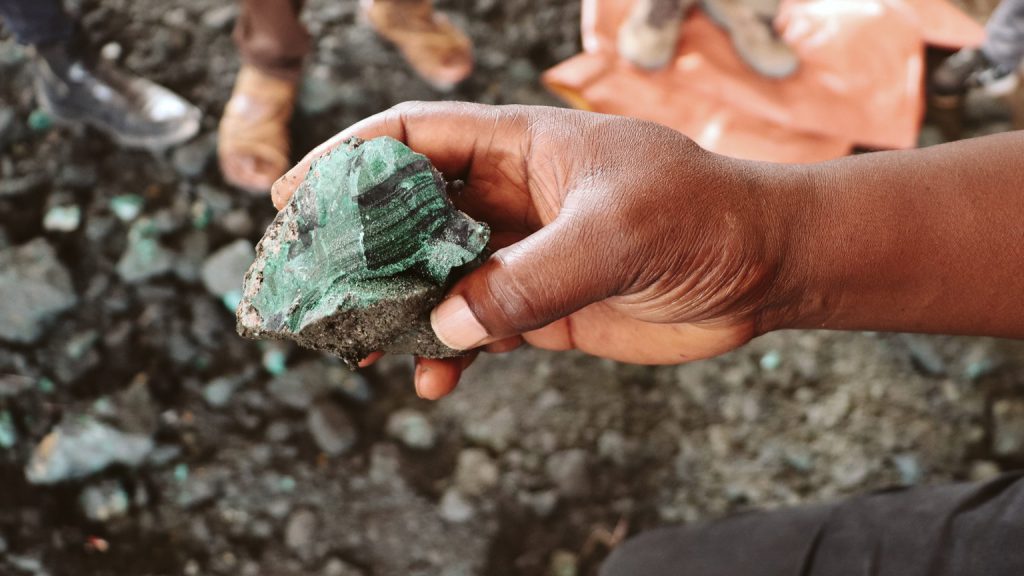
The Democratic Republic of Congo is weighing up an extension of its cobalt export ban by at least two months, as officials work to finalize a quota system aimed at replacing the suspension, three sources familiar with the matter told Reuters.
The Mines Ministry arrived at the decision citing a need for further recovery in the cobalt price and more time to implement a quota-based framework, a senior official at the ministry said.
The Mines Ministry’s decision needs approval from the Presidency.
The Presidency and Mines Ministry did not respond to requests for comment.
The current export ban, imposed in February and extended in June, is set to expire on Sunday, Sept. 21.
The ban was introduced to curb oversupply after prices of the key electric battery metal fell to a nine-year low of around $10 per pound.
Cobalt prices on COMEX were last at $16 per lb, having risen 60% since late February.
“The quota system seems to be more difficult for them to put in place,” an analyst and consultant on China-Africa relations with knowledge of the matter said.
Congo’s Mines Minister met with senior mining executives on Thursday before launching broader consultations with industry stakeholders, a mining industry source said.
The proposed quota system has support from Glencore, the world’s second-largest cobalt producer, but faces resistance from China’s CMOC Group, the top producer, which has lobbied for the ban to be lifted.
Glencore declined to comment. CMOC did not immediately respond to request for comment.
The export ban has failed to curb supplies and correct prices, said Silverado Policy Accelerator, a US-based non-profit.
“It is reasonable to expect that a complete removal of the ban could lead to similar results,” it said in response to questions.
Congo, with vast reserves of lithium, coltan and gold among other metals and minerals, accounts for more than 70% of global cobalt output, much of it from artisanal miners who are largely unregulated.
The government says illegal mineral exploitation is a key driver of the ongoing conflict in eastern Congo, where fighting with M23 rebels has killed thousands and displaced hundreds of thousands.
(By Sonia Rolley, Maxwell Akalaare Adombila and Polina Devitt; Editing by Veronica Brown and Jane Merriman)

No comments:
Post a Comment