NGOs licenses would be canceled starting from January 2026, requiring them to end their activities by March
Zein Khalil and Rania Abushamala |04.01.2026 - TRT WORLD

JERUSALEM/ ISTANBUL
Israel on Sunday began revoking the operating licenses of 37 international organizations delivering humanitarian aid to the Gaza Strip, saying they failed to meet requirements under new registration rules, according to the Israeli broadcasting authority KAN.
On Tuesday, the Israeli government began sending official notices to dozens of international organizations informing them that their licenses would be canceled starting from January 2026, and requiring them to end their activities by March of the same year.
“Following the entry into force of the registration mechanism for international organizations in Gaza, the process of barring 37 international organizations from operating has begun,” said the broadcaster.
Israel claims that “these organizations collectively transferred less than 1% of total humanitarian aid throughout the war, and that the scope of aid will not be affected by this decision,” the broadcaster reported.
The broadcaster claimed that security investigations revealed the involvement of employees from Doctors Without Borders in “terrorist activities,” alleging that in two main cases, the organization withheld full information about the identities and roles of its staff.
However, according to the Israeli daily Haaretz, Israel’s decision in November to revoke the licenses of international relief organizations is rooted in purely political reasons.
Israel previously took similar steps against the UN agency for Palestinian refugees (UNRWA). In 2024, the Knesset passed legislation banning the UN agency’s activities in Israel, citing allegations that some UNRWA employees were involved in the Oct. 7, 2023, events, claims the agency has denied. The UN has said UNRWA adheres to strict neutrality standards.
Israeli authorities later escalated measures against the agency, passing a law to cut water and electricity supplies to UNRWA facilities.
Aid groups worry Israel’s ban threatens to choke humanitarian lifelines in Gaza
Israel has revoked licences of 37 humanitarian organisations, including Doctors Without Borders, Oxfam and the Norwegian Refugee Council.
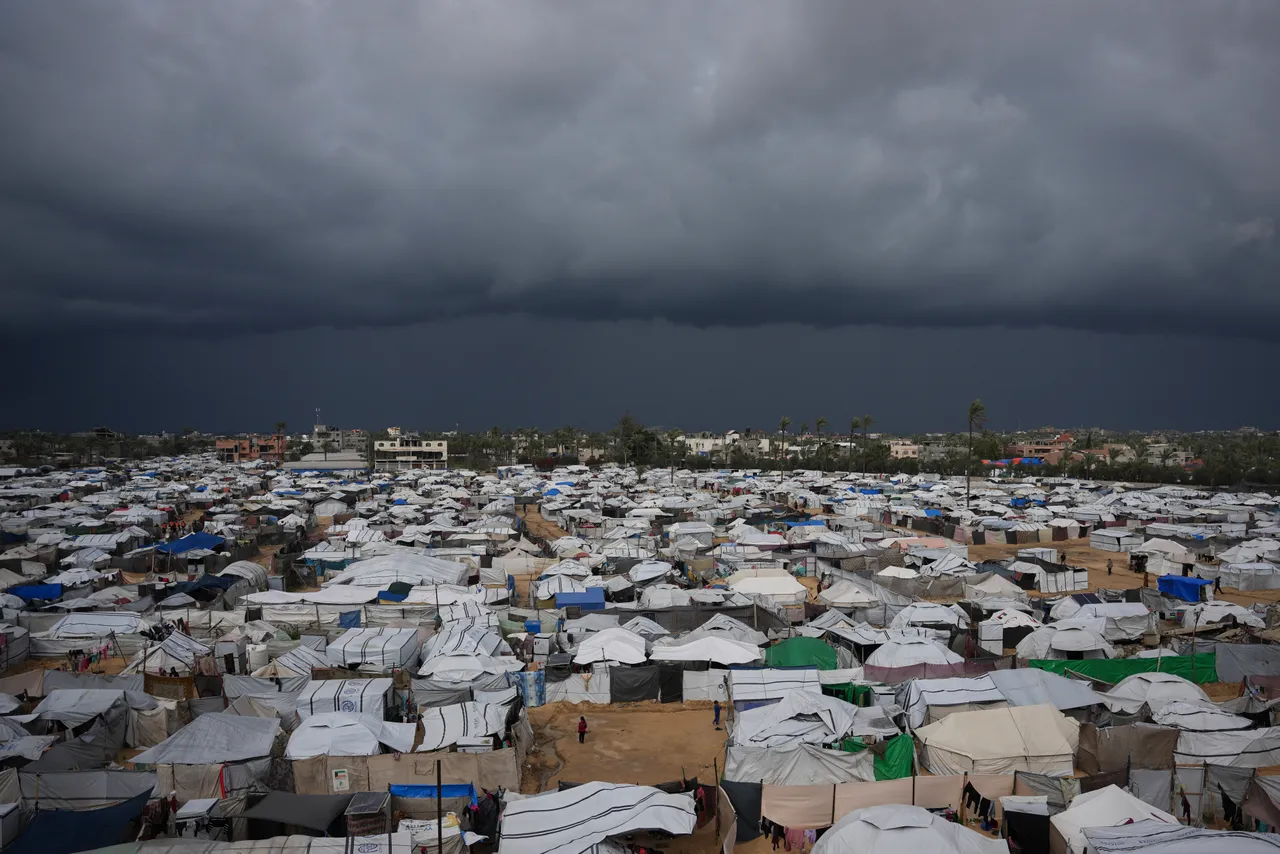
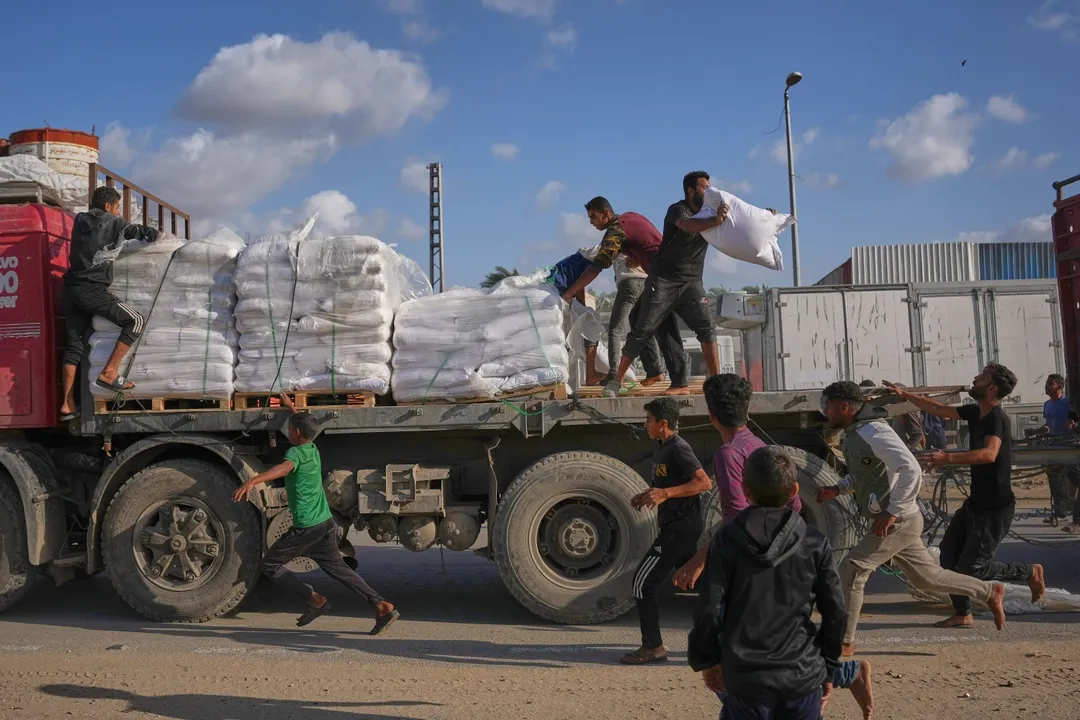
Palestinians grab sacks of flour from a moving truck carrying World Food Programme (WFP) aid as it drives through Deir al Balah in central Gaza, Saturday, November 15, 2025. /AP
The most immediate impact of the licence revocation is that Israel will no longer allow the groups to bring supplies into Gaza or send international staffers into the territory. Israel says all suspended groups have to halt their operations by March 1.
Some groups have already been barred from bringing in aid.
The Norwegian Refugee Council, for example, said it has not been allowed to bring in supplies in 10 months, leaving it distributing tents and aid brought in by other groups.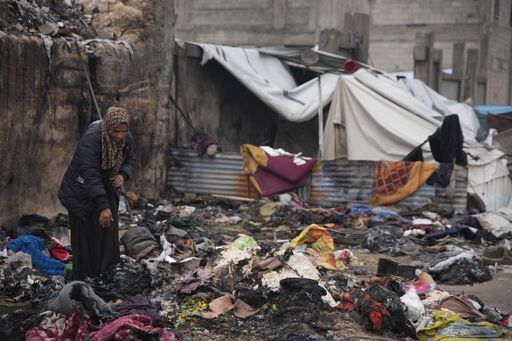
RelatedTRT World - Grandmother, grandson burn alive in Gaza tent as Israeli aid blockade drags on
Israel claims the banned groups make up only a small part of aid operations in Gaza.
But aid officials say they fulfill crucial specific functions. In a joint statement on Tuesday, the UN and leading NGOs said the organisations that are still licensed by Israel “are nowhere near the number required just to meet immediate and basic needs” in Gaza.
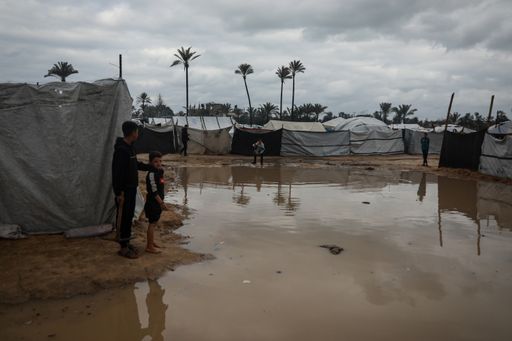
The ban further strains aid operations even as Gaza’s over 2 million Palestinians still face a humanitarian crisis more than 12 weeks into a ceasefire. The UN says that although famine has been staved off, more than a quarter of families still eat only one meal a day and food prices remain out of reach for many; more than 1 million people need better tents as winter storms lash the territory.
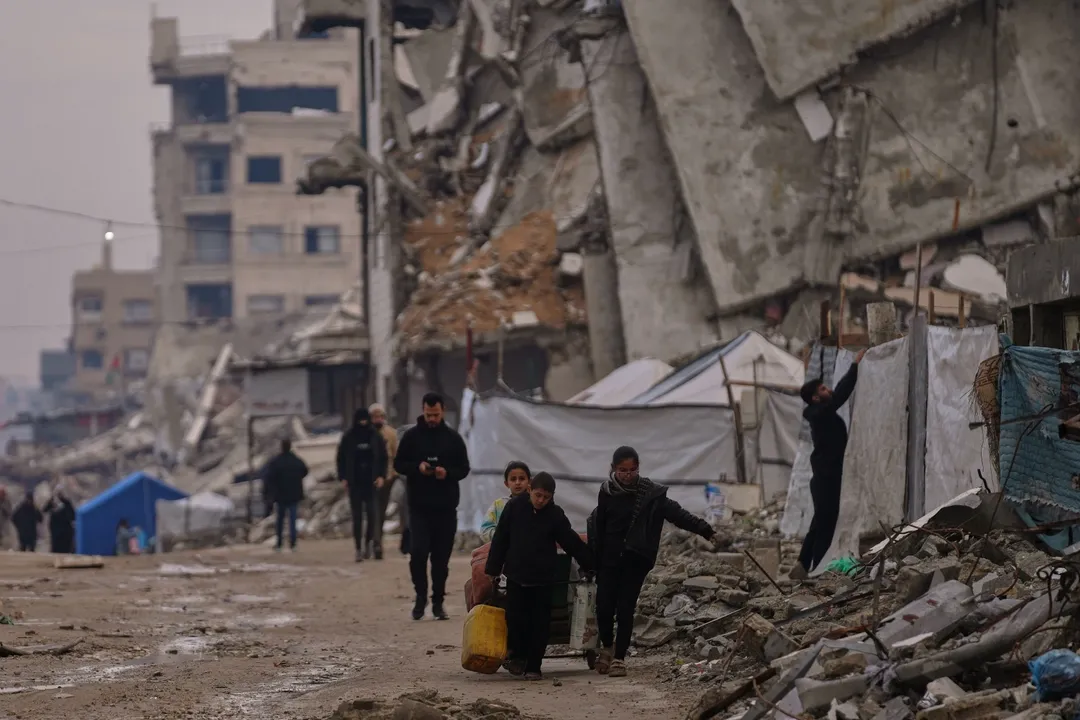
Palestinian children carry containers of water on a street surrounded by buildings destroyed during Israeli air and ground operations in the Sheikh Radwan neighbourhood, in Gaza, Tuesday, December 30, 2025. /AP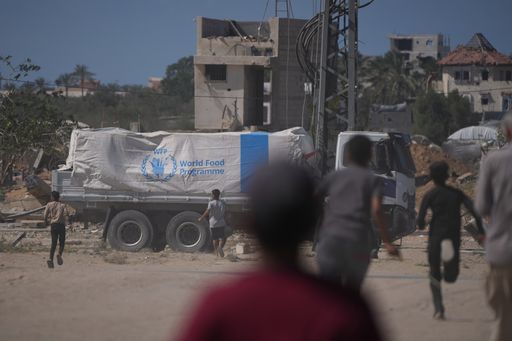
RelatedTRT World - Türkiye and seven other states press Israel to lift restrictions on Gaza aid
Why were licences revoked?
Earlier this year, Israel introduced strict new registration requirements for aid agencies working in Gaza. Most notably, it required groups to provide the names and personal details of local and international staff and said it would ban groups for a long list of criticisms of Israel.
The registration process is overseen by Israel’s Ministry for Diaspora Affairs and Combating Antisemitism, led by a far-right member of the ruling Likud party.
Israel says the rules aim to prevent Palestinian resistance group Hamas and others from “infiltrating the groups”, something it has claimed was happening throughout its two-year-old war on Gaza.
The UN, which leads the massive aid programme in Gaza, and independent groups deny the allegations and Israeli claims of major diversion of aid supplies by Hamas.
Aid organisations say they did not comply, in part, because they feared that handing over staff information could endanger them.
More than 500 aid workers have been killed in Gaza during the Israeli genocide, according to the United Nations.
The groups also said Israel was vague about how it would use the data.
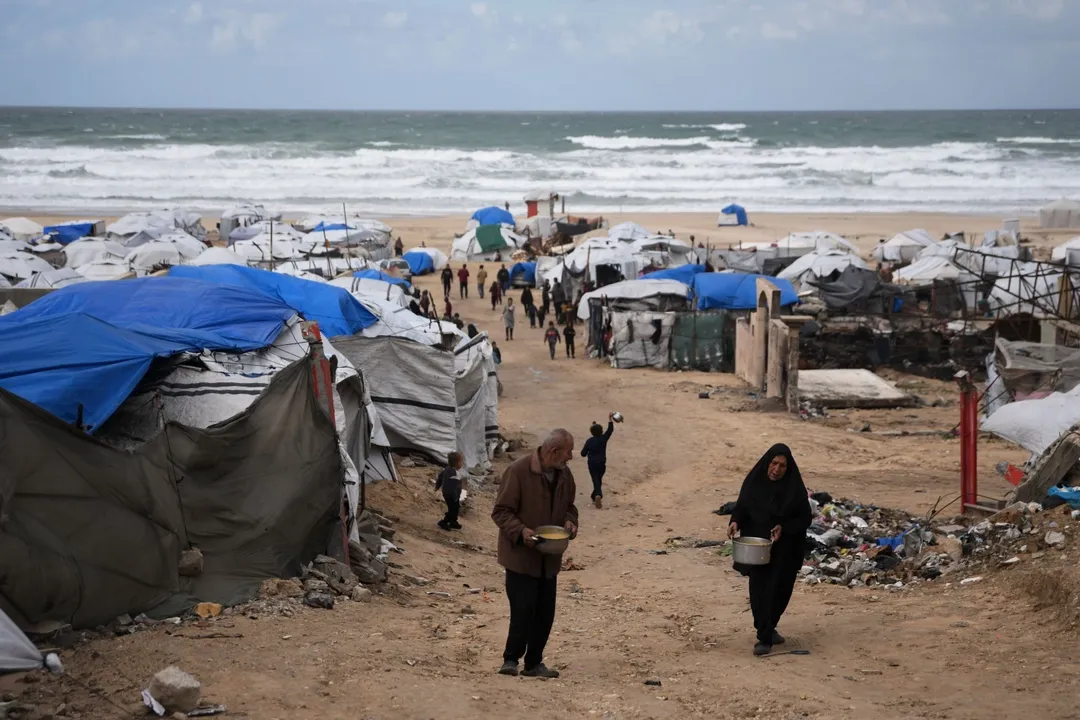
Palestinians receive donated food at a temporary camp for displaced people, on the beach near the port of Gaza City, Sunday, December 28, 2025. /AP
“Demanding staff lists as a condition for access to territory is an outrageous overreach,” Doctors Without Borders, known by its French acronym MSF, said on Friday. It said Israeli officials had refused its attempts to find alternatives.
A December report on MSF issued by an Israeli government team recommended rejection of the group’s licence. It pointed primarily to statements by the group criticising Israel, including referring to its campaign in Gaza as genocide and calling its monthslong ban on food entering the territory earlier this year as “a starvation tactic.” It said the statements “violated neutrality and constituted delegitimisation of Israel.”
MSF on Friday said that its statements cited by Israel simply described the destruction its teams witnessed in Gaza.
“The fault lies with those committing these atrocities, not with those who speak of them,” it said.
Aid groups have a week from December 31 to appeal the process.
RelatedTRT World - Israel kills two Palestinians, wounds 18 in Gaza despite ceasefire
Medical services could see biggest impact
Independent NGOs play a major role in propping up Gaza’s health sector, devastated by two years of Israeli bombardment and restrictions on supplies.
MSF said Israel’s decision would have a catastrophic impact on its work in Gaza, where it provides funding and international staff for six hospitals as well as running two field hospitals and eight primary health centres, clinics and medical points. It also runs two of Gaza’s five stabilisation centres, helping children with severe malnutrition.
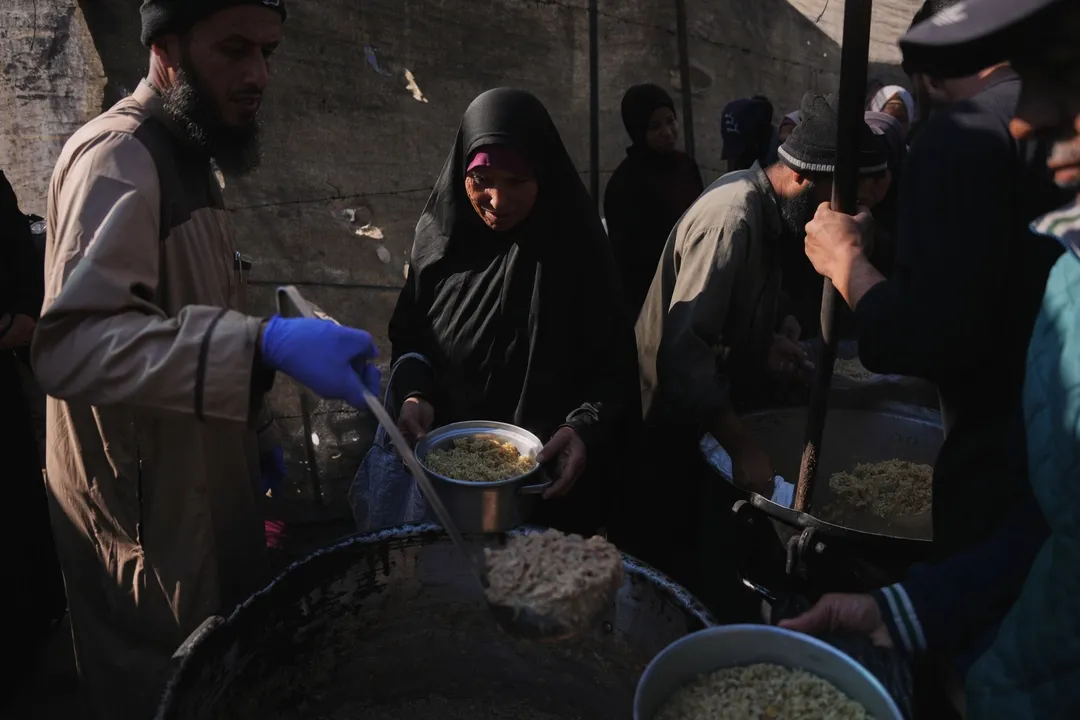
A Palestinian woman receives donated food at a community kitchen in Deir al-Balah, central Gaza, Thursday, December 25, 2025. /AP
Its teams treated 100,000 trauma cases, performed surgeries on 10,000 patients and handled a third of Gaza’s births, the group says. It has 60 international staffers in the occupied West Bank and Gaza and more than 1,200 local staff — most medical professionals.
Since the ceasefire began in early October, MSF has brought in about 7 percent of the 2,239 tonnes (2,032 metric tonnes) of medical supplies that Israel has allowed into Gaza, according to a UN tracking dashboard. That makes it the largest provider of medical supplies after UN agencies and the Red Cross, according to the dashboard.
Medecins du Monde, another group whose licence is being halted, runs another four primary health clinics.
Overburdened Palestinian staff
Aid groups say the most immediate impact will likely be the inability to send international staff into Gaza.
Foreign staff provide key technical expertise and emotional support for their Palestinian colleagues.
“Having international presence in Gaza is a morale booster for our staff who are already feeling isolated,” said Shaina Low, communications adviser for the Norwegian Refugee Council (NRC), which is one of the main NGOs providing shelter supplies and fresh water to displaced people.
NRC has roughly 30 international staff who rotate in and out of Gaza, working alongside some 70 Palestinians.
While any operations by the 37 groups in the occupied West Bank will likely remain open, those with offices in occupied East Jerusalem, which Israel considers its territory, might have to close
Israel has revoked licences of 37 humanitarian organisations, including Doctors Without Borders, Oxfam and the Norwegian Refugee Council.
Palestinian children stand in an area surrounded by makeshift tents for displaced people in Deir al Balah, central Gaza, Saturday, December 27, 2025. / AP
Israel’s decision to revoke the licenses of more than three dozen humanitarian organisations this week has aid groups scrambling to grapple with what this means for their operations in Gaza and their ability to help tens of thousands of struggling Palestinians.
The 37 groups represent some of the most prominent of the more than 100 independent non-governmental organisations working in Gaza, alongside United Nations agencies. Those banned include Doctors Without Borders, the Norwegian Refugee Council, Oxfam and Medical Aid for Palestinians.
The groups do everything from providing tents and water to supporting clinics and medical facilities. The overall impact, however, remains unclear.
Israel’s decision to revoke the licenses of more than three dozen humanitarian organisations this week has aid groups scrambling to grapple with what this means for their operations in Gaza and their ability to help tens of thousands of struggling Palestinians.
The 37 groups represent some of the most prominent of the more than 100 independent non-governmental organisations working in Gaza, alongside United Nations agencies. Those banned include Doctors Without Borders, the Norwegian Refugee Council, Oxfam and Medical Aid for Palestinians.
The groups do everything from providing tents and water to supporting clinics and medical facilities. The overall impact, however, remains unclear.
Palestinians grab sacks of flour from a moving truck carrying World Food Programme (WFP) aid as it drives through Deir al Balah in central Gaza, Saturday, November 15, 2025. /AP
The most immediate impact of the licence revocation is that Israel will no longer allow the groups to bring supplies into Gaza or send international staffers into the territory. Israel says all suspended groups have to halt their operations by March 1.
Some groups have already been barred from bringing in aid.
The Norwegian Refugee Council, for example, said it has not been allowed to bring in supplies in 10 months, leaving it distributing tents and aid brought in by other groups.
RelatedTRT World - Grandmother, grandson burn alive in Gaza tent as Israeli aid blockade drags on
Israel claims the banned groups make up only a small part of aid operations in Gaza.
But aid officials say they fulfill crucial specific functions. In a joint statement on Tuesday, the UN and leading NGOs said the organisations that are still licensed by Israel “are nowhere near the number required just to meet immediate and basic needs” in Gaza.
The ban further strains aid operations even as Gaza’s over 2 million Palestinians still face a humanitarian crisis more than 12 weeks into a ceasefire. The UN says that although famine has been staved off, more than a quarter of families still eat only one meal a day and food prices remain out of reach for many; more than 1 million people need better tents as winter storms lash the territory.
Palestinian children carry containers of water on a street surrounded by buildings destroyed during Israeli air and ground operations in the Sheikh Radwan neighbourhood, in Gaza, Tuesday, December 30, 2025. /AP
RelatedTRT World - Türkiye and seven other states press Israel to lift restrictions on Gaza aid
Why were licences revoked?
Earlier this year, Israel introduced strict new registration requirements for aid agencies working in Gaza. Most notably, it required groups to provide the names and personal details of local and international staff and said it would ban groups for a long list of criticisms of Israel.
The registration process is overseen by Israel’s Ministry for Diaspora Affairs and Combating Antisemitism, led by a far-right member of the ruling Likud party.
Israel says the rules aim to prevent Palestinian resistance group Hamas and others from “infiltrating the groups”, something it has claimed was happening throughout its two-year-old war on Gaza.
The UN, which leads the massive aid programme in Gaza, and independent groups deny the allegations and Israeli claims of major diversion of aid supplies by Hamas.
Aid organisations say they did not comply, in part, because they feared that handing over staff information could endanger them.
More than 500 aid workers have been killed in Gaza during the Israeli genocide, according to the United Nations.
The groups also said Israel was vague about how it would use the data.
Palestinians receive donated food at a temporary camp for displaced people, on the beach near the port of Gaza City, Sunday, December 28, 2025. /AP
“Demanding staff lists as a condition for access to territory is an outrageous overreach,” Doctors Without Borders, known by its French acronym MSF, said on Friday. It said Israeli officials had refused its attempts to find alternatives.
A December report on MSF issued by an Israeli government team recommended rejection of the group’s licence. It pointed primarily to statements by the group criticising Israel, including referring to its campaign in Gaza as genocide and calling its monthslong ban on food entering the territory earlier this year as “a starvation tactic.” It said the statements “violated neutrality and constituted delegitimisation of Israel.”
MSF on Friday said that its statements cited by Israel simply described the destruction its teams witnessed in Gaza.
“The fault lies with those committing these atrocities, not with those who speak of them,” it said.
Aid groups have a week from December 31 to appeal the process.
RelatedTRT World - Israel kills two Palestinians, wounds 18 in Gaza despite ceasefire
Medical services could see biggest impact
Independent NGOs play a major role in propping up Gaza’s health sector, devastated by two years of Israeli bombardment and restrictions on supplies.
MSF said Israel’s decision would have a catastrophic impact on its work in Gaza, where it provides funding and international staff for six hospitals as well as running two field hospitals and eight primary health centres, clinics and medical points. It also runs two of Gaza’s five stabilisation centres, helping children with severe malnutrition.
A Palestinian woman receives donated food at a community kitchen in Deir al-Balah, central Gaza, Thursday, December 25, 2025. /AP
Its teams treated 100,000 trauma cases, performed surgeries on 10,000 patients and handled a third of Gaza’s births, the group says. It has 60 international staffers in the occupied West Bank and Gaza and more than 1,200 local staff — most medical professionals.
Since the ceasefire began in early October, MSF has brought in about 7 percent of the 2,239 tonnes (2,032 metric tonnes) of medical supplies that Israel has allowed into Gaza, according to a UN tracking dashboard. That makes it the largest provider of medical supplies after UN agencies and the Red Cross, according to the dashboard.
Medecins du Monde, another group whose licence is being halted, runs another four primary health clinics.
Overburdened Palestinian staff
Aid groups say the most immediate impact will likely be the inability to send international staff into Gaza.
Foreign staff provide key technical expertise and emotional support for their Palestinian colleagues.
“Having international presence in Gaza is a morale booster for our staff who are already feeling isolated,” said Shaina Low, communications adviser for the Norwegian Refugee Council (NRC), which is one of the main NGOs providing shelter supplies and fresh water to displaced people.
NRC has roughly 30 international staff who rotate in and out of Gaza, working alongside some 70 Palestinians.
While any operations by the 37 groups in the occupied West Bank will likely remain open, those with offices in occupied East Jerusalem, which Israel considers its territory, might have to close
.
RelatedTRT World - Israel's NGO deregistration measures endanger humanitarian lifelines in Gaza, UN warns
Halt on supplies
Many of the 37 groups already had been blocked from bringing supplies into Gaza since March, said Bushra Khalidi, Oxfam's policy lead for Israel and the occupied Palestinian territories.
What changes with the formal licence revocation is “that these practices are now formalised, giving Israel full impunity to restrict operations and shut out organisations it disagrees with,” she said.
Some of the groups have turned to buying supplies within Gaza rather than bringing them in, but that is slower and more expensive, she said. Other groups dug into reserve stocks, pared down distribution and had to work with broken or heavily repaired equipment because they couldn’t bring in new ones.
Amed Khan, an American humanitarian philanthropist who has been privately donating medicine and emergency nutrition for children to Gaza, said the impact extends beyond the aid groups.
He relies on NGOs to receive and distribute the supplies, but the fewer groups that Israel approves, the harder it is to find one.
“It’s death by bureaucracy,” he said.
SOURCE:AP
RelatedTRT World - Israel's NGO deregistration measures endanger humanitarian lifelines in Gaza, UN warns
Halt on supplies
Many of the 37 groups already had been blocked from bringing supplies into Gaza since March, said Bushra Khalidi, Oxfam's policy lead for Israel and the occupied Palestinian territories.
What changes with the formal licence revocation is “that these practices are now formalised, giving Israel full impunity to restrict operations and shut out organisations it disagrees with,” she said.
Some of the groups have turned to buying supplies within Gaza rather than bringing them in, but that is slower and more expensive, she said. Other groups dug into reserve stocks, pared down distribution and had to work with broken or heavily repaired equipment because they couldn’t bring in new ones.
Amed Khan, an American humanitarian philanthropist who has been privately donating medicine and emergency nutrition for children to Gaza, said the impact extends beyond the aid groups.
He relies on NGOs to receive and distribute the supplies, but the fewer groups that Israel approves, the harder it is to find one.
“It’s death by bureaucracy,” he said.
SOURCE:AP

No comments:
Post a Comment