Li
Column: Lithium bust is over but will battery metal boom again?
(The opinions expressed here are those of Andy Home, a columnist for Reuters.)

The lithium market has sprung back to life after a three-year slump that left the battery metal languishing at rock-bottom prices for much of 2024 and 2025.
The CME lithium hydroxide contract has jumped by 86% since the start of the year and is trading back above $20,000 per metric ton for the first time since late 2023.
Lithium has a history of boom-and-bust pricing ever since it transitioned from being used in industrial lubricants to powering electric vehicles.
This time around, however, the boom may be less spectacular.
Underlying demand growth remains strong but disappointing global EV sales in the first quarter have tempered expectations for this year.
Supply, on the other hand, should rise as higher prices lead to the reactivation of projects that were halted during the bust years.
Much, though, depends on one particular Chinese mine.

Lithium fever
The catalyst for lithium’s price recovery came in August, when Chinese battery giant Contemporary Amperex Technology (CATL) announced that it had suspended operations at its Jianxiawo mine in Jiangxi province after its mining licence expired.
The news triggered a wave of speculative buying on the Guangzhou Futures Exchange.
At the height of the lithium fever in November, Guangzhou traded 27.0 million futures contracts and another 12.5 million option contracts, each representing one ton of lithium carbonate.
The global lithium market is growing fast but is still less than 2 million tons in size.

It took several hikes in trading fees and margins and the imposition of position limits before the exchange tamed animal spirits.
What’s noticeable, though, is that while trading volumes have dropped sharply so far this year, the price has remained elevated.
That says much about how important a part Jianxiawo plays in China’s lithium supply dynamics.
Swing factor
Jianxiawo has an annual nameplate capacity of 150,000 tons of lithium carbonate equivalent, making it one of the largest single lithium assets globally, according to consultancy Benchmark Mineral Intelligence (BMI).
CATL originally expected its licence to be renewed within three months. It is still waiting.
The loss of output has served to accelerate a long-running drawdown in inventory along the Chinese processing chain.
Lower stock cover has left lithium pricing more sensitive to any sign of further supply disruption such as Zimbabwe’s unexpected raw materials export ban in February, subsequently replaced with a new quota regime.
The mine’s closure has also raised questions about other operators clustered around the lithium hub of Yichun amid signs local regulators are taking a hard look at the mining sector.
Jianxiawo is widely expected to return to action in the coming months. China isn’t blessed with huge in-the-ground lithium resources and the mine is too important to domestic supply resilience to close permanently.
But, to quote BMI, “The timing of resumption is the single largest swing factor in the price outlook over the next 24 months.”
Foggy new dawn
BMI thinks lithium is already over-priced and forecasts a “material decline” in the second half of the year as the shift to higher pricing incentivizes the restart of capacity that was idled during the price slump.
BNP Paribas agrees, arguing that prices “have derailed from fundamentals” thanks to over-exuberance in both futures pricing and supply-chain order flow.
The bank is forecasting continued supply surplus both this and next year, noting that surging battery demand for stationary storage is only partly mitigating slower growth in the larger EV market.
Even bulls such as Citi are cautious on timing. The bank’s upside CME hydroxide target of $32,000 per ton comes with a three-month sell-by date and it expects lower prices next year, again due to the anticipated strong supply response.
The broad consensus seems to be that any lithium boom will be short-lived and a shadow of previous price spikes.
But everything still depends on how long it takes the Bureau of Natural Resources of Yichun in Jiangxi province to grant CATL its new mining licence.
(Editing by Mark Potter)
Sigma Lithium wins appeal in Brazil, removing $10M legal order
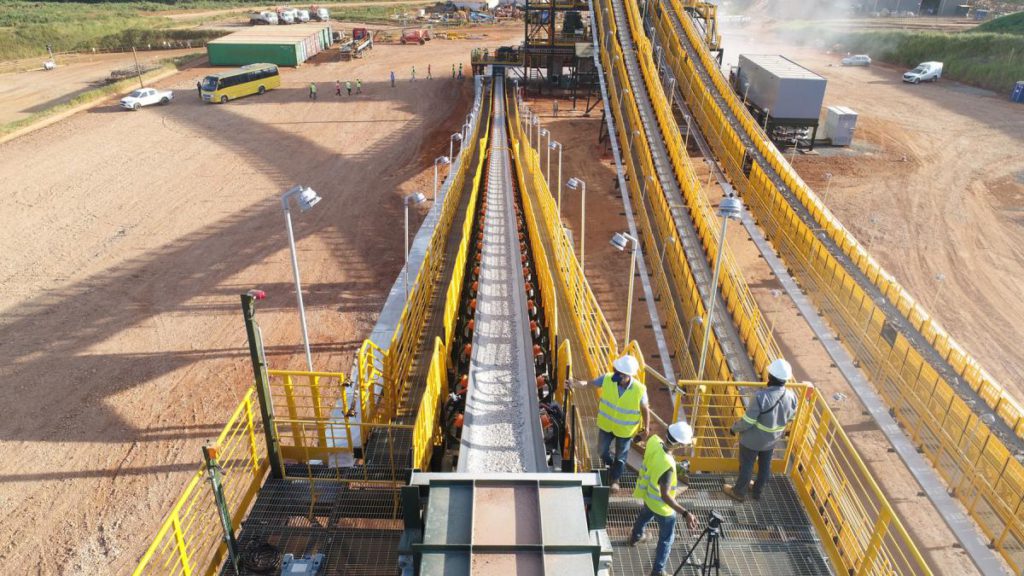
Sigma Lithium (NASDAQ, TSXV: SGML) says it has won an appeal in Brazil overturning a lower-court decision tied to the environmental impacts of the company’s mining operations.
In a press release issued on Tuesday, Sigma said a Minas Gerais state court has reversed an earlier decision by a local judge in Aracuai related to allegations of irresponsible waste disposal at the Grota do Cirilo lithium operations.
By winning the appeal, the company has removed a potential $10 million legal collateral included in the May 17 lower-court ruling.
The Aracuai court previously required Sigma to comply with certain precautionary measures sought by state prosecutors over alleged environmental impacts of its mine operations on nearby communities.
However, the Minas Gerais appeals court asked Sigma to hire an independent technical advisory firm to monitor these environmental impacts on these communities, with which the company complied.
After reviewing 12 months worth of environmental data on dust, noise and vibration, which Sigma said were independently collected and verified by external experts, the court ruled in favour of the company.
‘Baseless claims’
The allegations against Sigma came after reports last month that Brazilian labour inspectors fined the company for depositing waste on a pile that authorities had previously shut down over what they described as grave and imminent risks to workers and nearby residents.
The data-based defence presented by the company debunked the claims made by local prosecution and was accepted by the state court judge, Sigma said in its statement on Tuesday.
Sigma Lithium’s shares jumped as much as 5% on the news, before paring most of its gains. The company has a market capitalization of C$2.2 billion ($1.6 billion).
The court win removes a potential obstacle to the company’s expansion plans at one of the largest hard-rock lithium projects in the Americas. Located in a region dubbed as Brazil’s lithium valley, the Grota do Cirilo operation has the capacity to produce 270,000 tonnes of lithium oxide concentrates annually. A Phase 2 expansion is being contemplated to nearly double the output to 520,000 tonnes.
Sigma has long advertised its lithium products as a “low-impact” source of the battery material. According to the company website, its Greentech plant, which has been in operation since 2023, combines the reuse of 100% of water, zero use of toxic chemicals, zero tailings and the use of 100% renewable electricity.
South Africa proposes extending auto incentives to battery materials

South Africa plans to add to its automotive incentive program minerals used in the manufacturing of electric vehicle batteries to boost local EV production and support related supply chains.
The government is reviewing its automotive policy to address the global shift toward electric and hybrid vehicles, tightening emissions rules and rising competition from low-cost imports, particularly from China and India.
The current list of “standard materials” covered by the incentives includes inputs such as aluminum, steel and platinum group metals but not minerals critical in EV battery production.
The International Trade Administration Commission (ITAC) said in a government notice released late on Monday it planned to expand the list by adding materials such as rare earths, iron, lithium, graphite, copper and cobalt.
To be included in the program, the materials will need to be sourced from the Southern African Customs Union and countries of the Southern African Development Community. Half of their value would be counted as locally value added, allowing producers to qualify for production incentives on that basis.
The revisions are intended to align the program with the South African Automotive Master Plan 2035, which aims to raise output to about 1.4 million vehicles a year, deepen localization and support the transition to electric mobility.
South Africa’s automotive program supports the industry through customs duty rebates and refunds, production-linked incentives, investment support, and a volume-based allowance that rewards carmakers for producing vehicles at scale in South Africa.
The public has four weeks to comment on the proposed amendments.
(By Nqobile Dludla; Editing by Tomasz Janowski)

No comments:
Post a Comment