In Argentina, more than 850,000 people have signed a petition to protect the country's glaciers, joining the class action suit brought before the courts by a group of environmental NGOs which aims to halt the implementation of an amended law on glacier protection passed by Argentina's parliament last month.
Issued on: 09/05/2026 - RFI
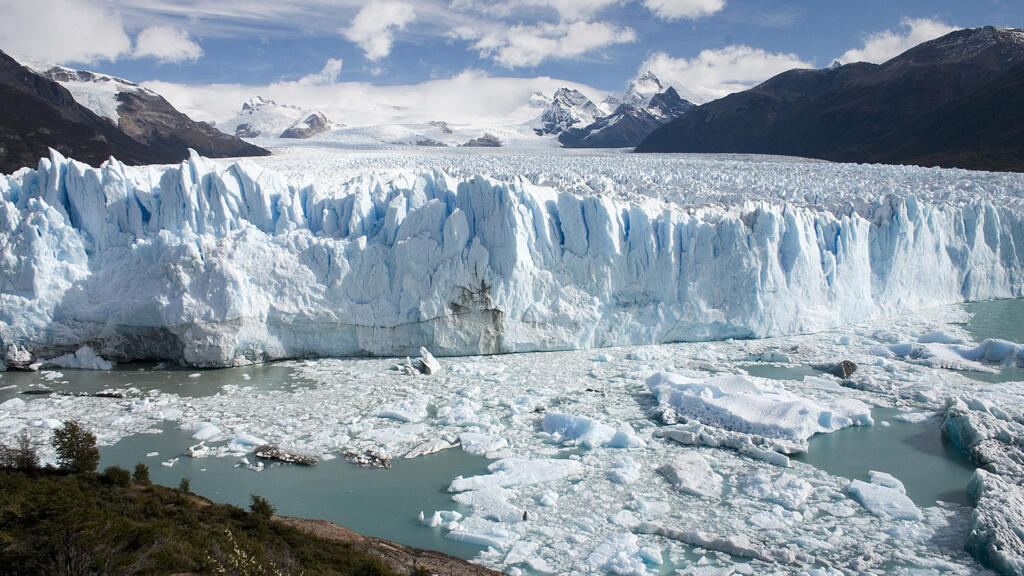
The amendment to the national Glacier Law relaxes restrictions on mining and oil activities in the areas surrounding glaciers.
This reform was spearheaded by Javier Milei, Argentina’s climate-sceptic president, and by the authorities of mining provinces in the Andes, such as San Juan and Mendoza, which have their sights set on copper and lithium reserves.
From now on, these provinces will decide which areas should be protected from mining activity – and which should not.
Access to water
The environmental organisations, including the Environment and Natural Resources Foundation, the Argentine Association of Environmental Lawyers and Greenpeace, argue that the amendment jeopardises access to water for more than 7 million people.
The appeal was filed with the federal courts in the province of La Pampa, in the centre of the country – which relies on water supplies from the glaciers of its neighbours, the mining provinces of San Juan and Mendoza.
La Pampa governor Sergio Ziliotto is concerned that his province’s rivers will dry up due to his neighbours’ mining ambitions. His administration has filed a legal challenge to suspend the law’s implementation, pending the Supreme Court’s ruling on the merits of the case.
However, it is difficult to predict the court’s decision, as Argentina is a federal state and the constitution stipulates that its provinces own their natural resources and may therefore use them as they see fit.
However, the constitution also stipulates that the federal government must set a minimum standard of environmental protection for the whole country – making the legal case a question of interpretation of the constitution.
The organisers of the class action suit claim the amendment to the law is unconstitutional, as it violates the principle of non-regression in environmental protection enshrined in international treaties signed by Argentina.
This article was adapted from the original version in French by RFI's correspondent in Buenos Aires, Théo Conscience.
Argentina mining chamber urges extension to investment incentives
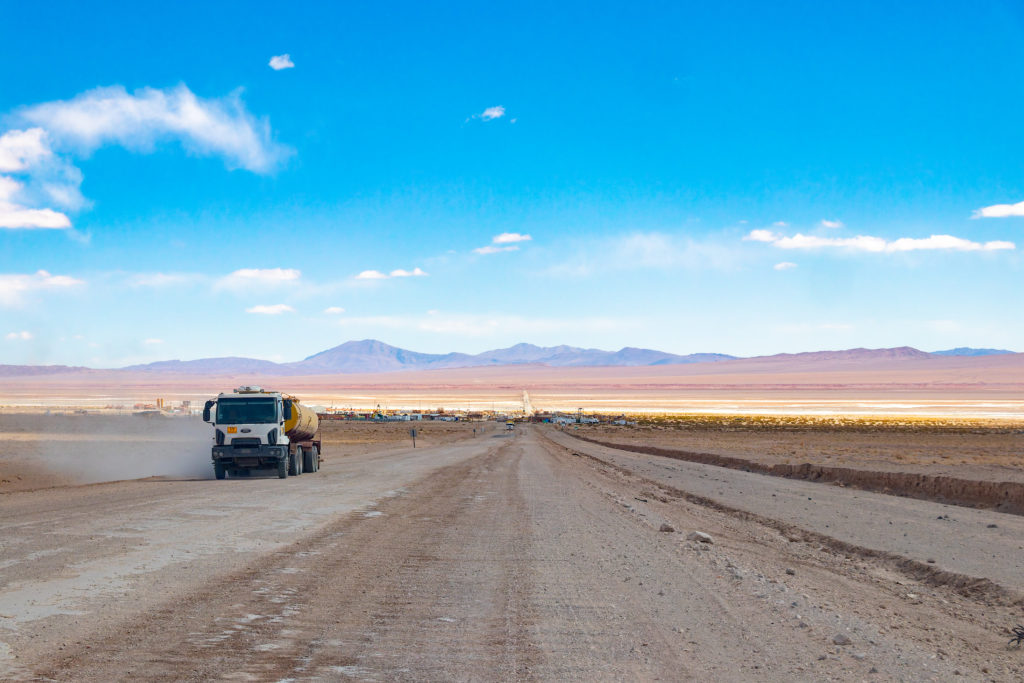
Argentina’s flagship investment incentive scheme for large projects should be extended beyond its current 2027 deadline, the head of the country’s main mining chamber said Thursday, arguing the program has been key to unlocking billions of dollars in planned investments.

Roberto Cacciola, president of the Argentine Chamber of Mining Companies (CAEM), said the Incentive Regime for Large Investments (RIGI) has helped attract capital to the sector by offering tax, currency and legal stability benefits for projects worth more than $200 million.
The scheme should be broadened to cover smaller projects, which play a key role in job creation and supporting local supply chains, Cacciola said.
“I think it would be a big mistake (not to expand it),” Cacciola said on the sidelines of the Expo San Juan Mining conference.
On Thursday, Argentine President Javier Milei said on X that he would send to Congress a “Super RIGI” law to promote investment in new sectors, without giving more details.
Argentina’s mining sector is expected to draw about $2 billion in investment this year, Cacciola said, led by projects such as BHP’s $800 million push into the Vicuna copper development with partner Lundin Mining. Many of these investments have been encouraged by RIGI, he added.
The government, however, has indicated the program is temporary. Mining Secretary Luis Lucero recently told Reuters authorities are not planning to extend the current application deadline, which already runs through July 2027.
Seven mining projects have so far been approved under RIGI, representing $8.1 billion in investment, with 13 more under review. Total submitted and approved projects amount to more than $50 billion, Lucero said.
Electoral risk
Analysts have said companies are likely to accelerate applications ahead of Argentina’s 2027 presidential election.
“I think that between now and the middle of 2027 there will be a significant number of filings from companies that will want to hedge their projects against the electoral risk of next year,” Marcelo J. Garcia of consultancy Horizon Engage said.
Concerns about policy continuity are already present among multinational mining firms, Cacciola said. “The parent companies naturally have it on their agenda… I’m sure they’re concerned,” he said, pointing to uncertainty over regulatory stability, fiscal policy and the broader macroeconomic outlook.
Argentina’s sweeping economic adjustment under Milei has helped stabilize key indicators and boosted export-oriented sectors such as mining, though it has also weighed on consumption, domestic demand and real wages, denting the government’s popularity.
Still, Garcia said underlying investor interest in Argentina’s mining potential remains strong.
“They know that the path will likely not be linear,” he said. “They could adapt to an adjustment of conditions if the general course of promoting mining development is not modified.”
(By Lucila Sigal and Cassandra Garrison; Editing by Elaine Hardcastle)

No comments:
Post a Comment