Ghana seeks to buy 30% of gold from miners to boost reserves, central bank
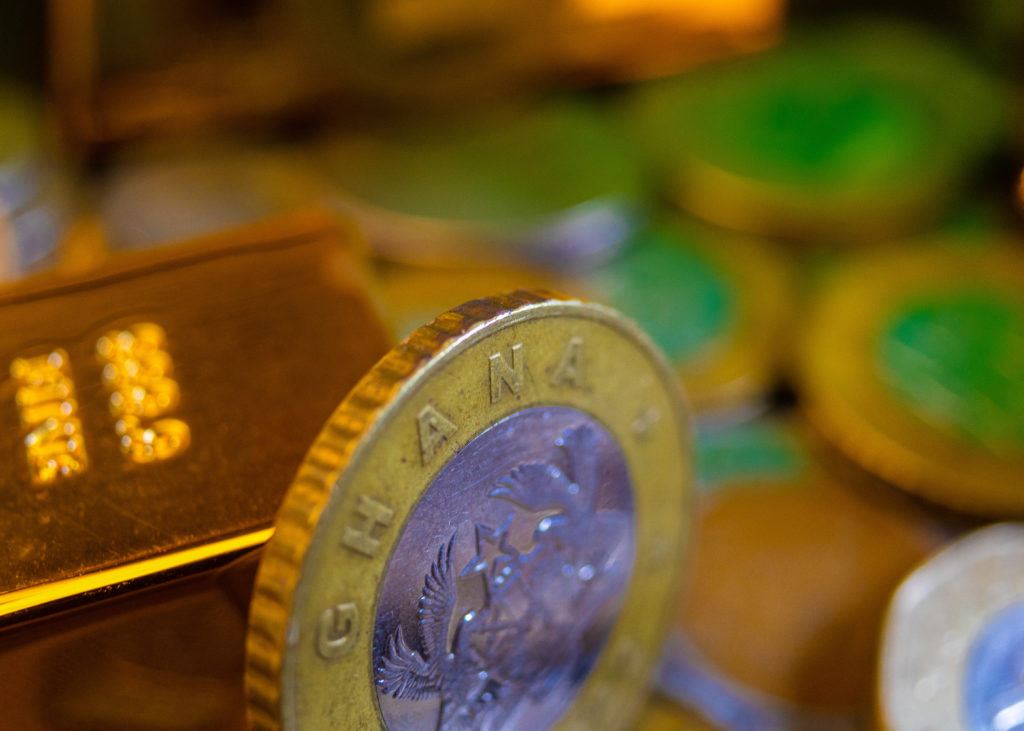 Stock image.
Ghana has asked large-scale gold miners to sell 30% of annual output to the central bank as part of a revamped reserve-building drive, up from 20%, a senior official told Reuters, though miners say key commercial terms remain unresolved.

Central banks globally are increasingly stockpiling bullion as soaring prices boost its appeal as a reserve asset. Ghana, Africa’s top gold producer, launched its bullion purchase program in 2022, later securing an agreement with miners through the Ghana Chamber of Mines to supply 20% of annual output to the central bank.
Gold reserves climbed to 19.2 metric tons in February, Bank of Ghana data showed, helping stabilize the Ghanaian cedi and rebuild external buffers as the economy recovers from its worst crisis in a generation.
Ghana has asked large-scale gold miners to sell 30% of annual output to the central bank as part of a revamped reserve-building drive, up from 20%, a senior official told Reuters, though miners say key commercial terms remain unresolved.
Central banks globally are increasingly stockpiling bullion as soaring prices boost its appeal as a reserve asset. Ghana, Africa’s top gold producer, launched its bullion purchase program in 2022, later securing an agreement with miners through the Ghana Chamber of Mines to supply 20% of annual output to the central bank.
Gold reserves climbed to 19.2 metric tons in February, Bank of Ghana data showed, helping stabilize the Ghanaian cedi and rebuild external buffers as the economy recovers from its worst crisis in a generation.
Revamped reserve program
The government revamped the program in February, targeting up to 157 tons (15 months of import cover) by 2028.
“This time, we intend to negotiate for 30% of annual production [from industrial miners] … with the entire 30% to be delivered in dore form,” said Paul Bleboo, head of the central bank’s gold management program on Thursday.
Last year, industrial miners delivered roughly 10 tons against declared production of about 100 tons, or about 10% versus a 20% commitment, Bleboo said.
The central bank aims to boost reserves while improving traceability, with state gold trader GoldBod acting as the “gatekeeper” through which all exports must pass. Where firms export directly, the bank wants 30% of shipments retained in dore to track volumes and allocations.
The central bank posted an operating loss of about GHS15.6 billion ($1.37 billion) in 2025, driven largely by the cost of monetary tightening and reserve build-up, including losses tied to the gold purchase program, its financial statements showed.
Bleboo said offtake discounts and a proposed under 1% discount on industrial gold purchases are “necessary,” reflecting refining, freight and purity costs, and should be treated as the cost of building reserves.
But miners say negotiations are ongoing. Ghana Chamber of Mines CEO Kenneth Ashigbey said discussions on pricing and discounts are “not straightforward” and no agreement has been reached.
A mining executive said miners oppose volume-based discounts and zero valuation for by-products like silver.
The proposed 1% discount could amount to tax and companies also cite tight timelines, as plans were built around a 20% level, proposing a gradual ramp-up instead, said the source.
($1 = 11.4200 Ghanaian cedi)
(By Maxwell Akalaare Adombila; Editing by Sharon Singleton)
The government revamped the program in February, targeting up to 157 tons (15 months of import cover) by 2028.
“This time, we intend to negotiate for 30% of annual production [from industrial miners] … with the entire 30% to be delivered in dore form,” said Paul Bleboo, head of the central bank’s gold management program on Thursday.
Last year, industrial miners delivered roughly 10 tons against declared production of about 100 tons, or about 10% versus a 20% commitment, Bleboo said.
The central bank aims to boost reserves while improving traceability, with state gold trader GoldBod acting as the “gatekeeper” through which all exports must pass. Where firms export directly, the bank wants 30% of shipments retained in dore to track volumes and allocations.
The central bank posted an operating loss of about GHS15.6 billion ($1.37 billion) in 2025, driven largely by the cost of monetary tightening and reserve build-up, including losses tied to the gold purchase program, its financial statements showed.
Bleboo said offtake discounts and a proposed under 1% discount on industrial gold purchases are “necessary,” reflecting refining, freight and purity costs, and should be treated as the cost of building reserves.
But miners say negotiations are ongoing. Ghana Chamber of Mines CEO Kenneth Ashigbey said discussions on pricing and discounts are “not straightforward” and no agreement has been reached.
A mining executive said miners oppose volume-based discounts and zero valuation for by-products like silver.
The proposed 1% discount could amount to tax and companies also cite tight timelines, as plans were built around a 20% level, proposing a gradual ramp-up instead, said the source.
($1 = 11.4200 Ghanaian cedi)
(By Maxwell Akalaare Adombila; Editing by Sharon Singleton)
Ghana seeks 30% of large gold mines’ output for local refineries
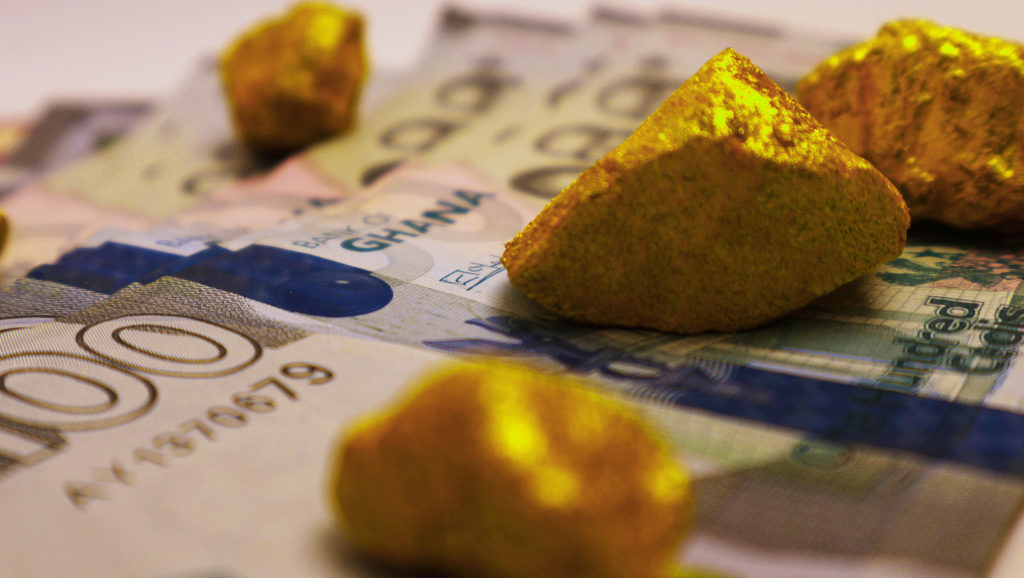
Ghana wants large-scale gold mines to sell at least 30% of their annual output to the central bank to increase local refining and boost the country’s foreign-exchange reserves.
Africa’s largest bullion producer is seeking an additional 10% on top of the current 20% that large mines must sell to the state-owned Ghana Gold Board, which buys the metal on behalf of the central bank. Unlike the current arrangement, where mines sell refined gold, all 30% would be purchased as doré, or unrefined gold, to feed local refineries, said Paul Bleboo, who heads gold management at Ghana’s central bank.
“We want to increase the local refining capacity and create jobs through value addition,” Bleboo said.
The move comes as gold trades above $4,500 an ounce and resource-rich African nations push to capture more value from their commodities.
Ghana has used its reserves to stabilize its currency. The cedi gained against the greenback for the first time in at least three decades last year, bolstered by the government’s gold-buying program. The currency has remained fairly stable this year, weakening just 8.5% despite the fallout from the war on Iran.
Miners have agreed in principle to the 30% threshold, but talks on price continue, Bleboo said. The government has proposed buying doré at a 1% discount to the spot price, and implementation could begin as early as June 1, if a deal is reached, he said.
Producers such as UK-based AngloGold Ashanti Plc, South Africa’s Gold Fields Ltd. and American miner Newmont Corp. would be subject to the requirement. Gold alone accounted for 67% of exports in 2025, according to central bank data.
Negotiations are ongoing, said Kenneth Ashigbey, the chief executive officer of the Ghana Chamber of Mines. The industry group supports the government’s objectives of expanding local refining and building up reserves, but believes they “can also be achieved through alternative pathways.”
Reuters earlier reported on the talks.
(By Ekow Dontoh)
Ghana lease uncertainties threaten mining investment, mines chamber says
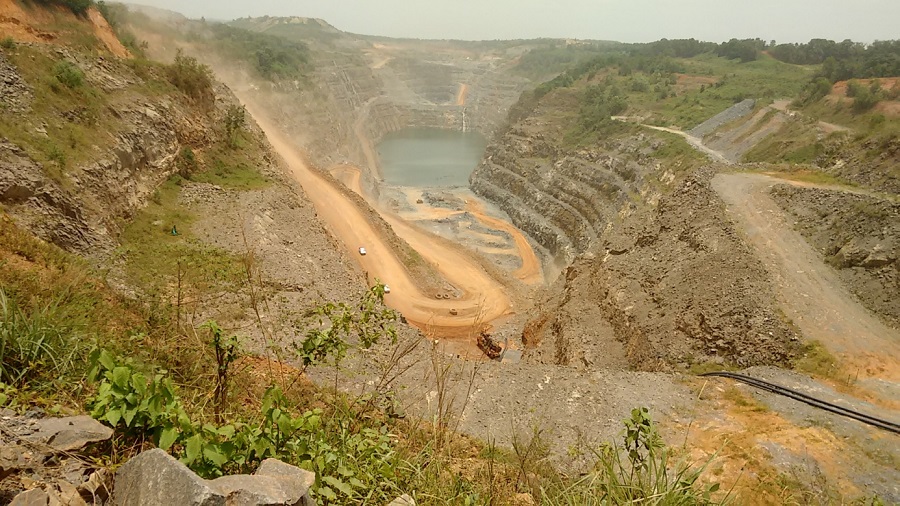
Ghana’s mining investment climate risks being undermined by lease revocations, renewal delays and policy uncertainty, adding to cost pressures for miners, the head of the industry group has said.
Kenneth Ashigbey, CEO of the Ghana Chamber of Mines, told Reuters on Thursday that the revocation of some leases held by local miner Adamus Resources over alleged illegalities, along with uncertainty over Gold Fields’ lease renewal, risk creating the impression that “security of tenure in Ghana is not guaranteed,” potentially hurting investment.
The lease for Tarkwa – a cornerstone asset for the South African miner that produced about 427,000 ounces of gold in 2025 – expires in 2027, but efforts to advance renewal talks have stalled, Ashigbey said.
Ghana, like other African commodity producers, has launched reforms to capture more revenue, as prices of minerals and metals soar.
Africa’s top gold producer last year declined to renew Gold Fields’ lease for its smaller Damang mine – which the company had indicated it might sell – and instead awarded it to local contractor Engineers & Planners (E&P).
Accra-based nonprofit Institute for Economic Affairs said this week that Ghana should not renew Tarkwa’s lease but instead allocate it to local operators.
“Their proposal will destroy the security of tenure that is essential to the development and sustenance of the mining industry,” Ashigbey told a press conference on Thursday, before speaking to Reuters.
Gold Fields did not immediately respond to requests for comment. A mining executive, who asked not to be named due to the sensitivity of the matter, said the company was concerned about the uncertainty after attempts to meet officials failed. “Tarkwa is a big deal because of the volumes it contributes,” the executive said.
Ghana’s mines ministry and the Minerals Commission, the sector regulator, did not immediately respond to requests for comment.
(By Maxwell Akalaare Adombila; Editing by Robbie Corey-Boulet and Mark Potter)

No comments:
Post a Comment