Mining districts could unlock billions in value: study
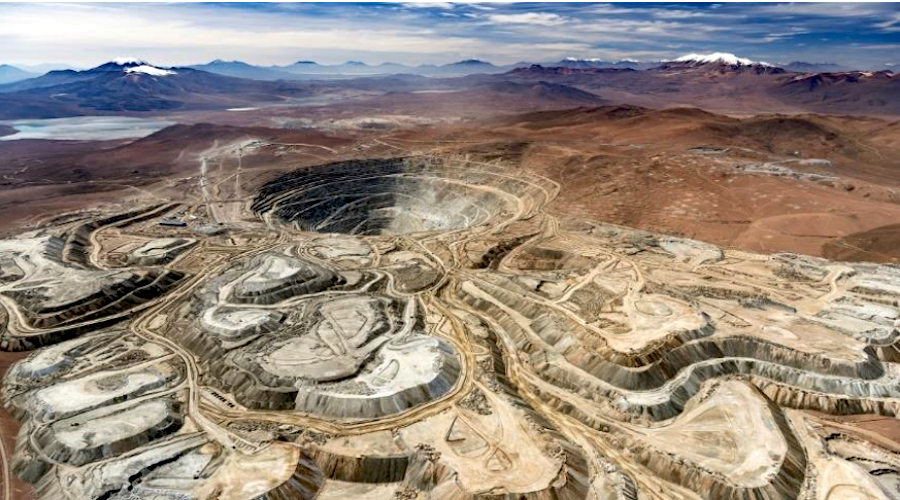
Mining companies could unlock billions in additional value by treating nearby operations as integrated mining districts rather than standalone assets, according to a study by GEM Mining Consulting.

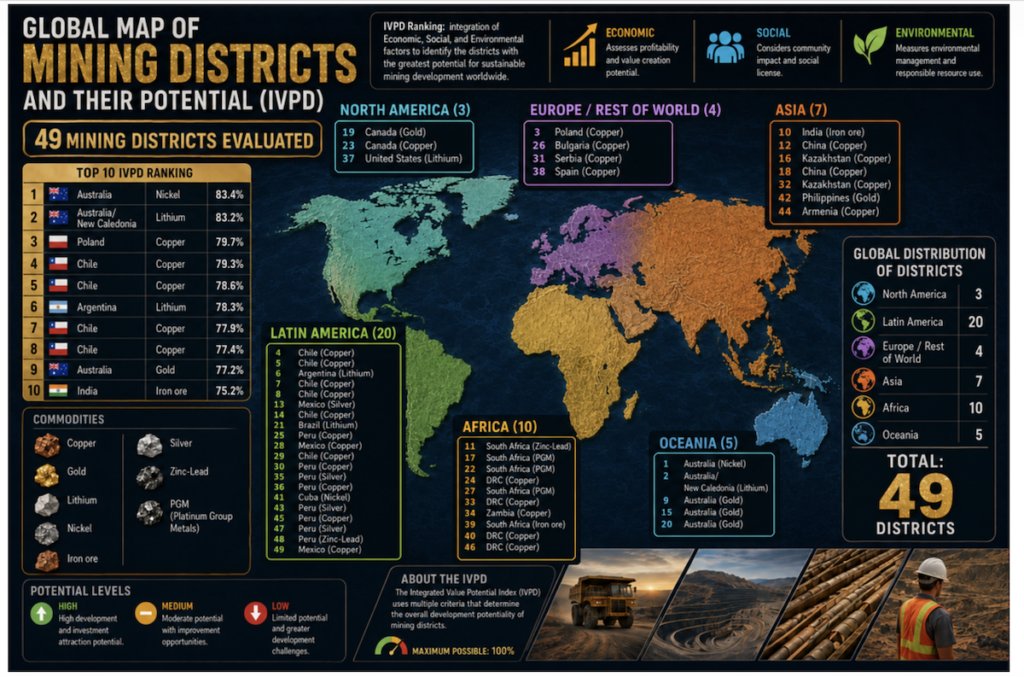
The firm’s second Perspective report introduces the District Potential Value Index (DPVI), which ranks mining districts by their ability to generate and sustain long-term value. It evaluated 49 districts worldwide after narrowing an initial database of 1,641 mines and projects, finding that economic scale, shared infrastructure and operational coordination matter more than geographic proximity alone.
“The industry can no longer afford to evaluate mines in isolation,” Juan Ignacio Guzmán, CEO of GEM Mining Consulting, said. “The greatest opportunities increasingly come from connecting nearby operations through shared infrastructure, coordinated development and long-term territorial planning, allowing companies to capture value that individual assets cannot achieve alone.”
The findings suggest the industry’s next competitive advantage may come from collaboration rather than discovery. As ore grades decline and permitting, water and social constraints become more challenging, companies that share infrastructure and coordinate regional development could improve productivity, lower costs and extend mine lives.
Global leaders
Among the highest-ranked districts are Australia’s Altura-Pilgangoora lithium district, Chile’s Collahuasi-Quebrada Blanca and Andina-Los Bronces copper districts, Poland’s Lubin-Polkowice-Sieroszowice-Rudna copper district and Argentina’s Salar de Olaroz-Cauchari Olaroz lithium district.
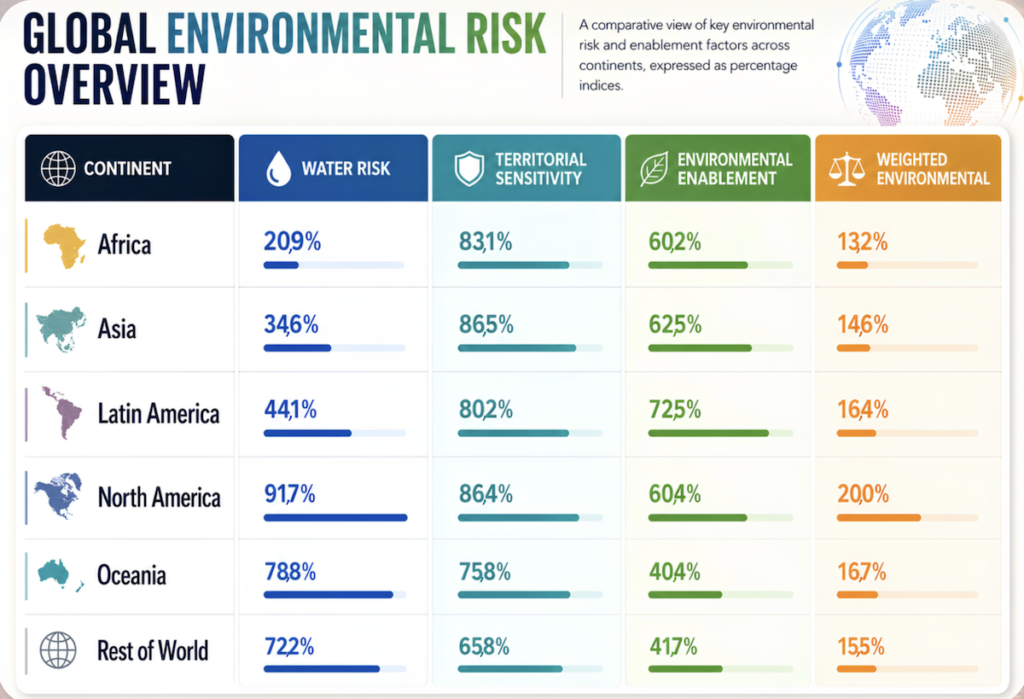
The study found Oceania leads globally because it combines large resource endowments with strong social performance and relatively manageable environmental constraints, while Chile’s northern copper districts demonstrate how established infrastructure and operational continuity can create enduring competitive advantages.
The report also cautions that geology alone is no longer enough. Districts with substantial mineral resources may still struggle to create value if water scarcity, permitting uncertainty, social conflict or weak governance prevent companies from coordinating development. Conversely, stable jurisdictions without sufficient economic scale may offer limited opportunities despite favourable regulatory conditions.
“Proximity creates the opportunity, but it does not create value by itself,” Guzmán said. “Successful mining districts require economic scale, operational compatibility and the ability to sustain development over decades through effective environmental and social management.”
Rather than ranking districts simply by resource potential, the DPVI separates them into strategic categories, identifying mature districts ready for integration, emerging districts that require further investment and clusters that remain too fragmented to justify coordinated development. GEM says the approach could help miners prioritize acquisitions, infrastructure investments and long-term regional planning as global demand for critical minerals continues to rise.

No comments:
Post a Comment