Vietnam frees its gold market but shoppers pause as prices dip

Along Hanoi’s busiest gold trading street, dozens of storefronts gleam with bullion bars and jewelry. On Friday, however, shopkeepers sat idly behind glass counters, waiting for customers as Vietnam ended its decades-long monopoly on bullion trade and production, the first major liberalization of the market in more than a decade.

The shoppers may be slow to come but early signs of the monopoly’s end were evident.
Gold prices in the local market dropped, with SJC-branded gold, the country’s most recognized name, down about 500,000 dong per tael to 140.2 million dong ($5,320). Several other brands also cut their prices by as much as 600,000 dong per tael, the traditional Chinese unit of weight and currency used for precious metals.
“The drop followed moves in global markets, where gold prices declined amid profit-taking by investors,” Le Thi Hoa, a gold shop owner in downtown Hanoi, said. “The new rule and the recent price decline could encourage people to trade more now.”
The policy shift, effective Oct. 10, opens the gold market in Vietnam to banks and companies that meet the regulator’s requirements. It’s expected to boost supply and narrow the gap between domestic and international prices, according to Nguyen Quoc Hung, general secretary of Vietnam Banks Association. Before the policy change, the central bank was the sole importer of gold bullion and Saigon Jewelry Co., or SJC, the only legal producer of gold bars.
“People are still comparing prices and brands,” Tran Hong Lien, another gold shopkeeper next to Hoa’s, said, glancing at a near-empty counter. “Now that SJC isn’t the only choice, buyers want to see where they can get better value,” she said.
The new regulation also requires that any transaction of more than 20 million dong be conducted via bank transfer, ending the long tradition of cash-for-gold dealings. That’s proved a small nuisance for elderly buyers, who now are having to call their children to handle the payments online.
“It’s a bit funny to see an 75-year-old whispering bank details over the phone just to buy a bracelet,” Hoa said with a smile. “But it will work well.”
(By Nguyen Dieu Tu Uyen)
Turkey’s $500 billion gold hoard complicates inflation fight
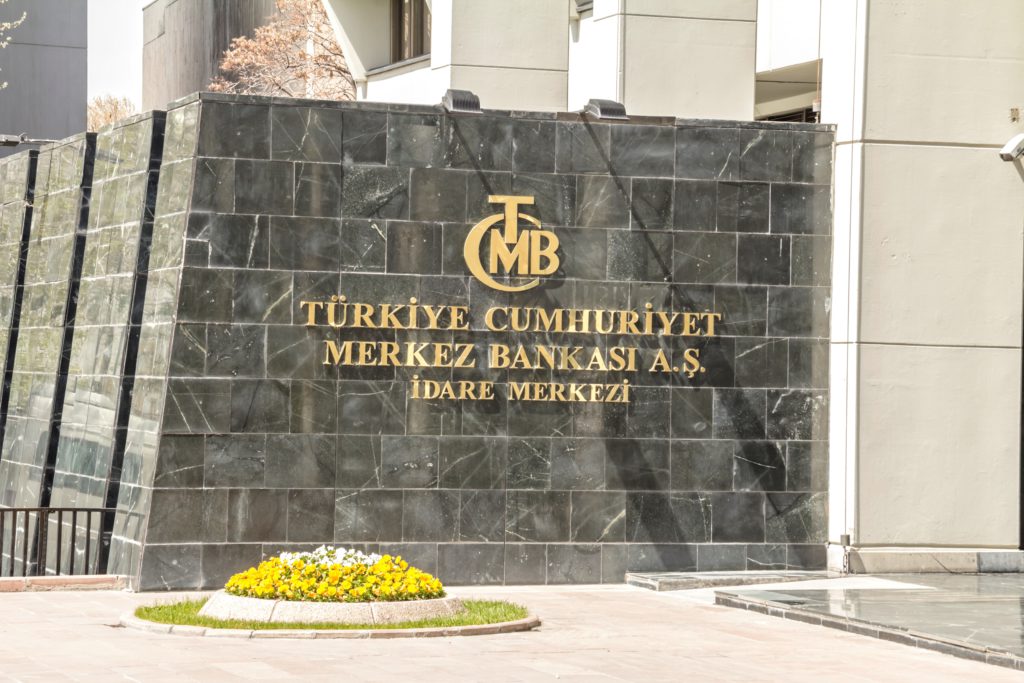
A rally in gold prices is lifting the wealth of Turkish households by billions of dollars, complicating the central bank’s efforts to rein in prices.
Turks’ stock of gold outside the financial system, often called “under mattress gold,” is worth half a trillion dollars, according to central bank estimates. Surging bullion prices have created a wealth effect – where consumers spend more because they feel better off — of more than $100 billion over the past year, Governor Fatih Karahan has said.
Gold reached a record high above $4,000 this week, before paring gains slightly on Friday. According to Is Portfoy calculations, another 10% increase in gold prices would create a wealth effect of about $50 billion.
“Such a large concentration of wealth in gold in Turkey means that the sharp rise in prices could generate positive wealth effects and boost domestic consumption,” wrote Capital Economics senior emerging markets economist Liam Peach. “Stronger demand-side pressures would add to the reasons to expect a slower pace of disinflation.”
Slowing inflation has been challenging for the central bank, mostly because of price increases in items like education and rent. In September, annual price gains accelerated unexpectedly to 33.3% from 33% in the prior month.
Karahan, addressing lawmakers this week, acknowledged that gold is supporting demand through the wealth effect. A study by the Turkish central bank in May found that soaring gold prices helped boost home and car sales in cities where households had prominent savings of the precious metal.
“Inflationary experiences of the past is why Turkey has a high stock of gold,” Karahan said.
The central bank is targeting year-end inflation of 24%, though it estimates that price growth will likely be around 25% to 29%, according to its outlook in August. Markets see price pressures remaining above 30% following September’s surprise acceleration.
(By Beril Akman)

No comments:
Post a Comment