Saturday, July 29, 2023

Social media use falls if algorithm-based feeds removed, study finds

2023/07/28
Removing algorithm-based feeds reduces the amount of time users spend on social media platforms but does not change people's political attitudes, a new study as found. 
Rolf Vennenbernd/dpa

Social media platforms have long been criticized for using opaque algorithms that dictate what users see on their feeds.

But according to research published by the journal Science and backed by Meta, the parent company of Facebook and Instagram, removing algorithm-based feeds only causes users to reduce the amount of time they spend on the platforms.

"The notion that such algorithms create political 'filter bubbles,' foster polarization, exacerbate existing social inequalities, and enable the spread of disinformation has become rooted in the public consciousness," according to the researchers, who were led by Andrew M. Guess of Princeton University.

Keeping user and algorithm apart, however, "did not change" peoples' political attitudes, knowledge and offline behaviours, they found, suggesting that when account holders encountered views at odds with their own, they were inclined to just stop scrolling and do something else.

The study sought to "examine the effect of algorithmic feed-ranking systems on individuals' political attitudes and behaviors as related to the U.S. presidential election in 2020."

The vote was widely described as reflecting an increasingly-polarized US, with supporters of incumbent Donald Trump and challenger Joe Biden finding little common ground.

However, in a separate paper published by Science, a team of researchers led by the University of Pennsylvania's Sandra González-Bailón found that such "siloing" was in part driven by algorithm-driven Facebook feeds and the sharing of posts, with Trump supporters seen as more likely to be "ideologically segregated" than Biden backers.

"Our analyses highlight that Facebook ... is substantially segregated ideologically - far more than previous research on internet news consumption based on browsing behavior has found," the researchers said.

© Deutsche Presse-Agentur GmbH

Facebook's algorithm doesn't alter people's beliefs: research

Agence France-Presse
July 27, 2023

Meta hit with record €1.2 billion fine for violating EU data rules

Do social media echo chambers deepen political polarization, or simply reflect existing social divisions?

A landmark research project that investigated Facebook around the 2020 US presidential election published its first results Thursday, finding that, contrary to assumption, the platform's often criticized content-ranking algorithm doesn't shape users' beliefs.

The work is the product of a collaboration between Meta -- the parent company of Facebook and Instagram -- and a group of academics from US universities who were given broad access to internal company data, and signed up tens of thousands of users for experiments.

The academic team wrote four papers examining the role of the social media giant in American democracy, which were published in the scientific journals Science and Nature.

Overall, the algorithm was found to be "extremely influential in people's on-platform experiences," said project leaders Talia Stroud of the University of Texas at Austin and Joshua Tucker, of New York University.

In other words, it heavily impacted what the users saw, and how much they used the platforms.

"But we also know that changing the algorithm for even a few months isn't likely to change people's political attitudes," they said, as measured by users' answers on surveys after they took part in three-month-long experiments that altered how they received content.

The authors acknowledged this conclusion might be because the changes weren't in place for long enough to make an impact, given that the United States has been growing more polarized for decades.

Nevertheless, "these findings challenge popular narratives blaming social media echo chambers for the problems of contemporary American democracy," wrote the authors of one of the papers, published in Nature.

- 'No silver bullet' -

Facebook's algorithm, which uses machine-learning to decide which posts rise to the top of users' feeds based on their interests, has been accused of giving rise to "filter bubbles" and enabling the spread of misinformation.

Researchers recruited around 40,000 volunteers via invitations placed on their Facebook and Instagram feeds, and designed an experiment where one group was exposed to the normal algorithm, while the other saw posts listed from newest to oldest.

Facebook originally used a reverse chronological system and some observers have suggested that switching back to it will reduce social media's harmful effects.


The team found that users in the chronological feed group spent around half the amount of time on Facebook and Instagram compared to the algorithm group.

On Facebook, those in the chronological group saw more content from moderate friends, as well as more sources with ideologically mixed audiences.

But the chronological feed also increased the amount of political and untrustworthy content seen by users.

Despite the differences, the changes did not cause detectable changes in measured political attitudes.

"The findings suggest that chronological feed is no silver bullet for issues such as political polarization," said coauthor Jennifer Pan of Stanford.

- Meta welcomes findings -


In a second paper in Science, the same team researched the impact of reshared content, which constitutes more than a quarter of content that Facebook users see.

Suppressing reshares has been suggested as a means to control harmful viral content.

The team ran a controlled experiment in which a group of Facebook users saw no changes to their feeds, while another group had reshared content removed.

Removing reshares reduced the proportion of political content seen, resulting in reduced political knowledge -- but again did not impact downstream political attitudes or behaviors.

A third paper, in Nature, probed the impact of content from "like-minded" users, pages, and groups in their feeds, which the researchers found constituted a majority of what the entire population of active adult Facebook users see in the US.

But in an experiment involving over 23,000 Facebook users, suppressing like-minded content once more had no impact on ideological extremity or belief in false claims.

A fourth paper, in Science, did however confirm extreme "ideological segregation" on Facebook, with politically conservative users more siloed in their news sources than liberals.

What's more, 97 percent of political news URLs on Facebook rated as false by Meta's third-party fact checking program -- which AFP is part of -- were seen by more conservatives than liberals.

Meta welcomed the overall findings.

They "add to a growing body of research showing there is little evidence that social media causes harmful... polarization or has any meaningful impact on key political attitudes, beliefs or behaviors," said Nick Clegg, the company's president of global affairs.

ia/tjj
African and Caribbean stakeholders call for slavery reparations at Barbados meeting

Agence France-Presse
July 28, 2023

© Joe Raedle, Getty Images via AFP

Representatives from various African and Caribbean entities joined forces at a historic event this week in the capital of Barbados, Bridgetown, to demand reparations for slavery and its legacy in today's society.

The University of the West Indies (UWI), the Economic, Social and Cultural Council of the African Union (AU), Barbados' government, grant-making network Open Society Foundations and the Caribbean Pan African Network teamed up to "call for reparations for historical crimes".

The meeting in Bridgetown, from Monday to Thursday, included strategy sessions and plenaries and marked the beginning of an "intercontinental campaign", the UWI said in a statement, describing it as "ground-breaking".

Attendees included ambassadors and representatives from AU member states and the Caribbean Community political and economic union (CARICOM).

"This is a historic moment... humanity cannot go forward with all the toxic interferences of colonisation," Hilary Beckles, head of the CARICOM reparations commission, told a news conference on Thursday. "We have to clean up this mess to allow humanity to function."

Outcomes of the meeting include a proposal for a roadmap for cooperation between the AU and CARICOM, the UWI statement said.

"It is crucial to recognize how slavery, colonialism and racism intersect and impact the lives of Black people around the world," said AU official Youssouf Mandoha.

(Reuters)
Scientists engineer fruit flies capable of 'virgin birth'

Agence France-Presse
July 28, 2023

Fruit fly © ANDRES LARROVERE / AFP/File


Scientists said on Friday they have genetically engineered female fruit flies that can have offspring without needing a male, marking the first time "virgin birth" has been induced in an animal.

The offspring of the flies were also able to give birth without mating, showing that the trait could be passed down generations, in another first revealed in a study in the journal Current Biology.

Virgin birth, also called parthenogenesis, is rare but not unheard of in the animal kingdom.

The females of some egg-laying animals -- such as lizards and birds -- are capable of giving birth without mating, usually later in life when no males are available.

"For the first time, scientists have managed to induce virgin birth in an animal that usually reproduces sexually: the fruit fly Drosophila melanogaster," Cambridge University said.

Scientists revealed last month that a female crocodile in a Costa Rican zoo who had never been near a male laid an egg containing a fully formed foetus, the first recorded virgin birth for the reptile.

Sexual reproduction usually involves a female's egg being fertilized by sperm from a male. But for parthenogenesis, the female develops the egg into an embryo all on her own.

Alexis Sperling, a researcher at the UK's Cambridge University and lead author of the new study, told AFP that she had wanted to study virgin births ever since her pet praying mantis had one.

Seeking to find a genetic cause for the phenomenon, Sperling and several US-based researchers decided to experiment on the fruit fly Drosophila melanogaster.

The fly, which sexually reproduces normally, is one of the most studied animals for genetic research, meaning they could take advantage of more than a century's worth of knowledge.


- 'Exciting' -


First the team sequenced the genomes of two strains of another fruit fly, Drosophila mercatorum. One strain reproduces solely via virgin birth, while the other needs a male.

The researchers then compared the results, aiming to pinpoint the genes behind virgin births.

They then manipulated the genes of the Drosophila melanogaster to match what they saw in its close relative.

The result was "fully parthenogenetic flies, which was much to my delight", Sperling said.

The research, which took six years, involved more than 220,000 fruit flies.


If the genetically engineered flies had access to males, they would reproduce as normal.

But among those kept in isolation, one to two percent seemingly gave up on ever seeing a male around halfway through their life -- around 40 days -- and had a virgin birth.

Their offspring -- which were all female, as is the case with all virgin births -- had young of their own at around the same rate.

Sperling said that the feat would have been almost impossible to achieve in any other animal because of the wealth of data about fruit flies -- and because of how difficult parthenogenesis is to study.

Mammals -- including humans -- are not capable of having virgin births anyway because their reproduction requires certain genes from sperm.

But Sperling said that more animals are probably capable of virgin births than is currently known, pointing to the recent crocodile discovery.


And while virgin births are thought to be "a last-ditch effort" to keep a species going, that theory has not been proven, she said.

Herman Wijnen, a researcher at the UK's University of Southampton not involved in the study, said it was "exciting because it demonstrates how parthenogenesis can evolve in a sexually reproducing species as a back-up strategy for females that are unable to find a partner."

"The genes that were manipulated in the fruit fly are ones that are shared with humans, but there are substantial differences between early development in flies and humans."
Gender influences the link between narcissism and emotion regulation, researchers find


In a new study published in Current Psychology, researchers found that men with higher narcissism levels reported using more strategies to improve their own and others’ emotions compared to female narcissists. The findings shed light on how gender influences the relationship between pathological narcissism and emotion regulation strategies.

Emotion regulation is a process in which one aims to initiate, maintain, modulate, or change the course of feelings. Individuals who regulate their affective states use tactics such as intrinsic and extrinsic affect-worsening and affect-improving strategies. Intrinsic strategies involve attempting to control one’s own affective state whereas extrinsic strategies involve striving to alter others’ affective states.

Researchers Michael Barnett, Kessie Mollenlxopf, and Ashley Haygood conducted this study to better understand how gender influences the relationship between pathological narcissism and emotion regulation strategies. Previous research had shown that narcissism, which involves an inflated sense of self and a lack of intimacy with others, is associated with certain emotion regulation strategies. It was unclear how gender might moderate these relationships.

To conduct the study, the researchers collected data from 1,344 college students (66% female) aged 18 to 29 who were enrolled in a psychology course at a large public university in the southern United States. All participants filled out the Pathological Narcissism Inventory and the Emotion Regulation of Others and Self questionnaire.

The Emotion Regulation of Self and Others measured four different ways that individuals manage and change their emotional states, either for themselves or for others.

Intrinsic Affect-Improving: This strategy involves individuals intentionally trying to improve their own emotions. When someone is feeling down or sad, they engage in activities or thoughts that aim to lift their spirits and make themselves feel better. For example, they might listen to uplifting music, practice positive self-talk, or engage in activities that bring joy and happiness.

Intrinsic Affect-Worsening: In this strategy, individuals deliberately focus on negative aspects of their emotions or situation to make themselves feel worse. It’s a self-destructive approach to emotion regulation, where a person might ruminate on their shortcomings or past failures, leading to a deepening of negative emotions.

Extrinsic Affect-Improving: Extrinsic emotion regulation involves individuals attempting to improve the emotions of others. When someone around them is feeling down or upset, they take actions to cheer them up or provide comfort and support. For instance, they might offer kind words, spend time with the person, or engage in activities to make them feel better.

Extrinsic Affect-Worsening: This strategy involves individuals intentionally trying to make others feel worse emotionally. They might act annoyed, criticize, or intentionally provoke negative emotions in others. It’s a harmful and manipulative approach to emotion regulation that can lead to interpersonal conflicts and damaged relationships.

The researchers found that pathological narcissism was associated with greater use of strategies intended to improve one’s own mood (intrinsic affect-improving strategies). This suggests that narcissistic individuals may try to regulate their emotions by focusing on positive ways to make themselves feel better.

Pathological narcissism was also associated with greater use of strategies intended to make others feel better (extrinsic affect-improving strategies). However, it is unclear whether narcissists are genuinely trying to make others feel better or if this is related to their grandiose fantasies and desire for admiration.

Importantly, results from this study showed that gender played a moderating role in these relationships. On average, narcissistic men tended to use intrinsic affect-improving emotion regulation strategies more often than narcissistic women.

“Male narcissists may be particularly likely to use emotion regulation strategies that improve their own and others’ affect (or at least they believe that they are doing this) and, conversely, female narcissists may use affect-improving emotion regulation strategies more rarely,” the researchers wrote. “This may explain why male narcissists tend to have better mental health outcomes than female narcissists.”

“Male narcissists, viewing themselves as improving the way that they and others feel, may have less incentive to change compared to female narcissists,” they added. “Narcissism may simply ‘feel better’ for men, possibly reflecting that narcissism is more closely associated with traditionally masculine gender roles

However, the study had some limitations, such as the use of a college student sample, which may not represent the general population, and the correlational nature of the data, which prevents drawing definitive causal conclusions.

Future research should explore these relationships further and consider other factors that could influence emotion regulation in narcissism, such as socially desirable responding and gender role adherence. Understanding these unique presentations of narcissism in men and women could lead to more informed clinical diagnosis and improved treatment outcomes.

The study, “Gender moderates relationships between pathological narcissism and intrinsic-extrinsic emotion regulation strategies“, was authored by Michael D. Barnett, Kessie K. Mollenkopf, and Ashley N. Haygood.


2023/07/27
© PsyPost
Australian ant honey inhibits tough pathogens, new research shows

The Conversation
July 26, 2023

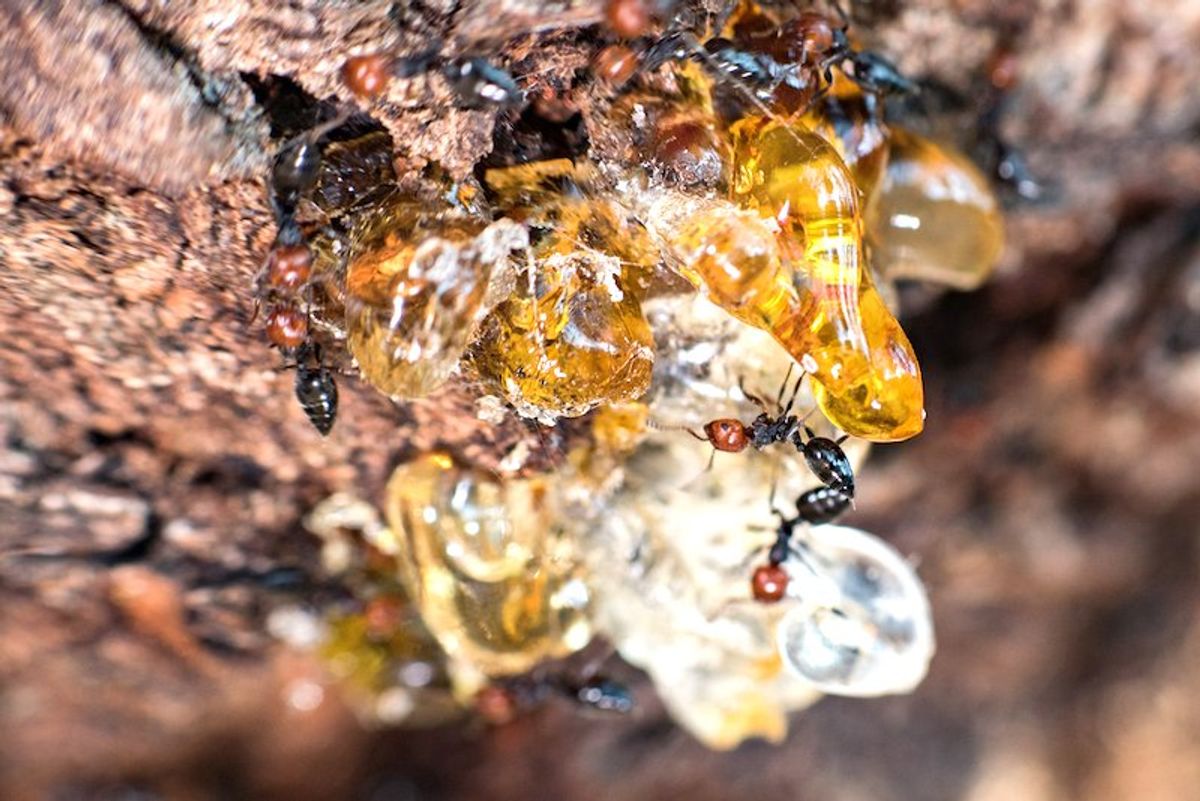
Honeypot Ants (Shutterstock)

The medicinal value and potent antimicrobial activity of honey has been a topic of considerable interest in recent years, particularly in light of the alarming rise in antibiotic resistance.

While most honey comes from honey bees (Apis mellifera), other insects such as stingless bees, wasps and even ants can produce honey-like products from plant nectar.

One of these insects is the honeypot ant Camponotus inflatus, found throughout the central desert region of Australia. We set out to determine whether its honey might be medically useful.

Our results, published in PeerJ, show the honey has powerful anti-microbial effects, particularly against certain heat-tolerant yeasts and moulds which resist most current antifungal drugs.

Pots of gold

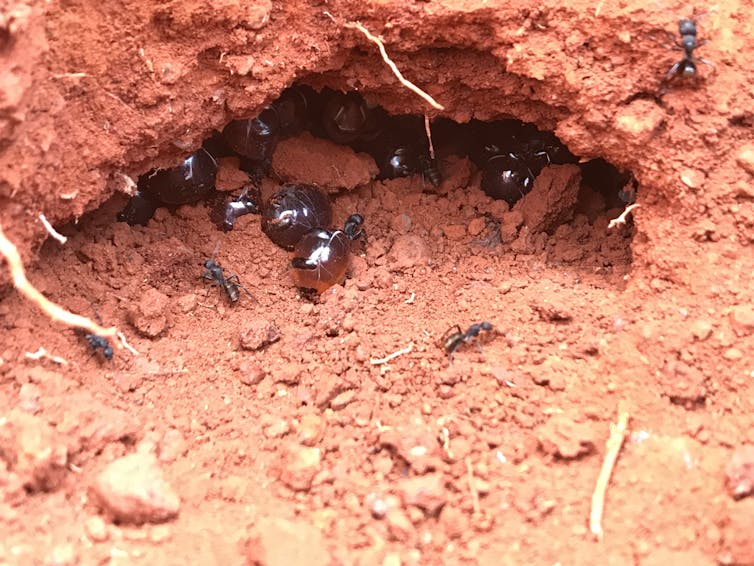
Honeypot ants are social ant species that develop large nests in the soil. Within these colonies, certain worker ants known as “repletes” serve as living food stores.

The repletes are fed by other members of the colony, who forage for nectar and honeydew in the environment. The repletes accumulate a golden honey-like substance in their flexible abdomens.

The repletes become so engorged with honey they are rendered almost immobile. They hang together from the ceiling of the nest, forming a sort of ant pantry.


Honeypot ant ‘repletes’ store honey for the nest. 
Andrew Dong, Author provided

In times of need, other worker ants visit the repletes and stroke their antennae. The repletes cough up some honey in response, and the other workers then distribute it throughout the colony.

Most honeypot ants live in very dry environments. Their unusual lifestyle has been so successful it has evolved multiple times.

Honeypot ants in First Nations culture


Digging for honeypot ants.
 Danny Ulrich, Author provided

In Australia, Camponotus inflatus is found throughout the central desert region and holds cultural and nutritional significance to local Indigenous people.

Danny Ulrich of the Tjupan language group, operator of Goldfields Honey Ant Tours in Kalgoorlie, Western Australia, says

For our people, honey ants are more than just a food source. Digging for them is a very enjoyable way of life. It’s a way of bringing the family together, to connect with each other and nature.

There are also reports of traditional use of honeypot ant honey for treating ailments like colds and sore throats, and possibly as a topical ointment to help keep infections at bay, suggesting potential antimicrobial properties.

Not your usual honey activity


To investigate further, we obtained honeypot ant repletes from Goldfields Honey Ant Tours, collected and pooled the honey from the ants and tested its ability to inhibit various pathogenic bacteria, yeasts and moulds.

We compared this to two well-studied bee honeys with anti-microbial properties: manuka honey from New Zealand, and jarrah honey from Western Australia.

Our results revealed striking differences between the honeypot ant honey and the bee honeys.

Both bee honeys showed broad activity and were able to inhibit every pathogen tested at similar levels. However, the honeypot ant honey showed remarkable potency against certain microbes, but little against others.


Important factors that contribute to the antimicrobial power of bee honey are its high sugar and low water content, which sucks the water out of microbial invaders.

We found honeypot ant honey to have a much higher moisture content than the bee honeys, however, putting it in a range that could support the growth of some microorganisms.

Most bee honeys also contain enzymes that produce hydrogen peroxide, a known antimicrobial compound. However, honeypot ant honey retained most of its activity even after we removed all the hydrogen peroxide.

Finally, some honeys contain antimicrobial proteins and peptides that are derived from the honey bee. These can be destroyed by heat, and when we heated the honeypot ant honey to 90℃ for 10 minutes it lost most of its antimicrobial activity.


We therefore think this unique antimicrobial activity is likely due to proteins or peptides, and these are probably derived from the honeypot ant.
Evolution of antimicrobial activity in the insect world

In the natural environment, animals, plants, and the products they make are exposed to a huge range of microorganisms looking for their next meal. Sweet, nutritious honey is an enticing food source for these microbial scavengers and must be vigorously protected, both to prevent its spoilage and to stop invasion of the hive or nest by rapidly growing moulds.


Intriguingly, we found honeypot ant honey was particularly effective against some pathogens we consider to be quite “tough”. These pathogens are well adapted to living in soils and dry conditions, and can also cause very serious infections in people with severely weakened immune systems.

In particular, the ant honey was able to inhibit heat-tolerant yeasts and moulds that are likely to be present in the honey ant nest and surrounding environment. Importantly, these can be very difficult to kill with most currently available antifungal drugs.

We suggest the evolutionary pressure imposed by these soil microorganisms has resulted in the potent, selective antimicrobial activity of honeypot ant honey.
Science catches up with Indigenous knowledge

Our results clearly support the medicinal use of honeypot ant honey by Australian Indigenous communities and provide a new understanding of the intricate relationship between honeypot ants, their environment, and the remarkable antimicrobial activity exhibited by their honey.

Due to the cultural significance of the ants, and challenges with rearing them at a commercial scale, it is not feasible to domesticate honeypot ants for honey production.

However, honeypot ant honey may provide valuable insights for the development of useful new antimicrobial peptides. These may help expand our arsenal of effective antibacterial and antifungal treatments, which are increasingly needed to combat emerging challenges in healthcare.

Dee Carter, Professor of Microbiology, University of Sydney; Andrew Dong, Research Affiliate, Microbiology, University of Sydney; Danny Ulrich, Operator, Goldfields Honey Ant Tours, Indigenous Knowledge; Kenya Fernandes, Postdoctoral Researcher, University of Sydney, and Nural Cokcetin, Research scientist, University of Sydney

This article is republished from The Conversation under a Creative Commons license. Read the original article.

Friday, July 28, 2023

THE SPACE AGE
65 years of NASA – an astrophysicist reflects on the agency’s legacy

The Conversation
July 25, 2023, 

The NASA logo at the entrance to the Kennedy Space Center Visitor Center, Cape Canaveral, Florida
. - Dreamstime/Dreamstime/TNS

Sixty-five years ago, in 1958, several government programs that had been pursuing spaceflight combined to form NASA. At the time, I was only 3 years old.

I’ve now been a professor of physics and astronomy for nearly 30 years, and I realize that, like countless others who came of age in the 1960s and ‘70s, NASA’s missions have had a profound effect on my life and career path. From John Glenn’s first flight into orbit to the Hubble telescope, the agency’s legacy has inspired generations of scientists.

First flight into orbit


The date was Feb. 20, 1962. My first grade teacher, Ms. Ochs, told the class that we would be doing something different on that day. She went to the blackboard and wrote in large block letters “John Glenn” and “NASA.”

She asked if any of us knew what those words meant. None of us did, so she grabbed a globe, and using a pen with a plastic cap, she demonstrated that John Glenn, an astronaut, would soon be launched on a rocket – the pen – from Florida. When the rocket got high enough, Glenn in the Mercury capsule – the cap – would separate from the rocket and go into orbit around the Earth. She demonstrated this by moving the pen cap around the globe.

My class then sat and listened to the historic launch of Friendship 7 carrying Glenn, which was the first U.S. mission to send a man into orbit around the Earth.


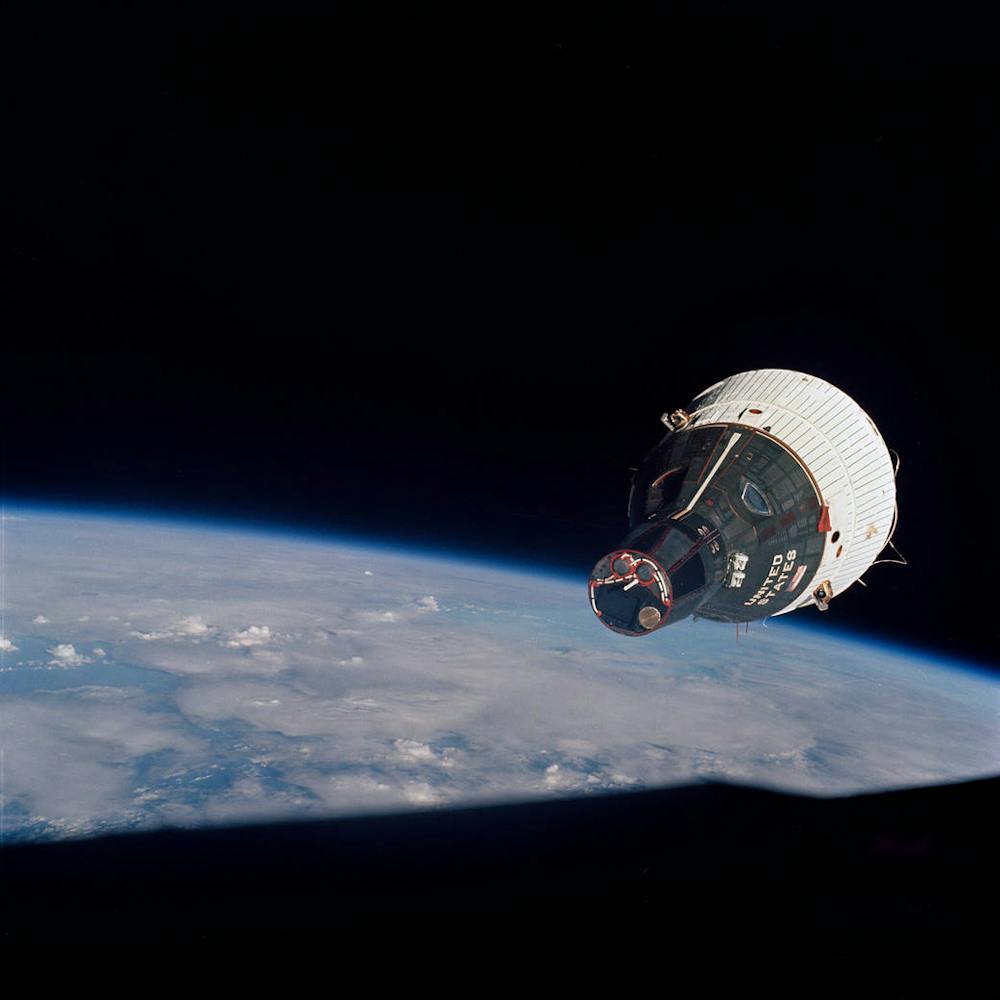
During the Gemini mission, two spacecrafts attempted the first-ever space rendezvous. This image, taken in the Gemini 6 craft, shows the Gemini 7 craft just 43 feet away.
NASA

There would be three more missions in the one-manned Mercury program, culminating in Gordon Cooper’s Faith 7 mission, which completed 22 Earth orbits. The program proved that NASA could put a manned spacecraft in orbit and bring it back safely to Earth. Next, NASA was ready to move on to a more maneuverable two-person spacecraft.

A two-person spacecraft

In 1965, NASA planned to launch the two-person Gemini spacecraft, and I moved on to the fifth grade where my teacher, Mrs. Wein, was also a space enthusiast. In December, NASA launched the joint missions of Gemini 6 and 7, and Mrs. Wein gave me permission to stay home from school to watch the TV coverage.

This was the first time that two piloted spacecraft performed what is called a rendezvous maneuver, where they meet up in orbit. Orbital maneuvers like this require very precise calculations and a spacecraft in which astronauts can make path changes in orbit – which is what the Gemini capsule was designed to do.


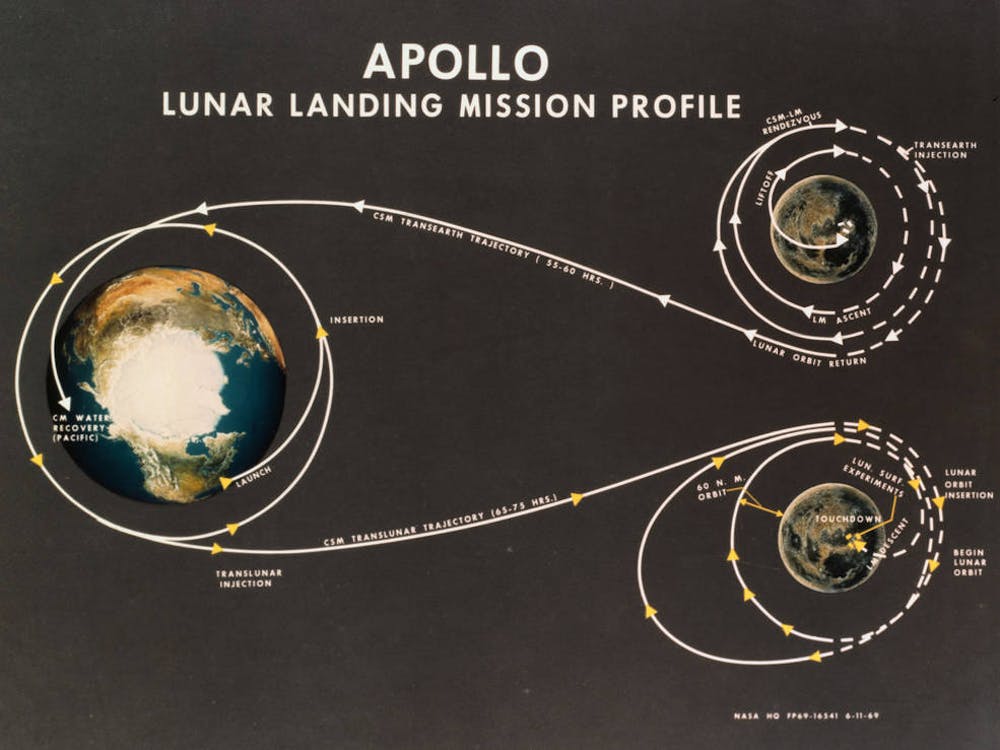
A lunar orbit rendezvous occurs when a smaller lunar lander breaks off a main spacecraft while in orbit to land on or circle the Moon before returning to the main craft. 
NASA, CC BY-ND

The Gemini 6A and 7 spacecrafts practiced a rendezvous maneuver in Earth’s orbit. At the time, I didn’t understand the importance of this mission, until Mrs. Wein directed me to the “S” volume of the World Book Encyclopedia. There, under “Spaceflight,” was a full-page diagram of the lunar orbit rendezvous plan that a NASA engineer, John Houbolt, had developed to get the astronauts to the Moon and back.

The central feature of the lunar orbit rendezvous was that two spacecraft, the Apollo Command Module and the Lunar Excursion Module, would rendezvous in orbit around the Moon using the same technique the Gemini 6 and 7 missions had demonstrated. The technology of this maneuver, used in Apollo missions, would later help land Neil Armstrong on the Moon.

On to the Moon


‘Earthrise,’ captured by the Apollo 8 mission, was the first look at Earth from afar. 
NASA

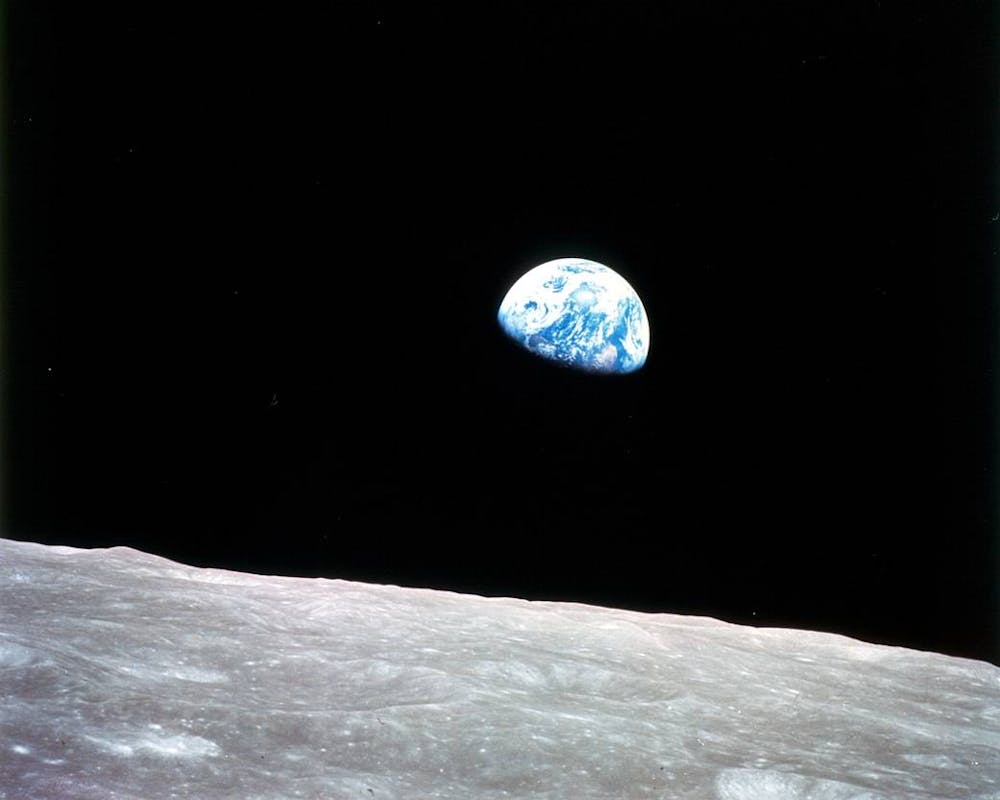
In December 1968, when I was in eighth grade, I watched the Apollo 8 mission orbit the Earth on TV. It was the first time that anyone, whether U.S. astronaut or Soviet cosmonaut, had left low Earth orbit. This mission gave us “Earthrise”, the first look at our home planet as seen from afar.

The Apollo 11 Moon landing happened in July 1969. I will never forget sitting in my living room as Armstrong stepped off the Lunar Excursion Module onto the lunar surface. With Armstrong’s steps, the aspirations of a lost president, thousands of NASA scientists and engineers and millions of public followers were fulfilled.

CBS News anchor Walter Cronkite captured the wonder of the moment when he slowly removed his glasses, rubbed his hands together and exclaimed, ‘boy.’

In December 1972, when I was a senior in high school, Gene Cernan became the last person to walk on the Moon during the Apollo 17 mission. Like many of us who witnessed the Apollo missions, I listened to Cernan’s final words from the Moon, where he challenged young people to continue what NASA had begun.

Inspired by Cernan’s words, I went on to earn degrees in aerospace engineering and worked on both the reentry of the Skylab Space Station and the early mission planning for the Magellan spacecraft that visited Venus.

At this point, I made a career change – I returned to school to study physics and ultimately ended up in theoretical astrophysics.

After Apollo


NASA has had a profound influence in the sciences. For one, the ability to guide unmanned robotic spacecraft anywhere in the solar system was a byproduct of the technologies necessary for the manned Apollo missions. Using this technology, NASA has sent probes to all of the planets – and some non-planets – in the solar system, revolutionizing scientists’ knowledge of our cosmic backyard.


Perhaps the most ambitious of these is the Mars Perseverance Rover, which looks for chemical evidence of past or present life on Mars. It also collects and leaves samples for a potential return mission sometime in the 2030s.

In terms of pure astronomy, NASA’s space-based observatories span the electromagnetic spectrum. The Hubble Space Telescope and its newly launched cousin, the James Webb Space Telescope, have allowed astronomers to get large telescopes above Earth’s optically hazy atmosphere. With these instruments, we can see almost to the beginning of time, since looking deeper into space also means looking back in time.

The James Webb Space Telescope is revolutionizing our view of the cosmos – there has not been an equal revolution in observational astronomy since Galileo first pointed a telescope at the heavens in 1609.


Images from the James Webb Space Telescope showing early galaxies. 

Looking ahead

What will the future hold for NASA? It’s hard to say.

Recently, private enterprise has driven advances in both launch vehicles and satellite design, although NASA will likely continue to have a leading role, not only in the spaceflight but the scientific research as well.

I hope that today there are elementary teachers like Ms. Ochs and Mrs. Wein who will nurture the wonder and excitement of spaceflight in their students. But they won’t have to just listen on the radio. They can watch livestreams, like those of launches of SpaceX’s Falcon Heavy in 2018 and NASA’s Artemis I in November 2022.

NASA’s first 65 years have been an amazing record of accomplishments. When the students I teach today near my age, I wonder what amazing things – about which we can only dream – they will look back on.

Stephen G. Alexander, Associate Professor of Physics, Miami University

This article is republished from The Conversation under a Creative Commons license. Read the original article.


66 YEARS AGO 


Horse health research will help humans stay healthy, too, with insights on reining in diabetes and obesity

The Conversation
July 25, 2023, 

Horses (Shutterstock)

As a veterinary science researcher, equine surgeon and sports medicine and rehabilitation specialist, I’ve seen firsthand the similarities between horses and humans.

Both horses and people with endocrine disorders like Type 2 diabetes can suffer multiple types of musculoskeletal disorders. For example, horses with pituitary pars intermedia dysfunction – similar to Cushing’s disease in people – suffer from tendon and ligament degeneration. Horses can also experience muscle loss, which can cause joint instability. That, and the chronic low-grade inflammation associated with endocrine disorders, can contribute to osteoarthritis.

There’s a principle in medicine called One Health, which says that animals, humans and the environment are inextricably connected – for one to be healthy, all must be healthy. It also means that we can learn a lot about our own health by studying the health of animals, and vice versa, including the many parallels in endocrine disorders between humans and horses.

Human and horse endocrine systems

Your endocrine system produces hormones that support many of your body’s basic functions, including growth and development, metabolism, sleep and more. Your hormones also play a role in the health of your bones, tendons and ligaments. Some endocrine disorders change how your body produces and releases hormones and can lead to osteoporosis, arthritis, ligamentinjuryand other orthopedic diseases.

Humans aren’t the only species affected by this dynamic – horsesare, too. In fact, approximately 20% of horses and over 34% of people in the U.S. are affected by endocrine disorders such as metabolic syndrome. These disorders are often accompanied by obesity.


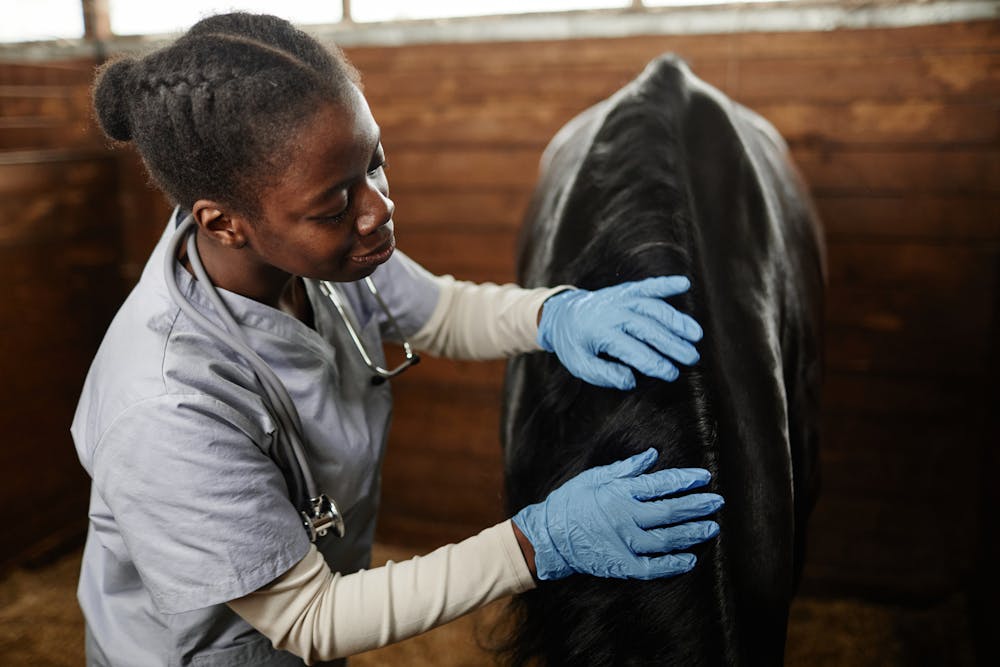
Like people, horses with endocrine disorders are also prone to orthopedic diseases. 
Alberto BN Junior/Moment via Getty Images

For both species, the degree to which endocrine disorders are connected to obesity and its associated negative health effects is complex. As mammals, horses and people share similar anatomy and endocrine physiology, and researchers have noted their parallel genetic links between obesity and metabolic disease.

Like people, obese horses with endocrine disorders often develop low-grade inflammation. Inflammation is a normal response to injuries and sickness. But chronic, low-grade inflammation can have long-term negative effects on the body. For example, low-grade inflammation is associated with metabolic osteoarthritis in people, and my laboratory is studying this possible link in horses.


In people, childhood obesity, which is related to maternal obesity, is associated with a type of joint disease called osteochondrosis. Foals born from obese mares are also predisposed to this same type of joint disease.

Research to note

Because of the similarities between people and horses, research on diagnostics and treatments for metabolic conditions could provide health benefits to both species.

For example, a class of drug called glucagonlike peptide-1 agonists, which includes such brands as Trulicity (dulaglutide) and Ozempic (semaglutide), is commonly used to treat metabolic syndrome and Type II diabetes in people. This class of medication is also effective in treating these conditions in horses, similarly slowing down how quickly food empties the stomach and blunting glucose release into the bloodstream.

Another class of drugs called sodium-glucose cotransporter protein-2 inhibitors, which include such treatments as Jardiance (empagliflozin) and Farxiga (dapagliflozin), are used to treat Type 2 diabetes in people and a similar condition in horses. These drugs alter the kidneys’ ability to absorb sugar from urine such that the body eliminates some of the glucose it would normally absorb. This greatly reduces blood insulin spikes, which can help prevent obesity, metabolic syndrome and cardiovascular disease in both horses and people.

Some dietary supplements, such as resveratrol, especially when used in combination with an amino acid called leucine, also help with weight loss, mobility and insulin sensitivity in people and horses. Lowering blood insulin concentrations can also prevent horses from developing laminitis, a disease that inflames tissues in hooves that can necessitate euthanasia because of incurable pain.


Certain drugs can treat similar conditions in both horses and people. 

Expanding precision medicine


I find one of the most exciting avenues of research in both animals and people to be the expansion of precision medicine. Instead of the standard one-size-fits-all protocol, precision medicine uses information from a person’s genes, environment and medical history to create a customized treatment plan. For example, precision medicine is often applied in oncology when doctors gather genetic information about the patient’s tumor to inform which treatments might work best for them.

In horses, precision medicine currently focuses on DNA-based diagnostic tests to inform exercise regimens, treatment and breeding decisions. Recent work with horses also suggests that measuring the heritability of certain metabolic traits could be used to screen for metabolic syndrome in the future.

Within precision medicine, doctors aim to get a full-picture view of an individual and their metabolic health by using multiomic analysis. Multiomics entails looking at multiple “omics” – or information from a range of biological disciplines, such as epigenomics, lipidomics, genomics and transcriptomics – to better treat an individual patient.

The more researchers learn from individual patients, including horses, the better doctors will be able to treat every patient. My lab and others use multiomic analysis to generate data that may one day help us identify more effective and safer therapies for horses and – likely – people with metabolic conditions.

Jane Manfredi, Associate Professor of Pathobiology and Diagnostic Investigation, Michigan State University

This article is republished from The Conversation under a Creative Commons license. Read the original article.

BIDENOMICS 

US annual inflation posts smallest rise in more than two years


By Lucia Mutikani

WASHINGTON (Reuters) - Annual U.S. inflation rose at its slowest pace in more than two years in June, with underlying price pressures receding, a trend that, if sustained, could push the Federal Reserve closer to ending its fastest interest rate hiking cycle since the 1980s.

The improving inflation environment was reinforced by other data on Friday showing labor costs posted their smallest increase in two years in the second quarter as wage growth cooled. It mirrored reports this month showing the economy shifting into disinflation mode, with consumer prices moderating sharply in June and producer inflation muted.

That, together with labor market resilience, which is underpinning consumer spending, raised cautious optimism of a "soft landing" for the economy envisaged by Fed officials rather than the recession that most economists have been predicting.

"The inflation outbreak is winding down quicker and with less pain for the labor markets than economists could have imagined just a year ago," said Christopher Rupkey, chief economist at FWDBONDS in New York. "This means policymakers can most likely skip a rate hike at the upcoming September meeting."

The personal consumption expenditures (PCE) price index increased 0.2% last month after edging up 0.1% in May, the Commerce Department said. Food prices dipped 0.1% while the cost of energy products increased 0.6%. In the 12 months through June, the PCE price index advanced 3.0%. That was the smallest annual gain since March 2021 and followed a 3.8% rise in May.

Excluding the volatile food and energy components, the PCE price index gained 0.2% after rising 0.3% in the prior month. That lowered the year-on-year increase in the so-called core PCE price index to 4.1%, the smallest advance since September 2021. The annual core PCE price index climbed 4.6% in May.

Economists polled by Reuters had forecast the core PCE price index would gain 0.2% and rise 4.2% on a year-on-year basis. They calculated that the "super core" increased 4.1% on a year-on-year basis after rising 4.7% in May. This measure of services less housing is being closely monitored by policymakers to gauge progress in the inflation fight.

The PCE price indexes are the Fed's preferred inflation measures for its 2% target. The core PCE price index reading in June was just above the Fed's recent forecast of 3.9% for the fourth quarter of 2023.

The U.S. central bank on Wednesday raised its policy rate by 25 basis points to the 5.25%-5.50% range, a level last seen just prior to the 2007 housing market crash and which has not been consistently exceeded for about 22 years.

Stocks on Wall Street were trading higher. The dollar fell against a basket of currencies. U.S. Treasury prices rose.

WAGE GROWTH SLOWS

Annual inflation is easing as last year's surge drops out of the calculations. Food commodity prices are back at levels seen prior to Russia's invasion of Ukraine in February 2022.

A separate report from the Labor Department showed the employment cost index, the broadest measure of labor costs, rose 1.0% in the second quarter. That was the smallest increase since the second quarter of 2021 and followed a 1.2% advance in the January-March period. Labor costs increased 4.5% on a year-on-year basis after shooting up 4.8% in the first quarter.

The ECI is viewed by policymakers as one of the better measures of labor market slack and a predictor of core inflation because it adjusts for composition and job-quality changes.

Wages and salaries rose 1.0% in the second quarter, also the smallest gain in two years, after an increase of 1.2% in the prior three months. They were up 4.6% on a year-on-year basis after advancing 5.0% in the first quarter.

The moderation reflects cooling demand for workers. Wage growth, however, continues to exceed pre-pandemic rates.

"Employers are not feeling the same pressure to increase wages as they have in the past few years," said Cory Stahle, an economist at Indeed Hiring Lab in Salt Lake City, Utah.

Inflation-adjusted wages for all workers accelerated 1.7% on a year-on-year basis after being unchanged in the first quarter. The largest increase in real wages in three years gave a boost to households' purchasing power, helping to drive consumer spending and keep the economy afloat.

Consumer spending, which accounts for more than two-thirds of U.S. economic activity, increased 0.5% in June after gaining 0.2% in May, the Commerce Department report showed. The data was included in the advance estimate of second-quarter gross domestic product, which was published on Thursday.

Though consumer spending growth decelerated last quarter, that was partly blamed on difficulties adjusting the data for seasonal fluctuations following a surge in the first quarter.

The increase was enough to help boost economic growth to a 2.4% annualized rate last quarter from the 2.0% pace reported in the first three months of the year.

In June, consumer spending was lifted by a surge in motor vehicle purchases as well as financial services and insurance outlays. There also were increases in spending on housing and utilities, recreation services, recreational goods and vehicles as well as furnishings and long-lasting household equipment.

After adjusting for inflation, consumer spending rose a solid 0.4% last month, putting it on a higher growth trajectory heading into the third quarter. But with households continuing to run down excess savings accumulated during the pandemic, student loan repayments set to resume and credit conditions tightening, consumer spending will probably not be robust.

"The slowing trends in inflation and wages, and the slowdown in spending we expect, support our expectation that this week's rate hike was the last," said Ellen Zentner, chief U.S. economist at Morgan Stanley in New York.

(Reporting by Lucia Mutikani; Editing by Chizu Nomiyama and Paul Simao)

© Reuters


African leaders press Putin to end Ukraine war and restore grain supplies

2023/07/28


By Mark Trevelyan and Kevin Liffey

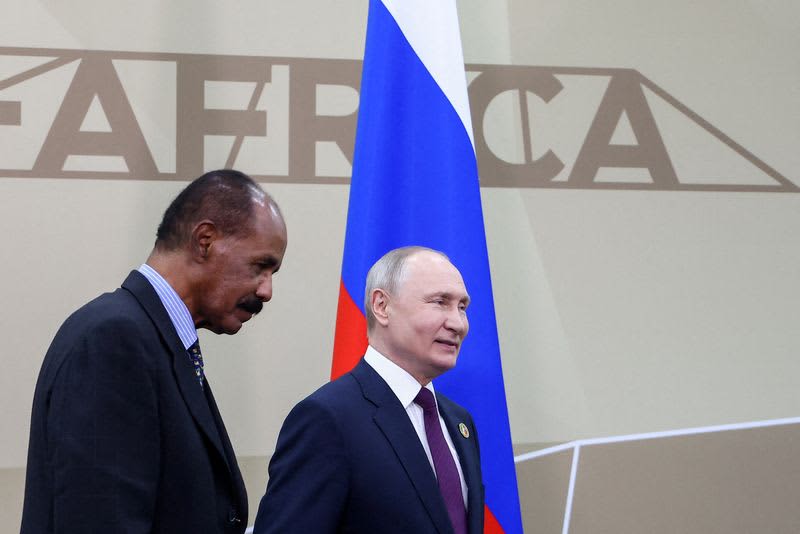
(Reuters) -African leaders pressed Russian President Vladimir Putin on Friday to move ahead with their peace plan to end the Ukraine conflict and to renew a deal on the safe wartime export of Ukrainian grain that Moscow tore up last week.

While not directly critical of Russia, their interventions on the second day of a summit were more concerted and forceful than those that African countries have voiced until now.

They served as reminders of the depth of African concern at the consequences of the war, especially rising food prices.

"This war must end. And it can only end on the basis of justice and reason," African Union Commission Chairman Moussa Faki Mahamat told Putin and African leaders in St Petersburg.

"The disruptions of energy and grain supplies must end immediately. The grain deal must be extended for the benefit of all the peoples of the world, Africans in particular."

Reuters reported in June that the African plan floats a series of possible steps to defuse the conflict including a Russian troop pull-back, removal of Russian tactical nuclear weapons from Belarus, suspension of an International Criminal Court arrest warrant against Putin, and sanctions relief.

Putin gave it a cool reception when African leaders presented it to him last month. On Friday, he said Moscow respected the proposal and was carefully studying it, with Ukraine due to be discussed later at a working dinner.

Congo Republic President Denis Sassou Nguesso said the African initiative "deserves the closest attention", calling "urgently" for peace.

Senegalese President Macky Sall called for "a de-escalation to help create calm", while South African President Cyril Ramaphosa said he hoped that "constructive engagement and negotiation" could help end the conflict.

The stream of calls prompted Putin repeatedly to defend Russia's position and place the blame on Ukraine and the West.

He said it was Kyiv that was refusing to negotiate under a decree passed shortly after he claimed last September to have annexed four Ukrainian regions that Russia partly controls.

'NEW REALITIES'

Russia has long said it is open to talks but that these must take account of the "new realities" on the ground.

Ukrainian President Volodymyr Zelenskiy has rejected the idea of a ceasefire now that would leave Russia in control of nearly a fifth of his country and give its forces time to regroup after 17 grinding months of war.

AU chair Azali Assoumani offered some support for Putin's line, saying the Russian leader had shown his readiness to talk, and "now we have to convince the other side".

At the summit, Egyptian President Abdel Fattah al-Sisi urged Russia to revive the Black Sea grain deal which, until Moscow refused to renew it last week, had allowed Ukraine to export grain from its ports despite the conflict.

Egypt is a big buyer of grain via the Black Sea route, and Sisi told the summit it was "essential to reach agreement" on reviving the deal.

Putin responded by arguing, as he has in the past, that rising world food prices were a consequence of Western policy mistakes long predating the Ukraine war.

He has repeatedly said Russia quit the agreement because the deal was not getting grain to the poorest countries and the West was not keeping its side of the bargain.

Russia's withdrawal and its bombardment of Ukrainian ports and grain depots have prompted accusations from Ukraine and the West that it is using food as a weapon of war, and driven the global wheat price up by some 9%.

The Ukrainian Grain Association estimated in May that 4 million metric tons of Ukrainian grain had been stolen since Russia launched its full-scale invasion in February last year.

On Thursday, Putin promised to deliver up to 300,000 tons of free Russian grain - which U.N. Secretary-General Antonio Guterres called a "handful of donations" - among six of the countries attending the summit.

Assoumani said Putin's offer might not be enough, and what was needed was a ceasefire.

Putin was seeking to use the event to inject new momentum into Russia's ties with Africa and enlist its support in countering what he describes as U.S. hegemony and Western neo-colonialism.

Many of the leaders had warm words for Moscow's record of support for their countries in their 20th-century liberation struggles, and the final declaration promised Russia would help them seek compensation for the damage done by colonial rule and secure the restoration of plundered cultural treasures.

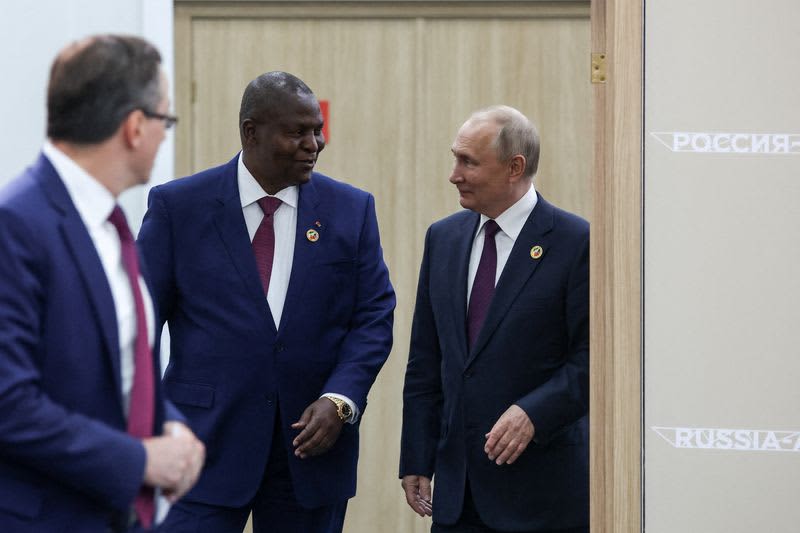
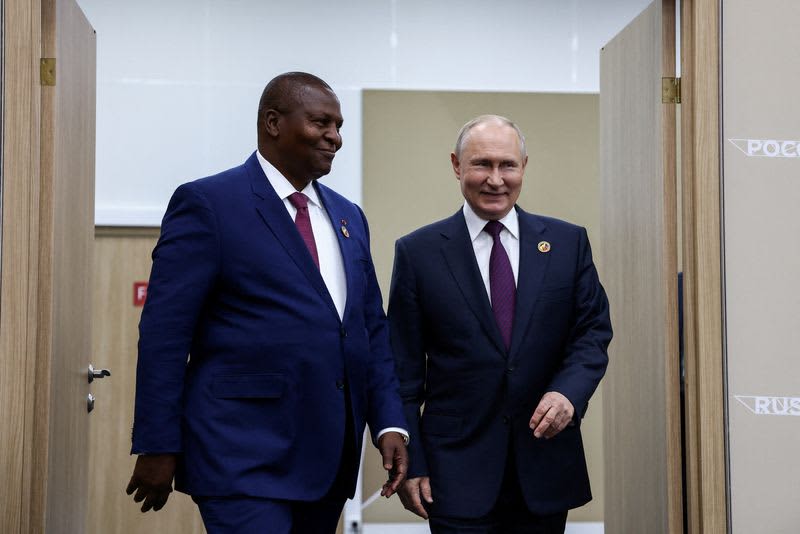
The leaders of Mali and Central African Republic, whose governments have relied heavily on the services of Russia's Wagner mercenary group, both expressed gratitude to Putin.

President Faustin Archange Touadera said CAR's relations with Russia had helped it to save its democracy and avoid a civil war, thanking Russia "for helping us to oppose foreign hegemony".

(Reporting by Mark Trevelyan and Kevin Liffey; Additional reporting by Joe Bavier, Alexander Winning and Reuters bureaux; Editing by Angus MacSwan and Grant McCool)


© Reuters


US Declares Operational New Special Ops Dry Combat Submersible 

Dry Combat Submersible
DCS sailing to the ocean for tests in March 2023 (Lockheed Martin)

PUBLISHED JUL 28, 2023 2:56 PM BY THE MARITIME EXECUTIVE


The United States is expanding its special operations capabilities with the acceptance of a new class of Dry Combat Submersible (DCS). Lockheed Martin, which received the contract for the development of the vessels in 2016, reported that U.S. Special Operations Command recently declared the vessels’ Initial Operational Capability.

The DCS is designed to transport a special operations team for covert insertion and recovery and due to its unique design dramatically increases both the distance and endurance as well as the comfort of the team during the transport phase of their operation.

"The Dry Combat Submersible has the potential to transform undersea warfare for special operators,” said Lockheed Martin vice president and general manager Gregg Bauer. “DCS provides safe, clandestine delivery for occupants over long distances in a completely dry environment and features a lock-in and lock-out chamber. Occupants arrive at the mission warm, rested, hydrated, and ready, making this vessel a key advantage in mission success."

The DCS is a 39.4-foot long submersible able to accommodate up to eight personnel and two crewmembers. It is battery-powered. Other details however have not been released.

A Navy document reviewing the status of the program and the testing noted that “By reducing operator exposure to the underwater environment, the dry environment of DCS improves mission endurance and range over existing small submersibles.”

The vehicle can travel for longer distances below the surface of the ocean while the closed environment means occupants will no longer require wetsuits and will not be exposed to the elements as they are in the current generation of open submersibles uses to transport special ops teams. The lock-in/lock-out technology also permits the team to enter and exit the submersible while entirely submerged and undetected.

“The Lockheed Martin team is proud of the work that has gone into the development and delivery of DCS and supporting U.S. Special Operations Command (USSOCOM) to this IOC milestone,” says Jason Crawford, senior program manager for Manned Combat Submersibles. “We look forward to delivering the third DCS and supporting DCS into Full Operating Capacity, filling a critical gap for USSOCOM.”

Lockheed Martin has delivered the first two submersibles in a three vessel contract. Testing was delayed due to the pandemic. In February 2022, the status report said the cyber survivability test had been completed and they reported that analysis was underway with testing expected to be completed during FY 2023.  

A Dry Combat Submersible, manufactured at Lockheed Martin’s Palm Beach, Florida facility transited to open water sea trials, which were completed in March 2023. The company reports it received notification of the Initial Operational Capability in June 2023.