Monday, July 12, 2021

'Return to normal' travel and research may bring hazards to northern, Indigenous communities
"Return to normal" travel and research may bring hazards to northern, Indigenous communities
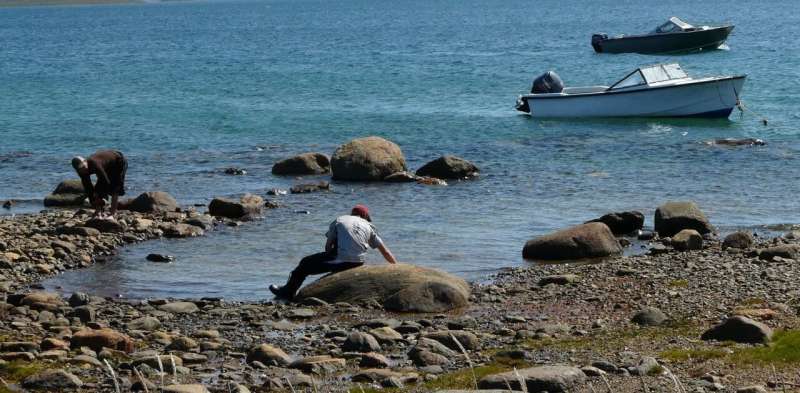
Nain, Nunatsiavut. Credit: Christina Goldhar, Author provided

Throughout the pandemic, many have longed for a "return to normal." When the threat of COVID-19 subsides, we look forward to resuming our research and travel schedules, and reclaiming the elements of our lives that were disrupted over a year ago. However, for southern-based researchers and travelers, returning to northern, Indigenous communities either for leisure or research fieldwork in summer 2021 is premature.

We are a group of scholars—Indigenous and settler northerners and southern-based researchers—who share a commitment to the development of respectful, non-extractive research relationships. We question the harm that some researchers bring with them when they enter northern communities from their southern homes.

The pandemic has underscored many of the systemic injustices experienced by Indigenous peoples and within northern and Indigenous geographies in what is now known as Canada. These include the persistent underfunding of health care, housing, the education system, other critical infrastructure such as water and sewage systems and broadband internet, as well as the effects of climate change.

All of these place the affected communities at increased risk of the spread and harmful effects of COVID-19.

Trauma and living memory

The legacies of Indian Residential Schools continue in the living memories of survivors (direct and intergenerational) and through trauma that has yet to be met with substantive supports to address the many issues resulting from these genocidal, colonial programs that targeted Indigenous peoples.

The recent recoveries of the remains of Indigenous people at the sites of former Indian Residential Schools has retraumatized entire communities. Clearly, the grief and harm caused by these policies cannot be contained by the bounds of "history."
"Return to normal" travel and research may bring hazards to northern, Indigenous communities
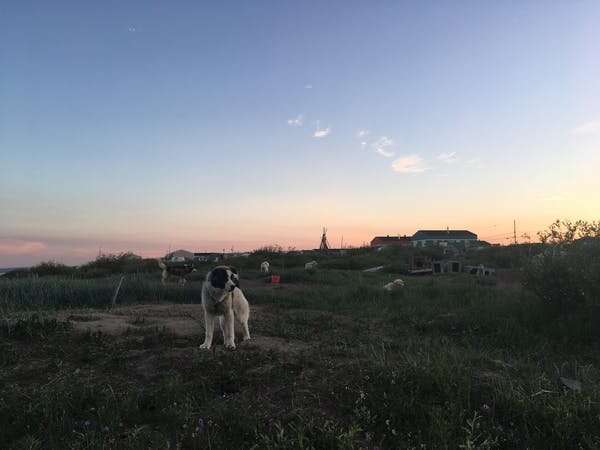
Kuujjuaq, Nunavik. Credit: Arielle Frenette

The coronavirus pandemic reframes our understanding of the potential harm that research can bring to northern communities. It forces us to place the well-being and needs of northern communities ahead of the needs of our research. The pandemic presents us with an opportunity to pause and reflect on these relationships, and to consider how we will maintain these practices of care as we move into a post-pandemic world.

The restrictions of the pandemic have encouraged us to be less wasteful with the knowledge that has already been produced and documented. For example, we have turned to data and other research materials that have not been fully explored due to the drive to always be in search of new questions, new projects and original outcomes.

It has also encouraged us to consider how research capacity within the North can be strengthened and supported by southern researchers, and new partnerships can be fostered, instead of southern researchers traveling North to collect data.

Current research practices are embedded in academic expectations and funding systems. They impose increasing pressure on communities to engage in, and collaborate with research on their territories, and northern Indigenous communities have been collaborating with research for decades.

There is an incredible amount of labor that community members must perform to facilitate even the most hands-off research, while projects often offer little benefit to the community.

As research projects are designed to center academic priorities, they often fail to meaningfully address community research needs. This results in colonial, extractive research relationships, where researchers arrive from outside of a community, extract knowledge, data, labor and expertise for their benefit, and leave.
"Return to normal" travel and research may bring hazards to northern, Indigenous communities
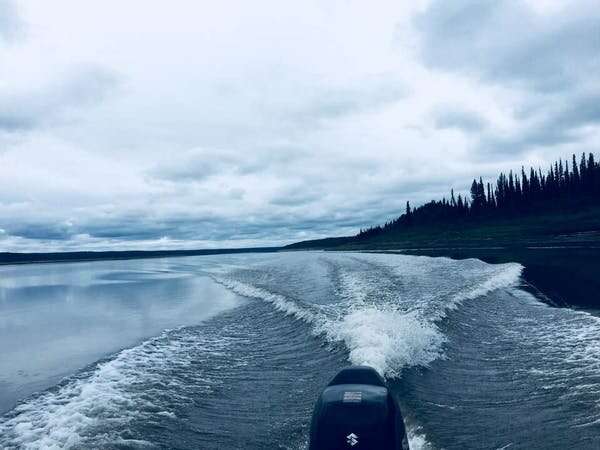
Makenzie River, N.W.T. Credit: Indigenous Consulting Services Inc.

Practices of care

The pandemic has also offered a moment to consider and respond to the changing landscape of Indigenous research ethics in this country.

Indigenous northerners have long drawn attention to the coloniality of research occurring on their homelands and the need to move towards greater degrees of autonomy in Indigenous research. Responding to these needs requires considering the harm caused by even the most common "best-practice" research approaches. It requires reconsidering the governance and funding structures that shape northern research.

Approaching research as a conscientious practice of care involves questioning the intent, as well as the various negative effects brought forward by a research agenda. This must be done in a way that reaches beyond ethical considerations or "good intentions." As we know from Canada's long history of colonialism, even "good intentions" can be harmful.

Caring means a context-based, selfless and affectionate reflection that takes into account all individuals, communities and environments affected by one's actions. Community health and well-being must take precedence over research careers and the agendas of funding agencies. Every researcher who chooses not to travel to the North this summer, reduces the risk of bringing COVID-19 and its variants into the community.

In other words, practices of care are not about research, but about all living things involved in the research process and choices of methodology. We argue that, before choosing fieldwork in this early post-pandemic present, researchers must adopt a caring attitude. This means not returning to the northern research status quo, but instead centring community health and well-being, including the climate, in the design and implementation of future research projects.

During the pandemic, the Canadian government has provided funding for Indigenous communities—such as through the Indigenous Community Support Fund—to help prevent the spread of COVID-19. While these short-term funding programs are certainly welcome, there is a need for sustained commitments to address the critical gap in social and economic infrastructure.

Advocating for the continued funding of COVID-19-related programming, and a meaningful address of long-standing social and economic infrastructure deficits in northern and Indigenous communities would be a welcome alternative to fieldwork this summer. Ultimately, for southern-based researchers, there is a continued need to maintain distance as a practice of care for the well-being of northerners.


Explore further

Scientists warn on the harmful implications of losing Indigenous and local knowledge systems

Provided by The Conversation 

This article is republished from The Conversation under a Creative Commons license. Read the original article.The Conversation


Understanding the molecular underpinnings of a disease affecting corals

NIST uses method to understand the molecular underpinnings of a disease affecting corals
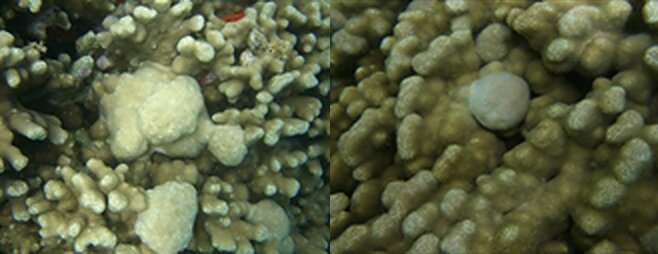
A coral disease called growth anomalies (GAs) is depicted here in the coral species Porites compressa, a reef building species found off the coast of Hawaii. GAs are a tumor-like disease that can cause tumor-like protrusions that affect both the coral skeleton and its soft tissues. Credit: E. Andersson/NIST

Coral reefs are a favorite spot for scuba divers and are among the world's most diverse ecosystems. For example, the Hawaiian coral reefs, known as the 'rainforests of the sea', host over 7,000 species of marine animals, fishes, birds and plants. But coral reefs are facing serious threats, including a number of diseases that have been linked to human activity.

To understand the connection between human activity and a type of tumorlike disease called growth anomalies (GAs), researchers at the National Institute of Standards and Technology (NIST) have collaborated with the U.S Geological Survey (USGS) and the National Oceanic and Atmospheric Administration (NOAA) to use an emerging molecular profiling method to identify 18 small molecules that promise to help them better understand the series of molecular reactions that lead to the disease.

GAs affect both the coral skeleton and its soft tissues. Scientists don't know the cause of the disease or how it spreads but have hypothesized that there is a strong correlation between GA prevalence in coral colonies and human population density nearby.

Almost all types of corals are made of hundreds to millions of individual soft-bodied animals called polyps. The polyps secrete calcium carbonate to form a hard skeleton that lays the foundation for the coral colony. GAs affect corals through irregular and accelerated growth of their skeleton, causing it to be less dense and filled with holes. This results in a tumorlike mass in the skeleton of a coral colony with fewer polyps and a diminished ability to reproduce.

Shallow water corals receive food like carbohydrates and oxygen as a byproduct of photosynthesis from the symbiotic relationship they have with zooxanthellae, photosynthetic algae that live inside coral tissues. GAs can lead to fewer symbiotic zooxanthellae and therefore less energy being absorbed from photosynthesis.

Even though GAs do not typically directly lead to coral death, they do affect the overall health of coral colonies and can pose an ecological threat to coral populations. To analyze the disease, NIST researchers chose the coral species Porites compressa as their target .

This coral species is known as the 'finger' or 'hump' coral and is part of the stony coral family, which is "one of the important reef-building species in Hawaii," said NIST chemist Tracey Schock. "They lay the foundation for the coral reef."

P. compressa is found in shallow lagoons off the Hawaiian Islands, and the researchers obtained their coral samples from Kaneohe Bay, Oahu. The bay has been studied widely as a site affected by  such as sewage discharge and metal pollution. GAs have previously been observed in the coral species there.

In order to analyze and study GAs in P. compressa, researchers turned to the field of metabolomics, which is the study of small molecules, such as those making up living organisms found in tissues, blood or urine. These small molecules, known as metabolites, are the intermediate and end products in a linked series of biochemical reactions known as molecular pathways in an organism.

Some examples of such  include sugars like glucose, amino acids, lipids and fatty acids. Their production can be influenced by genetic and environmental factors and can help researchers better understand the biochemical activity of tissue or cells. In this case, chemical analysis of metabolites provides significant information that helps researchers understand the physiology of the disease.

NIST uses method to understand the molecular underpinnings of a disease affecting corals
Two different field images depicting the coral species Porites compressa, a reef building coral off of the coast of Hawaii. The corals are affected by growth anomalies (GAs), a disease that can cause tumor-like protrusions that affect both the coral skeleton and its soft tissue. The GAs are the "larger protrusions" on the corals. Credit: R. Day/NIST

For their study, researchers sampled a coral colony that had both healthy and diseased tissue. They split up their samples so they could assess the healthy coral and diseased coral separately. They also had a separate adjacent sample that was free of diseased tissue.

The samples were frozen in liquid nitrogen, and then freeze-dried for practical sample processing while maintaining metabolic integrity. The researchers then separated the diseased parts from the healthy colony using a hammer and stainless-steel chisel and collected the tissue from the skeleton with a brush. In one of the final stages of the sample preparation, they chemically extracted the metabolites from the coral tissue using a combination of methanol, water and chloroform.

"The method is novel for coral studies," said Schock. "With metabolomics, it is critical to preserve the state of all metabolites in a sample at the time of collection. This requires halting all biochemical activity using liquid nitrogen and maintaining this state until chemical extraction of the metabolome. The complexity of a coral structure necessitates stringent collection and processing protocols."

The researchers then produced a metabolomic analysis of the coral samples by using a reproducible profiling technique known as proton nuclear magnetic resonance (1H NMR).

The 1H NMR technique exposes the coral extract to electromagnetic fields and measures the radio frequency signals released by the hydrogens in the sample. The various kinds of metabolites are revealed by their unique signals which inform of their chemical environment. NMR detects all signals from the magnetic nuclei within a sample, making it an unbiased "all-in-one" technique. Two-dimensional NMR experiments that can identify both hydrogens (1H) and their directly bound carbon (13C) atoms provide more chemical information, giving confidence in the accuracy of the identities of the various metabolites within a sample.

The study identified 18 different metabolites and a new GA morphological form in P. compressa. The researchers found that GA tumors have distinct metabolite profiles compared with healthy areas of the same coral colony and detected specific metabolites and metabolic pathways that may be important for these profile differences. They also discovered that the loss of internal pH regulation is seemingly responsible for the hollow skeletons that are a characteristic of GAs.

"We have not only characterized new aspects of GA physiology, but have also discovered candidate pathways that provide a clear path forward for future research efforts aiming to further understand GA formation and coral metabolism, in general," said Schock.

As studies of this type accumulate, the researchers envision a database that could pull together coral metabolite information from multiple coral species into an accessible location for all scientists.

Collaborating with other researchers in different fields could increase understanding of the biological impacts of this disease on . "We are going to learn which species are tolerant and which species are sensitive to stresses, and the physiological adaptations or mechanisms of both types will be important to conservation efforts," said Schock.

For now, the researchers hope these findings will be helpful for other scientists analyzing coral species and ultimately be beneficial for the  themselves, potentially aiding efforts to better preserve them.


Explore further

Genetic immune response of Florida corals to rapidly-spreading disease

More information: Erik R. Andersson et al, Identifying metabolic alterations associated with coral growth anomalies using 1H NMR metabolomics, Coral Reefs (2021). DOI: 10.1007/s00338-021-02125-7
Journal information: Coral Reefs 


Opening protected area off New England coast to commercial fishing compromises protections

Opening protected area off New England coast to commercial fishing compromises protections
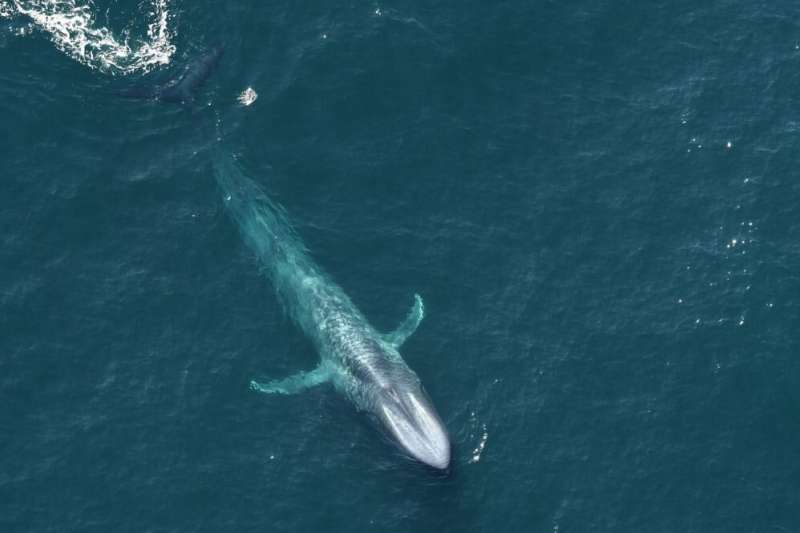
The Northeast Canyons and Seamounts Marine National Monument has been open to commercial fishing since June 2020 . Credit: University of Connecticut

A study published this week in the scientific journal Frontiers in Marine Science found that opening the 3.14 million acre Northeast Canyons and Seamounts Marine National Monument to commercial fishing reduces species protection in the richly diverse and vital ecological area.

The study used the Atlantic Ocean marine conservation area to explore the consequences of changing a policy that prevents fishing to a fisheries management policy.

"The idea for this study was generated when former President Trump stated that appropriately managed commercial fishing would not put the objects of scientific and historic interest that the  protects at risk. To explore this idea, the study brought together scientists with a broad range of expertise: fisheries management, ocean policy, and the ecology of species ranging from marine mammals to ," says Jessica V. Redfern, a senior scientist at the Anderson Cabot Center for Ocean Life at the New England Aquarium and the study's lead author.

Peter Auster, UConn Research Professor Emeritus of Marine Sciences and Senior Research Scientist at Mystic Aquarium, and co-author, says the study was a great opportunity to fill some crucial knowledge gaps.

"We have gaps in our understanding and as we see, with greater and greater and greater clarity, there should be an emphasis on figuring out what we have and how to conserve it while we still want to get goods and services out of the oceans without jeopardizing it," Auster says. "We need to expend more resources farther offshore to increase our knowledge—and wisdom—as we make policy and management decisions about exploiting ocean wildlife. For instance, how do we simultaneously conserve  and exploit natural resources? How do we balance using some places for direct economic and human benefit while protecting other areas to serve as reference sites to understand human impacts and ensure these natural resources are here for future generations?"

Contrary to the former president's statement, the study found that opening the monument is not without risk.

"We found that opening the monument to commercial fishing reduces species protection," the authors write in the report, adding that fixed gear fishing equipment exposes species to entanglement and bycatch risk and gear used at the bottom of the ocean exposes deep sea coral communities to damaging effects. The monument "was designated as a marine national monument due to the area's unique ecological resources that are a subject of scientific interest. Our case study demonstrates that a fisheries management policy is insufficient to protect these ecological resources," they concluded.

The monument, located 130 miles southeast of Cape Cod, is a majestic deep-water sanctuary for thousands of marine animals and sea birds amid colorful corals, steep canyons, and vast mountain ranges akin to those in national parks out West.

In 2016, after years of research, scientists from UConn, Mystic Aquarium, and New England Aquarium provided crucial evidence about the area's rich biodiversity, leading President Obama to designate it a national marine protected area. His proclamation excluded all commercial-scale activities, including fishing and mineral extraction, with a seven-year moratorium for existing offshore lobster and red crab fisheries. President Trump lifted restrictions on  in June 2020, opening large sections of the monument to fishing again. The Biden-Harris Administration is considering restoring protections as part of their plan to conserve 30 percent of US lands and waters by 2030.

"One of today's greatest conservation challenges is applying our many natural resource laws, policies, and management strategies to accommodate a diversity of ocean uses and ," says Auster. "We need to address both sustainable use of economically valuable  resources and conserve precious marine biodiversity, our collective natural heritage."


Explore further

Regulators vote to protect more corals in Atlantic Ocean

More information: Jessica V. Redfern et al, Opening a Marine Monument to Commercial Fishing Compromises Species Protections, Frontiers in Marine Science (2021). DOI: 10.3389/fmars.2021.645314
Journal information: Frontiers in Marine Science 


Scientists create genetic library for mega-ecosystem in Pacific Ocean

Scientists create genetic library for mega-ecosystem in Pacific Ocean
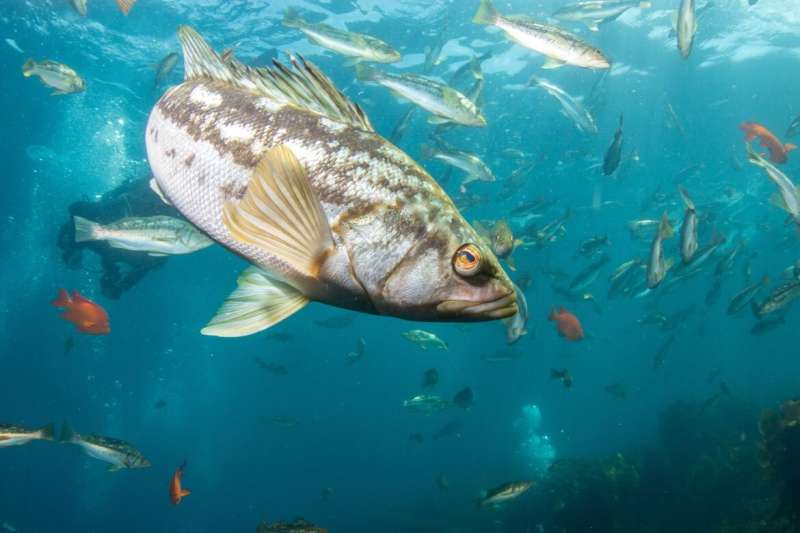
A school of kelp bass. A new database created by scientists from UCLA and other institutions covers about 70% of all animals that live in the California Current, off of the west coast of North America. Credit: University of California, Los Angeles/Zack Gold

The California Current extends nearly 2,000 miles from Canada's Vancouver Island to the middle of the Baja Peninsula in Mexico. It brings cold water from the North Pacific Ocean to the west coast of North America and is home to numerous and abundant species because of the upwelling of deep nutrient-rich waters.

The current supports a large marine ecosystem that is home to  ranging from orcas to abalone. It is the basis for $56 billion in annual economic output and more than 675,000 jobs.

Now, UCLA ecologist Paul Barber and colleagues from UCLA and three other institutions have created a library of DNA "barcodes" that identify 605 species in the California Current, including 275 that had not previously been cataloged. The database covers about 70% of all animals that live there, including 99.9% of monitored species that are important to conservation and fisheries.

The barcodes aren't actual black-and-white stripe patterns like the ones on food packaging in grocery stores. Rather, they are sequences of letters (A, T, C, and G) that spell out the unique order of amino acids (adenosine, thymine, cytosine and guanine) that identify each species' DNA.

The research is published today in Molecular Ecology Resources.

The new database will enable researchers, conservationists, fisheries and wildlife managers to understand what is happening to species and ecosystems much more quickly and cost-effectively than current methods. It can be used to identify hotspots where certain species need to be better protected; and it might help authorities better police the fishing industry for catching species that are illegal to harvest.

The resource is based on the use of environmental DNA, or eDNA. Environmental DNA is  that organisms shed into their environment. Using emerging and fast-improving methods, researchers can collect a sample of ocean water and find out what species are around by the DNA they leave behind. To do so, they need to be able to match that DNA to already-identified samples, said Barber, the study's senior author.

"It's like a  where there is lots of forensic evidence, like blood or hair," he said. "It isn't useful unless you have a potential match in a database."

To date, species have mostly been detected manually—scuba divers swim through the waters to count animals by hand; fish eggs and larvae are counted under a microscope—and researchers must identify species by their physical characteristics.

That labor-intensive process can limit research and delay action that might be needed to protect marine ecosystems and fisheries. With eDNA and a robust genetic library, researchers can identify species with scoops of water that can be analyzed in a couple of weeks, said Zack Gold, a former UCLA doctoral student who is now a researcher at the University of Washington and the National Oceanic and Atmospheric Administration. Plus, the technique keeps divers out of harm's way.

"In the field, visibility can be poor and conditions too dangerous to scuba dive—it's even tougher for the deep sea where you can't even send divers," said Gold, lead author of the paper. "But you can always take a water sample off the side of the boat. With eDNA, we can survey places we couldn't previously survey in any meaningful way."

The new genetic library could be a boon for managing fisheries. Samples of eDNA can be used to determine how many eggs are being produced by important species of fish so a healthy population can be maintained. Many fish eggs can't be identified without genetics.

It also could even be used to make sure people are getting what they order when they go out to eat. Previous research by Barber and others found that 47% of sushi in Los Angeles restaurants is mislabeled, meaning that diners are occasionally eating endangered species instead of the fish they believed they were buying.

Although eDNA databases must be tailored to individual ecosystems and species, the new paper lays out  for future libraries around the world. Such libraries will become even more important to scientists as eDNA research becomes more sophisticated. Currently, one limitation of the practice is that while scientists can use the samples to determine which species are present, it's not clear whether they can use it to determine how many individuals of each species are present—a measure called "abundance"—in any given area.

That may soon change.

"We have pretty good evidence that we'll soon be able to use eDNA to measure abundance, accounting for the little differences for each species," Gold said.

Barber said measuring abundance would be especially useful for fisheries.

"By developing this database, we now have an effectively complete set of genetic sequences for most of the commercially harvested species," he said. "Without that, you can't even ask questions of abundance."


Explore further

Genetic tool could improve monitoring of marine protected areas

More information: Zachary Gold et al, Improving metabarcoding taxonomic assignment: A case study of fishes in a large marine ecosystem, Molecular Ecology Resources (2021). DOI: 10.1111/1755-0998.13450
Journal information: Molecular Ecology Resources 


Seafarers draw on vital support from port chaplains, research finds

Seafarers draw on vital support from port chaplains, research finds
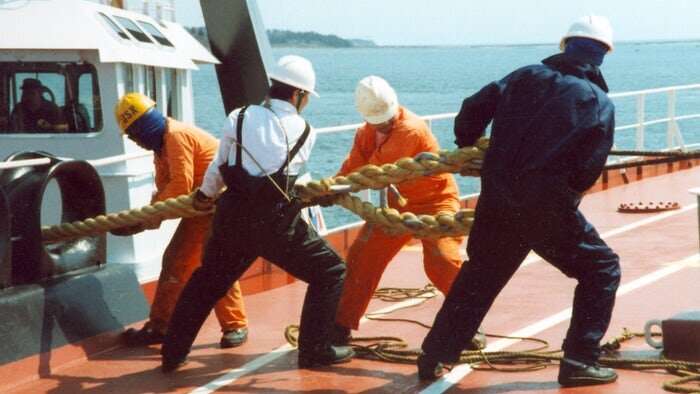
Credit: Professor Helen Sampson

Seafarers of different faiths and no faith rely on support from port chaplains in coping with what is often dangerous work in challenging institutionalized workplace settings, research from Cardiff University has found.

On board ship,  and attitudes are kept private but  revealed to the team the ways in which many who do have a  construct their own set of religious beliefs in order to cope better with living and working conditions.

The study, led by the Seafarers International Research Center (SIRC) and funded by the Economic and Social Research Council (ESRC) as part of UK Research and Innovation (UKRI), investigated the faiths and welfare of seafarers on board two cargo vessels carrying multinational crews.

The researchers also spent six months in two U.K. ports studying the work of port chaplains, paid staff and volunteers all of which provide  to seafarers of all faiths in dedicated seafarers' centers. They heard about the extraordinary lengths people delivering these services go to in order to support seafarers despite shortfalls in funding. Many chaplains described how they spent half of their time fundraising in order to deliver services effectively.

Professor Helen Sampson, Director of the Seafarers International Research Center (SIRC) at Cardiff University, explained how: "Seafaring is an extremely dangerous occupation and we found seafarers had experience of feeling very afraid on board a ship at some point in their career. When they'd felt particularly helpless, many had turned to their gods for assistance.

"At the same time, many felt released in some way of observing some of the practices that would indicate piety ashore. They allowed themselves some freedoms which they felt their god would understand and forgive because, after all, on board they are sacrificing an awful lot to make a financial living for their families."

She added: "Our research also shows the important role port chaplains and others at seafarers' centers play in offering welfare support. This is vital and particularly so as seafarers continue to deal with the added anxieties and uncertainty brought about by the pandemic."

The research findings are vividly described in a new film which shines a light on how seafarers express and draw upon faith and the support of port chaplains in dealing with the stress of being away from home for months at a time isolated from their communities and networks.

Globally, the shipping industry employs an estimated 1.6m seafarers. Many are hired on precarious contracts which require them to be away for up to 12 months at a time.

The film brings together the reflections of the research team with those of key stakeholders.

Andrew Linington, a Senior Policy Advisor at Nautilus International UK, who was interviewed for the film, said: "This research is critically important because it comes at something like a watershed moment for seafarer welfare.

"Over the last few years, we've seen a much greater awareness of psychological needs as the industry has changed dramatically and the complexity of needs along with it.

"By tapping into those changes, highlighting the need for a restructuring of services and for a reappraisal of what seafarers need by asking the questions of the seafarers themselves, then we have the basis for what could deliver a quantum shift in seafarer welfare."


Explore further

Theft and extortion common experiences, say seafarers

More information: Helen Sampson et al, Harmony of the Seas?: Work, faith, and religious difference among multinational migrant workers on board cargo ships, Ethnic and Racial Studies (2020). DOI: 10.1080/01419870.2020.1776362
Journal information: Ethnic and Racial Studies 

Provided by Cardiff University 

ECOCIDE

Could Sri Lanka's ship fire have been avoided? Here's what we can learn from the shocking environmental disaster

Could Sri Lanka's ship fire have been avoided? Here's what we can learn from the shocking environmental disaster
Hamad sea port in Qatar. Credit: Shutterstock

Hundreds of dead turtles continue to wash ashore in Sri Lanka, almost two months after a newly built container ship caught fire while anchored off Colombo's port.

The X-Press Pearl was carrying 1,486 containers and burned for two weeks. It then sunk in early June, causing one of Sri Lanka's greatest environmental disasters.

Chemicals contaminated waters, killing marine life and destroying breeding grounds. The contaminants include , sodium dioxide, copper and lead, and tonnes of plastic nurdles (pellets) which can take centuries to decompose.

Local communities entirely dependent on fishing for their livelihoods have been ordered not to fish. Now, the environment faces the threat of an oil spill, which authorities, with international assistance, are desperately trying to contain.

Local police have launched a criminal investigation. Meanwhile, the Centre for Environmental Justice has filed a fundamental rights petition in the Sri Lankan Supreme Court.

In the wake of the disaster, many commentators have sought to explain what went wrong. But these have largely missed a broader, though crucial, issue this disaster exposed: the tension between economic development and environmental protection. This makes shipping a realm of ultra- distant from, and sometimes untouched by, regulations.

I'll help unravel what went so drastically wrong, and how we can try to prevent similar disasters in future.

When cargo ships catch fire

It is believed the leakage of properly declared, but inappropriately or incorrectly packed or stowed nitric acid caused the X-Press Pearl fire. Nitric acid is a corrosive, toxic and flammable liquid—and the X-Press Pearl was carrying 25 tonnes of it.

Nitric acid is an essential component of ammonium nitrate—a popular fertiliser around the world and a raw ingredient in explosives manufacturing. Impounded ammonium nitrate is what triggered the 2020 explosion that obliterated the Port of Beirut.

Any fire on board a ship is a clear risk to the lives of the crew and the environment. Yet, container vessel fires occur frequently. Insurers are notified of fires about once every two weeks and major fires every 60 days.

The source of these fires is changing. Fires once emanated from engines, but they are now just as likely to originate in the cargo itself, with incorrectly packaged or misdeclared chemicals the second-most prevalent cause of fire after charcoal.

In fact, data indicate the possibility of more than 150,000 annual cases of undeclared or misdeclared dangerous goods capable of causing fires. The incidence may be higher depending on the shipping route.

Another fire risk has to do with competition between shipping companies, which is based on carrying capacity and efficiency. This has forced an exponential growth in container ship sizes, which escalates the probability of a fire. It also makes detecting a fire difficult, if not impossible, until it is well advanced.

Fire safety on ships could be improved with better training to promote best practice in protecting and preserving the integrity of cargo.

SOLAS (Safety of Life at Sea) regulations govern on-board firefighting. But these are outdated, having come into force in 1980. They need to be amended to suit the current era of large and ultra-large vessels, like X-Press Pearl.

Organisational procedures, such as those of the American Bureau of Shipping, promote earlier fire detection and more efficient methods of fire suppression. They're better suited to the design and operations of ships in modern maritime industries.

A tale of two ports

The nitric acid leak aboard the X-Press Pearl was discovered at Hamad Port in Qatar, which refused the ship's request to discharge the container. The ship made the same request later to Hazira Port in Gujarat, which was also denied.

The disaster at sea could have been avoided had either  offloaded the container. Why did they refuse? And what were their obligations in these circumstances?

It's unlikely their actions will be examined in the official investigation, which will focus on the causes of the fire and actions of the crew. However, these answers reveal the hugely problematic conditions of shipping operations.

Both ports claimed they lacked the manpower and equipment to discharge the leaking container. But it's hard to imagine such recently built, state of the art, and well-resourced facilities—according to their corporate websites—lacking the means to deal with a nitric acid leak.

Ports may be reluctant to accept hazardous vessels because they lack emergency and contingency plans and preparedness. It's one thing to adopt hazard and environmental policies, but quite another to actually implement them. This would require providing the training, and maintaining the necessary equipment, to address potential threats.

Port services are just as competitive as shipping companies. Ports aim to maximise the moving of containers through terminals. This makes the physical investigation of the contents of containers impossible, and any processing delay unaffordable.

Nevertheless, efficiency and profitability don't mean quality services should be sacrificed. There are three ways to begin addressing this issue:

  • rigorous enforcement of the International Maritime Dangerous Goods regulations, which control their handling and stowage
  • better training for supply chain workers who apply these regulations
  • stronger sanctions issued by states where cargoes originate, and by shipping companies.

Could the crew have sought shelter?

The investigation into the X-Press Pearl disaster will reveal whether the crew sought a priority berth for shelter while the ship was engulfed in flames at Colombo port.

Arguably, ships in distress have traditionally enjoyed the "freedom of ports" to seek shelter in the territorial waters of nations if they are facing the total loss of the vessel and its cargo, or the lives of its crew.

But states may deny ships entry if, for instance, they pose a serious threat to the environment or the safety or security of its people. Given the increasing size of vessels and the uncertain nature of the threat they pose, refusal of entry is the norm.

In 2003, following several high-profile incidents, the International Maritime Organization adopted resolutions creating "places of refuge" for vessels in distress.

These are sheltered waters, and not ports with the infrastructure to counteract serious problems on board. So while refuge may address the threat of , it does not avert the far greater risk of environmental pollution.

Places of refuge have assuaged some concerns, but they are not an international obligation. They also tend to be concentrated in developed maritime regions, and are virtually nonexistent where they're most needed—where substandard vessels carrying illicit dangerous cargoes ply their trade.

It's important we do not let the X-Press Pearl settle into the background as another spectacular story about a ship ablaze at sea. It should spark change, and serve as the cautionary exemplar of what happens with alarming frequency when we want our goods cheap and now.


Explore further

Sri Lanka braces for beach pollution as ship burns

Provided by The Conversation 

This article is republished from The Conversation under a Creative Commons license. Read the original article.The Conversation

Scientists explore seamounts in Phoenix Islands Archipelago, gain insights into deep water diversity

Scientists explore seamounts in Phoenix Islands Archipelago, gain insights into deep water diversity
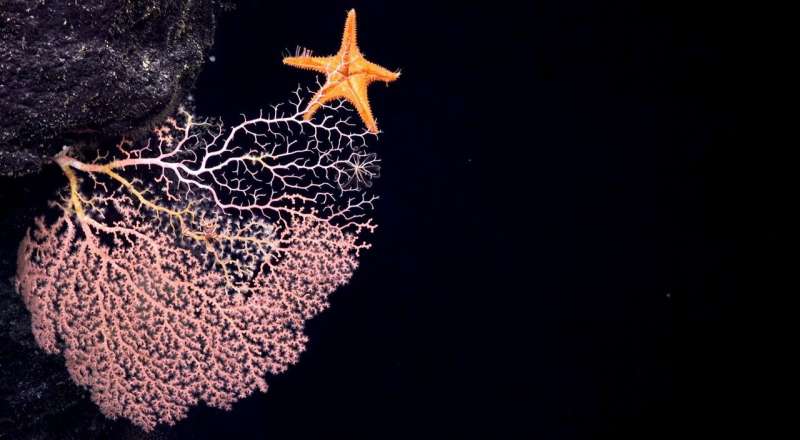
On the expedition's first ROV dive, this striking and clear example of corallivory was photographed: a predator eating coral mucus, tissue, even the skeleton of a coral. Here a corallivorous deep-sea sea star Evoplosoma eats live precious coral (Corallium) at a depth of 2004m on a previously unexplored ABNJ seamount (Area Beyond National Jurisdiction). While many seamounts and shoals are located in national waters, many others fall in ABNJ locations, with no current legal status per se. Many deep-sea researchers believe it is essential that protection measures are instigated under an internationally-recognized legal and institution framework to preserve the biodiversity and habitats there. Credit: Schmidt Ocean Institute

Marine scientists aboard Schmidt Ocean Institute's research vessel Falkor have identified likely new marine species and deep sea organisms on nine seamounts that were explored for the first time in the remote Phoenix Islands Archipelago. In a 34-day expedition that ended today, scientists also conducted high-resolution seafloor mapping of more than 30,000 square kilometers and video exploration of five additional seamounts

"It has been very inspiring to help document the biodiversity of unexplored seamounts on the  and in U.S. waters," said the  Chief Scientist Dr. Randi Rotjan of Boston University. "We're at the beginning of the UN Decade of Ocean Science for Sustainable Development, so now is the time to think about conservation broadly across all oceanscapes, and the maps, footage, and data we have collected will hopefully help to inform policy and management in decision making around new high seas protected areas."

During the expedition, scientists made two rare sightings of a glass octopus, a nearly transparent species whose only visible features are its optic nerve, eyeballs, and digestive tract. Before this expedition, there has been limited live footage of the glass octopus, forcing scientists to learn about the animal by studying specimens found in the gut contents of predators.

Schmidt Ocean Institute's underwater robot SuBastian also captured footage for the first time of a rare whale shark, a deep water species that dates back millions of years and whose name comes from its length of more than 40 feet. During the expedition, scientists also noted unique marine behaviors, including crab stealing fish from one another.

Of the 21 expedition dives, totaling more than 182 hours of exploration on the seafloor with SuBastian, seven were completed in the U.S. Pacific Remote Islands Marine National Monument (PRIMNM) and offered new insights into the no-take marine protected area, which includes the U.S. exclusive economic zone (EEZ) around the Howland and Baker islands. In 2017, Falkor traveled to the Phoenix Islands Protected Area (PIPA) with some of the same scientists. The recently concluded expedition continued the 2017 work in the U.S. portions of the Phoenix Islands Archipelago, offering a more complete picture of the region's entire ecosystem and how the seamount habitats are connected.

Schmidt Ocean Institute's underwater robot SuBastian also captured footage for the first time of a rare whale shark, a deep water species that dates back millions of years and whose name comes from its length of more than 40 feet. Credit: Schmidt Ocean Institute

The science team completed the first comprehensive survey of coral and sponge predation in the world, to investigate how corals respond to grazing scars and wounding. The team conducted a series of novel experiments onboard the ship to determine how corals and sponge immune systems react to over 15 different microbial stimuli. Through this work, the team generated the largest deep-water microbial culture collection from the Central Pacific .

"The Ocean holds wonders and promises we haven't even imagined, much less discovered," said Wendy Schmidt, co-founder of Schmidt Ocean Institute. "Expeditions like these teach us why , we need to increase our efforts to restore and better understand marine ecosystems everywhere—because the great chain of life that begins in the ocean is critical for human health and wellbeing."

"The coverage of this expedition was remarkable—we found changes in species across depth and geography around the Pacific equator and in the suite of organisms living on corals," said Dr. Tim Shank, biologist at the Woods HoIe Oceanographic Institution. "Looking into these deep-sea communities has altered the way we think about how organisms live and interact on seamounts and how they maintain diversity of life in the deep ocean."

"Working with scientists and local researchers, this expedition is a remarkable example of the frontiers of science and exploration that we are able to support," said Dr. Jyotika Virmani, executive director of Schmidt Ocean Institute. "Live-streaming the dives gives us a glimpse of rarely seen and fascinating creatures such as the transparent glass octopus. By providing this platform to further the understanding of our ocean, we trigger the imagination while helping to push forward scientific insights and the protection of our underwater world."


Explore further

First completely remote at-sea science expedition in Australia's coral sea marine park

Provided by Schmidt Ocean Institute