Friday, October 08, 2021

PLASTICS


What If We Pave Plastic Trash Into New Roads? | World Wide Waste

Oct 6, 2021
Business Insider
Presented by BASF

A company in Nairobi wants to install bricks made from plastic trash across Kenya’s capital. Could they become a solution for a country where 90% of roads have never been paved? And are roads made from plastic really a good idea?

Commercially viable production of climate-neutral plastic is possible

Peer-Reviewed Publication

ETH ZURICH

Since the early 1950s, plastics have found their way into almost every area of modern life. Between 1964 and 2014, plastic consumption increased twentyfold, from 15 to 311 million tonnes per year. Not only has environmental pollution from plastic waste increased during this time, but the amount of petroleum its manufacture consumes is large, as are the associated greenhouse gas emissions.

Researchers from ETH Zurich, RWTH Aachen University and the University of California, Santa Barbara have created a new computational model of global plastic production and disposal. The team was led by André Bardow, formerly of RWTH Aachen University and now Professor of Energy and Process Systems Engineering at ETH Zurich. With their model, the scientists demonstrate that it is possible to economically produce plastics that have a net-zero greenhouse gas emissions balance over their entire life cycle.

This is made possible by a clever combination of three technologies that already exist: plastic recycling and plastic production from biomass and from CO2 through carbon capture and utilisation (CCU). The researchers published their study in the latest issue of the journal Science [https://doi.org/10.1126/science.abg9853].

Increased plastic recycling

As the calculations showed, the key is to use as much recycled plastic as possible, supplemented by the other two manufacturing methods. These three types of manufacturing correspond to the principle of the circular economy. By optimally combining the three technologies, the quantity of energy required can be reduced by 34 to 53 percent compared with the current fossil-based manufacturing practice, supplemented with extensive carbon capture and storage (CCS) – particularly in waste incineration plants, where plastic products are burned at the end of their life cycle.

The cost of the newly proposed manufacturing method is on a par with that of this alternative fossil manufacturing scenario. Under favourable conditions, by 2050 the cost of global plastic production can be reduced by as much as 288 billion dollars per year compared to the alternative scenario. To achieve this, biomass, CO2 and renewable electricity must be available at low cost, the extraction and supply of petroleum must become more expensive, and incentives must be provided for investment in recycling. “The lower energy demand may seem counterintuitive, but it results from the amount of energy that recycling saves over the entire life cycle,” ETH Professor Bardow says.

Policymakers can promote the path to climate-neutral plastics by offering incentives for more plastic recycling and increased use of biomass and CCU, the authors conclude in the study. “We shouldn’t think of the different technologies for plastic manufacture individually, because there is great potential in combining them in a clever way,” Bardow says.

This text is a revised version of a press release from RWTH Aachen University.

Effective deconstruction of polyurethane by catalyst based on earth-abundant metal

New manganese-based catalyst shows to be efficient in the recycling of polyurethane (PU), which paves the way for the circular plastic economy for PU.

Peer-Reviewed Publication

AARHUS UNIVERSITY

New method for recycling Polyurethan (PU) 

IMAGE: RESEARCHERS FROM AARHUS UNIVERSITY AND THE REPURPOSE PROJECT DEVELOP AN EFFECTIVE METHOD FOR THE DECONSTRUCTION OF POLYURETHANE BY USING A CATALYST BASED ON MANGANESE, AN EARTH-ABUNDANT METAL. view more 

CREDIT: ILLUSTR.: CHEMSUSCHEM, SEP 12, 2021

Polyurethane (PU) is one of the most versatile thermoset synthetic polymers which through careful choice of monomer and formulation, can be seen in a myriad of different forms ranging from rigid-, flexible and molded foams to adhesives and elastomers just to name a few. Through its many forms, PU is seen in a plethora of different product like shoes, mattresses, and insolation material but also in more sophisticated products like wind turbine blades and components within aircrafts and cars. With a global production estimated to be above 22 million tons, increasing demand and production results in an ever-increasing amount of PU-waste, but here, the lack of good recycling methods means that most PU is send for energy recovery through incineration or is landfilled.

New research by the RePURpose consortium in ChemSusChem spearheaded by Prof Troels Skrydstrup and Ass. Prof. Steffan Kvist Kristensen has now shown that commercial and end-of-life PU-materials can be depolymerized into monomeric building blocks through chemical recycling. Where current PU‑recycling methods generate a secondary PU-material with other characteristics than the original material, this newly developed methodology has the potential to create virgin polymeric material with the same characteristics as the original material.

In the present study, researchers from the Interdisciplinary Nanoscience Center, iNANO, and Department of Chemistry at Aarhus University, reports that a catalytic system based on the earth-abundant base metal manganese, dihydrogen and isopropyl alcohol is effective for deconstructing different PU-materials into a polyol and an amine fraction representing the original monomeric compositions. The authors go to show, that the system can be used on gram scale even at low catalyst loading without diminishing the activity.

In an effort to reduce our plastic footprint and dependency on fossil fuels a change from the current linear model (make-use-dispose) towards a circular plastic economy, where PU is produced, used, recovered and recycled into new PU-materials is needed. The usage of an earth-abundant metal, a green solvent and the potential adaption towards green hydrogen could pave the way towards a circular plastic economy for PU.

For more information go to www.repurpose.nu.

READ ALSO: Newly found way to recycle polyurethane, a ubiquitous though complicated plastic material

CAPTION

The new method for recycling PU is based on a first row transition metal catalyst, a green and cheap base, and a green solvent.

CREDIT

Illustr.: Lise R. L. Pedersen

Read the scientific article in ChemSusChem:

”Evaluation of Manganese Catalysts for the Hydrogenative Deconstruction of Commercial and End-of-Life Polyurethane Samples” by Laurynas GausasBjarke DonslundSteffan Kristensen, and Troels SkrydstrupChemSusChem. 2021.

DOI: 10.1002/cssc.202101705


The research has been carried out by scientists from Interdisciplinary Nanoscience Centre (iNANO) and Department of Chemistry at Aarhus University in collaboration with the RePURpose consortium, incl.  Plixxent A/S, T. Dan-Foam ApS, ECCO SKO A/S, H. J. Hansen Genvindingsindustri A/S, Logstor A/S, N. Tinby A/S, and the Danish Technological Institute. Professor Troels Skrydstrup is in charge of the research team behind the study.

The work was generously supported by the Carlsberg FoundationInnovation Fund Denmark, and the Danish National Research Foundation.


For further information, please contact

Professor Troels Skrydstrup
Interdisciplinary Nanoscience Center (iNANO) & Department of Chemistry
Aarhus University
Denmark
Email: ts@chem.au.dk

FLASHBACK*
Friedland-backed Ivanhoe Electric funds South Voisey’s Bay survey

Henry Lazenby | October 6, 2021 | 
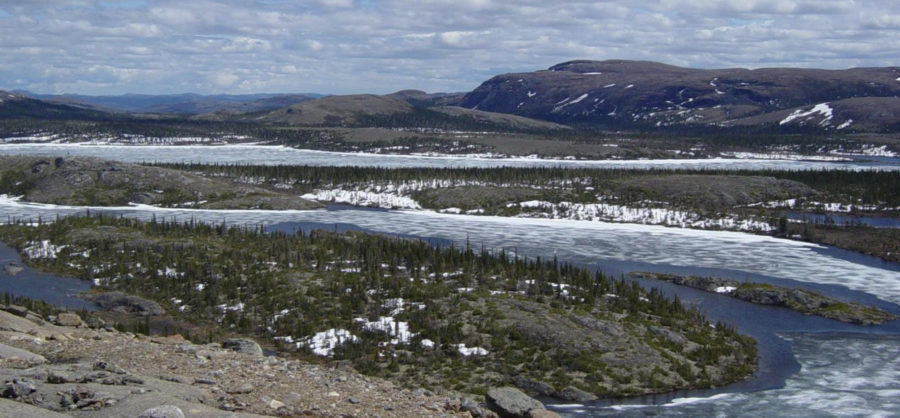
The South Voisey’s Bay Complex in Labrador may hold more discovery potential.
 Image from Fjordland Exploration.

Mining magnate Robert Friedland is looking to make another potentially massive base metals discovery about 80 kilometres south of his famous Voisey’s Bay find from 1993.


Friedland’s privately held US-based firm Ivanhoe Electric Inc. (IVNE) has put up funding to conduct a low-temperature superconducting quantum interference device (SQUID) moving loop transient electromagnetic survey on the South Voisey’s Bay (SVB) nickel-copper-cobalt project in Labrador, Canada.

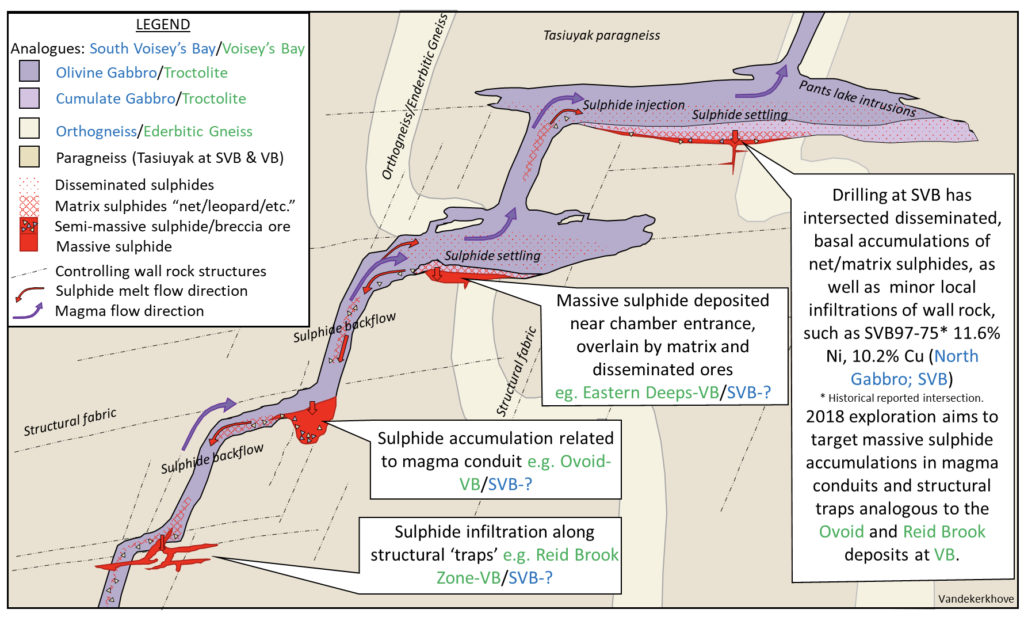
THE SVB PANTS LAKE INTRUSIVE COMPLEX IS ANALOGOUS TO THE VOISEY’S BAY DISCOVERY


The survey is being conducted by Discovery International Geophysics, headquartered in Saskatoon, Saskatchewan.

“Very low-frequency SQUID surveys are a relatively new tool being used in the hunt for highly conductive massive sulphide nickel deposits,” said Fjordland CEO James Tuer in a media release Wednesday.

The technology has been successfully applied in finding and expanding nickel deposits in Western Australia. In Canada, during the year, BHP-Midland and Wyloo Metals-Orford have also announced SQUID surveys on their nickel projects in northern Quebec.

The survey is expected to help classify the large number of graphite-related conductors that have complicated drill targeting in the past. Survey grids are also being prioritized over gravity anomalies, which may indicate high-density massive sulphide zones.

The SVB Pants Lake Intrusive complex is analogous to the Voisey’s Bay discovery. The proponents have already amassed a substantial project data set, including gravity, UTEM, pulse EM, Megatem, Radarsat and lithogeochemistry.

The SVB project is located 260 kilometres north-northwest of Goose Bay, Labrador, and 80 kilometres south of the Vale’s Voisey’s Bay nickel-copper-cobalt mine.

It covers most of the Pants Lake Gabbro Complex, which comprises several gabbro phases that are said to be similar to the ore-hosting gabbro at Voisey’s Bay nickel mine.

Drilling in 2017 and 2018 was centred on modelled conductors derived from re-processed historical UTEM-3 surveys conducted in 2002 and 2014 and incorporated the current geological concepts developed at Voisey’s Bay.

It was determined that geological structure plays an essential role in ore control at SVB, and that massive sulphide accumulations may also occur in wall rock structures. As a result, minor accumulations of nickel-copper sulphides in the drill core could indicate larger nearby massive bodies.

Geological structure plays an essential role in ore control at SVB.
 Source: Fjordland Exploration

Results to date have encountered several stacked Gabbro sills comprising multiple magma pulses. The best results to date were from hole 17-2 which returned 0.8 metres grading 0.63% nickel, 0.30% copper and 0.1% cobalt and hole 17-6 which returned 3.9 metres grading 0.37% nickel, 0.27% copper and 0.1 % cobalt.

According to Fjordland, once in a system like SVB, the idea is to look for conduits where the nickel-bearing magma has flowed back into structural traps and accumulated into economic volumes.

Positive survey results are expected to lead to a drill program in 2022.

Fjordland optioned 100% of the Pants Lake Intrusive Complex from Commander and then brought in Friedland’s other private exploration firm, High Power Exploration (HPX), to earn 65% of the project. HPX uses advanced in-house proprietary exploration and geophysical technologies to uncover hidden targets over previously explored areas.

According to Vale data, as of 2018, Voisey’s Bay resources are 29 million tonnes at 0.1% nickel, 0.9% copper and 0.1% cobalt, for 328,600 tonnes nickel, 145,700 tonnes copper and 19,380 tonnes of cobalt in the proven and probable reserve categories.

Fjordland will have earned a 75% interest in the SVB project under its option with Commander Resources (TSXV: CMD), subject to Commander receiving a C$40,000 option payment and an additional Fjordland 400,000 shares. Fjordland can increase its interest to 100% by funding an additional C$5 million ($3.9m) in exploration expenses by October 2024.

Under its agreement with Fjordland, IVNE can earn a 65% interest in the project by funding these commitments leaving Fjordland with a residual 35% interest. Following the survey, IVNE will have spent C$3 million of the C$8 million required under the Fjordland-Commander option agreement.

Fjoirdland shares last traded up more than 5% in Toronto at C$0.10 apiece, capitalizing it at C$7.53 million ($6 million).

*According to Pratap Chatterjee of CorpWatch, Friedland was dubbed ‘Toxic Bob’ in 1969 when he was busted for trying to peddle 8,000 ‘hits’ of the hallucinogenic drug LSD to an undercover drug agent in Portland, Maine. 


Coal industry is getting ample funding to pile into new plants
Bloomberg News | October 7, 2021 |

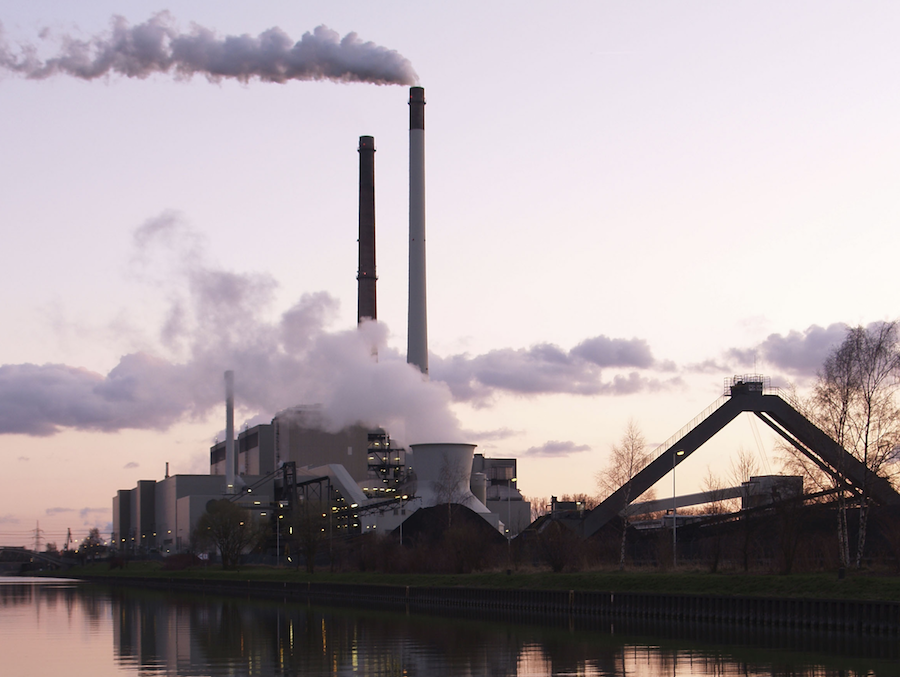
Coal power plant in Datteln, Germany, at the Dortmund-Ems-Kanal.
 (Image by Arnold Paul, Wikimedia Commons.).

The coal industry is still getting enough funding to enable significant investments in the world’s dirtiest fossil fuel, according to a report from German campaign group Urgewald.


Almost half the 1,030 companies surveyed in the study are planning to develop new coal power plants, new coal mines or new coal transport infrastructure. Less than 5% of the firms on the Global Coal Exit List have announced a coal exit date, according to the report.


“As long as investors, banks and insurers … continue supporting the companies listed on the GCEL, it will be impossible to phase out coal in time,” said Heffa Schuecking, the director of Urgewald. “Ending support for all coal developers must become an immediate priority for financial institutions worldwide.”


The study shows that much of the rhetoric dedicated to addressing climate change isn’t reflected in the numbers. Meanwhile, coal prices have surged amid a global energy crisis that threatens to undermine commitment to cutting CO2 emissions. China this month ordered its banks to ramp up funding to coal and energy companies in an effort to ease a power crunch ahead of the winter.

The GCEL list covers the largest coal plant operators, defined as companies that get over 20% of their power or revenues from coal and companies that are planning to expand coal mining, coal power or coal infrastructure.

The Urgewald study comes less than a month before world leaders are due to gather in Glasgow, Scotland, to hold the 26th UN Climate Change Conference of the Parties. Talks are set to be shaped by the latest assessment by the United Nations Intergovernmental Panel on Climate Change, which found that the planet is overheating at a more alarming pace than previously feared and that cutting greenhouse gas emissions is the only way to avert a climate catastrophe.

(By John Ainger)
Indigenous Environmental Defenders Shut Down Peruvian Crude Oil Pipeline

"Not a single drop of oil is going to come out of the Amazon until the government takes care of us," said campaigners.


A little girl takes part in a protest by activists in front of Peru's oil company Petroperu in Lima on September 21, 2017 to support the Achuar, Kichwa, and Quechua Amazon tribes affected by oil industry activites on their ancestral lands.
 (Photo: Cris Bouroncle/AFP via Getty Images)


JULIA CONLEY
October 7, 2021

Demanding stronger social and environmental support in northern Peru's Loreto region, about 200 Indigenous protesters on Wednesday announced a strike two days after they began occupying a station of the North Peruvian Oil Pipeline controlled by state-owned oil company Petroperu.

The strike will continue until President Pedro Castillo, who took office in July and has pledged a redistribution of wealth from mining projects to help local communities, fulfills the Indigenous people's demands, said the Indigenous Association for Development and Conservation of Bajo Yurimaguas (AIDCBY).

"Not a single drop of oil is going to come out of the Amazon until the government takes care of us," said AIDCBY.


The group, as well as the Awajun Native Federation of the Apaga River (FENARA) and the Peoples Affected by Oil Activity (PAAP), are demanding the establishment of a trust fund to finance the cleanup of areas affected by oil spills as well as education and healthcare services in the region.

"Now we'll see the real face of the executive who campaigned about supporting Indigenous peoples."

Official statistics show that at least 37 spills from the pipeline were recorded between 1996 and 2016.

According to the environmental protection group EarthRights International, local communities have been affected by major declines in crop yields and contaminated drinking water and have reported "a number of health problems stemming from the contamination, including nausea, migraines, vomiting, stomach pain, skin rashes, and even miscarriages among pregnant women; tests have confirmed contaminants in blood and urine."

The demonstrators called on Castillo and Energy Minister Ivan Merino to travel to Station 5, the pipeline station the groups have taken over. According to Telesur English, FENARA on Wednesday said the government should not "provoke with a police deployment" but instead allow for "the implementation of an intercultural dialogue."


Last year, three Amazonian Indigenous people were killed and 17 demonstrators were injured after Peruvian security forces responded to protests over a pipeline run by Canadian firm PetroTal.

Petroperu's pipeline transports crude oil from northern Peru's Amazon regions to a refinery on the country's Pacific coast. The company was forced to halt the pumping of oil this week as the groups took over Station 5.

Ismael Pérez Petsa, a leader of the Lower Puinahua Indigenous Development and Conservation Association, told Radio La Voz de la Selva Wednesday that the outcome of the protest is now in the Castillo administration's hands.

"Now we'll see the real face of the executive who campaigned about supporting Indigenous peoples," Pérez Petsa said. "The ball is with them and today it's [a] government political decision."

Our work is licensed under Creative Commons (CC BY-NC-ND 3.0). Feel free to republish and share widely.

Peru community says it won’t end Glencore mine blockade until demands met
Reuters | October 7, 2021 |

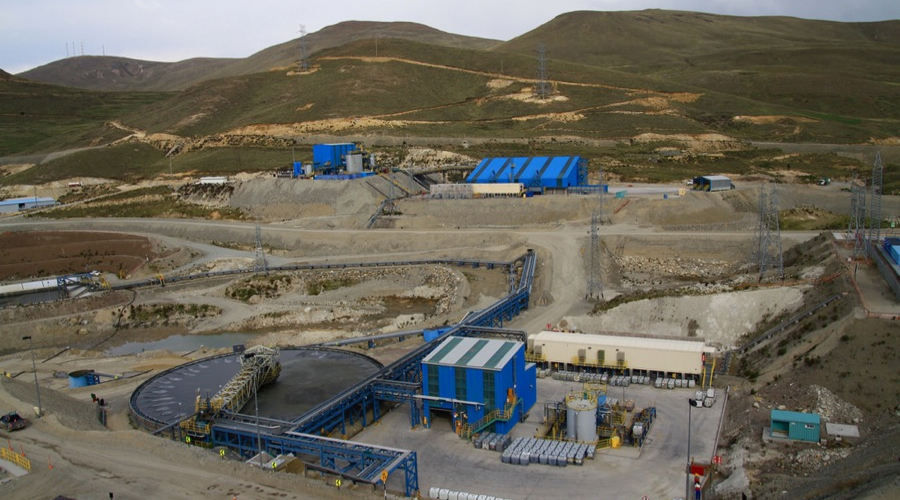
Glencore’s Antapaccay mine has been expanding production since late 2012.
 (Image by Golda Fuentes | Flickr Commons)

An indigenous community in Peru’s Espinar province that blocked a key mining road on Wednesday plans to continue the blockade indefinitely, a local leader said, in protest against the government and Glencore PLC’s Antapaccay copper mine.


The conflict comes a day after the government defused a similar standoff in nearby Chumbivilcas.


The Antapaccay mine declined to comment. Reuters was unable to reach a government mining spokesperson for comment.

The road is known in Peru as the mining corridor, and has become a lightning rod in the country, the world’s second-biggest copper producer after neighboring Chile.

As of Wednesday, the community had blocked the road to protest against the environmental and social impact of the mine as well as the lack of government engagement with the local populace, said Flavio Huanque, a community leader in Espinar.

Huanque said earlier on Wednesday that one of the community’s demands was for the government to replace its prime minister, which President Pedro Castillo did later in the day, though it was not clear whether the replacement was related to the demand.

The former prime minister “came here on Sept. 11 and showed an absolute lack of knowledge about the problems regarding the indigenous communities of Espinar,” Huanque told Reuters.

Still, Huanque said the blockade will continue until Antapaccay addresses their grievances, which includes decades of complaints of environmental degradation.

The mining corridor, which traverses the Andes for about 500 km (310 miles), was blockaded for about three weeks in September.

Those blockades were in a more remote part of the road, affecting the huge Las Bambas copper mine, owned by MMG Ltd – a unit of state-owned enterprise China Minmetals Corp Ltd – but sparing other mines including Antapaccay.

The blockade now affects both mines. Antapaccay is Peru’s sixth-largest copper mine, whereas Las Bambas ranks fourth, showed data from the ministry of energy and mines.

(By Marcelo Rochabrun; Editing by Marguerita Choy and Christopher Cushing)

Glencore’s Peru mine says won’t proceed with Coroccohuayco project in near-term
Reuters | October 7, 2021 | 

Antapaccay copper mine in Peru. (Photo: Glencore)

Glencore’s Antapaccay copper mine in Peru said on Thursday that it does not plan to execute this year or next its Coroccohuayco project that has caused nearby residents to protest and block the road used to transport its copper.


Residents are protesting the mine’s environmental impacts on the area over several decades of operation, as well as opposing the Coroccohuayco project, which would require an investment of $590 million to extract copper and gold.

Residents in Peru’s Espinar province, where Antappacay is located, have blocked the road since Wednesday. Flavio Huanque, one of the leaders behind the blockade, told Reuters on Wednesday night that the blockade would continue indefinitely.

Antappacay, Peru’s sixth largest copper mine, said it was having a meeting with residents on Thursday.

MMG Ltd’s Las Bambas copper mine, the country’s fourth largest, is also affected by the road block.

Atappacay said in a statement that they support having a consultation process before deciding to build Coroccohuayco.

“The project is still in the design and viability studies phase, and its development will depend on the results of those analyses,” Antapaccay said in its statement.

Espinar residents were also protesting against the government, which they say has not been receptive to their demands.

(By Marco Aquino; Editing by Marguerita Choy)
MINING IS UNSUSTAINABLE
Nickel: the mined commodity most exposed to biodiversity risks — report
Valentina Ruiz Leotaud | October 7, 2021 | 

Nickel smelter in Sorowako, Indonesia. (Image by Marcelo Coelho, courtesy of Vale).

Nickel is the mined commodity most exposed to biodiversity risks, a recent report by Verisk Maplecroft shows.


According to the consultancy firm, the battery metal’s exposure to such risks is mainly due to the fact that some of the largest nickel operations on the planet are located in biodiverse areas such as Indonesia, New Caledonia and the Philippines.

“Our data show Indonesia has the highest risk of all major producers. The country is the world’s largest producer of nickel ore and home to one of the world’s biggest copper-gold mines,” the report reads. “Meanwhile, Brazil — another high-risk nation — is the world’s second-largest producer of iron ore. Along with Papua New Guinea, these countries are all rich in globally important biodiversity, but safeguards for those valuable species and ecosystems are under threat.”

The review also points out that Zambia, Mexico, the Democratic Republic of Congo and Ghana fall in the middle in terms of risk because each boasts significant biodiversity that will need to be protected if mining operations in those countries continue to expand.


“OPERATORS NEED TO WORK OUT A WAY OF MEASURING BIODIVERSITY RISK ACROSS THEIR PORTFOLIOS AND CALCULATE THEIR EXPOSURE TO THE THREATS OF NATURAL CAPITAL DEPLETION IN A WAY THAT SATISFIES INVESTORS”
Verisk Maplecroft

On the other side of the spectrum are — at least for now — well-established major producers such as Australia, Chile, the US, China and South Africa, where the risk is far lower due to mining taking place in areas with lower value biodiversity and greater protections for nature.

“However, as these markets develop, in part due to skyrocketing global demand for battery materials like nickel, we can expect biodiversity risk to increase in tandem,” the report reads.

Looking at the other commodities, Verisk Maplecroft puts the spotlight on thermal coal and notes that large-scale production of the fossil fuel in Indonesian Borneo accounts for the bulk of its extreme risks score.

Risks for copper, on the other hand, are spread across multiple geographies including Indonesia’s Papua Province, Panama, Brazil, Botswana and Turkey. Iron ore’s biodiversity risk is primarily a result of mines in Brazil.

On a positive note, the UK-based analyst highlights the fact that most of the commodities scrutinized, well over half of the production is located in low-risk areas for biodiversity.

How to deal wi
th biodiversity risks

In Verisk Maplecroft’s view, given the growing demand for nickel and other battery metals, operators will need to get ahead of investor and regulatory demands.

“A first step is to recognize that biodiversity risk is no longer a local matter, but part of a global trend that is making waves among a much wider audience. Operators need to work out a way of measuring biodiversity risk across their portfolios and calculate their exposure to the threats of natural capital depletion in a way that satisfies investors,” the dossier reads. “By participating in the Taskforce for Nature-related Financial Disclosures, known as the TNFD, they can help shape what the global disclosure benchmark will look like.”

The TNFD is an initiative launched in 2020 by four nonprofit organizations: Global Canopy, UNDP, UNEP FI, and WWF, to work with investors to develop a framework for measuring the risks, impacts, and benefits of economic activities related to biodiversity. The project is financed by governments, the UN and philanthropic foundations and, at present, hosts 75 organizations from the private and public sectors, including heavyweight financial institutions such as Citi and Credit Suisse.

Besides joining such a platform, Verisk Maplecroft suggests that operators need to factor the results of portfolio risk analysis into investment and strategic decisions, just as they have with climate-related risks. Doing so is considered a helpful way to mitigate the investment and regulatory dangers of operating in high biodiversity areas and potentially identify opportunities to enhance resilience, business models and social licence to operate.

“Companies are now being asked to measure and mitigate activities damaging ecosystems, but will soon be required to dedicate time and resources to show how much corporate operations and strategies rely on elements like clean water or natural materials used for building – often defined as natural capital services,” the review reads.
MINING IS UNSUSTAINABLE
World's largest mining companies pledge net zero emissions by 2050
BY JOSEPH CHOI - 10/05/21

© Getty Images


The largest mining companies in the world signed a pledge on Tuesday to reach net-zero carbon emissions by 2050 or sooner.

“As the suppliers of the minerals and metals that are critical to decarbonisation and sustainable development, we have a particular responsibility to minimise the impact of our operations on the environment," Rohitesh Dhawan, CEO of the International Council on Mining and Metals (ICMM), said in a statement.

"ICMM members’ collective commitment to net zero scope 1 and 2 GHG emissions by 2050 is a pivotal moment in our history," Dhawan added. "We are speaking with one voice, representing approximately one third of the global mining and metals industry — including more than 650 sites in over 50 countries — so that we drive emissions reduction at a significant scale."

According to the organization, this commitment is made to support the United Nations Sustainable Development Goals.

The ICMM includes companies like Anglo American, Mitsubishi Materials and Glencore.

The organization said it hoped its collective commitment would "encourage our suppliers and customers to join us in decarbonising our value chains while we support the decarbonisation of the value chains of others."

 UNSUSTAINABLE AS AIRLINES 

Shipping Industry Outlines Roadmap to Achieve Net Zero CO2 Emissions by 2050


Mike Schuler
October 6, 2021

A shipping industry trade group representing over 80% of the world’s merchant fleet has proposed a bold new plan to help the industry achieve net zero CO2 emissions by 2050, doubling the ambition of the International Maritime Organization’s target.

The International Chamber of Shipping (ICS) submitted plans to the industry’s UN regulator, the International Maritime Organization (IMO), detailing urgent measures which governments must take to help the industry achieve net zero CO2 by 2050.

Currently, shipping is estimated to emit almost 3% of global CO2 emissions.

Just one month ahead of the shipping industry’s flagship COP26 decarbonization conference (‘Shaping the Future of Shipping’), the ICS is pushing governments to double the ambition of the IMO’s current target, which is to reduce emissions from international shipping by 50% by 2050.

The plans include a mandatory R&D fund to develop zero-carbon technologies, and the development of a carbon tax for shipping to expedite the transition to more expensive zero-carbon fuels.

In its submission, shipping accepts the vital need to accelerate decarbonization timelines. But it also states that a net zero target by 2050 will only be achievable if governments take the necessary actions. To facilitate this, the industry has taken the unique step of setting out the specific measures that governments must be take to make decarbonization by 2050 a reality.

“Talk is cheap, and action is difficult. So, our net zero offering sets out the ‘how’ as well as the ‘what’ for decarbonising shipping by 2050. We’re saying to governments that if they really want to reach net zero, they need to move from empty commitments to tangible action,” says Esben Poulsson, Chairman of ICS.

“A net zero carbon ambition is achievable by 2050. But only provided governments take the unglamorous but urgent decisions needed to manage this process within a global regulatory framework,” he adds.

The ICS says the adoption by IMO of a net zero target will send a very strong message sought by the industry, as well as energy providers, shipbuilders and engine manufacturers, so that investments in green fuels and technology can be accelerated and scaled.

Given the typical 25-year life of new ocean-going ships, thousands of zero-emission ships will need to be in the water by 2030 if the industry is to meet an ambitious net zero target.

Therefore, it is critical for the IMO to adopt those urgent measures required to accelerate an increase in what it calls “Technology Readiness Levels”. A key step is for governments to approve the establishment of the $5 billion IMO-backed R&D fund, known as the International Maritime Research Fund (IMRF), at a critical IMO meeting in November, just two weeks after COP 26.

This call supports the IMRF proposal which will provide guaranteed levels of funding to accelerate the development of zero emission ships, without requiring governments to use taxpayers’ money. Rather, the IMRF will be funded by mandatory R&D contributions from shipowners globally, via a $2 tax per metric of marine fuel consumed, which the shipping industry wants in place by 2023, says the ICS.

To expedite the transition to net zero, ICS has also made a comprehensive proposal setting out the framework for a broader carbon tax applicable to shipping, which will be considered by IMO Member States at a meeting in mid-October, to help close the price gap between zero-carbon and conventional fuels. This could be used to provide the billions of dollars needed to deploy new bunkering infrastructure required in ports worldwide and ensure consistency in the industry’s green transition, for both developed and developing economies, in the run up to 2050.

“We have expended a great deal of senior industry leaders time deliberating and analyzing the most effective and equitable proposals to ensure that we can decarbonize our industry quickly and effectively,” says John Adams, Chairman of the ICS GHG measures working group. “If adopted by governments at the IMO, these measures could lead to regulation that will swiftly move the shipping sector and associated industries towards a zero-carbon future.”

“Governments can make a huge statement of their intent to get behind this new timeline by approving the industry’s proposed $5 billion R&D fund in November at the IMO,” says Adams

The proposal also includes plans for the sharing of intellectual property among industry innovators in zero carbon technologies, to accelerate the pace of change within shipping.

“This is a unique case of an industry demanding to be more tightly regulated on carbon emissions, and putting its hand up to do the grunt work of getting there. We’re not trying to win headlines – we’re trying to reach net zero,” adds Guy Platten, Secretary General at ICS.

“If a net zero target is to be more than a political gesture, governments need to recognise the magnitude of the challenge of phasing-out CO2 emissions from large oceangoing ships. Only these proposed measures can tackle the innovation and knowledge gap, and challenges of a global equitable transition, that shipping’s decarbonization presents,” Platten says.

International Chamber of Shipping commits to net zero by 2050

The International Chamber of Shipping (ICS), which represents 80% of the global shipping industry, has now come out in favour of shipping going net zero by 2050, submitting plans to the International Maritime Organization (IMO), a month before the Marine Environment Protection Committee (MEPC) meets. The ICS net zero stance comes in the same week the world’s top miners as well as global airlines have adopted similar pledges.

The plans submitted are twice as ambitious as IMO’s current goals of reducing emissions by at least 50% compared to 2008 levels by the mid-point of century, and come as a host of other bodies and member states have echoed similar net zero calls.

The plans submitted by the ICS include a compulsory R&D fund to develop zero-carbon technologies, and the development of a carbon levy for shipping to expedite the transition to more expensive zero-carbon fuels.

The ICS restated its keenness for member states to approve its $5bn IMO Maritime Research Fund (IMRF) next month, a levy designed to accelerate the development of zero emission ships.

ICS has also made a comprehensive proposal setting out the architecture for a broader carbon levy applicable to shipping.

Governments need to recognise the magnitude of the challenge of phasing-out CO2 emissions from large oceangoing ships


Esben Poulsson, chairman of ICS, said: “Talk is cheap, and action is difficult. So, our net zero offering sets out the how as well as the what for decarbonising shipping by 2050. We’re saying to governments that if they really want to reach net zero, they need to move from empty commitments to tangible action. A net zero carbon ambition is achievable by 2050. But only provided governments take the unglamorous but urgent decisions needed to manage this process within a global regulatory framework.”

The proposal also includes plans for the sharing of intellectual property amongst industry innovators in zero carbon technologies, to accelerate the pace of change within shipping.

Guy Platten, secretary general of ICS, claimed: “This is a unique case of an industry demanding to be more tightly regulated on carbon emissions, and putting its hand up to do the grunt work of getting there. We’re not trying to win headlines – we’re trying to reach net zero.

“If a net zero target is to be more than a political gesture, governments need to recognise the magnitude of the challenge of phasing-out CO2 emissions from large oceangoing ships. Only these proposed measures can tackle the innovation and knowledge gap, and challenges of a global equitable transition, that shipping’s decarbonisation presents.”

At the same time as the ICS announcement, the world’s top miners committed to a goal of net zero direct and indirect carbon emissions by 2050 or sooner, the International Council on Mining and Metals (ICMM) said.

“ICMM members’ collective commitment to net zero scope one (direct) and two (indirect) greenhouse gas emissions by 2050 is a pivotal moment in our history,” CEO Rohitesh Dhawan said in an open letter signed by the 28 chiefs of the world’s largest miners, ahead of next month’s COP 26, a major international climate summit to be held in Glasgow, Scotland.

With the run up to COP 26 generating plenty of headlines many other industries are also airing their own net zero pledges.

On Monday, the International Air Transport Association (IATA) approved a resolution for the global air transport industry to achieve net-zero carbon emissions by 2050.