Tuesday, April 29, 2025


NTSB: Not Following Maintenance Recommendations Led to Cruise Ship Fire
coastal cruise ship Ocean Navigator
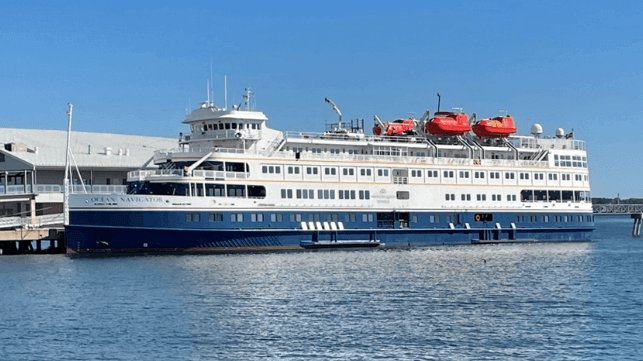
Small cruise ship Ocean Navigator docked in Portland after the fire (NTSB)

Published Apr 22, 2025 6:12 PM by The Maritime Executive


An explosion and fire aboard the coastal cruise ship Ocean Navigator in October 2023 was likely caused by not following maintenance recommendations and infrequent changes of lube oil and oil filters concluded the National Transportation Safety Board. One crewmember was seriously injured in an explosion and fire in the engine room of the ship when one of its auxiliary engines failed and parts were ejected during an explosion followed by a fire.

The Ocean Navigator, which was built in 2001 as a modern version of an American coastal cruise ship, was operating at the time for Hornblower’s American Queen Voyages and had just docked in Portland, Maine on its next to last scheduled cruise when the explosion occurred. Earlier in the year, AQY announced it would be removing the ship and her sister ship from service at the conclusion of the Canadian cruise season.

Engineers reported that the machinery was working properly as they navigated into the port and docked around 0630. There was a total of 210 people aboard, 128 passengers and 82 crewmembers. After shutting down the propulsion system, the third engineer and a motorman were assigned to troubleshoot a high exhaust temperature issue in the no. 1 auxiliary engine while the vessel was using its no. 2 auxiliary engine to provide electric power for the ship.

The third engineer reported smelling oil and found a small lube oil leak from a crankcase cover door on the running no. 2 auxiliary engine. He went to tighten a bolt, but before he could there was an explosion and fire along with low lube oil pressure and oil filter plugged alarms. Both the engineer's and motorman’s overalls were on fire with the motorman more seriously injured.

NTSB commends the quick response of the crew in sealing the engine room by closing watertight doors, shutting off ventilation fans, closing dampers, and activating quick-closing fuel valves to effectively starve the fire of fuel and oxygen. They prevented the spread of the fire and the fire self self-extinguished. 

The captain saw thick smoke coming from the funnel and immediately returned to the bridge. The passengers were mustered and evacuated without injury. Local fire crews responded but found the situation controlled.


Fire damage to the no. 2 auxiliary (NTSB report)


The subsequent investigation found that the no. 2 engine was damaged beyond repair. The engine block had cracked, and investigators found a 10-inch high and 16-inch wide hole and reported one of the connecting rods had been ejected. There was damage to the no. 1 auxiliary engine from the fire as well as the turbocharger, piping, cables, and electrical wires and lighting in the engine room. The NTSB reports the cost of the casualty at $2.4 million.

The NTSB investigators concluded that the engine failure was caused by debris in the engine’s lube oil system—possibly due to the crew exceeding manufacturer-recommended intervals for changing the lube oil and oil filter elements—which caused catastrophic mechanical damage to the engine and subsequent fire from the ignition of atomize lube oil released through the engine’s ruptured crankcase.

The crew had last changed the entire quantity of lube oil for the no. 2 auxiliary engine in September 2022—about 13 months before the engine failure—but the engine had operated more than 5,000 hours with this lube oil in the engine, five times longer than the manufacturer’s recommendation. Additionally, since the last change of the lube oil filter elements in May 2023, the engine had run over 3,000 hours. The engine manufacturer’s recommendation is to replace filter elements at every oil change or after the filter elements had been used for 1,000 hours.

“Manufacturers provide maintenance recommendations and intervals (schedules) to ensure equipment operates safely, optimally, and reliably throughout its service life,” the NTSB writes in its report. “By regularly reviewing equipment manufacturer manuals and guidance, operators can ensure conformance with recommended maintenance plans and mitigate the risk of equipment malfunction or failure.”

The analysis of the lube oil in the no. 2 engine identified abnormally high levels of aluminum and iron. It had increased significantly since the last in-service sample was taken in September. There was also an increase in lead and tin. 

The vessel was sold during the bankruptcy of American Queen Voyages and Hornblower. The subsequent survey for the repairs showed that the engine block, crankshaft, several main bearings, connecting rod bearings, and the no. 14 fuel injector were all damaged during the explosion and fire with the plunger of the no. 14 fuel injector broken off, pistons and pins and other components from the nos. 13 and 14 cylinders “totally destroyed.” They also observed “heavy local wear” in main bearings and signs of cavitation that were not typical and also suggested oil quality or other lube oil issues.

NTSB concluded that debris in the system would have caused scratching or scoring of the inner layer of the bearings as the debris circulated. The wear would have permitted more lube oil to flow out the sides of the bearings, reducing pressure, and generating excessive heat. The lack of changing out the filter elements made the filter less effective or it could have clogged and a bypass value would have permitted more debris into the system.

These factors they believe contributed to the failures and catastrophic mechanical damage to the engine. The hot oil spewing out started the fire.

Repairs were made to the ship and it returned to service under its new owners in April 2025. The complete report is available online.


Cruise Ship Boom Fuels New Records for Port Canaveral
Port Canaveral cruise ships
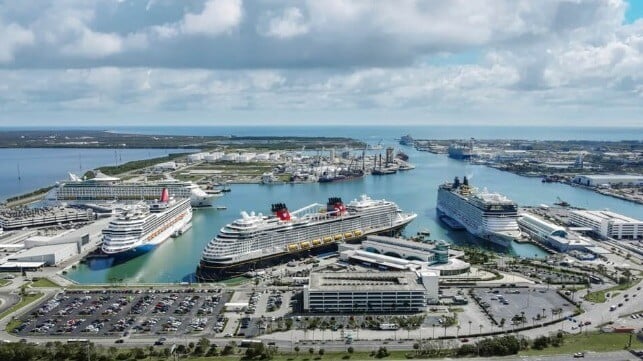
Six cruise ships docked in the port as it experienced its busiest month ever in March 2025 (Port Canaveral)

Published Apr 24, 2025 6:33 PM by The Maritime Executive


The continuing strong growth in the cruise ship industry has helped Florida’s Port Canaveral to set new records in its current fiscal year. The port had its busiest month ever in March with a 16 percent year-over-year increase in passenger volumes coming after a record winter season and new, larger ships scheduled to homeport at the Central Florida port.

“It wasn’t long ago when we exceeded 500,000 guests in a single month. Now, with numbers like this approaching nearly a million, it’s not just remarkable, it demonstrates the strong demand for sailings from our Port. We’ve been predicting it, and we were ready for it,” stated Capt. John Murray, Port Canaveral CEO.

In March 2025, the port handled 925,994 passengers coming and going from the cruise ships. That was up 16 percent compared to a year earlier and was the second record month in the port’s nearly completed winter season. The Orlando Sentinel highlights another record in December 2024 when Port Canaveral handled 837,900 passengers.

Port officials reported to its board of directors that for the six-month period in FY 2025 they have already handled 4.42 million passengers and they are projecting the port will reach 8.4 million passengers for the full year. That is up from 7.6 million last year and in FY 2019, Port Canaveral hosted nearly 4.6 million revenue cruise passengers.

The strong passenger counts were driven by a record 16 cruise ships sailing from the port during the peak winter months. The port says that cruise ships are now operating more than 1,000 trips annually from Port Canaveral, with many being the shorter 3- and 4-day trips to the Bahamas. The port however slipped back into second place in the passenger counts after briefly topping PortMiami as the cruise industry restarted after the pandemic.

The port also reported that it was ahead of forecast for each of the first six months in the current fiscal year. That has also helped it to generate a record of just over $23 million in operating revenue in March. For the first six months of the year, the port achieved over $111 million in operating revenue.

Port Canaveral reports it has grown in popularity as a homeport, particularly for cruise guests who prefer to drive to their port. Also with its proximity to the Central Florida theme parks and attractions, the port highlights that just over a quarter of the passengers stay in the local area for pre- or post-cruise stays fueling the hotels, restaurants, and tourism industry.

Murray highlights that the port is investing millions of dollars to make sailing from the Central Florida region even more accessible and convenient. Its projects include expanded terminals, updated parking facilities, and updated technology that allows guests to get to and from their cruise faster than ever. Previously he also highlighted their early planning which made Port Canaveral the first in North America to homeport an LNG-fueled cruise ship.

While several of the ships move to other markets during the summer months, the port is preparing this weekend to welcome the new Norwegian Aqua, and this summer it will become homeport to Star of the Seas, which will be the largest cruise ship in the world. Carnivale Cruise Line recently announced it would position its newest ship, Carnival Festivale in the port in 2027 and MSC also announced that its new giant, MSC World Atlantic will be positioned in the port. MSC, Princess Cruises, Celebrity Cruises, and Norwegian Cruise Line will all deploy newer ships to Port Canaveral this winter.  

Near term, the port is looking to expand one of its existing cruise terminals. It is also working on plans to build one or more new terminals to accommodate additional growth in the cruise business while also balancing with the needs of the cargo business and its operations to support the space industry.


China Floats Second Large 

Domestically-Built Cruise Ship
Chinese built cruise ship
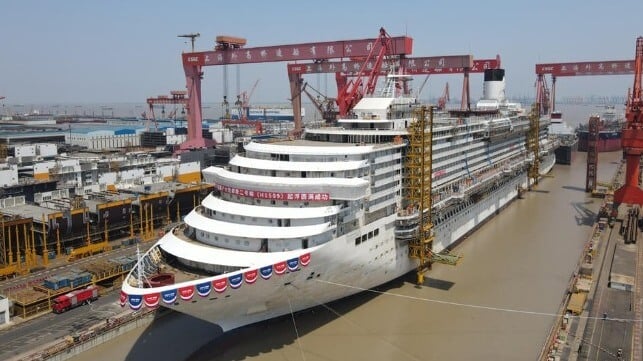
Adora Flora City was floated as China continues to develop its cruise ship construction skills (Adora Cruises)

Published Apr 28, 2025 1:48 PM by The Maritime Executive


China’s Shanghai Waigaoqiao Shipbuilding Co., part of CSSC, marked the floatout of its second, large domestically-built cruise ship. It comes as Chian continues to invest in the sector and looks to become a competitor in the market dominated by a few European shipbuilders.

The second ship which was named Adora Flora City for its ties to Guangzhou, the southern city near Hong Kong, was floated overnight between April 27 and 28. According to the shipyard officials, it demonstrates China’s increasing proficiency and improved efficiency in cruise ship construction as the vessel is nearly 70 percent completed. Steel cutting began in August 2022 and the ship which is larger than the first cruise ship reached this point a month earlier in construction. Also, this project is being supervised by domestic Chinese teams where the first project was in cooperation with Italy’s Fincantieri and RINA class society. RINA continues to participate while emphasizing China’s large investments in developing the sector.

The new ship will operate under the colloquial name of Aida Huacheng and is due to enter service at the end of 2026 from Guangzhou. It is based on the same design as Adora Magic City (Aida Modu) which was introduced at the start of 2024. Both ships are based on a Fincantieri design for Carnival Corporation, although the new ship has been lengthened 17.4 meters (57 feet) to an overall length of 341 meters (1,18 feet). It will be 141,900 gross tons with a total passenger capacity of 5,232 passengers.
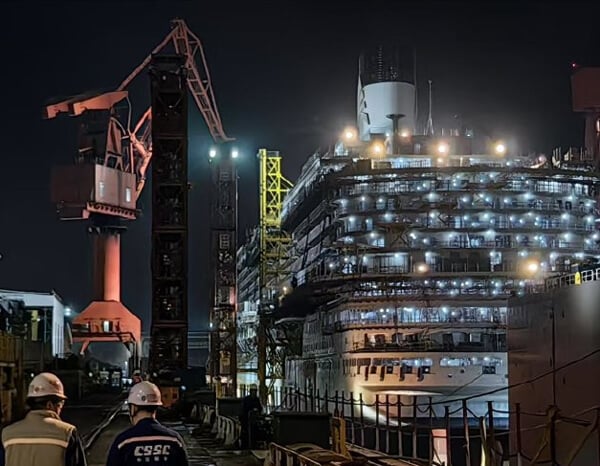


Adora Cruises, which is owned by CSSC, highlights that the interior design is being adapted to be “more beautiful, more technological, more Chinese.” The interior décor will be a combination of Art Nouveau style, the Maritime Silk Road, and Lingnan cultural elements. They are emphasizing the ship will provide a “more Chinese” cruise experience versus the first ship which more closely followed the Carnival designs or the Adora Mediterranea, which was acquired from Costa Cruises.

Among the changes the main atrium is doubled in size, the fitness area is being optimized, new suites are added, and there are upgrades to the dining and shopping areas. A new outdoor multifunctional space is also being created to host entertainment performances, leisure and healing activities, social interaction, and the coffee culture of its namesake city. 

The construction timeline calls for the cruise ship to start sea trials in May 2026.

Adora was conceived as a partnership between CSSC and Carnival Corporation but Carnival later sold shares to become a minority investor. The brand launched focused on the domestic Chinese market with the acquired cruise ship. Adora reports so far it has carried over 620,000 passengers. It looks to expand its operations with the new ship and increase the number of foreign passengers. 

China highlights its developing efficiency and skills in cruise ship construction. It looks to compete for future projects against Fincantieri, Chantiers de l’Atlantique, and the Meyer yards in Germany and Finland, which are the leaders in building nearly all large cruise ships. 


Navantia Accelerates Investments in Harland & Wolff and UK Shipbuilding

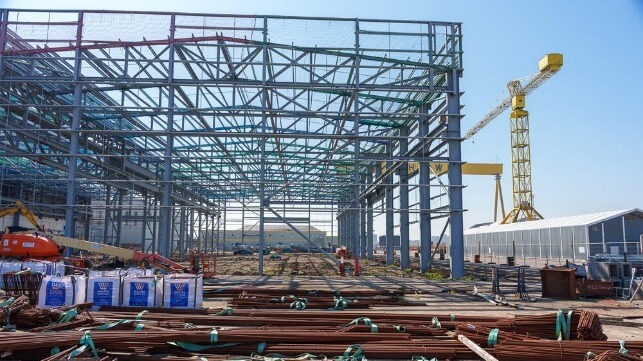
Harland & Wolff shipyard
Investments are underway at the famed shipyard in Belfast with the iconic gantry crane in the background (Navantia UK)

Published Apr 23, 2025 2:26 PM by The Maritime Executive


Three months after completing the acquisition of the bankrupt Harland & Wolff shipyard in Belfast and the other yards of the group, Spain’s Navantia outlined its plans for increased investment to create what it is calling one of the “UK’s most advanced shipyards.” The investments that are intended to improve productivity, provide faster delivery, and more sustainable manufacturing processes as designed to position the UK group as the UK and European governments are increasing defense spending.

Navantia partnered with Harland & Wolff in 2023 to win a UK contract to build three naval support ships for the Royal Navy Auxiliary. As part of that program, the companies committed to an investment of £77 million ($100 million) to modernize the yards and increase capabilities for the Fleet Solid Support (FSS) contract. The Spanish group stepped in in late 2024 to save the UK shipyard group from liquidation and maintain the FSS program reporting that it would increase the planned investment in the yards.

“The modernization program will significantly enhance the Belfast yard’s ability to build the FSS vessels and support future programs,” said Navantia UK detailing its plans. “The investment is designed to deliver a comprehensive regeneration of UK shipbuilding capabilities, leveraging the opportunity presented by the FSS program.”

Assembly work and outfitting for the three FSS vessels is slated to take place at the yard in Belfast. The Appledore shipyard is producing the bow sections for the vessels. Work on the upgrades had begun in 2024, but was suspended due to the group’s financial troubles. Navantia UK reports that work resumed in March.

According to the group, the modernization focuses on maximizing productivity, creating jobs, and implementing sustainable manufacturing. Phase one focuses on enhancing capabilities for building vessel hulls, with improvements to delivery systems, stockyard management, and cutting technologies. It includes a comprehensive upgrade both for infrastructure development and advanced equipment installation. It will feature new lifting cranes, robotic plasma cutting systems, and automated quality control processes. A fully mechanized panel line for flat panel units will be installed, while the Belfast shipyard’s iconic Samson and Goliath gantry cranes will continue to play a vital role in operations.

The investment program extends beyond Belfast, with significant upgrades at the Appledore shipyard in Devon. The company has already committed to purchasing an advanced plasma cutter with expanded bed dimensions and sophisticated bevel-cutting capabilities, replacing machinery that has served the facility for more than 20 years.

Navantia UK’s investment strategy also encompasses the Scottish facilities at Arnish and Methil, which specialize in the energy industries. At Arnish, investment has begun including on skills development infrastructure, featuring a new welfare facility, dedicated training center establishment, office space improvements, and enhanced security and parking provisions.

Juan de la Cueva, CEO of Navantia UK, called the investments a “watershed moment” for UK shipbuilding. He said it was part of a long-term commitment to UK shipbuilding. Harland & Wolff they said will be transformed into a cutting-edge facility capable of delivering the highest quality vessels.  The Belfast yard was once an industry leader but entered a long decline delivering its last new build in 2009 and saved from a prior bankruptcy in 2019. Similarly, the Appledore shipyard went into receivership in 2003 and finally closed in 2019 before being acquired by Harland & Wolff Group in 2020. The group acquired the two smaller yards in Scotland in 2021.


UK and Eni to Start Construction of Liverpool Bay Carbon Storage Project

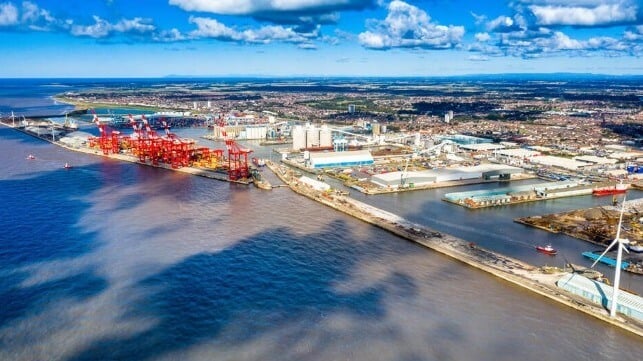
Liverpool UK
Carbon storage will be under Liverpool Bay to support the industrials operations in the region (Peel Ports)

Published Apr 27, 2025 12:09 PM by The Maritime Executive


The Liverpool Bay CCS project which is a key element of the UK’s HyNet Cluster designed to support industry in the North West of England and North Wales cleared its financial hurdles and will move into construction. The project is a partnership between Italian energy major Eni and the UK Government to support what is being called one of the world’s most advanced CCS clusters.

The UK Secretary of State for Energy Security and Net Zero, Ed Miliband, and Eni CEO, Claudio Descalzi, announced that they have reached the financial close for the project. The UK Government had previously announced its funding allocation of £21.7 billion ($29 billion) to be invested over 25 years across the first two CCS Clusters in the country. Eni will be the operator of the CO2 transport and storage system of the HyNet Industrial Cluster.

UK Secretary of State for Energy Security and Net Zero, Ed Miliband called this the “launch of a whole new clean energy industry for our country,” citing the job creation and support for the industrial sectors of the UK. He said it would kickstart growth and support the UK’s industrial competitiveness for the long term.

The Liverpool Bay CCS project will operate as the backbone of the HyNet Cluster to transport carbon dioxide from capture plants across the North West of England and North Wales through new and repurposed infrastructure to permanent storage in Eni’s depleted natural gas reservoirs, located under the seabed in Liverpool Bay. The project foresees the repurposing of part of the offshore platforms as well as 149 km of onshore and offshore pipelines, and the construction of 35 km of new pipelines to connect industrial emitters to the Liverpool Bay CCS network.

It is designed to support industrial operations including companies involved in cement manufacturing, and energy from waste plants, as well as supporting the growth of low-carbon hydrogen production in the region. The HyNet Consortium aims to become one of the first low-carbon clusters in the world.

The project will have a storage capacity of 4.5 million tonnes of CO2?per year in the first phase, and the potential to increase to 10 million tonnes of CO2?per year in the 2030s. It will be used to address the needs of industries that currently do not have efficient and effective solutions for their carbon emissions.

Construction of the project is expected to commence this year, ready for planned start-up in 2028, in line with industrial emitters in the HyNet Cluster.


Kpler Closes Spire Maritime Acquisition as UK Proceeds with Investigation

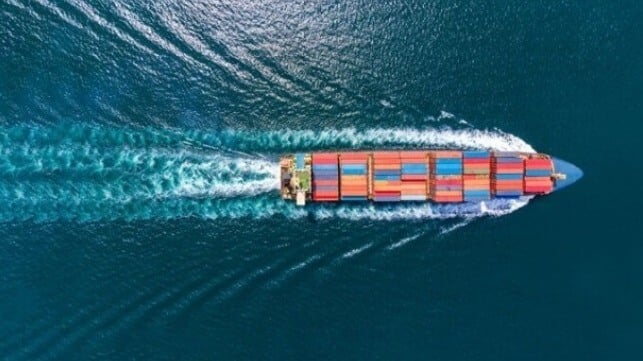
containership at sea
Kpler looks to enhance its information with Spire's real-time satellite feed (file photo)

Published Apr 25, 2025 7:04 PM by The Maritime Executive


The on-again-off-again acquisition of the maritime business from Spire Global by Kpler closed on Friday, April 25, the agreed date in a settlement between the two sides, but not without a new wrinkle to the contentious combination. The UK Competition and Markets Authority (CMA) confirmed it has opened an investigation into the proposed business combination requiring the companies to be independently operated.

Kpler confirmed in the closing announcement that it is working closely with the relevant regulatory authorities and in particular with the UK Competition and Markets Authority “in light of their review of the transaction.” Both sides had to enter into a compliance statement with CMA promising to operate the business units separately, not sharing technology or confidential business data. In addition to not moving forward with an integration, they committed to ensure that sufficient resources are made available for the development of both businesses, on the basis of their respective pre-merger business plans and maintain their current product offerings.

Despite the latest glitch, Kpler called the closing a “strategic move that bolsters Kpler's capabilities in maritime data and analytics.” Mark Cunningham, CEO of Kpler, said "The addition of this high-quality data will unlock greater value for our customers and partners by providing increasingly comprehensive and timely insights into global trade flows. It's about helping them navigate complexity, uncover opportunities, and make better decisions every day."

Spire reported the completion of the sale for approximately $233.5 million, before adjustments, plus a $7.5 million agreement for services over a twelve-month period, post-close. Spire reports it used the proceeds of the sale to retire all outstanding debt and that the remaining proceeds will be used to invest in near-term growth opportunities. It followed the terms first announced for the deal in November 2024.

Spire Global reported in February it had filed a lawsuit against Kpler for a failure to close the acquisition of its maritime group while also warning shareholders of potential debt problems if the deal is not completed. At the time, it said it believed all the conditions to closing contained in the purchase agreement had been satisfied, but that Kpler had not moved forward with the closing. Three weeks ago, Spire reported an agreement had been reached to resolve the litigation and mutually release claims, if the closing occurred by April 25.

In the CMA filing, it came out that Kpler had communicated with the regulator on February 25, March 11, March 12, March 24, March 31, and April 10, requesting that the CMA consent to derogations to the Initial Enforcement Order. CMA agreed on April 16 to permit Kpler to have a level of oversight of the acquired company while requiring that they be kept independent and Spire’s business continue as a going concern so as not to prejudice the investigation. CMA reports it is continuing to consider if the combination may be expected to result in a substantial lessening of competition in any market or markets in the United Kingdom.

Spire Maritime built its niche with real-time capabilities by designing, building, and deploying nanosatellites, each the size of a wine bottle, in a constant earth orbit collecting data from all the ships. Kpler said when the deal was announced it would expand its data reach, offering comprehensive visibility across open oceans. Management said the acquisition would further strengthen Kpler’s commitment to delivering superior real-time data and analytics to its clients, supporting informed, data-driven decision-making across the global supply chain.

Kpler in 2023 acquired MarineTraffic a portal for AIS data, mapping, and visualization along with FleetMon, a vessel database. Access to Spire Global’s proprietary satellites and analytics would enhance the portfolio.

Under the terms of the agreement, Spire Global retains its satellite network, technology, and infrastructure. It said it would focus its business on its customers in aviation, weather, and the space services sectors.


Op-Ed: To Save Bangladesh's Ship Recycling Industry, Phase In the HKC

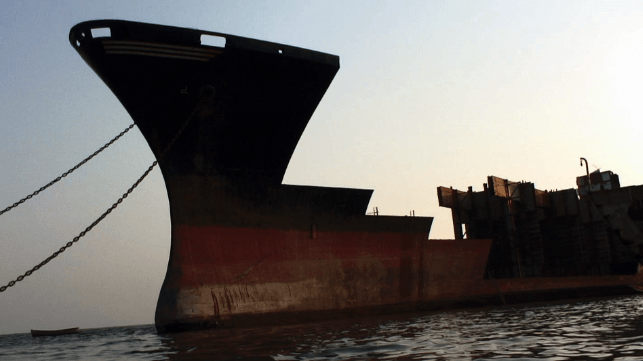
Shipbreaking
File image courtesy NGO Shipbreaking Platform

Published Apr 27, 2025 2:35 PM by Dr. Ishtiaque Ahmed


Bangladesh ratified the International Convention for the Safe and Environmentally Sound Recycling of Ships, known as the Hong Kong Convention (HKC), on 26 June 2023. The Convention will come into force globally on 26 June 2025. As one of the world’s largest ship recycling nations, Bangladesh now stands at a pivotal juncture in implementing its international obligations. On one hand, there is the challenge of meeting commitments to enhance environmental protection and worker safety; on the other, the urgent need to safeguard a critical sector of the national economy. This situation raises a vital question: after the Convention’s global entry into force, can ship recycling facilities that are not yet fully compliant with HKC standards continue to import end-of-life vessels for recycling after 26 June 2025?

At present, the Government of Bangladesh, amid uncertainty regarding the Convention’s implications, has suspended the issuance of permissions for ship imports intended for recycling. This suspension has caused significant disruption and embarrassment within the ship recycling industry, which has been operating for over 30 years and, since 2011, under formal authorization granted by the Ship Breaking and Recycling Rules, 2011. Globally, nearly 95% of end-of-life ships are dismantled in just four countries — Bangladesh, India, Pakistan, and Turkey. Bangladesh is crucial to international shipping, providing cost-effective ship recycling at a time of global facility shortages. Meeting nearly half of the world's recycling needs, Bangladesh remains vital for sustaining maritime trade.

The current state of Bangladesh’s ship recycling industry, however, is increasingly precarious. For several decades, India has been Bangladesh’s closest competitor in this sector. Today, approximately 82% of India’s ship recycling yards have already achieved compliance with the standards prescribed by the Hong Kong Convention (HKC). In stark contrast, nearly 90% of Bangladesh’s yards remain not fully compliant with the HKC requirements. Through strategic policymaking and substantial investment, India has successfully modernized its ship recycling facilities to meet international benchmarks. Crucially, India did not treat ship recycling merely as an environmental liability; instead, it recognized the sector’s immense potential as a global business opportunity and positioned itself accordingly from an early stage. Bangladesh, by contrast, has lagged behind — due to gaps in information dissemination, a lack of sustained political commitment, and inadequate government support.

Nonetheless, all is not lost. International law still offers Bangladesh a lawful pathway for phased implementation of the HKC. The pressing question now is whether Bangladesh will seize this opportunity — or whether it will constrain itself unnecessarily and risk driving a vital national industry toward collapse. International law does not require developing countries to meet developed-world environmental standards overnight. Article 26 of the Vienna Convention on the Law of Treaties establishes the principle of pacta sunt servanda, meaning that every treaty is legally binding on the countries that sign it, and must be carried out in good faith. This means a country cannot avoid its obligations or act dishonestly after agreeing to a treaty. It must make sincere and genuine efforts to fulfill the treaty's objectives, considering its own capacities and circumstances meaning states must make sincere efforts considering their capacities. The principle has become a widely accepted customary international law. Similarly, Principle 11 of the Rio Declaration emphasizes that environmental standards must reflect each country’s socio-economic conditions. Thus, phased implementation — or "progressive realization" — is a lawful approach for countries like Bangladesh.

By adopting structured development plans, maintaining oversight, and demonstrating genuine progress, Bangladesh can lawfully continue ship imports under a conditional authorization system. This would uphold the Hong Kong Convention’s core objectives without crippling the industry. Although the Ship Breaking and Recycling Rules, 2011 are not fully HKC-compliant, they provide a legal foundation for conditional authorizations through administrative action. Comprehensive reforms are expected with the new 2025 Rules currently being prepared by the government.

India’s enactment of the Recycling of Ships Act, 2019, and Pakistan’s gradual reforms offer clear precedents. Both show that demonstrating progress, even if full compliance is pending, keeps a country aligned with international law. Furthermore, ICJ rulings, such as in the Gabcikovo–Nagymaros Project case, and Articles 202 and 203 of UNCLOS, recognize the legitimacy of phased treaty implementation for developing nations. Bangladesh, therefore, can confidently adopt a phased, supervised transition path consistent with international law. 

A coherent and carefully considered decision is now essential within Bangladesh’s administrative framework. Responsibility for ship recycling lies with the Ministry of Industries and the Ship Recycling Board. Suspending the issuance of No Objection Certificates (NOCs) solely due to incomplete HKC implementation could be unconstitutional and unlawful. Articles 31 and 40 of the Constitution guarantee the right to conduct lawful business and protection under the law. Arbitrarily withholding NOCs from licensed yards authorized under the 2011 Rules could prompt legal action before the higher judiciary. Moreover, the principle of "legitimate expectation" applies. Stakeholders who invested based on government assurances of phased HKC implementation have a right to expect policy consistency. A sudden reversal would be open to legal challenge. The Supreme Court’s decision in Rabeya Basri Erin v. Bangladesh Biman strongly upheld this principle.

A review of the Hong Kong Convention shows that Articles 6 and 7, along with Regulation 9, directly govern ship recycling. Parties must authorize and register facilities, considering infrastructure, safety, and environmental standards, and ensure each ship has an approved Ship Recycling Plan (SRP) before recycling begins. Crucially, the Convention does not demand immediate full compliance, but promotes a balance between "progress" and "protection." IMO guidelines MEPC 210(63), MEPC 211(63) and MEPC 222(64) confirm that phased compliance is acceptable for developing countries, allowing continued operations under strict monitoring. A zero-tolerance approach would devastate Bangladesh’s ship recycling industry, causing massive job losses and economic disruption. A lawful solution remains: issuing conditional NOCs to support a progressive, supervised transition.

Given the current situation, it is imperative that Bangladesh urgently announces a Transition Plan. The government could adopt a framework that first defines minimum conditions for granting authorization of ship recycling facility subject to conditions such as immediate infrastructure upgrades, enhanced worker safety measures, and improved hazardous waste management. Yards could be categorized into three groups: A (fully compliant), B (progressing), and C (non-compliant). B-category yards could receive conditional NOCs tied to clear development milestones and regular third-party audits, while facilities failing to meet conditions would face suspension or revocation.

By following this approach, Bangladesh could fulfill its international obligations while protecting its vital ship recycling industry. International bodies like the IMO, financial institutions, and investors support phased implementation strategies, and Bangladesh could leverage this momentum to secure further technical assistance, including through programs like SENSREC Phase III. Demonstrating credible progress would also help maintain trust among global shipowners seeking HKC-compliant options.

It is now clear that Bangladesh now faces a choice between two paths: rigid inaction that risks industry collapse, or pragmatic, lawful transition that keeps the sector operational while advancing toward full compliance. The second path offers a stronger, safer, and more sustainable future. Immediate action, grounded in strategic foresight and innovation, is essential to preserving not just the industry, but also Bangladesh’s environmental, economic, and international standing.

Dr. Ishtiaque Ahmed is the Chairman and an Associate Professor in the Department of Law at North South University, Bangladesh. He holds a Doctor of Juridical Science (J.S.D.) degree from the Center for Oceans and Coastal Law at the University of Maine School of Law, USA, specializing in ship recycling law and policy. A qualified Barrister of Lincoln’s Inn, London, Dr. Ahmed has served as a legal consultant to the International Maritime Organization (IMO), where he contributed to drafting amendments to Bangladesh’s Ship Recycling Act and revising the Bangladesh Ship Recycling Rules. His academic and professional work focuses on maritime law, environmental regulation, and sustainable ship recycling practices.

The opinions expressed herein are the author's and not necessarily those of The Maritime Executive.


Can Trump Really Approve Mining in International Waters?

Environmental lawyer Duncan Currie discusses fears deep sea miners could bypass a UN agreement and apply to mine under US law

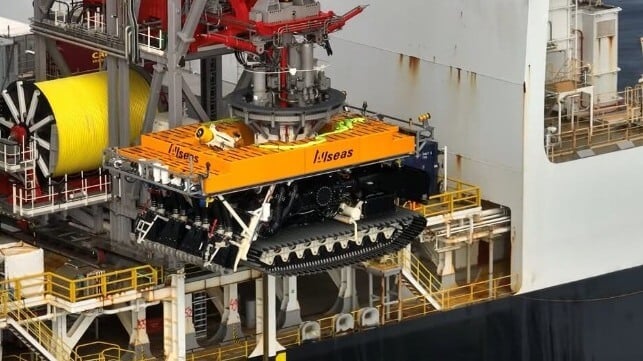
Nodule collection robot built for deepsea mining (Allseas)

Published Apr 24, 2025 8:44 PM by Dialogue Earth


[By Regina Lam]


Pressure to open the international seabed for mining is mounting.

Last month, Canadian business The Metals Company (TMC) announced plans to apply to US authorities for permission to mine in international waters. That could mean bypassing a United Nations seabed regulator that has for years been considered the only body capable of giving such approval.

The news shocked environmentalists and governments who have been pushing for a mining moratorium to prevent damage to little-understood ecosystems.

Deep-sea mining involves harvesting minerals more than 200 metres below the surface. Would-be miners are mainly targeting nickel, copper, cobalt and manganese. These “critical minerals” are essential to modern technologies including smartphones, solar panels, wind turbines and electric vehicles. But collecting them could devastate vulnerable ecosystems, say those opposed to the plans.

Previously, most eyes had been focused on negotiations at the International Seabed Authority. ISA is a UN body that regulates seabed mining in international waters under the UN Convention on the Law of the Sea. Now, TMC says that – thanks to legislation passed in 1980 – the US government has the authority to regulate US citizens’ commercial mining in international waters.

Reports indicate that US President Donald Trump could soon announce an executive order asserting his country’s right to exploit international seabeds, and allowing the National Oceanic and Atmospheric Administration – a US government agency – to give firms permission to mine.

Dialogue Earth spoke with Duncan Currie, a veteran environmental lawyer and long-time observer of negotiations at the ISA, about the announcement and what it means. Currie is a legal adviser to the Deep Sea Conservation Coalition, which advocates for a mining moratorium.

The conversation has been edited for length and clarity.

Dialogue Earth: The Metals Company’s announcement on 27 March came when you were at a meeting of the International Seabed Authority. What was your immediate reaction?

Duncan Currie: My reaction was almost shock. Anger. Frustration. Almost every country that took the floor at the ISA meeting was deeply critical of the announcement.

There are two things to add to that. One is that the US hasn’t done anything yet in response to the announcement. 

Also, the announcement has already impacted the company’s relationships with the Pacific islands. The Pacific countries, such as Nauru, that have worked with the company to explore minerals and obtain commercial mining approval under the UN legal framework, must be feeling incredibly frustrated and confused.

Were you previously aware of the US’s 1980 Deep Seabed Hard Mineral Resources Act, which TMC says gives the US the ability to approve mining?

I knew about it. But I have always seen it, as I think most commentators have, as a belt-and-braces approach, a “just in case” sort of arrangement. The legislation was there in case the US needed to invoke it as part of the Unclos multilateral scheme. It’s not there as one or the other. It was there as part of the UN scheme.

Although the US did not ratify Unclos, it did sign an agreement in 1994 to amend the deep-seabed mining provisions of the convention, after it successfully negotiated all the changes it wanted. That indicates that they were comfortable with it. Also, under the Vienna Convention on the Law of Treaties, countries that have signed a treaty have an obligation not to undermine its objective and purpose.

One legal issue lies in whether the US has persistently objected to part XI [which governs deep-sea mining]. Some in the US government would say they did in 1982 and 1983. However, the negotiations and the subsequent signing of the 1994 agreement show they are not in a position to oppose the provisions.

Can the US government unilaterally authorise mining operations via an executive order from the president?

In this context, number one, they shouldn’t do anything that undermines the provisions [of the 1994 agreement]. Number two, they are bound by customary international law to abide by Unclos.

It’s a big question whether the executive order – a US president’s directive to fast-track deep-sea mining permits – is forthcoming. The US recognises how incredibly important Unclos is to freedom of navigation, maritime boundaries and management of resources.

All of those things are governed by Unclos, which is essentially the constitution for the ocean. I think those in the US government will be very reluctant to take actions that would put in danger all those things Unclos provides.

What are the potential consequences of the US bypassing the UN regime and approving seabed mining?

A part of the problem is that it creates chaos. It creates uncertainty. I wouldn’t want to go down the lane of thinking about what will happen – because it could be quite severe. I’m still hoping that the US decides it’s a really bad idea.

Also, under international law, the metals cannot be sold. Let’s use illegal, unreported, and unregulated fishing as an analogy. When a fishing vessel violates fishing regulations, it faces consequences, including not being able to unload its catch in various ports. Its catch also cannot be sold in several countries, like the US or the European Union. Similar things would apply to metals obtained in violation of Unclos.  

Other countries involved in the mining activities could also act. For example, the deep-sea collection system that The Metal Company used in their recent mining trial is owned by a Swiss-based offshore contractor, Allseas. Switzerland would be under legal obligations to ensure its nationals do not participate in such activity.

Where does this leave The Metals Company’s chances of mining under the UN regime?

As far as I can tell, the firm hasn’t decided on whether a mining application will be made under the US legislation, the ISA or both. The CEO of The Metal Company Gerard Barron’s comments to investors explicitly left the possibility open.

We’re only two months away from 27 June, the date the company said they would lodge an application to the ISA for an exploitation contract. We’re clearly getting a lot of disputes, chaos and difficulties around this issue. All of these give a stronger reason for a moratorium or a precautionary pause on mining. So that we can have some years when countries can say: “Okay, well, let’s just take a deep breath and consider the whole matter properly.”

Regina Lam is an ocean and special projects assistant editor at Dialogue Earth, based in London. She joined in 2021 and has worked at major Hong Kong newspapers and has reported for the BBC World Service. She holds an MSc in global affairs from King’s College London. Regina is interested in global ocean governance, environmental justice and what makes compelling storytelling and robust investigation in environmental journalism. She speaks Cantonese, Mandarin and English.

This article appears courtesy of Dialogue Earth and may be found in its original form here

The opinions expressed herein are the author's and not necessarily those of The Maritime Executive.


U.S.-China Tariff Spat Will Boost Brazil's Exports - And Deforestation

Soybeans
Agricultural cargo loading at Santos, Brazil (File image Sabino Freitas Correa / CC BY SA 4.0)

Published Apr 27, 2025 3:23 PM by Dialogue Earth


[By André Duchiade]

The trade dispute between the United States and China is weakening the US position in the Chinese market. Tariffs of more than 200% and mutual retaliation are also fuelling expectations that Brazilian agribusiness will expand exports to China, while environmentalists warn of increased pressure on forest areas.

Products such as soy, corn, cotton, beef and chicken have the greatest potential for immediate demand growth, say experts. Having already consolidated its position in these markets, Brazil has a competitive advantage, especially given the possibility of a record grain harvest this year.

“Growth could be significant in the short term,” Camila Amigo, international analyst at the Brazil-China Business Council (CEBC), tells Dialogue Earth. “This has already happened in previous moments of the trade war, especially between 2018 and 2019.”

At that time, US President Donald Trump’s first administration increased tariffs on several countries, especially China, which retaliated. The confrontation affected global production chains and Brazil benefitted by taking over most of the US soy market in China, according to the US Department of Agriculture.

Now, newly increased foreign demand could raise Brazilian food prices, which have been rising faster than general inflation since the Covid-19 pandemic. Brazil’s logistical infrastructure for transporting grain, such as its ports, roads and railways, already has bottlenecks and could face congestion as exports increase, raising freight costs.

In addition, peaks in foreign demand for Brazilian agricultural commodities have historically also led to increased deforestation, especially in the Cerrado and the Amazon, according to Paulo Barreto, a researcher at the Amazon Institute for People and the Environment (Imazon). “If current conditions continue, if there is more demand, there will tend to be more deforestation again,” he says.

Studies and analysts indicate, for example, that Amazon deforestation jumped between 1995 and 2004 as Brazil’s agricultural areas and cattle population expanded to meet growing international demand for soy and beef.

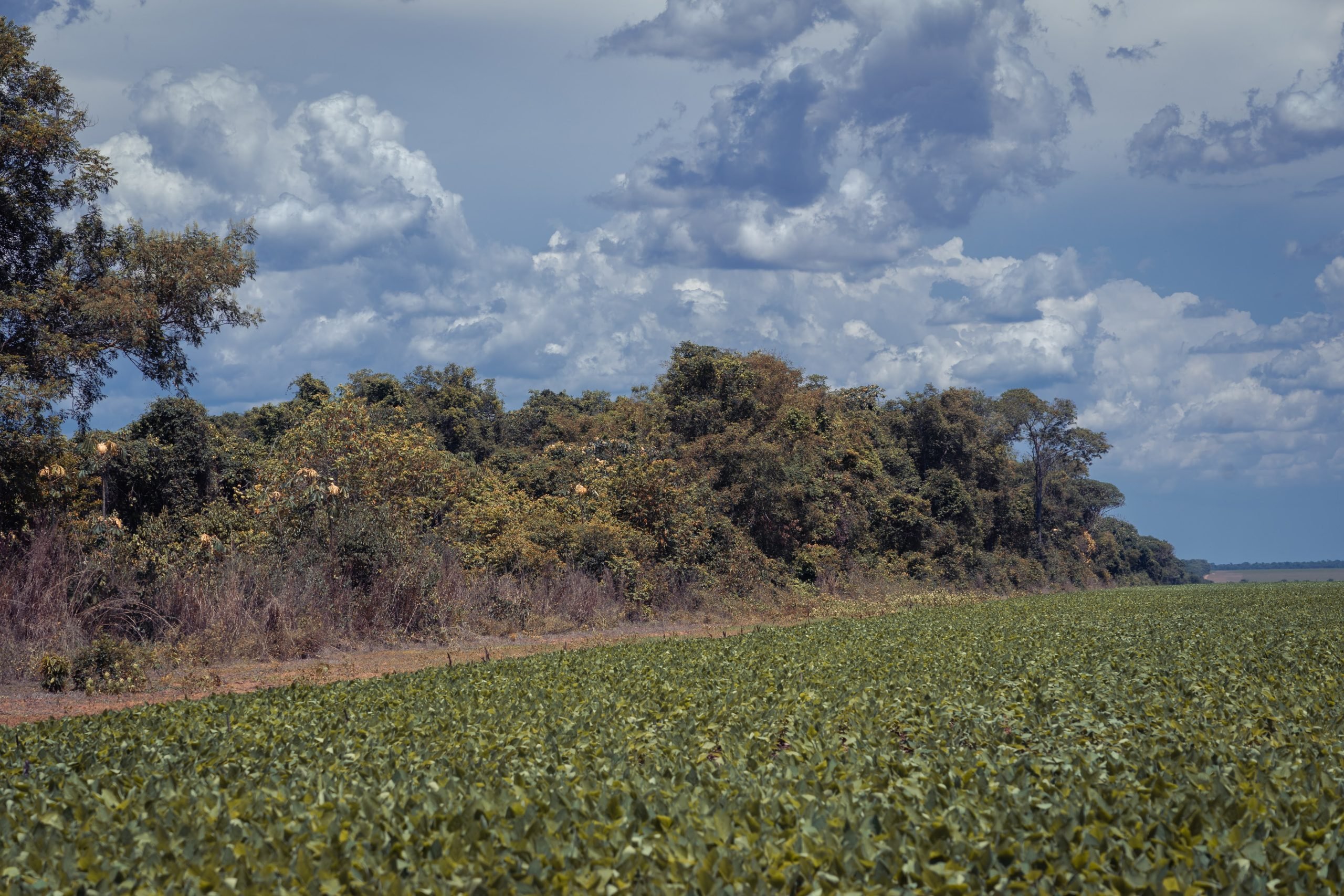
The Wawi Indigenous territory borders a soybean plantation in the state of Mato Grosso, Brazil. Agricultural expansion has long put pressure on the Amazon forest and its traditional communities (Image: Flávia Milhorance / Dialogue Earth)
Brazil already leads in the Chinese market

Tensions between the United States and China began to rise in 2017, during Donald Trump’s first term in office, with the conflict coming to a head in 2018 as the two countries announced a range of tariffs upon each other’s goods. That year, in response to US measures, China imposed a 25% tariff on 106 American products.

Trade disputes simmered with the signing of a tentative agreement between Washington and Beijing in 2020, followed by a shift in political focus after Joe Biden took office the following year. Still, his administration largely upheld most Trump-era tariffs, and even increased rates on some Chinese products. Trump’s return to the presidency in 2025 has since reignited the conflict on a new scale.

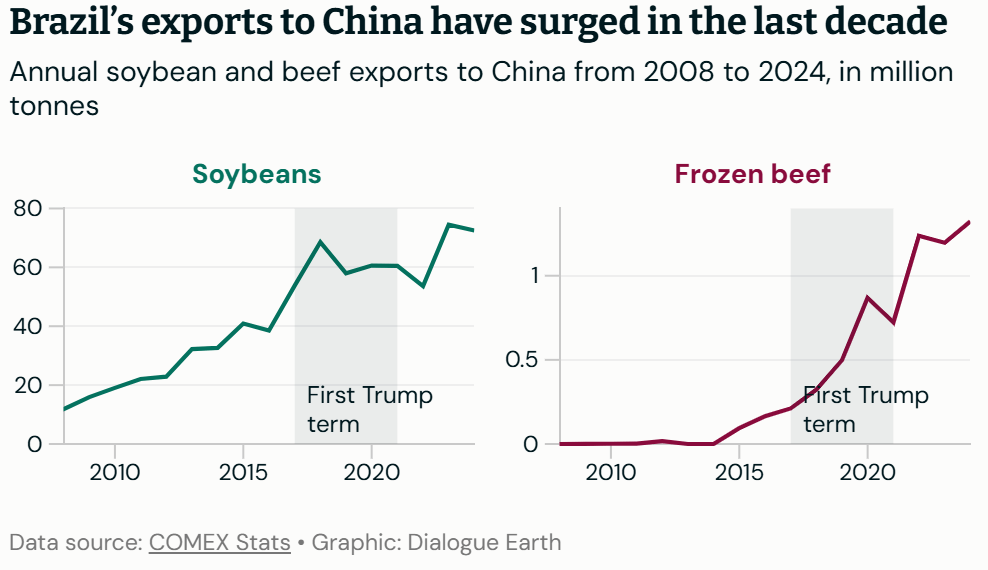
Between 2020 and 2024, the United States managed to recover part of its soybean and beef exports to China. However, Brazil had already filled the gap left during the height of the trade war and consolidated its lead in the Chinese market.

In 2018, Brazil overtook the US to become China’s top agricultural supplier, shipping a total of USD 37 billion in goods, according to a study published this year by research institute Insper Agro Global.

Although other factors may have had an influence, shipments of Brazilian meat and soy to China grew significantly between 2016 – before the Trump administration’s disputes – and 2024, according to foreign trade data from the Brazilian government. Meat exports to China in that period increased eightfold, from 165,000 to 1.32 million tonnes, while soy sales increased by 88%.

Analysts believe the tariffs will cause Brazilian exports to grow less this time around, due to Brazil’s already consolidated position in the Chinese market. “The impact of this trade war on Brazil will not be as great as under the first Trump administration,” says Camila Amigo.
No one knows how long the trade war will continue, however. The US has been stepping up its pressure and China has signalled it will not let up. Even so, representatives of the Brazilian agricultural sector believe the advantage will not last.

“The comparative advantage is very short term… We can’t think we’re going to take away the US market in China,” says Ingo Plöger, vice-president of the Brazilian Agribusiness Association. “China knows where it can hit the United States and is already acting on it, and the United States also knows where it is limiting China. The countries will end up sitting down to negotiate and reach an agreement.”

Greater beef demand could mean more pastures

Around 90% of deforestation in the Brazilian Amazon occurs to open up pastures, according to Imazon. Although 70% of the beef produced in Brazil is destined for the domestic market, the sudden increase in demand raises the risk of small and medium-sized producers expanding their areas irregularly, according to Niklas Weins, assistant professor at Xi’an Jiaotong-Liverpool University.

“The expansion of the agricultural frontier is often linked to violence and the invasion of Indigenous or quilombola lands,” says Weins, the latter referring to descendants of Afro-Brazilian communities established by escaped slaves.

Today, Brazil exports meat to China from steers that are less than 30 months old, with strict health controls. However, the strict requirements on this so-called “boi China” – beef that meets the necessary Chinese standards – do not include environmental criteria. As such, cattle may be raised in areas of illegal deforestation.Cattle bred on open pasture in Cerquilho, in the countryside of São Paulo state. Brazil exports meat to China from steers subject to strict health controls, but largely limited environmental criteria (Image: Dan Agostini / Dialogue Earth)

Strong demand from China for beef has also been seen to put pressure on the Brazilian market by raising prices, encouraging livestock expansion, early slaughter and, in many cases, the advance of cattle into forest areas.

“The additional demand pushes some people to deforest,” says Barreto of Imazon. “Even if they’re not exporting to China, people start deforesting to meet domestic demand.”

Niklas Weins emphasises that the recent weakening of Brazil’s currency, the real, makes its exports even more competitive. In the first week following Trump’s announcement of so-called “reciprocal” tariffs on around 90 trading partners on 2 April, the market reacted with a boost for the dollar and a general fall in other currencies. In the first days of the month, the Brazilian real depreciated by 5.1%, the third highest rate in the world. “This will probably have a direct effect on food prices,” he adds.

Light and danger at the end of the tunnel

On the other hand, public policies aimed at sustainable agricultural expansion are also gaining momentum, according to Nathália Teles. She works on monitoring Brazil’s pastures at the Remote Sensing and Geoprocessing Laboratory of the Federal University of Goiás. Teles cites ways to encourage production in areas that are already open and underused. These are the ABC+ Plan – a national strategy to promote low-carbon agriculture – and the National Programme for the Conversion of Degraded Pastures, as well as the use of monitoring technologies.

“Deforestation is becoming less and less economically viable,” says Teles. “There is greater supervision and legal restrictions, as well as a high environmental and climate cost.”

However, there are still institutional gaps that increase the Amazon’s vulnerability to deforestation, says Paulo Barreto. These include the large extent of public lands not yet designated as protected or belonging to a group – a situation that encourages illegal occupation and speculation. They also include the absence of an effective cattle-tracking system, and inconsistent actions by public authorities.

The federal government has postponed crucial measures, such as regulating tracking and protecting undesignated public forests. In addition, rural credit policies allow finance to reach producers linked to deforestation. Even institutions like the Brazilian Development Bank (BNDES), a shareholder in large meatpacking companies like JBS, have failed to control environmental risks, says Barreto. When contacted by Dialogue Earth, the Ministry of Agriculture did not reply to requests for comment.

Barreto says that deforestation is driven in part by flaws in public policies and the lack of requirements that Chinese beef be traceable. He says this has a solution: “If China adds an environmental demand to the requirements of the China beef, this could have positive effects, stimulating a more sustainable use of pastures without the need for deforestation.”

André Duchiade is a Brazilian journalist and translator based in Rio de Janeiro. He has worked for O Globo and Época and his work has been published in several national and international media, including The Scientific American, Sumaúma, The Intercept Brasil and Agência Pública.

This article appears courtesy of Dialogue Earth and may be found in its original form here

Top image: Agricultural cargo loading at Santos, Brazil (File image Sabino Freitas Correa / CC BY SA 4.0)

The opinions expressed herein are the author's and not necessarily those of The Maritime Executive.


New Canadian Tankers to Shuttle Oil Products to East Coast Ports

Canadian product tanker
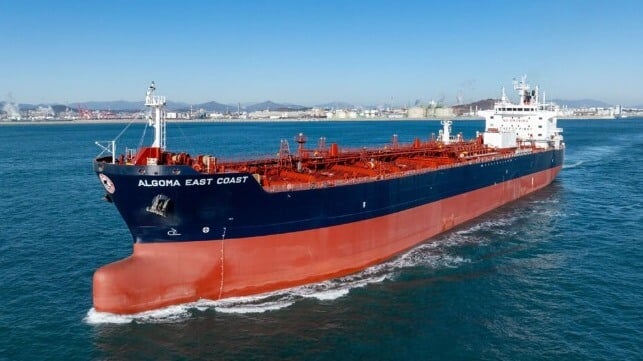
Algoma is placing two product tankers in East Coast service for Irving Oil (Algoma)

Published Apr 28, 2025 5:52 PM by The Maritime Executive


Algoma Central Corporation, known for its dry bulk operations, has commissioned the first of two newly built product tankers that will be used for service in conjunction with Canada’s Irving Oil. The vessels will service Canada’s largest refinery with deliveries to ports in Atlantic Canada and the U.S. East Coast.

The Algoma East Coast arrived in St. John, New Brunswick today, April 28, after completing its inspections and entry into the Canadian shipping registry. It will be followed by the Algoma Acadian, which will arrive later this spring. She is currently in the Indian Ocean on her delivery run and they will need to undergo Canadian certification and registry before entering service. The vessels were built at the Hyundai Mipo Shipyard in South Korea and represent an investment of C$127 million (US$92 million) by Algoma in partnership with Irving Oil.

“These additions introduce a new asset class to the segment, enhancing our operational capabilities and expanding the markets we serve,” said Algoma’s President & CEO Gregg Ruhl. “This milestone in our newbuild journey has been incredible to witness, made possible through our collaboration with Irving and the dedication and expertise of our operations team.”

Algoma reports it has a fleet of 96 vessels, including 11 additional vessels under construction. It operates dry and liquid bulk carriers that serve critical industries throughout the Great Lakes-St. Lawrence Region and internationally and reports its domestic dry-bulk fleet is the largest fleet in the Great Lakes – St. Lawrence Seaway system.

The new ships are 37,000 dwt ice-class product tanker vessels ordered by Algoma and operating under long-term charter to Irving Oil, replacing two older vessels. They will be used to load products in Saint John for deliveries mostly to Halifax, Charlottetown and St. John's. They will also be used when needed for voyages to U.S. Atlantic Coast ports and other destinations such as Quebec and Montreal. With a capacity of 260,000 to 265,000 barrels, they will transport gasoline, diesel, jet fuel, and other products.

To ensure that the tankers are future-ready, they are designed for potential methanol operations with an ABS Notation – Methanol Fuel Ready and also high voltage and shore power ready. They were designed with enhanced ballasting capabilities to optimize operations in the Bay of Fundy.


Video: Fishermen Scramble to Save Sheep as Dhow Tilts Off Yemen

sheep rescue
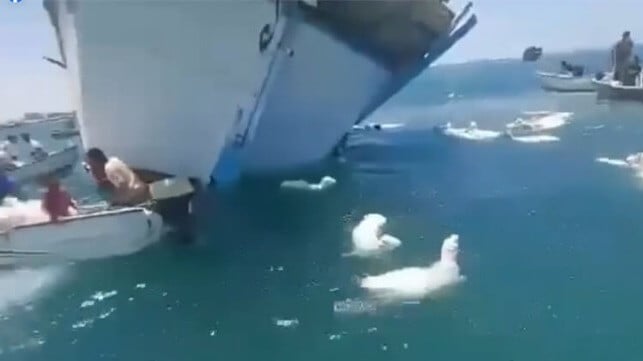
Fishermen rushed to save the crew and sheep from the ocean (screen grab)

Published Apr 28, 2025 5:08 PM by The Maritime Executive


Video is making the rounds online showing the efforts by local fishermen in Yemen attempting to pluck sheep from the ocean after the vessel they were on began listing. According to some reports, the vessel which was traveling between Somalia and Djibouti ran aground off Aden while other reports place the vessel in the Bab al-Mandeb strait.

The pictures appear to show a typical dhow laden with the animals. Some reports are saying there were several thousand aboard and the vessel was badly overloaded. The weight may be the cause or contributed to the incident.

Fishermen reportedly from Ras Al-Arah in western Yemen rushed to the scene and were shown plucking the animals that were swimming around the vessel. Others can be seen falling or jumping from the vessel. The fishermen saved the crew of the vessel who are reported to be from Somalia.


At least 160 of the animals are reported to have drowned while others remained trapped aboard the boat. Media reports are saying the vessel capsized.

Animal rights activists are citing this as another example of why live export must be eliminated. Middle Eastern countries maintain the trade due to dietary laws and ritual slaughter. Countries such as Australia and New Zealand have moved to end live export in the face of pressure from activists. The shipping company Wellard, which was once the largest operator for live export vessels, reported at the start of 2025 that it had sold its last ship and closed its shipping operations. However, Argentina in February 2025 repealed a more than 50-year old ban saying it was to support free trade and to grow Argentina’s export industry and role in world trade.


AWO Recognizes Crowley Crew for Saving Four Men From Sinking Yacht

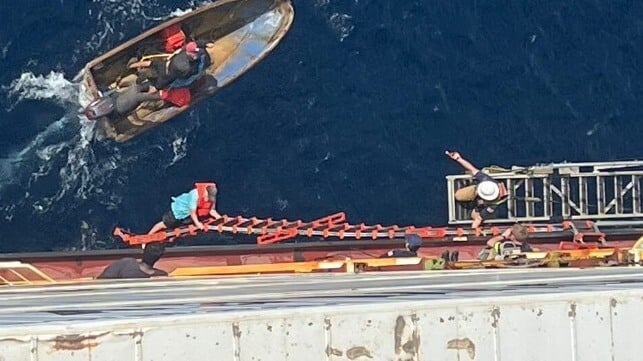
A survivor from the sunken yacht climbs a pilot ladder to board El Coqui (AMO / El Coqui crew)

Published Apr 24, 2025 10:53 PM by The Maritime Executive


The American Waterways Operators (AWO) has awarded its Honor & Excellence in Rescue Operations Awards to the crew of the El Coqui, one of the two con/ro ships that Crowley operates between Florida and Puerto Rico. 

In January, the crew of El Coqui rescued four survivors from a life raft north of the Dominican Republic. Yachtsmen David Potts, 63; John Potts, 62; Andrew Cullar, 26; and Russel Case, 67, were on a voyage from St. Croix to Texas when their sailing vessel struck an underwater rock and began taking on water. The yacht sank within 10 minutes, but the survivors managed to board their raft and get out an EPIRB distress signal. 

The Coast Guard received the alert and dispatched a search plane to look for survivors. Sector San Juan also sent an AMVER alert to nearby merchant ships, and El Coqui responded.

The ship arrived on scene shortly after, and the crew spotted the survivors. However, the raft was located in a rocky, shallow area, and El Coqui could not get closer than three nautical miles, according to an American Maritime Officers account

A small boat, the Bonanza, reached the raft and picked up the men. Despite challenging and rough surface conditions, the boat transferred them safely aboard El Coqui. They were delivered ashore at the con/ro's next port call in Jacksonville.

“They were exhausted both mentally and physically. We literally had to drag them up the ladder because they could barely make it,” Capt. Kurt Breitfeller told AMO. “You could tell they were mentally spent. They even said they couldn’t sleep because they kept having nightmares about what happened.”

AWO also recognized Second Mate Keven Zapolski of the Crowley-managed boxship Potomac Express, who helped rescue a crewmate who had gone over the side. The victim went into the water between the dock and the ship, and Zapolski quickly threw down a life ring. Terminal staff and first responders helped rescue the crewmember.

"We are proud of Second Mate Zapolski as well as Capt. Breitfeller and the mariners of El Coqui for their dedication and heroic actions to ensure the safety of others,” said Cal Hayden, vice president of marine operations for Crowley global ship management. “Their swift responses exemplify the essential commitment to safety that defines Crowley’s mariners and our operations, and we are honored to recognize their bravery."