Tuesday, December 30, 2025

 BAN DEEP SEA MINING

ISA rules leave seabed mining stuck without benefit sharing
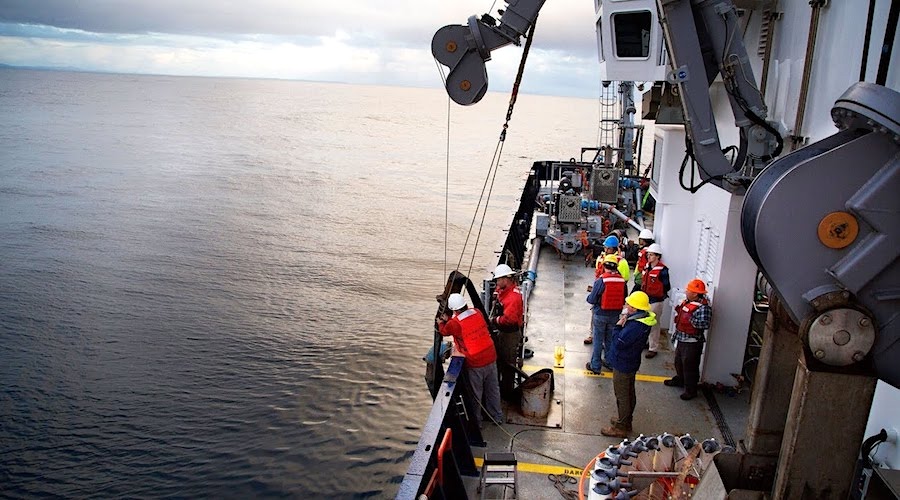


Research team studying the environmental impacts of deep-sea mining. (Image courtesy of Global Sea Mineral Resources.)

The International Seabed Authority (ISA), a UN body that manages mineral-related activities in the deep sea, cannot lawfully approve deep seabed mining without first adopting benefit-sharing rules, a core treaty obligation that remains unresolved despite mounting pressure to launch commercial extraction, legal experts say.

Debate over deep seabed mining has largely focused on when the ISA, a UN-established body overseeing mineral activities beyond national jurisdiction, will finalize long-negotiated exploitation regulations, particularly since Nauru triggered the so-called two-year rule in 2021 to accelerate the process. 

Mining companies and some states argue that adopting those rules would clear the way for commercial activity. but legal scholars Aline Jaeckel and Erik van Doorn say the UN Convention on the Law of the Sea (UNCLOS) makes clear that exploitation rules alone are insufficient.

UNCLOS designates the seabed beyond national jurisdiction as the common heritage of humankind and requires the ISA to ensure that financial and economic benefits from mining are shared equitably. That obligation must be met through a distinct set of benefit-sharing regulations, which remain at an early stage of development.

Support for restraint has grown. As of December 2025, about 40 countries back a moratorium on deep seabed mining, citing environmental uncertainty and governance gaps. Scientific studies have added weight to those concerns, including trials showing steep declines in seabed animal abundance and diversity following disturbance. Several governments have slowed or halted plans, with Norway pausing its deep-sea mining ambitions amid domestic and international opposition.

Under UNCLOS, authority over benefit sharing rests with the ISA Assembly, not the Council. The Assembly must approve the regulations and decide how benefits are distributed, a process separate from and slower than adoption of exploitation rules. Unlike other regulations, benefit-sharing provisions cannot be applied provisionally.

Without clear rules on who benefits and how, states cannot judge whether seabed mining meets the treaty requirement of serving humankind as a whole. African nations have repeatedly warned that mining should proceed only if it demonstrably delivers shared benefits, arguing that past extractive models funnelled wealth to industrialized states while leaving others behind.

The issue has taken on new urgency as geopolitical interest in seabed minerals intensifies. The US, which is not a party to UNCLOS, has pushed to access critical minerals from the ocean floor, raising alarms among treaty members.

Companies are also repositioning. US defence giant Lockheed Martin (NYSE: LMT) has revived Pacific seabed mining plans through its UK subsidiary, even as regulatory uncertainty persists.

California-based Impossible Metals has applied for exploration rights both under US law and through the ISA, targeting the Clarion-Clipperton Zone (CCZ) in the Pacific, which holds nodules rich in copper, nickel, manganese and other metals vital for electric vehicles. 

Canada’s The Metals Company (NASDAQ: TMCWW) filed for a commercial permit in April and secured an $85.2 million investment from South Korea’s Korea Zinc in June.The deal positioned Korea Zinc as a non-Chinese alternative capable of refining TMC’s extracted materials into battery-grade metals.

Slow progress

Progress on benefit sharing has been slow. The ISA’s Finance Committee released its first draft framework only in 2024, decades after the concept emerged in negotiations during the early 1970s. Officials also acknowledge that early mining would generate limited revenue, as income would first cover the ISA’s operating costs and compensation for developing countries affected by seabed mineral production.

Current discussions centre on creating a Common Heritage Fund rather than direct payments to states. Supporters say such a fund could finance research and capacity building, while critics argue it shifts the original aim away from reducing global inequality and towards enabling mining. African states have also opposed using shared funds for environmental remediation, insisting that responsibility lies with contractors, not humankind at large.

In July 2025, the ISA Council asked its Secretariat to further develop the Common Heritage Fund concept, while several countries urged that all benefit-sharing options remain on the table. Jaeckel and van Doorn warn that approving mining before these questions are settled would breach UNCLOS and undermine future negotiations, including talks on benefit sharing for marine genetic resources under the new BBNJ (Biodiversity Beyond National Jurisdiction) Agreement, a landmark UN treaty adopted in 2023.

For now, they say, international law leaves little room for manoeuvre: without agreed benefit-sharing rules, the ISA has no mandate to greenlight deep seabed mining, regardless of how advanced exploitation regulations become.


 

ABS Approval for SHI Floating Nuclear Power Plant Design

ABS

Published Dec 29, 2025 11:01 PM by The Maritime Executive


[By: ABS]

A Floating Nuclear Power Plant (FNPP) designed by Samsung Heavy Industries (SHI), known as the FSMR, featuring two small modular reactors (SMRs) developed by the Korea Atomic Energy Research Institute (KAERI) has received ABS Approval in Principle.

The design, which initially features two SMART100 SMRs, introduces a compartment approach separating the reactor and power generation functions, ultimately allowing the use of a variety of different SMR types. The design also features a modular reactor and safety system within a single containment vessel to enhance safety, simplify testing and shorten construction times.

ABS also conducted an extensive HAZID workshop, not including the reactors, to check for potential hazards in the design.

Patrick Ryan, ABS Senior Vice President and Chief Technology Officer, said: “We see significant potential for floating nuclear power and the technology is developing rapidly, as this innovative design highlights. Our focus is the safe adoption of nuclear at sea and we are proud to use our industry leading insight to support these important steps towards that goal.”

Youngkyu Ahn, Executive Vice President and Chief Technology Officer at Samsung Heavy Industries said: “This AIP is an important milestone for pioneering the offshore nuclear power generation market. Going forward, Samsung Heavy Industries will continue to develop safe and economical offshore nuclear power plants based on its offshore plant technology.”

Jinyoung Cho, Senior Vice President and Head of KAERI’s Advanced Nuclear Reactor Laboratory, said: “This award of an AIP using SMART100 proves the innovativeness of our nuclear power technology. We will accelerate technology development so that our country can establish itself as a leading country in the marine nuclear power industry.”

SMART100's development prioritized safety improvements, including the integration of a passive safety system capable of maintaining reactor cooling without the need for external power to ensure the safe shutdown and cooling of the reactor during emergencies.

The products and services herein described in this press release are not endorsed by The Maritime Executive.


Video: Indonesian Authorities Battle Stubborn Engine Room Fire

containership fire
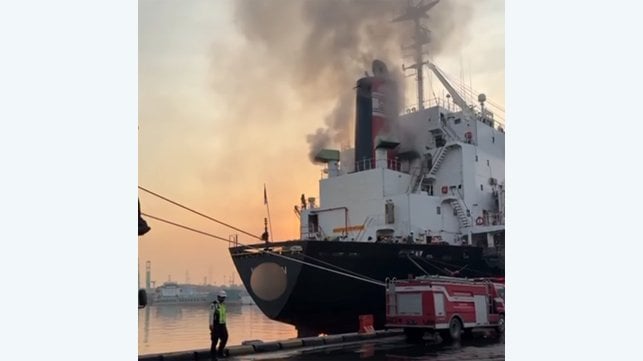
Indonesian firefights battled a challenging engine room fire on an interisland contaienrship (call112surabaya)

Published Dec 29, 2025 7:29 PM by The Maritime Executive


Fire authorities at the Tanjung Perak port on Surabaya in Indonesia reported they were able to bring a challenging engine room fire under control after about four hours on Monday morning, December 29. No one was injured, but the fire caused panic in the busy seaport after people began seeing heavy smoke coming from the interisland containership.

The vessel named Verizon (15,400 dwt) had arrived in the port on Sunday. Around 0500 local time on Monday, observers saw large plumes of smoke emerging from the vessel. At its peak, the fire department said 16 units were deployed to fight the difficult fire. It was challenging because it was deep within the hull having started in the engine room in the area of the generator.

Crews evacuated without incident all 22 crewmembers from the ship. They said the first efforts to access the fire were unsuccessful. They required heavy breathing apparatus to get into the lower levels of the ship.

The fire spread from the engine room to involve the paint room, a storage room, and the CO2 tank room according to the fire chief. He said it consumed 20 square meters of the interior, but they were able to prevent it from spreading to other areas of the vessel.

One concern was the fuel onboard. They said the ship had nine tons of fuel and two tons of black fuel in reserve. The fire consumed as much as 60 percent of the fuel they are reporting. 


After about four hours they said the fire was under control but exterior cooling operations continued.

Built in 1995, the vessel was acquired in 2015 for interisland operations in Indonesia, including a feeder service for international container operations. It is 145 meters (475 feet) in length and operated by Salem Pacific Indonesia Lines.

Port officials said that they had been able to maintain most operations during the firefight. Operations at the Berlian Container Terminal resumed full operations at 0920, after the vessel was declared safe.

Fire teams are surveying the vessel and seeking to confirm the source of the fire. Local media is reporting the operator said it was likely an electrical short circuit in the engine room.

CRIMINAL CAPITALI$M

Japan Suspends Kawasaki Heavy Industries for Submarine Engine Data Fraud

commissioning Japanese submarine
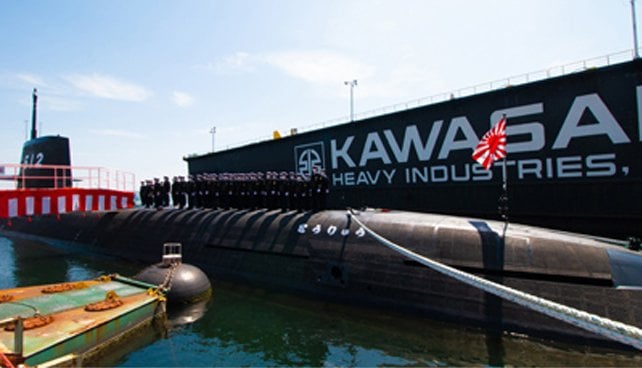
Japan's MOD suspended KHI due to a long-running practice of falsifying engine test data (KHI)

Published Dec 29, 2025 4:19 PM by The Maritime Executive


The Japanese Ministry of Defense announced a series of steps it is taking after investigations confirmed that Kawasaki Heavy Industries had supplied fraudulent test data on its engines and provided inappropriate gifts to a number of naval personnel over the past 40 years. Kawasaki Heavy Industries had first announced in 2024 that it was investigating after information surfaced showing a long-term pattern of falsifying test data to ensure engines were delivered on time under their contracts.

Kawasaki Heavy Industries is the long-term supplier of engines for Japan’s submarines and works with Mitsubishi Heavy Industries in the construction of the submarine force. The company had issued announcements in July and August 2024 about the discovery of misconduct in its submarine repairs business and in the testing of marine engines.

The Ministry of Defense reports that it confirmed data for the engines of 23 of its submarines has been found to have been falsified. Kawasaki reports that target data for emission and fuel efficiency performance was used in the trials reports instead of the actual results. The MOD reports that Japan’s 24 current submarines all use KHI engines and that only one vessel, delivered after 2024, has accurate testing data.  

Defense officials emphasized that the data did not impact the safety or operation of the engines, but meant that the vessels did not meet the contractual required fuel consumption levels. As a result, the Ministry of Defense decided to suspend Kawasaki Heavy Industries from bidding on MOD projects. The initial suspension was set at 5 months but was cut in half in recognition of the company’s having notified the MOD of the fraud, admitting to the misinformation, and its cooperation.

The manipulated testing data was part of a much wider fraud that began emerging when a whistleblower in February 2024 revealed that IHI Power Systems had been altering fuel consumption data for decades. In July 2024, Hitachi Zosen also issued a report confirming that it had also discovered altered data from its tests, and KHI confirmed its role a month later.

Kawasaki Heavy Industries said its internal investigations showed the practice dated back at least to 1988 and continued until at least 2021, all done to ensure the timely delivery of the engines. On December 26, the company issued a detailed notice after receiving its final reports and called the misconduct “very serious.” It details steps being taken to enhance the compliance and governance system and to restore trust. Among the steps are ongoing efforts to automate inspection processes.

The company also received an internal report about work hour misallocations at the Kobe Shipyard and misconduct within the procurement processes. In August 2025, it was revealed that KHI and other major shipbuilders had billed for fraudulent transactions and overbilled the MOD, and in part, the funds were placed into a fund used to buy gifts for naval personnel.

The gifts included game consoles, golf bags, and matches. While the scheme had gone on for more than 40 years, the reports were able to place a value of $7,400 on the gifts over the past six years. The MOD initially said 13 individuals had been identified as receiving the gifts, but it was lowered to 11 as two people only received official items associated with their work.

The Ministry announced last week that three sailors who supervised ship repairs and the supply depots and were responsible for overseeing contracts with shipbuilders, were suspended. A chief petty officer received a 15-day suspension, while another chief petty officer and a petty officer were each given 5-day suspensions. Eight current or former submariners received pay cuts.

Kawasaki Heavy Industries apologized for the conduct and said it has developed three core compliance pillars to prevent future recurrences. It said its system would prevent misconduct, strengthen detection capabilities, and reform the organizational culture.


Iranian Navy Sketches Out Shipbuilding Plans

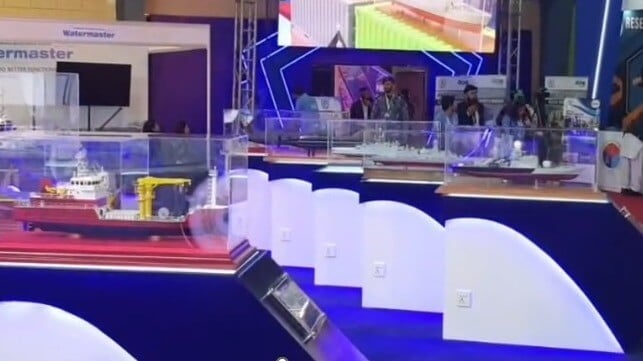
 The Iranian stand at the Karachi PIMEC exhibition, with Iranian naval vessel designs on display (Mehr News)
The Iranian stand at the Karachi PIMEC exhibition, with Iranian naval vessel designs on display (Mehr News)

Published Dec 30, 2025 5:06 PM by The Maritime Executive


Iranian naval enthusiasts have sketched out an overview of the regular Iranian Navy (Nedaja)’s future ship-building program. Details and drawings of four new classes of ship under design appear to have been taken from the Iranian exhibition stand at the Pakistan International Maritime Expo & Conference (PIMEC), which was held in Karachi November 3-6, but also draw on remarks made by the Nedaja commander Rear Admiral Shahram Irani at Iran’s annual Naval Day celebrations held at the Naval Academy at Nowshahr on the Caspian Sea on November 30.

When interpreting Iranian commentary on their own military, there is often a high degree of hubris and hyperbole in descriptions of future equipment plans and equipment capabilities. Sometimes there is deliberate deception. Shipbuilding in Iran is even more painfully slow in many respects than in some advanced Western countries, albeit Iranian shipbuilders must be given credit for innovative equipment developed to compensate for the effects of international sanctions. A naval architect would have a better perspective, but all the designs make attempts to incorporate stealth features. Nonetheless, the plans outlined recently give an idea of the direction in which Iranian naval thinking is heading.

In terms of immediate deliveries, the last frigate of the Moudge Class, IRINS Toufan (F79?) is still not yet near operational, despite having been laid down in 2014. The Moudge Class was based on the Alvand frigates, which were built for Imperial Iran in the United Kingdom in the 1960s, and of which three vessels are still serving (occasionally), namely IRINS Alvand (F71), Al Borz (F72) and Sabalan (F73).

The Moudge Class has not been without its problems, with the Nedaja having overloaded the vessels with new weapons systems, making them top-heavy and prone to capsize. IRINS Talaiyeh fell over in dry dock while under construction – but was resurrected as the intelligence collection frigate IRINS Zagros (H313). IRINS Sahand (F74) capsized and later sank in Bandar Abbas Naval Harbor on July 9, 2024, but was resurfaced and brought back into service last month, the Nejada claims.

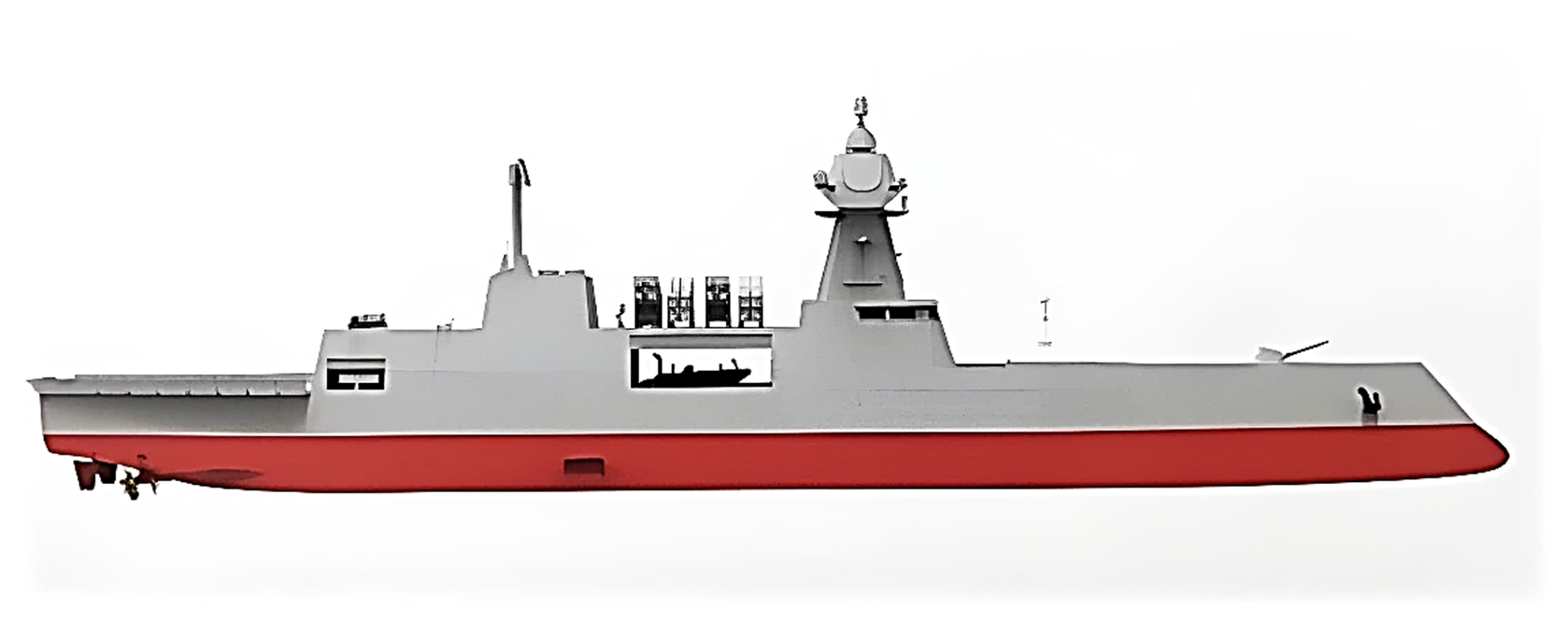
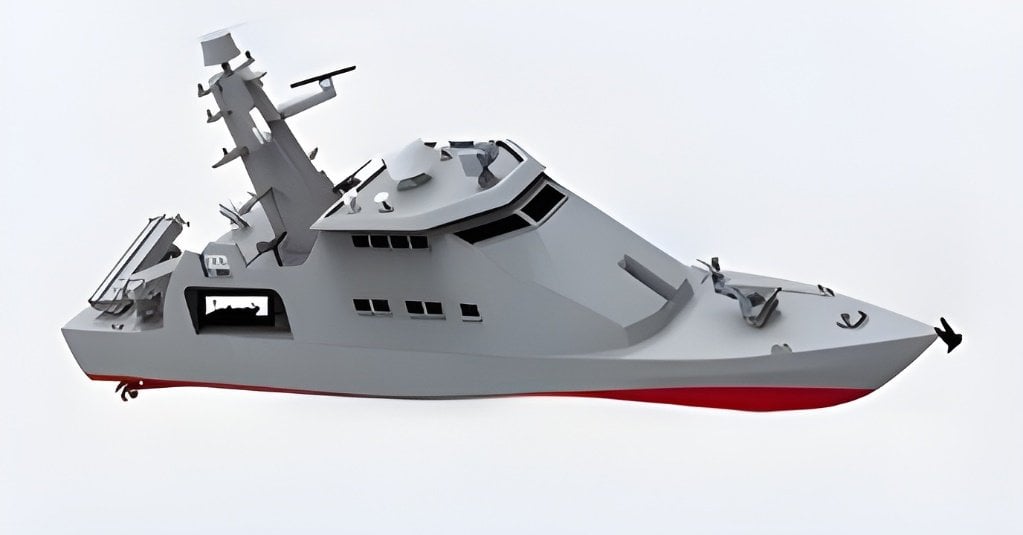
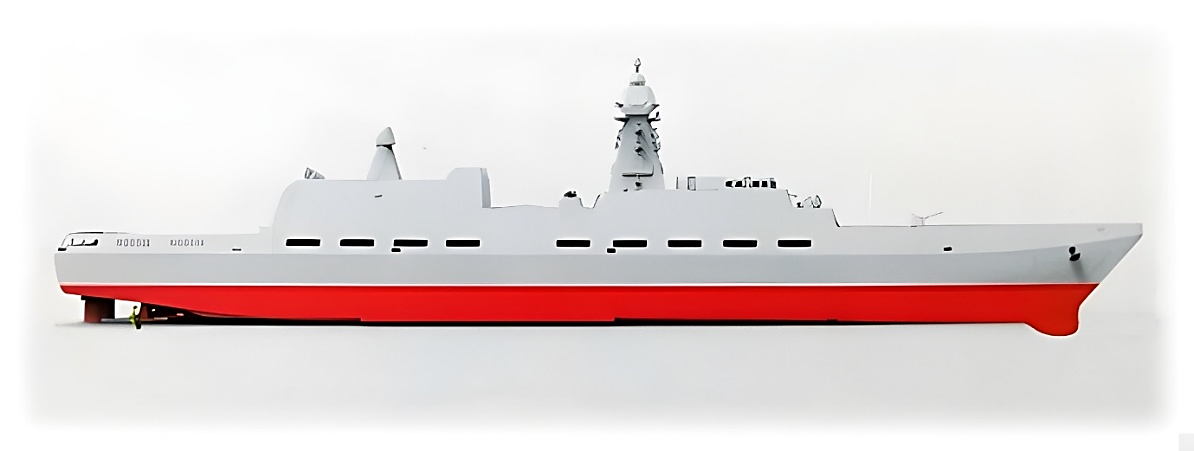
The Moudge vessels, and presumably the two older Bayandor Class frigates, are apparently to be superseded by the Binder Class. At 105m it is longer by 10 meters and at 1700 tons heavier by 200 tons than the Moudge Class. Binder Class ships will still have a 76mm gun and a helicopter hangar. It appears as if they will have 26 Vertical Launch System (VLS) tubes, plus 16 cruise missile tubes for the short to long range Noor/Qader/Ghadir anti-ship cruise missile series derived from the Chinese C-802. Aside from the emphasis on missiles, the new design has a customary-elsewhere integral capability to launch small fast attack craft.

The proposed Binder-class (CJRC)

The Nedaja currently has a substantial fleet of aging fast attack patrol craft. The 15 Sina and Kaman Class boats based on the French La Combattante II Class, almost all of which are between 50 to 20 years old, are equipped with missiles and 76mm guns, albeit Sina Class boats are still being built and the design still looks useful. The six smaller US-built and gun-equipped Kaivan and Parvin Class patrol boats are even older.

New 33-meter missile patrol boat design (CJRC)

The smaller boats look as if they could be the first to be replaced by a new 33-meter missile patrol boat, class name as yet unknown, designed primarily for coastal patrol. This boat is supposed to be capable of 25 knots, and has a 20mm Oerlikon cannon and tube-launched Noor/Qader/Ghadir anti-ship cruise missiles. The design is said to be capable of adaptation to host a helicopter, but from the images of the design, this might be difficult to achieve.

On 2 June 2, 2021, the Nedaja’s flagship IRINS Kharg (K431) sank off Jask in the Gulf of Oman after a suspicious fire on board. The loss of this ship was keenly felt, because in addition to its important long-distance replenishment role, it also served as the major training vessel on which naval cadets gained sea experience. Substitute training cruise ships were the aging Hengam Class landing ships IRINS Tunb (L513) and IRINS Lavan (L514), both 50 years old and in poor shape. To fulfil the long-vacant training role will be the 145m IRINS Luqman, armed with a 76mm gun, 24 VLS canisters and an onboard helicopter. The design is apparently intended to provide a lead-in and a test-bed for a new Negin Class of destroyers.

 Design of the proposed training ship IRINS Luqman (CJRC)

As any good commander would, Rear Admiral Shahram Irani has recently made much of the ambitions and capabilities of his force, which following the 12-Day War must have taken a dent to its morale. An outline of the Nedaja’s future ship-building program may well form part of his campaign to establish a more optimistic mood. But if these projected missile-heavy newbuilds are to be combat effective, the ultimate test will be whether they will be able to detect targets, and then engage them effectively, at ranges greater than their adversaries.


ClassNK Grants AiP for Designs of Cable Jointing & Cable Burial Vessels

ClassNK
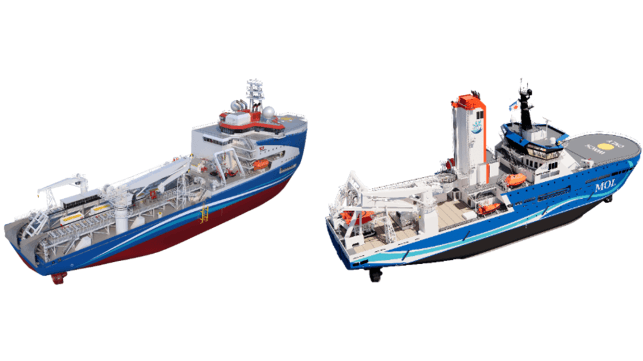
Image of a cable jointing vessel & cable burial vessel (Courtesy of Mitsui O.S.K. Lines)

Published Dec 29, 2025 8:53 PM by The Maritime Executive


[By: ClassNK]

ClassNK has issued an Approval in Principle (AiP) for the designs of a cable jointing vessel and a cable burial vessel developed by Mitsui O.S.K. Lines, Ltd. The certification demonstrates its feasibility from regulatory and safety perspectives.

In Japan, the expansion of wind power generation utilizing offshore areas and surrounding islands with favorable wind conditions and relatively limited site constraints is expected as part of efforts to increase the share of renewable energy. However, regions suitable for wind power generation are often located far from major electricity demand centers, making the development and reinforcement of power transmission infrastructure a key challenge in delivering generated electricity to demand areas.

In response to this challenge, long-distance subsea DC transmission using cable jointing and burial vessels is regarded as an effective solution for achieving efficient power transmission.

ClassNK carried out a design review of the ship based on part O of its "Rules and Guidance for the Survey and Construction of Steel Ships", as well as other relevant rules. ClassNK issued AiP after it was confirmed that the prescribed requirements were met.

ClassNK will continue to contribute to the widespread adoption of offshore wind power generation by supporting new technology development and social implementation, including through safety assessments.

The products and services herein described in this press release are not endorsed by The Maritime Executive.


Laid Up MSC Cargo Ship Breaks Free During High Winds in Baltimore

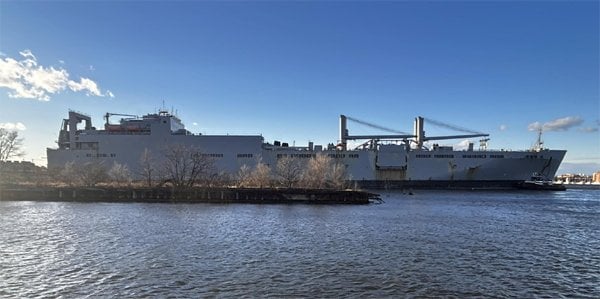
Charlton with ramp hanging down
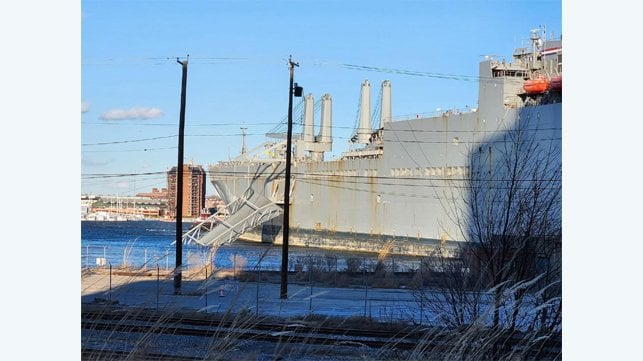
Charlton broke free of its moorings with its ramp falling into the water (Baltimore City Fireboat Station)

Published Dec 29, 2025 8:29 PM by The Maritime Executive


Commercial tugs and the Baltimore Fire Department reported they were responding to a laid-up U.S. cargo ship that broke free from its moorings during high winds in Baltimore on Monday afternoon. The calls for emergency assistance were issued around 3:00 p.m. Baltimore time as the 951-foot (290-meter) RoRo cargo ship Cornelius H. Charlton (ex. USNS Charlton) was ripped free of its moorings in South Baltimore harbor and began drifting.

The National Weather  Service was warning of gale-force winds that could reach nearly 50 knots in the area. A cold front is moving across the Middle Atlantic and Northeast, bringing the strong winds, which they had warned could cause damage.

Pictures showed the vessel’s ramp on the port side had been ripped loose and was hanging in the harbor.


Vessel held in place with a McAllister tug (Baltimore City Fireboat Station)


Fire Boat 1 from the Baltimore City Fireboat Station and a commercial tug from McAllister Towing responded and were able to take control of the loose vessel. They secured the ship and remained at the location to ensure that the ship continued to be secure.

Completed in 2000, the vessel (36,639 dwt) was one of a class of cargo ships able to transport equipment operated by the Military Sealift Command. She was transferred in September to the Maritime Administration to enter the Ready Reserve Fleet. MarAd placed her at a rented pier in Baltimore as of late September. They reported that a small crew was aboard and safe during today’s incident. 

The Baltimore Banner newspaper reports that local residents have been complaining about the ship and calling for its removal. The paper reports complaints of noise and fumes from the vessel’s diesel generators, with the residents saying it is not the right place for a ship to be in lay-up.


Indigenous ASW Shallow Water Craft ‘ANJADIP’ Delivered to Indian Navy

Indian Register of Shipping
Delivery of the 'ANJADIP'

Published Dec 30, 2025 10:23 PM by The Maritime Executive


[By: Indian Register of Shipping]

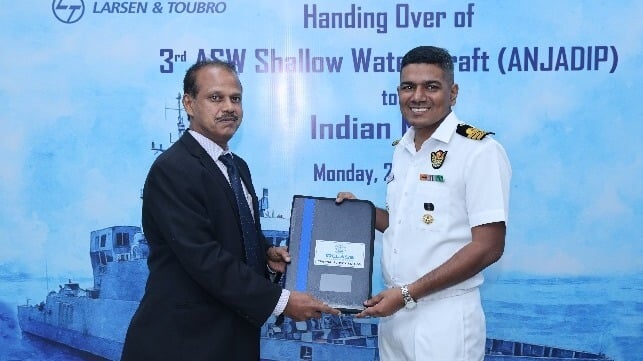
The delivery of ‘ANJADIP’, the third of the eight Anti-Submarine Warfare Shallow Water Craft (ASW SWC) project, to the Indian Navy on 22 December 2025, at INS Adyar, Chennai, marks a moment of pride for Indian Register of Shipping (IRS). The warship has been indigenously designed and built by Garden Reach Shipbuilders and Engineers (GRSE) Ltd., Kolkata, in accordance with the IRS Naval Rules.

ANJADIP is named after Anjediva Island, located off Karwar, Karnataka, reflecting the island’s strategic significance in India’s maritime domain.

With an overall length of 77 metres, ANJADIP is the largest Indian Naval warship propelled by a Diesel Engine – Waterjet propulsion system, which provides superior manoeuvrability and performance in shallow waters. The vessel has been designed to undertake underwater surveillance and Anti-Submarine Warfare (ASW) operations in shallow coastal waters. It is also capable of conducting Low Intensity Maritime Operations (LIMO), advanced mine-laying missions and Search and Rescue (SAR) missions.

The induction of IRS-classed ASW SWC ships will significantly enhance the Indian Navy’s shallow water anti-submarine warfare capabilities, strengthening coastal security and maritime preparedness.

Cdr KK Dhawan, Head – Defence at IRS said, "IRS remains committed to supporting indigenous shipbuilding and naval capability development through robust classification, technical expertise, and assurance of safety and quality, in alignment with India’s vision of self-reliance in defence manufacturing (Atmanirbhar and Swavlambit Bharat)."

The products and services herein described in this press release are not endorsed by The Maritime Executive.


U.S. Awards Contracts for Six Arctic Cutters to Rauma Marine and Bollinger

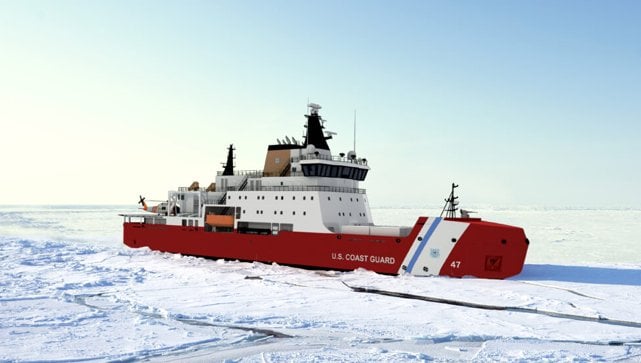
Arctic Security Cutter
Finland's Rauma will build two cutters and Bollinger four using the design developed by Arker Technologies and Canada's Seaspan (Aker Technologies)

Published Dec 29, 2025 6:30 PM by The Maritime Executive


The U.S. Coast Guard has entered into the first six construction contracts for the new class of medium polar icebreakers envisioned as part of Donald Trump’s ambitious plan to rapidly accelerate the U.S. presence in the Arctic. The contracts follow the strategic agreements with Finland and Canada and the partnership between the U.S. and Finland announced in October, and calls for the first vessel in less than three years.

The contracts signed on Friday, December 26, award Finland’s Rauma Marine Constructions two vessels to be built in Finland, with the delivery of the first vessel expected in 2028. The Finnish company will also work with Bollinger Shipyard, which will leverage the Finnish design and expertise in building four Arctic Security Cutters at its shipyard in Houma, Louisiana. The first domestic cutter, they report, is expected in 2029, meaning it would likely come before the heavy Polar Security Cutter that is also being built by Bollinger and, after many delays, is now expected in May 2030.

“America has been an Arctic nation for over 150 years, and we’re finally acting like it under President Trump,” said Homeland Security Secretary Kristi Noem. “Our adversaries continue to look to grow their presence in the Arctic, equipping the Coast Guard with Arctic Security Cutters will help reassert American maritime dominance there.”

Noem asserts the cutters will defend U.S. sovereignty, secure critical shipping lanes, protect energy and mineral resources, and counter the growing presence of China and other nations in the Arctic. The Trump administration has said the vessels are vital to control, secure, and defend Alaskan borders, facilitate maritime commerce vital to economic prosperity and strategic mobility, and respond to crises and contingencies in the region.

To accelerate the program, the U.S. turned to Finland, which has long expertise in building icebreakers. The design for the class is being based on the Multi-Purpose Icebreaker developed by Canada’s Seaspan Shipyards and Aker Arctic Technology of Finland. 

Finnish leaders are hailing the contract a major achievement in the U.S.-Finland cooperation. They are highlighting that Rauma’s role will be central to the program and its schedule certainty, low technical risk, and use of mature, production-ready designs. 

“In the case of icebreakers, RMC’s preparatory work started in the autumn, but now we are moving towards full implementation,” announced Finland’s Minister of Economic Affairs, Sakari Puisto, on news of the contract signing. “The entity formed by the shipyard and an extensive network of subcontractors and partners is unique internationally. This will enable us to deliver even the most modern icebreakers quickly and with high quality.”

To support the objectives of the White House, Bollinger highlights that it is working in close partnership with Rauma Marine Construction to ensure that the U.S. receives the icebreaking capabilities as rapidly as possible. 

“The Arctic Security Cutter is one of the most consequential and time-sensitive shipbuilding programs in U.S. Coast Guard history,” said Ben Bordelon, President and CEO of Bollinger Shipyards.

Bollinger highlights that it will be the company’s fifth class of cutters built for the U.S. Coast Guard. It is currently implementing the Sentinel and Polar Security Cutter programs.

When the Arctic Security Cutter program was announced in October, they said it would ultimately field up to eleven vessels. Canada’s Davie group was believed to be negotiating for a second tranche that would combine its Helsinki Shipyard and its recently acquired shipyard in Galveston, Texas, which the company has said it plans to turn into an “icebreaker factory.”
 

Saudi Arabian Forces Bomb Port in Yemen Raising Tensions with UAE

Yemen port
Saudi forces targeted the military vehicles offloaded from the cargo ships (Saudi Press Agency)

Published Dec 30, 2025 6:01 PM by The Maritime Executive


Saudi Arabia, acting in the name of what it calls the “Coalition to Restore Legitimacy in Yemen,” launched what it is terming limited airstrikes on the Port of Mukalla in southeastern Yemen on the Gulf of Aden. Saudi officials accused the United Arab Emirates of having sent a large amount of unauthorized military equipment into the port and demanded that the UAE immediately withdraw its unauthorized forces.

The UAE and Saudi Arabia have long been at odds, supporting different factions within Yemen, but today’s actions are being seen as a major escalation that could threaten further destabilization in the region. The UAE supports the so-called Southern Transitional Council, which in recent weeks has been consolidating its positions and expanding in the south of the country, including encroaching toward Saudi Arabia, which supports the government of Yemen.

The Saudi Press Agency released statements asserting that over the weekend, two vessels had arrived at the Port of Mukalla from the Port of Fujairah, “without obtaining permits.” They asserted that close surveillance and cargo documentation showed the vessels were offloading weapons and combat vehicles for the Southern Transitional Council.


One of the vessels is being identified as the Greenland, a RoRo flagged in St. Kitts and Nevis and managed by a company with offices in the UAE and Dubai. Built in 1984, the 12,870-dwt vessel was acquired by UAE interests in 2021. Associated Press reports the second vessel could not be immediately identified.

The Port of Mukalla is located some 300 miles from Aden. It is in another region of the country, far away from the Houthi stronghold at Sanaa in the northwest of the country. Both the factions supported by the Saudis and the UAE oppose the Houthis.


UAE officials denied Saudi Arabia’s accusations, saying it had been sending materials to its limited forces in Yemen. It asserts its sole focus is counterterrorism in Yemen and had withdrawn its military forces in 2019. The officials said the UAE would voluntarily withdraw its remaining forces from Yemen after today’s attacks.

Saudi Arabia had given the UAE a 24-hour ultimatum to withdraw from Yemen. AP reports the Southern Transition Council forces had pushed out forces affiliated with the Saudi-backed National Shield Forces in recent weeks.

Analysts feared the confrontation between the two powerful nations could signal a new front in Yemen’s decade-long civil war.


China Conducts Live-Fire Exercises in Taiwan Strait

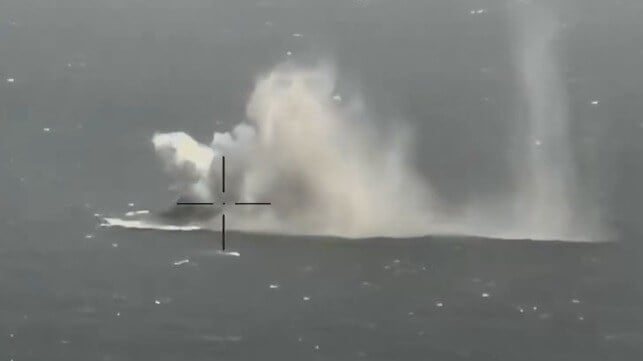
Rocket drill in the Taiwan Strait, Dec. 30 (PLA)

Published Dec 30, 2025 9:21 PM by The Maritime Executive


On Tuesday, China's military continued a series of large-scale live fire exercises around Taiwan, demonstrating its high-volume rocket fire capabilities by launching salvos into the Taiwan Strait. 

The exercises were announced after a record-setting U.S. arms sale agreement with Taiwan. At the same time, China also announced sanctions on 20 American defense tech companies, including some of the biggest names in next-generation technology for the U.S. Navy. 

The drills - dubbed "Justice Mission 2025" - are intended to send a message to Taiwan: that reunification with the mainland is inevitable, formal Taiwanese independence will not be allowed, and Taiwan's cooperation with foreign powers (the United States) will be punished. 

"Beijing at all times stands ready to crush any secession plot aiming to split Taiwan from the motherland. Each escalation in provocation will be met with stronger countermeasures. The PLA is ready to fight at any moment, and is certain to prevail if and when it does fight," Chinese state news outlet Xinhua said in a statement Tuesday. 


China has carried out large-scale live fire exercises near Taiwan before, and Western analysts have suggested that it is attempting to normalize large-scale Chinese activity near the island's shores. Tuesday's PLA Army rocket-launch drill sent rounds into the water near Taiwan's 24-nautical-mile line, Taiwan's defense ministry told AP, closer than ever before. About 130 Chinese aircraft were detected around the island's airspace on Monday, along with 22 Chinese warships and government vessels. 

The PLA rocket volley drill has meaning for naval operators. Video of the exercise shows a tight delivery pattern for the long-range guided rocket system, demonstrating guidance accuracy that could be used for strikes on ports or coastal defense batteries in Taiwan. In addition, the PLA Army's long-range rocket launch truck can deliver anti-ship cruise missiles with a range of 180 kilometers, enough to cover the Taiwan Strait. In a statement Tuesday, the PLA said that the overall training objective is to "explore how ports and choke-points could be sealed under duress" and to simulate strikes on ground targets. 

The U.S. supports Taiwan's defense with arms sales, but maintains strategic ambiguity about whether American assets would be dispatched to counter a cross-strait invasion. By contrast, Russian foreign minister Sergei Lavrov told TASS last weekend that Moscow supports China's position, and would provide "mutual support" to Beijing in the event of a conflict over the island's freedom. 

"As for the possible escalation in the Taiwan Strait, [Russian] procedure for acting in such situations is set forth [by a treaty with China]," Lavrov said. "One of the basic principles of that document is mutual support in defending national unity and territorial integrity."