Friday, May 09, 2025


Canadian hedge fund embraces gold as world loses faith in dollar

Bloomberg News | May 7, 2025 | 

Gold replacing dollar as key reserve asset. Stock image.

Waratah Capital Advisors Ltd. is betting on gold to lift its returns this year as investors pile into the asset to shelter their wealth during the global trade war.


“We now live in a world that is losing faith in the US dollar,” Co-Founder Brad Dunkley said in a letter to investors seen by Bloomberg News. “Central banks and ordinary citizens, particularly in India, China and developing markets, have increasingly turned to gold to preserve their purchasing power.”

Dunkley said he expects gold will “do much of the heavy lifting” for the firm’s funds in 2025. Still, two flagship funds, Waratah One and Waratah One X, lost 3.3% and 5% in the first quarter, respectively. The firm’s long-biased fund gained about 2% and its thematic fund climbed 4.5%.

Waratah, founded in 2010 by Dunkley and Blair Levinsky, manages about C$3.8 billion ($2.8 billion) for wealthy individuals, family offices, foundations and pension funds. The long-biased fund, which is named Waratah Special Opportunities and is managed by Dunkley, has produced average annual returns of more than 11%.
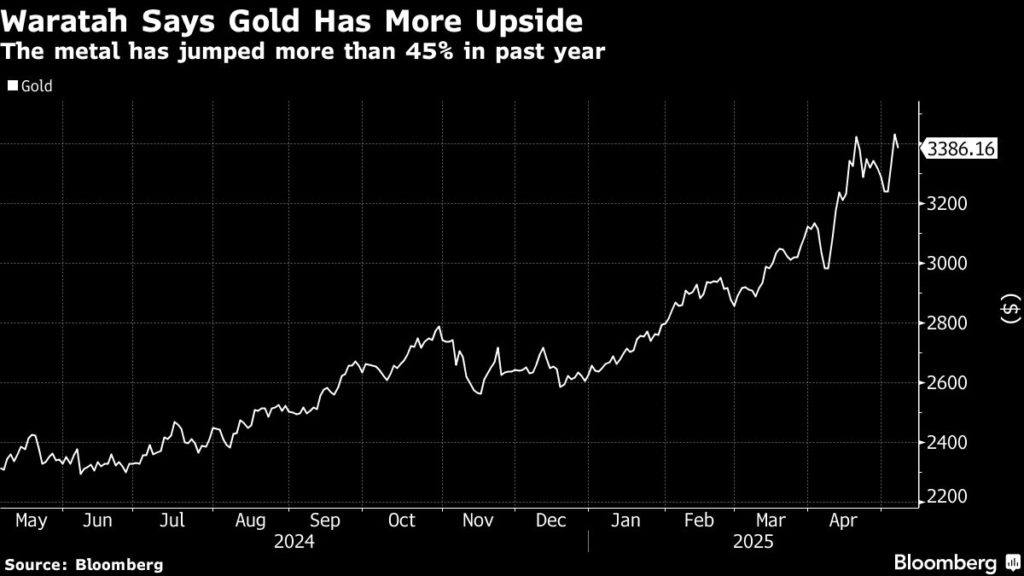


Gold has surged to new records this year as investors and traders take a dimmer view of the US dollar amid President Donald Trump’s shifting trade and economic policies. The price of gold touched $3,500 for the first time last month, and the metal’s value is up by more than 45% over the past year.

Toronto-based Waratah expects the prices of copper, natural gas, and electricity to continue rising as the use of artificial intelligence proliferates, but remains skeptical that AI processing will ever be a good business. “There are just too many competitors lacking meaningful differentiation,” Dunkley wrote.

“The trillions of dollars being spent on quickly depreciating capital reminds me of the rollout of high-speed fiber optics: consumers and businesses are going to be the beneficiaries, not the capital spenders,” he said.

Waratah’s long-short equity fund, which has C$247 million in assets as of the end of February, increased its exposure to Canadian stocks — particularly engineering and construction companies — ahead of the country’s April 28 election. The firm expects higher infrastructure spending — a promise made by Prime Minister Mark Carney — as Canada responds to tariff threats, portfolio manager Jason Landau wrote in the same letter.

Other stock holdings include Nexgen Energy Ltd., a Canadian company with assets in Saskatchewan that has the potential to become a large uranium producer. The company is awaiting its final federal permit, which Landau said may be expedited after the election.

(By Layan Odeh)


China keeps adding gold to reserves as challenges stack up

Bloomberg News | May 7, 2025 | 
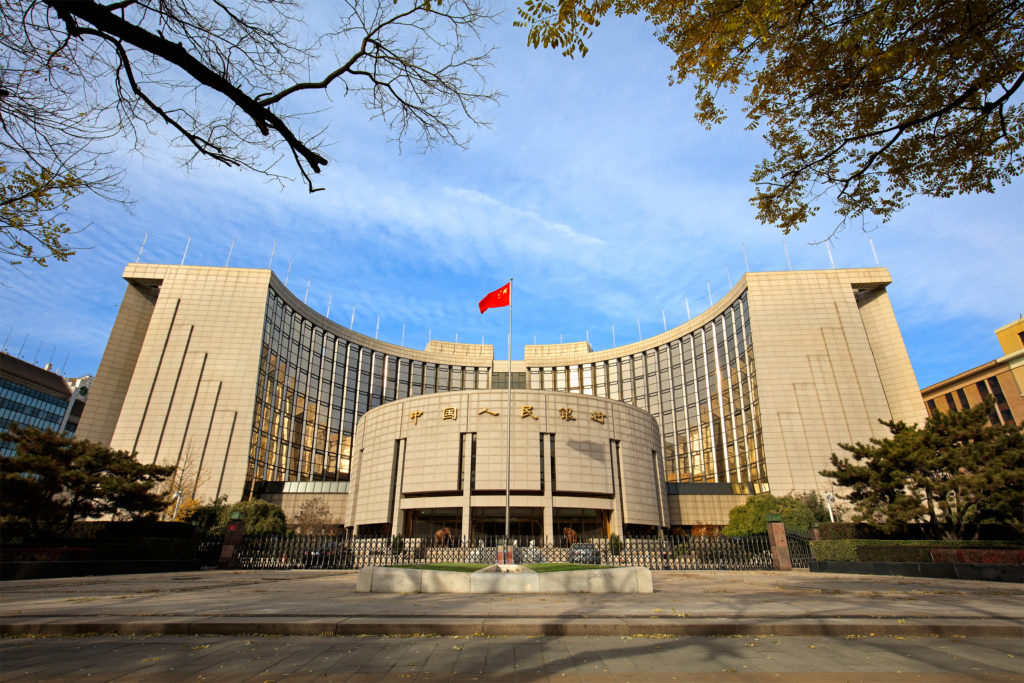

China’s central bank. Credit: Adobe Stock

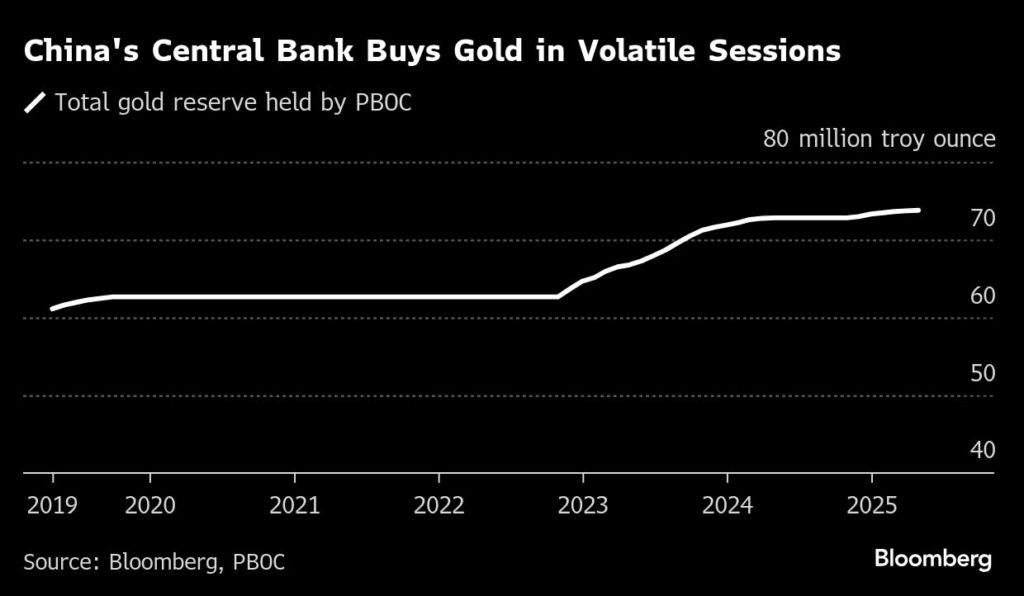
China expanded its gold reserves for a sixth straight month in April, underlining its push to boost holdings of the precious metal as prices trade near a record and the trade war rumbles on.


Bullion held by the People’s Bank of China rose by about 70,000 troy ounces last month, according to data on Wednesday. In the latest six-month span, volumes have climbed by close to 1 million ounces, or about 30 tons.

Gold has rallied to successive records this year, supported by concerted central-bank buying as authorities seek to diversify holdings away from the US dollar. Bullion’s upswing — with prices up nearly 30% higher this year — has also been aided by rising investment demand as the US-led trade war unsettles financial markets, raises concern about US assets, and drives haven demand.

In China, there have been signs investors are piling into gold, with volumes on the Shanghai Futures Exchange surging to a record in recent weeks. The voracious onshore appetite has also seen the PBOC issuing fresh quotas for commercial banks to import bullion.

At the same time, the Chinese authorities have moved to shore up support for the economy, and set the stage for trade talks with senior US officials later this week. On Wednesday, Beijing reduced its policy rate and lowered the amount of cash lenders must keep in reserve, highlighting efforts to buttress growth.

Central banks have increased their gold purchases roughly five-fold since 2022, after a freeze on Russian reserves, according to Goldman Sachs Group Inc., which has been among the most vocal bullion bulls in recent months. The trend is likely “a structural shift in reserve-management behavior, and we do not expect a near-term reversal,” analysts said in a March note.


At that time, the bank estimated that the PBOC held around 8% of its reserves in gold, below the global average of about 20%, and also far lower than the elevated share seen in some developed economies. If Beijing were targeting an allocation of 20%, and maintained an average pace of about 40 tons a month, it would take about three years to reach a that level, the analysts said.

“The modest volumes bought over the last few months suggest that while they are buyers, they will only do so if the price is attractive,” said Ross Norman, chief executive officer at Metals Daily. “Likely we will see ongoing purchases of gold by PBoC, as they scale back on US dollar denominated assets such as Treasuries.”

(By Yihui Xie)

Many years ago, I contracted an intimacy with a Mr. William Legrand. He was of an ancient Huguenot family, and had once been wealthy; but a series of ...

Aurubis looks to boost US sales in absence of tariffs

Reuters | May 8, 2025 | 

Credit: Aurubis

Europe’s largest copper producer Aurubis is looking to increase its sales to the US while there are no import tariffs on the metal, CEO Toralf Haag told analysts on Thursday.


Copper was not included in a list of reciprocal tariffs announced by the US in April but US President Donald Trump ordered a probe into copper imports in February. Aurubis said its findings are expected by November 2025 at the latest.

“Our operation in the US is to play a role in the US copper market,” Haag said, adding that the company’s current sales to the US were limited.

Haag said in April that Aurubis would ramp up its copper recycling smelter in the US this year, with the potential for further investment in coming years.

The smelter in Richmond County in Georgia is the company’s only US operation.

CFO Steffen Hoffmann said that projects like Richmond, its US multi-metal recycling plant, should contribute a lower double-digit million euro amount to the company’s earnings before interest, taxes, depreciation and amortization next year.

The company reported half-year core profit above market expectations on Thursday, helped by higher prices of sulphuric acid and precious metals.

Operating earnings before tax (EBT) fell 5.8% to 229 million euros ($259.2 million) in the six months through March 2025, from 243 million euros a year earlier. That beat analysts’ expectations of 221 million euros in a company-provided poll.

Reduced concentrate throughput at lower treatment and refining charges and higher ramp-up costs for strategic projects, such as its multi-metal recycling plant in the United States, had a negative effect on the operating EBT, Aurubis said.

The metals recycler and smelter confirmed its forecast for the 2024/25 financial year, adding that it expected full-year operating EBT around the midpoint of a 300 million to 400 million euros range.

($1 = 0.8836 euros)

(By Bernadette Hogg; Editing by Milla Nissi-Prussak and Jane Merriman)


What Mark Carney’s victory means for the mining industry

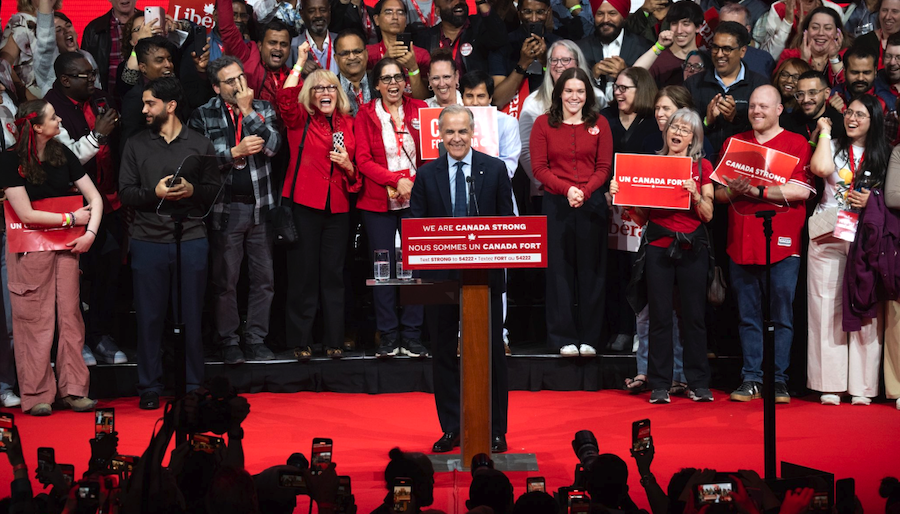
Prime Minister Mark Carney delivering his victory speech (Image courtesy of Mark Carney’s X account..)

Mark Carney’s extremely tight victory in Canada’s federal election is poised to significantly impact the mining industry, particularly the extraction and processing of critical minerals essential for the global energy transition.

Fast-tracking approvals

Carney’s administration plans to establish a “Major Federal Project Office” with a “one project, one review” mandate. This initiative aims to streamline environmental assessments by eliminating duplication between federal and provincial processes, thereby accelerating the approval of mining projects. Such a move is poised to benefit companies involved in critical mineral extraction, including lithium, nickel, and cobalt, by reducing bureaucratic delays.

Carney has not provided clarity on how the consent process would be expedited to meet the timeline pressures of energy and infrastructure development. This ambiguity is notable, particularly as his promise to avoid forcing projects through appears to contradict his assurances that major projects will proceed swiftly. Past provincial experiences, such as B.C.’s attempts to expedite development under similar consent commitments, suggest that balancing these priorities is fraught with legal and political difficulty.

Carney’s approach implies an acknowledgment of a de facto Indigenous veto over resource projects—but rather than confronting this head-on, he proposes to “buy in” Indigenous participation through public financing mechanisms. This creates a practical route around a hard veto by offering Indigenous communities ownership stakes that align their interests with project success.

Reconciling the urgency of certain projects with the potentially time-consuming process of obtaining consent from multiple Indigenous nations will prove tricky. It begs the question of whether or not this model serves the public interest.

On one hand, it represents a constructive shift from conflict to partnership, promoting reconciliation and potentially leading to more stable and inclusive development. It avoids the legal and ethical risks associated with imposing projects on unwilling nations. On the other hand, it raises questions about the use of taxpayer-backed funds as a means of securing project approval. There is a risk that such financing becomes a permanent cost of doing business, even for projects that may not deliver strong returns to the public.

Whether this is sustainable or fair depends on how transparent and equitable the resulting arrangements are — and whether public funds are being used to create true partnerships or merely to neutralize opposition.

Investment in critical minerals

The Carney-led government plans to invest in the development of critical minerals by: 

  • Connecting critical mineral projects to supply chains via the new First and Last Mile Fund (FLMF), enhancing integration within the Canadian economy;
  • Supporting clean energy and critical minerals projects through the FLMF to reduce reliance on other countries and protect Canadian jobs;
  • Accelerating exploration and extraction, including from recycling, by investing in prospecting activities and 
  • Attracting and de-risking investment in critical mineral exploration and extraction through additional investments and expanded tax credits. 

US tariffs

In response to US President Donald Trump’s imposition of tariffs on Canadian imports, Carney has pledged a firm stance. His administration plans to invest billions to reduce Canada’s economic dependence on the southern neighbour, including a $2 billion strategic response fund to protect Canadian workers and fortify the auto supply chain.

This shift towards trade diversification and economic resilience is likely to open new markets for Canadian mining exports, particularly in Asia and Europe, thereby reducing vulnerability to US trade policies.

Energy superpower

Mark Carney’s campaign message on energy, echoing Stephen Harper’s “energy superpower” mantra, signals a sweeping ambition — but with a broader, more climate-conscious twist. In his election night speech, Carney declared it was “time to build Canada into an energy superpower in both clean and conventional energy” and pushed for an industrial strategy that boosts competitiveness while addressing climate change.

Now leading a Liberal government, Carney faces the challenge of balancing economic growth with environmental responsibility. His platform includes plans for national “energy corridors” designed to fast-track approvals for infrastructure such as pipelines and transmission lines. He has also pledged to streamline regulatory processes to reduce delays that have long hindered energy and resource development.

Carney supports carbon capture and storage technology, a key strategy for the oil and gas sector to reduce emissions. His promise of federal backing extends to major infrastructure and extraction efforts, notably the Ring of Fire in northern Ontario. The region is rich in critical minerals essential for electric vehicles, batteries and other technologies vital to a low-carbon economy.

Some First Nations groups with claims in the area oppose development, which could take a decade to implement judging by other projects. Environmentalists say it will release the same global warming gases from the region’s muskeg that the electric-battery vehicle metals it would produce are supposed to limit.

Canada’s elected Prime Minister has also committed to advancing transportation and energy projects in the Arctic, paired with a planned expansion of the country’s military presence in the region.

Environmental commitments

While promoting mining development, Carney’s administration also maintains environmental commitments, such as upholding the industrial carbon tax and imposing caps on oil and gas emissions. This approach aims to ensure that mining growth aligns with Canada’s climate goals. 

Despite facing challenges such as taxation, immigration and political influences, including Trump’s rhetoric, Canada’s natural resource development was a common topic brought up by the two main political parties.

Carney’s recent victory signals a proactive approach to strengthening Canada’s mining industry, a significant contributor to the country’s economy. The sector accounted for nearly 20% of the country’s gross domestic product in 2022, alongside C$422 billion ($305 billion) in exports.

US Critical Materials reports highest-grade neodymium deposit in the US


Staff Writer | May 8, 2025 | MINING.COM


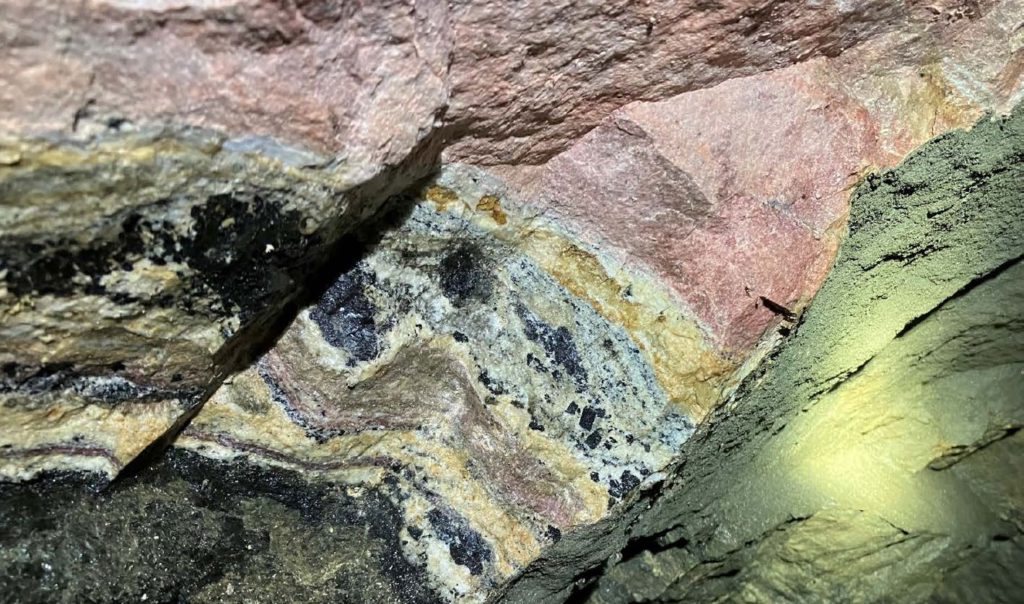
Image: U.S. Critical Materials


US Critical Materials has reported what it calls the highest-grade neodymium deposit in the United States.


The Salt Lake City-based company announced that its prime mineral claims contain an average neodymium concentration of 1.2% (12,000 ppm), a substantial grade for this strategic element.

The company’s flagship Sheep Creek project in Montana is at the center of this development. The deposit contains total rare earth oxide (TREO) grades of nearly 9% (89,932 ppm), including 2.4% (23,810 ppm) combined neodymium and praseodymium—figures that surpass all other known US deposits, according to US Critical Materials.

The company said the deposit, independently verified by Activation Laboratories, could become a vital domestic source of neodymium —an essential rare earth element used in advanced defense systems, clean energy technologies, and consumer electronics.

The announcement comes at a time of growing concern over the security of critical mineral supply chains. Neodymium is a key component in high-performance magnets found in fighter jets, missile systems, drones, radar, electric vehicles, wind turbines, and medical imaging devices.

With China currently controlling around 90% of global neodymium supply, US Critical Materials says its discovery could offer the US a long-sought foothold in rare earth production.

“Restoring America’s control over these critical materials is vital to safeguarding our defense, energy, and manufacturing sectors against foreign dependency,” US Critical Materials president Jim Hedrick said in a news release.

In addition to rare earths, Sheep Creek is also notable for containing the only known economically viable domestic source of gallium. With an average grade of 300 ppm, the Montana site far exceeds the typical 50 ppm seen in Chinese operations.

Gallium is a critical material used in semiconductors, integrated circuits, and high-frequency communication systems found in smartphones, laptops, radar and electric vehicles.

Global production remains extremely limited—about 600 tonnes annually, with none currently sourced from North America.
Fortune Minerals reports NICO bismuth project test work results for planned Alberta refinery

Staff Writer | May 9, 2025 | MINING.COM


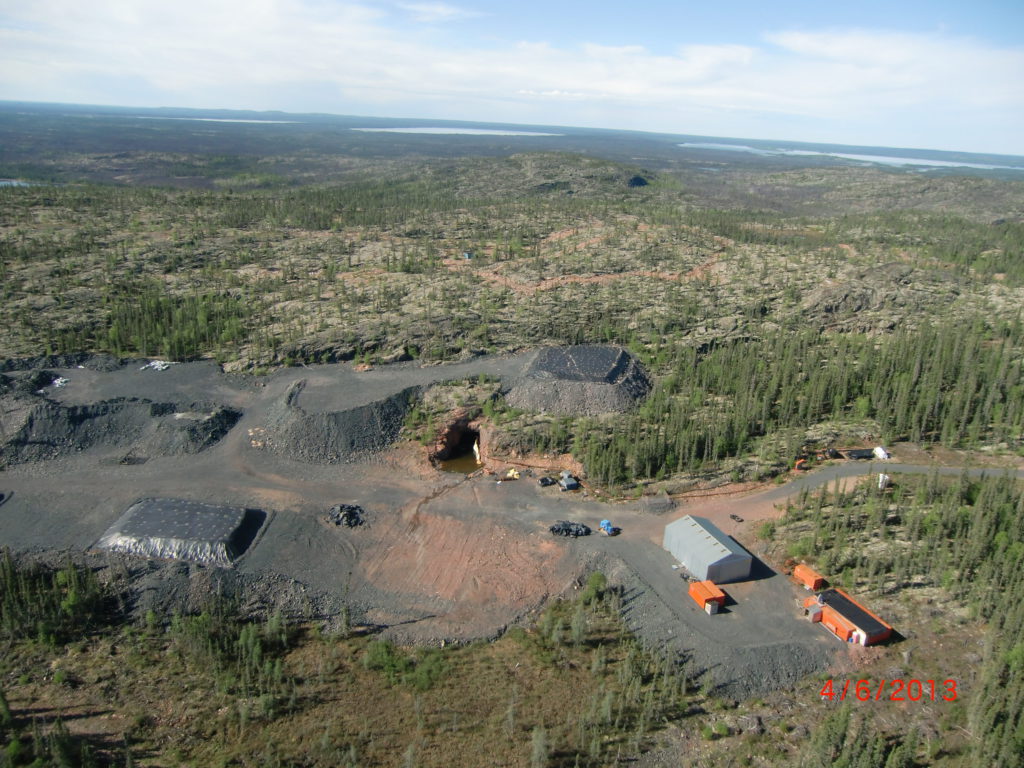
Aerial view of Fortune Minerals’ NICO cobalt-gold-bismuth copper project in the Northwest Territories. Credit: Fortune Minerals

Fortune Minerals (TSX: FT) (OTCQB: FTMDF) reported Friday that metallurgical test work validation is complete for the bismuth circuits for the company’s 100% owned NICO cobalt-gold-bismuth-copper critical minerals project in Canada’s Northwest Territories.


Bismuth is a scarce industrial metal that has characteristics similar to lead, but is non-toxic, and the industry is currently developing uses for replacing lead. Fortune Minerals says the NICO deposit contains 12% of global bismuth reserves as well as 1.1 million in-situ ounces of gold.

Last year, the company secured funding from both the Canadian and US governments. The domestic funding, from Natural Resources Canada, amounts to C$7.5 million ($5.5 million). This is expected to cover 75% of the C$10 million in additional engineering and test work for the project.

Fortune Minerals says development of the NICO project aligns with the increasing demand for bismuth in traditional and new market applications and the historic high prices, at $ 27 per pound, compounded by China’s recent export restrictions on this, and other critical minerals.

The vertically integrated NICO project consists of a planned mine and concentrator in the Northwest Territories and a hydrometallurgical process facility in Lamont County, Alberta where concentrates from the mine, and other feed sources, will be processed to value-added products needed in diverse industries, the energy transition, new technologies, and defense.

The process design criteria has been compiled and delivered to Worley Canada Services to engineer the facilities and incorporate them into the company’s updated feasibility study.

Fortune has completed the hydrometallurgical phase of its test work program for the NICO project bismuth circuit at SGS Canada in Lakefield, Ontario.

The scope for this program was validation of the leaching, cementation and lixiviant regeneration unit operations, and compilation of the process design criteria for detailed engineering.

The results exceeded expectations, the company said, supporting a material reduction in the bismuth circuit size and the expected capital and operating costs at the planned Alberta hydrometallurgical facility.

Bismuth recovery in cement was ~98% after factoring in the ferric chloride leaching, washing and iron cementation efficiencies, compared with lower initial recovery targets.

The company said development of the NICO project will provide a reliable North American supply of cobalt sulphate, gold doré, bismuth ingots, and copper cement — enhancing domestic production of three critical minerals.

Cost of Sibanye lithium project in Finland rises 17% to $880M

Cecilia Jamasmie | May 9, 2025 | MINING.COM


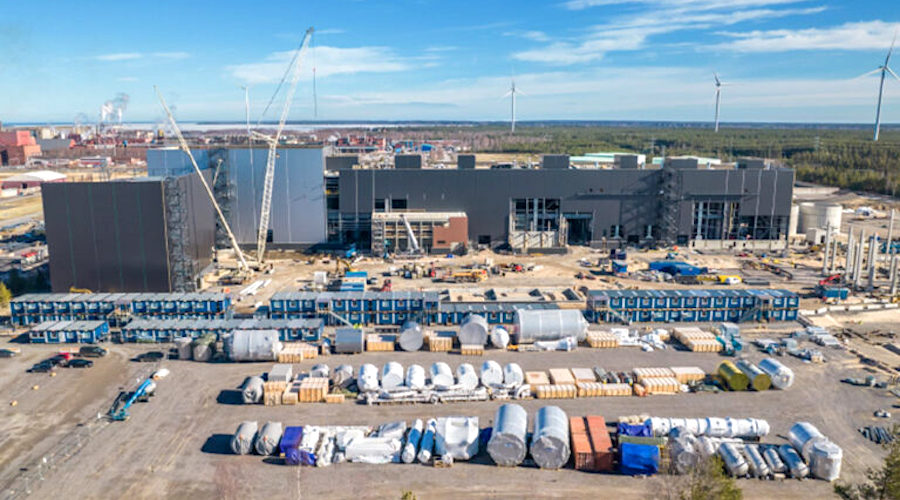
Keliber is expected to produce about 15,000 tonnes of battery-grade lithium annually for at least 16 years. (Image courtesy of Sibanye-Stillwater.)

South African miner Sibanye-Stillwater (JSE: SSW) (NYSE: SBSW) has raised the projected cost of its Keliber lithium project in Finland by 17% to €783 million ($880 million), citing regulatory changes, expanded project scope and falling lithium prices.


The company, which holds a 79.8% stake in Keliber, said the revised figure covers development through to hot commissioning of the refinery. Capital spending on the project had reached €508 million ($572m) by the end of March 2025, and the 2025 budget has been increased to €300 million ($338m) from a previous forecast of €215 million ($242m).

Sibanye, which also mines gold and platinum group metals in South Africa and the United States, is pushing ahead with its diversification into battery metals. The company secured €500 million ($563m) in debt financing last year — partly from the European Investment Bank — to support the Keliber buildout.

Construction is “well advanced,” according to Sibanye, with the lithium refinery in the Kokkola Industrial Park on track to begin commissioning in the first quarter of 2026. Once operational, Keliber is expected to produce 15,000 tonnes of battery-grade lithium hydroxide annually over a 16-year mine life.

The project includes multiple mining areas, a concentrator at Päiväneva (Keliber concentrator), the Kokkola refinery, and supporting infrastructure across all locations.

Sibanye’s pivot to lithium has faced setbacks. In February, the company withdrew from the Rhyolite Ridge lithium-boron project in Nevada, US, citing low lithium prices.

The project had been promoted as key to strengthening American domestic supplies of key minerals and reduce reliance on China. It is expected to produce 22,000 tonnes of lithium carbonate a year, enough to power roughly 370,000 electric vehicles annually.
World’s biggest zinc mine gets caught in US-China tariff turmoil


Bloomberg News | May 6, 2025 |


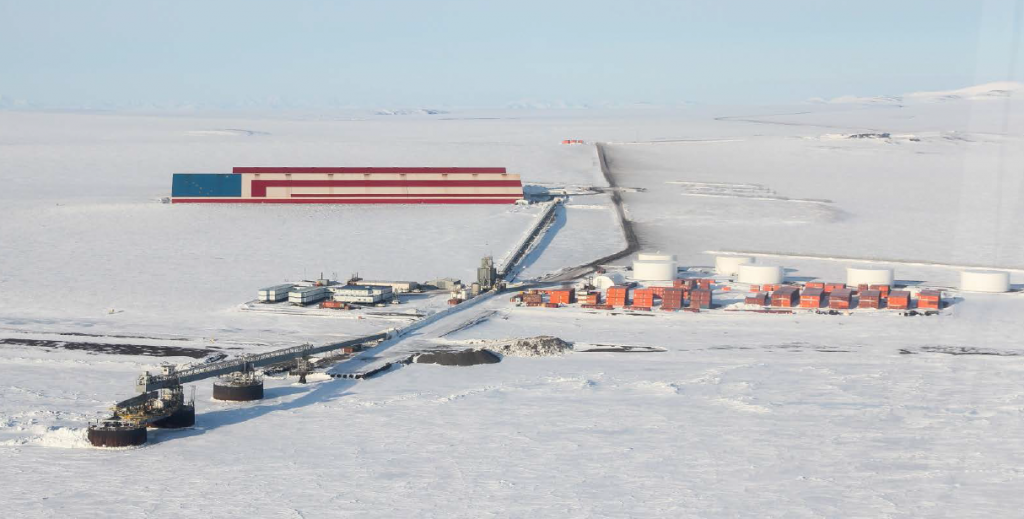
Red Dog mine. Photo courtesy of Teck.

The owner of the world’s largest zinc mine is in discussions to reroute output of the US operation away from China due to the trade war between Washington and Beijing, according to people familiar with the matter.


Teck Resources Ltd.’s Red Dog mine, some 105 miles (170 kilometers) inside the Arctic Circle, accounts for about 5% of global zinc supply and 2.5% of lead. China is the world’s largest consumer of the two metals by far. More than 20% of Teck’s mined zinc production is sold to Chinese smelters including Nanfang Nonferrous Metals Group and China Minmetals Corp’s Zhuzhou Smelter Group.

While global demand for zinc and lead concentrates is strong, rerouting supplies from a mine as big as Red Dog could prove to be a major logistical challenge. The deposit is so large that the annual deals Teck signs for its output are used as a global pricing benchmark for the rest of the industry.

Shipments from the Alaskan mine are being caught up in a trade dispute between the world’s two largest economies, after Beijing imposed tariffs last month on American goods in retaliation for US levies on China. Teck executives immediately held calls with Chinese clients after tariffs were announced, and buyers told the company that they’re reluctant to pay the full levies for upcoming Red Dog shipments, said the people, who asked not to be identified as they aren’t authorized to speak publicly.

“Given the levels of tariffs being placed on imports from the US into China, that creates challenges with supply at the moment,” Teck’s chief executive officer Jonathan Price told investors during an April 24 earnings call.

In a bid to resolve the impasse, members of Teck’s commercial team recently flew to China to visit key clients and renegotiate their sales contracts, the people said. Options being discussed include swapping the semi-processed zinc ores known as concentrates produced at Red Dog with supplies from Teck’s non-US mines, or from third parties.

“The commercial team is working very hard,” Price added. “There’s a range of options and alternatives here, which could see us placing material elsewhere through this period of time.”

It is not the first time that Red Dog concentrates have been ensnared by the US-China trade war. During US President Donald Trump’s first administration, China put 25% and 10% import tariffs on US-origin zinc and lead concentrates, respectively.

Back then, Red Dog’s output still ended up making its way to China, as Teck and its customers agreed to share the costs of the tariffs, the people said. But the chances of a similar deal look slim with supplies now being levied at much higher levels.

One silver lining is that Teck still has time on its side: Red Dog will only start shipping in summer, once the surrounding sea ice melts, and migrating caribous are not crossing the port roads. Once the passage is clear, Teck will need to ship out its entire annual production — which is worth about $2 billion — within about four months, before the long winter sets in again.

A Teck spokesperson declined to comment on specific commercial negotiations, but said shipments won’t begin until July. Zinc concentrates are in high demand, and the company has developed a regionally diverse customer base, giving greater optionality while trade discussions are ongoing, the representative said.

Representatives for Nanfang and Zhuzhou Smelter Group didn’t reply to requests for comment.

(By Julian Luk)
Mining murders show Peru’s struggles with illegal gold rush

Bloomberg News | May 6, 2025 | 


Artisanal gold mining in Peru. (Image by planetGOLD Peru.)


Peru is assigning the military with the task of regaining control of a mineral-rich area of the country’s northern highlands after 13 gold mine workers were kidnapped and murdered.


Army troops who were previously supporting police in the province of Pataz will now take control of security, President Dina Boluarte told reporters in Lima on Monday. Mining activity in the area will be suspended for 30 days.

She spoke after 13 bodies were discovered in a mine shaft over the weekend as criminal groups step up a wave of terror over control of the precious metal in the area. The deceased were working as guards at a small mine that is a contractor to Cia. Minera Poderosa SA, one of Peru’s largest gold producers. At least 39 workers have been killed in recent years in Pataz, Lima-based Poderosa said Sunday in a statement.

The massacre underscores authorities’ struggles to respond to violent gangs tapping into an illegal gold boom at a time of record high prices. Violence has continued in Pataz even after a state of emergency was declared more than a year ago.

Thirteen killed in Peru mine kidnapping amid rising violence

While Peru is best known for its massive copper mines, it’s also a significant gold producer. The case is another blow to the already unpopular president and to the country’s reputation as an investment destination.

SNMPE, the association representing global producers such as BHP Group and Glencore Plc, said the government has yet to even approve a plan to combat illegal mining, which also poses a threat to formal operations.

“The kidnapping and murder of these workers demonstrates that illegal economies seek to intimidate Peruvian society and seize public and private property, such as formal mining concessions and operations,” SNMPE said in a statement late Sunday.

Opposition lawmakers were collecting signatures Monday in a bid to remove Prime Minister Gustavo Adrianzen, who last week expressed doubts about whether the Poderosa contractors had really been kidnapped. It’s unclear if that effort would garner enough support.

Skyrocketing prices

The formal industry has been critical of a mechanism, called Reinfo, that’s designed to allow artisanal miners to formalize their operations. The temporary registry has merely provided quasi-legal status that has helped to promote informal mining, industry representatives say.

“Reinfo is used as a shield by illegal miners who now attack not only artisanal, small and medium-sized miners, but also large-scale mining,” SNMPE President Julia Torreblanca said in an interview with a local radio station.

Some large mines in Peru have battled to have small-scale miners removed from their concession areas while others have opted to buy their ore.

Late Monday, Poderosa was trying to confirm whether it was included in the mining suspension. “It would be foolish to halt operations of formal mines,” spokesman Pablo de la Flor said in text messages. “That’s precisely what illegal mines want.”

Violence in Pataz has been contained in the past, mitigating risk to the broader industry. Still, greater scrutiny is needed across the entire production chain as skyrocketing gold prices create a further incentive for illegal activities, according to BTG Pactual analyst Cesar Perez-Novoa, who specializes in natural resources.

“Going forward, mining companies will likely bolster investments in armed security measures to counter organized criminal groups, potentially with international ties, that are illicitly extracting minerals for sale in international markets, circumventing established traceability protocols,” Perez-Novoa said.

(By James Attwood and Marcelo Rochabrun)
Congo gold miner halts operations in tax dispute with M23 rebel administration

Reuters | May 9, 2025 | 

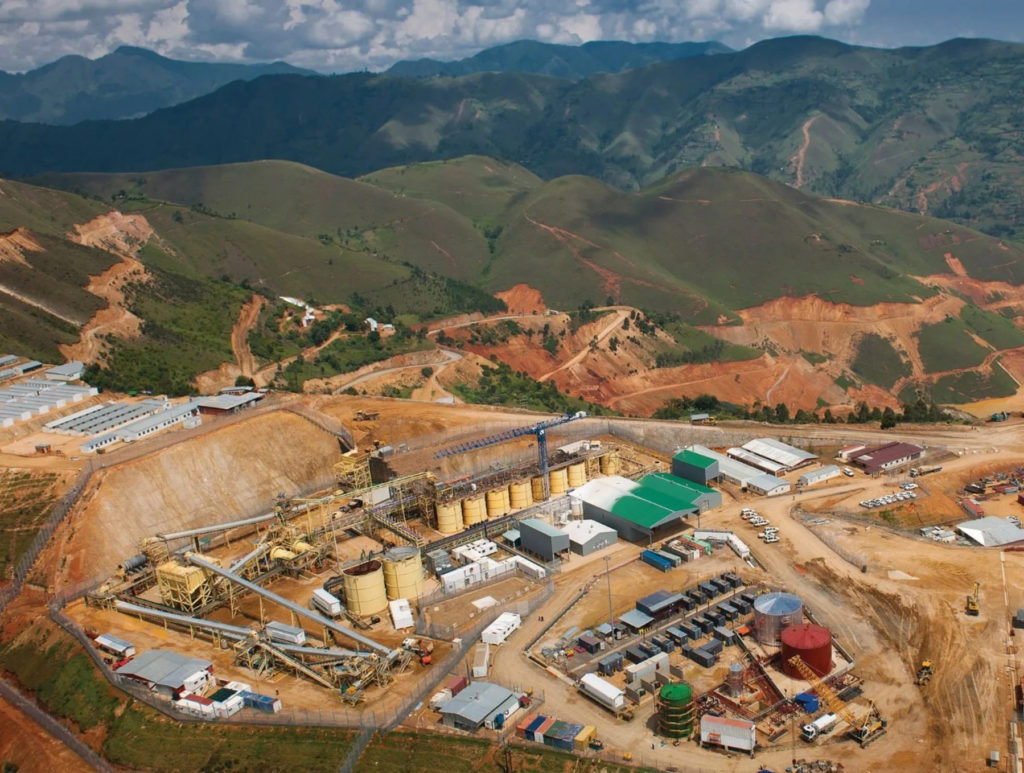
Twangiza gold mine. Credit: DRA Global

Twangiza Mining, a gold miner operating in the rebel-controlled South Kivu Province in the eastern Democratic Republic of Congo, said it has been ordered to suspend operations by the rebel administration, according to a company-wide letter seen by Reuters.


The company, which is managed by Hong Kong-registered Shomka Resources, informed employees of an immediate work stoppage in the letter dated May 8.

“Following directives from the new administration in place in South Kivu Province, Twangiza Mining is obliged to suspend its activities,” the letter signed by general director Chao Xianfeng said, adding that equipment and vehicles were being placed on standby mode.

The decision highlights tensions over resource control in Congo’s mineral-rich eastern regions, where M23 rebel advances have placed strategic mining assets under new administration, creating uncertainty for international operators and commodity markets.

The Rwanda-backed rebels seized control of Congo’s two mineral-rich eastern provinces earlier this year, and are solidifying their control over the captured territories.

Manu Birato, who was recently installed as M23 governor of the South Kivu Province, said Twangiza Mining must adapt to new regulations and pay taxes they have not been paying.

“We are in talks with them and showing them that from now on they must start paying taxes,” Birato told Reuters.

“The country had received absolutely nothing in taxes from this company. The money went into private coffers,” he said, adding that the administration had not ordered the shutdown of operations.

“We told them they had to start paying taxes. They are having a hard time adjusting to this new requirement, given that they were used to paying nothing,” Birato said.

A spokesperson for Twangiza declined to comment on Birato’s assertions.

Twangiza Mining is a joint venture between Congolese-owned Shomka Capital with a 65.5% stake, and Chinese Baiyin International Investments Ltd, which holds a 34.5% share.

(By Yassin Kombi and Maxwell Akalaare Adombila; Editing by Bill Berkrot)

Mining convoy attacked in Mali on road to Allied Gold’s Sadiola mine

Reuters | May 7, 2025 | 


Sadiola mine in Mali. Credit: SEMOS SA via Facebook


A convoy transporting heavy mining equipment from the Malian capital Bamako to Allied Gold’s Sadiola mine came under attack in the Kayes region over the weekend, two people familiar with the incident told Reuters late on Tuesday.


The attack points to expanding security risks – and related additional costs – facing mining companies operating in military-led Sahel states that are struggling to contain Islamist militant groups.

While government and military convoys more frequently come under attack in Mali, attacks on mining equipment have until now been rare.

The CEO of Canadian gold miner Fortuna this month told Reuters that increased security concerns due to jihadist threats were among the reasons the company recently decided to exit Mali’s neighbour Burkina Faso.

In Sunday’s attack, two large trucks were set alight, an excavator was damaged and two pick-up trucks were stolen, one of the sources familiar with the incident said. No group has yet claimed responsibility for the attack.

The equipment belongs to the local Caterpillar dealer Neemba and had been leased to the subcontractor Mota-Engil, which operates at Sadiola’s quarry, the sources said.

Eight people present – all employees of Neemba – were unharmed in the attack, which the sources said was disrupted by soldiers from the Malian army who had been nearby.

The incident took place between the towns of Diema and Sandare, the sources said. A separate security source confirmed an attack had taken place in that location on Sunday, but was unable to provide further details.

Spokespeople for Allied Gold, Neemba and Mota-Engil and a spokesperson for Mali’s army did not immediately respond to requests for comment.

Mali is one of Africa’s largest gold producers, with mining companies including Barrick Gold, B2GOLD, Resolute Mining, Endeavour Mining and Hummingbird Resources active in the gold-rich western and southern regions.


In February 2024, three employees of the Canadian miner B2Gold were killed in an attack on a convoy transporting them from the Fekola gold mine in southwest Mali to Bamako, the company said at the time.

But two sources with knowledge of that incident told Reuters the buses had been mistaken for a military convoy.

Mali, Burkina Faso and Niger have experienced coups in recent years carried out by military officers who vowed to push back jihadist groups affiliated with Al Qaeda and the Islamic State, though rampant insecurity persists in all three countries.

(By Portia Crowe; Editing by Robbie Corey-Boulet and Jan Harvey)
Zambia regulator approves $270 million Congo transmission link

Bloomberg News | May 6, 2025 |

Sentinel open-pit copper mine. (Image courtesy of First Quantum Minerals.)

Zambia’s energy regulator approved the construction of a high-voltage transmission line to link its copper rich North-Western province to the Democratic Republic of Congo.


The $270-million Kalumbila-Kolwezi Interconnector Project will run 200 kilometers (124 miles) across the border of the African nations as a “major step toward strengthening regional power trade and advancing the government’s goal of attracting private sector investment in energy infrastructure,” Zambia’s Energy Regulation Board said in a statement Tuesday.


Zambia’s copper mines have been forced to look outside of the country for electricity supply after a historic drought slowed output from hydroelectric dams. The nation last year asked mining companies to cut demand, while some have managed to secure imports from South Africa.

The KKIP transmission project will link to a substation on the First Quantum Minerals Ltd.’s Sentinel mine property in Kalumbila, according to Enterprise Power DRC, a private power trading company.

The regulator approved the construction permits for the line along with two other solar and battery installations in Zambia.

(By Taonga Mitimingi)