Tuesday, June 17, 2025


Suicide risk elevated among young adults with disabilities


LIKE OTHER MINORITIES IN ANTI-WOKE AMERIKA

FAU research calls for urgent reforms in prevention, screening and intervention


Florida Atlantic University

Suicide Prevention, Screening and Intervention 

image: 

Alexander M. Fields, Ph.D., senior author and an assistant professor of counselor education within FAU’s College of Education

view more 

Credit: Florida Atlantic University


Suicide remains one of the most pressing public health crises affecting young adults today, with devastating consequences. According to the United States Centers for Disease Control and Prevention, suicide is currently the third leading cause of death among individuals aged 18 to 25, with a 51% increase in suicide deaths between 2000 and 2021.

While this trend is deeply concerning for the general population, it is even more alarming for young adults living with intellectual and developmental disabilities (IDD) – a group long overlooked in suicide prevention efforts.

Research by Florida Atlantic University and collaborators, published in the journal Current Psychology, sheds light on the growing concern of suicidality among young adults with IDD and the significant gaps in existing public health responses. Researchers conducted an extensive review of the literature to explore the elevated risk factors, theoretical frameworks, and practical prevention strategies urgently needed to address suicide in this vulnerable population.

“For too long, there has been a misconception that individuals with IDD are somehow protected from suicidality due to perceived cognitive limitations,” said Alexander M. Fields, Ph.D., senior author and an assistant professor of counselor education within FAU’s College of Education. “However, emerging data clearly shows that young adults with IDD may actually face heightened suicide risk due to social isolation, abuse, trauma and limited access to appropriate care and education.”

The researchers identify multiple contributing factors that may elevate suicide risk for individuals with IDD, including:

  • Lack of access to education or employment opportunities
  • High rates of trauma, abuse and bullying
  • Increased dependence on caregivers
  • Impulsivity and emotional dysregulation
  • Social exclusion and stigma

A key barrier to effective prevention is diagnostic overshadowing, where symptoms of mental health disorders are misattributed to a person’s disability, leading to underdiagnosis or misdiagnosis of suicidal ideation. Moreover, standard suicide screening tools are often developmentally inappropriate for individuals with IDD, further compounding the issue.

To bridge this critical gap, the research draws upon two theoretical models – the Behavioral Pathway Model (BPM) and the Suicidal Barometer Model (SBM) – to propose a more inclusive approach to assessing and managing suicide risk in this population. These models were illustrated using a fictional case study of “Anthony,” a 21-year-old with autism and mild intellectual disability, demonstrating how structured frameworks can guide real-world prevention strategies.

“Our goal is to equip caregivers and helping professionals with practical tools and knowledge to identify warning signs, conduct effective assessments and implement targeted interventions,” said Fields. “This includes training on communication strategies, appropriate use of adapted assessment tools, and recognizing that signs of suicidality may present differently in people with more severe disabilities.”

The researchers also discuss policy and public health recommendations for supporting young adults with IDD, including:

  • Training health care providers on IDD-specific suicide risk factors
  • Developing and validating screening tools sensitive to cognitive and communicative differences
  • Ensuring crisis hotlines and emergency services are accessible and tailored to individuals with IDD
  • Establishing community-based support networks to reduce stigma and isolation
  • Funding additional research to develop inclusive and evidence-based interventions

This call to action is particularly urgent as mental health service access continues to lag for the IDD population, even as suicide risk rises. The researchers advocate for increased investment in both clinical and public health infrastructure to support long-term prevention efforts.

“Effective suicide prevention for young adults with IDD demands more than adapting existing models – it requires a wholesale reimagining of how we assess, support and protect these individuals,” said Fields. “From school-based interventions to health care provider training, every level of the system needs to be part of the solution.”

This research marks a significant step forward in suicide prevention research by prioritizing the needs of individuals who are too often left out of the conversation. With continued attention, collaboration and innovation, the researchers believe it is possible to turn the tide and build a more inclusive mental health support system.

Study co-authors are Olivia J. Lewis, Ph.D., Oregon State University; Rebecca B. Smith-Hill, Ph.D., University of South Carolina; Megan Reynolds, Ph.D., Viriginia Commonwealth University; Rachel Gilreath, Ph.D., University of Wisconsin – Oshkosh; and Madeline Castle, Ph.D., Mississippi State University.

- FAU -

About the College of Education:

In 1964, Florida Atlantic University’s College of Education became South Florida’s first provider of education professionals. Dedicated to advancing research and educational excellence, the College is nationally recognized for its innovative programs, evidence-based training, and professional practice. The College spans five departments: Curriculum and Instruction, Educational Leadership and Research Methodology, Special Education, Counselor Education, and Communication Sciences and Disorders, to prepare highly skilled teachers, school leaders, counselors, and speech pathologists. Faculty engage in cutting-edge research supported by prestigious organizations, including the National Science Foundation, the U.S. Department of Education, and the State of Florida.


About Florida Atlantic University:
Florida Atlantic University, established in 1961, officially opened its doors in 1964 as the fifth public university in Florida. Today, Florida Atlantic serves more than 30,000 undergraduate and graduate students across six campuses located along the Southeast Florida coast. In recent years, the University has doubled its research expenditures and outpaced its peers in student achievement rates. Through the coexistence of access and excellence, Florida Atlantic embodies an innovative model where traditional achievement gaps vanish. Florida Atlantic is designated as a Hispanic-serving institution, ranked as a top public university by U.S. News & World Report, and holds the designation of “R1: Very High Research Spending and Doctorate Production” by the Carnegie Classification of Institutions of Higher Education. Florida Atlantic shares this status with less than 5% of the nearly 4,000 universities in the United States. For more information, visit www.fau.edu.


Could physics theory better inform defensive basketball positioning?


WHY B-BALL PLAYERS GO TO UNIVERSITY


Cornell University


ITHACA, N.Y. – A Cornell University research team has employed a variation of a theory first used to predict the collective actions of electrons in quantum mechanical systems to evaluate basketball players.

A group led by Tomás Arias, professor of physics, has adapted density-functional fluctuation theory (DFFT) to predict player positions and rank players based on their defensive contributions. They’ve also attempted to quantify “player gravity” – how strongly a player attracts defenders, indicating he’s a scoring threat.

Analyzing NBA Player Positions and Interactions With Density-Functional Fluctuation Theory published in Scientific Reports.

A relatively new formulation, DFFT has already been applied to systems as diverse as insect group organization, racial segregation in urban areas and simulations of crowd dynamics.

The researchers’ challenge with basketball: Given a moment in time on the court – the location of all 10 players and the ball – what is the probability of the offense scoring 0, 2 or 3 points?

For their study, the group used player-tracking data from the first half of the 2022-23 NBA season, and analyzed player and ball positions, during half-court possessions (excluding fast breaks), no more than three seconds before a shot was taken. By training the DFFT model on relevant subsets of the massive dataset, the researchers could predict where an individual player was likely to be and evaluate probabilities of various scoring outcomes.

The researchers demonstrated that it is possible to improve defensive player positioning and identify player-specific tendencies, such as the consistency with which a player positions himself to help his team collectively defend against 2-point or 3-point shots.

Future research in this area will explore the concept of “defensive IQ” – a player’s instincts and the ability to “see” a play before it develops. 

For additional information, see this Cornell Chronicle story.


Study: What makes a smell bad?


University of Florida


You wouldn’t microwave fish around your worst enemy — the smell lingers both in kitchen and memory. It is one few of us like, let alone have positive associations with.

But what makes our brains decide a smell is stinky?

A new study from UF Health researchers reveals the mechanisms behind how your brain decides you dislike — even loathe — a smell.

Or as first author and graduate research fellow Sarah Sniffen puts it: How do odors come to acquire some sort of emotional charge?

In many ways, our world capitalizes upon the importance of smells to influence emotions, running the gamut from perfumes to cooking and even grocery store design.

“Odors are powerful at driving emotions, and it’s long been thought that the sense of smell is just as powerful, if not more powerful, at driving an emotional response as a picture, a song or any other sensory stimulus,” said senior author Dan Wesson, Ph.D., a professor of pharmacology and therapeutics in the UF College of Medicine and interim director of the Florida Chemical Senses Institute.

But until now, researchers have puzzled over what circuitry connects the parts of the brain vital to generating an emotional response with those responsible for smell perception.

The team started off with the amygdala, a brain region that curates your emotional responses to sensory stimuli. Although all our senses (sound, sight, taste, touch and smell) interact with this small part of your brain, the olfactory system takes a more direct route to it.

“This is, in part, what we mean when we say your sense of smell is your most emotional sense,” Sniffen said. “Yes, smells evoke strong, emotional memories, but the brain’s smell centers are more closely connected with emotional centers like the amygdala.”

In the study, researchers looked at mice, who share neurochemical similarities with people. They can learn about odors and categorize them as good or bad.

After observing their behavior and analyzing brain activity, the team found two genetically unique brain cell types that allow odors to be assigned into a bucket of good feelings or bad feelings.

Initially, the team expected that one cell type would generate a positive emotion to an odor, and another would generate a negative emotion. Instead, the brain’s cellular organization gives the cells the capability of doing either.

“It can make an odor positive or negative to you,” Wesson said. “And it all depends upon where that cell type projects in your brain and how it engages with structures in your brain.”

But why is knowing more about how we categorize smells important? Well, for starters, smells — and our reactions to them — are a part of life. Sometimes, however, our reactions to them can be outsized, or take on a negative association so strong it disrupts how we live.

“We’re constantly breathing in and out and that means that we’re constantly receiving olfactory input,” Sniffen said. “For some people that’s fine, and it doesn’t impact their day-to-day life. They might even think, ‘Oh, odors don’t matter that much.’ But for people who have a heightened response to sensory stimuli, like those with PTSD or anxiety or autism, it’s a really important factor for their day-to-day life.”

In the future, the research could help clinicians adjust for heightened sensory response that some people struggle with in their everyday lives, Wesson added. One example? A patient associating a clinic’s smell with transfusions that made them queasy.

Based upon the receptor systems in these specific brain pathways, the team members believe they might be able to change those associations.

Potentially, medications could suppress some of these pathways’ activity to allow you to overcome stressful and aversive emotional responses.

Conversely, these pathways could be activated to restore enjoyment to things that people might have grown indifferent to — like those who lose their appetite from illness.

“Emotions in part dictate our quality of life, and we’re learning more about how they arise in our brain,” Wesson said. “Understanding more about how our surroundings can impact our feelings can help us become happier, healthier humans.”

'Q' BECOMES THE NEW 'M'

The name's Metreweli – Blaise Metreweli. Who is the new spy chief at Britain's MI6?


A self-described "geek" whose appointment comes as the intelligence world faces new challenges from cyber attacks and AI, Blaise Metreweli will be the first woman to head Britain's MI6 spy service. The head of MI6 is the only publicly named member of the organisation and reports directly to the foreign minister.


Issued on: 16/06/2025 -
By: FRANCE 24


The headquarters of Britain's MI6 intelligence agency in London on May 31, 2007. © Bertrand Langlois, AFP

Little is known about the 47-year-old Metreweli, who will take over from outgoing MI6 head Richard Moore.

Currently, she is MI6's director general – known as "Q" – with responsibility for technology and innovation at the service, Downing Street said in a statement.


She will be the 18th person to lead Britain's foreign intelligence outfit when she takes up the role in the autumn, Prime Minister Keir Starmer announced on Sunday.

The head of MI6 is the only publicly named member of the organisation and reports directly to Foreign Minister David Lammy.


Metreweli is described as a career intelligence officer who joined the service in 1999 having studied anthropology at Cambridge University.

"She is an incredibly experienced, credible, successful operational officer. She is widely respected," former MI6 chief Alex Younger told the BBC.

"She has been thinking deeply for a long time about how we prosper in the nexus between man and machine.

"She's got a plan. And I think that she knows how to enact it. That is the way MI6 remains at the cutting edge," he added.

Metreweli also spent time as a director at MI5, the UK's domestic intelligence service, the British government said, without providing further details.

She also speaks Arabic, according to UK media reports.

Born into a family with roots in Eastern Europe – Metreweli derives from the Georgian name Metreveli – the future spy boss was part of the Cambridge rowing team that defeated Oxford in 1997.

She joined MI6 in 1999 as a field officer and "has spent most of her career in operational roles in the Middle East and Europe", according to the UK government.

Like her predecessors, Metreweli will be referred to as "C" – and not "M", as MI6 chief Judi Dench is called in the movies based on Ian Fleming's daring fictional agent James Bond.


Metreweli currently heads MI6's technology and innovation arm. © British government/AFP


'Historic'


The Financial Times interviewed her in 2022 for an article on female spies, where she was initially quoted under a pseudonym to encourage other women to join the intelligence service. She described herself as a "geek" and said she had always wanted to be a spy.

It was revealed that she grew up abroad, enjoyed learning encryption techniques at a young age, and had at least one child while stationed outside the UK.

Metreweli said that in the male-dominated world of intelligence, women had certain useful skills.

"In the moments where you're deciding to become an agent, you're having to make thousands of risk-based calculations, but you're not quite sure how to respond emotionally," she said.

"There's no etiquette. Ironically, it becomes a bit of a no man's land. In that space, women are really good at finding common ground. We are the liminal ones."

Her appointment comes over three decades after MI5 appointed its first female chief.

Stella Rimington held the position from 1992-1996, followed by Eliza Manningham-Buller from 2002-2007.

The UK intelligence and security organisation Government Communications Headquarters (GCHQ) appointed its first woman chief, Anne Keast-Butler, in 2023.

Starmer called Metreweli's appointment "historic".

"The United Kingdom is facing threats on an unprecedented scale – be it aggressors who send their spy ships to our waters or hackers whose sophisticated cyber plots seek to disrupt our public services," he said.


Actress Judi Dench played the fictional head of MI6 in several James Bond movies – though she was referred to as "M", not "C". © Leon Neal, AFP/File

(FRANCE 24 with AFP)

Challenging the cowboy myth: Paris show revisits Richard Avedon's iconic 'In the American West'

Forty years on, Richard Avedon’s iconic series “In the American West" still resonates with the United States’ current political and social landscape. The New York photographer’s powerful portraits of working-class Americans challenge the myth of the cowboy in an idealised West. The full exhibition is now on view at the Fondation Henri Cartier-Bresson in Paris until October 12.


Issued on: 15/06/2025 
By: Vitoria Barreto
FRANCE24
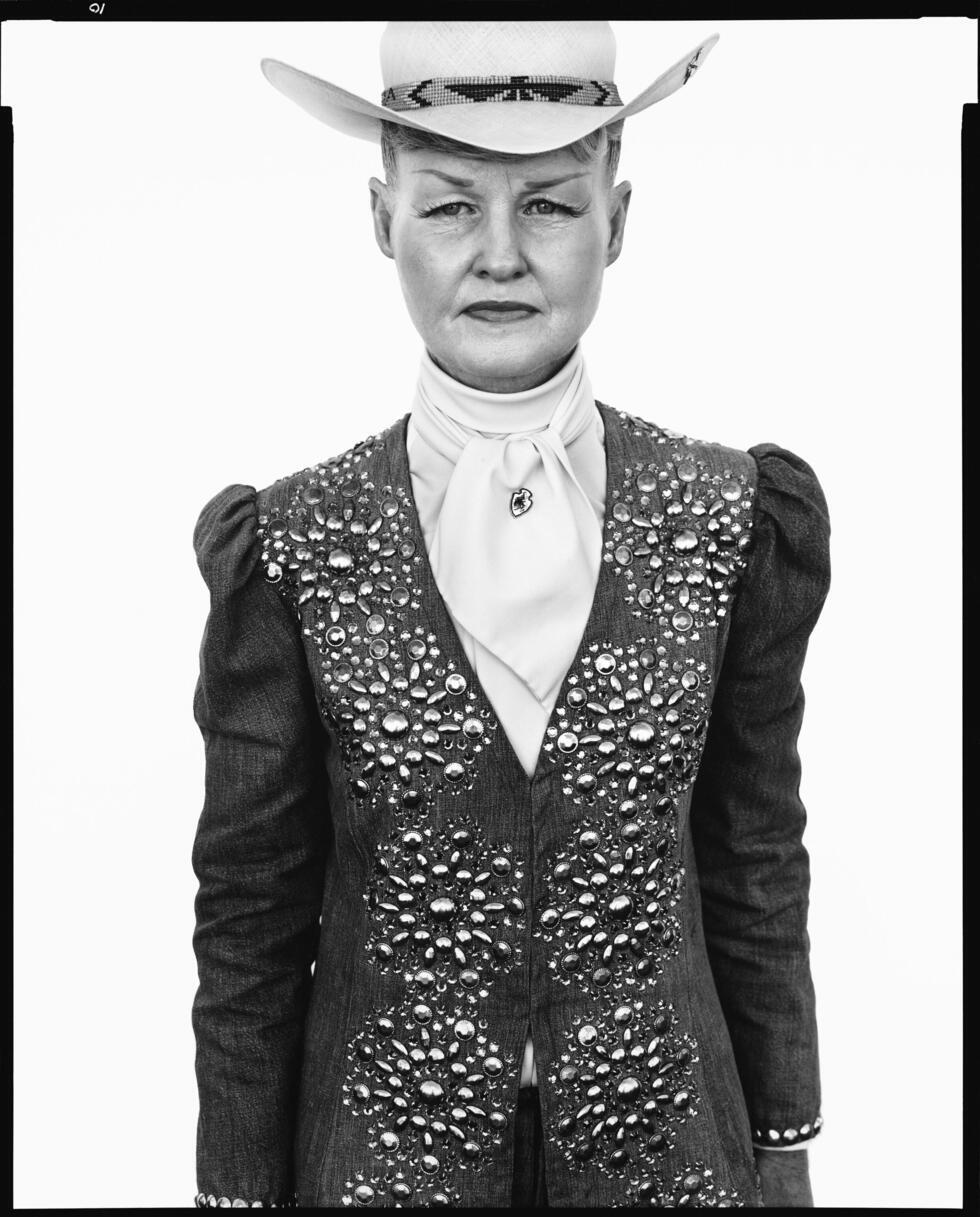
Ruby Mercer, publicist, Frontier Days, Cheyenne, Wyoming, July 31, 1982. © Richard Avedon, “In the American West”


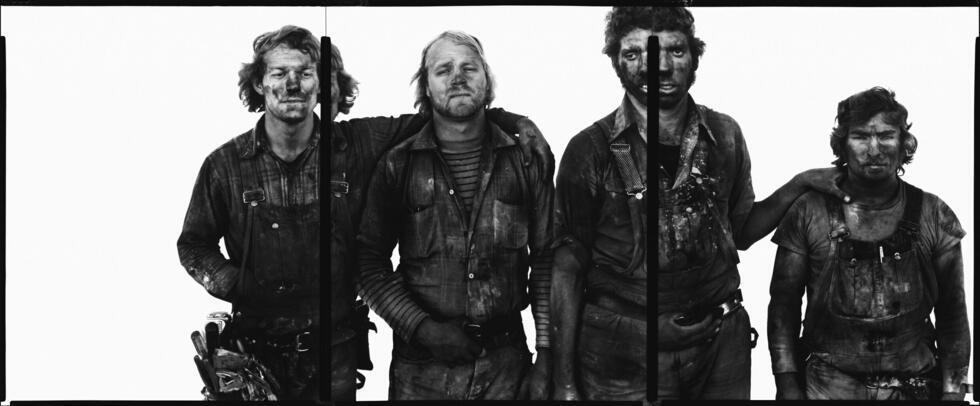
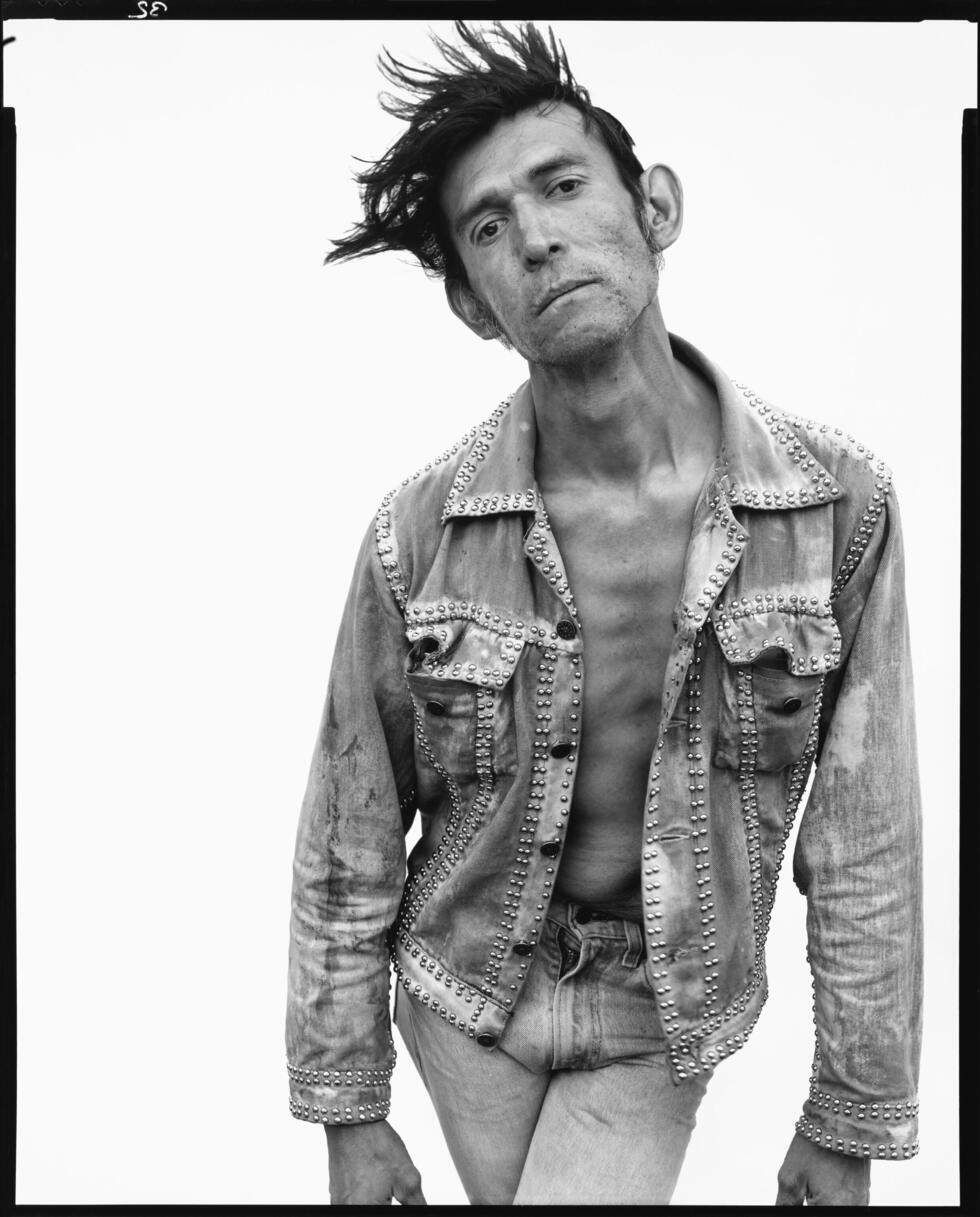
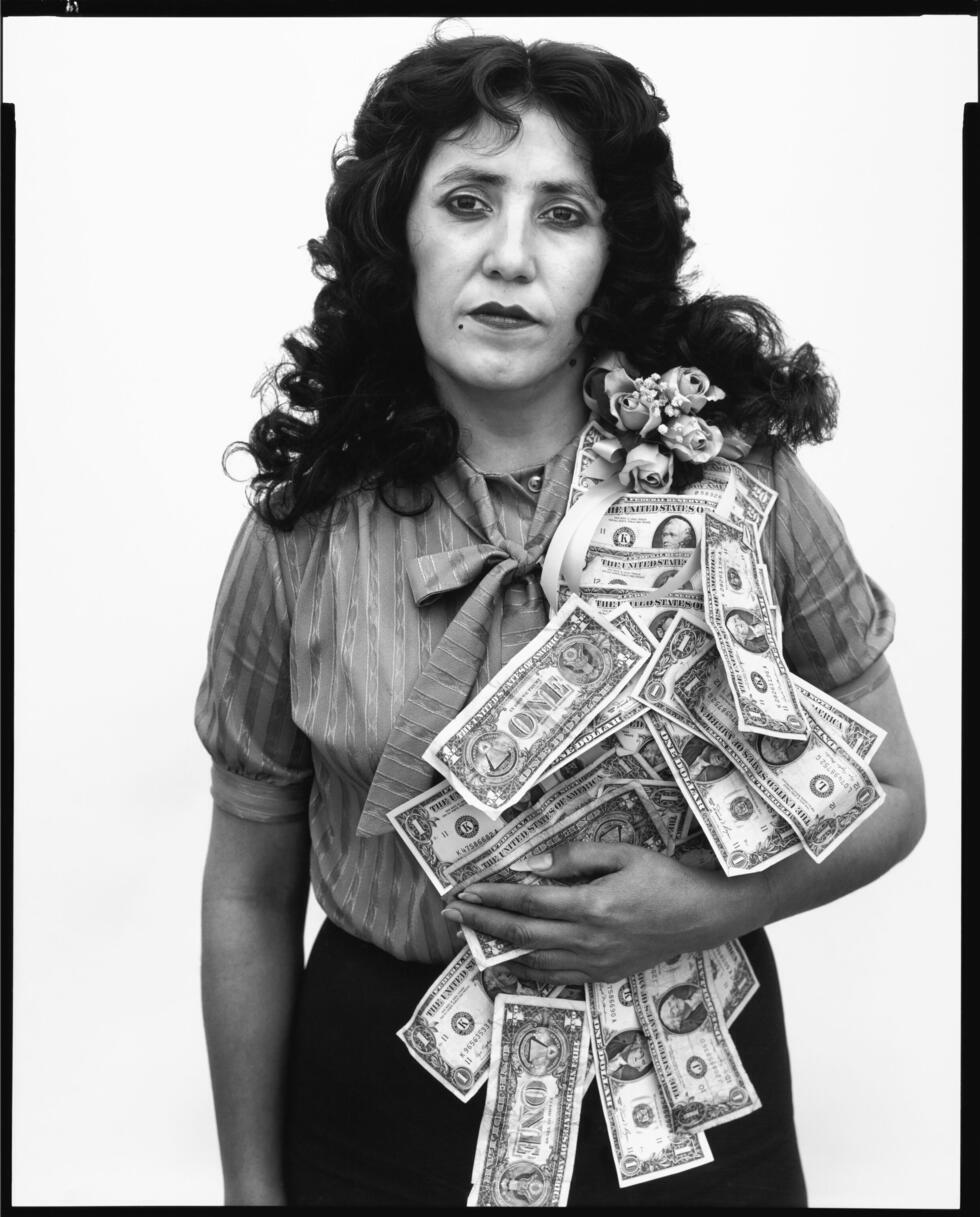
Housewives, oil workers, miners, motel maids and prisoners are among the protagonists of a retrospective that celebrates 40 years of the late Richard Avedon’s iconic exhibit “In the American West”, now on view at Fondation Henri Cartier-Bresson in Paris.

Between 1979 and 1984, Avedon took black-and-white pictures of working-class Westerners posing against a stark-white, unchanging backdrop to create powerful portraits that challenged the myth of the cowboy.

Shown in Europe for the first time, the full series of portraits from the original book is displayed in 110 vintage gelatin silver prints – images marked by oil, coal and blood that shed light on a 1980s America not many are used to seeing.

Ruby Mercer, publicist, Frontier Days, Cheyenne, Wyoming, July 31, 1982. © Richard Avedon, “In the American West”

Avedon's pictures captured people grappling with the effects of industrial decline and economic recession during Ronald Reagan’s presidency.

While the Paris retrospective was not conceived as a commentary on current US politics, curator Clément Chéroux sees it as inevitable to draw parallels with the country's political state since President Donald Trump's return to power.

Read moreHouse passes Trump budget bill as critics fear cuts to services, ballooning debt

“It obviously echoes today's situation, because we're also at a time when many Americans, the working class in particular, are in difficulty because of Trump's policies.”

Roger Tims, Jim Duncan, Leonard Markley, Don Belak, coal miners, Reliance, Wyoming, August 29, 1979. © Richard Avedon, “In the American West”
Not his first rodeo

Though Avedon is best known for photographing Vogue covers and the likes of Marilyn Monroe, Charlie Chaplin, Bob Dylan and Louis Armstrong, “In the American West” is not his only work to engage with social themes.

Read moreIconic Avedon photos raise 5.5 million euros at Paris auction

Chéroux said Avedon often used his lens to take a stand, whether photographing victims of Napalm bombs during the Vietnam War, collaborating with writer and activist James Baldwin during the civil rights movement, or exposing America's powerful elite in the 1970s through “The Family”.

So when the director of the Amon Carter Museum in Fort-Worth – known for works glorifying cowboys by painters like Frederic Remington – commissioned him to take pictures that defined the West, Avidon quickly realised his West would be somewhat different.

“I began to see that the West was no longer the West I grew up in … if it ever was,” Avedon told Chicago’s WFMT radio in a 1985 interview.

With his two assistants and photographer Laura Wilson, Avedon spent several summers carrying a 20 x 25 cm view camera, tripod and white backdrop across 189 cities, in 17 states of the American West.
David Beason, shipping clerk, Denver, Colorado, July 25, 1981. © Richard Avedon, “In the American West.”
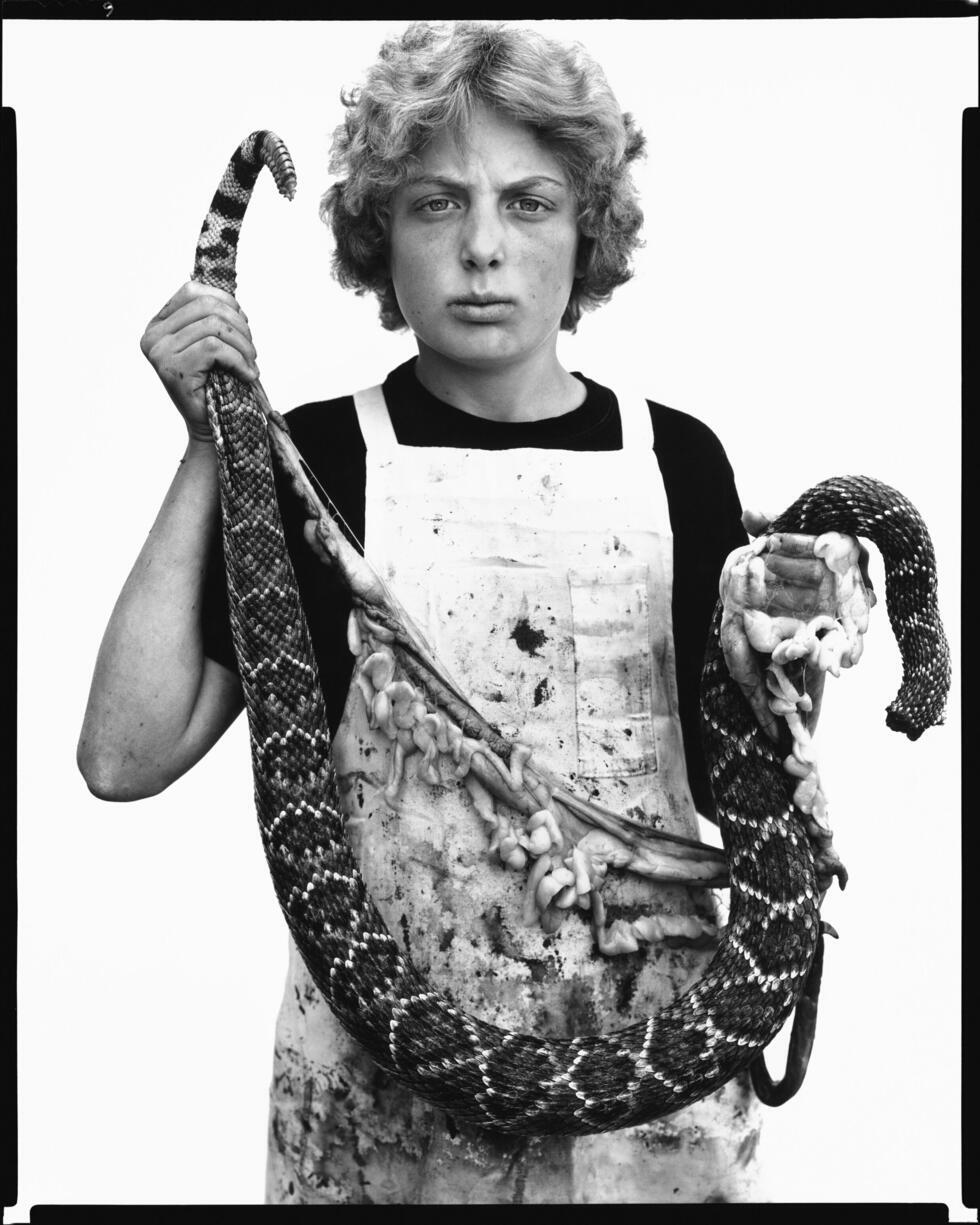
To shoot with this camera was a time-consuming process. The photographer stood under a black cloth to focus on an upside-down subject on the glass. Avedon explains in his book that his two assistants helped him work “at surprising speed”, one at the back of the camera loading the film sheets and the other at the front checking the aperture of the lens.

Then, he would place himself next to the camera, which enabled him to look into the eyes of every subject – they were looking directly at him, not the lens.

Because the region was so sparsely populated, he sought out places that drew crowds like rodeos, fairs and the Sweetwater Rattlesnake Roundup in Texas, where the project's first test shoot took place in the spring of 1979.

The first subject was a pouting blonde 13-year-old boy squinting his eyes as he helped his father skin a rattlesnake – a peculiar image that set the tone for what became the longest-running project of Avedon's studio career, spanning nine years including production and touring around the US.

Boyd Fortin, 13-year-old rattlesnake skinner, Sweetwater, Texas, March 10, 1979. 
© Richard Avedon, “In the American West”

Despite photographing a total of 752 people, Avedon kept a close connection with many. He kept names, ages, professions and addresses of each subject, and sent back prints.

The same care now continues in the curation, where each image is presented in the chosen 51 x 40 cm size – the one Avedon used to annotate and send for editing – way smaller than the prints that have been displayed in other retrospectives of his work.

Curator Clément Chéroux explains that this was the only way to display all 110 pictures in the foundation. He said it was essential to present the complete narrative of the project, and also to create intimacy between the viewer and the subject.
Capturing the 'overlooked or forgotten'

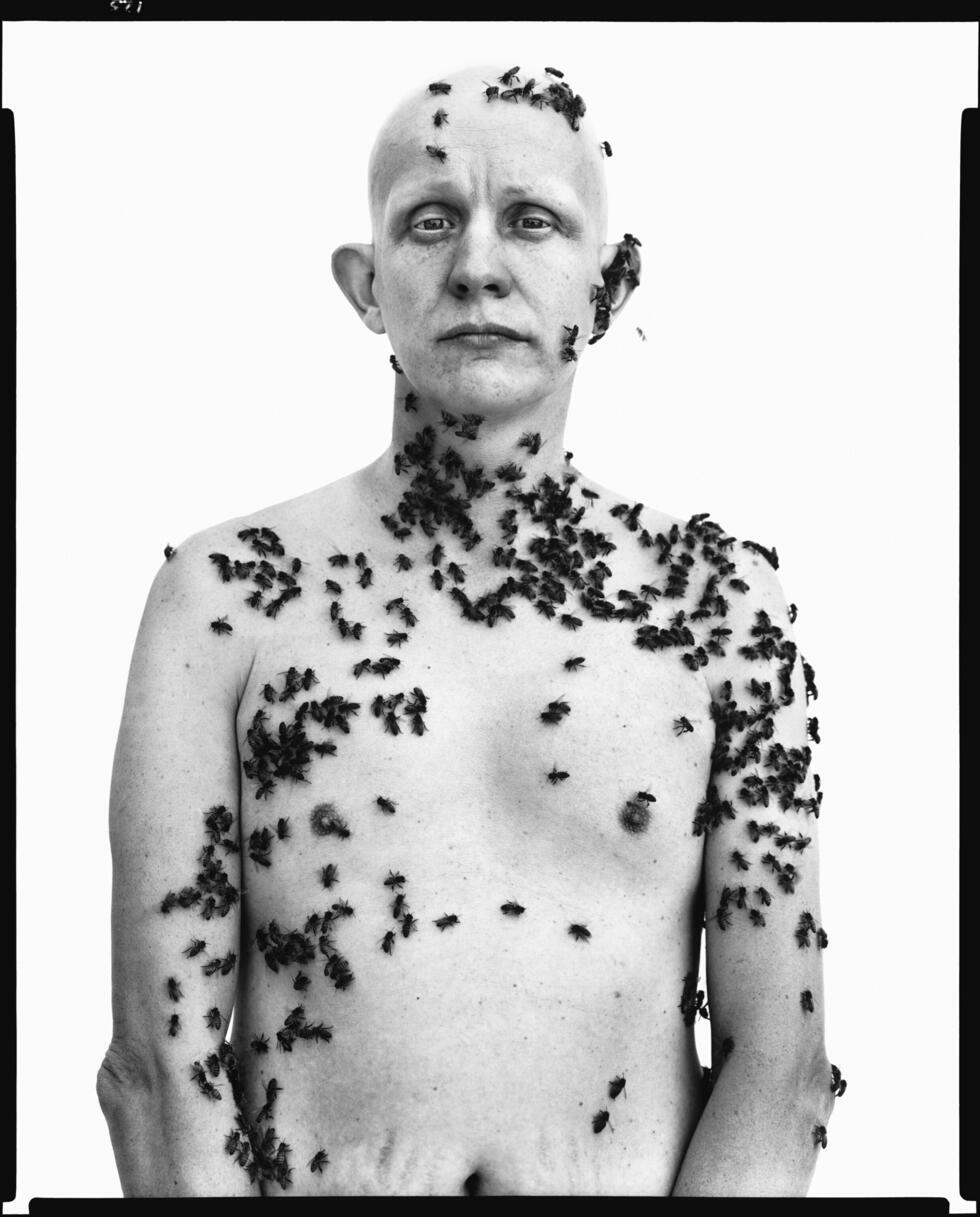
Though most portraits were taken spontaneously across the West, the exhibition's most-discussed picture – the beekeeper – stands apart with its own dedicated wall.

Unlike the others, it was taken in California. Avedon placed an ad searching for a willing beekeeper to pose for his project. Ronald Fischer became an icon by agreeing to be sprayed with the queen bee pheromone to attract the swarm and got paid $100. Other subjects were also remunerated though the amount remains unclear, according to the curator.

Ronald Fischer, beekeeper, Davis, California, May 9,1981. 
© Richard Avedon, “In the American West”

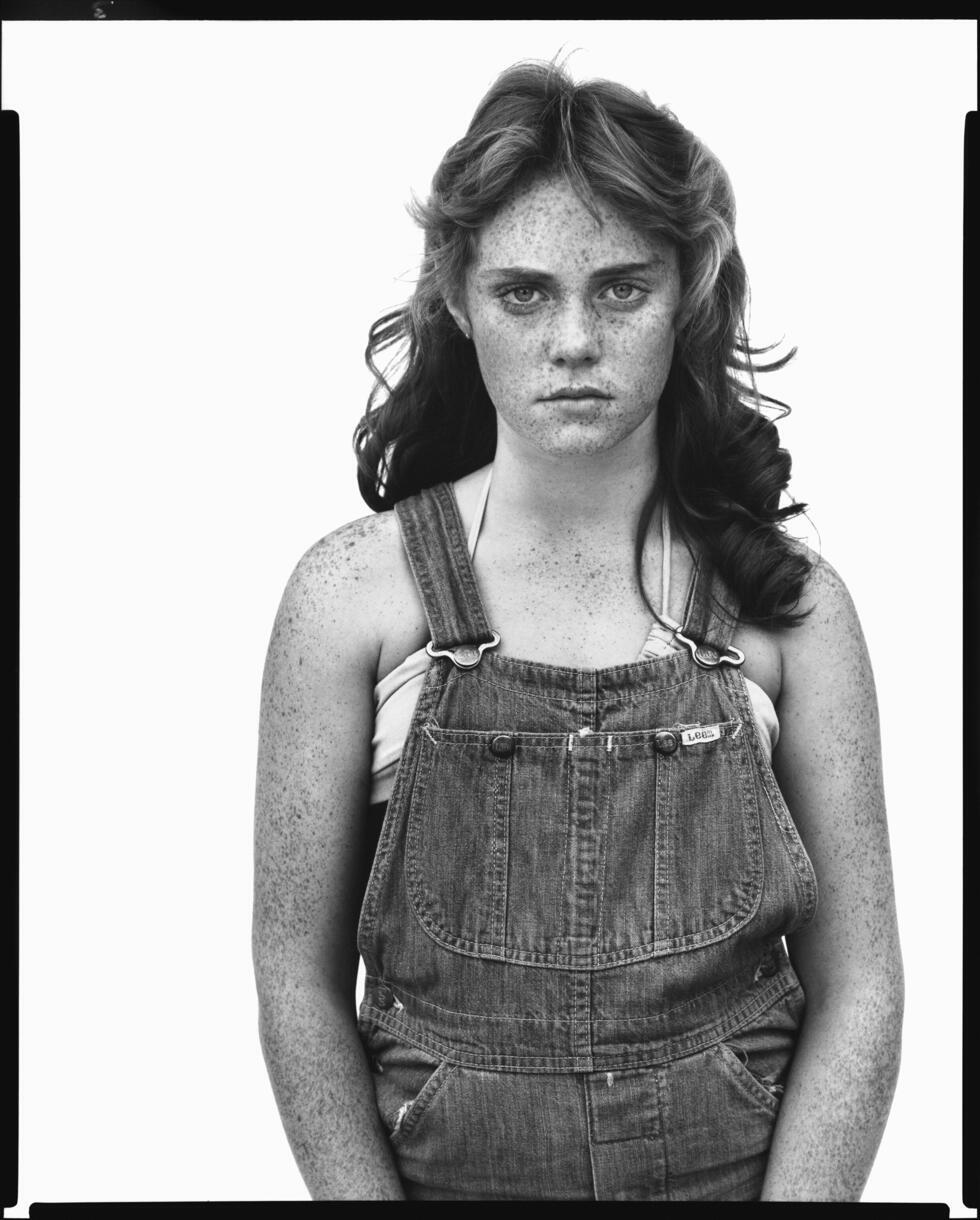
The exhibition also features some of Avedon's files, including letters exchanged with a mother asking for more pictures of her late son, a drifter, and with the teenage girl on the cover of the exhibition who tells the photographer she is getting good grades in High School.

“He talked about people who are overlooked or forgotten and this is perhaps even more of an urgent issue now in the United States than it was then,” said the American finance professor Paul Mende, 64, while visiting the exhibition with his wife.

Sandra Bennett, twelve-year-old, Rocky Ford, Colorado, August 23, 1980.
 © Richard Avedon, “In the American West”

“If he did the same kind of series, he would find the same kind of person. I don't think it has changed much,” added Nadine Mende, a 63-year-old French dentist.

Avedon, however, insisted that his portraits offered a subjective view of the West, shaped by his own perspective rather than any claim to objectivity.

“I don’t think the West of these portraits is any more conclusive than the West of John Wayne,” said Avedon in the book the exhibition is based on.

Petra Alvarado, factory worker, on her birthday, El Paso, Texas, April 22, 1982.
 © Richard Avedon, “In the American West”

But curator Clément Chéroux suggests this may have been a way to avoid criticism for not presenting the upper-class folk of the region.

“If he had said all that was the reality, people who would’ve been like ‘Mr. Avedon you didn't add a banker, Mr. Avedon you didn’t include an engineer’. It was probably a way of protecting himself from being told 'Your America is actually fake',” said Chéroux.


Overwhelmed Louvre workers strike to protest overtourism, shutting down world's most-visited museum


A spontaneous strike at the Louvre shut down the world's most-visited museum on Monday after workers refused to take up their posts in frustration with what they described as "untenable" working conditions and chronic overtourism.


Issued on: 16/06/2025 
By: FRANCE 24

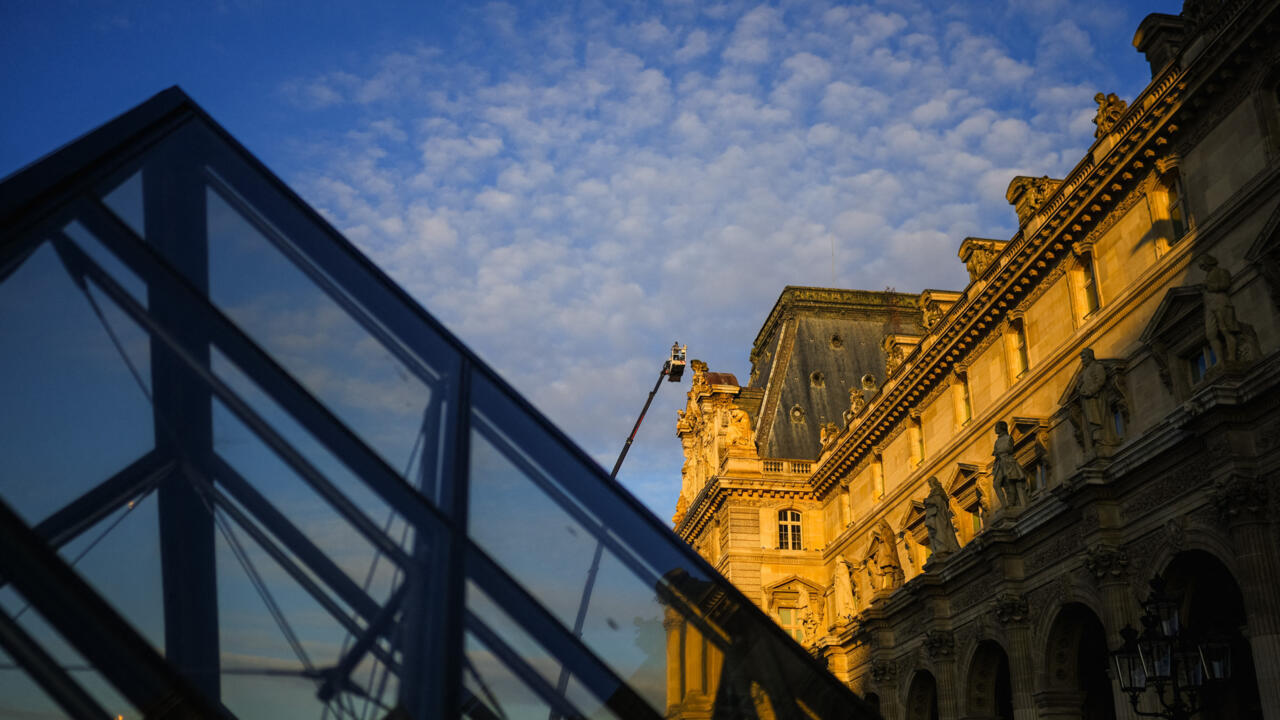
Tourists wait in line outside the Louvre museum which failed to open on time on June 16, 2025 in Paris. © Christophe Ena, AP

The Louvre, the world’s most-visited museum, remained shuttered most of Monday when staff went on strike in frustration with what they called unmanageable crowds at an institution crumbling from within.

Thousands of stranded and confused visitors, tickets in hand, were corralled into unmoving lines beneath I.M. Pei's glass pyramid.

“It’s the Mona Lisa moan out here,” said Kevin Ward, 62, from Milwaukee. “Thousands of people waiting, no communication, no explanation. I guess even she needs a day off.”

The Louvre has become a bellwether of global overtourism – overwhelmed by its own popularity. As tourism magnets from Venice to the Acropolis scramble to cap crowds, the world’s most iconic museum is reaching a reckoning of its own.

France: The Louvre struggles with mass tourism
02:12
Workers clean sculptures on the facade of the Louvre Museum in Paris on January 23, 2025. © Dimitar Dilkoff, AFP


The spontaneous strike erupted during a routine internal meeting, as gallery attendants, ticket agents and security personnel refused to take up their posts in protest over unmanageable crowds, chronic understaffing and what one union called “untenable” working conditions.

It’s rare for the Louvre to close its doors. It has happened during war, during the pandemic, and in a handful of strikes – including spontaneous walkouts over overcrowding in 2019 and safety fears in 2013. But seldom has it happened so suddenly, without warning, and in full view of the crowds.

What's more, the disruption comes just months after President Emmanuel Macron unveiled a sweeping decade-long plan to rescue the Louvre from precisely the problems now boiling over – water leaks, dangerous temperature swings, outdated infrastructure, and foot traffic far beyond what the museum can handle.

But for workers on the ground, that promised future feels distant.

“We can’t wait six years for help,” said Sarah Sefian of the CGT-Culture union. “Our teams are under pressure now. It’s not just about the art – it’s about the people protecting it.”


At the centre of it all is the Mona Lisa – a 16th-century portrait that draws modern-day crowds more akin to a celebrity meet-and-greet than an art experience.

Roughly 20,000 people a day squeeze into the Salle des États, the museum’s largest room, just to snap a selfie with Leonardo da Vinci’s enigmatic woman behind protective glass. The scene is often noisy, jostling, and so dense that many barely glance at the masterpieces flanking her – works by Titian and Veronese that go largely ignored.

“You don’t see a painting,” said Ji-Hyun Park, 28, who flew from Seoul to Paris. “You see phones. You see elbows. You feel heat. And then, you’re pushed out.”

Macron’s renovation blueprint, dubbed the “Louvre New Renaissance,” promises a remedy. The Mona Lisa will finally get her own dedicated room, accessible through a timed-entry ticket. A new entrance near the Seine River is also planned by 2031 to relieve pressure from the overwhelmed pyramid hub.

“Conditions of display, explanation and presentation will be up to what the Mona Lisa deserves,” Macron said in January.


No, the Mona Lisa isn't being 'sold' to finance the Louvre renovations
06:02
TRUTH OR FAKE © FRANCE 24


But Louvre workers call Macron hypocritical and say the €700-800 million renovation plan masks a deeper crisis. While Macron is investing in new entrances and exhibition space, the Louvre’s annual operating subsidies from the French state have shrunk by more than 20 percent over the past decade – even as visitor numbers soared.

“We take it very badly that Monsieur Le President makes his speeches here in our museum,” Sefian said, “but when you scratch the surface, the financial investment of the state is getting worse with each passing year.”

While many striking staff plan to remain off duty all day, Sefian said some workers may return temporarily to open a limited “masterpiece route” for a couple of hours, allowing access to select highlights including the Mona Lisa and the Venus de Milo. The full museum might reopen as normal on Wednesday, and some tourists with time-sensitive tickets for Monday may be allowed to reuse them then. On Tuesday the Louvre is closed.

The Louvre welcomed 8.7 million visitors last year – more than double what its infrastructure was designed to accommodate. Even with a daily cap of 30,000, staff say the experience has become a daily test of endurance, with too few rest areas, limited bathrooms, and summer heat magnified by the pyramid’s greenhouse effect.

02:14
A ‘deplorable state of disrepair’: Employees and visitors comment on the Louvre © AFP


In a leaked memo, Louvre President Laurence des Cars warned that parts of the building are “no longer watertight”, that temperature fluctuations endanger priceless art, and that even basic visitor needs – food, restrooms, signage – fall far below international standards. She described the experience simply as “a physical ordeal”.

“What began as a scheduled monthly information session turned into a mass expression of exasperation,” Sefian said. Talks between workers and management began at 10:30am and continued into the afternoon.

The full renovation plan is expected to be financed through ticket revenue, private donations, state funds, and licensing fees from the Louvre’s Abu Dhabi branch. Ticket prices for non-EU tourists are expected to rise later this year.

But workers say their needs are more urgent than any 10-year plan.

Unlike other major sites in Paris, such as Notre Dame cathedral or the Centre Pompidou museum, both of which are undergoing government-backed restorations, the Louvre remains stuck in limbo – neither fully funded nor fully functional.

President Macron, who delivered his 2017 election victory speech at the Louvre and showcased it during the 2024 Paris Olympics, has promised a safer, more modern museum by the end of the decade.

Until then, France’s greatest cultural treasure – and the millions who flock to see it – remain caught between the cracks.

(FRANCE 24 with AP)
Diving: Can coral reefs survive mass tourism?


Issued on: 16/06/2025 - 

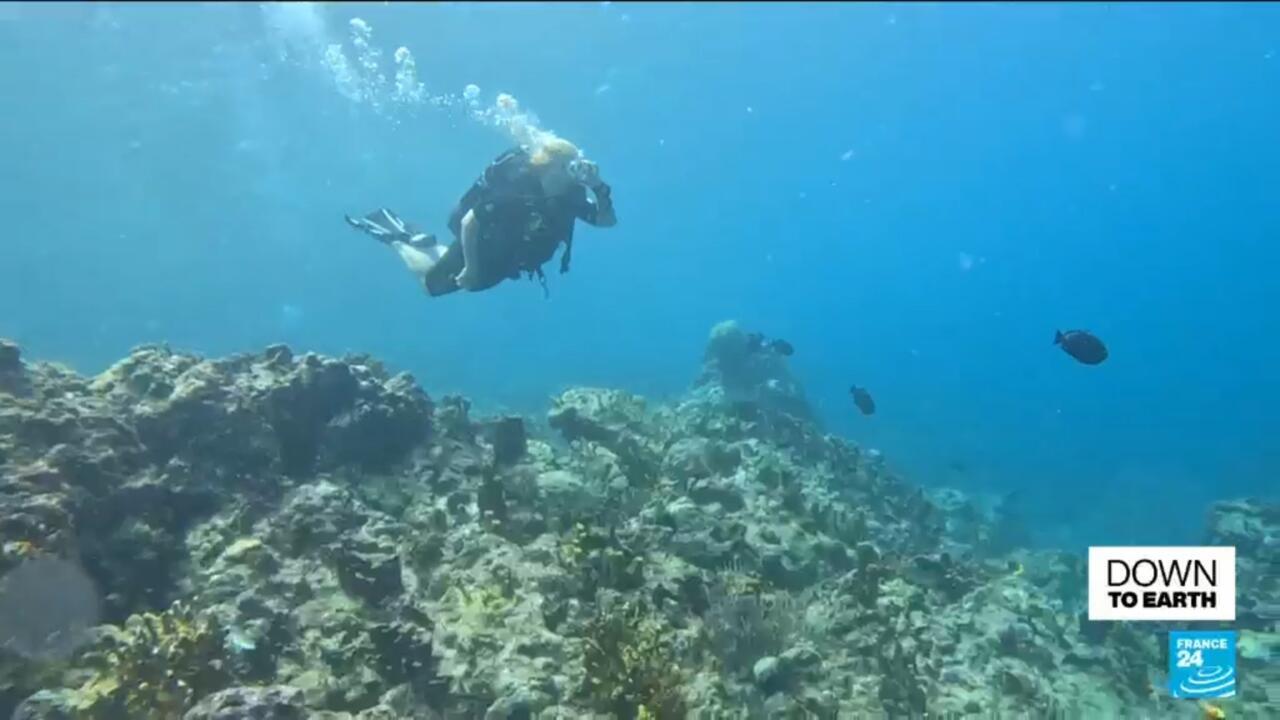
On the French archipelago of Guadeloupe, thousands of snorkellers visit the Pigeon Islands every year, putting the reef under huge stress. Despite warnings not to touch or stand on the coral, many corals are bleaching and dying due to rising sea temperatures and overtourism. Despite limited rangers and amid growing environmental pressure, diving clubs and new regulations are hoping to protect this fragile ecosystem.

07:54
Diving: Can coral reefs survive mass tourism? © France 24
Exclusive: Global egg industry investigation reveals widespread abuse of caged hens amid bird-flu pandemic

Explainer


A global investigation into industrial egg farming found hens were kept in cramped and filthy cages in more than 35 countries, raising animal welfare and public health concerns. Global animal rights coalition the Open Wing Alliance shares the results of its investigation in a FRANCE 24 exclusive.


Issued on: 16/06/2025 -
FRANCE24
By:Joanna YORK


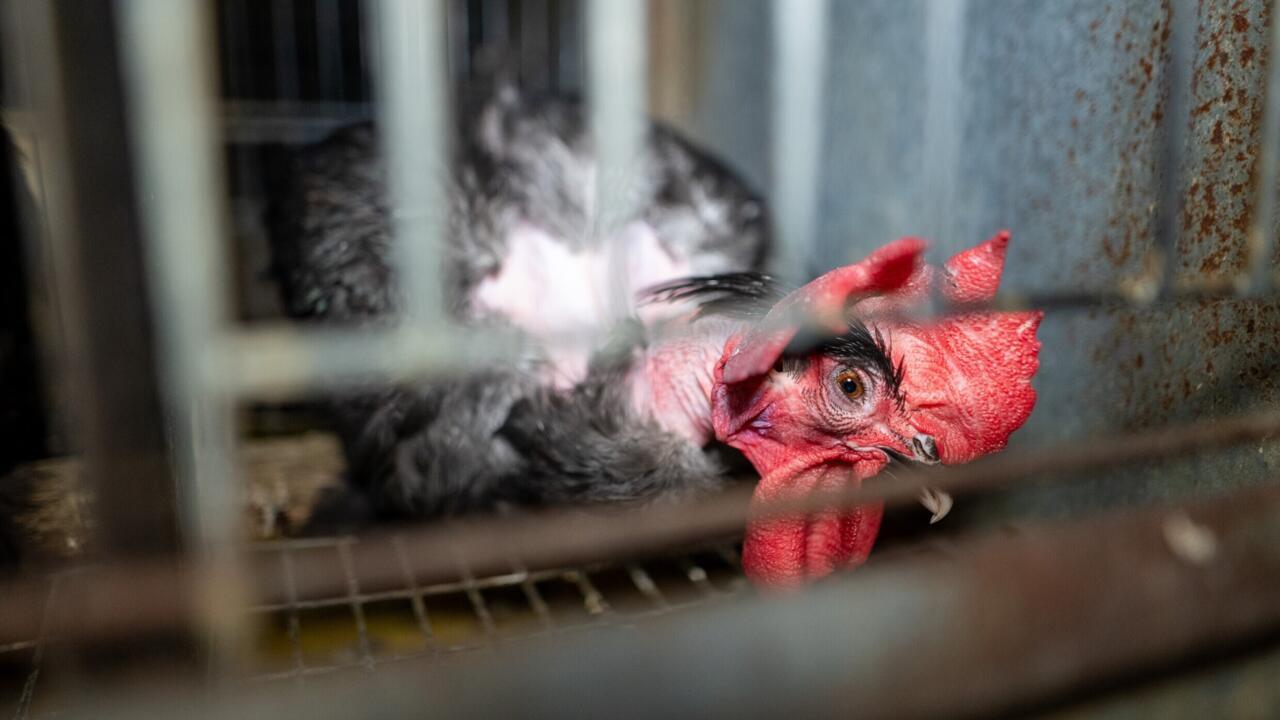
An egg-laying hen kept in a cage on a farm in France.
 © Association L214, Open Wing Alliance, We Animals


Before they even looked inside the farm building, the animal welfare investigator knew there was a problem. “The second I opened the door, the smell hit me … but the worst part was the heat – this thick, sticky air that clings to your skin,” they said.

Inside the barn, located in Spain, conditions were “disgusting”, with bird cages stacked from floor to ceiling, and the ground covered in animal faeces, feathers and mouldy feed scraps.

The caged hens did not have enough space to spread their wings, and many appeared to be suffering health problems.

“They looked half-plucked, some with raw, red skin and open sores,” the investigator said. “Others were dead, just left there among the living because nobody bothered to remove them.”


Such conditions are present throughout industrialised egg production, according to an investigation seen by FRANCE 24 ahead of its release on June 17, by The Open Wing Alliance, a global coalition of nearly 100 organisations established by animal rights non-profit, The Humane League, in collaboration with We Animals and Reporters for Animals International.

The group spent over three years collecting onsite photo and footage via farm workers, local investigators and drones. In France, animal welfare organisations L214 and Anima are members of the global coalition.

The investigation found egg-laying hens in more than 35 countries were trapped in filthy, overcrowded cages, with injured birds, rotting carcasses and disease-ridden conditions.

It found poor egg farming practices persist, even as major corporations and governments have committed to phasing out battery farming and removing cages from their egg supply chains.

Factory farming conditions are also likely to exacerbate the ongoing global bird flu pandemic, which has seen cases jump from farmed birds to wild animals and humans.

Read moreFirst severe human case of bird flu in US sparks pandemic concerns

“This isn’t just an animal welfare scandal – it’s a ticking time bomb for public health and corporate risk,” said Ellie Ponders, senior director of global corporate engagement at The Open Wing Alliance.

“Cramming sick, stressed hens into filthy cages is the perfect breeding ground for disease,” she added. “This investigation lays bare the truth: systemic suffering, global inaction, and a betrayal of public trust. It’s a global crisis.”
Mistreatment

On all the farms they visited, investigators found birds confined in small cages, either in groups or individually, often leaving them unable to stand upright or spread their wings.

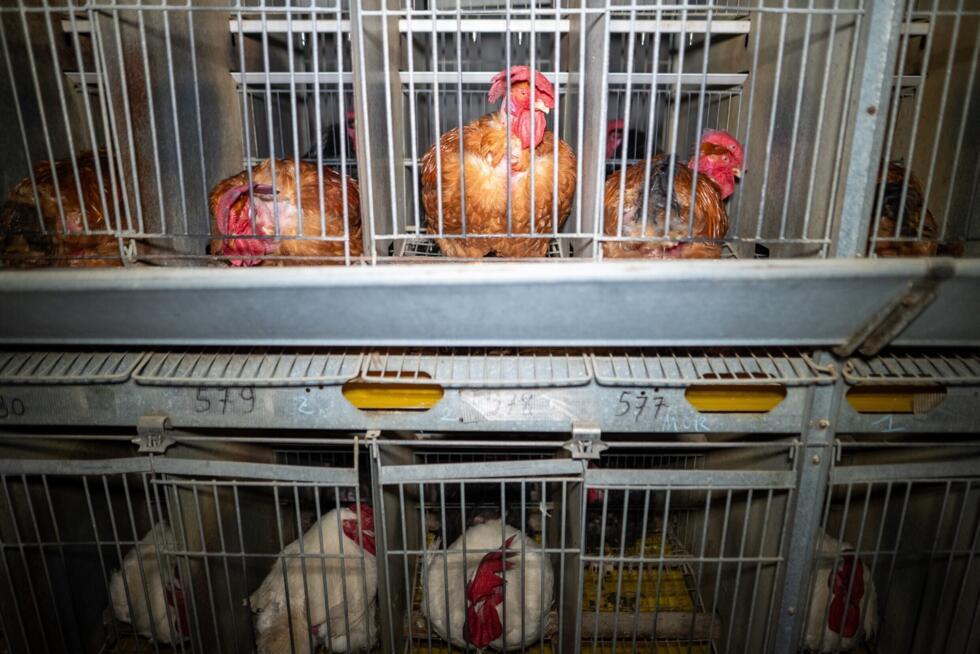
Despite a 2012 European Union law largely banning battery cages – meaning animals in individual cages stacked on top of each other are given less space than an A4 piece of paper – footage collected in France clearly shows hens are still being kept in these conditions.
Egg-laying hens are kept in cages on a farm in France. 
© Association L214 / Open Wing Alliance / We Animals

Along with France, the investigations found examples of mistreatment in nine EU countries (Bulgaria, Estonia, Finland, Italy, Poland, Portugal, Romania, Slovenia, Spain) and countries in Asia, Australasia, Africa, and North and South America.

Other footage shows how the automation of farming systems such as feeding and ventilation has reduced in-person monitoring and eroded welfare conditions.

In some videos, dead bird carcasses are trapped in cages with living hens. In others, hens that escaped their cages are abandoned in manure pits used to gather bird droppings.

Some mistreatment may be due to negligence, but there are also inherent problems in the cage farming system, said Mia Fernyhough, senior director of global animal welfare at the Open Wing Alliance.

“A big problem with caged systems is that you've got huge numbers of birds stacked in rows, some very high and some at shin level. It's very difficult to see the birds in certain parts of the system, and so birds get missed,” she said.

“There might be a bird that is suffering that otherwise would be removed, but they’re left, then they die, and they're still left there,” Fernyhough added.
Risk of bird flu

In most of the footage, hens are kept in dark, cramped conditions, surrounded by filth and the racket of countless other birds – an unsanitary and stressful environment that provides fertile conditions for the spread of disease and viruses such as bird flu.

While bird flus are endemic in wild populations, they are much harder to control among large concentrations of genetically similar species living in tight quarters.

“Then you get a virus with tons of hosts, so it is mutating all of the time,” said Fernyhough.

Mutations have already enabled the current bird flu pandemic to pass to humans, most of whom worked on farms in close contact with infected animals.

But, Fernyhough said, “if there is a mutation that means the virus can pass from human to human, then there's a really serious risk of a pandemic.”

The World Health Organisation said in a 2022 report that pandemics were becoming increasingly common, in part, due to the intensification of agriculture.

It called for “behaviour and industry change” in settings, such as industrial farms, where animal-to-human disease spill over is common.
Enriched cages

European consumers may believe a 2012 ban on battery cages meant an end to cages altogether, but much of the mistreatment documented in the Open Wing Alliance investigation is permissible under EU law.

“A lot of what is in the footage is legal, and that's probably the most shocking thing about it,” Fernyhough said.

In Europe, battery cages were banned in favour of enriched cages, which place groups of birds in slightly larger spaces with materials to allow for natural behaviours such as a nesting area, perch and litter.

While lauded as a humane progression, enriched cages do not ensure access to natural light or fresh air. They are also still a form of battery farming in that cages can be stacked one on top of another in battery formation.

In practice, they are “ever so slightly larger cages that have a few resources in them but are still entirely inadequate in terms of being able to scratch, forage, or lay an egg in a secluded nest", Fernyhough said.

“There are still millions of hens still trapped in these cruel systems,” added Loretta Piare, Europe regional lead for the Open Wing Alliance.

Animal rights network End the Cage Age estimates there are 300 million farmed animals, including hens, quails, ducks, geese and rabbits, currently kept in cages across the EU.

The European Commission has pledged to completely phase out cages by 2027, But, Piare said, “there's still so much work to be done to get there”.
Consumer choice

There is evidence that most consumers in France back a total ban on cages.

In many countries, egg stamps and labelling on egg boxes allow consumers to make informed choices about whether they buy eggs produced by caged hens.

In France, 80% of the eggs bought in supermarkets in 2023 and 2024 were from organic, free-range or barn hens – three methods that the Open Wing Alliance see as viable and humane alternatives to battery and enriched cage farming.

The number of eggs sold in France that were produced caged birds has dramatically decreased in the past ten years from 70% in 2015 to less than a quarter today.

However, of the nearly 15 million eggs produced in France each year, 55% are used in products like pre-packaged pasta and cakes or in restaurants, where labelling is much more opaque.

Such eggs are generally bought in vast quantities by corporations, putting them in a position of control over conditions on the ground.

While the ban that the EU is proposing would be “ideal, because it's universal, unfortunately, it feels very precarious”, Fernyhough said. “There's a very loud and quite successful industry that will fight against it.”

Many corporations may prioritise their bottom lines over animal welfare, but the impact of one major company enacting change in a positive way can be monumental.

In May 2025, McDonalds said it had achieved a 100% switch to cage-free eggs in its US restaurants – transforming the supply chain for nearly 2 billion eggs each year.

The company is now exploring how to end use of cages across its branches in Asia, starting with a trial in South Korea.

The Open Wing Alliance believes the onus falls on consumers to push corporations to do more.

“It's so important that we campaign against these companies who still permit these systems,” Fernyhough said.

“We can demand more from corporations,” added Piare. “Consumers should be told the truth about what they're buying.”


Jul 24, 2005 ... A review of the pamphlet Beasts of Burden by Antagonism Press (1999) from undercurrent #8. Author. Undercurrent. Submitted by libcom on July ...