Thursday, July 10, 2025

‘Europe is becoming a solar powerhouse’: Solar tops EU electricity as coal sinks to new low
CONTRARY TO OIL INDUSTRY ASSERTIONS OTHERWISE

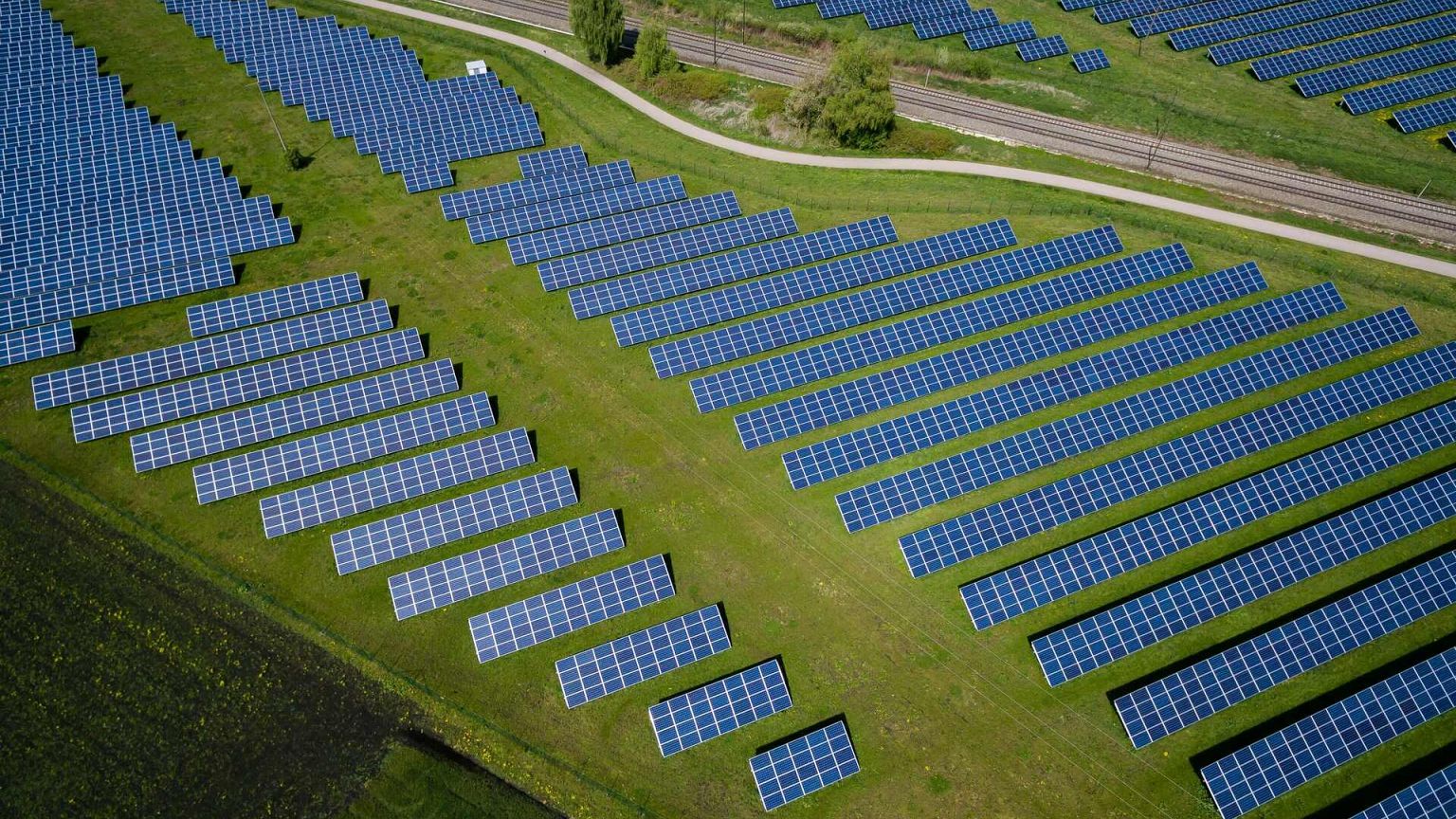
Solar power is surging across Europe this summer.
Copyright Andreas Gucklhorn/Unspla

By Craig Saueurs
Published on 

The Netherlands and Greece were the top solar record setters, while wind power also hit new highs in May and June.

In an historic first, solar power generated more electricity than any other source in the EU last month.

New data from energy think tank Ember shows that solar accounted for 22.1 per cent of the EU’s electricity mix in June 2025, narrowly overtaking nuclear – and, notably, far outpacing fossil fuels.

At least 13 member states hit monthly solar power records, including the Netherlands (40.5 per cent) and Greece (35.1 per cent), thanks to a surge in capacity and a stretch of sunny weather. 

The shift also helped the EU manage a spike in energy demand driven by the early-summer heatwaves that continue to batter the continent.

“Europe is becoming a solar powerhouse,” says Ember energy analyst Chris Rosslowe.

European countries achieve record low coal electricity levels

As solar has soared, Europe’s reliance on coal has plummeted. 

Just 6.1 per cent of EU electricity came from coal, down from 8.8 per cent a year earlier and its lowest monthly level on record. 

Germany and Poland, which together account for the majority of the EU’s coal use, both saw record lows. Germany generated only 12.4 per cent of its power from coal, while Poland’s energy mix still featured a large amount of it – 42.9 per cent overall. 

Other countries including Czechia (17.9 per cent), Bulgaria (16.7 per cent) and Denmark (3.3 per cent) also hit new lows. 

Ten EU states didn’t use coal power at all, including Ireland, which officially shut its last coal plant on 20 June. Spain and Slovakia plan to phase out coal in 2025, too.

Meanwhile, at least 13 EU nations marked their highest-ever share of solar power. These included Belgium, Croatia, France, Hungary, Italy, Portugal and Slovakia.

Collectively, the data holds promise for Europe’s energy transition - pointing to a summer shaped less by fossil fuels and more by the sun.

Public support for green energy remains strong

Europe can partly credit its solar success to overwhelming public support for renewable energy sources, especially when they offer visible economic benefits.

The European Commission reports that almost nine in ten Europeans support the EU taking action to increase renewable energy.

In many countries, rooftop solar, cheaper bills and independence from volatile fossil fuel markets are resonating with younger and more climate-aware consumers, too.

Research shows thatcommunity energy schemes offering discounts, shared ownership or local job creation win consistent backing from European residents. Projects that engage communities early and share financial gains are also more likely to succeed long term.

They have been a boon to solar capacity, too. Solar capacity is surging in Europe, helping to accelerate its shift away from fossil fuels.

In 2008, just 1 per cent of Europe’s renewable energy mix came from solar power. In 2023, solar made up 20.5 per cent of that output, according to the Commission.

“Non-stop records are not just the result of sunny weather, but also from new solar being built every year,” Rosslowe explains.

The solar opportunity is just beginning

While last month’s milestone was significant, analysts say it’s only a glimpse of what’s possible.

A recent study by the Global Energy Monitor revealed that convertingclosed coal mines into solar farms could generate enough electricity to power a country the size of Germany. Across Europe, more than 1.2 million hectares of former coal sites could be repurposed for clean energy, according to the San Francisco-based watchdog.

It’s not just solar that is driving Europe’s energy transition. Wind power accounted for nearly 16 per cent of EU electricity in both May and June, according to Ember’s analysis – the highest-ever share for those months.

Despite Europe’s record-breaking green energy gains, fossil fuels still made up about a quarter of the EU’s electricity in June. That’s far below previous years, but it still highlights the challenges ahead, especially during the times of day or different seasons when solar and wind output dip.

Experts say more storage, smarter grids and better demand-side planning will be crucial to breaking new records and pushing fossil fuels further out of the system.

“Low-cost renewables are already helping to get Europe’s energy system off the rollercoaster of fossil energy prices,” says Rosslowe. 

“The next big opportunity comes from adding battery storage and flexibility to extend the use of renewable power into mornings and evenings, where fossil fuels still set high power prices.”


Renewable energy surge puts Latin America on track for climate leadership

Renewable energy surge puts Latin America on track for climate leadership
With the IEA's projection that renewable sources could meet all additional energy demand by 2030, Latin America has an opportunity to become a global clean energy leader. / pixabay


By bnl editorial staff July 10, 2025

Latin America stands at a critical juncture in its energy evolution, with its largest economies showing both remarkable progress in renewable adoption and persistent challenges in weaning themselves off fossil fuels. New analysis from Wood Mackenzie paints a mixed picture for the region, where clean energy breakthroughs coexist with entrenched hydrocarbon dependencies, setting the stage for a transformative decade ahead.

The region's energy transition story has long been one of contrasts. Over the past decade, Chile has emerged as the continental leader, with renewables accounting for 70% of its electricity generation by the end of 2024, a remarkable achievement that positions it amongst the world's clean energy frontrunners. But Mexico remains heavily tethered to fossil fuels, with projections suggesting only a modest reduction in dependency from 95% to 86% by 2050.

Brazil occupies a middle ground, flaunting perhaps the most ambitious decarbonisation commitment amongst the major economies. The country is expected to slash its fossil fuel reliance to 49% by 2050, representing a significant shift for Latin America's largest economy. This transition reflects broader patterns across the six key regional players – Brazil, Mexico, Argentina, Colombia, Chile and Peru – which collectively account for the bulk of the continent's energy consumption and economic output.

Wood Mackenzie research analyst Gerardo Bocard notes that "these countries share broad structural similarities: dependence on fossil fuels and mineral exports, growing urbanisation and rising energy demand." This common foundation creates both shared challenges and opportunities for coordinated regional action.

The International Energy Agency's (IEA) 2023 projections offer cause for optimism, suggesting that Latin America could meet all additional energy demand through to 2030 using renewable sources alone. This rosy scenario points to the region's substantial natural advantages, from Chile's exceptional solar irradiance to Brazil's vast hydroelectric potential.

Hydropower continues to play a foundational role, particularly in Brazil and Colombia, where expanded capacity has provided a reliable baseload alternative to fossil fuels. Nuclear energy, meanwhile, remains a niche contributor, present only in Mexico, Argentina and Brazil, suggesting limited regional appetite for atomic power expansion.

The real growth story lies in solar, wind and biofuels, which are experiencing dramatic expansion across the region. These technologies are capitalising on Latin America's abundant natural resources, from the Atacama Desert's solar potential to Brazil's biomass opportunities and Argentina's wind corridors.

Hydrogen and carbon capture: the next frontier

Perhaps the most striking development, though, is the emergence of green hydrogen as a potential game-changer for the region's energy future. Currently, 82 active projects are underway, predominantly concentrated in Chile, Brazil and Argentina. The total pipeline encompasses 167 low-carbon hydrogen initiatives across the region, with investment projections reaching $300bn by 2050, according to Olade forecasts.

Brazil leads the charge with 43 projects, including substantial carbon capture, utilisation and storage (CCUS) capacity – 24mn tonnes operational and 11.5mn tonnes under development. This positions the country as a potential global hub for both hydrogen production and carbon management technologies.

The 58 CCUS projects announced region-wide represent another pillar of the low-carbon transition strategy. These technologies offer particular promise for heavy industries and hard-to-abate sectors that will struggle to electrify directly.

Infrastructure and investment imperatives

The scale of transformation required is substantial. According to Olade projections, Latin America will need 400 GW of additional electrical infrastructure to support this transition: an investment challenge that will test both public and private sector capabilities.

The diversity of national approaches reflects varying market conditions and resource endowments. "We can see how some of these countries benefit from larger domestic markets, while others rely on external influences, such as the import and export of different raw materials," Bocard observed. This heterogeneity suggests that successful regional coordination will require flexible frameworks that accommodate different national circumstances.

Challenges and opportunities ahead

Despite the encouraging trends, however, significant obstacles remain. The persistence of fossil fuel dependence, particularly in Mexico, highlights the political and economic complexities of energy transition. Infrastructure financing, regulatory frameworks and international cooperation will prove key in determining whether the region can fully capitalise on its renewable potential.

The coming decade will be pivotal. With the IEA's 2023 projection that renewable sources could meet all additional energy demand by 2030, Latin America has an opportunity to become a global clean energy leader.

As Bocard concludes: "despite the progress, there is still work to be done to achieve a sustainable and resilient energy future. Collaborative efforts, targeted policies and investments will be crucial to achieving net-zero emissions goals."

Yet the fundamentals strongly favour success. The region's abundant natural resources, increasingly solid policy frameworks and substantial investment pipeline could lay the groundwork for a swift adoption of renewable energy. The transformation promises to reshape both local development patterns and global energy markets, with Latin America holding all the cards to become a defining force in the worldwide clean energy transition.


 

People who breathe dirty air are at higher risk of brain tumours that do not usually cause cancer

Cars sit in traffic.
Copyright Canva


By Gabriela Galvin
Published on 

Exposure to higher levels of air pollution over time was tied to a higher risk of meningioma, a type of brain tumour that is not usually cancerous but can cause other health problems.

People exposed to higher levels of air pollution appear more likely to develop a type of brain tumour that does not typically cause cancer but can lead to other health issues, a new study has found.

Meningiomas are the most common type of primary brain tumour, and grow slowly enough that it can take years before they are detected. They originate in membranes that surround the brain and spinal cord.

Only rarely are they cancerous, but meningiomas can cause other disabilities by affecting nearby brain tissue, nerves, or vessels.

For the study, researchers followed nearly four million adults in Denmark over a 21-year period. About 16,600 people developed tumours of the central nervous system, including about 4,600 who developed meningioma.

The researchers then estimated their exposure levels to different types of air pollution, for example traffic emissions and diesel pollution, over a decade.

People with more exposure to air pollution were at higher risk of meningioma, the analysis found – but there was not a strong link between air pollution and more aggressive brain tumours, such as gliomas.

The greatest risks were from ultrafine particles from exhaust, smoke, and emissions.

The study does not prove that air pollution causes meningioma, only that there is a link between the two.

But it adds to the growing body of evidence that air pollution is bad for people’s health. Other research has shown that ultrafine particles can cross the blood-brain barrier and could harm brain tissue.

“While research on the health effects of ultrafine particles is still in its early stages, these findings point to a possible link between traffic-related ultrafine particle exposure and the development of meningioma,” Ulla Hvidtfeldt, one of the study’s authors and a senior scientist at the Danish Cancer Institute, said in a statement.

It shows that “air pollution can affect the brain – not just the heart and lungs,” Hvidtfeldt added.

The study was published in Neurology, the medical journal of the American Academy of Neurology.

The findings also shed new light on meningiomas, given scientists do not know exactly what causes them. Other risks include radiation, particularly in childhood, and a genetic condition called Neurofibromatosis type 2.

The study has some limitations, notably that researchers estimated people’s air pollution exposure based on the outdoor air quality of their neighbourhoods. It did not include possible exposure to dirty air at work, or account for how much time they spent indoors.

“More research is needed to confirm these results, but if cleaning up our air can help lower the risk of brain tumours, that could make a real difference for public health,” Hvidtfeldt said.


Turbine in Scotland hits ‘very significant milestone’ in a breakthrough for tidal energy

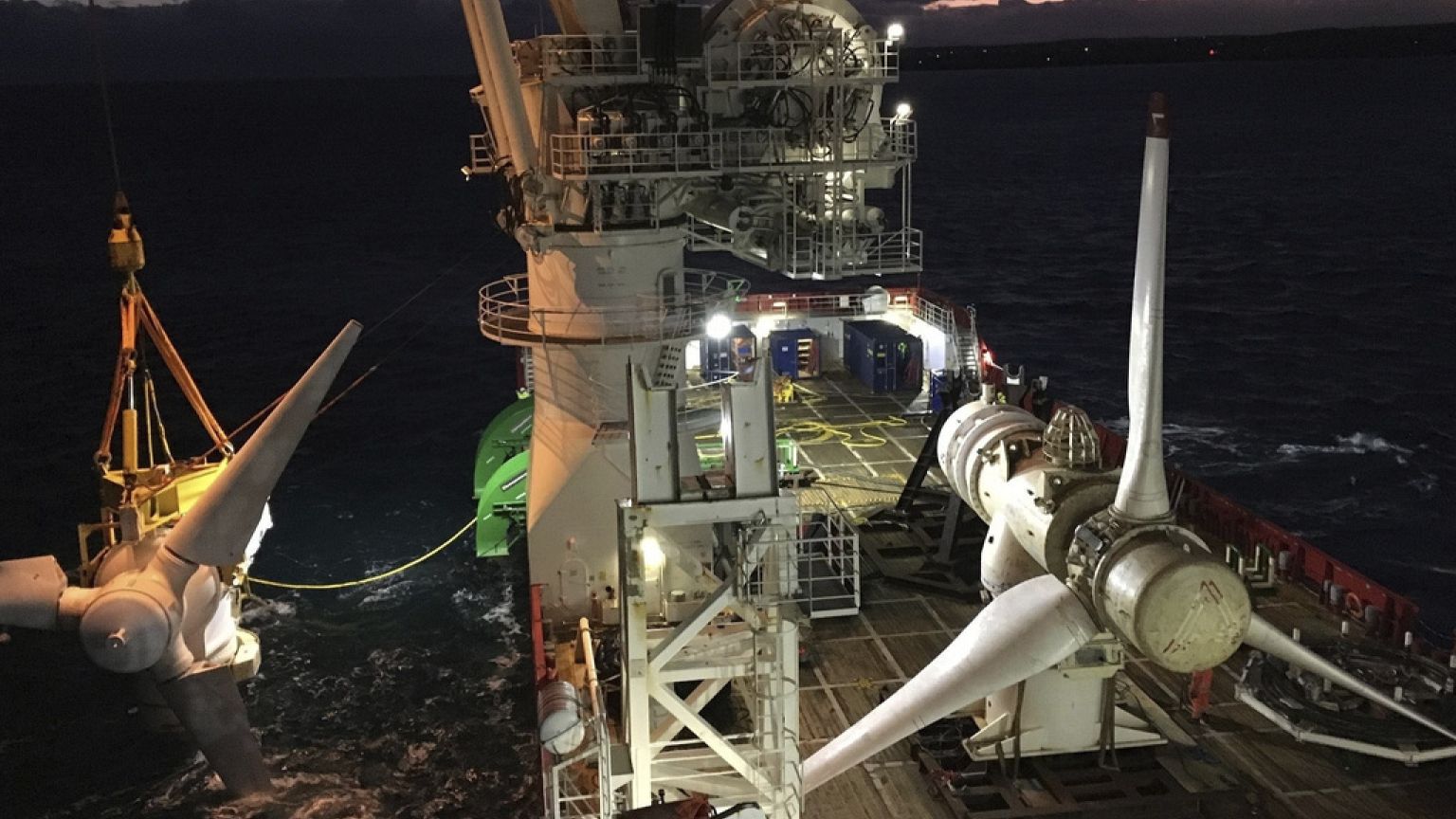
In this October 2018 photo provided by MeyGen, tidal turbines are visible at the MeyGen tidal site located in the Inner Sound of the Pentland Firth, a narrow channel of water
Copyright Fraser Johnson/MeyGen

By Rebecca Ann Hughes with AP
Published on 

The turbines generated enough electricity collectively to power up to 7,000 homes annually.

Submerged in about 40 metres of water off Scotland's coast, a turbine has been spinning for more than six years to harness the power of ocean tides for electricity.

It is a mark of durability that demonstrates the technology's commercial viability.

Keeping a large, or grid-scale, turbine in place in the harsh sea environment for that long is a record that helps pave the way for bigger tidal energy farms.

And that makes it far more appealing to investors, according to the trade association Ocean Energy Europe.

Marine energy is the world’s largest untapped renewable energy resource

Tidal energy technologies are still in the early days of their commercial development, but their potential for generating clean energy is big.

According to the National Renewable Energy Laboratory, marine energy - a term researchers use to refer to power generated from tides, currents, waves or temperature changes - is the world’s largest untapped renewable energy resource.

The MeyGen tidal energy project off the coast of Scotland has four turbines producing 1.5 megawatts each, enough electricity collectively to power up to 7,000 homes annually.

Scotland’s turbines hit ‘very significant milestone’

Swedish company SKF produced parts for the turbines at the MeyGen site off the Scottish coast.

On Thursday, the group announced that its bearings and seals on one of the turbines had passed the 6 1/2-year mark without needing unplanned or disruptive maintenance.

It has been working closely with the industry for a decade on design and testing.

Achieving six years in the water with constant operations is a “very significant milestone” that bodes well for the future of tidal energy, according to Rémi Gruet, CEO of Ocean Energy Europe.

Tidal energy projects would be prohibitively expensive if the turbines had to be taken out of the water for maintenance every couple of years.

Scotland and the United Kingdom are global leaders in tidal energy. The MeyGen site, operated by SAE Renewables, has been sending electricity to the grid for about eight years.

There are very few tidal energy projects generating electricity continuously.

Most have been tests and demonstrations, says Andrea Copping, an expert in marine renewable energy development.

Scottish turbine site has ‘ticked all the boxes’

Copping, a distinguished faculty fellow in the School of Marine and Environmental Affairs at the University of Washington, adds that there are still large hurdles to overcome before tidal energy can be adopted more widely.

These include dealing with regulatory issues, potential environmental effects and conflicts with other ocean users.

Still, the Scotland project seems to have addressed the question of whether the turbines can last in seawater.

“I think they have checked the boxes,” she said. “Because sceptics, and that includes investors of course and governments, said, ‘How on Earth are you going to operate these things especially for any length of time in this very tough environment?’ And that’s what I think they proved.”

It's very hard to take what is essentially a wind turbine normally found on land and put it under water, says Fraser Johnson, operations and maintenance manager at MeyGen.

The record-setting turbine should keep going for at least another year before it needs to come out of the water for maintenance, he added.

‘Largest tidal energy project worldwide is a title we wish we didn’t have’

The four turbines are in the Inner Sound of the Pentland Firth, a narrow channel between the Scottish mainland and Stroma Island known for strong tidal currents.

Tidal energy systems need strong currents to make electricity efficiently. MeyGen plans to add 20 turbines in 2030 to produce more electricity, after needed upgrades to the electricity grid are finished.

The site could eventually hold as many as 130 turbines that are more powerful than those at the site today.

The MeyGen site is in the open water, while another type of tidal project involves creating a dam-like structure called a barrage across tidal waters. With four turbines, MeyGen is considered the largest tidal energy project of its kind worldwide, said Johnson.

“It's a title we wish we didn't have. We want more, we want others,” he said. “Unfortunately others are having difficulty achieving what MeyGen has achieved. But working with SKF moving forward, we'll push the industry forward.”


Dec 23, 2024 ... North America's first in-stream tidal energy demonstration facility was established in the Minas Passage of the Bay of Fundy.

Oct 7, 2024 ... Tidal energy is a renewable energy source. · Canada has the longest coastline in the world and offers many locations with the potential for tidal ...

The Fundy Ocean Research Centre for Energy (FORCE) is Canada's leading research centre for tidal stream energy, located in the Bay of Fundy, Nova Scotia.


Trump administration sues California over egg prices, blames red tape

A carton of eggs sits open on the shelf in a refrigerated display case in a Walmart store. Colorado. 5 May 2025.
Copyright AP/David Zalubowski

By Eleanor Butler
Published on 

Egg prices in the US spiked earlier this year amid a bird flu outbreak that led to mass cullings, although costs are now dropping.

The US government sued California over its regulation of eggs and chickens, claiming that "unnecessary red tape” provoked an egg price spike across the country.

“The laws and regulations challenged by the complaint impose costly requirements on farmers that have the effect of raising egg prices for American consumers by prohibiting farmers across the country from using commonly accepted agricultural methods that helped keep eggs affordable,” said a statement from the Department of Justice.

The lawsuit, filed in Los Angeles, targeted three pieces of legislation: AB 1437, Proposition 2 and Proposition 12.

It argued that nationwide egg regulation is the responsibility of the federal government, rather than states, to allow for “national uniformity”. California can regulate farms within the state, but it cannot impose requirements on eggs from other states that are sold in California, said the lawsuit.

The disputed laws impose a number of requirements related to food safety and animal welfare. For example, Proposition 2 prevents farmers from confining a chicken to the extent where it is unable to "lie down, stand up, fully extend its limbs, and turn around freely”.

This is not the first time that California’s egg regulations have sparked legal challenges. Six states sued California in 2014, although the plaintiffs lost the case in both a federal district court and a court of appeals.

In March this year, the US Department of Justice also launched an investigation to determine whether egg producers were price fixing during the bird flu outbreak.

Major producer Cal-Maine Foods, probed by the DOJ, reported net income of $508.5mn for the December to February quarter, a 247% year-on-year increase.

In 2024, egg prices rose 65%, although they started to fall again in April this year.

Earlier this year, Turkey agreed to send 5,000 tonnes of eggs to the US by July to help alleviate the shortage.

THAT WAS QUICK

X CEO Linda Yaccarino steps down after two years running Elon Musk's social media platform

X CEO Linda Yaccarino speaks during a Senate Judiciary Committee hearing with other social media platform heads in the U.S. on Jan. 31, 2024.
Copyright Susan Walsh/AP Photo


By Euronews with AP
Published on 

In a post on the platform, Yaccarino said she was "immensely grateful" to Elon Musk for hiring her.

X CEO Linda Yaccarino said she’s stepping down after two years running Elon Musk’s social media platform.

Yaccarino posted a positive message Wednesday about her tenure at the company formerly known as Twitter and said “the best is yet to come as X enters a new chapter with” Musk’s artificial intelligence company xAI, maker of the chatbot Grok.

Musk hired Yaccarino, a veteran ad executive, in May 2023 after buying Twitter for $44 billion (€37.6 billion) in late 2022.


He said at the time that Yaccarino’s role would be focused mainly on running the company’s business operations, leaving him to focus on product design and new technology.

In a post on the platform, Yaccarino said she was “immensely grateful to [Musk] for entrusting me with the responsibility of protecting free speech, turning the company around, and transforming X into the Everything App”.

“X is truly a digital town square for all voices and the world’s most powerful culture signal,” Yaccarino said.

World Chocolate Day: The EU is celebrating with sky-high prices

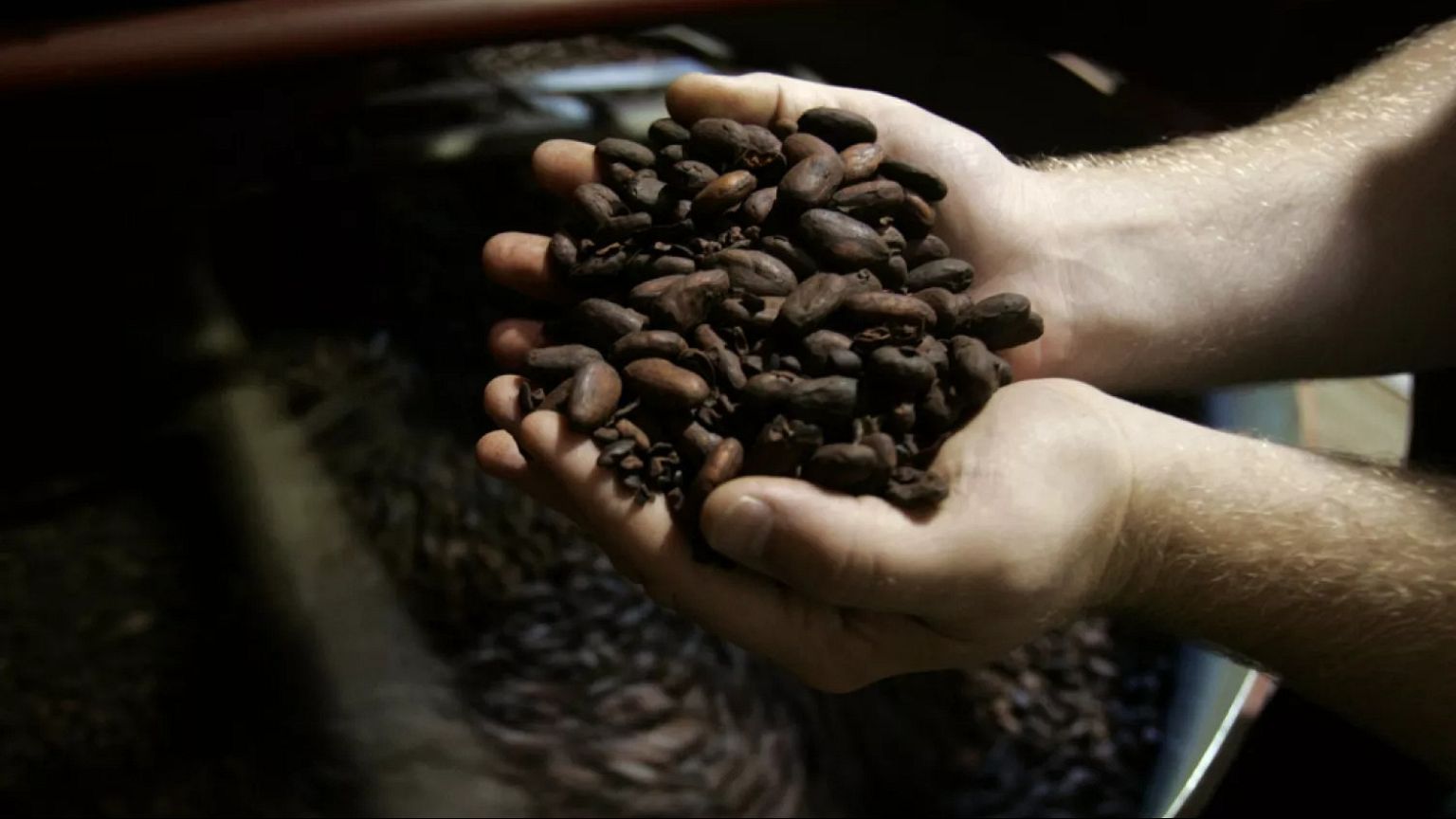
Scharffen Berger chocolate factory in Berkeley, Calif. on Tuesday, July 3, 2007.
Copyright PAUL CHINN/San Francisco Chronicle
By Doloresz Katanich
Published on 

Prices in the cocoa market have dropped recently from record highs, but coupled with high energy costs, they have fuelled a double-digit increase in European retail prices compared to last year.

Cocoa and powdered chocolate prices jumped by more than 16% in the EU in May 2025 compared to the previous year. Prices in the bloc of 27 countries have been gradually increasing for the last 12 months, with annual ‘cocoa inflation’ going from 6.3% to 16.2%, according to Eurostat. 

One of the major reasons behind this is that there has been a surge in the prices of cocoa beans, the main ingredient in chocolate, over the past two years. This was coupled with increases in the cost of sugar and energy. 

The EU is entirely reliant on cocoa imports and accounts for more than half of the imports worldwide. The majority of the crop that is exported to the EU is grown in West Africa, where the harvest was hit by bad weather in the most important cocoa-producing regions, such as Ghana and Ivory Coast.

“Cocoa prices have almost tripled compared to the level two years ago,” Susannah Streeter, head of money and markets at Hargreaves Lansdown, told Euronews Business, adding that “prices raced to record levels last year and have seen volatile patterns of trading over the past few months”. 

While prices have eased from peaks above $12,000 per tonne, they remain elevated in both the New York Mercantile Exchange (NYMEX) and the Intercontinental Exchange (ICE) in London.

Concerns over the cocoa supply have eased a little from their peak in May 2025, to the beginning of July.

“Chocolate lovers will be relieved to hear that cocoa prices have fallen to an eight-month low in recent days and London futures today are a whopping 42% below where they were at the start of the year,” said Danni Hewson, head of financial analysis at AJ Bell.

London Cocoa Futures were around £5,310 ($7,236) per metric tonne on Monday, more than twice the price it was exactly two years ago. 

She said that, “the fact that consumers have been willing to keep stumping up for chocolate even as prices surged has tempted growers to invest in the crop, and the supply outlook has been improving,” which explained the declining prices. 

However, due to climate change-related risks, including diseases like black pod, which have been exacerbated, “some plantations have ageing trees, and the trade uncertainty created by Donald Trump’s tariffs has only deepened that uncertainty which is expected to limit any downside when it comes to cocoa prices,” Hewson added.

No easing of chocolate prices in Europe any time soon

As bakeries across the continent struggle to grapple with the price increase of this essential ingredient, cocoa prices in the EU and the UK are not expected to fall substantially any time soon, according to a recent report by UK-based strategic consultancy Foresight Transitions. 

Global prices of cocoa beans are having a major impact on the continent’s cost of chocolate. The EU's chocolate consumption is the highest in the world and the bloc is entirely reliant on cocoa imports, mainly from countries in West Africa, where the cocoa harvest is highly exposed to climate or biodiversity-related risks. 

According to the report, escalating cocoa prices cost European jobs too, citing the world's largest chocolate producer, Barry Callebaut, having laid off almost 20% of workers, a third of which are based in the EU, due to the rising cost of cocoa.

“The rise in the cost of cocoa, which is such a crucial ingredient, is causing a big headache for chocolate manufacturers, given that they are also having to cope with absorbing higher energy costs and wage growth,” said Streeter about the UK market. In May 2025, inflation was accompanied by a record jump in chocolate prices and the cost of chocolate was 17.7% higher than a year previously, according to ONS.

“The outlook for prices ahead remains volatile, given that unpredictable weather patterns affecting cocoa farmers, including droughts and extreme rainfall, is likely to continue longer-term,” Streeter said.

EU

Socialists back von der Leyen in return for pledge on social budget

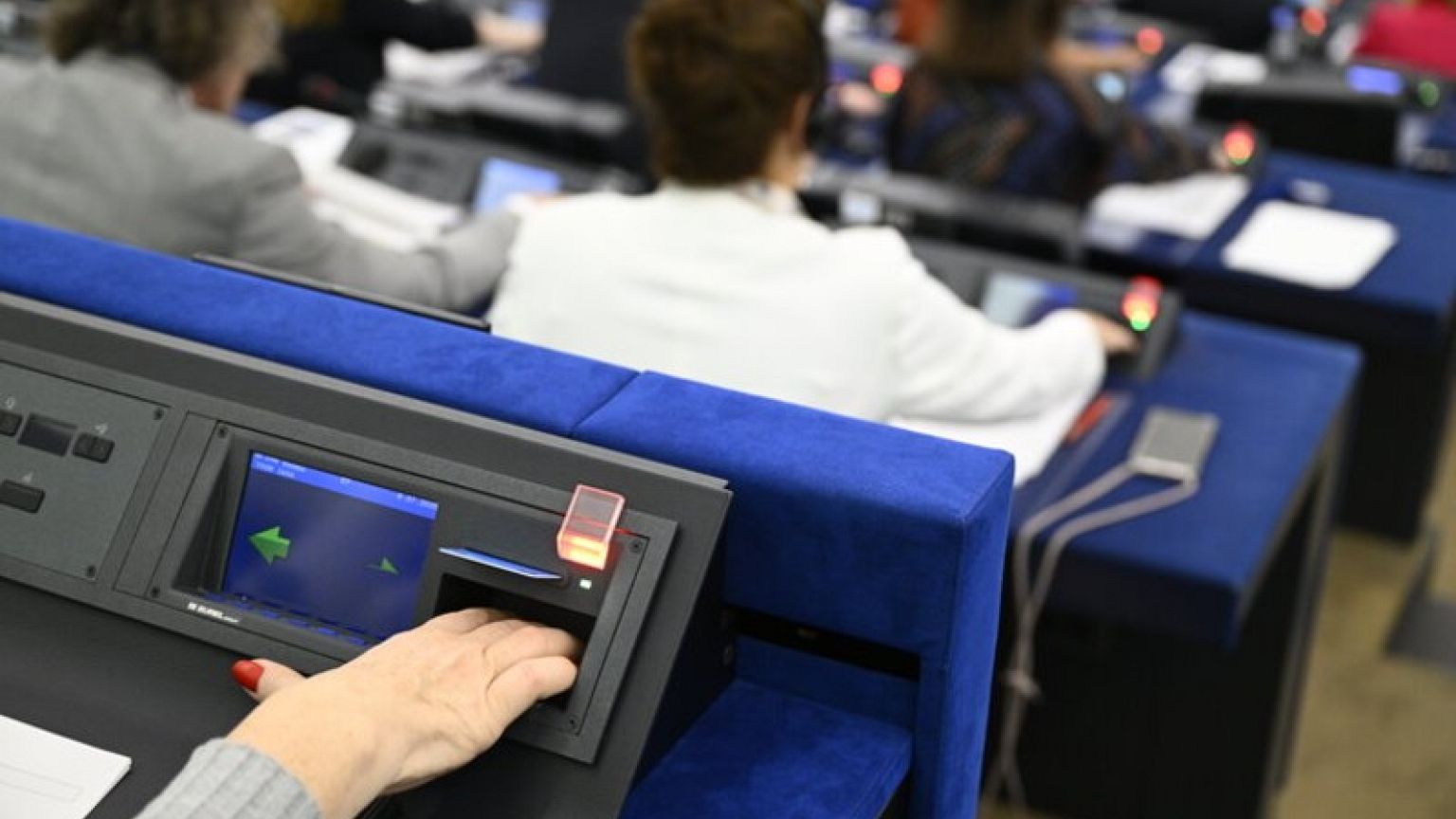
The members of the European Parliament will vote at noon the motion of censure to topple the European Commission
Copyright EbS

By Vincenzo Genovese
Published on 

Socialists are backing the Commission President but only in exchange for budget guarantees, including the European Social Fund, and political divisions and tensions within the groups remain.

Ursula von der Leyen appeared to secure more votes protecting her from Thursday's motion of censure, as Socialists pledged their support for the Commission President in exchange for assurances on the EU budget, including the European Social Fund.

The far-right-led motion of no-confidence will go to a roll call vote around midday on Thursday, with von der Leyen's and the entire Commission's future put to the test in the confidence vote.

The motion, spearheaded by the Patriots for Europe, Europe of Sovereign Nations, and a fraction of the European Conservatives and Reformists, has gathered significant support but would need a two-thirds majority for the vote of no-confidence to be successful.

With the European People’s Party (EPP) firmly opposed and many in the centre-left and liberal groups rejecting the motion on principle, the opposition will likely fall short.

The Socialists & Democrats (S&D), the second-largest group in the European Parliament, came out firmly against the motion on Wednesday after receiving reassurances from von der Leyen that the European Social Fund (ESF) will remain a cornerstone of the next EU budget.

An S&D spokesperson told Euronews that President von der Leyen gave the group reassurances that the next EU budget will include the European Social Fund (ESF), a clear red line for Socialists. This is the main reason why the group will stand by the Commission.

For the S&D, this was a non-negotiable demand and a key reason behind their decision to stand by the Commission, despite some internal dissent. A few MEPs from the group might still abstain, but overall, the vote will lean in favour of the Commission’s survival.

Tensions and doubts that group lines will be strictly followed

The Renew Europe group has also voiced opposition to the censure motion, with members claiming that the far-right’s tactics must not be allowed to succeed.

However, internal tensions remain. Some MEPs, particularly from Fianna Fáil in Ireland, were reluctant to fully back von der Leyen, with a few choosing to abstain, including MEP Barry Andrews.

The Greens/EFA group, while mostly aligned in rejecting the motion, has also seen some splits within its ranks. Italian and Spanish Green MEPs are planning to abstain by not participating in the vote, stating their opposition to von der Leyen’s policies but unwilling to back a far-right motion aimed at her removal.

The Left group, which has been vocal in its criticism of the Commission, remains divided. While most will abstain to protest von der Leyen’s leadership, parties like Sinn Féin and Italy’s Five Star Movement are expected to vote in favour of the motion, signalling their dissatisfaction with the current direction of the EU.

Proponents of the censure motion will struggle today to find the votes for it to pass, but support for von der Leyen is likely to fall well below the 370 that originally approved her Commission in 2024.

As reported, the motion itself is seen as having weakened her position, and today’s vote marks another chapter in the growing political fractures within the European Parliament, signalling a tough road ahead for the Commission's leadership

Shona Murray contributed reporting from Brussels.