Thursday, July 10, 2025

 PETRO COLONIALISM WELCOMED
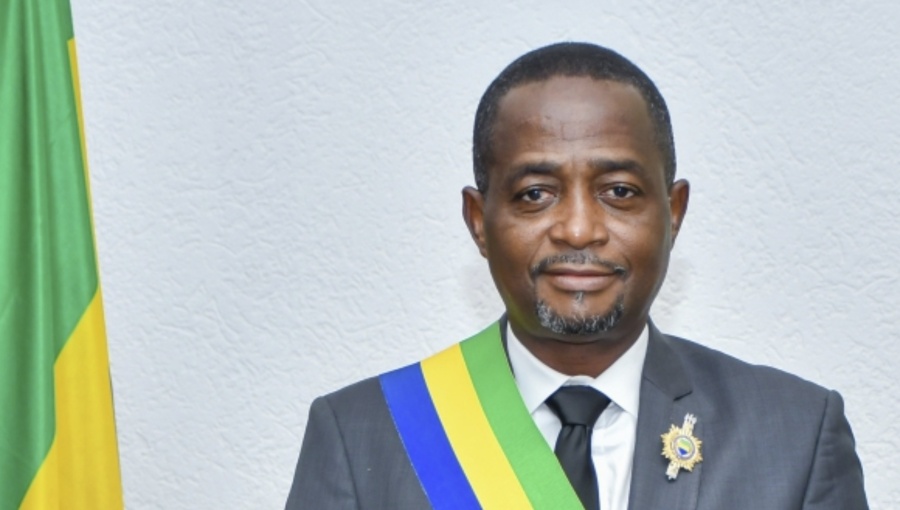
Gabon’s new oil and gas minister launches deepwater exploration drive

Gabon’s new oil and gas minister launches deepwater exploration drive
Sosthène Nguema Nguema
By bne IntelliNews July 10, 2025

Sosthène Nguema Nguema, Gabon’s recently appointed Minister of Oil and Gas, has launched a strong drive to attract investment in deepwater oil and gas exploration. The minister was appointed by President Brice Clotaire Oligui Nguema on May 5, following the formation of the first government of Gabon’s Fifth Republic.

With 72% of Gabon’s deepwater acreage still unexplored, the country plans to revise its current petroleum laws and offer new incentives to counter production decline in Central and West Africa, says the African Energy Chamber (AEC).

The AEC has welcomed this strategy and commended the government’s more assertive approach in managing and commercialising its legacy assets, such as the takeover of Carlyle-owned Assala Energy’s onshore assets by the state-run Gabon Oil Company (GOC). According to the AEC, the shift to deepwater exploration presents valuable opportunities for foreign investors and could position Gabon as a key regional hub for refined oil products.

“The AEC believes that ongoing regulatory reforms, a focus on deepwater investments and greater collaboration with international oil companies (IOC) will transform Gabon’s oil and gas industry, supporting greater production and the development of a new hub for refined product distribution in Central Africa,” the AEC said in a press statement. “We believe that Gabon has a potential to produce close to 1 million barrels of oil per day.”

Gabon currently aims to maintain production above 220,000 barrels per day (bpd) in the short to medium term and expects that the shift to offshore exploration will result in new discoveries to help achieve this. According to the AEC, Gabon has over two billion barrels of proven oil reserves and a significant gas potential.

The country’s Hydrocarbons Code, introduced in 2019, already includes investor-friendly terms like revised production sharing contracts (PSCs) and improved profitability conditions for foreign operators. The new government is planning further updates to make Gabon’s energy sector even more competitive.

“Regulatory reform represents a cornerstone of the country’s exploration strategy, with potential improvements to petroleum legislation set to strengthen the competitiveness of investing in Gabon’s deepwater blocks,” said the AEC.

Several major exploration and production (E&P) companies are already active in Gabon’s offshore blocks. In 2024, Oslo-based independent E&P firm BW Energy and its American partner VAALCO Energy signed PSCs for the Niosi Marin and Guduma Marin blocks, committing to drill one well and conduct a 3D seismic survey over an eight-year period.

In partnership with GOC and another Norwegian E&P company Panoro Energy, BW Energy (operator) also holds a stake in the Dussafu Marin licence, which includes 14 producing wells linked to a floating production, storage and offloading (FPSO) unit via a 20-km pipeline.  

Meanwhile, UK-based privately owned operator Perenco successfully drilled the Hylia South West discovery in early 2024, finding substantial oil in the Ntchengue Ocean reservoir. Furthermore, Chinese energy firm CNOOC began wildcat drilling on offshore blocks BC-9 and BCD-10 in 2023, tapping into 1.4bn barrels of estimated recoverable resources.

fAccording to the AEC, success here could double Gabon’s oil production and unlock more deepwater prospects. Despite these advances, much of Gabon’s deepwater acreage remains unexplored, offering opportunities for new investors.

Gabon’s long-term strategy aims to position the country as a regional petroleum hub by upgrading its refining, storage, and distribution capabilities, says the AEC. Major infrastructure projects include Perenco-led $2bn Cap Lopez liquefied natural gas (LNG) terminal, located at the existing oil terminal and expected to begin production in 2026.

The facility will include a floating LNG (FLNG) vessel with capacity for 700,000 tonnes of LNG and 25,000 tonnes of liquefied petroleum gas (LPG) per year. “The project complements the Batanga LPG facility, which came online in December 2023 with a target production capacity of 15,000 tonnes of LPG annually,” the AEC said.

Additionally, Gabon has plans to expand the SOGARA, its sole operating refinery, from 1.2 to 1.5mn tonnes of crude annually, aiming for self-sufficiency in refined products by 2030. The government also intends to raise storage capacity for refined fuels from 60 to 90 days of national consumption to enhance energy security.

According to Verner Ayukegba, senior vice president at the AEC, deepwater exploration and production could reshape Gabon’s economy, with new discoveries helping to establish a regional petroleum hub in Central Africa.

“Through its aggressive investment campaign, commitment to regulatory reform and engagement with IOCs, the Ministry of Petroleum is strengthening the competitiveness of doing business in Gabon,” said Ayukegba.


COMMENT: Iraq's fiscal crisis exposes the perils of petro-state profligacy

COMMENT: Iraq's fiscal crisis exposes the perils of petro-state profligacy
Iraqi Prime Minister Shia al-Sudani (centre) meeting with officials and tribal chiefs on July 9. / CC: Prime Minister of Iraq office.
By bnm Gulf bureau July 9, 2025

The foreign-calculated sums are stark. Iraq's budget deficit will more than double from 4.2% of GDP this year to 9.2% by 2026, according to the International Monetary Fund. Oil revenues, which account for over 90% of state income, are expected to tumble from $99.2bn in 2024 to just $79.2bn two years later. Meanwhile, public spending continues its inexorable climb, driven by a bloated public-sector wage bill that will devour nearly a quarter of GDP by 2026. Regional development and Iraq’s unique form of governance through the Kurds and  Baghdad have already caused potential strife.

Such figures would be troubling anywhere. In Iraq, a country that has lurched from crisis to crisis for decades, they spell potential catastrophe. The IMF calculates that Iraq now needs oil at $84 a barrel to balance its books – a 55% increase from the $54 required in 2020. With Brent crude trading at around $70 and facing downward pressure from global economic jitters, that breakeven point looks increasingly fantastical and no matter how many deals the government is signing, the bills are mounting up.

For years, Iraqi governments have pledged to wean the economy off oil. The reality tells a different story. Growth in the non-oil economy has collapsed from 13.8% in 2023 to a meagre 2.5% this year, with further deceleration to just 1% expected. This contrasts sharply with the Finance Ministry's breezy forecast of 4% growth for the non-oil sector – a gap that reveals the chasm between official rhetoric and economic reality on the ground which could unravel years of hard-won gains from relative stability.

The government's diversification efforts span agriculture, industry and tourism. All have failed to gain meaningful traction. Foreign direct investment remains virtually non-existent, registering zero as a share of GDP throughout the forecast period. Such anaemic capital flows reflect deeper problems of governance, security and institutional capacity that continue to bedevil Iraq’s distant leadership.

The IMF's warnings about rising sovereign debt risks should concentrate minds in Baghdad - quickly. Government debt will jump from 47.2% of GDP in 2024-25 to 62.3% by 2026. More worrying still is the primary deficit in the non-oil budget, which will reach 59.3% of non-oil GDP this year before gradually declining to 51.8% by 2026.

These are not mere accounting entries but signals of a fundamental breakdown in fiscal discipline. The current account surplus will vanish entirely, becoming a 1.9% deficit by 2026. Foreign reserves will shrink from $100.3bn to $79.2bn over the same period – equivalent to a fall from 11.1 months of import cover to 9.6 months.

Adding to these fiscal woes is the unresolved dispute with the Kurdistan Regional Government over oil revenues and salary payments. A recent ministerial committee tasked with addressing these issues has been hamstrung by the exclusion of the oil minister and representatives from SOMO, the state oil-marketing organisation.

Basra University’s Nabil al-Marsoumi, an economist, has pointed out the obvious flaw: how can meaningful solutions be crafted when the very officials responsible for oil policy are absent from negotiations? This institutional dysfunction exemplifies the broader governance failures that have contributed to Iraq's predicament.

The IMF's prescriptions are sensible but require political will that has been conspicuously absent. Proposed measures include enhanced non-oil revenue collection, public-sector wage reform and better targeting of social programmes. Each demands the kind of difficult decisions that Iraqi politicians have consistently dodged.

Take the electricity sector, which continues to drain public coffers whilst failing to meet basic needs. Despite years of promises, billing and collection systems remain woeful. Subsidies distort market mechanisms and encourage wasteful consumption. Reform has been endlessly postponed. The social contract between state and society is fraying, and it wasn't in the best place to begin with so much distrust between power and people. Poverty levels remain stuck at 23%, unemployment is high, and basic services are patchy. Without immediate and comprehensive reforms, Iraq risks not merely fiscal crisis but potential state failure, which could then have a knock-on effect for Europe as well as the region with Syria still not in any serious functioning form currently.

Iraq's predicament is not unique among oil-dependent states, but few have squandered their advantages quite so spectacularly, maybe Iran. The country sits atop some of the world's largest proven oil reserves, yet has failed to build a sustainable economy or effective institutions despite the heft of American support for more than two decades since the Saddam Hussein era.

International partners, having invested heavily in Iraq's reconstruction and stability, have a vested interest in supporting reform efforts. But external assistance cannot substitute for the political courage and institutional capacity that meaningful change requires. The reckoning has been a long time coming and with the current US administration demonstrating it will not accept long-term high prices in the oil market, the Iraqi government must either make decisions to backtrack on its spending commitments fast.


ESG trends gaining ground across Southeast Asia – by way of ESD stocks

Environmentally and Socially Driven (ESD) stocks

Importantly, the growth of ESD stocks reflects a deeper cultural shift.
 In contrast to earlier years, when ESG commitments were often externally imposed  today's sustainability momentum in the region is increasingly internal.

ESG trends gaining ground across Southeast Asia – by way of ESD stocks
ESG trends gaining ground across Southeast Asia – by way of ESD stocks. / Arthur A - Unsplashed


By bno - Ho Chi Minh Office July 10, 2025

Environmental, social and governance (ESG) considerations are becoming increasingly prominent across Southeast Asia, a region once thought to lag behind in sustainability priorities.

Across the archipelagos and peninsulas of the wider ASEAN region, ESG is no longer confined to idealistic investor presentations. It is beginning to shape investment flows, boardroom decisions and national policy frameworks everywhere. And at the heart of this shift, Environmentally and Socially Driven (ESD) stocks are drawing considerable attention.

Much of the impetus stems from global financial markets, where ESG is now seen not merely as a reputational risk mitigator, but as a performance driver. Institutional investors, from large-scale sovereign wealth funds to pension boards, are increasingly screening portfolios for ESG metrics, and Southeast Asian firms are adapting quickly to retain access to this global capital. Companies in Malaysia, Singapore, Thailand and the Philippines in particular are making significant efforts to align their operations with ESG principles, albeit not always voluntarily, but increasingly out of necessity.

Singapore, often regarded as a regional financial bellwether in Asia, is in many ways leading the way. The city-state’s bourse has mandated climate reporting for issuers in key sectors, prompting a marked improvement in disclosures.

Companies such as Keppel Corporation and Sembcorp Industries, both with historically carbon-heavy operations, are now positioning themselves as green transition leaders. Their pivot toward renewable energy and circular economy practices has been welcomed by ESG-conscious investors. Because of this, such firms are now increasingly referred to as ESD stocks – those combining genuine environmental responsibility with strong social and governance credentials, rather than simply by ticking boxes.

Elsewhere in the region, Indonesia to the south of Singapore is witnessing an ESG evolution of its own. Historically reliant on coal use – and export – the country has begun to recognise the economic and environmental costs of continued fossil fuel dependence. The launch of its carbon exchange in early 2025, and plans to scale up geothermal and hydroelectric capacity signal a more strategic embrace of sustainability. Market players such as Barito Renewables and Pertamina Geothermal Energy, both now on the radar of ESG-aligned funds, exemplify the growth of ESD-oriented enterprises in the country.

Thailand, too, is making headway. State-backed efforts to develop a bio-circular-green economy are encouraging corporates to adopt more sustainable business models. Energy giants like Gulf Energy and CP Group are investing heavily in renewables, while local banks have started integrating ESG risk into their lending frameworks.

Notably, ESG-labelled bond issuances are rising, suggesting a broader base of support for sustainability across sectors. As in other parts of Southeast Asia, this has supported the emergence of a number of listed companies that are not only compliant with ESG expectations, but actively reshaping their business models around them.

Vietnam, though often more cautious in regulatory terms, is not being left behind. The country’s stock exchanges have begun requiring ESG disclosures from listed firms, and both domestic and foreign investors are pushing for greater transparency. Vietnamese companies with strong governance and proactive environmental commitments such as those involved in renewable energy or sustainable agriculture are fast becoming the region’s next generation of ESD stocks. Their appeal lies in the combination of high growth potential and alignment with global capital’s sustainability benchmarks.

One important development underpinning all of this is the rise in ESG data providers and ratings services tailored to the Southeast Asian context.

Where global metrics often failed to capture local nuance, regional players are now filling the gap, offering more accurate reflections of company-level performance. This is helping investors to identify genuinely sustainable firms, separating them from those engaging in mere ‘greenwashing’. It also reinforces the value of ESD stocks, not only for their ethics but for their demonstrable long-term value.

There remain problems in the sector, however. Regulatory consistency is lacking in some areas and across borders, data availability is patchy, and enforcement mechanisms are weak in several jurisdictions. Moreover, many small and medium-sized enterprises, which form the backbone of Southeast Asian economies, still view ESG as a cost to be avoided rather than an opportunity.

Yet the tide is turning, particularly as consumer awareness rises and regional governments see alignment with ESG standards as a way to access international funding for infrastructure and greener transitions.

Importantly, the growth of ESD stocks reflects a deeper cultural shift. In contrast to earlier years, when ESG commitments were often externally imposed or donor-driven, today's sustainability momentum in the region is increasingly internal. It is being led by local entrepreneurs, regional investors and policymakers who understand that sustainable practices are integral to future competitiveness.

Southeast Asia is now a geographic and business entity entering a new phase  one in which ESG is not only an external requirement, but a source of local and global differentiation. ESG, by way of ESD stocks may well become the backbone of Southeast Asia’s future economic success.


Revolut freezes crypto accounts in Hungary amid legal crackdown

Revolut freezes crypto accounts in Hungary amid legal crackdown
Revolut ceased serving existing crypto customers in Hungary without prior announcement on July 7. / bne IntelliNews


By bne IntelliNews July 10, 2025

Revolut has suspended all cryptocurrency services for Hungarian customers following the government's criminalisation of unauthorised crypto transactions under a sweeping legislative package. The neobank froze users’ entire crypto holdings as of July 7 "until further notice" without prior notice, thus preventing even sales of tokens, in response to the tightening regulatory environment.

Revolut emphasised that the suspension is temporary and aims to ensure full compliance with both domestic and EU regulations. While the company is working to obtain a Markets in Crypto-Assets (MiCA) licence via its EU entity, Revolut Digital Assets Europe, the new Hungarian law also requires a separate licence from the National Bank, an additional hurdle for fintech firms.

Revolut initially said its application for a MiCA licence was still under review, and it had temporarily paused new crypto registrations to minimise regulatory risk during the transition. However, as of Monday, the platform ceased serving even existing crypto customers in Hungary. The company says it will resume onboarding new crypto users as soon as its MiCA authorisation is granted, but has not provided a specific timeline.

According to local media, the number of people holding crypto assets in Hungary is estimated to be around 500,000 people.

Revolut’s moves also coincided with amendments to Hungary’s Criminal Code passed on June 17, introducing harsh penalties, including up to eight years in prison, for unlicensed crypto service providers and their clients as well. Under the law, users risk 2-5 years’ imprisonment, while providers can face 3-8 years for operating without the necessary authorisation.

The Hungarian government justified the legislative change to align with EU rules, including anti-money laundering and terrorist financing safeguards. But critics argue the result has been legal overreach with potentially chilling effects on innovation. The government has yet to clarify how it intends to apply the law, and industry players warn of the dangers of overly broad interpretation

The Hungarian Fintech Association (MAFISZ) stated that the amendments were introduced unexpectedly and have raised several questions, among them, the precise definition of "unauthorised service use" and the interpretation of terms like "validation."

They warned that Hungarian fintechs and talent risk migrating to jurisdictions perceived as more crypto-friendly, such as the UK, Singapore, or even Dubai, Telex.hu writes.

The stricter domestic stance has prompted other players to follow suit. Bitstamp, which already holds a MiCA-compliant licence, also ceased trading services for Hungarian users, citing legal uncertainty and the risk of fines. Only deposits, withdrawals, and staking remain available on its platform.

Despite the disruption, Revolut stressed that its banking, FX, and savings services remain unaffected. Analysts note that while MiCA aims to harmonise crypto regulation across the EU, Hungary’s additional licensing demands could limit market access and innovation in the short term.

Major global platforms like Binance, Coinbase and Kraken continue to operate as before, seemingly unfazed by the changes or interpreting the legislation as not applicable to them, citing existing EU-level licensing and the absence of detailed enforcement guidance. Other firms, such as Hungary’s CoinCash, have paused new customer registrations while continuing to serve existing users.

JINN

Iraq bans Labubu dolls citing child behaviour concerns and “demonic spirits”

Iraq bans Labubu dolls citing child behaviour concerns and “demonic spirits”
Iraq bans Labubu dolls citing child behaviour concerns and “demonic spirits” / bne IntelliNews

By bnm Gulf bureau July 10, 2025

Kurdish authorities in Erbil have confiscated 4,000 Labubu dolls and banned their sale in shops due to alleged negative effects on children's behaviour, marking the first official action against the popular collectable toys, IntelliNews learned on July 10.

The ban follows earlier Iraqi media reports making extraordinary claims about the dolls, including unsubstantiated allegations about "demonic spells" and health problems. However, the Erbil authorities have focused on behavioural concerns rather than supernatural elements.

Labubu dolls, created by Hong Kong-Dutch artist Kasing Lung, became a global phenomenon after celebrities including Lisa from BLACKPINK and Rihanna were seen carrying them. The collectible toys generated over $87mn in revenue during the first half of 2024.

The character features a distinctive design with wide eyes, long ears and a broad smile with sharp teeth, which some child psychology experts have suggested could create confusion about beauty standards or cause anxiety in young children.

Kurdish authorities have not detailed specific behavioural issues attributed to the dolls or provided scientific evidence supporting the ban. The action appears based on concerns about the toy's appearance rather than documented harm.

One psychological consultant described the doll as carrying "poison in honey," referring to its appearance that combines innocence with mystery and cunning features, which could lead to confusion in a child's concepts of what is beautiful or reassuring. He noted that the wide smile accompanied by sharp teeth could leave a long-term psychological impact on some children, especially those in the stage of mental and emotional formation.

Consultants also reported that it causes skin diseases, shortness of breath, and numerous problems in homes. They added that it contains a demonic spell that tells the story of a demon that used to appear in ancient Arab lands to stir up chaos.

Bnm IntelliNews spoke with parents of young children in Iraq about the proliferation of the Labubu toy and asked about their concerns.

One mother in Irbil who did not want to be named said: "I don’t think there is anything superstitious about the dolls, but I will not buy one for my daughter."

Another father said to IntelliNews, “my daughter bought one in the market in the city when she was with me, I had no idea this thing is controversial I thought it was just ugly looking,” he added “and it was overpriced…I won’t say how much. 

The controversy highlights cultural sensitivities around imported entertainment products, particularly those with unconventional designs. Similar concerns have previously been raised about Pokémon and Harry Potter due to their connection to witchcraft and other franchises in various countries.

Pop Mart, the Chinese company producing Labubu dolls, has not commented on the Iraqi ban. The toys remain widely available in most global markets, with no other countries reporting similar restrictions.

The Erbil confiscation represents one of the few official government actions taken against the popular collectible, which continues to drive significant social media engagement with over 1.5mn TikTok videos featuring the dolls.

South Korea’s former president Yoon re-arrested as martial law investigation widens

South Korea’s former president Yoon re-arrested as martial law investigation widens
/ Pexels - Kindel Media


By bno - Jakarta Office July 11, 2025

Former South Korean President Yoon Suk Yeol was taken into custody again on July 10, just 124 days after his earlier release in March, Korea JoongAng Daily reports. His latest arrest stems from an ongoing investigation into the declaration of martial law in December 2024, with prosecutors securing a warrant in only 22 days. The special counsel leading the probe has confirmed plans to expand its focus to include charges such as foreign aggression and obstruction involving former Prime Minister Han Duck-soo and other officials.

Yoon was detained at 2:07 am after a court ruled there was sufficient suspicion regarding the accusations and a potential risk of tampering with evidence. His detention followed a nearly seven-hour hearing at the Seoul Central District Court. During questioning, Judge Nam Se-jin confronted Yoon over reports that he had encouraged the use of firearms, which Yoon denied. However, testimonies from top Presidential Security Service officials appeared to contradict him.

After receiving the court’s decision, Yoon was returned to the Seoul Detention Center in Gyeonggi and placed in a 6.6-square-metre solitary cell. He no longer receives Presidential Security Service protection and is now under the jurisdiction of the corrections system. Unlike previous presidents who were given larger cells, Yoon was assigned a smaller space due to overcrowding.

He missed a court appearance scheduled for the morning of his arrest, citing health reasons. His legal team questioned the legality of being summoned so soon after his detention. Officials said he will be treated like any other suspect, though his former status will be acknowledged in a limited way.

Investigators have already detained several former military leaders linked to the probe, with suggestions that provocations against North Korea were used to justify martial law. The investigation is now accelerating, with potential raids on the Drone Operations Command and direct questioning of People Power Party members over alleged interference in repealing martial law.

This case is evolving into more than just a legal battle, it’s starting to feel like a test of South Korea’s democratic strength. If the allegations around martial law and provoking North Korea turn out to be true, it could seriously damage public confidence in the country’s highest institutions for years ahead.


EU ministers invited to test for toxic PFAS ‘forever chemicals’ in their blood

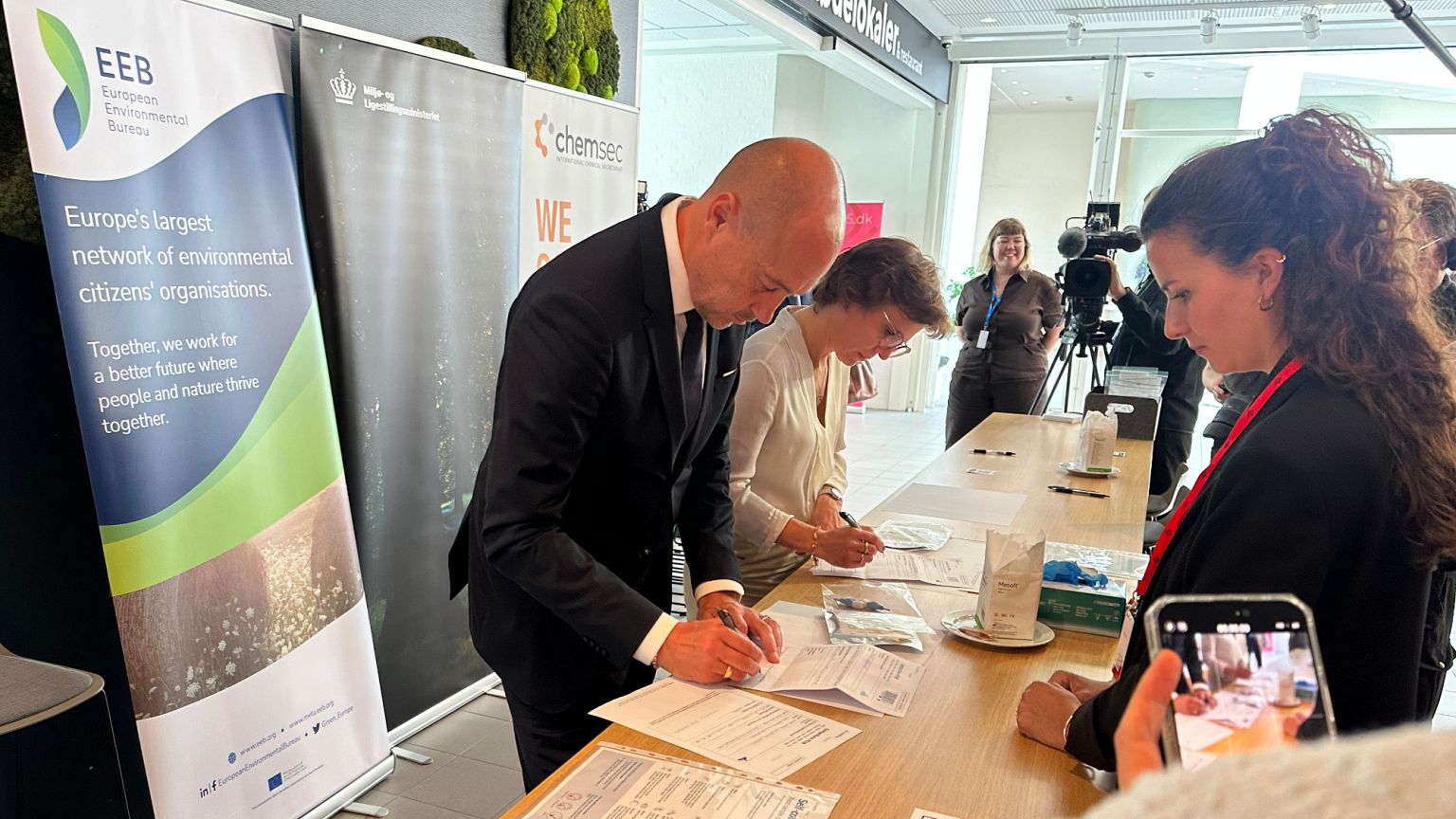
Magnus Heunicke and Jessika Roswall ( European Commissioner for Environment, Water Resilience and a Competitive Circular Economy) taking the blood test.
Copyright EEB

By Rebecca Ann Hughes
Publised on 

PFAS now contaminate the bodies of nearly all Europeans - including children, pregnant women, and adolescents.

EU environment and climate ministers have been invited to have their blood tested for PFAS - harmful ‘forever chemicals’ linked to cancer and other serious health risks.

The initiative, led by the Danish Ministry of Environment and Gender Equality in partnership with the European Environmental Bureau (EEB) and non-profit ChemSec, aims to raise awareness of the growing PFAS pollution crisis affecting citizens and the environment across Europe.

Ministers who have accepted will have their blood samples analysed for 13 PFAS substances, known for persisting in the environment and accumulating in the human body.

‘It is crucial that we now take strong action against PFAS pollution’


As one of the first actions of Denmark’s EU Council Presidency, environment minister Magnus Heunicke launched the initiative and invited all 32 EU environment and climate ministers, as well as ministers from EFTA countries and Ukraine, to take the PFAS blood test.

Heunicke has already undergone testing alongside Jessika Roswall, the European Commissioner for Environment, Water Resilience and a Competitive Circular Economy.

“PFAS accumulates both in the environment and in humans, and once it is present, it is very difficult to deal with,” Heunicke says.

“In humans, we know that PFAS can, among other things, cause cancer, and it can also affect aquatic environments and animals.

“It is crucial that we now take strong action against PFAS pollution, which is why measures must be taken across the EU to prevent, contain, and clean up PFAS.”

How the EU plans to tackle PFAS pollution

Denmark, alongside Germany, the Netherlands, Norway, and Sweden, has submitted a joint proposal to the European Commission to ban the production, sale, and use of almost all PFAS under the EU’s REACH regulation. This legislation addresses the production and use of chemical substances, and their potential impacts on both human health and the environment.

The European Chemicals Agency’s (ECHA) scientific committees are currently assessing the health, environment and socio-economic impacts of the proposal as well as the availability of safer alternatives.

“No one is immune to chemical pollution - neither people nor the environment. PFAS producers have long known the health risks - cancer, fertility issues, thyroid disease, and weakened immune system - and they’re still choosing profit over people,” Patrick ten Brink, Secretary General at the EEB, says.

What are PFAS exactly?

PFAS are a group of over 10,000 man-made chemicals widely used in a long range of industrial processes and everyday products such as non-stick cookware, water-repellent fabrics, food packaging, and firefighting foams.

Known for their extreme persistence in the environment and the human body, they are often referred to as ‘forever chemicals’.

Linked to cancer, infertility, thyroid disease, and immune system suppression, PFAS now contaminate the bodies of nearly all Europeans - including children, pregnant women, and adolescents.

Experts warn that PFAS pollution ranks among the most serious public health threats of our time.

The hidden cost of inaction against PFAS pollution

Cleaning up PFAS pollution could cost the EU up to €2 trillion over the next 20 years, the EEB says, with environmental remediation alone estimated at €100 billion annually - not including the additional €52-84 billion in yearly health-related costs.

Much like the tobacco and fossil fuel industries, major PFAS producers have long known about the severe health and environmental risks associated with their chemicals - yet chose to conceal the evidence, the EEB says.

Despite contributing to an estimated €16 trillion in societal costs for environmental clean-up and healthcare per year, producers continue to profit with minimal accountability.

“These companies continue to lobby against regulation, obscure the science, and mislead decision-makers, all while communities across Europe are exposed to toxic chemicals,” Brink says.

“The cost of inaction is already staggering, and it’s growing by the day. We urgently need to hold polluters accountable and stop this cycle of harm.”

A spokesperson from EEB confirmed that ministers are undergoing testing today.


Brussels raises consumer concerns with plans to ease rules for chemical sector

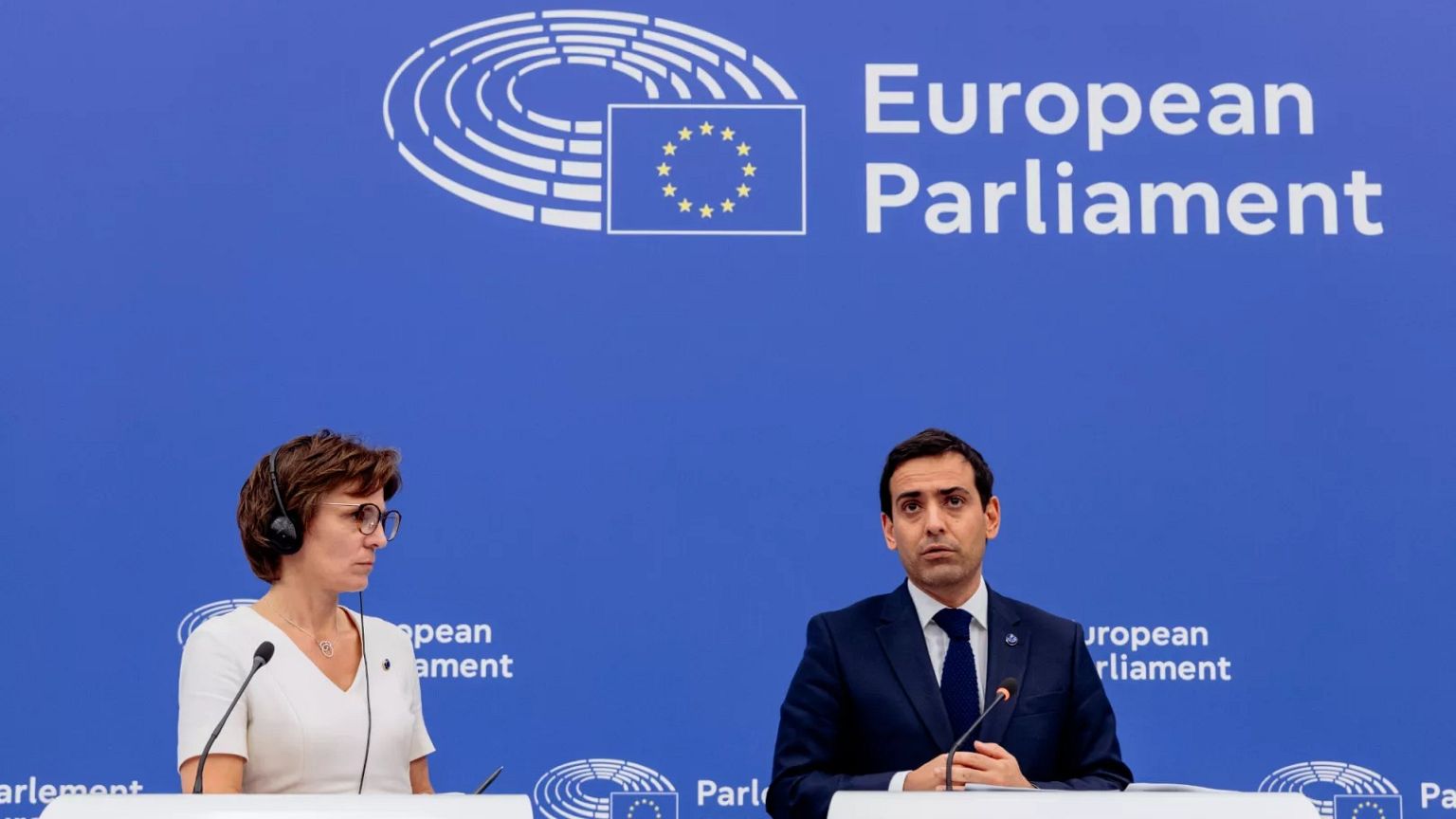
Press conference by Stéphane Séjourné, Executive Vice-President of the European Commission, on the right and Jessika Roswall, European Commissioner, on the Chemicals package.
Copyright European Union, 2025

By Romane Armangau
Publshed on 

The European Commission unveiled yet another simplification package on Tuesday, this time targeting chemicals, promising savings for industry - but raising concerns for consumer protection.

The European Commission presented on Tuesday its sixth “omnibus” simplification package since the start of Ursula von der Leyen’s mandate. This time, the target is the EU’s chemical sector, a cornerstone of European industry, according to Commission Vice-President for Industrial Strategy, Stéphane Séjourné, but one that he says is “increasingly under threat”. 

The reform package, officially titled the Action Plan for the Chemical Industry, combines new support measures for Europe’s ailing producers with a set of rule changes designed to ease red tape and cut costs. The Commission claims it will save the industry over €360 million annually by simplifying how hazardous chemicals, cosmetics and fertilisers are labelled, regulated and authorised. 

But not everyone is convinced the latest push to modernise EU law is entirely harmless. Green lawmakers warn the simplification could undermine years of progress on health and environmental protection, accusing the Commission of siding with big industry at the expense of consumers. 

Speaking in Strasbourg, Stéphane Séjourné defended the plan as an “industrial package above all”, not merely a chemicals policy. “We’re talking about a sector that has seen its global market share nearly halved in the last 20 years,” he said, warning that Europe was risking the loss of its production base if it didn’t act swiftly. He pointed to the closure of around twenty large chemical sites in recent years, and described steam crackers - essential, high-emission chemical plants - as ageing and in need of major investment. 

Séjourné said the aim was to keep these strategic assets in Europe while using the green transition to modernise them and improve competitiveness. “We fully stand by our decarbonisation strategy,” he added, “but it must also support our industrial resilience.”

The action plan promises to lower energy costs through extended state aid rules and speed up investment in green technologies like hydrogen and chemical recycling. It also outlines the creation of a Critical Chemicals Alliance to identify vulnerable supply chains and reduce Europe’s dependence on imports for key substances used in sectors like automotive, defence and healthcare. 

Simpler labelling for cosmetics and fertilisers

Alongside these broader industrial goals, the Commission’s Chemicals Omnibus introduces a raft of changes to EU rules, including simpler formats for chemical labelling and lighter procedures for cosmetics and fertilising products. These changes, the Commission insists, will not compromise safety. 

“This is about reducing the administrative burden, not the level of protection,” said Jessika Roswall, Commissioner for Environment and Circular Economy. “We know that Europeans care deeply about chemical safety, and we believe that strong environmental standards can go hand in hand with strong business.” 

Roswall highlighted public concerns over harmful substances, particularly PFAS, also known as the “forever chemicals”, which have been found in the blood of nearly the entire Dutch population, according to recent research. The Commission said it is preparing a wide ban on PFAS in consumer goods, and plans to allow their continued use only in strategic sectors like health and defence, under strict conditions. 

But the Green group in the European Parliament is warning of a dangerous shift in priorities. “Health protection is thrown overboard to increase the profits of the chemical industry,” said Greens/EFA co-president Bas Eickhout in a statement on Tuesday. He accused the Commission of weakening legislation, particularly on cosmetics, by allowing the continued use of substances previously banned due to cancer or reproductive toxicity risks. 

The Greens also criticised the move to undo some of the labelling rules introduced just last year, arguing it punishes companies that already made costly investments to comply, while rewarding those that lagged behind. 

While the Commission insists the reforms are part of a wider industrial strategy, the new chemicals package adds to a growing list of sector-specific “omnibus” packages adopted in recent months, covering everything from farming to defence


Pope Leo XIV celebrates first ‘green Mass’ after calling out greed that fuels climate injustice

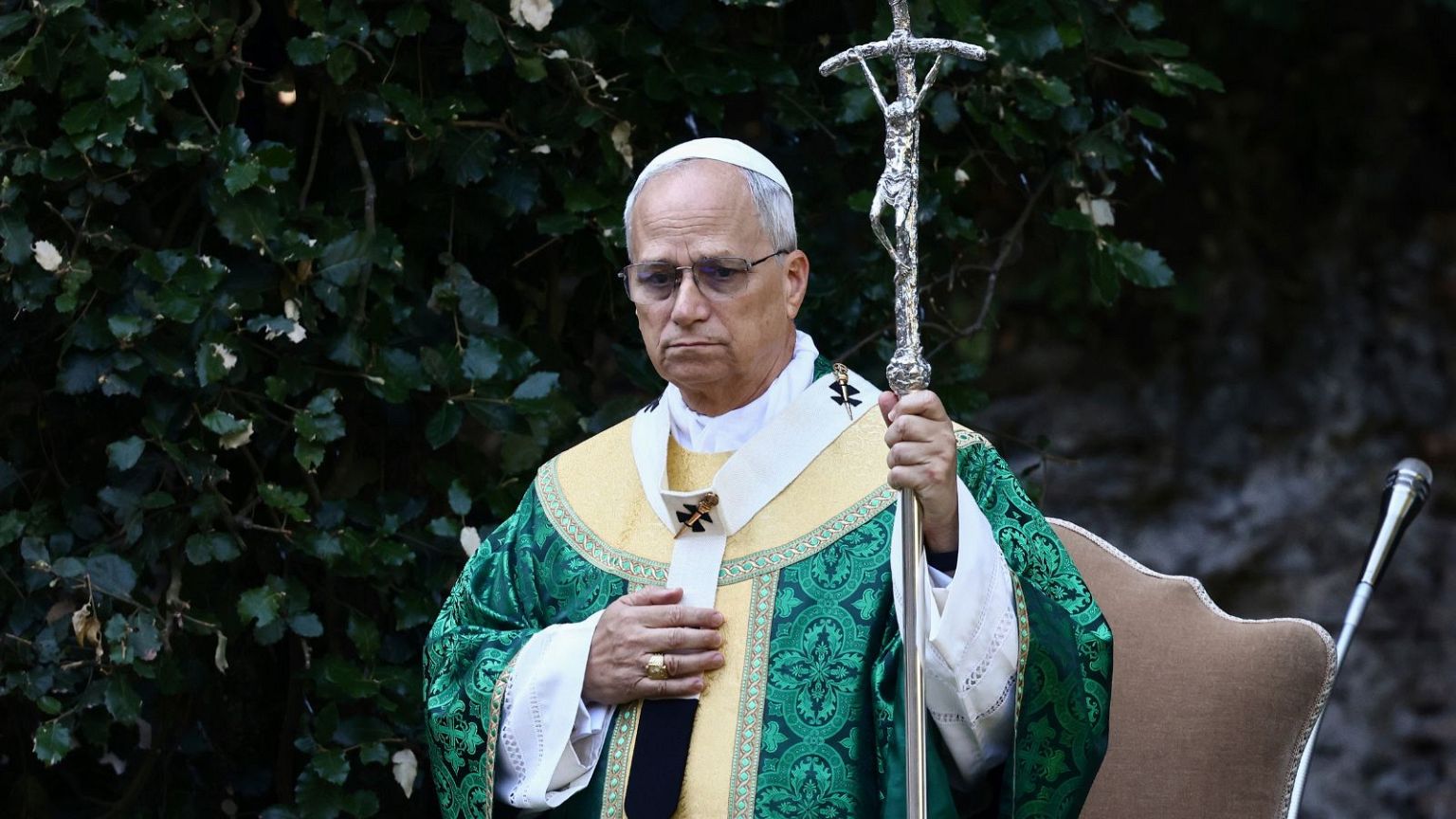
Pope Leo XIV leads the Mass for the Care of Creation, in Castel Gandolfo, Italy, Wednesday 9 July 2025.
Copyright Yara Nardi/Pool Via AP

By Nicole Winfield with AP
Published on 

Pope Leo XIV is also enacting a plan to build a solar farm that would make Vatican City the world’s first carbon-neutral state.

Pope Leo XIV held what has been dubbed the first “green” papal Mass on Wednesday, using a new set of prayers imploring care for God’s creation. 

The Mass, in the gardens of the Vatican’s new ecological educational centre at the papal summer estate in Castel Gandolfo, indicated a strong line of ecological continuity with Pope Francis, who made environmental protection a hallmark of his pontificate.

The private Mass was celebrated for the Laudato Si centre, named for Francis’ 2015 environmental encyclical, in which the first pope from the Global South blasted the way wealthy countries and multinational corporations had exploited the Earth and its most vulnerable people for profit.

The pontiff approved the new Mass formula “for the care of creation,” directing it to be added to the list of 49 Masses that have been developed over centuries for a specific need or occasion. Mass is the central act of worship in Catholicism, recalling Jesus’s actions at the Last Supper.

Officials said it was crafted in response to requests stemming from Francis’ encyclical, which has inspired a whole church movement and foundation to educate, advocate and sensitise the world to the biblically mandated call to care for nature.

What has Pope Leo XIV said about climate change?

Pope Leo XIV, history’s first US-born pope, has indicated he intends to further Francis’ ecological legacy.

A longtime missionary in Peru, Pope Leo XIV experienced firsthand the effects of climate change on vulnerable communities and has already spoken out about the need for climate justice for Indigenous peoples, in particular. 

In a message for the church’s annual day of prayer for creation, Pope Leo XIV blasted the "injustice, violations of international law and the rights of peoples, grave inequalities and the greed that fuels them are spawning deforestation, pollution and the loss of biodiversity."

He made no equivocations about what or who was to blame, identifying “climate change provoked by human activity.”

“As yet, we seem incapable of recognising that the destruction of nature does not affect everyone in the same way. When justice and peace are trampled underfoot, those who are most hurt are the poor, the marginalised and the excluded,” he wrote in the message, released last week.

Pope Leo XIV advances solar farm plan for the Vatican

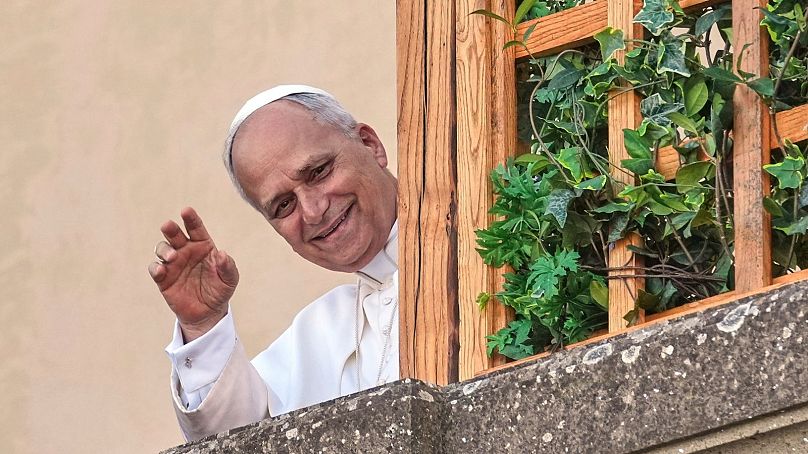
Pope Leo XIV arrives at the papal summer residence in Castel Gandolfo for a six-week vacation, Sunday 6 July 2025.
Pope Leo XIV arrives at the papal summer residence in Castel Gandolfo for a six-week vacation, Sunday 6 July 2025.AP Photo/Andrew Medichini

Pope Leo XIV celebrated the Mass during the first days of his vacation at Castel Gandolfo, a hilltop town overlooking Lake Alban in the cool hills south of Rome. He arrived on Sunday and will spend an initial two weeks there before returning to the Vatican and then heading back in August.

In another sign of his environmental commitment, Pope Leo XIV has indicated he plans to execute one of Pope Francis’ most important ecological legacies: The development of a 430-hectare field in northern Rome into a solar farm that would generate enough electricity to meet the Vatican’s needs and thus make Vatican City the world’s first carbon-neutral state.

The development would require an investment of just under €100 million, officials say, and needs the approval of the Italian parliament since the territory enjoys extraterritorial status that needs to be extended.

Last year, Francis tasked a commission of Vatican officials with developing the Santa Maria di Galeria site, which was long the source of controversy because of electromagnetic waves emitted by Vatican Radio towers there.

Pope Leo XIV visited the site in June and called it a “wonderful opportunity.” He told RAI state television that the creation of such a farm would “set a very important example: we are all aware of the effects of climate change, and we really need to take care of the whole of creation, as Pope Francis has taught so clearly.”