Tuesday, July 29, 2025

Why is 'Mary Poppins' Britain’s most complained about film of 2024?


Copyright Walt Disney - Buena Vista Distribution Company, Inc.

By David Mouriquand
Published on 28/07/2025 - 

Supercalifragilisticexpialidous-WHAT?? How did the 1964 classic 'Mary Poppins' become the most complained about film of 2024 in the UK?

2024 was a great year for cinema, and several films that made our year featured some NSFW content.

Whether it was the nudity in Anora, the colourful language in Kneecap, the grotesque body horror in The Substance or some of the gorgeous yet horrific tableaus in The Devil’s Bath, there was plenty to keep censors busy.

Still, the British Board of Film Classification (BBFC) has revealed that none of these films were in consideration for the most complained about movie of 2024.

It turns out that the new age rating given to a beloved classic caused the biggest stink...

In their annual report, the BBFC reveals that its decision to reclassify the 1964 classic Mary Poppins, starring Julie Andrews and Dick Van Dyke, from a U (Universal – suitable for all) to a PG (Parental Guidance) has made it the most complained about movie of 2024.

According to the BBFC, of the 224 complaints made during the year, 56 were for Mary Poppins – meaning it came ahead of complaints about knife fights in Dune: Part Two and that sex scene in Saltburn.

So, why was Mary Poppins’ rating changed?

It all comes down to the word “hottentots” – which is used twice in the film by the character Admiral Boom, who refers to chimney sweeps covered in soot.

Hottentots is a slur originally used by Dutch settlers in South Africa – and was later used to refer to all Black people.

Those complaining to the BBFC deemed the discriminatory term to be too outdated and wanted the rating to remain unchanged

David Austin, chief executive of the BBFC said: “The two uses of the discriminatory term ‘hottentots’ are neither criticised nor condemned, increasing the risk that very young viewers might repeat it without realising the potential for offence.”
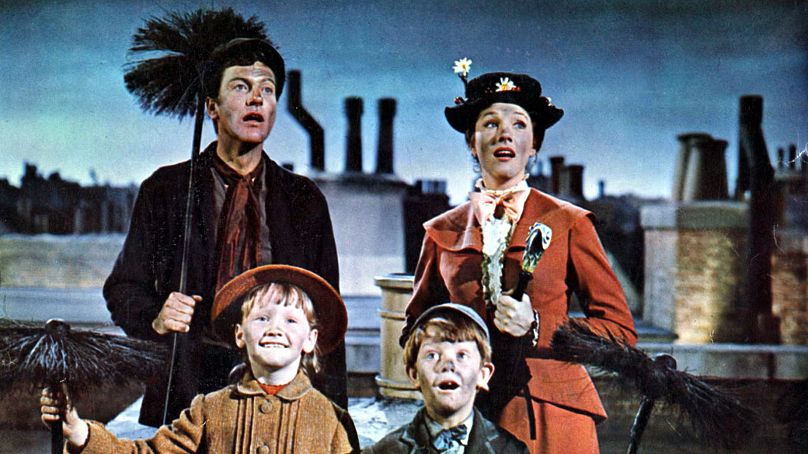

Mary Poppins Walt Disney - Buena Vista Distribution Company, Inc.

Elsewhere, there were 17 complaints regarding the 1989 sci-fi classic The Abyss - regarding rumours that the film had been cancelled because of BBFC advice concerning a scene in which a man submerges a live rat in liquid – and Dune Part Two got 13 complaints from people feeling that the 12A (no one younger than 12 may be permitted to attend a 12A cinema screening unless they are accompanied by an adult) was too lenient.

Rounding things off was the dark comedy Saltburn, which tallied ten complaints after being rated 15 for “strong sex, nudity, sexual threat, drug misuse and very strong language”.

Austin said: “Those who got in touch with us generally felt that the film’s depiction of sexual obsession was too disturbing for 15. Given the blackly comic tone of the film and that the key scenes, while strong, lacked graphic nudity and other visual explicitness, Saltburn meets our standards at a 15 classification.”

The current UK ratings are U, PG, 12A/12, 15, 18 and R18. You can read all about the UK's precise – some might say illiberal – classification system here. And in case you missed it, check out our Top Movies of 2024 here.

And remember: "Just a spoonful of sugar helps the medicine go down, in the most delightful way!"

Nov 20, 2018 ... The writing on this blog belongs to the person who wrote it and should not be re-published without explicit permission of the author. Thank ...

Pamela Lyndon Travers OBE was an Australian-born British writer who spent most of her career in England. She is best known for the Mary Poppins series of ...

Nov 6, 2019 ... I think she loves it because the movie appeals, in grinning Technicolor, to a kid's natural sense of anarchy. Mary Poppins is a gloriously ...\


Jul 2, 2021 ... 'Mary Poppins' is a radical work of socialist art, one that challenges the vast systems of global capital that supposedly make our world.

Nov 23, 2016 ... Fraser Institute Senior Fellow Jonathan Fortier warns parents to be vigilant and not be distracted by Mary Poppins' “magic” or “song and dance,” ...

Nov 29, 2016 ... The Fraser Institute's Jonathan Fortier alleges that “Mary Poppins” is rife with “latent socialist ideas,” an ideology that has “created more human suffering&n...


POISONING PIGEONS IN THE PARK

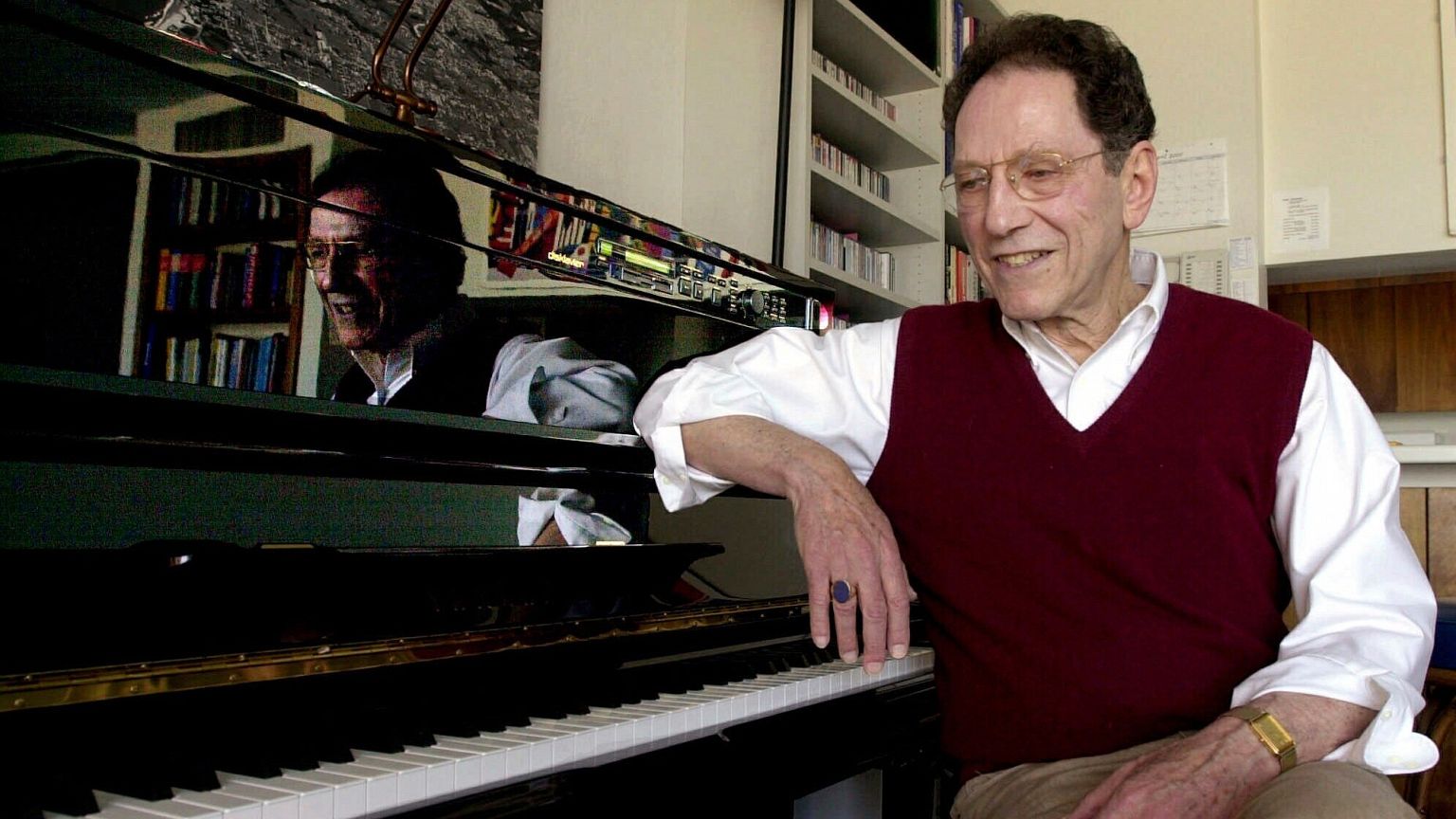
Celebrated musical satirist Tom Lehrer dies aged 97

I WAS INTRODUCED TO THIS SATIRICAL MISANTHROPE IN HIGH SCHOOL
Celebrated musical satirist Tom Lehrer dies at 97
Copyright AP Photo

By David Mouriquand & AP
Published on 

The mathematician and satirical songwriter was best known for his songs 'The Elements', 'The Masochism Tango' and the Cold War track 'We Will All Go Together When We Go'.

Tom Lehrer, the celebrated American song satirist who lampooned politics, racism and the Cold War, then largely abandoned his music career to return to teaching mathematics at Harvard and other universities, has died. He was 97.

Longtime friend David Herder said Lehrer died Saturday at his home in Cambridge, Massachusetts. He did not specify a cause of death.

A Harvard prodigy (he earned a math degree from the institution at age 18), Lehrer soon turned his very sharp mind to current events - including the threat of nuclear annihilation and discrimination.

His darkly comic ballads included 'Poisoning Pigeons in the Park', 'The Old Dope Peddler', and the controversial 'The Vatican Rag', in which Lehrer, an atheist, poked at the rites and ceremonies of the Roman Catholic Church.

Some of his most enduring songs also include: 'The Elements', a list of the chemical elements set to the tune of 'I Am the Very Model of a Modern Major-General' from "The Pirates of Penzance", Gilbert and Sullivan's comic opera; 'The Masochism Tango', which contains the lyrics: "I ache for the touch of your lips, dear / But much more for the touch of your whips, dear..."; and 'We Will All Go Together When We Go', which includes the lyrics: "Oh, we will all fry together when we fry / We'll be French-fried potatoes by-and-by / There will be no more misery / When the world is our rotisserie / Yes, we all will fry together when we fry."

He mocked the forms of music he didn't like and attacked in such an erudite, even polite, manner that almost no one objected.

Except the BBC, which banned most of his 1953 collection Songs by Tom Lehrer from the airwaves.

"Tom Lehrer is the most brilliant song satirist ever recorded," musicologist Barry Hansen once said. Hansen co-produced the 2000 boxed set of Lehrer's songs, 'The Remains of Tom Lehrer', and had featured Lehrer's music for decades on his syndicated "Dr. Demento" radio show. 

Lehrer was born in 1928 in Manhattan, the son of a successful necktie designer, and was a classically trained piani

After skipping two grades in school, he entered Harvard at 15 and, after receiving his master's degree, he spent several years unsuccessfully pursuing a doctorate.

"I spent many, many years satisfying all the requirements, as many years as possible, and I started on the thesis," he once said. "But I just wanted to be a grad student, it's a wonderful life. That's what I wanted to be, and unfortunately, you can't be a Ph.D. and a grad student at the same time."

Lehrer remained on the math faculty of the University of California at Santa Cruz well into his late 70s. In 2020, he even turned away from his own copyright, granting the public permission to use his lyrics in any format without any fee in return.

Lehrer never married and had no children.

RIP Tom Lehrer: 1928 - 2025

POISONING PIGEONS IN THE PARK


Turkey's glaciers fall victim to climate change

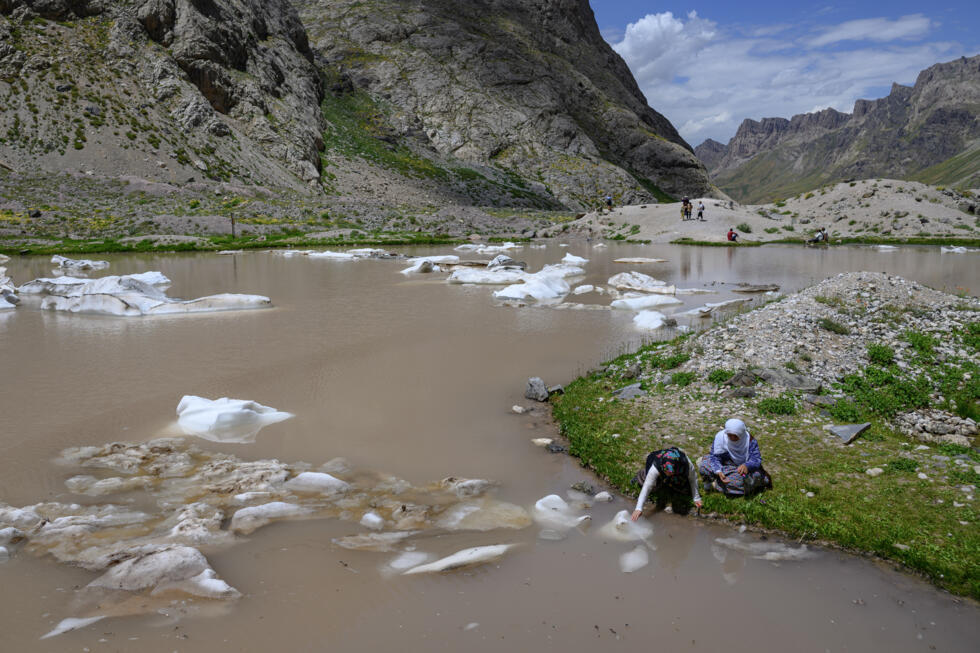
Turkey (AFP) – Kemal Ozdemir looked up at the bare peaks of Mount Cilo in Turkey's Kurdish majority southeast: "There were glaciers 10 years ago," he recalled under a cloudless sky.


Issued on: 29/07/2025 -

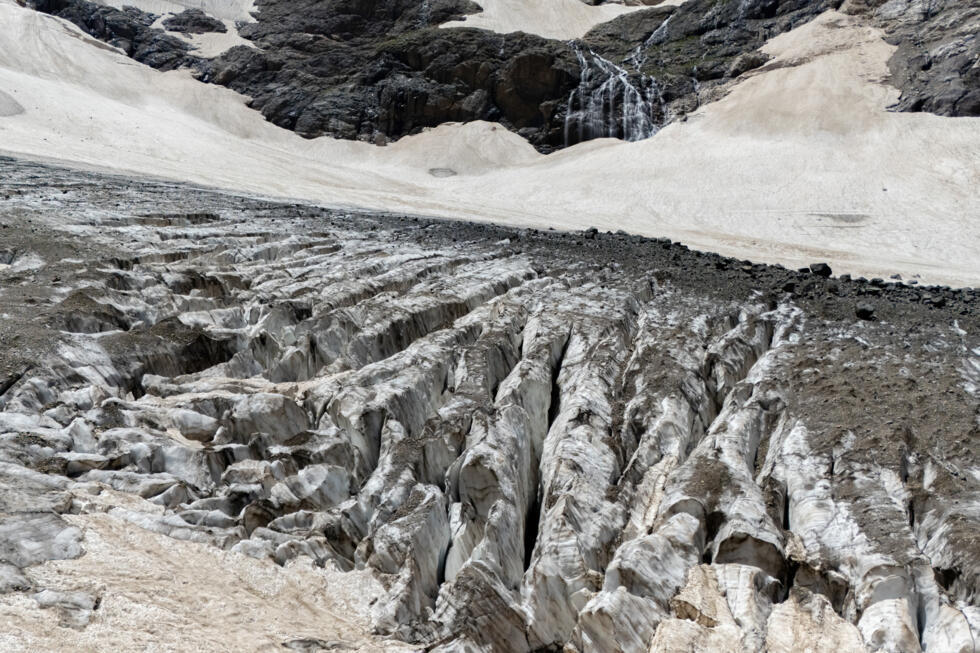
New sections of the mountains that were once capped in ice are melting fast year after year © Yasin AKGUL / AFP

A mountain guide for 15 years, Ozdemir then turned toward the torrent carrying dozens of blocks of ice below a slope covered with grass and rocks -- a sign of glacier loss being exacerbated by global warming.

"You can see that there are quite a few pieces of glacier in the water right now... the reason why the waterfalls flow lushly actually shows us how fast the ice is melting," he said.

The glaciers of Mount Cilo, which rises to 4,135 meters in the province of Hakkari on the Iraqi border, are the second largest in the country behind those of Mount Ararat (5,137 meters ) -- 250 kilometres (155 miles) further north.

As global temperatures rise amid human-caused climate change, new sections of the mountains that were once capped in ice are melting fast year after year.

Turkey, which is experiencing heatwaves and drought, even registered a record temperature of 50.5C on Friday in Silopi, some 200 kilometres (120 miles) from Hakkari.

"The melting process is faster than we expected. According to our research, in the last 40 years, we lost almost 50 percent of this continuous snow and ice cover in this place," said Onur Satir, a professor at Yuzuncu Yil University and specialist in geographical information systems in the eastern province of Van.

-'No way to cover the ice'-


"Some places melt faster than other places, so actually it's showing us which places must be protected but we have no opportunity to cover the whole ice area," Satir said.
In recent years, several glaciers in the Alps have been covered with white tarpaulins in an attempt to delay their demise © Yasin AKGUL / AFP
In recent years, several glaciers in the Alps have been covered with white tarpaulins in an attempt to delay their demise.

According to the United Nations, glaciers in several regions of the world will not survive the 21st century, threatening the water supply of hundreds of millions of people.

The surrounding landscape is a delight for hikers, many of whom have flocked to the Hakkari mountains since the guns fell silent in recent years in the region, where fighters from the Kurdistan Workers' Party (PKK) have long challenged the Turkish state.

The ongoing peace process with the PKK listed as a terror group by Turkey and its Western allies suggests that tourism will accelerate in the area, which became a national park in 2020.

-'Don't walk on the ice'-

But melting ice has made certain areas dangerous. In July 2023, two hikers were killed when they were swept away by a block that broke off from a glacier.
By the end of the century, temperatures are expected to rise in Turkey by 5 to 6C compared to the averages recorded between 1961 and 1990 © Yasin AKGUL / AFP


"People should not walk on the ice," Ozdemir warned, voicing concerns about the safety of hikers and the preservation of glaciers.

"This region is 40-50 kilometres away from the city, but there was no road in the past. Now, with the construction of the road, more vehicles are coming here and the increase in the number of people coming here actually accelerates the melting a little bit," said the 38-year-old guide.

A UN report on desertification worldwide estimates that 88 percent of Turkey's territory is at risk: rainfall is expected to decrease by 30 percent by the end of the century, while temperatures are expected to rise by 5 to 6C compared to the averages recorded between 1961 and 1990.

© 2025 AFP

 TURKIYE

Revitalizing The Çöllolar Coalfield: Technical, Economic, And Safety Challenges – OpEd


By 

Once a key supplier of lignite to Turkey’s Afşin–Elbistan B Thermal Power Plant, the Çöllolar open-pit coalfield in Kahramanmaraş was shut down after two catastrophic landslides in 2011.


Now, after years of legal, technical, and environmental assessments, the site has been transferred to state ownership and is undergoing rehabilitation. This article summarizes the recent technical progress, ownership transition, and plans to restart production.

History and the Landslide Disaster

The Çöllolar lignite mine was initially operated by Park Teknik, a subsidiary of the Ciner Group, under a coal production agreement with the Turkish state. However, in February 2011, two massive landslides engulfed mining equipment and claimed multiple lives, forcing operations to cease entirely[^1].

Importantly, the Ciner Group never fully owned the mining license; it operated under a coal production contract. After the landslides, the project was abandoned, and a lengthy legal and technical reassessment period began.

Ownership and Institutional Transfer

Nearly a decade after operations halted, the ownership and operating model of the mine underwent significant change. In October 2021, Park Teknik officially transferred the site to Electricity Generation Company (EÜAŞ). In March 2022, EÜAŞ handed over the site to Turkish Coal Enterprises (TKİ). Today, the mine is fully owned and operated by TKİ through its Afşin–Elbistan Lignite Operations Directorate[^2].

Technical Rehabilitation Efforts

Extensive technical work is underway to ensure that mining operations can resume safely:


• Over 1,000 drainage wells have been drilled to reduce underground water levels and stabilize pit slopes.

• Large-scale overburden removal (decapage) and geotechnical projects have been planned and partially tendered.

• More than 1 billion Turkish Lira (approx. $35 million USD) has been earmarked for initial investments and equipment procurement[^3].

Given the karstic geological structure of the region, dewatering operations must be conducted with precision and constantly monitored. Comprehensive application of geosciences is also essential to manage the unknown subsurface risks.

Production and Supply Plans

When operational, the revitalized mine is expected to:

• Produce approximately 17–17.5 million metric tons of lignite per year,

• Supply coal to the 1,440 MW Afşin–Elbistan B Thermal Power Plant,

• Employ around 1,000 workers at full capacity[^4].

As of mid-2025, full-scale production has yet to commence, but coal shipments are expected to begin within the year.

Challenges and Outlook

Key challenges facing the project include:

• Ensuring long-term slope stability in a geologically complex and previously unstable area,

• Meeting environmental obligations, including dust control, water management, and land rehabilitation,

• Managing the large-scale logistics required for continuous coal delivery to the power plant.

Despite these challenges, the Turkish government considers the Çöllolar field a strategic asset in reducing dependency on imported coal. Its reactivation represents a case study in balancing energy security, economic necessity, and operational safety.

Looking forward, the sustainable future of the mine will require transparent reporting, scientific oversight, and disciplined operational planning.

Footnotes

[^1]: “Çöllolar’da ikinci göçük: 1 kişi öldü, 11 kişi kayıp”, NTV Haber, 11 February 2011.

[^2]: “Park Teknik, Çöllolar Sahası’nı EÜAŞ’a devretti”, Enerji Günlüğü, 15 October 2021.

[^3]: TKİ 2023 Faaliyet Raporu, Türkiye Kömür İşletmeleri Genel Müdürlüğü.

[^4]: “Afşin–Elbistan Termik Santrali için linyit üretim hedefi”, T.C. Enerji ve Tabii Kaynaklar Bakanlığı, 2024 Resmi Açıklaması.


Haluk Direskeneli

Haluk Direskeneli, is a graduate of METU Mechanical Engineering department (1973). He worked in public, private enterprises, USA Turkish JV companies (B&W, CSWI, AEP, Entergy), in fabrication, basic and detail design, marketing, sales and project management of thermal power plants. He is currently working as freelance consultant/ energy analyst with thermal power plants basic/ detail design software expertise for private engineering companies, investors, universities and research institutions. He is a member of Chamber of Turkish Mechanical Engineers Energy Working Group.


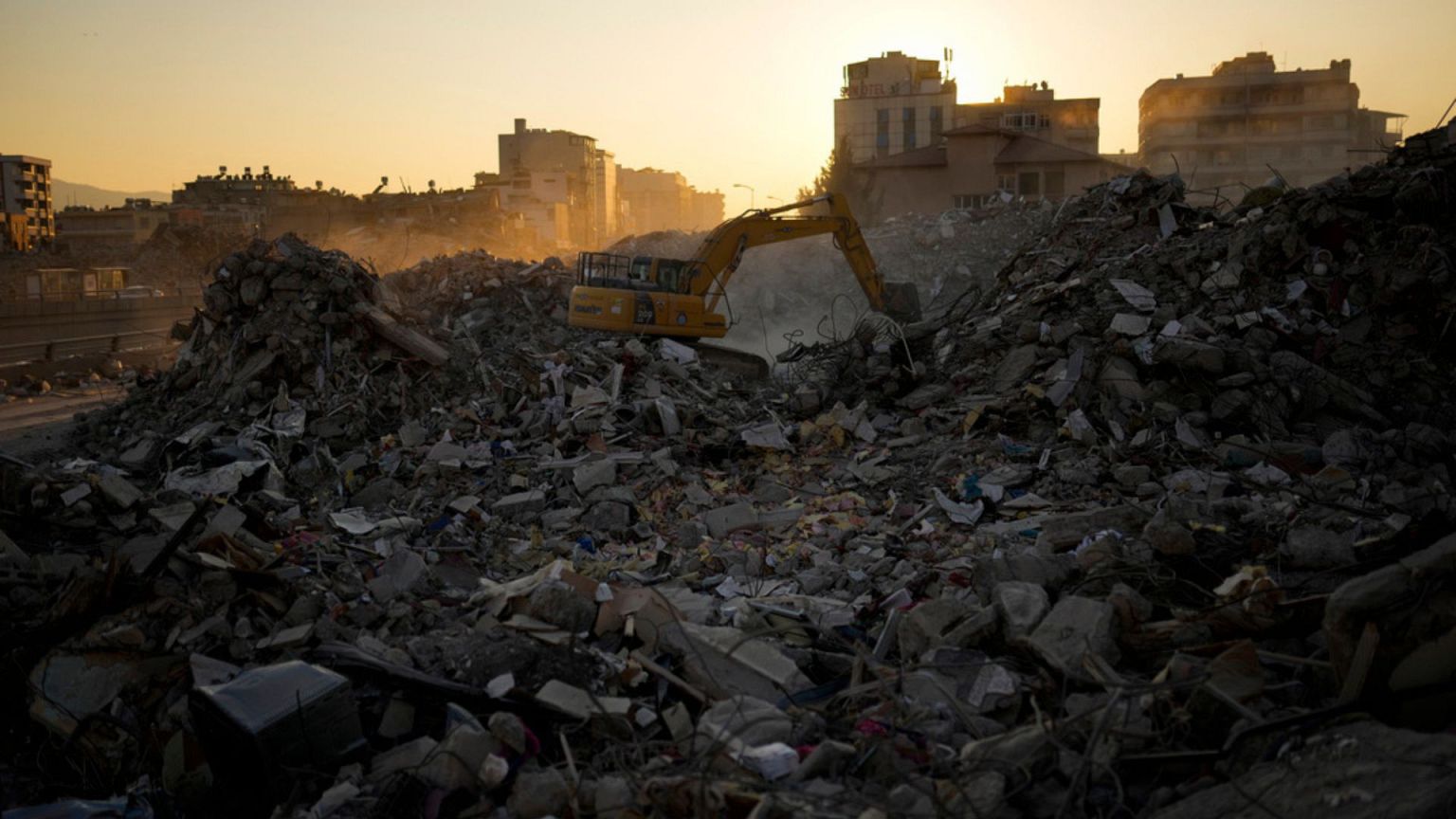
Google admits earthquake alert system failed to warn most users before 2023 Turkey quake

FILE - An excavator digs in the rubble of destroyed buildings in Iskenderun city, southern Turkey, 14 Feb 2023.
Copyright AP Photo/Francisco Seco, File

By Oman Al Yahyai
Published on 

Despite the potential to alert millions, only 469 high-level “Take Action” warnings were sent out before the initial 7.8 magnitude quake.

Google has acknowledged that its Android Earthquake Alerts (AEA) system failed to accurately warn the vast majority of people before the catastrophic earthquake that struck Turkey in February 2023, killing over 55,000 and injuring more than 100,000.

Despite the potential to issue high-level alerts to 10 million people within 158 kilometres of the epicentre, only 469 “Take Action” alerts were sent out ahead of the first 7.8 magnitude quake, a risky shortfall, as this is the level of warning designed to wake sleeping users and prompt them to seek immediate safety.

Instead, Google told the BBC that around 500,000 users received the less severe “Be Aware” notification, intended only for light shaking and incapable of overriding a device’s Do Not Disturb setting. 

The alert system underestimated the severity of the quake, initially calculating the shaking at just 4.5 to 4.9 on the moment magnitude scale, which is far below the actual magnitude of 7.8.

“We continue to improve the system based on what we learn in each earthquake,” a Google spokesperson said.

The BBC’s investigation following the disaster revealed that no users interviewed across the affected region had received the more serious Take Action alert before the tremors. 

The alert would have been especially vital given that the earthquake struck at 4:17 am local time (3:17 am CET), when most people were asleep in buildings that ultimately collapsed.

While Google had previously claimed the system had "performed well", it later published research in the Science journal acknowledging “limitations to the detection algorithms” that contributed to the system’s failure.

The second major earthquake that struck later that day was also underestimated, although it triggered more alerts — 8,158 Take Action and nearly four million Be Aware.

After the incident, Google revised its detection algorithms and ran a simulation of the first earthquake. The updated system, had it been in place at the time, would have sent 10 million Take Action alerts and an additional 67 million Be Aware notifications, according to the company.

“Every earthquake early warning system grapples with the same challenge — tuning algorithms for large magnitude events,” Google told the BBC.

Yet experts have expressed grave concern about the delay in releasing this information.

“I'm really frustrated that it took so long,” said Elizabeth Reddy, assistant professor at the Colorado School of Mines.

“We're not talking about a little event — people died — and we didn't see a performance of this warning in the way we would like.”

The AEA system, available in 98 countries, operates independently of national governments and is managed directly by Google. It detects tremors through the movement of Android smartphones, which make up over 70% of mobile devices in Turkey.

Google has maintained that AEA is meant to supplement, not replace, national warning systems. However, scientists worry that some countries may be overly reliant on this technology

“Would some places make the calculation that Google’s doing it, so we don’t have to?” asked Harold Tobin, director of the Pacific Northwest Seismic Network.

“I think being very transparent about how well it works is absolutely critical.”

The BBC has since asked Google how the AEA system performed during the 2025 earthquake in Myanmar, but has not yet received a response.

Dramatic hunger surge strikes the Middle East and Africa, UN survey shows


Copyright Sam Mednick/Copyright 2023 The AP. All rights reserved

By Sergio Cantone
Published on 28/07/2025 - 

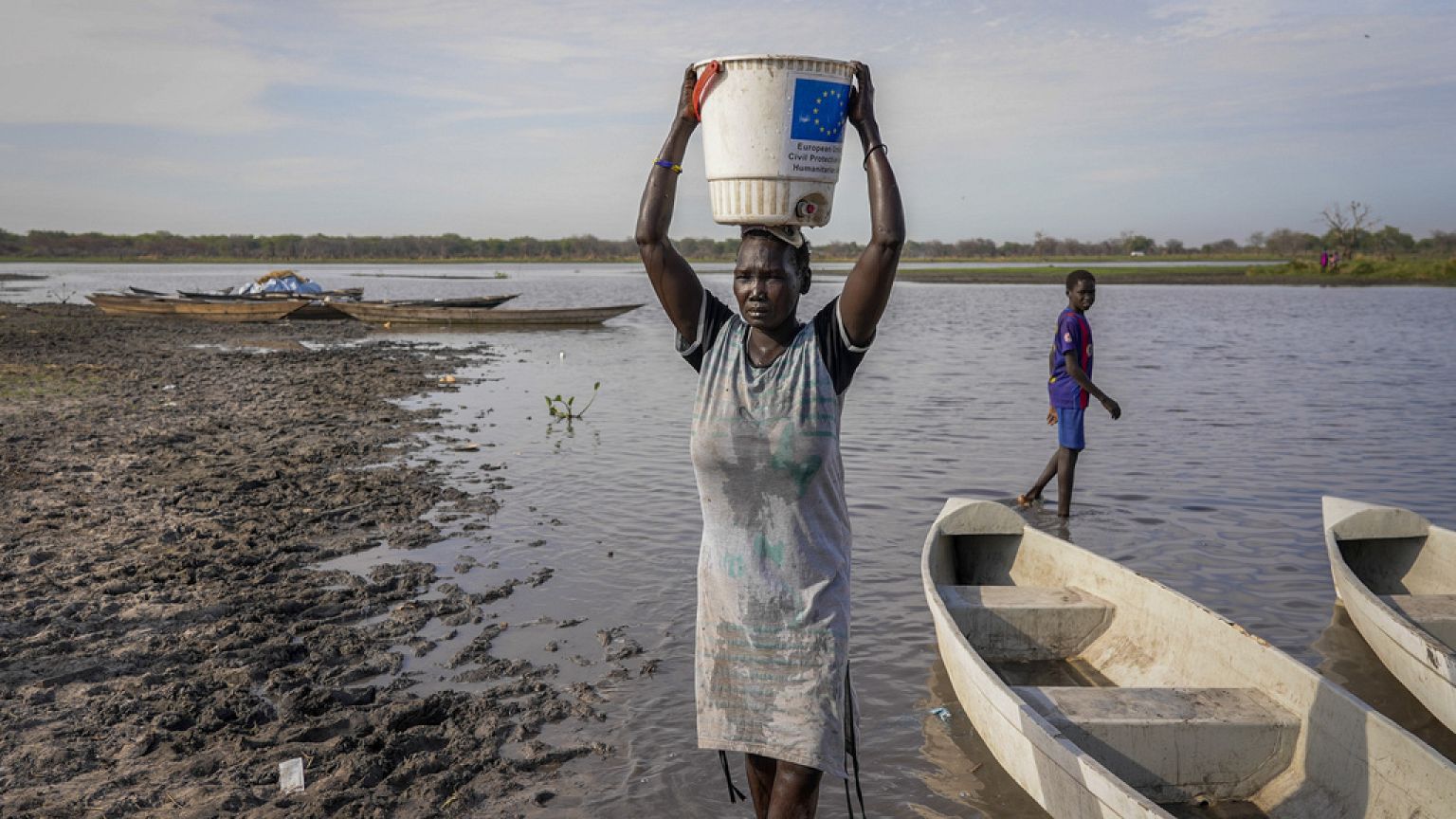
Global crises are fueling hunger in Africa, Asia and the Middle East, with trade tensions, conflicts, and climate change driving food inflation, according to the UN's SOFI report.

The ongoing burden of rising global crises has exacerbated hunger in Africa, Asia and the Middle East, UN agencies warn.

According to the UN's State of Food Security and Nutrition in the World 2025 report, also known as the SOFI report, trade tensions, conflicts and climate change are the primary causes of global food inflation.

The report, which gathers data from five international organisations — FAO, IFAD, UNICEF, WFP, and WHO — was drafted by IFAD, a Rome-based UN agency that provides grants and low-interest loans to fund projects in developing countries.

"The situation is quite alarming, especially in Africa and in the Middle East," Álvaro Lario, president of IFAD, told Euronews.

"It's a mixture between the conflicts, some of the disruption or shocks caused by economic or trade tensions and also the climate shocks. These are the three main drivers," Lario explained.

Since the trade tensions of 2018, during the first Trump administration, elevated tariffs have mainly remained in place, contributing to ongoing trade tensions and influencing global agricultural trade dynamics.

The figures of the survey show that the proportion of the population facing hunger in Africa surpassed 20% in 2024, affecting 307 million people, while in the Middle East an estimated 12.7% of the population, or more than 39 million people, faced hunger in 2024.


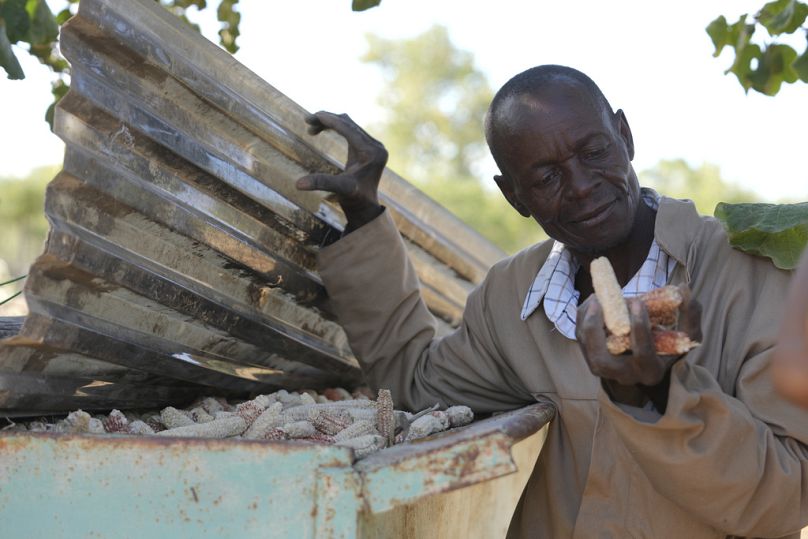
James Tshuma, a small scale farmer, holds some of the plant residue he uses to take care of his garden in Mangwe district in Zimbabwe, Friday, March 22, 2024 Tsvangiary Mukwazhi/AP


Small farming activities under threat

Increasingly dire living conditions for small farmers and rural populations in developing countries are catalysts for economic migration flows.

"It's clear, when people do not have the ability of really having a livelihood where they are, then they are forced to migrate," Lario said.

The link between migration, the ability to feed oneself, and the ability to also continue producing food is clear, he added.

According to UN criteria, small-scale farmers are those who exploit less than 2 hectares of land. They produce one-third of the world’s food and up to 70% of the food in Africa.

The economic existence and sustainability of small-scale farmers are quintessential to food supply and food security in developing countries.

Yet, according to international standards, they all live under the poverty threshold. They represent 80% of the world's poorest population.

According to the IFAD assessment, international aid to agriculture doesn't meet the needs of small-scale farmers: in fact, they receive less than 1% of climate finance, which amounts to slightly more than €4 billion per year, when they would need more than €70 billion.

Long-term investment in agriculture and small-scale farmers in developing countries is crucial for addressing global hunger.

"Africa imports approximately €70, 80 billion of food every year. Clearly, they could be self-sufficient and they could create a lot of those jobs in Africa," said Lario.

Each year, approximately 10 million young Africans enter the job market.

"There could be many jobs created in terms of not only production, but distribution, storage, marketing, exporting," Lario stated.

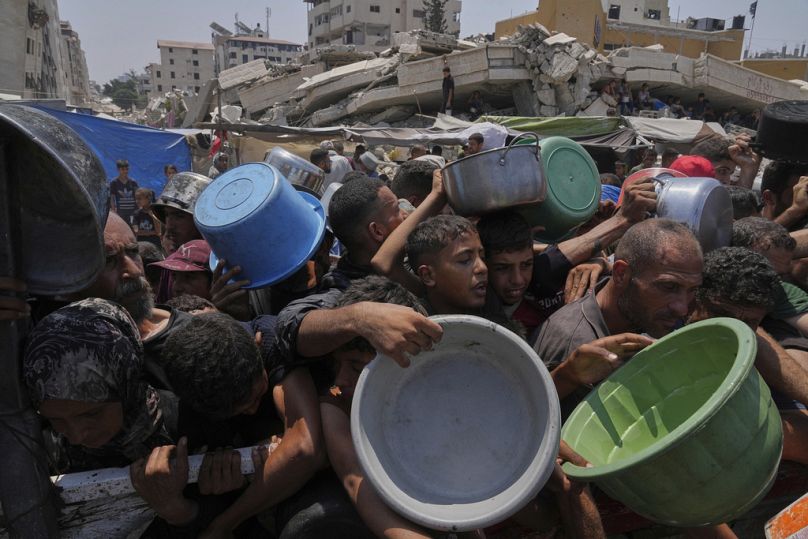
Food distribution in Gaza Abdel Kareem Hana/Copyright 2025 The AP. All rights reserved.


Rising conflicts disrupt the food chain


According to the Integrated Food Security Phase Classification (IPC), more than 35 million people are living in a state of emergency (IPC Phase 4), and almost 2 million have reached IPC Phase 5, which is categorised as "catastrophe".

Places where the population is facing extreme degrees of food insecurity are the Palestinians living in the Gaza Strip, along with South Sudan, Sudan, Yemen and Haiti.

The survey indicates that 100% of the population in the Gaza Strip faces high levels of acute food insecurity, affecting a total of 1,106,900 people, nearly twice the 576,000 recorded in 2023, the highest numbers ever estimated globally in IPC history.

"The situation is quite alarming, especially in Africa and especially in the Middle East. I would say those are the two areas where we're saying the numbers continue to increase," concluded Lario.
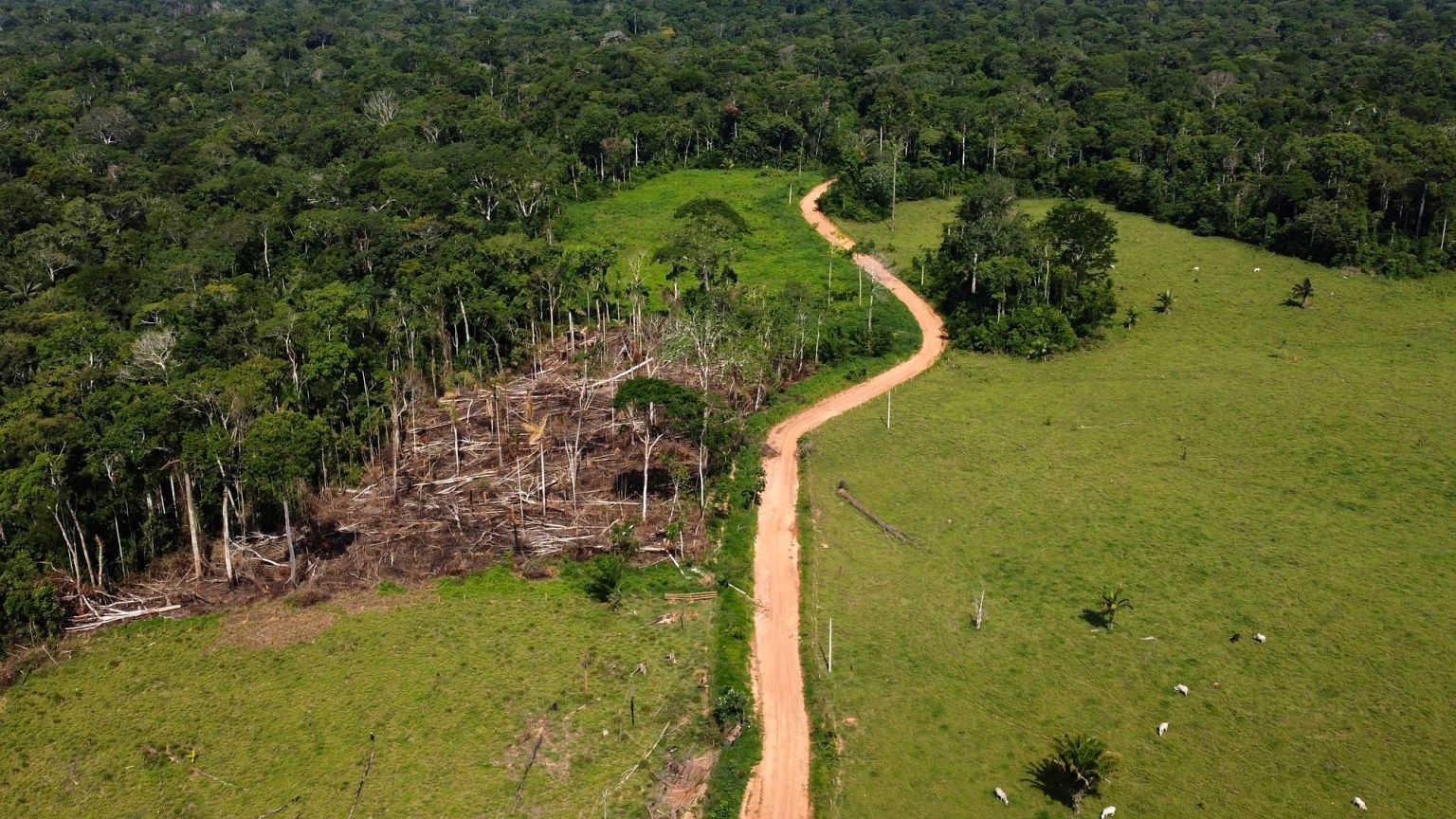
Proposed changes to EU deforestation law will boost illegal Russia timber trade, NGO warns


Copyright AP Photo/Eraldo Peres

By Eleonora Vasques
Published on 29/07/2025 - 

A majority of EU countries are pushing for changes to the EU deforestation law that could likely boost illegal timber imports from sanctioned Russia and Belarus, according to NGO Earthsight, which claims states pushing for the changes are benefiting from the illegal timber trade.

Proposed changes to the EU deforestation law supported by a majority of member states will boost the potential for illegal trade of Russian and Belarusian timber, according to an NGO which has conducted an investigation into the trade.

In May 18 EU member states sent a letter to the European Commission proposing to simplify the EU Deforestation Regulation, the bloc’s legislation that aims to reduce the EU's impact on global deforestation.
RelatedEighteen EU countries call for 'simplification' of EU Deforestation Law

The law entered into force in June 2023 and classifies countries according to their risk of deforestation in the production of seven commodities: cattle, cocoa, coffee, oil palm, rubber, soya, and wood.

The European Commission decided to postpone its implementation to 30 December 2025 for large and medium-sized companies, and to 30 June 2026 for micro and small companies, following pressure from member states.

The regulation boosts controls over illegal imports of timber by introducing more mandatory border checks and compulsory geolocation of timber.

"Geolocation is a very powerful tool because it can be used to debunk fake harvest and false origin claims,” Tara Ganesh, lead timber expert at the NGO Earthsight told Euronews in an interview.

The ‘No Risk’ category

“The way the current proposal is worded, it would strip away a key part of the law, the requirement for geolocation in certain countries. For so-called 'no-risk' countries, they would be exempt from geolocation requirements, and there would also be no obligation for authorities to carry out a minimum number of checks on those countries," Ganesh said.

The EU deforestation law categorises countries from low to high risk of deforestation.

Based on the risk category, different rules apply. For instance, for a high risk category, more layers of control are mandatory.

In the draft reform, member states want to introduce a new ‘no risk’ category with lighter rules, which Ganesh claims would be open to abuse by those seeking to circumvent sanctions by importing timber from Russia and Belarus.

“Several NGOs around the world have shown that wood, not just from Russia, but also from other high-risk tropical countries and deforestation hotspots, is regularly laundered through countries like China. Essentially, what we are calling for is for the European Commission to firmly reject the zero-risk proposal from the outset and to implement the law as it stands by the end of this year," Ganesh said.
EU countries gaining more from the illegal imports

Ganesh said that eight of the countries pushing for these amendments already account for 67% of the illegal timber market in the EU currently subjected to sanctions.

"Incidentally, many of the member states calling for [simplifying the legislation] are also among those receiving some of the highest volumes of conflict plywood we have been documenting. In particular, eight of the top ten EU importers of conflict plywood, according to the most recent data, are among the member states pushing for the reform," Ganesh told Euronews.

Russia is among the largest producers of wood worldwide, and its birch plywood is used for a range of purposes including much furniture.

Following Russia's invasion of Ukraine, the EU imposed sanctions on wood products on Russia and Belarus.

In January Earthsight published the results of an undercover investigation, which claimed that the EU systematically imported more than €1.5 billion of illegal Russian and Belarusian birch plywood since sanctions came into effect in July 2022.

In updated research published in July, the NGO claimed that further €273 million's worth of illegal plywood was imported between November 2024 and April 2025, and said the circumvention is still ongoing.

“We saw that as soon as the sanctions took effect, the flow of timber from Russia stopped or declined drastically, and at the same time, imports from third countries rose,” Ganesh said, earmarking China, Georgia, Kazakhstan and Turkey as among countries from which exports had increased significantly over that time.

They are able to get fake certificates, even from big labelling companies, the investigation claims.

“Our report was all about showing how companies in these third countries are simply sticking new labels and new packaging on Russian-manufactured goods, then sending them to the EU with documents originating from those third countries. For the EU importer, they are able to safely claim that the products are manufactured, for instance, in China,” she added.

Euronews contacted the European Commission for comment on the investigation and its reactions.

Countries seeking the simplification of the Deforestation Regulation are Austria, Bulgaria, Croatia, the Czech Republic, Estonia, Finland, Hungary, Ireland, Italy, Latvia, Lithuania, Luxembourg, Poland, Portugal, Romania, Slovakia, Slovenia and Sweden.