Monday, August 11, 2025


Chinese copper maker an unlikely winner from Trump’s tariffs
Stock image.

One of China’s biggest copper fabricators is set to reap a windfall from President Donald Trump’s efforts to boost US production of the metal.

Zhejiang Hailiang Co., a major manufacturer of copper tubes used in autos, airconditioning and plumbing, might seem an unlikely winner from “America First” protectionism. But its stock has jumped nearly 20% since the Trump administration imposed tariffs at the end of July on imports valued at more than $15 billion last year.

While Washington and Beijing joust over trade, investors have zeroed in on Hailiang’s footprint in the US. The company said in 2020 it’s aiming for 100,000 tons of annual capacity at its plant in Houston. The factory had 30,000 tons as of last year. In an emailed response to questions, Hailiang said last week the expansion is proceeding, without elaborating.

The firm’s shares have outperformed other Chinese copper producers, as well as the broader CSI 300 Index, which has fallen slightly over the period. Hailiang’s total annual capacity is around 1.5 million tons.
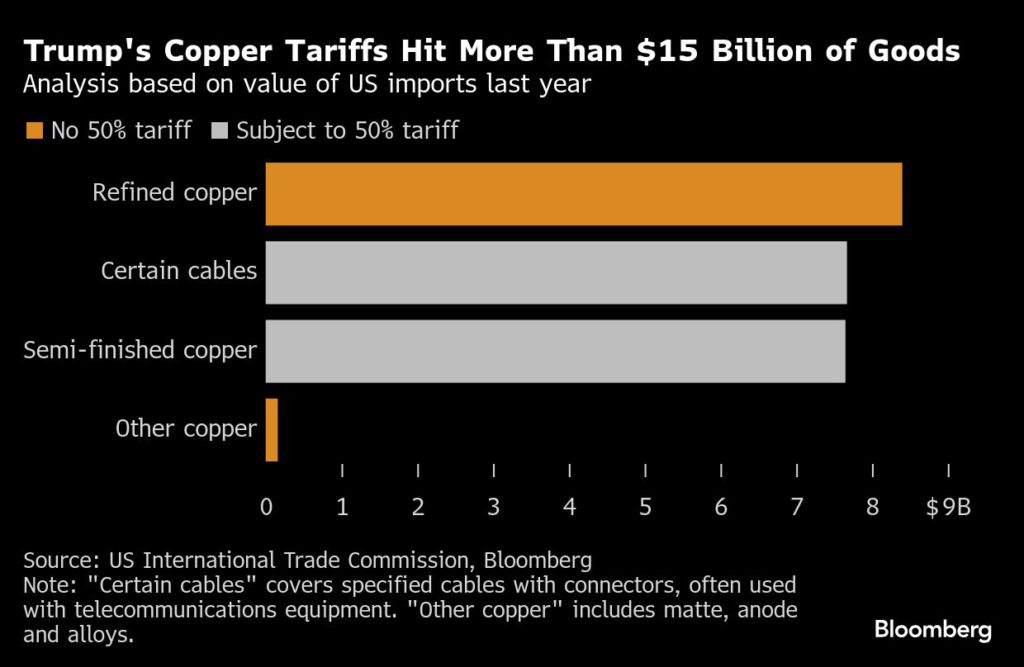
The 50% duty on semi-finished copper, which will disrupt sales to the US while putting a premium on metal fashioned locally, may only be the first step in a Trump-led realignment of the global copper industry. The White House also ordered officials to come up with a plan in 90 days to slap tariffs on an array of other copper-intensive goods.

The US imported at least 600,000 tons of semi-finished copper last year. That’s nearly a third of its total demand, according to Citic Securities Co. As those imports become more costly, Hailiang’s US factory is expected to deliver “exceptional profits,” the brokerage said in a note.

The plant in Houston is part of a network that also includes bases in Indonesia and Morocco. Although China is the world’s biggest market for copper, the company has expanded internationally to hedge against a slowing economy at home and the risks posed by trade hostilities with western countries.

The effort may now be about to pay off after an earlier stumble. The Houston plant suffered a net loss of 35 million yuan ($4.9 million) last year due to higher labor and material costs, and expenses related to its expansion, according to Hailiang’s earnings report. That was a weight on companywide net income, which dropped 37% to 703 million yuan.

The company could also benefit from its proposed acquisition of a domestic peer. It said in December it planned to buy an undisclosed stake in Golden Dragon Precise Copper Tube Group, which also has a copper tube plant in Pine Hill, Alabama.


Barricks seeks $3.5B financing for Pakistan copper mine
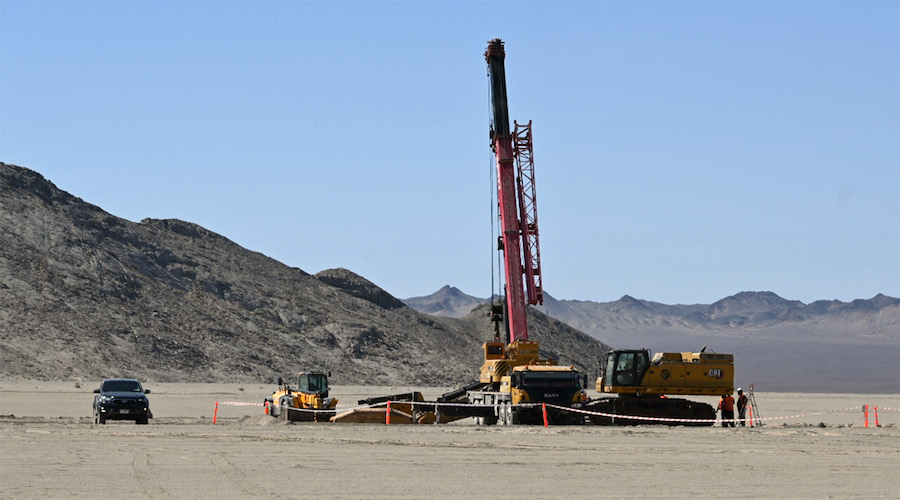
Drilling at Reko Diq. (Image courtesy of Barrick.)

Barrick Mining (NYSE: B)(TSX: ABX) aims to secure up to $3.5 billion in financing from the United States and other international lenders to build a massive copper-gold mine in Pakistan, after long-promised Saudi funding failed to materialize.

Chief executive Mark Bristow told the Financial Times on Monday that the company is working on a “G7-country financing package” for the Reko Diq project, in Balochistan province. Talks involve the World Bank’s International Finance Corporation (IFC), the US Export-Import Bank and Development Finance Corporation, the Asian Development Bank, and lenders in Germany, Canada and Japan.

“There is a lot of interest to support Pakistan,” Bristow told FT, adding the $9-billion project had “focused a spotlight” on the region.

Bristow said any US government backing would give the country access to copper concentrate from the mine, though the material would still need to be processed into metal. “The challenge for the US is smelting to capacity; it’s all spoken for,” he said, noting the country needs more domestic smelters to reduce its reliance on Chinese metal imports.

Reko Diq is considered one of the largest undeveloped copper-gold deposits in the world, projected to generate more than $70 billion in free cash flow over the next 37 years and $90 billion in operating cash flow over its lifetime. The project is jointly owned by Barrick and the governments of Pakistan and Balochistan.

Phase one, targeted to begin production in 2028, is under active financing negotiations. Project director Tim Cribb said earlier this year that the mine is seeking $650 million from the IFC and International Development Association, $500 million to $1 billion from the US Export-Import Bank, and $500 million from other development finance institutions, including the Asian Development Bank, Export Development Canada and the Japan Bank for International Cooperation.

Mine collapse weighs on Codelco debt even as output resumes
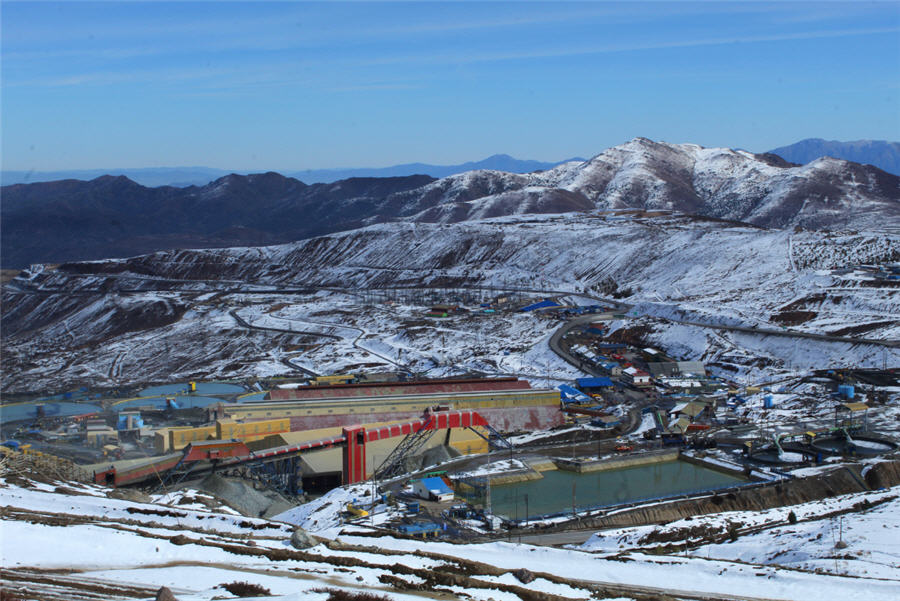
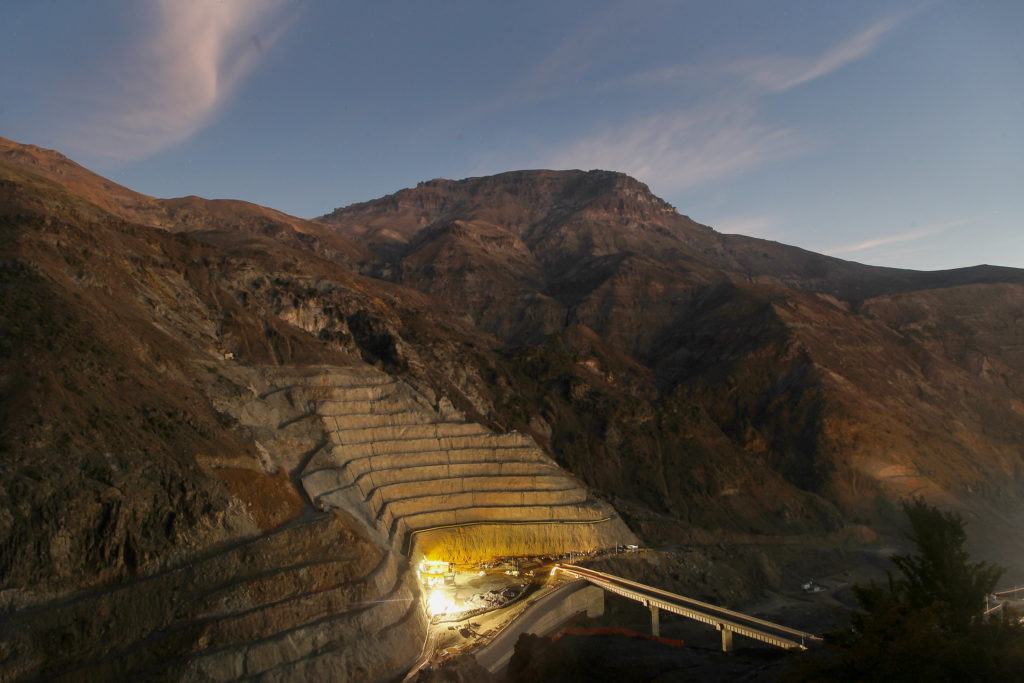
El Teniente, Chile – Image courtesy of Coldeco

Codelco’s El Teniente copper mine partially resumed production over the weekend, but the fatal accident that closed it for a week is likely to weigh on the Chilean company’s bonds for far longer.

The July 31 tunnel collapse that killed six workers hit a new section of the mine, snarling plans to revive production at the 120-year-old operation. And while older parts of El Teniente are now operating again, the newer sections may be out of action for an extended period.

The reopening of the mine came sooner than many had expected, following a week that saw estimates of the damage caused by the landslide increase. The Public Prosecutor’s Office estimated on Thursday that 3.7 kilometers (2.3 miles) of tunnel was affected by the collapse, compared with an initial assessment of about 700 meters from the company. Investigators still need to use drones to reach the worst affected areas.

“There are many unknowns regarding the extent of the damage and the efforts that it could take not only to alleviate the safety issues, but also to make it fully operational again,” said William Snead, a strategist at Banco Bilbao Vizcaya Argentaria. “Maybe some of them are not being fully priced yet.”

Investors had initially seen the accident as a human tragedy, with limited impact on finances long term. As a result, the market reaction was muted.
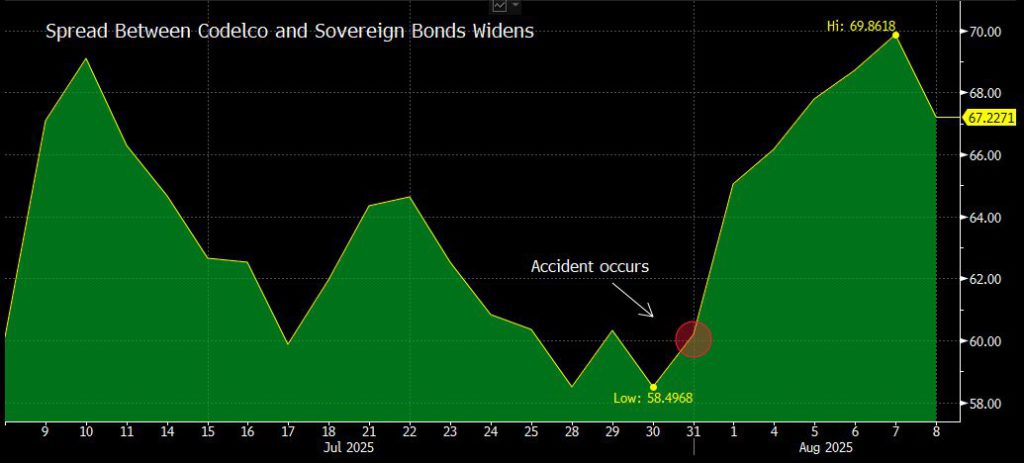
The extra yield investors demand to hold Codelco bonds over their Chilean sovereign counterparts widened about 10 basis points last week, but that only pushed it back to the levels seen a month earlier when President Donald Trump was threatening to put a tariff on raw copper imports. That threat was subsequently withdrawn.

Changing perceptions

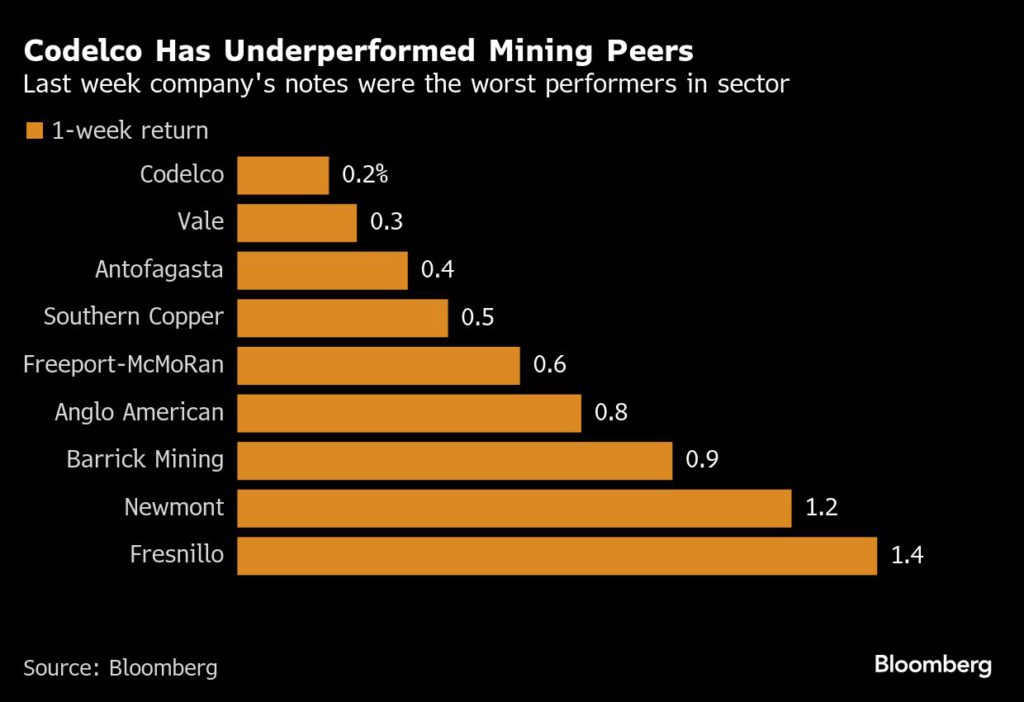
Market perceptions began to shift on Tuesday, when S&P Global Ratings warned that the accident could push up the company’s already heavy debt burden and crimp its access to new borrowing. The report stoked pressure on Codelco’s bonds, which — while they didn’t fall — were the worst performing among major mining peers last week.
Codelco had originally said the collapse damaged a new area of the mine called Andesita, which is 900 meters underground and had only just started operating, limiting its impact on production. The prosecutor now says there was also damage to another level — Recursos Norte — that had been operating for five years.

“The restart of operations at El Teniente doesn’t deal with the structural problems exposed by this tragic episode,” said Juan Ignacio Guzman, who heads GEM, a mineral consulting firm in Chile.

El Teniente accounts for a quarter of Codelco’s production and a sizable chunk of its profit.

Revival plans

The accident comes as Codelco tries to recover from a years-long output slump driven by deteriorating ore quality at its aging mines. The company’s four big expansion projects have been bedeviled by problems, with all coming in above budget and behind schedule.

“This disruption comes at a time when Codelco was aiming to recover production levels, and some of its targets are likely to be delayed or revised downward,” Snead said. “Given ongoing safety concerns, it is unlikely that the mine will return to full operations in the near term.”

Yet reviving output at El Teniente is crucial if Codelco is to get back to pre-pandemic production levels of about 1.7 million tons a year from a current rate of about 1.4 million.

Codelco delayed reporting its quarterly results, including annual production guidance, on Aug. 1 as it deals with the accident. It also opened an investigation, including convening an international panel of experts. Chairman Maximo Pacheco has vowed to take “maximum measures” if any responsibility lies with the company’s supervisors or executives.

‘New approach’

Early indications are that the seismic event that caused the collapse was probably due to mining activity rather than a naturally occurring earth tremor, according to a person with direct knowledge of the matter. That could bring mining methods at El Teniente into question.

“Mining these deeper sections will require a new approach that will delay plans even further,” Guzman said.

Codelco is already among the world’s most indebted major mining companies with debt of about six times earnings before interest, taxes, depreciation, and amortisation.

“If the impact is higher than originally perceived that could drive some negative sentiment towards the credit,” Snead said.

Still, with Codelco’s borrowing backed by the Chilean state — one of the least indebted in Latin America — the company would only pay a moderate premium if it had to go back to the market now, said Josefina Valdivia, fixed income manager at Credicorp Capital.

Yet, S&P noted the reputational damage this accident could cause. Apart from the cost associated with the collapse, the company has debt payments of about $553 million and $1 billion this year and next, respectively, according to data compiled by Bloomberg.

“It is important for management to provide updates, transparency is key,” Snead said.

(By Carolina Gonzalez and James Attwood)

Codelco begins gradual restart at Chile copper mine hit by collapse


El Teniente mine. Credit: Codelco | Flickr, under licence CC BY-NC-ND 2.0.

Codelco restarted underground and processing activities at its biggest copper mine, El Teniente, a little more than a week after suffering Chile’s deadliest mining accident in decades.

The state-owned company restarted operations over the weekend at eight underground areas deemed safe by mining and labor authorities, as well as at its smelter, Codelco said. Four other sections of the mine — near where the July 31 collapse occurred — will remain off limits as an investigation continues.

“The eight that are opening represent approximately 82% of production, and the recovery is gradual,” Mining Minister Aurora Williams said Monday in an interview with Radio ADN.

A return to work is a major boost for Codelco as the company grapples with the fallout from an incident that left six people dead and presents a sizable setback to the company’s efforts to recover from a years-long slump in production. The areas still closed include new parts of the deposit that are crucial for production in the years ahead.

On Thursday, the Public Prosecutor’s Office said inspections had shown damage to 3,700 meters (12,000 feet) of tunnel, which is about five times more than initial calculations given by Codelco.

On Monday, Codelco announced the departure of El Teniente boss Andrés Music, who will be replaced on an interim basis by operations manager Claudio Sougarret.

“This decision is not a response to the assignment of any responsibility, but rather stems exclusively from the need to focus the division’s attention on the challenges posed by the implementation of the Safe and Gradual Return Plan,” Codelco said.

(By James Attwood)


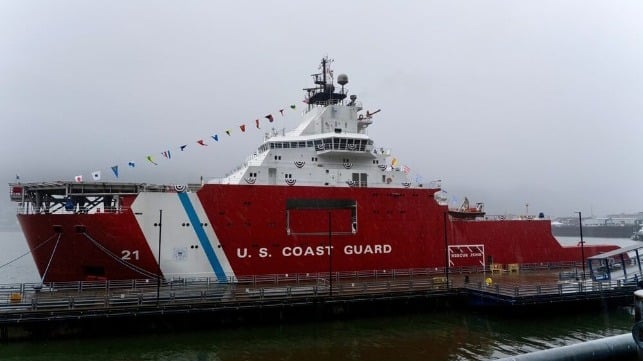
U.S. Coast Guard Re-Commissions Icebreaker Aiviq as USCGC Storis

Storis
USCGC Storis decked out for commissioning (USCG)

Published Aug 11, 2025 6:23 PM by The Maritime Executive


The U.S. Coast Guard has formally recommissioned the icebreaking offshore tug Aiviq as the USCGC Storis, adding an "interim icebreaker" to supplement USCGC Polar Star and USCGC Healy. It is the first oceangoing icebreaker that the Coast Guard has acquired in more than 25 years. 

Aiviq was built by Edison Chouest in 2012 as an icebreaking anchor-handler for Shell's Arctic offshore drilling program. After the vessel lost its propulsion and its tow in the Gulf of Alaska in late 2012, Shell's program ended, and Aiviq was idle for an extended period. The Coast Guard initially resisted pressure to buy the ship from Edison Chouest, but after Aiviq made several commercial voyages to Antarctica - and after the USCG's own icebreaker construction program fell behind schedule - the service changed its mind. 

The USCG budgeted for Aiviq's purchase in FY2024, and the icebreaker was formally acquired on Dec. 11, 2024. It will support Coast Guard missions until the delayed delivery of the Polar Security Cutter (PSC), the USCG's future heavy icebreaker.

Unlike other Coast Guard cutters, USCGC Storis is manned by a hybrid crew of civilian mariners (experts from Chouest) and active-duty Coast Guard servicemembers. The arrangement helped the service get Aiviq into service immediately, without an extended period for working out new procedures and training up a new Coast Guard crew. 

“USCGC Storis is a major win for the American people,” said Adm. Kevin Lunday, Acting Commandant of the Coast Guard. “The commissioning of USCGC Storis immediately strengthens our ability to control, secure, and defend the U.S. border around Alaska and maritime approaches in the Arctic. Storis is the first step of a historic investment in the Coast Guard to add critical capacity to our polar icebreaker fleet.” 

The One Big Beautiful Bill Act contains funding for a new berth for Storis in Juneau. Until the work is completed, Storis will be homeported in Seattle, where there is shipyard infrastructure and a industrial base to support marine operations. 

Storis' commissioning in Juneau comes fully one year ahead of the planned schedule for her conversion into a cutter, and may be timely. China's government-affiliated research institutions have deployed no fewer than five icebreakers off Alaska this season, an unprecedented Chinese presence on America's Arctic doorstep. Storis' itinerary will take her next to Kodiak, then to the Bering Strait, according to the Alaska Beacon. 


Iranian Arms Shipment Routes to Houthis Revealed by Large Seizure

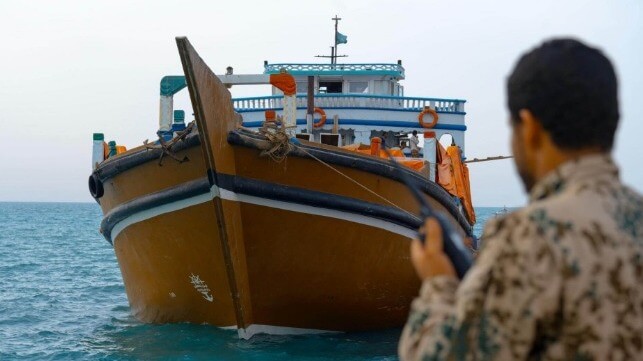
seized dhow carrying Iranian arms
Capture of the dhow in July 2025 by Yemeni forces has provided a wealth of information (CENTCOM)

Published Aug 11, 2025 4:30 PM by The Maritime Executive


The methods being used by the Iranians to smuggle arms to the Houthis were revealed in a report issued by Yemen’s National Resistance Forces (NRF). The troops loyal to the internationally recognized government describe the smuggling routes that Iran has traditionally used to ship military material to the Houthis. 

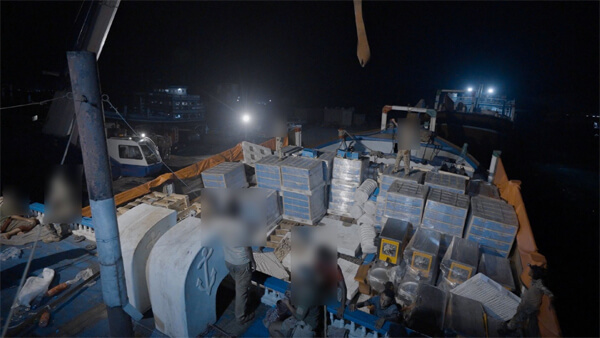
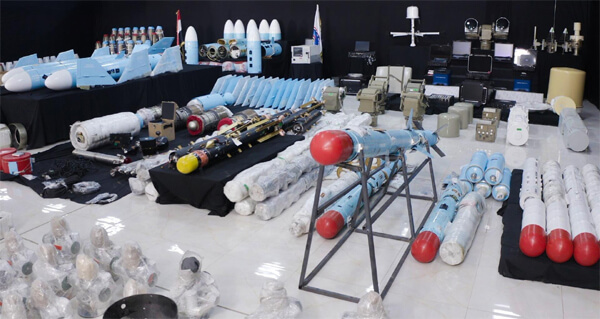
The report is based on statements made by the crew of the dhow Al Sharwa, which was intercepted at sea by the NRF in July. The seizure included a mixed 750-ton cargo of arms, ammunition, missiles, and components.

It is generally assumed that the crews of stateless dhows intercepted with arms on board are crewed by similarly stateless crews, often ethnic Baluchis with no political character. However, in this instance, four of the crew appear to have been Houthi affiliates, who had travelled to Iran with many others to be trained by the Islamic Revolutionary Guard Corps (IRGC), in military camps known to be run by the IRGC Qods Force and dedicated to the training of foreign proxies.

The four crew members trained by the IRGC Qods Force described three main routes used by the IRGC to smuggle weapons and material to the Houthis.


The seized dhow was packed full of arms from Iran (CENTCOM)


The first “front door” route involved using overt use of commercial shipping from Bandar Abbas, unloading at the port of Salif. This route has been disrupted of late by Israeli and U.S. air strikes. This route was usually employed when transporting dangerous cargo such as binary or unstable rocket fuels that need to be handled delicately or kept refrigerated.

The second route entailed the use of a mother ship anchored off Somalia, from which cargos were craned onto local Yemeni fishing boats hired to take the cargos into smaller fishing ports on the coast controlled by the Houthis in Yemen. This testimony is believed to be a reference to the IRGC ships, which used to be stationed off Eritrea’s Dahlak Bank in the lower Red Sea, albeit both were registered as being owned by the state-owned but sanctioned Islamic Republic of Iran Shipping Line Group (IRISL). The MV Saviz (IMO: 9167253) was damaged by an unattributed limpet mine attack on April 6, 2021. She was replaced by an identical sister ship, the MV Behshad (IMO: 9167289), in July 2021, which remained on station until she moved - presumably fearing another limpet mine attack - to take up a new station in the Gulf of Aden off Djibouti in January 2024.

The third route involved the IRGC using front companies to ship material using normal commercial channels to Djibouti. From Djibouti, the material was forwarded using smaller local dhows to Hodeidah and Salif, again using false consignment papers and the connivance of corrupt officials in Djibouti.


Some of the material seized in the July 2025 capture of the dhow (CENTCOM)


The four crew members appear to have provided the NRF - and then presumably the UAE and other allies - with a comprehensive breakdown of the smuggling network. This likely includes the names and formal positions of the IRGC Qods Force and Houthi officers in charge at each end of the network, plus the corrupt dockside officials involved and the logistic locations used. 

All three of these traditional routes have now been heavily disrupted.  But an attribute of IRGC Qods Force operations has been adaptability.  It can be assumed, therefore, that new smuggling routes are being devised - but given disruption to IRGC Qods Force operations of late, this may prove time-consuming and difficult.


Yangzijiang Shipbuilding Posts Record Profit

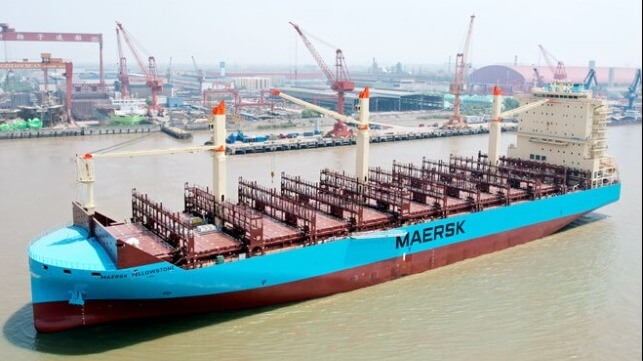
Maersk Yellowstone
File image courtesy Yangzijiang Shipbuilding

Published Aug 11, 2025 9:40 PM by The Maritime Executive


China's shipbuilding industry has grown by leaps and bounds over the last year, and so have its profits. Last week, privately-held Yangzijiang Shipbuilding reported a record-setting profit of $580 million in the first half, up by 37 percent year-on-year. 

Yangzijiang is China's largest private shipbuilder, and a bellwether for its commercial shipbuilding industry. The yard's revenue was slightly down in the first half, due to a lower share of container ships in its mix of projects during the period. This was offset in part by a higher share of dual-fuel orders in its boxship portfolio, since the technology is more expensive and yields better margins for the shipbuilder. Dual-fuel vessel orders account for about three-quarters of the yard's orderbook. 

In addition to performance at its own yards, profits were driven in part by operations at two Japanese joint ventures, Zhoushan Tsuneishi Shipbuilding and Yangzi Mitsui Shipbuilding, which contributed a combined $67 million in profits.

New orders are coming in a bit more slowly than expected this year, Yangzijiang reported. The shipbuilder received just 14 new orders worth a combined $540 million in the first half, less than a tenth of its full-year order target for 2025. However, the full-year outlook is still good, as it is holding more than $2 billion worth of letters of intent for more orders, according to ratings agency CGS International. 

This is not an immediate issue - Yangzijiang has a backlog of 236 ships worth a combined $23 billion on order, near a record high, giving it a long runway in almost any market - but the slowdown is a change compared to last year's ordering boom. The Trump administration's planned port fees on Chinese-built ships (as proposed by the U.S. Office of the Trade Representative) is giving shipowners a reason to look at alternative shipbuilders outside of China; at the same time, tariff concerns have prompted some owners to rethink their ordering plans or wait for more clarity. 

Yangzijiang broke ground on a wholly new shipyard, Yangzi Hongyuan, in February 2025. However, it has shelved a plan for a greenfield expansion yard, Jiangsu Yangzi Runze Shipbuilding, which was to be located next to the existing Yangzi Mitsui Shipbuilding JV facility, according to CGS International's latest advisory. The pause is among the few signs of any letup in the relentless growth of Chinese shipbuilding. Since 2023, the strong demand for Chinese-built ships has driven a wave of restarts at yards that were shuttered during the shipbuilding downturn of the 2010s, reviving old names under new ownership. 


China Coast Guard Sends Unusual Patrol to Strait of Luzon

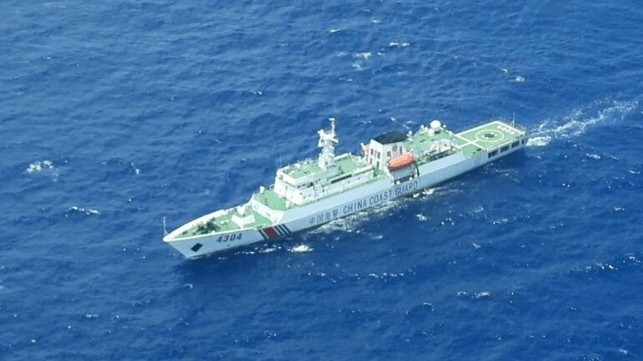
CCG 4304 in the Strait of Luzon (PCG)

Published Aug 11, 2025 7:02 PM by The Maritime Executive


The China Coast Guard has dispatched three large cutters to the strategic Strait of Luzon, a rare patrol that has caught the attention of Philippine defense planners. 

On August 7, the Canadian-run Dark Vessel Detection system alerted Philippine forces that three China Coast Guard cutters - CCG 3304, 3301 and 4304 - were operating in the Taiwan Strait near Batanes. These movements were unusual for the CCG, so the Philippine Coast Guard dispatched an aircraft to monitor the vessels. 

An Islander aircrew departed an airfield in Manila at 0600 and flew north, towards Batanes. The aircraft found CCG 4304 at a position about 75 nautical miles to the west of Sabtang, a remote island in the middle of the Strait of Luzon. 

The aircrew challenged CCG 4304 over radio, but the Chinese cutter did not respond. The other two CCG vessels were too far off for the Islander aircrew to reach. 

The Strait of Luzon is the gateway to the Taiwan Strait and the South China Sea, and would be contested in the event of a conflict between China and Taiwan. The Batanes Islands are squarely in the middle of the strait, and the U.S. Marine Corps has tested out the deployment of truck-mounted anti-ship missile launchers to this strategic location. From Batanes, Marine Corps NMESIS launcher systems would have the full width of the Strait of Luzon in range using Kongsberg's Naval Strike Missile (NSM). 


The Tariff Roller-Coaster Ride

Tariff uncertainty has port directors holding their breath. Meanwhile, business is good.

PCTC
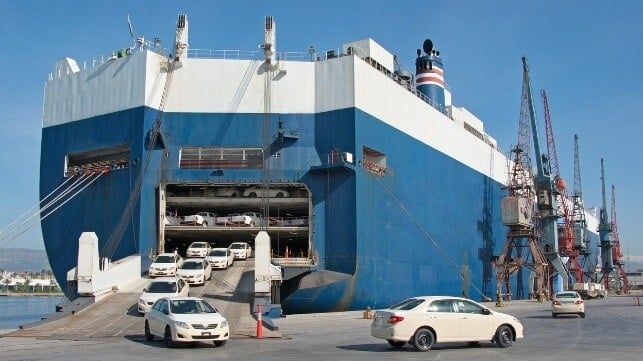
Canaran / iStock

Published Aug 10, 2025 4:03 PM by Tom Peters


(Article originally published in May/June 2025 edition.)

The roller-coaster ride of U.S. tariffs has become very taxing in more ways than one as manufacturers, consumers, shippers and port directors alike wonder what's next.

Manufacturers are scratching their heads on exactly how production schedules should proceed, not knowing if consumers will pick up the extra tariff costs added to a new Barbie doll or an electric appliance.

Automobile parts and cars made outside of the U.S. have been hit hard by the extra costs. Parts and automobile imports into the U.S. are faced with a 25 percent tariff, although there are exceptions to parts and vehicles that meet the requirements of the U.S.-Mexico-Canada Agreement.

MONITORING IMPACTS

U.S. ports are feeling the trickle-down effects of tariffs. The port of Baltimore, which handled 749,799 light trucks and cars in 2024, finishing second in the nation with those numbers, is keeping a sharp eye on developments.

"We continue to closely monitor tariff actions and are seeing impacts," says port spokesman Richard Scher. "Some of our auto manufacturing customers are shipping into U.S. ports such as Baltimore but holding their vehicles at the port of entry. Some are adding import fees, and others are absorbing the tariffs." He notes that 85 percent of the vehicles handled at Baltimore are imported.

"Ultimately," he adds, "the impact of tariffs on the port of Baltimore and all ports will depend on the length of time the tariffs are implemented and the decisions of shippers to send their products to the U.S." In the first quarter of 2025, Baltimore's monthly cargo tonnages increased from 259,085 tons in January to 746,958 tons in March. Ro-ro volumes rose from 22,828 tons in January to 85,244 in March.

Meanwhile, in terms of high-and-heavy ro-ro cargo (farm and construction machinery), Baltimore is reconstructing its ro-ro berths to better accommodate larger and heavier pieces of equipment. Last year it handled 848,628 tons and once again finished first among all U.S. ports.

Stacy Lange, Chief Commercial & Public Affairs Officer at Port Hueneme in California, says, "It's premature for the port to speculate on the full impact of these actions or predict how affected parties and the market will respond. The port is closely monitoring the implementation of these tariffs and other shipping rules to assess their effects and remains dedicated to keeping all parties informed as new information becomes available."

Joseph Morris, CEO & Port Director at Port Everglades in Florida, adds, "At this point, Port Everglades' overall trade is insulated but not immune from the current tariffs. Our North-South trade with Latin America and the Caribbean is on the lower end of the impacted nations and goods. Most of our customers' automobile business is focused on exporting used vehicles to the Caribbean, and we're optimistic about that trade not being affected."

WAIT AND SEE

At Galveston Wharves, Port Director & CEO Rodger Rees has taken a wait-and-see approach: "Like all businesses that deal in international trade, the port is waiting to see what, if any, impact tariffs will have on our cargo volumes."

Galveston imports new cars, heavy equipment and general breakbulk, largely from the E.U., England and Mexico. In 2024, ro-ro volumes contributed 445,000 tons to the port's total of 3.4 million tons. Between six and 10 ships from four liner services call on the port monthly.

"As the port marks its 200th anniversary, we're celebrating 30 years with Wallenius Wilhelmsen and 17 years with American Roll-On Roll-Off Carrier," Rees proudly notes. "Ports America Texas has been our ro-ro stevedore for well over a decade. K-Line and NYK also call on the port."

To meet growing demand, the port is investing $77.5 million to expand and improve its West Port cargo complex. Construction work to add berth and laydown areas should be completed in April 2026.

"Roll-on/roll-off is one of our most consistent commodities for several reasons," Rees explains. "We've built strong, long-term relationships with our cargo carriers and stevedores, and we have a great location on the Gulf Coast that's served by rail lines and is just 10 minutes from a major interstate highway."

WEST COAST POWERHOUSE

In fiscal year 2024, the port of San Diego imported approximately 2.4 million metric tons of cargo including approximately 362,000 vehicles. One in eight cars nationwide is processed at the port's National City Marine Terminal (NCMT).

In addition to autos, ro-ro cargo includes military equipment and oversize cargo such as construction equipment as San Diego is one of 18 designated Military Strategic Ports in the U.S.

"Ro-ro is a key market and an anchor portfolio for the port of San Diego's maritime vision," says Joel Valenzuela, the port's Vice President, Operations & Maritime.

"The Tenth Avenue Marine Terminal (TAMT) and NCMT continue to serve as the major strategic cargo hubs for the port," Valenzuela adds, "helping facilitate the movement of goods to and from the western United States. Supporting the transport and movement of goods, which include those transported by ro-ro at TAMT and NCMT, remains a key component of the mobility element in the port's master plan update."

He says the port is completing structural repairs to the south-facing berths at NCMT, including adding shore power capabilities. The port anticipates completing additional infrastructure updates and loop-track extension as part of the National City Balanced Plan.

According to the port's most recent economic impact report, in fiscal year 2023 its maritime trade and cargo-handling sectors generated approximately $4.4 billion in economic activity including ro-ro, bulk, breakbulk and containerized cargoes.

FLORIDA POWERHOUSE

Ro-ro cargo at Port Everglades kicked off the year in fine style, up 27 percent year-over-year (October 2024 to March 2025) with continued growth through 2025, according to CEO Joseph Morris. Currently, Accordia Shipping and Höegh Autoliners are the ro-ro services calling Port Everglades.

"Ro-ro cargo is a business where, in many cases, the impact on people outweighs the measured economic activity," says Morris. "However, we're seeing an uptick in volumes that indicates ro-ro's economic impact could be greater in the near future."

But just exactly what that growth might be is difficult to predict.

"We're optimistic our cargo customers will continue to see their businesses grow in ways that are beneficial to our port, the environment and the community," Morris adds.

AUTOMOTIVE GATEWAY

The port of Hueneme ("hoo-NAY-mee") has established itself as an important automotive gateway to the U.S. West Coast, and its ro-ro business will continue to be a core focus of future port development and modernization. The port also remains committed to its environmental suitability.

As part of its sustainability commitment, the port and NYK Line in February signed a Memorandum of Understanding (MOU) to establish a Green Automotive Shipping Corridor between Japan and Southern California. The MOU solidifies the commitment of both parties to explore innovative and sustainable shipping practices with an emphasis on reducing greenhouse gas (GHG) emissions, advancing energy efficiency and promoting the use of alternative fuels and zero-emission technologies.

In addition to strong partnerships, the port's modernization plan includes funding to complete an important North Terminal shoreside power project designed to create vital infrastructure and reduce vessel emissions.

With vehicles representing 46 percent of total yearly revenue, the port's economic impact provides significant contributions to the local and regional communities. The port has experienced consistent growth in vehicle imports, which have gone from 230,000 in 2008 to 415,000 in 2024.

"As a premier automotive gateway on the West Coast, the port of Hueneme remains committed to the continued growth of ro-ro cargo through strategic modernization and sustainability initiatives," says Chief Commercial & Public Affairs Officer Stacy Lange. "While it's too early to determine the full impact of emerging trade tariffs, our investments in shore power infrastructure and our groundbreaking Green Automotive Shipping Corridor with NYK Line position us to navigate future challenges and drive economic and environmental benefits for our region."

The opinions expressed herein are the author's and not necessarily those of The Maritime Executive.


Op-Ed: Collision off Denmark Shows Need for Enhanced Situational Awareness

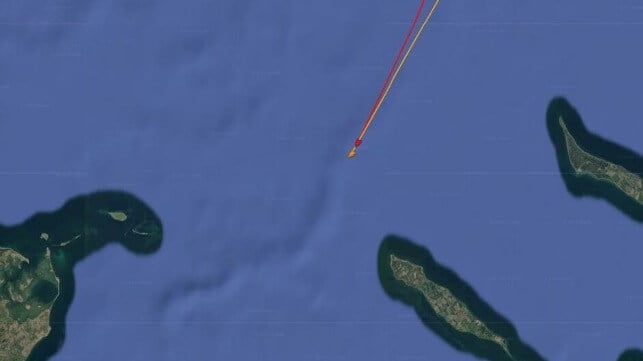
Maersk Gironde (red) and SFL Composer (orange) collide off Funen, August 5 (Pole Star / Google)

Published Aug 11, 2025 2:01 PM by Yarden Gross


The collision at close to midnight on August 5 between the feeder container ship Maersk Gironde and car carrier SFL Composer near Funen off Denmark's east coast is now under investigation by the Danish Maritime Authority. Until the facts are established, it would be wrong to speculate on the cause. But one aspect of the incident is already beyond dispute: this was a nighttime event in one of the busiest shipping lanes in Northern Europe. Reduced visibility and high traffic density are precisely the conditions where enhanced situational awareness can make the difference between safe passage and a serious accident.

Navigating high-traffic channels – especially at night – is a major challenge for bridge teams. There are Radar targets to track, AIS data to interpret and VHF communications to manage, all while maintaining a constant visual lookout. Crews may be operating at the edge of their cognitive limits. It can be very intense and the risk of human error is always present. The consequences of such errors are significant: collisions are not just expensive in terms of repair bills, off-hire delays and higher insurance exposure, they can also damage a company’s reputation and erode trust with cargo owners.

The good news is that the technology to mitigate such risks is available and proven. AI-powered computer vision using powerful day and thermal cameras, when fused with AIS and Radar data, can continuously scan the surrounding environment, detect and classify targets, and provide clear alerts when risk of collision increases. 

This heightened situational awareness is not about replacing people but reducing crew workload and the risk that fatigue, distraction or information overload can compromise safe navigation. In a scenario like the Maersk Gironde and SFL Composer collision, I venture that such technology could have warned the OOWs in time to take avoiding action – adding an extra layer of protection alongside traditional watchkeeping practices.

We don't need to wait for the official findings on the incident to appreciate the fact that too many vessels are still sailing without a digital watchkeeping system that could prevent such incidents. Every voyage through a congested waterway at night, without enhanced situational awareness, is a calculated gamble with ships, cargo and reputation. As an industry we should not tolerate this avoidable risk.

Yarden Gross is CEO and co-founder of Orca-AI. He is an experienced entrepreneur and the co-founder and former CEO of an automotive tech company backed by Engie - VC. He holds a BA in Economics & Business from the IDC.

The opinions expressed herein are the author's and not necessarily those of The Maritime Executive.


Seaspan Starts Offering Renewable LNG Bunkering on the West Coast

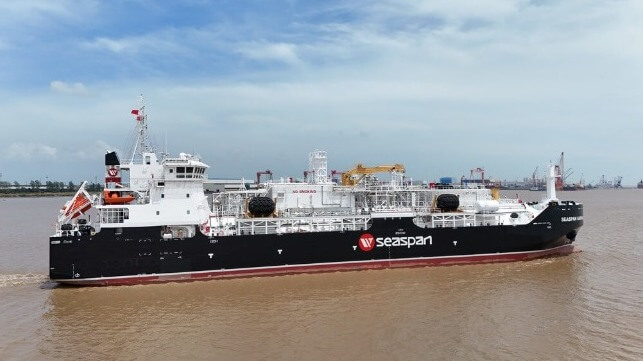
LNG bunker vessel Seaspan Garibaldi, one of three sister ships built by CIMC, flagged in Panama, and operating out of U.S. and Canadian ports (Seaspan)
LNG bunker vessel Seaspan Garibaldi, one of three sister ships built by CIMC, flagged in Panama, and operating at U.S. and Canadian ports (Seaspan)

Published Aug 11, 2025 4:28 PM by The Maritime Executive


Seaspan Energy, the bunkering division of the Canadian conglomerate that owns Seaspan Shipyards and Seaspan Marine, has reached an agreement to begin providing renewable LNG (RLNG) to shipping. The fuel will be sourced from Anew Climate with a warranty of its reduced emissions profile from the International Sustainability and Carbon Certification (ISCC) System. 

According to Seaspan, this is the first time that a bunkering provider has offered RLNG to shipping customers on the West Coast of North America. Seaspan operates three LNG bunker tankers at seaports in the United States and Canada, and all are flagged in Panama and built in China (Seaspan is a Canadian shipbuilder, but keeps its yard space for Canadian government contracts). It will soon expand its bunkering services to include RNLG for all customers on the West Coast - among the first offerings of ISCC-certified low carbon marine fuel at scale, the company says. 

The reduced-carbon option comes at an opportune time for shipowners, who face increasing regulatory demands to decarbonize their operations. RLNG is one step in the direction of compliance with IMO targets, without the foreseeable cost and difficulty of finding and using future fuels, like green ammonia.

"By combining Anew’s expertise in RNG with Seaspan’s marine logistic capabilities, we’re offering a market-leading approach to help shipowners meet evolving emissions requirements and reduce their environmental impact without compromising performance," said Andy Brosnan, President, Anew Climate Low Carbon Fuels. 


Study: Chagos Marine Protected Area Shows Value of Extra-Large MPAs

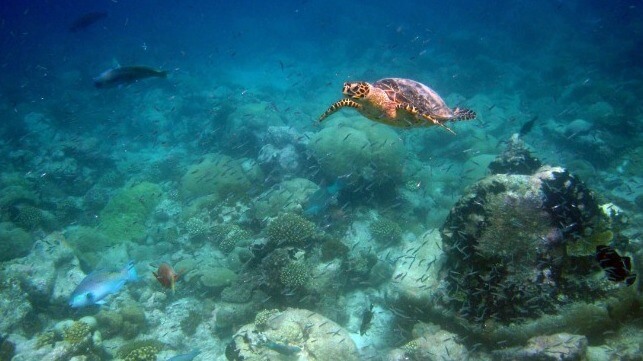
Hawksbill turtle at a reef in the Chagos MPA (UK Foreign and Commonwealth Office)

Published Aug 11, 2025 9:16 PM by The Maritime Executive


The ongoing global effort to protect at least 30 percent of the world’s oceans by 2030 have sparked renewed interest by governments to establish marine protected areas. While achieving this ambition is important for biodiversity conservation, some researchers have questioned the effectiveness of MPAs. A 2023 study that examined 184 MPAs around the world found that 27% of them could be classified as ‘paper parks’ – areas which are legally designated, but ineffective in achieving marine conservation goals.

However, a new study published last week revealed immense benefits of very large MPAs – VLMPAs, larger than 100,000 square kilometers - in the conservation of large migratory ocean animals. The study was led by a team of researchers from Exeter and Heriot-Watt universities in UK as well as the charity Zoological Society of London (ZSL). The study assessed the impact of the Chagos Archipelago MPA in the Indian Ocean. The Chagos MPA was designated back in 2010 under British administration, and it remains one of the world’s largest MPAs at 640,000 square kilometers. The MPA also hosts world’s largest contiguous undamaged reef area as well as a network of seamounts and open ocean areas. This intersection of marine habitats makes the area a biodiversity hotspot.

The researchers tracked hawkbill turtles, reef manta rays and three seabird species: red-footed boobies, brown boobies and wedge-tailed shearwaters. All these animals move far and wide within the Chagos MPA to forage, breed and migrate. The results show that 95% of tracking locations were recorded inside the MPA, proving that it is large enough to protect these wandering animals.

In addition, the researchers assessed the impact of a hypothetical smaller MPA (less than 100,000 km2). The team found that more than 90 percent of manta and turtle locations would still be in protected waters. However, just 59 percent of all seabird locations would be inside the smaller MPA, as the birds travel over a larger area.

“Our results provide clear evidence for the value of the Chagos Archipelago VLMPA for protecting a diverse range of large and mobile marine species,” said Dr. Alice Trevail from the University of Exeter. This could not come at a better time, with the anticipated change in sovereignty of Chagos Archipelago to become part of Mauritius. In this context, the study’s findings show the value of keeping the entire MPA intact after the transition.

The co-author of the study, Dr. Ruth Dunn from Heriot-Watt University, added that the study also provided ground-breaking insights on the benefits of VLMPAS, which should be seen as a priority for future long-term protection to ensure survival of marine biodiversity.


[1]

[2]

Jellyfish swarm forces France's largest nuclear plant to shut down


France's Gravelines nuclear power plant, the largest in Western Europe, was fully shut down on Monday after a "massive and unpredictable" swarm of jellyfish clogged its cooling system pumps, forcing four reactors offline, energy group EDF said.


Issued on: 11/08/2025 -

FRANCE 24


Jellyfish at the Kuwait City Scientific Center, July 21, 2024. © Yasser al-Zayyat, AFP

A nuclear plant in northern France was temporarily shut down on Monday after a swarm of jellyfish clogged pumps used to cool the reactors, energy group EDF said.

Reactors 2, 3, and 4 at Gravelines stopped automatically just before midnight when the filter drums of the pumping stations became packed with a "massive and unpredictable" swarm of jellyfish, and reactor 6 went offline several hours later, the operator of the Gravelines nuclear plant said.

The automatic shutdowns of four units "had no impact on the safety of the facilities, the safety of personnel, or the environment", EDF said on its website.

The plant is fully shut after the incident, with its two other units already offline for maintenance.

Three of the production units automatically shut down late Sunday evening, followed by a fourth early Monday morning, said EDF.

"The plant's teams are mobilised and are currently carrying out the necessary diagnostics and interventions to restart the production units in complete safety," EDF said.

Gravelines is Western Europe's largest nuclear power plant with six reactors, each with the capacity to produce 900 megawatts. The plant is due to open two next-generation reactors, each with a capacity of 1,600 megawatts, by 2040.

The beaches around Gravelines, between the major cities of Dunkirk and Calais, have seen an increase in jellyfish in recent years due to warming waters and the introduction of invasive species.

Read more  Jellyfish thrive in the man-made disruption of the oceans

"Jellyfish breed faster when water is warmer, and because areas like the North Sea are becoming warmer, the reproductive window is getting wider and wider," said Derek Wright, marine biology consultant with the US National Oceanic and Atmospheric Administration Fisheries.

"Jellyfish can also hitch rides on tanker ships, entering the ships' ballast tank in one port and often getting pumped out into waters halfway across the globe," he said.

An invasive species known as the Asian Moon jellyfish, native to the Pacific Northwest, was first sighted in the North Sea in 2020.

The species, which prefers still water with high levels of animal plankton like ports and canals, has caused similar problems before in ports and at nuclear plants in China, Japan and India.

"Everyone talks about nuclear being clean but we don't think about the unintended consequences of heat pollution," Derek said.

EDF did not immediately respond to a request for comment.

Read moreSpace race: US aims to beat out China and Russia with nuclear reactor on the Moon

The nuclear plant is also near beaches that have become hotspots for migrants attempting to cross into Britain. The invasive jellyfish are not considered a threat, as they do not have a poisonous sting.

(FRANCE 24 with AFP and Reuters)