Tuesday, September 16, 2025

GLOBALIZATION IS PROLETARIANIZATION
Malawians face soaring prices and joblessness as they head to the polls

Some 7.2 million Malawians cast ballots today, Tuesday, in a presidential election dominated by economic concerns, with former president Peter Mutharika leading polls against incumbent Lazarus Chakwera in what could require a runoff if no candidate achieves the required 50 percent threshold.


Issued on: 16/09/2025 - RFI
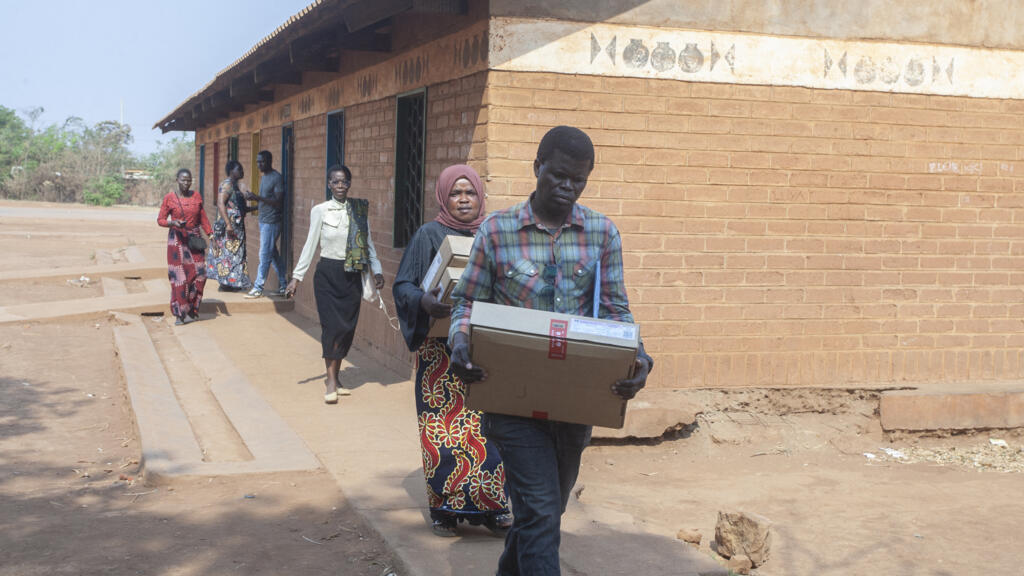
Malawi Electoral Commission (MEC) officials carry voting materials at Kalambo Primary School Polling Centre in Lilongwe, on September 15, 2025. 
© Photo by Amos GUMULIRA / AFP

By: Charles Pensulo in Malawi

In Manje township, Blantyre, the presence of political parties is visible everywhere—flags flutter from electrical poles and trees along the roads. As one of Malawi's most densely populated townships, Manje has become a hotspot for rallies and campaign visits over the past two months, with voters now heading to polling stations as the country decides its future leadership.

Economy in crisis

Seventeen candidates are contesting the presidency, but the race has centered on Mutharika of the Democratic Progressive Party (DPP), who recent IPOR Malawi polling shows leading with 41 percent support, and Chakwera of the Malawi Congress Party at 31 percent. Other significant candidates include former Reserve Bank Governor Dalitso Kabambe (UTM party), Atupele Muluzi (UDF), and sitting Vice-President Michael Usi.

The election comes as Malawi grapples with severe economic challenges that have dominated campaign messaging.

According to the World Bank, food price inflation has exceeded 20 percent while the kwacha - Malawi's currency - has lost 44 percent of its value since 2023, leaving a quarter of the country's 23 million citizens facing acute food insecurity.

Most Malawians live below the poverty line in one of the world's poorest countries, heavily dependent on rain-fed agriculture that has been battered by droughts, cyclones, and floods.

High youth unemployment persists, with thousands queuing at immigration offices hoping to work in stronger economies like South Africa.

Prices of essential commodities, including maize, have skyrocketed, and the scarcity of loans on the official market has made sustaining major businesses increasingly difficult.


A tight race

On Saturday, Mutharika held one of his final campaign rallies just hours before the official campaign period ended, addressing jubilant supporters clad in the party's blue colors.

"In 2018, you received me here in large numbers," he told the crowd. "But these numbers are more than in 2018. Your votes should exceed 2019. [This election is] very important because we will choose whether this country should continue going down or improve."

Meanwhile, Chakwera addressed his supporters in the capital, Lilongwe, during his final rally, promising continuity and solutions to pressing economic issues that have dominated voter concerns.

"I have heard your concerns about rising prices, shortages of fuel, and delays in business," he said. "I promise you that the solutions will start from the very day I take the oath again."

This marks only the second election conducted under the 50+1 constitutional threshold established by Malawi's Constitutional Court in 2020, meaning a runoff would be required if no candidate wins an outright majority.

Presidential candidates have historically struggled to cross the 50 percent threshold in Malawi—since 1990, only Bakili Muluzi in 1999 and Bingu wa Mutharika in 2009 achieved outright majorities, according to electoral records.
Voters’ verdict

Political scientist Wonderful Mkutche noted that the elections are taking place amid serious economic challenges, including a shortage of foreign exchange.

"Malawians are feeling the pinch of the economy. And that has also made most of the voters or Malawians focus on what the leaders are saying in terms of the economy," he said.

The Malawi Electoral Commission, which has confirmed all 17 presidential candidates for the ballot, must announce results within eight days of polling unless directed otherwise by a court. Six international observer missions are monitoring the vote to ensure transparency.

Malawi: Protestors take to streets over racist video ridiculing children

As polling day unfolds across the country, from bustling townships like Manje to rural villages, the economic struggles of Malawi remain central to voters' minds, shaping what could be one of the country's most consequential elections in recent memory.

Should a runoff be required, it would place extraordinary demands on the nation.


WE ALL HAVE THE RIGHT TO DIE

Right-to-die activists on trial in France as lawmakers debate end-of-life bill

Twelve activists accused of helping people in France to illegally obtain a euthanasia drug went on trial in Paris on Monday, as the country debates a right-to-die bill. The trial is set to conclude on 9 October.


Issued on: 16/09/2025 - RFI

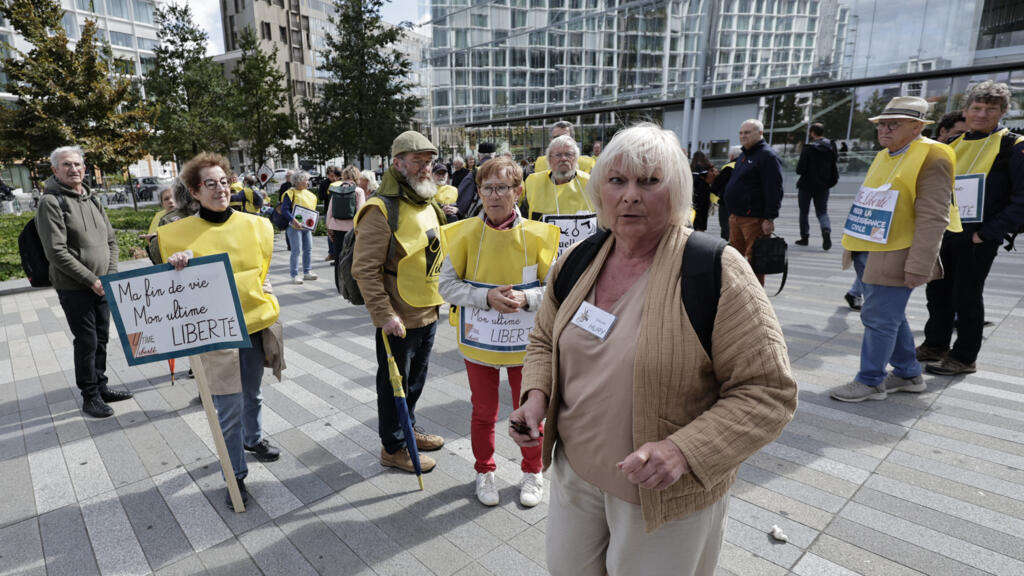
Defendant, co-founder of the Ultime Liberte association Claude Hury (C), walks by a gathering of supporters as she arrives for the opening of the trial of 12 assisted-suicide activists accused of helping people in France to illegally obtain a euthanasia drug, at the Tribunal Judiciaire courthouse in Paris, on September 15, 2025.
 AFP - STEPHANE DE SAKUTIN

The defendants are members of Ultime Liberté (Ultimate Freedom), an association that fights to legalise assisted suicide and euthanasia in France.

They are accused of helping dozens of people purchase pentobarbital, a drug used for physician-assisted suicide in countries such as Belgium and Switzerland, between August 2018 and November 2020.

Many of the defendants, whose ages range from 74 to 89, are retired teachers with no criminal records.

They are charged with trafficking illegal substances and face up to 10 years in prison if convicted, although any sentences are expected to be much more lenient, given mitigating factors including their age.

In France, pentobarbital is only authorised to euthanise animals, while in the United States, the drug is used to carry out executions.

French parliament adopts long-debated bill to legalise assisted dying

Few countries regulate assisted dying, and in many it remains a crime to help someone end their life, even in cases of severe and incurable suffering.

The debate on assisted dying has raged in France for years.

In May, the lower house of parliament approved a right-to-die bill on first reading, the initial step in a lengthy process that could grant patients medical assistance to end their lives in clearly defined circumstances.

Die with dignity

Bernard Senet, a doctor on trial, said he had helped people who were suffering to die in better conditions.

"I am at peace because I do not feel guilty," he said.

Outside the Paris court on Monday, about 70 members of the association rallied in support of the defendants.

"We are satisfied that there is a trial so that we can bring (the issue) to public attention," Monique Denis, the wife of one of the defendants, told French news agency AFP.

"And perhaps public opinion will come out in favour of changing the law," the 69-year-old added.

Ultime Liberté's campaign goes beyond the demands of traditional pro-euthanasia associations, advocating for the right for people to control the manner and timing of their death, whether terminally ill or not.

How 184 random citizens helped shape France’s debate on assisted dying

"Suicide has been decriminalised since the Revolution but there are many laws that prevent the freedom to commit suicide, non-violent suicide," Claude Hury, head of Ultime Liberté, told AFP ahead of the trial.

She said her group wanted to help people age peacefully and die with dignity.

"Our goal is not to kill people," Hury said.

"It is to help them continue to age while being very serene about the end, provided they have this magic pill at home so they can stop when they decide to, rather than waiting for the medical diktat."

Shipped from the US

The investigation began in 2019 following a US report on a network that shipped pentobarbital worldwide in liquid form, disguised in bottles labelled "natural cosmetics".

Armed with a list of buyers provided by US investigators, French authorities carried out around one hundred searches across the country in October 2019.

The buyers were mostly elderly or seriously ill people, though some suicides appeared unrelated to age or illness.

The investigation found that some members of the association accompanied those wishing to die by giving them information on how to order the drug or even helping them obtain it.

‘My life, my death’: French woman battles for right to die with dignity

By sharing the information only with those who requested it, the activists did not intend to "encourage or facilitate a decision to commit suicide" but rather to "accompany" that decision, said the investigating judge.

One member said he joined the association after a relative used the group to end their life.

"I am here to see if I can help in some way, so that when I'm 80 and ill, I won't have to do it behind closed doors," said the 61-year-old, releasing only his first name, Franck.

France's draft law would allow assisted dying only in an "advanced" stage of illness, which it defines as "entering an irreversible process characterised by a worsening health condition of the sick person that affects the quality of their lives".

If approved, France would join a small group of European countries that give the right to aid in dying, including Austria, Germany, Spain and Switzerland.

(with AFP)


WAR ON WOMEN LA GUERRE CONTRE LES FEMMES

Council of Europe demands action on sexual violence against women in France

The Council of Europe has raised concerns about France’s protection of women against sexual assault and violence. In a report released on Tuesday, experts acknowledged that some "progress" has been made but stressed that "urgent measures" are still needed.


Issued on: 16/09/2025 - 

Grevio, a Council of Europe Group of experts expressed concern about the low rate of prosecution of perpetrators of sexual violence in France: 83% of these cases are dismissed, and up to 94% in cases of rape, according to a report released 16 September, 2025. 
AFP

By:RFIFollow
Advertising


The Council of Europe's Group of Experts (Grevio) oversees the implementation of the Istanbul Convention, an international treaty that came into force in 2014 to establish legally binding standards to prevent violence against women.

In this first thematic report on France's implementation of the text, the group expressed particular concern about the low rate of prosecutions of perpetrators of sexual violence.

According to its research, 83 percent of these cases are dismissed, and up to 94 percent in cases of rape.

EU court condemns French failure to protect rights of underage rape victims

Grevio is urging French authorities to "take strong measures" to ensure that sexual violence is more widely prosecuted, particularly by "improving investigations and evidence gathering".

The group is also calling for police and judicial responses to be enhanced through improved investigation and evidence-gathering and the adoption of a definition of sexual violence based on the absence of the victim’s freely given consent.

Grevio expressed alarm at an increase in attacks against girls and young women, citing data from the National Observatory on Violence Against Women, according to which "more than half of the victims of sexual violence and rape in 2022 and 2023 were minors."


Young victims, young perpetrators

The number of young perpetrators is high, with a growing acceptance among young men of the "masculinist" stereotypes conveyed on social media, the report noted.

Grevio however acknowledged that legislative advances had been made to strengthen the protection of women and their children, in the wake of the 2019 Grenelle Forum on Domestic Violence.

Experts welcomed the implementation of new measures, such as anti-relationship bracelets, emergency assistance for women who have left their violent partners, and the "new start package" aimed at quickly releasing aid to these women.

France set to include consent in legal definition of rape

However, one of the challenges faced by French authorities is dealing with sexual assault committed by minors.

According to the psychiatrist Anne-Hélène Moncany, around 11,500 minors commit sexual violence each year, which represents around 30 percent of perpetrators of sexual violence against other minors.

President of the French Federation of Resource Centers for Those Working with Perpetrators of Sexual Violence (FFCRIAVS), Moncany points to "a real difficulty in representing children as potential aggressors".

"There is an urgent need to lift this taboo to protect children," she told French news agency AFP.


Focus on support

A report with some forty recommendations will be submitted to the government on Tuesday, urging it to strengthen prevention measures.

Adrien Taquet, former secretary of state for child protection and co-rapporteur with child psychiatrist Clémentine Rappaport said the treatment of perpetrators needs to be reviewed.

Taquet criticised the current approach as "solely repressive, based more on punishment than on more comprehensive support."

"The only way to hope to break the cycle of violence is for this punishment to be accompanied by therapeutic, social, and educational support," he says.

(with AFP)


Have world-first labour rights in Belgium changed the lives of sex workers?

In 2024, Belgium passed pioneering legislation granting sex workers full employment rights, including access to maternity leave, health insurance, unemployment benefits and pension rights. ENTR visited the country to understand what difference the new law has made on the ground and whether in Belgium, sex work has become a job like any other.


Issued on: 15/09/2025 - 
By:
Renée BERTINI/
Jade BRIEND-GUY/
ENTR

FRANCE24

Belgian sex worker takes the ENTR team through her day-to-day life © ENTR

"Prostitutes united will never be defeated!” The revisited popular chant echoed through the naves of the Béguinage church, in the Belgian capital Brussels. Singing, fists pumping in the air, was a group of sex workers who had taken over the site for the day.

On June 2, sex workers in several major European cities, including Barcelona, Berlin and Brussels, celebrated the birth of their activist movement. They marked the date when, in 1975, around 50 sex workers occupied the Church of Saint-Nizier in Lyon to protest for more rights.

Fifty years later, the demands of sex workers remain largely the same, regardless of the country: greater recognition of their work and its hardship, as well as measures to improve their safety.

But this year, in Brussels, this commemoration felt like a victory lap for many of the participants. Sex worker rights organisations such as Utsopi and Espace P worked tirelessly to push for the establishment of contracts for sex workers in Belgium.


Belgium decriminalised sex work in 2022, passed a law on employment contracts in May 2024 and finally made it official in December of the same year.

Six months later, this measure continues to be celebrated as a step further in sex worker labour law, compared to other European neighbours. Although other countries, such as the Netherlands, Germany and Austria, also authorise and regulate sex work, they have not gone as far in recognising the rights of sex workers.


On top of allowing formal employment, Belgium has also recognised five rights specific to sex workers, such as the rights to refuse a client or specific sexual practices.

However, these new legislative frameworks are slow to put in place. According to the Belgian government, only 11 employment contracts had been signed as of August this year. On top of that, those contracts only apply to sex workers who are employed in dedicated establishments, such as bars or massage parlours.

Such profiles do not represent the majority of professionals in the sector, either because they remain independent or because they are in precarious situations, such as people who are undocumented or victims of human trafficking.

So, do these measures really change the daily lives of sex workers in Belgium? ENTR spoke to them on-the-ground to find out.


ENTR is a digital space for open discussion about what really matters, what holds us back and what connects us all.

ENTR exists in 9 languages: English, Bulgarian, Dutch, French, German, Hungarian, Polish, Portuguese and Romanian.
DECRIMINALIZE DRUGS

US decertifies Colombia in drug war for first time in nearly 30 years

LONGEST FAILED WAR EVER


The United States has dropped Colombia from its list of reliable partners in the fight against narcotics, citing soaring cocaine production and political rifts with President Gustavo Petro.

WILL US DECLARE COLOMBIA A TERRORIST STATE?


Issued on: 16/09/2025 - 
By: FRANCE 24

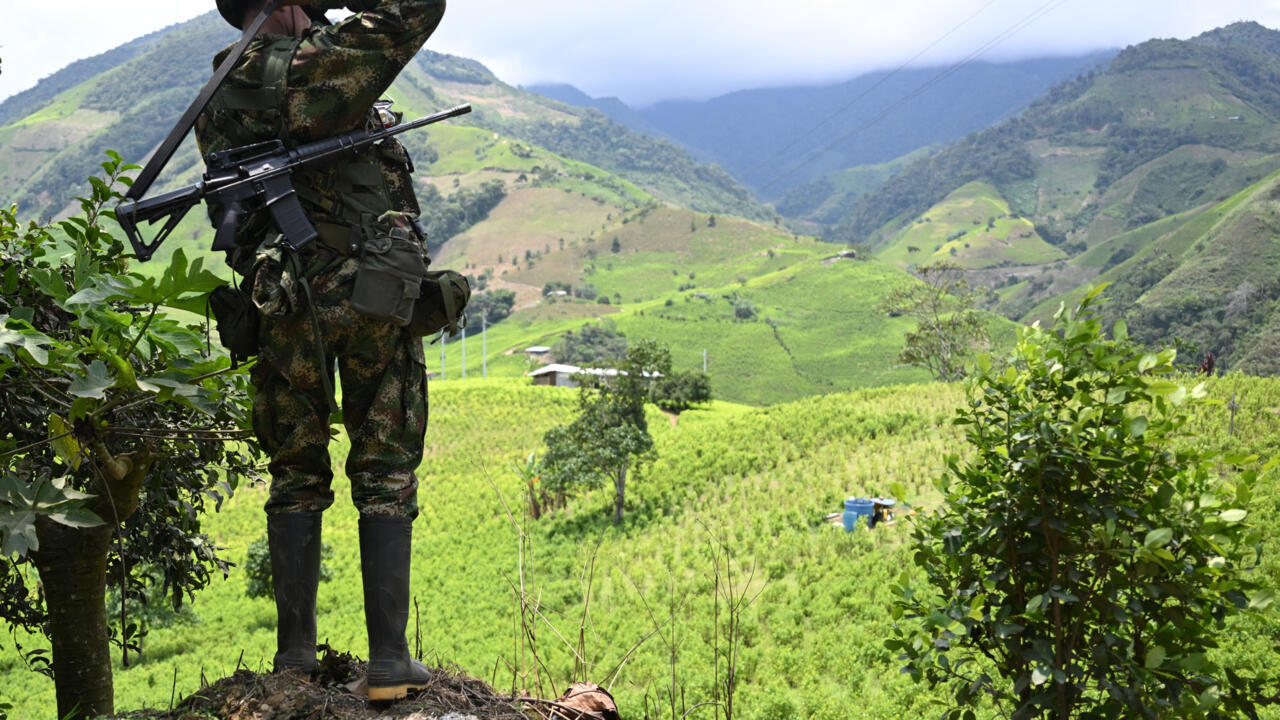
A member of the Carlos Patino front of the dissident FARC guerrilla patrols next to coca crops in Micay Canyon, a mountainous area and EMC stronghold in Cauca Department, southwestern Colombia, on March 24, 2024. © Raul Arboleda, AFP


The Trump administration on Monday added Colombia to a list of nations failing to cooperate in the drug war for the first time in almost 30 years, a stinging rebuke to a traditional U.S. ally that reflects a recent surge in cocaine production and fraying ties between the White House and the country’s leftist president.

Even as it determined that Colombia had failed to comply with its international counternarcotics obligations, the Trump administration issued a waiver of sanctions that would have triggered major aid cuts, citing vital U.S. national interests.

Nonetheless, it is a major step against one of the United States’ staunchest allies in Latin America, which analysts said could hurt the economy and further hamper efforts to restore security in the countryside.

President Gustavo Petro, who has said on several occasions that whisky kills more people than cocaine, lamented Trump's decision during a televised cabinet meeting Monday, saying Colombia was penalized after sacrificing the lives of “dozens of policemen, soldiers and regular citizens, trying to stop cocaine” from reaching the United States.

“What we have been doing is not really relevant to the Colombian people,” he said of the nation’s antidrug efforts. “It’s to stop North American society from smearing its noses” in cocaine.

The U.S. last added Colombia to the list, through a process known as decertification, in 1997 when the country’s cartels — through threats of violence and money — had poisoned much of the nation’s institutions.

"Decertification is a blunt tool and a huge irritant in bilateral relations that goes well beyond drug issues and makes cooperation far harder in any number of areas,” said Adam Isacson, a security researcher at the Washington Office on Latin America. “That’s why it’s so rarely used.”

The president at the time, Ernesto Samper, was facing credible accusations of receiving illicit campaign contributions from the now-defunct Cali cartel and a plane he was set to use for a trip to New York to attend the U.N. General Assembly session was found carrying 4 kilograms of heroin.

A remarkable turnaround began once Samper left office. Successive U.S. administrations — both Republican and Democrats — sent billions in foreign assistance to Colombia to eradicate illegal coca crops, strengthen its armed forces in the fight against drug-fueled rebels and provide economic alternatives to poor farmers who are on the lowest rungs of the cocaine industry.
Cocaine production surges

That cooperation, a rare U.S. foreign policy success in Latin America, started to unravel following the suspension a decade ago of aerial eradication of coca fields with glyphosate. It followed a Colombia high court ruling that determined the U.S.-funded program was potentially harmful to the environment and farmers.

A 2016 peace accord with the Revolutionary Armed Forces of Colombia, the nation’s largest rebel group known as FARC, also committed Colombia to rolling back punitive policies likened to the U.S. spraying of Agent Orange during the Vietnam War in favor of state building, rural development and voluntary crop substitution.

Since then, cocaine production has skyrocketed. The amount of land dedicated to cultivating coca, the base ingredient of cocaine, has almost tripled in the past decade to a record 253,000 hectares in 2023, according to the latest report available from the U.N. Office on Drugs and Crime. That is almost triple the size of New York City.

Along with production, drug seizures also have soared to 654 metric tons so far this year. Colombia seized a record 884 metric tons last year.

But unlike past governments, manual eradication of coca crops under Petro’s leadership has slowed, to barely 5,048 hectares this year — far less than the 68,000 hectares uprooted in the final year of his conservative predecessor’s term and well below the government’s own goal of 30,000 hectares.
A critic of US policy

Petro, a former rebel himself, also has angered senior U.S. officials by denying American extradition requests as well as criticizing the Trump administration’s immigration crackdown and its efforts to combat drug trafficking in neighboring Venezuela.

“Under my administration, Colombia does not collaborate in assassinations,” Petro said on Sept. 5 after the U.S. military carried out a deadly strike on a small Venezuelan vessel in the Caribbean that the Trump administration said was transporting cocaine bound for the U.S.

“The failure of Colombia to meet its drug control obligations over the past year rests solely with its political leadership,” Trump said in a presidential memo submitted to Congress. “I will consider changing this designation if Colombia’s government takes more aggressive action to eradicate coca and reduce cocaine production and trafficking, as well as hold those producing, trafficking, and benefiting from the production of cocaine responsible, including through improved cooperation with the United States to bring the leaders of Colombian criminal organizations to justice.”

Under U.S. law, the president annually must identify countries that have failed to meet their obligations under international counternarcotics agreements during the previous 12 months.

In addition to Colombia, the Trump administration listed four other countries — Afghanistan, Bolivia, Burma and Venezuela — as among 23 major drug transit or drug-production countries that have failed to meet their international obligations. With the exception of Afghanistan, the White House determined that U.S. assistance to those countries was vital to national interests and therefore they would be spared any potential sanctions.

The redesignation of Venezuela as a country that has failed to adequately fight narcotics smuggled from neighboring Colombia comes against the backdrop of a major U.S. military buildup in the Caribbean that has already led to two deadly strikes on small Venezuelan vessels that the Trump administration said were transporting cocaine bound for the U.S.

“In Venezuela, the criminal regime of indicted drug trafficker Nicolás Maduro leads one of the largest cocaine trafficking networks in the world, and the United States will continue to seek to bring Maduro and other members of his complicit regime to justice for their crimes,” Trump's designation said. “We will also target Venezuelan foreign terrorist organizations such as Tren de Aragua and purge them from our country.”

(FRANCE 24 with AP)
NO USAID

Ebola vaccinations underway in DR Congo as deadly outbreak spreads


The World Health Organization has begun vaccinating health workers and exposed individuals in DR Congo’s Kasai province, following an Ebola outbreak that has killed at least 16. With limited doses and funding delays, officials warn the response remains slow as the country battles its 16th outbreak of the deadly virus.


Issued on: 16/09/2025 
By: FRANCE 24

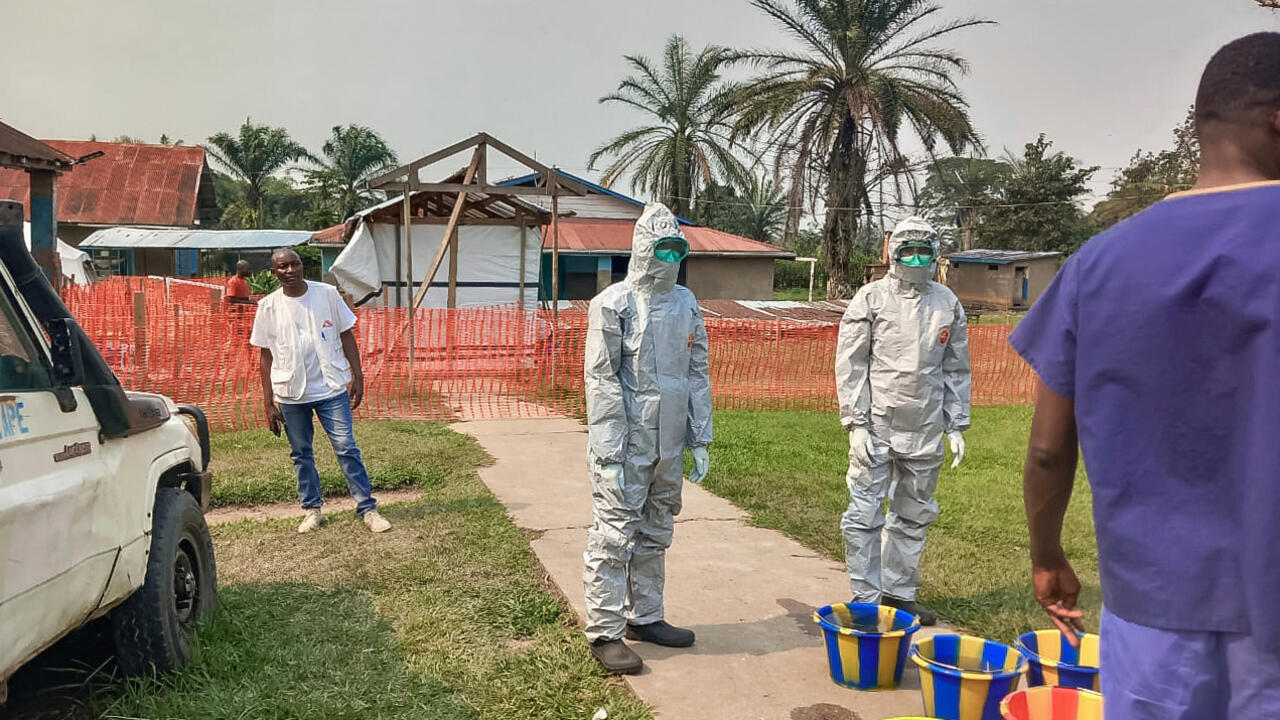
In this photo provided by Doctors Without Borders, men stand outside an Ebola treatment centre in the remote Bulape Health Zone, Kasai province, Democratic Republic of Congo, Sunday, September 7, 2025. © AP

Vaccination for those exposed to the Ebola virus and front-line health workers has begun in southern Kasai province, the World Health Organization said Sunday.

An outbreak of the highly contagious disease was announced earlier this month in the locality of Bulape, in Kasai, and has left at least 16 dead and 68 suspected cases, according to last week’s briefing by the Africa Centers for Disease Control and Prevention.

Watch more DR Congo declares new Ebola outbreak

Only an initial 400 doses of the Ervebo vaccine have been dispatched, with the rest to be delivered later, the WHO said. The operation has been hampered by limited access and scarce funds.

The vaccination is expected to pick up later as the International Coordinating Group on Vaccine Provision approved roughly 45,000 additional vaccines, the WHO said, adding to an initial stockpile of 2,000 doses was already in the country.

The latest Ebola outbreak is Congo's 16th since 1976, and it is caused by the Zaire species, named after the country's former name. It adds another layer of worry for the central African country that is battling a multi-pronged conflict with rebel groups, especially in the eastern region of the country, where violence has decimated the health system.

(FRANCE 24 with AP)
Milei changes course: Argentina will boost social spending after austerity years

Argentine President Javier Milei has proposed sizeable hikes in pensions, health, education and disability aid for 2026, signalling a policy reversal even as he faces backlash following his party's poor showing in recent Buenos Aires province elections.


Issued on: 16/09/2025 - 05:51
By: FRANCE 24

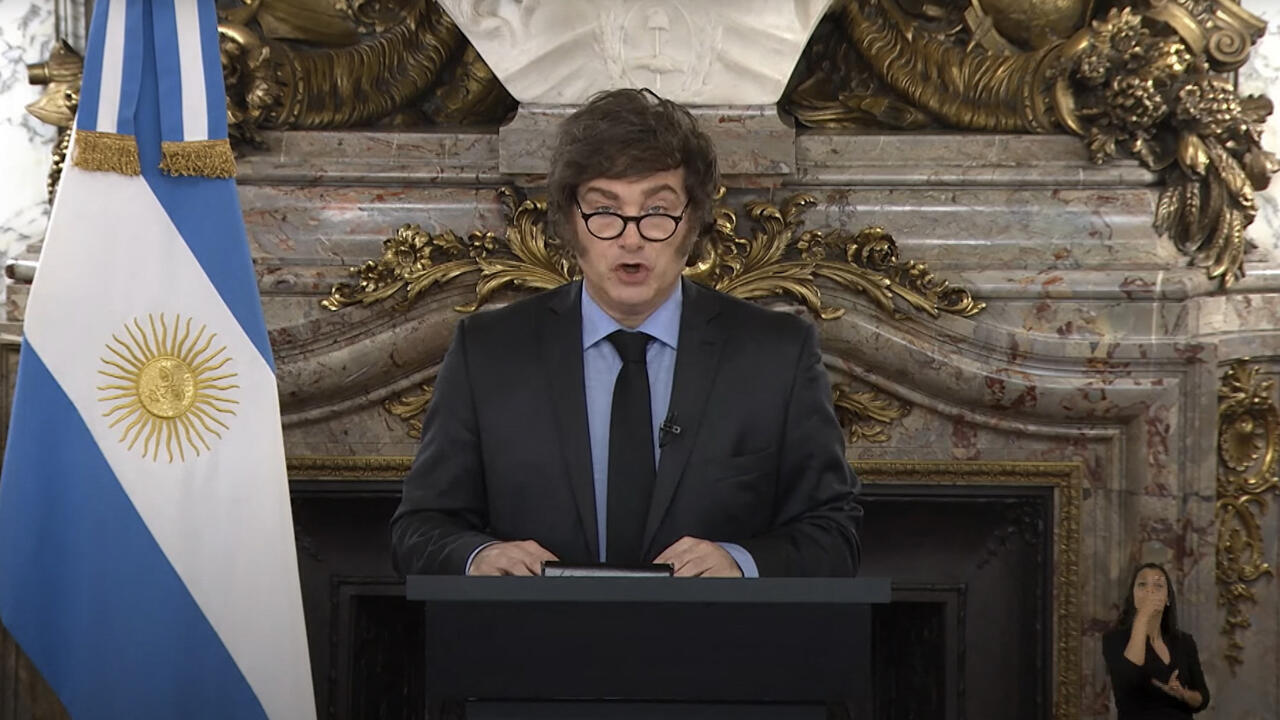
Argentina's President Javier Milei speaks on national broadcasting to announce the submission of the 2026 budget to Congress, September 15, 2025 in Buenos Aires. © Argentinian Presidency via AFP

Argentine President Javier Milei on Monday announced plans to boost spending on pensions, health, education and the disabled in 2026, marking a shift after nearly two years of biting austerity following a major electoral setback.

"The worst is over," Milei said in a televised speech, unveiling the draft 2026 budget eight days after his party was trounced in provincial elections in Buenos Aires.

"The effort all Argentines are making is worth it," Milei assured, while adding: "We understand that many have not yet felt it in their material reality."

Appealing for more time for his libertarian reforms to take effect, the firebrand president said: "Rome wasn't built in a day."

While announcing relief for some of those worst affected by his deep spending cuts, he insisted that balancing the budget – his paramount goal since taking power in December 2023 – remained "non-negotiable".

Failure to balance the nation's books, he said, would lead South America's second-biggest economy "back into the pit of uncontrolled inflation and the destruction of all hopes for the country".

He did not issue a growth or inflation forecast for next year.

The 54-year-old self-styled "anarcho capitalist" is facing considerable political and economic headwinds as he gears up for crucial midterm elections next month.

His party suffered a stinging defeat at the hands of the centre-left Peronist movement in elections to the legislature of Buenos Aires province that were seen as a litmus test of Milei's popularity.

He goes into the midterms under a corruption cloud, following allegations that his sister and right-hand woman, Karina Milei, received a cut on state medicine contracts for the disabled.


Conciliatory tone

In a sign of the anger among many Argentines over his policies, Milei and his sister were pelted with stones on the campaign trail outside Buenos Aires in late August, with skirmishes breaking out among supporters and opponents.

The president's cuts to spending on the elderly and disabled particularly have also alienated many Argentines, who staged regular demonstrations against Milei.

An unusually conciliatory-sounding Milei said he would increase pension spending by 5 percent, healthcare by 17 percent, education by 8 percent and disability pensions by 5 percent above inflation.

A former TV pundit, Milei came to power promising "shock therapy" for Argentina's long-ailing economy, revving a chainsaw as a symbol of his plan to slash state spending.

He cut 53,000 public sector jobs, froze public works, cut spending on health, education and pensions, and led a major deregulation drive.

His reforms produced spectacular results on the inflation front – annual inflation fell from 211 percent at the end of 2023 to 33.6 percent currently – but caused a sharp downturn in growth and consumption.

Watch more
Argentina plunged into recession as Milei's government imposes drastic budget cuts

Economists are now also warning that a heavily-overvalued peso is damaging Argentina's competitiveness.

(FRANCE 24 with AFP)
Israel is committing 'genocide' in Gaza, UN investigators say


A UN commission on Tuesday accused Israel of committing genocide in Gaza, citing actions and statements by top officials including Prime Minister Benjamin Netanyahu. Israel rejected the report as “distorted and false”, while the commission warned that continued inaction by the international community amounts to complicity.


Issued on: 16/09/2025 - 
By: FRANCE 24

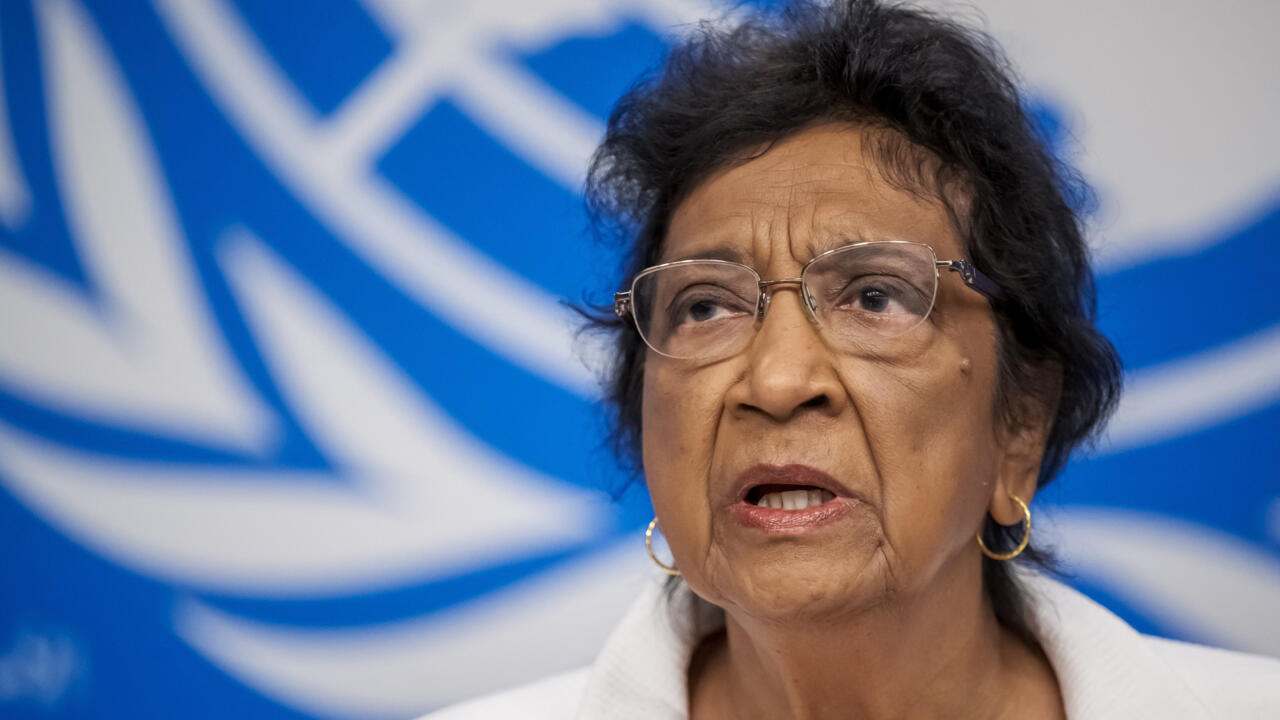
UN Independent International Commission of Inquiry Chair and South African judge Navi Pillay speaks during a press conference in Geneva on September 16, 2025. © Fabrice Coffrini, AFP

United Nations investigators on Tuesday accused Israel of committing "genocide" in Gaza in a bid to "destroy the Palestinians", blaming Israel's prime minister and other top officials for incitement.

The UN Independent International Commission of Inquiry (COI), which does not speak on behalf of the world body and has faced harsh Israeli criticism, found that "genocide is occurring in Gaza and is continuing to occur", commission chief Navi Pillay said.

"The responsibility lies with the State of Israel."


Israel immediately said it "categorically" rejected the report, with the foreign ministry describing it as "distorted and false" and calling "for the immediate abolition of this Commission of Inquiry".

The commission, tasked with investigating the rights situation in the Israeli-occupied Palestinian territories, published its latest report nearly two years after the war erupted in Gaza following Hamas's October 7, 2023, attack inside Israel.

The attack resulted in the deaths of 1,219 people, most of them civilians, according to an AFP tally of official Israeli figures

Israel's retaliatory campaign in Gaza has killed nearly 65,000 people, also mostly civilians, according to figures from the health ministry in Hamas-run Gaza that the UN considers reliable.

The vast majority of Gazans have been displaced at least once.

More mass displacement is underway as Israel ramps up efforts to seize control of Gaza City, where the UN has declared a full-blown famine.

The COI concluded that Israeli authorities and forces had since October 2023 committed "four of the five genocidal acts" listed in the 1948 Genocide Convention.

These are "killing members of the group, causing serious bodily or mental harm to members of the group, deliberately inflicting on the group conditions of life calculated to bring about its physical destruction in whole or in part, and imposing measures intended to prevent births within the group".
'Intent to destroy'

The investigators said explicit statements by Israeli civilian and military authorities along with the pattern of Israeli force conduct "indicated that the genocidal acts were committed with intent to destroy... Palestinians in the Gaza Strip as a group".

The report concluded that Israeli President Isaac Herzog, Prime Minister Benjamin Netanyahu and former defence minister Yoav Gallant have "incited the commission of genocide and that Israeli authorities have failed to take action against them to punish this incitement".

"The responsibility for these atrocity crimes lies with Israeli authorities at the highest echelons," stated Pillay, 83, a former South African judge who once headed the international tribunal for Rwanda and also served as UN human rights chief.

The commission is not a legal body but its reports can wield diplomatic pressure and serve to gather evidence for later use by courts.

Pillay said the commission was cooperating with the International Criminal Court prosecutor.

"We've shared thousands of pieces of information with them," she said.
'Complicity'

"The international community cannot stay silent on the genocidal campaign launched by Israel against the Palestinian people in Gaza," insisted Pillay, presenting her final report.

"The absence of action to stop it amounts to complicity," she warned.

Israel has since the start of the war faced accusations of committing genocide in Gaza from many NGOs and independent UN experts, and before international courts.

Israeli authorities reject those accusations.

The UN itself has not labelled the situation in Gaza a genocide, although the body's aid chief urged world leaders in May to "act decisively to prevent genocide", while its rights chief last week denounced Israeli "genocidal rhetoric".

In January last year, the International Court of Justice ordered Israel "to prevent and punish the direct and public incitement to commit genocide" in Gaza.

Four months later, the ICC issued international arrest warrants for Netanyahu and Gallant for alleged war crimes and crimes against humanity.

Angered by that move, US President Donald Trump's administration last month imposed sanctions on two ICC judges and two prosecutors, including barring them from entering the United States and freezing their assets in the country.

(FRANCE 24 with AFP)


Ancient crop discovered in the Canary Islands thanks to archaeological DNA


Linköping University
Jenny Hagenblad 

image: 

Jenny Hagenblad, senior associate professor at Linköping University.

view more 

Credit: Charlotte Perhammar/Linköping University


The lentils now grown in the Canary Islands have a history that stretches back almost 2,000 years on the site. This is shown in the very first genetic study of archaeological lentils, carried out by researchers at Linköping University and the University of Las Palmas de Gran Canaria in Spain. Since these lentils have been adapted for cultivation in hot and dry climates for a very long time, they may become valuable for plant breeding in the light of ongoing climate change.

Over a thousand years ago, the indigenous people of the island of Gran Canaria used long-term storage to preserve their harvest. They dug out grain silos directly from the volcanic bedrock in places that were very difficult to access. And there, some of the seeds remained. The conditions were so good that DNA was preserved in the plant parts into the present day. Today, these millennial crops are a goldmine for scientists.

In the current study, the researchers analysed lentils found in these grain silos. By comparing DNA from the archaeological lentils with those currently grown in the Canary Islands, Spain and Morocco, they were able to trace how the lentils, and their cultivation, have evolved over time. The study is one of the first to use archaeological DNA from legumes.

European seafarers discovered the Canary Islands outside Africa in the 1300s. At that time, the islands were inhabited by people who had arrived from North Africa more than a thousand years earlier. There are some written sources where Europeans describe farming by the indigenous people at the time – but there is no mention of lentils. So, when did the lentils come to the Canary Islands, and how?

The new study, published in the Journal of Archaeological Science, shows that lentils have a long history in the islands. Genetic analyses carried out by the researchers showed that many of the lentils grown on the islands today actually originate from lentils that the indigenous people had brought with them from North Africa in the 200s.

“The same type of lentils has been cultivated for almost 2,000 years in the Canary Islands. This is interesting, especially considering that the indigenous population was greatly diminished when Europeans took over the islands. But the new settlers seem to have adopted the indigenous people’s crops and continued to grow them,” says Jenny Hagenblad, senior associate professor at Linköping University, who led the study.

How is it that the lentils survived that long? The researchers' theory is that these varieties were well adapted to the local climate. Another idea is that indigenous women, who married immigrating men, played an important role in preserving the knowledge of which crops to grow. To this day, Canarian women have more knowledge than men about the plants grown for food.

That the Canary Islands have preserved their original type of lentils for so long is not just a fun fact. Interest in the cultural heritage of the islands is growing and many want to cook and eat food rooted in their history. The lentils turn out to be part of that story.

“We also see in our study that different types of lentils are grown on different islands – even islands where it was previously thought that lentils were never cultivated. It’s important to preserve lentils from different islands, because genetic diversity can prove valuable for the future of agriculture,” says Jonathan Santana, researcher at the University of Las Palmas de Gran Canaria.

The researchers also made another discovery. “Lenteja tipo Lanzarote”, or Lanzarote lentil, is a common term for lentils in Spanish shops. These lentils are not produced on the island of Lanzarote, but the designation is associated with quality. When the researchers compared lentils currently grown on the Spanish mainland with contemporary Canarian lentils, DNA analyses showed that lentils from Lanzarote appear to have been cross-bred with the Spanish lentils.

“Our results indicate that the lentils from Lanzarote have contributed not only their name but also their genes to Spanish lentils. With the climate change that is now taking place, Canarian lentils, adapted to growing in dry and warm conditions, may be of great interest for future plant breeding,” says Jacob Morales, associate professor at the University of Las Palmas de Gran Canaria.

The study was funded with the support of, among others, the European Research Council (ERC) and the Spanish Ministry of Science, Innovation and Universities. Data analyses were carried out using the National Academic Infrastructure for Supercomputers in Sweden (NAISS), which is partly funded by the Swedish Research Council.

Article: Ancient DNA from lentils (Lens culinaris) illuminates human - plant - culture interactions in the Canary Islands, Jenny Hagenblad, Jacob Morales, Rosa Fregel, Pedro Henríquez-Valido, Matti W. Leino, Amelia C. Rodríguez-Rodríguez and Jonathan Santana, (2025). Journal of Archaeological Science, published online 12 September 2025, doi: https://doi.org/10.1016/j.jas.2025.106360

Archaeological lentils used in the study.

Credit

Jacob Morales


Lentil plant grown at Fuerteventura.

Credit

Fayna Brenes


Jordanian man unearths mysterious ancient box whilst digging well

Jordanian man unearths mysterious ancient box whilst digging well
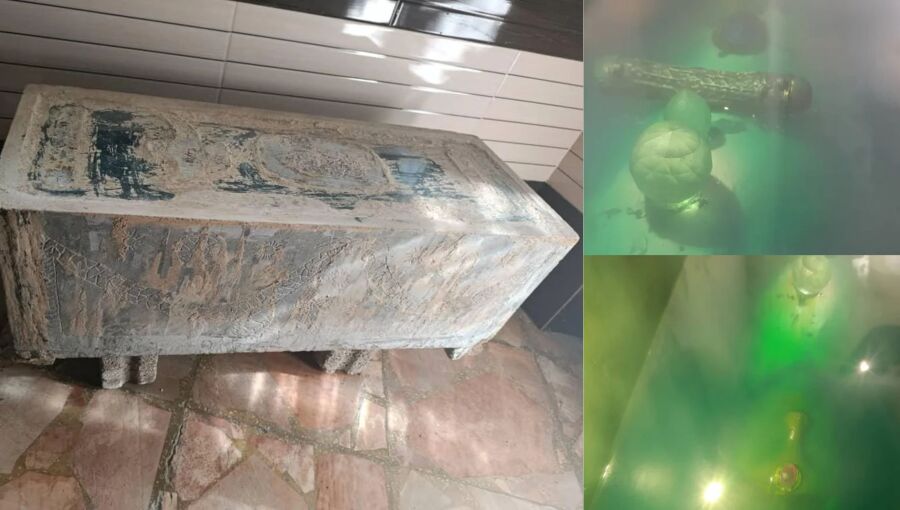
Mysterious object discovered by Jordanian man digging well. / Shared image by user Ok_Bee_4277
By bnm Gulf bureau September 14, 2025

A Jordanian online user has allegedly discovered what appears to be an ancient sarcophagus while digging a well on his property in Irbid close to the border with Israel and the West Bank, bnm IntelliNews learned on September 14.

The finder, posting on Reddit under the username Ok_Bee_4277, shared images of a translucent box measuring approximately 90 centimetres long, 30 centimetres wide and 45 centimetres high.

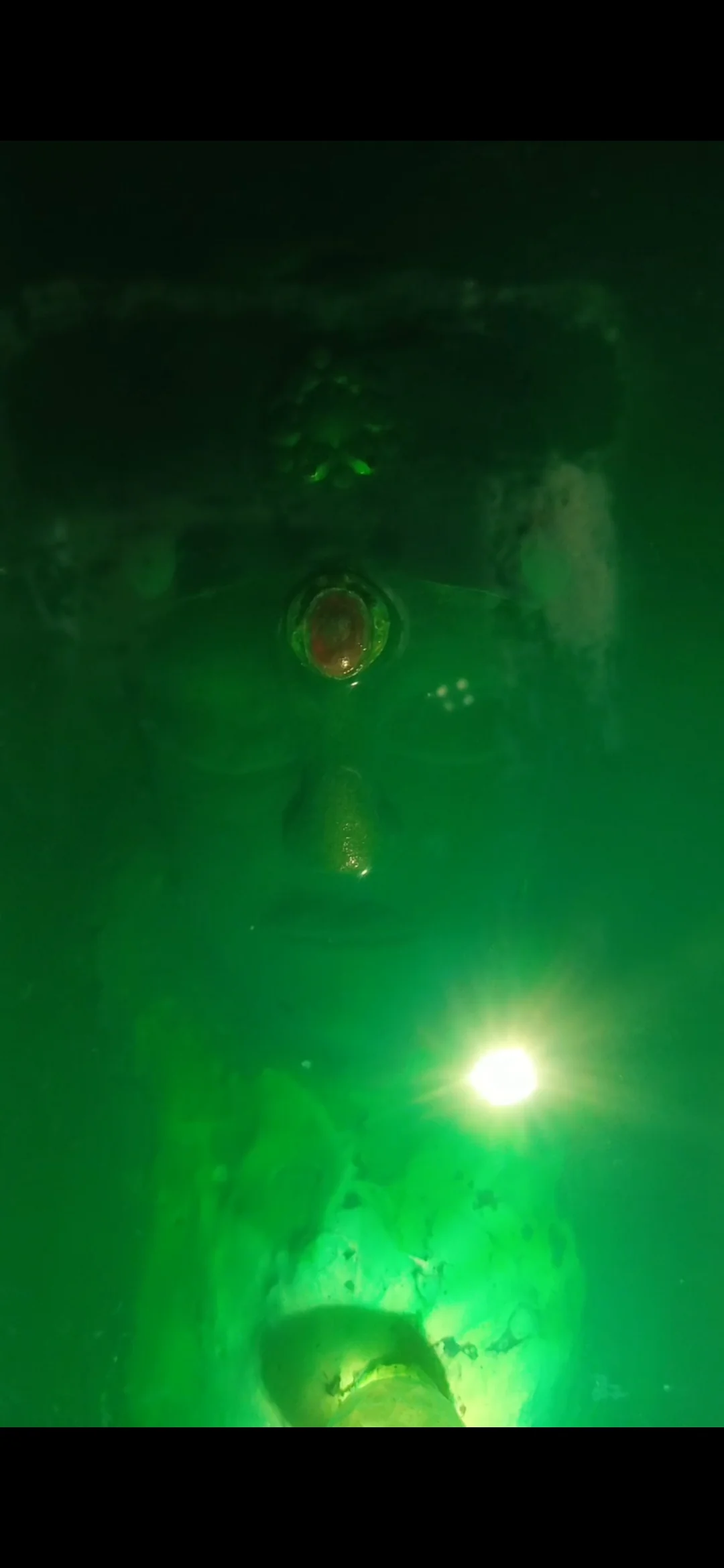
The container appears to hold several objects, including a head wearing a crown or tiara, a cylindrical object that could be a scroll tube, and a faceted crystal. The box features engravings on its front panel, though the inscriptions remain unclear in the posted photographs.

The material appears stone-like to touch but exhibits unusual transparency, leading to speculation about its composition and age, in what may be 2025’s biggest discovery or hoax.

Several amateur historians have offered various theories about the discovery, with some suggesting it could be a pre-Islamic prayer box or ossuary based on analysis of the visible objects inside.

Others have noted similarities between one internal object and modern crystal paperweights, raising questions about the artefact's authenticity.

Several commenters have advised the finder to contact archaeological authorities before attempting to open the container. "If this is real, please contact a museum before you do anything to it," wrote one user, noting the potential archaeological significance of both the object and its discovery site.

An archaeologist commenting on the thread expressed interest in contextual details such as the depth of discovery and surrounding area characteristics.

The finder indicated the object was unearthed during well excavation on family land but could not specify the exact depth.

Bne IntelliNews contacted members of the Turkish and Israeli archaeological communities, who said that the alleged discovery could in fact be a historical item.

Speaking on condition of anonymity, judging from the photos, a Turkish antiques expert said, “Judging from the exterior photos, it could be from the Roman–Byzantine era” However, the Istanbul-based dealer wasn’t sure without further inspection. 

He added, "The overall form fits the era, and the lion-paw feet strengthen the case. The engraving might represent a personified figure."

Israeli officials were not available for comment by the time of publication of the article. 

If this is genuinely an ancient ossuary or sarcophagus, it could be of archaeological rather than market value, and by Jordanian law, such finds are state property and not legal to trade.