Thursday, October 02, 2025


Wealth taxes in Europe: Who collects them and how much do they raise?
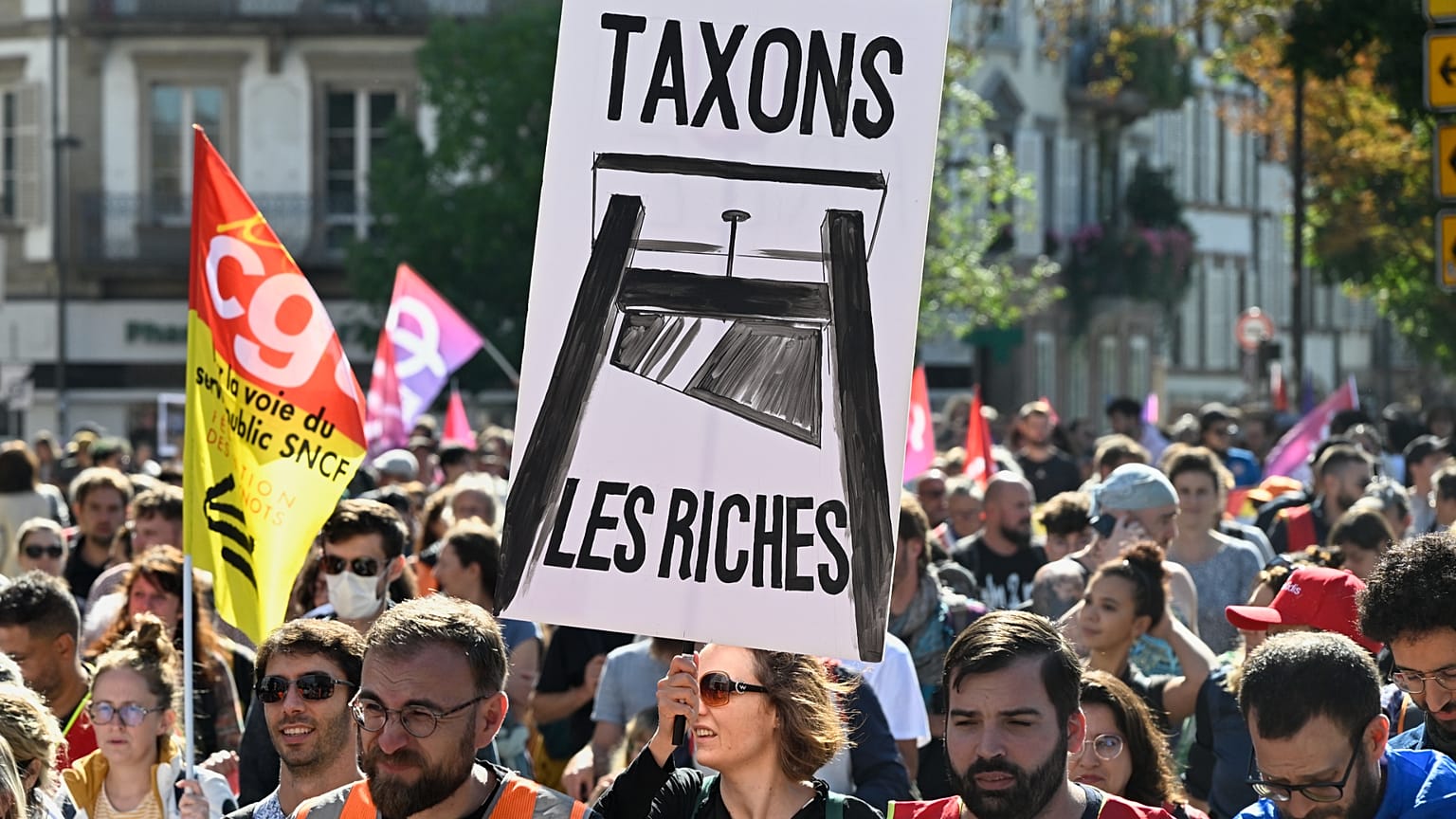
A protester holds a placard that reads, "let's tax the rich," during a rally of the "Block Everything" movement in Strasbourg, eastern France
Copyright Copyright 2025 The Associated Press. All rights reserved

By Servet Yanatma
Published on 


Several European countries have repealed wealth taxes in recent decades. As of 2025, only three still impose a tax on individual net wealth, while a few others levy taxes only on selected assets.

Wealth inequality is evident worldwide, including in Europe. As of early 2025, the wealthiest 5% of the population in the eurozone controlled 45% of net household wealth, while the top 10% held 57.4%, according to the European Central Bank (ECB).

This concentration of wealth keeps the debate over wealth taxes at the centre of discussions in many countries. Most recently, French billionaire Bernard Arnault strongly opposed a proposed 2% levy on citizens with assets over €100 million, calling it “an offensive that is deadly for our economy”.

So, in which European countries does a wealth tax exist? How much revenue do these countries collect from individual wealth taxes? And what share of total tax revenue comes from wealth taxes across Europe?

According to the Tax Foundation, as of 2025, taxes on individuals’ net wealth exist only in Spain, Norway, and Switzerland. The tax rates and the thresholds for taxable wealth vary across these countries. 

In addition, France, Italy, the Netherlands, and Belgium impose wealth taxes on specific asset classes, but not on individuals’ overall net wealth

Spain: Spain’s net wealth tax is progressive, ranging from 0.16% to 3.5% on wealth exceeding €700,000. Residents are taxed on their worldwide assets, while non-residents are taxed only on assets located in Spain.

In 2022, the Spanish central government introduced an additional “solidarity wealth tax”, with rates ranging from 1.7% to 3.5% on individuals holding net assets above €3mn. Initially designed as a temporary measure to address the cost-of-living crisis, it has since become permanent. This is complementary to wealth tax.

Norway: Norway levies a net wealth tax of 1% on individual wealth exceeding NOK 1.7mn (€145,425) and up to NOK 20mn (€1.71mn). For wealth above NOK 20mn, the rate increases to 1.1%. Of the total, 0.7% goes to municipalities and 0.3% to the central government. 

Switzerland’s middle class is largely affected

Switzerland: According to the OECD’s ‘The Role and Design of Net Wealth Taxes’ report, Switzerland’s net wealth tax features relatively low exemption thresholds, which vary across cantons. As a result, it does not target only the wealthiest households but also affects a significant share of the middle class. 

In 2025, according to PwC, in Zurich the tax begins at CHF 80,000 (€85,560) for single taxpayers, with a starting rate of 0.05%. For married taxpayers and single parents with minor children, the threshold rises to CHF 159,000 (€170,090). The rate gradually increases and reaches 0.3% on wealth exceeding CHF 3,262,000 (€3.49mn) for singles, and CHF 3,342,000 (€3.58mn) for married taxpayers and parents with minor children.

Wealth taxes on only selected assets

France: Tax residents in France are subject to a real estate wealth tax if their net worldwide real estate assets are valued at €1.3mn or more. Non-residents are also liable if the value of their French real estate assets meets or exceeds the same threshold. Depending on the net value of the assets, the tax rate can be as high as 1.5%.

Italy, Belgium and the Netherlands also levy some taxes on wealth such as financial assets. 

Wealth tax revenues in Europe: How much do countries collect?

The amount of revenue generated from wealth taxes, and their share of total tax revenues, reflects their significance and effectiveness.  

According to the OECD, Switzerland raised €9.5 billion from individual wealth in 2023, representing 4.3% of overall tax revenues. In Spain, the figure was €3.1bn, equal to 0.6% of the total. Norway generated €2.7bn, or 1.5% of its tax revenues, while France collected €2.3bn, corresponding to just 0.2%.

Their share of GDP is relatively small. In 2023, revenues from individual net wealth taxes ranged from 0.21% of GDP in Spain to 1.16% in Switzerland.

Which countries repealed wealth tax in recent decades?

“Although discussions about imposing wealth taxes are increasing, especially as governments seek to target the wealthy and generate revenue, the overall trend is to repeal them,” Cristina Enache, economist at Tax Foundation, told Euronews Business. 

Over the past three decades, several countries have repealed individual wealth taxes. The number of OECD members levying such taxes fell from 12 in 1990 to just 4 in 2017. They are European countries: Austria (1994), Denmark (1997), Germany (1997), the Netherlands (2001), Finland, Iceland, and Luxembourg (all in 2006), and Sweden (2007).

Why were wealth taxes abolished?

Several reasons have been cited to justify the repeal of net wealth taxes. The key arguments focus on efficiency costs and the risk of capital flight according to the OECD report. It found that given increased capital mobility and wealthy taxpayers’ access to tax havens, “net wealth taxes often failed to achieve their redistributive objectives”. 

Risk of capital flight

Cristina Enache noted that the high expectations often collide with the practical realities of how taxpayers respond as more countries are discussing wealth taxes to target the rich and generate substantial revenue.

“When a tax is heavily concentrated on a few wealthy, highly mobile individuals, even a small increase in the tax rate can lead to capital flight and wealthy individuals relocating to neighbouring jurisdictions,” she said.

Enache also pointed out taxpayers fleeing the country are not only taking the wealth tax revenue with them but also the income and consumption tax revenue, which are the most important sources of revenue for European countries.

OBIT
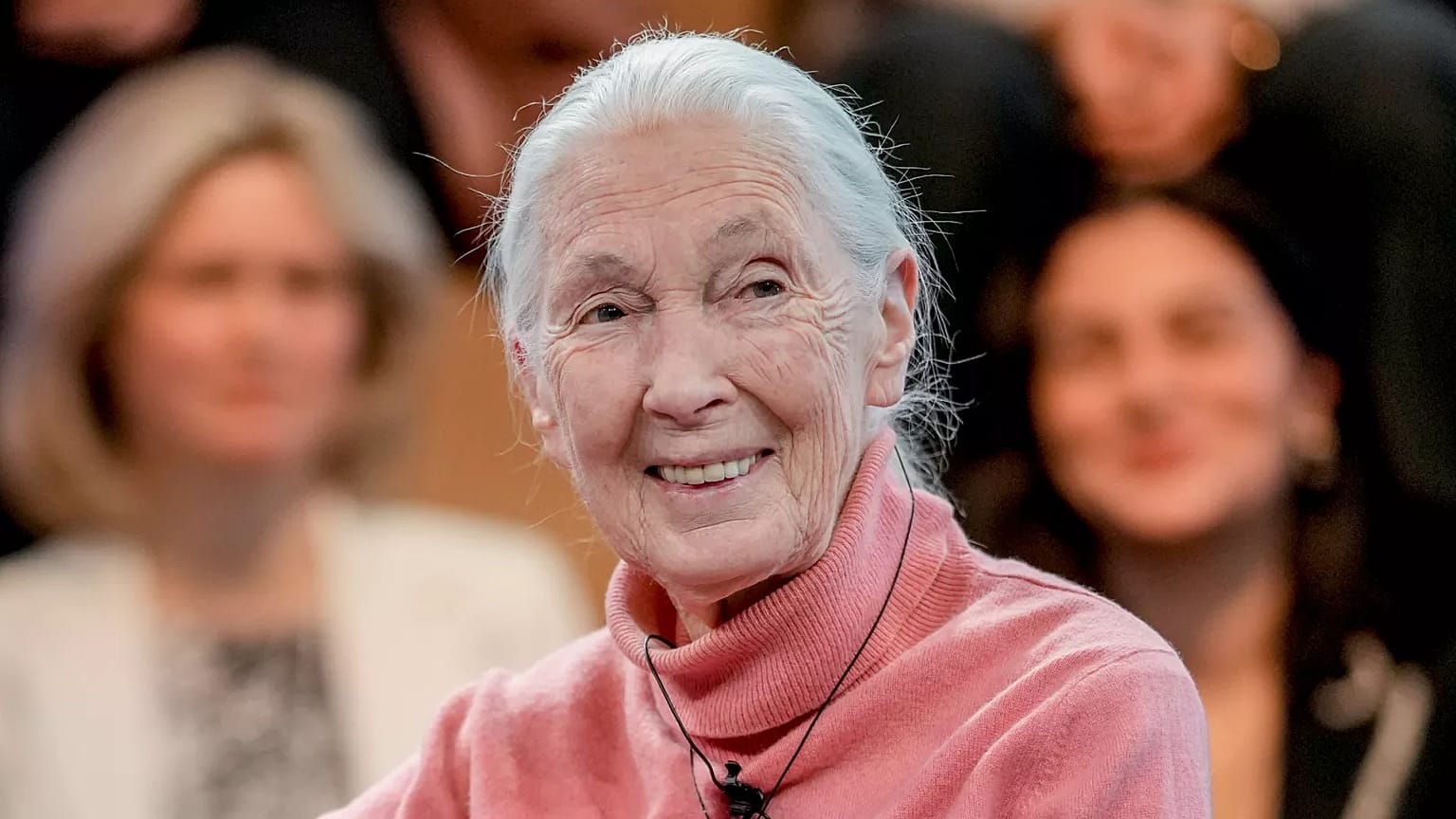
Famed conservationist and chimpanzee friend Jane Goodall dies at 91


Copyright AP Photo

By Gavin Blackburn
Published on 01/10/2025 
EURONEWS

While living among chimpanzees in Africa decades ago, Goodall documented the animals using tools and doing other activities previously believed to be exclusive to people and also noted their distinct personalities.

Jane Goodall, the conservationist renowned for her groundbreaking chimpanzee field research and globe-spanning environmental advocacy, has died at the age of 91.

While living among chimpanzees in Africa decades ago, Goodall documented the animals using tools and doing other activities previously believed to be exclusive to people and also noted their distinct personalities.

Her observations and subsequent magazine and documentary appearances in the 1960s transformed how the world perceived not only humans' closest living biological relatives but also the emotional and social complexity of all animals, while propelling her into the public consciousness.

“Out there in nature by myself, when you’re alone, you can become part of nature and your humanity doesn’t get in the way,” she said in 2021.

“It’s almost like an out-of-body experience when suddenly you hear different sounds and you smell different smells and you’re actually part of this amazing tapestry of life.”

In her later years, Goodall devoted decades to education and advocacy on humanitarian causes and protecting the natural world.

J
ane Goodall kisses Tess at the Sweetwaters Chimpanzee Sanctuary near Nanyuki, 6 December, 1997 JEAN-MARC BOUJU/AP1997

In her usual soft-spoken British accent, she was known for balancing the grim realities of the climate crisis with a sincere message of hope for the future.

From her base in the coastal UK town of Bournemouth, she travelled nearly 300 days a year well into her 90s to speak to packed auditoriums around the world.

Between more serious messages, her speeches often featured her whooping like a chimpanzee or lamenting that Tarzan chose the wrong Jane.

While first studying chimps in Tanzania in the early 1960s, Goodall was known for her unconventional approach. She didn’t simply observe them from afar but immersed herself in every aspect of their lives. She fed them and gave them names instead of numbers, something for which she received pushback from some scientists.

Her findings were circulated to millions when she first appeared on the cover of National Geographic in 1963 and soon after in a popular documentary.

A collection of photos of Goodall in the field helped her and even some of the chimps become famous.
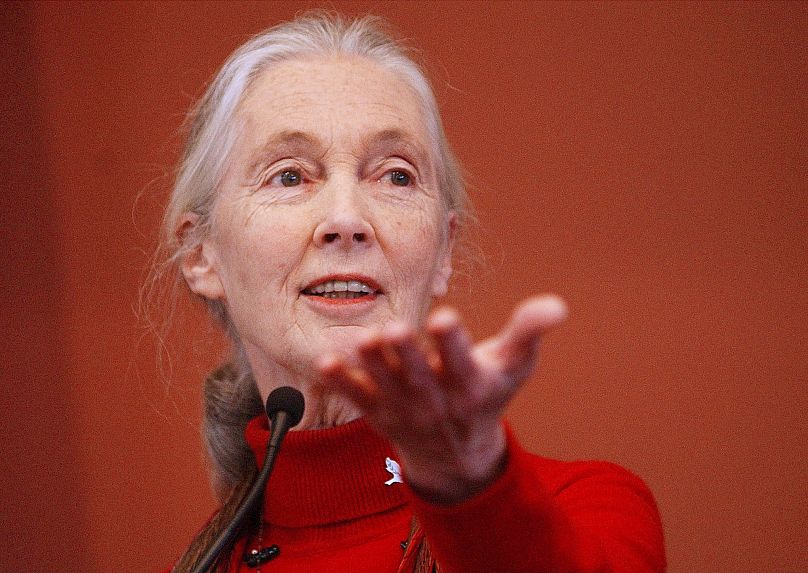
Primatologist Jane Goodall addresses a Harvard Law School symposium in Cambridge, 
30 September, 2002 
CHITOSE SUZUKI/Copyright 2025 The AP. All rights reserved.

One iconic image showed her crouching across from the infant chimpanzee named Flint. Each has arms outstretched, reaching for the other.

″What the chimps have taught me over the years is they’re so like us. They’ve blurred the line between humans and animals,″ she said in 1997.

Goodall has earned top civilian honours from a number of countries including Britain, France, Japan and Tanzania.

She was awarded the Presidential Medal of Freedom in 2025 by then-US President Joe Biden and won the prestigious Templeton Prize in 2021.

“Her groundbreaking discoveries have changed humanity’s understanding of its role in an interconnected world and her advocacy has pointed to a greater purpose for our species in caring for life on this planet,” said the citation for the Templeton Prize, which honours individuals whose life’s work embodies a fusion of science and spirituality.

Goodall was also named a United Nations Messenger of Peace and published numerous books, including the bestselling autobiography “Reason for Hope.”

President Joe Biden presents the Presidential Medal of Freedom to Jane Goodall in the East Room of the White House, 4 January, 2025 AP Photo

Born in London in 1934, Goodall said her fascination with animals began around when she learned to crawl.

In her book, “In the Shadow of Man,” she described an early memory of hiding in a henhouse to see a chicken lay an egg. She was in there so long her mother reported her missing to the police.

She bought her first book, Edgar Rice Burroughs’ “Tarzan of the Apes,” when she was 10 and soon made up her mind about her future: Live with wild animals in Africa.

That plan stayed with her through a secretarial course when she was 18 and two different jobs. And by 1957, she accepted an invitation to travel to a farm in Kenya owned by a friend's parents.

It was there that she met the famed anthropologist and palaeontologist Louis Leakey at a natural history museum in Nairob, and he gave her a job as an assistant secretary.

Three years later, despite Goodall not having a college degree, Leakey asked if she would be interested in studying chimpanzees in what is now Tanzania.

Anthropologist Jane Goodall with husband Hugo van lawick
 behind a camera, January, 1974 AP Photo

The beginning was filled with complications. British authorities insisted she have a companion, so she brought her mother at first. The chimps fled if she got within 450 metres of them. She also spent weeks sick from what she believes was malaria, without any drugs to combat it.

But she was eventually able to gain the animals’ trust. By the autumn of 1960 she observed the chimpanzee named David Greybeard make a tool from twigs and use it to fish termites from a nest. It was previously believed that only humans made and used tools.

She also found that chimps have individual personalities and share humans’ emotions of pleasure, joy, sadness and fear.

She documented bonds between mothers and infants, sibling rivalry and male dominance. In other words, she found that there was no sharp line between humans and the animal kingdom.

TOXICS TALK

A world without PFAS: How to destroy and replace 'forever chemicals' | Euronews Tech Talks

Copyright ZeroF and Daniel Kunz
By Alice Carnevali
Published on 01/10/2025
EURONEWS

Euronews Tech Talks speaks with Fajer Mushtaq, an entrepreneur working to contain and destroy PFAS in wastewater, and with Miika Nikinmaa and Diana Lau, who are developing alternatives to PFAS in food packaging and textiles.
Some stories and dynamics seem to repeat themselves throughout history.

In 2005, the European Union (EU) banned all forms of asbestos in goods, whether produced within its borders or imported.

Asbestos is a group of naturally occurring mineral fibres once widely used in the construction industry for their strength, heat resistance, durability, and relatively low cost.

Despite these advantages, asbestos has been classified as a human carcinogen by the International Agency for Research on Cancer, as exposure can cause cancer of the lungs, larynx, ovaries and mesothelioma.

Following the ban, remediation measures were introduced to reduce the hazards of existing asbestos or dispose of it in appropriate landfill facilities.

New alternatives to the mineral were developed, allowing construction to continue using safer materials.

Synthetic per- and polyfluoroalkyl substances (PFAS), also known as ‘forever chemicals,’ are quite different from asbestos, but their stories share some similarities: both were valued industrial materials, both pose health risks, and both require professional remediation to avoid, or at least reduce, contamination.

It’s still unknown whether PFAS will ultimately follow asbestos in being prohibited in the EU. But one thing is certain: citizens are already working on ways to eliminate PFAS and develop safer alternatives.

In this episode of Euronews Tech Talks, we speak with some of them: Fajer Mushtaq, CEO and co-founder of Oxyle; Miika Nikinmaa, project manager at ZeroF; and Diana Lau, one of ZeroF’s project leaders.
  
Getting rid of PFAS from wastewater: The experience of Oxyle

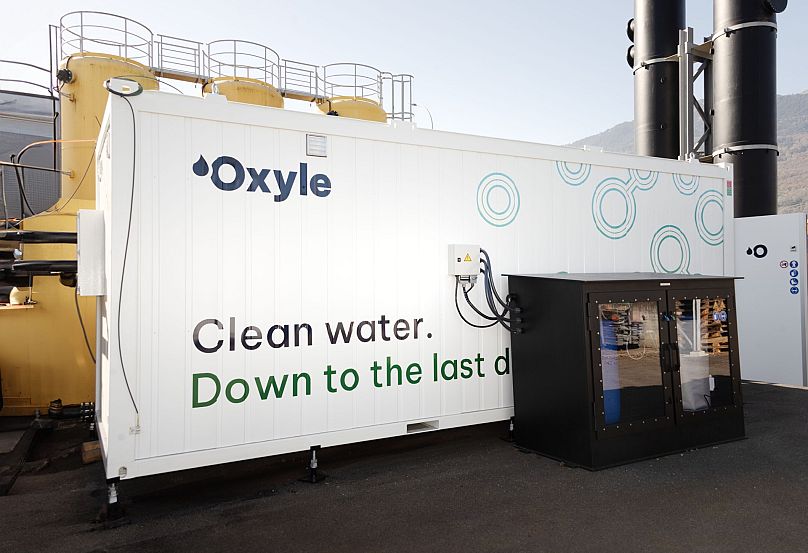
Oxyle is a Zurich-based water treatment start-up developing solutions to depollute wastewater contaminated by PFAS.


The company was founded in 2020 by Fajer Mushtaq and Silvan Staufert, and in January of this year, it raised over €15 million to further develop its technology, which captures and destroys PFAS.

Specifically, Oxyle uses a three-step approach. To begin with, a machine called OxFoam uses foam fractionation to separate PFAS from large volumes of water. By injecting air bubbles into contaminated water, PFAS attach to the bubbles, rise to the surface as foam, and can then be easily removed.

Next comes Oxlight, a treatment that breaks the unbreakable carbon-fluorine bonds in PFAS molecules using a chemical reaction driven by light.

And finally, there is OxSignal, which provides continuous monitoring of the PFAS concentration in water.

The Oxyle technology. Oxyle

According to Mushtaq, these technologies are a key reason for Oxyle’s rapid popularity.

“We don't just treat the long and medium chains that many other technologies can treat. We go after specifically for the compounds of PFAS that no one else can treat today,” she told Euronews Next.

PFAS are, in fact, a group of more than 10,000 chemicals. Depending on their characteristics, they can be classified as long, medium, or short-chained, the latter being the most difficult to eliminate.

In addition, Mushtaq believes that her company’s ability to offer client-based solutions, developing personalised approaches to handling contamination, sets Oxyle apart.

Still, she noted that while Oxyle has managed to secure funding to address PFAS, many water-protection start-ups continue to struggle to obtain the financial support needed to tackle the problem at scale.

Beyond PFAS: The ZeroF project

Like asbestos once was, PFAS are widespread in our daily lives, commonly found in products such as food packaging and upholstery textiles.

The project ZeroF aims to change this dynamic by finding safer materials to replace PFAS in these two applications. Co-funded by the EU and the Swiss Secretariat for Education, Research, and Innovation, ZeroF brings together 12 partners from nine different countries to develop technologies that reduce reliance on PFAS.

For food packaging, the project is using cellulose, applying modifications to increase its oil and water resistance. For textiles, researchers are exploring organically modified ceramics (Ormocers), which combine the durability of ceramics with the flexibility of polymers.

Example of food packaging developed by Zero F without PFAS. ZERO F

“It’s quite a big challenge or a major challenge to develop PFAS-free coatings with really a comparable performance,” Diana Lau, project leader working on the textile branch of ZeroF, told Euronews Next. Lau explained that it’s difficult to replicate the multiple characteristics, such as oil and water repellence, provided by the carbon-fluorine bond in PFAS. “We cannot only change a single atom to achieve comparable performance,” she continued.

The ZeroF project is now in its final stages, and the technologies it proposed remain at a preliminary level, as the project was primarily a research and innovation initiative. Nevertheless, according to its coordinator, Miika Nikinmaa, the results are promising.

He explained that the cost of production for alternatives to PFAS will be very company- and sector-specific.

Alternatives to PFAS could succeed only if they offer additional benefits, he told Euronews Next.

In addition to replacing PFAS, we have to provide other properties. The materials must be recyclable and meet new demands,” he said.


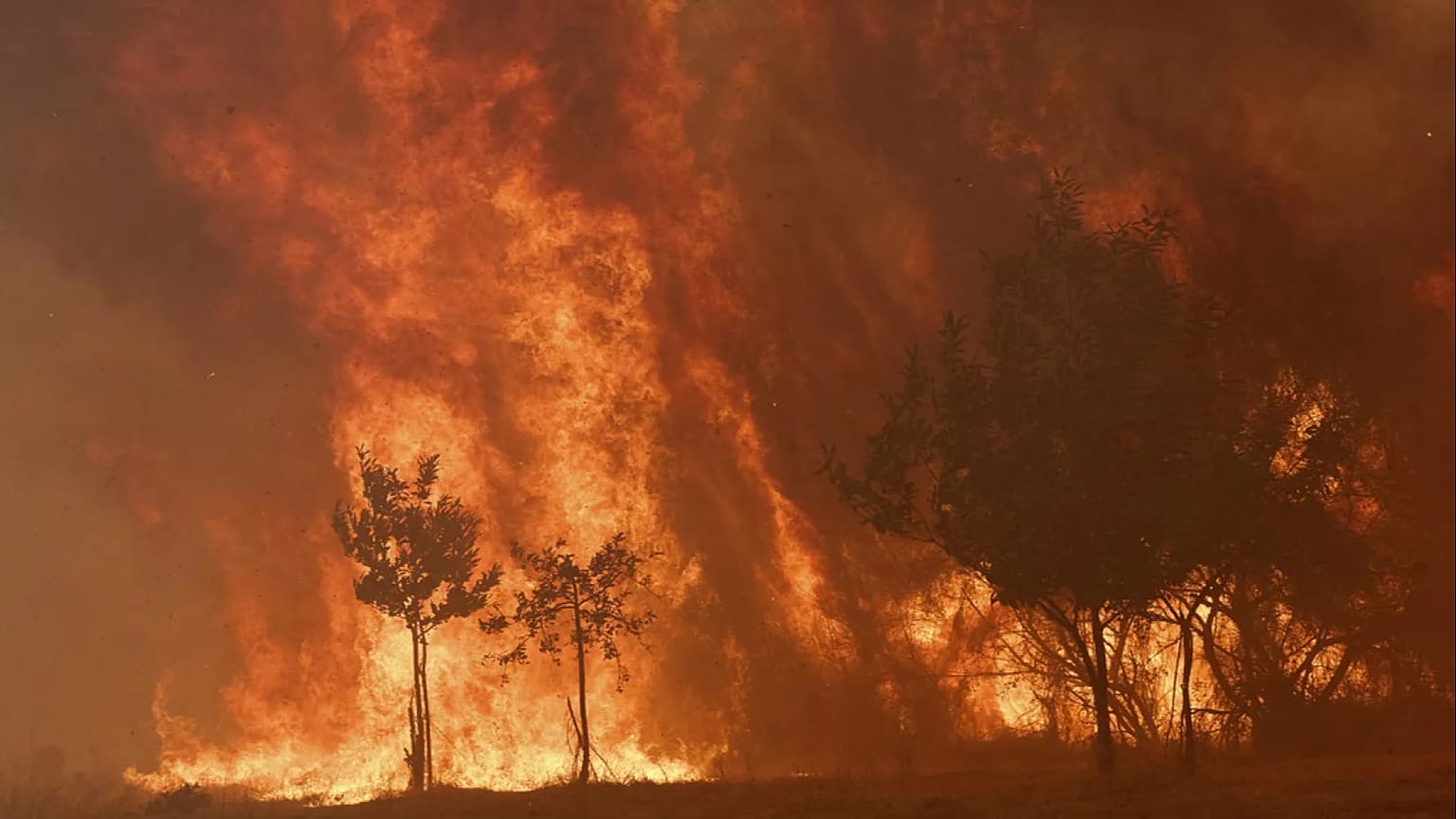
Fire-breathing clouds: How intense wildfires can create their own deadly weather systems


Copyright AP Photo/Pablo Garcia

By Euronews Green
Published on 02/10/2025 - 

Until now, scientists have struggled to reproduce this weather phenomenon in their models.

Some wildfires are large enough and hot enough to create their own weather systems.


Scientists estimate that tens to hundreds of storms created by these blazes occur around the world each year. The trend of increasingly severe fires, fuelled by climate change, means that the number is likely to grow.

These wildfire-born storms are becoming a growing part of fire seasons around the world with lasting impacts on air quality, weather and climate. They also make wildfires extremely hot and chaotic, wreaking havoc on firefighting strategies.

Until now, experts have struggled to reproduce this weather phenomenon in their models. But a new study, published in Geophysical Research Letters, has provided a breakthrough which could help predict them and understand what impact they have on the global climate.

How does a wildfire create its own weather system?\

Burning vegetation heats the air near the ground, which then rises. Cooler air rushes in to fill the void left by the rising air, generating wind patterns.

When the conditions are right, the wildfire’s rapidly rising plumes of hot smoke and air cool to form a cloud, known as a pyrocumulonimbus or “pyroCBs”. NASA scientists have referred to them as the “fire-breathing dragon of clouds”.

If enough energy is released and the updraft intensifies, it creates a thunderstorm that is capable of producing downdrafts that spread the flames and dangerous lightning that can ignite new fires.

They can produce dry storms with lightning that strikes without bringing significant rain, making them particularly dangerous as there's no precipitation to help extinguish blazes sparked by the lightning strikes.

Eventually, this thunderstorm will begin to die, and what goes up must come down. Downdrafts created by the decaying storm can create erratic winds near the ground that spread the fire in ways that are difficult to predict.
Wildfire thunderstorms can have deadly consequences

In 2020, California’s Creek wildfire was so intense that it started to produce its own weather system. Extreme heat from the blaze created a thunderhead - a cumulonimbus cloud that forms before a thunderstorm. This endangered firefighters and made containment elusive as lightning strikes rained down and winds fanned the roaring flames.

Pedrógão Grande, a small municipality in central Portugal, faced a similar scenario in 2017. A huge plume of smoke from a wildfire grew until thunder clouds began forming high up in the atmosphere. It was one of the first recorded pyrocumulonimbus in Western Europe.

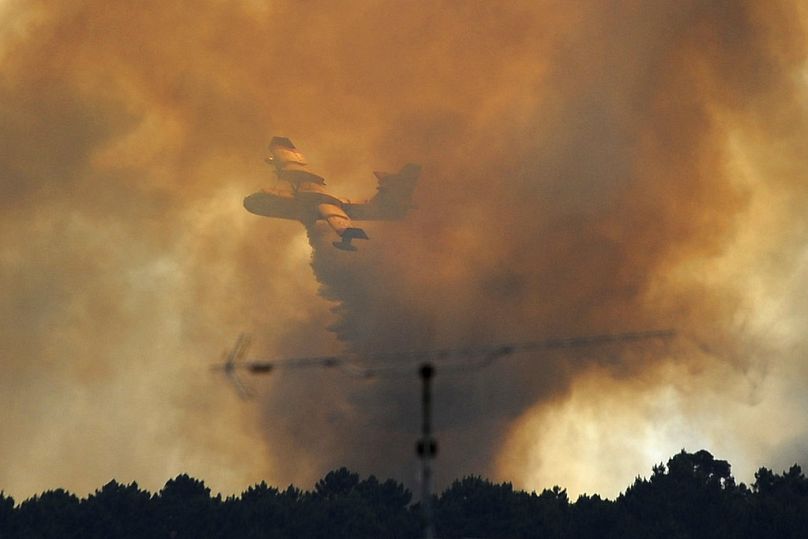
A fire fighting aircraft is almost obscured by smoke and steam as it drops water over a fire outside the village of Pedrogao Grande central Portugal, Monday, June 19, 2017. 
AP Photo/Paulo Duarte

Eventually, the roughly 13-kilometre-high column of dark smoke clouds collapsed and sent cold air to the base of the fire. In an investigation commissioned by the Portuguese government, villagers described it as "a sudden 'bomb' of fire spreading tongues of flames and sparks in all directions".

The fires in Pedrógão Grande killed 66 people and injured 250 others. An estimated 24,000 hectares of land were burned, and more than 500 houses were partially or totally destroyed over five days.

A world-first breakthrough

In a brand new study, scientists have successfully reproduced the timing, height and strength of the thunderhead seen during the Creek Fire - one of the largest pyrocumulonimbus clouds seen in the US, according to NASA. Their models also replicated the multiple thunderstorms produced by California’s 2021 Dixie Fire, which occurred under very different circumstances.

“This work is a first-of-its-kind breakthrough in Earth system modelling,” according to lead scientist Ziming Ke from the Desert Research Institute in Nevada, US.


Ke adds that this “breakthrough” could improve national resilience and preparedness as scientists are better able to predict these storms. It may also help us to understand what impact they have on a global scale.

When a pyrocumulonimbus cloud forms, it injects smoke and moisture into the upper atmosphere at levels similar to a small volcanic eruption. This impacts the way Earth’s atmosphere receives and reflects light, with pollution from fires persisting for months or longer. If this is transported to polar regions, it could accelerate ice and snow melt.

With wildfire seasons intensifying globally, the ability to predict and understand these fire-generated storms may prove crucial in protecting both lives and the planet's climate systems.
Trump Administration Yanks Funding For Northwest Green Hydrogen Project


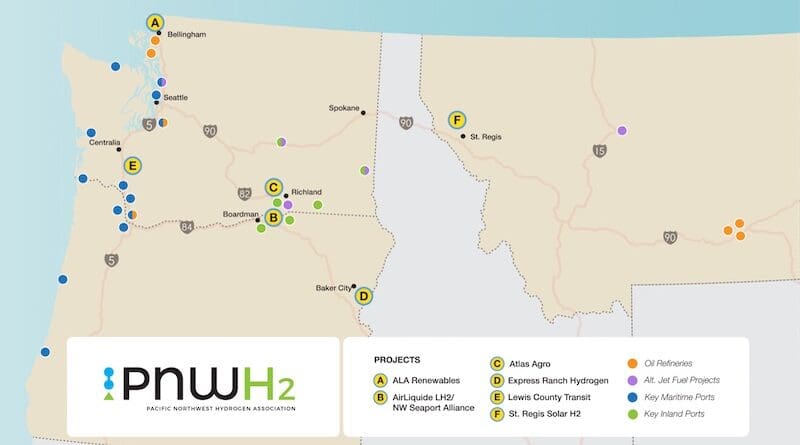
The Pacific Northwest Hydrogen Hub had six project “nodes” at the time the Trump administration terminated its federal funding. Credit: PNWH2 Hub


October 3, 2025 

By Oregon Capital Chronicle

By Tom Banse


(Oregon Capital Chronicle) — The Trump administration on Wednesday nixed funding for the Pacific Northwest Hydrogen Hub and several hundred other federally-subsidized clean energy projects in Democratic-led states.

Democratic politicians from Oregon and Washington state immediately cried foul and vowed to challenge what they called an “illegal” clawback of Congressionally-directed spending.

The tri-state Northwest hydrogen hub launched last year to funnel up to $1 billion in federal taxpayer funding to the region to kickstart production and use of zero-emissions hydrogen fuel. Private industry, truckmakers, transit and seaport partners were to bring large sums to the table in matching funds over the next eight to ten years.

But Trump administration officials voiced deep skepticism about climate and green energy initiatives championed by the previous Biden administration.

In a social media post Wednesday, White House Office of Management and Budget Director Russell Vought celebrated the cancellation of nearly $8 billion in what he called “Green New Scam funding to fuel the Left’s climate agenda.”

A follow-up news release that went out under Energy Secretary Chris Wright’s name said that his agency determined the cancelled projects did “not adequately advance the nation’s energy needs, were not economically viable, and would not provide a positive return on investment of taxpayer dollars.”

The Pacific Northwest Hydrogen Hub attracted bipartisan support locally as a means to create new jobs and meet climate goals, particularly in sectors that are proving difficult to convert directly to clean electric power. Washington Democratic Sen. Patty Murray blasted the Trump administration in a statement for playing “some sort of sick political game” on the first day of the partial government shutdown.

“This administration has had plans in the works for months to cancel critical energy projects, and now, they are illegally taking action to kill jobs and raise people’s energy bills,” Murray said.

In total, the Trump administration pulled funding for 223 clean energy projects in 16 states. Political observers quickly noted that nearly all of the cancelled projects were in states that voted for former Vice President Kamala Harris in the last presidential election.

“This is a blatant attempt to punish the political opposition, but this won’t just hurt Democrats – it’ll hurt regular people just trying to get by, in red districts and blue districts alike,” Murray said. “I will be standing firm against this corrupt abuse of power – and every Republican should think carefully about what precedent they want to set by allowing this weaponization of taxpayer dollars.”

Democratic Gov. Bob Ferguson said in a prepared statement Thursday that his office was working with state Attorney General Nick Brown to “fight this illegal action.”

Ironically, the majority of the hydrogen production infrastructure for the Northwest hub project was to be built in counties that voted for Trump, such as Benton and Lewis counties in Washington, Baker and Morrow counties in Oregon, and the St. Regis, Montana area.

The Trump administration Wednesday also cancelled the California clean hydrogen hub known as ARCHES, but left in place the funding for five other nascent hubs selected in a highly competitive national contest overseen by Biden’s Energy Department in 2023.

Most of the surviving hubs align more closely with the current administration’s energy priorities by producing hydrogen from natural gas with carbon capture or by using nuclear power.
Smaller, but not really small, clean energy grants pulled too

A $250 million project to upgrade power transmission lines on the Warm Springs Reservation in central Oregon was also reportedly on the list of federal grant terminations. The project was meant to increase capacity to transmit renewable electricity generated in central Oregon to customers in the Willamette Valley. A spokesperson for Portland General Electric, the transmission line’s owner, was unsure Thursday whether the utility had received a formal grant termination notice.

Aggrieved Democratic Congresswoman Suzan DelBene, D-Medina, shared a list of other project cancellations, which included four Department of Energy grants to Washington State University for solar energy and vehicle technology development, totalling nearly $10 million.

The termination list also noted a bigger – nearly $68 million – hit to Bellevue, Washington-based truck maker PACCAR, which was to receive assistance for developing and manufacturing cleaner semi trucks.

Further down the casualty list was a $10 million award to CleanFiber to help that company build a new factory in Chehalis, Washington, to turn recycled cardboard into home insulation.

The Department of Energy said the sponsors of terminated projects have 30 days to appeal their canceled funding. Some recipients have already started the appeal process, according to the department.

Big investments near Bellingham and Richland now in doubt

The biggest single component within the Northwest hydrogen hub was a planned $1.5 billion green fertilizer factory near Richland, Washington, which was to produce hydrogen on site as a key ingredient. Switzerland-based Atlas Agro has already started permit applications for the big plant and lined up customers.

Close behind in terms of investment and scale, Calgary-based AltaGas had a plan to redevelop the closed Intalco aluminum smelter near Ferndale, Washington, to produce climate-friendly hydrogen for refinery use, transportation fuel and possibly power generation.

It’s unclear what happens now. Both corporate boards had postponed making final investment decisions because of the uncertainty about federal subsidies and tax credits.

“Our investment in the Intalco lands remains a priority. We will continue to explore development opportunities that align with our values and deliver lasting benefits to the region,” said Andrea McNamara Doyle, Washington state external affairs manager for AltaGas, in an emailed statement.

Other smaller participants in the PNWH2 Hub had plans to build green hydrogen fueling and distribution infrastructure. Those outfits joined the hub to receive subsidies for design, construction and startup costs.

Plans included hydrogen refueling stations for big trucks along Interstate 84 in Eastern Oregon and on I-90 in far western Montana as well as hydrogen fuel cell transit bus expansion in southwest Washington.

There were signs of trouble for the hub prior to this week – consequences of the slower-than-expected emergence of demand for hydrogen fuel and the high cost of production. A half dozen energy developers exited from various projects that were originally included in the Northwest hydrogen hub’s federal funding proposal. Notable names to get cold feet over the past year included Fortescue, Portland General Electric, Mitsubishi Power, First Mode and Puget Sound Energy.

Prospective large-scale clean hydrogen producers Fortescue, Atlas Agro and AltaGas were also having a hard time locating affordable sources of renewable electricity in the quantities needed to split water molecules to make pure hydrogen.

In a late Wednesday email to project partners, Pacific Northwest Hydrogen Hub President Chris Green lamented the short-notice termination and uncertainty it created, but tried to close on a positive note.

“Whether or not this grant funding remains, I’m encouraged that the trail is now blazed for more development and projects to be delivered in this market and that there will be a bright future for H2 as a highly successful and lucrative energy product in the future in our region,” Green wrote.

Oregon Capital Chronicle reporter Alex Baumhardt contributed to this story.

This story was originally produced by Washington State Standard, which is part of States Newsroom, a nonprofit news network which includes Oregon Capital Chronicle, and is supported by grants and a coalition of donors as a 501c(3) public charity.


Oregon Capital Chronicle

The Oregon Capital Chronicle, founded in 2021, is a professional, nonprofit news organization. We focus on deep and useful reporting on Oregon state government, politics and policy. Staffed by experienced journalists, the Capital Chronicle helps readers understand how those in government are using — or abusing — their power, what’s happening to taxpayer dollars, and how citizens can stake a bigger role in big decisions.
UN Must Do All It Can To Increase Climate Ambitions – Analysis


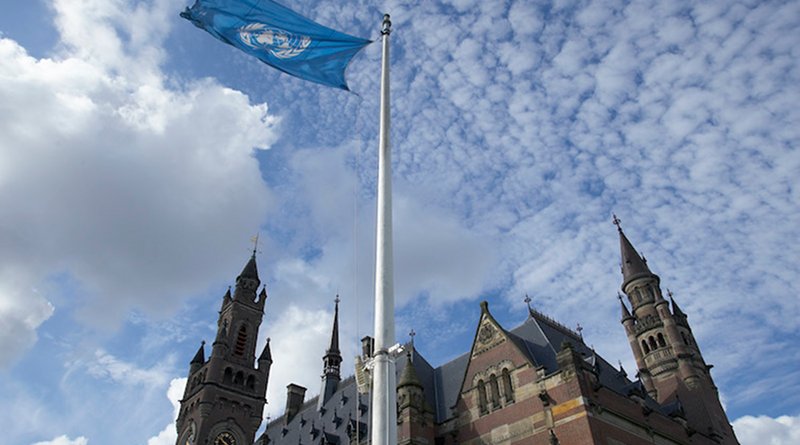
The Peace Palace in The Hague (Netherlands), seat of the International Court of Justice. Credit: Jeroen Bouman - Courtesy of the ICJ.

October 3, 2025 

By Dr. Majid Rafizadeh


At the 80th UN General Assembly last week, Secretary-General Antonio Guterres urged nations to adopt emissions reduction targets for 2035 that far surpass the pledges enshrined in the Paris Agreement. His call came at a key moment, as the International Court of Justice’s latest advisory opinion stipulated that states have legal obligations under international law to prevent, mitigate and cooperate when it comes to addressing the harms of climate change.

Although the International Court of Justice’s opinion, which was issued in July, is only advisory, it is still a significant clarification when it comes to international climate obligations. Building on this momentum, Vanuatu and a coalition of climate-vulnerable nations are mobilizing to transform the court’s opinion into binding political action. This can be done through a UN resolution. This raises the question of whether such a resolution is feasible, as well as what the legal and political obstacles might be and the potential benefits it might bring.

The court’s opinion asserted that states’ climate-related duties are not limited to treaty obligations, but also involve the principles derived from international law and human rights. This could provide new leverage for litigants and advocates.

Guterres’ call underscored the urgency of this issue, as global emissions remain at record highs, with energy-related carbon dioxide emissions surpassing 37 gigatonnes and overall greenhouse gas emissions exceeding 53 gigatonnes carbon dioxide-equivalent in 2023. These statistics demonstrate the significant gap between existing pledges and the reductions necessary to keep warming below 1.5 degrees Celsius above preindustrial levels.

For small island states like Vanuatu, which are existentially threatened by rising seas and intensifying storms, the advisory opinion is not simply a legal milestone but a potential lifeline.

But can the UN system move from opinion to actual enforcement when it comes to climate-related issues? Unfortunately, UN General Assembly resolutions do not carry the same binding force as Security Council measures. They are considered more like expressions of political will or guidance. Nevertheless, such resolutions are not fruitless. They can mandate UN organs to align their operations with the International Court of Justice opinion, initiate treaty negotiations and create reporting and review mechanisms. Such resolutions can significantly change governments’ behavior, even without formal legal compulsion, when they are paired with strong diplomatic coalitions and financial commitments


Unfortunately, the international order appears to be divided on climate ambition. While the EU and a number of vulnerable states support stronger commitments, many large emitters remain cautious or resistant. For example, the US has, under its current administration, signaled its reluctance toward binding global measures. In addition, fossil fuel-dependent economies fear the economic disruption of rapid decarbonization. This divide makes the adoption of a resolution with genuinely binding legal force improbable.

Even without being universally binding, an UNGA resolution endorsing the world court’s opinion would still have important practical effects. From a legal perspective, it could strengthen domestic litigation, empowering courts to cite both the advisory opinion and the UN resolution as authoritative interpretations of state obligations. It could also direct UN agencies and banks to condition funding on climate-aligned policies. And it could lead to coalitions of willing states agreeing to implement binding standards and rules among themselves. Furthermore, it could open new avenues for finance and adaptation support.

It is evident that the obstacles are not easy to overcome. This is because the UNGA cannot single-handedly impose binding legal obligations, while UNSC enforcement is highly unlikely because of the veto power of its members. The capacity to implement also remains uneven. And without significant financial commitments from wealthy nations — in the region of hundreds of billions of dollars every year — developing countries would likely be reluctant to support such a resolution.

Despite these challenges, the effort to operationalize the International Court of Justice opinion through an UNGA resolution represents a good move from the strategic, political and legal perspectives. Even if it did not create binding legal obligations for UN members, it could reshape the normative, political and institutional landscape considering climate issues and governance. Such a resolution would also provide new tools when it comes to accountability. And it could direct international institutions toward more ambitious actions, while facilitating and accelerating the development of legal frameworks.

In a nutshell, when it comes to addressing climate change, transforming the International Court of Justice’s advisory opinion into political action via a UN resolution appears to be feasible, effective and desirable. Although such a resolution may not deliver the binding commitments that the most vulnerable states urgently seek, it would significantly advance the global climate agenda as it would consolidate legal norms, mobilize political will and direct financial and institutional resources in the right direction. And considering the scale of the climate crisis the world is facing, such an initiative is critical.


Dr. Majid Rafizadeh is a Harvard-educated Iranian-American political scientist. X: @Dr_Rafizadeh

Solar became the EU’s main source of electricity for the first time this June

NOT A CLOUD IN THE SKY
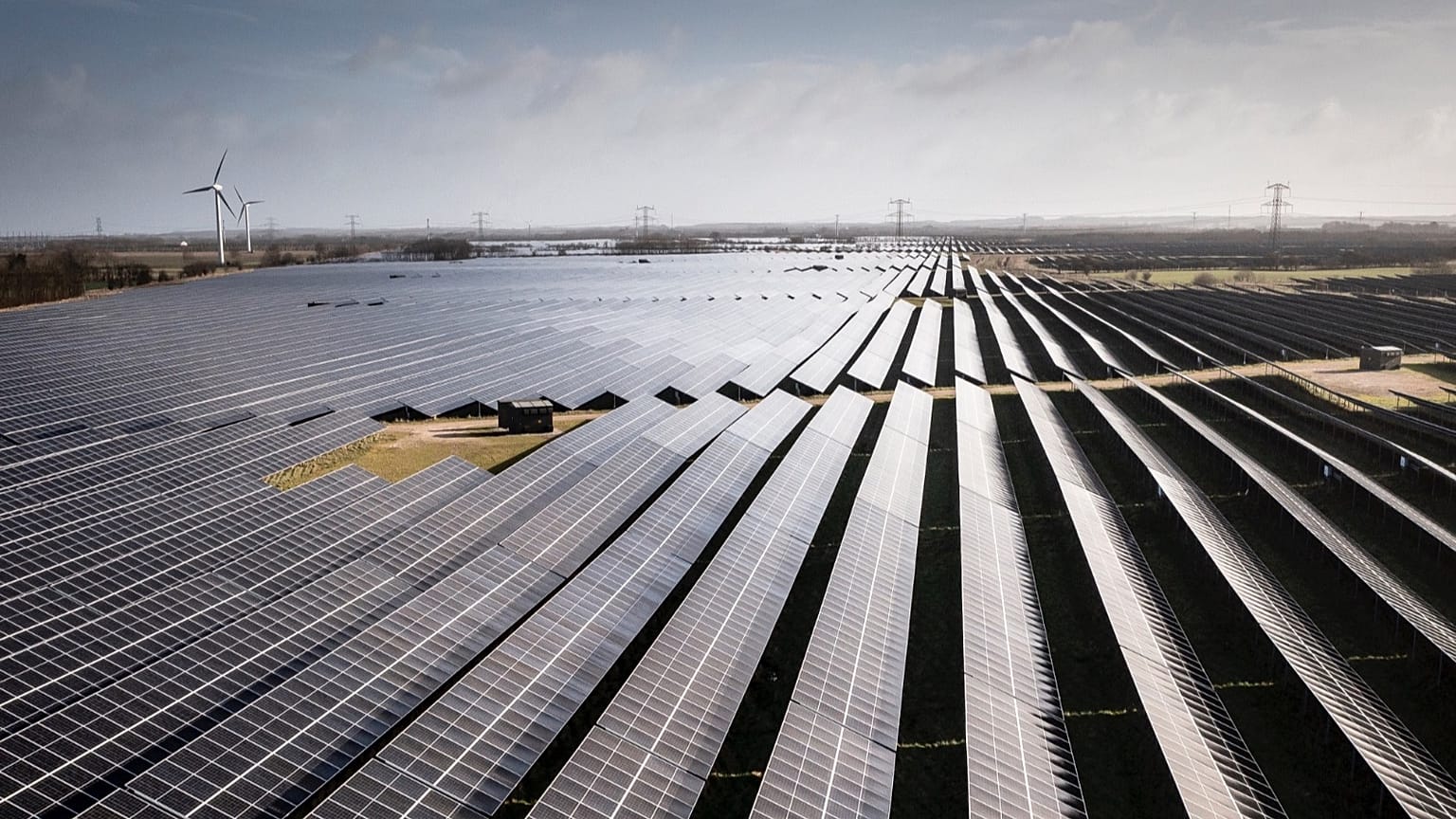
Solar installations on 340 hectares surround the village of Hjolderup west of Aabenraa, southern Denmark on Tuesday Feb. 21, 2023.
Copyright Ritzau Scanpix/ ASSOCIATED PRESS

By Liam Gilliver
Published on 

For the first month in history, solar energy was the main source of electricity generated in the EU.

In a huge victory for green energy, more than half of net electricity generated in the European Union came from renewable sources in the second quarter of 2025.

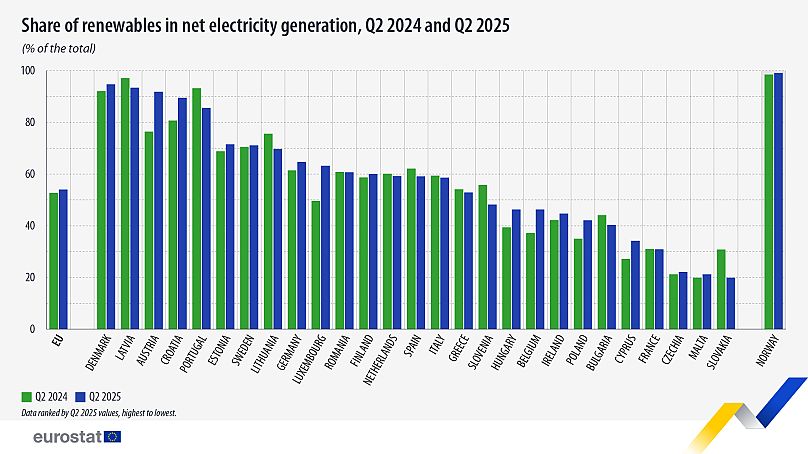
Data from Eurostat shows that renewable energy sources hit an impressive 54 per cent between April and June, marking a 1.3 per cent increase compared to the same period last year.

The spike has been attributed to a boom in solar energy, which created 122,317 gigawatt-hours (GWh) in Q2. 

In theory, this is enough to power around three million homes, and was described as “heartening” by Rob Stait of Alight, one of Europe’s leading solar developers.

Why solar power is becoming so popular.

“Solar’s boom is because it can generate huge energy cost savings and it's easy and quick to install and scale”, he tells Euronews Green. 

“A solar farm can be developed in a year - compared to at least five years for wind and at least ten for nuclear. But most importantly, it provides clean, renewable power and its increased adoption drastically reduces the reliance of Europe on oil and gas”.

According to Eurostat, June 2025 was actually the first month in history where solar was the main source of electricity generated in the EU, accounting for 22 per cent of the energy mix. 

This was closely followed by nuclear (21.6 per cent), wind (15.8 per cent), hydro (14.1 per cent) and natural gas (13.8 per cent).

With Russia’s invasion of Ukraine continuing to leave the energy market volatile - especially for fossil fuel-dependent countries -  Stait argues energy resilience and renewables infrastructure have now become a “strategic necessity”.

Which European countries had the highest share of renewables?

Denmark led the way in Q2 with the highest share of renewables in net electricity generated (94.7 per cent) - outranking Latvia (93.4 per cent), Austria (91.8 per cent), Croatia (89.5 per cent) and Portugal (85.6 per cent).

Graph showing shares of renewables in net electricity generation in Q2 2024 and Q2 2025.
Graph showing shares of renewables in net electricity generation in Q2 2024 and Q2 2025. Eurostat

While Luxembourg ranked 10th, it recorded the largest year-on-year increase thanks to a boom in solar energy (+ 13.5 per cent). Similarly, Belgium witnessed a 9.1 per cent increase in renewable energy generation compared to 2024.

Dragging behind with the lowest shares of renewables are Slovakia (19.9 per cent), Malta (21.2 per cent) and Czechia (22.1 per cent).

Will renewable energy help lower electricity bills?

Stait says the “accelerated buildout” of renewables will ultimately lower bills for both businesses and other users - but slower buildouts mean sky-high prices may linger.

“My advice to European nations would be to keep going further and faster”, he adds.

“There needs to be political action to solve grid congestion, and to create opportunities for innovation and manufacturing in Europe will be critical to keep momentum”.

'Truth is the Best Picture': Robert Capa explored in compelling new show at Ara Güler Museum

PHOTODOCUMENTOR OF THE SPANISH CIVIL WAR


Copyright Robert Capa/ Cornell Capa

By Buse Keskin & Tokunbo Salako
Published on 02/10/2025 - EURONEWS


Istanbul's Ara Güler Museum, in collaboration with the Robert Capa Contemporary Photography Centre in Hungary, is showing Capa's stunning work ranging from everyday life to the horrors of war, plus a selection from his time in Turkey in 1946 in the exhibition 'Truth is the Best Picture'.

Located in Yapı Kredi Bomontiada, a former brewery built in the late 19th century in the heart of Istanbul, the Ara Güler Museum stands out as one of the most important centres for contemporary photography in Turkey.

Its latest exhibition, Robert Capa - Truth is the Best Picture, proves the point, showcasing the work of one of the 20th century's most important photojournalists.

The show takes its name from a quote of Capa's that reflects his photographic philosophy: 'raw, real and grounded in truth.'

In addition to some of Capa's most famous images, the exhibition also includes a special selection of 37 images he took while travelling in Turkey in 1946.

American troops landing on Omaha Beach, 1944
 Hungarian Collection of The Robert Capa Photographs – Robert Capa Contemporary Photography Center, Budapest

Robert Capa is not only celebrated for his work as a war correspondent, but also as one of the pioneers who transformed photography into an immortal art form. His photographs still resonate, retaining all their emotional power to touch people's hearts and reflect our vulnerability.

Istvan Viragvölgyi, director of the Robert Capa Contemporary Photography Centre, told Euronews Turkish: "Last year we hosted an exhibition by Ara Güler in Budapest, which was part of the Turkey - Hungary cultural year. And now Budapest-born Robert Capa is coming back to the Ara Güler Museum. So I think this is a really nice, two-way co-operation."

"Ara Güler and Robert Capa share a lot of things in terms of their view of the world and their values. So I think it's a very good match, and the fact that it's Ara Güler's first major exhibition in Hungary and then Robert Capa's first major exhibition in Turkey and in Istanbul is a really good coincidence. We are very happy about this," he said.

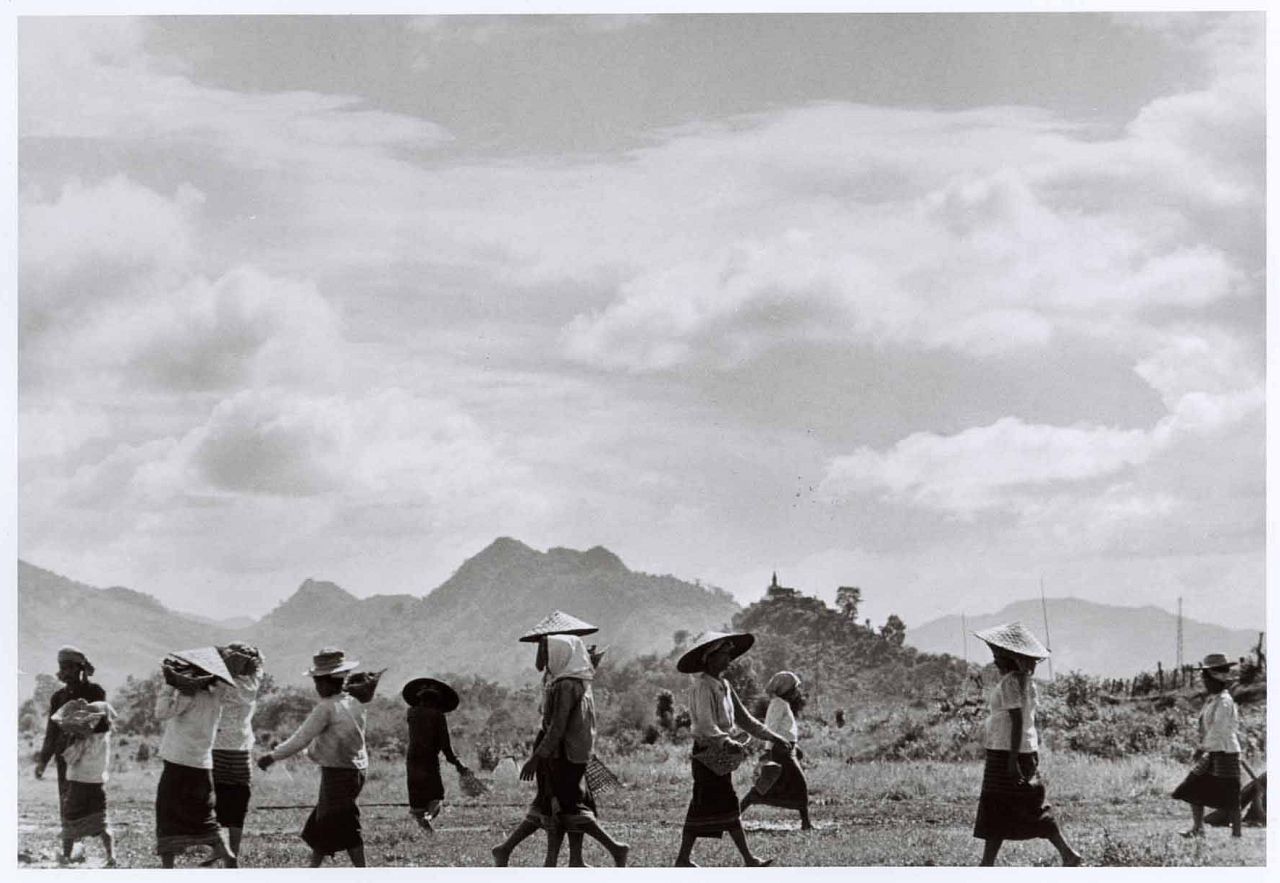
Women walking under midday sun, near Nam Định, Vietnam, May 1954 
Hungarian Collection of The Robert Capa Photographs – Robert Capa Contemporary Photography Center, Budapest

Focusing on different human landscapes from all walks of life from Ara Güler's archive, the 'On Life' exhibition was shown at the Robert Capa Contemporary Photography Centre in Budapest as part of last year's cultural initiative. The exhibition featured the photographs of three masters of photography, Robert Capa, André Kertész and Ara Güler, under the same roof.

Crowds Running for Shelter When the Air-raid Alarm Sounded, Bilbao, Spain, 1937
Credit: Hungarian Collection of The Robert Capa Photographs – Robert Capa Contemporary Photography Center, Budapest

This Istanbul exhibition presents a comprehensive selection of Capa's pivotal photographs, starting with his first professional work as a photojournalist in 1932, documenting Leon Trotsky's speech in Copenhagen, and ending with the last photographs he took in Indochina just before his tragic and premature death in 1954.
RelatedPhotographer Luiz Carvalho revisits Portugal’s post-revolution years in new exhibition

As a historically significant visual archive, these photographs, taken as a whole, demonstrate Capa's mastery of visual expression and reveal the birth and development of a photographer from Endre Friedmann to Robert Capa.
Refugees Flee Barcelona at Franco's Approach, 1939
 Hungarian Collection of The Robert Capa Photographs – Robert Capa Contemporary Photography Center, Budapest

The exhibition also includes a special section dedicated to 37 silver gelatin prints of photographs taken by Capa during his trip to Turkey in 1946, 80 years ago.

He was commissioned to direct a documentary film introducing Turkey for the 'March of Time' newsreel series. During his visit, Capa photographed various subjects ranging from Istanbul daily life to the modern architecture of Ankara, from rural landscapes to portraits.

Robert Capa - Truth is the Best Picture is on until 22 March 2026 at the Ara Güler Museum, in collaboration with Hungary's Robert Capa Contemporary Photography Center in Budapest and supported by the Liszt Institute - Hungarian Cultural Centre.

Puerto Rican Superstar 

Trump adviser: ICE will be present at Bad Bunny’s 'shameful' 2026 Super Bowl halftime show

PUERTO RICO IS AN AMERIKAN TERRITORY

Trump adviser: ICE will be present at Bad Bunny’s “shameful” 2026 Super Bowl Halftime Show
Copyright Apple Music

By David Mouriquand
Published on 

Puerto Rican superstar Bad Bunny is set to headline 2026’s Super Bowl halftime show. His frequent criticisms of Donald Trump’s immigration raids are angering MAGA. Now, a senior member of the Trump administration has confirmed that ICE agents will be present at next year’s NFL show...

The Super Bowl is the US' most-watched television event, attracting more than 100 million viewers every year.

Last year, thanks to Kendrick Lamar’s Halftime Show, it shattered all records with 133.5 million viewers tuning in to watch K.Dot’s performance.

It’s a huge and coveted gig, which has a long history of reflecting and influencing cultural trends. And while artists don’t get paid for performing at the Halftime Show, it’s one of the most sought-after concerts in the industry, especially because of the exposure it provides.

Not that Bad Bunny needs it. The multi-Grammy Award winning Puerto Rican rapper-singer, who was announced as the headline performer for 2026’s NFL Super Bowl Halftime Show earlier this week, is one of the world’s most streamed artists and a globally celebrated ambassador for Latin music. So it makes a lot of sense that the “world’s biggest stage”, according to Jay-Z, should go to one of the world’s current biggest artists.

You just try telling staunch American Conservatives that. 

Right-wing commentator Benny Johnson has slammed the musician in an X post, calling Bad Bunny a “massive Trump hater” and an “anti-ICE activist” who has “no songs in English.”

Johnson has also criticized Bad Bunny for skipping the US, aside from his native Puerto Rico, on his last tour.

Indeed, Bad Bunny, whose real name is Benito Antonio Martínez Ocasio, has long championed his Puerto Rican roots and has frequently criticized Donald Trump and immigration policies. The artist stated that he would continue to skip US dates because he was concerned ICE (Immigration and Customs Enforcement) agents may show up at concerts to conduct raids and target his fans.

"There were many reasons why I didn’t show up in the US, and none of them were out of hate - I’ve performed there many times,” Bad Bunny told i-D magazine. “All of (the shows) have been successful. All of them have been magnificent. I’ve enjoyed connecting with Latinos who have been living in the US. But there was the issue of — like, f*cking ICE could be outside (my concert). And it’s something that we were talking about and very concerned about.”

Shortly before Bad Bunny was announced as the halftime performer, he posted a quip online about doing "just one date in the United States": "I've been thinking about it these days, and after discussing it with my team, I think I'll do just one date in the United States," he wrote in Spanish.

As if to prove the artist right, a member of the Trump administration has now confirmed that ICE will be present at the 2026 Super Bowl Halftime Show.  

Corey Lewandowski – who served as President Donald Trump’s 2016 and 2024 campaign manager and now advises the Department of Homeland Security – has said during an appearance on Johnson’s The Benny Show that ICE will be in attendance.

Lewandowski said: “There is nowhere you can provide safe haven to people who are in this country illegally. Not the Super Bowl and nowhere else. We will find you and apprehend you and put you in a detention facility and deport you. Know that is a very real situation under this administration, which is contrary to how it used to be.” 

He added: “It’s so shameful that they’ve decided to pick somebody who just seems to hate America so much to represent them at the Halftime game.” 

ICE raids have soared in the US with the agency aiming for 3,000 minimum arrests a day since May.

Bad Bunny will take to the Super Bowl stage on 8 February 2026 at Levi’s Stadium in Santa Clara, California.