Sunday, December 28, 2025

Dragon-Slaying Saints Performed Green-Fingered Medieval Miracles


A Holy hermit, possibly Guglielmo of Malavalle (wall painting, 1330–1337), Sant’ Agostino chapter house, Siena, Italy. 

CREDIT: Krisztina Ilko

December 28, 2025
By Eurasia Review

The Vatican’s eco-friendly farm, recently inaugurated by the first ever Augustinian pope, echoes his order’s forgotten early history, new research argues. Dr Krisztina Ilko challenges major assumptions about the medieval Catholic Church and early Renaissance.

A scorched cherry twig miraculously sprouting; a diseased swamp restored to ‘peak fertility’; healing the broken leg of an ox; and multiplying cabbages. These are just some of the forgotten medieval miracles brought to light by Cambridge University historian Dr Krisztina Ilko.

“Bleeding hosts and stigmatisations are the best-known medieval miracles,” says Dr Ilko, author of The Sons of St Augustine, a major new study published by OUP.

“The Augustinians get very little credit for miraculously making land fertile, healing livestock and bringing fruit trees back to life,” says Ilko, a medieval historian from Queens’ College, Cambridge.

“With Leo XIV becoming the first Augustinian Pope, it’s the perfect time to make the order’s astonishing history better known. There has been so much focus on Italian cities, we’ve lost sight of how important the countryside was to the Church and to the Renaissance.”


Dragons and fertility miracles

Saint George, the most famous Christian dragon slayer, appears in countless paintings as a lance-wielding military saint. Far less famous is the twelfth-century hermit Guglielmo of Malavalle who was venerated by the Augustinians for killing a dragon with a humble wooden staff shaped like a pitchfork.

In medieval Europe, disease suffered by livestock, crops and people was often blamed on dragons, and more specifically on their toxic breath which, it was thought, suffocated the countryside and those who lived there. Dragons were particularly associated with swampy areas.

After hearing a voice from the sky, Guglielmo settled in Malavalle, ‘the bad valley’, in Tuscany’s swampy Maremma region. Toxic air and terrible storms were thought to have left the valley barren, so ‘dark, and terrible’ that not even hunters dared to enter.

Dr Ilko argues that Guglielmo was venerated for ‘defeating the dragon’ because he purified the putrid air and restored the valley to ‘peak fertility’.

“These achievements weren’t symbolic, Guglielmo provided a crucial public service, he helped country people survive in a really harsh natural environment,” Dr Ilko says.

“Guglielmo was a pitchfork-wielding dragon slayer and divine gardener all at once. Commanding the weather, securing a good harvest, and restoring the health of livestock must have seemed the most desirable divine interventions in the late medieval countryside. They were matters of life and death.”
Miraculous discoveries

A decade of research took Dr Ilko to two dozen archives and she trekked to more than sixty Augustinian sites, including some of the most inaccessible ruins. She made discoveries in frescoes, illuminated manuscripts, hagiographies and letters. Some of the ancient documents she studied had been misdated and wrongly attributed, further denying the Augustinians of miraculous limelight.

The earliest collection of Augustinian life stories Dr Ilko studied was written by a Florentine friar in the 1320s and has been largely overlooked until now because, she believes, scholars deemed its miracles too rural. Housed in Florence’s Biblioteca Medicea Laurenziana, the manuscript opens with the life of Giovanni of Florence who built the Augustinian hermitage of Santa Lucia in Larniano with the help of local farmers. One of his greatest miracles was healing the broken leg of an ox. Another life story describes Jacopo of Rosia commanding an unreliable apple tree to produce fruit every year, as well as him multiplying cabbages.

“When people think about religious orders and their massive role in the Renaissance, they usually turn their attention to cities like Rome, Florence and Siena,” Dr Ilko says.

“The Franciscans and Dominicans, in particular, are credited for Italy’s rapid urban renewal from the 1200s onwards. Not many people realise that the Augustinians drew most of their power from the countryside. Their miracles were very green-fingered, agricultural.”

“St Francis of Assisi remains the most famous ‘nature saint’, best known for preaching to birds. In a more eco-conscious world, the Augustinians deserve much more attention.”
Augustinian survival strategy

Dr Ilko argues that positioning themselves in forests or by the sea was crucial to the survival of the Augustinians as a religious group.

The Order of the Hermits of St Augustine was founded by the papacy as a mendicant order through the amalgamation of various central Italian hermit groups in 1256. Then, in 1274, the Roman Catholic Church put the Augustinians on notice because they were founded after 1215 and lacked continuous existence since late antiquity. The papacy only re-confirmed their order’s existence in 1298. During this 25-year period of uncertainty, the Augustinian friars worked hard to prove their legitimacy.

Lacking a single, charismatic founding father, the friars developed a compelling origin story in which they claimed to have been founded directly by St Augustine. But, Dr Ilko argues, the Augustinians also drew heavily on their wild power-bases – forests, mountains and the sea – to prove their antiquity and authority. “Direct contact with nature gave the friars legitimacy, special spiritual powers and access to valuable natural resources including timber, crops and wild animals,” Dr Ilko says.

The Augustinians went on to found urban convents but carefully selected locations that bordered the countryside. In Rome, they founded the convent of Santa Maria del Popolo at one of the major entrances to the city, framed by trees and gardens on one side. The Franciscans had earlier rejected the spot because it was too remote and difficult ‘to sustain the body’ there. The site had been a sinister place: an ancient walnut tree plagued with demons towered over the supposed burial site of the Emperor Nero until Pope Paschall II had them removed in 1099.

In addition to raising public awareness about the Augustinians, Dr Ilko argues that the ruins of Augustinian hermitages should be better cared for and access improved so that that more people can visit them.
Researchers Revive Old Pea Varieties In Huge Seed Collection: ‘An Untapped Gold Mine For The Future’


Peas from Nordgen.

 CREDIT: Nordgen / University of Copenhagen

December 28, 2025 
By Eurasia Review


The demand for plant-based foods is increasing worldwide. Peas in particular are a burgeoning source of high protein content as a substitute for meat. With their small climate footprint, peas are sustainable to grow and provide a high yield. However, the pea varieties we grow today require intensive industrial processing.

“Today, we use very few pea varieties in agriculture, which are primarily produced for their properties as pig feed, but are not intended as protein in a plant-based burger. Just as an apple is not just an apple, a pea is not just a pea, even though it may seem that way in the supermarket,” says Associate Professor René Lametsch from the Department of Food Science.

In the quest to find suitable pea varieties, researchers from the Department of Food Science at the University of Copenhagen have developed a new AI method. They have unleashed it on the Nordic gene bank NordGen, which contains almost 2,000 different types of peas, in order to identify old pea varieties that are well suited as plant protein for humans.

“The gene banks contain an enormous variety that is largely untapped today. Our method makes it possible to utilise the plant resources in the gene bank and quickly find the most interesting types,” says René Lametsch.
Smooth or wrinkled? 51 promising pea varieties found

Using the new AI method, the researchers have found 51 old pea varieties that are no longer used in agriculture but appear to have promising properties as plant food, including high starch and protein content.

The method can automatically measure the shape, colour, size and surface of the seeds from ordinary photographs. The combination of image data and information about protein content makes it possible for the AI to select a small but
About NordGen

NordGen serves as the Nordic countries’ joint gene bank for plants and as a knowledge centre for genetic resources. The gene bank contains over 33,000 seed samples from approximately 450 plant species and 95 potato varieties, which are preserved as living cuttings. NordGen’s primary task is to ensure the conservation and promotion of the sustainable use of genetic resources in plants, livestock and forestry throughout the Nordic region representative sample of peas, which can then be analysed in depth.

“There are widely varying characteristics from variety to variety, especially in terms of starch and protein content, so it can make a lot of sense to revive some of the old varieties in our search for good ingredients for new types of plant-based foods,” says René Lametsch.

The study shows that the appearance of the seeds is closely related to their chemical composition. One feature in particular – how smooth or wrinkled the seed is – is closely linked to the type of starch the pea contains. This means that, for the first time, researchers can partially predict chemical properties based on images alone.

“We see a surprisingly large variation in the balance between the two key proteins in peas, legumin and vicilin – far greater than in today’s commercial varieties. This makes the gene bank’s old peas an untapped gold mine for the development of future plant-based foods,” concludes René Lametsch.

Ubiquitin Switch Reveals How Grapevines Survive The Cold


December 28, 2025 
By Eurasia Review


Cold temperatures can severely damage perennial crops such as grapevine, limiting growth, fruit quality, and regional distribution. Plants respond to cold through complex signaling networks that coordinate transcriptional activation, protein turnover, and oxidative stress detoxification. Central among these systems is the ubiquitin–proteasome pathway, which selectively removes regulatory proteins to fine-tune stress responses. Transcription factors like MYB proteins and CBF regulators are essential for activating COR genes, but their stability is tightly controlled by E3 ubiquitin ligases. Yet, in grapevine, the mechanisms linking ubiquitination to cold-response transcriptional programs and ROS homeostasis remain unclear. Due to these challenges, deeper investigation into grapevine cold-tolerance mechanisms is urgently needed.

A research team from Ningxia University reported a new regulatory mechanism underlying grapevine cold tolerance in a study published in Horticulture Research. The researchers identified VaMIEL1, a RING-type E3 ubiquitin ligase, as a key negative regulator that promotes degradation of the transcription factor VaMYB4a under normal temperatures. Cold stress suppresses VaMIEL1 expression, allowing VaMYB4a to activate the CBF–COR pathway and antioxidant defenses. The study combines biochemical analysis, Arabidopsis genetics, and grapevine callus experiments to map this cold-response module.

The researchers first demonstrated that VaMIEL1 physically interacts with VaMYB4a through yeast two-hybrid, BiFC, and co-immunoprecipitation assays, with the C-terminal regulatory domain of VaMYB4a responsible for binding. Promoter analysis revealed a low-temperature-responsive element, and reporter assays confirmed that VaMIEL1 expression decreases dynamically during cold exposure. In Arabidopsis, overexpression of VaMIEL1 increased cold sensitivity, leading to elevated ROS accumulation, reduced proline levels, impaired antioxidant enzyme activity, and strong suppression of CBF and COR gene expression. Conversely, the AtMIEL1 loss-of-function mutant showed improved cold tolerance and enhanced redox balance.

In grapevine calli, VaMIEL1 overexpression caused browning, reduced biomass, high ROS buildup, and lower SOD/POD activity under cold conditions. RNAi silencing of VaMIEL1 produced the opposite effects, elevating antioxidant capacity and restoring expression of VaCBF1 and VaCBF3. In vitro and in vivo ubiquitination assays confirmed that VaMIEL1 directly ubiquitinates VaMYB4a, accelerating its proteasomal degradation. Co-expression experiments further demonstrated that VaMIEL1 partially suppresses VaMYB4a-mediated cold tolerance, highlighting their opposing roles in modulating the CBF–COR pathway. Together, these results reveal an integrated mechanism linking ubiquitination, transcriptional activation, and oxidative stress mitigation during cold adaptation.

“Our findings demonstrate that cold tolerance in grapevine is not governed by a single pathway but instead by a coordinated system integrating transcriptional control and redox balance,” said the study’s corresponding author. “By identifying VaMIEL1 as a key regulator that destabilizes VaMYB4a, we show how the plant fine-tunes CBF–COR signaling and antioxidant activity in response to cold. This dual regulatory role expands our understanding of how perennial species survive harsh environments and provides a promising molecular handle for future crop improvement.”

The newly uncovered VaMIEL1–VaMYB4a module provides a valuable framework for breeding and engineering cold-resistant grapevine cultivars. Targeted suppression of VaMIEL1 or enhancement of VaMYB4a stability could improve CBF–COR activation and ROS detoxification, supporting plant survival during early-season frosts or extreme climate events. Because many crops rely on similar MYB- and ubiquitination-based regulatory networks, the findings may extend beyond grapevine, offering potential applications in apples, pears, and other temperate fruit species. This work opens new avenues for developing climate-adaptive crops that can sustain yield and quality under increasing environmental variability.

Venezuela Is Not About Drugs Or Migration: It Is Trump’s ‘Ukraine Moment’ – OpEd


December 28, 2025 
By M.K. Bhadrakumar

The Pentagon has deployed special operations aircraft, troops and equipment to the Caribbean region near Venezuela, The Wall Street Journal and other media reported on December 23. A significant force amassed in Puerto Rico, which has traditionally served as critical hub for refuelling, resupply and surveillance operations.

The 27th Special Operations Wing and the 160th Special Operations Aviation Regiment deployed in the Caribbean specialise in supporting high-risk infiltration and extraction missions and providing close air support while the Army Rangers are tasked with seizing airfields and protecting special operations units such as Delta Force during precision kill or capture missions.

A satellite photo released this week by the Chinese private aerospace intelligence firm Mizar Vision showed the US Air Force F-35 fleet. The roughly 20 combat jets include a mix of F-35As and US Marine Corps F-35Bs. The deployments suggest forces are being pre-positioned for potential action.

The Trump administration is disregarding the vehemence of world opinion against any violation of Venezuela’s sovereignty, which was truly reflected in the UN Security Council meeting last week to discuss the increased US military presence in the Caribbean Sea and the enforcement of a de facto maritime blockade of Venezuela.

The Trump administration has read the tea leaves that neither Russia nor China will offer Venezuela anything beyond rhetoric to counter any US aggression. The Russian foreign ministry spokesperson Maria Zakharova at a press briefing on Thursday sought to show restraint to “prevent the events from sliding towards a destructive scenario,” while voicing support for Caracas.

As for China, despite being South America’s top trading partner and although a regime change in Caracas would certainly hurt China’s vital interests, Beijing is wary of falling into a geopolitical trap.

Both Moscow and Beijing keep the larger context of US global power projection in view. For Russia, the US role in the coming year or two becomes very crucial for reaching a durable settlement in Ukraine. As for China, the matrix is more complicated.

In December, Beijing issued yet another Policy Paper on Latin America and the Carribean, third in a series, projecting an affirmative agenda for an institutionalised, expanded, and elevated relationship with LAC countries, reflecting China’s growing engagement with the Western Hemisphere and its increasingly comprehensive approach affirming China’s intent to continue building an alternative world order. This needs explaining.

The recent National Security Strategy document issued by the White House does not designate China as the greatest threat to the US, but it nonetheless states that the US government will maintain a military capable of deterring Chinese ambitions on Taiwan by military means. Put differently, it sent mixed signals to China.

On the one hand, the US appears to downgrade competition with China but on the other hand, the Trump administration has not made any significant steps to indicate disengagement in Asia.

Again, on the one hand, there is a colossal recklessness in Trump’s China policy by imposing tariffs on China which has a powerful economy that is capable of harsh retaliation; he has also approved a huge arms sale worth around $11 billion to Taiwan, which includes advanced rocket launchers, self-propelled howitzers and a variety of missiles — a deal that, according to Taiwan’s defence ministry, helps the island in “rapidly building robust deterrence capabilities”.

On the other hand, there is also a stupefying obsequiousness on the part of President Trump, as the bragging of a ‘G2’, exports of advanced chips to China and a permissiveness to allow Tik-Tok to stay open on favourable terms, etc. would signify.

Beijing fears that Washington might be trying to lure it into a false sense of security with its rhetoric and an ostensible geopolitical shift, so it remains cautious.

However, Beijing cannot but factor in the ‘big picture’ as well, which is that Trump is pushing the Americas toward a zero-sum geo-economic order in which the US expects the world to recognise what is being tested here — a blatantly coercive attempt to reorder the region’s resources and financial alignment.

The region’s heavyweights – Brazil and Mexico – stand in open opposition. President Lula da Silva of Brazil warned that an armed intervention would be a “humanitarian catastrophe” and a “dangerous precedent for the world.” Similarly, Mexico’s Claudia Sheinbaum has offered to mediate, seeking to prevent a return to the era of “gunboat diplomacy.”

This tension threatens to transform the South American continent into a theatre of the New Cold War. Specifically, Venezuela possesses the world’s largest proven oil reserves, and it has utilised them to build a financial fortress in partnership with Beijing. Under the “Loans-for-Oil” model, China injected over $60 billion into Venezuela while the latter paid this debt not in dollars, but in physical barrels of crude.

Through a naval blockade, the US is attempting to dismantle this deal and the non-dollar payment system built around it. It is another story that Washington may also be trying to pressure global prices and squeeze petro-rivals like Russia and Iran.

What is often overlooked is that the US’ current conflict with Venezuela — like Ukraine or Taiwan problems — did not come out of nowhere. To understand the current conflict, we need to go beyond the geopolitics of oil or libertarian political philosophy or drug trafficking.

Things began changing when an anti-American shift began to be noticed in Caracas during Barack Obama’s presidency when most Republicans with a strong political base among Venezuelan migrants and their descendants in Florida — an important political constituency for Trump, by the way — began sensing that Venezuela was on a path to become a strongly anti-American country and a centre of influence for China, among others, in the region.

Nicolas Maduro’s rise to power only reinforced this belief. Suffice to say, neither drug trafficking nor migration can explain the current deterioration in US’ attitude. Only 10-20% of illegal substances smuggled into the US actually come from Venezuela; main migration routes do not even run through Venezuela.

The threat perception is primarily about Maduro’s anti-American stance, as well as his growing cooperation with Iran, Russia, and China. Things have come to a point that the only option left to Washington is to use military force — somewhat like the Kremlin’s 22nd February moment in 2022.

What emboldens the Trump administration is a clear shift in the Western Hemisphere, a continent that had been painted in red in political maps for much of the past two decades. Left-wing forces have not won a single presidential election in Latin America this year. Conservative ideas and policy priorities are gaining ground. Trump has encouraged this trend and in turn feels elated that one after another, those who admire, flatter and even emulate him are being elected.

Another factor is the collapse of Venezuela. The paradox is that traditional definitions of left and right are becoming outdated. If Venezuela is far from socialism, El Salvador is far from pure capitalism. In both cases, the state is operating under a form of kleptocratic, rent-seeking authoritarianism.

That said, while the overthrow of Maduro government is Trump’s stated goal, he is also apprehensive — and, rightly so — that a military confrontation may spiral out of control and that failure may stick to him just as the withdrawal from Afghanistan stuck to Joe Biden. Trump’s best hope was that Maduro would simply roll over.

But Maduro isn’t obliging. And Venezuela is 2.75 times bigger than Vietnam, and more than half of its landmass is covered by forests. Suffice to say, the Kremlin’s advice was empathetic when it made an extraordinary personal appeal to Trump:

“Russia expects the President of the United States Donald Trump to demonstrate his signature sense of pragmatism and reason for finding mutually acceptable solutions in keeping with the international law and norms.”

But then, geopolitics is hard ball and at times it becomes necessary to unleash the dogs of war. Which was what the Kremlin did in Ukraine, after all. 


This article was published at Indian Punchline

M.K. Bhadrakumar

M.K. Bhadrakumar is a former Indian diplomat.


COMMENT: Lukashenko plays the Trump card in bid to end Belarus’s isolation

COMMENT: Lukashenko plays the Trump card in bid to end Belarus’s isolation
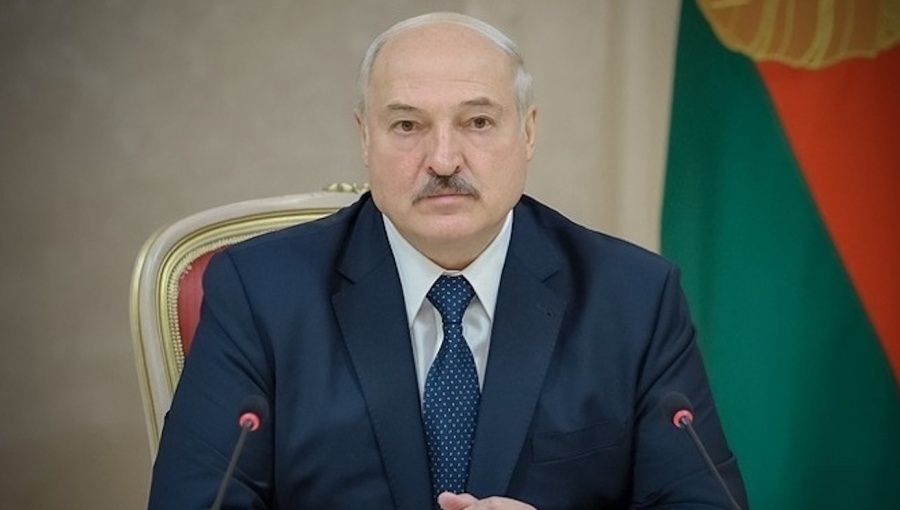
Belarusian president Lukashenko is trying to lift sanctions by flattering US president Trump and its working. / bne IntelliNews
By bne IntelliNews December 23, 2025

Belarusian leader Alexander Lukashenko has launched a calculated charm offensive towards Washington, using a mix of political prisoner releases, diplomatic gestures and strategic flattery aimed at aligning with US President Donald Trump’s foreign policy instincts. In the process, he is borrowing directly from the playbook he has long used with Russian President Vladimir Putin.

On December 13 after a US-brokered deal, Lukashenko released 123 political prisoners, including some of the most famous: presidential candidate Viktor Babariko, protest leader Maria Kolesnikova, Nobel laureate Ales Bialiatski, and Tut.by editor Maryna Zolatava. In return, the US lifted sanctions on Belarus’s potash industry—its biggest cash cow—and hinted at broader concessions to come.

“Lukashenko is using the same approach in his dealings with Trump that has long proven successful with Putin,” political analyst Artyom Shraibman wrote in a commentary for the Carnegie Endowment for International Peace. “That consists of identifying the senior partner’s soft spots and then massaging them with flattery, demonstrative loyalty, and unexpected offers of crisis management services.”

Relations between Belarus and the US have been warming in the last year, but it is still not clear if this a fundamental change in the relations or just a tactical play by Lukashenko. If Trump successfully concludes his transactional peace deal with Russian President Vladimir Putin and the US goes into business with Russia then the relationship with Minsk can be deepened, but if the war continues, Lukashenko will remain heavily dependent on Moscow which will limit any split.

In the meantime, the White House has been keen to engage in an attempt to peel Belarus away from Putin’s sphere of influence and Lukashenko has been a willing participant as he looks for leverage to balance his almost total dependence on Moscow. The Trump administration also believes Lukashenko provides a useful channel for influencing Putin. And this comes at very little cost to Washington.

“The US side has delegated the actual diplomacy to professionals. All Donald Trump is required to do is periodically pat Lukashenko on the shoulder via the US president’s social media posts, sign whatever his aides put on his desk when they talk to Minsk and bask in the glory of becoming the first Western leader to have secured the release of several hundred Belarusian political prisoners," says Shraibman.

Trump has appointed his former lawyer, John Coale, as special envoy to Belarus in November. Washington now appears willing to deepen ties, despite the limited strategic significance of Belarus compared to Ukraine or Russia. For Lukashenko, the shift presents a rare chance to escape years of diplomatic isolation.

“Trump may well get the credit for having rescued hundreds of hostages in support of his Nobel Peace Prize bid,” Shraibman noted, adding that Lukashenko is trying to capitalise on “Trump’s approach to the region,” which favours symbolic victories and transactional diplomacy.

Lukashenko has already played several of his aces. The release of 16 prisoners, including Sergey Tikhanovsky (Siarhei Tsikhanouskiy), this summer, the husband of Belarusian opposition leader Svetlana Tikhanovskaya (Sviatlana Tsikhanouskaya), and now Bialiatski, Babariko, and Kolesnikova—shows that Minsk sees Trump’s policies as a rare opportunity to end what had looked set to be lifelong isolation.


Domestically, the opposition faces renewed pressure to reorganise. With several 2020-era leaders now free, the previously central figure in exile of Tikhanovskaya may see her position as de facto leader contested. Babariko and Kolesnikova have already taken more moderate stances, calling for dialogue with Minsk and for Europe to reassess its sanctions stance—contrasting with Tikhanovskaya’s harder line. As bne IntelliNews reported, the opposition in exile has already been riven by disputes over the best policy direction and a leadership struggle. After Tikhanovsky’s release, his blunt style and ambition have reportedly already led to several conflicts with his wife’s inner circle.

“The structure of the opposition must inevitably become more polyphonic,” Shraibman says. “Personal capital in the West is not easy to pass on, even if Tikhanovskaya wanted to do so.”

On the economic front, logistical constraints remain a key obstacle to restoring Belarusian potash exports. Despite US sanction relief, viable export routes through the Lithuanian port of Klaipeda remain blocked due to deteriorating relationships driven by a balloon smuggling scandal. While some in Vilnius have floated conditional cooperation—such as allowing potash transit in exchange for US troop deployments— the government has been lobbying the EU for increased sanctions on Minsk.

There are few alternative ports to handle the potash exports. There is a corridor to Russia’s northern ports, but the distances involved mean it is too expensive to transport the potash to them by rail. Poland’s Gdansk port remains politically off limits, as Lukashenko has refused to release Polish citizens in Minsk’s jails. A more radical option of exporting via Ukraine’s port of Odesa has been floated. But that is also unlikely as Kyiv considers Lukashenko complicit in Russia’s invasion after he allowed Russian troops to cross the northern border and attack Kyiv from Belarussian territory at the start of the Russian invasion.

One option for circumventing the remaining EU sanctions is if US companies buy Belarusian potash and then export it as their own. But it’s not clear whether such a scheme would be in keeping with the letter and spirit of EU sanctions.

“But that is precisely what could make it a tempting option for the United States,” said Shraibman. “The economic entanglement of former enemies after the war… fits perfectly with Trump’s approach to the region.”

In a surprise move, most of the released political prisoners were transferred not to Lithuania, but to Ukraine, signalling a shift in diplomatic positioning. According to Shraibman, the aim is twofold: “to exclude Lithuania and the Belarusian opposition-in-exile from the proceedings” and “to insert itself into the Russia–Ukraine peace process.”

“By framing his negotiations with the United States within the context of the Russia–Ukraine talks, Lukashenko is demonstrating his full support for Washington’s peace initiatives and his willingness to contribute as much as possible to them. Lukashenko also began his meeting with Coale on December 12 by praising Trump’s latest efforts to end the war and expressing his support for them.”3

Lukashenko has even offered Belarus as a safe haven for Venezuela’s President Nicolás Maduro—another authoritarian leader Trump is seeking to dislodge. This overture, combined with a media interview given to pro-Trump outlet Newsmax, marks a full-scale attempt to present Minsk as a useful partner in Washington’s geopolitical goals.

“Even if some ideas are not ultimately needed, the enthusiasm and desire to be helpful will not be forgotten,” Shraibman concluded.

Oreshnik in Belarus?

20251227_Oreshnik.pngOreshnik is an elusive missile. It shows up in various statements and there are some pretty tangible signs of its existence, but it is still not quite clear what the actual status of the missile is.

The most notable recent appearance of Oreshnik was in the Belarusian leader's 18 December 2025 address, in which he announced that Oreshnik was delivered to Belarus on 17 December 2025 and that it is "being placed on combat duty." Is it really?

My take is that there are reasons to be skeptical. Yes, there is strong evidence of preparations for the deployment, such as the potential deployment site found by Jeffrey Lewis' team (and confirmed by US intelligence). But there are also reasons not to read this evidence too literally, at least at this point in time.

This post is an attempt to collect what we know about Oreshnik to see how various pieces of the story fit together.

The name Oreshnik first appeared on 21 November 2024, when Russia used this missile to strike the Yuzhmash plant in Ukraine. (Here is a video of warheads hitting their targets.) In a special televised address the president of Russia described the strike as a test of a medium-range "non-nuclear hypersonic ballistic missile."

The missile was launched from Kapustin Yar, which is about 800 km away from Yuzhmash. This means that it is indeed a medium-range missile. Note that the reason it was described as a test is that technically the Russian INF moratorium proposal was still on the table. Apparently, the (not quite convincing) logic was that a test is different from deployment, so it would not violate the moratorium. Speaking at a meeting with designers on 22 November 2024, the Russian president confirmed the very narrow reading of the moratorium when he said that Oreshnik is only one of "a whole line of medium- and shorter-range systems." Nevertheless, the framing of the launch as a test was an interesting detail.

According to the report of the commander of the Strategic Rocket Forces at the 22 November 2024 meeting, the missile was developed in accordance with the presidential decision of July 2023. It appears that the missile was tested at least twice before November 2024 - in October 2023 and June 2024 (MilitaryRussia.ru citing a report by the Ukrainian Main Intelligence Directorate).

The Pentagon assessed that the missile was based on RS-26 Rubezh. The Pentagon spokesperson also said that "the United States was pre-notified briefly before the launch through nuclear risk reduction channels." Technically, since the missile was not a true ICBM, Russia was not under an obligation to send a notification, but it apparently decided to do so to avoid potential misunderstanding. If the missile is indeed based on RS-26, its signature during the boost phase would be very similar to Yars (since RS-26 was said to be based on RS-24 Yars). One can never be too careful. The Kremlin spokesman later said that the notification was "an automated warning [that] was sent 30 minutes before the launch." This is most certainly an error - these notifications are not automatic, and by all indications the warning was sent about 24 hours in advance, as required by the US-Russian agreement. We know that rumors of an upcoming ICBM launch were circulating in Ukraine the day before the strike.

The Belarusian involvement in the Oreshnik story started in December 2024. After a bilateral meeting on 6 December 2024, the president of Belarus asked for the missile to be deployed in Belarus (with a condition, though - that "the targets for these weapons" be determined by Belarus). The Russian president responded that such a deployment "is feasible." He also noted that it would be possible after the serial production of these missiles "is ratcheted up" and they are deployed with Russia's Strategic Rocket Forces (RVSN). Moreover, the Russian president suggested that even though the missiles will be operated by RVSN, it would be up to Belarus "to identify the targets."

This kind of targeting arrangement does not look particularly realistic and suggests that something different is going on here. The exchange clearly followed the pattern that had been established earlier regarding the deployment of nuclear weapons in Belarus. The Belarusian leader makes bold statements and Russia plays along, especially during joint appearances.

A few days after this exchange, on 16 December 2024, the president of Russia said in an address to the Ministry of Defense that the serial production of Oreshnik "should begin in the near future." It's notable, though, that the Russian president did not mention the plan to deploy these missiles in Belarus (although he did say that these systems will be used "to protect Russia and our allies' security").

This pattern will persist through the entire year. While the president of Belarus has been constantly mentioning the deployment plan, his Russian counterpart has been more reserved. With the notable exception of joint appearances. Note, though, that he never seems to volunteer any details, opting to confirm the words of the Belarusian president. For example, at a meeting in August 2025, the Russian president confirmed that the site for the deployment in Belarus had been selected and that the missiles would be delivered by the end of the year.

At the same August meeting, the Russian president said that the industry had produced the first serial production system, which "has already been delivered to the troops." A few days later, the Ministry of Foreign Affairs issued a statement that formally withdrew the INF moratorium proposal made in October 2020. The statement, however, did not mention Oreshnik or any other specific system, noting instead that "decisions on the specific parameters of response measures will be made by the leadership of the Russian Federation" based on the analysis of the situation.

News about Oreshnik continued to come mostly from Belarus. However, the deployment announcement on 18 December 2025 came after the president of Russia said at a meeting at the Ministry of Defense on 17 December 2025 that "[b]y the end of the year, the medium-range missile system armed with the Oreshnik hypersonic missile will be placed on combat duty." Notably, he said nothing that would suggest that the missiles would be deployed in Belarus. Neither did he mention Oreshnik in Belarus when asked directly during the end-of-the-year press conference. The Minister of Defense, who spoke after the president, also said nothing about Belarus when mentioning Oreshnik. The Chief of the General Staff, who spoke the next day at a meeting with military attachés, told them that "a brigade has been formed equipped with a new medium-range missile system, Oreshnik."

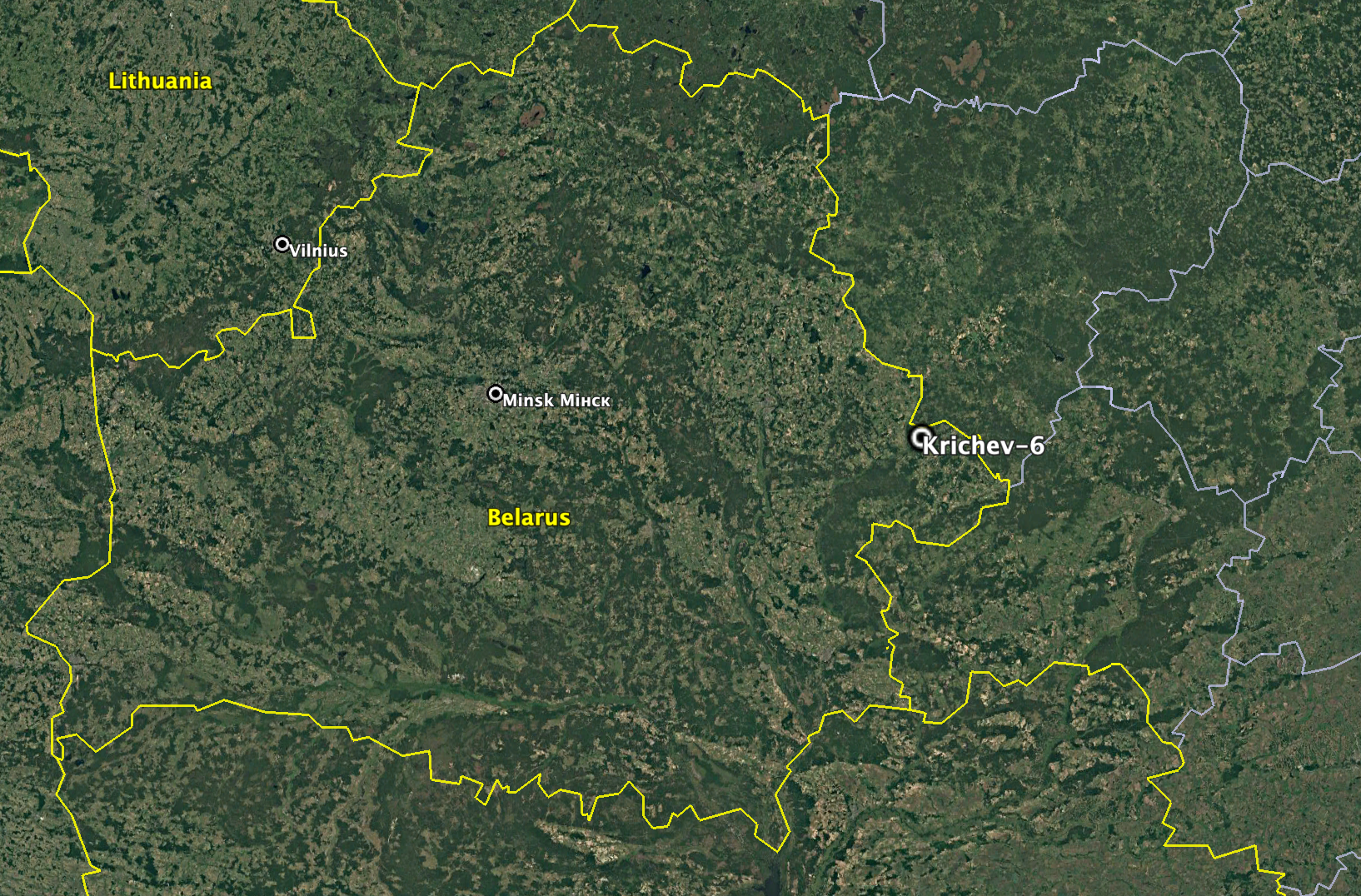
I would say that "a brigade has been formed" is pretty far from "missiles have been delivered to Belarus where they are entering combat duty." I am far from suggesting that Oreshnik is a phantom missile - the evidence suggests that it is not. But at the same time, I do believe that we should be very skeptical about reports of its deployment in Belarus. I find it very hard to believe that the Strategic Rocket Forces, which are expected to operate the missile, will be happy about being stationed outside Russia. Besides, the case for the military utility of the deployment is virtually non-existent. Note that the Krichev-6 site is literally seven kilometers from the Russian border (see the image above).

The "division of labor" between Russia and Belarus regarding virtually all news about Oreshnik also makes me suspicious. We have seen a similar pattern with nuclear weapons - Russia lets Belarus make all kinds of statements about them and even builds a storage facility that should be capable of accepting these weapons if necessary. But there has been no confirmation of the deployment from the Russian side and there are no signs of weapons being actually delivered to Belarus (I believe they will never be deployed there, but that's a topic for another post). The same seems to be the case with the missile base. The infrastructure, of course, could become useful someday, but we are not there yet. For the moment, it appears that both sides are involved in a rather strange political spectacle. I still hope that it will not involve actual movements of missiles (not to mention nuclear weapons), but we cannot exclude that it will.

Pope Leo XIV has 'his work cut out for him' in battling Catholic antisemitism: analysis


Pope Leo XIV gestures after delivering the traditional Christmas Day Urbi et Orbi speech to the city and the world from the main balcony of St. Peter's Basilica at the Vatican, December 25, 2025. REUTERS/Yara Nardi

December 25, 2025 
ALTERNET


Author Lev Golinkin recently described an old-timey minstrel show at a Ukrainian Catholic church in Orlando, Florida, complete with hateful caricatures of a minority target, only now paraded before a modern audience and couched in Christmas celebration.

“The pageant isn’t short on spectacle,” Golinkin writes in the Washington Post. “The Holy Family, richly robed wise men, armored Roman soldiers and peasants dressed in bright Ukrainian embroidery all catch the eye. But even amid that explosion of color, the Jew is easy to spot. He appears on stage as a caricature of a Hasidic innkeep, including payot sidelocks. The character’s name is Moshko the zhyd — a slur for 'Jew' — and he is there to remind audience members of the evil in their midst.”

He parades about with promises to lend money and antics to distract revelry away from baby Jesus laying in his crib. And if he fails to catch your attention, he’ll call up a bunch of Roma (the slur name is “Gypsies”) to cavort and distract. He’ll even summon Satan himself to pull eyes away from the little marvel in a manger. Both pledge to keep the peasants ignorant of Jesus and wallowing in sin.

“This vestige of medieval antisemitism was just publicly live-streamed by St. Mary Protectress Ukrainian Catholic Church in Orlando, Florida, whose Facebook page invites viewers to ‘immerse yourselves in the magic of Christmas.’ But I don’t mean to single out this church; its pageant is not unusual,” said Golinkin. “Every winter, hundreds of Moshkos don the Jewish equivalent of blackface and scuffle onto stages in churches and community centers from New York to Chicago, Connecticut to Ohio, Dublin to Dubai. And many of the pageants, called verteps, are propagated by a branch of the Roman Catholic Church.”

The most jarring aspect of some of these spectacles, said Golinkin, is seeing children scream for the zhyd to ‘get out,’ or dress up as Moshko and his wife, “Sarah,” themselves, proclaiming their wickedness to the encouragement of parents, teachers and priests in the audience.

The scene is unnerving to Golinkin, who fled Russia with his family when the Russians similarly ordered them to “get out.”

“I’m certainly not the first immigrant to discover Old World darkness lurking in the U.S. But there was something obscenely mesmerizing about scrolling through social media and coming across little children — kids for whom Hasidic innkeeps might as well be Ottoman padishahs — being coaxed into shouting an antisemitic slur in churches and credit unions tucked amid strip malls,” said Golinkin. “Old hatreds have been lovingly packed and replanted. My nightmare was another’s nostalgia.”

At the end of the show, after King Herod is thwarted and Jesus manages to survives, Moshko comes out to collect donations from the audience.

“You could teach a course on antisemitism based on vertep tropes,” said Golinkin. And while Pope Leo XIV recently proclaimed in a speech that “The Church does not tolerate antisemitism,” the pontiff clearly has “his work cut out for him” with Antisemitic pageants legitimized at Ukrainian Greek Catholic Church, and splashed across Facebook pages.

“The reality is that right now bishops and priests across the globe, including in Pope Leo’s hometown of Chicago, are carrying out an annual tradition of teaching children to hate Jews and Roma,” Golinkin said.

The question with whether the church will continue to tolerate it.

Read Golinkin's Washington Post report at this link.
Right-wing influencers get new competition from an unlikely source — thanks to AI

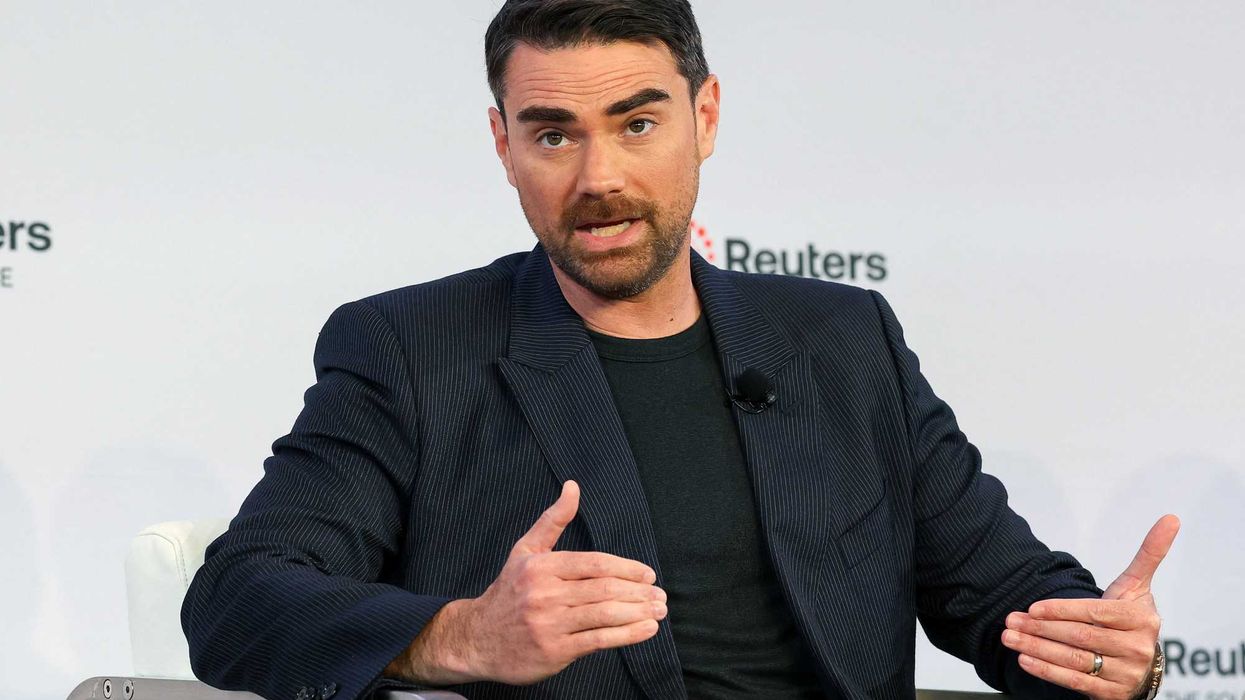
RS test Daily Wire Co-Founder & The Ben Shapiro Show Host Ben Shapiro takes part in the panel 'Future of news: How creators and influencers are reshaping journalism', at the Reuters NEXT conference, in New York City, New York, U.S., December 3, 2025. REUTERS/Brendan McDermid

December 27, 2025  
ALTERNET

Religion News reports the 2025 year was a year of skepticism and spectacle “with a seemingly endless flood of social media content, creators and AI slop,” but some faith-based influencers managed to cut through the inanity and art-barf with something better.

Rachel Griffin Accurso, 43, who recently hit the cover of Glamour magazine as one of its 2025 Women of the Year, can sometimes be seen in an upcycled dress embroidered with drawings by children in Gaza as a statement of advocacy. Religion news reports Accurso remains grounded in her Christian faith while being named to New York City Mayor-elect Zohran Mamdani’s inaugural committee.

“Her YouTube channel … now has about 18 million subscribers and more than 13 billion views,” reports Religion News.

Meanwhile, TikTok creator Tony Vara, 24, whose family is El Salvadoran, drew nearly a million followers while broadcasting his family’s struggle with President Donald Trup’s immigration policies.

“His emotional posts in the aftermath of his mother’s deportation went viral as he documented caring for his younger siblings and navigating life without her,” reports Religion News. “On Dec. 3, a TikTok showing Vara walking through an airport with his 8-year-old brother as he prepared to send him to be with his mother in Honduras drew 6.2 million views.”

Vara also speaks of his Christian faith and how it shapes his response to grief and activism while putting a human face on one nation’s oppressive policies.

Religion News calls New York City-based Tova Sterling, 28, a “Jewish culinary creator and cultural provocateur giving the faith-sphere an influencer it didn’t know it needed.”

“With more than 300,000 followers and climbing on Instagram, she’s known for sharp, cinematic cooking videos in which she confidently wields a knife while telling bizarre stories from her life as she plates a beautiful meal. Her knife skills, humor and irreverent commentary about relationships and womanhood have kept a growing audience hungry for more.

Sterling has also built a reputation offline as the host of Sinners Shabbat, a Friday-night gathering that “mixes burlesque performance with Shabbat ritual,” according to Religion News. It also elevates Jewish comfort food and draws thousands of self-described “sinners” and the religiously curious.

Read the full Religion News report at this link.
High Seas Fisheries Management Falls Short Of Mandates


December 28, 2025 
By Eurasia Review


The regulatory bodies charged with managing and conserving fisheries across two-thirds of the world’s oceans are threatening marine ecosystems by significantly underperforming, according to an analysis published in Environmental Research Letters. Led by researchers from the Duke University Nicholas School of the Environment, the analysis comes as the United Nations prepares to enforce a new oceans treaty that will require collaboration with these regulatory bodies, called Regional Fisheries Management Organizations (RFMOs).

Nearly 65% of our oceans exist beyond 200 miles of national coastlines. These areas, referred to as the “high seas,” encompass big, charismatic migratory animals like whales, sharks and sea turtles, as well as numerous fish species vital to economies and diets around the world.

Biodiversity in the high seas is declining, primarily due to industrial fishing activities, such as overfishing and use of destructive types of gear, though other human activities could play a bigger role in the future. Regional fisheries management organizations are the primary bodies that regulate industrial fishing and its ecological impact.

“These RFMOs have the dual mandate to ensure both the long-term conservation and sustainable use of high-seas fish populations, which can be migratory animals crossing ocean basins, animals moving between international and national waters, or deep-sea fish,” says lead author Gabrielle Carmine, who completed her Ph.D. in the lab of Patrick Halpin, director of the Marine Geospatial Ecology Lab at the Nicholas School, and who now works as a postdoctoral fellow at Georgetown University.

Although RFMOs differ in governance structure, each generally has a scientific committee that guides establishment of sustainable catch levels for various species. An independent review published in 2010 found that RFMOs are “failing the high seas” by not achieving their management goals.


Carmine’s analysis adapts and builds on that review. Specifically, her team evaluated 16 RFMOs in 10 categories related to topics such as catch targets, bycatch — unintentionally captured species — and stakeholder involvement, such as Indigenous representation. For each category, the researchers used publicly available data to grade the RFMO on how well it met criteria associated with 10 questions. Each question was worth one point, with partial credit possible, for a total possible score of 100.

The team found that, overall, RFMOs are falling short of their mandates. Scores ranged from 29.5 to 61.5, with an average score of 46 — less than half the total available points.

Additionally, on average, 56% of fish stocks targeted in RFMO jurisdictions have been overexploited or have declined so dramatically that they cannot naturally replenish themselves, according to the analysis.

“RFMO performance raises concern about these institutions keeping pace with industrial overexploitation of high-seas marine life and a rapidly changing ocean,” Carmine says.

To that end, the analysis outlines specific areas for policy improvement among RFMOs.

“This review is intended to not just provide a scorecard, but to prioritize areas for constructive improvements in the management of high-seas fisheries and identify gaps in management that need to be filled in the future,” Halpin noted.

For example, banning a practice called transshipment — which involves offloading catch onto another vessel that carries it to port — could be one step toward helping to conserve fish stocks, according to the team. Critics of transshipment say it enables illegally caught seafood to enter supply chains across the world, Carmine says.

The team published their analysis around the time that RFMOs typically hold annual meetings to adopt binding management and conservation measures for the following year. For example, the Western and Central Pacific Fisheries Commission, which consists of 26 member nations and oversees more than half the world’s tuna catch, met earlier this year to discuss various topics, including incorporating climate change considerations into fisheries management.

This meeting comes just ahead of official enforcement of a U.N. agreement for the high seas. The treaty, designed to ensure the sustainable use and conservation of high-seas biodiversity, will go into full effect on Jan. 17, 2026.

“This new U.N. treaty requires legal collaboration with RFMOs,” Carmine says. “Perhaps that future collaboration should aim to fill the gaps we found and prioritize long-term conservation.”

Less catch, higher prices: what is happening at the Murmansk Fish Port

The cargo turnover of the Murmansk sea fish port has almost halved since the beginning of 2025 and continues to decline — in December, the port expects to handle no more than 10,000 tonnes.


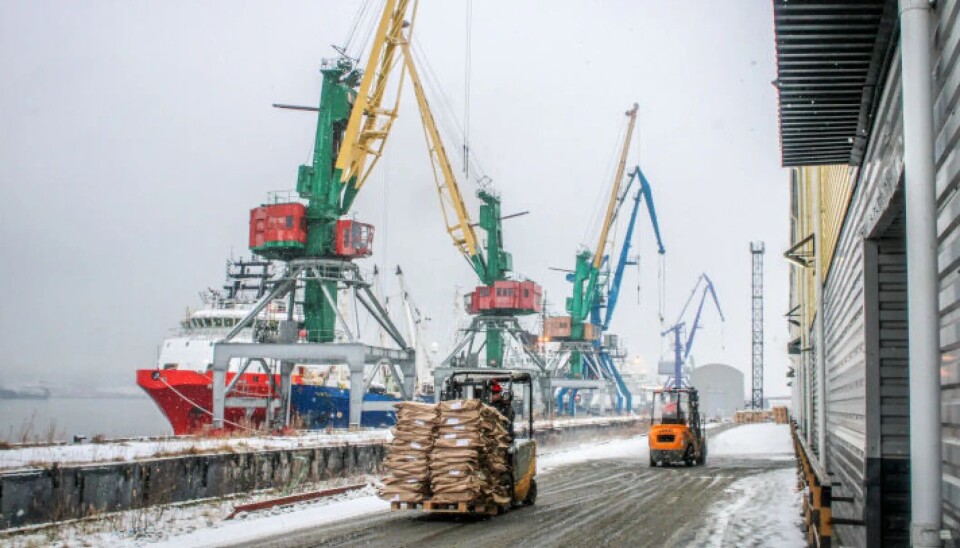
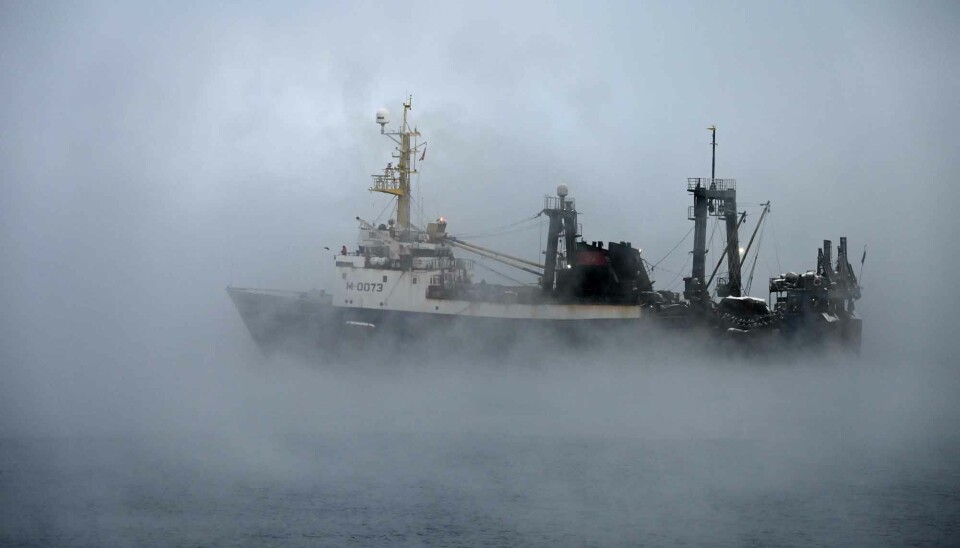
Fishing port in decline Photo: Murmansk Fish Port

Denis Zagore
11 December 2025 - 
THE BARENTS OBSERVER

According to port General Director Andrei Borodin, the reason for the continuing trend is simple: most fishing companies have already fulfilled their quotas. The industry will only be able to make further plans after the decisions of the Joint Russian-Norwegian Fisheries Commission, which this year is being held later than ever before, on December 8-12. This makes forecasting almost impossible, he argues.

In 2024, Russian fishermen caught 210,600 tonnes of cod and 58,000 tonnes of haddock in the so-called Northern Basin. In 2025, the figures are significantly lower: 151,700 tonnes of cod and 53,300 tonnes of haddock. Overall, the volume of fish caught by Russian fishermen in the Northern Basin by early December 2025 amounted to 300,700 tonnes, which is 115,800 tonnes less than the previous year. Among the reasons for this decline are the international sanctions against Murmansk companies Norebo and MurmanSeafood.


Russian trawler losing sight of Norwegian port. Photo: Atle Staalesen

The situation is also exacerbated by the complete halt of capelin fishing by the decision of the Russian-Norwegian Commission. Last year it accounted for about 12 percent of the annual catch, said Konstantin Drevetnyak, general director of the Northern Fishermen's Union, in an interview with RBC.

As for the price for consumers, it continues to rise: according to Murmanskstat, the regional statistics office, the cost of frozen unprocessed fish has almost doubled over five years, and by December 2025, a kilogram of fish costs an average of 283 roubles (€3). In Murmansk shops, haddock is sold for up to 900 roubles (€9,54), cod for up to 1200 roubles (€12,72) per kilogram.

The general director of the Northern Fishermen's Union, Konstantin Drevetnyak, explains the situation as follows: "The overall catch this year is decreasing because quotas have been reduced. There is a direct correlation between the reduction in quotas and the reduction in catch for the main species. The absence of capelin also has an impact. A decrease in catch does not immediately affect prices, but the market operates simply: the less supply, the higher the price."


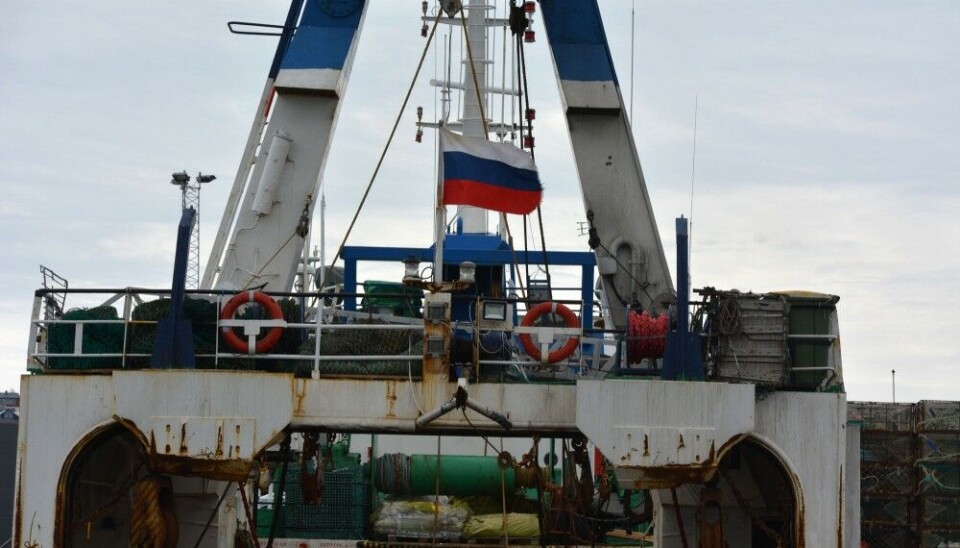
Russian trawlers used to be frequent guests in Norwegian ports. But not anymore. 
Photo: Atle Staalesen

Among the key factors is the increase in fishermen's costs: spare parts, fuel, and almost all consumables have become more expensive. Sanctions from Norway mean that fishermen have to make more "empty" trips and longer journeys.

"Formally, three foreign ports are open in the Barents Sea, but there are supply restrictions there — even a light bulb can be considered a 'dual-use' item. Therefore, now we have to go not to the nearest port, but to Murmansk or St. Petersburg. Greater distance means more fuel and higher costs. This is a loss of fishing time," noted Drevetnyak.

He also fears that similar sanctions against Russian fishermen could be introduced by the parliament of the Faroe Islands. If this happens, not only cod and haddock but also the "popular" mackerel and blue whiting, whose stocks will be significantly reduced in the coming year, may become more expensive, says Drevetnyak. The price of herring may also rise, as significant volumes of its catch will not be able to compensate for the "drop" in other types of fish. On December 5, it became known that the parliament of the Faroe Islands approved a law allowing sanctions against Russian fishing vessels.

Drevetnyak emphasises that making forecasts is difficult: "What can be said unequivocally: stocks and catches will decrease. It is unlikely that the catch in the Northern Basin in 2026 will be higher than this year. I have no memory of a situation where the Joint Russian-Norwegian Fisheries Commission did not pass it decisions by December. And the worst thing the Norwegian side can do next is to stop letting us into their zone. But, by and large, I don't know what reckless head could make such a decision. After all, this would effectively be a breach of the fisheries agreement. Therefore, I cannot say that the year will be easier than the current one. That it will be more difficult — yes, there is such a possibility."

Returning to the situation at the Murmansk Marine Fish Port: in the first 11 months of 2025, the port handled 227.2 thousand tonnes — roughly 41% less than the previous year. The transshipment of fish products decreased by about 29%, and oil products by almost 80%; in November, the port did not handle any oil cargoes at all.

In addition to fish and oil, the port handles cargo for various Arctic industries, including mining, and aquaculture. In the summer of 2025, the port launched new tractor units to increase volumes, but even with new services, the management does not undertake to predict what the turnover will be in the coming months.
Opinion...

Egypt’s economy: When infrastructure outpaces production


Two pairs of US hundred dollar and Egyptian hundred pound notes are held before a window showing the skyline of Egypt’s capital Cairo and the Nile river on January 16, 2023 [KHALED DESOUKI/AFP via Getty Images]

by Jasim Al-Azzawi
December 27, 2025 
Middle East Monitor.


The international debt of the government of Egypt was estimated at 161.2 billion US dollars in June 2025, while it spends almost half of its budget to meet this debt. But behind these alarming figures, a much scarier picture is looming. How did Egypt, which has designs to be a major player in the region, end up paying yesterday’s bills with its most prized possessions?

The problem, according to economist Dr Hassan El-Sady of Cairo University, is not just the amount they have borrowed. It is about the motivations for their borrowing.
The infrastructure paradox

Egypt has been moving at a feverish pace. Since 2014, it has been borrowing on a gigantic scale to finance infrastructure development projects, new capital, new cities, and major highways crisscrossing the Sahara. Numerous power stations have been operating beyond capacity, while real estate developments that may best be described as monumental have taken place.

Nevertheless, the unfortunate truth is that debt payments account for 47.4 per cent of the budget for 2024/2025, up from 37.4 per cent in the 2023/2024 budget. Unfortunately, infrastructure projects do not pay the bills; factories and farms do. For example, Egypt built roads before ensuring that the vehicles could transport the commodities to the market.

The economic reasoning is simple. Any power-producing station needs manufacturers to use its electricity and other countries to sell enough products to generate returns on its investment. Any seaport needs an induced hinterland to load its containers with products. Egypt invested in sectors that constitute supply bases, but very little in industries that require those supplies. And what did they get? There is low investment in sectors such as agriculture and industry, and electricity production and road capacity are underutilized.

The asset fire sale

When debt service represents half of your expenditures, difficult decisions are in order. Egypt’s foreign debt service for fiscal year 2023/2024 totaled $32.9 billion. In an attempt to finance its debt service obligations, Egypt turned to a process known as “debt-for-equity swaps” – selling shares in profitable publicly owned companies.

In this regard, take, for instance, the case of the Alexandria Container and Cargo Handling Company, considered one of the major players in Egypt’s port sector. The company posted revenues of EGP 8.37 billion with EBITDA of EGP 6.09 billion for FY 2025. It is precisely this kind of entity that no investor would be eager to sell. Nonetheless, in 2022, ADQ bought a 33 per cent stake in Alexandria Container Handling for $186 million, and now Abu Dhabi Ports will buy a controlling 32 per cent stake for $461.2 million.

This trend is seen in every sector. When a nation acquires funds for debt repayment by selling its income-yielding resources, this is not repackaging but a short-term financial solution.
The creditor’s advantage

Foreign investors are not building new factories in Egypt. Instead, they are buying already successful companies in Egypt. This is a crucial aspect. Greenfield investment adds capacity and jobs. Instead, they acquire an existing asset and change the ownership of the existing cash flow. What this means for Egypt is that this influx of dollars is only postponing the problem.

“The math doesn’t add up.” The Central Bank of Egypt has announced that the cost of debt servicing by 2025 would reach $22.46 billion. Meanwhile, revenues from the Suez Canal declined by 40 per cent in the first quarter of 2025, resulting in $7 billion in losses due to attacks by the Houthis. As you look around and see that the major dollar revenue streams are under pressure while debt servicing is increasing, selling the remaining profit-making units becomes a necessity, however painful.
The social deficit

However, these economic indicators only form one aspect of this issue. In its social protection scheme, it announced an increase in pensions for 13 million Egyptians by 15 per cent to EGP 74 billion, in addition to another 15 per cent increase in ‘Takaful and Karama’ pensions worth EGP 5.5 billion. These amounts are not mere figures; they symbolize the number of families affected by devaluation due to a loss of purchasing power.

The paradox of this situation is that Egypt has accumulated redundant capacities in almost all areas, including electricity, real estate, and even fish farms. Nevertheless, prices have skyrocketed rather than dropped. The only explanation for prices increasing while capacity is available but consumption decreases is that demand has fallen. There are capacities available, but funds are lacking to purchase them.

A path forward?

“The problem of Egypt is not exceptional,” but rather “it is certainly very instructive,” says Ambrose Evans Pritchard, columnist for The Daily Telegraph newspaper. Sri Lanka, which has dedicated 52 per cent of its budget to debt, defaulted on loans last year totaling $51 billion. Egypt, to date, has not defaulted on its loans thanks in part to aid from Gulf countries—the memoranda of understanding reached last year with the United Arab Emirates for an investment worth $35 billion in an investment project for the development of the mentioned coastal area named “Ras el-Hekma,” and an additional $22 billion from the International Monetary Fund, European Union, and World Bank.

However, the big question is: Will Egypt manage to shift from an infrastructure-oriented economy to a production-oriented economy before running out of exportable resources? Egypt needs investment in industry and agriculture, not investment in roads. Egypt needs export-oriented sectors, not high-priced residential areas.

The external debt/GDP ratio increased to 42.9 per cent in December 2024, while budgeted interest payments for the 2024/2025 budget year are estimated at EGP 1.83 trillion, about 11 per cent of GDP. This is quite manageable. But the truth is, other countries have recovered from worse. The time has come to turn the tide by placing greater emphasis on development drivers than on development symbols.

“The Egyptian economy,” Dr El-Sady believes, “may very well be living on borrowed time.” The problem lies not in the time itself, but in what will be done with it, how it will be invested, and the repercussions for the time of assets that could be tapped for the Egyptian economy. Every time a port facility changes hands in a sales transaction, every profitable business changes from Egyptian to foreign hands; it’s not a short-term injection of capital, but 30 years of lost economic activity.”

Infrastructure without production resembles a theatre without actors. It looks very handsome, costly to maintain, but empty.


The views expressed in this article belong to the author and do not necessarily reflect the editorial policy of Middle East Monitor.

Bankruptcies soared to a 15-year high in 2025 as companies struggled to cope with Trump’s trade wars


Among the firms that filed for bankruptcy this year were Spirit Airlines and solar company PosiGen


Brendan Rascius in New York
Saturday 27 December 2025 
The Independent 


Corporate bankruptcies soared to a 15-year high in 2025 as companies struggled to cope with President Donald Trump’s trade wars, among other factors, according to a new report.

No fewer than 717 companies filed for Chapter 7 or Chapter 11 bankruptcy between January and November, according to S&P data reviewed by The Washington Post. This marks a 14 percent increase from the same period in 2024 and the highest rate since 2010, when the country was recovering from the Great Recession.


Firms that went bust pointed to inflation, interest rates and Trump’s trade policies — which have hampered supply chains and increased costs — as drivers of their financial troubles.


Business experts and economists told the Post that the Republican president’s broad tariffs have strained import-dependent companies. While inflation recently came in lower than expected — it was up 2.7 percent year-over-year in November — experts said many firms continue to shoulder added expenses to avoid raising prices for consumers.

“These companies are acutely aware of the affordability crisis confronting the average American,” Jeffrey Sonnenfeld, a professor at Yale University’s school of management, told the outlet. “They are doing their best to offset the cost of tariffs and higher interest rates but can only do so much. Those with pricing power will pass on the costs over time … others will fold.”

The White House, however, has lauded tariffs as a net positive for the country.

“Tariffs are creating GREAT WEALTH, and unprecedented National Security for the USA,” Trump wrote on Truth Social on Saturday. “Trade deficit has been cut by 60%, totally unheard of. 4.3% GDP, and going way up. No inflation!!! We are respected as a Country again.”


The increase in bankruptcy filings was most notable among industrials — firms linked to construction, manufacturing and transportation, the Post noted. The industry ranks among those hit hardest by Trump’s tariffs, with the manufacturing sector posting 70,000 job losses year-over-year in November.

Consumer-oriented companies offering “discretionary” services or products, including those in home furnishing or fashion, made up the second-biggest group. There was also a sizable surge in “mega bankruptcies” — filing by firms with over $1 billion in assets.

Among the businesses that filed for bankruptcy in 2025 was Spirit Airlines, a low-cost carrier. The Florida-based company filed for Chapter 11 in August, marking its second filing in less than 12 months.

PosiGen, a solar company headquartered in Louisiana, followed suit in November, blaming the decision on the administration’s renewable energy policies, including tariffs on imported materials and cuts to tax incentives that had made solar panels more affordable.

Federal data analyzed by Jason Miller, a business professor at Michigan State University, showed the effective tariff rate on solar materials imported into the U.S. rose to about 20 percent after May, up from less than 5 percent in previous years.

“That places a lot of strain on cash flow, especially for smaller importers,” Miller told the Post. “You then combine this with reduced federal incentives that have to be negatively impacting demand, and you have a perfect storm for elevated rates of bankruptcy.”

Martin-Schoenberger, a KPMG economist, added that the surge in bankruptcies highlights contradictions in the U.S. economy. Data published by the government this week revealed that the economy grew at an annual rate of 4.3 percent, the fastest rate in two years.

But economists warned that this growth is not evenly spread out, arguing its largely fueled by spending from wealthier consumers and corporate investments in artificial intelligence.

“We have an economy that looks strong on paper, but that might not necessarily be reflected in every single industry,” Martin-Schoenberger said