Monday, December 29, 2025


We could all easily be ‘Aco’: Slovenia’s controversial new law seeks to address the challenge of Roma integration

Novo Mesto, Slovenia. Image by Andrej via Wikimedia Commons. CC BY-SA 4.0.

In early October, Slovenians were stunned by the vicious murder of 48-year-old Aleš Šutar, a pub owner in the southeastern city of Novo Mesto who was more popularly known by his nickname, Aco. The killing took place outside the LokalPatriot nightclub after Šutar received a message from his son who said he was being threatened by a group of men. After he arrived on the scene, a group of men attacked Šutar, who was left with serious head trauma and ultimately succumbed to his injuries in hospital.

Initially the police arrested 21-year-old Sabrijan Jurkovič who is part of the Roma community in Novo Mesto. He was already known to the police for crimes he committed as a minor, including property offences and the sexual assault of a person younger than 15. However, he was released on December 12 because of a lack of evidence. The police have since arrested his 20-year-old cousin, Samire Šiljić, based on the testimony of six witnesses. Šiljić is alleged to have dealt the fatal blow to Šutar, while he was on weekend release from the Radeče Correctional Home, a facility for young offenders.

The case is primarily relying on eyewitness testimony because there is no CCTV coverage of the murder. Should the suspect be convicted of murder, current Slovenian law states he could serve a jail term of between five and 15 years.

Following Šutar’s untimely death, Slovenia’s Justice Minister Andrea Katic and Interior Minister Bostjan Poklukar resigned and stated in separate letters that they want to “contribute to the calming of the situation”, with both “assuming objective responsibility.” Their resignations were not solely related to the murder, but also to broad systemic failures regarding the integration of the Roma peoples into Slovenian society. Prime Minister Robert Golob, who leads the center-left Freedom Party, rushed to quell dissent by expressing concern the murder could be used to stoke ethnic hatred against the Romani people: “There must be no room for exploiting the tragedy with the aim of creating division or calling for a reckoning.”

Slovenia has been grappling with its inability to integrate part of the Roma community, as well as smaller portions of other minority groups. Tolerance across the nation has weakened, with a survey last year finding as much as 55 percent of respondents saying they wouldn’t like to have Roma as their neighbors, although a majority thought that Slovene attitudes toward the ethnic group were neither tolerant nor intolerant.

The European Commission Against Racism and Intolerance, meanwhile, noted in its 2025 report that incidents of hate speech are both prevalent and underreported due to a lack of trust in public institutions. In Slovenia, hate speech is only considered criminal if it “can jeopardize and disturb public law and order.”

Following protests over the murder, Slovenia’s government introduced the Measures to Ensure Public Safety Bill, also known as the Šutar Law, which would — among other measures — give police additional powers to enter neighborhoods or homes that are deemed security risks without a court order, and freeze social assistance for those who commit crimes. Golob said the law is about protecting victims and children and changing the categorization of petty crimes to misdemeanors so as to “eliminate the feeling of inviolability and impunity” that repeat offenders in southeastern Slovenia have.

In mid-November, parliament unanimously passed the law. The European Commission, which opposes all forms of discrimination including “anti-Gypsyism,” reacted by urging Slovenia to ensure the law’s enforcement doesn’t “disproportionately affect any community.”

A tale of two communities

Romani peoples living in Western Europe have broadly struggled with integration, with many community members involved in petty theft or other crimes. While large numbers of Roma are estimated to have criminal records, poverty and employment discrimination are some of the contributing factors behind these figures.

In Slovenia, the community is noticeably split between those who reside in the country’s southeastern part, such as in Dolenjska, Bela Krajina and Posavje, and have low rates of integration, school completion, language, and employment, and those known as Prekmurje Roma, who are situated in northeastern Slovenia. There, integration of Roma has made positive strides. In the town of Murska Sobota, for example, people regularly pay their taxes, citizens consciously improve themselves in line with their neighbors, and there is even a street named ‘Delavska Ulica’ (‘Workers’ Street’), because all Roma residents are employed.

In an interview with the daily newspaper Dnevnik a few weeks after Šutar’s death, the president of the forum of Roma Councillors, Darko Rudaš, commented on the collective punishment that occurs when a Romani person commits a crime, and why differences exist between the two communities: “In Prekmurje, the Roma were provided with the conditions and opportunities to develop…in the southeast, communities have been left on the street to so-called civil initiatives.” While advocating for the lifting of restrictions on municipalities to invest in informal settlements so that poverty and unemployment levels can be reduced, he did acknowledge that the employment opportunities provided to the Prekmurje group are based across the border in Austria.

Jernej Zupančič, who teaches at the University of Ljubljana, believes isolation of the community breeds crime problems, including those that spawn from a “breakdown in traditional Roma society.” Along with other academics, he agrees that poor leadership in Roma settlements helps worsen the situation and stresses that such problems are not limited to Romani citizens.

The majority of Slovenians learn about Romani people through media articles, which are typically skewed towards the cultivation of a negative image. The amplification of negative stories and the absence of positive ones, along with an atypical lifestyle, further deepen the “us versus them” divide.

In a Peace Institute report which looked into hate crimes in the country, Roma were found to be one of the most vulnerable groups; within the community, young girls faced increased rates of violence and discrimination. The team behind the report conducted interviews with various professionals, including a sociologist and counselor who deals with victim support and gender based violence, who confirmed that local social centers and schools are absolving themselves of responsibility when confronted with child marriage.

Legislative developments

On November 26, President Natasa signed off on the bill and it became law. Reaction was fierce and peppered with accusations that the law threatens “democratic reliability” and “treats identity as suspicion.”

Amnesty International condemned the measure as “draconian” and said the law could result in further marginalization of the Roma as it allows authorities to skirt the safeguards that are in place.

While stressing that the legislative developments are not reflective of problems within any ethnic group or community, the pace of the reforms reflect a desire to enact change after a murder committed by a Romani person.

The law’s implementation occurs at a precarious time for the Golob government, coming off the back of a defeat in the recent assisted dying referendum, and with spring elections looming large. Public opinion polls consistently show that the right-wing Slovenian Democratic Party (SDS) may well be poised to take power.

Delivering justice and promoting integration

Facebook post made by the Police Directorate in Novo Mesto

Screenshot of a Facebook post by the Police Directorate in Novo Mesto subjected to sarcastic comments. Out of over 1900 reactions over 930 are “haha” smiley, with 830 “likes.” Fair use.

Social media commentary has lampooned what it considers to be a two-tiered justice approach to dealing with Roma who commit crimes. Comments on a Facebook post made by the Police Directorate in Novo Mesto mocked the claims police made about ensuring public safety: “[U]ntil [the] next election…then everything will be the old way” and “[S]upposedly you’ve strengthened radar controls, I can’t find a connection [between that] and the current security situation in the area.”

Some of the comments also demanded confiscation of [illegal] weapons from residents of Roma settlements. On November 9, N1 TV reported that police seized automatic rifles, several pistols and ammunition there.

Citizens have also decried the rhetoric encouraging integration and understanding as empty in nature, suggesting that it allows politicians to suppress real concerns within communities. This may be a reflection of the plan outlined in Slovenia’s National Roma Integration Strategy 2021-2030, which promotes helping communities develop multidisciplinary groups to address issues and implementing action plans for Roma communities.

To date, however, the efforts have not resulted in closer integration, with even Romani activists saying the social strategy has stalled. Earlier this year, legislation was amended to attempt to curb school absenteeism rates among children by substituting cash for child benefits in a move that was said to target Roma, despite the law applying to all Slovenian children.

To create positive change within Roma groups, advocacy has encouraged supporting those who complete a certain level of education to take on meaningful roles and be given opportunities to succeed. The misunderstanding of why the enforcement of criminal behavior that results from ghettoization does not produce less crime has yet to be probed. Throwing money at the problem without strategic goals in mind leaves unresolved issues and fails to bridge trust gaps between societies with isolated ethnic factions.

 

Dominican Republic wastes renewable energy while fossil fuel thermoelectric plants operate above legal limits

A hand holds a lightbulb with a green seedling in it against a silhouette of houses in the background.

Feature photo via Canva Pro.

By Zahiris Priscila Francisco Martínez

The Dominican Republic has experienced accelerated growth in renewable energy production over the past few years. National Energy Commission (CNE) Executive Director Edward Veras confirmed that the country has reached 25 percent renewable energy, in compliance with the law on Incentives for the Development of Renewable Energy Sources and their Special Regimes.

However, as production increases, consumption rises. On August 19, 2025, Minister of Energy and Mines Joel Santos noted that, for the first time, the National Interconnected Electrical System (SENI) reached a historic peak demand of 3,950 megawatts (MW). The DR has been immersed in a supply crisis triggered by the recent — albeit brief — shutdown of one of its main thermoelectric plants, Punta Catalina 2, because of maintenance failures.

To address citizens’ demands amid one of the hottest periods the country has experienced in years, President Luis Abinader declared the electrical system to be in a state of emergency. On September 8, he signed a decree to facilitate the procurement and contracting of goods, services, and works to increase generation capacity.

Although the country needs to increase generation, it has also maintained, through a process called “curtailment,” the practice of limiting and interrupting renewable energy production during peak generation hours and low-demand periods. In the energy sector, curtailment refers to the intentional reduction of electricity production at a generating plant, even when it technically has the capacity to produce more at that time. It occurs when energy supply exceeds demand or the grid’s transmission capacity, slowing energy generation due to external limitations.

GreenBox CEO Marvin Fernández, who has more than 20 years of experience in energy and the environment, verified that this practice has severe consequences for the energy system: “It is a factor affecting renewable generating companies, which stop selling part of their energy, and for electricity distribution companies, which end up buying more expensive energy.” The practice also means that fossil fuel burning is higher than necessary, since the country has the capacity to replace part of it with renewable energy.

Between January and July 2025, the practical implementation of curtailment in renewables has ranged between 10,000 and 18,000 megawatt-hours (MWh) of curtailed energy, reaching a maximum percentage above 50 percent this past June. Although the definitive solution involves investing in infrastructure and storage, data show that if the country immediately complied with its existing legislation, renewable energy waste and fossil fuel burning would be reduced.

Decree 65-23 in Dominican law states that renewable energy generation plants not only have the right to inject their energy into the grid, but must also provide the National Interconnected Electrical System Coordinating Body (OC) with the necessary information for operational planning.

The law also states that “the programming must protect the preferential injection rights of renewables,” reaffirmed in Articles 199 and 202 of the Regulatory Application of the General Electricity Law 125-01. This means renewables will always have priority in dispatching energy to the grid and can be limited only after all technical parameters set by law are met by thermal plants.

The Regulation for Authorization of Commissioning Electrical Works in SENI, issued by the Superintendency of Electricity, establishes that electrical generation works must undergo the “Operational Restrictions Verification Tests (VEROPE), through which the Coordinating Body (OC) certifies several parameters, including the technical minimum power (PMT).” According to Fernández, “In this regard, the injection rights of renewables cannot be limited for technical reasons without previously applying all necessary measures to conventional thermal generating plants.”

VEROPE tests were developed in 2010 in response to the need to measure the real operational performance of Dominican thermal plants. For standardization or global regulatory use, VEROPE tests have no directly recognized equivalent outside the Dominican Republic. Although the technical criteria they evaluate, such as start-up times, discharge, synchronization, shutdown, and load are common practices in thermal plant engineering, the acronym and formal procedure are unique to the DR.

Technical Minimum Power (PMT), meanwhile, refers to the stable minimum level at which a generating plant can operate in accordance with technical specifications and the manufacturer’s operating manuals, or according to technical studies conducted by experts. “If thermal plants were dispatched above the minimum technical levels established in the VEROPE test, it would negatively impact the development of renewable energies in the country,” Fernández noted. “This practice would reduce the available space in the grid for renewable generation injection, causing greater curtailment of solar and wind energy, which discourages new investments in the sector. Likewise, it would increase fossil fuel use, raising generation costs and emissions, contrary to national objectives for energy transition and diversification of the country’s energy matrix.”

According to the president of the Association for the Promotion of Renewable Energies (ASOFER), Alfonso Rodríguez, “In practice, thermal plants in the country operate with comfort margins far above international standards, resulting in inefficient dispatch and forcing renewable energy curtailment.” He explained that this makes no economic sense for the electrical system, nor does it make operational or social sense. “Distribution companies end up paying for more expensive and more polluting electricity, while renewable energy investors see their profitability eroded and their confidence in continuing to invest in the country diminish,” he continued. “When we see large multinationals in nearby countries deciding to divest and move to more consolidated markets, the message is clear. Regulatory and institutional security are key to the country’s development.”

Rodríguez argues that this increases the cost of operating the electrical system by replacing clean, low-cost energy with more expensive conventional generation, directly harming state-owned distributors, industry, and society. It also contradicts emission reduction commitments, where the Dominican Republic has pledged to reduce its CO₂ emissions by 25 percent by 2030.

“The disregard for the legal framework greatly affects renewables by enabling curtailment, a practice that has become a business for thermal plants, since the more energy they dispatch, the greater their income — even without technical justification and despite exceeding the planning mandated by the Coordinating Body,” Rodríguez emphasized. “Ending this practice is essential for renewable growth, attracting new investments, and promoting the environmental and economic benefits that the energy transition can bring to the country.”

VEROPE non-compliance

Renewable energy has priority rights in selling and dispatching energy under equal prices and conditions. This mandates the OC to operate the system at minimum cost. The OC and the Energy Control Center (CCE) — responsible for operating SENI — should only apply renewable curtailment as a last resort, after first applying all necessary measures to conventional thermal generation, but available OC data show that this practice is now common.

In reports shared by the OC in its weekly programming, differences are shown between PMT parameters and the actual dispatch of fossil fuel plants in the final weekly programming between September 6 and 12, 2025. Among these cases, Punta Catalina 1 dispatched an average of 340 MW when its PMT was 250 MW, and Punta Catalina 2 reached 360 MW versus a PMT of 277 MW. Generation above Technical Minimum Power also occurred in other plants.

“It is important to understand that curtailment is justified by alleged operational limits of thermal plants. Internationally, this can occur when renewable penetration exceeds 40 percent; in the Dominican Republic it rarely exceeds 20 percent. Therefore, compliance with the legal framework for the entire electricity sector must be ensured, including planning, operation, and oversight according to the law,” Rodríguez concluded.

When asked about the reasons for renewable curtailment, the OC replied that “the programs and reports of (OC) contain all the required information, including technical restrictions.”

Losses for distributors and public finances

In the Dominican Republic, electricity distribution companies are managed by the Unified Council of Distribution Companies (CUED) and include Edenorte, Edesur, and Edeeste. Each operates exclusively within its concession area; because they are under state control, they do not compete with one another. Instead, they cover most of the national territory under an exclusive concession scheme established by the General Electricity Law, which prevents competition at the low- and medium-voltage levels.

This monopolistic factor occurs when, due to the nature of the economic activity, a single company can provide the service at a lower cost because fixed infrastructure costs are very high and duplication would be inefficient.

According to Fernández, curtailment affects distribution companies because they end up paying more for energy due to marginal cost factors, worsening the system’s existing structural deficit and resulting in higher public money spending. In 2024 alone, RD 86,393,000 (around USD 1.3 million) was budgeted in subsidies for the EDES (87 percent of total electric subsidies allocated by the Dominican government in that year’s national budget). In the supplementary budget approved in July 2024, RD 6 billion (approximately USD 101.7 million) was allocated to cover the EDES’ operational deficit.

The solution lies in storage

Fernández believes that the solution to the curtailment situation comes with “storage, flexibility, and investment in transmission networks capable of transporting energy without restrictions to consumption centers.” This reduces — and even eliminates — energy curtailment, and provides greater grid stability. “That excess energy currently curtailed during the day could be stored and released during peak hours, when the spot market price reaches its maximum values,” he explained. “In this way, we reduce costs and gain stability.”

In July 2024, the National Energy Commission (CNE) issued Resolution CNE-AD-0005-2024, which establishes new conditions for processing concessions for special-regime generation projects that integrate storage systems (BESS) from variable renewable energy sources (ERV). The main goal is to ensure that renewable energy projects with installed capacities equal to or greater than 20 megawatts in alternating current (MWac) include battery storage systems of at least 50 percent of their capacity, with a minimum duration of four hours.

The Public Tender for New Renewable Energy Generation, issued by CUED, requires that new projects not only generate clean energy but also provide complementary grid services, including frequency and voltage regulation, black-start capability, and advanced technologies such as grid-forming inverters. However, these rules do not require already-established generators to join the mandatory storage regime, perpetuating the problem.

One reason generators prefer to remain outside the storage system is the cost involved, as their initial concession contracts (PPAs) did not include such requirements.


Japanese pop culture is sexually explicit, but sex education is wanting


Adult magazines are displayed outside a bookstore in Tokyo, Japan. Photo taken by Jo Carter. Used with permission.

Adult magazines are displayed outside a bookstore in Tokyo, Japan. Photo taken by Jo Carter. Used with permission.

Sexualized imagery featuring female bodies saturates Japan’s public spaces — from magazine covers in convenience stores to billboards on city streets — and has become widely normalized. 

In October 2025, a petition on Change.org, “Protect Our Children’s Future — Say No to Sexually Explicit Magazines in Convenience Stores,” gathered over 5,000 signatures, urging stores to remove adult magazines and protect minors. It argues that the explicit content is a form of sexual harassment and will have an adverse impact on children in establishing their selfhood.

Around the same time, writer Emi S. reflected in her blog on Medium

When I was a child, I remember seeing billboards with women’s faces and prices displayed beside them. And yet, I don’t recall feeling any discomfort at the time. Because it was simply there — treated as something normal.

Emi S raised an important point regarding the norm of objectifying women in Japanese popular culture. Many women accept sexualized images as if they are normal, to the extent that they do not question such a norm, and when they do express discomfort, their voices are dismissed as overreaction.

Sexual images and Japanese popular culture

Where does such a norm come from? Japan’s post-war media and popular-culture boom created a visual ecosystem where manga, anime, and print magazines flourished. The convenience-store model that spread through the 1980s and 1990s made magazines — including pornographic publications — accessible in everyday life.

According to a 1989 survey cited by Nippon.com, 92.3 percent of convenience stores sold pornographic magazines. Later, the rise of moe aesthetics in anime and manga further blurred the line between entertainment and eroticism. This is particularly true in the rise of “lolicon” content, where young or young-looking female characters are sexualized.

Profit has been the main driver of the erotica market, as adult magazines have provided a steady revenue stream for many stores. Yet, ahead of the 2020 Tokyo Olympic and Paralympic Games, Japan’s major convenience-store chains — 7-Eleven, Lawson, and FamilyMart — announced they would stop selling adult magazines nationwide. The decision, framed as an effort to make stores “more comfortable for women and children” and to “avoid damaging Japan’s image among inbound tourists,” marked a significant symbolic shift.

Online, the move sparked mixed reactions. Supporters welcomed it as long-overdue progress toward gender sensitivity in public spaces. Critics, however, saw it as performative, arguing that Japan acted only when foreign scrutiny loomed. One user, @asitafukukazen, wrote on X in reaction to the change in 2019:

Women have been complaining for years, but nothing changed until the Olympics. That shows how little this country values women’s voices.

While sexual images are becoming less visible in major convenience stores, they are still essential features in Japanese popular culture and public spaces. In recent years, concerns have also been raised about sexually suggestive advertisements appearing on non-adult websites, as well as children’s exposure to sexualized content in games, manga, and other subcultural media.

Yet, calls for more restrictions, such as zoning and age control in accessing sexual content both online and offline, have often resulted in backlash as critics argued that such interventions will amount to censorship. 

Sex remains a taboo in school and society

The debate about freedom of expression and freedom from objectification surrounding the public display of erotic and sexual images has been carried on for years without reaching a consensus.

Yet, even as sexualization remains commonplace, educational discussions around sexuality and consent are lacking in Japan’s education system. Currently, Japanese classrooms still regard sex as an issue of biological reproduction. Sex education classes are often separated by gender — girls learn about menstruation while boys attend general health or sports classes. There are minimal discussions about sexuality, such as sexual consent, safe sex, healthy relationships, and sexual orientations.

The gender-specific curriculum reinforces the idea that sexual knowledge was something gendered, private, shameful, or even unnecessary. As explained by a blogger, Musashi, on Medium:

Japanese sexual education tends to reinforce old norms and stereotypes regarding gender roles. […] The narrative often emphasizes the differences between genders and underscores that men and women are to fulfill distinct roles.

As a result, even today, some Japanese still regard menstruation as a private embarrassment rather than a public health issue, as raised by female lawmaker Ayaka Yoshida.

On September 1st, 2025, a nationwide petition titled “Abolish the Ministry of Education’s Restrictive Guidelines on Sex Education: For Realistic and Inclusive Sex Education in Japan” was launched on Change.org, calling for the removal of restrictive Ministry of Education guidelines or the so-called “Hadome Clause” (はどめ規定), which suggests classroom discussion of sexuality need not cover the “process leading to fertilization” and “the course of pregnancy.” The authority argues that the guidelines give schools discretion to determine the depth of their sex education courses. 

The campaign organizers, however, demand replacing the guidelines with a clear stance that all children must have access to accurate, comprehensive sexual education. More than 41,500 people have signed the petition thus far.

Indeed, a society where sexual images have become part of daily life demands a more comprehensive sex education to mitigate against gender and sexual stereotypes. As studies in media psychology suggest, repeated exposure to sexually objectifying content can shape viewers’ ideas of gender roles and relationships. 

In Japan, casual sexual jokes, appearance-based comments, and assumptions about women’s behavior are often seen in workplaces and schools. Among adolescents, frequent encounters with eroticized content in public spaces can dull sensitivity toward what constitutes respectful or inappropriate behavior, reinforcing stereotypes and even normalized sexual harassment and body shaming from an early age.

Such harms are frequently seen. For example, one 14-year-old complained in a teenage online forum that boys often commented on her chest, asking, “Aren’t you embarrassed by how big your breasts are?” and that even teachers seemed to look at her chest before her face. Her posts received many echoes from her peers, but also several sex jokes from boys.

In such an environment, women are more likely to self-objectify, seeing sexual attractiveness as a primary measure of their worth.

Japan’s challenge is to reconcile the desire to preserve creative and erotic expression with the need to ensure that public spaces respect the differences among humankind. The first step can start with the introduction of a more open-minded, comprehensive, and diverse sex education curriculum.Categories

Living in fear of Lakurawa - the militant group Trump targeted in Nigeria strikes

Makuochi OkaforBBC Africa

Gift Ufuoma/BBC
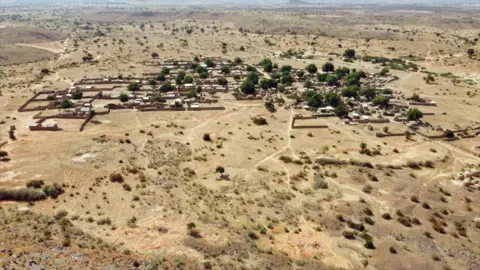
Buildings in Nukuru village were damaged by the ferocity of the missiles that struck 10km away on Christmas Day

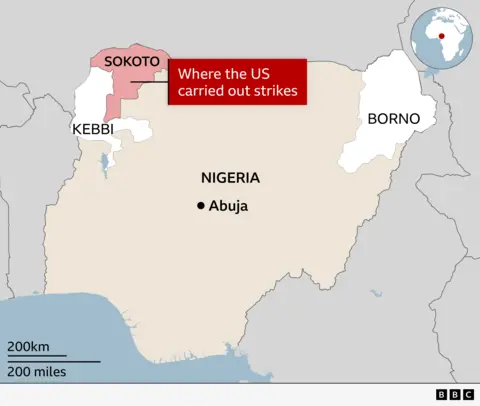
Deep fear has long pervaded the arid savannah plains and highlands of north-western Nigeria - even before the US air strikes on the Islamist militants who have made this area their base on Christmas night.

The heavily armed jihadists, who dress in camouflage and wear vibrant turbans, have lived in camps in Tangaza, a remote area of Sokoto state near the border with Niger, for several years.

They belong to a group called Lakurawa and hail from areas north of Nigeria in the Sahel.

Locals in Tangaza, a community made up of mainly moderate Muslims, believe they come from Niger and Mali - and are terrified of them.

Recently, both US and Nigerian authorities have said the militants are affiliated to Islamic State (IS) groups in the Sahel - though IS has not linked itself to any of the group's activities or announced ties to Lakurawa as it has done with other groups in the region that it backs.

When the BBC visited Nukuru, one of several remote villages in Tangaza around 10km (six miles) from where the US missiles struck, most people were deeply suspicious and did not want to talk about Lakurawa - fearing reprisal if they spoke.

It was only after assurances that their identities would be kept anonymous that some men agreed to be interviewed, speaking in hushed tones.

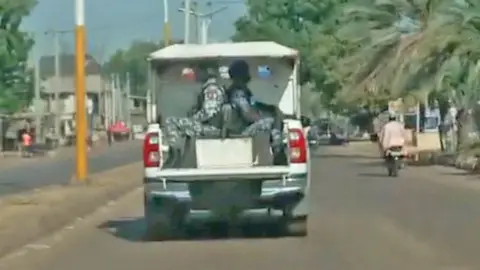
We had travelled into the dangerous area, about 12km from the Niger border, on Saturday under police escort and with extra security personnel for protection.

The police do not usually venture into this region as they say they do not have enough fire power to confront the militants should they come under attack.

Our team was not able to reach the site of the strikes because of ongoing security risks - and was advised not to stay too long in the area so as not to allow the militants time to plant land mines along our exit route.

A farmer, who lives not far from Nukuru, said shortly after the strikes on Thursday night, some fleeing militants converged on his community.
Gift Ufuoma/BBC
The police provided a security escort from Sokoto city to the remote village of Nukuru - a journey of around 70km


"They came on about 15 motorcycles," he told the BBC, explaining that there were three fighters to each bike.

He heard them phoning others, urging them to leave quickly, before escaping on motorbikes.

"It seems they were devastated - we were afraid too," he said. "They were not carrying any dead person, they just carried some luggage."

It is unclear if there were any causalities in the strikes on the two camps ordered by US President Donald Trump.

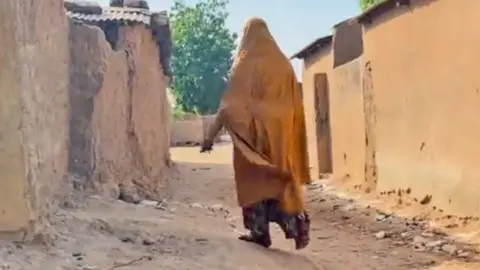
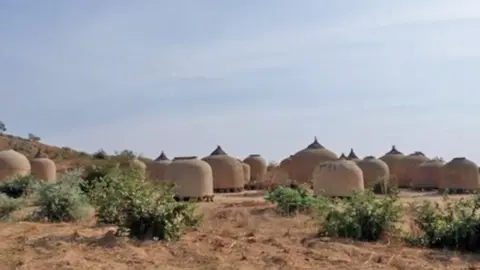
But the residents of Nukuru - a tiny hamlet with around 40 mud-walled and thatched houses and clay granaries used to store the crops harvested a few months ago - can vouch for the ferocity of the missiles.

"The doors and roof were shaking, old roofs were torn," a 70-year-old man told us.

"We couldn't sleep because everywhere was shaking. We couldn't figure out what it was, and we heard things falling from the sky, and then there was fire."

Gift Ufuoma/BBC
The residents of Nukuru village have had to pay taxes to Lakurawa militants for several years


Yet the villagers fear the militants will be able to regroup. They are agile and use motorbikes to move quickly cross the region's rough and rugged terrain.

It is not hard to see how the group has been able to gain a foothold here as there is very little sign of a government presence.

There are no visible schools, hospitals or paved roads. Much of the terrain can only be reached using vehicles capable of navigating rough desert paths.

In Nukuru, the villagers' main means of transport appeared to be donkeys.

They said that by day the Lakurawa militants come into the community - having established themselves as the de facto governing authority.

The farmers and villagers have no option but to agree to their terms and taxes as the Islamists are well-armed. If they do not comply, they are attacked and their livestock is stolen.

The farmer who spoke to the BBC said the fighters passed through his hamlet most days on their way to other communities.

"We knew they are Lakurawa because of their dressing," he said, describing their camouflage uniforms and their turbans usually worn by men in desert areas of Mali and Niger.

Amongst themselves the militants spoke Fulfude - the language of the Fulani ethnic group spoken in many West African countries - but communicated with the locals in Hausa, the lingua franca of the region, he said.

At night, the fighters go back to their isolated camps, which are on higher ground and give them a good vantage point over the plains. No women or families are thought to be living in these makeshift bases.

When Lakurawa initially arrived in the largely Muslim states of Sokoto and Kebbi, the group presented itself as a religious force that wanted to help a vulnerable community in an insecure region.

Nigeria faces an array of complex security issues. For the past 15 years, it has been the north-east of the country that has suffered from a devastating Islamist insurgency at the hands of jihadist groups such as Boko Haram.

The kidnap gangs, jihadists and separatists wreaking havoc in Nigeria


Are Christians being persecuted in Nigeria as Trump claims?


But more recently swathes of the country's north-west have been terrorised by criminal gangs, known locally as bandits, who make money by kidnapping and holding people for ransom.

When Lakurawa moved into communities along the Niger-Nigeria border, it prompted the bandits to move elsewhere.

At first, this is thought to have ingratiated the group with some locals - but this was short-lived. People in Tangaza area say the religious militants became heavy-handed, and began enforcing harsh rules and spreading fear.

A resident of Nukuru spoke about the hard-line, strict Muslim ideology the militants have imposed - including banning things they deem to be against Islamic Sharia law.

"We cannot live freely," the young man told the BBC. "You cannot even play music on your phone - they will not only confiscate it, but also punish you."

Music is seen as distracting from religious duties or encouraging of immoral behaviour by some highly conservative Muslim sects - and offenders have been flogged.

Some Lakurawa militants are thought to have married into border communities - keeping their families away from the camps - and recruited young people.

Some of these recruits are used as informants, while others help the militants trade or gather supplies from residents.


Gift Ufuoma/BBC
These granaries are used to store crops harvested after the rainy season


The strikes on Thursday were the second time the group has been targeted in operations on a Christmas Day.

Last Christmas, Nigeria's military launched an attack against them near Gidan Sama and Rumtuwa, several kilometres from Nukuru. Around 10 civilians were killed.

A month later, several days after Trump's inauguration, the Nigerian government designated the group a terrorist organisation.

The militants were accused in court documents of cattle rustling, kidnapping for ransom, hostage-taking and attacks on senior government officials.

The move gave the government sweeping powers to take strong actions against the group.

When Trump announced his Christmas Day strikes, he said it was because the group was "viciously killing, primarily, innocent Christians, at levels not seen for many years, and even centuries".

Nigeria's Foreign Minister Yusuf Maitama Tuggar has been at pains to point out that the recent strikes were a "joint operation" and "nothing to do with a particular religion".

Most of the villagers and farmers who live in the shadow of the militants are Muslims, not Christians.

But should the US-Nigerian operation be able to dismantle Lakuwara's hold over their lives, it is clear they will be grateful to be free of the terror.

Additional reporting by Abayomi Adisa and Gift Ufuoma


More BBC stories on Nigeria's security crisis:
Banking on repression: How Russia weaponized its “terrorist” list against political dissidents

Ivan Astashin
28 December 2025
THE INSIDER

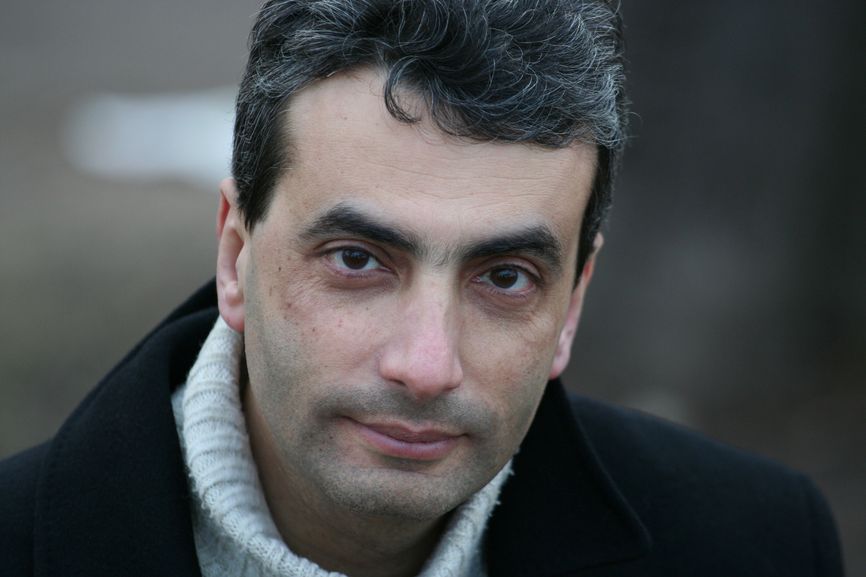
In early December, a new criminal case was opened against Yabloko party deputy chairman Lev Shlosberg, who almost immediately ended up on Rosfinmonitoring’s “list of terrorists and extremists.” Since June, the list has increasingly begun to include not only defendants in “terrorist” and “extremist” cases, but also those merely charged under articles concerning the spread of “fake news” and the “discrediting” of the Russian army. The 20,000 or so Russians who have been named face severe restrictions on the use of banking services, making it all but impossible to live and work normally. In order to simply survive, they are forced to switch to cash payments and to keep money in foreign currencies — preferably not at home.


Content

No card, no bank account, no work permit


“Cards are not allowed, but you still have to pay the debt”


20,000 “terrorists”


Using other people's bank accounts


EU: beyond the reach of Rosfinmonitoring


“Keep money in foreign currency in a stocking and away from home”

Several months ago, an opposition blogger, Vladimir (name changed at the interviewee’s request), was released from prison after serving a sentence on charges of making public calls in support of extremist and terrorist activity. Now, even though he is “free,” starting a new life has proved impossible — his name will remain on Rosfinmonitoring’s “list of terrorists and extremists” for the next eight years, and until then, he must find a way to survive with extremely limited access to the Russian banking system.
No card, no bank account, no work permit

“The ‘list of terrorists and extremists’ does not allow me to get a bank card from any bank. It turns out I am simply not entitled to be issued one,” Vladimir explains in a conversation with The Insider, noting that because he cannot open a bank account, he also cannot find a job.

In practice, even if an employer is willing to hire an “extremist,” the issue of wages immediately arises, and almost all firms in Russia now pay employees via transfers directly to a bank card. Vladimir says he tried to negotiate a compromise option — to open a so-called universal account without a card, but even if an institution agrees, such an account comes with strict limitations.


Politician Lev Shlosberg, who was recently listed by Rosfinmonitoring


“I was told bluntly: you can open an account, but without a card and with a limit of 22,440 rubles ($284) — that is, no more than the monthly minimum wage. And just renting a room costs me 16,000 ($203),” he says.

At the same time, Vladimir emphasizes, the restriction applies regardless of actual income. Even if an employer were theoretically willing to pay more, there would still be no way to use that money. “Whether it’s 100,000 ($1,266) or 300,000 ($3,797) — I’ll still only be able to withdraw those 22,440. It’s impossible to live with such a limit,” he complains.

But according to Vladimir, things rarely even get that far. As soon as employers realize that a candidate cannot have a regular bank card, the conversation ends immediately. “Sometimes I try to explain that I don’t want a card — for example, because of unpaid loans. But almost always the answer is the same: we need a card in your name. And if you’re on the list, it’s a refusal,” Vladimir says. He tried to find work as a porter, in security, at any unskilled job — but without success. “Employers are afraid. No one wants to deal with the police again, let alone the FSB.”

Employers are afraid; no one wants to deal with the police again, let alone the FSB


In the first weeks after his release, Vladimir says, he was supported by volunteers who help people in his situation raise money and find housing. Later he had to turn to friends and relatives. “I’m ashamed to say this, but there were moments when I literally had nothing to eat,” Vladimir admits.

This story is a vivid example of how inclusion on Rosfinmonitoring’s list turns into a separate form of punishment that continues even after release. A person leaves prison but in effect remains without the basic tools needed for a normal life.

The same restrictions apply even to those who were merely fined for activities falling under “extremist” and “terrorist” articles. And starting in 2025, they have also been applied in cases involving “fake news” and “discrediting” the army. As human rights defenders told The Insider, 57-year-old activist Svetlana Zotova, who was sentenced to a 330,000-ruble ($4,177) fine over two comments she made on Telegram, is also unable to obtain a bank card.
“Cards are not allowed, but you still have to pay the debt”

Another example of how the list functions as an automatic punishment is the story of gender studies researcher and former DOXA editor Daria Manzhura. In November 2024, Rosfinmonitoring added her to the “terrorists and extremists” list. By that time, Manzhura was already outside Russia and learned about her inclusion after the fact.

“In Russia, everything was immediately blocked for me. They didn’t warn me, didn’t explain anything. I tried to log into the T-Bank app, but access was already gone,” Manzhura tells The Insider.

In addition, Manzhura found herself in a paradoxical situation with an unpaid loan. Bank cards and regular accounts were unavailable, but the bank nevertheless demanded that her obligation on the loan be fulfilled. “I asked them: how do you imagine that I fulfill this? They replied that I had to top up a special account to repay the loan. Basically, cards are not allowed for you, but you still have to pay off the debt,” she says.


The bank sent the details on how to perform a cashless transfer of rubles. “But how exactly I was supposed to send them rubles while being abroad and without accounts in Russia, no one, of course, clarified,” she adds. For some time, bank employees insisted on full repayment of the amount, but then stopped responding, apparently fearing the consequences of accepting money from a “terrorist/extremist.” The sum in question was about 20,000 rubles ($253).

Manzhura’s story shows that inclusion on Rosfinmonitoring’slist deprives a person of the tools to manage their money — but it does not relieve them of their financial obligations to banks.
20,000 “terrorists”

As of the end of December 2025, Rosfinmonitoring’s list includes more than 800 organizations and almost 20,000 people (for comparison, that is more than the membership of Al-Qaeda and ISIS combined). In theory, the list is supposed to include only those for whom there is information indicating involvement in extremist activity or terrorism. In practice, it is one of the harshest extrajudicial mechanisms available for restricting the rights of those who oppose the Putin regime.

The list appeared in 2001 alongside Federal Law No. 115-FZ “On Countering the Legalization (Laundering) of Proceeds from Crime and the Financing of Terrorism.” Initially, it was conceived as a financial monitoring tool — primarily for banks, so that they could track possible financing of real terrorism. For a long time, the list was classified: only law enforcement agencies and financial institutions had access to it.

The list became public in 2011, when Rossiyskaya Gazeta published its open section. At that time, it contained around 1,500 people. Even then, as human rights defenders noted, a significant share of those included in the list had no connection whatsoever to the financing of terrorism or to violent crimes.

A significant share of the people included on the list as far back as 2011 had no connection whatsoever to the financing of terrorism or violent crimes


On July 1, 2013, new provisions of Law No. 115-FZ came into force that radically changed how it was applied. Banks and other financial institutions were effectively stripped of the ability to allow individuals on the list to receive any income, regardless of its source or purpose. Wages, pensions, benefits, and social payments all became subject to blocking.

That same year, Larisa Romanova, an expert in international and constitutional law, founded the informal “Movement to Defend Victims of Rosfinmonitoring’s Actions”, which brought together opposition figures whose accounts had been blocked. In December 2013, Romanova’s movement submitted a petition to the UN office in Moscow against Rosfinmonitoring’s list.

The petition stated that more than two thirds of the people on the list were not connected to the financing of terrorism and that many of them had found themselves in a vulnerable financial position. According to the authors, the authorities were using anti-money-laundering and counterterrorism legislation for large-scale economic repression of a political nature, including by depriving people of the ability to work officially and earn income.

Romanova, who herself ended up on the list, notes that from the very beginning inclusion took place extrajudicially and without a clear appeals procedure. “They immediately began adding people prosecuted for ‘verbal extremism’ — someone wrote something, spoke out, posted a video. That is, people who had nothing to do with mafia-type criminal communities or real terrorism involving killings and hostages,” she says.

As a result of the petition and appeals to lawmakers, in December 2013 the authorities adopted “mitigating amendments” that allowed those on the list to use part of their frozen funds — up to 10,000 rubles per month for the person themselves and 10,000 rubles ($127) for each family member without independent income. It also became permissible to pay taxes, fines, and mandatory charges. However, the key restrictions remained: banks were required to refuse to open accounts or to issue cards to such people.

As Romanova points out, from the outset the mechanism did not comply with international standards for combating the financing of terrorism. According to her, the recommendations of the Financial Action Task Force (FATF) envisage individualized restrictions subject to judicial oversight, with the possibility of humanitarian exemptions. The Russian model, by contrast, was originally constructed as an extrajudicial system of “disenfranchisement.” “FATF became a convenient cover for a repressive practice that quickly went beyond the fight against real terrorism,” Romanova says.

Over time, the grounds for inclusion on the list were consistently expanded. It began to include not only those who had been convicted on the relevant charges, but also suspects and defendants — people for whom no verdict had yet been handed down. Financial restrictions in such cases were applied automatically at the investigation stage.

Now the list includes not only those who have been convicted on relevant charges, but also suspects and defendants


Another major set of amendments came into force on June 1, 2025. Law No. 115-FZ introduced new grounds for inclusion on the list — cases involving “fake news” and “discrediting” the army (along with a number of other offenses provided that investigators believe there are “motives of political, ideological, national, or social hatred” involved). As a result, the formal status of a “terrorist or extremist” can now be assigned to a person who has merely been accused, for example, of making an antiwar statement.

In practice, this means that inclusion on Rosfinmonitoring’s list is increasingly becoming not a consequence of a verdict, but an independent form of punishment. A person can be deprived of access to the banking system even before trial, and in the event of a guilty verdict, the restrictions remain in place until the criminal record is expunged — that is, for years after release from prison.
Using other people's bank accounts

Kirill (name changed at the subject’s request) left Russia for Armenia in 2022. He had served a sentence under a “terrorism” article and was released in 2018. Kirill’s name still remains on Rosfinmonitoring’s list — and this fact largely governs his life, even abroad.


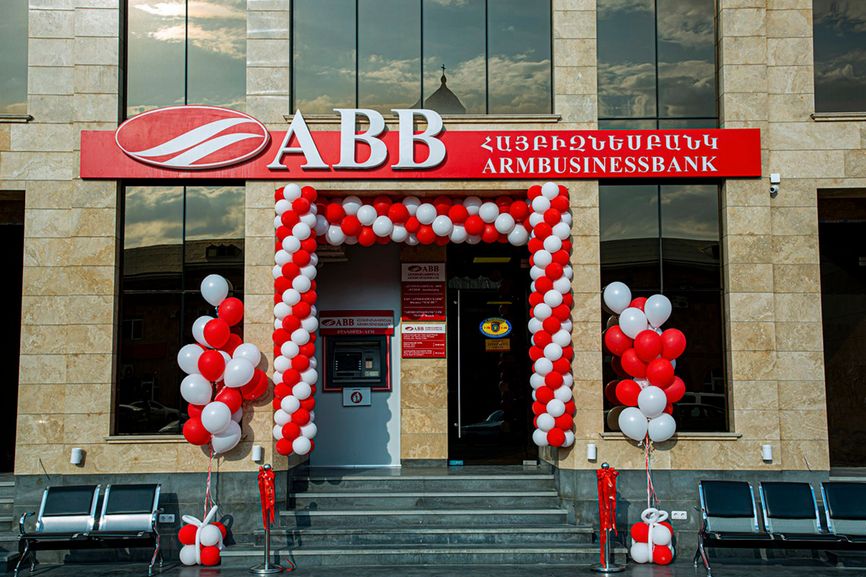
Armenian bank ABB


In Armenia, Kirill tells The Insider in an interview, he had no trouble obtaining a residence permit — the first two for one year each, and the third one for a five-year period. He registered as an individual entrepreneur. But he still ran up against the same wall as in Russia – banks.

“I couldn’t open an account at a single bank. There are just under thirty of them in Armenia, and I went to all of them,” Kirill says.

In some banks they would not even accept his documents, citing requirements such as proof of income, which he could not possibly provide. In others, they simply refused without explanation. Only at one non-capital branch of Ararat Bank was an account for him initially approved. He even signed the documents, but the next day they called back and asked him to come in again.

“They said they had received a call from Yerevan and were told to close the account and not open anything else for this person. Naturally, no one explained the reason,” Kirill recalls.

He cannot prove that the refusal is connected specifically to Rosfinmonitoring’s list — officially, banks do not state reasons, but the coincidence, he says, is too obvious. After all, he had exactly the same problems in Russia.

As a result, as he did in Russian, Kirill receives his salary via other people’s accounts. “There was simply no other way,” he says.

Problems also arose with international payment services. For example, Payoneer initially opened an account for him, completed all checks, and approved a card. But then, without explanation, everything was blocked — including funds that had already been credited.

“I wrote to them every week, to every possible address. Only after nine months was I allowed to withdraw the money — and immediately afterward they wrote that the account was permanently blocked,” he recalls.

At the same time, other services behave differently. According to Kirill, Wise remains the only stable option (albeit without a card). But even here there are limitations: without a bank card in one’s own name, it is impossible to link or activate many other payment systems.

Another telling episode dates back to Kirill’s life in Russia. He bought a car but was unable to register it in his own name, as no insurance company would agree to issue him a policy. One insurance agent did nevertheless try to help — she manually entered his data and issued the policy. But the next day, Kirill says, she called him in a panic and asked him to submit a refusal. “I’m being threatened with losing my certificate and my job because of the person I entered into the system,” the agent told him.

In the end, the car had to be registered in another person’s name, as did just about everything else.

“It’s not just banks. It’s insurers, employers, any systems where money is involved. Because, generally speaking, no one wants to transfer money to a ‘terrorist’ — that’s the whole answer,” Kirill sums up.

Lawyer and founder of the Roskomsvoboda project, Sarkis Darbinyan, explains that the problems faced by people on Rosfinmonitoring’s list outside Russia may be linked not to direct decisions by local authorities, but to the structure of international and regional financial compliance. According to him, even after Rosfinmonitoring’s membership in the international financial intelligence network Egmont Group was suspended, data that had already been transmitted continued to circulate within closed banking compliance systems and are still used when screening potential clients.

In addition, Russia retains channels for exchanging financial information through bilateral agreements and regional cooperation formats with certain countries, including many in the post-Soviet space. In such cases, banks may rely not on court rulings, but on internal compliance “red flags” and signals, without disclosing to the client the reasons for refusal.

“Most international databases are closed to private people. They cannot gain access even to their own data or find out why they were flagged, — not even in order to file an appeal or request a correction. This system is opaque and not subject to appeal,” Darbinyan notes.
EU: beyond the reach of Rosfinmonitoring

Unlike in Russia and a number of post-Soviet countries, in EU member states inclusion on Rosfinmonitoring’s list in itself does not entail automatic financial restrictions. European banks and payment services do not use the Russian register as a legal basis for blocking potential clients — and in practice this is confirmed by the experiences of people who have ended up on the list but live in the EU.

That’s why Daria Manzhura, who lives in the EU, has not encountered any problems with banks. “In the EU, no one froze my accounts — there were no questions at all,” she says.

A similar situation applies to another former DOXA editor, Maria Menshikova, who lives in Germany. After her inclusion on Rosfinmonitoring’s register, she received a notification from PayPal about the closure of her account. However, this concerned the Russian account of the service. “The European PayPal account linked to local accounts was not touched. Banks also made no moves whatsoever,” Menshikova detailed in a conversation with The Insider.

Even more illustrative is the experience of anarchist Denis Kozak. Despite the fact that he is still listed by Rosfinmonitoring in a case on the “justification of terrorism,” after moving to Germany he had no difficulty opening an account at the state-owned bank Sparkasse. “There were no questions at all,” he says.

Feminist Zalina Marshenkulova, who was also added to Rosfinmonitoring’s register and lives in the EU, explains that her Vivid card was temporarily frozen several times, but each time it was restored without consequences. “Revolut has never blocked me,” she notes.

At the same time, accounts belonging to Russians in EU countries are indeed periodically frozen, but as a rule this is done on grounds not directly related to Rosfinmonitoring’s list. Thus, former State Duma deputy Gennady Gudkov, who was added to Russia’s “terrorists and extremists” list in 2024, told the BBC Russian Service about the closure of accounts in a Bulgarian bank and one French bank. According to Gudkov, the institutions explained that the action was related to his status as a politically exposed person (PEP) — someone who previously held senior public office and is therefore subject to enhanced financial scrutiny.

Account blocks affecting Russians in EU countries do indeed occur, but as a rule they are not linked to Rosfinmonitoring’s list


Gudkov left Russia back in 2019, long before his inclusion on Rosfinmonitoring’s list. In a conversation with the BBC Russian Service, he emphasized that European banks were interested in the origin of his funds and his ties to state structures. His Russian status as a “terrorist or extremist” did not feature in the banks’ official explanations.
“Keep money in foreign currency in a stocking and away from home”

Larisa Romanova stresses that people included on the list still have no real mechanism for protecting their rights. According to her, it is impossible to be removed from the register before a person’s criminal record is expunged. “Law No. 115 from the outset did not provide for either an appeals procedure or temporary exemptions. And it still does not,” Romanova says.

The only notable easing of the law — the 2013 provision allowing those named to conduct banking operations with the limit set at the country’s minimum subsistence level — came not as a result of systematic legal reform, but after direct appeals to lawmakers, Romanova says. “We achieved this by getting an appointment with Valentina Tereshkova. No further concessions have appeared in the law since then,” she notes.

In practice, Romanova says, this means that for people on the list the only way to survive is to rely on cash. She also offers advice to those who risk being added to the register: “Don’t keep much money in accounts — only in foreign currency, in a stocking and out of the house. Personally, this old Soviet rule saved me.”