Saturday, January 17, 2026

European Commission urges heavy industry to back 'Made in Europe' manufacturing - leak
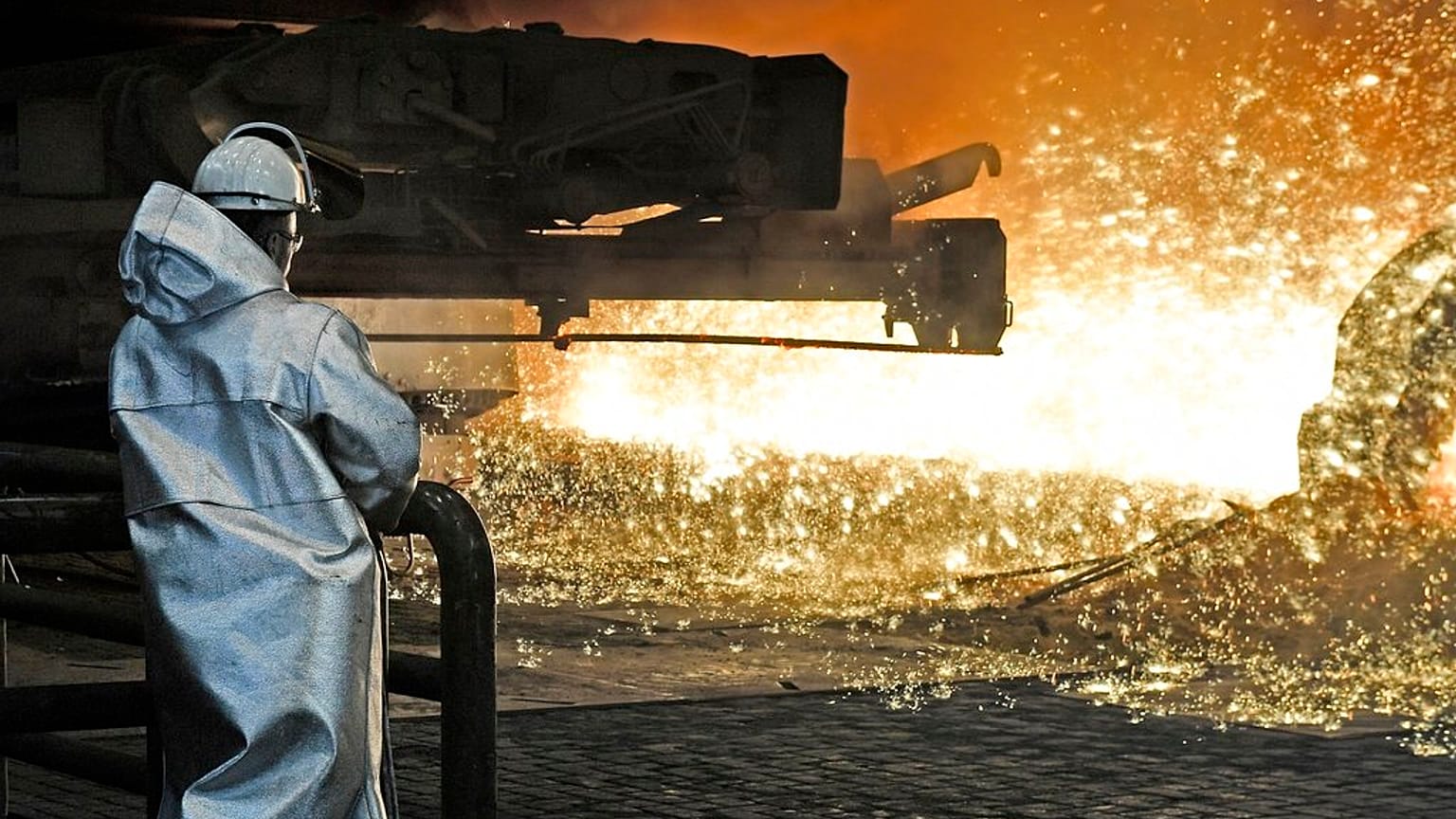
A steel worker watches the hot metal at the Thyssenkrupp steel factory in Duisburg, Germany, Friday, April 27, 2018. Duisburg is the biggest steel producer site in Europe.
Copyright Martin Meissner/Copyright 2018 The AP. All rights reserved.
By Marta Pacheco  Published on 

The European Commission is asking business leaders to "support and sign" a French-led initiative to increase the share of European industrial production, according to a letter seen by Euronews. The EU executive's call comes a few days before the Industrial Accelerator Act is presented.

The European Commission is seeking support from heavy industry representatives, like the steel or aluminium sectors, to back a 'Made in Europe' component in upcoming legislation, a letter seen by Euronews shows.

The aim is to revive a struggling industry in the face of competition from China and the United States.

The call comes in the run-up to the EU executive's announcement of the Industrial Accelerator Act (IAA). Its purpose is to boost the decarbonisation of energy-intensive industries while keeping European production competitive.

similar bill was adopted by the European Union in 2024 to prioritise the production of domestic clean technologies as the bloc races to reach net neutrality by 2050.

"The return of power-based economic relations — through customs duties, massive subsidies, export restrictions and unfair competition — leaves Europe with a clear choice: either we equip ourselves with an ambitious, pragmatic industrial policy, or we accept a gradual erosion of our industrial base, know-how and economic sovereignty," the letter sent by the French Executive Vice-President Stéphane Séjourné states.

Analysts say the IAA can significantly bolster the EU’s industrial competitiveness, as both historically energy-intensive sectors, such as cement and steel production, and innovative net-zero technologies struggle with low demand and damaging international competition.

However, critics argue that the future lawcould have the adverse effect of undermining competitiveness within the EU's single market, particularly given the more advanced industrial frameworks in countries such as France and Germany.

"Whenever European public money is used, it must contribute to European production," reads the letter, which seeks to ensure that "Europe remains an industrial power" rather than a "passive market".
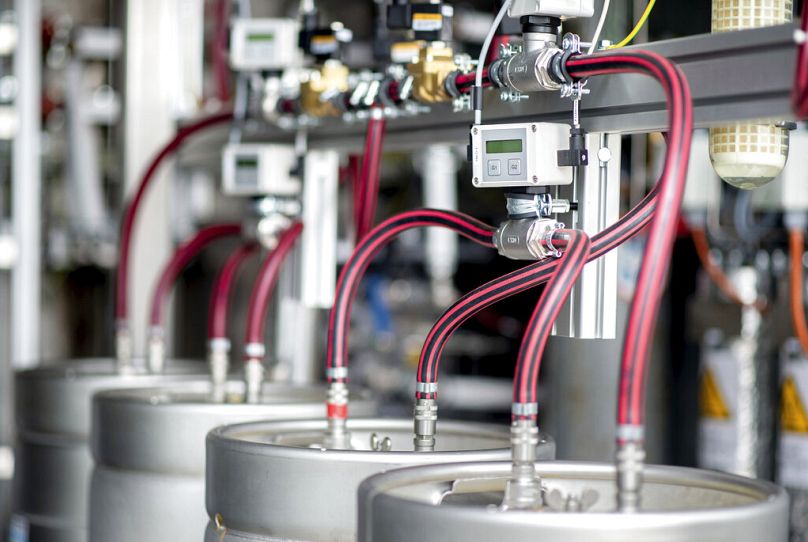
Technical equipment for the electrolyser of a hydrogen production plant is located on the EWE premises in the Huntorf district in Elsfleth, Germany. Hauke-Christian Dittrich/(c) Copyright 2020, dpa (www.dpa.de). Alle Rechte vorbehalten


A group of nine countries — including Czechia, Estonia, Finland, Ireland, Latvia, Malta, Portugal, Sweden and Slovakia — warned in December that the Commission's future law could have “consequences for effective competition, price and quality levels, and effects on businesses”.

Meanwhile, Poland and the Netherlands are backing calls for an impact assessment.

Quotas, supply and demand, state aid

Political discussions on the criteria, incentives, and permitting for domestic products are still underway, an EU diplomat speaking on the condition of anonymity told Euronews.

The same goes for financing, as the EU executive is exploring ways to link EU funding to the latest initiative. The bloc's multiannual budget (MFF) and the EU's Competitiveness Fund are slated to assist European industries.

The Commission hasn't yet agreed on a percentage for the share of European products to be produced under the upcoming law, but figures ranging from 60% to 80% have been floated as possibilities, the EU diplomat said.

"When decided, this figure will come with specific distinctions to address imports and exports," the EU diplomat said, noting that the output from non-European companies producing in the EU could be considered 'Made in Europe'.

Europe is already a leader when it comes to setting stricter environmental standards for businesses, which has resulted in higher production prices, and the new law could see these further increase.

The Commission is looking into "creating the conditions to align supply and demand", the EU diplomat said. To that end, the EU executive plans to create so-called "lead markets" to drive demand for sustainable, low-carbon industrial products within Europe.

The approach seeks to create a predictable market for clean technologies and their outputs, such as green steel and hydrogen, through demand-side policy measures.

Financial support via state aid — referring to a government using public money to give loans, grants or tax breaks to specific companies or industries — is likely to suffer some modifications under the IAA.

"Member states will likely be exempted from notifying the European Commission when it comes to funding decarbonisation projects," the EU diplomat said.

Business leaders' reactions

European industry leaders appear receptive to the Commission's call to intensify domestic production, citing the "record trade deficit of €350 billion" with China in 2025, according to a second letter seen by Euronews.

Industry leaders say the IAA represents "an act of economic independence" responding to the Draghi report. In this report, the former president of the European Central Bank, Mario Draghi, urged the EU27 to close the gap with China and other competitors or risk "slow agony".

"The Chinese have 'Made in China', the Americans have 'Buy American', and most other economic powers have similar schemes that give preference to their own strategic assets. So why not us?" reads the letter, which is set to be signed by EU businesses.

Because of the increased production expected by European manufacturers, industry leaders are asking for financial support through "public auction, direct state aid, or another form of financial support".

"Now is the time for Europe to produce more, and above all, more strategically. To ensure our economic security, we must support and de-risk our key value chains," the letter reads.

After being postponed in December, the IAA is slated to be presented on 29 January, but could suffer further delays, sources close to the file say.

 

As stablecoins rise, how are governments responding worldwide?

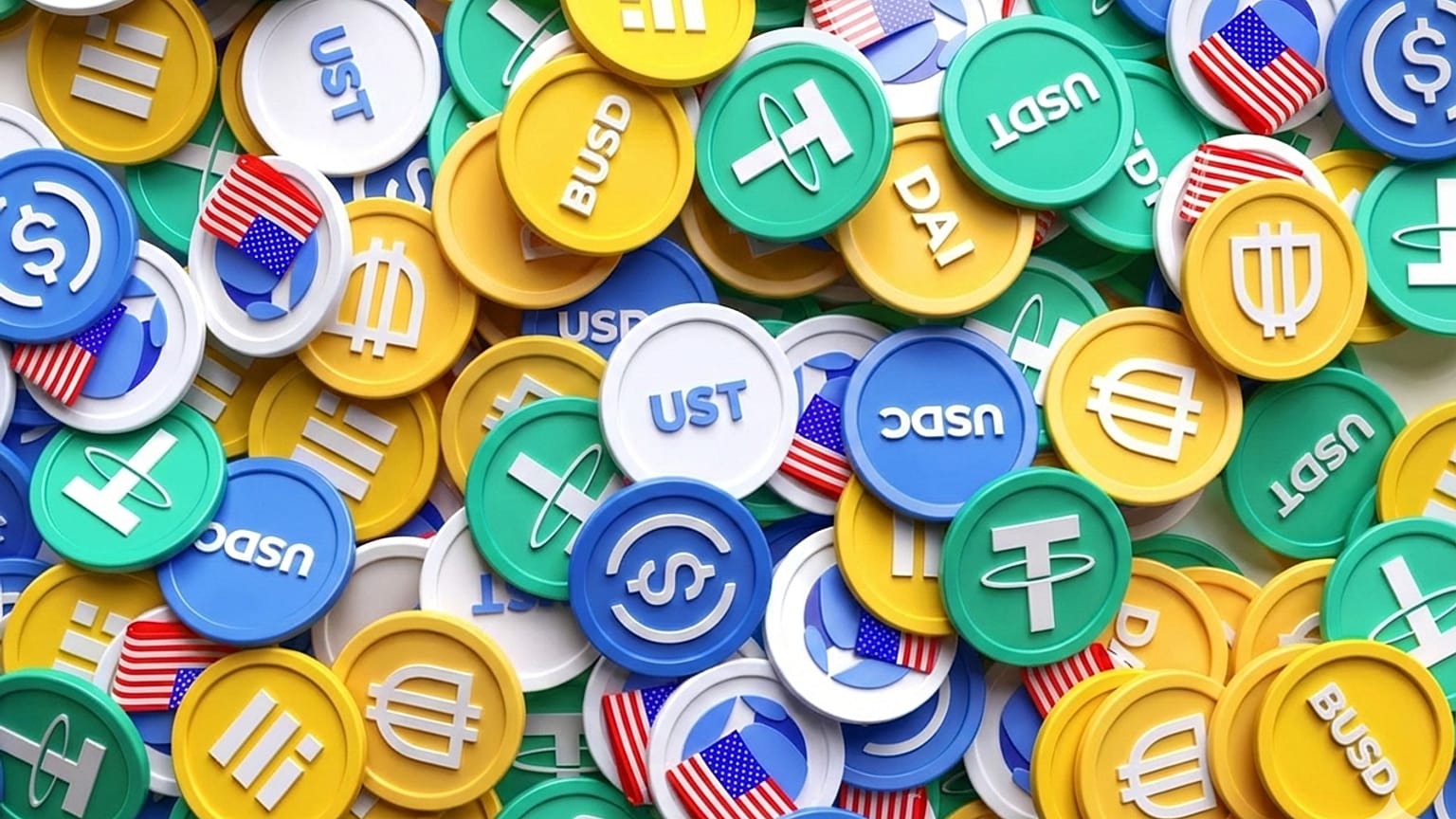
Generic image of stablecoin logos
Copyright Shutterstock


By Quirino Mealha
Published on 

Stablecoins experienced a record-breaking year, driven by both major countries and companies incentivising their use worldwide.

For years, stablecoins have been marketed as crypto’s potential bridge to normal, everyday payments — or at least what most people consider to be normal.

In 2025, they seemed to have made the jump from a promising prospect to a tool increasingly used by institutions, banks, and even previous crypto non-believers.

Total transaction volumes for stablecoins surged by 72% last year, reaching a massive $33tr (€28tr), according to data from Artemis Analytics.

Stablecoins are crypto assets designed to maintain a stable value by pegging their worth to a real-world asset such as the US dollar. Essentially, they represent a digital copy of a circulating currency.

Since cryptocurrencies are not typically controlled by regular banking institutions and their circulation is not regulated by the monetary policies of governments, monetary institutions were reluctant to use them in their transactions.

Unlike other crypto assets, stablecoins aim to maintain a fixed value relative to a government-issued currency and are backed by that currency, as well as other reserves like treasury bills, to guarantee the token can be redeemed on a 1:1 basis.

Over 90% of stablecoins in circulation today are pegged to the US dollar. The two largest are Tether’s USDT, with a market cap of $186bn (€160bn), and Circle’s USDC, with a market cap of $75bn (€65bn). In 2025, Circle facilitated $18.3tr (€15.7tr) worth of transactions, while USDT racked up $13.3tr (€11.4tr) in transaction volume.

Back in October, a report by a16z, a California-based venture capital firm, also attempted to measure organic stablecoin payments in 2025. The fund concluded that on an adjusted basis, stablecoins had done at least $9tr (€7.7tr) in “real” user payments. This value indicates an 87% increase from 2024 and the report states “it is more than five times PayPal’s throughput and more than half of Visa’s”.

As financial institutions turn their attention to stablecoins, the International Monetary Fund is advocating for cooperation among economic blocs to build an international framework for the sector.

However, the current approach to stablecoin issuance and regulation differs significantly among governments in the EU, US, China, and other parts of the world.

What are CBDCs?

Besides stablecoins that are issued and supported by private entities and reserves, central bank digital currencies (CBDCs) have emerged.

These are also digital versions of government-issued currencies, backed by the issuing central bank. However, they do not use decentralised blockchain technology in their core transaction system.

According to McKinsey, cash still accounts for 46% of payments worldwide as of 2025, but non-digital transactions are declining, particularly in developed countries with greater digital infrastructure and financial inclusion.

Governments and central banks understand these changing payment trends, and in many countries, CBDCs offer a viable solution.

China launched its digital yuan (e-CNY) as part of a pilot project in 2019 and the roll-out has since expanded.

As for the EU, the European Central Bank is currently working on a digital euro. In October 2025, the ECB announced that the preparation phase had concluded.

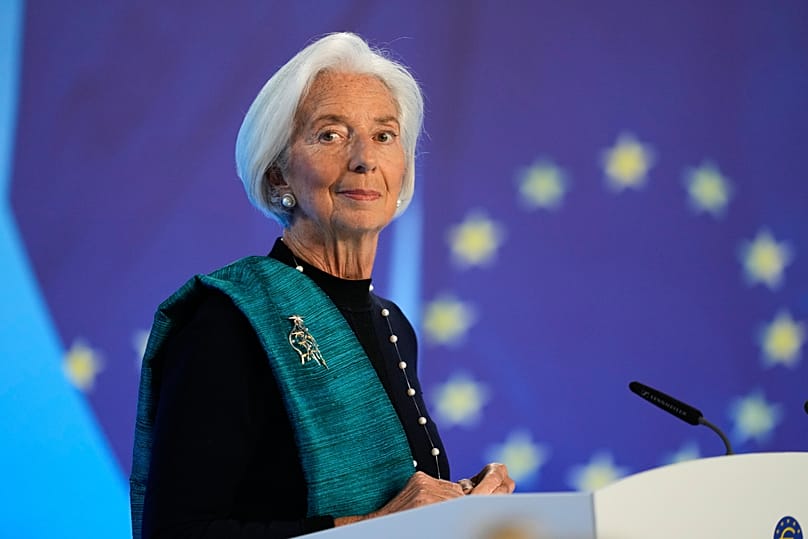
Lagarde addresses the media after the ECB's meeting, December 2025 AP Photo


The President of the ECB, Christine Lagarde, stated that “we have done our work, we have carried the water, but it’s now for the European Council and certainly later on for the European Parliament to identify whether the Commission’s proposal is satisfactory”.

The Eurosystem is aiming for a first issuance in 2029.

Trump’s stablecoin strategy

Under the Trump administration, the US has taken the exact opposite approach to CBDCs, in favour of stablecoins.

In his first week in office, back in January 2025, President Trump signed an executive order “prohibiting agencies from undertaking any action to establish, issue or promote CBDCs in the US or abroad”.

This cleared the way for USDT, USDC, and all other privately issued US dollar stablecoins to continue to dominate the market without having to compete with an “official” version.

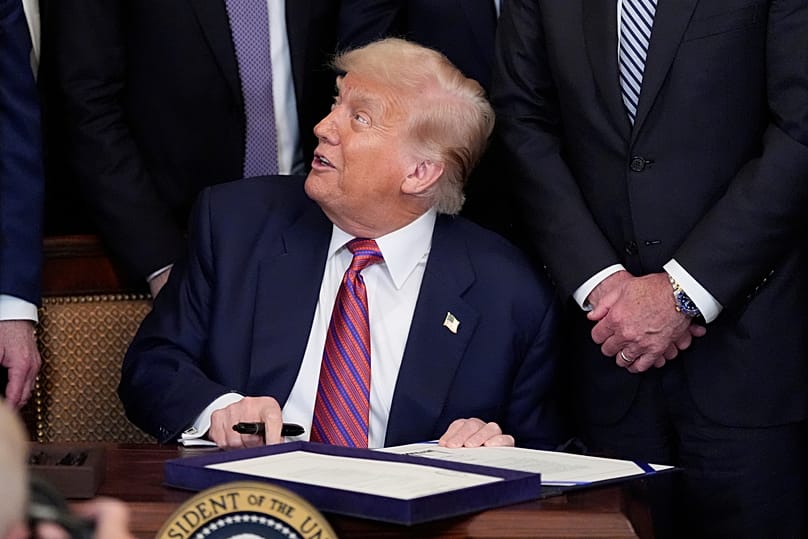
In July 2025, Trump also signed the Guiding and Establishing National Innovation for US Stablecoins Act (GENIUS Act), creating a comprehensive regulatory framework for stablecoins.

Among other provisions, the law requires stablecoin issuers to maintain full reserve backing of their token, on a 1:1 basis, with liquid assets such as US dollars, treasury bills, and bonds.

Trump signing the GENIUS Act, July 2025 AP Photo

For the Trump administration, if a US dollar stablecoin issuer is successful, that means they will progressively increase their supply, which requires them to constantly purchase US debt for their reserves

After the signing of the GENIUS Act, US Secretary of the Treasury, Scott Bessent, said that stablecoins "will buttress the dollar’s status as the global reserve currency, expand access to the dollar economy for billions across the globe, and lead to a surge in demand for US Treasuries".

Stablecoin regulation in the EU

In China, the introduction of the digital yuan also meant the explicit prohibition of stablecoins in the mainland.

However, in the EU, the looming launch of the digital euro has not translated into stablecoin bans.

For now, stablecoin adoption is growing in Europe and stablecoin issuers, together with other crypto firms, have a compliance framework under the EU's Markets in Crypto-Assets (MiCA) regulation.

By July of this year, the transition period ends for securing a Crypto-Asset Service Provider (CASP) licence, required to operate legally.

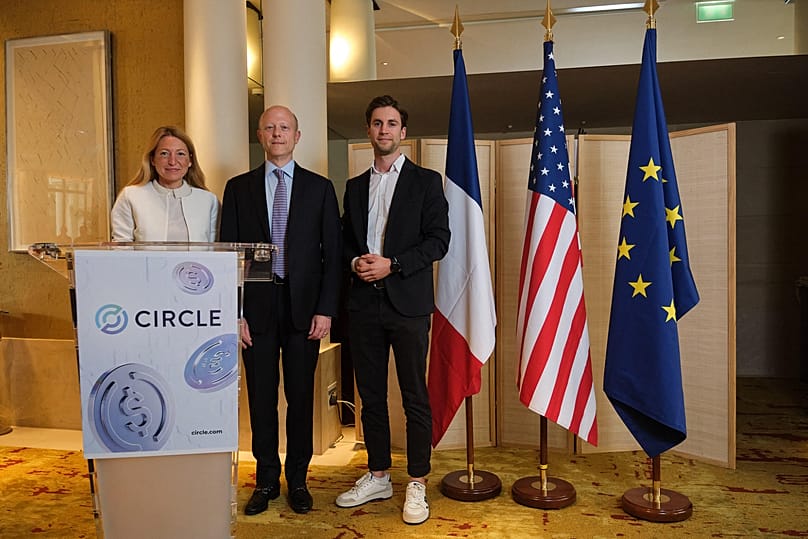
Circle's executives after acquiring a CASP licence, July 2024 AP Photo

The France-based multinational payments provider, Ingenico, announced a partnership with WalletConnect, a protocol that connects crypto wallets with applications, enabling stablecoin payments at scale.

Through a new payment solution called WalletConnect Pay, merchants can accept USDC and EURC, among other stablecoins, using existing Ingenico payment terminals

WalletConnect's CEO, Jess Houlgrave, told Euronews that "MiCA is not perfect, nor is it the end-state of crypto regulation in the EU, but some regulatory clarity is better than none".

Additionally, the CEO underlined that uniform enforcement is important to stop "regulatory shopping" between different jurisdictions, where crypto firms simply choose the version of the rules that suits them best.

Euronews also spoke with the general counsel of Crossmint, Miguel Zapatero. The company provides stablecoin infrastructure for businesses.

With a key base in Spain, Crossmint secured a MiCA licence with the Spanish regulator (CNMV) this week. When asked about the procedure, the GC said that "the barriers to entry are difficult and costly for small businesses, as the requirements are the same for a major bank or a crypto startup".

However, Mr. Zapatero also added that "once you acquire a CASP licence, businesses trust you more, and other regulators around the world tend to expedite their own procedures with you, as the MiCA is one of the most strict crypto regulations globally".

These statements echo the EU's touted doctrine of "regulating by example", although the risk of overcomplexity looms — threatening to stifle innovation.

X platform suffers second major outage in week affecting thousands globally

X platform suffers second major outage in week affecting thousands globally
X platform suffers second major outage in week affecting thousands globally / bne IntelliNews
By bnm Tehran bureau January 16, 2026

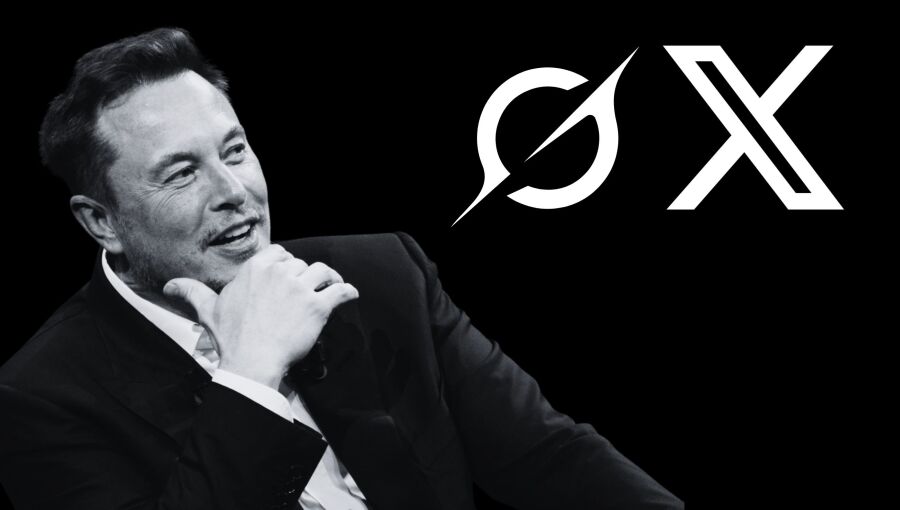
The social media platform X (formerly Twitter) experienced widespread disruption on January 16, affecting tens of thousands of users, marking the second significant outage within one week, with Cloudflare infrastructure issues implicated in the service failure.

Web and app users reported x not working across several markets. Some could not sign in. Users in the UK reported seeing Cloudflare outage messages. Downdetector confirmed issues with both the app and the website.

Downdetector recorded at least 77,000 problem reports from US users at 10:15am Eastern Time, with users encountering blank screens and error messages when attempting to access both the website and mobile applications. The disruption persisted for approximately 90 minutes before service restoration began.

The outage prevented users from viewing timelines or posting content, whilst xAI's Grok chatbot, integrated into the platform, also became inaccessible during the disruption. Users attempting to reach the site received Cloudflare error messages indicating server connectivity problems.

The platform experienced a similar outage on January 13, lasting several hours, with users reporting intermittent access issues across multiple regions, including the United States, the United Kingdom and India. Reports at that time exceeded 7,000 incidents during peak disruption periods.

Cloudflare, which provides content delivery and cybersecurity infrastructure services to X, showed concurrent problem reports suggesting the infrastructure provider played a role in the service interruption. The company has not issued statements explaining the technical cause of either outage.

X has faced multiple outages throughout 2025, including a March incident generating 1.6mn Downdetector reports and November disruptions linked to Cloudflare configuration errors affecting multiple major websites.

The platform implemented restrictions this week, preventing Grok from generating images of real people in revealing clothing, following widespread criticism.

EFAs 2026: Why the European Film Awards matter


 By David Mouriquand

Published on 


With a new date for the awards ceremony, the European Film Awards are sending a message: they are relevant and European productions deserve more attention in international awards conversation.


The 38th European Film Awards - Europe's equivalent to the Oscars - take place this Saturday in Berlin.

Traditionally held in December, the European Film Academy has shaken things up this year by moving the ceremony to better position the EFAs as part of international awards season, which is in full swing following the Golden Globes.

About damn time.

While the EFAs have often fallen by the wayside when it comes to awards conversation, 2026 marks a new approach: European productions matter, they deserve to be celebrated, and they have nothing to envy Hollywood.

Ok, oversized budgets, but when you look at some of last year’s most memorable films, you’d be hard-pressed not to include some of the stellar creative output the continent was responsible for. We certainly didn't hold back when it came to selecting our 20 favourite films of 2025. And even if the glitzy Oscars will inevitably get the lion’s share of press attention, the artistic value and filmmaking audacity proves how European films are some of the finest around.

Plus, let’s face facts – this year’s US awards season seems like a done deal already. Just give One Battle After Another all the awards it deserves; let Timothée Chalamet hold his first Oscar for Marty Supreme (he’s earned it after that exhausting marketing campaign); and let’s collectively celebrate Sinners as much as possible, shall we?

When it comes to the European Film Awards, the line-up boasts a more diverse, more exciting selection of films – many of which have missed out on the spotlight. Case and point: Hands up those who have seen Raitis and Lauris Abele’s stunning comedy-horror animation film Dog of God or Mailys Vallade and Liane-Cho Han’s adaptation of Amelie Nothomb’s novel, Amélie et la métaphysique des tubes (Little Amelie)...

Thought not. You’re missing out.

Both films are among the 15 movies competing for the main award, Best European Film, and while they’re not going in as favourites, their inclusion shows once again how many unmissable EU productions the EFAs highlight, and how these films need better and wider distribution so audiences don’t miss the chance of seeing some real gems.

This year, favourites for Best European Film include Joachim Trier’s moving family drama Sentimental Value (which has already earned Swedish legend Stellan Skarsgård a Golden Globe and proves once more that Renate Reinsve is one of the most magnetic screen presences around); Oliver Laxe’s bone-shaking post-apocalyptic odyssey Sirāt; and Jafar Panahi’s Palme d’Or winner It Was Just An Accident, an engrossing and politically charged thriller about the price of revenge which shows how some filmmakers have to put it all on the line for the sake of their craft.

We’re betting Sentimental Value will emerge victorious – a film which has already been getting a lot of awards buzz stateside, and which will undoubtedly face off against Kleber Mendonça Filho’s The Secret Agent for the coveted – and let’s face facts, the most interesting – Oscar gong: Best International Feature Film.

All to say that the EFAs deserve more attention – and this year, the ceremony has a date worthy of its stature on the international stage.

Granted, more hype and marketing campaigns to promote the awards wouldn’t go amiss, but the EFAs are only in their 38th year. Give them time. With their new position in the awards calendar and a terrific set of nominees, it’s clear this is a ceremony that merits being mentioned in the same breath as the Oscars.

Stay tuned to Euronews Culture, as we’ll be in Berlin to bring you coverage from the ceremony on Saturday night, as well as exclusive interviews from this year’s nominees.

End of an Empire: Kathleen Kennedy departs from Disney and Star Wars


By Tokunbo Salako & Jake Dutiekwicz with AP

Published on 


The first post-Disney Star Wars dynasty is over. Kathleen Kennedy has officially stepped down as the president of Lucasfilm, the Disney subsidiary home to the Star Wars franchise.


An empire enters a new age. The first post-Disney Star Wars dynasty is over.

Kathleen Kennedy is stepping down as Lucasfilm president after 13 turbulent years in charge. She has officially quit as president of Lucasfilm, Disney's subsidiary home to the Star Wars franchise.

Over the course of her reign, which began in 2012 when Disney officially acquired Lucasfilm and all of its properties, Kennedy oversaw one of the most productive and profitable periods in the history of the world's most popular science-fiction saga.

Kennedy’s time at Star Wars will be remembered for ushering Star Wars into the modern content economy with the production of the three sequel movies to the Original Trilogy (1977-1983), two standalone feature films (Rogue One, Solo), five major TV series (The Mandalorian, The Book of Boba Fett, Obi-Wan Kenobi, Ahsoka, Andor), and dozens more of animated shows, video games, books and comics; all fuelling Star Wars’ status as arguably the most expansive fictional universe.

But, for every critically acclaimed production like Andor or the first instalment of the Sequel Trilogy, The Force Awakens, Lucasfilm’s ex-president has faced intense criticism from the old-school members of the Star Wars fanbase, coming to a head in the incredibly polarising release of The Last Jedi, which on the online review platform Rotten Tomatoes received a hugely positive 91% from critics and a scathing 41% from the audience

This of course might hardly matter to the executive board as Kennedy’s stewardship over the franchise brought in a total of $5.6 billion (€4.2 billion) in box office alone, good business considering the $4.2 billion (€3.6 billion) Disney paid to buy the firm.

Succession

Kennedy now hands over the reins of Lucasfilm to its current chief creative officer Dave Filoni, and Lynwenn Brennan, the studio’s business affairs and operations chief.

 
Kathleen Kennedy and director Dave Filoni meet R2-D2 and C3PO at a Star Wars fan convention in Chiba, near Tokyo, Japan, 18 August 2025 AP Photo/Hiro Komae

Filoni’s name should be well known to most of the Star Wars faithful. He was involved in some of the most beloved works within the franchise, such as the animated TV show Star Wars: Clone Wars (2008-2020) and more recently had a hand in creating Ahsoka (2023).

Filoni will retain his position as creative chief while also holding the title of president while Brennan will be co-president. Both are expected to preside over the day to day operations of the media company.

“From Rey to Grogu, Kathy has overseen the greatest expansion in Star Wars storytelling on-screen that we have ever seen,” said Filoni. “I am incredibly grateful to Kathy, George, Bob Iger, and Alan Bergman for their trust and the opportunity to lead Lucasfilm in this new role, doing a job I truly love. May the Force be with you.”

Before joining Lucasfilm, Kennedy was one of Hollywood’s most successful producers ever. In 1981, she co-founded Amblin Entertainment with Steven Spielberg and her eventual husband, Frank Marshall. She produced E.T.Indiana Jones and the Temple of DoomJurassic Park and the Back to the Future trilogy.

Her final projects as president within the Star Wars franchise will be as executive producer on two upcoming Star Wars movies, The Mandalorian & Grogu and Star Wars: Starfighter starring Ryan Gosling.

ITALY
Winter Olympics will increase pressure on overtouristed Dolomites, local residents warn


Copyright Ciprian Boiciuc

By Rebecca Ann Hughes
 16/01/2026 - EURONEWS


This summer, Dolomite landowners ask tourists to pay a fee on one scenic route after 8,000 visitors arrived in one day.

As Italy gears up to host the Winter Olympics next month, residents in Alpine communities are warning that a surge in visitors will strain an area already battling overtourism.

Events will take place in Milan and in Cortina d'Ampezzo, a UNESCO-designated town known as the 'Queen of the Dolomites', as well as in the nearby localities of Predazzo, Tesero and Anterselva.

Local authorities and environmental organisations say the Games will exacerbate a worrying tourism trend: the social media fame of scenic spots.

High in the Italian Dolomites, a hiking trail on Seceda mountain has become a renowned place for taking dramatic shots of the spiky Odle Peaks.

In summer, camera-wielding tourists become a nightmare for residents of the area in South Tyrol.

This winter, an acclaimed ski resort in the Dolomites became the country’s first to cap the number of visitors.

Madonna di Campiglio said it would curb the presence of skiers on the slopes by limiting daily passes purchased online to just 15,000.

The move highlights the wider, growing issue of overtourism, poor visitor behaviour, and environmental damage in Italy’s fragile mountain range.


Farmers ask tourists to pay fee to hike scenic route


This summer, walkers and locals shared images of the famed Odle trail leading to the Seceda summit jammed with queues of tourists waiting to take Instagram-worthy snaps.

Some 8,000 people reportedly walked the path on a single day last week.

Frustrations grew to the point that local landowners decided to take independent action.

At the beginning of July, a group of local farmers set up a turnstile with a toll on the Odle trail to protest against the constant passage of tourists who, they say, disrespect the area.

"The trails are abandoned and the meadows are full of rubbish," they said in a statement.

The turnstile was quickly deactivated by the Puez-Odle Nature Park authorities, but was reinstated by the farmers days later.

The landowners said in a statement that the initial installation of the turnstile was primarily intended as a provocation - or a ‘cry for help’ as local newspaper Il Dolomiti describes it.


However, since receiving no contact from “political representatives, associations, or organisations", they chose to reactivate the system.

Anyone who wished to hike along the route was asked to pay a €5 fee - children and residents excluded.

The landowners said they were obliged to charge a toll to compensate for the damage to their land and to fund their upkeep of the slopes.
Greater regulation of tourism is needed in the Dolomites

While many local tourism associations and mountain guides denounced the landowners’ move, others, including local residents, say the provocation was necessary.

Carlo Alberto Zanella, president of the South Tyrolean branch of the national hiking association Club Alpino Italia (CIA), told local newspaper Salto, “it serves to bring a real problem to public attention.”

He said visitors walk through or cycle across the meadows bordering the trail, spoiling the fields and their crops before the farmers can harvest.

“You need education about how to respect the environment. That’s the point.”


Local tourism groups also acknowledge that overcrowding is partly due to a lack of regulation by provincial authorities.

Mussner called for local farmers to be financially compensated for summer tourism, as is done in winter for owners of land crossed by ski slopes.

This is particularly urgent given the booming interest in mountain destinations amid boiling European summers.

According to research by the Demoskopika Institute, for the second consecutive year, South Tyrol is one of the destinations in Italy most exposed to tourist overcrowding, on a par with Venice.

Is Apple to blame for the Seceda mountain’s popularity?

Some say the culprit of this area’s popularity is the technology company Apple.

It used a photograph of the Seceda mountain as the official wallpaper for its iOS 7 operating system a decade ago.

Two years ago, it featured the Seceda again in a short promotional video during the iPhone 15 launch event.

Local groups say the result of that involuntary publicity was a huge increase in visitors, often driven by the desire to just take a few photos of the views and then leave.

They also say that the cable car from Ortisei that takes passengers to the summit is exacerbating the problem.

The route has also seen intense overcrowding, with local guides warning visitors to arrive early in the morning to avoid the lengthy queues.

Some tourism and environmental groups are now calling for a price increase in summer or even its complete closure in peak season to prevent the unsustainable influx of visitors.

The company that operates the cable car has instead proposed tripling its capacity amid much controversy and fears of stoking the overtourism problem.
Dolomite ski resort caps visitor numbers

Concerns are growing that the Winter Olympics will also ramp up interest in the Dolomites during the winter.

The Madonna di Campiglio ski resort has brought in a cap on visitor numbers, which was in place from 28 December, 2025, to 5 January, 2026, and will return during Italy’s annual Carnival (15-22 February, 2026).

Although the resort does not say the move was a measure to directly counter overtourism, it said limiting the number of daily pass holders to an “ideal number” will help improve the skiing experience as well as customer safety.

Madonna di Campiglio is also developing new “smart skipasses” to allow skiers to avoid crowded zones during the peak season by “dynamically distributing skier traffic across the 150km of slopes”.

‘A more holistic approach’


Catherine Warrilow, a tourism brand strategy expert at The Plot, tells Euronews Travel that overtourism can have a negative impact on guest experience, as well as on local residents and the environment.

“Limiting visitors per day to the slopes and lifts may reduce wider impacts but in my experience, it needs a far more holistic approach, coordinated with the local tourist association, businesses and residents,” she adds.

Warrilow argues that managing the flow of visitors to a region rather than just one resort or bottleneck would result in “wider accessibility and sustainability” - describing the resort’s move as a “visitor management adjustment” rather than a commitment to overtourism.

“I would speculate that this is designed more to even out visitor numbers through the ski season and avert the risk of someone being seriously hurt, as opposed to lessening the impact of tourism on the resort and local area,” she says.


Russia demands US fund withdraw $225.8bn Tsarist bond lawsuit or face dismissal bid

Russia demands US fund withdraw $225.8bn Tsarist bond lawsuit or face dismissal bid
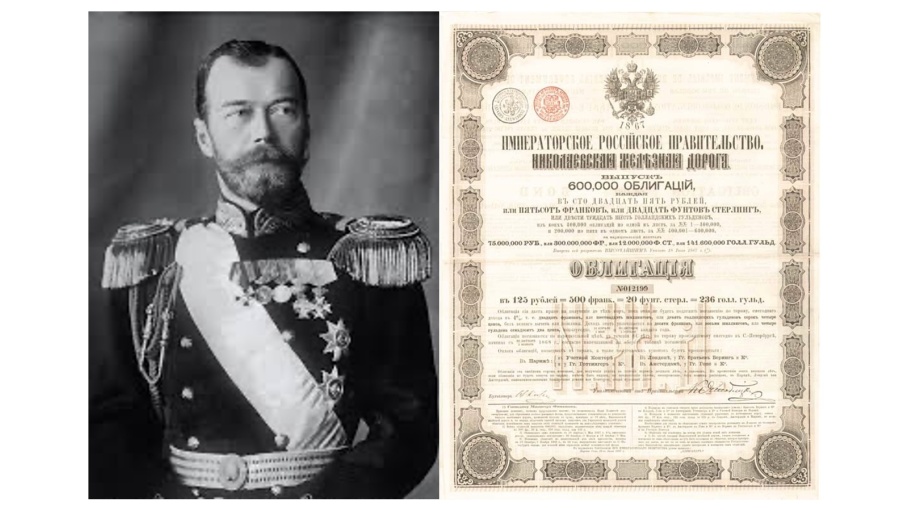
Investors and their children have been trying to recover money from bonds that the SOviet government defaulted on after the Revolution with little success. / bne IntelliNews
By Ben Aris in Berlin January 16, 2026

An ancient story of investors trying to recover billions of dollars of debt Russia defaulted on after the last Tsar was overthrown in the October Revolution has come up again.

Russia has called on US-based Noble Capital to withdraw a $225.8bn lawsuit over Tsarist-era bonds by January 30 or face a motion to dismiss the case under the US Foreign State Immunities Act, international law firm Marks & Sokolov told state news agency RIA Novosti on January 16.

At the last fin de siècle of the millennium Tsar Nicholas II had borrowed billions from the international capital markets, largely based in Paris in those days, to fund Russia’s economy. Pre-revolution Russia was a military and agricultural powerhouse with easy access to the capital markets. However, Lenin’s revolution threw Russia into chaos and the new Soviet government defaulted on the debt. For more than 100 years, investors, and their descendants, have been trying to recover their money ever since.

In the latest attempt, a legal challenge, filed in June 2025 in the US District Court for the District of Columbia, targets the Russian Federation, the Russian Ministry of Finance, the Bank of Russia and the National Welfare Fund. Noble Capital claims it is the legal successor and rightful owner of bonds issued by the Russian Empire more than a century ago to American investors.

According to the lawsuit, “the Russian Federation, in violation of the doctrine of state continuity, has refused and continues to refuse to fulfil certain sovereign debt obligations” inherited from its predecessor states. The fund is also seeking court approval to satisfy these alleged obligations using Russian state assets currently frozen in the US.

Moscow, through its legal representation, has rejected any liability for debts issued prior to the 1917 Bolshevik Revolution. “Neither the USSR nor the Russian Federation ever acknowledged their responsibility for them under established international law. They were long ago consigned to the 'trash can of history,’” Marks & Sokolov said in its statement.

In the last three decades several Western countries, including France and the UK, have reached partial settlements with Russia over similar claims in the 1990s. The US has never concluded a bilateral agreement with Moscow concerning compensation for American holders of Imperial Russian debt.

Noble Capital has not publicly responded to Russia’s withdrawal request, Vedomosti reported. The most recent activity in the court case took place in November 2025, according to filings.

Tsar’s bonds

The bonds at the centre of Noble Capital’s lawsuit originate from sovereign debt instruments issued by the Russian Empire in the late 19th and early 20th centuries, prior to the 1917 Bolshevik Revolution. These securities were sold widely on international markets, particularly in France, the UK, Germany, and the US, to finance the Tsarist regime's ambitious infrastructure projects, military expenditures, and industrialisation efforts, under the Protr Stylopin reformist government.

One of the most significant waves of issuance occurred under Tsar Nicholas II, especially in the early 1900s, as the Russian government sought to modernise the empire and strengthen its strategic position. Foreign investors were attracted by high yields and the implicit backing of one of the world's largest territorial powers at the time.

French investors were by far the largest holders, with an estimated 1.6mn French citizens having purchased Russian bonds. These were often marketed as “safe, state-backed” instruments – the triple A bonds of their day – and sold to small retail investors through banks and brokers as a solid long-term investment to feather an old age. The French government actively promoted the bonds as part of its diplomatic alignment with Russia, which culminated in the Franco-Russian Alliance at the turn of the century.

In the US, similar instruments were issued and marketed to private investors, although on a smaller scale. The bonds were typically denominated in gold or in foreign currencies and were issued under various terms, including railway bonds, government loans, and municipal debt backed by the Imperial government.

Following the Bolshevik seizure of power in October 1917, Lenin’s Soviet government issued a decree repudiating all Tsarist debts. This marked the first time in modern history that a major state defaulted outright on its sovereign obligations – a trick that Russia nearly repeated in the 1998 financial meltdown. The Soviet leadership argued that the debt was illegitimate and had served to enrich capitalist powers and suppress the Russian working class. Ukraine has made similar “odious debt” arguments to refuse to repay a $3bn bond issued to the Yanukovych administration by Russian President Vladimir Putin in 2013 that helped spark the EuroMaidan revolution that ousted him.

Despite the Revolutionary default, the bonds continued to trade on secondary markets for decades, often at steep discounts. Some were acquired by speculators and legal entities, who viewed them as potential claims should a future Russian government resume payments. While some settlements were later reached—such as the 1996 Franco-Russian agreement to compensate French holders—no agreement was ever achieved with US investors.

1990s attempt to retire the debt

The bonds were a millstone for the Yeltsin administration in the 1990s, spoiling Russia’s credit profile at a time when it had to borrow billions from the likes of the International Monetary Fund (IMF) as it struggled to recover from the collapse of the Soviet Union.

In the 1990s, following the collapse of the Soviet Union, the newly formed Russian Federation faced renewed pressure from foreign bondholders to settle outstanding claims on Imperial Russian debt, as a way of breaking European Russia’s links with its Soviet misadventure. Among the most serious diplomatic efforts to deal with the debt came during the premiership of Viktor Chernomyrdin, who served as Prime Minister from 1992 to 1998 under President Boris Yeltsin.

Chernomyrdin’s government, tasked with stabilising Russia’s post-Soviet economy and re-establishing international creditworthiness, re-engaged for the first time since the revolution in a series of top level negotiations with Western governments over the legacy debts of both the Soviet Union and the Russian Empire. These talks were part of broader efforts to normalise Russia’s financial relationships and secure access to international capital markets on which Russia’s economy had become increasingly dependent.

And some progress was made. Russia reached partial settlements with several countries regarding Imperial-era bonds. The most notable agreement was with France. In 1996, after prolonged negotiations, Moscow and Paris signed a bilateral accord under which Russia agreed to pay FRF400mn (around $80mn at the time) to compensate the descendants of approximately 300,000 French holders of Tsarist bonds. The settlement was framed not as full repayment, but as a goodwill gesture to close the issue diplomatically. The French government had purchased the bonds from its citizens and thus held the claims directly.

However, similar agreements with other creditor nations, including the US, were never concluded. One of the obstacles was that, unlike France or the UK, the US government had not formally acquired the claims of its bondholders, making it more difficult to conduct a state-to-state resolution. In addition, the scale of the claims and the lack of detailed registries of US bondholders complicated negotiations.

In a 1997 interview with The New York Times, Russian officials made clear that Moscow considered the 1918 repudiation of Tsarist debts as final, but remained open to limited settlements in the interest of diplomatic normalisation. Chernomyrdin, known for his pragmatic approach and unintelligible speeches, sought to distance modern Russia from the legal and financial burdens of both the Soviet and Imperial eras, but recognised that resolving legacy debt issues was essential to improving Russia’s global financial standing.

Ultimately, the 1990s efforts under Chernomyrdin led to some targeted settlements, but failed to produce a comprehensive resolution for US holders of Tsarist bonds—a legacy that continues to fuel legal claims to this day.

As Chernomyrdin most famously said: “We hoped for the best, but everything turned out like always.”