Showing posts sorted by date for query ANTIFA. Sort by relevance Show all posts

Wednesday, January 21, 2026


(Statement) International call to strengthen antifascist and anti-imperialist action


Antifa conference

The extreme right and neo-fascist forces are advancing on every continent. 

While the threat manifests itself in different ways depending on the country or region, its common elements are readily identifiable: the goal of annihilating labor rights and protections, the suppression of workers’ organizations, the dismantling of social security and the imposition of a precarious existence for both employed and unemployed workers, the privatization of public services, the denial of climate change, the use of the high level of public debt as an excuse for intensifying austerity policies, the dispossession of peasants to clear the way for agribusiness, the displacement of indigenous peoples to promote unbridled extractivism, the tightening of inhumane migration policies, and an increase in military spending. 

Enforcing these policies requires restrictions on the right to strike, freedom of expression, freedom of association, and freedom of assembly; the silencing of the press and of critical voices in schools and universities; denying scientific findings that contradict these policies; and strengthening of the structures and mechanisms of repression and surveillance.

The extreme right is co-opting discontent with the disastrous consequences of neoliberalism to accelerate these policies. To achieve this, like classical fascism, it seeks to direct this discontent against oppressed and dispossessed groups: migrants, women, LGBTQ+ people, those who benefit from inclusion programs, racialized people, and national or religious minorities. National chauvinism, racism, xenophobia, sexism, homophobia, incitement to hatred, and the normalization of cruelty accompany the advance of the radical right at every step, depending on the specific circumstances of each country.

The desire to accumulate wealth in the hands of capital and the relentless pursuit of maximum profit that underpins far-right policies are also manifested by the intensification of imperialist aggressions aimed at seizing resources and exploiting populations. This phenomenon is intertwined with the perpetuation of colonial situations, exemplified by the case of Palestine, where it takes the form of a genocide orchestrated by the State of Israel with the complicity of its imperialist allies.

Beyond its complicity with the Netanyahu government, the far right is forging international ties: congresses, think tanks, joint declarations, mutual support in electoral processes, collaboration among podcasters, propagandists, and specialists in disinformation. It is urgent that we advance the struggle against the right and imperialist aggression, and to be effective our struggle must be international.

The forces fighting against the rise of the far right, fascism, and imperialist aggression are neither monolithic nor homogeneous, nor have they ever been. They are diverse, and there are significant differences in analysis, strategy and tactics, programs, and alliance policy, as well as sensibilities and priorities. Experience teaches us that while it is important to recognize these differences, coordinating the struggle against increasingly menacing enemies is essential. This convergence can and must include all forces willing to defend the working class, farmers, migrants, women, LGBTQ+ people, racialized people, oppressed national or religious minorities, and indigenous peoples; to defend nature against ecocidal capitalism; to combat imperialist and colonial aggression, regardless of its origin; and to support the struggle of the peoples who resist, even when they are forced to take up arms.

It is urgent that we share analyses, strengthen ties, and agree on concrete actions. Those are the goals that inspired the convening of an International Antifascist and Anti-imperialist Conference in the city of Porto Alegre, Brazil, from March 26 to 29, 2026.

The Porto Alegre conference is an important step on a much longer path. The undersigned organizations and individuals commit to continue, tirelessly and in the most unified way possible, the struggle against the rising far right and imperialist aggressions, which is an essential dimension of our emancipatory, socialist, ecological, feminist, anti-racist, and internationalist project.

As Che Guevara wrote to his children: “Above all, always be capable of feeling deeply any injustice committed against anyone, anywhere in the world. This is the most beautiful quality in a revolutionary.”

Sign the call here

Initial signatories:

Argentina
1. Atilio A. Boron, professor at the University of Buenos Aires and the National University of Avellaneda.
2. Verónica Gago, feminist activist and researcher at the University of Buenos Aires.
3. Julio Gambina, Corriente Politica de Izquierda - CPI (Left Political Current), ATTAC Argentina, CADTM AYNA.
4. Claudio Katz, professor at the University of Buenos Aires and researcher at CONICET.
5. Beverly Keene, Diálogo 2000-Jubileo Sur Argentina (Dialogue 2000-Jubilee South Argentina) and Autoconvocatoria por la Suspensión del Pago e Investigación de la Deuda (Coalition for the Suspension of Payment and Investigation of the Debt).
6. Claudio Lozano, President of the Instrumento Electoral por la Unidad Popular (Electoral Instrument for Popular Unity).
7. Jorgelina Matusevicius, representative of Vientos del Pueblo Frente por el Poder Popular (Winds of the People Front for Popular Power).
8. Felisa Miceli, Economist, Former Minister of Economy of Argentina 2005/2007.
9. Martín Mosquera, editor of Jacobin Latin America (Jacobinlat).
10. María Elena Saludas, member of ATTAC-CADTM Argentina, Corriente Politica de Izquierda - CPI (Left Political Current).

Australia
11. Federico Fuentes, editor of LINKS International Journal of Socialist Renewal.
12. Pip Hinman, Co-editor of Green Left.
13. Susan Price, Co-editor of Green Left.

Basque Country
14. Garbiñe Aranburu Irazusta, General Coordinator of the LAB Trade Union.
15. Igor Arroyo Leatxe, General Coordinator of the LAB Trade Union.
16. Josu Chueca, former professor at the UPV/EHU. Historical memory activist.
17. Irati Jiménez, parliamentarian in Navarre, EH Bildu.
18. Mitxel Lakuntza Vicario, general secretary of the ELA Sindikatua Trade Union.
19. Oskar Matute, deputy in the Congress of the Spanish state, EH Bildu.
20. Luisa Menendez Aguirre, anti-racist and feminist activist, Bilbao.
21. Amaia Muñoa Capron-Manieux, deputy general secretary of the ELA Sindikatua Trade Union.
22. Anabel Sanz Del Pozo, feminist activist, Bilbao.
23. Igor Zulaika, parliamentarian in the CAPV, EH Bildu.

Belgium
24. Vanessa Amboldi, Director of CEPAG popular education movement.
25. France Arets, retired history teacher, active in supporting undocumented people, CRACPE.
26. Eléonore Bronstein, federal secretary of the Mouvement Ouvrier Chrétien Brussels (Christian Labour Movement Brussels).
27. Céline Caudron, Gauche Anticapitaliste (Anticapitalist Left), union and feminist activist.
28. Giulia Contes, Co-president of the Coordination Nationale d’Action pour la Paix et la Démocratie – CNAPD (National Coordination for Action for Peace and Democracy).
29. Paul-Emile Dupret, jurist, former official of The Left in the European Parliament.
30. Pierre Galand, former senator, president of the Association Belgo-Palestinienne (Belgian-Palestinian Association), president of the Conférence européenne de coordination du soutien au peuple sahraoui – EUCOCO (European Conference on Coordination of Support for the Sahrawi People).
31. Corinne Gobin, professor at the Université libre de Bruxelles.
32. Henri Goldman, Union des progressistes juifs de Belgique (Union of Jewish Progressives of Belgium).
33. Jean-François Tamellini, general secretary of the trade union FGTB wallonne.
34. Éric Toussaint, spokesperson for CADTM international.
35. Felipe Van Keirsbilck, general secretary of the Centrale Nationale des Employés - CNE/CSC (National Employees’ Centre).
36. Arnaud Zacharie, lecturer at ULB and ULiège, general secretary of the Centre National de Coopération au Développement – CNCD (National Centre for Development Cooperation).

Benin
37. Émilie Atchaka, feminist, president of CADD Benin.

Bolivia
38. Gabriela Montaño, physician, former President of the Chamber of Deputies and Senators, former Minister of Health.

Brazil
39. Ricardo Abreu de Melo “Alemão”, FMG.
40. Luana Alves, black feminist, PSOL municipal councilor in São Paulo.
41. Frei Betto, writer.
42. Sâmia Bomfim, PSOL federal deputy.
43. Bianca Borges, president of UNE.
44. Ana Cristina Carvalhaes, Journalist, Inprecor magazine.
45. Raul Carrion, Historian, former deputy, member of the FMG and the Secretariat of International Relations of the PC of Brazil.
46. Rodrigo Dilelio, president of the Partido dos Trabalhadores (Worker’s Party) of the city of Porto Alegre; Organizing Committee.
47. Israel Dutra, Secretary of Social Movements of PSOL, member of the National Directorate of PSOL.
48. Olívio Dutra, Former Governor of the State of Rio Grande do Sul; Former Minister of Cities (PT).
49. Luciana Genro, state deputy of Rio Grande do Sul and president of the Lauro Campos/Marielle Franco Foundation.
50. Tarso Genro, Former Governor of the State of Rio Grande do Sul; Former Minister of Justice (PT).
51. Socorro Gomes, CEBRAPAZ and the World Peace Council.
52. Amanda Harumy, International and Latin American affairs analyst.
53. Elias Jabbour, Geographer and China specialist.
54. Joao Machado, economist, PSOL.
55. Fernanda Melchionna, federal deputy of RS.
56. Maria do Rosário Nunes, Federal Deputy; Former Minister of Human Rights (PT).
57. Misiara Oliveira, assistant secretary of International Relations / National Executive Commission (PT).
58. Raul Pont, historian, former mayor of Porto Alegre, PT.
59. Ana Maria Prestes, historian, PhD in Political Science and secretary of International Relations of the CC of the PC of Brazil.
60. Edson Puchalski, president of PC do B Rio Grande do Sul.
61. Roberto Robaina, councilor and president of PSOL in Porto Alegre.
62. Miguel Rossetto, PT leader in the Legislative Assembly of Rio Grande do Sul.
63. Juliana Souza, PT leader in the Municipal Council of Porto Alegre.
64. Joao Pedro Stedile, social activist, Movimento dos Trabalhadores Rurais Sem Terra – MST (Landless Rural Workers Movement).
65. Gabi Tolotti, president of PSOL Rio Grande do Sul.
66. Thiago Ávila, international coordination of the Global Sumud Flotilla for Gaza.

Catalonia
67. Ada Colau, social activist, former Mayor of Barcelona, President of the Sentit Comú Foundation.
68. Gerardo Pisarello, deputy in the Congress for Comuns. Professor of law. University of Barcelona.
69. Daniel Raventós, professor at the University of Barcelona. Editorial Board of the magazine Sin Permiso and President of the Red Renta Básica (Basic Income Network).
70. Carles Riera, sociologist, former deputy and member of the Board of the Parliament of Catalonia for the CUP (2016-2024), president of the FDC Foundation, president of the Global Network for the Collective Rights of Peoples.

Chile
71. Daniel Jadue, Communist Party of Chile.
72. Jorge Sharp Fajardo, former mayor of Valparaíso, member of Transformar Chile (Transform Chile).

Colombia
73. Wilson Arias, senator of the Republic.
74. Isabel Cristina Zuleta, senator of the Pacto Histórico (Historical Pact).

Congo, Democratic Republic of
75. Yvonne Ngoyi, feminist, president of the Union of Women for Human Dignity (UFDH).

Ivory Coast
76. Solange Kone Sanogo, President of the Forum national sur les stratégies économiques et sociales - FNSES (National Forum on Economic and Social Strategies), National Coordination of the World March of Women.

Cuba
77. Rafael Acosta, writer, academic and researcher.
78. Aurelio Alonso, deputy director of the magazine Casa de las Américas.
79. Katiuska Blanco, writer and journalist, RedEDH.
80. Olga Fernández Ríos, Institute of Philosophy and Vice President of the Academy of Sciences of Cuba.
81. Norma Goicochea, president of the Asociación Cubana de las Naciones Unidas (Cuban Association of the United Nations), member of the Red en Defensa de la Humanidad - REDH (Network in Defense of Humanit).
82. Georgina Alfonso González, Dr., Director of the Institute of Philosophy.
83. Rafael Hernández, political scientist and professor. Director, Temas magazine.
84. Marilín Peña Pérez, popular educator, Dr. Martin Luther King Memorial Center (CMLK).
85. Pedro Prada, journalist, researcher and diplomat.
86. Abel Prieto, writer, former Minister of Culture, deputy to the National Assembly of People’s Power, president of Casa de las Américas (House of the Americas).
87. Raul Suárez, Rev., pastor emeritus of the Ebenezer Baptist Church, Founder of the Dr. Martin Luther King, Jr. Memorial Center.
88. Marlene Vázquez Pérez, director of the Center for Martí Studies.

Denmark
89. Per Clausen, member of the European Parliament, GUE/NGL, Red-Green Alliance.
90. Søren Søndergaard, member of Parliament, Red-Green Alliance.

Ecuador
91. Alberto Acosta, former president of the Constituent Assembly in 2007-2008.

France
92. Manon Aubry (LFI), co-president of the Left group (The Left) in the European Parliament.
93. Ludivine Bantigny, historian.
94. Olivier Besancenot, NPA - l’Anticapitaliste.
95. Leila Chaibi, member of the European Parliament, La France Insoumise (LFI), The Left.
96. Fabien Cohen, General Secretary of France Amérique Latine-FAL.
97. Hendrik Davi, deputy in the National Assembly of the ecological and social group and member of APRES.
98. Penelope Duggan, member of the bureau of the Fourth International, editor-in-chief of International Viewpoint.
99. Annie Ernaux, Nobel Prize in Literature 2022.
100. Angélique Grosmaire, General Secretary of the Fédération Sud PTT.
101. Rima Hassan, member of the European Parliament, LFI.
102. Michael Löwy, sociologist, ecosocialist.
103. Jean-Luc Mélenchon, La France Insoumise.
104. Ugo Palheta, editor of the Revue ContreTemps, author of “La nouvelle internationale fasciste”.
105. Patricia Pol, academic, representative of Attac France on the international Council of the World Social Forum.
106. Raymonde Poncet Monge, senator Les Écologistes (The Ecologists).
107. Thomas Portes, LFI deputy in the National Assembly.
108. Christine Poupin, Spokesperson for NPA - l’Anticapitaliste.
109. Denis Robert, founder and editorial director of Blast, independent media outlet.
110. Catherine Samary, researcher in political economy, specialist on the Balkans, member of the FI and the ENSU (European Network in Solidarity with Ukraine).
111. Aurélie Trouvé, deputy in the National Assembly, La France Insoumise (The Unsubmissive France).
112. Cem Yoldas, Spokesperson for the Jeune Garde Antifasciste (Young Anti-Fascist Guard).
113. Sophie Zafari, FSU trade unionist.

Galicia
114. Ana Miranda, member of the European Parliament, Bloque Nacionalista Galego – BNG (Galician Nationalist Bloc).

Germany
115. Angela Klein, chief editor in charge of the magazine SOZ.
116. Carola Rackete, biologist, activist, ship captain arrested in Italy in June 2019 for protecting refugees, former member of the European Parliament.

Greece
117. Zoe Konstantopoulou, lawyer, head of the Political Movement “Course to Freedom”, member of Parliament, former President of the Greek Parliament, initiator-president of the Truth Committee on Public Debt.
118. Nadia Valavani, economist and author, alternate finance minister in 2015 and former member of the Greek Parliament.
119. Yanis Varoufakis, leader of MeRA25, co-founder of DiEM25, professor of economics – University of Athens.

Haiti
120. Camille Chalmers, professor at the Université d’Etat d’Haiti (UEH), director of PAPDA, member of the regional executive committee of the Assemblée des Peuples de la Caraïbe – APC (Assembly of Caribbean Peoples), member of the Comité national haïtien pour la restitution et les réparations – CNHRR (Haitian National Committee for Restitution and Reparations).

India
121. Sushovan Dhar, Alternative Viewpoint magazine, member of the IC of the World Social Forum and of CADTM India.
122. Vijay Prashad, director, Tricontinental Institute for Social Research.
123. Achin Vanaik, retired professor from the University of Delhi and founding member of the Coalition for Nuclear Disarmament and Peace (CNDP).

Indonesia
124. Rahmat Maulana Sidik, Executive Director, Indonesia for Global Justice (IGJ).

.Iraq
125. Noor Salem, radio journalist.

Ireland
126. Paul Murphy, member of Parliament.

Italy
127. Eliana Como, member of the National Assembly of the CGIL union.
128. Nadia De Mond, feminist activist and researcher, Centro Studi per l’Autogestione (Center for Self-Management Studies).
129. Domenico Lucano, mayor of Riace in Calabria, member of the European Parliament (left group The Left), persecuted for his humanist policy of welcoming migrants and refugees by the Italian judicial system and the far-right Interior Minister Mr. Salvini, unjustly sentenced to 13 years in prison before winning his appeal after a long legal battle and thanks to solidarity.
130. Cristina Quintavalla, philosophy teacher, decolonial activist, against privatizations and public debt.
131. Ilaria Salis, anti-fascist activist, unjustly imprisoned in Budapest until her election in June 2024, member of the European Parliament (The Left).

Kenya
132. Ikal Angelei, Dr., academic activist for indigenous rights.
133. David Otieno, General Coordinator, Kenya Peasants League and Convening Chair of the Civil Society Reference Group, member of La Vía Campesina.

La Réunion/France
134. Françoise Vergès, author, decolonial feminist activist.

Lebanon
135. Sara Salloum, co-founder and president of AgriMovement in Lebanon.

Luxembourg
136. Justin Turpel, former deputy of ’déi Lénk – la Gauche’ (The Left) in the Chamber of Deputies.
137. David Wagner, member of déi Lénk (The Left) in the Chamber of Deputies.

Madagascar
138. Zo Randriamaro, President of the Movement of the Peoples of the Indian Ocean.

Malaysia
139. Jeyakumar Devaraj, President of the Socialist Party of Malaysia.

Mali
140. Massa Kone, from the organizing committee of the World Social Forum 2026 in Benin.

Martinique/France
141. Mireille Fanon-Mendes-France, co-president of the Frantz Fanon International Foundation.
142. Frantz Fanon Foundation

Mexico
143. Armando Bartra, writer, sociologist, philosopher and political analyst.
144. Verónica Carrillo Ortega, member of the Promotora Nacional para la Suspensión de la Deuda Pública en México (National Coalition for the Suspension of Public Debt in Mexico), CADTM AYNA.
145. Ana Esther Ceceña, coordinator of the Latin American Geopolitics Observatory and the Latin American Information Agency. National Autonomous University of Mexico.
146. Martín Esparza Flores, General Secretary of the Sindicato Mexicano de Electricistas – SME (Mexican Electricians Union).
147. Diana Fuentes, philosopher and political analyst, full-time professor-researcher at the Metropolitan Autonomous University.
148. María Auxilio Heredia Anaya, trade unionist and feminist, Autonomous University of Mexico City (UACM).
149. Ana López Rodríguez, a founder of the PRT and peasant leader from Sonora, member of the MSP.
150. Sara Lovera Lopez, journalist/feminist.
151. Pablo Moctezuma Barragán, political scientist, historian and urban planner; researcher at the Metropolitan Autonomous University, spokesperson for the Congreso por la Soberanía (Congress for Sovereignty).
152. Massimo Modonesi, historian, sociologist and political scientist, Full Professor at the Faculty of Political and Social Sciences of the National Autonomous University of Mexico (UNAM).
153. Humberto Montes de Oca, secretary of Foreign Affairs of the Sindicato Mexicano de Electricistas – SME (Mexican Electricians Union).
154. Magdalena Núñez Monreal, Federal Deputy in the Congress of Mexico.
155. César Enrique Pineda, sociologist and activist, teacher at the Faculty of Social Policies of the National Autonomous University of Mexico.
156. Mónica Soto Elízaga, feminist and co-founder of the Promotora Nacional para la Suspensión de la Deuda Pública en México (National Coalition for the Suspension of Public Debt in Mexico), CADTM AYNA.
157. Paco Ignacio Taibo II, writer and Director of the Fondo de Cultura Económica.
158. Carolina Verduzco Ríos, anthropologist, professor at the National Polytechnic Institute, member of Comité 68 (Committee 68).

Morocco
159. Fatima Zahra El Belghiti, member of Attac CADTM Morocco.

Nigeria
160. Emem Okon, founder and director of the Kebetkache Women’s Development and Resource Centre.

Pakistan
161. Sheema Kermani, Performing Artist, human rights defender.

Palestine/France
162. Salah Hamouri, Franco-Palestinian lawyer, former political prisoner for 10 years in Israeli prisons, deported to France in 2022.

Peru
163. Evelyn Capchi Sotelo, Secretary of National Organization of NUEVO PERÚ POR EL BUEN VIVIR (New Peru for Good Living).
164. Jorge Escalante Echeandia, political responsible for the SÚMATE current, national leader of the organization NUEVO PERÚ POR EL BUEN VIVIR (New Peru for Good Living).
165. Yolanda Lara Cortez, Feminist and socio-environmental leader of the province of Santa Ancash.
166. Flavio Olortegui, Leader of the Federación Nacional de trabajadores textiles del Perú (National Federation of Textile Workers of Peru).

Philippines
167. Walden Bello, co-chair of the board of directors, Focus on the Global South.
168. Jen Cornelio, President of Inged Fintailan (IP/Women’s Organization of Mindanao).
169. Dorothy Guerrero, consultant, African Womin Alliance; Co-chair of the board of directors of the London Mining Network.
170. Reihana Mohideen, International Office, Partido Lakas ng Masa-PLM (Party of the Laboring Masses).
171. Lidy Nacpil, Coordinator of the Asian People’s Movement on Debt and Development.
172. Reyna Joyce Villagomez, General Secretary of the Rural Poor Movement.

Portugal
173. Mamadou Ba, researcher, leader of SOS Racismo Portugal (SOS Racism Portugal).
174. Jorge Costa, journalist, member of the national leadership of Bloco de Esquerda (Left Bloc).
175. Mariana Mortágua, economist, Bloco de Esquerda (Left Bloc).
176. José Manuel Pureza, coordinator of Bloco de Esquerda (Left Bloc).
177. Alda Sousa, former MEP of Bloco de Esquerda (Left Bloc).

Puerto Rico
178. Manuel Rodríguez Banchs, spokesperson for the Instituto Internacional de Investigación y Formación Obrera y Sindical - iNFOS (International Institute for Labor and Trade Union Research and Training).
179. Rafael Bernabe, author and university professor; former member of the Puerto Rico Senate for the Movimiento Victoria Ciudadana (Citizen Victory Movement).

Senegal
180. Aly Sagne, founder and director of Lumière Synergies pour le Développement (Light Synergies for Development).

South Africa
181. Mercia Andrews, coordinator of the Assembly of Rural Women of Southern Africa, founding member of the Palestine solidarity campaign and active member of BDS South Africa.
182. Patrick Bond, Distinguished Professor in the Department of Sociology at the University of Johannesburg, where he directs the Centre for Social Change.
183. Samantha Hargreaves, founder and director of WoMin.
184. Trevor Ngwane, President, United Front, Johannesburg.

Spain
185. Fernanda Gadea, coordinator of ATTAC Spain.
186. Estrella Galán, Member of the European Parliament for SUMAR, The Left group.
187. Manuel Garí Ramos, ecosocialist economist, member of the Advisory Council of the magazine Viento Sur.
188. Vicent Marzà i Ibáñez, deputy in the European Parliament for Compromís, Valencian Country.
189. Fátima Martín, journalist, editor of the online newspaper FemeninoRural.com, member of CADTM.
190. Irene Montero, political secretary of PODEMOS, MEP and former Minister of Equality.
191. Jaime Pastor, editor of the magazine Viento Sur.
192. Manu Pineda, former deputy to the European Parliament and head of International Relations of the Communist Party of Spain.
193. Olga Rodríguez, journalist and writer.
194. Teresa Rodríguez, Spokesperson for Adelante Andalucía (Go ahead, Andalusia), secondary and high school teacher.
195. Isabel Serra Sánchez, Deputy in the European Parliament for Podemos/The Left.
196. Miguel Urban, former MEP, member of the editorial board of the magazine Viento Sur.
197. Koldobi Velasco Vázquez, participant in the Alternativa antimilitarista y del Movimiento Objetor de Conciencia/Acción Directa No Violenta (Anti-militarist Alternative and the Conscientious Objector Movement/Non-Violent Direct Action). University professor of Social Work, Canary Islands.

Sri Lanka
198. Swasthika Arulingam, President of the United Federation of Labour.
199. Kalpa Rajapaksha, Dr., senior lecturer, Department of Economics, University of Peradeniya.
200. Amali Wedagedara, Bandaranaike Centre for International Studies.

Switzerland
201. Sébastien Bertrand, Enseignant.e.s pour le climat (Teachers for the climate), Syndicat des Services Publics (Swiss Union of Public Service Personnel) and member of solidaritéS Geneva.
202. Hadrien Buclin, deputy of Ensemble à Gauche (Together on the Left) in the Parliament of the Canton of Vaud.
203. Marianne Ebel, World March of Women and solidaritéS Neuchâtel.
204. Jocelyne Haller, solidaritéS, former cantonal deputy of Geneva.
205. Gabriella Lima, member of CADTM Switzerland and the Ensemble à Gauche (Together on the Left) platform.
206. Mathilde Marendaz, deputy of Ensemble à Gauche (Together on the Left) in the Parliament of the Canton of Vaud.
207. Aude Martenot, researcher and associative coordinator.
208. Mathieu Menghini, historian of cultural action.
209. Françoise Nyffler, Feminist Strike Collective Switzerland.
210. Stefanie Prezioso, former deputy, Swiss Parliament.
211. Juan Tortosa, spokesperson for CADTM-Switzerland and member of SolidaritéS Switzerland.
212. María Wuillemin, ecofeminist activist, member of the Colectivo Jaguar (Jaguar Collective).
213. Jean Ziegler, writer, former parliamentarian, former UN Special Rapporteur on the right to food.

Syria
214. Joseph Daher, academic and specialist in the political economy of the Middle East (resident in Switzerland).
215. Munif Mulhen, left-wing political activist. Former political prisoner for 16 years during the Hafez al-Assad regime (1970-2000).

Tunisia
216. Imen Louati, Tunisian activist, one of the founding members of the Arab food sovereignty network (Siyada).
217. Layla Riahi, member of the Siyada network for food sovereignty.

United Kingdom
218. Gilbert Achcar, professor emeritus, SOAS, University of London.
219. Jeremy Corbyn, member of Parliament, co-founder of Your Party.
220. Michael Roberts, economist and author.
221. Zarah Sultana, member of Parliament, co-founder of Your Party.

United States
222. David Adler, Deputy General Coordinator of the Progressive International.
223. Anthony Arnove, editor. Tempest Magazine and Haymarket Books.
224. Tithi Bhattacharya, professor of History, Purdue University, co-author of Feminism for the 99% : A Manifesto.
225. Robert Brenner, professor emeritus of history and director of the Center for Social Theory and Comparative History at the University of California, Los Angeles (UCLA).
226. Vivek Chibber, professor of sociology at New York University. Editor of Catalyst.
227. Olivia DiNucci, anti-militarism and climate justice organizer based in Washington D.C. and writer, affiliated with Code Pink, a grassroots feminist organization working to end U.S. wars and militarism.
228. Dianne Feeley, retired auto worker (UAW Local 235), member of Solidarity, Metro Detroit DSA and editor of Against the Current magazine.
229. Nancy Fraser, professor emerita, New School for Social Research and member of the Editorial Committee of New Left Review, co-author of Feminism for the 99% : A Manifesto.
230. Michael Hudson, professor of economics, emeritus, UMKC, and author of Super Imperialism.
231. Neal Meyer, member of DSA and editor for Socialist Call.
232. Christian Parenti, investigative journalist, scholar, author and contributing editor at The Nation.
233. Jana Silverman, Professor of International Relations, Universidade Federal do ABC (UFABC) and co-chair, Democratic Socialists of America (DSA) International Committee.
234. Bhaskar Sunkara, founding editor of Jacobin, president of The Nation magazine.
235. Suzi Weissman, professor of Political Science at Saint Mary’s College of California.

Venezuela
236. Luis Bonilla-Molina, director of Otras Voces en Educación (Other Voices in Education).

Tuesday, January 20, 2026

These familiar steps show how Trump is walking us into autocracy

The Conversation
January 18, 2026 2:01PM ET
 Assistant Professor of Economics,
 Indiana University; Institute for Humane Studies.


The FBI search of a Washington Post reporter’s home on Jan. 14, 2026, was a rare and intimidating move by an administration focused on repressing criticism and dissent.

In his story about the search at Hannah Natanson’s home, at which FBI agents said they were searching for materials related to a federal government contractor, Post reporter Perry Stein wrote that “it is highly unusual and aggressive for law enforcement to conduct a search on a reporter’s home.”

And Jameel Jaffer, director of the Knight First Amendment Institute at Columbia University, told the New York Times the raid was “intensely concerning,” and could have a chilling effect “on legitimate journalistic activity.”

Free speech and independent media play a vital role in holding governments accountable by informing the public about government wrongdoing.

This is precisely why autocrats like Russia’s Vladimir Putin have worked to silence independent media, eliminating checks on their power and extending their rule. In Russia, for example, public ignorance about Putin’s responsibility for military failures in the war on Ukraine has allowed state propaganda to shift blame to senior military officials instead.

While the United States remains institutionally far removed from countries like Russia, the Trump administration has taken troubling early steps toward autocracy by threatening — and in some cases implementing — restrictions on free speech and independent media.
Public ignorance, free speech and independent media

Ignorance about what public officials do exists in every political system.

In democracies, citizens often remain uninformed because learning about politics takes time and effort, while one vote rarely changes an election. American economist Anthony Downs called this “rational ignorance,” and it is made worse by complex laws and bureaucracy that few people fully understand.

As a result, voters often lack the information needed to monitor politicians or hold them accountable, giving officials more room to act in their own interest.

Free speech and independent media are essential for breaking this cycle. They allow citizens, journalists and opposition leaders to expose corruption and criticize those in power.

Open debate helps people share grievances and organize collective action, from protests to campaigns.

Independent media also act as watchdogs, investigating wrongdoing and raising the political cost of abuse – making it harder for leaders to get away with corruption or incompetence.

Public ignorance in autocracies

Autocrats strengthen their grip on power by undermining the institutions meant to keep them in check.

When free speech and independent journalism disappear, citizens are less likely to learn about government corruption or failures. Ignorance becomes the regime’s ally — it keeps people isolated and uninformed. By censoring information, autocrats create an information vacuum that prevents citizens from making informed choices or organizing protests.

This lack of reliable information also allows autocrats to spread propaganda and shape public opinion on major political and social issues.

Most modern autocrats have worked to silence free speech and crush independent media. When Putin came to power, he gradually shut down independent TV networks and censored opposition outlets. Journalists who exposed government corruption or brutality were harassed, prosecuted or even killed. New laws restricted protests and public criticism, while “foreign agent” rules made it nearly impossible for the few remaining independent media to operate.

At the same time, the Kremlin built a vast propaganda machine to shape public opinion. This control over information helped protect the regime during crises. As I noted in a recent article, many Russians were unaware of Putin’s responsibility for military failures in 2022. State media used propaganda to shift blame to the military leadership — preserving Putin’s popularity even as the war faltered.

Threat to independent media in the US

While the United States remains far from an autocracy, the Trump administration has taken steps that echo the behavior of authoritarian regimes.

Consider the use of lawsuits to intimidate journalists. In Singapore, former Prime Minister Lee Kuan Yew and his son, Lee Hsien Loong, routinely used civil defamation suits to silence reporters who exposed government repression or corruption. These tactics discouraged criticism and encouraged self-censorship.

President Donald Trump has taken a similar approach, seeking US$15 billion from the New York Times for publication of several allegedly “malicious” articles, and $10 billion from the Wall Street Journal. The latter suit concerns a story about a letter Trump reportedly signed in Jeffrey Epstein’s birthday book.

A court dismissed the lawsuit against the Times; that’s likely to happen with the Journal suit as well. But such lawsuits could deter reporting on government misconduct, reporting on the actions and statements of Trump’s political opponents, and the kind of criticism of an administration inherent in opinion journalism such as columns and editorials.

This problem is compounded by the fact that after ABC's Jimmy Kimmel was suspended following a threat from the Trump-aligned chairman of the Federal Communications Commission, the president suggested revoking the broadcast licenses of networks that air negative commentary about him.

Although Kimmel was later reinstated, the episode revealed how the administration could use the autocratic technique of bureaucratic pressure to suppress speech it disagreed with. Combined with efforts to prosecute the president’s perceived enemies through the Justice Department, such actions inevitably encourage media self-censorship and deepen public ignorance.


Threat to free speech

Autocrats often invoke “national security” to pass laws restricting free speech. Russia’s “foreign agents” law, passed in 2012, forced nongovernmental organizations with foreign funding to label themselves as such, becoming a tool for silencing dissenting advocacy groups. Its 2022 revision broadened the definition, letting the Kremlin target anyone who criticized the government.

Similar laws have appeared in Hungary, Georgia and Kyrgyzstan. Russia also uses vague “terrorist” and “extremist” designations to punish those who protest and dissent, all under the guise of “national security.”

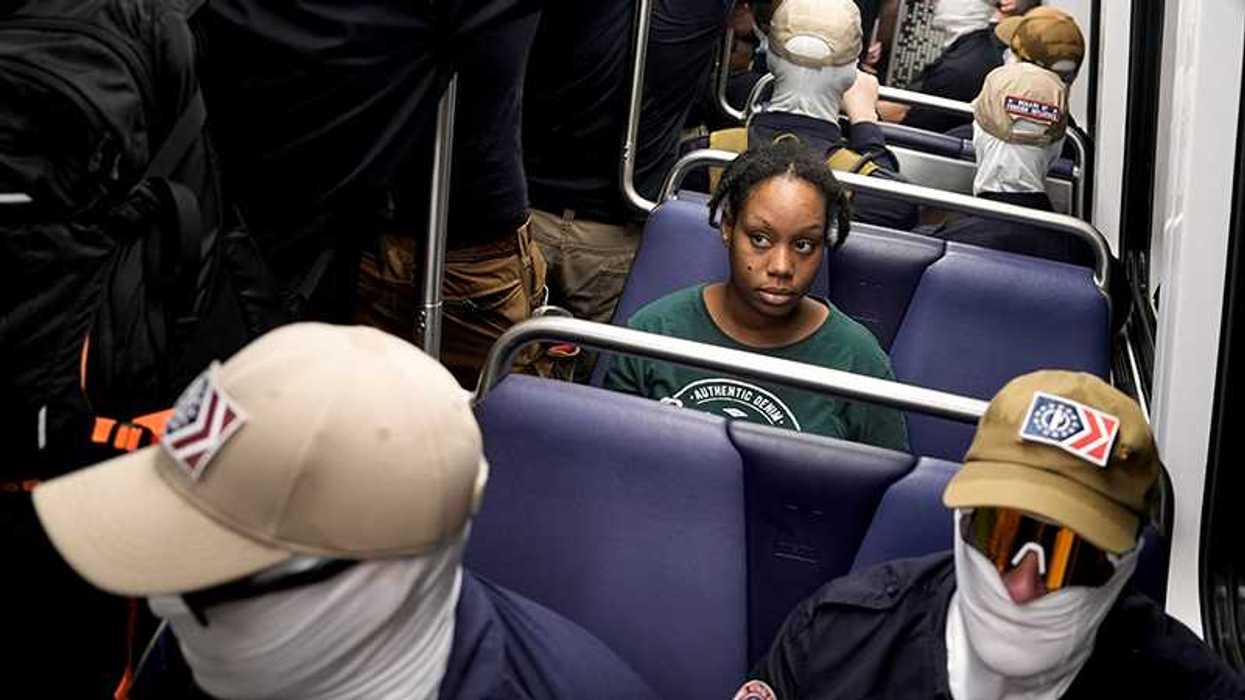
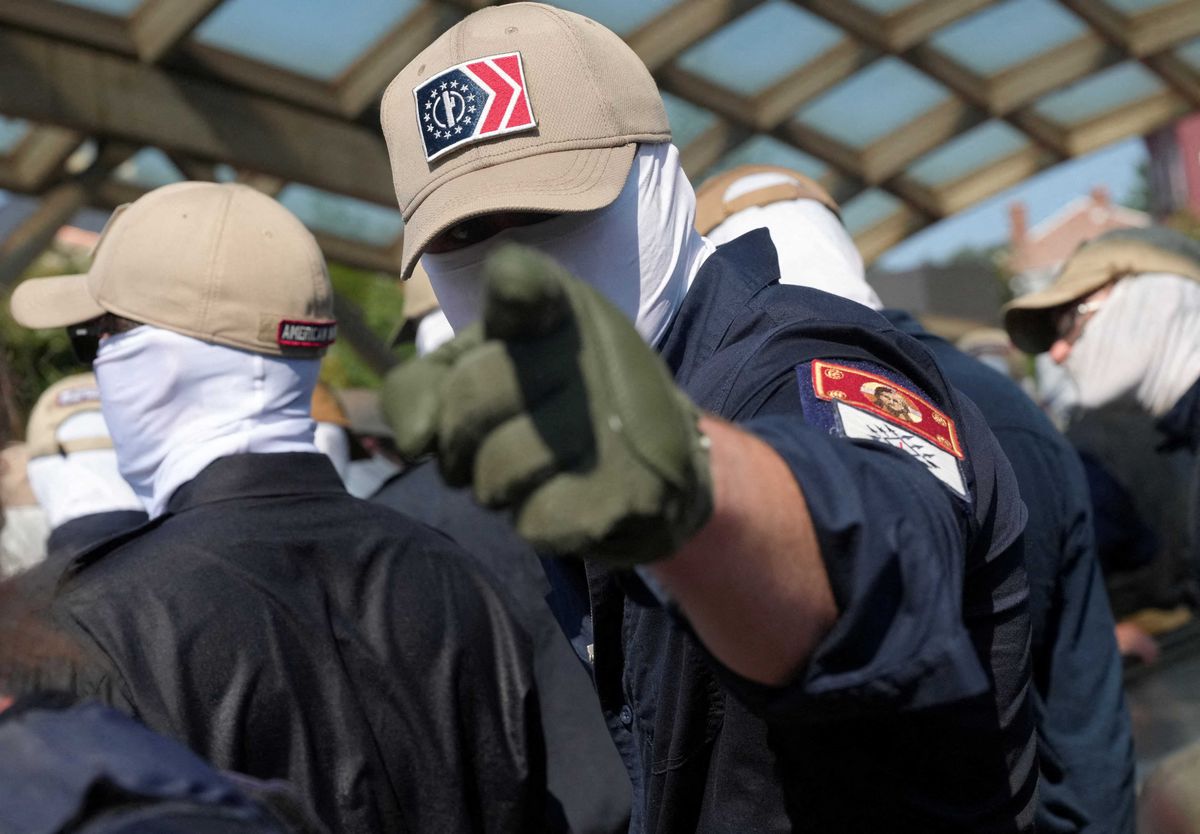
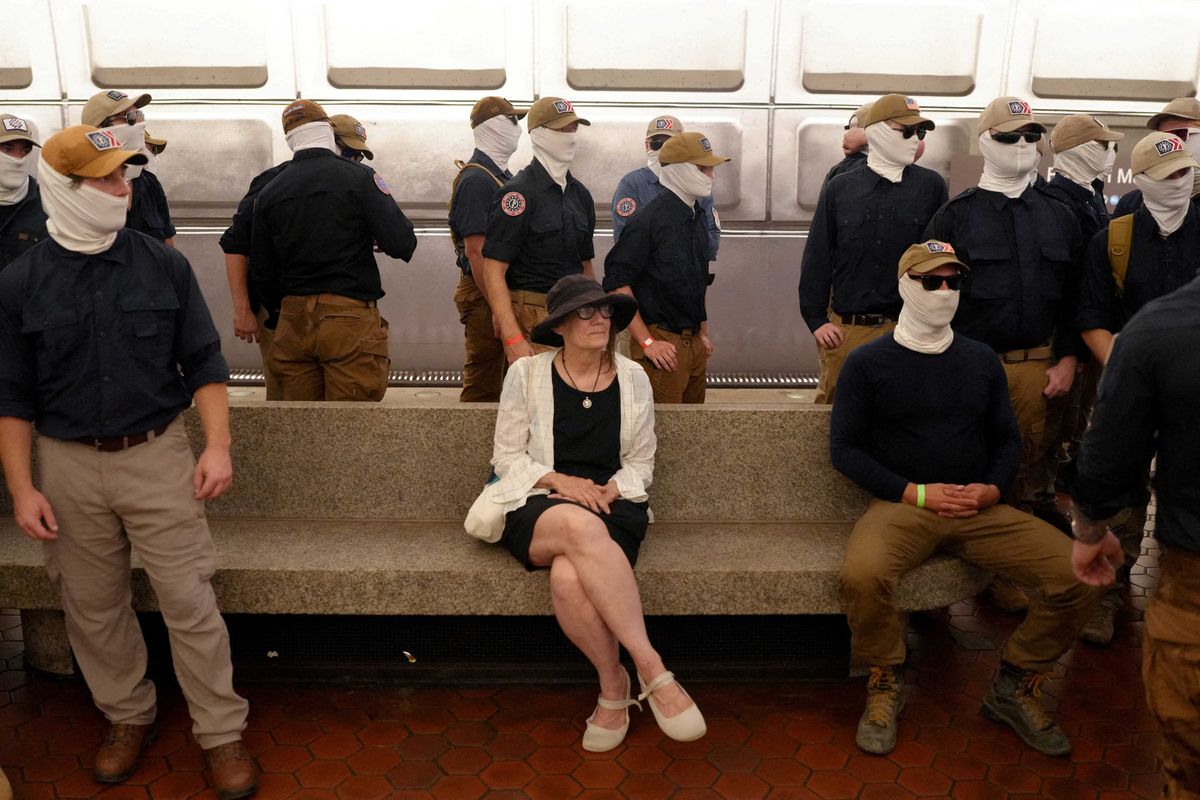
After Charlie Kirk’s murder, the Trump administration took steps threatening free speech. It used the pretext of the “violence-inciting radical left” to call for a crackdown on what it designated as “hate speech,” threaten liberal groups, and designate antifa as a domestic terrorist organization.

The latter move is especially troubling, pushing the United States closer to the behavior characteristic of autocratic governments. The vagueness of the designation threatens to suppress free expression and opposition to the Trump administration.

Antifa is not an organization but a “decentralized collection of individual activists,” as scholar Stanislav Vysotsky describes it. The scope of those falling under the antifa label is widened by its identification with broad ideas, described in a national security memorandum issued by the Trump administration in the fall of 2025, like anti-Americanism, anti-capitalism, and anti-Christianity. This gives the government leeway to prosecute an unprecedented number of individuals for their speech.


As scholar Melinda Haas writes, the memorandum “pushes the limits of presidential authority by targeting individuals and groups as potential domestic terrorists based on their beliefs rather than their actions.”


Saturday, January 17, 2026

Renee Good’s Extrajudicial Killing Escalated the Normalization of State Terror

What happens next will determine whether Good’s killing sets a precedent for more state violence.

January 16, 2026

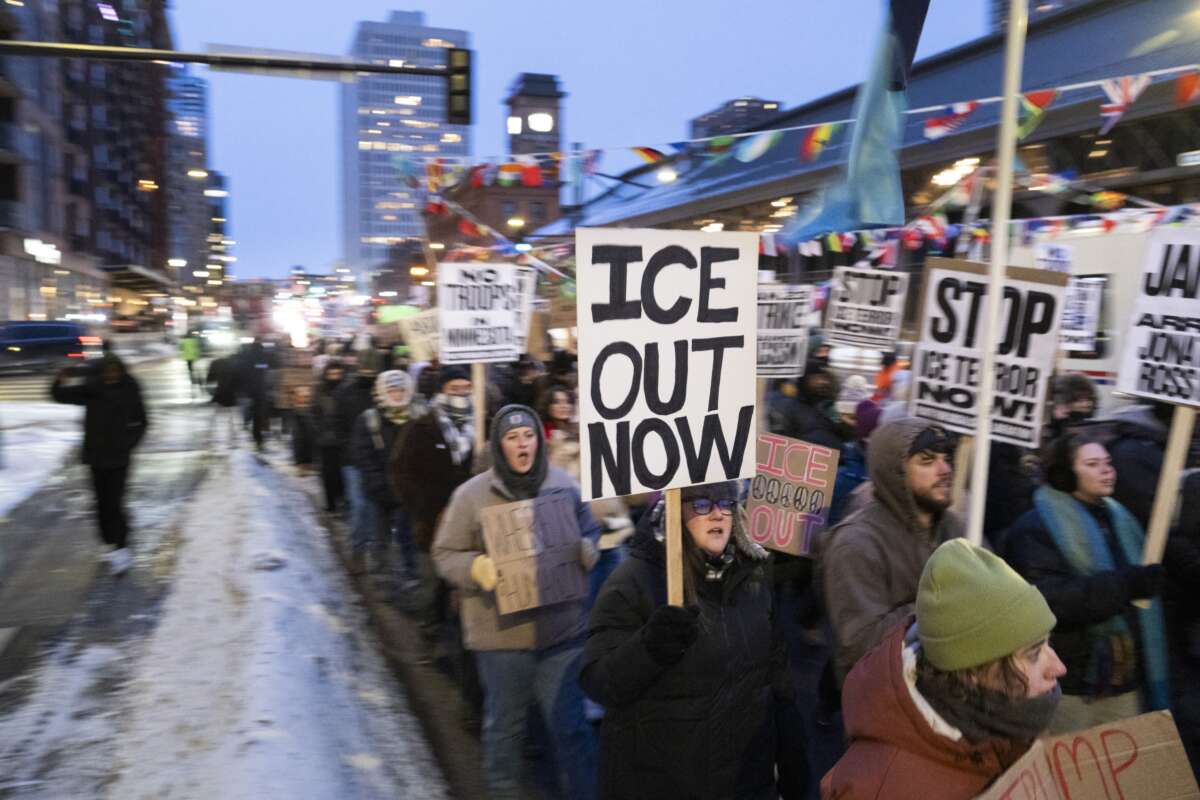
A federal agent grabs a protester outside the Bishop Henry Whipple Federal Building in Saint Paul, Minnesota, on January 8, 2026, following the ICE-perpetrated killing of Renee Nicole Good in Minneapolis on January 7.
Octavio JONES / AFP via Getty Images

The extrajudicial killing of Renee Nicole Good marks a profound and irreversible escalation against communities committed to justice. A red line has been crossed.

While Immigration and Customs Enforcement (ICE) has previously killed immigrants with impunity, including Silverio Villegas González in Chicago, this incident is distinct because it involves the first public extrajudicial killing of a volunteer monitoring ICE’s terror against her neighbors.

In the United States, death, deportation, forced disappearance, and state kidnappings against migrants have been normalized. This killing causes significant concern because it’s a warning to anyone bearing witness to state terror that they too could be killed if they stand in solidarity with targeted communities. That’s the mark of a pending escalation of state repression that necessitates the full participation from the majority to act as bystanders that will either fully support or look the other way as state terror escalates.

This is the hallmark of how mass forms of state violence move from planning phases to full execution. In such instances, everyday acts of resistance like this from neighbors like Renee Good are key to challenging the ongoing state repression and preventing its escalation, especially when the U.S. has deported and forced out over 2 million immigrants in 2025 alone.

In a publicly released video, Good’s last words toward an ICE officer were, “That’s fine, dude, I’m not mad at you.” Her partner later captured the asymmetry of the violence, writing: “We had whistles. They had guns.”


Fed Agent Shoots Second Person, Days After Miller Claims Agents Have “Immunity”
Miller lied to ICE agents, saying, “Anybody who lays a hand on you or tries to stop you … is committing a felony.”By Sharon Zhang , Truthout January 15, 2026

 
The officer’s composure as he shot her and walked away revealed his absolute confidence in institutional protection. His actions aren’t an anomaly but the natural progression of what civil rights advocates and community organizers have been monitoring — the implementation of National Security Presidential Memorandum-7 (NSPM-7) against neighbors and community rapid responders. Following Good’s killing, U.S. Homeland Security Secretary Kristi Noem immediately labeled Good a domestic terrorist, citing NSPM-7 policies.

The NSPM-7 targets individuals, groups, and networks that the federal government identifies as engaging in resisting government authority and considers such violence as “organized political violence,” “domestic terrorism,” and “anti-fascist movements” that resist so-called “foundational American values of supporting law enforcement, ICE, and border patrol” as a threat to U.S. national security.

Vice President JD Vance echoed this narrative, calling Good’s death “a tragedy of her own making” and asserting without evidence that she was part of a “broader left-wing network.” This swift deployment of the memorandum’s “domestic terrorism” framework to retroactively justify the extrajudicial killing of a community rapid responder by a federal agent represents the worst-case scenario long feared by frontline responders.

Renee Nicole Good’s killing now threatens to become the blueprint for how NSPM-7 will be enforced against community members and rapid responders.

Renee Nicole Good’s killing now threatens to become the blueprint for how NSPM-7 will be enforced against community members and rapid responders. A lack of accountability for her death would signal that the extrajudicial killing of community responders can be retroactively justified under NSPM-7, granting federal agents effective immunity while vastly expanding the state’s license to kill.

What Is NSPM-7?

NSPM–7 is the most sweeping reconsolidation of the national security and domestic “war on terror” apparatus that has occurred since 9/11, redefining its targets so expansively that no one is excluded. It was issued by the White House in September 2025 and operationalized through the Department of Justice, the FBI, Joint Terrorism Task Forces, and other federal executive branch agencies that target anyone under the banner of domestic terrorism.

In practice, NSPM-7 targets three spheres.

First, it targets individual community membersthat resist fascism or the government’s abuses of power. Its loose framework allows anyone to be labeled as a domestic terrorist. Whether the government’s labeling sticks will be contingent upon public condemnation, the strength of legal and community defense against such witch hunts, and prosecutorial discretion.

Second, NSPM-7 targets movement organizations, broader civil society groups, and movement infrastructure that the government views as resisting state violence. Groups targeted under NSPM-7 could face federal prosecutions, loss of funding from institutions, frozen bank accounts and assets, deplatforming, regulatory and lawfare attacks, funding cuts, and targeting of institutional leaders.

Third, NSPM-7 targets the resources and funding of both communities and movements resisting state violence and terror. Bail funds, legal defense projects, mutual aid networks, progressive philanthropy, impact investors, banking institutions, and even individual donors can be subjected to surveillance and financial scrutiny.

What makes NSPM-7 uniquely dangerous is not only its breadth and overreach, but also the speed and coherence of its implementation across federal agencies. In December 2025, Attorney General Pam Bondi issued a directive ordering full implementation within 14 days. The memo mandates retroactive review of at least five years of activity, and potentially sweeps any form of protest, mutual aid, rapid response, legal observation, and online speech critical of state repression into a single dragnet. Prosecutors are instructed to deploy an expansive suite of charges, including obstruction, conspiracy, RICO, material support for terrorism, and seditious conspiracy, and to deploy harsh sentencing guidelines that include terrorism sentencing enhancements.


From the “War on Terror” to the War on Our Neighbors

Renee Nicole Good’s killing must be understood within this broader reality of immigration enforcement terror, where ICE has shot people, had people die while in its custody, and routinely used force against communities, with 2025 constituting ICE’s deadliest year in two decades.

The “war on terror” taught us a clear lesson about how state violence is institutionalized and legitimized through law, policy, and advocacy by government officials, long before the consequences are clear to the wider public. ICE itself was created out of the post-9/11 war on terror infrastructure, shaped by a racist and dehumanizing national security logic that normalized extraordinary force in the name of national security. The modern immigration policy apparatus of the United States is heavily dominated by this framework.

The murder of Renee Nicole Good is a warning. It reveals how quickly policies written in bureaucratic language can become lethal when combined with impunity.

This violence did not arise in a vacuum. In places like Minnesota, it follows years of federal law enforcement and surveillance with the state serving as a testing ground that helped pave the road for today’s policies. After the extrajudicial killing of George Floyd, protests were depicted as riots, and then-Attorney General William Barr publicly stated that “extremist elements” associated with the uprisings, including those he linked to “antifa,” were being investigated under domestic terrorism frameworks, with Joint Terrorism Task Forces deployed for that purpose.

Surveillance programs such as Operation Safety Net monitored and surveilled protesters and organizers in Minnesota for years after the killing of George Floyd. These policies were also deployed after the implementation of counterterrorism programs, such as Countering Violent Extremism programs against Somali Muslim communities. Minnesota also includes a long-standing history of targeting the state’s Indigenous communities — repression that provoked the founding of American Indian Movement during 1968 in Minneapolis. These deep histories of anti-Black, anti-Indigenous, anti-immigrant, and anti-Muslim targeting (particularly of Somali communities) is key, given that it points to the importance of supporting local communities and their long-standing resistance to state repression. Naming this context also matters, because once repression is normalized through policy, it spreads by turning immigration enforcement into a routine form of state terror embedded in everyday life.

Investing in Local Communities

The front line of resistance will always be held by local communities and movements. Real solidarity means following their leadership and investing in their long-term power. Minnesota has a deep infrastructure of local groups, worker centers, and unions that continue to build collective power, making solidarity with local leadership essential in this moment. Minnesota is also home to powerful Black Muslim–led organizing that has successfully resisted the war on terror and defeated state surveillance programs like “Countering Violent Extremism,” which treat every aspect of a community’s life through the lens of potential national security threats, deputizing community members to monitor and report on one another, deeming racial and religious identities as grounds for suspicion. Local communities have also built power through worker centers like Awood, winning victories that benefit communities nationwide. As Somali, immigrant, and refugee communities in Minnesota face intensifying attacks, investing in local leadership as a site of power-building is not optional — it is essential.

Therefore, investing in local leadership includes supporting calls from local organizations. For example, local organizers in Minnesota have called for a statewide day of mourning and action (a day of ​“no work, no school, no shopping”) on January 23, backed by labor unions and community organizations. Practicing real solidarity means supporting these calls and observing boycotts to ensure communities are not isolated and undermined, and to demand that they receive long-term investment. As one Minnesota rideshare driver stated at a press conference announcing the boycott, the community is facing “a tsunami of hate from our own federal government,” and they are committed to overcoming it together. In addition to heeding local calls for boycotts, investing in the ecosystem of local organizations, amplifying frontline narratives, and supporting community groups engaged in critical mutual aid and community defense work is crucial.

Local and State Municipal Resistance Is Key

As federal overreach accelerates, governors, mayors, city councils, and state legislatures must act as a front line of defense. Municipal and state governments should immediately end collaboration with ICE and other federal enforcement agencies through binding rulemaking, executive orders, and policies that prohibit data sharing and joint operations. These policies include ending participation in the 287(g) program that deputizes local police and accelerates the militarization of law enforcement, and withdrawing cities and localities from Joint Terrorism Task Forces.

City councils must also answer the demands of local community-based organizations. For instance, in Washington, D.C., Muslims for Just Futures alongside 58 organizations are demanding an on-the-record hearing for accountability and transparency, a forum to document resident concerns regarding local law enforcement’s cooperation with federal agents and ending collaborations with ICE. Similarly, in Chicago, a packed room of hundreds of community members and organizers demanded Chicago police officers immediately end all collaboration with ICE and other immigration enforcement federal agencies.


Breaking isolation and fear through hosting “know your rights” trainings, shared meals, safety networks, and collective care is a material intervention against fascism.

States must also fully use litigation to challenge federal overreach, even when courts appear hostile or captured by MAGA-aligned judges. Lawsuits are not only a legal strategy; they are a narrative strategy, and a method to contest the hijacking of the law itself and to bring the demands of the streets into the courts. At the minimum, state and local governments have a responsibility to pursue the fullest extent of the law in response. As examples, both Minnesota and Illinois have sued the federal government, challenging ICE, the Department of Homeland Security, and Customs and Border Protection for unconstitutional enforcement practices, arguing that the deployment of heavily armed, often unidentified federal agents into neighborhoods violates constitutional protections and state and local authority. These lawsuits are key in demonstrating that local governments won’t capitulate and will resist federal overreach.

States and cities must also expose the cost of these operations and practice real public transparency and accountability.

The work of exposing the financial and human cost of federal law enforcement, ICE, and National Guard deployments to occupy cities is vital for documenting the human and financial cost of state terror. For example, Operation Midway Blitz alone cost taxpayers in Illinois more than $59 million, including approximately $34 million spent on ICE operations. From Minnesota and across the country, fear of ICE is reshaping daily life as families opt out of schools, immigrant economic corridors collapse, essential workers vanish, and community stability breaks down.

The murder of Renee Nicole Good is a warning. It reveals how quickly policies written in bureaucratic language and directives such as NSPM-7 can become lethal when combined with impunity and unchecked force. Across the country, in the wake of her killing, there is an uptick in reports of ICE and federal law enforcement officers violently shooting and targeting community members. Trump is threatening to escalate the situation further by threatening to invoke the Insurrection Act in order to deploy the military against Minneapolis. Justice for Renee Good requires more than mourning; it demands accountability, organizing, and refusal. The front line of community defense has always been neighbors. Breaking isolation and fear through hosting “know your rights” trainings, shared meals, safety networks, and collective care is a material intervention against fascism. Fascism succeeds when the masses of people are transformed into its enforcing arm. Preventing that transformation is one of the most critical fronts of resistance.

Press freedom is under attack

As Trump cracks down on political speech, independent media is increasingly necessary.

Truthout produces reporting you won’t see in the mainstream: journalism from the frontlines of global conflict, interviews with grassroots movement leaders, high-quality legal analysis and more.

Our work is possible thanks to reader support. Help Truthout catalyze change and social justice — make a tax-deductible monthly or one-time donation today.


This article is licensed under Creative Commons (CC BY-NC-ND 4.0), and you are free to share and republish under the terms of the license.


Darakshan Raja
Darakshan Raja is the founding executive director of Muslims for Just Futures, a grassroots organization that builds power in Muslim communities through community organizing, advocacy, and movement building.

Wednesday, January 14, 2026


When Authoritarians Play Victim, It Is an Admission of Violent Intent


An inevitable trajectory is in play; fascism is imperialism inflicted homeward


Francisco Goya’s The Third of May 1808

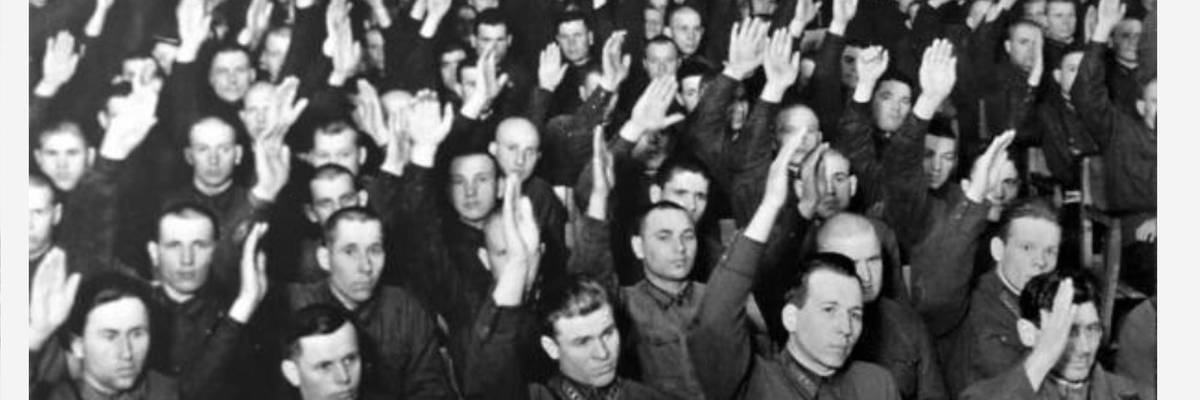
Fascists and various authoritarian personality types have a proclivity for playing the victim. Anyone who calls into question their brutal tactics is a terrorist/terrorist supporter who not only places them in mortal danger (i.e., As a rule, clad in body armor, heavily armed, and traveling in a belligerent pack) but the security and welfare of the state itself.

Yet how many ICE thugs have fallen to violent acts? The honest answer: Not one. Zero. Nada. Zilch. Zippity doo dah. Bupkis. A yawning void. A great big goose egg. The whisper of oblivion.

The Nazis lied, “Hitler is growing weary of Poland’s aggression.”

Translation: Third Reich aggression is forthcoming against Poland.

By claiming victimization, ICE (and the genocidally prone Israeli Defense Forces) will continue to assault and kill innocent people sans accountability.

When authoritarians play victim — it is an admission of violent intent. For example, every post of mine on my Substack and social media platforms on the subject of Gaza’s children being starved and slaughtered outright, by genocidal intent by the IDF, has evoked laugh emoticons (and a raging shit-tsunami of ad hominem belligerence) inflicted by soul-deprived, jackboots-for-brains trolls, yet, as a rule, interspersed with declaration’s of Israel’s inherent virtue threatened by looming, ever-present malevolent forces.

Then came the same dismal and deranged reaction regarding my posts on the subject of the state sanctioned murder of Renee Nicole Good.

Jonathan Ross and Renee Good: For those whose sense of humanity remains intact it is not difficult to discern perp from victim.

It is a given, a third of the US citizenry, both overly and covertly, are fascists. Another third’s worldview, if they possess one at all, shifts with the winds and can be blown in a hyper-authoritarian direction given prevailing trends.

A tin badge should not be a shield of immunity

To wit, anyone defending the coldblooded murder of Renee Nicole Good, or, in general, the hyper-authoritarian activity of ICE bully boys has, in essence, wrapped themselves in the blood-drenched mantle of fascism. Renee Nicole Good, a mother of three, was murdered in your name. You signed her death warrant (and numerous others ICE has deported to foreign death camps) by supporting the Trump Reich.

History reveals, a genocidal prone citizenry, the rise and reign of Black and Brownshirt authoritarian personality types, and the bamboozled masses who fall in line with authoritarian regimes have lapsed into an episode of societal, mass psychosis.

An inevitable trajectory is in play, fascism is imperialism inflicted homeward.

The New York Times and legacy media organizations, in stenographic fashion, published Zionist hasbara fictions regarding babies in incinerators and rapes committed on the Oct 7 Hama-staged open air concentration camp breakout. The stories, though debunked, have never been retracted, and are parroted ad nauseam by Zionist apologists.

In stark and telling contrast, scant coverage and commitment to print has been extended to the wholesale slaughter and starvation of Gaza’s infants, toddlers, and children; to the verified rapes perpetrated by IDF thugs in Israeli torture prisons; and to Israel’s continual genocidal rampage in its incessant violation of the Gaza ceasefire.

The same lies of omission are in play in regard to fictitious storylines involving Venezuela e.g., the Big Lie used to justify the kidnapping of President Nicolás Maduro and his wife i.e., that Venezuela was a hub of narco-trafficking, headed by Maduro, when the easily verifiable fact is — that could be revealed by actual journalism — after Venezuela’s Bolivian Revolution — the Hugo Chavez government booted from the country the CIA run narco-trafficking ring.

More lies of omission: 1) The perpetual war crimes committed by the IDF upon the people of Gaza before the events of October 7, 2023; 2) Venezuela’s economic woes were caused by the inherent failure of socialism and were not engendered by US/Western imperialist sanctions. 3) The history of the Mullahs’ rise to power in Iran and how the defining factors for their rise and reign had been engendered by US/Western imperialist machinations.

It comes down to this: If you insist on reading the New York Times et al., only do so to discern the direction of the self-serving lies being promulgated by the ruling corporate elite and US government operatives in regard to the agendas of official power. The lies are an augury of coming crimes-to-be perpetrated by the criminal class known as official power.

Shackles of oppression

I support, as do I suspect the vast majority of my friends and followers, the liberation of human beings from any and all shackles of oppression. The Iranian people (as is the case with the citizenry of Venezuela) should be supported insofar as determining the destiny of their nation — and not the US State Department/Trump administration nor the government of Israel.

How many Iranian dissidents taking part in anti-government demonstrations would describe themselves as Zionists?

The citizenry of nations should be within their rights to take to the streets to demand an end to government inflicted tyranny. For example, an individual should not be shot in the face — then have government official slander the person as a terrorists, and uniformed fascist shit-heels should never be shielded from the consequences of their crimes.

The MAGA government has labelled Antifa and various pro-environmental groups as terrorist organizations; Israeli Defense Forces’ snipers shot down unarmed Palestinian protesters (including children) during The Great March Of Return (pictured below) and slaughtered outright in Gaza a greater number of journalists and other non-combatant observers and aid workers than in any war in history.

Yet the above anti-democratic officials are the first to proffer support for Iranian dissidents. As noted above, how many of the protesters on the streets of Iran, would identify themselves as Zionist supporters or advocates of US government policy towards Iran?

I suspect, scant few to entirely nonexistent.

As is the case with the willfully ignorant and belligerently obtuse who insist that the history of Israel/Palestine began on Oct 7, 2023, the protests in Iran have arrived, sans history, sans context, out of the broad, desert, Persian sky.

The CIA, in 1953, staged a coup d’etat that forced from office the democratically elected president, Mohammad Mosaddegh, of Iran — formerly known as Persia, a nation state — that national borders were drawn by British and French imperialists — who also created the map of the region they termed the Middle East including the creation, by imperialist design, of the oil rich nation states of Iraq, Saudi Arabia, and Kuwait.

Imperialist drawn map of the region.

The Western powers installed a quisling government under the iron boot authority of the royalist regime of the Shah, i.e., the Pahlavi dynasty (1925-1979) in Iran, led by Reza Shah Pahlavi and his son Mohammad Reza Shah.

President Mosaddegh’s crime against the West and the reason for the coup: Mosaddegh was sharing the nation’s oil wealth with the Iranian people.

After decades of the Shah’s (US backed) dictatorial rule, in 1978/79, a popular uprising came to pass in which leftist reformists lost in the end to the current theocratic rule of the Mullahs.

The Mullahs are widely disliked but Western interference in Iran is disliked to an equal proportion. As is the case with Venezuela, Western imposed sanctions have crippled the economy and have engendered popular discontent.

May be an image of one or more people and crowd

How have Zionist-US bombing campaigns, in any manner, served anyone but the current government — when all popular dissent can be blamed on Western imperialist machinations?

It is revealing in regard to those who perpetrated, supported, and/or deny the Gaza genocide and Zionist ethnic cleansing operations are suddenly hoisting high the banner of Iranian self-determination and human liberation.

It comes down to this: Only an embrace of the basic tenets of universal human rights and adherence to international law will serve as remedy for the oppressed people of the earth, from Tehran to Gaza to Caracas to ICE-infested Minnesota — to wit, a value system belligerently rejected by the Trump administration and the Zionist regime.

Third of May, 1808, Francisco Goya (detail)

Phil Rockstroh is a poet, lyricist, and essayist. His poems, short fiction, poetry and essays have been published in numerous print publications and anthologies; his political essays have been widely posted on the progressive/left side of the internet.  Read other articles by Phil, or visit Phil's website.