Saturday, June 14, 2025

Satellites show where forests are being lost - now AI is helping researchers pinpoint why


The new data provides a more detailed picture than ever before on the local, regional and global causes of tree cover loss.

Copyright Fredrik Sandberg/TT News Agency via AP

By Euronews Green
Published on 12/06/2025 -

Humans are used to thinking of trees as a reusable resource, but new analysis suggests that a third of all forest loss this century is irreversible.

The report from the World Resources Institute (WRI) and Google DeepMind offers the most detailed view to date of what’s driving deforestation, by identifying causes of permanent loss like agriculture, mining, and infrastructure.

It found that 34 per cent (177 million hectares) of all global forest loss between 2001 and 2024 is permanent, as trees in those areas are unlikely to grow back naturally. Ongoing agriculture is responsible for 95 per cent of that total, though there are wide regional differences.

Related

“We’ve long known where forests are being lost. Now we better understand why,” says Michelle Sims, research associate at WRI. “This knowledge is essential to developing smarter actions at the regional, national and even local level - to protect remaining forests and restore degraded ones”.

Concerningly, the proportion of forest erasure tied to permanent land use change rises to 61 per cent in tropical rainforests, home to Earth’s most vital ecosystems for biodiversity and carbon storage. That’s 50.7 million hectares - or an area nearly the size of Thailand - gone for good.

What is the main cause of tree loss in Europe?


In Europe, the researchers found that 91 per cent of tree cover loss is due to timber harvesting, much of it within managed forests where regrowth is planned.

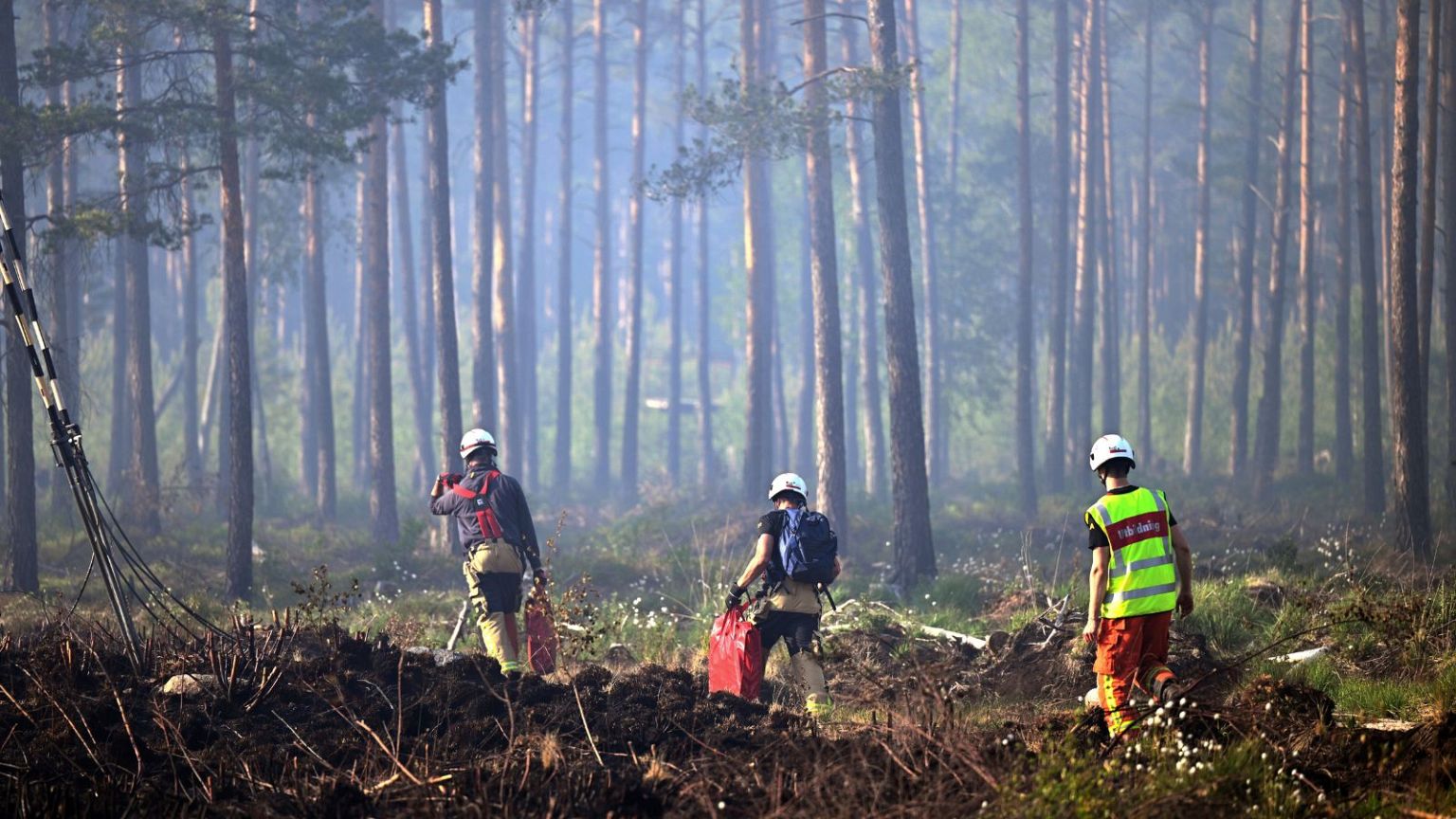
In heavily forested Sweden, for example, the routine harvest of timber caused 98 per cent of all tree cover loss from 2001-2024 (6 million hectares). The Nordic nation is one of the world’s largest producers of wood products, including pulp, paper and other sawn wood materials.

After trees are harvested, they are replanted or allowed to naturally regenerate. In theory, this means that tree cover loss is temporary and balanced by regrowth in managed cycles.
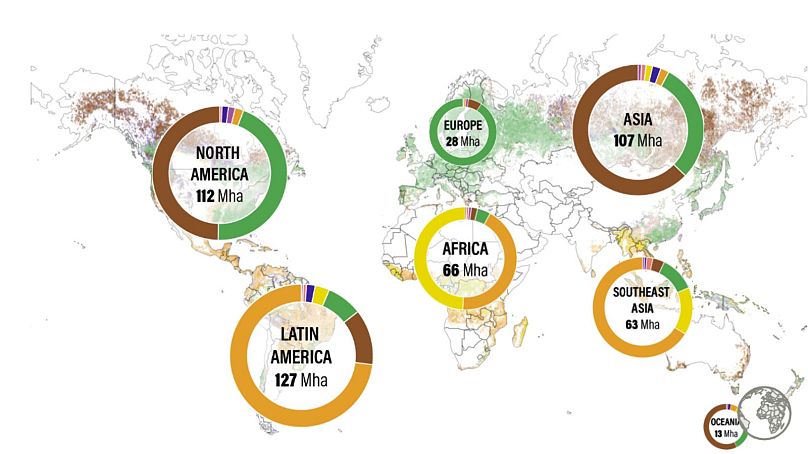
Tree cover loss by dominant driver, 2001-2024. Green areas refer to logging; brown wildfires; orange permanent agriculture; and yellow shifting cultivation. WRI

But globally speaking, even the two-thirds of forest loss driven by ‘temporary’ causes, such as logging, wildfires, natural disturbances or shifting cultivation, can leave deep scars.

Forest regeneration depends on how the land is managed afterwards, the type of forest and the degree of environmental stress it faces, the report cautions.

“Just because trees grow back doesn’t mean forests return to their original state,” says Radost Stanimirova, research associate at WRI.

“They might store less carbon, have fewer species or be more vulnerable to future damage. And climate change is making many natural events like fires and pest outbreaks more intense and frequent, which makes it harder for forests to recover.”

In temperate and boreal regions such as Russia and North America, logging and wildfires - often triggered by lightning or human activity, then fanned by climate change - are the primary drivers of forest loss.

Related


How can the new data help protect forests?

Thanks to an advanced AI model and satellite imagery, the findings represent a significant advancement in forest intelligence.

By pinpointing the underlying causes of forest loss in different places, the data enables policymakers, companies and communities to design more targeted solutions to tackle deforestation.

WRI has some immediate recommendations, including strengthening Indigenous and local land rights, designing policies that reflect local farming and land use realities, improving how forests are managed and monitored, and ensuring infrastructure and agricultural expansion are guided by strong environmental planning.

It also stresses that local land use dynamics are shaped by global market forces. To this end, the EU’s Deforestation Regulation - which requires suppliers of palm oil, timber, coffee, beef and other commodities to prove their production did not cause forest clearance - must be enforced.

Meanwhile, the researchers add, reducing wildfire risk demands ecosystem-specific fire management and early warning systems.
SPACE/COSMOS

ESA may be forced to axe or freeze planned missions amid proposed NASA budget cuts

The European Space Agency isn’t ruling out the cancellation or freezing of some space exploration programmes if budget cuts to NASA are passed by the US Congress.


Copyright Oliver Stratmann/picture-alliance/dpa/AP Images

By Anna Desmarais
Published on 12/06/2025 -

NASA’s 2026 technical budget request, which was released last week, details possible cuts to 19 European space research programmes and could impact key technologies that ESA supplies to American Moon missions.

The bill still needs Congress’ approval, likely to come this autumn.
RelatedElon Musk threatens to withdraw SpaceX's crucial Dragon capsule in feud with Donald Trump

Josef Aschbacher, ESA’s director general, told journalists on Thursday that the council is “doing its homework” to analyse what the impacts of possible NASA budget cuts could be and how investments made by its member states could be “used in the most efficient way,” to respond.

Aschbacher assured that no cuts or cancellations were coming until the US "finalised" its position, but that no matter the decision made by Congress, ESA would be "ready" and "well-prepared" to react.

Which projects could be affected?

Carole Mundell, ESA’s director of science, said the agency had determined 19 research projects could be impacted by the proposed NASA budget cuts.

Mundell said ESA and its international partners could mitigate the damage to all but three of them: the Laser Interferometer Space Antenna (LISA), a space probe that measures gravitational waves, Envision, ESA’s first mission to Venus to measure its different atmospheres, and NewAthena, the world’s largest X-Ray observatory.

LISA and Envision have already been approved by the ESA council for funding, and NewAthena will come before the council but is expected to pass in 2027.
RelatedDonald Trump withdraws nomination of Elon Musk associate as his choice to lead NASA

ESA also supplies NASA with certain key parts for the NASA-led Artemis missions that would see humans return to the surface of the Moon for the first time since the 1960s.

The ESA builds European Space Modules (ESMs) that provide electricity and oxygen to Orion, the spacecraft picked by NASA for the Artemis missions to the surface of the Moon.

The ESA is also in charge of the Argonaut, Europe’s lunar lander programme that would ultimately support these missions.

It is also contributing three key elements for Gateway, the first international space station to be built around the Moon.

The proposed NASA budget said that it will sustain funding for the Artemis II mission, scheduled for early 2026, and the Artemis III mission in 2027, but future missions would cancel the Gateway and retire Orion in the name of finding a more “sustainable and cost-effective” lunar exploration strategy.

Related

Daniel Neuenschwander, ESA’s director of human and robotic exploration, said the agency continues to fulfill its Gateway and ESM contracts with NASA.

Even if cuts are approved, Argonaut and these European capabilities would still be used to support ESA missions, he added.
Preparing for Europe’s autonomy

Neuenschwander said ESA was now exploring with industry how some replacement technologies could be built in the EU.

For example, the NASA cuts target the Rosalind Franklin ExoMars Rover mission, an ESA programme that drills down to the surface of the Red Planet to dig up organic material for further scientific study.

NASA supplies three parts of the rover’s technology, including the Mars Organic Molecule Analyzer (MOMA), an astrobiology instrument that does the sample extraction, and an americium radioisotope heater unit (RHU) to power the vehicle.
Related‘You cannot live without space in 20 years’: What does the future of Europe’s economy look like?

Both technologies are not currently available to be produced in Europe, Neuenschwander said, but that engagement is starting to build them. The RHU in particular can also be used for future ESA lunar surface exploration missions, he added.

Neuenschwander said ESA could rely on other partners, like the Canadian Space Agency (CSA), in the short term to supply technologies like the MOMA or RHU, but ultimately the goal is to build the necessary technology in Europe.


ESA at 50: looking back and launching forward

Paris – The European Space Agency marked its 50th anniversary in May, kicking off a landmark year of mission launches and strategic planning. With the ESA Ministerial Council set to meet in November, Director General Josef Aschbacher reflected on five decades of progress and outlined the agency’s future in exploration, climate science, navigation, and global collaboration.


Issued on: 09/06/2025 - RFI

The Ariane 6 rocket lifts off from Europe's spaceport, on a delayed mission to carry a French military observation satellite towards orbit, in its first commercially operational launch, in Kourou, French Guiana March 6, 2025. via REUTERS - @ESA_CNES_Arianespace_ArianeGrou

By: Dhananjay Khadilikar and David Roe

Since its founding in 1975, ESA has contributed to a broad range of scientific and technological areas. One of its most notable moments came in 2014 with the Rosetta mission, when the Philae lander became the first human-made object to land on a comet. The event drew global attention and is considered a major milestone in robotic space exploration.

Copernicus and Galileo


ESA has also developed long-running programmes such as Copernicus and Galileo, which continue to serve scientific, environmental, and practical purposes. Copernicus, the European Union’s Earth observation programme, uses satellite data to monitor environmental changes. According to ESA Director General Josef Aschbacher, “Without those satellites that we have built - and Europe has built many of those - we would not understand the extent of climate change.”


Meanwhile, Galileo, ESA’s satellite navigation system, now in its 30th year, has become a key infrastructure for location and timing services. Aschbacher described it as “the most accurate navigation system in the world,” with wide applications across transport, telecommunications, and emergency services.

Over the years, ESA has also expanded its international cooperation. It works with agencies in the United States, Japan, India, the UAE, and Australia, among others, across a range of missions and projects. “Partners want to work with us. We have something interesting to offer,” Aschbacher said, referring to ESA’s role in collaborative initiatives.

New objectives?


Looking to the months ahead, a major point of focus is the ESA Ministerial Council, to be held in November. Occurring every three years, the council allows ESA’s 22 member states to allocate funding to various programmes. Unlike some international agencies, ESA operates on a voluntary contribution model. “I have to make proposals that are very attractive that member states want to participate and want to put money in. Otherwise, I’m not succeeding,” said Aschbacher.

The funding proposals being prepared for the Council span a wide range of domains, including Earth observation, satellite navigation, telecommunication, astronaut missions, launch systems, and planetary exploration, including the Moon and Mars.


ESA also has a busy launch schedule for 2025, with over ten missions planned. These include new Sentinel satellites under the Copernicus programme, further Galileo satellites, as well as the April launch of Biomass Earth Explorer mission, which will measure tropical forest biomass as part of broader efforts to monitor carbon cycles.

Several smaller missions based on CubeSats and micro-satellites are also in development, incorporating onboard artificial intelligence to process data in orbit more efficiently.

ESA is placing increased emphasis on the role of space-based technologies across different sectors. In Aschbacher’s view, their relevance is likely to expand significantly in coming decades.

“Space today already has many applications… but in 20 years from today, you cannot live without space technology,” he said, comparing the trajectory of space tech to the early development of the internet.

As ESA reaches the 50-year mark, attention is focused not just on past achievements but also on how space technologies might be integrated more deeply into scientific research, infrastructure, environmental monitoring, and industry in the years ahead.


08:11

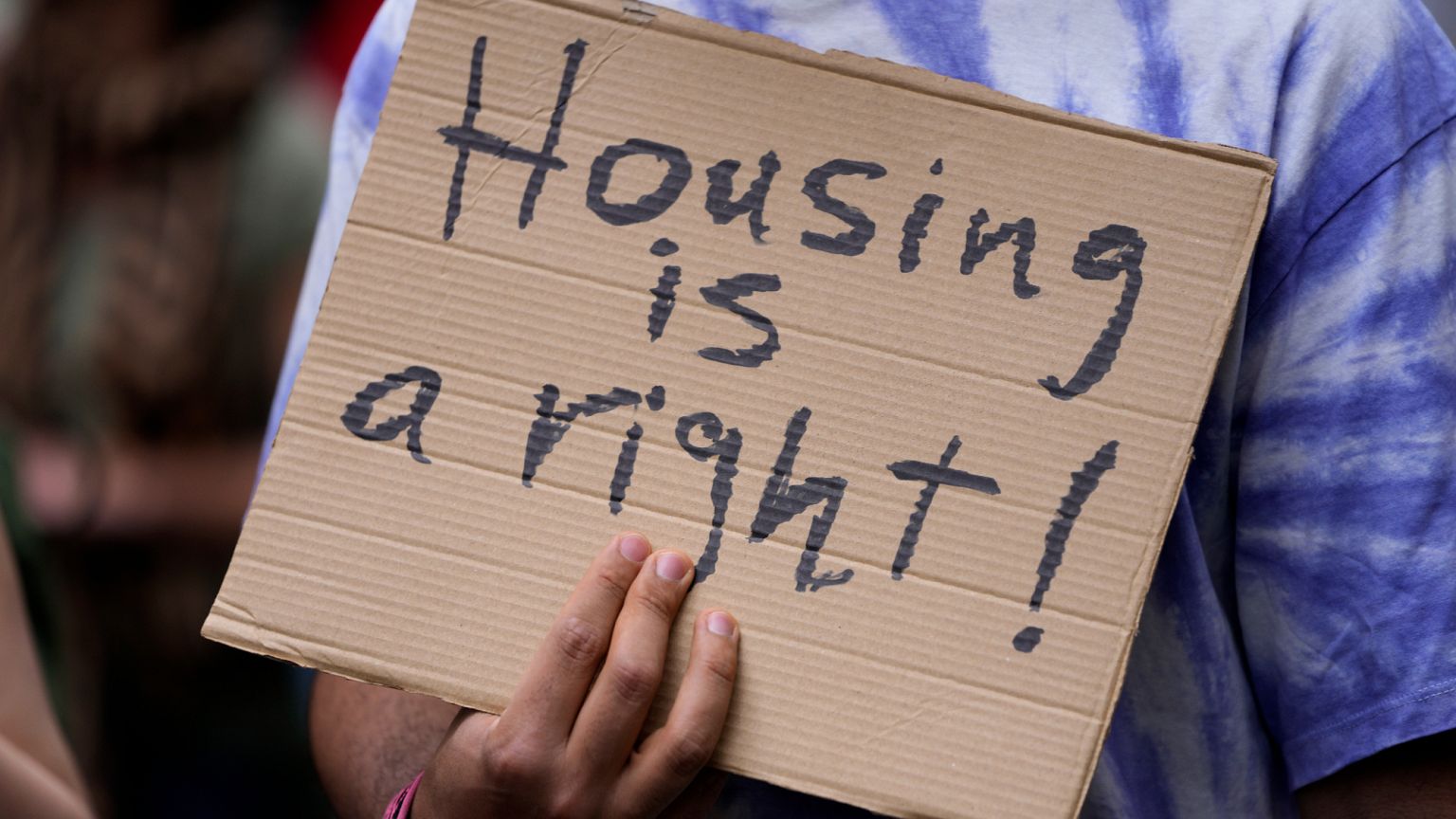
Young people are disporportionately affected by the EU's housing crisis

Copyright Copyright 2023 The Associated Press. All rights reserved

By Maria Psara
Published on 13/06/2025

In 2023, EU households on average spent 19.7% of their disposable income on housing. Eurostat data shows that in the same time period, young people make up a significant share of those who spend at least 40% of their income

The severity of the European Union's housing crisis has made it harder for citizens to find a home, as a combination of housing supply shortages and high rents continues to be a major issue.

According to Eurostat, house prices went up by 48% and rents went up by 22% in 2023. Meanwhile, inflation drove overall prices up by 36%.

And the burden has largely affected younger people the most.

On average in 2023, EU households spent 19.7% of their disposable income on housing. In the same year, Eurostat data shows that young people make up a significant portion of the population that spend at least 40% of their income on housing.

Furthermore, 26% of young people in the EU live in overcrowded housing, 9.2% more than the overall population.


Speaking to Euronews, Housing Europe secretary general Sorcha Eduards said "We are compromising the capacity of youth to become independent, start their own lives, start their families. So again, in countries where we have a critical mass of limited-profit housing, we've seen that the age for becoming independent is indeed higher than countries that don't have that."

"So, I think this already signals that increasing the amount of limited-profit housing and improving access criteria helps young people actually access that (housing)."

The crux of solving this issue can be identified with a change in mentality.

"We've relied too much on market forces, and then of course since 2008 we've had, with the great financial crisis, a huge impact on the capacity of the construction sector, so there was a big reduction in the number of companies delivering but also an increase in difficulty of households in actually paying their bills," says Eduards.

"And I think when you look at that, we wouldn't be here, we wouldn't be talking about the housing crisis if rents and house prices had stayed aligned with income. But we've had a huge, let's say, differentiation now," she notes.

When it comes to short-term rentals, Eduards explained that it "is another example where public policy has not kept up with societal needs. So, we are not making sure that our cities can house our students, that they can house our low and middle-income groups and that they can adequately house the elderly. We are allowing short-term lets to erode long-term lets."

"We end up in a situation where we have empty apartments that are merely an investment. We are pushing students out of school, and families to the outskirts. We are pushing workers that are needed in the city centre to the outskirts, causing them a huge amount of stress."

Great examples to follow

Some countries have already identified what the problem is. In the EU, some countries have already set up sustainable housing models. In Germany, 3.2 million people live in cooperatives, a not-for-profit model which is entirely democratic.

In Belgium's Flanders region, poverty was reduced by 40% amongst people who have access to social housing.

Denmark has launched programmes to ensure that young people can have access to scholarships, and that they can avoid slipping into a long-term "couch-surfing" situation, putting them at risk of becoming homeless.

In the Netherlands, over 20–30% of residents live in limited-profit housing.

The ideas are there, says Eduards, but we need to rely a lot less on market forces and go back to viewing housing as a fundamental right.

"I think it's a time for a change in the paradigm. It's a time to build up a critical mass of housing that is responsible, that caters to our societal needs, and is not only about maximising short-term profit month-to-month", she argues.

Why and where are weekly working hours dropping in Europe?


Copyright AP/Michel Euler

By Servet Yanatma
Published on 13/06/2025 -


The amount of time spent at work across Europe is declining. Scholars attribute this trend to the rise in part-time employment and a higher proportion of women in work.


Workers in Europe have been gradually putting in fewer hours. Over the past 10 years, the average time spent working per week has declined by one hour in the EU. In nearly half of 34 European countries, the drop was even greater — more than one hour between 2014 and 2024. Weekly working hours also vary significantly across the continent.

So, in which European countries do people spend the most time at the grindstone? How has actual working time changed across the region? And what could be the possible reasons behind this decline?

According to Eurostat, in 2024, the actual weekly working hours for both full-time and part-time workers aged 20 to 64 in their main job ranged from 32.1 hours in the Netherlands to 39.8 hours in Greece. When including EU candidate countries, EFTA members, and the UK, the highest figure was recorded in Turkey (43.1), where average weekly working time exceeded 43 hours.

Geographical trends: Southern and Eastern Europe top the list

People in Southern and Eastern European countries tend to work longer hours, with particularly high figures in EU candidate countries. Following Turkey, which tops the list at 43.1 hours, are Serbia (41.3) and Bosnia and Herzegovina (41.1). Montenegro hasn't reported data for 2024, although its working hours came to 42.8 in 2020

The next countries in the ranking also belong to the same region: Greece (39.8) and Bulgaria (39). North Macedonia, which only has data spanning up to 2020, also recorded a weekly working total of 39 hours.

These countries generally have lower wages, higher informal employment, and less part-time work.


Western and Northern European countries generally have shorter work weeks. Countries like the Netherlands (32.1), Norway (33.7), and Austria and Denmark (33.9) all report significantly fewer weekly working hours. These regions are characterized by strong labour protections, higher productivity, and widespread use of part-time and flexible work arrangements.

Among Europe’s largest economies, the UK and Spain (both at 36.4 hours) and Italy (36.1) report the highest average working times, all above the EU average. However, the UK data dates back to 2019, so the actual figure may be lower today, given the overall downward trend in working hours.
How did working times change in the last 10 years?

When comparing weekly working hours in 2014 and 2024, only four out of 34 countries saw an increase. In three of these countries, the rise was minimal: Lithuania and Cyprus (both by 12 minutes), and Malta (6 minutes). Serbia was the exception, with a significant increase of 1.7 hours — 1 hour 42 minutes.

Related

Weekly working time remained unchanged in France, while the decrease was less than half an hour in Italy, Sweden, and Latvia.

Over one-hour decline in nearly half of the countries


In 16 out of 34 countries, weekly working time fell by more than one hour — exceeding two hours in some cases.

Iceland (3.5 hours) closely followed Turkey (3.8 hours) at the top. Belgium and Luxembourg also recorded significant declines, with a reduction of 2.5 hours each in weekly working time.


In a further seven countries, weekly working hours declined by 1.5 hours or more. These include Denmark and Austria (both 1.9), Germany (1.8), Estonia (1.7), Czechia (1.6), and Portugal and Croatia (1.5).

Reasons behind decline in working hours

Scholars and experts have been examining the reasons behind the decline in weekly working hours, offering various explanations. A recent working paper published by the European Commission analysed work time trends in six EU countries between 1992 and 2022. Sergio Torrejón Pérez and his colleagues found that:

Decline in working time is primarily linked to the growing prevalence of non-standard forms of work, mainly part-time work.


Part-time jobs have grown mostly because more women are working and because more jobs are in service industries.


Full-time workers are working more or less the same amount of hours as in the 1980s.


Self-employed people are working fewer hours over time because more of them are working part-time. Even so, they are still working the longest hours on average.
Rise in part-time work and female labour force participation

A paper published by the European Central Bank analysed working time in the euro area from 1995 to 2020. Vasco Botelho and his colleagues emphasised that the decline in hours contributed per worker is a long-term trend.

One reason is that technological progress over the past 150 years has transformed the nature of work.

They found that other key factors include the rising share of part-time employment, and the increase in female labour force participation, which is also closely linked to the growth of part-time work.
Part-time work largely voluntary

The decline in working time is driven by both demand and supply-side factors, according to the ECB report. Most part-time workers choose this arrangement voluntarily, opting to work fewer hours than full-time employees. In the overall sample, about 10% of workers reported that they would prefer to work more hours than they currently do.

Another working paper from the IMF by Diva Astinova and her colleagues also found that declines in actual working hours match declines in desired working hours in Europe.

“Increased income and wealth is likely to be the main force behind the decline in desired and actual hours worked,” they suggested.

In other words, researchers proposed that people feel less of a financial pull to put in more hours.

1933


Istanbul Mayor Ekrem Imamoglu boycotts court hearing citing 'unlawful' change of venue

Copyright Lefteris Pitarakis/Copyright 2019 The AP. All rights reserved


By Malek Fouda
Published on 13/06/2025 -


The trial venue was moved from a courthouse in central Istanbul to Silivri prison, where Imamoglu is being held, just 24 hours before proceedings were set to commence.

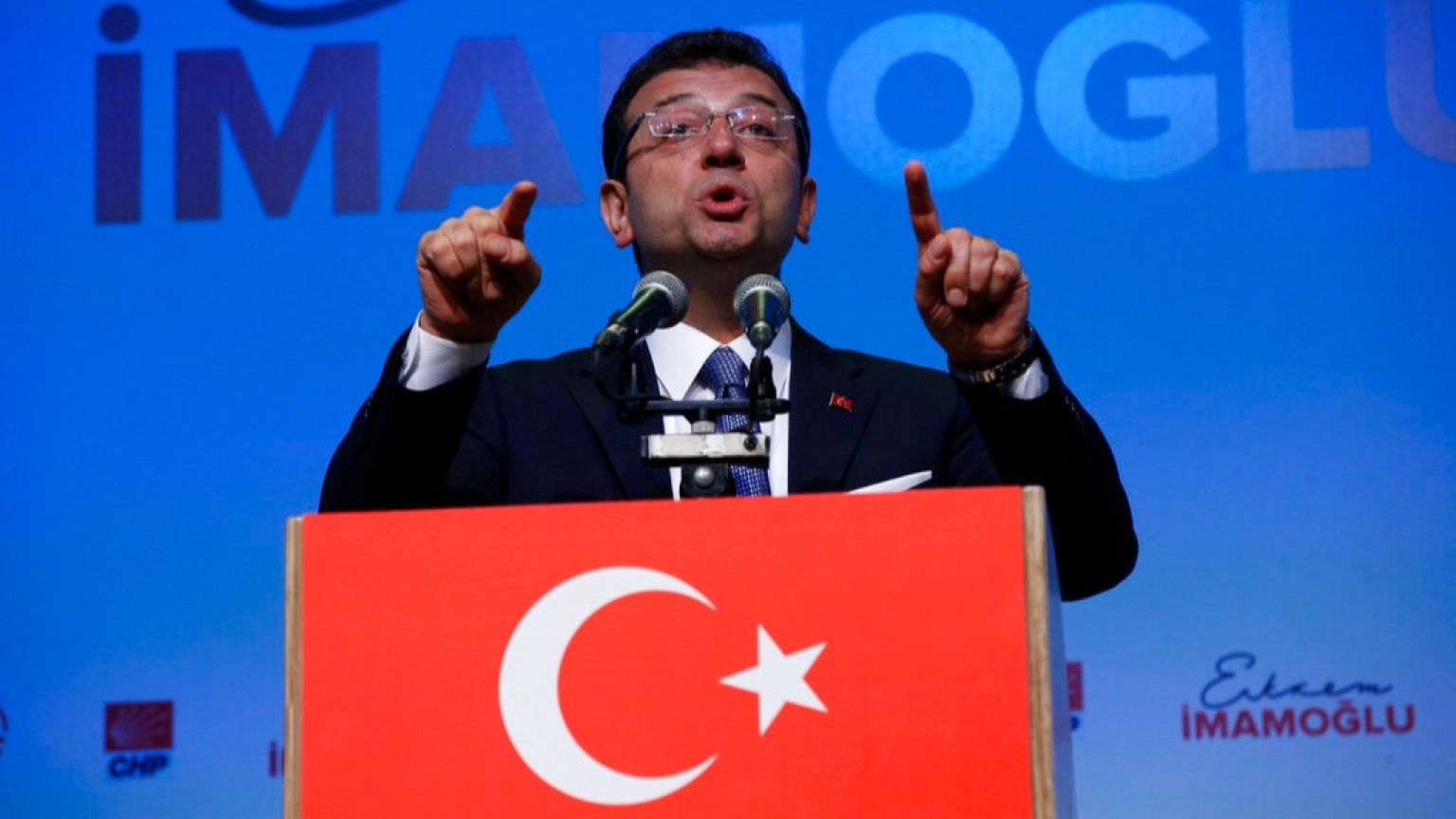
Istanbul’s jailed opposition Mayor Ekrem Imamoglu and his legal team have boycotted a court hearing on Thursday after they claimed that a late change in venue for the proceedings was “unlawful”.


The case, one of many criminal allegations Imamoglu is facing, was over comments the Istanbul mayor made on an expert witness, over the prosecution of other officials from his Republican People’s Party, or CHP.

In a statement, the CHP said neither Imamoglu nor his legal team would attend Thursday's hearing due to a change in venue through “unlawful procedures.”

Imamoglu, in a post from jail, described the hearing as “irregular” and said it “does not comply with the principles of the trial. I refuse to be a part of such a process and therefore I will not attend this hearing.”

CHP Istanbul Provincial Chairman Ozgur Celik posted on X that the mayor’s hearing had been moved from Caglayan courthouse in central Istanbul, to Silivri prison – where Imamoglu is being held – in western Istanbul, only 24 hours earlier.

Prosecutors have requested a prison sentence of two to four years and a political ban on charges of “attempting to influence” an expert witness in the case. The hearing was adjourned to 26 September.

Imamoglu was arrested in almost three months ago, alongside other prominent political figures. His home was raided early morning on 19 March, as part of an investigation into alleged corruption and links to terror organisations.

His arrest triggered weeks of nationwide protests calling for his release. Protesters believe Imamoglu, seen by many as President Recep Tayyip Erdogan’s main political rival in the next presidential elections, was arrested for political reasons.

The protests, which often turned violent, results in hundreds of arrests, many of whom are also on trial for “inciting violence”. The demonstrations were the biggest Turkey has seen in over a decade.

A conviction in any of the cases Imamoglu is facing could see the Istanbul mayor banned from holding or running for public office.


UN conference on Palestinian statehood postponed following Israeli strikes on Iran


Published on 14/06/2025 - 

France and Saudi Arabia were due to co-chair a top-level UN conference on a two-state solution in New York next week, but French President Emmanuel Macron said it has been postponed due to surging tensions in the Middle East.

French President Emmanuel Macron announced on Friday that a top-level UN conference on a two-state solution for Israel and Palestine has been postponed amid surging tensions between Israel and Iran.

France and Saudi Arabia were due to co-chair the conference hosted by the UN General Assembly in New York on June 17-20, and Macron had been among leaders scheduled to attend.

Macron told reporters that the two-state conference was postponed for logistical and security reasons, and because some Palestinian representatives couldn’t come to the event. He insisted that it would be held “as soon as possible” and that he was in discussion with Saudi Crown Prince Mohammed bin Salman about a new date.

He insisted that “this delay does not call into question our determination to move forward with the implementation of the two-state solution, whatever the circumstances.

One of the aims at the UN conference was to increase the number of countries recognising Palestinian territories as an independent state.

Israeli Prime Minister Benjamin Netanyahu has rejected the creation of a Palestinian state, and Israel refused to participate in the conference.

On Wednesday, Reuters reported that US President Trump's administration had sent a cable discouraging governments around the world from attending the conference.

It reportedly warned countries that any "anti-Israel actions" taken after the conference could be followed by diplomatic consequences from Washington.

Macron stressed that “the aim is a demilitarised Palestinian state recognising the existence and the security of Israel,” Macron said. Any such state would exclude any Hamas leaders, he said.

France and Germany up domestic security following Israel-Iran tensions

After Israel’s strikes on Iran on Friday, Macron said that France’s military forces around the Middle East are ready to help protect partners in the region, including Israel, but wouldn’t take part in any attacks on Iran.

He said "the risk of this march towards nuclear weapons by Iran threatens the region, Europe and, more generally, collective political stability."

French schools, places of worship, public buildings, public festivals and gatherings and places of interest for the French Israeli, American and Jewish communities are all the focus of a call for greater security given out by France's interior minister Bruno Retailleau today.

In a letter seen by Euronews addressed to the minister of defence, the heads of the army, police and other security chiefs, Retailleau said that deteriorating situation in the Middle East following Israel's strikes on Iran necessitated implementation of immediate action to increase security within France.

In addition to calling on a beefed up police presence and extra vigilance, the note also called for efforts to track individuals, "particularly Iranians or those with links to Iran", already of interest to French authorities in the context of anti-radicalisation.

After convening with his security cabinet, German Chancellor Friedrich Merz said Germany will also increase protection of Israeli assets and Jewish sites.

While Merz emphasised Israel’s “right to protect its existence and the security of its citizens," he also called on both sides to refrain from further escalation.

Russian strike on Zaporizhzhia warehouse destroys 100 tonnes of humanitarian aid
Copyright Kateryna Klochko/Copyright 2025 The AP. All rights reservedBy  Orestes Georgiou Daniel & Euronews 14/06/2025 - 13:28 GMT+2

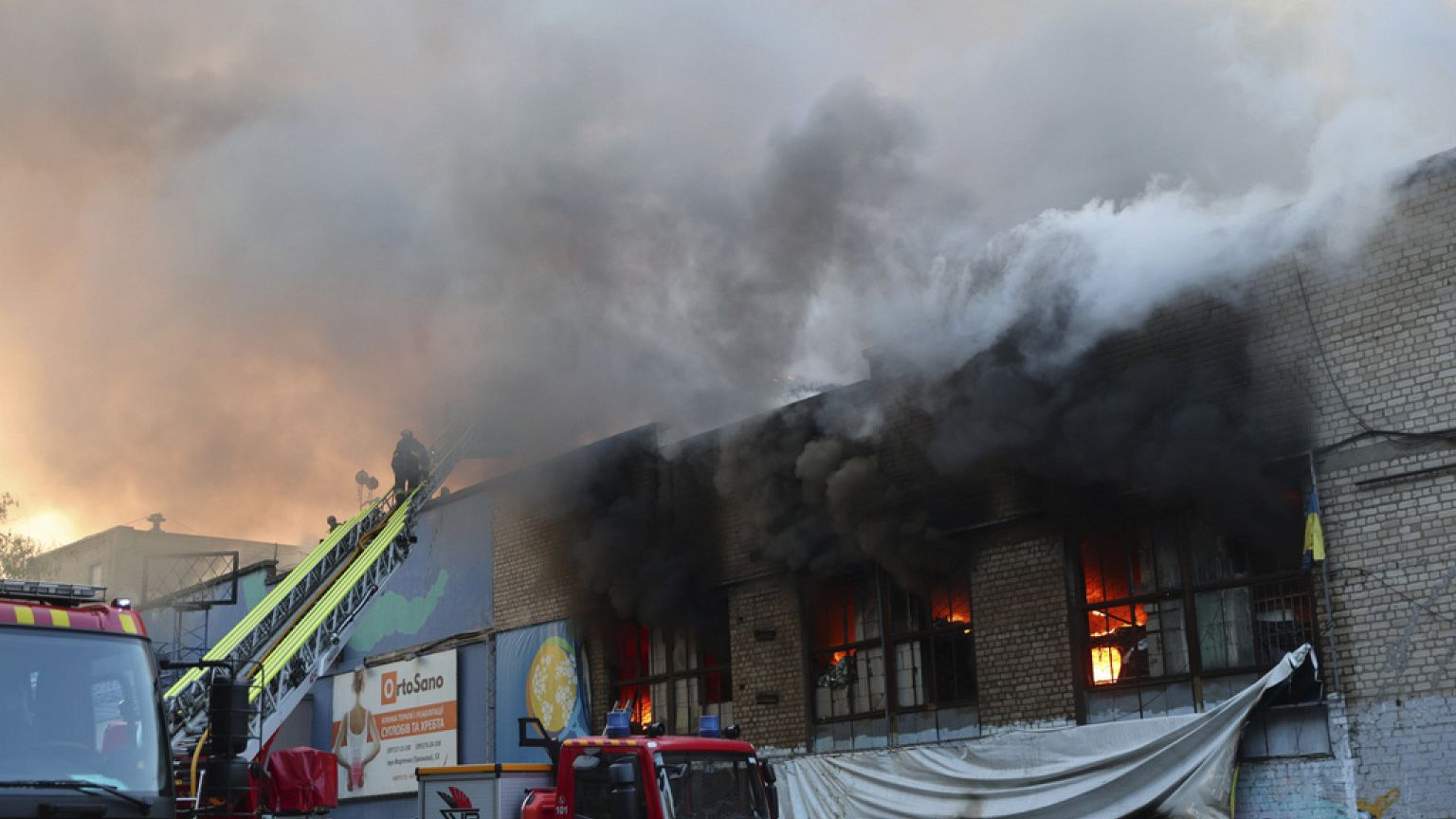
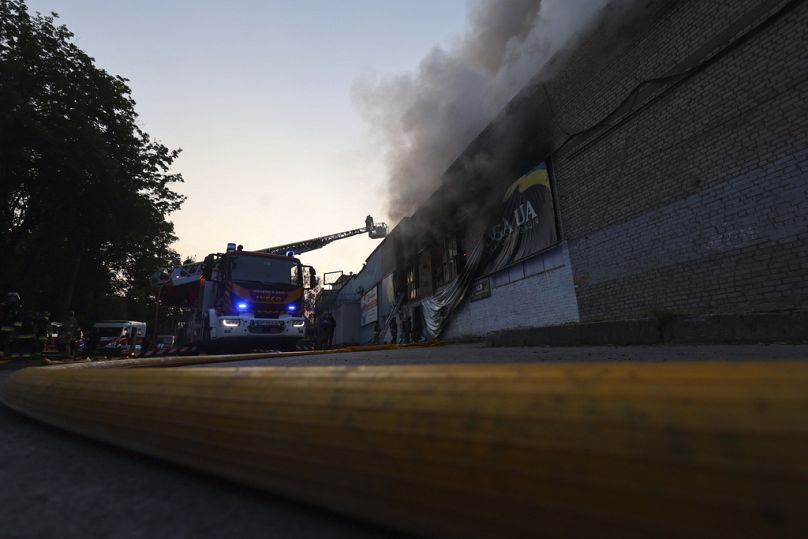
A warehouse in the Ukrainian city of Zaporizhzhia was struck by Russian drones in the early hours of Saturday, rendering some 100 tonnes of humanitarian aid unusable.

At least three people have been injured and 100 tonnes of humanitarian aid were destroyed after a Russian drone strike on a warehouse in Ukraine's southeastern city of Zaporizhzhia in the early hours of Saturday.

The injured were two police officers and a civilian, according to local officials. The damage from the strike is estimated at around $3 million. The aid was set to be provided to people who were internally displaced, as well as to residents in frontline areas of the war.

Shops, a multi-storey building and a public transport stop were also reportedly damaged in the attack.

Oleksandr Beluga, founder of the NGO Beluga UA, told local media ""Now everything has been destroyed, two days ago we received help from 5 trucks. There is approximately $3 million worth of damage here."


Rescue workers put out a fire of a humanitarian aid storage destroyed by a Russian drone strike in Zaporizhzhia, Ukraine, on Saturday, June 14, 2025.Kateryna Klochko/Copyright 2025 The AP. All rights reserved

Air strikes continue unabated

Aside from Zaporizhzhia, the regions of Kharkiv, Donetsk and Dnipro were also targeted in an attack which consisted of a total of 58 Shahedattack UAVs, as well as various types of imitation drones, reported the Ukrainian air force.

43 were neutralised, they said, with 23 being shot down and 20 having their signals jammed.

Meanwhile, the Ukrainian military also reported that it had carried out overnight drone strikes targeting two Russian chemical plants that were tied to the production of explosives.

"As part of efforts to reduce (Russia's) ability to produce explosives and ammunition, the Ukrainian Armed Forces' drone systems, in coordination with other Defense Forces units, struck critical facilities of Russia's military-industrial complex overnight," said Ukraine's General Staff.

The chemical plants were reportedly located in Stavropol Krai and Samara Oblast. Both were identified as major suppliers of raw materials and components for the production of Russia's weapons and fuel.

The Stavropol governor confirmed the strike, saying that drone debris had landed in the city's industrial zone.

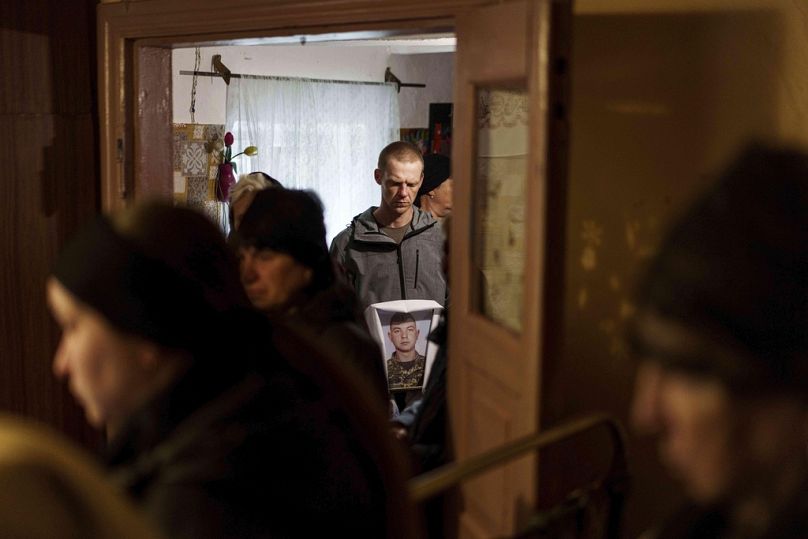
A man holds a photograph of Dmytro Shapovalov, a Ukrainian serviceman, during his funeral ceremony in Yosypivka village, Vinnytsia region, Ukraine, on Friday, June 13, 2025.Evgeniy Maloletka/Copyright 2025 The AP. All rights reservedhttps://newsroom.ap.org/detail/RussiaUkraineWar/f007ef3dd9c24ef5b1f2ed9c79197ca3

Bodies of 1,200 soldiers returned to Ukraine

On Friday, the bodies of 1,200 soldiers were returned to Ukraine as part of an agreement reached between Russia and Ukraine during their 2 June peace talks in Istanbu

Ukraine’s Coordination Headquarters for the Treatment of Prisoners of War released a statement saying that Russia returned 1,200 bodies, and “according to the Russian side, the bodies belong to Ukrainian citizens, in particular military personnel.”

It was the only tangible achievement of the Istanbul talks, with 1,212 bodies also being returned by Russia earlier this week, with 27 dead soldiers going the other way.

The two sides conducted a prisoners of war swap on Thursday, which included badly wounded and gravely ill captives. Their numbers were not disclosed, however.


Central Asia’s agricultural sector facing heat this coming growing season

Central Asia’s agricultural sector facing heat this coming growing season
A shortage of rainfall looks set to hit the summer growing season in Central Asia and Afghanistan. / gov.kz
By Eurasianet June 12, 2025

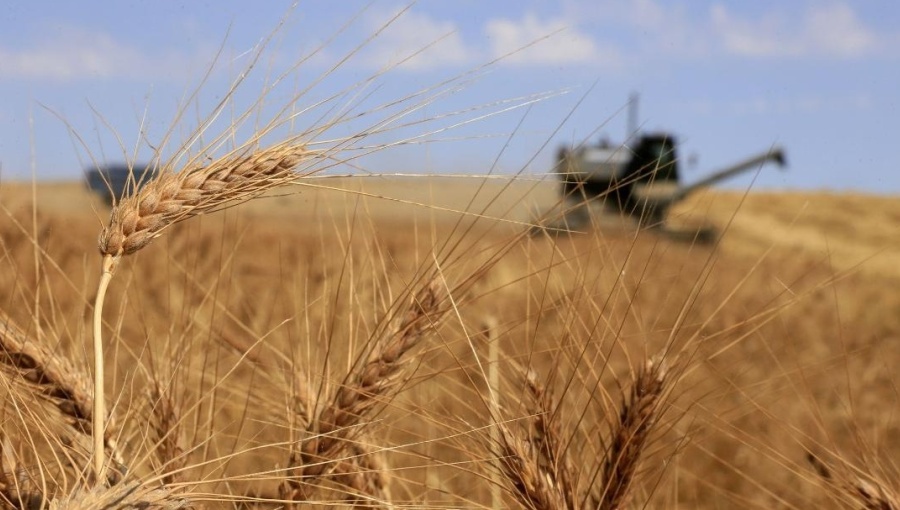
Central Asia’s harvest of winter wheat should be decent, but a forecast calling for dry and warm conditions throughout the summer is raising concerns about the region’s autumn harvest, according to the most recently published GEOLOGAM crop monitor.

GEOLOGAM, or the Group on Earth Observations Global Agricultural Monitoring, is an initiative of the G20 grouping of states. It is dedicated to producing “open, timely, and science-driven information on crop conditions in support of market transparency and early warning of production shortfalls.”

The monthly report for June describes “favorable conditions” for the winter wheat harvest. Uzbekistan was able to overcome below-average rainfall during the winter months by relying on irrigation to “likely improved biomass levels,” the update states. It adds that winter wheat was projected to account for only 5% of the overall wheat harvest for Kazakhstan, Central Asia’s biggest grain producer.

The summer growing season is expected to experience a shortage of natural rainfall. The GEOLOGAM monitor notes that precipitation in the region during the past nine months was significantly below average, with April and May of this year being exceptionally dry.

“Major snow losses resulted from the extreme low precipitation and highly above-average temperatures,” the monitor states, adding that snowpack has already been below average for the past five years. “These low amounts imply reduced water availability in downstream areas for the main agricultural season and surface water resources for second-season crops.”

“Groundwater extraction will likely increase in response to these conditions,” GEOLOGAM experts predict.

Afghanistan’s agricultural sector is likely to experience the most climate-related stress of any Central Asian state in the coming months. Expected high temperatures will “increase the risks of heat and moisture stress in rain-fed crops in central and lowland areas of Afghanistan during critical growth stages,” the monitor states.

This article first appeared on Eurasianet here.


BALKAN BLOG: Russia turns its attention to Moldova ahead of crucial election

BALKAN BLOG: Russia turns its attention to Moldova ahead of crucial election
BALKAN BLOG: Russia turns its attention to Moldova ahead of crucial election. / bne IntelliNews
By Clare Nuttall in Glasgow June 10, 2025

Comments from Russian officials in recent days indicate that Moscow its turning its attention to Moldova ahead of the autumn general election. The critical vote in September will determine whether President Maia Sandu’s pro-EU Party of Action and Solidarity (PAS) will remain in power – and thus whether it will continue reforms aimed at bringing Moldova closer to EU membership. 

Since Sandu and her PAS came to office, in 2020 and 2021 respectively, Moldova, long torn between the Russian and Western spheres of influence, has made decisive moves towards European integration.

As the EU rethought its enlargement policy after Russia’s invasion of Ukraine in February 2022, Moldova, along with Ukraine, was given candidate status in June the same year. This was followed by the opening of accession negotiations in June 2024 – a step some Western Balkan candidates had taken many years to achieve. 

Moldova also signed a security and defence partnership with the EU in 2024, while officials have also deepened Moldova’s partnership with Nato.

But while EU leaders sought to strengthen ties with countries in the bloc’s eastern neighbourhood, especially those vulnerable to interference from Russia, the Kremlin has continued to wield its considerable influence in attempts to stymie Westward movement by its former satellites such as Moldova. 

In the Russia-backed anti-government protests of 2023, pro-Russian forces linked to fugitive oligarch Ilan Shor sought to exploit the misery caused by high energy prices and one of Europe’s highest inflation rates to destabilise the PAS government. 

Officials in Chisinau again accused Russia of interference around the presidential election of October 2024, which pitted Sandu against former prosecutor general Alexandr Stoianoglo, and was held at the same time as a referendum on adding the goal of EU membership to Moldova’s constitution. 

In October 2024, Moldovan authorities said they had uncovered a scheme allegedly orchestrated by Shor involving $15mn in Russian funds distributed to approximately 130,000 individuals. The goal was reportedly to sway voters toward anti-Western choices and spread EU disinformation via social media. 

"Russia is using a range of hybrid tactics to derail Moldova’s EU accession and influence the outcomes of both the referendum and the presidential election," said Sandu’s foreign policy adviser Olga Rosca at a briefing with bne IntelliNews in Chisinau in October 2024. She said officials believe the $15mn was “a monthly sum, and estimates suggest Russia could spend up to $100mn to sway these elections”.

It was later reported that $24mn was transferred from Russia to Moldova via the Promsvyazbank (PSB) app in October alone, following the $15mn sent in September, as announced by Moldova's chief of police, Viorel Cernautanu, after the first round of the presidential elections. Raids at 26 sites also prompted increased security at ChiÈ™inău International Airport after passengers arriving from Russia were found with large sums of cash

Despite these efforts, the outcome of the votes were a second round victory for Sandu and a narrower-than-expected ‘yes’ vote in the referendum that sets EU accession as a goal for Moldova. However, the election of a new government unfriendly to that goal could still stall reforms and at least temporarily derail efforts to pursue entry to the bloc. 

After the elections, the next crisis came just a few months later with the cutting off of Russian gas supplies to Moldova (already directed entirely to the separatist Transnistria region) via Ukraine. While Moldova has successfully reoriented its gas and electricity supply map to receive power from other sources, Transnistria remained dependent on Russian gas, used both to supply its industries and to generate electricity to sell to Moldova proper. 

The cutting off of Russian gas thus caused an economic and humanitarian crisis in the Russia-backed separatist republic that occurred during the coldest time of the year. This created fertile grounds for Russian politicians to blame the pro-EU politicians in Chisinau for the problem – even though Tiraspol rather grudgingly accepted help from both Chisinau and the EU. 

As the September general election approaches, there are fears Russia will use its levers of influence within Moldova, which has a substantial Russian minority as well as the Moscow-backed separatist regime in Transnistria and pro-Russian leadership in the semi-autonomous Gagauzia region. Officials from Gagauzia, including the region’s president, Eugenia Gutul, were detained this spring in a case concerning illegal party financing

Prime Minister Dorin Recean told The Financial Times on June 4 that Russia is seeking to deploy up to 10,000 troops in Transnistria should the pro-EU authorities lose the parliamentary election. 

Recean said Moscow is intensifying efforts to interfere in Moldova's domestic politics to secure a more Kremlin-aligned government in Chișinău, which could facilitate an expanded Russian military presence on the Ukrainian border. "This is a huge effort to undermine Moldovan democracy. They want to consolidate their military presence in Transnistria," Recean said.

According to the Moldovan prime minister, Russia is engaging in hybrid warfare tactics including online propaganda and illegal financial transfers aimed at influencing political parties and voters. 

Meanwhile, Russia’s ambassador to Chisinau, Oleg Ozerov, has hinted that a new energy crisis in Transnistria, similar to the one in January this year, is most likely envisaged by Russia as a scenario to be used if the PAS remains in office after the September election. 

"So far, the solutions that have been found are working. By winter [ie after the election], the situation may worsen again … And, of course, this will require an increase in gas supplies," Ozerov warned. He also accused the government in Chisinau of hindering “a long-term solution”. 

Currently, Russia offers Transnistria just enough financial backing for it to buy small volumes of natural gas from European suppliers. This is sufficient to meet residential needs and generate electricity for households, but not enough to power the region’s heavy industries, many of which have shut down or scaled back. As a result, Transnistria’s de facto authorities are under growing fiscal pressure, struggling to meet basic obligations such as wage and pension payments.

Ozerov has been pushing other buttons in Moldova too. A few days before his interview with RIA Novosti, he called for the Russian language to be granted legal status once again as the language of interethnic communication in Moldova, Deschide.md reported on June 6. The appeal was made amid longstanding political tensions over language policy in Moldova. 

Recent polls show that the PAS is likely to be first placed in the upcoming general election but not secure an outright majority like it did in 2021. 

For example a poll conducted by iData and published by Newsmaker.md at the end of May puts the PAS on 27.5%, with the Socialist Party (PSRM) and the Shor-backed Victory (Pobeda) political bloc on 11.6% and 11.2% respectively. That would give the PAS 46 out of the 101 seats in Moldova’s parliament, forcing it to scramble to find allies among the smaller parties. 

With a large number of undecided voters, the race is very much still open, meaning both the PAS and its Russia-backed rivals have everything to fight for.


ASIA BLOG: The Russians are coming, and coming, and coming...

ASIA BLOG: The Russians are coming, and coming, and coming...
Phuket beach. / Maksim Zhashkevych – Unsplash
By bno - Taipei Office June 12, 2025

Landing in Southeast Asia in early, then mid-2024, as I lined up at immigration, I saw officers handed what seemed like an endless stream of Russian passports.

I’d overheard whispers as I stood in line – Russians are now the largest non‑Asian tourist group across much of Asia. In Thailand, more than 1.4mn had arrived in the previous 12 months.

This wave of arrivals, however, isn't just about tourism. As a regular traveller all over Northeast and Southeast Asia for years, from Japan to Singapore and Vietnam to South Korea, the increased presence of Russians, young men in particular, is evident. They are quite literally everywhere.

Since President Putin announced partial mobilisation in September 2022, hundreds of thousands of Russian men – mainly in their 20s and early 30s – have fled the country to avoid being drafted. While official figures are murky at best, one estimate puts the number at up to 700,000 fleeing mobilisation in all.

Many reportedly sought refuge in Kazakhstan, where visa‑free entry allowed 98,000 in the first week after mobilisation and over 100,000 in total in mere days. By late September the same year, around 200,000 had entered Kazakhstan, and border crossings into its Caucasus neighbour, Georgia, surged.

In fact, Georgia’s Russian population rose to over 3% of its population by the end of 2022, before falling slightly in 2023. Officially they were termed ‘economic migrants’ although in the case of their presence in Asia, finances never appear to be an issue.

Southeast Asia has been profoundly affected by the presence of so many Russians. According to Time, Cyrillic signs are commonplace in Thailand and in the beach resort of Phuket alone, 366,095 Russians arrived in the first three months of 2024; a figure almost double that seen in same period in 2023, Time reported.

This isn’t simply a post-pandemic tourism rebound either – many have no intent to return to Russia while conscription looms ….. if ever.

Long-term residents in Thailand inform me that there are stories of thousands applying for long‑term Thai visas citing business and education reasons. Coincidentally – or not – marriage visas have supposedly increased in number too.

Time also reports that in Phuket's luxury 1,000-acre Laguna complex – a mini‑city of villas, golf course and a marina – the real estate office admitted that over 50% residents are now Russian.

This demographic shift has rippled through the local economy. Real estate prices in Laguna have increased dramatically, Russian-run businesses proliferate and many young male ‘relocants’ as Russians reportedly opt to call themselves, have suddenly repurposed as tour‑guide operators.

As expected, this massive and often unwelcome influx hasn’t been without friction. Some locals complain about job competition, cultural faux‑pas committed by Russians and increased crime rates.

Time cites a local Thai official as saying of rising tensions that Russians often ignore Thai laws. Claims of Russians being involved in human trafficking, extortion and sex work are far from unusual.

Beyond Thailand, the pattern repeats across Southeast Asia. In Indonesia and India, reports claim that thousands of young Russian men turn up on tourist visas and simply never leave, either staying illegally or quietly renewing if possible.

It is a similar story in South Korea, Malaysia, Singapore and elsewhere. That visa-hops between visa-free countries, including Thailand, Indonesia and Malaysia, are common means these ‘economic migrants / relocants’ are able to stay indefinitely.

As such, questions now being asked centre on how overstayers, undocumented workers and Russian draft‑dodgers will integrate, if they will ever attempt to do so.

Local infrastructure, law enforcement and real‑estate markets are already being reshaped. Real estate in regions popular with Russians is more crowded, oftentimes illegally so. Rental prices have soared, and the hospitality sector in some areas is recalibrating to serve Russian‑speaking clients. And as long as Russia continues its war and conscription lingers, so too will the influx.

Southeast Asia has become a refuge of sorts for young Russian men, and very occasionally their families. Some may stay long-term and integrate. Many will not, but the impression they are currently leaving on a number of Asian countries and tens of millions of locals is far from positive.