Monday, June 16, 2025

With cancer the leading cause of death for firefighters, 1 Bay Area fire department is partnering with biotech to improve the odds

By Chase Hunter, 
The Mercury News
Published: June 14, 2025, 
Hayward firefighter Frank Crespo, left, Deputy Chief Ryan Hamre, center, and Captain Andrew Ghali at the Hayward Firefighters Local 1909 office on Thursday, May 29, 2025, in Hayward, California. A new partnership between the Hayward Fire Department and biotech firm Prenuvo, is offering firefighters access to MRIs to scan for cancer. 
(Aric Crabb/Bay Area News Group/TNS)

Every day, firefighters are exposed to cancer-causing chemicals from the scorched aftermath of forest fires, the melting pot of kitchen cleaning supplies in burning homes, and abandoned polyurethane appliances and bags in homeless encampment blazes.

Cancer has jumped to the leading cause of death among firefighters; they have a 9% greater risk of being diagnosed with the disease, and a 14% higher risk of dying from it than the general population, according to a study published by the National Institutes of Health on the occupational hazards of firefighting. According to the International Association of Fire Fighters, 66% of line-of-duty firefighter deaths from 2002 to 2019 were caused by cancer.

“The job just puts people in positions that are going to put them at risk; they are going to be exposed to carcinogens,” said Hayward Fire Department Deputy Chief Ryan Hamre. “We can limit it, but we can’t eliminate it.”

To combat this endemic threat of cancer, the Hayward Fire Department has partnered with the Redwood City-based biotech company Prenuvo to offer full-body MRI scans to firefighters and identify cancer early on, when effective treatment options have a better chance of eliminating the disease and keeping it in remission.

The inspiration for this early-detection effort was HFD Captain Steve Holt, who died of cancer on Nov. 29, 2017. Holt had worked at the Hayward Fire Department since 1987; he responded to the Loma Prieta earthquake in 1989 and the Oakland hills fire in 1991, receiving accolades for his work.

“At his daughter’s cheerleading camp, (Holt) passed out, woke up in the hospital, and was diagnosed with lung cancer that spread to his brain and spinal cord,” Hayward Firefighters Union President Andrew Ghali said.

His death caused Ghali to reexamine preventative care and early cancer detection at the Hayward Fire Department. But he found that many health insurance companies do not offer services to detect cancer without pre-existing conditions, such as a history of smoking or age — and do not make exceptions for firefighters.

“I started calling the American Lung Association because I saw a low-dose CT scan to detect early lung cancer,” Ghali said. “When I went online and filed (for) a test, it had a little quiz that said, ‘How many packs of cigarettes do you smoke a day?’ and, ‘Are you above the age of 50?’ I said ‘No, no,’ and I was denied the opportunity to have one.”

Hayward firefighter Frank Crespo said he was frustrated by health insurance companies that only took care seriously after it was too late.

“It’s kind of more of a ‘sick care’ system than it is true health care,” Crespo said. “Only when you’re sick does this system start to allow payments for workups, for further diagnostics. So we’re kind of stuck in this limbo, knowing that we’re exposed to this stuff chronically, but not sick enough at any point to justify further diagnostics.”

Ghali sought alternative health care options that could identify cancer before it could mature and metastasize in himself and his colleagues. He eventually settled on Prenuvo, he said, because its detailed MRI could detect early signs of cancer, as well as respiratory issues, cardiac disease and thyroid problems.

The Hayward Fire Department signed a $100,000 contract with Prenuvo on Jan. 1, funded through the city of Hayward, to provide head and torso MRI scans.

Hamre and Ghali joined the fire department to defend their community, well aware of the risks associated with a career shrouded in smoke and fire. But their priorities have shifted now with families of their own. They’re more aware of the daily exposure to carcinogens that has taken friends and colleagues away from their families.

“I was 22 when I got hired here, and none of this was on my mind,” Ghali said. “But then, as you start to mature and you get older and you understand the risk, and you have three kids and a wife that depend on you, and you want to see them grow up, and you want to have a long, happy life with your family.”
Tectonic plates can spread subduction like a contagion — jumping from one oceanicte to another
published 2 days ago

Evidence from Earth's deep past suggests dramatic subduction zones can spread like a contagion.

The Andes Mountains formed from the convergence of the Nazca plate and the South American plate. Aracar, seen in a satellite image from Feb. 20, 2000, is one of many volcanoes in the Andes range. (Image credit: Universal History Archive via Getty Images)

Subduction zones, where one tectonic plate dives underneath another, drive the world's most devastating earthquakes and tsunamis. How do these danger zones come to be? A study in Geology presents evidence that subduction can spread like a contagion, jumping from one oceanic plate to another — a hypothesis previously difficult to prove.

This result "is not just speculation," says University of Lisbon geologist João Duarte, who was not involved in the research. "This study builds an argument based on the geological record."

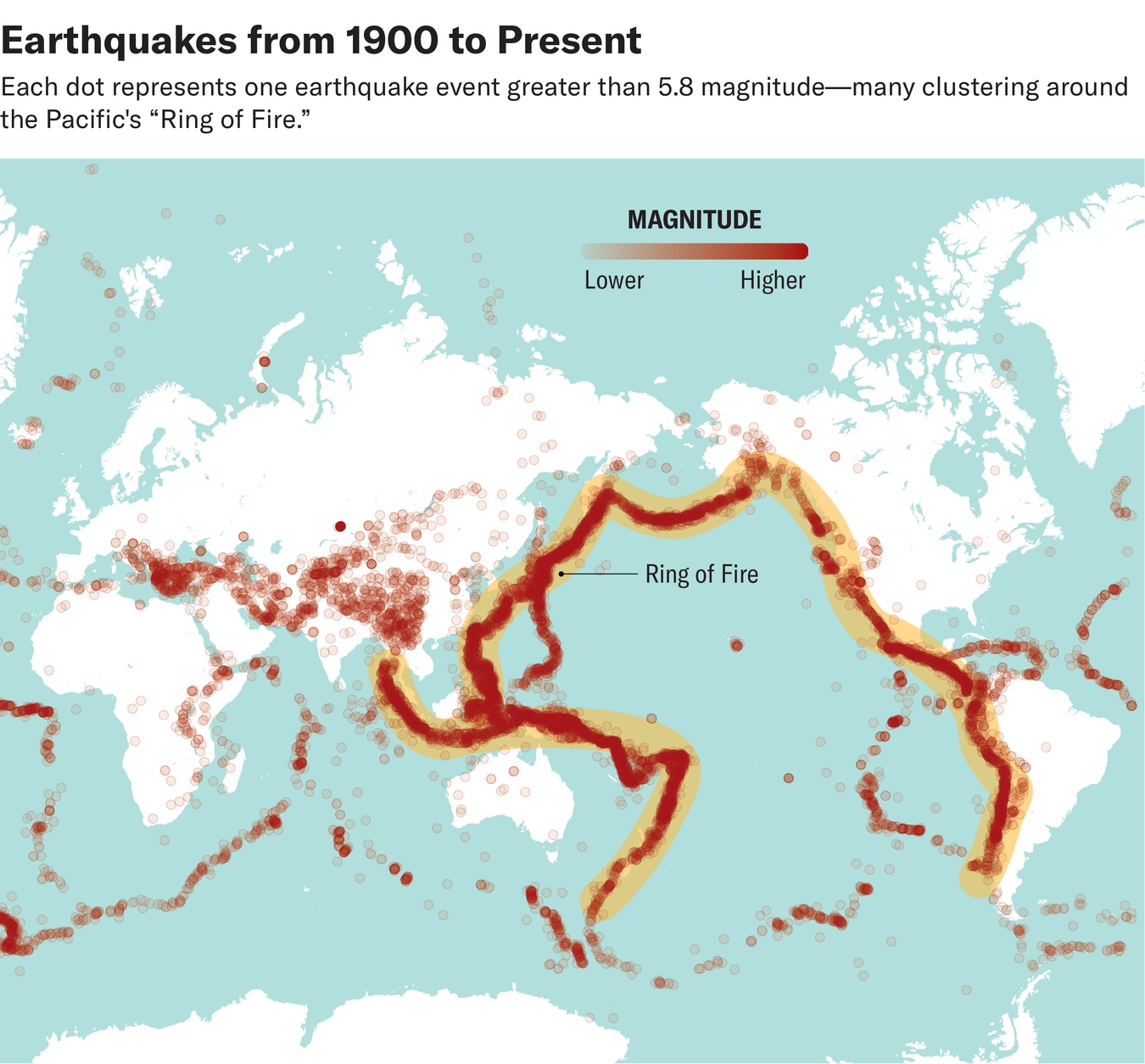
Because subduction drags crust deep into the earth, its beginnings are hard to examine. The new study provides a rare ancient example of potential subduction "infection." Its authors say they've discovered evidence that neighboring collisions triggered East Asia's "Ring of Fire," a colossal subduction system currently fueling earthquakes and volcanoes from Alaska to the southern Indian Ocean.

Nearly 300 million years ago China was a scattering of islands separated by the ancient Tethys and Asian oceans. Established subduction zones consumed these oceans, welding the landmasses into a new continent and raising mountains from Turkey to China. By 260 million years ago this subduction seems to have spread and begun pulling down the neighboring Pacific plate.

(Image credit: Ripley Cleghorn; Source: USGS Earthquake Catalog (data))

"The dying act of those closing oceans may have been to infect the Pacific plate and start it subducting westward under the Asian continent," says study lead author Mark Allen, a geologist at Durham University in England. "In one form or another, it's been diving down ever since."

The smoking gun in this case is the "Dupal anomaly," identified by a geochemical fingerprint from the ancient Tethys Ocean and what is now the Indian Ocean. When the study authors unexpectedly found this signature in volcanic rocks from the western Pacific, they surmised that material from the Tethys had spread eastward across a plate boundary from one subduction zone to another — triggering the neighboring plate's descent. "It's like seeing someone's fingerprint at a crime scene," Allen says.


But the mechanism of spread remains mysterious. The researchers suspect that transform faults — boundaries where plates slide past one another, like the San Andreas Fault — may act as weak spots where slight changes in collision angle or speed can destabilize dense oceanic crust, causing it to sink. Duarte compares the scenario to aluminum foil in water. "The foil floats," he says, "but the slightest tap will cause it to sink."

If subduction spreads this way, could the Atlantic Ocean's relatively quiet plate margins be next? The massive 1755 Lisbon earthquake hints at early subduction invasion there. Duarte suggests parts of Iberia and the Caribbean are undergoing this process's initial stages: "In another 100 million years a new Atlantic 'Ring of Fire' may form — just as it once did in the Pacific."

This article was first published at Scientific American. © ScientificAmerican.com

The World Birth Rate Is Now Dropping Precipitously

Maybe children are not the future?
Jun 14,  2025
by Sharon Adarlo

Whoever wrote in the Book of Genesis "be fruitful and multiply" never accounted for the cost of children these days, especially when you factor in expenses like college tuition, sports, tutors, clothes and childcare.

And that's one of the reasons why people are having less kids, according to new reporting from the BBC.

A new paper from the United Nations Population Fund (UNFPA) has revealed that one in five adults in 14 countries don't have, or think they won't have, their preferred number of children, the BBC reports. About 14,000 people from across a wide range of income levels were surveyed in countries including the United States, South Africa, South Korea and Italy.

"The world has begun an unprecedented decline in fertility rates," Natalia Kanem, UNFPA executive director, told the BBC. "Most people surveyed want two or more children. Fertility rates are falling in large part because many feel unable to create the families they want. And that is the real crisis."

This jives with dire statistics that 76 percent of the world — 155 countries out of 204 — will have far fewer children being born by 2050. All these negative fertility replacement rates will likely have drastic and difficult-to-predict impacts on society and the world economy — in a worst case perhaps approaching something like the grim futuristic movie "Children of Men."

The UNFPA report found that increased financial security would remove a lot of barriers to reproduction. Of those surveyed, "39 percent reported that financial limitations had affected or would affect their ability to realize their desired family size," the report read.

"The real solution to the crisis of reproductive agency we are facing is to build a more equitable, sustainable and caring world that supports individuals to have the families they aspire to," the report continues.

Other barriers to reproduction include that people feel their living expenses are too high, or that the world seems more dangerous or uncertain, especially in light of climate change and armed conflicts. (And that's without getting into the rise of AI, which industry leaders insist will soon take many human jobs.)

Hopefully we can solve this huge issue. Our future depends on it — and besides, babies are cute.
U$A

'One Big Beautiful Bill' Would Batter Rural Hospital Finances, Researchers Say
— Experts fear risk of closure, service reductions, or ending inpatient care


by Jazmin Orozco Rodriguez,
 KFF Health News
June 14, 2025 •


Cuts to Medicaid and other federal health programs proposed in President Donald Trump's budget plan would rapidly push more than 300 financially struggling rural hospitals toward a fiscal cliff, according to researchers who track the facilities' finances.

The hospitals would be at a disproportionate risk of closure, service reductions, or ending inpatient care, according to a report authored by experts from the Cecil G. Sheps Center for Health Services Researchopens in a new tab or window following a request from Senate Democrats, who released the findings publicly Thursday. Many of those hospitals are in Kentucky, Louisiana, California, and Oklahoma, according to the analysis.

Trump's budget plan, dubbed the "One Big Beautiful Bill Act," contains nearly $800 billionopens in a new tab or window in Medicaid cuts, according to the nonpartisan Congressional Budget Officeopens in a new tab or window. House Republicans passed the bill in late May, and it now awaits Senate consideration.

The proposed cuts to Medicaid raise the stakes for rural hospitals nationwide, many of which already operate on razor-thin, if not negative, margins. Diminished reimbursements from the state-federal health insurance program for those with low incomes or disabilities would further erode hospitals' ability to stay open and maintain services for their communities -- populations with more severe health needs than their urban counterparts.

"It's very clear that Medicaid cuts will result in rural hospital closures," said Alan Morgan,opens in a new tab or window CEO of the National Rural Health Association, a nonprofit advocacy and research organization.

The Senate Democrats sent a letteropens in a new tab or window to Trump, Senate Majority Leader John Thune (R-S.D.), and House Speaker Mike Johnson (R-La.) asking them to reconsider the Medicaid cuts.

Sen. Edward Markeyopens in a new tab or window (D-Mass.), one of the Senate Democrats who requested the information from Sheps, in a statement said communities should know exactly what they stand to lose if Congress approves the reductions to Medicaid.

"People will die" if rural hospitals close, he said. "No life or job is worth a yes vote on this big billionaire bill."

The legislation passed by the House in May would require most working-age, nondisabled Medicaid beneficiaries to prove they're working, studying, or volunteering to retain coverage, and it would cut Medicaid reimbursement to states that use their own money to extend coverage to immigrants living in the country without authorization. Also, the bill would curtail taxes that nearly every state levies on providers to help draw down billions in additional federal money, which generally leads to more money for hospitalsopens in a new tab or window.

The Congressional Budget Office has estimatedopens in a new tab or window that the bill's Medicaid provisions would lead to 7.8 million people becoming uninsured by 2034.

Johnson has repeatedly claimed that the bill's reductions in federal Medicaid spending don't amount to cuts to the program. "If you are able to work and you refuse to do so, you are defrauding the system," Johnson said May 25 on the CBS show "Face the Nation."

Hospitals that do stay afloat likely will do so by cutting services that are particularly dependent on Medicaid reimbursements, such as labor and delivery units, mental health care, and emergency departments. Obstetric services are among the most expensive and are being eliminated by a growing number of rural hospitalsopens in a new tab or window, expanding the areas that lack nearby maternity or labor and delivery care. Iowa, Texas, and Minnesota had the most rural obstetrics service closures between 2011 and 2023, according to the health analytics and consulting firm Chartisopens in a new tab or window, which also studies rural hospital finances.

Nearly half of rural hospitals are operating in the red and 432 are vulnerable to closure. Medicaid cuts would push them further into financial peril.

That vulnerability stems at least partly from rural Americans' being more likely to depend on Medicaid than the general population. For instance, nearly 50% of rural births are covered by the program, compared with 41% of births overall. But Medicaid covers only about half of what private insurance reimburses for childbirth-related services. Rural health systems have been struggling to meet the needs of their communities without the cuts to Medicaid, which brings in $12.2 billion, or nearly 10% of rural hospital net revenue, according to a Chartis report from May.

Hospitals in rural areas would collectively lose more than $1.8 billion with a 15% cut to Medicaid. That loss in revenue is roughly equivalent to 21,000 full-time hospital employees' salaries.

Rural hospitals' margins have been deteriorating for 10 to 15 years, said Michael Topchikopens in a new tab or window, executive director for the Chartis Center for Rural Health, which analyzes and consults on rural hospital finances. Ten years ago, about one-third of rural hospitals were operating in the red. That's closer to 50% now, he said.

It's even higher in the 10 states that did not expand Medicaid eligibility under the Affordable Care Act, with 53% of rural hospitals there already operating in the red and more than 200 vulnerable to closure.

Other policies continue to affect rural hospitals, according to Chartis. Facilities will lose $509 million this year due to a 2% Medicare reimbursement cut -- what's known as sequestration -- and $159 million in reimbursement for bad debt and charity care combined.

Some rural hospitals have responded to the increasing financial pressures in recent years by joining larger networks, such as Intermountain Health or Sanford, which are connected to facilities in the Mountain West and Midwest. But about half of rural hospitals are still independent, Topchik said, and struggle with a perennial collision of low patient volume and high fixed costs.

"We can't Henry Ford our way out of this by increasing volumes to dilute costs and reduce prices," he said. "It's expensive, and that's the reason the federal government, for a long time, has reimbursed rural hospitals in a variety of manners to help keep them whole."

Rural hospitals play an important role in their communities. They provide healthcare to Americans who are older, sicker, and pooreropens in a new tab or window and have less access overall to providers compared with people who live in urban areas. In many cases, a local rural hospital is the largest employer in a community and can trigger substantial local economic declines if it closes.

"When you close a hospital, oftentimes, the community follows," Morgan said.

More than 10 million Americans enrolled in Medicaid live in counties that have at least one rural hospital, according to Chartis estimates. Kentucky, Texas, New York, North Carolina, California, and Michigan have the largest estimated populations of rural Medicaid enrollees.

And while Utah is not a state identified as especially vulnerable, health leaders there are concerned about rural hospital closures if Medicaid funding is cut, said Matt McCullough, PhD, the rural hospital improvement director for the Utah Hospital Association.

Facilities in rural parts of Utah are often governed by a board made up of community members -- farmers, ranchers, and business owners who care about keeping their hospitals open, McCullough said, because they were born there and their kids were born there.

"They'll do anything to see it stay open and provide good quality care to their neighbors, family members," he said. "It's people that they know and care about."

KFF Health Newsopens in a new tab or window is a national newsroom that produces in-depth journalism about health issues and is one of the core operating programs at KFF -- an independent source of health policy research, polling, and journalism. Learn more about KFFopens in a new tab or window.

UPDATE

14,000-year-old ice age 'puppies' were actually wolf sisters that dined on woolly rhino for last meal


By Kristina Killgrove published 2 days ago

A pair of canines found in Siberian permafrost were wolf sisters that died shortly after eating.

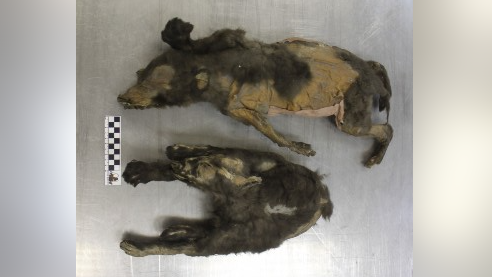
Two ice age pups found near Tumat, Siberia. (Image credit: University of York)

A pair of 14,000-year-old "puppies" found melting out of the permafrost in Siberia have undergone genetic testing, proving they were actually wolf cub sisters and not domesticated dogs as was previously assumed.

"Whilst many will be disappointed that these animals are almost certainly wolves and not early domesticated dogs, they have helped us get closer to understanding the environment at the time, how these animals lived, and how remarkably similar wolves from more than 14,000 years ago are to modern day wolves," Anne Kathrine Runge, an archaeologist at the University of York in the U.K., said in a statement.

Runge led an international team of researchers in analyzing the bones and DNA of the puppies. Their study, published Thursday (June 12) in the journal Quaternary Research, revealed that the mummified "puppies" were wolf littermates that died somewhere between 14,100 and 15,000 years ago.You may like'

The remarkably preserved and mummified animal carcasses were found in 2011 and 2015 near the rural settlement of Tumat in far northern Siberia. Along with the two canines, scientists discovered woolly mammoth (Mammuthus primigenius) bones that appeared to have been cut and burned by humans. This archaeological evidence suggested that the canines could have been very early domesticated dogs that were seeking food from humans — such as a piece of woolly rhino meat that was discovered in the belly of one of the animals.

Dogs and wolves are closely related, but they diverged genetically between 20,000 and 40,000 years ago. Humans then domesticated wild dogs around 15,000 years ago. But the title of the world's oldest domesticated dog has never been clearly claimed. One possibility is the Bonn-Oberkassel dog, found in Germany in a human burial dated to 14,200 years ago.

Because they were older than this, the ice age Tumat canines were previously assumed to be among the oldest domesticated dogs in the world. But DNA testing in 2019 showed that they likely belonged to a now-extinct wolf population unrelated to today's dogs.

In the new study, Runge and colleagues built on the 2019 study by analyzing genetic data from the animals' gut contents and investigated chemical "fingerprints" in their bones, teeth and tissue to learn more about the famous cubs.

The cubs — genetically determined to be sisters — were only a couple of months old when they died, but both were eating solid food, including meat from a woolly rhino (Coelodonta antiquitatis) and a small bird called a wagtail — but not from a mammoth, which may have indicated that ice age humans had fed them leftover scraps. Additionally, both were still being nursed by their mother, the researchers discovered.

"It was incredible to find two sisters from this era so well preserved, but even more incredible that we can now tell so much of their story, down to the last meal they ate," Runge said in the statement.

But there's no indication that the Tumat pups got this food directly from humans or even from scavenging humans' mammoth butchering sites, according to the researchers. The sisters "inhabited a diverse landscape that was also occupied by humans," they wrote, but "this study found no evidence that can conclusively link them to human activities."

How the cubs died remains a mystery, as well. Given the cubs' lack of injuries, they may have been resting in an underground den when it collapsed, trapping them inside, the researchers wrote in the study.

"Today, litters are often larger than two, and it is possible that the Tumat Puppies had siblings that escaped their fate," study co-author Nathan Wales, an ancient-DNA specialist at the University of York, said in the statement. "There may also be more cubs hidden in the permafrost."

Additional research on the Tumat cubs may yet produce more information about ancient wolves and their evolutionary line, Wales noted in the statement.
This grassland bird eavesdrops on prairie dogs to keep itself safe from predators


By —Christina Larson, Associated Press
Science Jun 14, 2025 

WASHINGTON (AP) — Prairie dogs are the Paul Reveres of the Great Plains: They bark to alert neighbors to the presence of predators, with separate calls for dangers coming by land or by air.

“Prairie dogs are on the menu for just about every predator you can think of”— golden eagles, red-tailed hawks, foxes, badgers, even large snakes — said Andy Boyce, a research ecologist in Montana at the Smithsonian’s National Zoo and Conservation Biology Institute.

Those predators will also snack on grassland nesting birds like the long-billed curlew.

To protect themselves, the curlews eavesdrop on the alarms coming from prairie dog colonies, according to research published Thursday in the journal Animal Behavior.

READ MORE: Ronan the sea lion is better than ever at grooving to a beat, new study finds

Previous research has shown birds frequently eavesdrop on other bird species to glean information about potential food sources or approaching danger, said Georgetown University ornithologist Emily Williams, who was not involved in the study. But, so far, scientists have documented only a few instances of birds eavesdropping on mammals.

“That doesn’t necessarily mean it’s rare in the wild,” she said, “it just means we haven’t studied it yet.”

Prairie dogs live in large colonies with a series of burrows that may stretch for miles underground. When they hear one each other’s barks, they either stand alert watching or dive into their burrows to avoid approaching talons and claws.

“Those little barks are very loud — they can carry quite a long way,” said co-author Andrew Dreelin, who also works for the Smithsonian.


A long-billed curlew is seen at the Rio Mora National Wildlife Refuge and Conservation Area in Mora County, New Mexico, in this photo dated Nov. 19, 2021. Photo by Anna Weyers Blades/USFWS

The long-billed curlew nests in short-grass prairie and incubates eggs on a ground nest. When one hears the prairie dog alarm, she responds by pressing her head, beak and belly close to the ground.

In this crouched position, the birds “rely on the incredible camouflage of their feathers to become essentially invisible on the Plains,” Dreelin said.

To test just how alert the birds were to prairie dog chatter, researchers created a fake predator by strapping a taxidermied badger onto a small remote-controlled vehicle. They sent this badger rolling over the prairie of north-central Montana toward curlew nests — sometimes in silence and sometimes while playing recorded prairie dog barks.

When the barks were played, curlews ducked into the grass quickly, hiding when the badger was around 160 feet (49 meters) away. Without the barks, the remote-controlled badger got within about 52 feet (16 meters) of the nests before the curlews appeared to sense danger.

“You have a much higher chance of avoiding predation if you go into that cryptic posture sooner — and the birds do when they hear prairie dogs barking,” said co-author Holly Jones, a conservation biologist at Northern Illinois University.

Prairie dogs are often thought of as “environmental engineers,” she said, because they construct extensive burrows and nibble down prairie grass, keeping short-grass ecosystems intact.

“But now we are realizing they are also shaping the ecosystems by producing and spreading information,” she said.

 Ottawa

Valedictorian told to stay home after making pro-Palestinian remarks in grad speech


Elizabeth Yao was told the school was considering 'further disciplinary action'


Three women stand in a crowded room and smile at the camera.
From left to right, Elizabeth Yao, Hanna Abdalla and Janna Awale each graduated from Bell High School in June 2025. Yao said she doesn't regret making the remarks in her graduation speech that acknowledged the deaths of children in Gaza. (Courtesy of Hanna Abdalla)

The valedictorian at a west Ottawa high school says she's been told not to come to school Monday after she made pro-Palestinian remarks during a speech at her commencement ceremony.

Elizabeth Yao largely focused on highlights from the past four years at Bell High School during her speech on Thursday, including a memorable waffle fundraiser and the days spent dozing off while reading Shakespeare.

Her comments on the war in Gaza came at the end, after a land acknowledgement.

"As a commitment to truth and reconciliation, I must acknowledge colonial and genocidal atrocities today, including the massacre of more than 17,000 Palestinian children in Gaza," Yao said, breaking off as the crowd cheered.

The next day, Yao said she received a call from her principal, who said her statements had "caused harm" and told her she shouldn't come to school on Monday. 

That decision is being criticized by some as going against Ottawa-Carleton District School Board (OCDSB) policy. Yao said she stands by her speech and planned to go back to school on Monday. 

"I'm a little angry, maybe, at the unfortunate situation, especially since I had connected the situation to the values of the school board and what I had learned throughout my four years of being at the school," she said.

"I was applying that to being an advocate and making sure that those who are oppressed have a voice in our society."

A young woman holds roses and smiles at the camera.
'OCDSB likes to talk about the fact that students should be engaged in the community and also have basic understanding of empathy, be resilient and brave,' Yao remarked, saying that's what she was trying to do. (Courtesy of Elizabeth Yao)

'Took focus away' from graduation, says board

Since the Israel-Hamas war began in October 2023, more than 50,000 children have been reportedly killed or injured in Gaza, according to UNICEF.

In an email sent to parents after the commencement ceremony, which Yao provided to CBC, her principal wrote that her speech "intentionally took focus away from the purpose of the event, celebrating the achievement of our graduating class."

But the escalating war in Gaza was an ever-present concern for her class through their high school years, Yao said, noting that her school has a large Arab and Muslim population.

"I have seen it affect the students around me, as they have gone on walkouts and protests in the past in order to make the Canadian government aware of what is going on," she said.

School board trustee Lyra Evans told CBC she's been fielding a lot of emails, texts and calls, but none of them were unhappy with Yao's comments.

"[They] have been asking how on earth or why on earth are we suspending valedictorians and potentially putting their future in jeopardy with three weeks left to go in school," Evans said. 

A photo of Ottawa-Carleton school board trustee Lyra Evans in the boardroom on May 13, 2025.
Lyra Evans said she's concerned this decision could have broader consequences on the school board's relationship with the Palestinian community in Ottawa. (Kate Porter/CBC)

Hanna Abdalla, Yao's friend and fellow graduate, said she didn't hear from anyone who was upset with Yao's speech.

"I don't think it was fair to [be] putting our valedictorian on blast," said Abdalla. "What about the harm, the daily harm, that Palestinian students back in Palestine go through every day?"

CBC asked for an interview with the school's principal, but the OCDSB said they would not be commenting.

In an email Monday, an OCDSB spokesperson said the board did "not feel that commencement ceremonies provide the appropriate forum" for "respectful, safe and supportive discussions," compared to other unspecified opportunities to do so throughout the school year.

They wrote that no students were suspended as a result of the speech. Yao has not responded to questions from CBC about what happened Monday.

'Anti-Palestinian erasure'

After her situation drew so much attention, Yao was put in touch with the National Council of Canadian Muslims (NCCM), a non-profit advocacy and lobby group.

Nusaiba Al-Azem, director of legal affairs for the NCCM, told CBC she believes the school violated OCDSB policies by both telling Yao not to come to school without officially suspending her and for punishing her for pro-Palestinian statements.

"To imply that what [Yao] said was harmful is itself a form of anti-Palestinian erasure and anti-Palestinian racism, which the school board has a specific policy against," she said. 

Evans agreed that Yao did not break any rules. She cited the OCDSB's own guidelines, which say "slogans or symbols that signal solidarity, such as 'Free Palestine' etc. are permitted so long as they don't violate the code of conduct."

RUNES

Sudbury

Mysterious carving found in northern Ontario wilderness

Theory is carving was made in early 1800s by Swedish person working for Hudson's Bay Company

Men work in the woods under a light next to a large rock carving
The directors of the Ontario Centre for Archeological Education, David Gadzala and Ryan Primrose, left to right, have been studying a Nordic runestone carved into the northern Ontario bed rock near Wawa for seven years. (Submitted by Ryan Primrose )

Seven years ago, a tree fell over in the northern Ontario bush and exposed an archeological mystery that researchers are still trying to understand.

Found carved into the bedrock, not far from the town of Wawa, were 255 symbols arranged in a square about 1.2 metres by 1.5 metres, and next to it, there is carved a picture of a boat with 16 people on it, as well as 14 Xs.

Photos of the discovery made their way to Ryan Primrose, an archeologist based in New Liskeard and the director of the Ontario Centre for Archeological Education. 

"Well it's certainly among the least expected finds that I think I've encountered during my career. It's absolutely fascinating," he said.

Primrose has been working on the carvings since 2018 and is now talking about it publicly for the first time. 

An overhead shot of a rock with some 250 runic characters carved into it
The 250 runic characters carved into the rock spell out the Lord's Prayer. It's believed it was carved in the early 1800s and then buried, only to be exposed when a tree fell in 2018. (Submitted by Ryan Primrose)

"We didn't want to release information publicly until we had done as much as we could at the time to understand exactly what it was," he said.

Primrose quickly realized the 255 characters were Nordic runes, part of a language known as Futhark that was used in Scandinavia in centuries past. He was worried some would jump to conclusions that these were carved by Vikings more than a millennium ago.

That's why he sought the help of Henrik Williams, an emeritus professor at Uppsala University in Sweden and a leading expert in runology. 

A close-up of a carving in a rock in the wilderness
Next to the prayer carving is a picture of a boat with 16 people on it, as well as 14 Xs. (Submitted by Ryan Primrose )

He came to analyze the well-worn carvings on a drizzly cold October day several years ago. 

"I was under a tarpaulin for three hours with a flash light, looking at the runes and the others were sitting outside freezing," Williams said.

"And I came out with this reading."

He realized that the runic writing spelled out the words of The Lord's Prayer in Swedish and traced it back to a 1611 runic version of the prayer, which was republished in the 19th century.

"It must have taken days and days of work. They are really deeply carved into the rock. Someone must have spent a couple of weeks carving this thing," Williams said. 

"And this must have been a Swede. Were there any Swedes at all here?"

Primrose said subsequent research has shown that the Hudson's Bay Company did hire Swedes in the 1800s to work at trading posts in the Canadian wilderness, including the Michipicoten post, not too far from where the carving was found. 

He says his going theory, based on how worn the carving is, is that it was likely made in the early to mid-1800s.

Williams admits to being "a little disappointed" that it's only about 200 years old, but says "the mystery around it doesn't decrease just because it's slightly younger than we hoped it was."

"Anybody has to start wondering 'Why on Earth did they carve it here and why did they choose that text?' And there's no answers," he said. 

"But mysteries, they do tend to attract people and this one will certainly do that."

A man under a tarp shines a line on a rock carving
Swedish rune expert Henrik Williams spent hours under a tarp on a cold northern Ontario day interpreting the markings, before determining it was the Lord's Prayer. (Submitted by Ryan Primrose )

Primrose speculates this carving could have been a spot for religious worship, perhaps a gathering place for Swedes who worked at the trading post, or the solitary work of one person. 

He says the carving was found under several inches of soil and it was likely deliberately buried, but no other artifacts were found in the area which makes it "difficult to tell what's going on."

Working with the property owner, Primrose has applied for a lease hold on the land and is hoping to get funding to develop the site into a historical tourist attraction, including a structure over the carving to protect it from further wear.

He hopes to have those plans formalized by the end of the summer and then give the public a chance to ponder the mysterious carving in person. 

Thunder Bay


Nuclear Waste Management Organization begins site selection process for 2nd deep geological repository

Nuclear energy organization launches 2-year public engagement process to refine strategy


Rajpreet Sahota · CBC News · Posted: Jun 14, 2025 

The first repository in the Township of Ignace will store used nuclear fuel from used reactors. (Nuclear Waste Management Organization)

The Canadian government has yet to decide whether it would allow recycling spent nuclear fuel in the country, as the Nuclear Waste Management Organization (NWMO) announces it will be engaging with the public to choose a site for the nation's second deep geological repository.

The nuclear energy organization has launched a two-year public engagement process — which will focus on both technical safety and community willingness — to refine the site selection strategy. The formal site selection process is expected to begin around 2028.

Akira Tokuhiro, a nuclear engineering professor at Ontario Tech University, said the announcement reflects strategic foresight, but he said Canada is still focused on permanent disposal, unlike other countries who are pursuing a different approach — reprocessing and reusing spent nuclear fuel.


"One thing that I learned on my visit to the French site in 2013, is used fuel or nuclear waste or the spent fuel has to be reusable or retrievable," he said.

"They have the technical means today to reprocess that fuel and put it back in the reactor and to extract more energy."

Professor of Energy and Nuclear Engineering Akira Tokuhiro is an expert on nuclear energy at Ontario Tech University. (Courtesy: Ontario Tech University )

Finland is one of the first countries to license a permanent repository with the option of retrieval. France goes further, reprocessing its spent fuel to extract more energy, a practice rarely discussed in Canada despite being technically feasible.

"Canada certainly has the technical capability. It doesn't mean that it has the facilities, but it has the capability and the know-how and the smart people to recycle that or reuse that spent fuel," said Tokuhiro.

"Even today, Canada is choosing not to make that commitment."
Ontario town starts voting today on willingness to host 'forever' nuclear waste storage siteNorthwestern Ontario communities chosen for Canada's nuclear waste storage site

While reprocessing is more expensive up front, he said, it's arguably more climate-friendly. But Canada, like many nations, has embraced a "once-through" cycle: mine uranium, use it once, and store the waste indefinitely.

The reason Canada hasn't followed France's lead, Tokuhiro said, comes down to economics.

"That is overall cheaper than it is to recycle. This is the same problem as plastic," he said.
Reprocessing spent nuclear fuel would still generate waste

Dave Novog, professor, engineering physics at McMaster University, said the current Canadian model has "proved pretty attractive" because it means Canada does not rely on anyone else in the world for its fuel or for reprocessing technology.

"I think that's been a good decision so far when it comes to fuel recycling and the sort of advanced reactors that are needed to do that," Novog told CBC Thunder Bay.


"Those reactors, at least in my opinion, are in their infancy and it would be a huge risk for us to sort of say those reactors will eventually come and save our waste problem."

Dave Novog, professor, engineering physics at McMaster University, says the current Canadian model has 'proved pretty attractive.' (McMaster University)

Novog said he likes the government's and the NWMO's approach, noting that "these repositories take anywhere from 30 to 40 to even 50 years to construct. And so by that time, if these advanced reprocessing technologies are attractive and commercially viable, we can always move in that direction."

Novog added that by reprocessing spent nuclear fuel would still generate some waste.

"We will still have to deal with and solve a lot of that waste, so I think if nuclear is really going to double or triple its capacity like they talked about in the COP agreements, we're going to be generating more waste and it's important that we have a solution for it," he said.

'Canada is planning for the future'

Commissioning a second deep geological repository is part of an initiative aimed at addressing the long-term storage of intermediate- and non-fuel high-level radioactive waste from equipment and components used inside nuclear reactors and medical isotope byproducts, as well as waste from future nuclear reactors. The first repository in the Township of Ignace will store used nuclear fuel from used reactors.

"There is international scientific consensus that a deep geological repository is the safest way to manage intermediate- and high-level waste over the long-term," said Laurie Swami, president and CEO of the NWMO, emphasizing the need for a permanent solution.

"Canada is planning for the future."

A model of a deep geological repository in the Nuclear Waste Management Organization's Ignace Learn More Centre, which gives visitors the chance to see what the potential repository may look like. (Submitted by Vince Ponka)

Currently, Canada's intermediate- and high-level waste is stored on an interim basis, so these solutions are not considered suitable for long-term containment. The new repository will be designed to store waste deep underground, in line with international practices for managing high-level nuclear waste.

Site selection for the second repository will be guided by both technical criteria, such as geological suitability and community support. The NWMO has emphasized that community consent and Indigenous consultation will be central to the process.

WATCH | Canada's permanent nuclear waste dump, 'Forever chemicals':
Canada's permanent nuclear waste dump, 'Forever chemicals'
Duration25:20
5May 7, 2024 | Andrew Chang explains how two Ontario towns became the centre of a debate about where to permanently bury Canada's nuclear waste. Then, how prevalent are 'forever chemicals' in our daily lives and what is Canada doing to deal with them?


The two-year engagement period will include public consultations, cultural verification studies, and collaboration with Indigenous communities.

"We understand that many communities are getting a lot of requests to engage on major projects. And so, we want to make sure that we have the time to get meaningful input and have a meaningful discussion on the siting process before implementing it," said Joanne Jacyk, director of site selection at the NWMO.

For now, the NWMO is encouraging Canadians and Indigenous peoples to learn more or take part in the engagement process by visiting the NWMO's website or contacting the organization at ILW@nwmo.ca.


ABOUT THE AUTHOR

Rajpreet Sahota
Reporter
Rajpreet Sahota is a CBC reporter based in Sudbury. She covers a wide range of stories about northern Ontario. News tips can be sent to rajpreet.sahota@cbc.ca
With files from Desmond Brown
CBC's Journalistic Standards and Practices·About CBC News
Biofuels policy has been a failure for the climate, new report claims

Report: An expansion of biofuels policy under Trump would lead to more greenhouse gas emissions.


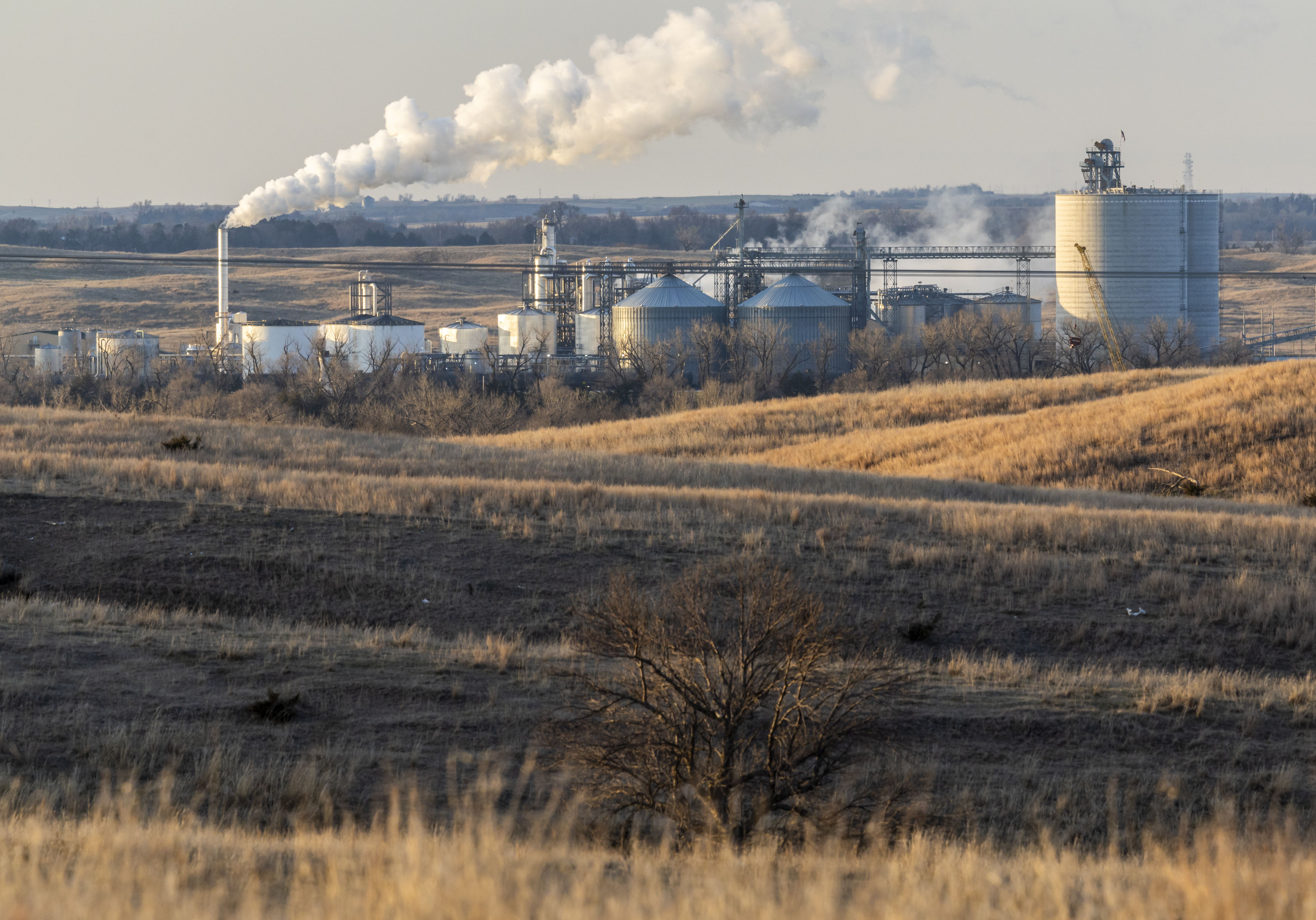
An ethanol production plant on March 20, 2024 near Ravenna, Nebraska. 
Credit: David Madison/Getty Images

The American Midwest is home to some of the richest, most productive farmland in the world, enabling its transformation into a vast corn- and soy-producing machine—a conversion spurred largely by decades-long policies that support the production of biofuels.

But a new report takes a big swing at the ethanol orthodoxy of American agriculture, criticizing the industry for causing economic and social imbalances across rural communities and saying that the expansion of biofuels will increase greenhouse gas emissions, despite their purported climate benefits.

The report, from the World Resources Institute, which has been critical of US biofuel policy in the past, draws from 100 academic studies on biofuel impacts. It concludes that ethanol policy has been largely a failure and ought to be reconsidered, especially as the world needs more land to produce food to meet growing demand.

“Multiple studies show that US biofuel policies have reshaped crop production, displacing food crops and driving up emissions from land conversion, tillage, and fertilizer use,” said the report’s lead author, Haley Leslie-Bole. “Corn-based ethanol, in particular, has contributed to nutrient runoff, degraded water quality and harmed wildlife habitat. As climate pressures grow, increasing irrigation and refining for first-gen biofuels could deepen water scarcity in already drought-prone parts of the Midwest.”

The conversion of Midwestern agricultural land has been sweeping. Between 2004 and 2024, ethanol production increased by nearly 500 percent. Corn and soybeans are now grown on 92 and 86 million acres of land respectively—and roughly a third of those crops go to produce ethanol. That means about 30 million acres of land that could be used to grow food crops are instead being used to produce ethanol, despite ethanol only accounting for 6 percent of the country’s transportation fuel.

The biofuels industry—which includes refiners, corn and soy growers and the influential agriculture lobby writ large—has long insisted that corn- and soy-based biofuels provide an energy-efficient alternative to fossil-based fuels. Congress and the US Department of Agriculture have agreed.

The country’s primary biofuels policy, the Renewable Fuel Standard, requires that biofuels provide a greenhouse gas reduction over fossil fuels: The law says that ethanol from new plants must deliver a 20 percent reduction in greenhouse gas emissions compared to gasoline.

In addition to greenhouse gas reductions, the industry and its allies in Congress have also continued to say that ethanol is a primary mainstay of the rural economy, benefiting communities across the Midwest.


But a growing body of research—much of which the industry has tried to debunk and deride—suggests that ethanol actually may not provide the benefits that policies require. It may, in fact, produce more greenhouse gases than the fossil fuels it was intended to replace. Recent research says that biofuel refiners also emit significant amounts of carcinogenic and dangerous substances, including hexane and formaldehyde, in greater amounts than petroleum refineries.


The new report points to research saying that increased production of biofuels from corn and soy could actually raise greenhouse gas emissions, largely from carbon emissions linked to clearing land in other countries to compensate for the use of land in the Midwest.

On top of that, corn is an especially fertilizer-hungry crop requiring large amounts of nitrogen-based fertilizer, which releases huge amounts of nitrous oxide when it interacts with the soil. American farming is, by far, the largest source of domestic nitrous oxide emissions already—about 50 percent. If biofuel policies lead to expanded production, emissions of this enormously powerful greenhouse gas will likely increase, too.

The new report concludes that not only will the expansion of ethanol increase greenhouse gas emissions, but it has also failed to provide the social and financial benefits to Midwestern communities that lawmakers and the industry say it has. (The report defines the Midwest as Illinois, Indiana, Iowa, Kansas, Michigan, Minnesota, Missouri, Nebraska, North Dakota, Ohio, South Dakota, and Wisconsin.)

“The benefits from biofuels remain concentrated in the hands of a few,” Leslie-Bole said. “As subsidies flow, so may the trend of farmland consolidation, increasing inaccessibility of farmland in the Midwest, and locking out emerging or low-resource farmers. This means the benefits of biofuels production are flowing to fewer people, while more are left bearing the costs.”


New policies being considered in state legislatures and Congress, including additional tax credits and support for biofuel-based aviation fuel, could expand production, potentially causing more land conversion and greenhouse gas emissions, widening the gap between the rural communities and rich agribusinesses at a time when food demand is climbing and, critics say, land should be used to grow food instead.

President Donald Trump’s tax cut bill, passed by the House and currently being negotiated in the Senate, would not only extend tax credits for biofuels producers, it specifically excludes calculations of emissions from land conversion when determining what qualifies as a low-emission fuel.

The primary biofuels industry trade groups, including Growth Energy and the Renewable Fuels Association, did not respond to Inside Climate News requests for comment or interviews.

An employee with the Clean Fuels Alliance America, which represents biodiesel and sustainable aviation fuel producers, not ethanol, said the report vastly overstates the carbon emissions from crop-based fuels by comparing the farmed land to natural landscapes, which no longer exist.

They also noted that the impact of soy-based fuels in 2024 was more than $42 billion, providing over 100,000 jobs.

“Ten percent of the value of every bushel of soybeans is linked to biomass-based fuel,” they said.


Georgina Gustin, Inside Climate News