Wednesday, July 09, 2025

Why US chocolate tastes weird to the rest of the world

Katharina Abel
DW
July 7, 2025

Chocolate is popular almost everywhere. But tastes vary depending on the continent. While some regions like their chocolate sugary sweet, others prefer more fruity or nutty notes.

Many different styles of chocolate can be found around the world
Image: Jan Walter/image BROKER/picture alliance

Chocolate fans can attest to the vast range of flavors that this sweet treat has to offer, not only from brand to brand, but also from country to country. Consumer preferences are just as diverse.
US chocolate tends to be very sweet

Cocoa arrived in the North American colonies as a drink from Latin America in the 17th centur

The dense, sweet chocolate that is popular today, however, was brought to the New World by Swiss chocolatiers in the second half of the 19th century. Despite their common origins, Swiss and US chocolate taste very different.

In the United States, the most successful brands prioritize a long shelf life and a flavor that many European palates take some getting used to.


This is partly due to the use of butyric acid, which gives US chocolate a slightly sour note — which is often unsettling to European palates. But the high sugar content and additives such as corn syrup or vegetable fats are also typical of the flavor of American chocolate. "What is also very popular there are large, thick bars with filling," explains German chocolate sommelier Julia Moser.

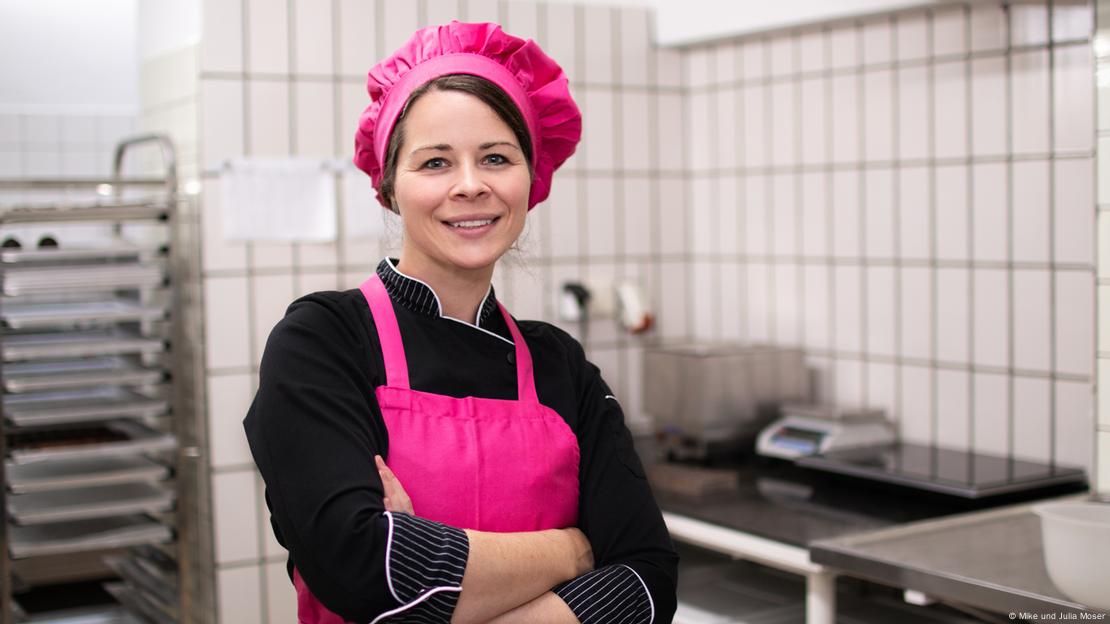
Julia Moser says Indian chocolate is becoming popular
Image: Mike und Julia Moser


European chocolate makers value traditional recipes


In Western Europe — especially in Switzerland, Belgium, France, and Germany — the focus is on fine taste and high quality.

Chocolate recipes in the EU, for example, are more strictly regulated than in the US: Milk chocolate must contain at least 25% cocoa solids, and cocoa butter is required as the main fat. Manufacturers rely on traditional processes such as conching, which gives chocolate its fine, creamy texture. "The appreciation for good chocolate is growing here, even though milk chocolate is still the most widely consumed, because that's what most of us are used to from childhood," says Moser. "Dark chocolate only starts to become more popular in adulthood."

Hershey's chocolate is particularly popular in the US
Image: Mike Blake/REUTERS


Growing markets in India and Africa

In India and other parts of Asia, chocolate is a relatively new delicacy. Industrial production only began here in the mid-20th century.

However, the market is now growing rapidly and is replacing traditional sweets, especially among younger people. "Indian chocolate is considered an insider tip at the moment," says Julia Moser, "The cocoa beans there have a very distinctive fruitiness with a nutty note."

Africa, especially West Africa, is the world's largest producer of cocoa. However, chocolate consumption there accounted for only around 4% of the global market in 2018.

This is also due to the heat, which makes it very difficult to produce chocolate bars, explains Julia Moser: "People there typically enjoy the fresh pulp of the cocoa beans or make a paste from roasted beans, which they then use to make chocolate drinks."

In countries such as Ghana, however, the world's largest cocoa producer after Cote d'Ivoire, interest in locally produced chocolate is growing.
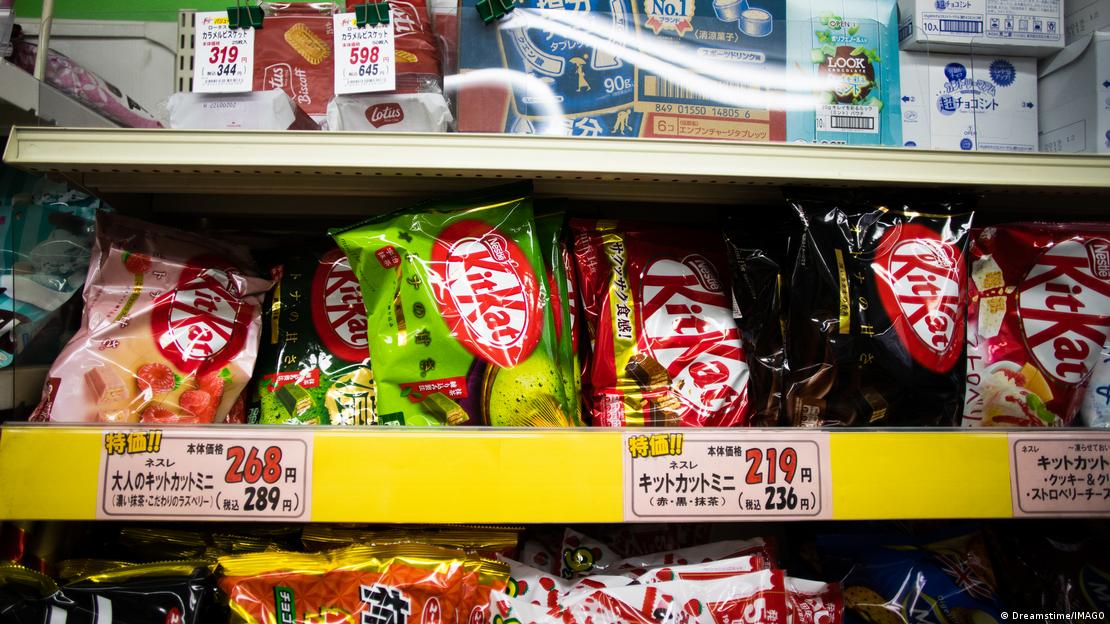
Some Japanese chocolate varieties may strike European consumers as an acquired taste
Image: Dreamstime/IMAGO

In Japan, KitKat bars which come in flavors such as matcha, soy sauce and wasabi have been cult favorites for years.


The dark side of chocolate production


Despite all the pleasure we derive from delicious and special types of chocolate, we should not forget the dark side of its history: Cocoa's triumphant journey from Latin America to the rest of the world is inextricably linked to colonial exploitation. It was the European colonial powers that deliberately introduced the cocoa plant to their tropical colonies in order to meet growing demand in Europe. Cultivation and harvesting were carried out with the help of the local population — usually under inhumane conditions.

And even today, many cocoa farmers are still at the mercy of the power mechanisms of the global market. Despite their hard work, many live in extreme poverty because they are not adequately compensated due to the low prices paid by trading companies.


This article was originally written in German.
East German doping victim fights for the truth


Olivia Gerstenberger
DW
July 8, 2025

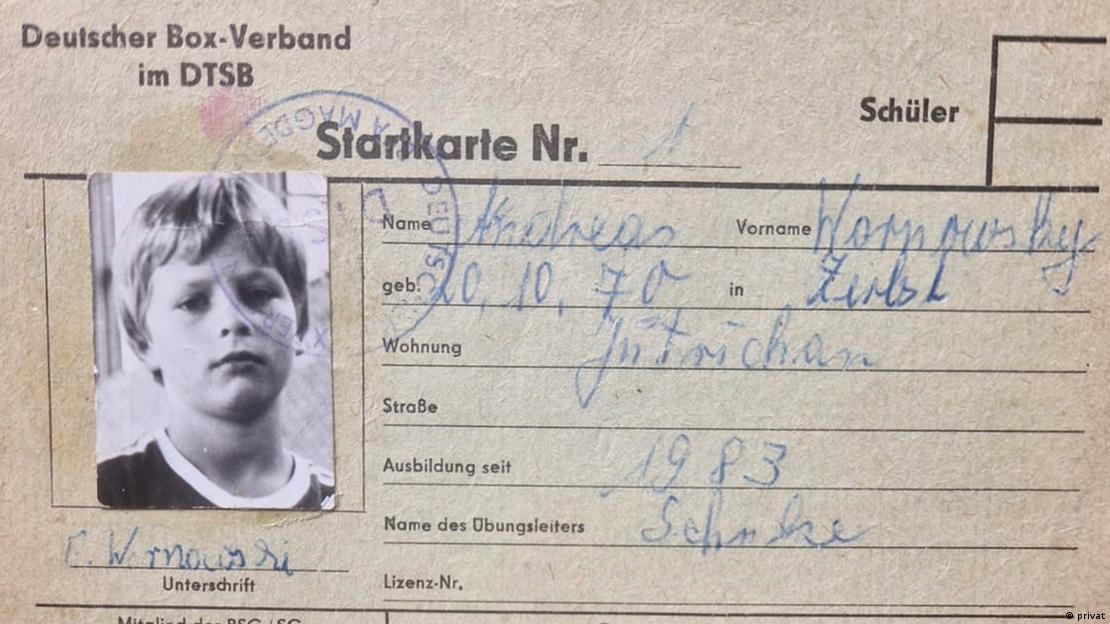
Around 15,000 athletes in what was East Germany were, often unknowingly, doped, some of them as children. Boxer Andreas Wornowski was one of them and is now coming to terms with his past.


Image: privat

Four years after the political change in former East Germany (GDR), Andreas Wornowski had the feeling something was not quite right.

"A doctor at the Bundeswehr hospital asked me directly about performance-enhancing drugs. My answer was a shrug of the shoulders," Wornowski said. "I didn't allow myself to think about it, never gave it a second thought, ignored it."

Today, the 54-year-old former boxer has been suffering from massive health issues, including pain day and night — starting from his crippled left hand, his power hand when he boxed. He also suffers from severe depression.

The former GDR competitive athlete has realized these are the consequences of forced doping in the GDR and is slowly beginning to come to terms with his past.
In the GDR academy at 13

Wornowski's path to elite boxing began relatively late, at the age of 11. With talent, discipline and diligence, he became district champion in his age group in Magdeburg just one year later.

At the age of 13, he went to Berlin Children's and Youth Sports School, an elite sports boarding school where the GDR trained its future medal winners. Wornowski lived at the boarding school until he was an adult and was only allowed to go home every four weeks.


The sports pass for a 13-year-old GDR boxer Andreas Wornowski
Image: privat

His mother, a nurse, was initially strictly against boxing because of its brutality, but his father and the district council of his hometown persuaded her. Looking back, Wornowski understands his mother's concern: boxing means consenting to bodily harm.

If the hardness of the blows was then also increased with medication, it turned into a real "battle with the body," as Wornowski puts it, with "steam hammer" blows to the head.
Boxing in the junior national team of the GDR

Wornowski describes the time that followed as "a kind of extreme training camp" in which everything was to be extracted by means of performance-enhancing, painkilling and disinhibiting drugs.

The youngsters were also put under massive psychological and physical pressure to perform. Anyone who didn't stand up to this or asked uncomfortable questions about pills or injections had to leave.

In year eight, there were still 21 young boxers. By year 10, only four remained. Wornowski was one of them and soon made it onto the GDR junior national team.

From 1986, Wornowski was regularly given various drugs, blue and black-and-red capsules, which were officially described as "vitamins and immune-boosting agents." Today, Wornowski is convinced that these were the anabolic agent Oral-Turinabol, the anabolic steroid Mestanolone, the steroid test substance 646 and psychotropic drugs to increase aggression.

These were administered to Wornowski's entire training group during experimental training treatments under the direction of Hans Gürtler, who was a leading GDR sports physician. Gürtler was also co-responsible for the state doping program, which ran from 1974 under the name "Staatsplanthema (State plan subject) 14.25."

Wornowski's sporting heyday began at 16 when he became GDR youth champion in the light heavyweight division and won international tournaments. He became a representative of the GDR, a "diplomat in a tracksuit," as it was called at the time.

A Stasi memo from that time attests to Wornowski: "He defines the performance level of the GDR in his age and weight class." His fights were often decided by knockout in the first round.

But alongside his fame came physical deterioration. Wornowski's pain increased, and the injuries piled up: shattered nasal bones, eyelids stitched together, knocked-out teeth.

Training at 90 degrees


Then, there was the relentless training with up to four sessions of two hours per day. Under normal circumstances, this is beyond the limit.

"I couldn't really do anymore, but I carried on anyway. Today I would say [it was] the most brutal conditions," recalled Wornowski.
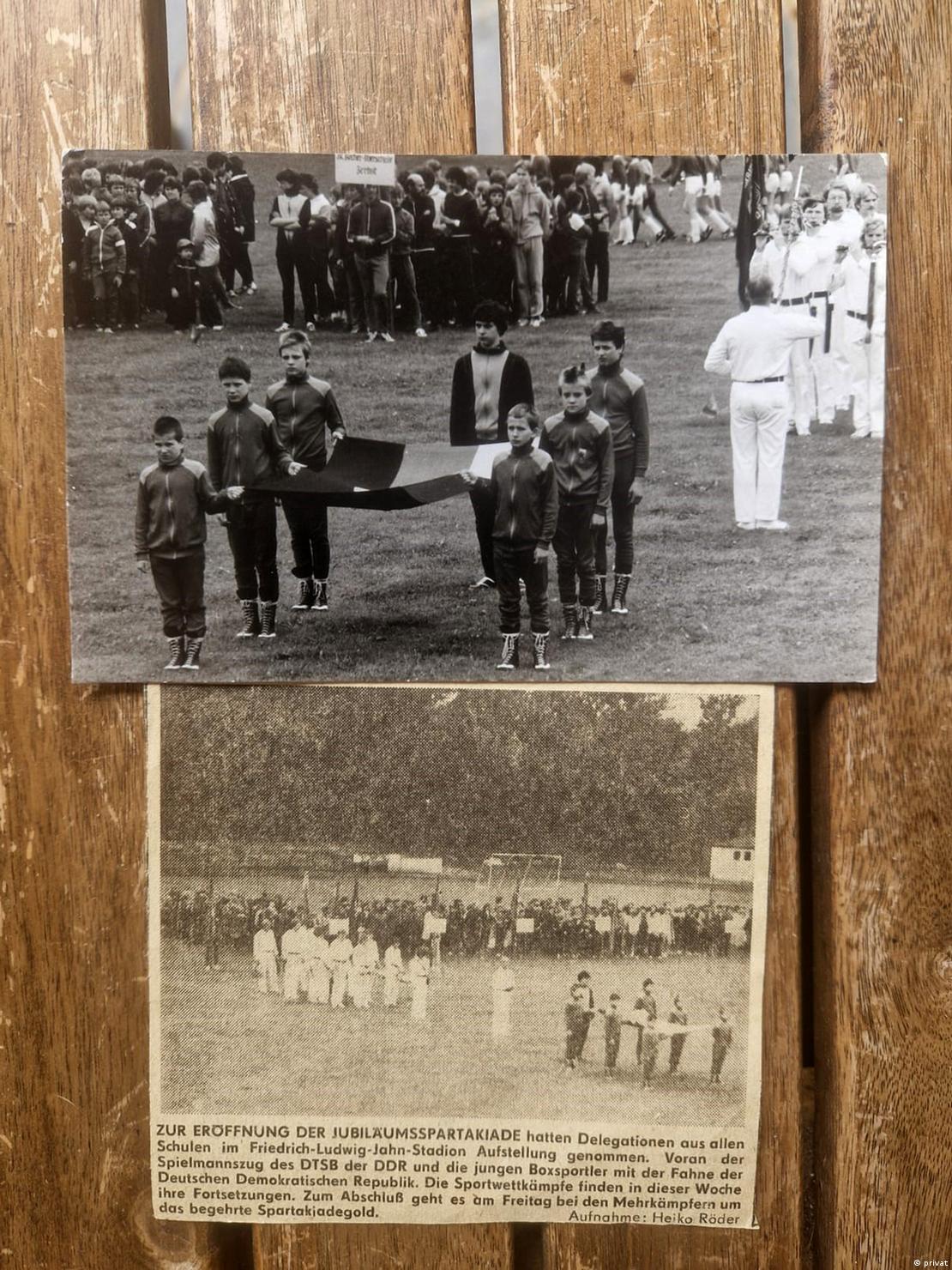
At the youth games in Berlin, Andreas Wornowski (third from the left) was able to hold the flag
Image: privat

He pushed away the pain, sometimes taking up to 20 painkillers a day. To reduce his weight before a competition, he often had to do elements of his training in a sauna heated to 90 degrees Celsius (194 degrees Fahrenheit). At the German University of Physical Culture and Sport in Leipzig, he was even driven to the point of fainting on the treadmill to test his limits. Only a harness prevented him from falling.

Wornowski's sporting career ended abruptly at the age of 19 in the spring of 1989, more than six months before the fall of the Berlin Wall. Officially, he stepped out of the ring because of health problems, but Wornowski believes there was another reason: He had refused to become a member of the GDR state party, the Socialist Unity Party of Germany (SED).

All he had left was a profession he had never learned: car mechanic. Wornowski had never seen the inside of a car repair shop; the Stasi had given him his examination paper. Officially, like all competitive athletes in the GDR, he was considered an amateur because, officially, there was no professional sport in the socialist state.

Assistance laws expired, records gone

After German reunification, it was not until 1997 that several court cases brought the full extent of GDR state doping to light. In response to this, several assistance laws for doping victims were passed in 2002 and later. As a result, around 2,000 victims, including Wornowski, received one-off payments of €10,500 each. These laws have since expired. The current recognition procedures are complicated and involve high hurdles. The Doping Victim Support Association estimates that around 15,000 people are affected.

Wornowski is now fighting for a monthly pension due to his health problems. His application was rejected, and it is difficult to prove the damage caused by doping because his entire medical file has disappeared. As a result, he has filed a lawsuit.

"It's this huge tragedy. The real problem for those affected is that their health records are gone and that they are in a predicament that will probably not be resolved even with the legal amendment," explains Wornowski's lawyer Ingo Klee.

A new legal regulation intended to reverse the burden of proof has brought hope, though. Doping is assumed to be the cause of certain illnesses. However, this is by no means automatic, warns Klee, who adds that the council offices could still doubt the consequential damage.

"It's not just the lack of evidence, the health problems, the financial difficulties — it's disgusting and almost unbearable," said Wornowski, who lives in seclusion with his wife in a house in the forest. Some of his former training buddies are already dead. "And at every funeral, everyone has the same thought: who knows what they gave us back then?"

This article has been adapted from its original German.
China: 10 years after 709 crackdown, human rights are waning


Yuchen Li in Taipei
DW
JULY 9, 2025

A decade after the Chinese Communist Party's nationwide crackdown on human rights lawyers, activists and legal professionals say their work is nearly impossible. How much room is left in China to defend human rights?


China has cracked down on dissent and increased surveillance over the past decade 
[FILE: March 15, 2019]Image: Andy Wong/AP Photo/picture alliance

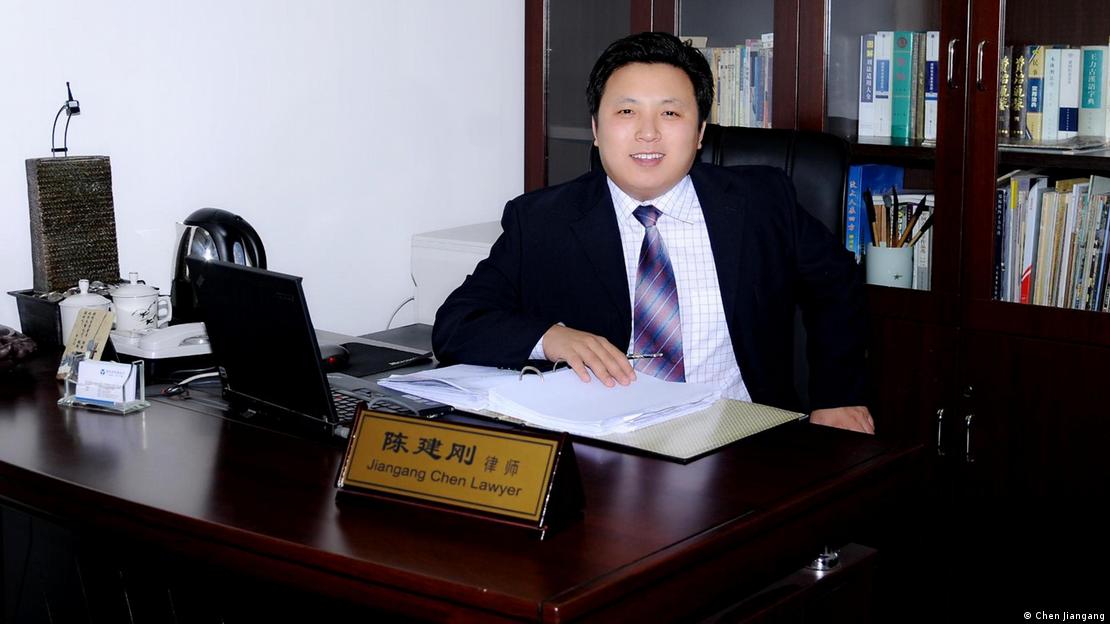
Chen Jiangang is one of hundreds of Chinese lawyers whose lives have been upended since July 9, 2015 — the day China's government launched an unprecedented nationwide crackdown on legal professionals defending human rights.

"That night, I was like a frightened bird," Chen told DW. "I was in Beijing and figured someone might come looking for me. I drove far away and hid in my car until two or three in the morning."

The incident, known as the "709 crackdown," led to more than 300 human rights lawyers and legal assistants being arrested and interrogated. At least 15 were later convicted of national security offenses.

Lawyers face restrictions, surveillance

Although Chen wasn't arrested, he soon became a target after he represented several lawyers who were detained during the crackdown.

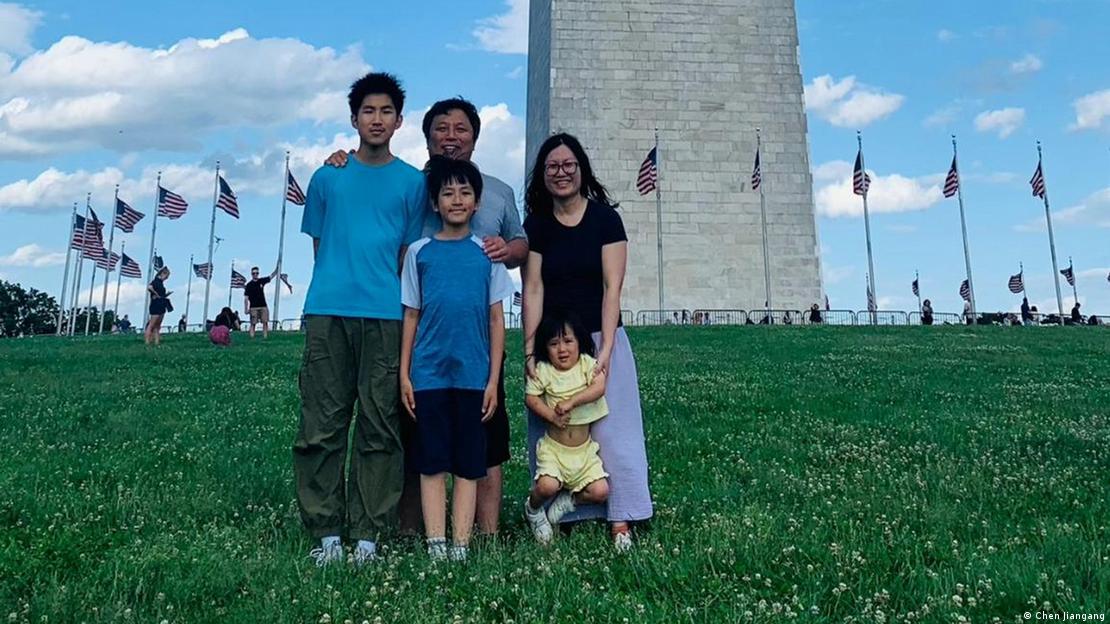
In 2019, under mounting pressure, he fled to the United States with his wife and sons to seek asylum.

Chen and his family fled to the US, but his relatives back in China still face harassment
Image: Chen Jiangang

The 709 crackdown came days after the Chinese Communist Party (CCP), under the leadership of President Xi Jinping, enacted a series of laws on July 1 to toughen national security and protect China's "core interests" — namely its territorial sovereignty and integrity, keeping the CCP in power, and ensuring China's continued social and economic growth.

Critics, however, argue that the National Security Law suppresses dissent and restricts basic rights and personal freedoms.

A decade on, the ruling Chinese Communist Party's control over the legal profession has only tightened.

Lawyers convicted during the 709 crackdown remain under close surveillance and face severe restrictions even after completing their prison terms. Others undergo new waves of persecution when working on legal cases addressing social justice.

"The atmosphere has grown more tense and suffocating. Defense lawyers have less and less room to do their work," Chen said.

Harassment and restrictions continue even after release

Some of the previously convicted lawyers and their family members have turned to Western social media platforms like X — which is banned in China and accessible only via VPN — to document the repression they continue to face in daily life.

Wang Quanzhang, who served four and a half years in prison for "subverting state power" and was released in 2020, regularly posts videos or photos of himself or his wife being followed by strangers or stopped by the police when travelling domestically, while foreign travel is completely prohibited.


The family has been forced to move repeatedly due to pressure from landlords, and their son has been denied school enrollment for over a year.

Other convicted lawyers report similar patterns of harassment and restrictions.

"One major problem is that this is actually allowed by law," said Sarah Brooks, China director at Amnesty International. Under Chinese criminal law, many political prisoners are given "supplemental sentences" — a deprivation of political rights in addition to their main punishments.

"This has really provided carte blanche for the authorities to restrict freedom of movement, their ability to continue to work, freedom of expression, and freedom of association," Brooks told DW.


Rights defense work has become nearly impossible

Under Xi, the country has promoted a vision of "socialist rule of law with Chinese characteristics" as part of its governance model.

But human rights lawyers and international observers say the definition of Chinese rule of law prioritizes political control, not legal accountability and transparency.

"Until 2019, there was an accessible database of many court cases in China," Brooks said. Now, only a small portion of cases are available, with some requiring real-name identification.

In the last decade, while the number of licensed lawyers in China has steadily surged, those taking on social issues and civil rights cases have faced renewed waves of political repression.

Xie Yang, one of the lawyers convicted during the 709 crackdown, was arrested again in 2022 after advocating for a teacher who was forcibly detained in a psychiatric facility. He remains in custody, with his trial having been repeatedly postponed.

Yu Wensheng, another prominent lawyer who has represented human rights activists and sued the government over air pollution, was also detained for a second time in 2023.

"In this kind of environment, when lawyers try to push back, it's like scholars going up against soldiers," said Chen. "You're trying to argue based on law, but what you face is brute force."


Chen avoided arrest in 2015, but he later went into exile after representing lawyers who had been rounded up in the crackdown
Image: Chen Jiangang


Resistance persists outside and inside China

International attention can play a vital role in pressuring the Chinese government to release detained lawyers or lift restrictions targeting human rights defenders.

Earlier this week, 31 human rights organizations including Amnesty International issued a joint statement condemning China's continued persecution of rights lawyers.

Brooks, Amnesty's China director based in Brussels, said the group continues to urge European Union member states to speak out, despite the growing global tensions with the US under President Donald Trump.

"You can and should be critical of China's human rights record on its merits — without worrying that it means siding with the United States," she said. "That's more true than ever."


Inside China, resistance also persists, despite the risks.

Earlier this month, Zhou Shifeng, one of the most heavily sentenced lawyers during the 709 crackdown, filed a criminal complaint against police, prosecutors, and judges, accusing them of unlawful detention and torture.

"It's the tip of the iceberg for the much broader sense of resistance," Brooks said. "They're driven not by self-interest necessarily, not by a personal vendetta, but really by a passionate belief that their country can be better."

Chen, whose family in China still faces police harassment whenever he speaks out, said he would have done the same if he were in Zhou's position.

"Even when we know nothing will change, we still try. It's how we express our anger — and how we show we haven't given in. We will never give in," Chen said.

Edited by: Karl Sexton
India: How a small town topped global pollution charts


Shakeel Sobhan in Byrnihat
DW
July 8, 2025

New Delhi continues to be the most polluted capital on Earth, but it's not the world's most polluted city. That title goes to Byrnihat, an industrial town in northeast India. DW explores why.


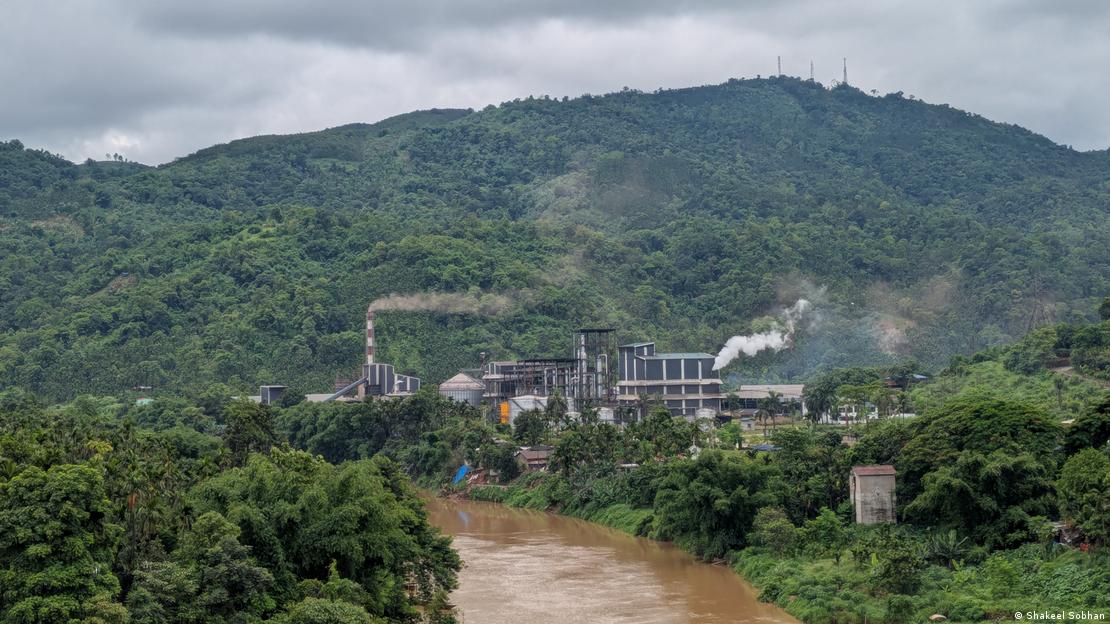
In the past three decades, Byrnihat has grown from a small town into an industrial hub

Image: Shakeel Sobhan

Byrnihat looks like many other towns in India's picturesque northeastern states of Assam and Meghalaya. But while it is nestled among lush green hills and scenic river valleys, it holds the unwanted title of the world's most polluted city, according to Swiss air quality monitor IQAir's 2024 report.

Walking along the town's hilly roads on a rainy afternoon, the views and stillness are only broken by the rhythmic clanking from nearby factories.

This town of about 50,000 people is also home to about 80 industries, many of them focused on iron and steel. The serpentine roads are lined with long rows of trucks — some stalled, others hauling goods to and from factories.

The National Highway 40 (NH40) cuts through the town, which straddles the border between Assam and Meghalaya states.

According to IQAir's Armen Araradian, Byrnihat's air had an average PM2.5 concentration of 128.2 micrograms per cubic meter in 2024. That is more than 25 times higher than what the World Health Organization (WHO) considers safe to breathe.


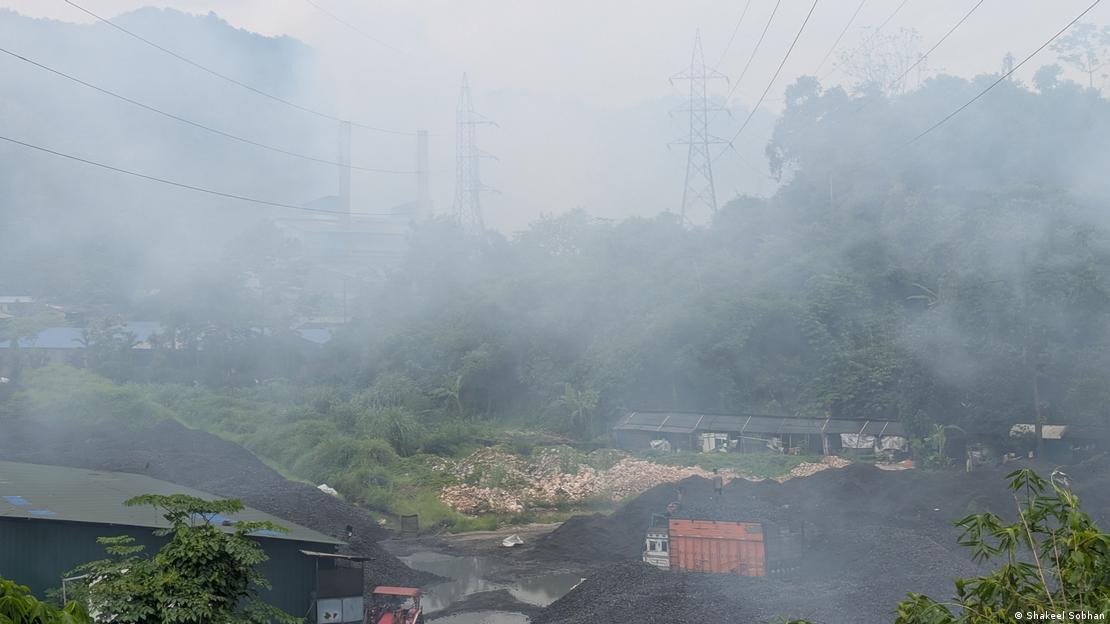
The scenic views in Byrnihat are interrupted by smoke billowing from factories
Image: Shakeel Sobhan


Sharp rise in respiratory illnesses

Dr. Prasanta Kr Brahma has spent eight years treating patients in Byrnihat. He said he has seen an "increasing number of cases of respiratory tract infection and other issues related to pollution."

According to government data analyzed by IQAir, the number of cases of respiratory infection in the region rose 76.77% between 2022 and 2024.

"Over the years, cancer has also become very common, especially head and neck cancer (HNC), which is related to air pollution," Dr. Brahma said.

Studies have shown that exposure to PM2.5, a term referring to air particles with a diameter smaller than 2.5 micrometers, is associated with an increased incidence of HNC, like oral, nasal and throat cancers.

The recommended safe level of PM2.5 is no more than 5 micrograms per cubic meter of air, according to the WHO.

"Of the 359 days IQAir has data from Byrnihat, 356 did not meet the WHO's PM2.5 guidelines," Araradian told DW.


What is causing the pollution?

Byrnihat developed into an industrial and transport hub in the late 1990s due to its access to coal in Meghalaya and its proximity to Guwahati, the largest city in India's northeast, about 30 kilometers (18.6 miles) away.

The major industries in the region are iron and steel plants, cement factories, wood manufacturing units and plants for industrial equipment like ferroalloy products.

With pollution levels soaring, a 2022 report by the Meghalaya Pollution Control Board recommended halting construction and limiting truck traffic to reduce harmful PM2.5 levels in Byrnihat.

Faced with Byrnihat's severe air quality, the Meghalaya government shut down a handful of factories that were thought to be the main drivers of pollution.

However, the Central Pollution Control Board (CPCB) found that there was a negligible change in the ambient air quality in Byrnihat after six ferroalloy and related units were ordered to shut down on January 29, 2025, for non-compliance with environmental regulations.

In fact, CPCB data showed the highest PM2.5 level of 385 was recorded on February 3, four days after the closures.

Looking beyond industrial factors

The factories are not the only cause of pollution. Experts also point to other contributing factors, primarily the traffic that passes through the town.

"Some check on trucks is a must to reduce PM2.5," said Dr Sharad Gokhale, an environmental engineering professor at Indian Institute of Technology in Guwahati.

Byrnihat is on one of India's key transit routes, with the NH40 enabling a constant flow of old, heavy commercial vehicles, many of which use low-quality fuel and don't meet emissions standards.

Sunil Dahiya, founder of the environmental group EnviroCatalysts, said the trucks, whether idling for hours or just passing through, exacerbate local pollution levels.

Byrnihat also serves as a transit hub for coal transport to other regions. Dahiya told DW that the area's coal stockpiles and storage methods also contribute to air pollution.

"A major concern is that much of the coal is stored in the open, uncovered, and across multiple sites. This leads to fugitive emissions, as coal dust becomes airborne and spreads, contributing further to air pollution," he said.

Improperly stored coal adds to the poor air quality
Image: Shakeel Sobhan


Geography and weather also play a role


Dahiya pointed out that municipal and industrial waste management in the area must also be considered. Burning industrial waste, which raises pollution levels, is common in Byrnihat and other areas.

When DW visited some of Byrnihat's factories, some were engulfed in emitted smoke.

Wind direction and the proximity of the major city of Guwahati, as well as geography, also play significant roles in Byrnihat's pollution levels.

"Byrnihat's bowl-shaped topography also traps pollution. The city is surrounded by hills on nearly all sides, and its topography does not allow pollutants to easily disperse," IQAir's Araradian said.

Yet another factor behind Byrnihat's position at the top of the world's most polluted cities in 2024 was that last year, both Assam and Meghalaya saw below-normal rainfall. Less rain means more particles, including harmful PM2.5, in the air.
Smaller towns going unnoticed

Byrnihat's top ranking spotlighted a town many in India would not be able to locate on a map.

But the focus on air pollution is usually on New Delhi and the country's other major cities. In 2024, more than half of the world's 20 most polluted cities were in India.


Araradian said IQAir's global data often reveals extremely high — but largely unnoticed — air pollution levels in small or lesser-known towns that barely feature in national discussions.

Many of these smaller urban centers weren't even monitored until recently, said Dahiya.

And while smaller metropolitan areas are slowly getting more attention, most of the policy and media focus remains concentrated on Delhi and other big cities.

"Ultimately, environmental planning should be a core part of urban development. Without that, we continue making poor policy decisions," Dahiya said.

"Even five years after the launch of the NCAP (National Clean Air Programme), the debate still centers on Delhi, while smaller towns remain on the sidelines. That needs to change," he added.

Improving air quality takes political will, experts say. If small towns keep slipping through the cracks of anti-pollution regulations, less visible communities like Byrnihat will keep paying the price.

"This is our home," said Lucy Marak, a local resident. "Where are we supposed to go if our home becomes unlivable?"

Edited by: Karl Sexton
Does Trump attack on citizenship by birth echo Nazi Germany?


Stuart Braun
DW
JULY 9, 2025


Donald Trump wants to take citizenship away from the US-born children of temporary or undocumented immigrants. Did something similar happen to German Jews under the Nazis?


Demonstrators demand the US Supreme Court uphold the 14th Amendment to the US Constitution
Image: Allison Bailey/NurPhoto/picture alliance

When incoming US president Donald Trump moved to revoke birthright citizenship, stripping people born in the country of their US nationality if their parents are non-citizen immigrants, some saw echoes of Nazi Germany.

However Germany, a nation formed in 1871 from diverse independent states, never gave automatic citizenship to those born in the country. Citizenship was ruled by the right of blood, based on the idea that German nationality was inherited, meaning one or two parents had to be German.

Yet citizen rights did not depend on race and religion. Some 400,000 Jews in the country, or 80% of the population, held German citizenship when Hitler became Chancellor in 1933. And foreigners were able to become citizens after remaining for 15 years in Germany.

But this changed soon after the Nazis came to power. The Nuremberg Race Laws of 1935 revoked the the citizenship and basic rights of German Jewish people. The statute was soon expanded to make Roma and Black people stateless.

But is Trump's attempt to strip citizenship from US Americans whose parents were temporary or undocumented residents really comparable?


Birthright citizenship less common among industrialized nations

Birthright citizenship was enshrined in the US constitution in 1868 by Republicans who, after the civil war, wanted to give citizen rights to formerly enslaved African-Americans. The resulting 14th Amendment has become a defining symbol of a tolerant, multi-racial society — explaining why US states have successfully sued to block Trump's executive order that seeks to revoke the law.


"We are the only country in the world that does this with the birthright, as you know, and it's just absolutely ridiculous," said Trump when signing the order.

The fact-checking website Politifact said the president's claim was false. It noted that numerous countries in the Americas from Brazil to Argentina enshrined birthright citizenship; partly since they are former colonies that wanted to attract new citizens with lenient naturalization laws.

According to World Population Review, 35 countries in the world automatically give citizenship to people born there, irrespective of their parents' residency status. Germany's birthright citizenship, for example, is restricted. Canada and the US are the two only countries with unrestricted birthright citizenship that are also in the top 20 economies.

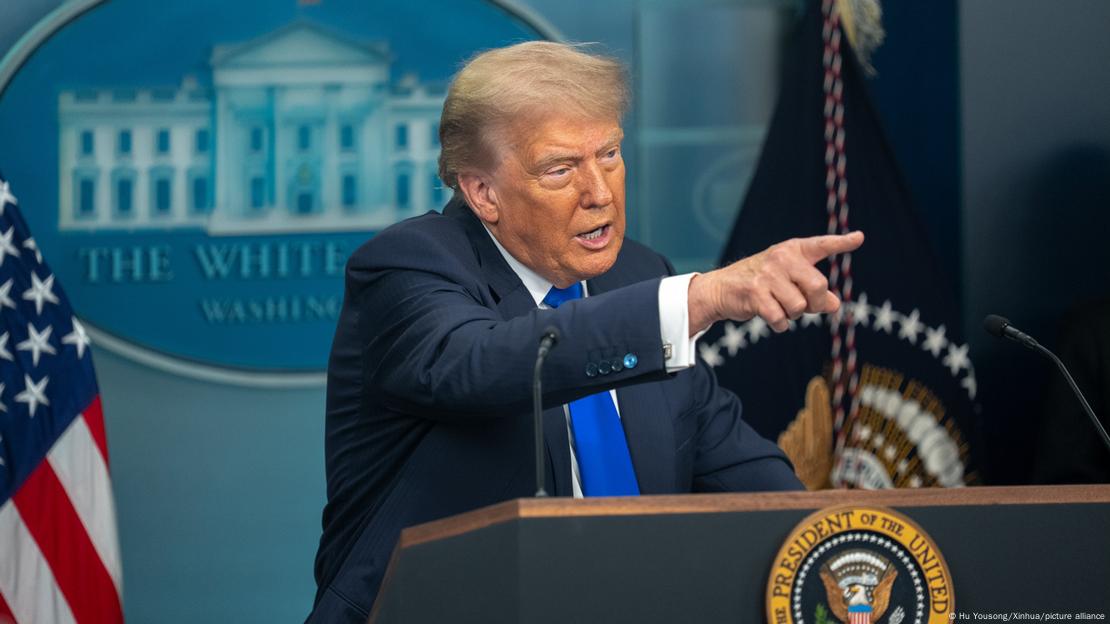
Donad Trump has been trying to revoke birthright citizenship since his first termImage: Hu Yousong/Xinhua/picture alliance


Lawmaker calls Trump move authoritarian


"Citizenship stripping is, of course, a hallmark of authoritarianism," said Jamie Raskin, a US congressman from the Democratic party, during a committee debate on the 14th Amendment in February.

He referred to the "Reich Citizenship Law," a subsection of the Nuremberg Laws that revoked both citizenship and civil rights for German Jews in 1935 — a move soon introduced in other fascist states like Italy under Mussolini's rule.

"To this day, authoritarian countries deprive people of citizenship to punish them for political activism or dissent," the lawmaker added.

Preserving the sanctity of citizenship by birth was something that made the US unique, he said.

"Privileges of citizenship are shared by all people born in our country, not just people who fall within a certain hereditary classification by race or national origin."

In recent years, Germany has updated its naturalization laws to make it easier for people born in the country to non-citizen parents to become German citizens.

But now that Germany's new conservative government wants to tighten immigration rules — with the controversial support of the far-right AfD party — Chancellor Friedrich Merz also wants to reintroduce citizenship restrictions.

Meanwhile, the US Supreme Court decided in June that the temporary injunction prohibiting the administration from scrapping birthright citizenship was unlawful. That said, the court is yet to rule on the merits of Trump's attempt to revoke a core tenant of the constitution.

Edited by: Elizabeth Grenier

Denmark finalizes US defense deal despite Greenland gripes


Teri Schultz
DW
JULY 8, 2025

President Trump refuses to rule out forcibly annexing Greenland. Yet the Danish parliament has just passed a law allowing the US military free access to bases. Why?

Image: Jim Watson/AFP


At first glance, it doesn't seem to make any sense. The US president has deeply rattled Denmark by reiterating several times he may invade and occupy the semi-autonomous island of Greenland for "national security" reasons. But rather than looking at how it could bolster its national defenses against a possible — even if unlikely — incursion, the Danish parliament on June 11 overwhelming approved an agreement to let the US military enter the country whenever it wants, for whatever reason it sees fit.

"[T]he purpose of such presence of US forces is to further the efforts of the Parties to promote peace and security in the areas of mutual interest and benefit and to take part in common defense efforts," the Defense Cooperation Agreement (DCA) states. Some areas may even be put under the exclusive control of the US, although Greenland — which already hosts a US base — and the Faroe Islands are excluded.


The DCA was drafted in 2023 with the Biden administration, at a time when transatlantic trust and cooperation were the norm and the notion of an unwelcome US deployment into any Danish territory was inconceivable. Why would Copenhagen advance the deal now?


DCA: Denmark Can't Argue?

"We didn't have any option but to say yes," explained Royal Danish Defense College military analyst Peter Viggo Jakobsen, acknowledging some heightened public opposition to the move ahead of the final parliamentary vote. Ultimately, he told DW, Denmark needs the DCA more than the US does.

Holding off ratification to show displeasure with the White House's Greenland statements, as some have advocated, would be "pointless" in Jakobsen's view. He doesn't think a land grab is actually likely to happen regardless of the president's bluster, so he advises just keeping Danish angst under wraps. "You saw what happened to Zelenskyy," when Ukraine's president tried to argue with Trump, Jakobsen reminded. "He was blown out of the water, and it was fantastic television. We're not really in a position where we want to do that, so I think you need to be tactical about it."


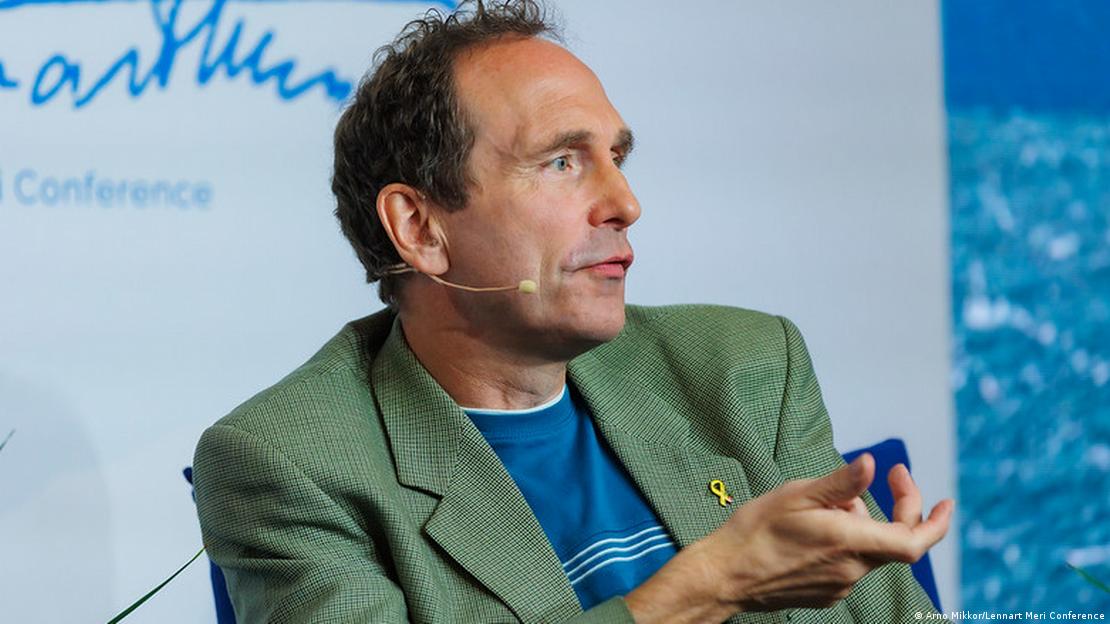
Danish Royal Defense College analyst Peter Viggo Jakobsen says "this was not the time to rock the boat" and protest US statements on Greenland.Image: Arno Mikkor/Lennart Meri Conference

And being tactical for this analyst means emphasizing the original intent of the DCA, which is creating the conditions for the US to come quickly to the aid of Denmark in case of emergency.

"We will be deploying Danish forces on the Russian border in one of the Baltic countries" as part of NATO's presence there, Jakobsen explained, "and we need [the US] for air support if something should go wrong … and to enhance deterrence in order to make sure that the Russians don't attack our forces in the Baltics."
Danish MEP: "Terrible mistake"

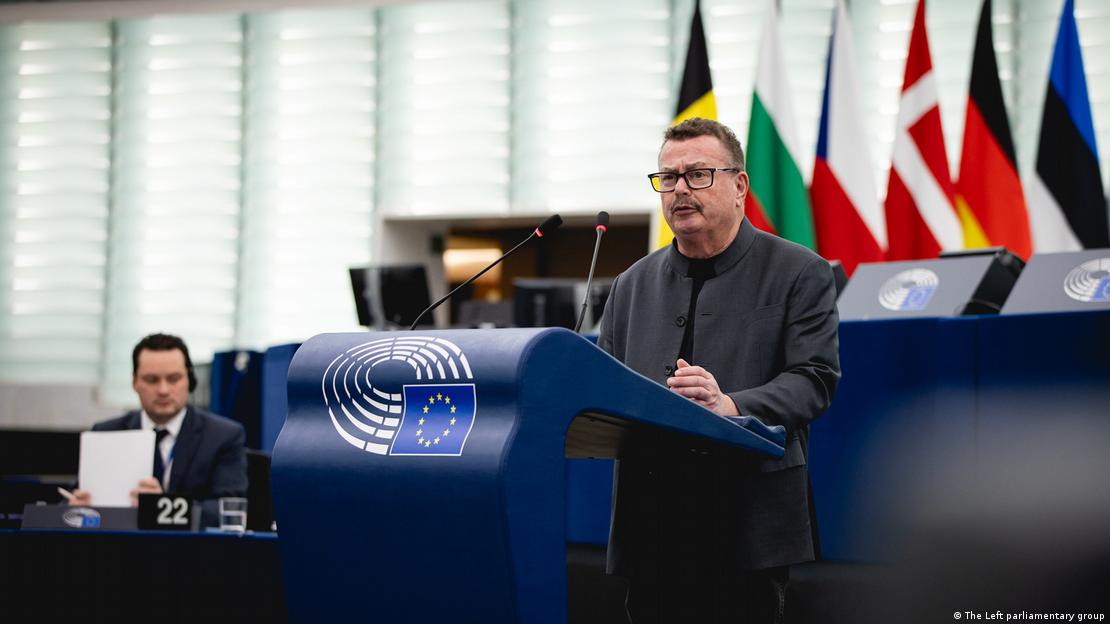
But Danish lawmaker Per Clausen, a member of The Left group in the European Parliament, is among those who wanted his fellow parliamentarians back home to reject the DCA. "The idea that the US should have troops in Denmark and the US decides when the troops should be here and where they should be — it's a terrible mistake!" he told DW.


Danish member of the European Parliament Per Clausen opposes the DCA, saying the US is a "dangerous country which is threatening us."Image: The Left parliamentary group

"[Trump] had threatened Greenland. He had shown in his behavior against Ukrainians that we couldn't trust him," Clausen recalled, and "even in that situation, the Danish government said the 'US is our closest ally'. It will take some time to come out of this illusion, I think."

Clausen believes Copenhagen's real allies lie in Europe, especially its nearest neighbors, and that the government should be weaning itself off of dependency on the US instead of binding itself closer. "We need to strengthen the cooperation with other Nordic countries and with Canada in the situation we are in now," he added.

Nordic nods

But Clausen may not find many kindred spirits wanting to distance themselves from US cooperation in the other Nordic countries: Finland, Sweden and Norway had all signed DCAs before Denmark did.

Only in Sweden — which granted the US access to 17 bases or training areas in its agreement — was debate over the deal particularly "vociferous," as the Swedish Defense Research Agency's Niklas Granholm puts it.

In a five-hour session in the Swedish parliament, the deal was accused of opening up the possibility for American soldiers to run amok all over the country and for the US to deposit nuclear weapons on Swedish territory. These arguments were "at best uninformed or something else worse than that, in my view," Granholm said, and may also have been the "last hurrah of those who were against NATO membership and military alignment." It nonetheless passed handily.

Redundant deal?


Speaking of NATO, why do these countries, which are now all covered by the alliance's mutual security guarantee, Article 5, even need a separate pledge that Washington would defend them if needed? Granholm describes it as a second layer of assurance. "There are NATO plans and there are US plans for Europe," he explained, and with 32 allies each having the right to hold up consensus on a call for Article 5 back-up, "you can imagine that there's some kind of blockage" in the midst of an emergency. He believes this was the main reason for Sweden's push for the DCA.

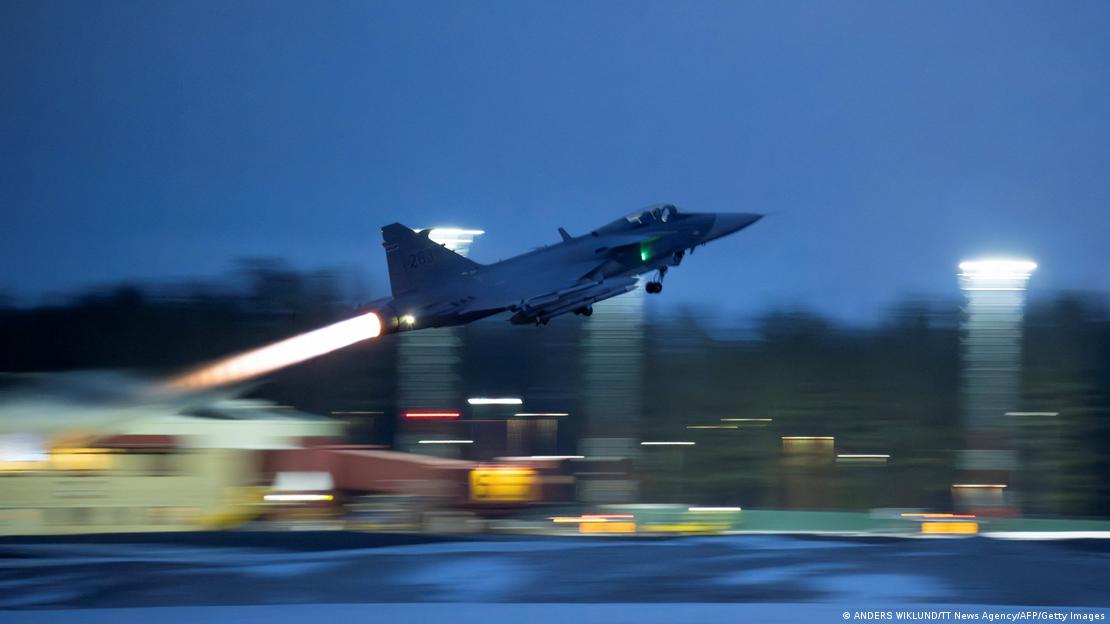
The Nordic countries are now all members of NATO but they each also have a bilateral security agreement with the US
Image: ANDERS WIKLUND/TT News Agency/AFP/Getty Images

But in Denmark, Peter Viggo Jakobsen has a more pessimistic rationale for why the DCA is necessary now more than ever. "Imagine that NATO should fall apart," he suggested. "It's no longer inconceivable, given what we've just experienced [with Trump] the last six months."

He says under such a scenario, US self-interest would take over and they'd need a presence in northern Europe. "They're very concerned about the Russian nuclear weapons that are based on the Kola Peninsula. And if you want to take them out, then you need to be present in Greenland, you need to be present in Iceland, you need be present in Norway and in Finland and in Sweden."

And, Jakobsen added, "it's also useful to be able to place aircraft in Denmark." Now with the DCA, the US won't even have to ask first.

Kenya: Tensions after more deadly protests

DW
JULY 9, 2025

Unrest on the anniversary of the 1990 Saba Saba pro-democracy uprising led to 31 deaths this week. As calm returned to most parts of the country, the situation remained tense in northeastern Embu County.

Riot police were on the streets in Nairobi and elsewhere during demonstrations to mark the historic 1990 Saba Saba protests for democratic reforms
Image: Brian Inganga/AP/picture alliance

Businesses remained closed and roadblocks in place amid tentative calm after violent unrest in Nairobi and other parts of Kenya on Monday. In Embu, to the northeast of the capital, protesters gathered once more on Tuesday after a lawmaker was arrested, says DW's Andrew Wasike.

"Angry residents have lit bonfires and barricaded roads with stones, paralysing traffic in parts of the town," Wasike says. The protesters are accusing government of political persecution and demanding the release of lawmaker Gitonga Mukunji.

The authorities reportedly accused the lawmaker of inciting citizens to protest on the 35th anniversary of the pro-democracy Saba Saba uprising.

Meanwhile, in the central city of Kiambu on Tuesday, the case of a girl killed by a stray bullet during the Saba Saba Day unrest was fueling public anger.

"Protesters took to the streets by the hundreds to call for justice for the family of the 12-year-old," Wasike says.

According to police, over 560 people were arrested in the Saba Saba Day unrest where protesters called on President William Ruto to resign.


Government response — 'authoritarianism'

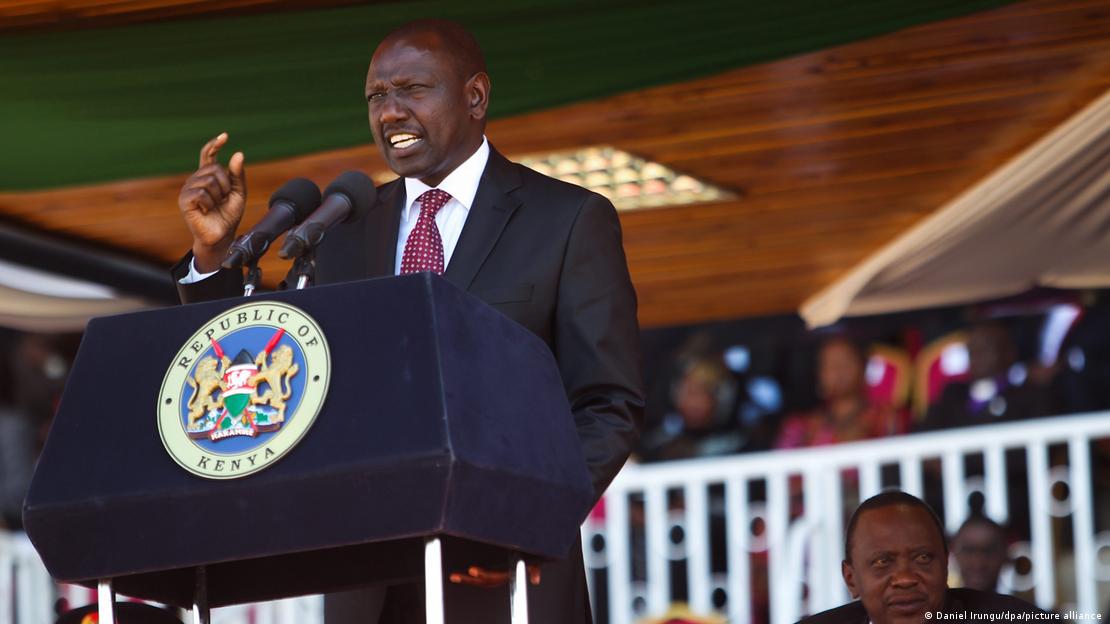
On Wednesday, Ruto issued a stern warning: Anyone deciding to storm a person’s business or a police station should be shot in the leg. Thereafter, they can go to court and see what follows next."

The government would not tolerate people who want to ""change the government using unconstitutional means," Ruto said.

"Those plotting to remove me from office before 2027 must know we will not let them destroy this country through unconstitutional means."


President William RutoImage: Daniel Irungu/dpa/picture alliance

Over the past year, Kenya has seen waves of deadly anti-government protests. On June 25, at least 19 people were killed and over 400 injured in clashes between protesters and police.

Isabel Brenda, a senior elections and governance advisor at the Electoral Law and Governance Institute for Africa, is critical of the government's response.

"The government's reaction is very unfortunate because the government, of course, has panicked and is resorting to authoritarianism and over-policing, which has led to loss of lives," Brenda told DW.

Many of the protesters are youth, who say they are frustrated by corruption, economic hardship and poor governance. Protesters this week reiterated their calls for an end to police brutality, and for equality and opportunities.

"There's serious unemployment gaps and issues with young people. The cost of living is very high. So, these are some of the issues that are really pressing Kenyan citizens," says Brenda.

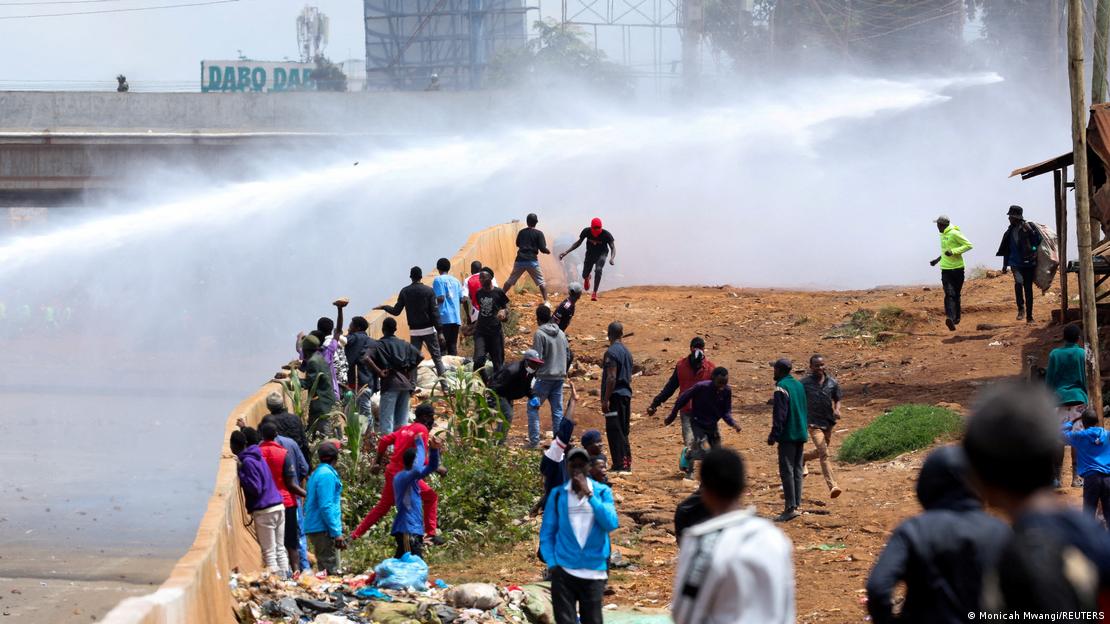
Police used tear gas and water cannons to disperse protesters calling on President William Ruto to resignImage: Monicah Mwangi/REUTERS


Business owners are worried


Shops were torched and ransacked in the unrest. "Look, everything is burnt," one Nairobi shopkeeper told Reuters this week "So please," the shopkeeper addressed the government, "try to talk to the Gen Zs. Because all that is happening is because of the Gen Zs."

Some business owners say the unrest is threatening their livelihoods. "Things are so tough in our country right now. Sometimes you come from morning until evening, and you've not sold. And these are things that we've invested in for so long. We are appealing for calm," a trader told Reuters.

According to Brenda, the decentralized nature of the protests has contributed to the volatility. "The Gen Zs, as you know, are leaderless; they are party-less, they are tribe-less. They don't believe in going into ethnic cocoons," she told DW.


Is there a solution?


In the runup to Saba Saba Day, Interior Minister Kipchumba Murkomen said the government was committed to protecting life and property.

"Our security agencies are on high alert to deal decisively with criminals and other elements of ill intent who may seek to infiltrate peaceful processions to cause havoc, mayhem, or destruction of property," Murkomen said.

Brenda warns that the government risks underestimating the scale of the public discontent. "I will echo what I think the country is feeling in terms of the government not listening to its people. It's tone deaf. These are young people who are saying that we are tired of bad governance, and we want changes," she said.

"I mean, you cannot bury your head in the sand simply because you are unhappy with what young people are saying. I would rather you remove your head from the sand and listen to what is being said. Come to the table, find solutions."


Edited by: Benita van Eyssen

Why is Donald Trump so afraid of BRICS
07/08/2025
DW

The US president vowed higher tariffs on BRICS nations that align with the bloc's plans to challenge US hegemony. Despite the China-backed initiative making limited progress, dozens of nations are still eager to join.


Trump sees BRICS, whose leaders held their annual summit in Brazil, as a threat to US power
Image: Eraldo Peres/AP Photo/picture alliance


US President Donald Trump is doubling down against the BRICS bloc of fast-growing economies, including Brazil, Russia, India, China and South Africa, warning that their push to undermine the US dollar's dominance threatens America's economic supremacy.

Just as BRICS leaders convened in Rio de Janeiro for their annual summit, Trump on Sunday vowed to slap an additional 10% tariff on any nation backing the group’s "anti-American policies," piling pressure on top of existing and threatened trade levies.

The Trump administration's 90-day pause on higher tariffs is set to expire Wednesday, and letters have been sent to inform dozens of countries of their new US import levy, according to the White House.

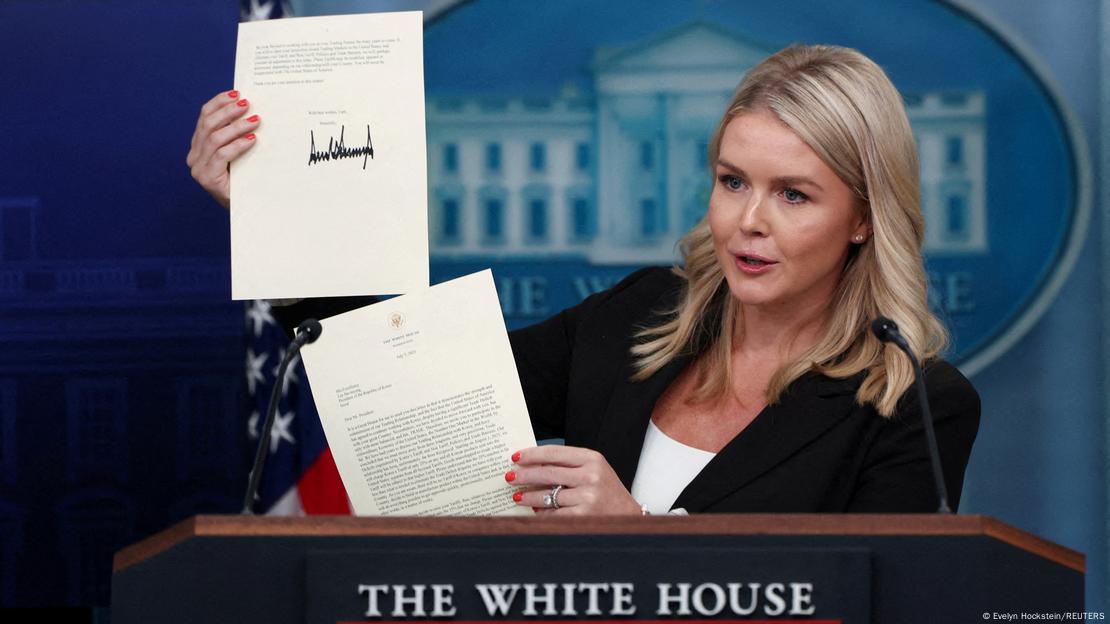
Trump fired off letters to 14 heads of countries on Monday, informing them of their new tariff rate
Image: Evelyn Hockstein/REUTERS

While his latest threat is much lower than the 100% tariffs promised in January on countries that "play games with the dollar," Trump remains adamant about the need to safeguard the world’s reserve currency.

Over the past decade, BRICS has swelled from four to 10 members, including Indonesia, which joined in January. Saudi Arabia is listed as a member but has yet to confirm its status. The bloc also has nine partner countries, while dozens of others are lining up to join.

The bloc, touted as China's alternative to the G7 (Group of Seven) wealthy nations, now represents a quarter of the global economy and almost half of the world's population.

"Trump has a reason to worry," Alicia Garcia-Herrero, a senior fellow at the Brussels-based think tank Bruegel, told DW. "The BRICS is very clearly anti-Western. Part of its mantra is to change the global order.

Dollar diversification, but no real alternative

BRICS has recently intensified efforts to reduce reliance on the dollar by promoting trade in local currencies among members.

Stung by Western sanctions and tariffs, Russia and China are spearheading the so-called dedollarization move, settling energy deals in rubles and yuan. India, meanwhile, has paid for cheap Russian oil since 2023 in yuan, rubles, and even the United Arab Emirates' dirham.

Grander ambitions, like a gold-backed common currency, dubbed the "Unit," have so far stalled amid internal rifts between powerful BRICS members. India, wary of the dominance of China's yuan, has rejected the plan, while 2025 summit host Brazil also wants to prioritize local currency trade over a BRICS currency.

"India, together with Brazil, is trying to balance the anti-Western messaging from BRICS, which is dominated by China and Russia," said Garcia-Herrero, who is also chief economist (Asia Pacific) at French investment bank Natixis.

Out of the roughly $33 trillion (€28 trillion) in global trade conducted in 2024, intra-BRICS trade made up just 3%, or around $1 trillion, according to the BRICS website.

"The majority of world trade is still settled in dollars and other traditional currencies," economist Herbert Poenisch told DW. "It will take a lot to dethrone that."

The US currency is used in nearly 90% of global transactions and 59% of foreign exchange reserves, prompting several economists to argue that dedollarization remains a distant threat.

They believe that any BRICS alternative will be hampered by the yuan’s capital controls, the ruble’s volatility and some members' reluctance to abandon the greenback.

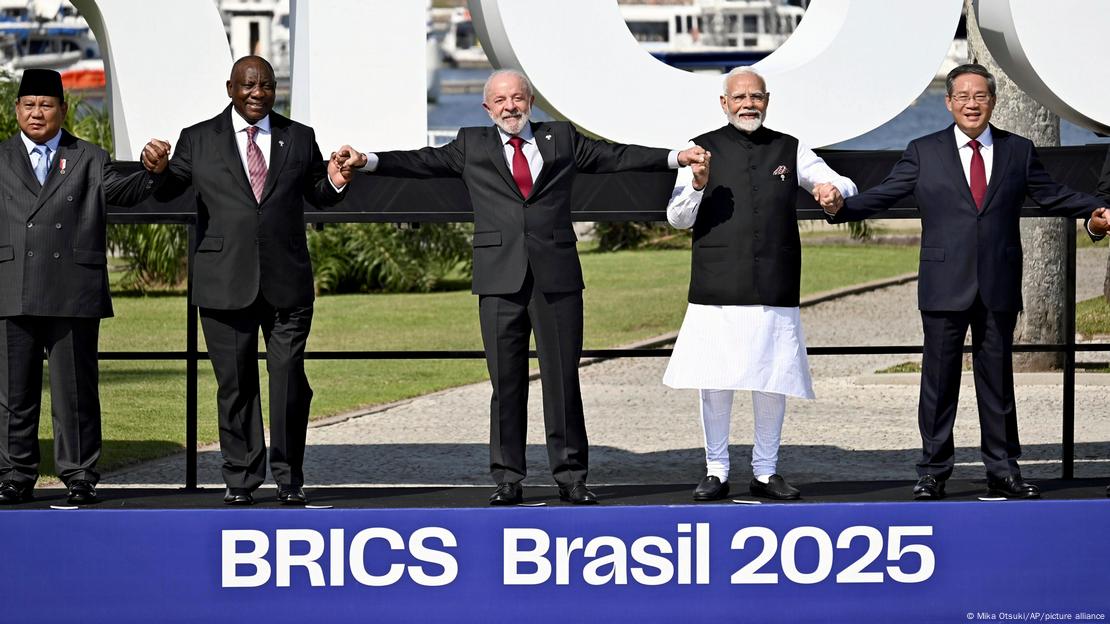
While Putin and Xi stayed away, India's Narendra Modi (second from right) attended the BRICS summit
Image: Mika Otsuki/AP/picture alliance

BRICS growing fast but making little progress

With Egypt, Ethiopia, Iran, the UAE and Indonesia recently joining and nearly new partner or affiliate nations like Algeria and Malaysia in tow, BRICS is clearly on a rapid growth path.

Many countries are drawn to the bloc for pragmatic reasons, seeking a multipolar world order less dominated by the West. They believe BRICS will amplify the voice of the Global South on the world stage.

Those fearful of Western sanctions, like Iran and Russia, are counting on BRICS to help shield their economies through BRICS Pay and BRICS Bridge — planned alternatives to the Western payment messaging system, SWIFT.

Others, including Ethiopia and Egypt, seek development financing free of the political strings often tied to Western aid. But Trump's latest threat could make them think twice.

"Suddenly, being part of BRICS has a cost," Garcia-Herrero told DW. "This will probably discourage some, particularly the poorer countries."

Yet despite its growing membership and lofty promises, BRICS has struggled to translate ambition into action. The bloc lacks institutional cohesion and suffers from deep geopolitical rifts, most notably between India and China.

Efforts to build alternative financial institutions have also been cautious and limited in scope. The New Development Bank (NDB), touted as a rival to the World Bank, has so far approved $39 billion in loans versus the World Bank's $1 trillion plus.

BRICS leaders are quickly realizing that expansion doesn’t equal influence. Without a clear strategic vision, stronger coordination and tangible alternatives, some watchers believe the bloc risks becoming a symbolic club rather than a transformative force.

"Trump shouldn't be worried," economist Herbert Poenisch told DW. "BRICS is still in the early stages, and bridging the many differences in priority will be a tall order."

Ideological differences hard to reconcile


Despite their many differences, BRICS leaders did take a firm stance on Trump's tariffs during the Brazil summit. In a declaration published Monday (June 7), the leaders criticized unilateral sanctions and protectionist tariffs, without naming Trump directly. The bloc warned that such measures "skew global trade" and violate WTO rules.

Expanding from a mostly economic forum, the leaders emphasized cooperation on artificial intelligence (AI) governance, climate change and global health, while also denouncing global conflicts.

BRICS leaders said last month's attacks on Iran were a "violation of international law," without mentioning the US or Israel. They also reaffirmed support for Palestinian statehood and denounced the use of "starvation as a weapon" in Gaza.

The declaration avoided criticizing Russia directly, reflecting a cautious approach due to Russia's membership, but it did condemn Ukraine's strikes on Russian infrastructure and called for a "sustainable peace settlement."

The BRICS leaders also reaffirmed their commitment to multilateralism, international law, and reforms to the United Nations Security Council, including permanent seats for Brazil, India and an African nation.


Edited by: Uwe Hessler

South Africa’s President Ramaphosa Hails BRICS Summit As Resounding Success

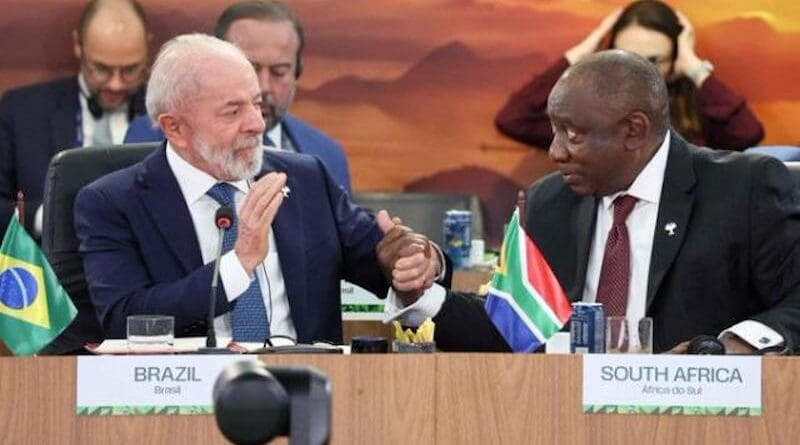
Brazil's President Luiz Inácio Lula da Silva with South Africa's President Cyril Ramaphosa. Photo Credit: SA News


By 

By Gabi Khumalo


President Cyril Ramaphosa has described the recently concluded 17th BRICS Summit as a resounding success, highlighting strengthened cooperation among member states and renewed commitment to building a more equitable global order.

President Ramaphosa made the remarks during a media briefing following the conclusion of the Summit held in Rio de Janeiro, Brazil, on Monday.

The President commended Brazilian President, Luiz Inácio Lula da Silva, for organising the “excellent” summit and expressed appreciation for the invitation extended to the other outreach countries to be part of the summit.

The President noted the growing interest around the world, particularly the Global South, towards BRICS.

“We admitted a new member; Indonesia, and we also admitted new BRICS partner countries. There is a lot of interest in the Global South about being part of BRICS, which shows that BRICS continues to grow its voice, its reach, and by importance as well. [It] has become [a] fairly sizeable BRICS community, which already accounts for more than half of the population of the world.

“We also appreciated the fact that through BRICS we continue by respect [and] recognition, to respect the sovereignty of countries and their equalities, and that is an important consideration, as it leads to us cooperating on a number of areas,” the President said.

Through the declaration, a number of areas, ranging from the governance of the world to issues like technical education, were covered.

On global governance, the President said BRICS continues to respect the existence and the standing of the United Nations (UN) and called for the reform of the UN structures.

The President argued that it is not acceptable that countries like India and Brazil, are excluded from participating meaningfully, and that the African continent which has 1.3 billion people is not represented in the UN Security Council.

The summit also looked at the issue of climate change, calling for commitments to assist countries most affected by it, to be fulfilled. 


“They should be assisted and supported through their transition to renewable energies and that countries that have made commitments particularly [in] the Global North, should live up to their commitments, with regards to ensuring that we address climate challenges that we are facing in the world,” President Ramaphosa said.

Call for a permanent ceasefire

On security matters, BRICS condemned the attack on countries like Iran and reiterated a call for a ceasefire in Gaza.

The displacement and killings of people in Sudan was also a matter of concern for the summit which called for conflict on the African continent to be resolved through what the President called “African solutions”.

The President reiterated that BRICS is a community of countries that want to see progress in the world.

“BRICS Rio de Janeiro was very successful. We leave with very fulfilled hearts because it has added to many issues that we lead to the development of our world.

“There was also great appreciation and support for South Africa’s coming G20 and recognising the importance of the G20 that encompasses so many countries in the world. We were wished great success, and we were greatly supported,” the President said. 


SA News

Government Communication and Information System (GCIS) established the SA Government News Agency to enable all media locally and abroad to have easy and fast access to fresh government information, news and current affairs at no cost.