Sunday, August 10, 2025


Study: Routine childhood and adolescent immunizations declining in Michigan


Declines were sharper in lower-income, higher-uninsurance counties


Michigan Medicine - University of Michigan


Routine childhood and adolescent immunizations declined in Michigan between 2017 and 2023, particularly among counties with lower household income and higher uninsurance rates, a new study suggests.

For many key pediatric vaccines, completion rates dropped sharply during the COVID-19 pandemic and have not yet recovered, according to Michigan Medicine led findings in Pediatrics 

“Our findings show that progress towards increasing childhood and adolescent immunizations is stalling in Michigan, increasing the risk of vaccine-preventable diseases,” said senior author Kao-Ping Chua, M.D., Ph.D., a pediatrician and researcher at University of Michigan Health C.S. Mott Children's Hospital and the director of the Susan B. Meister Child Health Evaluation and Research (CHEAR) Center.

Researchers analyzed county-level data from Michigan’s immunization registry between 2017 and 2023. During the study period, completion rates of a recommended group of childhood immunizations among toddlers (including vaccines for pertussis, polio, and measles-mumps-rubella among others) fell from nearly 76% to 67%.

Meanwhile, completion rates of a recommended group of vaccinations among adolescents (including vaccines for meningitis, pertussis, and tetanus) declined from about 81% to 75%.

The study also assessed adolescent completion rates of the human papillomavirus (HPV) vaccination series – which can prevent several types of cancers, including cervical and throat cancer. Although completion rates rose modestly — from 35% to 42% for males and 43% to 45% for females — the increases were smaller than expected based on pre-pandemic trends, in part because the rate of increase slowed after the COVID-19 pandemic began.

“Our findings suggest that the pandemic interrupted the progress that was being made in increasing HPV vaccination rates in adolescents,” Chua said.

The researchers examined trends in immunization completion rates by county socioeconomic factors, including income and insurance coverage. The decline in the completion rates of the recommended group of childhood and adolescent immunizations was greater in counties with lower income and higher uninsurance, while the increase in the rate of the male HPV vaccination series was slower.

“These changes often resulted in the creation of new gaps in immunization completion rates by county income or uninsurance rate or the widening of pre-existing gaps”, said Chua, who notes that this is one of the first studies to examine recent changes in childhood and adolescent immunizations by county characteristics.

Vaccines have long been one of the most effective tools in public health. In 2019, childhood immunizations were estimated to prevent over 24 million cases of vaccine-preventable diseases nationwide. Yet in 2025, the U.S. reported its highest number of measles cases in 33 years — a disease that had been declared eliminated in the country in 2000.

Michigan also saw a spike in measles with more than a dozen cases reported in 2025 as well as pertussis (whooping cough), with 855 cases reported the same year, including 152 in children under two.

“Reversing the declines in childhood and adolescent immunizations is crucial to prevent further outbreaks of measles and pertussis, both in Michigan and in the U.S. more broadly,” Chua said.

“To achieve this goal, broad-based efforts to increase immunization rates in all counties should be coupled with targeted efforts focused on counties with lower income and higher uninsurance rates.” 


Five things to know about cannabis and psychosis


Canadian Medical Association Journal


VIEW EMBARGOED ARTICLE

  1. Cannabis potency is increasing — The concentration of tetrahydrocannabinol (THC) has increased fivefold in the last 20 years in Canada from about 4% to 20% in most legal dried cannabis.
  2. High-potency and regular cannabis use is linked to increased risk of psychosis — The risk of psychosis is increased in people using high-potency THC (more than 10% THC), people using it frequently, and those who are younger and male. A history of mental disorders (depression, anxiety, etc.) also appears to increase the risk.
  3. Cannabis-induced psychosis and cannabis use disorder increase the risk of schizophrenia — A recent study of 9.8 million people in Ontario found a 14.3-fold higher risk of developing a schizophrenia-spectrum disorder in people visiting the emergency department for cannabis use and a 241.6-fold higher risk from visits for cannabis-induced psychosis.
  4. Treatment requires stopping cannabis and taking medication — Continued use of cannabis after a first episode of cannabis-induced psychosis is linked to greater risk of returning symptoms. Antipsychotic medication can help people with severe and prolonged symptoms.
  5. Behavioural options may help with cannabis cessation — Motivational interviewing or cognitive behavioural therapy by a physician or psychologist can help build skills to resist cravings and follow treatment recommendations.

“Cannabis from the 2000s is not the same as in 2025,” said coauthor Dr. Nicholas Fabiano, MD, resident and researcher with the Department of Psychiatry, University of Ottawa, Ottawa, Ontario. “THC content has increased by 5 times. This is likely a significant driver in the increasing link between cannabis use and schizophrenia.”

“Cannabis and psychosis” is published August 11, 2025.


Cultivating compassion in children can lead to healthier eating habits


A study in the American Journal of Preventive Medicine reveals that kids who display prosocial behavior are more likely to consume fruit and vegetables as teenagers


Elsevier


Ann Arbor, August 11, 2025 – A new analysis using data from a longitudinal study that followed children between the ages of 5 and 17 has revealed a surprising association; kids who engaged in kind, caring, and helpful behaviors (being prosocial), were more likely to sustain healthy eating habits as teenagers. The findings from the study appearing in the American Journal of Preventive Medicine, published by Elsevier, suggest that fostering prosociality throughout childhood may be a novel intervention strategy to promote healthy eating.

Researchers analyzed data from the Millennium Cohort Study, a nationally representative study that followed children born in the United Kingdom for over 20 years, starting at birth. Parents reported on whether their child engaged in helping behaviors that reflect kindness, caring, and cooperation when they were 5, 7, and 11 years of age, and the investigators examined whether the extent to which children engaged in these behaviors was related to their self-reported fruit and vegetable consumption in adolescence (assessed at ages 14 and 17).

Reframing the narrative

“Too often, we focus on what is going wrong in young people’s lives, but what we hear from them time and time again is that they are tired of that narrative. They want us adults to pay more attention to what is going right, including what they bring to their families and communities,” says lead investigator Farah Qureshi, ScD, MHS, Department of Population, Family, and Reproductive Health, Johns Hopkins Bloomberg School of Public Health. “Prior research has found that behaviors that help others (like volunteering) are related to better health in older adults. We wanted to understand whether these types of activities benefit youth as well, focusing on a broader range of prosocial behaviors, like acts of kindness, cooperation, and caring for others. In our current research, we found that children who consistently displayed more of these kinds of positive social behaviors at any age were more likely to maintain healthy eating habits into their teenage years, a time when dietary choices set patterns that can shape lifelong health.”

Senior author Julia K. Boehm, PhD, Department of Psychology, Chapman University, adds, “Prosocial behaviors, such as being considerate of others’ feelings, sharing, helping if someone is hurt or upset, being kind, and volunteering to help others, can influence health by strengthening children’s social ties and improving psychological functioning by promoting better mood, purpose, feelings of competence, and enhanced capacity to cope with stress. All of these, in turn, serve as resources that may inform health-related choices, as is evidenced by our latest findings.”

Promoting prosocial behavior as a health asset

The study’s strengths include its large sample, longitudinal design, and extensive covariate adjustment. Parenting or other aspects of the family environment may be unmeasured confounders. “Although we could not account for many of these factors due to data availability, we adjusted for parent-reported eating behaviors in childhood, along with other contributors to family climate (e.g., socioeconomic factors, parent marital status), which may account for some residual confounding,” the authors explain.

Importantly, the analysis highlights a potential health asset – prosocial behavior – that can promote positive outcomes across the life course. These longitudinal findings support prior cross-sectional work that found youth prosocial behavior was related to healthier behaviors, including dietary patterns.

Co-author Laura D. Kubzansky, PhD, MPH, Department of Social and Behavioral Sciences, Harvard T.H. Chan School of Public Health, leads a novel research program on the long-term health impact of prosociality. She points out, “Asset-based interventions can open the door to new and creative health promotion strategies that engage youth in ways that speak to their inherent strengths, including shared values around kindness and cooperation. Supporting prosociality in childhood may be a promising health promotion strategy for future consideration.”

Dr. Qureshi concludes, “We are living through a divisive time, when empathy can feel undervalued. This study offers us an important reminder about the power of kindness and compassion not only for those who receive it, but also for those who give it. Cultivating these qualities in kids may be an important and novel pathway to promoting public health.”


Google launched an AI model that functions like a virtual satellite. Here’s how it works


Copyright Google DeepMind

By Roselyne Min
Published on 11/08/2025 - 

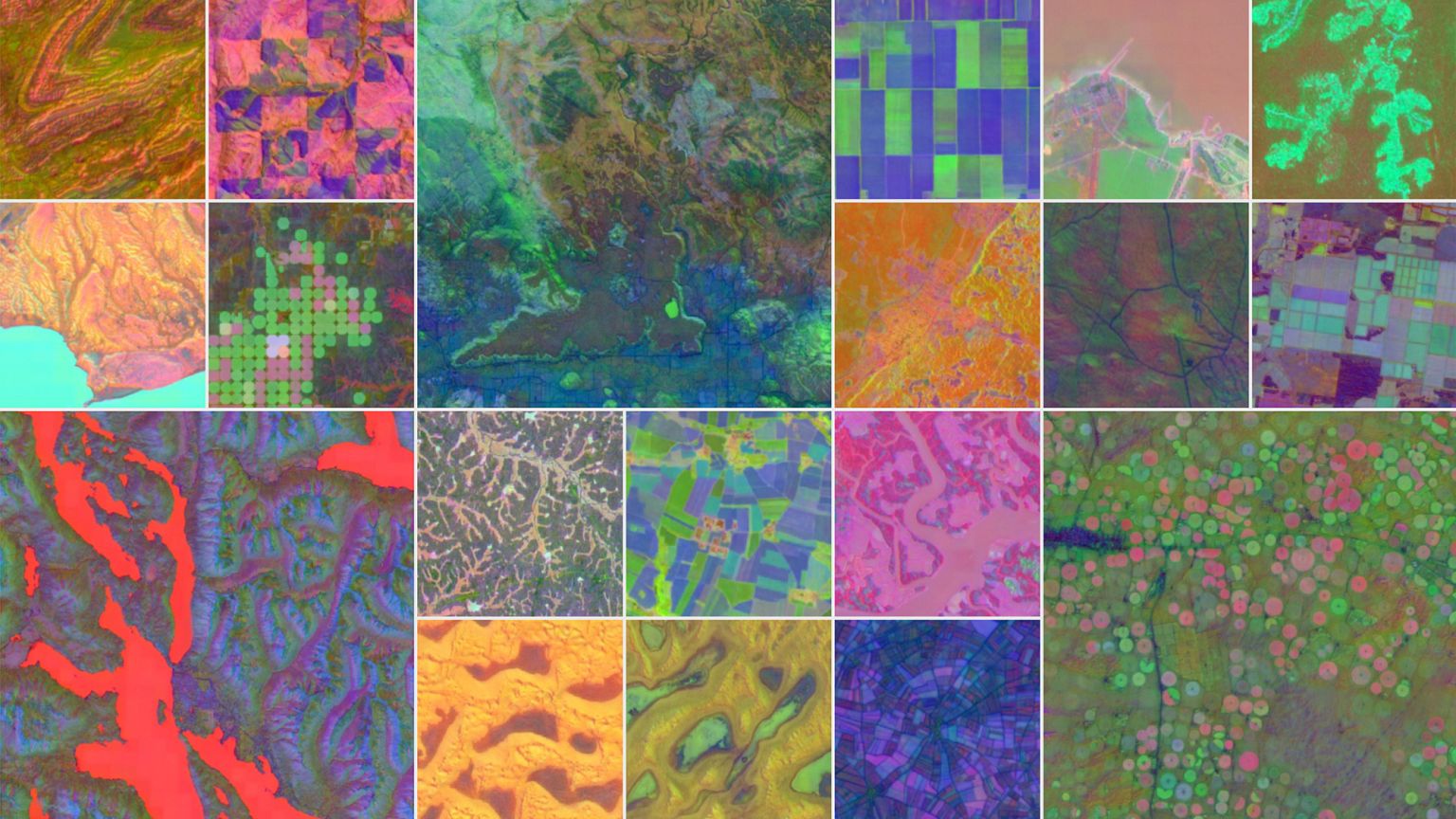
Google DeepMind, launched an AI model that can create highly detailed maps of Earth to help scientists understand environmental changes.

Satellites orbiting Earth to gather images and measurements of land, forests, cities, and coastal waters have helped scientists understand our planet.

However, since these images come from many different sources, it can be difficult to combine them into a single picture.

Google’s artificial intelligence (AI) unit, DeepMind, recently announced an AI model called AlphaEarth Foundations that can create highly detailed maps of our world in nearly real time.

AlphaEarth Foundations functions like a “virtual satellite” that maps the world “at any place and time,” Christopher Brown, a research engineer at Google DeepMind, said at a press briefing in July.

“Whether they are monitoring crop health, tracking deforestation, or observing new construction, [researchers] no longer have to rely on a single satellite passing overhead. They now have a new kind of foundation for geospatial data,” Google DeepMind wrote in a statement last month.

The system combines trillions of images from dozens of public sources, including satellite images, radar scans, laser-based 3D mapping, and climate simulations. It maps the entire planet’s terrestrial land and coastal waters.

Google said the model can generate accurate enough data about an ecosystem down to an area of 10 square metres. Data from AlphaEarth Foundations takes up far less storage space than similar AI systems, which makes large-scale analysis more practical, the company said.

During AlphaEarth Foundations’s initial testing of data from 2017 to 2024, it beat similar AI models in identifying land use and estimating surface properties, with an average error rate that was 24 per cent lower, according to a paper published by DeepMind.

Google hopes it will help researchers study changes across the planet for food security, deforestation, urban expansion, and water resources.
RelatedESA successfully launches Biomass, the satellite set to unlock the secrets of the world's forests
Why scientists want this level of detail and how AI can help

AlphaEarth Foundations is part of a growing trend in environmental science where AI turns the constant stream of satellite observations into practical tools for studying the Earth.

High-resolution, regularly updated data help researchers measure environmental changes precisely and understand what is driving them.

They can be used to track the effects of climate change, plan conservation, and manage resources like water and farmland.

For example, in 2020, scientists at NASA and the University of Copenhagen mapped 1.8 billion individual tree canopies in the Sahel and Sahara regions of west Africa, using AI trained to recognise trees in satellite images.

Without AI, this would have taken millions of people years to complete, according to the study authors.

Since 2022, NASA’s Surface Water and Ocean Topography (SWOT) satellite has been taking high-definition measurements of oceans, lakes, reservoirs, and rivers over 90 per cent of the world's surface.
RelatedSpaceX delivers four astronauts to the International Space Station just 15 hours after launch

NASA's Jet Propulsion Laboratory (JPL) said it could observe water on Earth's surface with 10 times greater resolution than existing technologies.

Meanwhile, the European Space Agency (ESA)’s EarthCARE satellite launched in 2024. It is studying how clouds and airborne particles in the atmosphere impact the Earth's temperature.

Much of Google DeepMind’s data also comes from long-running missions from NASA and ESA, such as the Landsat and Moderate Resolution Imaging Spectroradiometer (MODIS) satellites and the Sentinel fleet, all of which monitor vegetation, coastlines, water bodies, snow, and ice.

Google says its model has already been tested by more than 50 organisations around the world for ecosystem monitoring and urban planning.

For example, an environmental initiative in Brazil known as MapBiomas is using AlphaEarth Foundations’ data to better understand agricultural and environmental changes, including in the Amazon rainforest.

The model’s annual datasets have given the team “new options to make maps that are more accurate, precise and fast to produce, something we would have never been able to do before,” said Tasso Azevedo, the founder of MapBiomas, in Google’s statement.

Google says it is releasing the dataset through Google Earth Engine, Google’s environment data platform, to encourage further research.
Visible from space: Vesuvius fire has three fronts still active, firefighters continue battle
Copyright Vigili del FuocoBy Fortunato Pinto & Euronews10/08/2025 -

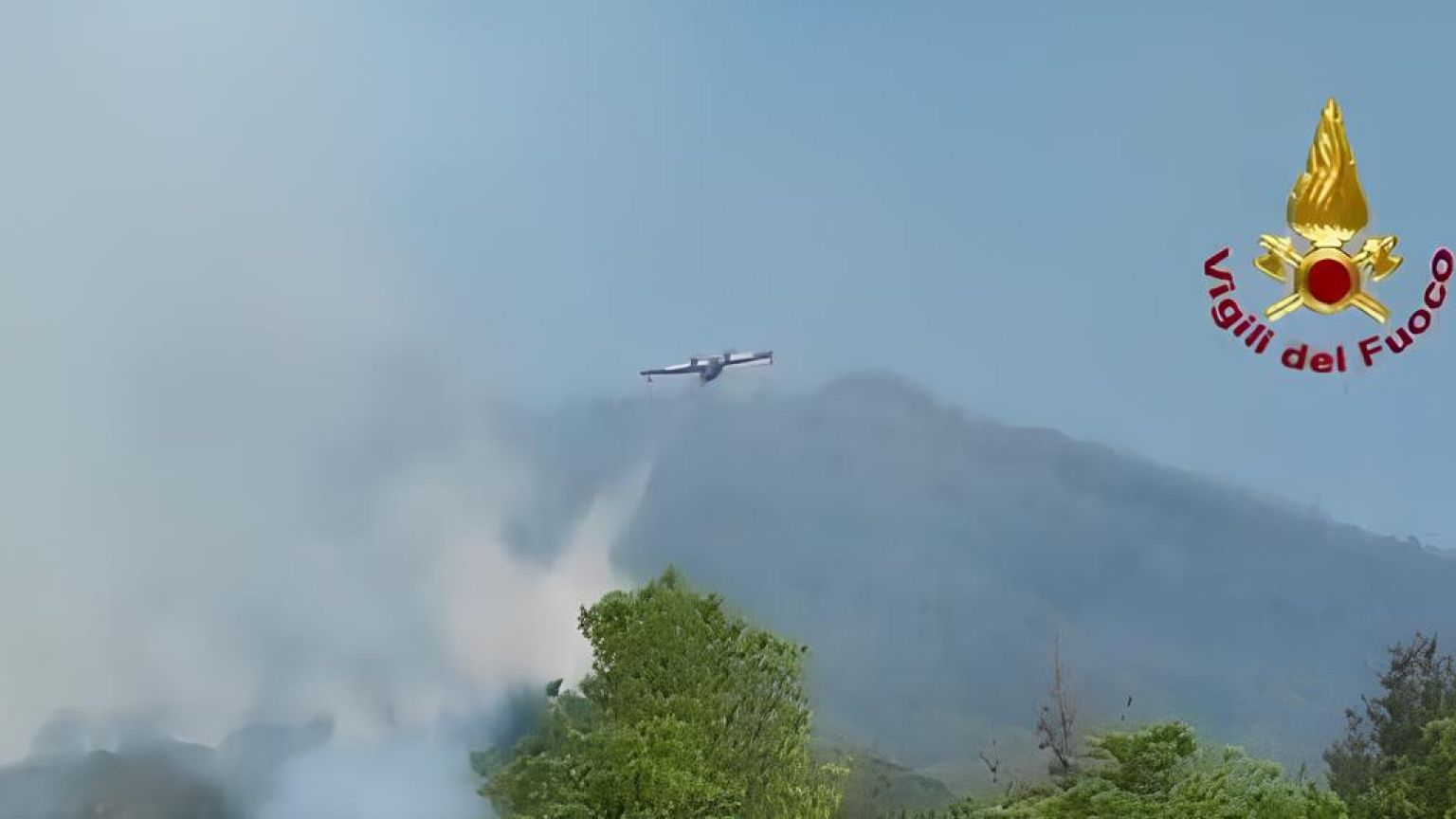
Satellite photos show the column of smoke rising from the Vesuvius National Park all the way over the Bay of Naples. Three firefronts remain active. Canadairs, helicopters and dozens of volunteer teams remain deployed.

The fire that broke out on Friday night in the Mount Vesuvius National Park continues to burn. The extremely high column of smoke produced by the fire in the national park is also visible from space. Satellite photos showing the Gulf of Naples with a long white plume rising from one side of the volcano have gone viral on the web, demonstrating the severity of the fire and the extent of the fire front.

According to information from the Prefect of Naples, Michele di Bari, at the end of a meeting of the Rescue Coordination Centre, there are still three active fronts: the Valle del Gigante towards Monte Somma, where the Canadair firefighting aircraft are operating, the southern slope of the crater, where regional Civil Protection helicopters are battling the flames. And the Vicinale area, where last night's wind rekindled the flames, which were tackled by ground teams.

The public prosecutor's office in Nola (Naples), which is responsible for the area, has opened a file to clarify the origin of the fire that is bringing one of the country's landscape and cultural symbols to its knees. According to what has been learnt so far, there no suspects and no crime hypotheses have been identified so far, pending the report that will be presented by the Carabinieri foresters.

Mobilised by the DPC, 23 civil protection volunteer teams from various parts of Italy are heading to Vesuvius Park to reinforce the response to the fire emergency. (1/2)

Since the early hours of Sunday, 6 Canadairs and 4 helicopters have been involved, in addition to 15 teams of Civil Protection volunteers mobilised by an extraordinary decree of the Minister of Civil Protection and Sea Policies, at the request of the Campania Region. The Fire Brigade has reinforced its presence with two forest fire-fighting modules from Tuscany and Marche and reinforcement teams from Benevento and Salerno.

On the health and logistical front, the mayors of the four worst hit municipalities have activated the Municipal Operations Centres and a fixed 24-hour medical station in Terzigno. The Asl Napoli 1 Centro has made the residence of the Ospedale del Mare available to host volunteers from other regions.

On the environmental and economic front, Italian farmers' group Coldiretti is reporting extensive damage to the Lacryma Christi DOP vine cultivation right on the eve of the grape harvest, as well as to the Pellecchiella apricot and Pomodorino del Piennolo DOP tomato cultivations. Also at risk are agritourism sites and tasting routes, with a very hard impact on local tourism and agriculture.

Legambiente report: 56,263 hectares already up in smoke in Italy

The seriousness of the situation is part of an alarming national context: according to Legambiente's report Italia in fumo (Italy in smoke), between 1 January and 31 July 2025 there were 851 fires for a total of 56,263 hectares burnt, already exceeding the surface area affected in all of 2024. In particular, over 18,700 hectares of Natura 2000 areas were destroyed in 253 fire episodes, confirming a trend defined as "chronic" by the association, which has launched an appeal to safeguard Italy's natural heritage.

Defrocked Kazakh cleric seeks to form Orthodox church independent of Moscow

Defrocked Kazakh cleric seeks to form Orthodox church independent of Moscow
Gathering signatures: Vladimir Vorontsov. / Vladimir Vorontsov, Facebook page
By bne IntelliNews August 8, 2025

A prominent Kazakh cleric defrocked by the Russian Orthodox Church for condemning the invasion of Ukraine has announced plans to establish a new Orthodox church independent of Moscow’s authority, AFP reported on August 7.

Vladimir Vorontsov, formerly a priest in the Moscow-governed Orthodox Church of Kazakhstan, confirmed that he is gathering signatures to request recognition for a new, independent church from the Patriarchate of Constantinople – the spiritual centre of global Orthodoxy outside Moscow’s control.

“I plan to send this letter next week,” Vorontsov told the news agency.

The cleric was dismissed from his position last year after publicly describing Russia’s war in Ukraine as a “fratricidal sin” and calling on Kazakhstan to “fence itself off” from Russia. The Orthodox Church of Kazakhstan, which remains under the Moscow Patriarchate, accused Vorontsov of committing “serious canonical crimes” and of attempting to form an illegal “schismatic” church.

“Any of his speeches on behalf of the Orthodox Church are illegal. He misleads people, cunningly posing as an Orthodox priest,” the church’s statement said.

Kazakhstan, a former Soviet republic of approximately 20mn people, is predominantly Muslim but has an Orthodox Christian minority of around 3mn, most of whom are ethnic Russians. The Orthodox Church remains the country’s largest Christian denomination and is currently under the jurisdiction of the Russian Orthodox Church led by Patriarch Kirill, a staunch supporter of the Kremlin.

The Russian Orthodox Church has been in a formal schism with the Patriarchate of Constantinople since 2018, following the latter’s decision to grant autocephaly to the Orthodox Church of Ukraine.

In response to ongoing geopolitical tensions, several countries – including Lithuania, Latvia, and Estonia – have taken steps to reduce or sever ties with the Moscow Patriarchate. Last month, the Russian Orthodox Church reminded its branches in Kazakhstan and Belarus to use the official name “Russian Orthodox Church” or “Moscow Patriarchate” in all public communications.

Ascension Cathedral in Almaty, Kazakhstan. (Credit: Screenshot from the video “Искусство строить на века. Вознесенский кафедральный собор” from Арманжан Байтасов YouTube channel).


The Bright Side: Humble bugs are popular pets in nature-loving Japan


Bugs are fast becoming the pet of choice in Japan where they compete for the attentions of pet lovers who might once have settled for more conventional choices such as playful puppies, cute kittens or hamsters endlessly spinning on a wheel. Fueling the Japanese trend are popular modern-day manga and animation series like "Mushishi", which star insect-like creatures with supernatural powers.


Issued on: 10/08/2025 - 
By: FRANCE 24


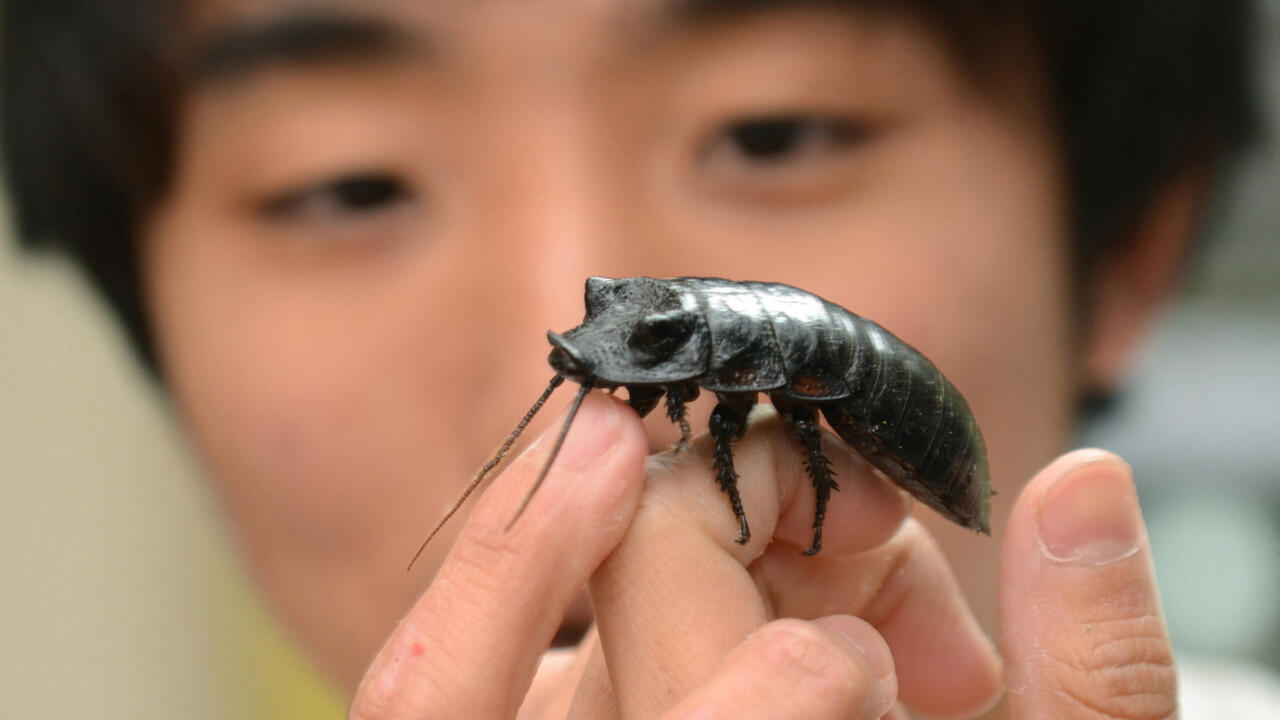
This photo taken on December 21, 2015 and taken by AFPBB News shows Yuta Shinohara from Keio University looking at a cockroach in an apartment in Yokohama, south of Tokyo. © Yoko Akiyoshi, AFP

The pet of choice in Japan, as much as cuddly kitties and playful puppies, is the humble bug.

The bug has been a key part of Japanese culture from the Heian era classic “The Tale of Genji” to popular modern-day manga and animation like “Mushishi”, featuring insect-like supernatural creatures.

Japanese people appreciate the glitter of fireflies let loose in the garden or the gentle chirping of crickets kept in a little cage. You can feed the bug pets watermelon, but special jelly pet food for bugs is also available at stores. Naturally, bugs are on sale as well, with the more esoteric ones selling for 20,000 yen ($133).

Here, crawly and buzzing critters are not just relegated to the scientific realm of the entomologist working on a taxidermy of pinned butterflies. Celebrities boast about their fascination with bug-hunting as their hobbies just like a Western movie star might talk about his yacht or golf score.

The bug as companion is an essential part of what’s observed, enjoyed and cared for in everyday life, reflecting a deeply rooted celebration of humankind’s oneness with nature.

“They are so tiny. If you catch and study them, you’re sure to discover something new,” says Munetoshi Maruyama, professor of bioenvironmental sciences at Kyushu University, whose fascination with bugs began as a child, like many Japanese.

“They are so beautiful in shape and form.”

One thrill that comes from studying insects is discovering a new species, simply because there are more than 1.2 million known kinds of insects, far more than mammals, which translates to a lot of undiscovered ones, said Maruyama, who has discovered 250 new insect species himself and shrugs that off as a relatively small number.

Japan differs from much of the West in encouraging interaction with bugs from childhood, with lots of books written for children, as well as classes and tours.

“In Japan, kids love bugs. You can even buy a net at a convenience store,” he said. “It’s fantastic that bugs can serve as a doorway to science.”

The fact some insects go through metamorphoses, transforming from a larva to a butterfly, for instance, adds to the excitement, allowing kids to observe the stages of a life span, Maruyama said.

Tracing the movement of bugs can be a way to study global warming, too, while so-called “social insects”, like bees and ants show intelligence in how they communicate, remember routes to find their way back to their nests or burrow elaborate underground paths as colonies.

Because bugs carry out important functions in the ecosystem, such as pollinating crops and becoming food for birds and other wildlife, human life isn’t ultimately sustainable if all bugs were to disappear from earth.

The love affair with bugs was clear at an exhibit in Tokyo, aptly called “The Great Insect Exhibition”, running through the end of this month at the Sky Tree Tower, where crowds of children gathered around trees inside indoor cages so they could observe and touch the various beetles.

One kind of rhinoceros beetle known as Hercules, which originated in the Caribbean but is now also found in Japan, is reputed to be the biggest beetle on record, although it’s just several inches in length. Its back coat is a shiny khaki color, though such shades change depending on the season. The other parts, like its horn and delicate but spiky legs, are dark.

“We want the kids to feel the emotions and joy of actually touching the insects here. That’s really positive for the workings of a child’s brain,” said Toyoji Suzuki, one of the event’s organizers, who insisted everyone, including adults, touch the bottom of the beetles’ horns and wings to feel how surprisingly soft and fluffy they are.

Four-year-old Asahi Yamauchi, who was at the exhibit with his grandmother and getting his photo taken inside a special installation that made it look like he was inside a beetle, loves bugs as much as he loves dinosaurs and has what he called a cute beetle as a pet at home.

“My friend had one so I wanted one,” he said.

(FRANCE 24 with AP)
'Propaganda hire': Analysts admonish MAGA-aligned economist Trump could pick to lead BLS


Robert Davis
August 10, 2025 
RAW STORY


Reports indicate President Donald Trump is interviewing candidates for the vacant Bureau of Labor Statistics Commissioner position, and analysts admonished one potential candidate on Sunday.

The Wall Street Journal reported that Trump is considering hiring the Heritage Foundation's chief economist, E.J. Antoni, to lead the BLS. The report indicates that Antoni has been critical of the Trump administration and has also voiced concerns about revisions to jobs data.


Trump used a significant revision to the most recent job numbers as a pretext to fire the former BLS Commissioner, Erika McEntarfer.

Antoni has support from MAGA firebrand Steve Bannon as well, according to WSJ.

Economists and analysts took to social media to share their thoughts about Antoni being in line to lead the BLS.

"Propaganda hire," journalist and author Mark Chadbourn posted on Bluesky.

"There are so many well qualified (sic) conservative labor economists that he can put in this position, but he won’t because they won’t cook the books," Scott Imberman, professor of economics and education at Michigan State University, posted on Bluesky.

"This administration rewards those who do not care for the truth," Alex Nowrasteh, vice president of economics and social policy at The Cato Institute, posted on X.

Susan Dynarski, economist and professor at Harvard University, wrote on Bluesky that Antoni's dissertation only has one citation. For comparison, McEntarfer published 47 peer-reviewed papers and had more than 1,300 citations, according to Dynarski.

Bobby Kogan, senior director of federal budget policy for the Center for American Progress, wrote on Bluesky that Antoni's economic analysis, which he shared with a Congressional committee, was flawed.

"When I testified before the House next to this guy, in his *prepared* testimony on rising costs, he double-counted inflation," Kogan posted on Bluesky.

Read the entire report by clicking here.


Netanyahu defends new Gaza military push amid growing opposition

Speaking to international media in Jerusalem on Sunday, Israeli Prime Minister Benjamin Netanyahu defended the planned military operation to take over Gaza City, saying that Israel “has no choice but to finish the job and fully defeat Hamas”. His statement comes amid a global outcry over the devastating humanitarian situation in Gaza and the mass displacement of Palestinian civilians.


Issued on: 10/08/2025
By: FRANCE 24


Israel's Prime Minister Benjamin Netanyahu gives a press conference at the Prime minister's office in Jerusalem on August 10, 2025. © Abir Sultan, AF

Israeli Prime Minister Benjamin Netanyahu on Sunday defended a new military offensive in Gaza that's more sweeping than previously announced, declaring in the face of growing condemnation at home and abroad that Israel “has no choice but to finish the job and complete the defeat of Hamas.”

Even as more Israelis express concern over the 22-month war, Netanyahu said the security Cabinet last week instructed the dismantling of Hamas strongholds not only in Gaza City but also in the camps of Muwasi and Deir al-Balah. A source familiar with the operation, who spoke on condition of anonymity because they were not authorized to talk to the media, confirmed that Israel plans it in both areas.

The crowded camps – sheltering well over a half-million displaced people, according to the UN – had not been part of Israel's announcement Friday. It was not clear why, though Netanyahu faced criticism this weekend within his ruling coalition that targeting Gaza City was not enough. Netanyahu said there would be “safe zones," but such designated areas have been bombed in the past.

Netanyahu's office late Sunday said he had spoken with US President Donald Trump about the plan and thanked him for his “steadfast support.”


Rejecting starvation in Gaza as well as a “global campaign of lies," Netanyahu spoke to foreign media just before an emergency meeting of the United Nations Security Council, a platform for outrage but little action on the war.

“Our goal is not to occupy Gaza, our goal is to free Gaza,” Netanyahu asserted.

Netanyahu said there is a “fairly short timetable” for next steps there, but didn’t give specifics. The goals, he said, include demilitarizing the territory, the Israeli military having “overriding security control” and a non-Israeli civilian administration in charge.
Gaza: families struggle to procure food as the humanitarian disaster worsens

© France 24
01:22

Israel wants to increase the number of aid distribution sites in Gaza, he said, but in a later briefing to local media, he asserted: “There is no hunger. There was no hunger. There was a shortage, and there was certainly no policy of starvation."

Netanyahu also said he has directed Israel’s military to “bring in more foreign journalists” – which would be a striking development, as they haven’t been allowed into Gaza beyond military embeds during the war.

He again blamed many of Gaza’s problems on the Hamas militant group, including civilian deaths, destruction and aid shortages. “Hamas still has thousands of armed terrorists," he asserted, adding that Palestinians are “begging” to be freed from them.

Hamas responded with a lengthy statement that summed up Netanyahu's remarks as “blatant lies.”

The United States defended Israel, saying it has the right to decide what’s best for its security. It called allegations of genocide in Gaza false.

The US has veto power at the council and can block proposed actions there.

Other council members, and UN officials, expressed alarm. China called the “collective punishment” of people in Gaza unacceptable. Russia warned against a “reckless intensification of hostilities.”

“This is no longer a looming hunger crisis; this is starvation,” said Ramesh Rajasingham with the UN humanitarian office. “Humanitarian conditions are beyond horrific. We have frankly run out of words to describe it.”

Israel faces growing action even by its closest allies. Netanyahu said Chancellor Friedrich Merz of Germany had “buckled under” the growing international criticism by stopping exports of military equipment to Israel that could be used in Gaza. Merz, for his part, told public broadcaster ARD that Germany and Israel were talking “very critically” but Berlin’s overall policies of friendship haven’t changed.

At least 31 Palestinians were killed while seeking aid in Gaza, hospitals and witnesses said. The Associated Press spoke to witnesses of gunfire in the Israeli-controlled Morag and Netzarim corridors and the Teina area in the south. All accused Israeli forces of firing at crowds trying to reach food distributions or waiting for convoys.

Fifteen people were killed while waiting for trucks near the Morag corridor that separates the southern cities of Rafah and Khan Younis, according to Nasser hospital.

The situation is a “death trap,” said Jamal al-Laweh, who said Israeli forces opened fire there. “But I have no other choice to feed the kids.”

Six were killed while waiting for aid in northern Gaza near the Zikim crossing, according to Gaza's Health Ministry and Shifa hospital.

In central Gaza, witnesses said they heard warning shots before fire was aimed toward crowds trying to reach a distribution site operated by the Israeli-backed and US-funded Gaza Humanitarian Foundation. The AP could not independently confirm who fired. Awda hospital said four people were killed by Israeli gunfire.

Six other aid-seekers were killed while trying to reach GHF sites in Khan Younis and Rafah, Nasser hospital said.

The GHF sites opened in May as an alternative to the UN-run aid system, but operations have been marred by deaths and chaos.

Responding to AP inquiries, the GHF media office said: “There were no incidents at or near our sites today.” Israel's military said there were no incidents involving troops near central Gaza aid sites.

Read moreNearly 12,000 children under five face acute malnutrition in Gaza, WHO says

Israel’s air and ground offensive has displaced most Palestinians and pushed the territory toward famine. Two Palestinian children died of malnutrition-related causes on Saturday, bringing the toll among children to 100 since the war began.

At least 117 adults have died of malnutrition-related causes since June, when the ministry started to count them.

The hunger toll is in addition to the ministry’s war toll of 61,400 Palestinians. The ministry, part of the Hamas-run government and staffed by medical professionals, doesn’t distinguish between fighters or civilians, but says around half of the dead have been women and children. The UN and independent experts consider it the most reliable source on war casualties.

Hostages' relatives have urged a labor strike in Israel next week over the plans to expand military operations, fearing it will endanger their loved ones. Fifty hostages remain after being taken in the Hamas-led attack on Oct. 7, 2023, that sparked the war. Twenty are believed to be alive.

Dozens of people sat outside the US consulate in Jerusalem to protest Israel’s offensive. “I think it’s a horrible decision. It’s like deciding that we don’t want (hostages) alive anymore,” said one, Milly Rothschild.

(FRANCE 24 with AP)


VIDEO 16:53


Al Jazeera says 5 journalists killed in Israeli strike in Gaza

GPS TRACKING FOR TARGETING HITS


By AFP
August 10, 2025


The sun sets over the Gaza Strip on August 10, 2025 - Copyright UKRAINIAN PRESIDENTIAL PRESS SERVICE/AFP/File Handout, Sarah Meyssonnier, Ilya PITALEV

Al Jazeera said two of its correspondents, including a prominent reporter, and three cameramen were killed in an Israeli strike on their tent in Gaza City on Sunday.

The Israeli military admitted in a statement to targeting Anas al-Sharif, the reporter it labelled as a “terrorist” affiliated with Hamas.

The attack was the latest to see journalists targeted in the 22-month war in Gaza, with around 200 media workers killed over the course of the conflict, according to media watchdogs.

“Al Jazeera journalist Anas al-Sharif has been killed alongside four colleagues in a targeted Israeli attack on a tent housing journalists in Gaza City,” the Qatar-based broadcaster said.

“Al-Sharif, 28, was killed on Sunday after a tent for journalists outside the main gate of the hospital was hit. The well-known Al Jazeera Arabic correspondent reportedly extensively from northern Gaza.”

The channel said that five of its staff members were killed during the strike on a tent in Gaza City, listing the others as Mohammed Qreiqeh along with camera operators Ibrahim Zaher, Mohammed Noufal and Moamen Aliwa.

The Israeli military confirmed that it had carried out the attack, saying it had struck Al Jazeera’s al-Sharif and calling him a “terrorist” who “posed as a journalist”.

“A short while ago, in Gaza City, the IDF struck the terrorist Anas Al-Sharif, who posed as a journalist for the Al Jazeera network,” it said on Telegram, using an acronym for the military.

“Anas Al-Sharif served as the head of a terrorist cell in the Hamas terrorist organisation and was responsible for advancing rocket attacks against Israeli civilians and IDF troops,” it added.

Al-Sharif was one of the channel’s most recognisable faces working on the ground in Gaza, providing daily reports in regular coverage.

Following a press conference by Prime Minister Benjamin Netanyahu on Sunday, where the premier defended approving a new offensive in Gaza, al-Sharif posted messages on X describing “intense, concentrated Israeli bombardment” on Gaza City.

One of his final messages included a short video showing nearby Israeli strikes hitting Gaza City.

In July, the Committee to Protect Journalists issued a statement calling for his protection as it accused the Israeli military’s Arabic-language spokesperson Avichay Adraee of stepping up online attacks on the reporter by alleging that he was a Hamas terrorist.

Following the attack, the CPJ said it was “appalled” to learn of the journalists’ deaths.

“Israel’s pattern of labelling journalists as militants without providing credible evidence raises serious questions about its intent and respect for press freedom,” said CPJ Regional Director Sara Qudah.

“Journalists are civilians and must never be targeted. Those responsible for these killings must be held accountable.”

The Palestinian Journalists’ Syndicate condemned what it described as a “bloody crime” of assassination.

Israel and Al Jazeera have had a contentious relationship for years, with Israeli authorities banning the channel in the country and raiding its offices following the latest war in Gaza.

Qatar, which partly funds Al Jazeera, has hosted an office for the Hamas political leadership for years and been a frequent venue for indirect talks between Israel and the militant group.


– Sealed off –


With Gaza sealed off, many media groups around the world, including AFP, depend on photo, video and text coverage of the conflict provided by Palestinian reporters.

Media watchdog Reporters Without Borders (RSF) said in early July that more than 200 journalists had been killed in Gaza since the war began, including several Al Jazeera journalists.

International criticism is growing over the plight of the more than two million Palestinian civilians in Gaza, with UN agencies and rights groups warning that a famine is unfolding in the territory.

The targeted strike comes as Israel announced plans to expand its military operations on the ground in Gaza, with Netanyahu saying on Sunday that the new offensive was set to target the remaining Hamas strongholds there.

He also announced a plan to allow more foreign journalists to report inside Gaza with the military, as he laid out his vision for victory in the territory.

A UN official warned the Security Council that Israel’s plans to control Gaza City risked “another calamity” with far-reaching consequences.

“If these plans are implemented, they will likely trigger another calamity in Gaza, reverberating across the region and causing further forced displacement, killings, and destruction,” UN Assistant Secretary General Miroslav Jenca told the Security Council.