Friday, September 12, 2025

New species survival commission fills critical gap in conservation


Group to examine potential extinction of microbes essential to planetary and human health


University of California - San Diego


A newly-formed group of scientists will be fighting for the survival of species — the smallest ones on the planet.  

The International Union for Conservation of Nature (IUCN) has launched a species survival commission for microbiology and microbes to serve as a global safeguard for microbial biodiversity and to pursue coordinated conservation action. The new Microbial Conservation Specialist Group marks a first in the history of international conservation and filling a critical gap in microbial conservation.  

The new commission, led by microbiologists Jack Gilbert from the University of California San Diego and Raquel Peixoto of King Abdullah University of Science and Technology, will look at ecological disruption and the potential extinction of specific strains of microbes, the microscopic organisms such as bacteria, fungi, and viruses that are essential to planetary and human health. 

This could include preservation of the photosynthetic microorganisms that created the rock-like stromatolite structures in Sharks Bay, Australia, or the rock-inhabiting cryoendolithic fungal communities found in Antarctica that survive under some of the most extreme conditions on Earth, and bacteria that are part of the complex microbiome of coral reefs. The commission will also examine certain species in humans that are going extinct as a result of industrial lifestyles. 

“Microbial life is essential for human and planetary health yet it has been largely absent from global conservation efforts,” said Gilbert, who is jointly appointed at UC San Diego’s Scripps Institution of Oceanography and the School of Medicine’s Department of Pediatrics. “It’s been easy to overlook microbes because they are invisible. Having IUCN elevate microbes in this way will ensure that critical microbes are assessed and protected from extinction.”

IUCN is the world’s leading authority in environmental science and policy, recognized for shaping conservation priorities across governments, non-governmental organizations and international treaties. The commission will bring together ecologists, traditional knowledge experts and conservation leaders to develop and advocate for conservation tools, strategies and policies that integrate microbiology into global biodiversity governance.

The group aims to map conservation priorities for microbial ecosystems currently threatened by habitat destruction and human activities. They will also develop a microorganism specific Red List, a globally-recognized system to classify species at high risk of extinction. 

Additionally, the commission will develop frameworks to guide the use of microbes that can augment existing conservation efforts, an increasing area of scientific innovation. This includes efforts underway to use microbial probiotics to strengthen coral reefs or to improve the resilience of crops and rescue soil microbial diversity, or to improve other ecosystems and help conserve charismatic megafauna.

The Microbial Conservation Specialist Group is currently supported by funding from the Gordon & Betty Moore Foundation with administrative and financial support from the International Society for Microbial Ecology, the American Society for Microbiology and Applied Microbiology International

New conservation committee led by Applied Microbiology International calls on science community to get on board with microbial conservation


Applied Microbiology International


The team behind a new world-leading conservation committee headed by Applied Microbiology International (AMI) is calling on global scientific and conservation communities to get on board to protect microbial life.

Members of the new IUCN Microbial Conservation Specialist Group (MCSG) have outlined its priorities for its first year and beyond in a paper published in Nature Microbiology.

Earlier this year, global conservation leader, the International Union for the Conservation of Nature (IUCN) officially approved the creation of the MCSG, the first-ever IUCN Species Survival Commission (SSC) group dedicated entirely to the protection and inclusion of microbial biodiversity. 

The MCSG will be co-chaired by AMI President Jack A. Gilbert and ISME President Raquel Peixoto, who won AMI’s inaugural Rachel Carson award in 2023.

The MCSG convenes a coalition of microbiologists, ecologists, traditional knowledge experts, and conservation leaders to develop and advocate for conservation tools, strategies, and policies that explicitly integrate microbiology into global biodiversity governance.

In the new paper, members of the IUCN Microbial Conservation Specialist Group outlined the way forward for the new group.

For decades, microbial life has been overlooked in biodiversity governance and the launch of the new group represents a historic milestone for microbiology and global conservation, they said.

The authors said the first year will see the team focus on four priorities:

  • building a global network including experts from low- and middle-income countries and Indigenous communities, to advise on conservation targets and build an evaluation scheme. 

  • mapping microbial conservation hotspots and threats by compiling and visualising global data on vulnerable microbial ecosystems (e.g. stromatolites, cryptoendolithic communities, and host-associated symbionts), to help guide triage and prioritisation.

  • developing microbe-specific Red List criteria that emphasise ecological integrity over traditional species counts. 

  • mapping existing microbial conservation projects, such as microbe-assisted coral restoration and soil microbiome rewilding, and develop criteria to optimise their application and assess their success. 

The MCSG is developing a five-year roadmap to fully integrate microbes into global conservation practice. A key objective is to embed microbial criteria into the IUCN Red List and the Red List of Ecosystems, ensuring that microbial life is assessed and protected. 

Funding of > US$100,000 from the Gordon & Betty Moore Foundation, and administrative and financial support from the International Society for Microbial Ecology (ISME) and AMI, initially supports the MCSG, enabling coordination, administration, conservation hotspot mapping, pilot risk assessments, and cataloguing existing microbial conservation efforts. 

The MCSG is now calling on the global scientific and conservation communities to participate in this transformative initiative. 

Interested parties can:

  • Join as an SSC member or collaborator - sign-up details are at *IUCNSSCWEBSITE*

  • Share data on threatened microbial habitats, biobanking and/or culture collection resources. 

  • Share information on microbe or microbiology-informed conservation projects. 

  • Advocate through social media, traditional press, government, academia, industry and beyond to support the mission.

“Protecting microbial life is no longer a niche interest; it is a planetary necessity. This is more than a policy milestone. It is a paradigm shift that will elevate microbial science, enrich conservation strategies, and ultimately help secure a livable planet,” the authors said. “Whether you study methanogens in permafrost, track gut symbionts in humans or endangered frogs, or craft policy in your nation’s environment ministry, your expertise belongs at the conservation table. Let’s make microbial conservation mainstream, before the foundation crumbles.” 


About Applied Microbiology International


  1. Applied Microbiology International (AMI) is the oldest microbiology society in the UK and with more than half of its membership outside the UK, is truly global, serving microbiologists based in universities, private industry and research institutes around the world. 

  2. AMI provides funding to encourage research and broad participation at its events and to ensure diverse voices are around the table working together to solve the sustainability development goals it has chosen to support. 

  3. AMI publishes leading industry magazine, The Microbiologist, and in partnership with Oxford University Press, publishes three internationally acclaimed journals: Sustainable Microbiology, Journal of Applied Microbiology and Letters in Applied Microbiology. It gives a voice to applied microbiologists around the world, amplifying their collective influence and informing international, evidence-based, decision making.  

FOREVER CHEMICALS

PFAS: How dangerous are they, really? | Euronews Tech Talks


Copyright Canva

By Alice Carnevali
10/09/2025 - 

Per- and polyfluoroalkyl substances (PFAS) are man-made chemicals widely used in the industry, but potentially harmful to human health. Euronews Tech Talks explores this topic with chemist and research scientist Martin Scheringer.

On 26 June 2025, a court in Vicenza (Italy) handed down what was hailed as a historic ruling, convicting 11 former managers of the chemical company Miteni to a total of 141 years in prison.

The executives were held accountable for polluting a large aquifer in the northwestern Italian region of Veneto with PFAS.


Miteni, which declared bankruptcy in 2018, had begun operations in Veneto in the mid-1960s and had been aware of the water pollution since the 1990s.

In 2021, a trial began, with Miteni on one side of the courtroom and 300 members of civil society on the other.

The proceedings concluded in June 2025, with the judges imposing a sentence even harsher than that requested by the prosecution on the managers.


But what exactly are PFAS? And are they really that dangerous?


Euronews Tech Talks put these and more of your questions to chemist Martin Scheringer, research scientist at the Swiss Federal Institute of Technology (ETH Zurich).


What are PFAS?


PFAS are a group of over 10,000 man-made chemical products with remarkable resistance characteristics, including the ability to repel water and grease, as well as withstand fire.

Thanks to these properties, PFAS are used in several consumer products such as outdoor clothing, pizza boxes and even disposable and reusable menstrual pads.

However, it is complicated to know for sure whether a product contains PFAS, as companies in the European Union (EU) are only required to classify and label certain forever chemicals, but not all of them.

The secret behind PFAS’s resistance lies in the chemical bond between carbon and fluorine, which is also the root of many problems.

“We need more energy than what’s available to break that bond, and that is the reason why they [PFAS] accumulate in the environment in a way, forever, and that’s why we called them ‘forever chemicals’,” Scheringer told Euronews Next.

This unbreakable quality makes PFAS problematic: while useful for the industry, they pose risks to human health.

Related


Are PFAS actually that toxic?


Given the large number of substances classified as PFAS, it is complicated to determine the specific health effects of each one.

“They [PFAS] are toxic in an unspecific way,” Sheringer explained. “They interfere with many processes in the body and cause a wide range of diseases and health impacts,” he added.

In 2023, the World Health Organization classified two PFAS as carcinogenic and possibly carcinogenic to humans.

These included perfluorooctanoic acid (PFOA) and perfluorooctanesulfonic acid (PFOS), both banned in the EU.

The bloc has also banned undecafluorohexanoic acid (PFHxA) and its related substances.

In fact, studies suggest that this forever chemical may be associated with multiple health issues related to liver enzymes, thyroid hormones, and blood pressure. Yet, there’s no certainty about this association.

People can be exposed to PFAS in multiple ways: drinking water contaminated by PFAS, eating food grown in polluted soil, using consumer products, or even working in specific industries.

Firefighters, for instance, face particularly high exposure because firefighting foams have long been loaded with forever chemicals for their non-flammable qualities. This puts firefighters in a category exposed to cancer risks


But they are not the only group at risk.

In June 2025, for instance, an analysis conducted in the Brussels municipality of Uccle revealed PFAS pollution in the soil and groundwater around the Sicli factory site.

Sicli, which is now bankrupt, used to manufacture fire safety equipment such as the PFAS-impregnated foam. Additional exams are ongoing to better comprehend the scale of the pollution in this area, but residents have been advised not to use water from their wells and to avoid consuming fruits, vegetables, and eggs produced in their gardens.


Sicli Factory Site Euronews


Is there a safe level of PFAS contamination?

According to Schringer, it has become easier and easier to determine the level of PFAS in water and blood. What is more challenging is understanding what levels of PFAS are safe.

“We have seen over the last 10/20 years that more and more effects may occur at lower and lower concentrations of PFAS,” Scheringer warned.

The chemist explained that, although there may be some thresholds for determining the danger of PFAS contamination, these levels are not fixed and can change rapidly as discoveries emerge.

Despite the uncertainty, institutions are trying to find indicators. For instance, the European Food Safety Authority (EFSA) currently considers 4.4 nanograms per kilogram of body weight per week as the tolerable weekly intake for the sum of four specific PFAS.

To better understand the extent of PFAS contamination in Europe, 29 journalists from 12 different countries got together in 2022 to realise a cross-border journalistic investigation on PFAS.

The Forever Pollution Project resulted in an accessible and interactive map, showing that about 2,300 sites in Europe can be considered as “hotspots” for PFAS pollution.
WATER IS LIFE
Drought and doubts: can the European Union help Greece and other thirsty Member States?


Copyright Euronews

By Julian GOMEZ
Published on 03/09/2025 - 
Euronews


Certain regions in Greece face their fourth consecutive drought year. Lack of water is affecting consumers and several economy sectors, especially the agriculture. Are national authorities and the European Union doing enough to help? We travelled to the north of the country to try to find out.

Last year was catastrophic for Giannis´ olive trees. Olives were so small that they were referred to the oil market, much less lucrative, he says. This year seems only slightly better. By the day we film, not a single rain drop has fallen here in two months.

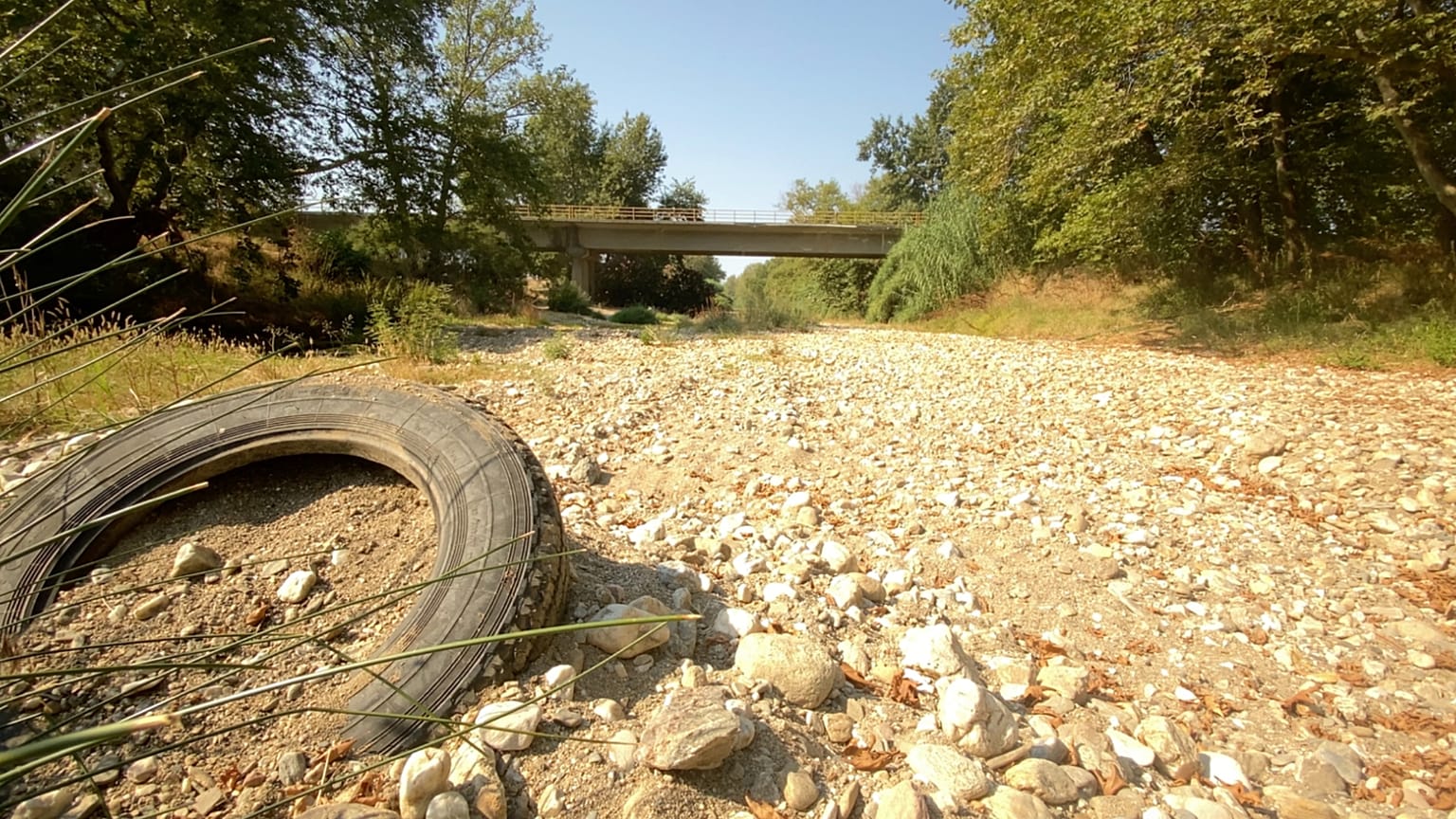
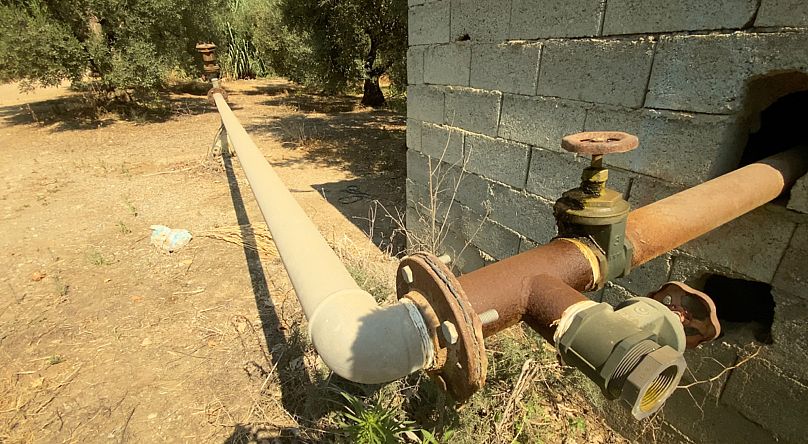
A dried river near Thessaloniki, in northern Greece Euronews

“Due to the climate crisis, this olive variety has faced many serious issues. Mainly due to lack of water, but also due to increased winter temperatures, which don´t provide trees with the hours of cold they need to become fruitful. This results in too many trees not bearing olives.”, Giannis explains.
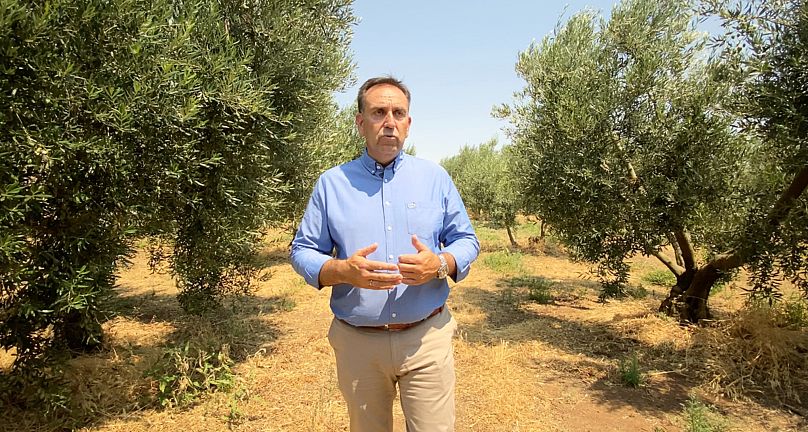
Olive producer Giannis Koufidis says he´s had to invest heavily in irrigation systems Euronews

Air temperature is today 37ºC. Soil moisture scarcely reaches 50%. Giannis has had to invest in a costly irrigation system that, he acknowledges, is also altering the delicate balance of underground aquifers.

20 kms away, another farmer faces the same problem… on a different crop. Dimitris co-owns 630 pistachio trees. Dry years go by, and authorities keep looking away, he claims.


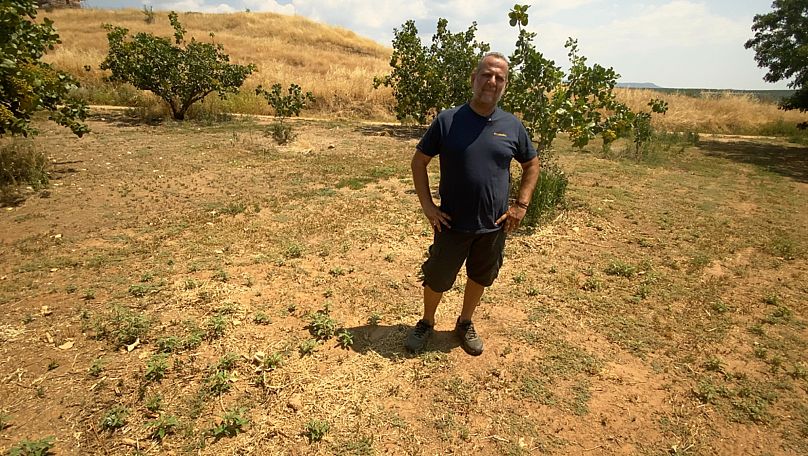
“Water is hope”, says Dimitris Evangellinos on his scorched pistachio trees plantation Euronews

“Nothing has been done in terms of educating farmers in proper water management. We don't even have precision agriculture systems. Everyone makes his own head”, he says. “The state should have already done something so that we could have avoided the problems we´ve already faced. For the last 15 years, bells have been ringing. We Greeks have always learned to live in hope, and water is hope”, Dimitris concludes.

In some regions, agriculture and farming consume up to 90% of water resources with often obsolete and inefficient infrastructures. Other sectors like industry or tourism are equally thirsty.


Along with lack of precipitations, obsolete infrastructures and poor governance are to also be blamed for inefficient water management, experts claim Euronews

Under pressure, the Greek government has just pledged urgent investments and a complete reorganization of its different water management agencies. The Water Resilient Strategy, recently published by the European Commission, further advocates for modernising infrastructures through public and private funding, and digital solutions.

But will this be enough?

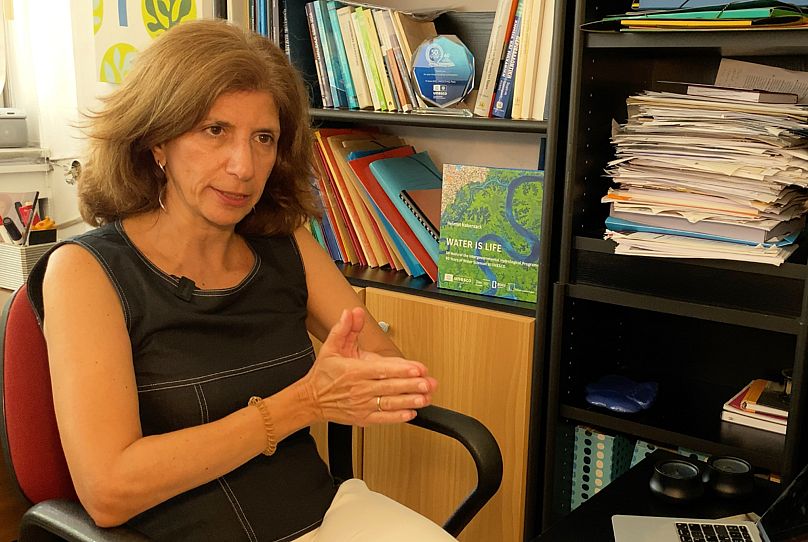
We bring the question to Elpida Kolokytha, Head of one of the UNESCO Centres for Integrated and Multidisciplinary Water Resources Management. She is also a Professor for Civil Engineering at the Aristotle University of Thessaloniki.
Elpida Kolokytha is the Head of the UNESCO Centre for Integrated & Multidisplinary Water Ressources Management hosted at the Aristotle University of Thessaloniki Euronews

“It is not that we don't have water resources. It means that we are not using them in the proper way. We need to do more because we are living in a new normal. The new normal is that because of climate change, we experience floods and droughts very, very often. So first we need to update our data”, she says.

Are the 2000 EU Water Directive and subsequent Greek legislation enough to provide appropiate solutions?

“We´ve made a lot of progress. Of course, still we have inefficiencies in the governance. In Greece as well”, Elpida Kolokytha replies. “The solution of the problem is a combination of both hydraulic engineering projects together with some soft structural measures: as water conservation or water education campaigns, but also leakage control”.

The EC´s Water Resilient Strategy aims at reducing consumption and improving water efficiency in the EU by 10% by 2030.


Coca-Cola rebrands products in Germany amid US image crisis


Dirk Kaufmann
DW
September 8, 2025

As the global reputation of US brands slips, some US firms are turning to unusual marketing strategies. Coca-Cola, for instance, is now promoting itself as a "German product."


Coca-Cola's image campaign highlights the company's importance for the local economy
Image: www.coca-cola.com


For decades, US firms have enjoyed a strong foothold in Germany, particularly in the country's western regions, which were under the control of the Western Allies after World War II.

In the immediate postwar years, US cigarettes were so highly prized on the German black market that they effectively served as currency.

Sports stars often played a role in cementing trans-Atlantic brand power. Former heavyweight boxing champion Max Schmeling, seen by many US citizens as a "good German," went on to represent Coca-Cola in Germany after his career in the ring.

Decades later, East German boxing champion Henry Maske ran McDonald's franchises in the German cities of Cologne and Leverkusen.

Today, however, the climate has shifted. The image of the US in Germany has taken a major beating, raising questions about how US companies can maintain their reputation. Some US firms are now actively marketing their products as "Made in Germany."


For decades, US brands enjoyed an unassailable image in Germany
Image: picture alliance / dpa

The McDonald's experience

The phrase "Made in Germany" was originally introduced by Britain's parliament in 1887 to warn consumers about supposedly inferior German goods. But the move backfired because the label quickly became a mark of quality.

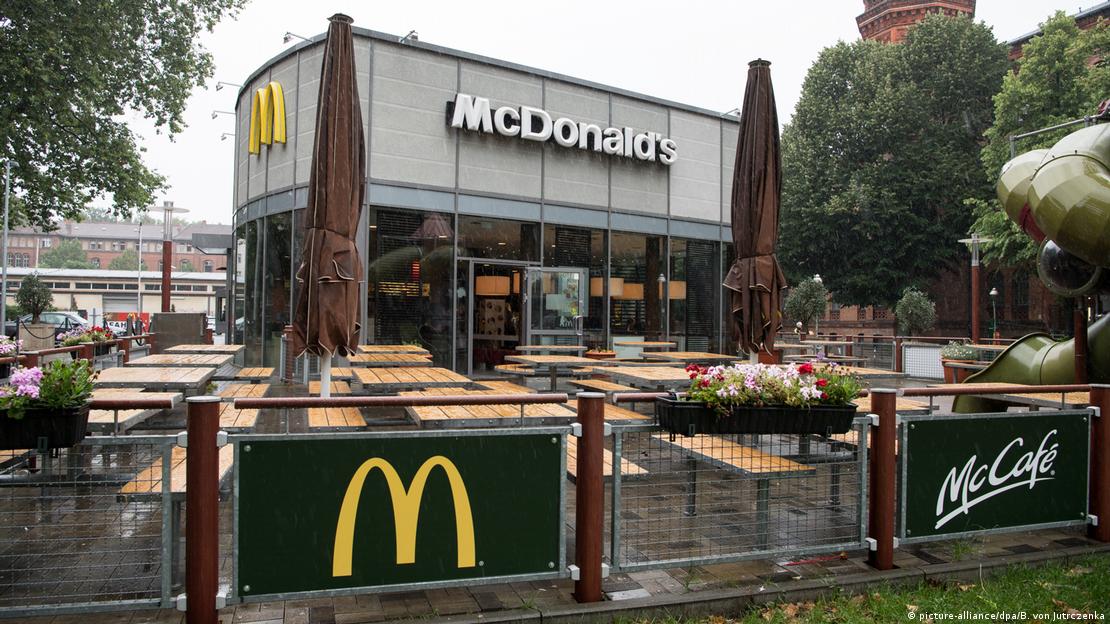
Recent German media coverage has suggested that US brands are counting on the positive connotations of the label to strengthen their position in Europe's largest market. Some, like McDonald's, Germany's largest fast-food chain, have been emphasizing their significant German sourcing.

The company told DW in a statement that it sees itself as "a long-standing partner of German agriculture" and "a reliable part of everyday life for many people in Germany."
Fast-food company McDonald's hopes to evade consumer wrath by emphasizing its German sourcing
Image: picture-alliance/dpa/B. von Jutrczenka

McDonald's emphasized its use of domestic supply chains, noting that 65% of its raw materials come from Germany, with pork, beef, eggs, cream, and cucumbers sourced entirely locally.

"This approach is not new for us in the German market," the company said, though the broader trend suggests US firms are increasingly tailoring their image to specific international audiences.

Pushback beyond Germany

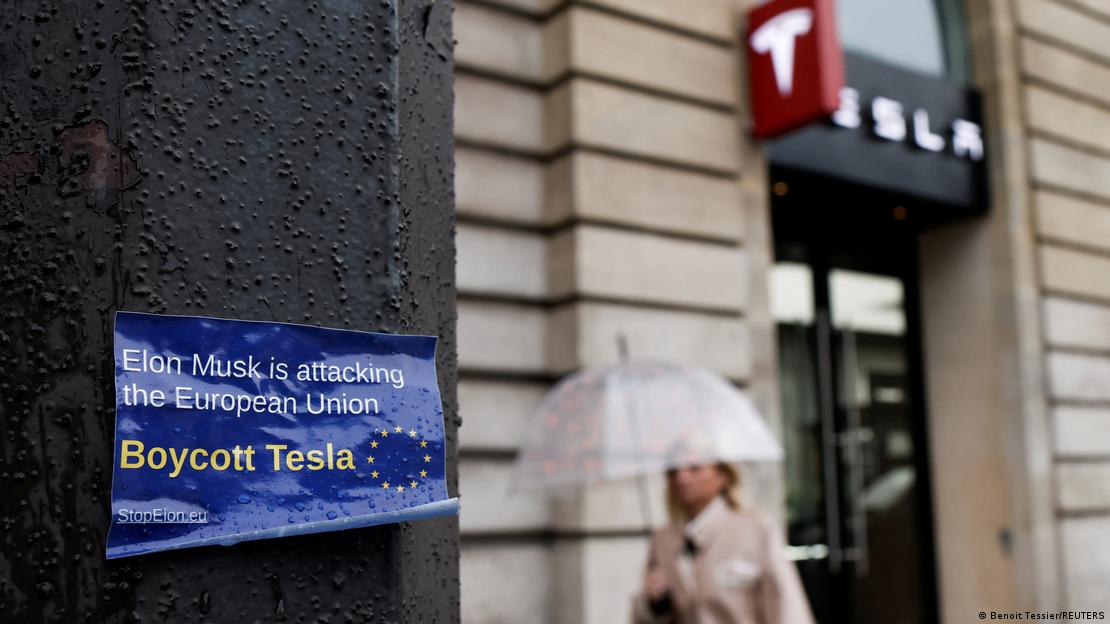
Tesla may be the clearest case of how brand perception can shift. Tesla CEO Elon Musk's political leanings and vocal as well as financial support for US President Donald Trump have made him one of the most polarizing figures in business.

Around the world, Tesla owners have even placed stickers on their cars reading: "I bought this before Elon went crazy."

The backlash has had real consequences. Tesla is not longer among the top 10 bestselling electric vehicles in Germany, underscoring the power of consumer sentiment.
Elon Musk's political leanings have hurt Tesla sales in Europe
Image: Benoit Tessier/REUTERS

Skepticism toward US goods isn't limited to Germany, Europe's biggest economy. In Canada, calls to boycott US products are also on the rise, with labels such as "Made in Canada" and "Prepared in Canada" used to steer consumer choices.

Even food giant Heinz, a quintessentially US brand, now promotes a ketchup made with Canadian tomatoes and peanut butter from Canadian-processed peanuts.


Denmark has gone a step further. Since Trump's proposal to buy Greenland, Danish retailers have marked European alternatives to US goods with black stars on price tags.

Beverage giant Carlsberg, which bottles Coca-Cola in Denmark, has already reported declining sales linked to consumer boycotts.


Coca-Cola's 'Germany Strategy'

Coca-Cola, perhaps more than any other US brand, appears concerned about being tied to the US government's politics.

The Atlanta-based company recently launched a "Made in Germany" campaign in Germany, which highlights the names of employees such as Daniel, Heike, Jana, Jessy, and Muhammed. Each is featured under the slogan: "Made by [employee name]. Made in Germany."

"The campaign aims to show Coca-Cola's deep roots in Germany," the company told DW in a statement, noting that the company had been part of German business and society for almost 100 years.

According to the company, many Germans are unaware that most Coca-Cola sold in the country is already bottled locally.

Given the current political climate, the move is widely seen as an attempt to distance the brand from US politics.

This article was originally written in German.
Did AI save Google from being broken apart by regulators?

Timothy Rooks
09/09/2025  
DW

The growing power of artificial intelligence was a deciding factor in a court's decision not to break up Google and its Chrome search browser. It is another reminder of the expanding influence of AI.


The ruling in United States of America vs. Google is the culmination of a five-year antitrust dispute between Google owner Alphabet and the government
Image: zz/STRF/STAR MAX/IPx/picture alliance


In a tech-world irony, artificial intelligence (AI) seems to have come to the rescue of Silicon Valley old-guard firm Google and its Chrome web browser.


About a year ago, the future of Google looked shaky. In the biggest antitrust challenge it ever faced, a US court in Washington, DC, found that it illegally monopolized the search market with huge payments to other companies to ensure its search engine was the default option, which effectively blocked other competitors.

With this ruling, the US Department of Justice wanted to force Google to sell its lucrative Chrome browser or Android operating system. Many commentators foresaw the end of the tech giant and its search engine dominance.


A drawn-out and technical court case

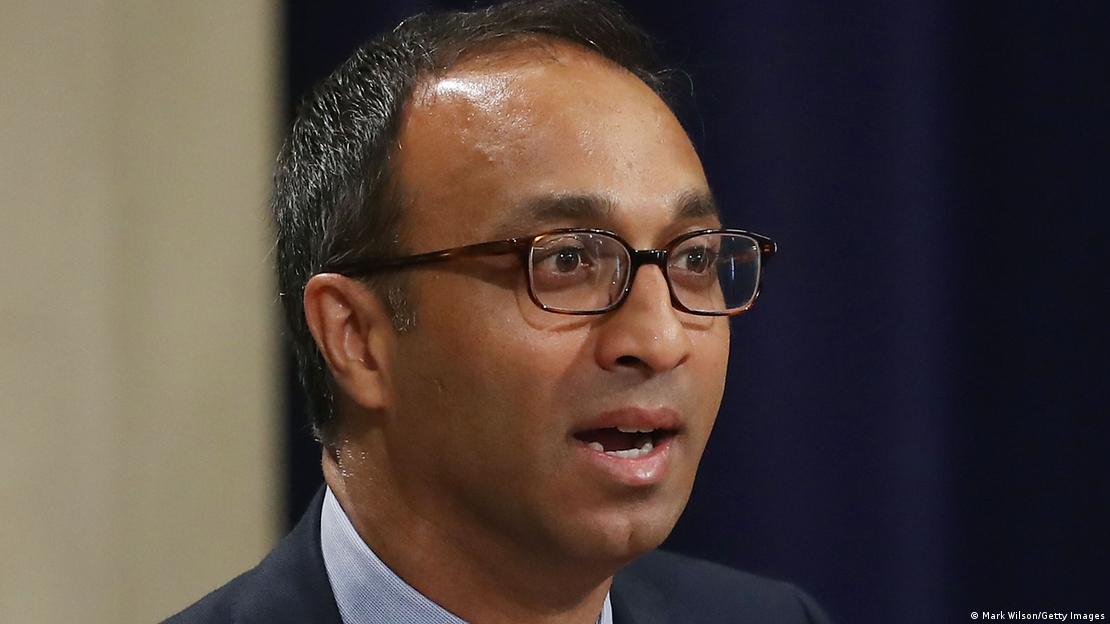
The judge in the case, Amit Mehta, took over a year to decide the penalty. His final decision, announced on September 2, 2025, was met with relief from the company. It seems the tide had turned.

Judge Mehta took a deep dive into AI and its transformation of the online search business
Image: Mark Wilson/Getty Images

In a 230-page "memorandum opinion" Mehta decided that Google would not have to be broken apart but would have to share some information with rivals to increase competition and create an oversight committee to manage compliance.

It was a monumental — if limited — decision. What was most surprising was the judge's view that generative artificial intelligence with its tens of millions of users had changed the trajectory of the entire search engine business in a few short months.
AI chatbots on the loose in Silicon Valley

"The emergence of generative AI changed the course of this case," Mehta wrote on the first page of his judgment.

When the case first started in 2020, AI was less of a topic. Today, it is nearly impossible to avoid. There are concerns in the industry that AI-powered search engines could massively disrupt, if not replace, conventional search engines, a threat the judge now accepts as a real possibility.

Indeed, AI is quickly changing how people search and use the internet more generally. Instead of getting a set of links to follow, AI-powered chatbots give short answers directly, which satisfy many queries, for example.

Google has added chatbot features, and OpenAI, the company behind ChatGPT, launched its Operator browser this year. Other big companies working with similar generative AI products are Anthropic, DeepSeek, Meta, Microsoft, Perplexity and xAI.

AI and the future of online searches

"Chrome is a browser, and, for many, it continues to be an entry point for internet use," Jinjun Xiong,the director of the University at Buffalo's Institute for Artificial intelligence and Data Science, told DW.


But AI is quickly changing how users find information online. Traditional search interfaces are "being replaced by the chat interface, and this trend will continue to accelerate," Xiong said.

He said Three things were driving this shift: ChatGPT's free model and its easy access to the power of AI, increased awareness of the technology through constant media coverage, and amazing AI technological advancements.

AI turns search engines upside down

To underscore his newly acquired understanding of AI and the online search business, Mehta dedicated 30 pages in his judgment to explain what it is and how the market works.

Google is still dominant in the search industry, Mehta concluded, but "artificial intelligence technologies, particularly generative AI, may yet prove to be game changers."

Though this AI technology is not yet close to replacing general search engines, "the industry expects that developers will continue to add features to generative AI products to perform more like general search engines."


The ruling "recognizes how much the industry has changed through the advent of AI," according to Google
Image: Matthias Balk/dpa/picture alliance

The judge acknowledged the "new realities" of the business, and said these had a profound impact on his judgement. "The money flowing into this space, and how quickly it has arrived, is astonishing," he wrote. "These companies already are in a better position, both financially and technologically, to compete with Google than any traditional search company has been in decades."

To show the complexity of dealing with such groundbreaking technology, Mehta added a personal note. "Unlike the typical case where the court's job is to resolve a dispute based on historic facts, here the court is asked to gaze into a crystal ball and look to the future," he wrote.

'Very powerful ecosystem'

Some observers expect to see little change in how Google will do business after the ruling. Others say the company will have to rejig how it works.

The real issue is the power of the entrenched ecosystems created by companies such as Google, Xiong said. Going forward Google will be more careful as it maneuvers this ecosystem and its competition.

"Google or Chrome have built a very powerful ecosystem around the various tools that people are heavily dependent on, such as Gmail, Google Docs, YouTube, Google Drive, Maps, etc.," Xiong said. "And those tools will also get better with Google's AI technologies, as well."

These existing ecosystems make it hard for other companies to break in and compete. Xiong would like to see Big Tech embrace an open ecosystem, something that the judge's ruling did not actively encourage.

Edited by: Uwe Hessler

Timothy Rooks is one of DW's team of experienced reporters based in Berlin.


Germany's automotive industry in crisis: Politics are to blame, says trade economist


Copyright AP Photo

By Diana Resnik
Published on 10/09/2025 
EURONEWS


At the opening of the International Motor Show (IAA) in Munich, a trade expert spoke to Euronews about the challenges facing Germany's automotive sector and says political decisions are to blame.


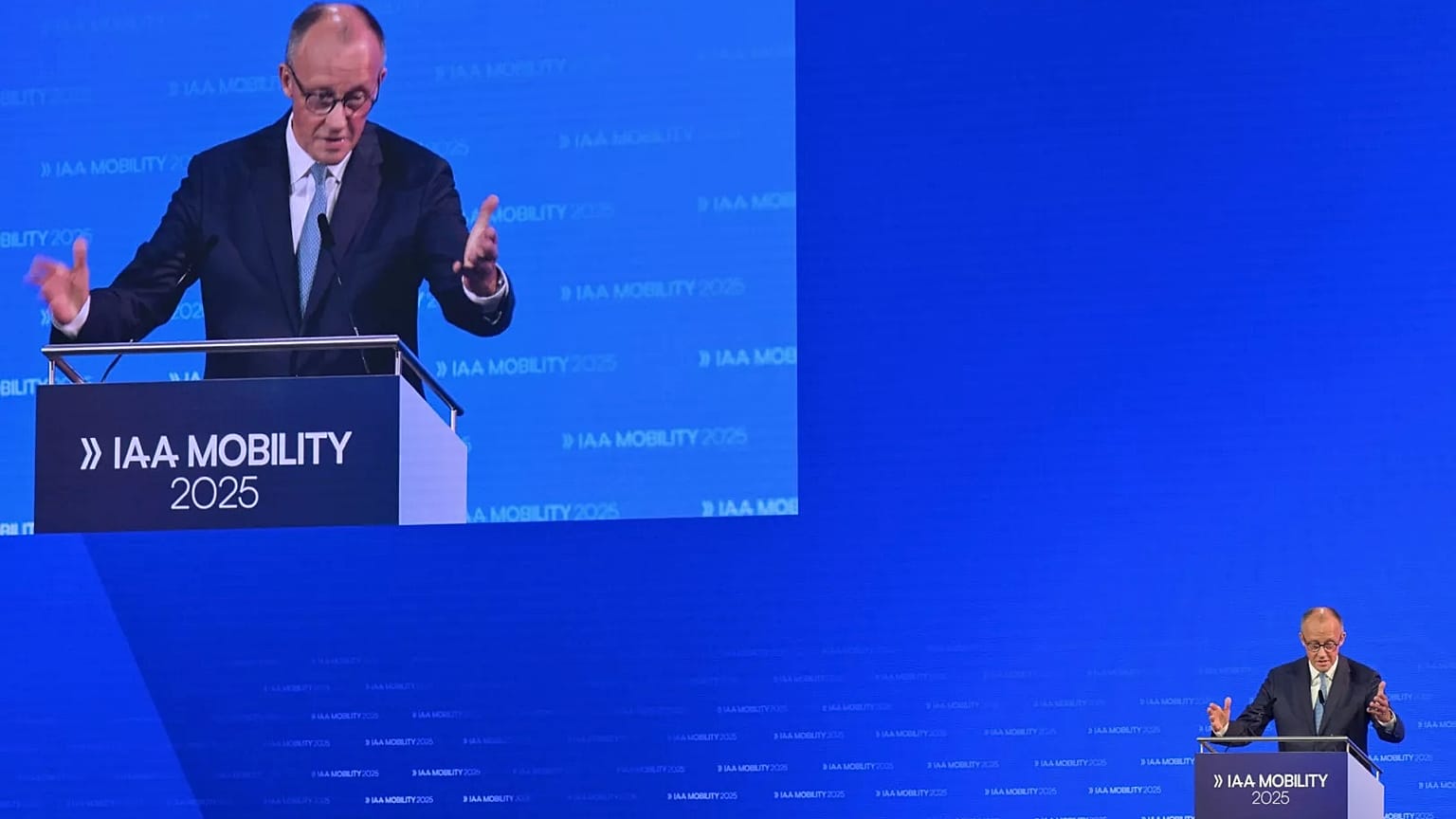
The IAA Mobility international motor show kicked off in Munich with a spectacular display. A dazzling lineup of innovative car models was presented with dramatic lighting and music, setting the stage for what should have been a celebration of progress.

But behind the glitz and glamour, the German automotive industry is grappling with a deepening crisis.

On one front, fierce competition from China is threatening Germany's global market share. On the other, the United States is turning up the pressure with 15% tariffs on German vehicles. At home, political decisions are adding to the burden.

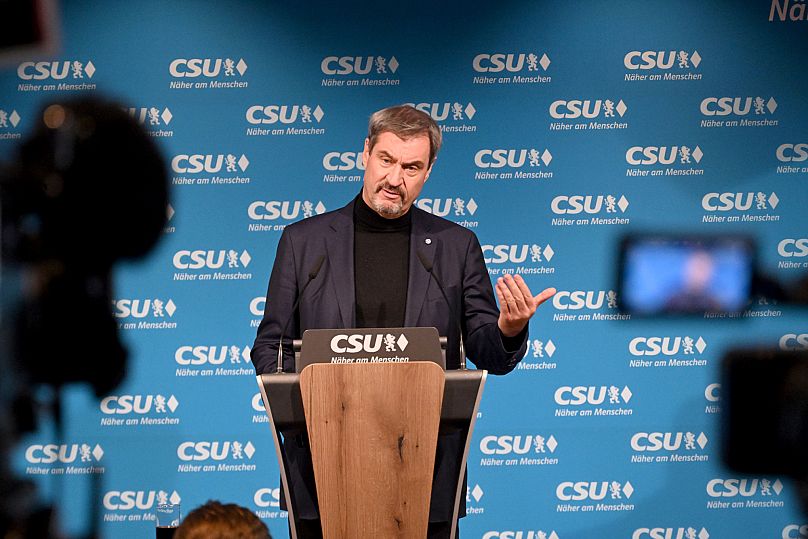
Bavarian Premier Markus Söder responded to the growing concerns with a sharp critique of the EU-wide ban on combustion engines, set to take effect in 2035.

German Chancellor Friedrich Merz has also entered the debate, calling for "greater flexibility in regulation."

But do these pressures spell disaster for Germany's auto industry?

"No," says foreign trade economist Dr. Martin Braml, author of "Free Trade is Finished".

Speaking to Euronews, the trade expert offers a clear analysis: the real reason behind the crisis lies elsewhere. Germany has "put obstacles in its own way."


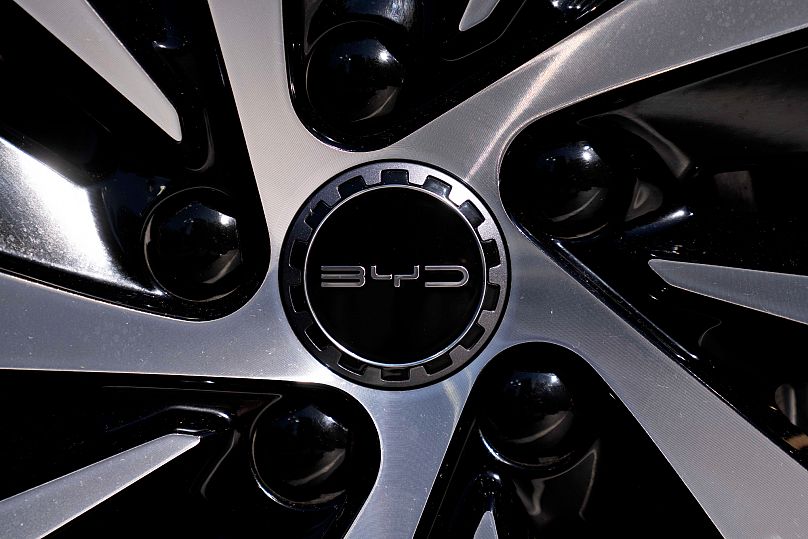
A car with the BYD logo on a rim is pictured at the IAA motor show in Munich, 8 September, 2023 AP Photo


How can Germany find its way out of a self-made dead end?


Braml stresses the need to first improve Germany's business location conditions.

"The state must set the framework," he told Euronews. "Key factors include wage costs, especially the rapidly rising ancillary wage costs such as social security contributions."

He also highlighted the heavy bureaucratic burden and extensive documentation requirements faced by companies. "Supply chain laws have ultimately placed obstacles in the way of businesses over recent years. This is an area we need to tackle," Braml said.

Another example of destructive economic policies is the approach to combustion engines. The EU plans to ban them in new cars by 2035. Bavarian Premier Markus Söder criticised this ban, calling a rapid CO2 reduction unrealistic. Söder warned that the ban will threaten hundreds of thousands of jobs.

According to a study by auditing firm EY, jobs in the German automotive industry fell by 6.7% year-on-year. Around 51,500 positions were cut within a single year, marking the steepest decline across the entire industrial sector.


Markus Söder, CSU Chairman and Bavarian Minister-President, speaks at a press conference in Munich, 7 November, 2024 AP Photo


Auto industry faces job losses amid policy debate

Foreign trade economist Dr Martin Braml also considers the political decision to ban combustion engines by 2035 unwise. He points out that about half of the vehicles Germany exports are pure combustion engine cars.

"Automakers are not making their profits in the electric sector," Braml said.

He further argued that climate policy should be driven by pricing mechanisms rather than regulatory mandates. "That would be a market-driven process, not a legal intervention. Whether new cars in 2033, 2035, or 2037 are predominantly electric vehicles will then reveal itself."

Braml added that US tariffs and competition from China are not the main problems facing the industry.

Related


US tariffs and rising competition from China

In addition to the shift towards electric vehicles, German automakers are confronted with US tariffs and growing competition from China. "That is, of course, a challenge," says Braml. One potential solution, he suggests, is to establish trade agreements with other countries.

Over the past 15 years, the European Commission has signed numerous trade deals — with Japan, South Korea, Vietnam, Singapore and Australia, among others, Braml notes. However, conducting trade has become increasingly difficult in recent years.

"It's because we have a missionary zeal to make the world a better place and try to regulate everything that has always bothered us in trade agreements," explained Braml.

Climate protection, environmental safeguards, labor standards, and even animal welfare chapters are now part of trade agreements. While these are all "noble goals," Braml warns that "if we apply the standards we have in Europe everywhere, we will end up only trading with ourselves."

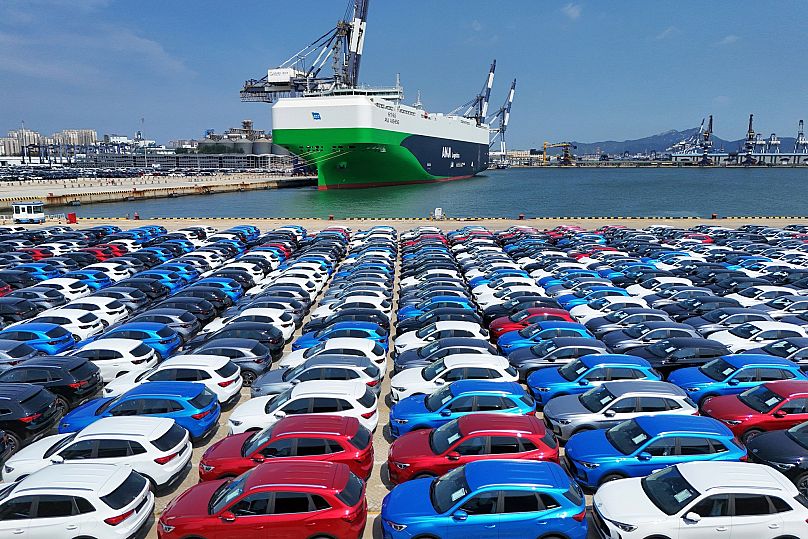
New cars awaiting shipment to foreign markets from a port in Yantai in east China's Shandong province, 21 August, 2025 AP Photo


Market advantage from E-vehicles

This approach gives the US and China a market advantage. Already, many German automakers watch with concern the breathtaking diversity of Chinese electric vehicle manufacturers. Alongside BYD, a wide range of brands such as Omoda, Gecko, GAC, and XPeng are showcased at the IAA in Munich.

Germany cannot yet compete with the variety of Chinese electric car models. However, economist Dr. Martin Braml doubts whether consumers actually want even more models.

"Chinese cars are still not very popular," Braml said. "Only about one in six Germans can imagine buying a Chinese car."

"BYD recently also scaled back production because sales are weakening, especially in newly opened export markets," Braml added.

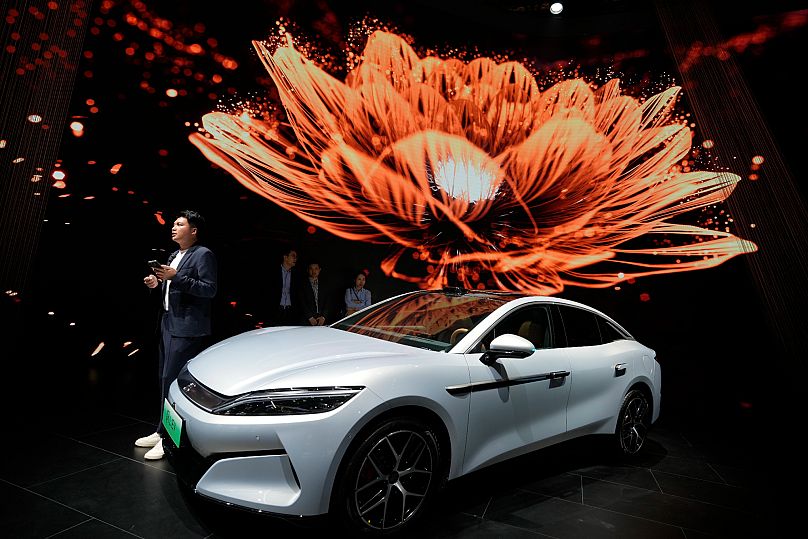
A man stands near the Han L EV model from BYD during the Shanghai auto show, 23 April, 2025 AP Photo


German electric car exports soar amid job losses

"At the same time, we see that Germany can produce very good electric cars," says Braml. "In 2023, Germany already had a trade surplus of €22 billion in electric vehicles. We export significantly more electric cars than we import, both in volume and value."

But if German electric car production is doing so well, how can the rapid job losses in the industry be explained?

"An electric car is less complex to manufacture and involves fewer production steps," Braml explains.

As more electric vehicles are built in the future, the industrial value creation in this sector will diminish.

"That means fewer workers will be needed," he says. “This is a structural challenge."


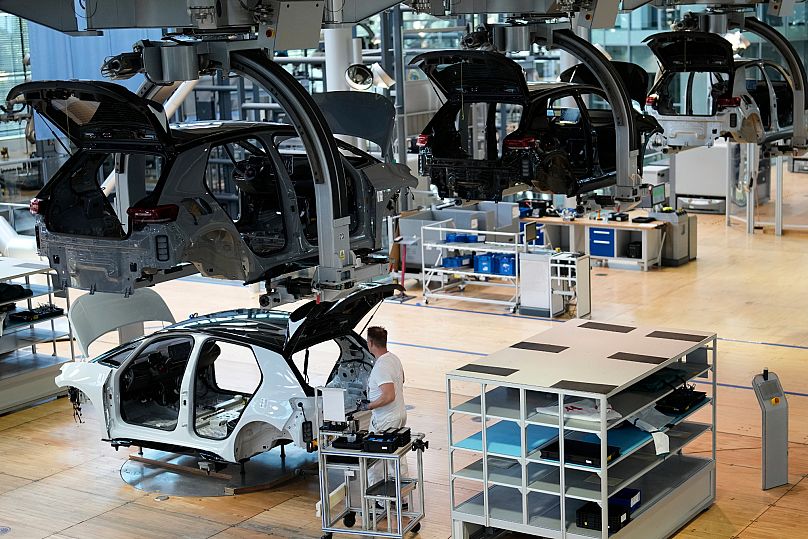
An employee of the German car manufacturer Volkswagen checks an ID.3 electric car at the transparent factory in Dresden, 14 May, 2025 AP Photo

Could von der Leyen have negotiated better?


"The US tariffs are, of course, also a problem," says Braml. Until now, passenger cars could be imported relatively cheaply into the US with a tariff of 2.5%. But now, 15% tariffs apply, while tariffs on imports from the US to Europe have dropped to zero.

"In the end, it may be more profitable for automakers to shift production to the US and serve both markets—Europe and the US—from there," Braml explains.

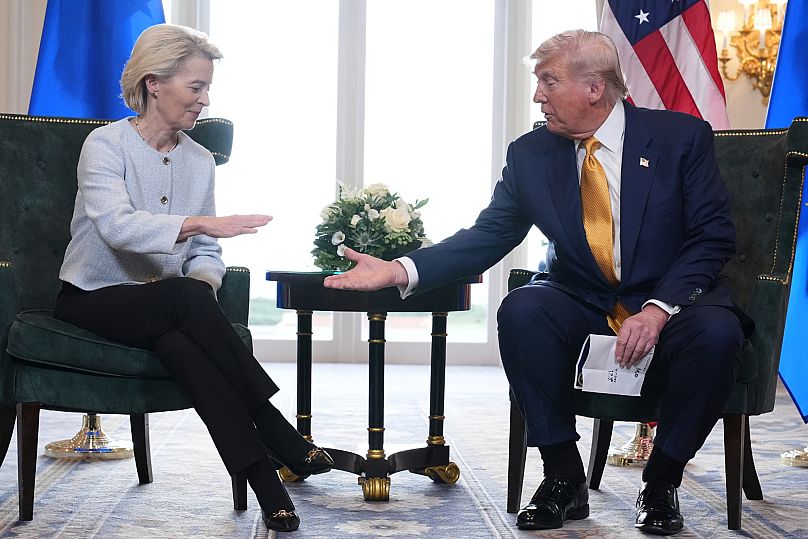
When European Commission President Ursula von der Leyen struck a tariff deal with US President Donald Trump in July, EU countries including Germany were shocked: the negotiations ended with a 15-to-zero tariff advantage for the US. "This outcome already reflects the current balance of power quite starkly," says Braml.

But the issue goes far beyond trade policy. "The EU didn't have to let itself be so easily pushed around," Braml argues.

US President Donald Trump and European Commission President Ursula von der Leyen shake hands after reaching a trade deal in Turnberry, 27 July, 2025 AP Photo

Braml recalls how the EU responded firmly to US tariffs in 2018. When President Trump imposed tariffs on aluminium and steel during his first term, "the EU reacted with strength," Braml explains.

"We already had special tariffs under Trump in 2018 and back then the EU responded differently. They imposed counter-tariffs and showed the US that we could hurt them as well." According to Braml, Trump quickly became quite "tame," despite his public claims to the contrary.

However, circumstances have changed. Russia's full-scale invasion of Ukraine rages on right on Europe's doorstep, putting US security guarantees at risk. "In such a situation, a deal is indeed better than an escalating trade war that would divide the West," Braml believes.

However, the tariff asymmetry will not last in the long term, Braml says. Once the situation in Ukraine changes, Europe will seek to renegotiate, says the foreign trade economist. "For now, I fear this was the best deal that could be achieved."

Euronews exclusive: Mercedes CEO answers top three questions about car industry's future


Copyright Euronews
By Stefan Grobe
Published on 11/09/2025 


Europe's auto industry faces a crisis due to stuttering sales, high energy prices, and global competition. Mercedes-Benz CEO and ACEA President Ola Källenius shares his thoughts on the industry's future and other key issues in a Euronews exclusive.


As EU industry chief Stéphane Séjourné said recently in his stark warning, Europe's auto industry is "in mortal danger".

Stuttering sales, high energy prices, growing global competition and an uncertain regulatory and trade environment have plunged the sector into a spiralling crisis.

To address the most pressing challenges, EU Commission President Ursula von der Leyen will host senior automotive executives in Brussels on Friday for crash talks.

It's the third and final crisis meeting of its kind this year, part of what the Commission has billed the "Strategic Dialogue on the Future of the Automotive Industry."

But can crisis talks like this avert the catastrophe many industry figures have warned about, or is Europe's role in global car manufacturing over?

Euronews spoke to Ola Källenius, president of the European Automobile Manufacturers’ Association (ACEA) and CEO of Mercedes-Benz, who shared his thoughts on the three most important questions around the continent's automotive industry and its future.


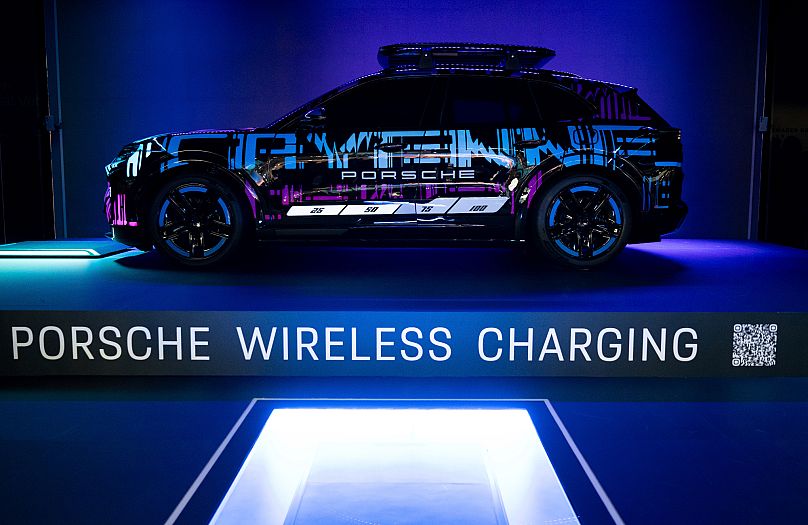
A wireless charging system from Porsche is on display at the Volkswagen booth during the opening of the International Motor Show in Munich, 9 September, 2025 AP Photo

Euronews: Is the automotive industry asking for a reversal of EU emissions targets?

Ola Källenius: We are fully committed to the goal of zero emissions - but there is a better way to get there.

No one has a greater interest in the success of electric cars than the European automotive industry.

We, as manufacturers, have already poured hundreds of billions into investments and brought hundreds of zero-emission models to market.

However, the world has evolved, and policy and legislation need to evolve, too.

That’s why we are advocating for a pragmatic recalibration of the CO₂ reduction path.

This isn't about abandoning our goals, but rather aligning them with the current market realities, economic conditions, and geopolitical landscape.

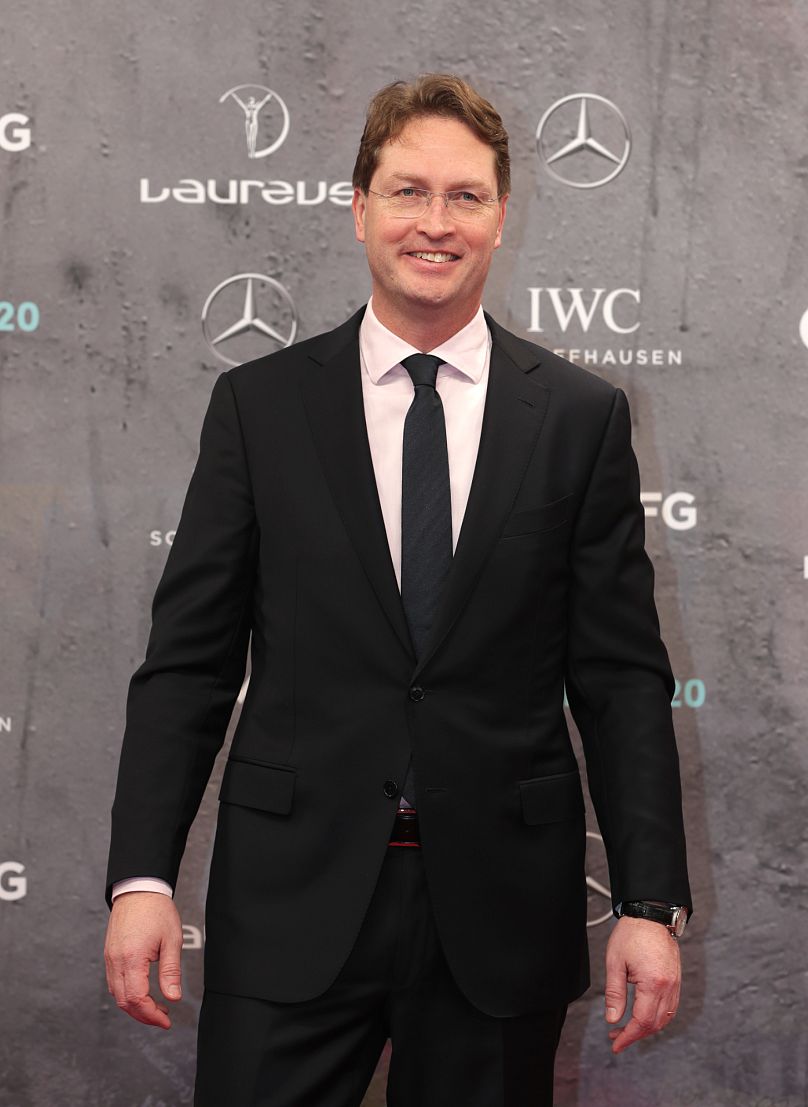
CEO of Mercedes-Benz Ola Källenius at the Laureus World Sports Awards in Berlin, 17 February, 2020 AP Photo

Euronews: What factors are slowing down the transition to green mobility?

Källenius: What we need in the current situation are strong enabling measures, including robust charging infrastructure, meaningful consumer incentives and significant upgrades to our energy grids.

Additionally, high electricity and energy costs must come down significantly, as they directly impact the attractiveness and accessibility of electric mobility for the average consumer.

These are not trivial issues; they are systemic challenges that require a concerted effort from policymakers, energy providers, and the industry to truly unlock the full potential of electric mobility. We are ready to do our part, but the ecosystem must evolve in parallel.


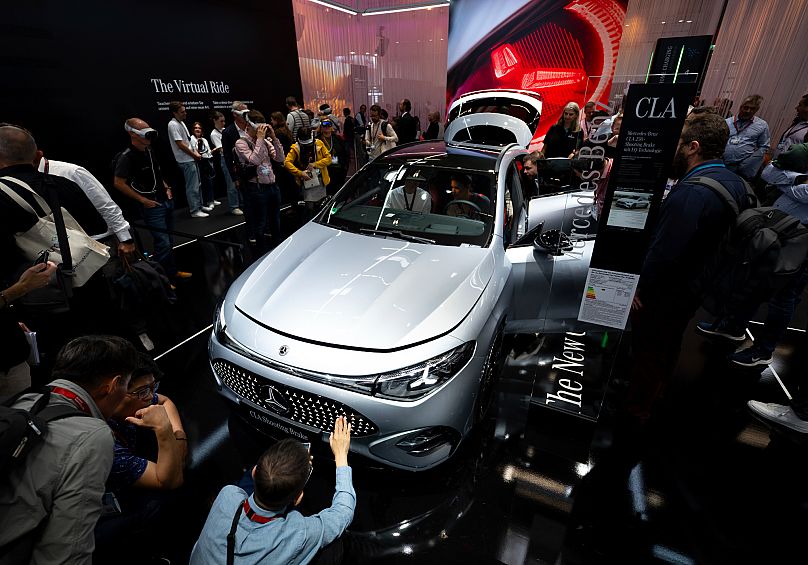
The Mercedes CLA on display at the Mercedes booth during the opening of the International Motor Show in Munich, 10 September, 2025 AP Photo

Euronews: What is necessary to ensure a successful transition to green mobility?

Källenius: It begins with a holistic and pragmatic EU strategy, one that looks beyond mere CO2 targets to the bigger picture.

We need simpler, more flexible regulation, cutting red tape, recalibrating targets realistically, long-term, consistent incentives to drive consumer adoption, as well as allowing for technology neutrality.

Ultimately, climate policy must be integrated with the wider EU goals of ensuring competitiveness, job creation and strategic autonomy.


Euroviews. Zero-emission trucks are ready, but Europe is not
A worker passes a row of MAN trucks waiting for delivery
Copyright Copyright 2011 AP. All rights reserved.

By Christian Levin, Chairman of the Commercial Vehicle Board of ACEA and CEO of Traton Group and Scania
Published on 
The opinions expressed in this article are those of the author and do not represent in any way the editorial position of Euronews.

The EU's current regulatory path is setting Europe’s truck and bus makers up for failure, argues Christian Levin, the Chairman of the Commercial Vehicle Board of ACEA and CEO of Traton Group and Scania. He calls for concrete results from the Strategic Dialogue for the auto sector.

As Europe debates the future of its automotive industry, one fact must be front and centre: trucks and buses are the backbone of Europe’s economy. Every day, they deliver essential goods and services to hundreds of millions of citizens and businesses. They are also at the heart of our continent’s climate ambitions.

Our industry has already invested billions in zero-emission vehicles (ZEVs). Today, we can offer solutions for all transport needs.

Yet, despite the industry’s readiness, the current regulatory path ahead risks setting us up for failure. The reason is simple: most of the enabling conditions that would make this transition possible are not in place today.

Under the current 2030 CO2 targets, the market share of ZEVs must increase from about 3.5% today to at least 35% in less than five years. That tenfold leap would be ambitious under any circumstances, but it will be impossible without critical levels of infrastructure and coherent policies that really drive the transition.

Adequate grid connections remain challenging, competitive charging prices, CO2-based road user charges, and targeted incentives are either delayed or under immense political pressure. Even essential legislation, such as the Weights & Dimensions Directive, is still pending.

Concrete and urgent action needed from Strategic Dialogue

This is why the European Commission’s Strategic Dialogue must deliver concrete and urgent action for Europe’s commercial vehicle manufacturers. Our sector is already delivering vehicles. But if the other pieces of the puzzle do not fall into place, we will miss the 2030 targets. And let me be clear: This is not a failure of engineering; it’s a failure of policy.

Under Europe’s regulation framework, truck and bus makers are the only actors exposed to draconian non-compliance penalties, even though the success of the transition depends on so many others too: energy providers, infrastructure operators, shippers and transport operators and, most importantly, policymakers.

Without rapid improvements, we risk excessive fines for circumstances beyond our control. That is neither fair nor smart industrial strategy.

We are true global champions and market leaders in most regions worldwide. By stalling the transition, Europe not only risks its climate-neutrality goals, it is also undermining the global leadership of one of its most competitive industries.

We are therefore calling on the European Commission to act now and to:

  • Fast-track the review of the HDV CO2 regulation, not in 2027, but now. This early review must make sure the interdependencies across the transport and logistics industry are fully reflected in the regulation.
  • Conduct a robust assessment of the state of the enabling conditions for the sector and a realistic rollout across all Member States: from charging and hydrogen infrastructure to grid capacity, ZEV cost parity and targeted demand-side incentives.
  • Work with us in dedicated workstreams focused on our industry’s transition, so that solutions can be tailored to the unique challenges we face, and Europe’s truck and bus makers can defend their global leadership.

We are fully committed to driving the climate-neutrality transition and pulling the road transport sector with us. But commitment alone won’t deliver results without supportive policies that match our urgency and realism.

The world is watching whether Europe can lead the way in sustainable transport while safeguarding its competitiveness. Let us prove that we can by making this Strategic Dialogue a turning point.

Christian Levin, is Chairman of the Commercial Vehicle Board of ACEA and CEO of Traton Group and Scania.


Robot dogs, flying cars: five takeaways from the Munich auto show

By AFP
September 11, 2025


The Govy AirCab two-seater electric 'flying car', made by a subsidiary of Chinese carmaker GAC. — © AFP Louis VAN BOXEL-WOOLF
Louis VAN BOXEL-WOOLF

From “flying cars” to robots and self-driving buses, here are some of the innovations spotted at this week’s Munich auto fair, IAA Mobility, one of the world’s biggest:

‘Give cars wings’

Chinese brands showcased their efforts to create “flying cars”, small electric aircraft powered by multiple rotors designed for short journeys.

“We want to give the car wings,” said Wang Tan, co-founder of carmaker Xpeng’s aeronautical unit.

Xpeng’s Land Aircraft Carrier, an electric car that contains a fold-out, two-seat electric aircraft, should go into mass production in 2026 and be on sale in China for less than 2 million yuan ($281,000).

Uses include rescue from locations where access is difficult, such as in heavy traffic or from tall buildings, Wang said.

GAC’s flying car unit Govy meanwhile showed off its AirCab, a two-seater self-driving electric aircraft with a top-speed of 120 km/h and a range of up to 30 kilometres.

“It is quieter than a helicopter and better meets people’s needs,” Govy spokeswoman Li Shuhan said. “It’s also cheaper.”

About 1,500 AirCabs are on order at 1.68 million yuan each.

Robot dogs (and their batteries)

Covered in yellow fur, and with big googly eyes and a red felt tongue, the Go2 robotic dog looks cute and cuddly — but it is more than just a gimmick.

“For dangerous work you need robots”, said Todd Zhang from Eve Energy, the Chinese company that makes batteries for the Go2, which is built by another Chinese outfit, Unitree Robotics.

“In the future we’ll send robotic dogs into dangerous environments rather than human beings.”

Eve Energy also supplies German carmakers like BMW and Porsche, highlighting China’s grip on the supply chain for electric cars.

Wolf on wheels

Eager to show that Europeans can innovate too, Austrian Wolfgang Podleiszek is working on a funky two-wheeled electric car that steers like a segway and needs the driver to lean into corners.

“We’ve tried to send a signal for Europe, that we can once again dream and do something new and innovative,” he said.

Podleiszek founded Wolf eMobility last year, and was on the hunt for investors at the motor show to build a prototype.

“Once people can try it out and see just how fun it is, I think the rest will follow,” he said.

But his small firm is in the sights of German giant Volkswagen, who have taken the company to court on the grounds that “Wolf” in German sounds too similar to Volkswagen’s Golf car.

But Podleiszek says “our chances are not bad” in the dispute.

New buses for older people

Companies including Germany’s Holon and Estonia’s Auve Tech displayed small self-driving buses, designed for routes where larger buses with drivers could be too expensive.

Auve Tech has 25 vehicles on the road, 20 of which are in Japan, co-founder Johannes Mossov told AFP, helped by a “strong push” from the government there.

“It’s logical because of the ageing population,” he said. “People need public transport to be more accessible for people who might not want to drive their personal car or walk long distances.”

“Europe will be similar in 10 to 15 years,” he added.

Robot people

Chinese electric-vehicle maker Xpeng was showcasing its humanoid robot, called Iron, at the fair.

Over 30 Irons are currently in training, mostly on the carmaker’s production line, although some also help out with showroom sales.


A prototype of the Xpeng robot Iron on display in Munich. — © AFP

“We hope we can let robots work on the production line by the end of this year,” Shi Xiaoxin, Xpeng’s head of robotics, told AFP.

And by the end of next year, they will likely be meeting and greeting customers, he said.

Iron is trained using motion sensors worn by employees, which gather data on human movement.

 What Internet-connected devices do EU citizens use the most?


Copyright Copyright Euronews

By Julian GOMEZ & Damaso JAIVENOIS
 08/09/2025 

In 2024, 70.9% of people in the EU used internet-connected devices. But where is the highest share -- and what Internet of Things devices are most commonly used?

The highest share of users was recorded in the Netherlands (94.8%), followed by Ireland (90.6%) and Denmark (87.0%), according to Eurostat.

By contrast, the lowest shares were in Poland (46.1%), Bulgaria (50.8%) and Romania (56.6%).

Internet-connected TVs were by far the most used IoT devices in 2024, as reported by 57.9% of individuals.

This was followed by smart wearables, such as smartwatches and fitness trackers (29.9%). One-fifth of people reported using games consoles and internet-connected home audio systems. 16.0% of people reported using a virtual assistant in the form of a smart speaker.

Home automation devices, on the other hand, were less commonly used. 14.2% of people used an internet-connected home energy management system, 12.8% used smart home appliances, and 11.8% used smart home security devices.

Lastly, 10.5% reported using a car with a built-in wireless connection. 7.9% reported using health-related IoT devices and 2.3% used internet-connected toys.

Looking more closely at different age groups reveals distinct patterns in how internet-connected devices are used. The use of these devices was highest among younger individuals aged 16 to 24 (those born or brought up during the age of digital technology and so familiar with computers and the internet from an early age) and gradually declined with age. In 2024, 84% of people aged 16 to 24 used at least one internet-connected device, compared with just 45% of those aged 65 to 74.

The youngest age group reported the highest shares of users for all types of entertainment-related devices, such as internet-connected TVs (67%), wearables (40%), game consoles (40%), smart speakers (26%), and virtual assistants (23%).