Wednesday, September 24, 2025

PREZ. OF THE FLAT EARTH SOCIETY ADRESSES THE UN

Trump calls climate change a 'con job' as leaders of drowning nations watch at the UN

Trump called renewable sources of energy like wind power a “joke" and blasted the UN's climate efforts.
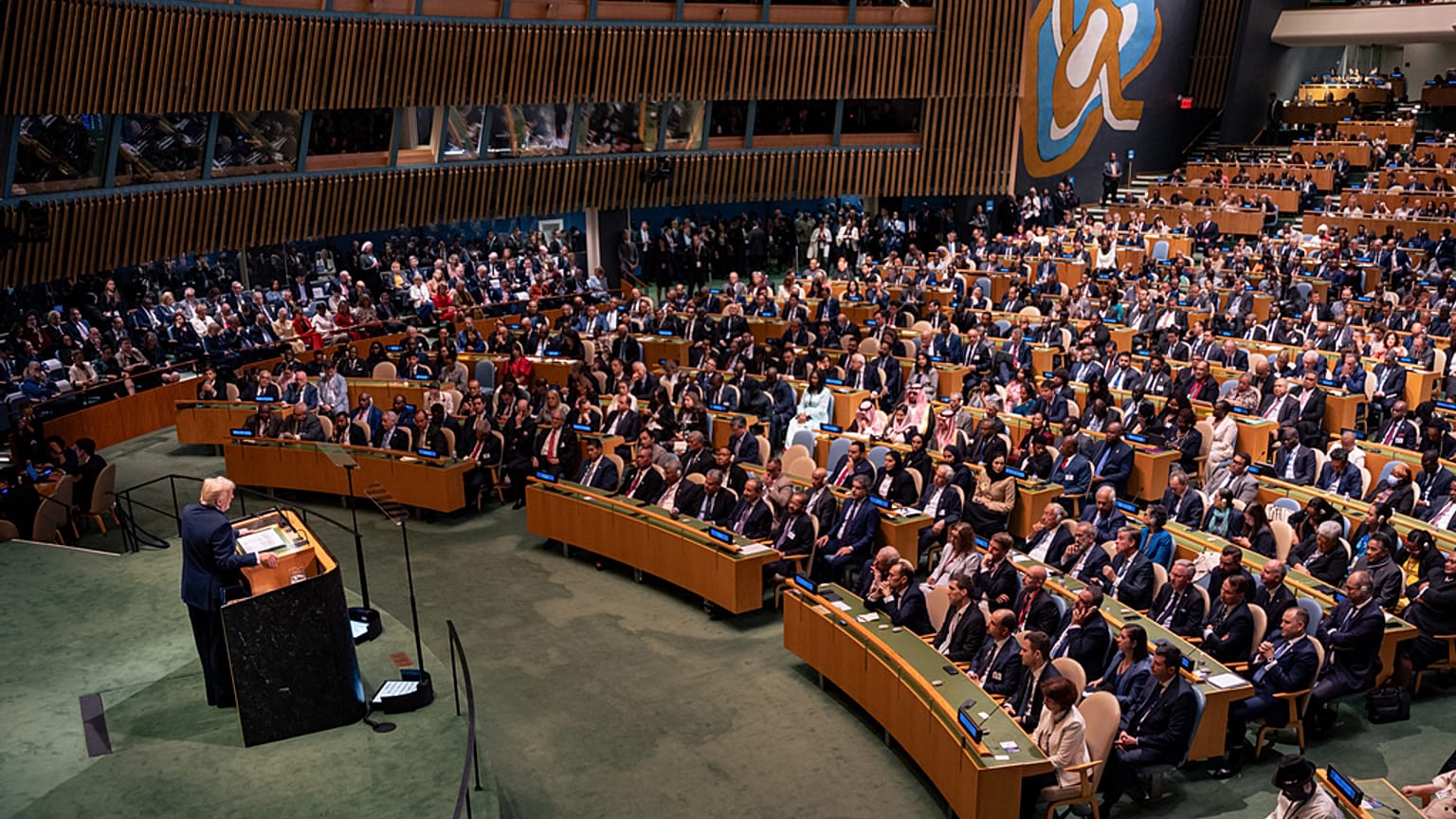

Copyright AP Photo/Angelina Katsanis

By MELINA WALLING and SETH BORENSTEIN with AP
Published on 24/09/2025 - 

Some countries' leaders are watching rising seas threaten to swallow their homes. Others are watching their citizens die in floods, hurricanes and heat waves, all exacerbated by climate change.

But the world US President Donald Trump described in his speech at the United Nations General Assembly on Tuesday didn't match the one many world leaders in the audience are contending with. Nor did it align with what scientists have long been observing.

“This ‘climate change,’ it’s the greatest con job ever perpetrated on the world, in my opinion," Trump said.

“All of these predictions made by the United Nations and many others, often for bad reasons, were wrong. They were made by stupid people that have cost their countries fortunes and given those same countries no chance for success. If you don’t get away from this green scam, your country is going to fail.”

Trump has long been a critic of climate science and polices aimed at helping the world transition to green energies like wind and solar. His speech on Tuesday, however, was one of his most expansive to date. It included false statements and made connections between things that are not connected.
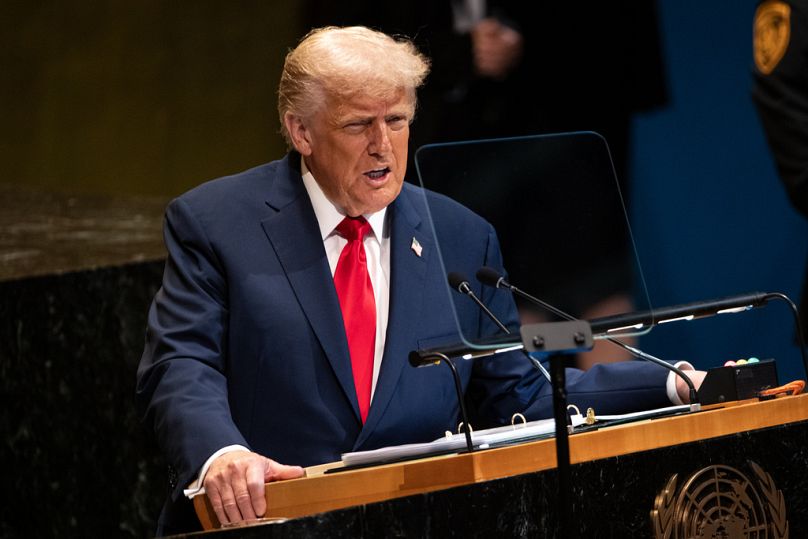
President Donald Trump addresses the 80th session of the United Nations General Assembly on 23 September. AP Photo/Angelina Katsanis

Ilana Seid, an ambassador from the island nation of Palau and head of the organisation of small island states, was in the audience. She said it’s what they’ve come to expect from Trump and the United States.

She added that not acting on climate change will “be a betrayal of the most vulnerable," a sentiment echoed by Evans Davie Njewa of Malawi, who said that “we are endangering the lives of innocent people in the world.”

For Adelle Thomas, a climate scientist who has published more than 40 studies and has a doctorate, climate change disasters are personal, too.

A vice chair of the United Nations Intergovernmental Panel on Climate Change (IPCC), the world's top body on climate science, Thomas is from the Bahamas and said she experienced first-hand "the devastation of the climate disaster” when Hurricane Sandy hit the Caribbean and New York City, the city Trump was speaking from, in 2012.

“Millions of people around the world can already testify to the devastation that climate change has brought to their lives," she said.

"The evidence is not abstract. It is lived, it is deadly, and it demands urgent action."

A look at some of Trump's statements, the science behind them and the reaction.

On renewable energy


WHAT HE SAID: Trump called renewable sources of energy like wind power a “joke” and “pathetic,” falsely claiming they don’t work, are too expensive and too weak.

THE BACKSTORY: Solar and wind are now “almost always” the least expensive and the fastest options for new electricity generation, according to a July report from the United Nations. That report also said the world has passed a “positive tipping point” where those energy sources will only continue to become more widespread.

The three cheapest electricity sources globally last year were onshore wind, solar panels and new hydropower, according to an energy cost report by the International Renewable Energy Agency (IRENA).

Subsidies endorsed by Trump and the Republican Party are artificially keeping fossil fuels viable, said University of Pennsylvania climate scientist Michael Mann.

“If one were truly in favour of the ‘free market’ to determine this, then fossil fuels would be disappearing even faster," he wrote in an email.

Relatedly, Trump falsely claimed European electricity bills are now “two to three times higher than the United States, and our bills are coming way down.”

But in fact, retail electricity prices in the United States have increased faster than the rate of inflation since 2022, according to the US Energy Information Administration. The agency expects prices to continue rising through 2026.

On the international politics of climate, the UN and the Paris Accord

WHAT HE SAID: Trump blasted the UN's climate efforts, saying he withdrew America from the “fake” Paris climate accord because "America was paying so much more than every country, others weren’t paying.”

THE BACKSTORY: The Paris Agreement, decided by international consensus in 2015, is a voluntary but binding document in which each country is asked to set its own national goal to curb planet-warming emissions and decide how much money it will contribute to the countries that will be hit hardest by climate change.

Because carbon dioxide stays in the atmosphere for more than a century, the United States has put out more of the heat-trapping gas than any other nation, even though China is now the world's number one carbon polluter.

Since 1850, the US has contributed 24 per cent of the human-caused carbon dioxide that’s in the air, according to Global Carbon Project data. The entire continent of Africa, with four times the population of the US, is responsible for about 3 per cent.


On coal being referred to as clean

WHAT HE SAID: “I have a little standing order in the White House. Never use the word ‘coal.’ Only use the words ‘clean, beautiful coal.’ Sounds much better, doesn’t it?”

THE BACKSTORY: Coal kills millions of people a year. "The president can pretend coal is clean, but real people — mothers, fathers, sons, and daughters— will die for this lie,’’ said Stanford University climate scientist Rob Jackson.

Trump also called the carbon footprint “a hoax made up by people with evil intentions,” a contention that Texas A&M University climate scientist Andrew Dessler agreed with. Dessler said the term was coined by oil companies and may have been designed to shift the responsibility for combating climate change away from corporations to individuals.

The science of climate change started 169 years ago when Eunice Foote did simple experiments with flasks and sunlight, showing that carbon dioxide trapped more heat than the regular atmosphere. It’s an experiment that can be repeated at home and has been done in labs hundreds of times and in greenhouses around the world every day. It is basic physics and chemistry with a long history.

“It is unequivocal that human influence has warmed the atmosphere, ocean and land,” the IPCC reported, which is made up of hundreds of scientists, with doctorates in the field.

In 2018, Trump’s own government said: “The impacts of global climate change are already being felt in the United States and are projected to intensify in the future.”


On cows and methane

WHAT HE SAID: In “the United States, we have still radicalised environmentalists and they want the factories to stop. Everything should stop. No more cows. We don’t want cows anymore."

THE BACKSTORY: Cows belch methane, a powerful greenhouse gas. Around the world, cattle are often raised on lands where forests have been cut down. Since forests capture carbon dioxide, cutting them to raise cattle results in a double whammy. Still, no one is suggesting that cows be gotten rid of, said Nusa Urbancic, CEO of the Changing Markets Foundation.

“This polarising and divisive language misrepresents the environmental message,” Urbancic wrote.

“What is true, however, is that cutting methane emissions is a quick win to slow global heating and meet climate targets.”

Trump also blamed dirty air blowing in from afar, floating garbage in the ocean coming from other countries and “radicalised environmentalists.”

Although the United States does indeed now have cleaner air than it has in decades, the pollution seeping into communities is primarily caused by local dirty energy and industry projects, not by other countries. And many experts have said the biggest blow to local air and water quality is the Trump administration’s own wide-ranging rollbacks to the power of the US Environmental Protection Agency and other bedrock environmental laws.

“It is sad to see marine debris, a globally important issue, being misrepresented so completely,” said Lucy Woodall, an associate professor of marine conservation and policy at the University of Exeter.


 

Satirical statue of Trump and Epstein holding hands appears in Washington

A work of protest art representing President Donald Trump and Jeffrey Epstein is seen on the National Mall near the Capitol, Tuesday, Sept. 23, 2025, in Washington.
Copyright Julia Demaree Nikhinson/Copyright 2025 The AP. All rights reserved.

By Kieran Guilbert
Published on 

The statue titled Best Friends Forever was made by an anonymous creator and is expected to remain in the grounds of National Mall until Sunday night.

A statue of US President Donald Trump and the late convicted sex offender Jeffrey Epstein holding hands has appeared on the National Mall in Washington.

The pop-up statue titled Best Friends Forever will remain on the National Mall grounds until Sunday evening under a permit granted by the National Park Service.

"We celebrate the long-lasting bond between President Donald J Trump and his 'closest friend' Jeffrey Epstein," a plaque at the bottom of the installation read.

The creator of the statue is unknown, but the artwork is the latest in a series of anonymous installations that have been critical of the US president in Washington, including a statue titled Dictator Approved, featuring a golden thumbs up crushing the Statue of Liberty's crown

In response to the statue, White House spokeswoman Abigail Jackson said that "Liberals are free to waste their money however they see fit."

"But it’s not news that Epstein knew Donald Trump, because Donald Trump kicked Epstein out of his club for being a creep," Jackson said.

The US president said recently that he cut ties with the disgraced financier because he "stole" young women — including Virginia Giuffre, who was among Epstein's most well-known sex trafficking accusers — who worked for the spa at his Mar-a-Lago resort.

Earlier this month, Democrats on the House Oversight Committee released a sexually suggestive letter to Epstein that was purportedly signed by Trump.

The letter was included as part of a 50th birthday album compiled in 2003 for Epstein. Trump has said he did not write the letter or create the drawing of a woman's body that surrounds the text.

The Trump administration continues to face growing calls to release more information about the government's sex-trafficking investigation into Epstein, but has so far refused to do so.

Earlier this month, ahead of Trump's second state visit to the UK, protesters planted fake merchandise featuring the US president and Epstein inside the Windsor Castle gift shop.

They also unfurled a supersized, 400-square-metre photo of the two together on the tree-lined property outside the royal residence, and projected images of them onto the castle.

Italian actress Claudia Cardinale, star of '8½' and 'The Leopard,' dies aged 87

She has been a UNESCO Goodwill Ambassador for Women's Rights since 1999


Copyright Credit: ArchivoCameraphoto Epoche/Cannes Film Festival

By Rita Konya
Published on 24/09/2025  
EURONEWS

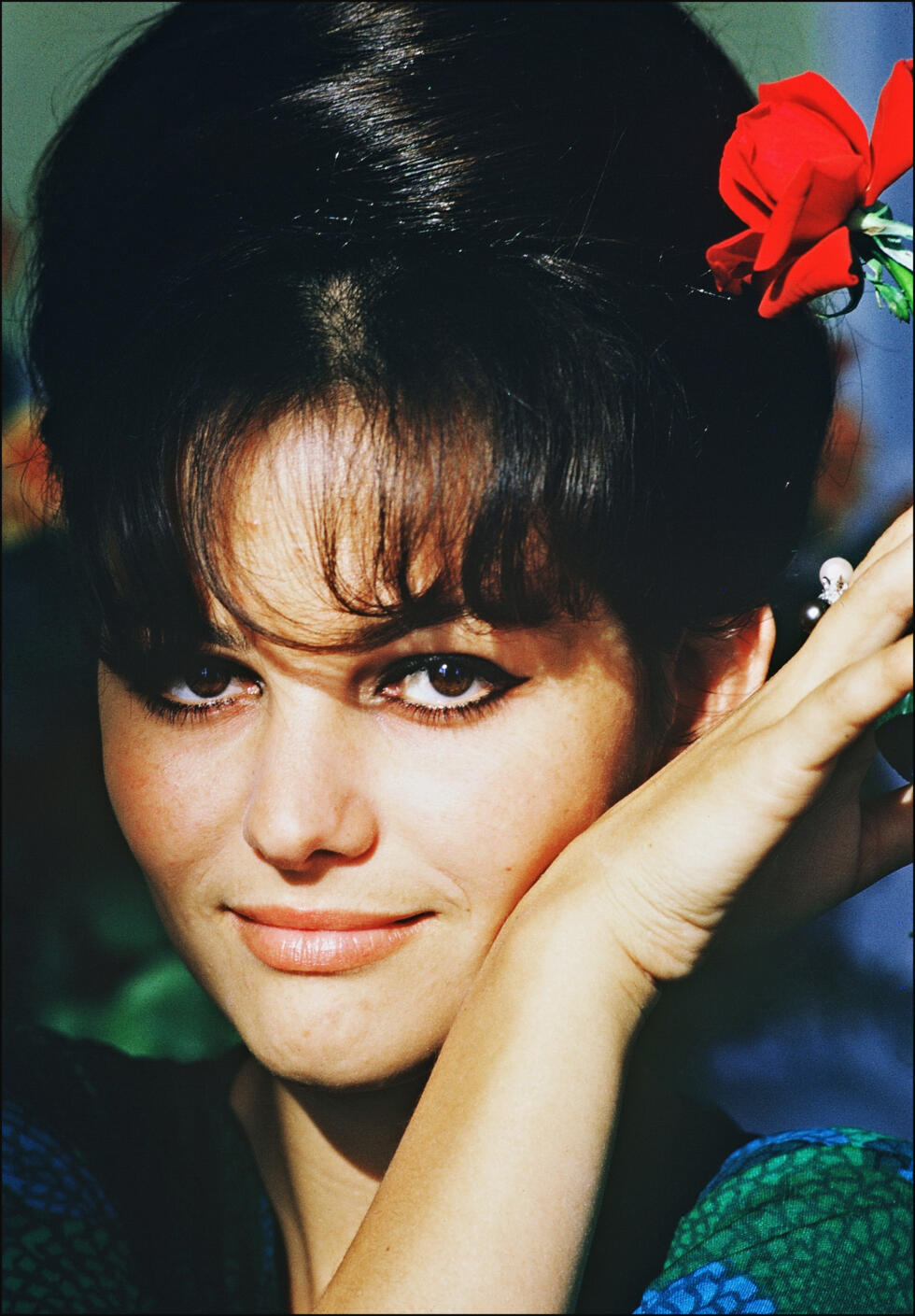
The acclaimed Italian actress, Claudia Cardinale, famous for her roles in The Leopard and 8½, has died at the age of 87.

Her agent Laurent Savry told French news agency AFP that she passed away on Tuesday at her home in Nemours in France, surrounded by her children.

Cardinale starred in more than 100 films and made-for-television productions, but was best known for her role in Federico Fellini’s 8½, in which she co-starred with Marcello Mastroianni in 1963.

She also won praise for her role as Angelica Sedara in Luchino Visconti’s award-winning screen adaptation of the historical novel The Leopard, and as a reformed sex worker in Sergio Leone’s Once Upon a Time in the West in 1968.

"She leaves us the legacy of a free and inspired woman, both as a woman and as an artist," Savry said, as quoted by Italian media.

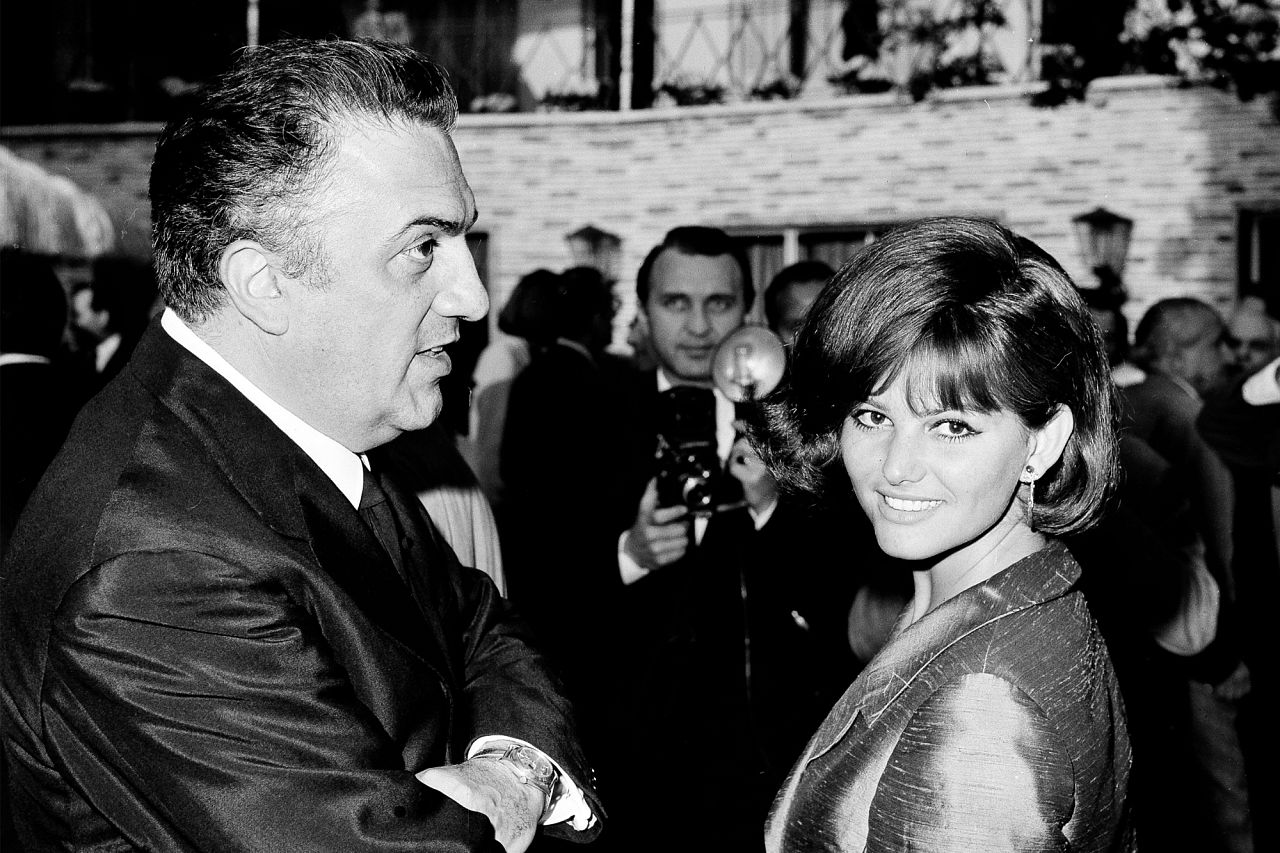
Federico Fellini and Claudia Cardinale in Rome, 27 May 1964 AP Photo/Giulio Broglio
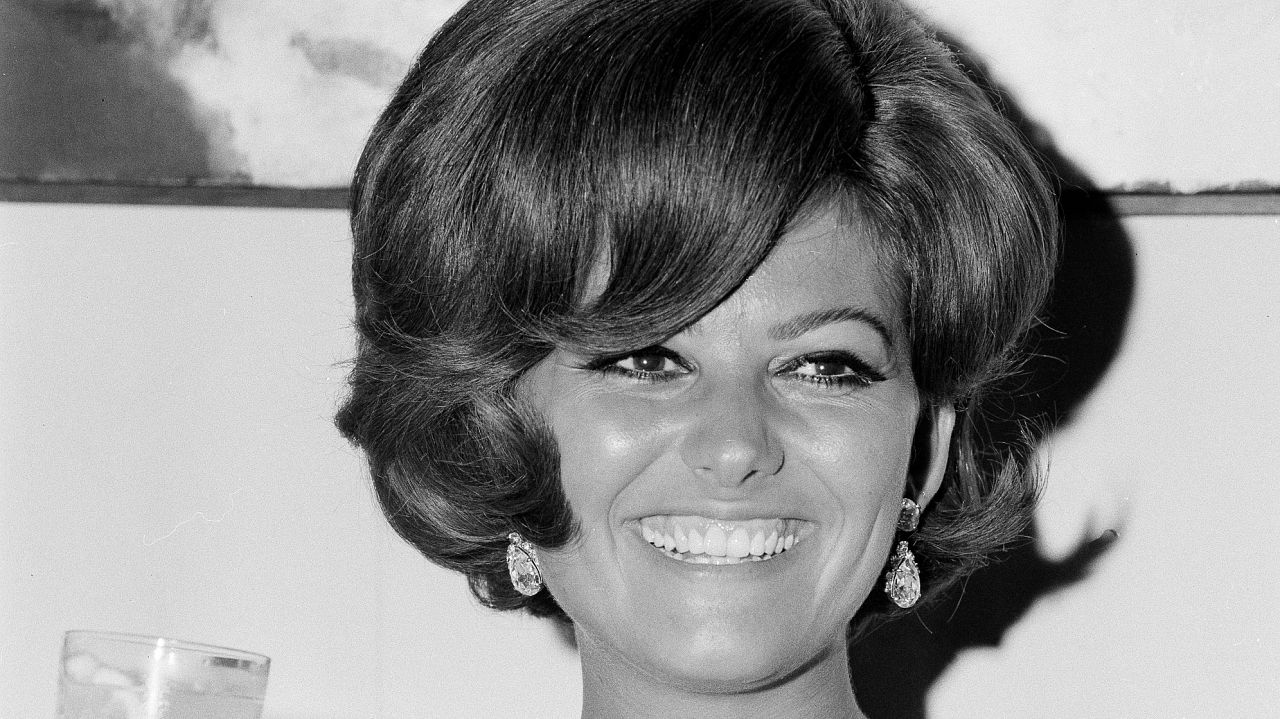
She was born Claude Joséphine Rose Cardin in La Goulette in Tunisia, to a Sicilian father and a French mother on 15 April 1938.

At age 17, Cardinale won a beauty contest in 1957, in which she was named the most beautiful Italian woman in Tunis. The contest brought her to the Venice Film Festival, which helped launch her movie career.

Before entering the competition, Cardinale had expected to become a school teacher.
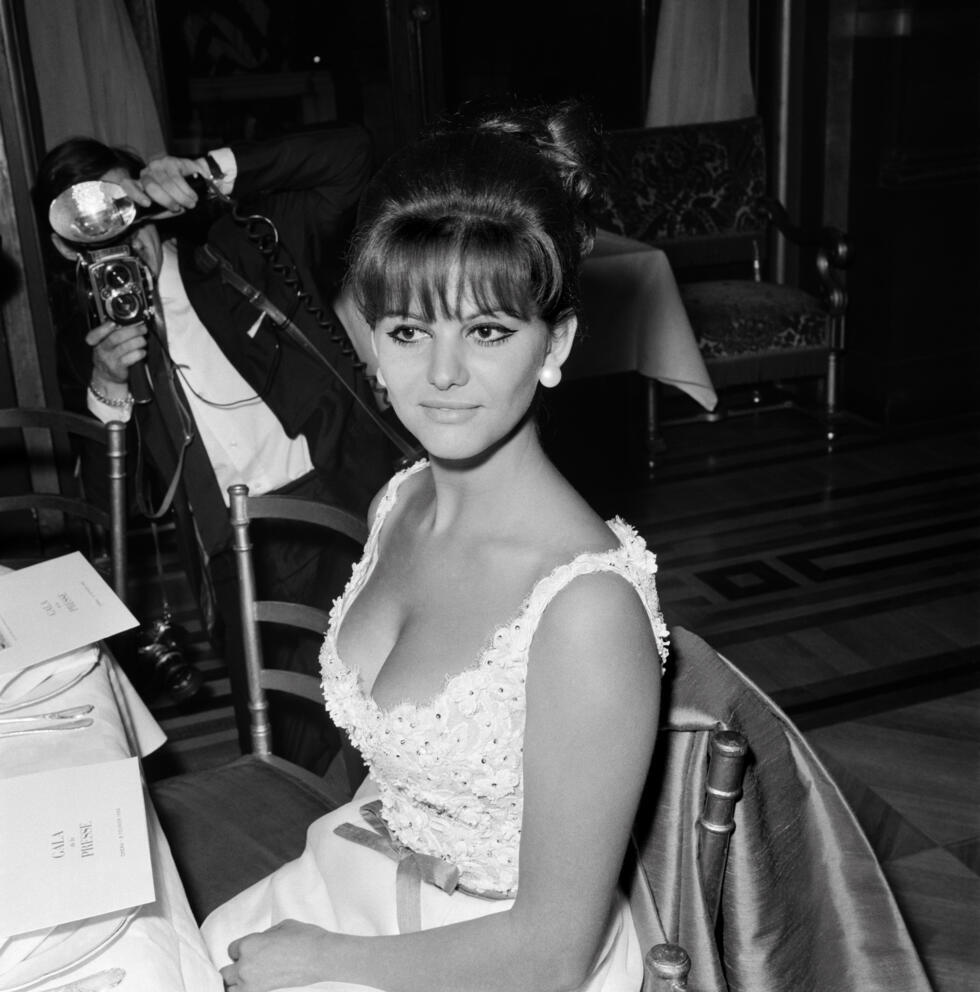
Claudia Cardinale at a press conference in Rome, 9 July 1965 AP Photo/Mario Torrisi

Along with Brigitte Bardot, she became an iconic film star of the 1960s European cinema.

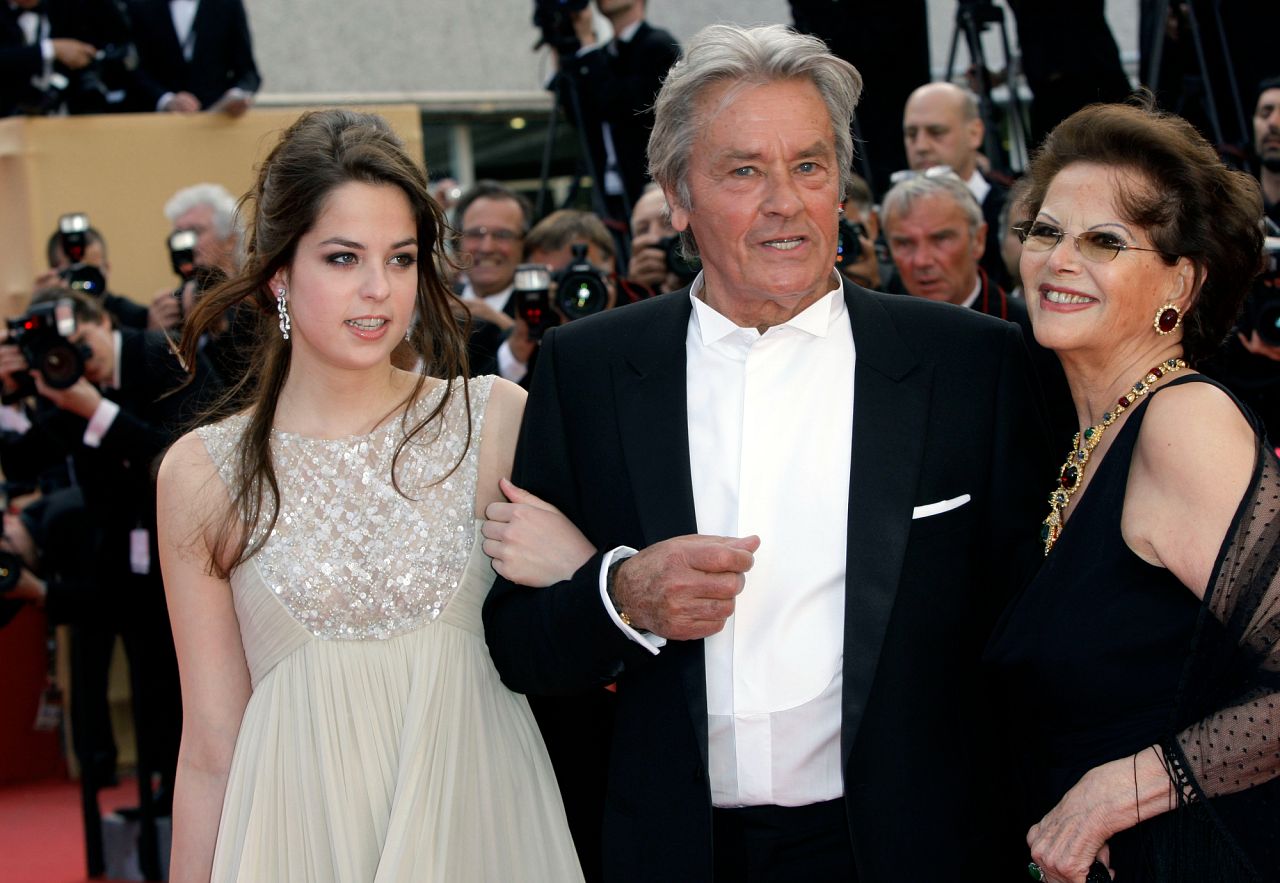
Alain Delon with his daughter Anouchka and Claudia Cardinale in Cannes, 14 May 2010 AP Photo/Joel Ryan

In 1962, she starred alongside Jean-Paul Belmondo in Cartouche, and then went on to star in three of the decade's greatest films: Luchino Visconti's The Leopard, Federico Fellini's 8½, and The Pink Panther.

In 1968, she played Jill McBain in Sergio Leone's monumental spaghetti western Once Upon a Time in the West, and in 1982 she was Klaus Kinski's partner in Werner Herzog's Fitzcarraldo.

Claudia Cardinale as special guest at the Budapest Classic Film Marathon - 6 September 2018. MTI/Illyés Tibor

Cardinale was a liberal with strong political convictions and a major advocate for women's and LGBTQ+ rights.

She has been a UNESCO Goodwill Ambassador for Women's Rights since 1999 and a Knight of the French Legion of Honour since 2008.

She had two children, one with Cristaldi and a second with her later companion, Italian director Pasquale Squitieri.

Sixties screen siren Claudia Cardinale dies aged 87

Paris (AFP) – Sixties screen siren Claudia Cardinale, who died on Tuesday aged 87, entranced audiences across the globe with the sultry gaze that made her the muse of Luchino Visconti and Federico Fellini.


Issued on: 23/09/2025 - FRANCE24

Her decades-long career has seen her star in 175 films and both the Venice and Berlin festivals awarded her honorary prizes © Frederick M. Brown / GETTY IMAGES NORTH AMERICA/AFP/File

With her fierce beauty and husky voice, Cardinale not only captivated Italy's greatest filmmakers, she played opposite most of the leading men of the time, from Burt Lancaster to Alain Delon and Henry Fonda.

She died at Nemours near Paris, in the presence of her children, her agent told AFP, adding that the date and place of her burial had not yet been fixed.

"She leaves us the legacy of a free and inspired woman both as a woman and as an artiste," Laurent Savry said in a message.

Italian Culture Minister Alessandro Giuli called her "one of the greatest Italian actresses of all time" and said Cardinale embodied "Italian grace".

Cardinale's fairytale career began as a nightmare.

She was raped in her teens by a film producer and became pregnant. With few options open at the time, she made the tough decision to bring up her son Patrick and try "to earn a living and her independence" from cinema, even though she never wanted to be in films.

"I did it for him, for Patrick, the child I wanted to keep despite the circumstances and the enormous scandal," she told French daily Le Monde in 2017.

"I was very young, shy, prudish, almost wild. And without the slightest wish to expose myself on the film sets."
Reluctant actress

Born in La Goulette, near Tunis, on 15 April 1938, to Sicilian parents, Cardinale's life had already been turned upside down at at the age of 16 when she was picked out of a crowd to win a beauty contest.

Cardinale was born in Tunis to Sicilian parents © - / AFP/File


Crowned "The most beautiful Italian woman in Tunis", the prize was a trip to the Venice film festival where she immediately turned heads and reluctantly, turned her back on her plans to become a teacher.

"All the directors and producers wanted me to make films, and I said, 'No, I don't want to!' she said.

It was her father who eventually convinced her to "give this cinema thing a go".

As she started to land small film roles, she was raped. A mentor convinced her to secretly give birth in London and entrust the child to her family.

Patrick would officially be her younger brother until she revealed the truth seven years later.

"I was forced to accept this lie to avoid a scandal and protect my career," she said.
'Fairytale'

From then there was no looking back, as she became swept up into the golden age of Italian cinema, even though she knew "not a word" of the language, speaking only French, Arabic and her parents' Sicilian dialect.

At 20 "I became the heroine of a fairytale, the symbol of a country whose language I barely spoke," she wrote in her 2005 autobiography "My Stars."

Her voice had to be dubbed in Italian until she starred in Fellini's Oscar-winning "8 1/2" in 1963, when the star director insisted she use her own voice.
Cardinale had a huge hit in Hollywood with 'The Pink Panther' © STF / AFP/File

That year, aged 25, Cardinale filmed both Visconti's epic period drama "The Leopard" and Fellini's surrealist hit "8 1/2" at the same time.

"Visconti wanted me brunette with long hair. Fellini wanted me blonde," she said.

Critics called her the "embodiment of postwar European glamour", and she was was packaged as such, both on screen and off.

"It's almost like she had sexiness thrust upon her," Britain's The Guardian wrote in 2013.

Embraced by Hollywood, where she refused to settle, Cardinale had a huge hit with Blake Edwards' "The Pink Panther" with Peter Sellers, then Henry Hathaway's "Circus World" with Rita Hayworth and John Wayne.

"The best compliment I ever got was from actor David Niven while filming 'The Pink Panther'," Cardinale recalled.

He said: "Claudia, along with spaghetti, you're Italy's greatest invention."

Refusing to have cosmetic surgery, she went on to perform into her 80s, including in "La Strana Coppia", a female version of Neil Simon's "The Odd Couple" at the Teatro Augusteo in Naples.
'Only love'

Although desired by many, she said her "only love" was the blue-eye Neapolitan director Pasquale Squitieri, father to her daughter Claudia with whom she worked on a series of films over four decades until his death in 2017.

Her decades-long career has seen her star in 175 films and both the Venice and Berlin festivals awarded her honorary prizes.

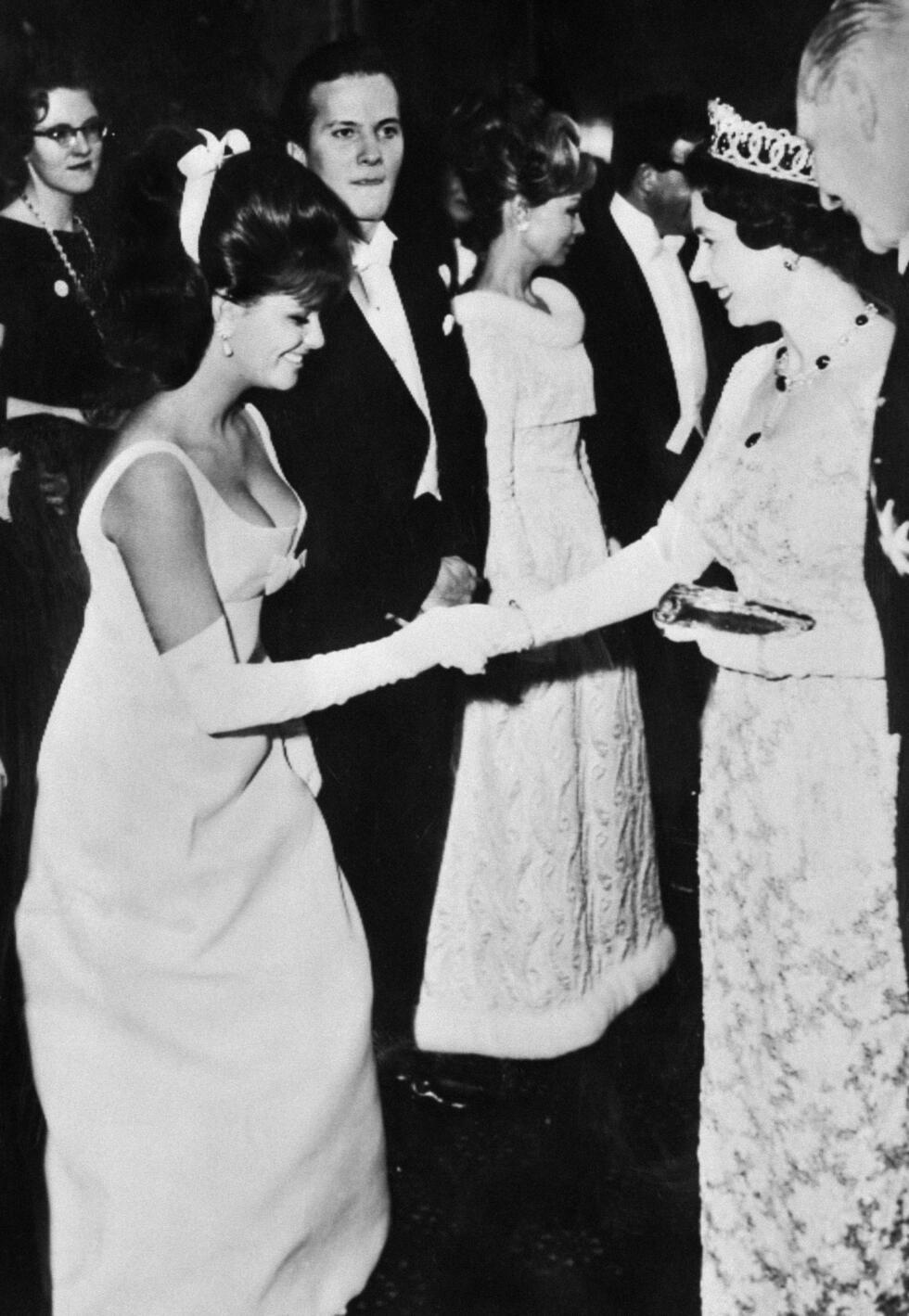
Cardinale and Queen Elizabeth II at a premiere © - / CENTRAL PRESS/AFP/File

In 2017 she featured on the official poster of the Cannes film festival amid an outcry that her thighs had been airbrushed to make the seem thinner.

A staunch defender of women's rights, she was named UNESCO Goodwill Ambassador in 2000 in recognition of her commitment to the cause of women and girls.

"I've had a of luck. This job has given me a multitude of lives, and the possibility of putting my fame at the service of many causes," she said.

© 2025 AFP


Three Russia-friendly military junta-run African countries pull out of ICC

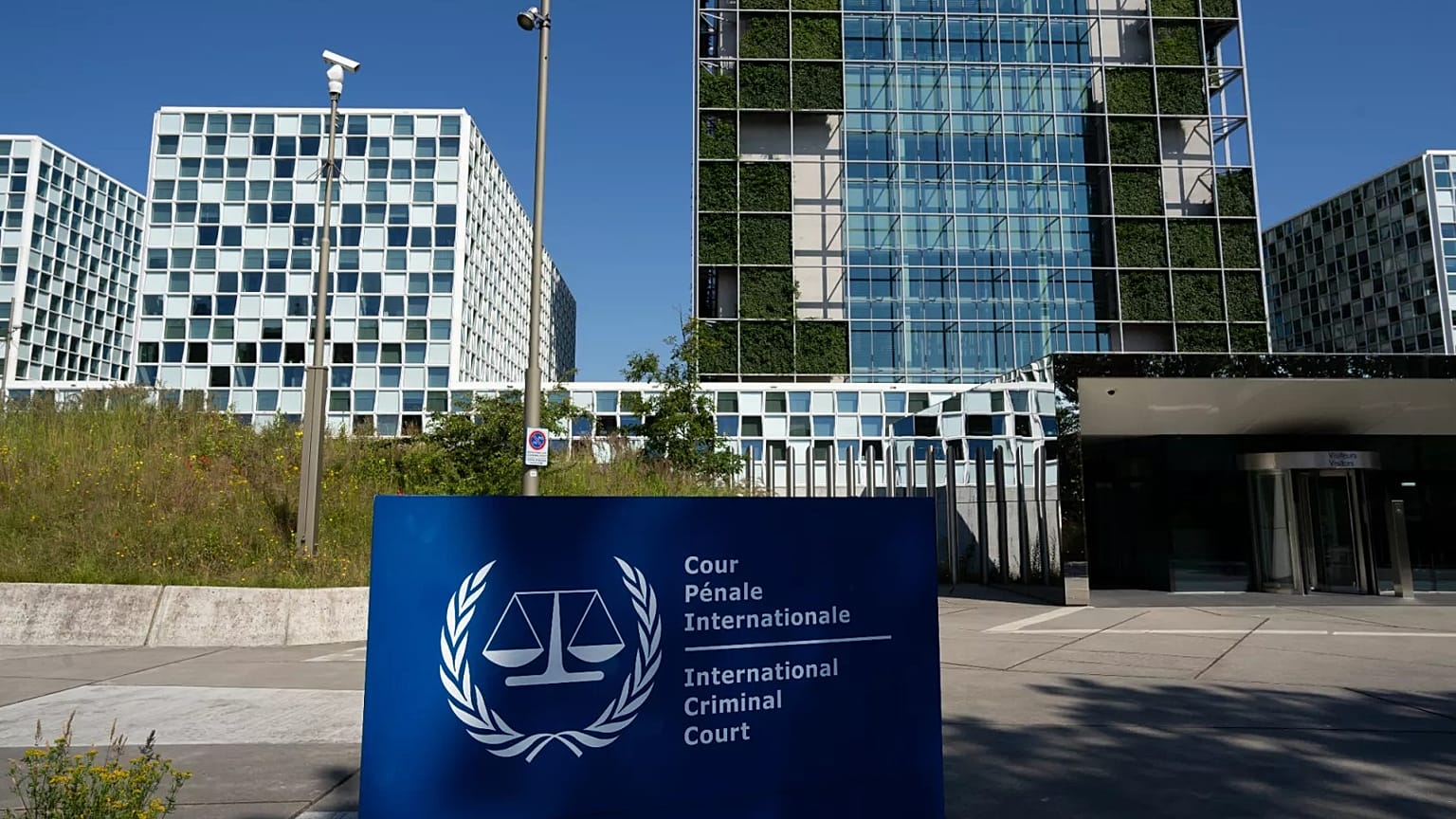
A general view of the exterior of the International Criminal Court in The Hague, 26 June, 2024
Copyright AP Photo

By Gavin Blackburn
Published on 

Mali, Burkina Faso and Niger said they are seeking more "sovereignty" and hinted at replacing the ICC's functions with a domestic option.

The ruling military juntas in Mali, Burkina Faso and Niger say their countries are withdrawing from the International Criminal Court (ICC), accusing the global tribunal of what they say is selective justice.

The ICC, based in The Hague, is the world's permanent global tribunal for war crimes, crimes against humanity and genocide.

In a joint statement announcing their withdrawal on Monday evening, the three countries said the ICC has become an "instrument of neocolonial repression in the hands of imperialism," without elaborating on the allegation.

The juntas also said they are seeking more "sovereignty" and hinted at a local option to the court.

The withdrawal was not unexpected in the wake of the military coups that brought the juntas to power in the three West African countries.

Since the coups, the three countries' military leaders abandoned long-time partners, including the political and economic bloc, ECOWAS.

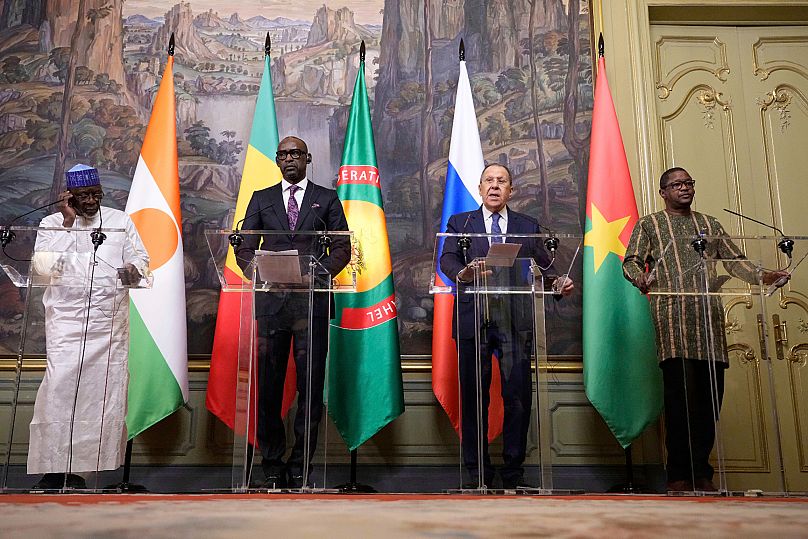
The foreign ministers of Niger, Mali and Burkina Faso with Russian Foreign Minister Sergey Lavrov in Moscow, 3 April, 2025 AP Photo

Closer ties with Russia

They have established new alliances, mainly with Russia, whose President Vladimir Putin is subject to an arrest warrant by the ICC over the alleged forced deportation of Ukrainian children to Russia.

Russia has provided Mali with helicopters, arms and ammunition, and the junta partnered with the Wagner mercenary group, ostensibly for support in countering an Islamist insurgency across the Sahel region, which has been ongoing since 2011.

In a report published last year, Human Rights Watch accused Wagner and the Malian army of committing serious abuses against civilians, saying at least 32 non-combatants had been killed.

Wagner also signed an agreement with the junta in Burkina Faso, again for support in combating a Jihadist insurgency in the country.

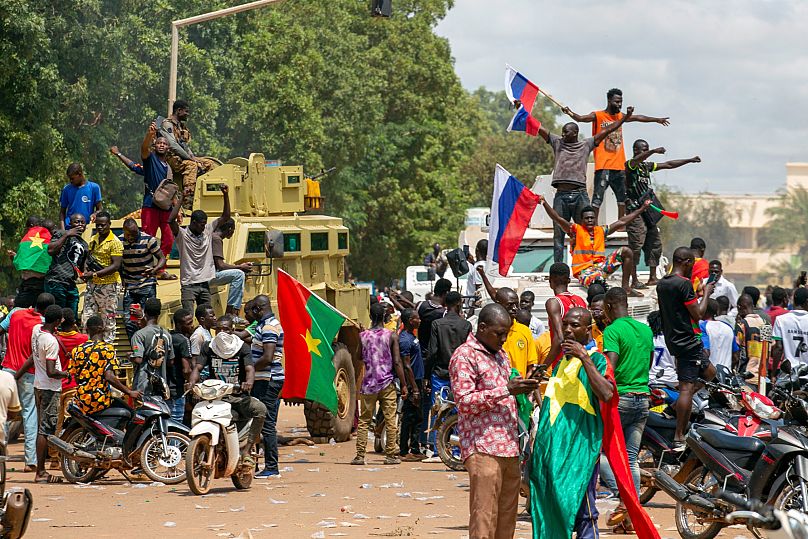
Supporters of Burkina Faso’s junta cheer with Russian flags in the streets of Ouagadougou, 2 October, 2022 AP Photo

Burkina Faso was also one of a group of African countries to receive 50,000 tons of free grain from Russia in 2023.

Earlier this year, Russia and Burkina Faso said they would work together to strengthen economic ties and diversify trade.

While in Niger, Russian troops were permitted to move into an airbase in Niamey that the government had previously told US forces to leave.

Meanwhile, the ambassadors of Burkina Faso, Mali and Niger all visited Russian-occupied Crimea earlier this week, accompanied by Russian diplomat

"African diplomats grossly violated international law, the sovereignty and territorial integrity of Ukraine, as well as several UN General Assembly resolutions, including No 68/262 on the territorial integrity of Ukraine, which reaffirms the non-recognition of any changes to the status of the Autonomous Republic of Crimea and the city of Sevastopol," Ukraine's foreign ministry said in a statement on Monday.

Other withdrawals

The withdrawal process from the ICC takes at least a year to complete. Earlier this year, Hungary also announced its withdrawal from the court.

Gergely Gulyás, the chief of staff for Hungarian Prime Minister Viktor Orbán, criticised the ICC in April for allegedly deviating from its original purpose and becoming a "political body," citing an arrest warrant against Israel’s Prime Minister Benjamin Netanyahu on charges of allegedly using starvation as a method of warfare and crimes against humanity in Gaza.

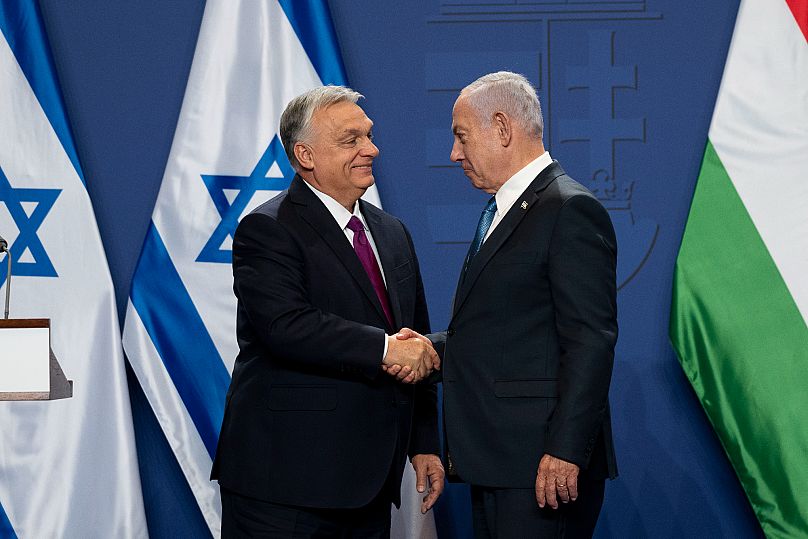
Hungarian Prime Minister Viktor Orbán and Israeli Prime Minister Benjamin Netanyahu in the Buda Castle in Budapest, 3 April, 2025
Hungarian Prime Minister Viktor Orbán and Israeli Prime Minister Benjamin Netanyahu in the Buda Castle in Budapest, 3 April, 2025 AP Photo

The first country to leave the ICC was Burundi in 2017. South Africa and the Gambia have both threatened to leave, but have reversed or halted their decisions to do so.

All three states claim the court is biased against African countries

The Philippines left the court in 2019, but its former President Rodrigo Duterte is under arrest and currently facing prosecution on murder charges stemming from his infamous "war on drugs".

Fact-check: Has the Netherlands banned Antifa?


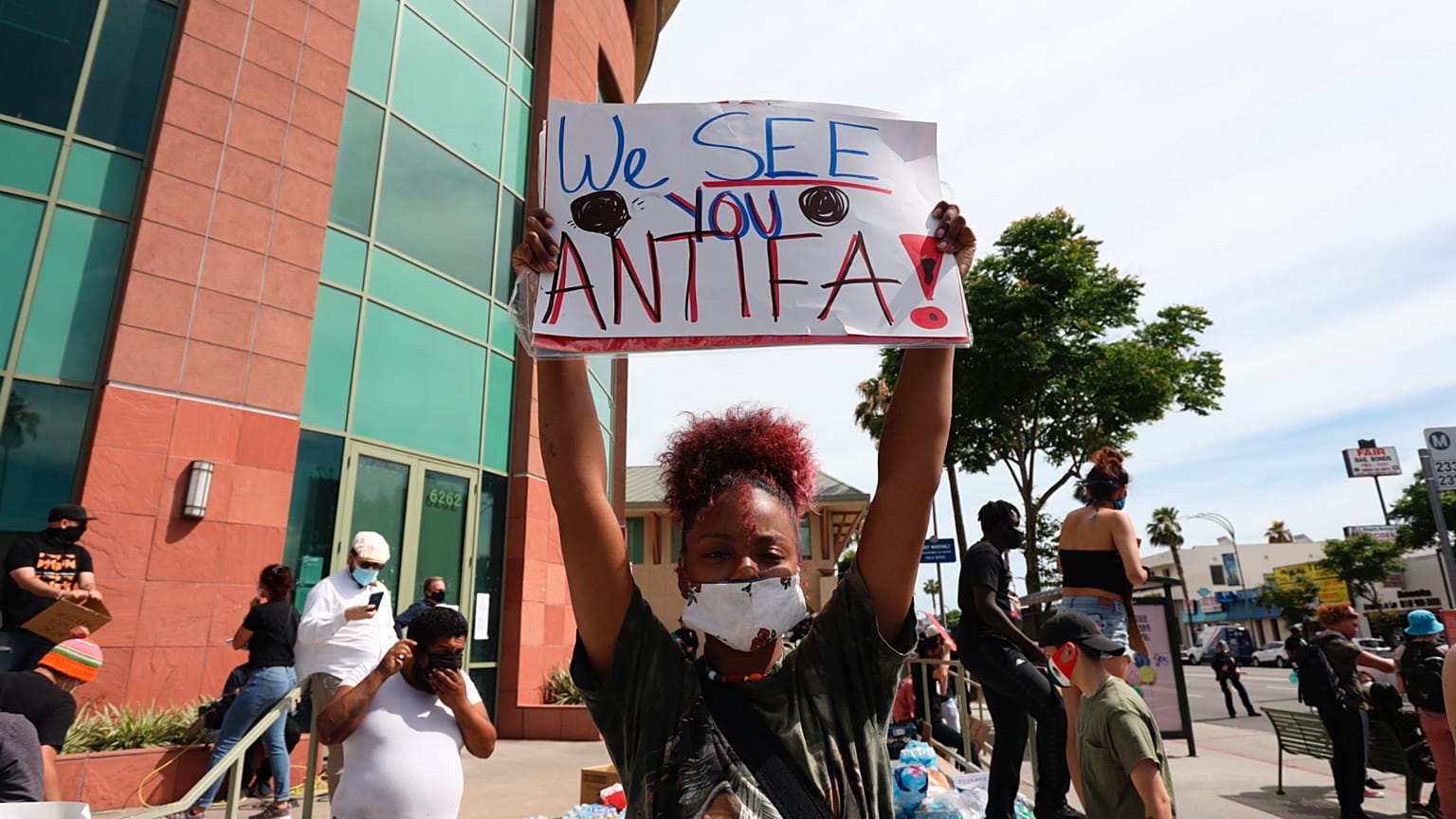
Copyright AP Photo
By Estelle Nilsson-Julien & James Thomas
Published on 23/09/2025 - EURONEWS


Calls to ban Antifa have emerged in Europe following the killing of Charlie Kirk. No links between Kirk's suspected killer, Tyler Robinson, and any other left-wing groups have been made to date.

United States President Donald Trump on Monday signed an executive order labelling Antifa as a "domestic terrorist organisation" in the country.

In turn, posts alleging that the Netherlands has designated Antifa as a terrorist organisation gained traction, with some being viewed hundreds of thousands of times across social media.

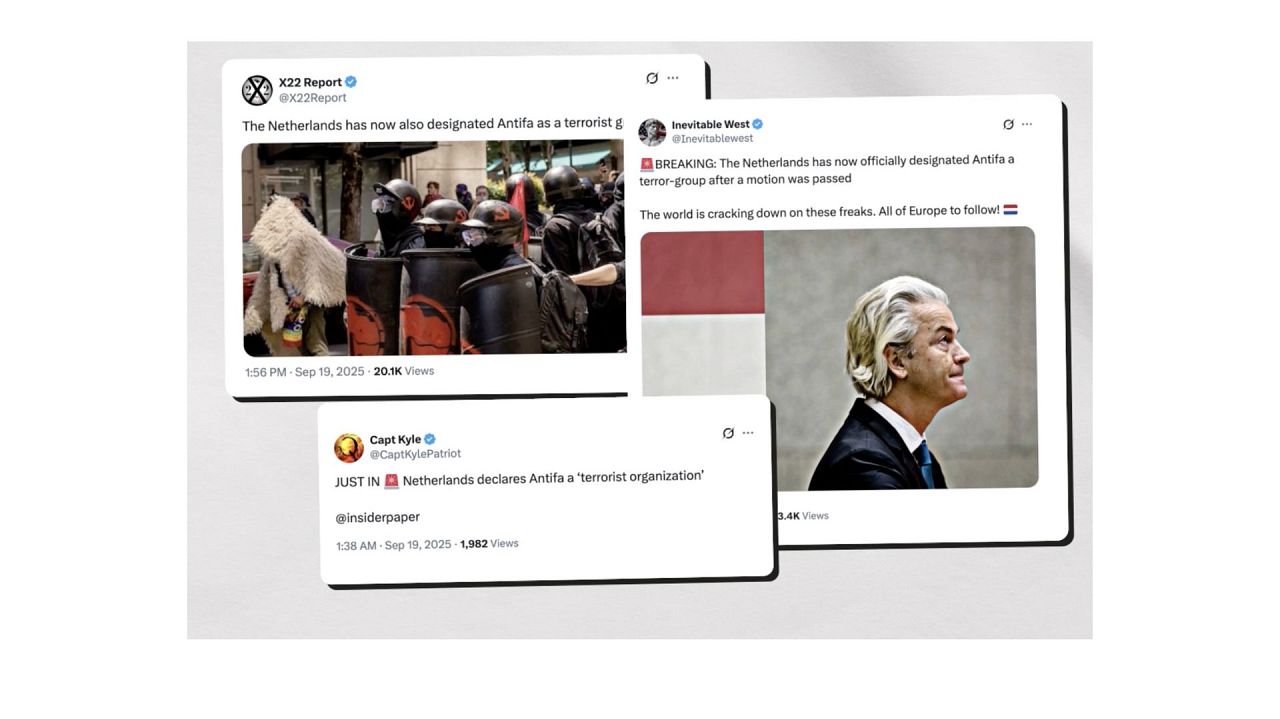
In one X post viewed more than 300,000 times, one user writes, "BREAKING: The Netherlands has now officially designated Antifa a terror group after a motion was passed. The world is cracking down on these freaks. All of Europe to follow!"

Another post viewed more than 6,000 times states, "Antifa is finished. Well done, Netherlands, in banning before Trump."

Screenshots from X users commending the Netherlands for banning Antifa
Screenshots from X users commending the Netherlands for banning Antifa X

Calls to ban Antifa crossed the Atlantic following the assassination of right-wing activist and influential Trump ally Charlie Kirk in Utah on 10 September, as the US President blamed the "radical left" for Kirk's killing.

Antifa is a term short for "anti-fascist", which designates a broad umbrella of loosely affiliated, decentralised activists on the far left of the political spectrum, as well as groups that oppose fascism and neo-Nazism.

Antifa is more of an ideology than an actual organisation, although some of its supporters have embraced militant tactics.

No links between Kirk's suspected killer, Tyler Robinson, and any other left-wing groups — including Antifa — have been uncovered to date.

According to US authorities, Robinson left behind bullet casings featuring references to fascism, video games and internet memes.


Has the Netherlands banned Antifa?

The claims about the Dutch plan to ban Antifa appear to be rooted in confusion over how the parliamentary process works.

A group of politicians recently tabled a motion to ban Antifa and designate it a terrorist organisation, alleging that it threatens politicians, uses violence, and also intimidates students, as well as journalists.

On 18 September, the motion was passed through a hand-raising vote, obtaining a majority of 76 out of 150 votes.

The motion was tabled by Geert Wilders, the leader of the far-right Party for Freedom (PVV), and Caroline van der Plas, founder of the right-wing Farmer Citizen Movement (BBB) party.

Both Wilders and van der Plas belong to parties which were part of the Netherlands' ruling coalition before it recently collapsed, while Lidewij de Vos, who was the third politician to table the motion, is part of the opposition far-right Forum for Democracy (FvD) party.

Snap elections are now scheduled for 29 October after Wilders' party left the coalition government in June over a disagreement about migration policy.

So, although the motion was voted through, motions are recommendations, rather than legally binding decisions. This means that, contrary to online claims, the Netherlands has not banned Antifa.

The next steps remain in the hands of the government and the cabinet, who are not under any obligation to carry motions through, unless they concern a motion of no confidence.

Euronews' verification team contacted the Netherlands' House of Representatives, which confirmed that "it is now up to the ministers how to deal with this motion."


Endogenous wheat enzymes: natural keys to stronger gluten and better bread


Maximum Academic Press


The study highlights the catalytic roles of enzymes such as sulfhydryl oxidase (SOX), protein disulfide isomerase (PDI), ascorbate oxidase (AAO) , and dehydroascorbate reductase (DHAR) in promoting disulfide and covalent bond formation within gluten proteins. By clarifying their molecular mechanisms, the review demonstrates how natural enzymatic processes can replace chemical oxidants, paving the way for safer “clean label” wheat-based foods with improved elasticity, stability, and sensory qualities.

Wheat is one of the world’s most widely cultivated crops, prized not only for its nutritional value but also for its unique ability to form viscoelastic dough. This property is primarily governed by gluten proteins—gliadins and glutenins—whose structure and interactions determine dough extensibility, elasticity, and gas-holding capacity. Traditionally, breadmaking has relied on chemical oxidants like potassium bromate to enhance gluten strength, but safety concerns and consumer demand for natural products have accelerated interest in endogenous enzymatic alternatives. In this context, researchers overview the catalytic systems already present in wheat itself—enzymes capable of catalyzing thiol–disulfide exchanges, redox reactions, and cross-linking processes. These naturally occurring enzymes not only enhance dough and bread quality but also align with industry efforts toward sustainability and clean processing. Based on these challenges, there is a pressing need to explore endogenous enzyme systems as safe and effective substitutes for chemical improvers.

study (DOI: 10.48130/fia-0025-0030) published in Food Innovation and Advances on 24 July 2025 by Jinshui Wang’s team, Henan University of Technology, concludes that endogenous enzymes regulate gluten cross-linking through diverse redox and covalent bond-forming mechanisms, directly shaping dough performance and bread quality.

This review provides a systematic exploration of the four central enzyme families in wheat. SOX catalyzes thiol oxidation, strengthening gluten networks and producing hydrogen peroxide that can further enhance cross-linking. PDI ensures proper protein folding by rearranging mispaired disulfide bonds, thus stabilizing the gluten structure and improving elasticity. AAO and DHAR work together to maintain redox balance: AAO converts ascorbic acid to dehydroascorbate, generating intermediates that form new disulfide bonds, while DHAR recycles dehydroascorbate back to ascorbic acid to sustain antioxidant capacity. Beyond these, other enzymes—tyrosinase, laccase, peroxidase, catalase, lipoxygenase, lipase, and NAD(P)H-dependent dehydrogenases—contribute additional layers of protein and polysaccharide cross-linking. Collectively, these enzymes modulate gluten’s physicochemical state, influencing dough viscoelasticity, loaf volume, and crumb texture. Importantly, the review emphasizes that the natural enzyme system in wheat provides a theoretical foundation for clean-label strategies, as it minimizes the risks associated with exogenous chemicals. The authors also highlight the role of emerging technologies, such as artificial intelligence-based protein modeling (e.g., AlphaFold2 and generative design tools), which may accelerate the rational design of enzyme variants tailored for industrial baking conditions. By mapping both catalytic pathways and practical applications, the review integrates molecular biology, food chemistry, and processing technology into a coherent framework for wheat improvement.

In summary, this review underscores that endogenous wheat enzymes hold untapped potential for naturally enhancing dough and bread quality. Their ability to promote gluten cross-linking, maintain redox balance, and stabilize protein networks provides a safer, more sustainable alternative to chemical improvers. For the food industry and consumers alike, endogenous enzymes represent a promising path toward safer, higher-quality, and clean-label wheat products.

###

References

DOI

10.48130/fia-0025-0030

Original Source URL

https://doi.org/10.48130/fia-0025-0030

Funding information

This work was supported by the Joint Fund of Science and Technology Research and Development Plan of Henan Province in 2022 (225200810110); Scientific and Collaborative Innovation Special Project of Zhengzhou, Henan Province (21ZZXTCX03); Youth teachers in colleges and universities of Henan province fund (2023GGJS061); Special Funds to Subsidize Scientific Research Projects in Zhengzhou R&D (22ZZRDZX34); and the open project program of the National Engineering Research Center of Wheat and Corn Further Processing, Henan University of Technology (NL2022016).

About Food Innovation and Advances

Food is essential to life and relevant to human health. The rapidly increasing global population presents a major challenge to supply abundant, safe, and healthy food into the future. The open access journal Food Innovation and Advances (e-ISSN 2836-774X), published by Maximum Academic Press in association with China Agricultural University, Zhejiang University and Shenyang Agricultural University, publishes high-quality research results related to innovations and advances in food science and technology. The journal will strive to contribute to food sustainability in the present and future.

Plant steroid hormones speed up grape ripening and boost berry quality


Maximum Academic Press


By applying epibrassinolide (EBR), a synthetic BR analog, researchers accelerated berry coloration, boosted anthocyanin content, enhanced sugar accumulation, and promoted softening through cell wall modification. Transcriptomic analyses revealed that BRs not only regulate ripening directly but also interact with other hormone networks, including abscisic acid, ethylene, auxin, and cytokinin.

Grapes (Vitis spp.) are globally cultivated for their economic and nutritional value. Their ripening follows a tightly regulated process influenced by several plant hormones. Abscisic acid (ABA) and ethylene are well-known promoters, while auxin and cytokinin generally act as inhibitors. BRs, a class of more than 70 steroid-like molecules, have gained attention for their roles in plant growth, stress tolerance, and fruit development. In grapes, BRs levels naturally increase at the onset of ripening, while chemical inhibition delays véraison, underscoring their importance. Despite this, the gene networks through which BRs orchestrate ripening remain poorly understood. Due to these challenges, deeper research into BR-mediated transcriptional control of grape ripening is needed.

study (DOI: 10.48130/fia-0025-0024) published in Food Innovation and Advances on 26 June 2025 by Xiangpeng Leng’s & Xudong Zhu’s team, Qingdao Agricultural University, demonstrates how fine-tuning BR pathways can improve grape flavor, appearance, and texture, offering a promising, eco-friendly strategy for viticulture and fruit quality enhancement.

The study employed a multi-tiered strategy combining physiological, biochemical, and molecular analyses to investigate how EBR, a brassinosteroid, regulates grape berry ripening. Exogenous application of EBR significantly accelerated development, with treated clusters achieving full coloration by day 15, accompanied by elevated endogenous BRs at days 5–10. Sugars including glucose and fructose accumulated more rapidly, while titratable acids such as tartaric, malic, and citric declined, enhancing flavor balance. LC–MS profiling revealed a marked increase in total anthocyanins, from ~85.5 to 179.4 mg/kg at day 10 and ~274.9 to 385.4 mg/kg at day 15, dominated by peonidin-3-O-glucoside (~50%) and supported by rising levels of malvidin-3-O-glucoside. Transcriptomic sequencing across four ripening stages generated over 100 Gb of data, identifying thousands of differentially expressed genes enriched in hormone signaling, phenylpropanoid/flavonoid biosynthesis, and carbon metabolism. BRs induced anthocyanin biosynthetic genes (VvPALVvCHSVvF3HVvUFGT), transport and methylation genes (VvGSTVvAOMT), and modulated sugar/acid metabolism genes while reshaping hormone networks by enhancing ABA and ethylene signaling and suppressing auxin-related transcripts. At the structural level, EBR reduced cellulose and protopectin, elevated water-soluble pectin, and up-regulated VvPMEVvEXP, and VvCEL, promoting berry softening. qRT-PCR validated RNA-seq patterns. Functional confirmation came from strawberry, where transient overexpression of VvDWF4, a key BR biosynthetic enzyme, increased BR content, doubled anthocyanin levels, intensified red coloration, and accelerated softening through cell-wall modification. Collectively, the results provide compelling evidence that BRs orchestrate grape ripening through coordinated regulation of secondary metabolism, hormone cross-talk, and cell-wall dynamics, offering a potential eco-friendly strategy to improve fruit quality.

The discovery positions brassinosteroids as powerful, eco-friendly tools for viticulture and fruit production. Low-dose applications of EBR could serve as a practical method to enhance grape berry quality—improving flavor, visual appeal, and market value while potentially reducing reliance on synthetic chemicals. By fine-tuning hormone cross-talk, growers could achieve more consistent ripening, shorten harvest windows, and improve storage properties. Beyond grapes, the results may apply to other fruit crops such as strawberries, tomatoes, and mangoes, where BRs influence ripening and softening. However, the relatively high cost of natural BRs may limit large-scale application, highlighting the need for affordable synthetic analogs or targeted gene-editing approaches to harness this pathway.

###

References

DOI

10.48130/fia-0025-0024

Original Source URL

https://doi.org/10.48130/fia-0025-0024

Funding information

This work was supported by the Key Research and Development Plan of Shandong Province (Grant Nos 2022LZGCQY019, 2023TZXD015 and 2022TZXD0011), the National Natural Science Foundation of China (NSFC) (Grant Nos 32102353, 32202449, and 32202430), the Natural Science Foundation of the Jiangsu Higher Education Institutions of China (Grant No. 24KJB210009), the Natural Science Research Project of Anhui Educational Committee (Grant No. 2024AH051983), the Natural Science Foundation of Jiangsu (Grant No. BK20190542), Shandong Provincial Natural Science Foundation (Grant Nos ZR2021QC005 and ZR2022QC018), Construction of genetic transformation of Grape (Grant No. SDAG2021A03), Inner Mongolia Science Technology Plan (Grant No. 2022YFDZ0029), the Unveiling and Commanding project of the West Coast new area of Qingdao (2022-23) and Qingdao Agricultural University Enterprise Cooperation Projects (Grant No. 660/2424191).

About Food Innovation and Advances

Food is essential to life and relevant to human health. The rapidly increasing global population presents a major challenge to supply abundant, safe, and healthy food into the future. The open access journal Food Innovation and Advances (e-ISSN 2836-774X), published by Maximum Academic Press in association with China Agricultural University, Zhejiang University and Shenyang Agricultural University, publishes high-quality research results related to innovations and advances in food science and technology. The journal will strive to contribute to food sustainability in the present and future.