Wednesday, September 24, 2025

WAIT, WHAT?!

Ukraine can take back all of its land occupied by Russia, Trump says
ZELENSKYI HAD A ROYAL FLUSH
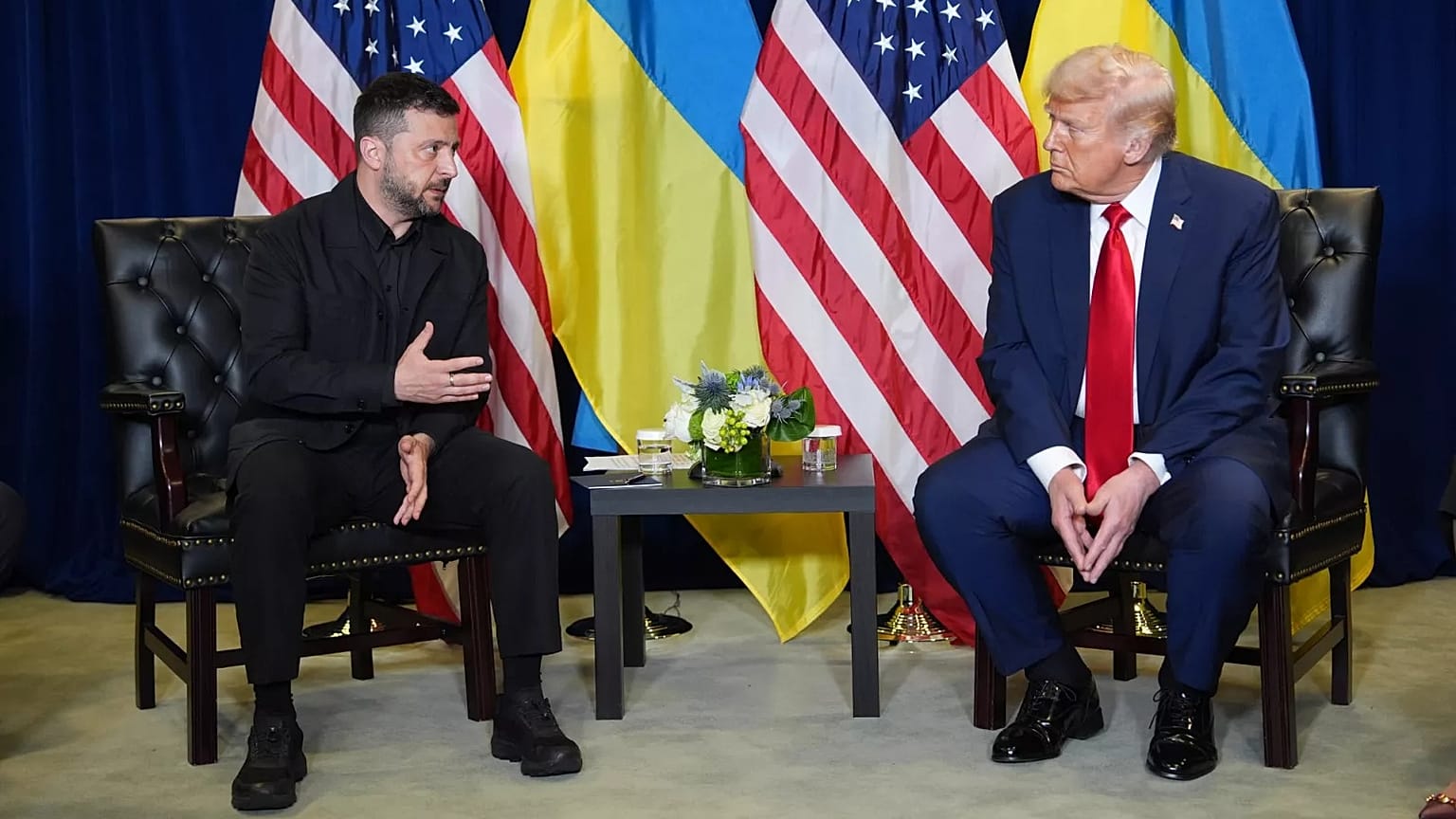
President Donald Trump meets with Ukrainian President Volodymyr Zelenskyy during the United Nations General Assembly, Tuesday, Sept. 23, 2025, in New York
Copyright AP Photo

By Sasha Vakulina
Updated 


The US president stated on Tuesday that Ukraine can reclaim all its territory with EU support, following a meeting with Zelenskyy. He questioned Russia's military strength and suggested stricter sanctions if negotiations fail.

Ukraine can win back all of its territory, US President Donald Trump said, following his meeting with Ukrainian counterpart Volodymyr Zelenskyy on Tuesday.

"I think Ukraine, with the support of the European Union, is in a position to fight and win all of Ukraine back in its original form," Trump wrote in a post on his platform Truth Social.

Trump was possibly referring to the 1991 borders and meant Kyiv could take back all of the territory occupied by Russia, including Crimea, which Russia annexed in 2014.

"With time, patience, and the financial support of Europe and, in particular, NATO, the original borders from where this war started, is very much an option."

He stated he was convinced of this "after getting to know and fully understand the Ukraine/Russia military and economic situation and, after seeing the economic trouble it is causing Russia."

"Russia has been fighting aimlessly for three and a half years, a war that should have taken a real military power less than a week to win. This is not distinguishing Russia. In fact, it is very much making them look like 'a paper tiger,'" Trump pointed out.
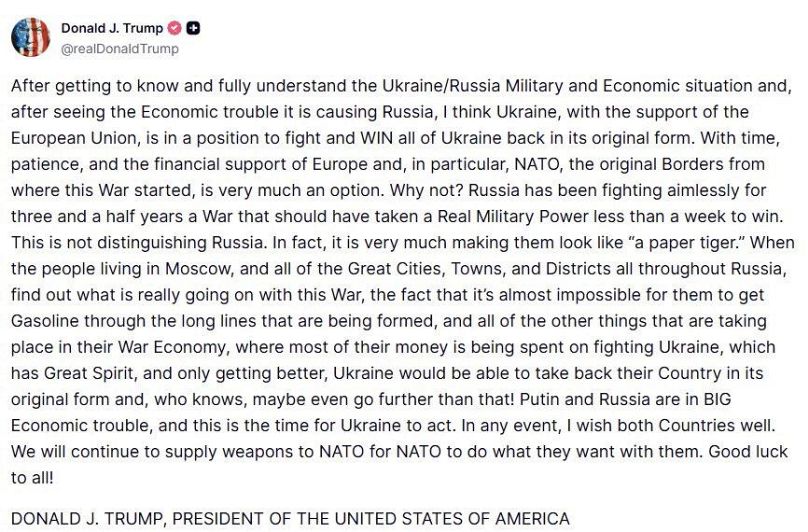
US President Donald Trump's post on Truth Social about Ukraine
US President Donald Trump's post on Truth Social about Ukraine @realDonaldTrump/Truth Social


This is the first time that Trump has suggested Ukraine could be capable of taking back all of its lost land and the first time he has openly questioned Russia's military strength.

The two presidents met on the sidelines of the UN General Assembly (UNGA) in New York after Trump's address. In the meeting, Trump told Zelenskyy that "We have great respect for the fight Ukraine is putting up," more than three years after Russia's full-scale invasion of its neighbour.

In turn, Zelenskyy gave Trump a battlefield update, saying Ukrainian troops had advanced some 360 kilometres in recent weeks and inflicted losses on Russia's forces.
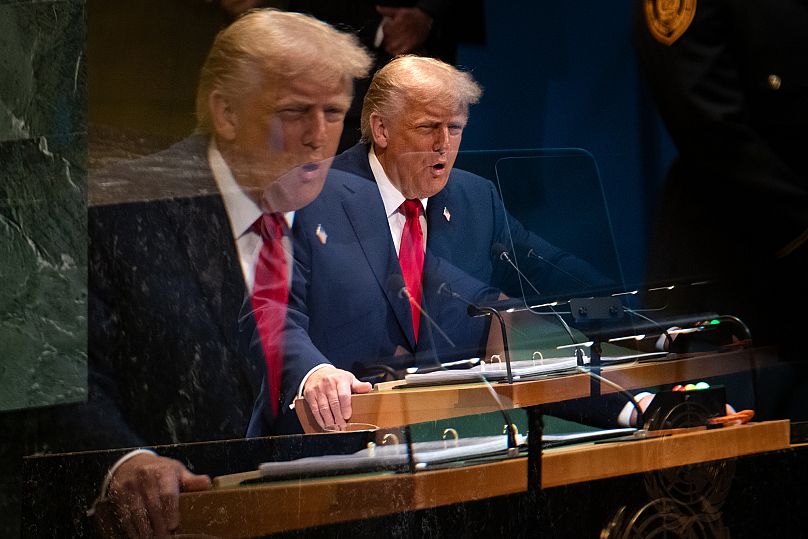
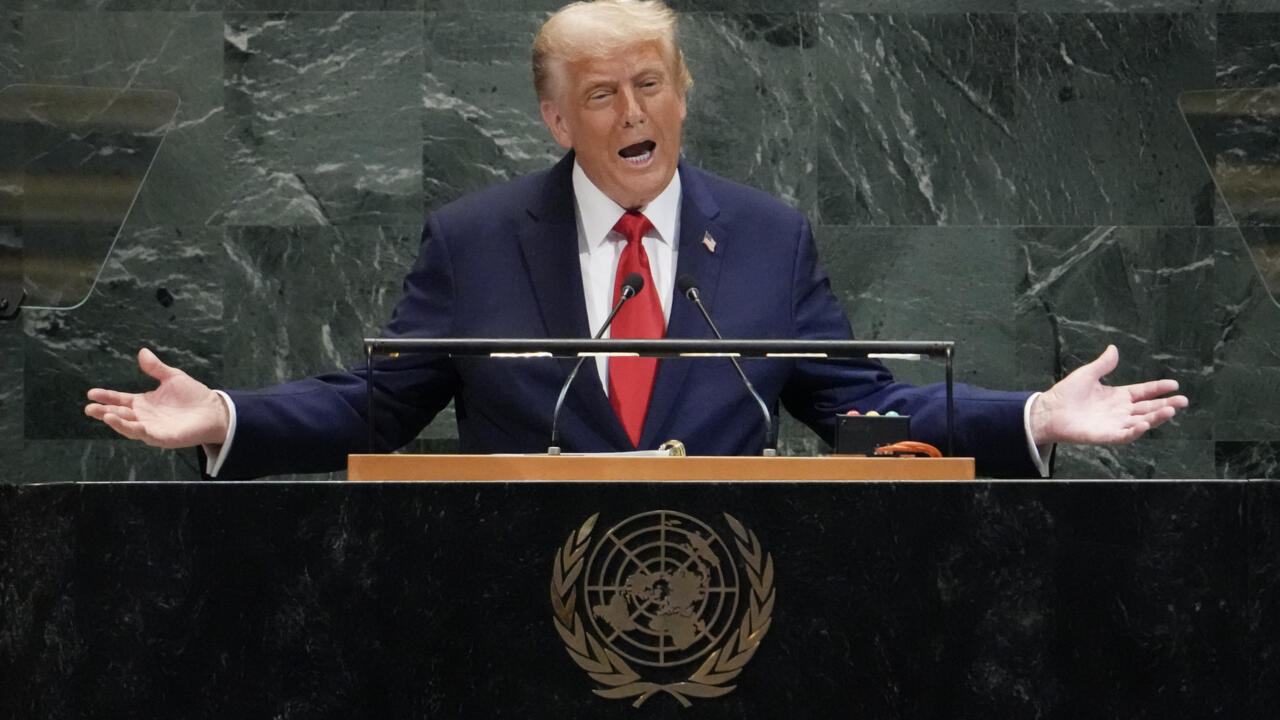
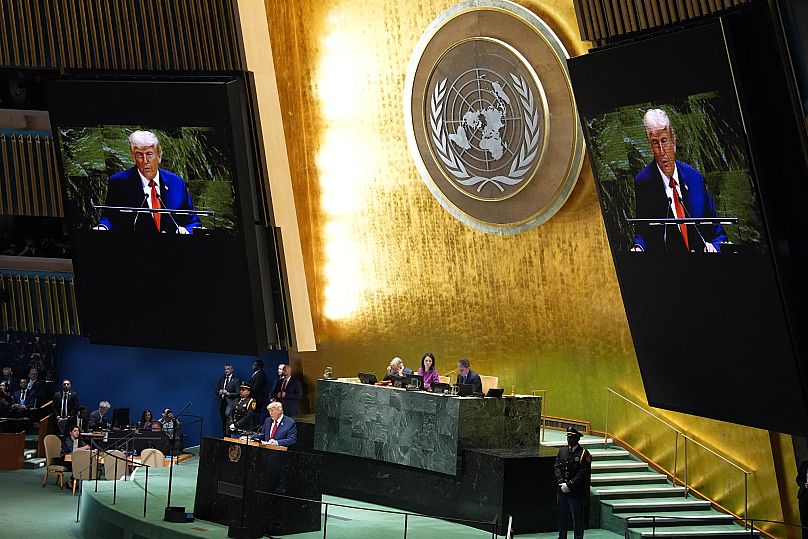
US President Donald Trump addresses the 80th session of the United Nations General Assembly in New York, 23 September, 2025 AP Photo

"Thanks to our soldiers, we have this possibility, this opportunity, and we will continue until Russia will stop this war," Zelenskyy said.

He again insisted on more international pressure on Russia to bring about an end to the war, saying, "We need more pressure and more sanctions."

Addressing the UNGA earlier on Tuesday, Trump reiterated that he is ready to impose stricter sanctions on Russia but insists that all European countries should do the same. 

"In the event that Russia is not ready to make a deal to end the war, then the United States is fully prepared to impose a very strong round of powerful tariffs, which would stop the bloodshed I believe very quickly," Trump said in his speech, adding that the only precondition he has is for Europe to stop purchasing Russian oil and gas. 

During their talks, the US and Ukrainian presidents said they believe both Hungary and Slovakia, the two countries that have so far resisted pressure and continued to buy Russian oil, can be convinced to switch suppliers
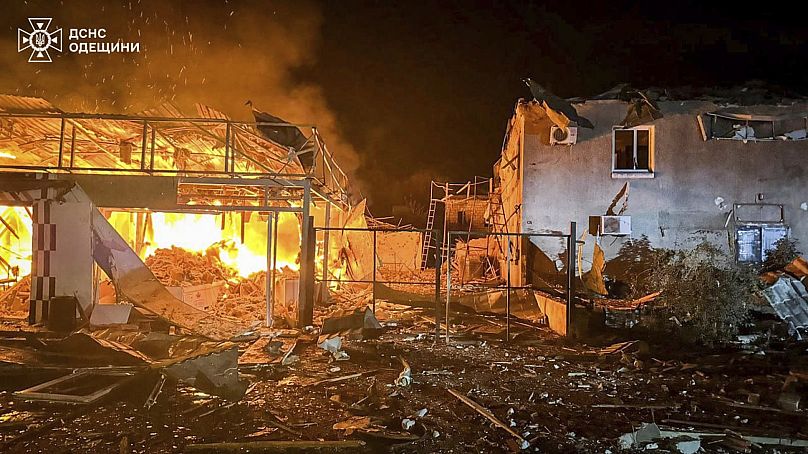
A fire following a Russian missile attack is seen in Tatarbunary, 23 September, 2025 AP/Ukrainian Emergency Service via AP


Hungary's Foreign Minister Péter Szijjártó said on Tuesday that his country had no intention of stopping purchases or Russian oil, saying they had no infrastructure in place to buy from anywhere else.

And Prime Minister Viktor Orbán, a close ideological ally of Trump, has also demurred about seeking energy supplies elsewhere.

"He is a friend of mine. I have not spoken to him, but I have a feeling if I did, he might stop. And I think I'll be doing that," Trump said about the Hungarian prime minister.

The meeting in New York happened as the US President's months-long efforts to broker a deal between Russia and Ukraine had yielded little in the way of results.

When asked if he still trusted Putin, Trump responded: "I'll let you know in about a month from now."

NATO members should down Russian aircraft in their airspace

During his meeting with Zelenskyy, Trump also stated that NATO member countries should shoot down Russian drones and fighter jets if they enter their airspace.

When asked by journalists if countries reporting airspace violations should shoot down the aircraft in question, Trump said, "Yes, I do".

Trump did not give any further details on a NATO counterresponse to a string of airspace violations, allegedly by Russia, and stopped short of committing to US involvement in any such action.

"Depends on the circumstance," he said. "But you know, we're very strong toward NATO."

Trump's comments come after three Russian MiG-31 fighter jets entered Estonian airspace without permission on Friday. That incident happened a week after at least 19 Russian drones flew into Poland.
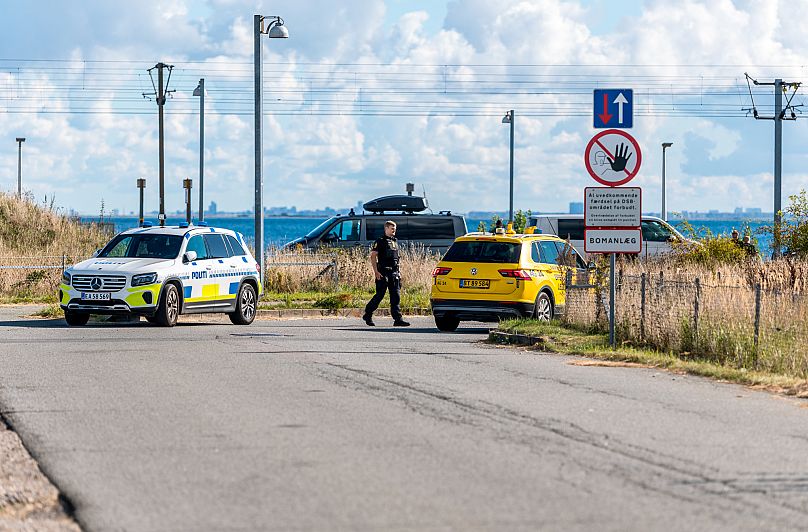
Danish police and Security and Intelligence Service agents near Copenhagen Airport, 23 September, 2025 AP Photo

And on Monday night, Copenhagen and Oslo airports were closed briefly due to drones being detected near them.

While investigations into those overflights are still under way, Denmark's Prime Minister Mette Frederiksen said Russian involvement could not be ruled out.


In Abrupt Change, Trump Says Ukraine In ‘Position To Win’ War With Russia


By 

In an abrupt change showing his frustration with Russian President Vladimir Putin, US President Donald Trump said Ukraine could win back all of its territory from Russia with the help of its European allies.


Trump has previously said both sides would have to cede land to end the war. Russia currently controls around one-fifth of Ukrainian territory, including the Black Sea peninsula of Crimea, which was illegally annexed in 2014.

After a speech at the UN General Assembly where he called on European allies during his address to immediately stop buying oil from Russia, Trump told reporters at the start of a meeting with Zelenskyy that NATO countries should shoot down Russian aircraft if they enter the alliance’s airspace.

He followed that with comments in a social media post after the Zelenskyy meeting saying Russia has been fighting “aimlessly for three and a half years a War that should have taken a Real Military Power less than a week to win.”

“After getting to know and fully understand the Ukraine/Russia Military and Economic situation and, after seeing the Economic trouble it is causing Russia, I think Ukraine, with the support of the European Union, is in a position to fight and WIN all of Ukraine back in its original form,” Trump wrote.

Zelenskyy noted the “big shift” in Trump’s comments while speaking alone at a news conference, adding that the US leader’s understanding of the situation on the ground in Ukraine is now much clearer.


“Trump had a relationship with Putin and he trusted him. Putin was telling Trump fairytales,” Zelenskyy said, referring to Trump as a “gamechanger.”

“I told Trump that Putin will not wait for the end of his war in Ukraine — he will try to find a weak spot in NATO and this is already happening…Putin will want to ‘exchange’ one war for another.”

Zelenskyy entered the day looking for Trump to ratchet up pressure on Moscow to end its war — the longest and deadliest conflict in Europe since World War II — against Ukraine.

It didn’t take long as Trump said as the two headed into the meeting “Yes I do” when asked if he would support shooting down Russian aircraft if they were found inside NATO airspace.

He said the involvement of the United States in such action would depend on the circumstances but did not elaborate.

Trump’s answer follows a series of recent incursions by Russian fighter jets and drones into alliance airspace in countries including Poland and Estonia.

They also came after the US president called on European allies during his UN address to immediately stop buying oil from Russia and accused China and India of funding Moscow’s war against Ukraine through their purchases.

Trump said he could impose sanctions on Russia to stop the fighting but without similar actions from Europe, “we’re all wasting a lot of time.”

Sanctions, along with security guarantees in the event of a peace deal between Kyiv and Moscow, are areas Zelenskyy is hoping to get White House support during their discussions.

Trump said he plans to call Hungarian Prime Minister Viktor Orban, an ally of the US leader, to urge him to stop purchasing Russian oil.

Zelenskyy, who is due to attend a UN Security Council session on the war in Ukraine on September 23 and will address the assembly on September 24, told reporters he saw movement from Slovak Prime Minister Robert Fico on ending Russian oil purchases as well.

Hungary and Slovakia, both landlocked countries that share a border with Ukraine, have resisted calls to end their reliance on Russian energy without promises of securing sufficient alternative supplies.

Trump also appeared to give Ukraine a pledge of military support saying the US will continue to supply weapons to allies “for NATO to do what they want with them.”

Zelenskyy also noted that Trump was “ready” to give Ukraine security guarantees after the war is over.

“We don’t have details. We will work on what we need then and also what we need before that happens,” he said.

Talks on bringing the two sides to a peace agreement have stumbled for several months.

Trump met with Putin in Alaska last month producing a glimmer of hope that movement toward peace might begin.

But the Kremlin quickly threw cold water on the prospect of a meeting between Putin and Zelenskyy in any location other than Moscow, which is unacceptable to Ukraine.

The past few weeks have brought no discernible progress toward peace and plenty of belligerence from Russia, which has pressed forward on the front lines, hit civilians in Ukraine with massive bombardments, and challenged NATO with drone and warplane incursions.

“Putin has shown no interest in a negotiated way out of the war, other than on his totally unrealistic terms,” Lawrence Freedman, an analyst and emeritus professor of war studies at Kings College London, wrote in a blog post published on September 23.

Trump has voiced growing frustration with Russia’s recalcitrance and has repeatedly said he might hit Moscow with new sanctions, including secondary measures that target countries and companies buying Russian energy or delivering technology it can use in the war against Ukraine, and bipartisan groups of US lawmakers have proposed sanctions legislation in Congress.

So far, other than increasing tariffs on Indian imports by 25 percent over its purchases of Russian oil, Trump has refrained from slapping new punishments on Russia and its trading partners.

At times, he has voiced concern that imposing new sanctions would hamper his efforts to bring Putin to the table.


RFE RL

RFE/RL journalists report the news in 21 countries where a free press is banned by the government or not fully established.


Trump says Kyiv can win back 'all of 


Ukraine' in major shift

US President Donald Trump said Tuesday that Ukraine could win back all of its territory from Russia – and even go further – in a major pivot after meeting with President Volodymyr Zelensky on the sidelines of the UN General Assembly.


Issued on: 23/09/2025 -
By: FRANCE 24
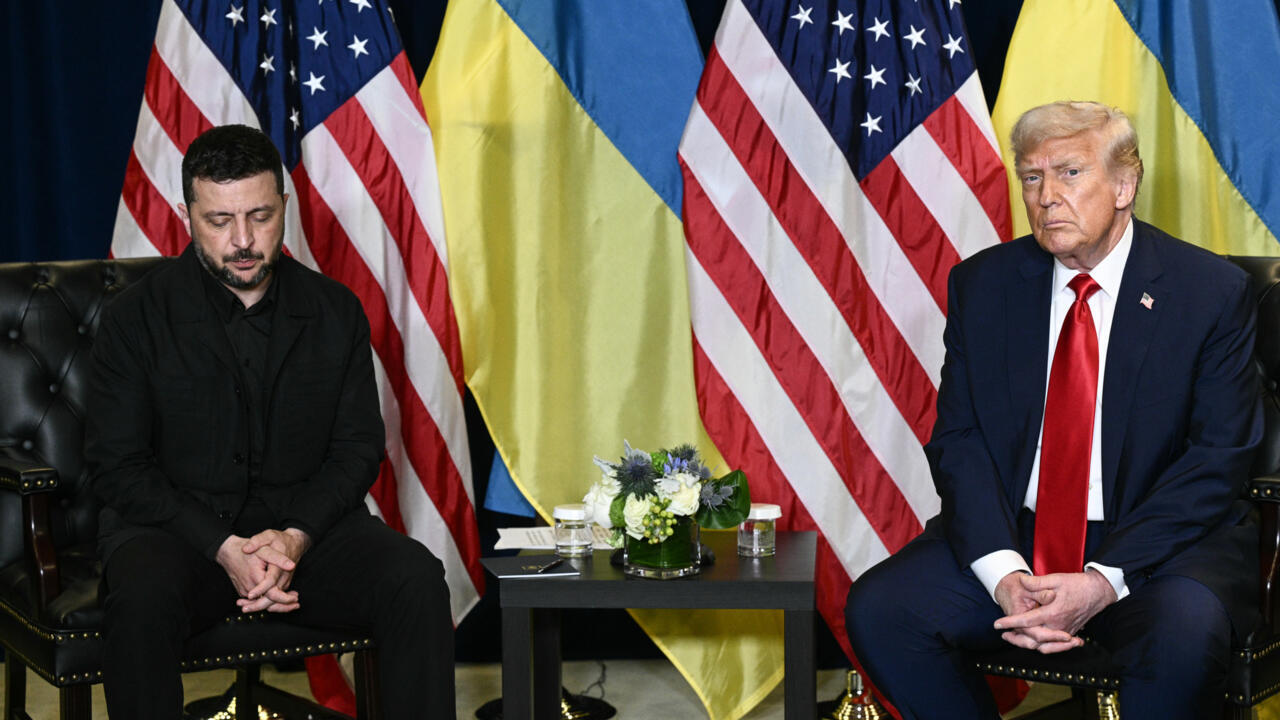

US President Donald Trump told Ukraine's President Volodymyr Zelensky he had 'great respect for the fight that Ukraine is putting up' while meeting on the sidelines of the United Nations General Assembly © Brendan SMIALOWSKI / AFP

President Donald Trump said Tuesday that he believed Ukraine could win back all territory lost to Russia, a dramatic shift from the US leader’s repeated calls for Kyiv to make concessions to end the war.

Read moreLive at UN: Israel’s ‘military solution alone’ won't resolve Gaza crisis, Macron tells Trump

The astonishing turnaround came shortly after Trump also called for NATO countries to shoot down any Russian jets that violate their airspace.

"I think Ukraine, with the support of the European Union, is in a position to fight and WIN all of Ukraine back in its original form," Trump said on his Truth Social network after his talks with Zelensky.

Trump also said Russia was "fighting aimlessly" after three years of war, in an apparent change of heart just over a month after he met Russian President Vladimir Putin in Alaska.

The US president has previously shown lukewarm support for Zelensky, with whom he had a huge televised Oval Office bust-up in February during which he told the Ukrainian "you don't have the cards" to win.

But in his social media post on Tuesday, Trump dismissed Russia as a "paper tiger," saying that "Putin and Russia are in BIG Economic trouble, and this is the time for Ukraine to act."

"With time, patience, and the financial support of Europe and, in particular, NATO, the original Borders from where this War started, is very much an option. Why not?" Trump wrote.

He added that as Russia's economy gets worse "Ukraine would be able to take back their Country in its original form and, who knows, maybe even go further than that!"
'Escalation trap'

During his meeting at with Zelensky on the margins of the UN General Assembly, Trump said he had "great respect for the fight that Ukraine is putting up. It's pretty amazing actually."

Zelensky thanked Trump for his "personal efforts to stop this war" and echoed Trump's call for European countries to stop buying Russian oil.

And after a series of recent incursions by Russian fighter jets and drones that have rattled Washington's NATO allies in Europe, Trump said they would be within their rights to act.

Read moreRussian fighter jets enter NATO member Estonia’s airspace in ‘brazen’ incursion

"Yes I do," Trump said when a reporter asked if NATO countries should shoot down Russian aircraft if they enter their airspace.

Trump however deflected questions about whether he believed Russian leader Vladimir Putin was still a reliable negotiating partner despite Moscow's continued attacks on Ukraine.

"I'll let you know in about a month from now, okay?" Trump said when asked if he still trusted Putin.

The 79-year-old Republican has previously, and repeatedly, given deadlines of two weeks to make a decision on whether to take steps including fresh sanctions against Russia.

Tensions between Russia and Europe over Ukraine have escalated with the recent spate of aerial violations.

NATO scrambled jets after three Russian MiG-31 fighters on Friday breached Estonian airspace for some 12 minutes, prompting Estonia to call for a meeting of the UN Security Council and talks with NATO allies.

Fellow NATO member Poland said earlier this month that Russian drones had repeatedly violated its airspace during an attack on Ukraine, in what Warsaw called an "act of aggression."

Germany reacted cautiously to Trump's comments on shooting down Russian planes, highlighting the need to avoid an "escalation trap."

"Level-headedness is not cowardice and not fear, but a responsibility towards your own country and towards peace in Europe," German defence minister Boris Pistorius said Tuesday.

EU chief Ursula von der Leyen said Tuesday she discussed Russia's airspace violations with Trump at the UN, and agreed on the need to cut Moscow's energy revenues.

(FRANCE 24 with AFP)
Donald Trump is trying to impose his political agenda on the EU, report claims


By Gregoire Lory
Published on 23/09/2025 -EURONEWS


According to a study published on Tuesday by the European Council on Foreign Relations, US President Donald Trump is trying to impose his political views on his European allies.

US President Donald Trump is seeking to impose his agenda and political programme on Europeans, according to a report published Tuesday by the European Council on Foreign Relations (ECFR).

According to the study's author, Pawel Zerka, the US leader is utilising various channels to reorient the transatlantic relationship along the lines of his conservative values and discourse on freedom of expression.

These are not all political disputes, but the visible part of a "culture war", according to Zerka.

"I don't think anyone will question the fact that this administration is trying to interfere in the domestic politics of EU member states and that if Donald Trump were to succeed on this front, it would allow the ideological centre of European politics to shift to the right and towards the issue that Donald Trump considers crucial for today's democracies," Zerka said.

Zerka cites the US Vice President JD Vance's speech earlier this year at the Munich Security Conference. Vance's remarks set the tone for the ideological debate that Washington seeks to frame, according to Zerka, referencing the decline in freedom of expression on the European continent and the growing gulf between values on either side of the Atlantic.

According to the ECFR report, the confrontation is exacerbated by a backdrop of political "humiliation" of Europe.

"I think that it is of course the European leaders, governments and institutions that have left a lot of room for humiliation," explained Zerka.

"Whether it's tariffs, the tariff war with the United States, the NATO summit and the question of increasing defence spending, or the way European leaders are treated in the peace negotiations over Ukraine, where they practically have to knock on the door to be listened to, otherwise they're not in the room," he added.

These tensions, provoked by the White House, are pushing EU leaders to react rather than set their own agenda, the document suggests.

Sentiment in favour of the EU

However, the analysis stressed that European sentiment remains strong despite the political blows dealt by Washington. According to the latest data published by Eurostat, 52% of citizens have confidence in the common project, the highest level since 2007.

For Zerka, there are forces on which the EU can build, especially as European expectations have also evolved.

"In many places where people used to see the EU mainly as an economic entity, a trading bloc, a market, they have begun to realise that Europe plays an important role in terms of geopolitics, relations with other world powers, but also in terms of defending democratic values that are under threat both outside and inside Europe," he said.

The author of the report called on European leaders to step out of their comfort zone and build strategic autonomy in defence, technology and energy policy, and to complete the single market.

But the analysis underlined that the EU is far from united. The US president has political connections in Europe through the leaders of Hungary, Italy and Slovakia, Zerka pointed out.


Allies Are Distancing From Trump – OpEd

By 

President Trump’s foreign policy, rooted in his “America First” agenda, has increasingly distanced the United States from its traditional allies. Driven as much by personal ambition—including his fixation on securing a Nobel Peace Prize.


Trump approaches international relations through instinct and transactional deal-making, reminiscent of his book The Art of the Deal. He views diplomacy less as a system of alliances and shared values than as a series of business negotiations measured in costs and profit benefits as a hard-core businessman that he is. This approach led him to impose tariffs not only on adversaries but also on long-standing allies such as European Union, Canada, China, India and Brazil sparking unilateral trade conflicts.

As a result, trust in American leadership has eroded, particularly on sensitive issues such as Palestine, where countries like the UK, France, Canada, Australia, Portugal, Spain, Ireland, and Norway have begun to take positions at odds with Washington, with others likely to follow defying US and Israel.

The broader consequence is that US allies are recalibrating their relationships and reassessing their reliance on American protection. While this distancing does not always mean outright abandonment, it reflects a growing wariness of Trump’s unpredictable style and the realization that US commitments can no longer be taken for granted. Rather than unquestioned loyalty to Washington, many nations are now hedging, diversifying partnerships, and exploring alternatives in an emerging multipolar world order where U.S. hegemony no longer feels as secure or inevitable.

Allies Are Reassessing Their Ties Under Trump

  • “America First” with Unpredictability. Trump’s foreign policy emphasizes US interests first, sometimes sharply, even at the cost of traditional alliances. Allies often find it hard to anticipate American responses or know whether Washington will live up to commitments. 
  • Reduced Reliability and Trust Issues. There’s growing perception among allies that the US is becoming less dependable, whether on security guarantees, trade deals, diplomatic engagements, or international treaties. Fear that the US might pull out of agreements, reverse course, or abdicate roles it previously took responsibility for. 
  • Altered diplomatic and International Aids. Cuts to foreign aid, agency budgets, diplomatic staffing changes, and shifts in how the U.S. conducts its foreign policy (e.g. more centralization, fewer multilateral institutions) make it harder for other countries to engage predictably. Some embassies or institutional bureaus are less functional or without clear leadership. 
  • Trade Wars and Economic Pressures. Tariffs, trade sanctions, trade policies that seem transactional or adversarial are making allies question whether the U.S. remains a partner with shared interests. Many are seeking to reduce dependence on U.S. markets or protection. 
  • Strategic Autonomy Among Allies. Because of the above, allies (particularly in Europe, parts of Asia) are increasingly exploring how to be more self-reliant: in defense, trade, supply chains, diplomatic capabilities, etc. Some are turning to other powers (notably China) or regional partnerships to reduce risk from unexpected US policy shifts. 
  • Isolation in Multilateral Settings. Moves like withdrawing from treaties or international agreements, being more unilateral in key foreign policy decisions (e.g., aligning with certain states or shifting away from traditional international consensus) mean the US sometimes ends up alone. That undercuts its ability to lead, and allies are uncomfortable being in positions where they must publicly oppose or are on the opposite side of global votes. 

Regions Distancing Trump

EU-NATO.Trump repeatedly questioned NATO’s value, even threatening that the US might not defend members who weren’t spending “enough” on defense. This scared smaller NATO states and angered larger ones.EU Tensions: Trump openly criticized the EU, praised Brexit, and treated the EU as a trade rival instead of a partner.

Germany and France began pushing for European strategic autonomy in defense and diplomacy. Eastern Europeans invested more in defense but also sought stronger bilateral ties with the US in case NATO faltered.EU accelerated efforts for independent defense initiatives – European Defence Fund.


Japan and South Korea: Trump demanded higher payments for US troop presence, calling alliances “too costly.” Questioned whether the US would defend them against North Korea and China without greater compensation. Caused anxiety that US deterrence might not hold.

Southeast Asia: Trump’s withdrawal from the TPP (Trans-Pacific Partnership) left the field open for China to shape trade rules. Allies like Vietnam, Malaysia, and Singapore leaned more toward Beijing economically.

Australia: Still aligned with the US militarily but hedged with trade ties to China (its largest trading partner).

Middle East: Trump strengthened ties with Israel and Gulf monarchies (Saudi Arabia, UAE). But he also abandoned the Iran nuclear deal without consulting European or regional allies, undermining trust.

Latin America: Focus on Immigration & Sanctions: Trump prioritized border security and migration crackdowns, often straining relations with Mexico and Central America.Imposed heavy sanctions on Venezuela and Cuba, which some Latin American governments opposed.

Africa: Trump was less engaged with Africa compared to past administrations. Controversial remarks about “shithole countries” alienated African leaders. Reductions in aid and diplomacy left partners questioning US reliability. Many African nations expanded cooperation with China (Belt and Road projects) and Russia (security/military deals). Egypt: Expanded arms purchases from Russia.

Asia: Philippines (Duterte era): Threatened to “separate” from US and strengthened ties with China, though later backtracked.

Southeast Asia: Vietnam, Malaysia, Indonesia leaned into Chinese trade deals after US left TPP.

Multipolar World on the Horizon

Some European NATO members are worried about reduced US engagement in European security and are increasing their own defense spending. Countries in Asia and others are hedging by strengthening economic ties with China as a kind of fallback. Cutbacks in foreign aid and programs have left long-standing partners feeling abandoned. 

Trump’s confrontational rhetoric speech at the UNGA is unlikely to mend strained relationships with key allies and may instead deepen divisions within the international community. By prioritizing unilateralism and nationalist appeals over cooperation, the US risks eroding trust among long-standing partners who view collective diplomacy as essential to addressing global challenges. As allies grow increasingly wary, US could find itself more isolated on the world stage, with diminished leverage to shape international policies towards a stronger Multipolar World with China and India taking the lead and yet a larger stronger BRICS.


Patial RC

Patial RC is a retired Infantry officer of the Indian Army and possesses unique experience of serving in active CI Ops across the country and in Sri Lanka. Patial RC is a regular writer on military and travel matters in military professional journals. The veteran is a keen mountaineer and a trekker.


ELEVATOR & TELEPROMPTER FAILURE COMPLAINTS

Replay: US President Donald Trump blasts UN at General Assembly
United Nations- FULL SPEECH


Issued on: 23/09/2025 - FRANCE24

US President Donald Trump on Tuesday slammed the UN for failing to help peace efforts in his speech to the UN General Assembly. His address came as Israel ramps up its offense in Gaza


US President Trump mocks UN on peace and migration in meandering UNGA speech

US President Donald Trump on Tuesday dismissed climate change as “the greatest con job” in the world during a meandering address to the United Nations General Assembly. He also claimed that the UN encourages illegal immigration and slammed it for failing to bring peace.


Issued on: 23/09/2025 
By: FRANCE 24

US President Donald Trump delivers remarks to the United Nations General Assembly at the UN headquarters in New York City on September 23, 2025. © Timothy A. Clary, AFP

US President Donald Trump relentlessly mocked the United Nations on Tuesday in his first address since his White House comeback, blasting it for failing to bring peace and claiming the world body encourages illegal migration.

In his return to the UN General Assembly podium, Trump accused the UN of fostering an "assault" through migration on Western countries that he said were "going to hell".

He likewise used the major forum to denounce efforts to reduce global warming, calling climate change concerns "the greatest con job ever perpetrated on the world".

"What is the purpose of the United Nations?" asked Trump.

"All they seem to do is write a really strongly worded letter," he said. "It's empty words, and empty words don't solve war".

The 79-year-old even complained about a broken escalator and teleprompter at the New York headquarters of the UN, which he has repeatedly targeted during both of his presidential terms.

"This is these are the two things I got from the United Nations, a bad escalator and a bad teleprompter," he said.

Touting what he said were his efforts to end seven wars, Trump turned to two where his outreach has produced no results – Russia's invasion of Ukraine and Israel's war in Gaza following Hamas's October 7, 2023 attack.

He called recognition by a slate of Washington's allies of a Palestinian state a "reward" to armed group Hamas for "horrible atrocities" and urged the group to release hostages to reach peace.

Trump lashed out at European allies, as well as China and India, for failing to stop oil purchases from Russia, while remaining relatively restrained on Moscow even as he said Washington was ready to impose unspecified sanctions.

Some of his strongest language was reserved for migration as he lambasted the UN for "funding an assault" on Western nations.

"It's time to end the failed experiment of open borders," Trump said. "Your countries are going to hell," he said, also attacking London's Mayor Sadiq Khan, the first Muslim mayor of a Western capital.

'Wreaking havoc'


Trump's second term has opened with a blaze of nationalist policies curbing cooperation with the rest of the world.

He has moved to pull the United States out of the World Health Organization and the UN climate pact, severely curtailed US development assistance and wielded sanctions against foreign judges over rulings he sees as violating sovereignty.

Opening the annual summit, UN Secretary-General Antonio Guterres warned that aid cuts led by the United States were "wreaking havoc" in the world.

"What kind of world will we choose? A world of raw power – or a world of laws?" Guterres said.

On Ukraine, Trump will meet President Volodymyr Zelensky for the second time since he sat down in Alaska with Russian President Vladimir Putin on August 15 – a summit that broke Moscow's isolation in the West but yielded no breakthrough on Ukraine.

Despite Trump's insistence that he can broker a quick end to the war, Russia has not only kept up its barrage of attacks on Ukraine in the past month but rattled nerves with drone or air incursions in NATO members Poland, Estonia and Romania.

Trump said last week that Putin had "really let me down".

One of Trump's few other one-on-one meetings will be with Argentina's right-wing President Javier Milei, an ideological ally to whose government the United States is considering offering an economic lifeline.

Ahead of his visit to the UN district, swarming with heavily armed police and agents and crisscrossed with barricades and road closures, the US Secret Service said they had disrupted a "telecommunications-related" plot.

The Secret Service said it disrupted a weaponised farm of more than 100,000 cellphone SIM cards that was capable of blocking communications around the UN, and that it "nation-state threat actors" were involved.

(FRANCE 24 with AFP)

PREZ OF THE CONFEDERATE STATES OF AMERICA
'Your countries are being ruined' by migration, Trump tells Europe at the UN


By Aleksandar BrezarEleonora Vasques
Published on 23/09/2025 - EURONEWS


In his UN speech on Tuesday, Trump warned Europe that immigration and climate policies are destroying its heritage and causing an "unmitigated disaster".

In his first address at the United Nations General Assembly since 2020, US President Donald Trump warned Europe on Tuesday that irregular migration is "destroying your heritage" and ruining its countries.

Trump called immigration and policies confronting climate change a “double-tailed monster” that is ruining the European continent, particularly harsh in his condemnation of what he called “the unmitigated immigration disaster.”

“If you don’t stop people that you’ve never seen before, that you have nothing in common with, your country is going to fail," Trump said.

"I’m the president of the United States, but I worry about Europe. I love Europe, I love the people of Europe. And I hate to see it being devastated by energy and immigration, that double-tailed monster that destroys everything in its wake.”

“You’re doing it because you want to be nice," he said in a direct address to the European leaders. "You want to be politically correct, and you’re destroying your heritage.”

US President Donald Trump speaks to the United Nations General Assembly in New York, 23 September, 2025
US President Donald Trump speaks to the United Nations General Assembly in New York, 23 September, 2025 AP Photo

“It’s time to end the failed experiment of open borders. You have to end it now. I can tell you, I’m really good at this stuff. Your countries are going to hell,” Trump said.

In recent years, European countries have tightened borders and access to asylum for third-country nationals. The European Union is also implementing a common pact for migration and asylum, which will impose stricter rules within the Schengen area.

European leaders are also working on new legislation to simplify returns, which is currently under negotiation at the European institutions.

In its September factsheet on migration, published on Tuesday, the European Commission reported that, according to data by Frontex, irregular crossings of external EU borders went down in 2024 by 25% compared to the previous year.

The share of non-EU citizens in all 27 member states totalled 6.4% of the overall EU population in 2024, according to Eurostat.

During his hour-long speech, Trump accused the UN of facilitating and investing in irregular migration worldwide.

Referring to the US, he said the intergovernmental organisation facilitated the entrance of “millions” of migrants into the country.

“The UN is supporting people that are illegally coming into the United States, and we have to get them out,” Trump said, and added that the top international organisation should “stop invasions, not create them and not finance them.”

Although he did not explicitly name them, Trump was likely referring to two of the UN's aid agencies supporting migrants and refugees worldwide, the IOM and the UNHCR.

Ending seven wars in seven months

During his speech, Trump said he had ended "seven wars" in the first seven months of his current presidential mandate, some of which had lasted for decades.

He listed conflicts between Armenia and Azerbaijan, Serbia and Kosovo, Israel and Iran, India and Pakistan and Egypt and Ethiopia among those where he successfully brokered peace, criticising the UN for not helping him during negotiations.

“I ended seven wars, dealt with the leaders of each and every one of these countries, and never even received a phone call from the United Nations offering to help in finalising the deal,” Trump said.

“All I got from the United Nations was an escalator that on the way up stopped right in the middle,” not sparing the UN of further criticism for a "bad teleprompter".

Trump also said that "everyone" thinks he deserved a Nobel Peace Prize.

“Everyone says that I should get the Nobel Peace Prize for each one of these achievements,” he pointed out.

Trump further lamented over the state of the UN, saying he "always said the UN has such tremendous, tremendous potential."

"But it’s not even coming close to living up to that potential,” Trump added. “For the most part, at least for now, all they seem to do is write a really strongly worded letter and then never follow that letter. It’s empty words,* and empty words don’t solve war.”

Trump also addressed Russia's ongoing all-out war in Ukraine — which he said would have been a "quick little skirmish" — by threatening to hit Russia with “a very strong round of powerful tariffs” if Putin does not come to the table to find an end to it.

He claimed that he would “stop the bloodshed ... very quickly,” but also stated the war would not end as long as China and European nations continue buying Russian energy, slamming European nations once more.

“They’re funding the war against themselves. Who the hell ever heard of that one,” Trump said.

Addressing the ongoing Israel-Hamas war in Gaza, the US president demanded that Hamas immediately release all hostages that it is holding captive, living or dead, saying the time for partial releases is over.

Trump also slammed several European nations, including US allies, for recognising a Palestinian state, which he called a reward to Hamas for its 7 October 2023 attacks in southern Israel when the militant group killed some 1,200 people and took 251 hostage.

It is believed that some 20 hostages are still alive among the 50 that remain in Hamas' captivity.

On Monday, France and Belgium joined the UK, Portugal and others in recognising the Palestinian state in what they said was a move to facilitate the end of the war in the Middle East and a two-state solution.

“As if to encourage continued conflict, some in this body seek to unilaterally recognise a Palestinian state,” Trump said. “This would be a reward for these horrible atrocities, including 7 October.

"But instead of giving in to Hamas' ransom demands, those who want peace should be united with one message: release the hostages now,” the US president stated. “Just release the hostages now.”

Additional sources