Wednesday, September 24, 2025


By  and 

(UCA News) — The morning mist still clung to the hills when Nanita Jadhav heard the tempo truck approaching her tiny hamlet. At 12 years old, she has learnt to be wary of outsiders coming to their remote corner of Maharashtra state in western India. Too often, they bring promises that never bear fruit.


Jadhav’s hamlet is one of 22 settlements of the Katkari tribal people scattered across the scenic Tala taluka (subdistrict) of Raigad district, located barely 100 kilometers (62 miles) from India’s commercial capital, Mumbai (formerly Bombay).

Wedged between the Arabian Sea — experiencing rising surface temperature extremes in the last decade — and the eco-sensitive Western Ghats, this narrow strip of land called Konkan is faced with a tough choice between development and environmental protection.

Raigad district is witnessing massive infrastructure development as it gradually merges with the congested Mumbai Metropolitan Region. As rapid urbanization becomes inevitable, the remote hamlets in Tala subdistrict may become the epicenter of an environmental crisis, warn activists.

The scarcity of potable water, deforestation, heavy rainfall, floods, and water pollution resulting from the release of harmful effluents by chemical industries are some of the major issues they noted.

But today felt different even for the 12-year-old girl. The visitors were Catholic priests and nuns, accompanied by young volunteers, who carried something precious — green saplings wrapped in eco-friendly bags, their roots eager to find fertile soil.


Nanita Jadhav’s maternal grandmother, Geeta Pawar, stepped forward. At 62, her back was bent from years of gathering forest produce, but her eyes sparkled with curiosity.

In her weathered hands, she received a neem sapling — a fast-growing tree of the mahogany family. She had been taught by her grandmother to revere it for its healing powers.

“This little one will grow tall and strong, just like you,” Pawar whispered to her own granddaughter, before passing the sapling to her. “But first, we must teach it to love this soil.”

The Katkari people instinctively knew they were not just receiving charity or being lectured. They were being recognized as what they have always been — guardians of the land, keepers of ecological wisdom that the modern world desperately needed.

But in Maharashtra, they have been declared as a “primitive tribe” and treated as such by the educated urban people.

The Katkaris have a sizeable population in Raigad district, approximately 119,573 out of a 305,125 total tribal population, according to official data. In Tala subdistrict, they form about 12 percent or approximately 4,590 people living in settlements or hamlets, commonly referred to as Katkariwadis.

In the local Marathi language, a wadi implies a small group of people staying together, though not as big as a village.

The Katkari’s traditional occupation was to extract the astringent katha or catechu from tree bark. However, due to the many rules and restrictions imposed by the forest department to prevent deforestation, this trade has all but disappeared.

They now make a meager living by selling the leaves of medicinal trees that they collect from the forest. Some people rear goats and trade in their milk. The Katkari community also eats the meat of rats and other forest rodents.

Lacking land or jungle rights, the men are compelled to migrate and take on menial jobs at charcoal or brick kilns in the district.

For decades now, this marginalized community has been battling livelihood insecurity and decreased food and resource availability. The rapidly degrading forest ecosystems, intensifying water scarcity, unpredictable rainfall and flooding, as well as increasing sea-level rise and saltwater intrusion, are adding to its woes, noted activists.

Hence, the Society of the Divine Word (SVD) decided to embrace its missionary calling in the remote region through its “planting” program — establishing deep, enduring roots within the tribal community.

Rather than conducting temporary interventions, this approach reflects the SVD’s global mission philosophy of incarnational ministry, where missionaries do not simply visit communities but become integral parts of them.

The priests, nuns and volunteers have driven for hours through winding mountain roads to reach their hamlet.

“Today, we plant tomorrow,” a priest declared in broken Marathi, his weathered hands already dirty from the morning’s preparation.

Behind him stood the volunteers, their faces bright with purpose.

The words draw smiles from the gathering crowd. Children peeked out from behind their mothers’ saris (a garment worn by women in the subcontinent) while elderly men nodded knowingly. They understood the language of trees better than most.

What happened next transformed an ordinary morning ritual into an unlikely family one under the gathering monsoon clouds.

The SVD priests worked alongside tribal elders, their volunteers learning from children who knew which birds nested where and which plants healed which ailments.

The traditional knowledge of the Katkari people guides every planting decision, from soil preparation to seasonal timing.

Ramesh Gaikwad, a college student from Mumbai, found himself digging beside Suresh Pawar, a Katkari farmer whose hands told stories of countless seasons.

“The earth remembers every seed,” Pawar said, his voice carrying the wisdom of generations. “We plant not just for fruit, but for the children’s children we will never meet.”

The saplings carried their own stories. Mango trees promised sweet summers decades ahead. Guava offered hope for small incomes.

The medicinal tulsi plants honored ancient knowledge passed down through whispered remedies. Bamboo shoots would grow into sturdy poles for homes, while their roots quietly prevented the soil from washing away in heavy rains.

But perhaps the most powerful moment came when young Akash Waghmare, barely six, planted a jamun tree with his own small hands. His father explained how this purple fruit tree would outlive them all, feeding his children and grandchildren.

As Akash Waghmare patted the soil around the tiny stem, he made a promise he did not fully understand yet — to water it, protect it, and trust in its future.

Sister Maria Joseph, who had spent 15 years working with the tribal community, watched these exchanges with quiet joy.

By living among the Katkari people since 2013, the SVD has cultivated trust through shared experiences, understanding of local customs, and responses to community-identified priorities.

This patient, long-term commitment has allowed their mission to flourish organically, creating sustainable transformation that continues growing even when direct oversight diminishes — truly embodying the metaphor of seeds planted in fertile ground.

The nun remembered Pope Francis’s words from Laudato Si’ — that the cry of the earth and the cry of the poor were one and the same. Here, in this simple act of planting, she saw both cries being answered.

As the day wore on, 1,200 saplings found new homes across eight hamlets. But more than trees were planted. Relationships took root between urban and rural, between different faiths and cultures, and between hope and action.

Geeta Pawar found herself teaching Sister Maria Joseph about plants that repelled insects naturally, while little Nanita Jadhav learned from a priest about trees that could survive droughts.

Knowledge flowed like water finding its level — essential, nourishing, unstoppable.

By evening, as the volunteers prepared to return to their cities, the transformation was visible. Not in the tiny saplings, still fragile in their new soil, but in the faces around them.

Children who had felt forgotten now carried themselves a little taller. Elders who had watched their forests disappear saw reason for hope again.

Nanita Jadhav stood beside her newly planted neem tree as the trucks prepared to leave. The sapling looked impossibly small against the vast sky, but she understood something profound that many adults miss — great changes begin with small acts of faith.

As the priests, nuns, and volunteers waved goodbye, Nanita Jadhav waved back, her dirt-stained hand holding promise.

Tomorrow, she will water her tree.

“And in that simple act, she would join countless others around the world who understand that hope is not something we wait for — it is something we plant,” noted Sister Maria Joseph.


Dr. Fr. John Singarayar

Dr. Fr. John Singarayar, SVD, is a member of the Society of the Divine Word, India Mumbai Province, and holds a doctorate in Anthropology. He is the author of seven books and a regular contributor to academic conferences and scholarly publications in the fields of sociology, anthropology, tribal studies, spirituality, and mission studies. He currently serves at the Community and Human Resources Development Centre in Tala, Maharashtra.

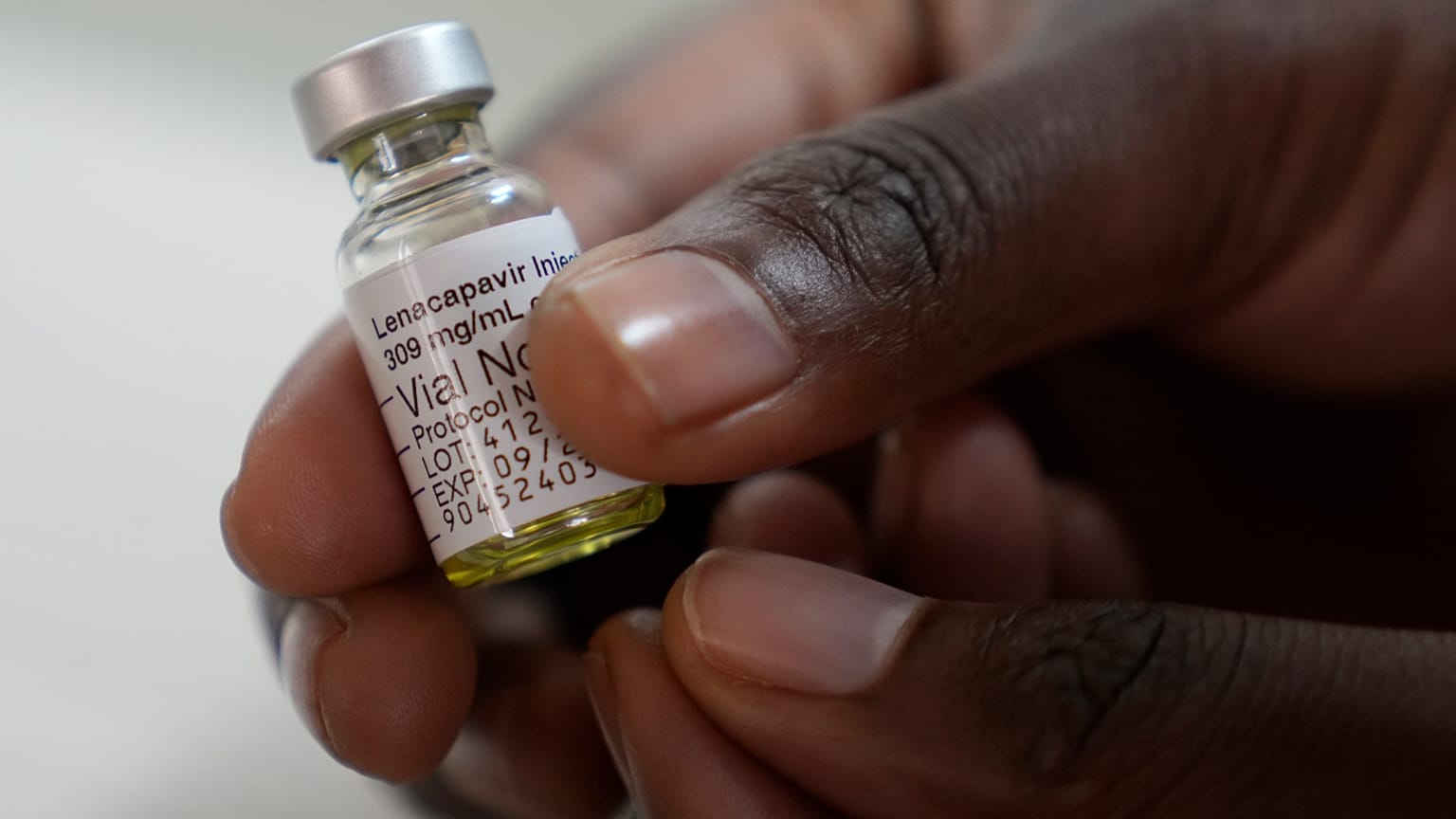
 

Cheaper HIV prevention jab to roll out in lower income countries in 2027

A pharmacist holds a vial of lenacapavir in Cape Town, South Africa, on July 23, 2024.
Copyright Nardus Engelbrecht/AP Photo

By Gabriela Galvin
Published on 


The twice-yearly drug has been hailed as a medical breakthrough that could change the course of the HIV epidemic.

A twice-yearly HIV prevention jab will be available at low cost in 120 lower income countries beginning in 2027.

The drug, known as lenacapavir, has been hailed as a medical breakthrough that could change the trajectory of the global HIV epidemic, which affects about 40.8 million people worldwide.

Under the new deal, a generic version of the lenacapavir jab will be available for $40 (€34) per year – the same price as the most widely used oral version of the drug, which must be taken every day, according to Unitaid, which works to improve medicines access in lower income countries.

The plan could help boost access to the drug at a time when wealthy countries have slashed their global health budgets and the future of major HIV programmes, such as the US President's Emergency Plan for AIDS Relief (PEPFAR), are uncertain.

The agreement came just weeks after the European Medicines Agency (EMA) approved the drug, which has also been authorised by the US Food and Drug Administration (FDA

“It’s probably one of the fastest times that we've been able to bring generic products to market,” Jessica Burry, a technical officer on Unitaid’s strategy team, told Euronews Health.

“And we know that more generics in the market means competition and bringing prices down,” she added.

The treatment’s initial price will be slightly higher. When a patient receives their first lenacapavir jab, they must also take two oral tablets that day and two tablets the following day – at a cost of $16.80 (about €14) – to ensure they are protected against HIV quickly.

Without the pills, it would take several weeks for the jab’s protection to fully kick in, Burry said. Patients will not need to take the pills when they return every six months for their next jab.

Lenacapvir is a form of pre-exposure prophylaxis (PrEP), which works by preventing the virus from replicating and spreading within the body. It reduces the risk of acquiring HIV among both adults and adolescents.

The pharmaceutical company Gilead makes the injectable, twice-yearly version of the drug, which was considered one of the biggest medical breakthroughs of 2024.

A yearly course of the drug is priced at more than $28,000 (about €24,000) per person in wealthy countries, according to Unitaid, which receives funding from France, Spain, Portugal, the United Kingdom, and the European Union, among others.

Gilead had already announced plans to offer the drug to up to two million people in lower income countries at a lower price, and agreed last year to allow six generic manufacturers to supply lenacapavir in 120 lower income countries.

Unitaid worked with Dr Reddy’s Laboratories – one of the largest generic drug manufacturers in the world – as well as the Clinton Health Access Initiative (CHAI) and Wits Reproductive Health and HIV Institute (Wits RHI) to determine the logistics and timeline.

Burry said she expects major health donors, such as The Global Fund to Fight AIDS, Tuberculosis and Malaria, to cover lenacapavir’s initial costs in certain developing countries, while others will pay for the drug directly.

Demand is already strong in parts of sub-Saharan Africa with a high HIV burden, Burry said.

“The other side of the coin is the demand creation and the work to make sure that communities are aware, and to have treatment literacy” and updated government guidance on lenacapavir, Burry said.

She said Unitaid is also working to improve access to low-cost lenacapavir in middle-income countries that do not fall under the Gilead agreement. That includes Brazil, where new HIV infections are rising even as AIDS-related deaths fall.


EU countries agree to dilute rules on water quality standards

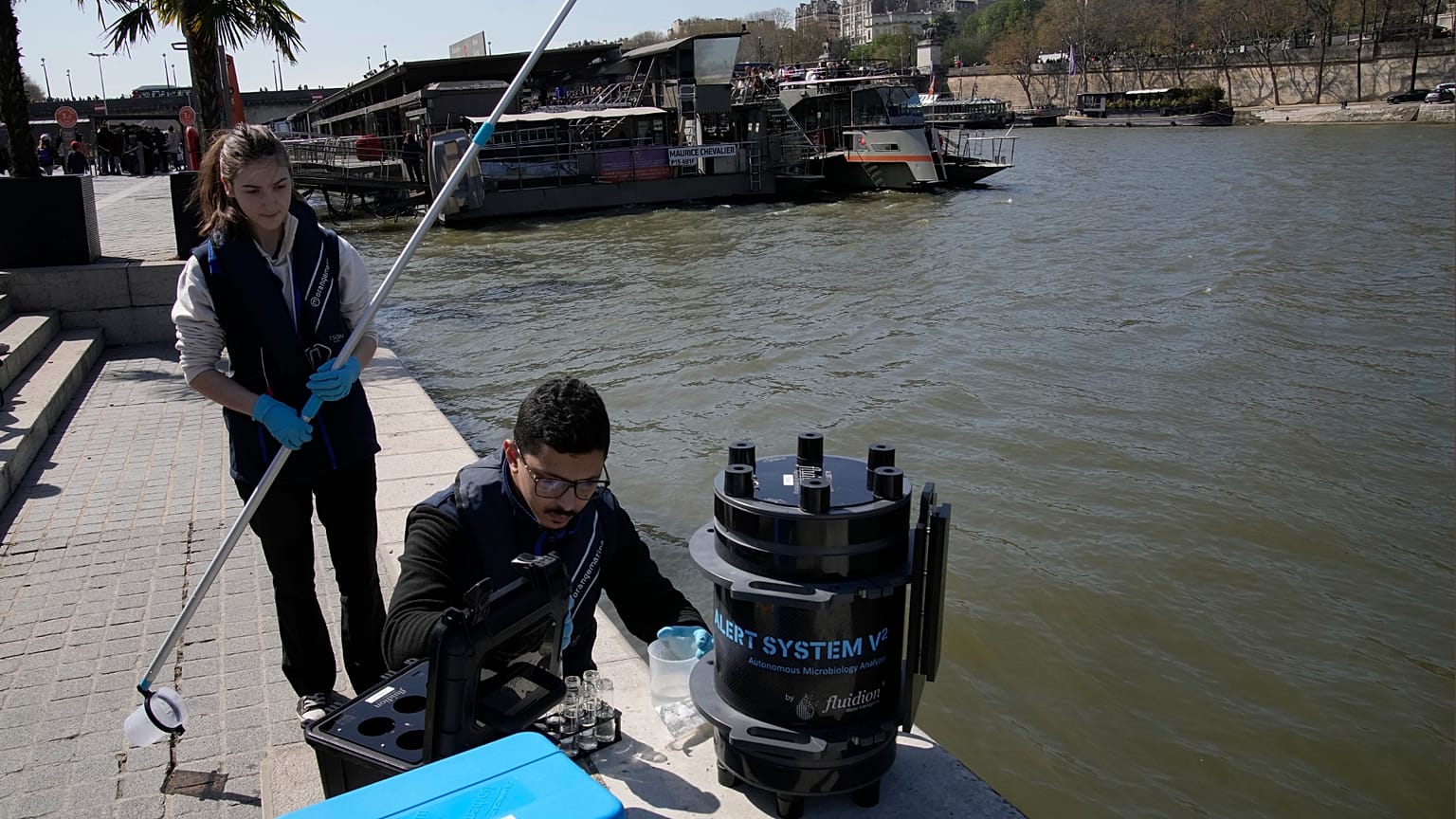
Senior technician Omar Bach-Rais tests water samples from the Seine river for analysis as Aurelie Lemaire, a microbiology research intern looks on, in Paris.
Copyright AP Photo

By Marta Pacheco
Published on 

Green groups regret lax environmental standards on pharmaceuticals, voluntary monitoring and late compliance dates from the political agreement reached on the Water Framework Directive’s revision.

EU member states diluted water rules — enabling up to ten times more chemical pollution arising from medicines to be permitted in groundwater compared with an original European Commission proposal — when the institutions finalised an update to the Water Framework Directive on Tuesday.

Member states also downgraded a proposal to set a broad cap on the amount of pharmaceuticals acceptable in groundwater, narrowing the rules to cover specific substances and leaving others unregulated.

The 2000 Water Framework Directive of groundwater, rivers and lakes, provides for supervision and monitoring of the ecology and chemical health of water.

A 2025 implementation report found only 39.5% of surface waters, rivers, lakes and coastal waters to be in “good ecological status”, and about 26.8% are in “good chemical status”.

For the Danish EU Council presidency, Environment Minister Magnus Heunicke, it was crucial to strike the right balance between ensuring effective protection of the aquatic environment without imposing unnecessary burdens on the EU countries or hindering activities critical to society.

MEP Hildegard Bentele (Belgium), the European People's Party (EPP) group's lead negotiator on the file, said the outcome was a responsible and pragmatic package to improve water quality in the EU.

"These regulations protect water quality without overregulation – with scientific integrity at the centre. We have focused on the most harmful substances and avoided unnecessary burdens, always based on the latest scientific findings,” said Bentele.

Lawmaker Mihal Wiezik (Slovakia/Renew Europe) said the law was flawed: “If action is not taken now, the costs of restoring the quality status of water will be astronomic when compared to preventive measures,” he told reporters

“This progress [agreement after three years of negotiations] is severely undermined by the excessive timelines member states gave themselves to limit pollution in EU waters. This weakens the Water Framework Directive’s potential as a tool for prevention," said Sara Johansson, senior policy officer to water pollution at the European Environmental Bureau (EEB).

The agreement reached by the EU co-legislators will now need to be rubber-stamped by the European Parliament before being fully adopted and entering into force.

 DID YOU SEE THOSE PIGS FLY

China gives up WTO developing-country status as tariff tensions linger

FILE. Chinese Premier Li Qiang shakes hands with Director-General of the WTO Ngozi Okonjo-Iweala, in Tianjin, a World Economic Forum meeting. 26 June 2023.
Copyright AP/Wang Zhao/pool

By Eleanor Butler & AP
Published on 


The US has long argued China should give up the developing-country status because it is the world’s second-largest economy.

China has said it would no longer seek the special treatment given to developing countries in World Trade Organization agreements — a change long demanded by the United States.

Commerce Ministry officials said on Wednesday the move was an attempt to boost the global trading system at a time when it is under threat from tariff wars and protectionist moves by individual countries to restrict imports.

They did not mention the United States by name or President Donald Trump's imposition of tariffs on many other countries this year, including China.

The US has long argued China should give up the developing-country status because it is the world’s second-largest economy. The advantages of that designation at the WTO include lower requirements to open their markets to imports and longer transition periods to implement such market-opening steps. The developing-country status also exempts China from contributing to a climate change fund.

The WTO provides a forum for global trade talks and enforces agreements but has become less effective, prompting calls for reform.

The head of the Geneva-based organisation described the Chinese move as “major news key to WTO reform” and applauded and thanked the country's leaders in a post on X.

“This is a culmination of many years of hard work,” wrote Ngozi Okonjo-Iweala, the WTO director-general.

Chinese Premier Li Qiang announced the change in a speech in New York on Tuesday to a China-organised development forum at the annual meeting of the UN General Assembly.

Responding to the decision in Brussels, European Commission spokesperson Olof Gill said: “We welcome China’s decision to no longer avail itself of developing-country status in future trade agreements, but… we firmly believe China should stop availing itself of developing-country status under also existing agreements.”

He added that the European Union remains committed to reforming the WTO.

The trade body is notably re-evaluating the way it solves disputes after the US in 2019 stopped appointing adjudicators to the WTO’s Appellate Body, viewed as the supreme court for international trade. Since December 2019, the body has been unable to hear appeals as it no longer holds a minimum number of judges.

China is a middle-income country, and the nation’s Commerce Ministry officials emphasised that it remains part of the developing world.

Increasingly, though, it has become a source of loans and technical assistance to other countries seeking to build roads, railways, dams and other major projects, often undertaken by major Chinese state-owned companies.

Espionage or innocent hobby? German authorities to get tough in clampdown on drones

The national air navigation service says 144 drone overflights have been logged this year alone and comes after airspace violations in Poland, Estonia and Romania.


Copyright AP Photo

By Johanna Urbancik
Published on 24/09/2025 - 
EURONEWS


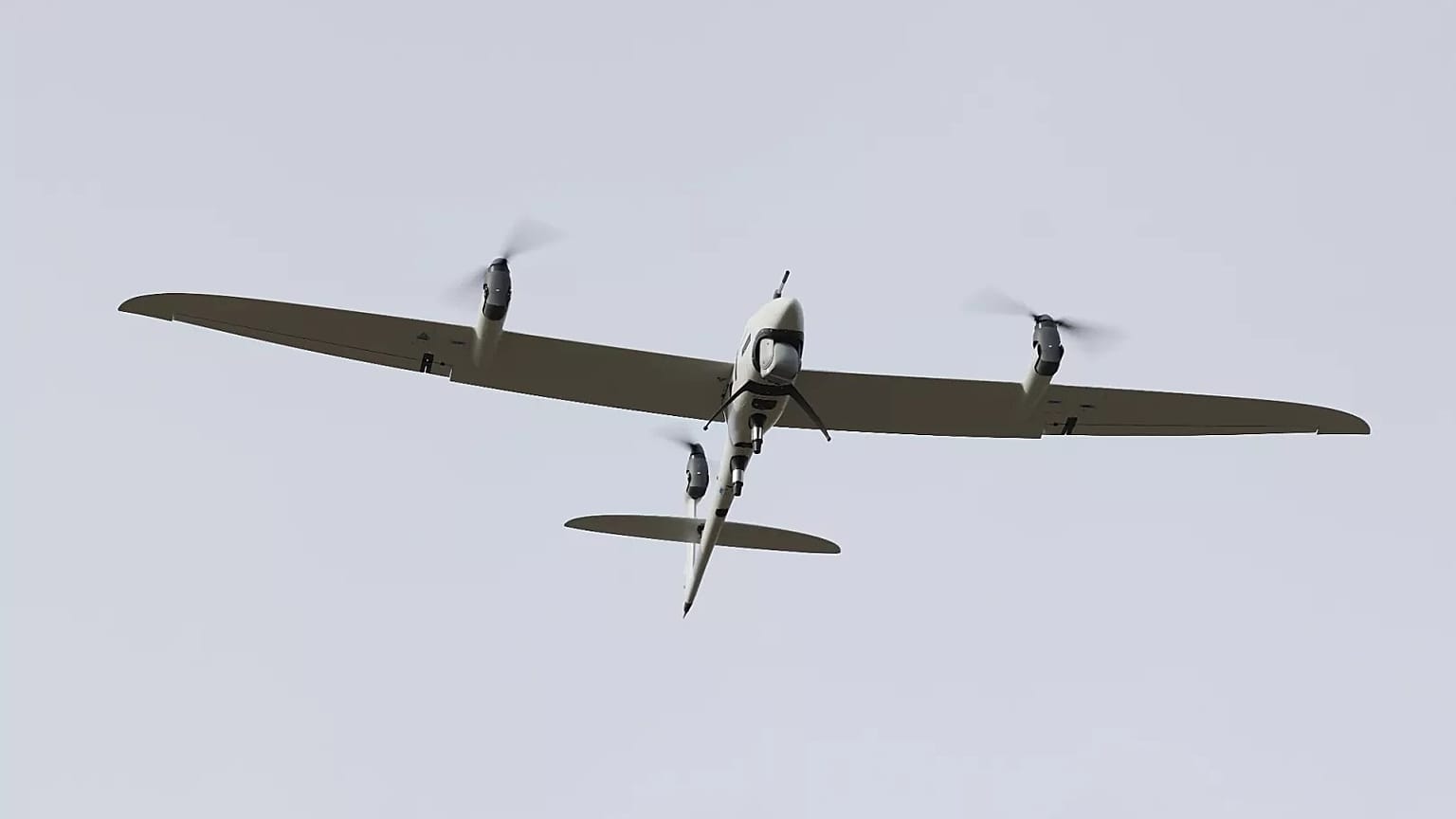
Incidents of unidentified drones flying in Germany's airspace are on the rise with the country's air navigation service DFS saying 144 drone overflights have been logged this year alone, with 35 incidents clustered around Frankfurt Airport.

What remains unclear is how many of those drones were taking part in espionage.

The majority were reported by pilots, while other cases were discovered by air traffic controllers. The majority of these drone flights, around 90% on average, were reported from areas surrounding airports, DFS told Euronews.

For this reason, the Interior Minister Alexander Dobrindt wants to rapidly expand Germany's defence against drones.

The aim is to pool the competencies between the federal and state governments, develop new defence capabilities and "interlink" police and military drone defence, Dobrindt told Funke Mediengruppe newspapers.

He emphasised that Germany is in a technological arms race between drone attacks and defence measures, both civilian and military.

A Lufthansa Airbus takes off at Frankfurt Airport, 23 March, 2020 AP Photo/Arne Dedert

For the authorities, from the police to specialised security services, it is often difficult to distinguish between a possible spy drone and a harmless hobby device, which is why there is no differentiation between the various drones, the Thuringia State Police Directorate told Euronews.

Whether drones were used for security-related incidents or espionage will only be examined as part of the investigation, according to the state police department.
Drone terror in NATO airspace?

On Monday evening, the main airports in Oslo and Copenhagen had to suspend operations after drones were detected flying nearby.

Denmark's Prime Minister Mette Frederiksen said Russian involvement could not be ruled out.

"It says something about the times we live in and what we as a society must be prepared to deal with," Frederiksen said.

"We have Russian aerial reconnaissance in high or even low areas on a daily basis," said retired colonel and President of EuroDefence, Ralph Thiele.

By "high areas", Thiele is referring to reconnaissance in airspace at a higher altitude by jets or large drones, while "low areas" include smaller systems close to cities, airports or industrial plants.

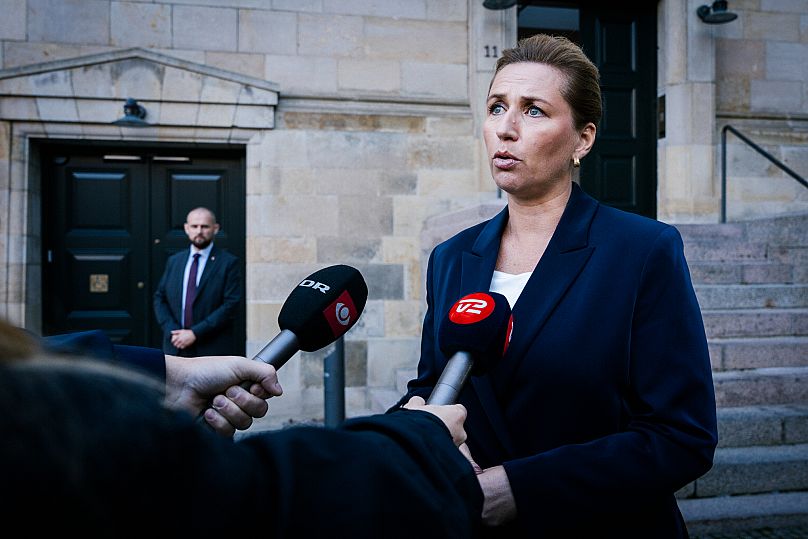
Danish Prime Minister Mette Frederiksen holds a doorstep and comments on drone activity at Copenhagen Airport, 23 September, 2025 AP Photo

"What they basically do is scout us out and create digital twins of our critical infrastructure, our military capabilities and our transport routes," explains Thiele. These "twins" can then be used for sabotage, espionage or even direct military attacks.

"That's what Russia is doing, so to speak - and we're looking on rather impotently," he added.

This means that images of sites and facilities are taken with millimetre precision, which can then be used to create digital models.
Drones jeopardise flight operations

A spokesperson for Fraport AG, the company that operates Frankfurt Airport, said that personnel, organisational and technical measures are being taken together with authorities in order to detect and counter drones at an early stage.

Should drones enter the safety area, DFS will decide whether flight operations should be restricted or even stopped.

"Such incidents pose a serious threat to the safety of air traffic and can also cause considerable economic damage," the spokesperson told Euronews.

Flying drones over airports is a criminal offence punishable by a prison sentence of up to 10 years. Four drone pilots have been caught by the police this year and an investigation has been initiated, according to Guido Zemp, Corporate Security at Fraport AG.

Passengers are seen in front of the check-in counters at Berlin Brandenburg Airport in Schönefeld, 22 September, 2025 AP Photo

To enable investigations, the drone in question must first be intercepted or neutralised. In the case of civilian sites, the federal or state police are responsible. The German Armed Forces are only responsible for their own sites and must act in accordance with the principle of proportionality.

In order to authorise the Bundeswehr to assist the police in combating drones if necessary, the previous coalition government headed by Chancellor Olaf Scholz had planned to amend the Aviation Security Act. However, this amendment was never passed due to the change of government.

When asked by Euronews, a spokesperson for the Ministry of the Interior (BMI) confirmed that the government is now working on this.

"Coordination is still ongoing," the spokesperson said, who was unable to provide any specific details.

ANOTHER ILLEGAL ISRAEL INCURSION

UN peacekeepers in Lebanon say Israeli drone struck their headquarters but caused no casualties

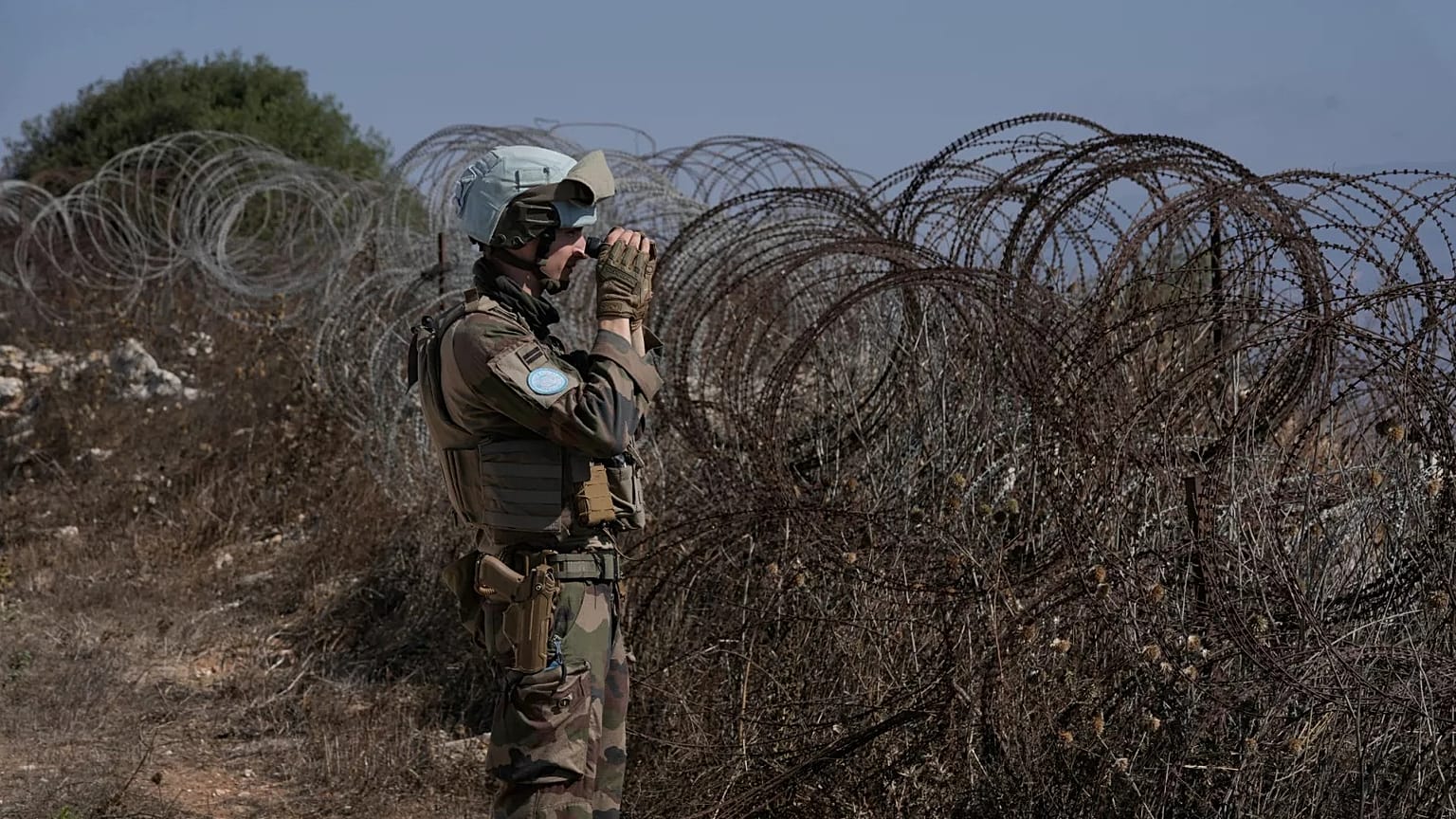
A French UNIFIL peacekeeper looks through binoculars while standing on a hill overlooking Kfar Kila, 20 August, 2025
Copyright AP Photo

By Gavin Blackburn
Published on 

Established in 1978, UNIFIL has more than 10,000 peacekeepers from 50 countries who patrol the Blue Line, the UN-drawn border between Lebanon and Israel.

An Israeli drone crashed into the headquarters of UN peacekeepers in southern Lebanon but caused no casualties, the United Nations Interim Force in Lebanon (UNIFIL) said in a statement on Wednesday.

The UNIFIL said that by flying drones over Lebanon, Israel was violating a UN Security Council resolution that helped end the 14-month conflict with the militant group Hezbollah.

Resolution 1701, which was first approved in 2006 to end a previous round of fighting, calls for both sides to respect each other's airspace.

UNIFIL said that its explosive ordnance disposal experts secured and neutralised the drone immediately after it hit the headquarters in the border town of Naqoura on Tuesday afternoon.

The peacekeepers added that the drone was not armed but was equipped with a camera.

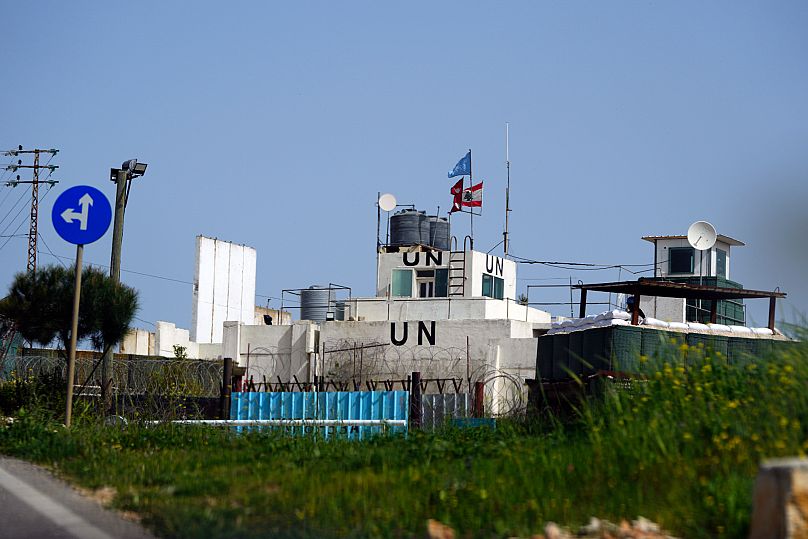
A base of the United Nations peacekeeping forces in Lebanon at the Lebanese-Israeli border, 7 April, 2023 AP Photo

There was no immediate comment from the Israeli military, but UNIFIL said the IDF "subsequently confirmed the drone belonged to them."

The peacekeeping force said that while peacekeepers are prepared to take action against threats to their safety, "this device fell on its own".

The incident comes two weeks after UNIFIL said Israeli drones dropped four grenades close to peacekeepers in southern Lebanon near the border with Israel as they were working to clear roadblocks. No one was hurt in that strike.

Established in 1978, UNIFIL has more than 10,000 peacekeepers from 50 countries who regularly patrol the Blue Line, the UN-drawn border between Lebanon and Israel and have also been involved in efforts to de-escalate tensions between the two sides.

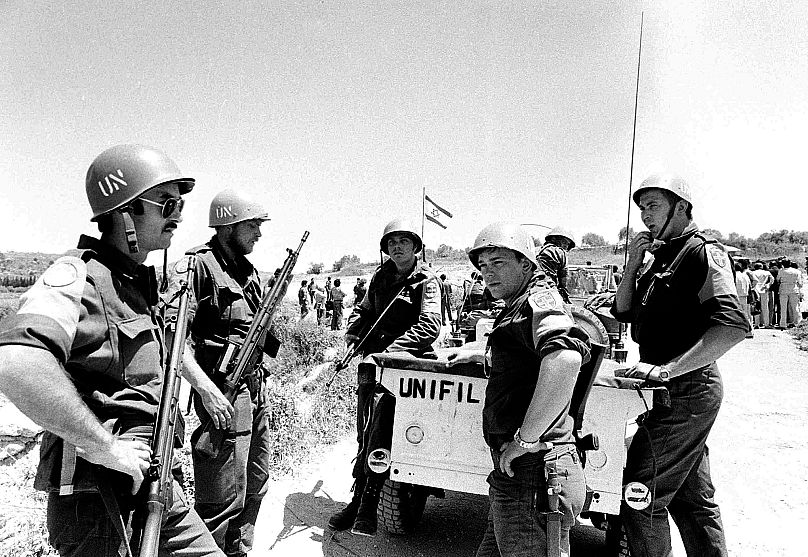
Norwegian troops of UNIFIL, 30 April, 1978 AP Photo

The most recent Israel-Hezbollah conflict killed more than 4,000 people in Lebanon, including hundreds of civilians, and caused an estimated $11 billion (€9.3 billion) worth of destruction, according to the World Bank.

At least 27 people were killed, including 80 soldiers, in Israel.

The conflict started when the Iran-backed Hezbollah, which is ideologically aligned with Hamas, began firing rockets into Israel on 8 October 2023, a day after the Hamas-led incursion of militants into southern Israel sparked the war in Gaza.

Israel responded with shelling and airstrikes into Lebanon, and the two sides became locked in an escalating conflict involving near-daily exchanges of fire until a ceasefire was signed in November 2024.

Additional sources 

Gaza aid flotilla targeted by drones and explosions, activists say


Copyright Sebastiano Diamante/LaPresse via AP

By Evelyn Ann-Marie Dom
Published on 24/09/2025 
EURONEWS

The Gaza-bound aid flotilla reported multiple drone attacks on its boats off the coast of Greece.

Organisers of the Gaza-bound aid flotilla reported late on Tuesday that "more than 15" drones targeted several of their boats, currently located off the coast of Greece.

"Multiple drones, unidentified objects dropped, communications jammed and explosions heard from a number of boats," the group posted in a statement on Instagram. The activists reported at least nine attacks on eight of its boats.

"We will not be intimidated," the group reminded, saying that every attempt to do so only strengthens its commitment. "These tactics will not deter us from our mission to deliver aid to Gaza and break the illegal siege."


The group called on the Greek Coast Guard to "protect every vessel and every human life within its SAR zone."

Organisers of the flotilla urged world leaders at the United Nations General Assembly, which is under way in New York, to take "immediate action for Gaza," particularly by voting for a resolution to be put forward by Colombian President Gustavo Petro.

The Colombian leader has called on the UN to create a “powerful army of countries that do not accept genocide” to establish a “peacekeeping force” in the region.

The flotilla's humanitarian mission

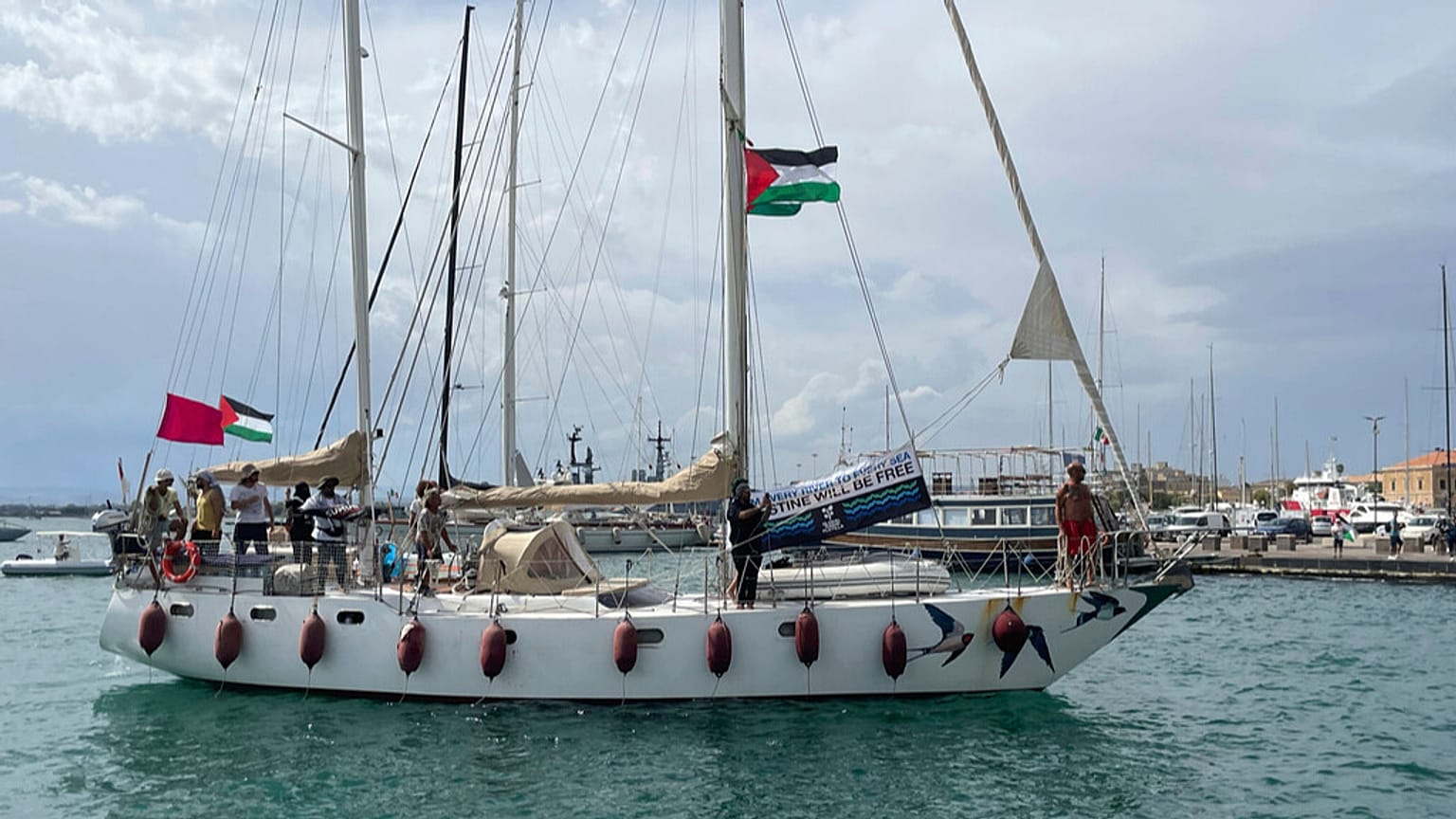
The flotilla is a civilian fleet of over 50 small vessels from 44 countries, aimed at breaking the Israeli blockade of famine-stricken Gaza, which was further tightened in October 2023, at the start of the war in the Strip, following the Hamas-led militant attack on southern Israel.

It is not the first time activists trying to break the siege have reportedly come under attack. Earlier this month, the flotilla was attacked twice while its boats were docked in Tunisian waters, according to the activists.

One of the ships targeted was the Family Boat, a Portuguese-flagged vessel and the flotilla's lead ship, carrying aid and some of the most well-known activists on board, including Greta Thunberg and former Barcelona Mayor Ada Colau.

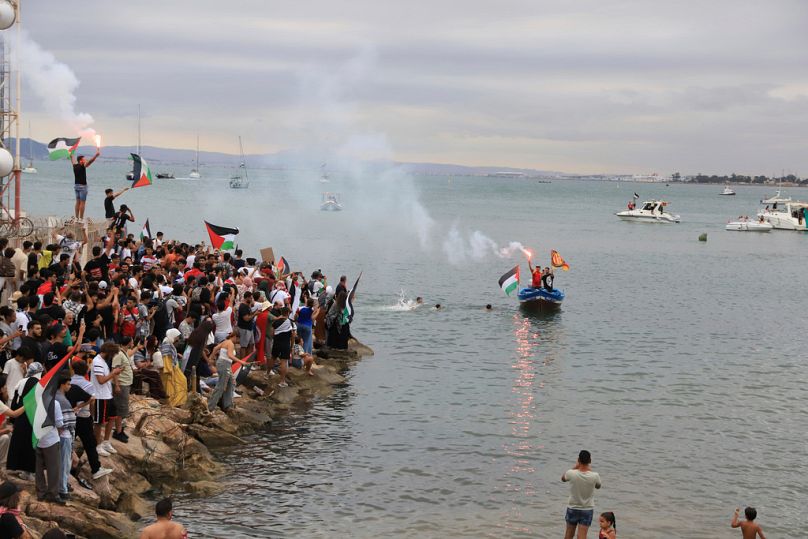
People gather to show support for the Global Sumud Flotilla ahead of its scheduled departure to deliver aid to Gaza amidst Israel's blockade in Tunis, Tunisia, Sept. 10, 2025. Anis Mili/Copyright 2025 The AP. All rights reserv

The Alma, another mothership of the mission, was reportedly targeted as well.

Tunisian authorities rejected the claim that the flotilla was hit off the country's coast, stating that the explosion on the first boat came from inside the ship.

While there is no concrete evidence, activists have accused Israel of being behind the attacks.

In July, the unarmed Freedom flotilla was boarded by Israeli forces in international waters, while it was en route carrying supplies to the Strip.