From our correspondents in Ramallah – – In the occupied West Bank, Route 60 links key Palestinian cities with one another – as well as a series of Israeli settlements. It is the only road connecting Ramallah with Nablus, and for many Palestinians, travelling it has become a journey fraught with fear amid the surge in settler violence following the Hamas-led October 7, 2023, attacks.
Issued on: 23/09/2025 -
FRANCE24
By:
David GORMEZANO/
Tahar HANI
The 235-kilometre long Highway 60 runs from the Israeli cities of Beersheba in the south to Nazareth in the north, cutting through the West Bank along the way.
© David Gormezano, FRANCE 24
Highway 60 – or Route 60 as it is known by locals – stretches 235 kilometres and links the Israeli cities of Beersheba in the south and Nazareth in the north. But most of it runs through the West Bank, which has been occupied by Israel since 1967, and divided into three zones under the 1993 Oslo Accords.
Highway 60 – or Route 60 as it is known by locals – stretches 235 kilometres and links the Israeli cities of Beersheba in the south and Nazareth in the north. But most of it runs through the West Bank, which has been occupied by Israel since 1967, and divided into three zones under the 1993 Oslo Accords.
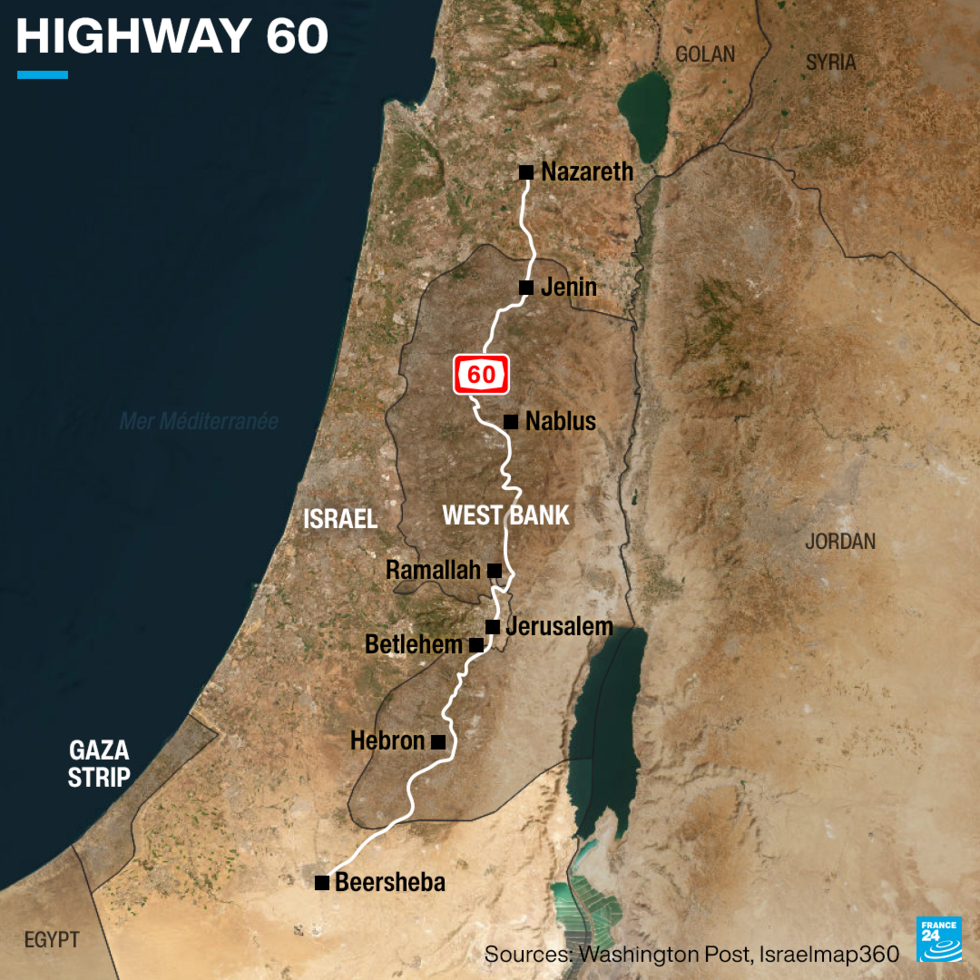
The route of Highway 60. © France Médias Monde graphics studio
Although Route 60 has for decades been the scene of some extreme Israeli-Palestinian violence – attacks, shootings, lynchings and arrests – the deadly Hamas-led attacks on Israel two years ago drastically worsened the situation. The highway is now one of the most dangerous places for Palestinians to travel on.
Yet, many do not have a choice. Thousands of Palestinians and Israelis need to use the road for their daily commutes.
“October 7 changed everything on Route 60,” Hatim Ali Hassan, a shared-taxi driver who has driven between Nablus and Ramallah every day for the past 27 years, explains.
“The army has closed more and more barriers (which allow Palestinians to access towns and villages, editor’s note), and opened up new checkpoints. Sometimes the settlers turn up at intersections and assault Palestinians in front of the surveillance cameras, but no one says anything.”
Although Route 60 has for decades been the scene of some extreme Israeli-Palestinian violence – attacks, shootings, lynchings and arrests – the deadly Hamas-led attacks on Israel two years ago drastically worsened the situation. The highway is now one of the most dangerous places for Palestinians to travel on.
Yet, many do not have a choice. Thousands of Palestinians and Israelis need to use the road for their daily commutes.
“October 7 changed everything on Route 60,” Hatim Ali Hassan, a shared-taxi driver who has driven between Nablus and Ramallah every day for the past 27 years, explains.
“The army has closed more and more barriers (which allow Palestinians to access towns and villages, editor’s note), and opened up new checkpoints. Sometimes the settlers turn up at intersections and assault Palestinians in front of the surveillance cameras, but no one says anything.”
Standing in front of his yellow minivan at a bus station in Nablus, he rejects the tighter travel restrictions that have been imposed on Palestinians. “Between 6am and 9am, the army blocks checkpoints so that the settlers can take their kids to school and go to work. So for someone working in Ramallah (50 kilometres south, editor’s note) they have to leave already at 5am or 5.30am to hope to be there by 8.30am.”
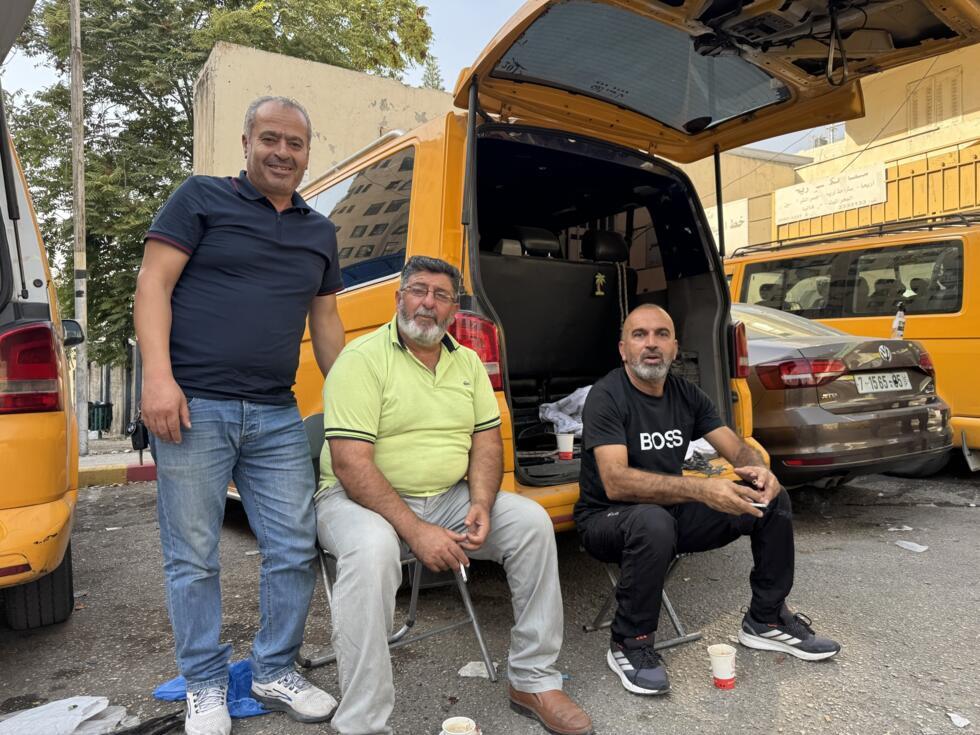
Hatim Ali Hassan (left) together with his shared-taxi driver colleagues at a bus station in Nablus, in the West Bank. © David Gormezano, FRANCE 24
‘Road of death’
Since the October 7 attacks, the number of Palestinians travelling this particular stretch has dropped dramatically. “Workers can no longer enter Israel, civil servants aren’t paid and can’t travel more than two days a week instead of the previous five. Businesses and restaurants have laid off eight out of 10 employees. There are a lot less travellers,” Ali Hassan says.
The director of the Balata refugee camp in Nablus echoes his view that the Hamas attacks have made things worse for Palestinians also in the West Bank. According to the UN agency for Palestinian refugees (UNRWA) the 33,000 people currently living in the Balata camp are descendants of some 5,000 Palestinians that were expelled from Israel during the Nakba – the “catastrophe” in Arabic – when the Jewish state was created in 1948.
Most of these Palestinians do not own neither farmland nor businesses and many of them have to travel to work. Ahmed Dugan, president of the People’s Committee for refugee services at the camp, says the hardened travel restrictions on Palestinians have “hurt Balata even more because it’s a poor neighbourhood”.
“Workers have to travel to go to Ramallah or Tulkarem. In my view, Route 60 has become the route of death. There’s no security. You’re driving along calmly, and suddenly settlers come and attack your car with rocks. There are deaths and injuries all the time,” he explains.
‘Road of death’
Since the October 7 attacks, the number of Palestinians travelling this particular stretch has dropped dramatically. “Workers can no longer enter Israel, civil servants aren’t paid and can’t travel more than two days a week instead of the previous five. Businesses and restaurants have laid off eight out of 10 employees. There are a lot less travellers,” Ali Hassan says.
The director of the Balata refugee camp in Nablus echoes his view that the Hamas attacks have made things worse for Palestinians also in the West Bank. According to the UN agency for Palestinian refugees (UNRWA) the 33,000 people currently living in the Balata camp are descendants of some 5,000 Palestinians that were expelled from Israel during the Nakba – the “catastrophe” in Arabic – when the Jewish state was created in 1948.
Most of these Palestinians do not own neither farmland nor businesses and many of them have to travel to work. Ahmed Dugan, president of the People’s Committee for refugee services at the camp, says the hardened travel restrictions on Palestinians have “hurt Balata even more because it’s a poor neighbourhood”.
“Workers have to travel to go to Ramallah or Tulkarem. In my view, Route 60 has become the route of death. There’s no security. You’re driving along calmly, and suddenly settlers come and attack your car with rocks. There are deaths and injuries all the time,” he explains.
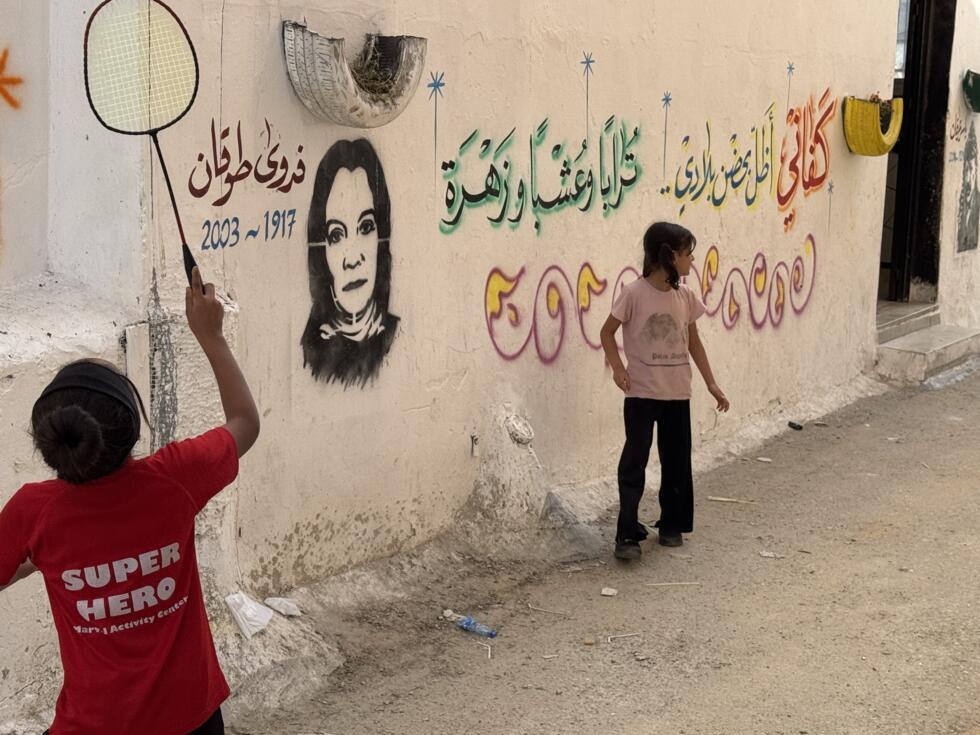
Children play in the narrow streets of the Balata refugee camp in Nablus, West Bank.
© David Gormezano, FRANCE 24
Highway of fear
At the Nablus bus station, Ali Hassan’s minivan is now full. Filled with dread, he then sets off for Ramallah. He is especially worried about the section between Za’tara and Turus Ayya, which he says is the most dangerous part.
“It’s forbidden to stop at gas stations. If you stop, they can shoot at you, and if you get a flat tyre, you have to keep driving until you get to a Palestinian village. If you stop for just five minutes you’ll see the settlers coming. A long time ago, you could stop there and get a coffee,” he recalls.
The section he is talking about has seen a change in scenery lately. The two sides of the road are lined with Israeli flags and portraits of ultra-Orthodox rabbis. Israeli settlers mounted them at the end of July, after France and other Western countries announced they would recognise the State of Palestine.
Highway of fear
At the Nablus bus station, Ali Hassan’s minivan is now full. Filled with dread, he then sets off for Ramallah. He is especially worried about the section between Za’tara and Turus Ayya, which he says is the most dangerous part.
“It’s forbidden to stop at gas stations. If you stop, they can shoot at you, and if you get a flat tyre, you have to keep driving until you get to a Palestinian village. If you stop for just five minutes you’ll see the settlers coming. A long time ago, you could stop there and get a coffee,” he recalls.
The section he is talking about has seen a change in scenery lately. The two sides of the road are lined with Israeli flags and portraits of ultra-Orthodox rabbis. Israeli settlers mounted them at the end of July, after France and other Western countries announced they would recognise the State of Palestine.
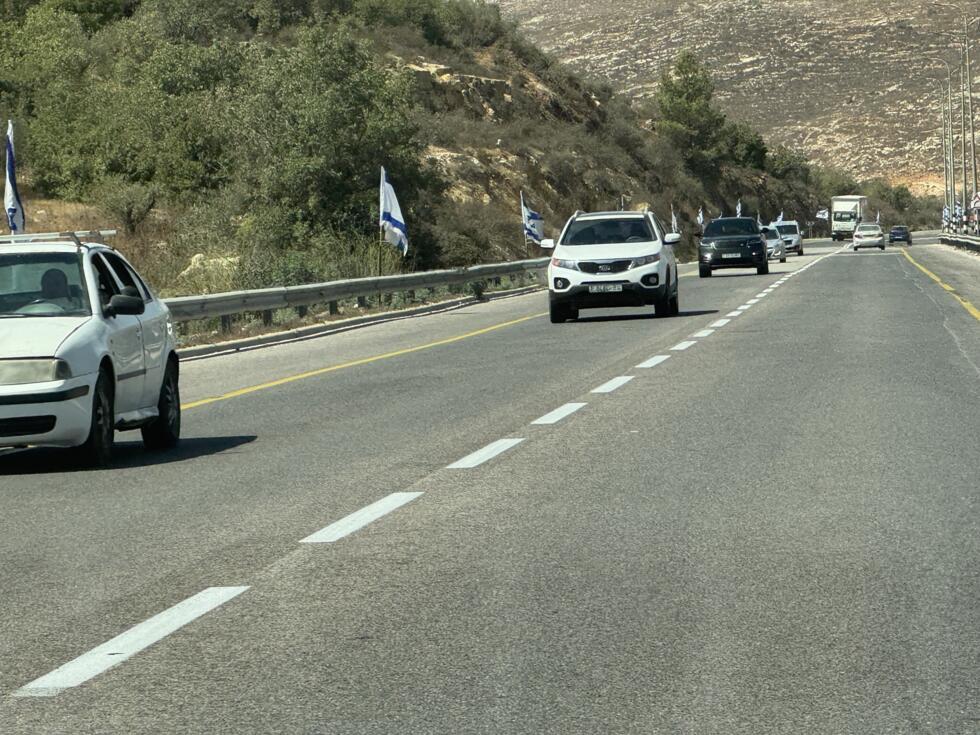
Israeli flags line Route 60 in the West Bank. The flags have been placed there by settlers protesting Western countries’ recognition of the State of Palestine.
© David Gormezano, FRANCE 24
In defiance of the international recognition efforts, Israel’s Prime Minister Benjamin Netanyahu doubled down on his annexation announcements, throwing even more fuel on the fire that was already engulfing Route 60. At the end of August, his cabinet approved the construction of 3,400 homes in the occupied West Bank – on top of the 22 new settlements that were approved back in May. In the past few months, several far-right Israeli ministers have also called for the annexation of the West Bank. That threat has now been voiced by Nentanyahu himself.
Just by looking up from the road, a large number of Israeli settlements can be spotted. Some of them have received approval from Israeli authorities, others have not.
Whenever Ali Hassan’s minivan arrives at an intersection, his passengers nervously glance over at the settlers waiting there for a bus or a ride to hitch. Many of them are wearing the ultra-Orthodox insignias.
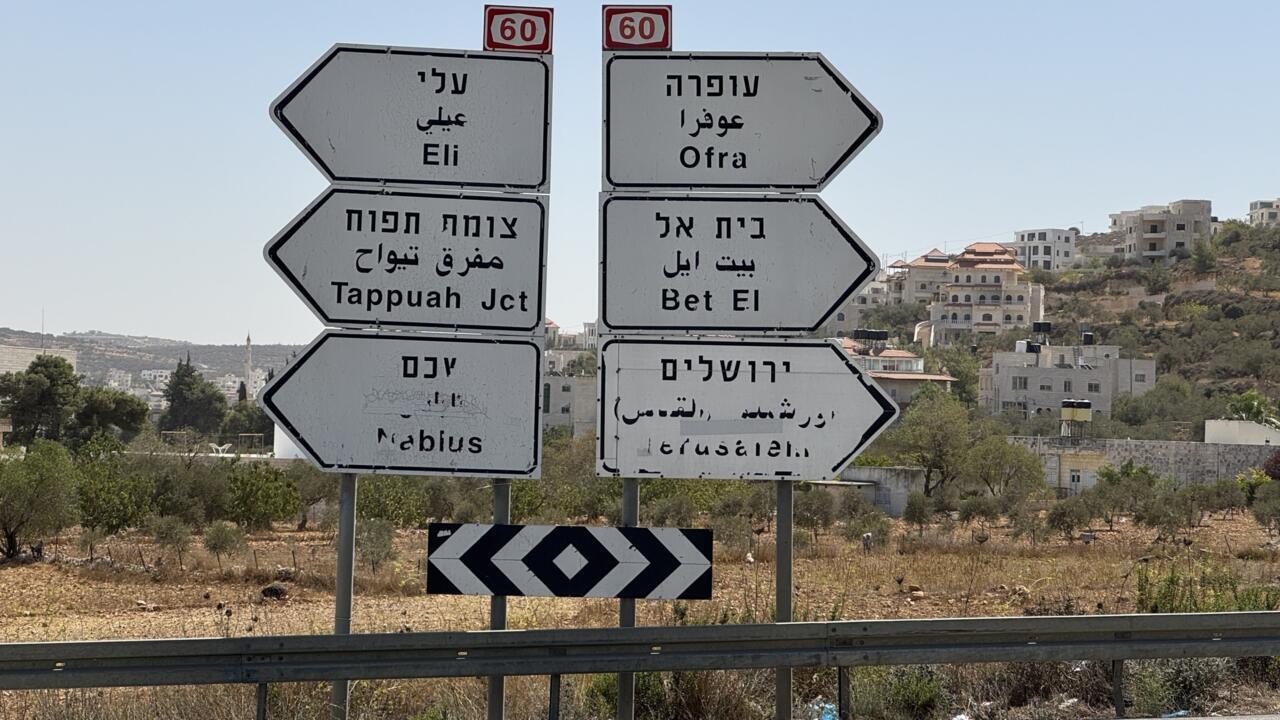
On the highway, the yellow Israeli number plates mix with the green Palestinian ones. The road signs are in three languages: Hebrew, Arabic and English. The route takes its travelers past typical Palestinian villages with their minarets, the neat rows of hillside units of Israeli settlements and the wildcat outposts consisting of prefabricated structures covered in antennas.
In defiance of the international recognition efforts, Israel’s Prime Minister Benjamin Netanyahu doubled down on his annexation announcements, throwing even more fuel on the fire that was already engulfing Route 60. At the end of August, his cabinet approved the construction of 3,400 homes in the occupied West Bank – on top of the 22 new settlements that were approved back in May. In the past few months, several far-right Israeli ministers have also called for the annexation of the West Bank. That threat has now been voiced by Nentanyahu himself.
Just by looking up from the road, a large number of Israeli settlements can be spotted. Some of them have received approval from Israeli authorities, others have not.
Whenever Ali Hassan’s minivan arrives at an intersection, his passengers nervously glance over at the settlers waiting there for a bus or a ride to hitch. Many of them are wearing the ultra-Orthodox insignias.
On the highway, the yellow Israeli number plates mix with the green Palestinian ones. The road signs are in three languages: Hebrew, Arabic and English. The route takes its travelers past typical Palestinian villages with their minarets, the neat rows of hillside units of Israeli settlements and the wildcat outposts consisting of prefabricated structures covered in antennas.
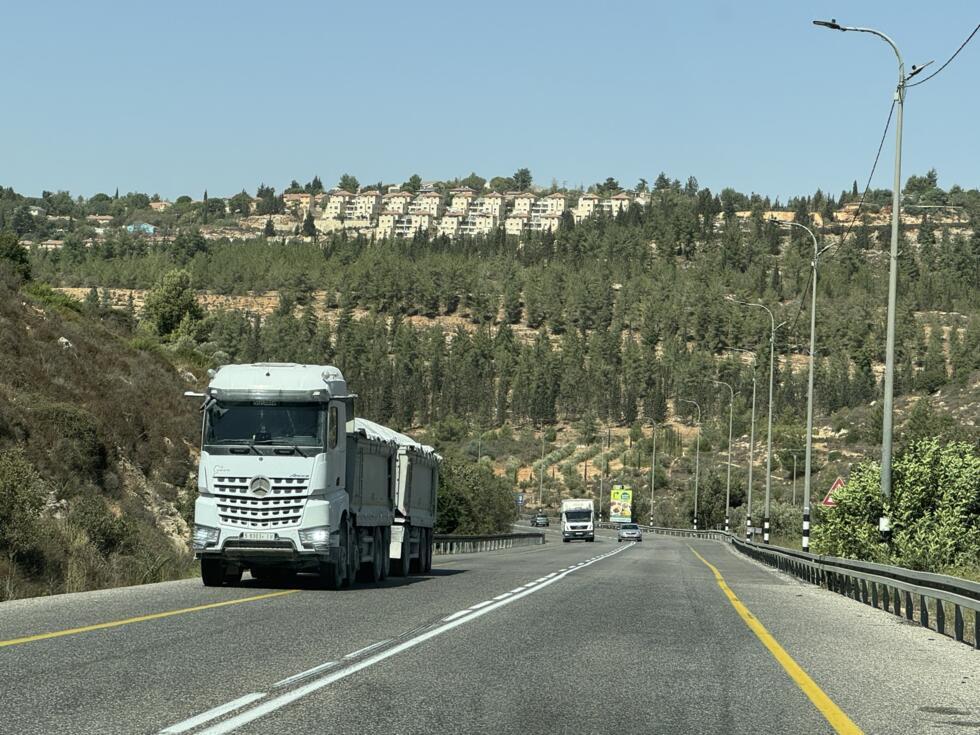
An Israeli settlement can be seen in the backdrop of Route 60, between Nablus and Ramallah. © David Gormezano, FRANCE 24
Barriers, checkpoints and padlocked entrances
Near the Shiloh settlement, a sign points out the entry to a kosher winery. A bit further along is the village of Sinjil, which was known as Saint-Gilles during the First Crusade (1095-1099).
The Palestinian village is surrounded by a high, barbed-wire fence. It is 1.5 kilometres long and was erected by the Israeli army in 2024, following a series of deadly clashes between villagers and settlers.
Barriers, checkpoints and padlocked entrances
Near the Shiloh settlement, a sign points out the entry to a kosher winery. A bit further along is the village of Sinjil, which was known as Saint-Gilles during the First Crusade (1095-1099).
The Palestinian village is surrounded by a high, barbed-wire fence. It is 1.5 kilometres long and was erected by the Israeli army in 2024, following a series of deadly clashes between villagers and settlers.
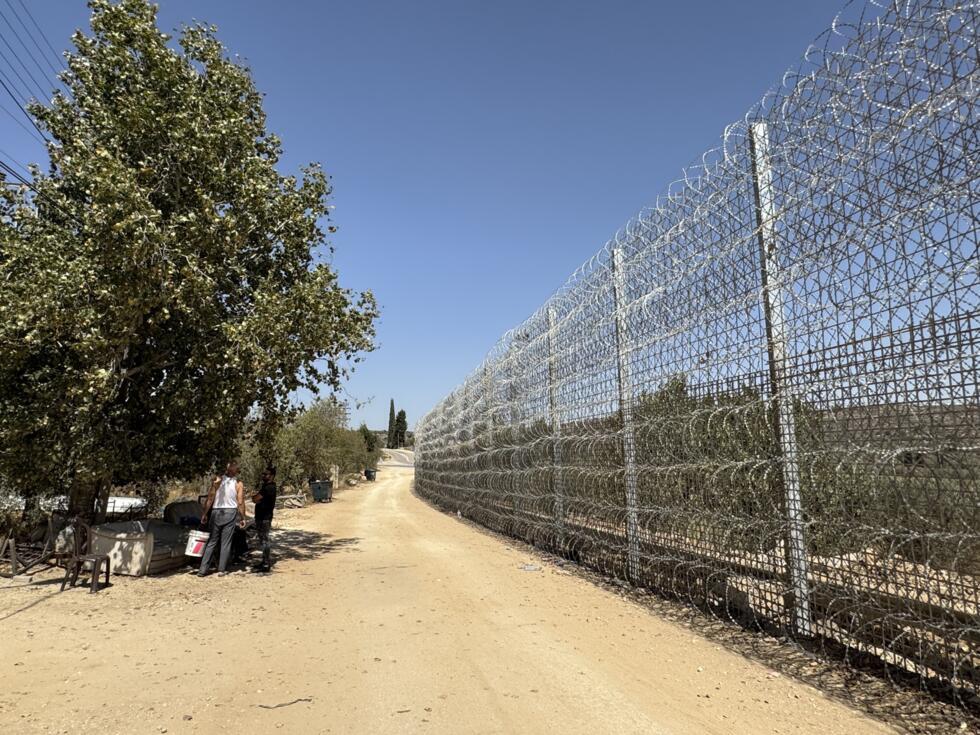
The Israeli military has erected a barbed-wire fence around the village of Sinjil, West Bank. © David Gormezano, FRANCE 24
Forty-five-year-old Aid Rajaa Ghafra was born in Sinjil and inherited his father’s house and farmland. He says he has all the deeds and documents proving his ownership, but despite them having been validated by an Israeli court, he says he no longer has access.
“A year and a half ago, I was on my property with my 16-year-old nephew when settlers surrounded us. They threatened to shoot us and brought us to the military base saying we were planning an attack,” recalls Rajaa Ghafra, who is a member of a Palestinian farmers’ association that campaigns against the Israeli settlements.
“Human rights groups had to intervene to get us released and not charged.”
Forty-five-year-old Aid Rajaa Ghafra was born in Sinjil and inherited his father’s house and farmland. He says he has all the deeds and documents proving his ownership, but despite them having been validated by an Israeli court, he says he no longer has access.
“A year and a half ago, I was on my property with my 16-year-old nephew when settlers surrounded us. They threatened to shoot us and brought us to the military base saying we were planning an attack,” recalls Rajaa Ghafra, who is a member of a Palestinian farmers’ association that campaigns against the Israeli settlements.
“Human rights groups had to intervene to get us released and not charged.”
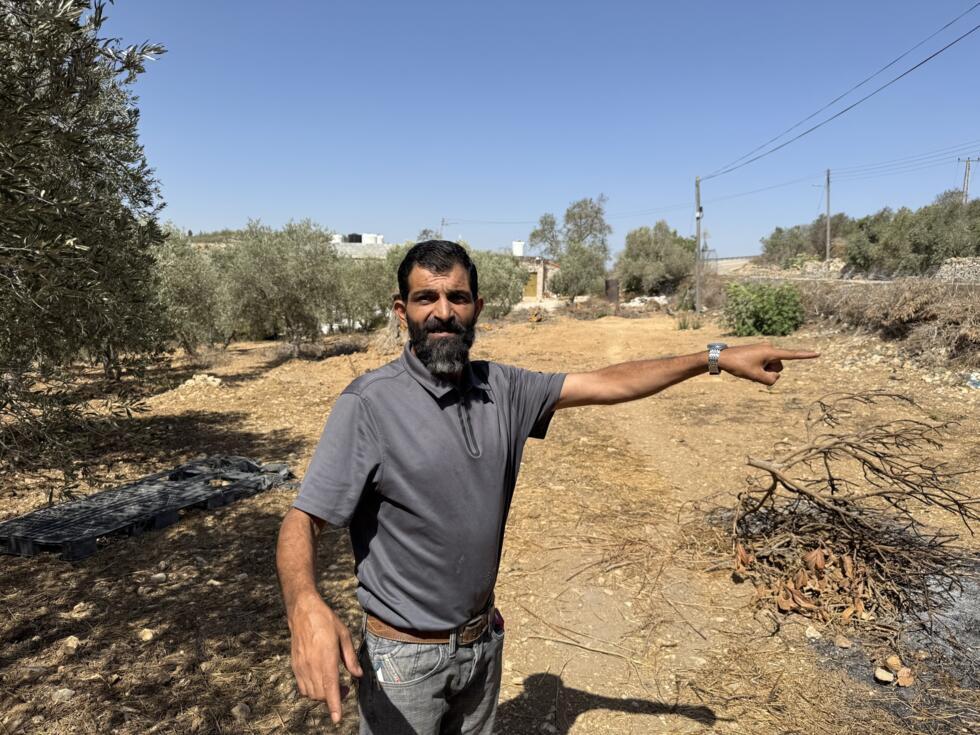
Aid Rajaa Ghafri from Sinjil says he no longer has access to his property after he was threatened by Israeli settlers and accused of planning an attack.
© David Gormezano, FRANCE 24
After a series of incidents, including the July lynching of an American-Palestinian by Israeli settlers, five of the six entrances to the village have been closed and blocked with padlocked metal barriers.
After a series of incidents, including the July lynching of an American-Palestinian by Israeli settlers, five of the six entrances to the village have been closed and blocked with padlocked metal barriers.
On the offensive
Since then, Sinjil’s 6,000 residents feel even more trapped than before, even though the village is just 15 kilometers from Ramallah. Within a 3-kilometre radius, three of the Israeli settlements – deemed legal by Israel but not by the international community – have existed since the 1970s. Six other “outposts”, the term given to settlements not approved by Israeli authorities, have popped up in the past few years alone. The biggest of them, Eli, already has 4,500 inhabitants, while the most recent only houses a handful of families.
“We live in great fear. Sometimes I get phone calls saying strangers have entered my house. I have trouble sleeping at night because there is always military and settler movement around us. Last week, two settlers came and told me to leave my land. I told them they were the ones who should leave,” Ghafra continues.
As we leave Sinjil, we meet a shepherd grazing his goats inside the village limits. He is too afraid to venture outside. “I’ve been attacked two or three times. The settlers were armed. Sometimes they kill shepherds and steal their livestock,” he says.
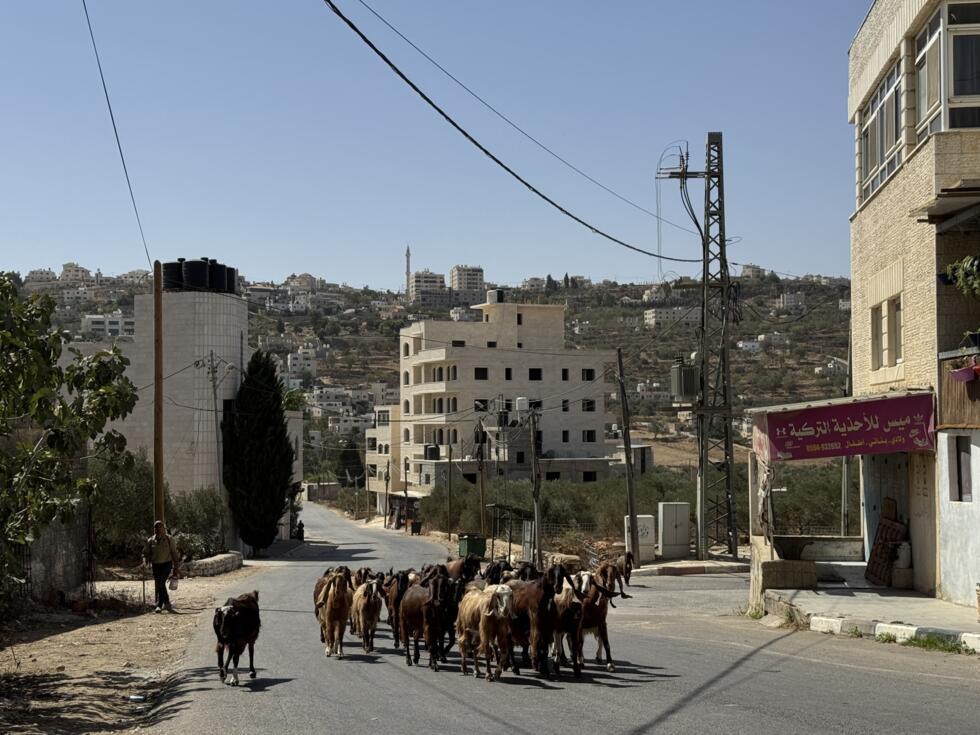
A Sinjil shepherd does not dare to graze his goats outside of the village limits for fear he might be attacked by settlers in the West Bank. © David Gormezano, FRANCE 24
More than ever before, Highway 60 has become a Wild West of sorts, where the fight for land never ends.
In a report from February this year, Human Rights Watch (HRW) stated that Israeli forces had killed “more than 800 people in the West Bank since the Hamas-led October 7, 2023 attacks, an unprecedented rate, and held record numbers in administrative detention without trial or charge".
This article was adapted from the original in French by Louise Nordstrom.
More than ever before, Highway 60 has become a Wild West of sorts, where the fight for land never ends.
In a report from February this year, Human Rights Watch (HRW) stated that Israeli forces had killed “more than 800 people in the West Bank since the Hamas-led October 7, 2023 attacks, an unprecedented rate, and held record numbers in administrative detention without trial or charge".
This article was adapted from the original in French by Louise Nordstrom.


