Sunday, October 05, 2025

'Trumpist' billionaire Andrej Babis wins Czech parliamentary election

Populist, billionaire and self-proclaimed "Trumpist" Andrej Babis won the Czech parliamentary election Saturday in a political comeback that put the country on a course away from supporting Ukraine and toward Hungary and Slovakia, which have taken a pro-Russian path.


Issued on: 04/10/2025 - 
By: FRANCE 24

Video by: Ian WILLOUGHBY
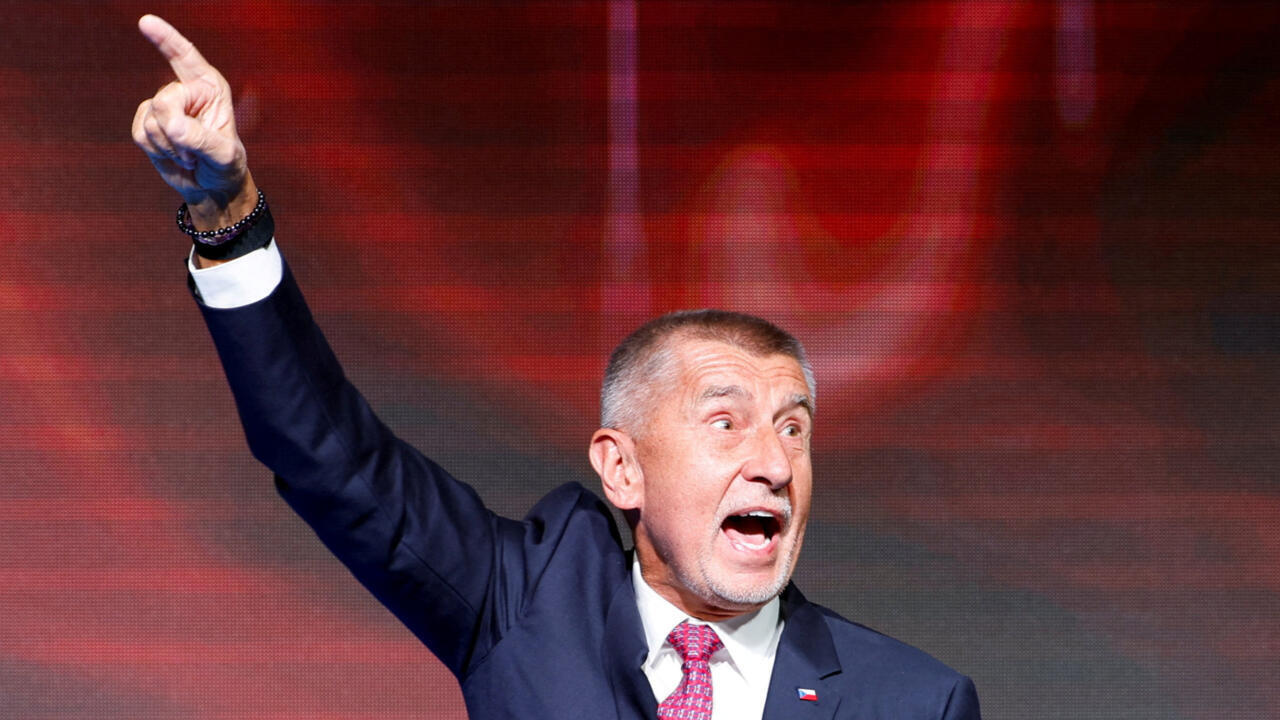

Andrej Babis celebrates upon seeing the preliminary results of the parliamentary election in Prague, Czech Republic, on October 4, 2025. © David W Cerny, Reuters
01:42


The party of billionaire ex-premier Andrej Babis topped the Czech parliamentary election on Saturday with 99 percent of the vote counted, according to official results.

His ANO (Yes) party, campaigning on pledges of welfare and halting military aid to Ukraine, scored 34.7 percent of the vote in country of 10.9 million people.

The pro-Western coalition of outgoing Prime Minister Petr Fiala followed suit with 23.2 percent of the vote, ahead of its coalition partner STAN with 11.2 percent.

A total of six parties were elected, including the Pirate Party with 8.9 percent, the far-right opposition Freedom and Direct Democracy (SPD) with 7.8 percent and right-wing newcomers, the Motorists, with 6.8 percent.


A triumphant Babis, a self-proclaimed "Trumpist", was all smiles and hailed the "historic result" as "the absolute peak" of his political career.

"We will definitely lead talks with the SPD and the Motorists and seek a single-party government led by ANO," Babis said.

Elections in Czech Republic: Meet those behind Russian propaganda
01:44


He also said the government would review a Czech-led international drive to supply artillery shells to Ukraine, launched by Fiala's government, and "discuss it with (Ukrainian) President (Volodymyr) Zelensky" if necessary.

"We are clearly pro-European and pro-NATO," he added to dispel fears he might draw the Czech Republic closer to EU mavericks Hungary and Slovakia, which have refused military aid to Ukraine and oppose sanctions on Russia.

Read moreElections in Czech Republic could end the country's solidarity towards Ukrainians
'Key player'

In the European Parliament, ANO is part of the far-right Patriots for Europe bloc, which Babis himself co-founded with Hungarian Prime Minister Viktor Orban.

Orban was quick to congratulate Babis on X: "Truth has prevailed!" he wrote. "A big step for the Czech Republic, good news for Europe. Congratulations, Andrej!"

Fiala's government has provided humanitarian and military aid to Ukraine since it was invaded by Russia in February 2022.

But it upset voters with a failure to tame taxes and inflation and kickstart affordable housing construction, while some also blamed it for ignoring problems at home and focusing on Ukraine.

"I congratulate the election winner, which is Andrej Babis," Fiala said, rejecting any efforts to rebuild the current governing coalition.

Turnout was high at almost 69 percent.

The SPD is promoting a referendum on the Czech Republic leaving the European Union, something that Babis has vehemently rejected.

Its leader, Tokyo-born lawmaker Tomio Okamura, said he would meet Babis later on Saturday.

"What lies ahead for us is probably a government led by Andrej Babis, but the question is, who he will join forces with?" Otto Eibl, an analyst at Masaryk University in the second Czech city of Brno, told AFP.

"I think the SPD... will be the key player. We'll see if it's happy with staying outside the government while wielding some influence on its policy," Eibl added.
'Pragmatic businessman'

Czech President Petr Pavel, who will tap the next premier under the constitution, said he would start talks with the elected party heads on Sunday.

Pavel met Babis earlier this week to discuss the tycoon's conflict of interest as a businessman and politician, and the fact that Babis is facing trial over EU subsidy fraud worth over $2 million.

Read moreAre pro-Kremlin Russian cultural figures returning to the spotlight in Europe?

Babis is charged with taking his farm south of Prague out of his sprawling Agrofert food and chemicals holding in 2007 to make it eligible for an EU subsidy for small companies.

"On the conflict of interest, I have promised Mr President to meet him and show him a solution that will be in line with Czech and European laws," said Babis.

Describing himself as a "peacemonger" calling for a truce in Ukraine, Babis has vowed a "Czechs first" approach, echoing US President Donald Trump.

When he was prime minister from 2017 to 2021, Babis was critical of some EU policies and is on good terms with Orban and Slovakia's Robert Fico, who have maintained ties with Moscow despite its invasion of Ukraine.

Charles University analyst Josef Mlejnek told AFP he did not expect "a fundamental change" in Czech foreign policy under Babis, who has business interests in western Europe.

"Babis is a pragmatic businessman and the only thing he cares about is being prime minister," he added.

(FRANCE 24 with AFP and AP)

Czech Winner Babis Bids To Reassure West, But May Find Coalition Complications – Analysis

Czech Republic's Andrej Babiš. Photo Credit: Andrej Babiš, X


By 

Former Czech Prime Minister Andrej Babis, after scoring a dramatic political comeback in the October 4 parliamentary elections, looked to reassure the West over his commitment to the EU and NATO, but he may be forced to partner with even-more Eurosceptic partners to form a government.


“We want to save Europe…and we are clearly pro-European and pro-NATO,” Babis told reporters amid concerns he could push the Czech Republic closer Russia — following the path of EU mavericks Hungary and Slovakia — and oppose further military aid to Ukraine.

Prague has acted as a major supporter of Ukraine following Russia’s full-scale invasion of 2022 and has taken in thousands of war refugees, actions Babis has often vocally opposed.

With nearly all votes counted, results showed Babis, a billionaire who leads the populist ANO party, as the clear winner with nearly 34.6 percent. Turnout was 68.9 percent, the highest in the country since 1996.

But, with an estimated 81 seats in the 200-member parliament, he would not have a majority, meaning potentially complex efforts to find coalition partners.

Many analysts have said coalition talks may include the far-right SPD, which has called for the Czech Republic to withdraw from both the EU and NATO. It received 7.6 percent of the vote, likely to give it about 15 seats.


The Motorists, a small opposition party that has voiced opposition to many EU policies, also managed to pass the threshold and enter parliament for the first time. It received 6.8 percent, with an estimated 13 seats.

Current Prime Minister Petr Fiala’s center-right, pro-West Together grouping finished second with 23.3 percent (52 seats), while its coalition partner STAN had 11.2 percent (22 seats), and the liberal Pirates party had nearly 9 percent (18 seats).

“If the government is dependent on the position or on the support of the SPD, it’s going to be very complicated,” Jan Machacek, a foreign policy adviser to Czech President Petr Pavel, told RFE/RL as results came in.

Machacek added that this would create “a very dangerous situation for foreign policy, because the SPD is extremist, sharply anti-Ukraine [and] EU — a pro-Russian party.”

Celebrating what he called a “historic result,” Babis said he would seek to form a single-party minority government and would hold talks with the SPD and Motorists on securing their support for it.

The 71-year-old Babis has often employed strong Euroskeptic rhetoric but has regularly ruled out withdrawing from the EU or NATO.

He co-founded the far-right Patriots for Europe bloc in the European Parliament with Hungarian Prime Minister Viktor Orban.

“Truth has prevailed!” Orban wrote on X following the election. “Good news for Europe.”

Opposition To Ukraine Ammunition Initiative

While not directly opposing further assistance to Kyiv in its fight against Russia’s full-scale invasion, Babis again said he was not in favor of Prague’s continuing leadership of a 2024 initiative to provide ammunition for Ukraine.

“If there is a war, no one should make money because of the war. It [the initiative] should be organized by NATO,” he told reporters.

“We are helping Ukraine through the EU; the EU is helping Ukraine, and it is in the European budget. We are paying a lot of money to the European budget, and this is the way we will continue to help,” he said.

As many as 16 European countries, led by the Czech Republic, in 2024 set up the ad hoc coalition to buy artillery rounds for Ukraine. The aim was to supply as many as 800,000 large-caliber shells to boost the Ukrainian war effort.

Despite claims that the initiative has been a success, it faces fierce criticism from the Czech opposition and Ukrainian NGOs over alleged profiteering, political favoritism, poor quality, and supply delays.

Babis also repeated his objections to Ukraine’s immediate membership in the EU.

“We are not prepared for EU [membership]. We have to end the war first. Of course we can cooperate with Ukraine, but we are not ready for the EU,” Babis said.

President To Tap Next Prime Minister

Under the constitution, Pavel will tap the next prime minister and said he would start talks with party leaders on October 5.

Pavel, who defeated Babis in a 2023 presidential run-off election, met the billionaire ANO leader this week to discuss conflicts of interest regarding his roles as a politician and businessman.

“I have promised Mr. President to meet him and show him a solution that will be in line with Czech and European laws,” Babis said.

Along with charges of conflicts of interest, Babis — one of the country’s richest people, with considerable stakes in agribusiness and media — has been dogged by legal disputes and accusations of EU subsidy fraud.

 

Algeria Ramping Up Frontier Exploration, Shale Gas Projects And Licensing Activity To Expand Reserves 

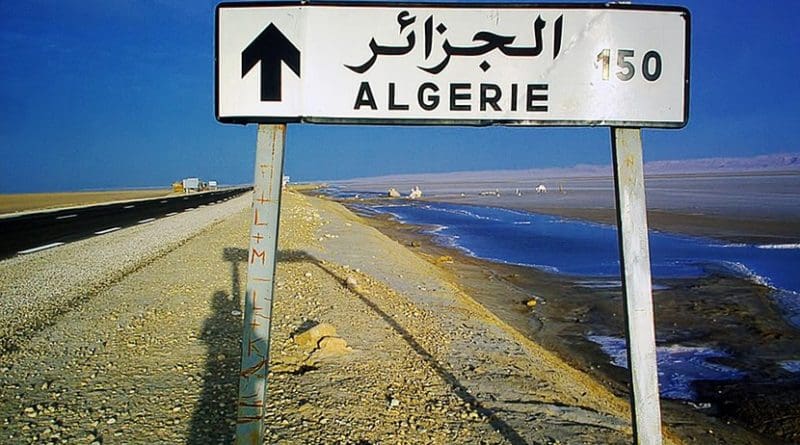
algeria signpost desert highway


By 

Algeria is sharpening its upstream strategy around frontier zones and unconventional resources, with officials from ALNAFT and Sonatrach highlighting shale gas, offshore exploration and new licensing opportunities as key growth drivers.

\

Speaking at African Energy Week 2025 on Thursday, Samir Bekhti, President of ALNAFT, said the regulator’s priority is “reaching the full potential” of Algeria’s reserves, noting that the country holds some of the largest oil and gas deposits in the region. “We’re focusing today on frontier zones to increase our reserves and production. We have huge unconventional reserves – over 700 trillion cubic feet of un-risked shale gas resources – and we also want to explore and develop our offshore,” he said.

Bekhti added that Algeria has signed eight hydrocarbon contracts so far in 2025, underlining the attractiveness of its legal and fiscal framework and confirmed that new blocks are being prepared for launch in early 2026. “We will propose new blocks in Q1 or Q2 of next year,” he noted.

Echoing the emphasis on unconventional plays, Sonatrach Executive Vice President for Business Development and Marketing, Ferhat Ounoughi, pointed to Algeria’s shale gas as a strategic asset. “Our best resource is shale gas – the third largest globally – with a large portion considered technically recoverable,” he said. “Success in unlocking these reserves depends on operational efficiency. Much of the required equipment is imported, and since costs are a key element, it’s essential that we manufacture locally.”

He also outlined opportunities in enhanced oil recovery techniques and green energy development, stressing that Algeria “cannot exist outside of the current geopolitical context” as it strengthens its position as a reliable gas supplier to Europe.

SLB’s Managing Director – North Africa, Khaled Saidi, highlighted Algeria’s “significant and strategic” offshore potential and stressed the role of automation and digital solutions in optimizing production, while Emerson Africa Vice President Cedric Soenens said his company was working with Sonatrach to “support production, optimize operation costs and ensure safety” across Algerian fields.

\

Regional players are also eyeing entry into Algeria. Massimiliano Mignacca, Managing Director of AMMAT Global Resources, described Algeria as a “strategic partner for Italy” and said the company is preparing a proposal to launch operations in-country.


Eurasia Review

Eurasia Review is an independent Journal that provides a venue for analysts and experts to publish content on a wide-range of subjects that are often overlooked or under-represented by Western dominated media.


Cracking The Future: How Pistachios Can Power Morocco’s Green Growth – OpEd

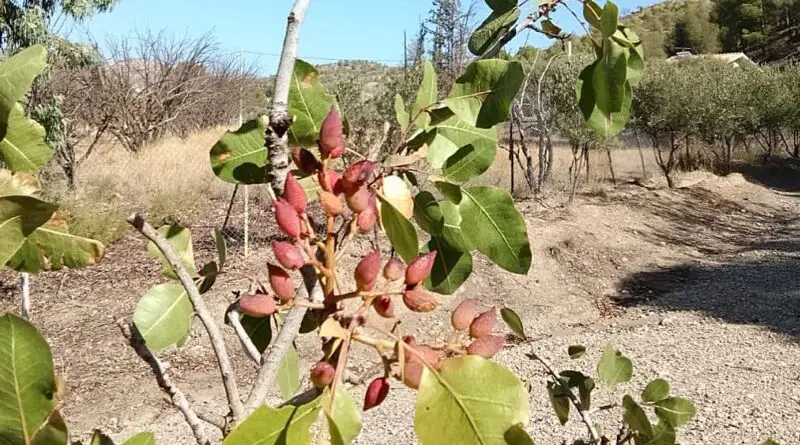
Pistachios growing in Morocco. Photo Credit: High Atlas Foundation

By 

Pistachios have been part of the human diet since prehistoric times, valued not only for their taste but also for their nutritional and potential disease-management properties. Native to the Middle East, the pistachio tree is among the oldest flowering nut trees, with archeological evidence of human consumption dating back to 7,000 B.C. in Turkey.


Over centuries, pistachios spread across the Mediterranean, where they became a prized delicacy for royalty, travelers, and commoners alike. Their resilience in hot, arid climates allowed pistachios to flourish across empires, making them both a cultural symbol of abundance and a practical source of lightweight, nutrient-dense energy for explorers and traders.

Nowadays, the pistachio tree, long celebrated for its flavorful and nutrient-rich nuts, offers far more than a healthy addition to the diet. In Morocco, it holds promising potential as a sustainable crop, with successful early initiatives showing its economic viability in semi-arid regions. Beyond contributing to rural livelihoods, pistachio trees support biodiversity and land restoration, making them valuable in the fight against desertification. 

Globally, rising demand and fluctuating prices highlight the opportunity for Morocco to position itself in this growing market, particularly through value-added avenues such as pistachio oil, processing for roasted and packaged products, and even innovative uses for shells in composting, biofuel, or artisanal crafts. Together, these dimensions reveal the pistachio’s importance not only as food but as a pathway to health, economic growth, and environmental resilience.

Pistachios as a Drought-Resistant Crop

The pistachio nut is one of the most drought resistant amongst nut trees. Actually, its largest cultivation area is located in Iran, a country characterized by semi-arid and arid land, low rainfall, deficiency of fresh water, soil salinization, dust storms, and extreme heat and desertification.

Unlike many fruit trees, pistachio trees can flourish in these harsh growing conditions, making them an extremely promising crop in similar drought-prone environments such as Morocco. Besides, as close relatives of Morocco’s native Pistacia species, they can help stabilize soils, prevent erosion, and create habitats that sustain local biodiversity. In regions vulnerable to desertification, integrating pistachios into agroforestry systems could strengthen ecological stability while providing smallholders with a high-value product.


Nutritional Benefits: A Superfood for Modern Health 

Additionally, consuming pistachios brings multiple nutritional benefits, which has made it a globally-celebrated snack for both its flavor and role in building healthy diets. Packed with unsaturated fatty acids, protein, fiber, potassium, magnesium, and vitamin K, pistachios are far more than just a tasty snack. Clinical studies have shown that including pistachios in the diet can support cardiovascular health and improve blood lipid profiles by lowering total cholesterol, LDL, and triglycerides, while strengthening cholesterol ratios. Their low glycemic index makes them especially valuable for moderating blood sugar levels and reducing the risk of type 2 diabetes. 

At the same time, their antioxidant and anti-inflammatory compounds help protect blood vessels and reduce stress, further strengthening heart health. Pistachios stand out even for weight control: their combination of satiating protein and fiber, and the natural “mindful eating” effect of shelling them has been linked to healthier weight management. Together, these qualities highlight pistachios as a nutrient-dense, functional food with wide-ranging benefits for long-term health.

Economic Potential in Morocco

In economic terms, pistachios represent an important prospect for Morocco. The country’s semi-arid climate, long tradition with drought-tolerant crops such as olives, carob, and argan, and existing networks of cooperatives and NGOs provide a solid foundation for exploring pistachio cultivation. While commercial orchards take years to reach maturity, requiring upfront investment and patience, the long-term profitability is promising, particularly given the global rise in pistachio demand and the potential for value-added processing. Morocco could follow the path of successful pilots elsewhere by carefully selecting cultivars suited to its climatic zones, using efficient irrigation systems, and embedding pistachios within mixed agroforestry models that support both livelihoods and ecological resilience. 

Pistachio prices have risen in recent years, reflecting strong demand and supply volatility caused by climatic stress in major producing countries like Iran and the United States, which are responsible for more than 70% of the global pistachio production. While prices fluctuate, this volatility suggests that new producers can find profitable niches, especially if they diversify into processing and branding rather than exporting raw nuts alone. Processing is particularly critical. Hulling, drying, roasting, packaging, and flavoring dramatically increase pistachio value while generating employment. 

Pistachio oil, meanwhile, offers a premium product with strong appeal in both gourmet food and natural cosmetics, mirroring Morocco’s success with argan oil. With the right quality controls and branding, Moroccan pistachio oil could become a niche export with significant added value. Even the by-products have potential: pistachio shells can be composted, used as mulch, converted into biomass, or repurposed in artisanal crafts, supporting a low-waste, circular economy.

Building on these opportunities, pistachio by-products also open possibilities beyond food and cosmetics, extending into Morocco’s growing construction sector. In Morocco, more than 30% of total energy consumption comes from the construction and building sector, which is consistently growing. Hence, increasing energy efficiency in the industry has become an important concern for the country. 

While conventional clay bricks have been widely used for centuries in Morocco, they do not always provide adequate thermal comfort in colder regions. This is where the pistachio tree comes in, as its recycled shell waste can be used for bioclimatic reinforcement of traditional clay bricks. Pistachio shells, often discarded in landfills, can instead become a sustainable material that improves insulation, reduces energy consumption in households, and lowers carbon emissions. By aligning agricultural by-products with eco-friendly construction innovations, Morocco could position pistachios not only as a profitable agricultural crop but also as a driver of green development and circular economy practices.

Conclusion: Cracking Open Opportunity

From their ancient origins in the Middle East to their modern reputation as both a superfood and a sustainable crop, pistachios illustrate the remarkable ways a single tree can bridge history, health, economy, and ecology. For Morocco, pistachios embody an opportunity to diversify agriculture, strengthen rural livelihoods, and restore fragile landscapes threatened by desertification. Their nutritional richness makes them allies in combating widespread diseases, while their economic potential —spanning oil, processed snacks, artisanal crafts, and even green building materials— positions them as a driver of innovation across sectors. With thoughtful investment, quality control, and sustainable practices, Morocco can transform pistachios into more than a crop; it can turn them into a symbol of health, green growth, and resilience in the face of a changing climate.

Manuela Garcia Gutierrez is a student at the University of Toronto, 

currently volunteering with the High Atlas Foundation in Marrakech, Morocco.


De-Greed The Human Mind To Reverse Climate Change – OpEd

Woman Meditating Buddhism Zen Vacation Inspiration Nature Climate Worship


By 

If the economic growth and development are going in the right direction why is there climate change?  Climate change happens due to the imbalance in nature and the imbalance in nature happens due to the unsustainable economic activities which lead to more natural calamities of higher intensity; it destroys human lives and properties on an unprecedented scale.

The intensity and frequency of the climate-related natural disasters have increased in the last two decades. Those calamities killed approximately 40,000 to 60,000 people annually on average over the last few decades.  Unsustainable development is one of the main reasons for the loss of life. The point is If the present economic growth is unsustainable why is it not corrected?  Whether the world leaders lack the courage and conviction to correct the wrong?  Are they waiting for the total destruction of this beautiful planet which will ultimately bury their dream of becoming rich and powerful?  

According to most of the religions in the world, nature is like a mother which protects her children. When the children grow up to control nature, it bleeds in pain and loses her balance. Climate change happens. The human should understand that in spite of his scientific, military and economic prowess, he is like a toy before nature. All his achievements in the field of science are just sand castles before nature’s unlimited power. What we call nature’s fury is not fury but the painful condition of mother nature. What we call natural calamities are nothing but nature’s eagerness to repair the damaged environment. 

As per the Hindu scripture, The Bhagwat Geeta, “moha (attachment) blurs the vision.”  Emotional attachment to wealth, power, pleasure and for global dominance blurs the vision of a leader who destroys his surroundings and justifies it as right.  The famous poet, John Milton has beautifully explained in his epic “The Paradise Lost,” how Satan in the guise of a serpent has planted the greed in the minds of Adam and Eve to destroy God’s most beautiful creation.  The same evil force and the same serpent still whispers in the ears of the human to do everything to destroy the planet.  The religions world over have failed to de-greed leaders; in contrast many of the religious preachers have also developed the greed for luxury, pleasure and power; they justify it by misquoting scriptures and misleading their followers. The climate change which is going to engulf the entire world can be reversed if the world community learns to respect nature and do everything to repair it. 

Greed is the main reason for war, violence, arson and atrocities world over. The mono culture growth, loss of crop diversity, farmers’ suicide, migration of people, unemployment, income disparity, debt burden on nations and economic recession etc originate from greed only. It accumulates wealth for a few persons but destroys more wealth. The former US President Barack Obama said that greed was the main reason for the global economic slowdown after 2008.  The Ukraine and USSR have fought for more than three and half years. The cost of the war is too huge to estimate; with the war expenditure both the nations could have prospered. Israel and the middle east countries can live peacefully amid wealth and happiness. The Middle East has energy and Israel has the cutting edge technologies for mutual growth and prosperity. This internecine war will end if the leaders of those countries de-radicalize their citizens by putting the radical religious preachers in jail permanently.  All countries in the world should quarantine their religions from radical thoughts.  True religions will put humanity on a peaceful track. 

There cannot be one religion in the world; the diversity of religions should continue; as the diversity creates demand for multiple economic activities amid peace and co-operation. There is no technology to reverse the climate change except a better way of life the human is supposed to live for his good.  


Trade and business are required for growth and prosperity. But the greedy Businessmen should not stray into politics to misuse power for building their business empire on global ruins. Parliament of every country should be a place for intellectuals, experts from different fields, social workers, academicians and philanthropists etc. A healthy parliament depends on healthy democracy with educated and conscious people who can choose their representatives for good governance.  Democracy malfunctions when there are vote banks, social divisions, illiteracy and backwardness; populism, money and muscle power destroys the root of democracy.  The reversal of climate change depends on healthy democracy because democratically elected public representatives are most likely to make sound decisions.  

Corruption always rips apart the natural balance, social and cultural life. Unsustainable mega projects should not be allowed to destroy natural balance and bury the countries with debt burden. The mob violence in Sri Lanka, Bangladesh and Nepal could have been controlled had the leaders in those countries taken wise decisions regarding their infrastructure development.  Proper selection of infrastructure projects put less pressure on the environment and save the country from debt traps. Crop diversity, employment opportunities, transparent marketing facilities and a check on price rise would have channeled the youth energy into constructive activities in those countries. The reversal of climate change holds the key to many of the socio-economic problems across the world. 

Sudhansu R Das is a sustainable micro-economic activities analyst.