Tuesday, October 07, 2025

'It's a talent tax': AI CEOs fear demise as they accuse Trump of launching 'labor war'

Alexandria Jacobson,
 Investigative Reporter
October 6, 2025 7:02AM ET
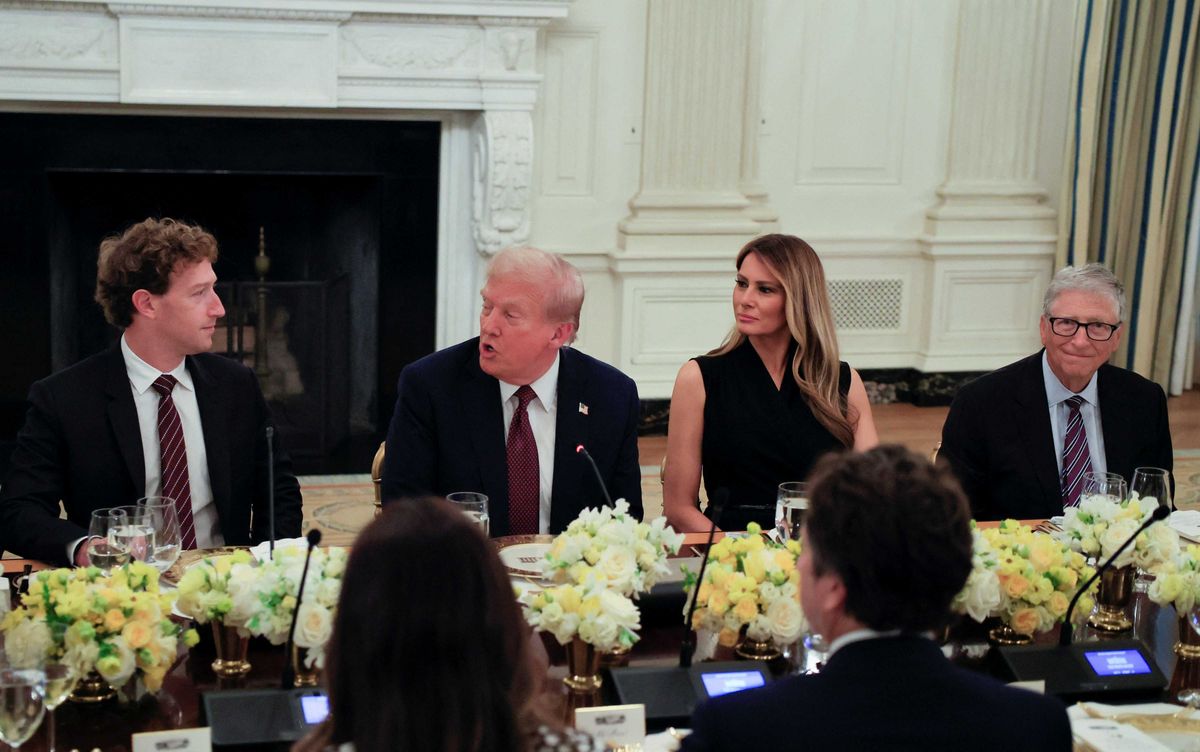


Donald Trump and Melania Trump host tech leaders at the White House.
 REUTERS/Brian Snyder

Flanked by Meta CEO Mark Zuckerberg and Microsoft co-founder Bill Gates, President Donald Trump and First Lady Melania Trump hosted a White House dinner with some of the richest and most powerful leaders of the world’s tech giants.

To Fraser Patterson, CEO and founder of Skillit, an AI-powered construction hiring platform, it was no coincidence that after the meeting last month of more than 30 Silicon Valley power players and Trump advisers, the administration unveiled a plan to charge $100,000 one-time application fees for H-1B visas, which tech companies typically use to employ highly skilled foreign workers.

“It can appear as though, rather than it being an improvement to immigration policy, it feels a little more like a labor war strategy,” Patterson said.

“Isn't one of the great tenets of the American way of life and Constitution the separation of church and state? Wouldn't that extend to business, too, between business and state?”

Patterson’s New York-based company employs eight — an infinitesimal fraction of the workforce at giants like Amazon, with more than a million employees and nearly 15,000 H-1B visa holders.

“The largest technology companies are going to be able to hoard the best global talent, and I think it's easy to be able to draw a straight line between that and shutting out the smaller startups and the smaller firms that can’t enforce that price tag,” Patterson said.


“I think it scales back the competitiveness of the technology industry, broadly speaking.”
‘Global war on talent’

The Trump administration says the current H-1B visa program allows employers “to hire foreign workers at a significant discount to American workers,” and the program has been “abused.”

Last week Sens. Chuck Grassley (R-IA) and Dick Durbin (D-IL) reintroduced bipartisan legislation, The H-1B and L-1 Visa Reform Act, to close loopholes in programs they say tech giants have used while laying off Americans.

But, Patterson said, limiting H-1B visas will effectively end up “closing the door on skilled workers” and “gift Europe the best possible opportunity to label itself as the tech talent hub.

“The general consensus is this is going to narrow the pool,” Patterson said.

“There's going to be just fewer nationalities represented, fewer ideas. The U.S. becomes less of a magnet.”

Rich Pleeth, CEO and founder of Finmile, an AI-powered logistics and delivery software, agreed that the fee might tilt the scales of tech dominance away from the U.S., where places like San Francisco and New York have long been considered global hubs for innovation.

“The global war on talent is real,” Pleeth said. “Europe has a golden opportunity … Canada, Singapore, Berlin, they're all going to benefit.”
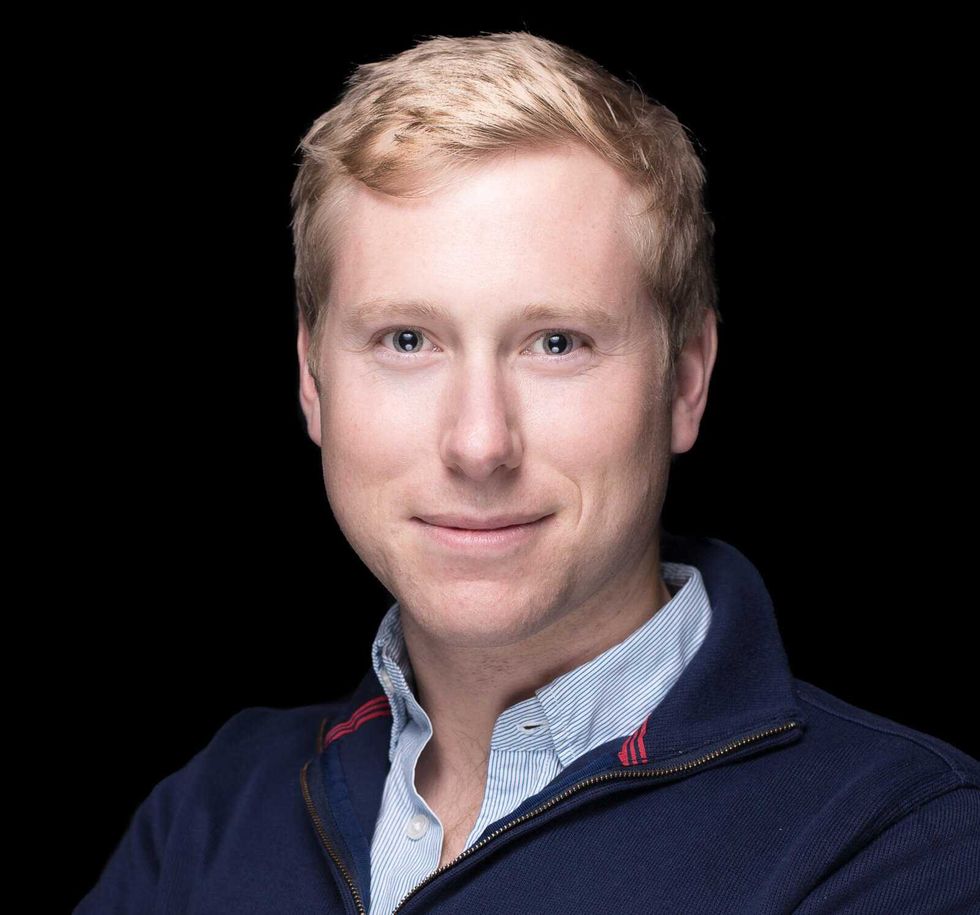

Rich Pleeth (provided photo)

Finmile employs 15 people in the U.K., seven in Romania and two in the U.S.

“It's very challenging for smaller companies like us,” Pleeth said.

“Talent is everything, and if the U.S. makes it harder to bring in the world's best talent, where do you set up headquarters?”

While the Trump administration says the new H1-B fee will help American workers, particularly recent college graduates seeking IT jobs, Patterson said it would have the opposite effect, likely leading to “greater offshoring.”

Thanks to Trump’s array of trade tariffs, which he says will bring jobs back to the U.S., many American small businesses are already struggling to survive as they face increased costs.

“In reality, it's probably going to lead to labor shortages,” Patterson said. “You can't just turn on a faucet overnight to really highly skilled local workers.”

Nicole Whitaker, an immigration attorney in Towson, Md., said the proposed $100,000 fee sends the message to foreign workers seeking job opportunities in the U.S. that "our doors are closed ... find another country."

"This is a part of a bigger and broader push by this administration — even if things don't go into effect— to make it look like we are shutting down our borders. We are not open, and we're not welcoming toward immigrants," Whitaker said.

‘The next Googles’

Pleeth, a former marketing manager at Google, pointed to tech leaders including Microsoft CEO Satya Nadella and Google CEO Sundar Pichai, who were born in India but came to the U.S. for college and to work.

“If you suddenly make it hard for talented people to come in, the next Googles are not going to be built in the U.S.,” Pleeth said.

“Talent is the oxygen for the tech industry. For decades the U.S. had an open pipeline … we don't expect the $100K toll to hit the tech companies who are the ones who can afford it the most.”

Skillit currently does not have any employees sponsored through the H-1B visa program but Patterson said he had used it when the fees were more reasonable, around $2,500.

Patterson, who was born in Scotland, came to the U.S. on an O-1 visa for foreign workers of “extraordinary talent.” He is now close to becoming a U.S. citizen.
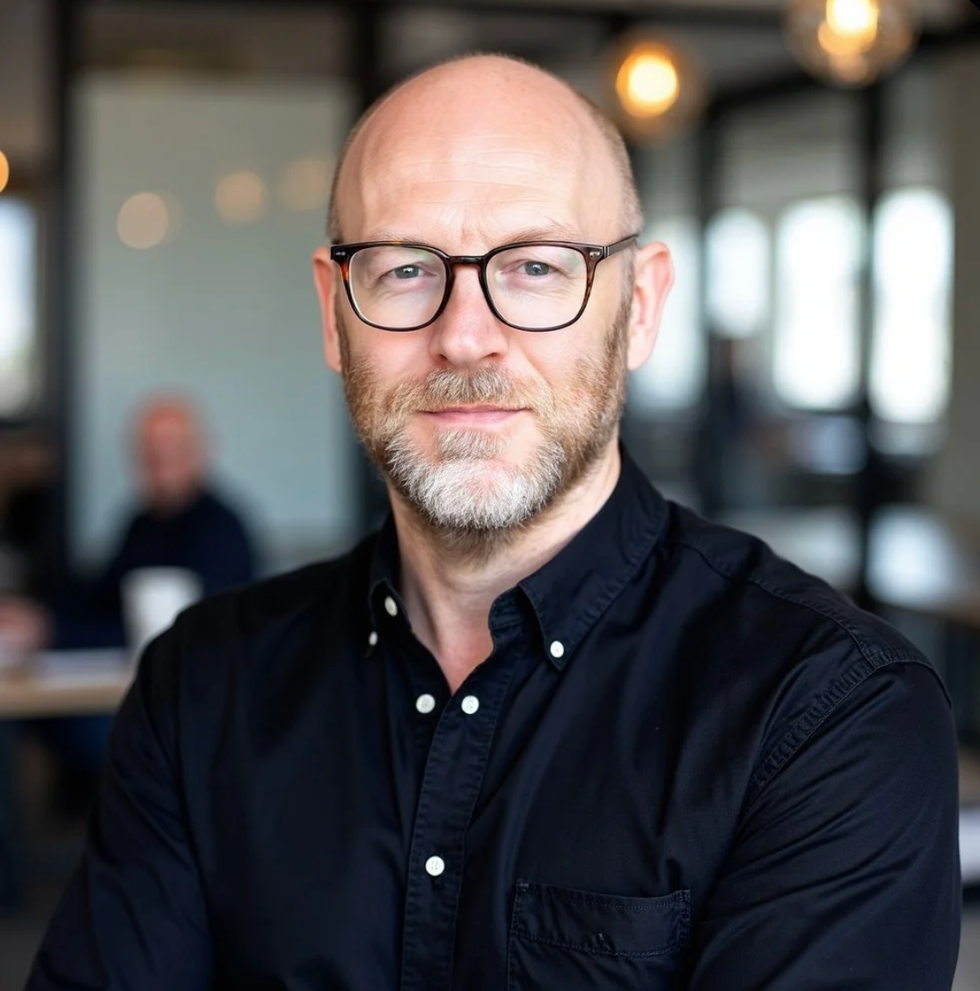

Fraser Patterson (provided photo)

“Very onerous, nerve-racking, even to get here … but I would say it wasn't disproportional to the value of coming here,” he said.

Pleeth wants to move from the U.K. to the U.S. with his wife, two daughters and dog, a process he expects some challenges with but is hopeful will “eventually move forward.”

“It's just going to become a lot harder for junior people who can share cultures, can come in with new ideas,” Pleeth said.

“It's a talent tax.”

Alexandria Jacobson is a Chicago-based investigative reporter at Raw Story, focusing on money in politics, government accountability and electoral politics. Prior to joining Raw Story in 2023, Alex reported extensively on social justice, business and tech issues for several news outlets, including ABC News, the Chicago Sun-Times and the Chicago Tribune. She can be reached at alexandria@rawstory.com. More about Alexandria Jacobson.
MAGA pastor calls for executing 'rebellious' Black men citing Old Testament

Robert Davis
October 6, 2025 
RAW STORY


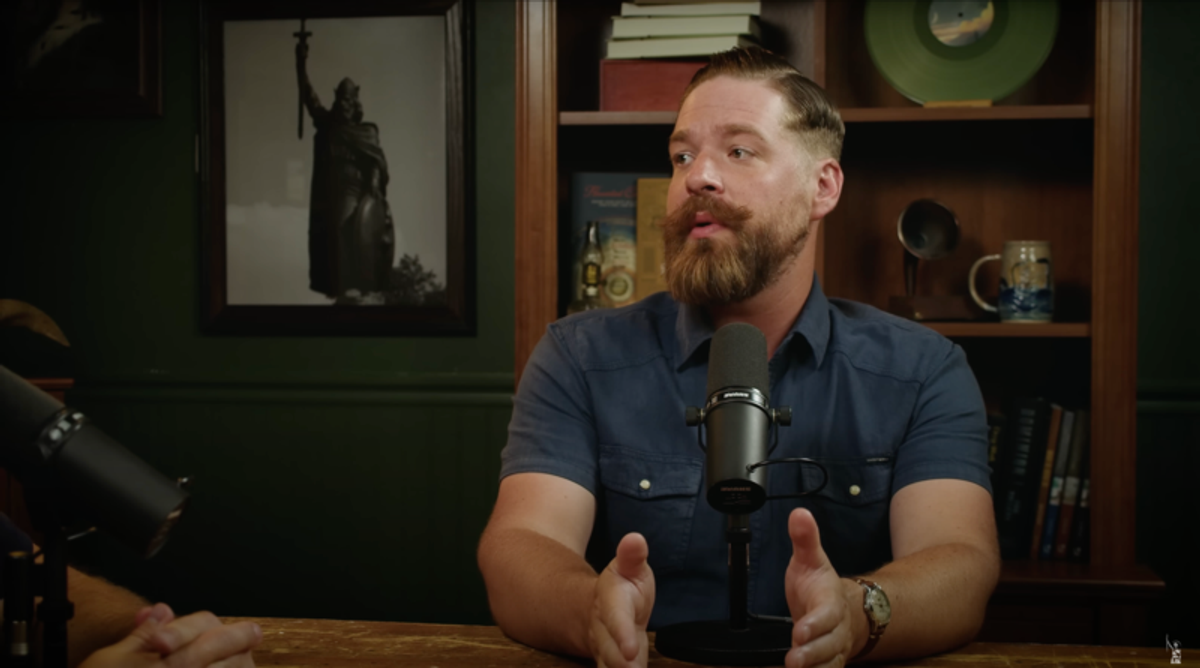
The King's Hall screenshot

MAGA pastor Brian Sauvé called for "rebellious" Black men to be executed according to biblical standards during a recent podcast interview, according to a new report.

Right Wing Watch reported Monday that Sauvé suggested state authorities should kill Black men, according to the law prescribed in Deuteronomy 21 of the Christian Bible. The passage says parents should take a rebellious child to the center of town and have the community elders stone them to death for being "a glutton and a drunkard."

Sauvé made the comments on a recent episode of "The King's Hall" podcast, which he co-hosts with Christian nationalist preacher Eric Conn. Sauvé and Conn both preach at Refuge Church in Utah, according to the report.

"When we make this generalization, one of the purposes of it is for policymakers to make the kind of political movements in terms of law and order that would usher in the change over time of that culture," Sauvé said during the podcast episode.
"One of them would be something like ... the law of Moses in Deuteronomy 21 concerning a rebellious child."

"If you take that and then you took a law like Deuteronomy 21, which is a just law that got enacted through Moses; the law was that if you had a rebellious son, you have a child who's coming up into their manhood and they're rebellious, they don't listen—he lists some characteristics—and even though they're disciplined, they will not turn, he says the father is to bring them out into the town square, this is a rebellious son, and then they stone him to death," he continued. "They kill him."

Conn said that an "armed robber" would seemingly fall into that category.

"Armed robber, all the ghetto culture; basically, take ghetto culture, it would describe this to a T," Sauvé said. "If you did that over three generations, how much violent crime would you have in the third and fourth generation? Much, much less."

Read the entire report by clicking here.


5 eye-popping revelations in newly released filing of Smartmatic's case against Fox News

Sarah K. Burris
October 6, 2025 
RAW STORY


Sean Hannity / Gage Skidmore

On Friday, a court ruled that Smartmatic could submit a filing with fewer redactions in the interest of public transparency. On Monday, the company did exactly that, revealing new details in a 469-page filing related to its lawsuit against Fox Corp.

First, according to the document, new details include claims by media mogul Rupert Murdoch, the founder of Fox's parent company, News Corp. In a March 27, 2024, court hearing, Murdoch stated that he didn't know how to send text messages during the 2020 election.

The direct quote is that Murdoch said he “didn’t know how to text at the time and he was later taught to do so by someone." The problem, Smartmatic's filing shows, is that there are text messages between Murdoch and other Fox employees, including host Sean Hannity and Fox CEO Suzanne Scott.

Murdoch was in a group text with Scott, Hannity, and his son, Lachlan Murdoch. The younger turned over the text messages on his phone that included the group text, though his father, Scott and Hannity did not have those messages on their phones.

Murdoch isn't the only one; top Fox officials ignored legal requirements to preserve documents, even when asked to do so.

“[Lauren Petterson] testified that Fox’s legal department instructed her to change the autodelete setting [on her phone] to 30 days," the filing says. She was asked by lawyers, "You did not take steps to maintain certain messages on your phone from November and December of 2020 to preserve that evidence for litigation related to the cases filed by Dominion and Smartmatic, correct?"

Petterson said, "I did not take steps. I got a phone call from our legal department at some point, I couldn’t tell you exactly when, but they called to ask me what my phone settings were on for my text messages. I didn’t know there were settings for text messages. They had to walk me through it and pull up my settings and show me that there’s a part in the phone where it says text messages can delete in 30 days, I think 60, and then never. And they asked me what is mine on and it said never. And they said can you please move it to 30 days, which I did exactly that.”

Another detail is that Tom Lowell, Fox's vice president and managing editor of news, told the court that he lost his phone in the ocean with all his text messages on it. When he was asked about the circumstances, Lowell said he "doesn’t recall the specifics” of how he “accidentally dropped his phone into the ocean.”

Marketing director John Fawcett said that he returned his phone, and before doing so, he “conducted a ‘factory reset’ on his Fox-issued phone."

Perhaps the most egregious example came from Hannity.

The long-time Fox host testified that he has a “routine practice of deleting [his] texts every day.”

However, Hannity was sent a notice by Dominion Voting Systems on December 22, 2020, saying, “Litigation regarding these issues is imminent. With this letter, you are on notice of your ongoing obligations to preserve documents related to Dominion’s claims for defamation based on allegations that the company acted improperly during the November 2020 presidential election and somehow rigged the election in favor of President-Elect Joe Biden.”

Hannity said that his attorneys told him to preserve all of his documents in December of 2020, but he continued to delete his texts manually every day.

Another host, Laura Ingraham, also suddenly didn't have any text messages from the "as-ordered time period." According to her testimony, Igraham "do[esen't] know when [her text messages] got deleted from [her] phone."

She was also asked why she had no data, testifying, “I don’t have a good recollection of that. ... I routinely had deleted text messages."

These are just a few of the long list of revelations in the public filing.


'Legal bribery!' MAGA influencers fume as right-wing pundit scores $150M Paramount deal

Matthew Chapman
October 6, 2025 
RAW STORY


The Free Press's co-founders, Suzy Weiss, Bari Weiss, and Nellie Bowles, pose in this handout picture. Daniel Paik/Paramount/Handout via REUTERS

It isn't just liberals outraged over Paramount's decision to buy right-wing journalist Bari Weiss' Free Press for $150 million, Will Sommer wrote in his False Flag newsletter for The Bulwark — a lot of MAGA influencers also think the deal is ridiculous.

The deal, which comes as Weiss is set to be named editor-in-chief of CBS News under the Paramount umbrella, comes amid Weiss's long history of attempts to promote conservative representation in educated spaces, including her involvement in establishing a private liberal-arts school called the University of Austin that is still in the process of seeking accreditation.

Her new success isn't going over well with many Trump supporters, though, who think her venture isn't worth nearly as much as she got for it.

For one thing, noted Sommer, "Right-wing pundit Clint Russell of the 'Liberty Lockdown' YouTube channel griped on X that his own videos regularly outpace Weiss’s in terms of viewership, and he doesn’t even have a support staff. Russell groaned that the purchase was 'legal bribery.'"

Far-right Trump confidante and multiple-time failed congressional candidate Laura Loomer took it a step further, posting on X last month, "I have 1.8 million followers on X and have more impact in a single week with my reporting than Bari Weiss has all year with her work. And, I do it with no major funding. Totally insane how people are willing to light their money on fire ... This 'deal' should be examined with a microscope."

She went on to call Weiss the "Jewish Elizabeth Holmes" — referencing the infamous Theranos CEO who went to prison for defrauding investors with fake medical diagnostic technology.

Also disgruntled about the deal was right-wing podcaster Tim Pool, who posted, "They have 155k paying members for their site; They get 3.7m views per month; 15M annual revenue estimate; So maybe $50m-75m evaluation is reasonable. I don't understand $150M at all."

Paramount has meanwhile faced criticism from the mainstream news industry for the unusual amount of power they are granting Weiss, making her report directly to Trump-sympathetic Paramount CEO David Ellison, rather than the director of CBS News.

Monday, October 06, 2025

INTERVIEW

Jane Goodall: 'Every one of us makes a difference – it's up to us what kind'

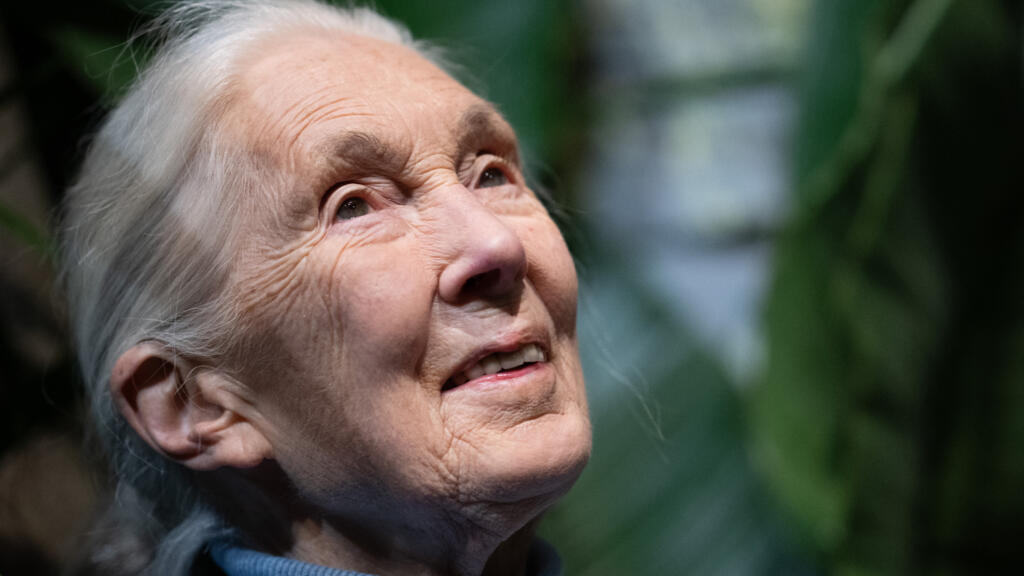
Jane Goodall, who died on Wednesday aged 91 in California, transformed how the world sees animals – and helped redefine humanity’s place in nature. RFI's Alison Hird spoke with Goodall in 2018, when a documentary about her early years in the forest was drawing new attention to her research.


Issued on: 04/10/2025 - RFI

British anthropologist and primatologist Jane Goodall looks on during the unveiling of her wax statue at the Musée Grevin in Paris, on 1 December, 2023. 
© AFP - MIGUEL MEDINA

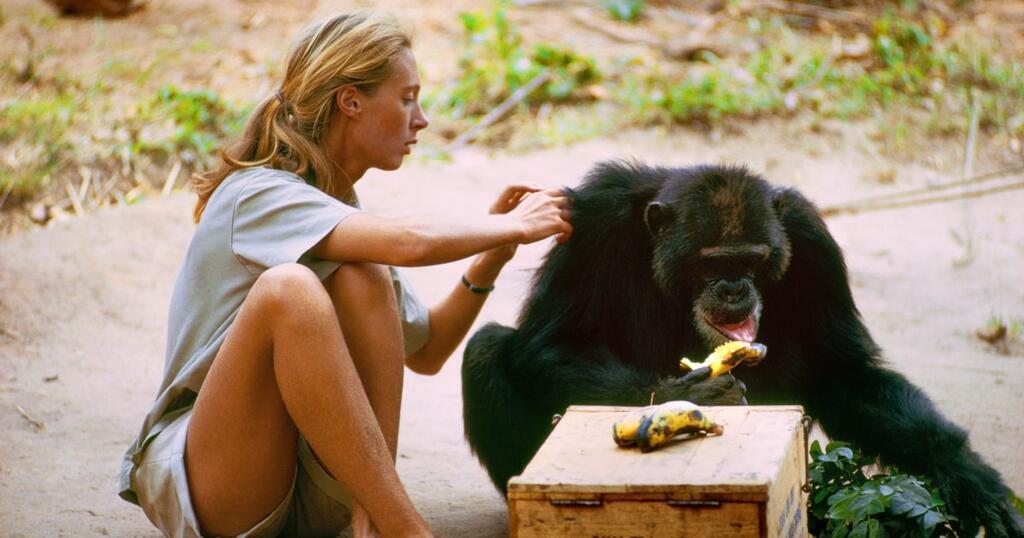
Beginning in 1960, Goodall lived for long periods in what is now Gombe Stream National Park in Tanzania, watching wild chimpanzees at close range. She described how they used tools and hunted and their social behaviour, drawing into question the line people drew between humans and other animals.

Goodall went on to become a leading voice for conservation. She founded the Jane Goodall Institute in 1977 to support science and protect great apes and their habitats, then launched Roots & Shoots, a youth programme now active in some 100 countries.


This interview with RFI was recorded around the release of Jane, a documentary directed by Brett Morgen. It shows the young researcher in the forest and reflects on a life built from a childhood dream.


RFI: There have been many documentaries about you. What do you think this one adds to what we know about your work with chimpanzees?

Jane Goodall: It’s completely different to any other documentary in that it’s much more honest. So it basically shows things as they were. I think that Brett Morgen, the director, the way that he’s interspersed interviews with me today with that early footage is amazing. And one of the things that strikes people again and again is there’s a whole long section of Jane on her own in the forest.

And most people don’t even think, well, obviously she wasn’t on her own, she’s being filmed. And yet there’s such an immediacy about it. And even I when I’m watching it, I think yes, that’s how it was. I was alone like that. That’s exactly how it was.


RFI: This was in 1960, in Gombe National Park in Tanzania, very close to the border with Burundi. Probably quite a dangerous place to be, so close to chimpanzees. You were a 26-year-old white female. Were you aware of the dangers?

JG: I don’t think it was dangerous at all. First of all, people have said, well, being a woman must have been a disadvantage. Well actually, no, because Tanzania was becoming independent. White males were considered a sort of threat. But a young girl – innocent, defenceless – they wanted to help.

So I had a lot of help from the local people and from the government as well, once it became independent. And the dangers in the field... not really, you know.

I could have been charged by buffalo. I was, in fact, once. Chimpanzees – they’re not dangerous out in the field. They could be, but they’re not. So I didn’t consider it dangerous. And looking back on it, I don’t think it was dangerous. It became more dangerous once the Congo erupted and we got the people escaping, all the Belgians coming over the lake.

Then things became different. Then you got the genocide in Burundi and Rwanda. It became politically much less stable.


Jane Goodall with a chimpanzee in Tanzania, in the early 1960s. National Geographic


RFI: Just remind us, what made you want to go to Africa in the first place?

JG: When I was eight years old I was reading Doctor Dolittle, and there’s a story where he rescues circus animals and takes them back to Africa. I loved that particular book. And then when I was 10, I read Tarzan and Tarzan of the Apes, and that was it.

So from 10 onwards, that’s all I wanted to do. Go to Africa, live with animals and write books about them.

RFI: In the film we see you saying it was like a dream come true, I felt that this is where I belonged. So really, you felt that was your natural habitat?

JG: Yes. Once I got used to it, it was like my backyard. I knew all the little shortcuts through the forest. I got to know the different animals and the sounds. It was just what I dreamed of all my life.

RFI: Do you prefer animals to humans?

JG: I prefer some animals to some humans, and some humans to some animals. We’re animals too, remember.


RFI: You’ve moved from being a primatologist to more of an animal activist. You founded an educational NGO, Roots & Shoots. It’s now present in around 100 countries.

JG: Roots & Shoots began in Tanzania in 1991 with high school students. The great thing was that these students weren’t animal rights people – they were worried about poaching in the national parks and asked why the government wasn’t doing anything about it.

They were also concerned about the treatment of animals in markets, about street children sniffing glue and about illegal dynamite fishing.

I sent them back to their schools to gather friends who cared about these problems. From the start, Roots & Shoots was different from other environmental organisations. Its message was that every one of us makes a difference every day – and we choose what sort of difference we make.

We knew from the rainforest that everything is interconnected and each species has a role. So groups often focused on three areas: improving life for people, for animals and for the environment. Sometimes one group worked on all three, sometimes they divided tasks but shared results.

The programme grew naturally. It broke down barriers between people of different nations, religions and cultures – and between us and the natural world. People sometimes say they don’t understand the name, but if you picture a seed sending out little white roots and a green shoot that can grow into a mighty tree, you understand why it’s called Roots & Shoots.
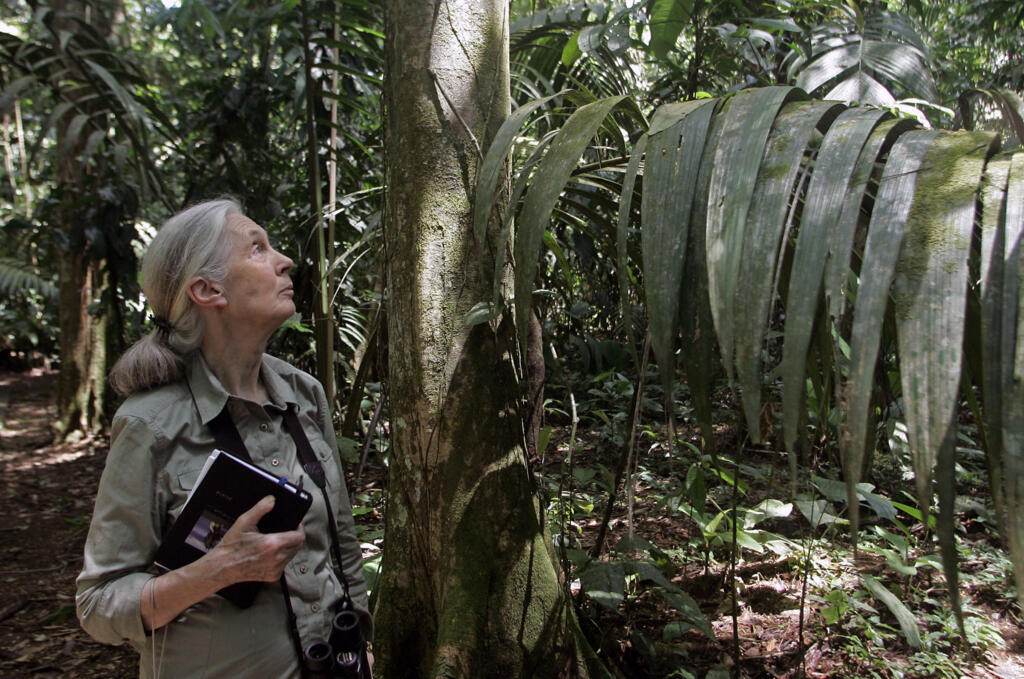
Jane Goodall at La Selva Biological Station in Sarapiqui, Costa Rica, September 2007. 
AFP - MAYELA LOPEZ

RFI: Can you give us an example of something that a Roots & Shoots project has achieved?

JG: In Tanzania, we’ve got Roots & Shoots in every single part of the country because it began there, and they’re proud of it. They’ve planted between them so many hundreds of thousands of trees. They’ve really worked to improve the lives of animals. They’ve taught their parents about what’s going on with the dynamite fishing. They’ve made a huge difference in clearing trash, beach clean-ups and so forth.

In China, it’s changed the attitude of a whole generation towards animals and the environment – and the number of Chinese adults who’ve come up to me and said, well, of course I care about the environment, I was in your Roots & Shoots programme in primary school, and they showed us the documentaries about the chimpanzees.

So I’ve seen the attitude in China change, and it’s only recently I’ve realised the major role that Roots & Shoots has played in creating this change.

RFI: You travel around 300 days a year. You’re still a very active woman, even in your eighties. And you travel with this little creature called Ratty. He’s a toy, I must add, a stuffed rat. Just tell me, why Ratty?

JG: Ratty was actually given to me. He’s the symbol for a wonderful group called Doctors Against Animal Experimentation, showing that we don’t need to use animals – the rat being the most commonly used.

But I use Ratty not only to talk about the amazing intelligence of the ordinary rat, but the giant forest rat of Africa has been taught to detect landmines from the scent, even if they’re deep buried under the ground.

And they’ve helped to defuse tens of thousands of landmines in Mozambique, Angola and different African countries, and now moving into the eastern world as well.

They can identify the very earliest stages of TB before the hospital instruments, but now some of them have been taught to sniff out ivory, some rhino horn, some leopard skin, some pangolin scales so they can go up among the crates where people and dogs can’t go. And they have managed to find a whole lot of illegally smuggled products of this sort.

RFI: Just another reminder of how intelligent animals can be. Thank you for talking to us, Jane Goodall.
Eswatini takes in 10 foreign nationals deported from United States

Ten third country nationals deported from the United States have been jailed in Eswatini, the government revealed on Monday. It is just one of several countries to have accepted a deal with the Trump administration in recent months.


Issued on: 06/10/2025 - RFI

A plane carrying migrants deported by the United States under the Trump administration's immigration crackdown,18 July, 2025. AP - Ariana Cubillos

Goverment oficials refused to divulge details of the people who arrived but said they had been securely accommodated in one of the country's correctional facilities.

"The government will facilitate their orderly repatriation," the statement added.

In July, Eswatini became the second African country after South Sudan to admit third country nationals from the US.

Men from Vietnam, Jamaica, Laos, Yemen and Cuba were flown to the southern African country on a range of charges including rape and murder.

They were sent to Eswatini's maximum security Matsapha Correctional Centre.

In August, Uganda's foreign ministry said it would take deported migrants as long as they had no criminal records and were not unaccompanied minors.

Rwanda also confirmed a deal with Washington in August.

Ghanaian President John Dramani Mahama said early last month that his country had started receiving West Africans expelled from the US.

Part of the system


Lawyers and civil society groups in Eswatini have gone to court to challenge the legality of the detentions and demand the government make public the terms of its deal with the US.

The non-governmental organisation Human Rights Watch said last month that, according to its information, the deal between the US and Eswatini involved financial assistance of around €5 million (€4.2 million) to build its border and migration management capacity.

In return, Eswatini agreed to accept up to 160 deportees, HRW said in a statement.

The group urged African governments to refuse to accept US deportees and to terminate deals already in effect, saying they violated global rights law.

Deportation plan


US President Donald Trump has overseen an expansion of the practice of deporting people to countries other than their nation of origin, notably by sending hundreds to a notorious prison in El Salvador.

Human rights activists have warned the deportations risk breaking international law by sending people to nations where they face the risk of torture and abduction.

At a rally in Arizona before the US presidential elections in November, Trump attacked the immigration record of his predecessor Joe Biden.

"We’re a dumping ground," Trump told Republican supporters. "We’re like a garbage can for the world. That’s what’s happened.

"Every time I come up and talk about what they’ve [Biden] done to our country I get angry and angrier. First time I’ve ever said garbage can. But you know what? It’s a very accurate description."

In February, hundreds of people were deported from the US to Panama, including some removed before their asylum claims could be heard.

Hundreds more were sent to El Salvador after the US government invoked an 18th century law to expel people it accused of being Venezuelan gang members. Some were deported despite judges in the US ordering planes to turn back.


ZIONISTS ARE GEOGRAPHICALLY CHALLENGED
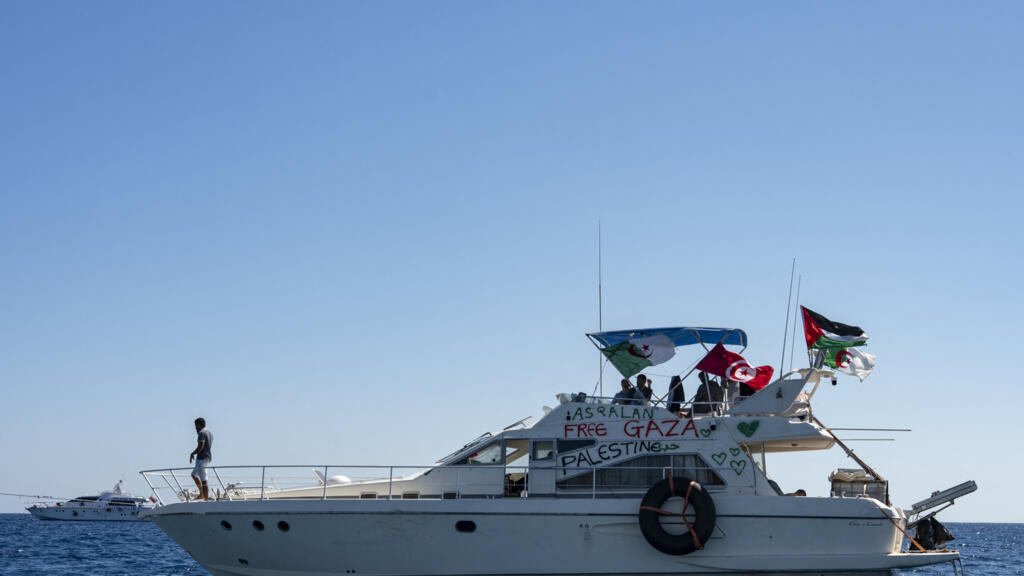
French nationals on Gaza aid flotilla deported from Israel, sent to Greece

A group of 28 French nationals who were aboard an aid flotilla to Gaza that was intercepted by Israeli forces have been deported and are expected to arrive in Greece on Monday. They are among nearly 200 activists detained by Israel.


Issued on: 06/10/2025 - RFI

Around 45 vessels set out with humanitarian aid for Gaza but were intercepted by Israeli forces. AFP - ELEFTHERIOS ELIS

"Our teams were able to meet all our compatriots, who are doing well,” the French Ministry of Foreign Affairs spokesman Pascal Confavreux said on social media.

"They continue individual monitoring and remain in close contact with their families to report on the situation and messages conveyed by their loved ones," he added.

On Sunday, the far-left French political party La France Insoumise (LFI) said four of its elected officials who were part of the flotilla had started a hunger srike.

"We know that their detention conditions are difficult, with more than 10 people per cell," LFI MEP Manon Aubry told French broadcaster franceinfo.

Israel said it deported on Monday 171 more activists of various nationalities, who were detained while taking part in the aid flotilla bound for Gaza, including Swedish campaigner Greta Thunberg.

Most, if not all, will be flown to Greece, where they will be able to get flights to their home countries, their respective governments said on Sunday.

Voyage to Gaza


The Global Sumud Flotilla of around 45 vessels began its voyage to Gaza in September, with politicians and activists including Swedish climate campaigner Greta Thunberg aiming to break Israel's siege of the Palestinian territory, where the United Nations says famine has set in.

The Israeli navy began intercepting vessels after warning the activists against entering waters it says fall under its blockade, with Thunberg's ship among those stopped from going further.

Last week, more than 30 had been intercepted or were assumed to have been intercepted, according to the flotilla's tracking system.

Flotilla spokesman Saif Abukeshek said the vessels that had not been intercepted were determined to continue.

In a statement, the flotilla organisers branded the interceptions as "illegal" since they were traversing international waters.

'Piracy'


Hamas, whose 7 October, 2023 attack on Israel sparked the war in Gaza, condemned the interception of the flotilla as a "crime of piracy and maritime terrorism".

With the war in Gaza dragging on, solidarity with the Palestinians has grown globally, with activists and increasingly governments criticising Israel for its actions.

Spain and Italy, which both sent naval escorts to protect its citizens on board the flotilla, had urged the activists to halt before entering Israel's declared exclusion zone off Gaza, saying they would not be allowed to pass that mark.

After a 10-day stop in Tunisia, where organisers reported two drone attacks, the flotilla resumed its journey on 15 September.

In Italy, which has already seen a general strike in support of the flotilla, hundreds of protesters turned out last Wednesday in Rome.

In Naples, demonstrators blocked trains at the main station for around an hour before being cleared by police.

Colombian President Gustavo Petro said he will expel all remaining Israeli diplomats in the country over the interception.

Turkey called the interception "an act of terrorism that constitutes the most serious violation of international law and endangers the lives of innocent civilians".

(with newswires)
‘A form of crisis profiteering’ – report slams rich nations over climate loans

Rich countries are pushing poorer nations further into debt by giving most climate aid as loans instead of grants, a report published on Monday warned. The money often ends up back in the pockets of donor countries while vulnerable nations struggle to respond to climate disasters.


Issued on: 06/10/2025 - RFI


Rich countries, the main contributors to greenhouse gas emissions and climate change, have pledged to help poorer nations hit hardest by the crisis. But Oxfam says that most of this “aid” – about 65 percent – comes as loans with interest. 
© Wanan Yossingkum / Getty Images

By:Amanda Morrow with RFI
Advertising


The report, by the NGOs Oxfam and CARE, comes a month before the Cop30 UN climate summit in Brazil, where governments will debate how to raise 1.3 trillion dollars a year in climate finance by 2035.

France was singled out as one of the worst offenders.

It gave 7.2 billion dollars in climate funding in 2023, but 92 percent of it was in the form of loans rather than grants. The share of loans with ordinary market-level interest rates rose from 5 percent in 2021 to 15 percent a year later.

"That is not even better than what you would get from a commercial bank," Selma Huart, a climate inequality specialist at Oxfam, told RFI. "We are not afraid to say that rich countries, especially France, are making money off the backs of vulnerable countries in the name of the climate crisis.


Overall, the report found that wealthy countries – historically the biggest polluters – are delivering about 65 percent of their climate funding as loans.

"Climate finance is supposed to help poorer countries face floods, droughts and other climate disasters," said Huart. "But for every 5 dollars they receive, they pay back 7."

Rich nations promised back in 2009 to provide 100 billion dollars a year in climate funding by 2020. They only claimed to have met that goal in 2022, reporting 116 billion dollars. But the report said that after repayments and interest, developing countries received only about a quarter of that – far below what experts say they will need in the years ahead.


Repayment trap

The loan-heavy approach is deepening debt in many low-income countries, which already spend more on interest than on health or education.

"These countries are already heavily indebted, so giving them more loans cuts their room to invest in public services, adapt to climate disasters or pursue their energy transition," Huart added.

Countries that have contributed least to global warming, the authors note, are being forced to pay the most to cope with its effects.

"Rich countries are treating the climate crisis as a business opportunity, not a moral obligation," warned Nafkote Dabi, Oxfam’s climate policy lead. "They are lending money to the very people they have historically harmed, trapping vulnerable nations in a cycle of debt. This is a form of crisis profiteering."


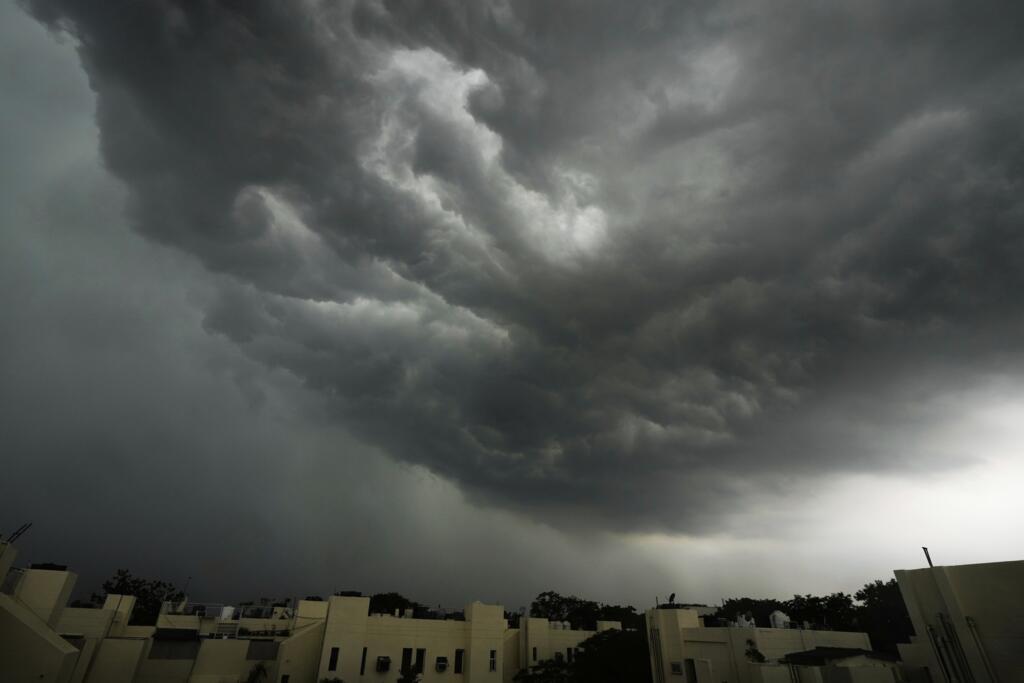
Monsoon clouds build over New Delhi, India, on 28 June 2025. Heavier rains, droughts and other extreme weather are hitting poorer countries hardest, yet a new report says most climate aid from rich nations still comes as loans. AP - Manish Swarup

The world's poorest countries, mostly in Africa, got less than one-fifth of the climate funding provided by rich governments in 2021-2022. Small island nations received barely 3 percent. More than half of what they got was money they have to repay.

"This is one of the most unjust actions that rich nations can take – they are profiting from the pain of others," the NGOs said.

The focus on loans also means that projects likely to make a profit, such as renewable energy plants, are more likely to get support than essential but less profitable work like building irrigation systems in drought-prone areas.

"We would rather invest in a solar energy project in Kenya, for example, to sell electricity and generate revenue," said Huart. “In contrast, irrigation projects to secure agriculture in the Sahel, even though they are important for improving drought resistance, get less funding because they are less profitable."

Worldwide, only about one-third of climate funding goes to adaptation, even though this is a top priority for many countries in the global south.

Aid cuts compound crisis

Rich countries delivered their long-promised 100-billion-dollar climate pledge two years late. Now many are cutting aid even as climate impacts worsen. OECD figures show development aid fell by 9 percent in 2024 and could drop by another 9 to 17 percent in 2025.

Money to help countries recover from climate disasters is stilling falling critically short. The Loss and Damage Fund set up at Cop28 has received only about 800 million dollars in pledges, far short of the hundreds of billions experts say are needed.

Oxfam and CARE estimate that only about 1 percent of climate funding in 2022 went to this kind of support.

"Rich countries are failing on climate finance and they have nothing like a plan to live up to their commitments," said John Norbo, senior climate adviser at CARE Denmark. “Cop30 must deliver justice, not another round of empty promises."
UNESCO board selects Egypt's former antiquities minister El-Enany as new chief


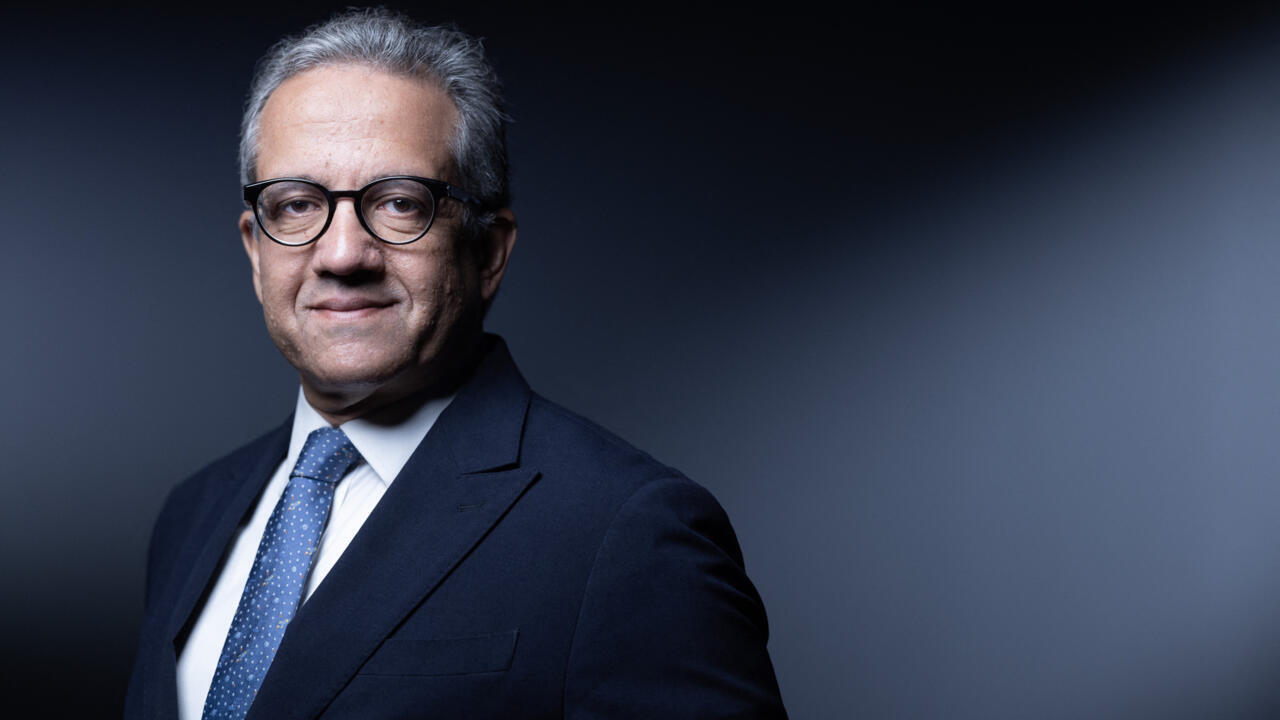
UNESCO is set to appoint Egypt's Khaled El-Enany as its new director general, according to diplomatic sources. The cultural agency's executive board on Monday voted 55 to 2 in favor of Egypt's former tourism and antiquities minister, whose name will be put forward for approval to UNESCO's members in November.


Issued on: 06/10/2025 -
By: FRANCE 24

Khaled El-Enany, former Minister of Tourism and Antiquities of Egypt and candidate to become the head of the United Nations Educational, Scientific and Cultural Organization (UNESCO) poses during a photo session in Paris on October 1, 2025. 
© Joël Saget, AFP file photo

The UN culture agency's executive board on Monday voted to appoint a former Egyptian minister as the agency's next chief, the board's chair said, as UNESCO grapples with accusations of bias and the United States' withdrawal from the organisation.

UNESCO's board backed former Egyptian antiquities and tourism minister Khaled el-Enany to replace outgoing French director-general Audrey Azoulay, after she served two four-year terms in office.

The organisation's general assembly must now ratify the 54-year-old Egyptologist's appointment during its meeting in Uzbekistan on November 6.

The body has never gone against a recommendation by the executive board, which is made up of 58 out of 194 member states.

Enany won 55 of the 57 votes cast, said the board's chair, Vera Lacoeuilhe.

The United States, which has announced its withdrawal from the organisation, did not take part in the vote.

Only two candidates were in the running for the top job, after a Mexican contender backed out in August.

Enany, who emerged as the favourite, faced off against the Republic of Congo's Firmin Edouard Matoko, who had served as UNESCO's de facto foreign minister until March.

Enany oversaw antiquities, and later also tourism, from 2016 to 2022 under President Abdel Fattah al-Sisi.

Since announcing his bid more than two years ago, he claimed to have visited 65 countries, meeting 400 people over 30 months on the campaign trail.

If his nomination is confirmed, he will take office on November 14 as UNESCO's first director-general from an Arab country and the second from an African nation, after Senegal's Amadou Mahtar Mbow, who served from 1974 to 1987.

Enany would take the reins at a difficult time for UNESCO - best known for establishing world heritage sites - after the United States announced in June that it would leave the organisation, claiming it was biased against Israel and promoted "divisive" causes.

That move, set to take effect at the end of 2026, will deal a major blow to the agency's finances, as Washington contributes eight percent of its budget.

Enany has said he would seek to bring the United States back into the organisation.

In May, Nicaragua also announced it was pulling out of UNESCO after it bestowed its annual press prize on a venerable Nicaraguan newspaper whose staff were forced into exile.

(FRANCE 24 with AFP)
TWENTY YEARS LATER

ICC convicts Sudan militia chief in first Darfur war crimes verdict


The International Criminal Court on Monday convicted Sudanese militia leader Ali Muhammad Ali Abd-Al-Rahman of war crimes and crimes against humanity for brutal attacks in Darfur, marking the court’s first conviction related to the conflict. The Janjaweed chief was found guilty of multiple offenses, including rape, murder and torture committed between August 2003 and April 2004.


Issued on: 06/10/2025 - 
By: FRANCE 24

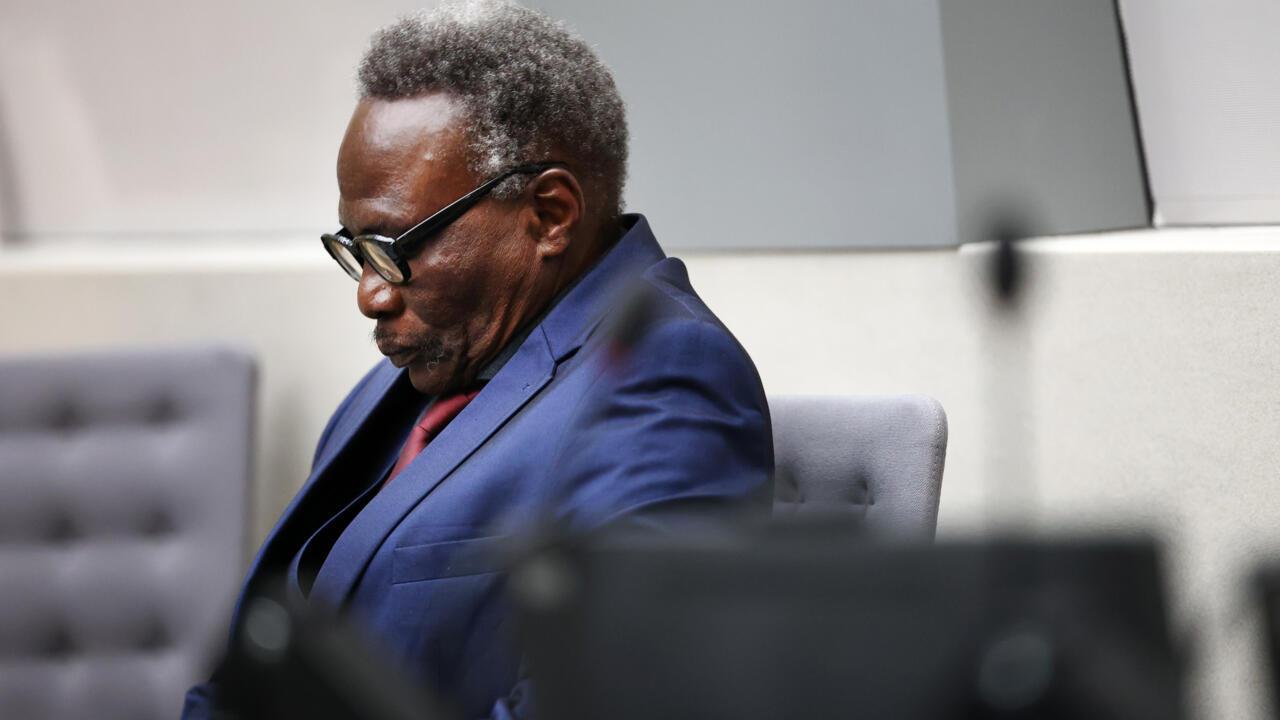
Ali Muhammad Ali Abd-Al-Rahman attends a hearing at the International Criminal Court (ICC) in The Hague, Netherlands, on October 6, 2025. © Piroschka van de Wouw, AP
14:16


The International Criminal Court (ICC) on Monday convicted a feared Sudanese militia chief for war crimes and crimes against humanity committed during brutal attacks in Darfur.

Ali Muhammad Ali Abd-Al-Rahman, also known by the nom de guerre Ali Kushayb, was convicted of multiple crimes including rape, murder and torture carried out between August 2003 and at least April 2004.

"The chamber is convinced that the accused is guilty beyond reasonable doubt of the crimes with which he has been charged," said ICC president judge Joanna Korner.

The sentence will be pronounced at a later date, she said.

The bespectacled Abd-Al-Rahman, wearing a blue suit and waistcoat with a scarlet tie, followed the proceedings impassively, occasionally taking notes.

Korner detailed harrowing accounts of gang rapes, abuse, and mass killing.

She said that on one occasion, Abd-Al-Rahman loaded around 50 civilians onto trucks, beating some with axes, before making them lie on the ground and ordering his troops to shoot them dead.

"The accused was not only giving orders... but was personally involved in the beatings and later was physically present and giving orders for the execution of those detained," said Korner.

Prosecutors had accused Abd-Al-Rahman of being a leading member of Sudan's infamous Janjaweed militia, who participated "enthusiastically" in multiple war crimes.

But Abd-Al-Rahman, who was born around 1949, has denied all the charges, telling the court they have got the wrong man.

"I am not Ali Kushayb. I do not know this person... I have nothing to do with the accusations against me," he told the court at a hearing in December 2024.

Read moreInternational court hears evidence in landmark Darfur war crimes case

But Korner said the court was "satisfied that the accused was the person known ... as Ali Kushayb", dismissing defence witnesses who had denied that.

Abd-Al-Rahman fled to the Central African Republic in February 2020 when a new Sudanese government announced its intention to cooperate with the ICC's investigation.

He said he then handed himself in because he was "desperate" and feared authorities would kill him.

Fighting broke out in Sudan's Darfur region when non-Arab tribes, complaining of systematic discrimination, took up arms against the Arab-dominated government.

Khartoum responded by unleashing the Janjaweed, a force drawn from among the region's nomadic tribes.

The United Nations says 300,000 people were killed and 2.5 million displaced in the Darfur conflict in the 2000s.
'Inflicted pain and suffering'

During the trial, the ICC chief prosecutor said Abd-Al-Rahman and his forces "rampaged across different parts of Darfur".

He "inflicted severe pain and suffering on women, children and men in the villages that he left in his wake", said Karim Khan, who has since stepped down as he faces allegations of sexual misconduct.

Abd-Al-Rahman is also thought to be an ally of deposed Sudanese leader Omar al-Bashir, who is wanted by the ICC on genocide charges.

Bashir, who ruled Sudan with an iron fist for nearly three decades, was ousted and detained in April 2019 following months of protests in Sudan.

He has not, however, been handed over to the ICC, based in The Hague, where he also faces multiple charges of war crimes and crimes against humanity.

ICC prosecutors are hoping to issue fresh arrest warrants related to the current crisis in Sudan.

Watch moreExclusive report: Investigating massacres in Sudan's war-torn Darfur region

Tens of thousands have been killed and millions displaced in a war between Sudan's army and the paramilitary Rapid Support Forces (RSF), which grew out of the Janjaweed militia.

The conflict, marked by claims of atrocities on all sides, has left the northeast African country on the brink of famine, according to aid agencies.

(FRANCE 24 with AFP)