Thursday, October 09, 2025

Iran and Russia Discuss Boosting Nuclear Energy Cooperation

Russia and Iran this week discussed boosting their cooperation in nuclear energy, including in building small nuclear reactors (SMRs) in the Islamic Republic, Iranian media report

Mohammad Eslami, director of the Atomic Energy Organization of Iran (AEOI), discussed nuclear energy cooperation in Tehran with Nikolai Spassky, Deputy CEO for International Relations at Rosatom, Russia’s state-owned nuclear energy company. 

Spassky was returning a visit by Eslami to Moscow last month, during which Iran and Russia signed a memorandum of understanding (MoU) on cooperation in construction of small nuclear power plants in Iran.

The two countries sanctioned by the West have also signed a MoU on collaboration on the Iran–Hormoz Nuclear Power Plant Project, which envisages the construction of four 1,250-megawatt reactors.

Earlier this year, Iran and Russia vowed to enhance their energy cooperation as Russian companies signed a deal to develop oilfields in Iran and the countries discuss the creation of a natural gas hub in the Islamic Republic. 

Iran and Russia signed in January a so-called Comprehensive Strategic Partnership Treaty, which included – among various other commitments – a pledge to expand cooperation in the energy sector, including in energy supply and swap operations.   

Russia and Iran have been deepening their cooperation, including in the energy sector, for years, and especially after the Russian invasion of Ukraine cut off a lot of Moscow’s previous oil and gas customers. 

The boosting of nuclear energy cooperation with Russia comes as Iran remains defiant as the UN sanctions snapped back in place at the end of September. 

Ahead of the return of the UN sanctions adding to U.S. sanctions, Iranian Oil Minister Mohsen Paknejad said, referring to Iran’s oil exports to China, “They will continue, we have no problem.”  

“In the last years, we have faced such severe restrictions from the unjust and unilateral U.S. sanctions that, in practice, [U.N. sanctions] won't add much to this situation,” the Iranian minister said, as carried by Reuters.  

By Tsvetana Paraskova for Oilprice.com


Anfield gets greenlight to build uranium mine in Utah
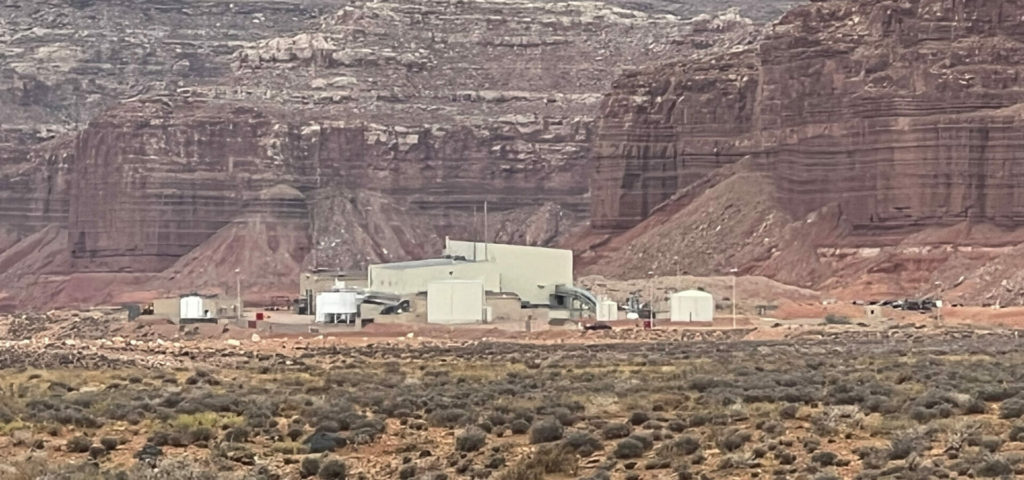

Velvet-Wood uranium project. Credit: Anfield Energy

Anfield Energy (NASDAQ: AEC; TSXV: AEC) is one step closer to becoming the next US uranium producer after securing all approvals to begin construction of its Velvet-Wood uranium project in San Juan County, Utah.

The approval, granted by the Utah Department of Oil, Gas and Mining, would allow for the acceleration of mine preparation, construction, and ultimately, production, the company said in a press release issued on Tuesday.

Velvet-Wood is the first mining project that the US Interior Department approved for expedited permitting, as part of President Donald Trump’s national energy emergency declaration earlier this year.

The property combines two separate areas that together hold 4.6 million lb. of uranium oxide equivalent (eU3O8) in the measured and indicated category.  The Velvet area hosts a historic mine with 4 million lb. of U3O8 production between 1979 and 1984. Once in operation, most of the mining at Velvet-Wood is expected to take place underground, targeting known deposits left from earlier operations.

Anfield’s share price jumped on this positive development, with its Toronto-listed stock gaining 8.5% at C$12.80 apiece for a market capitalization of C$201 million. Its newly listed NASDAQ shares also rose 7%.

According to Anfield, it has been pushing to begin mine construction this year, and the Utah state approval would allow it to commence its near-term plans, including reopening of the mine portal, mine dewatering and construction of surface facilities.

Corey Dias, CEO of Anfield, also noted that the project has a small environmental footprint, which is “advantageous to the company’s aim to pursue near-term production.”

The proposed uranium mine is a key piece of Anfield’s integrated mine-to-mill strategy, underpinned by its Shootaring Canyon mill, one of only three licensed, permitted and constructed conventional uranium mills in the country.


 World Nuclear News


Philippines prepares for nuclear new-build


The Philippine Department of Energy has released a comprehensive framework that grants the country's first nuclear power plant priority dispatch, long-term contracting options, and incentives to accelerate the integration of nuclear energy into the power generation mix.
 
Manila, the capital of the Philippines (Image: AGDProductions - Pixabay)

In a circular signed on 2 October by Energy Secretary Sharon Garin, the Department of Energy (DOE) formally established the policy foundations for the Philippines' first commercially developed and operated nuclear power plant, designated as the Pioneer NPP.

Under the circular, the department said the Pioneer NPP will be treated as a baseload facility and granted priority dispatch in coordination with the DOE, the Independent Market Operator, and the System Operator, "regardless of the nuclear technology deployed". It said this "ensures a competitive investment environment for the Pioneer NPP, paving the way for further nuclear developments that will reinforce the country's long-term energy security".

Within 90 days of the circular's issuance, the DOE will explore government participation models and financing options in collaboration with the Department of Finance, Department of Economy, Planning, and Development, the Maharlika Investment Corporation, and other relevant agencies. At the same time, grid readiness will be prioritised to ensure seamless integration of nuclear power into the transmission system.

To support long-term financial viability, flexible contracting mechanisms such as auctions, direct contracting, or aggregation for industrial and economic zone use will be introduced. In parallel, the Energy Regulatory Commission, in consultation with stakeholders, will implement a Regulatory Asset Base (RAB)-type model or a similar capital recovery mechanism, anchored on minimum contract terms of 25 years, extendable for another 25 years.

Complementing these provisions, the Pioneer NPP will be automatically certified as an Energy Project of National Significance, giving it access to incentives and fast-track processing.

"This is more than just a policy document, it is an investment signal,” Garin said. "By establishing clear rules for nuclear integration, we are giving confidence to investors, partners, and stakeholders that the Philippines is ready to responsibly and strategically adopt nuclear energy as part of its clean energy transition. Nuclear will complement renewables by providing reliable, stable baseload capacity - ensuring that our economy has the energy security it needs to grow while meeting climate goals."

Nuclear ambitions

In response to the 1973 oil crisis, the Philippines decided to build the two-unit Bataan plant. Construction of Bataan 1 - a 621 MWe Westinghouse pressurised water reactor - began in 1976 and it was completed in 1984 at a cost of USD460 million. However, due to financial issues and safety concerns related to earthquakes, the plant was never loaded with fuel or operated. The plant has since been maintained. There have been several proposals over the years to either start up the plant or convert it to a gas-fired plant.

In March 2022, then President Rodrigo Duterte signed an executive order that outlined the government's position for the inclusion of nuclear energy in the Philippines' energy mix, taking into account economic, political, social and environmental objectives. The country aims to have its first nuclear power plants operational by 2032, with an initial capacity of 1,200 MW, expanding to 2,400 MW by 2035 and reaching 4,800 MW by 2050.


IAEA completes modernisation of its laboratories


The International Atomic Energy Agency has inaugurated the new Curie-Meitner Nuclear Applications Centre at its laboratory site in Seibersdorf, near Vienna, Austria, marking the successful completion of the Renual2 laboratory modernisation project.
 
(Image: IAEA)

The IAEA Seibersdorf facility, which opened in 1962, houses eight nuclear applications laboratories working in food and agriculture, human health, environmental monitoring and assessment, as well as two safeguards analytical laboratories for nuclear verification.

The IAEA and its member states launched an initiative in 2014 - known as the Renovation of the Nuclear Applications Laboratories (Renual) - to modernise the laboratories to maintain their capacities to respond effectively to these demands in years to come.

Recognising the importance of all the laboratories in helping member states address a range of existing and emerging development challenges, in September 2020 IAEA Director General Rafael Mariano Grossi announced his intention to complete the modernisation of the Seibersdorf laboratories. The final phase of the modernisation initiative, called Renual2, was to construct a new building to house the three laboratories that had not yet been modernised in Renual's earlier phase. A groundbreaking ceremony for the new building was held in October 2022.

A ceremony was held on Wednesday to mark the inauguration of the new Curie-Meitner Nuclear Applications Centre, which will house the Plant Breeding and Genetics Laboratory, the Terrestrial Environment and Radiochemistry Laboratory, and the Nuclear Science and Instrumentation Laboratory.

Alongside the new Curie-Meitner Centre, Renual2 also brings new state-of-the-art greenhouses essential to developing climate-smart agriculture and improved water resource management and a fully refurbished space for the dosimetry laboratory to support cancer control and ensure patients receive safe radiation doses.

"This achievement is more than a renovation; it's the result of vision, commitment and partnership," Grossi said. "The new Curie-Meitner Centre enables our scientists and partners from around the world to work together, innovate and deliver tangible solutions that improve health, food security and environmental protection."

The completion of Renual2 was made possible through the support of the IAEA's Member States and partners. A total of 52 Member States contributed extrabudgetary resources, alongside in-kind and institutional support from governments and organisations.

The inauguration of the Curie-Meitner Centre follows the opening on 17 September of the new IAEA Visitor Centre, also in Seibersdorf - a first-of-its-kind space where visitors can experience the agency's mission and discover how nuclear science and technology is addressing global challenges.

Deadline extended to allow wider participation in Indian small reactor RFP


Nuclear Power Corporation of India Ltd has added six months to the deadline for proposals from companies interested in using Bharat Small Reactors, and the names of six companies to have already formally submitted responses to Nuclear Power Corporation of India Ltd's Request for Proposals have been revealed.
 
(Image: Bishnu Sarangi/Pixabay)

Bharat Small Reactors - or BSRs - are described as compact 220 MWe pressurised heavy water reactors that are tailored for "captive use". Minister of Finance Nirmala Sitharaman announced in the July 2024 budget that the government would partner with the private sector to set up BSRs as part of its efforts to achieve net-zero goals.

The Request for Proposals from Indian users to finance and build a proposed fleet of 220 MW Bharat Small Reactors to help decarbonise Indian industry was issued by India's nuclear power operator on 31 December 2024 with a deadline of 31 March, but this has already been extended several times. In June, Nuclear Power Corporation of India Ltd (NPCIL) said it was extending the due date for proposals - which had already been extended twice - to 30 September to accommodate "requests from many more industrial houses/industries who have expressed keenness to implement the BSR(s) for achieving their targets for decarbonising their power consumption, and have requested NPCIL to extend the date for proposal submission."

An update to the RFP, issued by NPCIL on 29 September now moves the proposal due date to 31 March 2026.

According to that document, around 70 delegates from 27 "private/public industries" attended a pre-proposal meeting held in February. By 29 September, six companies had submitted documents to proceed with the RFP process.

Interested parties

The six companies named in the latest update are Hindalco Industries Ltd, Jindal Steel & Power Ltd, Tata Power Co, Reliance Industries, JSW Energy Ltd and Adani Power Ltd.

Hindalco Industries, Jindal Steel & Power, Tata Power Co and Reliance Industries are named as having submitted the documents specified in the RFP for the signature of non-disclosure agreements (NDA) and collected tentative Bill of Quantities, plant performance data, and operation and maintenance expenditure data after signing NDAs. JSW Energy Ltd and Adani Power Ltd have submitted the documents for signing NDAs, which are "under evaluation and further processing".

According to the NPCIL document, these companies have also identified probable sites for BSRs and submitted preliminary site reports for 16 sites. Five of these are in Gujarat, four in Madhya Pradesh, three in Odisha, two in Andhra Pradesh, and one each in Jharkand and Chhattisgarh. NPCIL said it has written to the state governments of Gujarat, Madhya Pradesh and Odisha "requesting to extend necessary support for site investigation activities and land & water allocation for setting up BSR".

The companies had requested an extension of the 30 September deadline "as they need more time to evaluate the respective sites and work out the CAPEX and O&M cost of BSR", amongst other things, NPCIL said. In addition, "more industries have shown interest in setting up BSR and are in communication with NPCIL", it added.

"As the global business landscape shifts decisively toward green energy, Indian industries are increasingly recognising the strategic importance of securing carbon-free, clean power for their operations. This transition is not only critical for maintaining global competitiveness but also essential to avoid potential trade barriers inked to carbon intensive exports."

"BSR initiative being part of NPCIL's broader commitment to support India's clean energy transition …  it has been decided to extend the deadline for submission of proposal."

The RFP envisages that the BSR users would be responsible for all the capital and operating expenditure for the project from pre-project and throughout its entire life cycle including decommissioning. The project would be constructed by the user under the supervision and control of NPCIL, and transferred to NPCIL for operation on completion of construction. In return, the user would have the rights to the electricity generated by the plant for meeting its own captive power requirements, but would also be able to sell electricity to other customers subject to the applicable regulations.

Arabelle and Framatome sign Cernavoda agreements
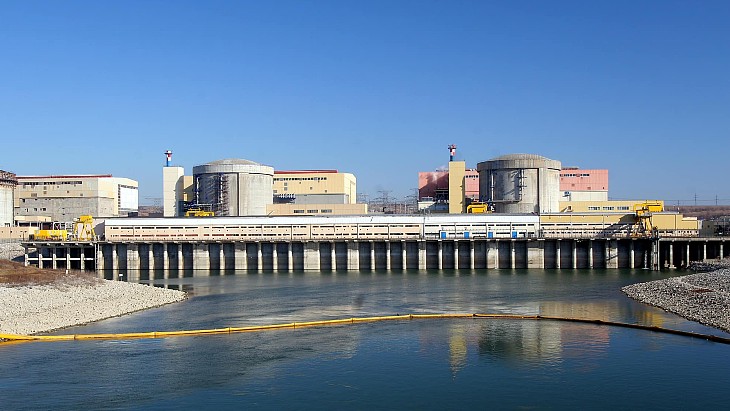
Romania’s Nuclearelectrica has signed an agreement with Arabelle Solutions relating to the Cernavoda unit 1 refurbishment, and with Framatome for its medical radioisotopes project.
 
Cernavoda has two units which generate about 20% of Romania's electricity (Image: Nuclearelectrica)

Arabelle Solutions, which like Framatome is a subsidiary of France’s EDF, will provide equipment and services for the refurbishment of Cernavoda 1’s turbine-generator, as part of the 30-year life extension project.

The agreement with Framatome "establishes the framework under which Framatome and SNN will collaborate to implement the production of lutetium-177 medical radioisotopes at Cernavoda NPP, operate the equipment and infrastructure resulting from the implementation of this project and, in the future, develop other projects related to the production of medical radioisotopes".

Nuclearelectrica and Framatome aim to launch the irradiation commercial service in 2028, helping provide supplies for an area of medicine which now sees around 49 million radioisotopes procedures per year.

Cosmin Ghita, Nuclearelectrica CEO, said: "Our goal is to provide Romania with energy security, clean energy, and standards of excellence through international partnerships, expertise, and local and national development … we want to contribute not only to energy security and the achievement of decarbonisation and ESG targets, but also to areas where nuclear energy can prove its usefulness."

Catherine Cornand, CEO of Arabelle Solutions, said: "We are proud to support the refurbishment of Cernavoda Unit 1, a project of strategic importance for Romania’s energy future. This contract reflects our commitment to delivering proven, reliable, and innovative technologies that enable the safe, long-term operation of nuclear assets, while providing reliable, low-carbon electricity to future generations."

Grégoire Ponchon, CEO of Framatome, said: "This agreement underscores Framatome and Nuclearelectrica’s commitment to strengthening the supply chain for lifesaving radioisotopes in Europe and across the globe. Framatome is proud to leverage its expertise in the fight against cancer and help facilitate mass access to nuclear medicine."

Background

Cernavoda is the only nuclear power plant in Romania and consists of two 650 MWe Candu reactors. Unit 1 went into commercial operation in 1996 and unit 2 in 2007. Most of the work on units 3 and 4 - like units 1 and 2, Candu-6 reactors - was done in the 1980s prior to the fall of the government of Nicolae Ceausescu in 1989. It was reported in 2021 that unit 3 was 52% complete and unit 4 30% complete. Work is now planned to finish units 3 and 4, with scheduled commercial operation in 2030 and 2031.

The unit 1 refurbishment project began in 2017 and is currently in the second of three phases, with infrastructure work beginning in August for the project. In December Nuclearelectrica signed the engineering, procurement and construction contract for the estimated EUR1.9 billion (USD2.2 billion) refurbishment with a consortium of Korea Hydro & Nuclear Power, AtkinsRéalis's Candu Energy, Canadian Commercial Corporation and Ansaldo Nucleare. The third phase, scheduled for 2027 to 2029, starts with the shutdown of unit 1 and includes all the work required on it and its recommissioning.

Candu units are pressurised heavy water reactors designed to operate for 30 years, with a further 30 years available subject to refurbishment. This includes the replacement of key reactor components such as steam generators, pressure tubes, calandria tubes and feeder tubes. It involves removing all the reactor's fuel and heavy water and isolating it from the rest of the power station before it is dismantled. Thousands of components, including those that are not accessible when the reactor is assembled, are inspected, and all 480 fuel channels and 960 feeder tubes are replaced during the high-precision rebuild.

EDF completed its acquisition of a portion of GE Vernova's nuclear conventional islands technology and services - including its Arabelle steam turbines - in May last year. The transaction included the manufacturing of conventional island equipment for new nuclear power plants as well as related maintenance and upgrade activities for existing nuclear plants outside of the Americas. EDF's acquisition of the business - at that time, known as GE Steam Power - was first announced in early 2022 and the final agreement was signed in the November of that year.

NANO to build Illinois MMR facility

Nuclear energy and technology company NANO Nuclear Energy Inc has announced it is to invest more than USD12 million to establish a manufacturing and research and development facility in Illinois, with support from a state incentive programme.
 
A rendering of the KRONOS plant at the University of Illinois Urbana-Champaign (Image: NANO Nuclear)

The company announced its plans for the new facility alongside Illinois Governor JB Pritzker and the Illinois Department of Commerce and Economic Opportunity (DCEO).

The facility will enable the company to establish its operations and create 50 new full-time jobs, NANO said. The project is to receive USD6.8 million in incentive awards from the Reimagining Energy and Vehicles in Illinois (REV Illinois) programme, a competitive incentive programme under the DCEO designed to bolster Illinois manufacturing in the clean jobs economy, which is described by the DCEO as a key component of the Pritzker Administration's work to increase investment in clean energy as well as advanced manufacturing.

"I'm proud to welcome NANO Nuclear to Illinois' growing clean energy economy," said Governor JB Pritzker. "Our qualified workforce, unmatched infrastructure, and competitive incentives all make Illinois the best state for companies investing in clean energy production. With support from REV Illinois, this critical investment from NANO Nuclear will create new jobs for hardworking Illinoisans and promote innovative strides in clean energy solutions."

The facility is expected to support nuclear engineers, component manufacturers, researchers, and support personnel who will work in collaboration with the University of Illinois Urbana-Champaign on NANO Nuclear's lead project, the KRONOS micro modular reactor (MMR) Energy System, the company said today. In July, it announced it had acquired a 23,537-square-foot demonstration and office facility on a 2.75-acre plot in Oak Brook, Illinois to support the development of KRONOS.

"This new hub will play a central role in our work to construct, demonstrate, and ultimately commercialise our KRONOS MMR Energy System in collaboration with the University of Illinois Urbana-Champaign," NANO Nuclear CEO James Walker said. "We are committed to using this facility to attract top talent from across the country to achieve our goals, and we're excited to continue growing our story in Illinois."

NANO acquired the Micro Modular Reactor Energy System technology through its USD85 million acquisition of Ultra Safe Nuclear Corporation's (USNC's) nuclear technology, which was completed in January, and has signed a strategic collaboration agreement with the University of Illinois Urbana-Champaign to construct the first research KRONOS micro modular reactor on the university's campus.

According to company information, pending Canadian governmental approvals of the acquisition, further demonstrations of KRONOS MMR are expected to take place at Canadian Nuclear Laboratories' Chalk River site in Ontario. A location for the 15 MWt (5 MWe) demonstration plant was picked out at Chalk River as long ago as 2023.


ECOCIDE

Fire at Chevron’s El Segundo Refinery Threatens California Fuel Supply

  • A major fire at Chevron’s 290,000-bpd El Segundo refinery was contained without injuries but disrupted a key supply hub for Southern California fuel.

  • California’s isolated fuel system and specialized gasoline blend leave it especially vulnerable to refinery outages and price shocks.

  • The incident is expected to raise wholesale and retail gasoline prices by up to 25 cents per gallon, with impacts rippling across the state’s market.

On the evening of October 2, a massive fire broke out at Chevron’s El Segundo refinery just southwest of Los Angeles. The blaze was visible across the South Bay and drew a large emergency response, but it was ultimately contained without injuries. While the fire was limited to a single process unit, the facility’s importance to California’s fuel supply means the incident could ripple through regional gasoline markets almost immediately, exacerbating an already challenging situation.

Built in 1911, the El Segundo refinery is Chevron’s largest on the West Coast, with a processing capacity of about 290,000 barrels of crude oil per day. (Contrary to multiple news reports, the facility does not produce oil–it processes oil). The facility plays an outsized role in California’s fuel economy, supplying roughly 20% of Southern California’s gasoline and more than 40% of its jet fuel. Any disruption there carries implications far beyond Los Angeles County. Even a short-term outage can tip the balance in a state where fuel supplies are tightly constrained.

California’s gasoline market is unique in several respects that magnify the impact of such accidents. The state is effectively an island when it comes to refined products, with only limited pipeline connections to the broader U.S. refining system. On top of that, California requires its own specialized blend of gasoline to meet stringent environmental standards. CARB-compliant fuel cannot be easily substituted with supply from other states, and imports from Asia or the Gulf Coast typically require weeks to arrive. This leaves the state unusually exposed when local refineries experience disruptions.

The timing of this fire could hardly be worse for consumers. Inventories of gasoline in California were already running about 10% below their five-year average in late September, according to federal data. Seasonal maintenance at refineries is also underway, which typically reduces output heading into the fall. Add in steady demand from motorists and elevated jet fuel consumption at Los Angeles International Airport, and the system has very little cushion. Even if Chevron brings the damaged unit back online quickly, the short-term effect is likely to be tighter supply and higher prices.

Market watchers expect the most immediate impact in wholesale prices. Spot gasoline prices in Los Angeles and San Francisco are likely to spike, with retail prices potentially climbing 10 to 25 cents per gallon in the short term. If the outage drags on, refiners may need to import additional supply from Asia or the Gulf Coast, but those barrels would not land for several weeks. In the meantime, competing refiners such as Valero and PBF Energy could see margins widen as price spreads favor available local supply.

For California policymakers, refinery incidents like this highlight the state’s ongoing vulnerability to fuel price volatility. Emergency reserves are limited and calls to temporarily relax fuel specifications may resurface if the disruption persists. But such measures only offer modest relief, and they underscore a larger challenge: California’s dependence on a handful of refineries to keep its 30 million drivers on the road.

While the El Segundo fire fortunately caused no injuries, its market consequences are harder to contain. California consumers already pay some of the highest gasoline prices in the nation, and this accident could push costs even higher as the state heads into the holiday travel season. The incident serves as a reminder that in an isolated market with strict fuel standards and little spare capacity, even one facility’s troubles can ripple across the state’s economy in a matter of days.

By Robert Rapier

ECOCIDE

Russian Strikes Curtail 60% of Ukraine’s Natural Gas Production

Last week’s massive Russian attacks on energy infrastructure in the Poltava and Kharkiv regions in Ukraine have forced the shutdown of about 60% of the Ukrainian natural gas production, sources familiar with Ukraine’s talks with its allies told Bloomberg.

With more than half of its domestic gas production offline ahead of the winter, Ukraine will be forced to spend a lot more on natural gas imports to meet winter heating and power demand.  

“Russia will do everything to prevent us from extracting our gas,” Ukraine’s President Volodymyr Zelenskyy told reporters in Kyiv earlier this week, as carried by Bloomberg.

“They will do everything. It will be difficult to protect all this. The task is to have money to import gas so that people have gas.”

Ukraine’s state energy firm Naftogaz said this weekend that Russia launched another massive attack on Ukraine’s gas infrastructure. The targets were civilian facilities that supply Ukrainians with gas during the heating season.

Last week, Naftogaz said that Russian forces launched on October 3 the largest strike on Naftogaz Group’s gas production facilities since the start of the full-scale invasion in early 2022. 

“It was yet another display of Russian malice, aimed solely at disrupting the heating season and depriving Ukrainians of the ability to heat their homes this winter,” Naftogaz CEO Sergii Koretskyi said. 

“As a result of this attack, a significant portion of our facilities has been damaged. Some of the destruction is critical,” Koretskyi added.  

Ukrainian Energy Minister Svitlana Grynchuk said on Tuesday that Ukraine had discussed with G7 countries additional natural gas purchases as it seeks to boost imports by 30% to offset the damage from Russian strikes on its gas infrastructure.  

Last week, Naftogaz signed a $349 million (300 million euros) loan agreement with the European Investment Bank (EIB) to use the financing to purchase gas to build long-term gas reserves and to ensure stable winter supplies for Ukrainians, following damage to infrastructure caused by Russia’s ongoing attacks.

By Tsvetana Paraskova for Oilprice.com

ECOCIDE

Ecuador’s Oil Industry Hit with Worst Environmental Disaster in Decades

  • Ecuador's oil industry is in crisis due to corruption, dwindling investment, and corroded infrastructure, leading to frequent and environmentally damaging oil spills.

  • The Trans-Ecuadorian System Oil Pipeline (SOTE) has a long history of ruptures and spills, with the latest incident in March 2025 being one of the worst in decades, contaminating farmlands and water sources and affecting over 600,000 people.

  • Despite the significant environmental risks and community opposition, President Noboa's plan to revive the oil industry with new hydrocarbon projects raises fears of further ecological degradation in the Amazonian region.

Ecuador’s oil industry is caught in a death spiral. Decades of corruption, dwindling private investment, corroded infrastructure and environmental disasters are all weighing on production and reserves growth. Environmentally damaging oil spills are a common occurrence, with evidence suggesting that the national government in Quito is failing to prevent these harmful events. President Daniel Noboa’s commitment to reviving the economically crucial oil industry risks serious pollution, especially with cocaine related violence distracting his government. Repeatedly, Ecuador’s government has proven itself incapable of protecting sensitive ecological regions, such as the Amazon.

Data from Ecuador’s Ministry of Mines and Energy shows at the end of September 2025, the Andean nation was pumping 468,729 barrels of crude oil per day. This represents a 1.2% decrease compared to the previous month and a 5.5% year-over-year decrease. Alarmingly, for Ecuador’s oil-dependent economy, that number is lower than for the same period in 2020 when petroleum production collapsed because of a government-mandated pandemic lockdown and sharply weaker oil prices. 

Those production numbers highlight the systemic decline in Ecuador’s hydrocarbon output over the last decade, as of the first nine months of 2025. Ecuador pumped an average of 465,369 barrels per day, which, aside from being the lowest petroleum output since 2002, represents a 14% decrease from 2015’s production of 543,095 barrels per day. While a lack of investment after a decade of heavy-handed government intervention deterred private investors, weighing on production, frequent pipeline outages, with ruptures and spills commonplace, are responsible for this decline.

The latest outage to impact Ecuador’s oil production was the shutdown of the state-owned Trans-Ecuadorian System Oil Pipeline (SOTE) from July 2, 2025, to July 17, 2025, due to the risk of ruptures and leaks caused by regressive erosion. The Oleoducto de Crudos Pesados (OCP) pipeline was also shuttered for the same reasons. Petroecuador called a force majeure on all operations, including crude exports. This is a common event that has occurred with greater frequency since the completion of the Coca Codo Sinclair hydroelectric dam on the Coca River in 2016. The hydro-facility has caused severe regressive erosion along the Coca River, which led to the collapse of the San Rafael waterfall—Ecuador’s tallest—in 2020.

The 310-mile (500-kilometer) long, 360,000-barrel-per-day SOTE pipeline, which entered service in 1972, is regularly shut down due to the risks posed by landslides and regressive erosion, especially during storms. Those events can rupture the aging pipeline, which connects oilfields in Ecuador’s Amazon to the Pacific port of Esmeraldas, also home to the country's largest refinery. The SOTE pipeline ships around 60% of all oil dispatched from Ecuador’s Amazon. 

Little appears to have been done by Ecuador’s national oil company, Petroecuador, the pipeline owner, to rectify the issues impacting the SOTE’s operations. This is despite the considerable environmental damage caused by at least 75 oil spills from the 77 pipeline ruptures suffered since the pipeline commenced operations in 1972. The largest spill from the pipeline totaled over 65,000 barrels of crude, occurring in April 1974. This was followed by two further major oil spills of 48,498 barrels in 1977 and 57,161 barrels in 1987. It is estimated that since the SOTE pipeline came online, it has spilled at least 742,000 barrels of crude oil into the nearby environment, including the Coca River, which flows into the Napo, a tributary of the Amazon. 

While the number of serious spills has fallen since the start of the 21st century, there have still been 15 such events. The latest spill from the SOTE pipeline is the worst to have occurred in over two decades and among the most severe environmental incidents caused by Ecuador’s oil industry in recent years. On March 13, 2025, a geyser of oil, according to witnesses, spurted from the SOTE pipeline for several hours. Over 25,000 barrels of crude oil spilled into the Esmeraldas River, contaminating nearby farmlands, water bodies, and wildlife refuges. 

The spill was so massive, it flowed 50 miles (80 kilometers) downriver toward the Pacific Ocean, directly impacting 111,000 people by damaging their health, destroying homes and contaminating crops. A further 500,000 inhabitants were indirectly affected by the spill, which contaminated drinking water and food sources, leaving communities without potable water for nearly 2 weeks. It is believed that over 60,000 acres of farmland were polluted, and at least 100,000 animals were injured or killed by the oil spill.

Initially, Petroecuador blamed the enormous spill on severe storms causing landslides that ruptured the pipeline, but days later, Ecuador’s Ministry of Energy and Mines and Petroecuador changed the story, blaming the incident on sabotage. While there is a history of local indigenous communities sabotaging industry operations in Ecuador’s Amazon, it is difficult to believe they would intentionally cause such a harmful event. Previous acts of sabotage have amounted to damaging pumping stations and blockading oil blocks to hinder petroleum shipments rather than releasing large volumes of toxic crude oil into their local environment.

 As historical data and recent events demonstrate, the SOTE pipeline is a major environmental risk with a long history of significant oil spills. Yet, Ecuador’s national oil company Petroecuador, has taken few, if any, material measures to reduce the risk of pipeline ruptures and subsequent spills. There are also allegations that the state-controlled company, which is 100% owned by Ecuador’s national government, on several occasions failed to remediate spills effectively. This means large volumes of hydrocarbon waste continue to pollute waterways, notably the Coca River, tainting local drinking water and food sources.

Those events, along with the history of frequent oil spills and other environmentally damaging incidents in Ecuador’s Amazon, are driving considerable resentment and loathing among local communities. This is magnified by Quito’s failure to use oil profits to provide adequate infrastructure in the region, despite at least 80% of all petroleum being produced in Ecuador’s Amazonian provinces. President Noboa’s plan to reinvigorate the economically crucial industry, with oil Ecuador’s largest export, is attracting substantial opposition

There are considerable concerns that the Energy Ministry’s auction of 49 hydrocarbon projects, valued at $47 billion, will lead to further severe environmental degradation in the ecologically sensitive Amazonian region. Especially, with President Noboa scrapping Ecuador’s Environment Ministry and incorporating its functions into the Ministry of Mines and Energy. There are also concerns that Quito’s recently announced commitment to greater private ownership of hydrocarbon projects will further undermine existing environmental protections as the government seeks to boost foreign investment.

By Matthew Smith for Oilprice.com

ECOCIDE

Iranian Navy "Base Ship" Leaking Oil at Bandar Abbas

IRINS Makran leaking oil in the outer harbor at Bandar Abbas early on September 8 (Sentinel-2)

Published Oct 8, 2025 1:20 PM by The Maritime Executive


The largest ship in the regular Iranian Navy (Nesda) has been left behind in the Bandar Abbas Naval Harbor, apparently suffering an oil leak, whilst most other Nesda vessels have recently deployed.

The forward base and logistics vessel IRINS Makran (K441) was leaking oil in imagery seen early on October 6 while tied up at its normal pier in Bandar Abbas’ outer basin. The leak appears to be coming from the stern of the vessel.

When IRINS Makran was converted from the 55,909 GT Aframax tanker Beta (IMO 9486910) in 2020, its oil tanks were left in place, and indeed appear have been used to export crude oil in combination with its naval duties. But these tanks do not appear to be the source of the leak.

The leak could not be seen in imagery on October 4, when IRINS Makran was at its pier alongside IRINS Kurdestan (K442), a similar but smaller logistics vessel commissioned into Nesda service in May this year.

Later on October 8, tugs were seen maneuvering IRINS Makran off its pier, though the ship was still in harbor.

IRINS Kurdestan appears to have left harbor sometime after October 4, several days after most of the Nesda’s frigate fleet had already deployed, following three weeks alongside. The deployment of the Nesda fleet has included the intelligence collection frigate IRINS Zagros (H313), and the two Hengam Class landing ships (IRINS Tonb (L513) and Lavan (L514), which are normally deployed to provide logistics support on exercises or enduring operations.

The Nesda deployment could be associated with a rise in tensions in Yemen, from where Houthi forces continue to launch drones and missiles at Israel. On September 30, the Houthi military spokesman Brigadier Yahya Saree added Exxon, Mobil, Chevron, ConocoPhillips and nine other American companies to the Houthi ‘hit list’, in effect confirming that the ceasefire between the Houthis and the United States brokered by the Omanis in May is now dead.

The continuing Houthi attacks will inevitably attract an Israeli response in due course, which may add to the tensions recently seen in Houthi-controlled areas of Yemen, where a purge on internal dissent within Houthi ranks is currently underway. In these circumstances, it seems a sensible insurance policy for the US Navy to be keeping the USS Nimitz (CVN-68)-led carrier strike group in the Arabian Sea area, and this in turn may have prompted the Nesda deployment.

It is also possible that the Iranians are taking an interest in Exercise Konkan 2025, this year’s joint Indian and Royal Navy exercise currently underway off India’s west coast involving the aircraft carriers INS Vikrant (R11) and HMS Prince of Wales (R09).


Cenovus Raises Offer for MEG Energy as Record Output Boosts Momentum

Cenovus Energy (TSX: CVE; NYSE: CVE) has sweetened its offer to acquire MEG Energy (TSX: MEG), increasing the deal value to approximately C$29.80 per share and adjusting the mix to an even split of cash and stock, while also reporting record third-quarter production and throughput across its operations.

Under the amended agreement announced Wednesday, MEG shareholders can now choose to receive either C$29.50 in cash or 1.240 Cenovus shares per MEG share, subject to proration limits of 50% cash and 50% equity. The revised offer represents an increase of about C$1.32 per MEG share over the previous terms and reflects Cenovus’s final bid for the company.

Cenovus said the move comes after feedback from major MEG shareholders who wanted greater exposure to the combined entity’s upside. The company also secured approval from both the Canadian Competition Bureau and the U.S. Federal Trade Commission, clearing key regulatory hurdles for the deal.

As part of the revised structure, Cenovus may purchase up to 9.9% of MEG’s outstanding shares before the shareholder vote and intends to back the transaction with any acquired stock. The special meeting for MEG shareholders has been postponed to October 22, 2025, to allow time for consideration of the new offer.

If approved, Cenovus plans to ramp up share buybacks due to the lower maximum cash component, aligning with its broader capital return strategy. The company has already repurchased 40.4 million of its own shares in Q3 for C$900 million, averaging C$22.31 per share.

Cenovus reported record upstream production of 832,000 BOE/d in Q3, including 640,000 bbl/d from its oil sands operations, and downstream throughput of 712,000 bbl/d, with U.S. refining utilization reaching 98.8%. The company also completed the sale of its 50% stake in WRB Refining LP to Phillips 66 for C$1.8 billion, cutting net debt to about C$3.5 billion post-closing.

Major projects are advancing as planned, with output ramping up at Narrows Lake, and first oil expected from Foster Creek Optimization in early 2026 and West White Rose in Q2 2026.

The revised bid underscores Cenovus’s determination to consolidate Canada’s oil sands sector and achieve synergies through scale and integration. The MEG acquisition would expand Cenovus’s heavy oil portfolio, particularly in the Christina Lake region, and reinforce its position as one of North America’s largest integrated oil producers.

Cenovus’s move to enhance its offer amid robust operational performance signals confidence in the long-term value of its assets and the strategic fit of MEG’s production base within its portfolio.

By Charles Kennedy for Oilprice.com


Petrobras Launches $75 Million Harpia Supercomputer to Boost Oil Exploration

Petrobras has commissioned the Harpia supercomputer, a R$435 million ($75 million) high-performance computing system designed to reinforce its leadership in seismic imaging, oil exploration, and production development across Brazil’s offshore basins.

The Harpia is the largest of five new high-performance computers (HPCs) acquired by Petrobras in an investment that expands its total computing capacity by more than 60%. The system, equivalent in processing power to 10 million smartphones, will help geophysicists transform raw seismic data into high-resolution 3D subsurface maps - critical for identifying hydrocarbon reservoirs in challenging environments such as Brazil’s pre-salt and Equatorial Margin basins.

Petrobras’ new HPC infrastructure underscores the company’s drive to remain at the technological forefront of the global oil and gas industry. Harpia’s 146 PFlops Rpeak performance will allow Petrobras to phase out older machines - Fênix, Atlas, and Dragão - while achieving faster, more precise seismic interpretations that enhance operational efficiency and reservoir management.


Indonesia shortens validity of mining quotas to one year


Coal mining in East Kutai, Indonesia. (Reference image by Consigliere Ivan, Wikimedia Commons.)

Indonesia said on Tuesday it had shortened the validity of mining production quotas to one year from three as of October 3, as the government seeks more control over output levels to support the prices of commodities like coal and nickel.

The move had been flagged in July by Mining Minister Bahlil Lahadalia.

Quotas for 2025 remain valid but miners will need to re-apply for quotas previously issued for 2026 and 2027, the ministry said.

RKAB proposals, documents that companies use to request amounts they can mine over a certain period of time, should be submitted between October 1 and November 15 each year, it added.

The coal miners’ association APBI said it hoped that the relatively short time left for RKAB submission and approval for 2026 would not impact miners’ operations.

“This is closely related to certainty in business sustainability, from investment to contract fulfillment,” APBI executive director Gita Mahyarani said.

Under the new rules, before they can secure their RKAB approval, miners will also be required to provide proof that they have put aside a certain amount of cash to rehabilitate the land once the mining is done.

The ministry last month suspended 190 mining permits after companies failed to meet their obligations to rehabilitate mine-damaged land or comply with production quotas, state media Antara reported.

(By Fransiska Nangoy and Bernadette Christina Munthe; Editing by John Mair and Edwina Gibbs)