Saturday, October 18, 2025

Iran scraps nuclear limits as France spearheads renewed push over 2015 deal

Iran has marked the anniversary of the 2015 nuclear deal by declaring and end to restrictions on uranium enrichment, but has pledge its commitment to diplomacy.


Issued on: 18/10/2025 - RFI
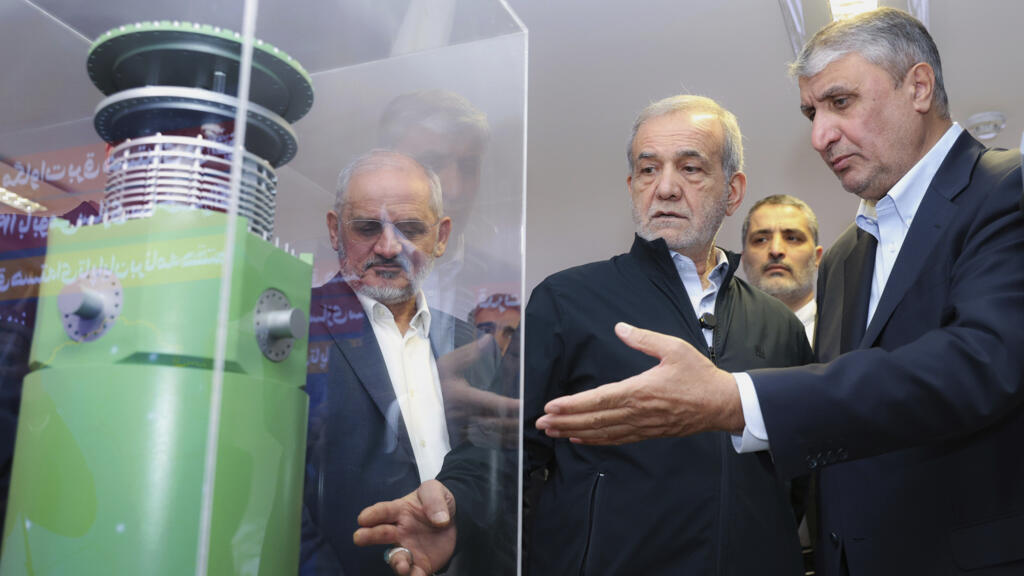
Iran's President Masoud Pezeshkian listens to head of Atomic Energy Organization of Iran Mohammad Eslami as he visits an exhibition of Iran's nuclear achievements, in Tehran, Iran, Wednesday, 9 April 2025. © AP

By:RFIFollow
Advertising


On the 10th anniversary of the landmark 2015 nuclear agreement, Iran announced that it is no longer bound by the deal’s restrictions, formally drawing a line under a pact that once symbolised rare cooperation between Tehran and the world’s major powers.

In a statement released on Saturday – exactly a decade to the day since the Joint Comprehensive Plan of Action (JCPOA) was signed in Vienna – Iran’s foreign ministry said that “all of the provisions, including the restrictions on the Iranian nuclear programme and the related mechanisms, are considered terminated.”

Yet even as Tehran celebrated what it called the “termination day” of the accord, it struck a notably measured tone, insisting it “firmly expresses its commitment to diplomacy.”

Iran denounces 'unjustifiable' return of UN nuclear sanctions

France’s hand in nuclear diplomacy

The announcement marks the end of a turbulent chapter in Iran’s nuclear history. The original 2015 deal had been hailed as a diplomatic triumph, crafted painstakingly over two years of negotiations between Iran and six world powers: China, Russia, the United States, Britain, Germany – and crucially, France, whose diplomats played a central role in brokering compromises on uranium enrichment and verification.

Paris, under then–Foreign Minister Laurent Fabius, was seen as one of the toughest negotiators in the Vienna talks, insisting on strict limits and oversight to prevent any military dimension to Iran’s nuclear work.

Those efforts helped clinch the final deal that was later endorsed by the UN Security Council through Resolution 2231.

But the accord began to unravel in 2018, when US President Donald Trump pulled Washington out of the deal and reimposed sweeping sanctions. Iran gradually rolled back its commitments in response, enriching uranium far beyond the 3.67 percent cap agreed under the pact.

According to the International Atomic Energy Agency (IAEA), Iran is now enriching uranium to 60 percent purity – just below weapons-grade – though Tehran continues to insist its nuclear programme is entirely civilian, focused on energy and medical research.

European stance reignites tensions

The final blow came last month when, at France’s initiative alongside Britain and Germany, the United Nations reimposed broad sanctions on Iran for the first time in a decade. The move effectively rendered the nuclear deal defunct ahead of its scheduled expiration this weekend.

In a letter to the UN, Iranian Foreign Minister Abbas Araghchi described the European action as “irresponsible” and claimed that, with the JCPOA’s expiry, those sanctions are now “null and void.”

Tehran also accused the three European powers of undermining a recent attempt to restart cooperation with the IAEA – talks that had reportedly been taking place under a framework agreed in Cairo earlier this year. “Iran’s efforts to revive the exchanges... were sabotaged by the irresponsible actions of the three European countries,” the foreign ministry said.

Diplomatic tensions have been further inflamed by the fallout from the July conflict between Iran and Israel, which saw Israeli strikes on Iranian nuclear facilities and a fierce retaliatory response from Tehran.

In the aftermath, Iran suspended cooperation with the IAEA, saying the agency had failed to condemn attacks on its infrastructure.

Open door to talks

For many in Tehran, the symbolic timing of Saturday’s announcement – coming precisely a decade after the deal was clinched – was no coincidence. It served as both a message of defiance and a reminder of what was once possible through negotiation.

Despite the rhetoric, Iran’s leaders appear keen to leave the door open to renewed talks. “Commitment to diplomacy” remains a recurring phrase in official statements, suggesting that while the JCPOA may be dead, the spirit of dialogue – that hallmark of the 2015 Vienna accord – has not entirely vanished.

Whether France and its European partners will take Tehran up on that offer, however, remains to be seen.

Paris has long positioned itself as both a critic of Iran’s nuclear advances and a potential bridge back to talks.

(With newswires)


In regional first, Uruguay passes law allowing euthanasia


Uruguay’s senate passed a law decriminalising euthanasia on Wednesday, putting the Latin American nation among a handful of other countries where seriously ill patients can legally obtain help to end their lives. It makes Uruguay the first country in predominantly Catholic Latin America to allow euthanasia via legislation. Colombia and Ecuador have decriminalised the practice through Supreme Court decisions.


Issued on: 16/10/2025 -
By: FRANCE 24


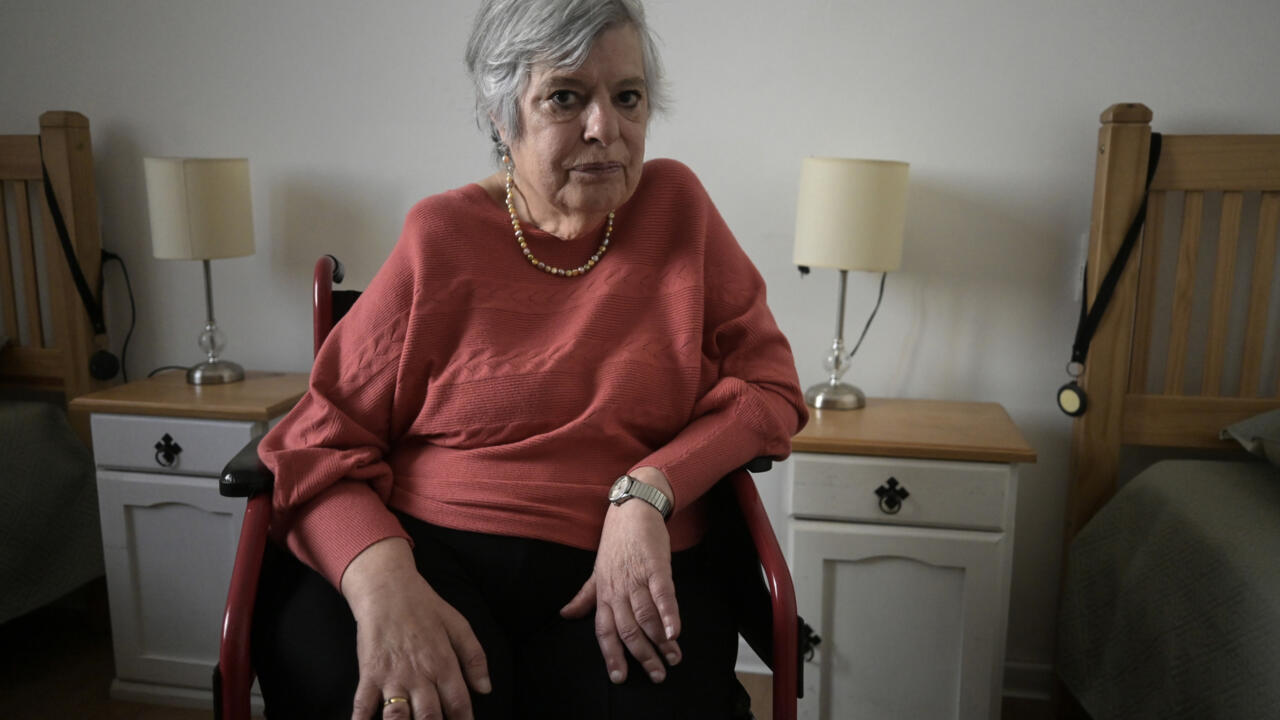
Uruguayan Beatriz Gelos, a 71-year-old who has battled neurodegenerative ALS for two decades, said the law was "compassionate, very humane". 
© Eitan Abramovich, AFP file photo

Uruguay on Wednesday legalised euthanasia, becoming one of the first countries in Latin America and among a dozen worldwide to allow assisted suicide.

The small South American country has a long history of passing socially liberal laws, legalising marijuana, same-sex marriage and abortion long before most others.

On Wednesday, euthanasia was added to the list with the Senate approving the so-called "Dignified Death" bill, garnering 20 votes in favour out of a total of 31 legislators present, passing a law approved by the lower Chamber of Representatives in August.

The vote came after 10 hours of debate on an issue several lawmakers called "the most difficult."

The discussion was largely respectful and often emotional, though some onlookers watching the debate cried out "murderers" after the vote passed.

Elsewhere in Latin America, courts in Colombia and Ecuador have decriminalised euthanasia without passing laws to legalise the practice, while Cuba allows for terminal patients to refuse being kept alive artificially.


An initiative of the ruling leftist Frente Amplio, the legislation finally passed after a years-long battle, with fierce opposition mainly among the religious right.

A recent poll showed more than 60 percent of Uruguayans support legal euthanasia, with only 24 percent opposed.

The bill allows assisted suicide for adult Uruguayan citizens or residents who are mentally competent and in the terminal stage of an incurable disease that causes them suffering.

Uruguayan Beatriz Gelos, a 71-year-old who has battled neurodegenerative ALS for two decades, told AFP the law was "compassionate, very humane."

In a wheelchair and speaking with a faltering voice, she said opponents "have no idea what it's like to live like this."

Another proponent is Monica Canepa, whose son Pablo, 39, has been paralyzed by an incurable disease.

"Pablo is not living. This is not life," she told AFP.

Uruguay's Medical Association has not taken a stance on euthanasia, allowing its doctor members to follow their own conscience.

The Catholic Church, for its part, has expressed "sadness" at the decision.

(FRANCE 24 with AFP)
China defends Russian oil purchases, slams US 'bullying'

Beijing (AFP) – China said Thursday that its purchases of Russian oil were "legitimate" and decried recent "unilateral bullying" measures by the United States as the trade row between the two countries continues to intensify.


Issued on: 16/10/2025 - FRANCE24

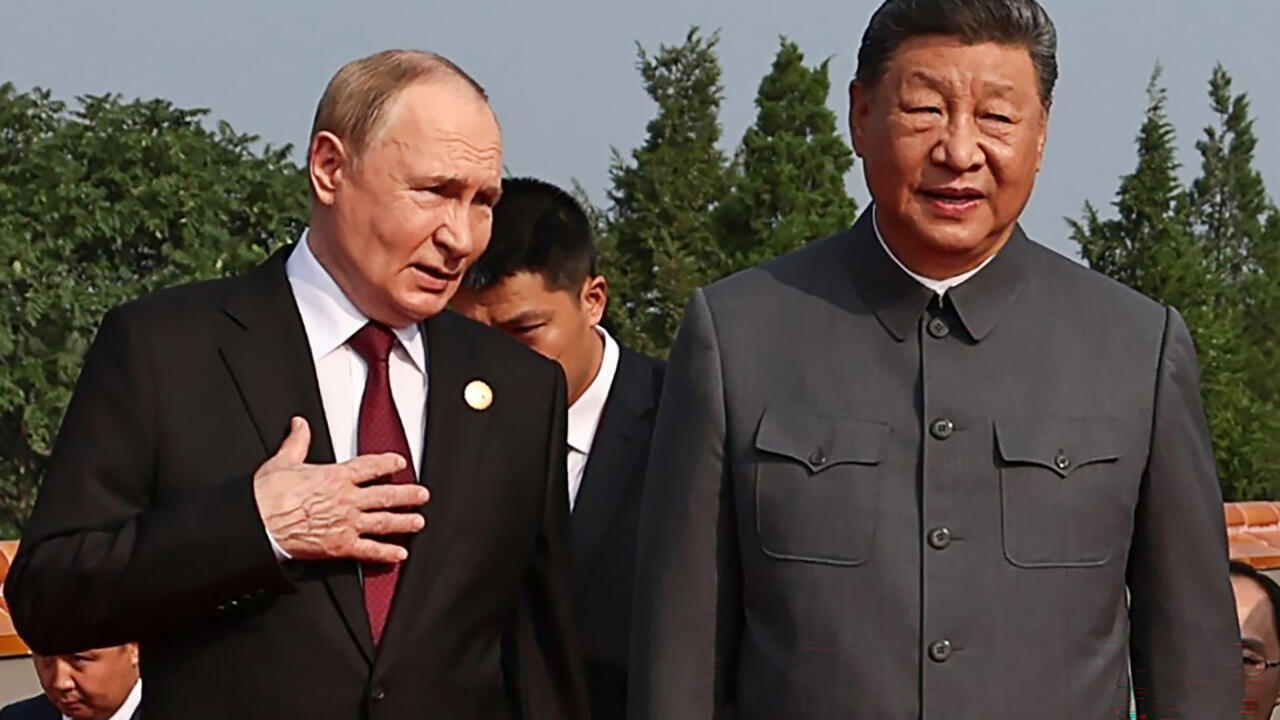
Putin joined Xi in September for a military parade marking the 80th anniversary of the end of World War II © Alexander KAZAKOV / POOL/AFP

The rebuke came after President Donald Trump said Wednesday that Indian Prime Minister Narendra Modi had promised to stop buying Russian oil, and that he would get China to follow suit.

Trump has accused both China and India of funding the three-year Ukraine war through the purchases, and has also demanded that European allies immediately stop buying oil from Russia.

India neither confirmed or denied it was shifting its policy.

Asked on Thursday about Trump's intention to pressure China further, Beijing's foreign ministry defended its "normal, legitimate economic, trade, and energy cooperation with countries around the world, including Russia".


"The actions of the United States are a typical example of unilateral bullying and economic coercion," ministry spokesman Lin Jian said at a press briefing.

If China's interests are harmed, it will "take firm countermeasures and resolutely safeguard its sovereignty", he warned.

Beijing and Moscow are key trading partners, and China has never denounced Russia's war, nor called for it to withdraw its troops.

Kyiv and Western governments have long accused Beijing of providing political and economic support for Moscow.
'Profoundly detrimental'

Beijing on Thursday also criticised recent US moves to expand export controls and impose new port fees on Chinese ships, saying the measures had a "profoundly detrimental" impact on trade talks between the two superpowers.

While tensions between Washington and Beijing have de-escalated from their peak, the truce remains shaky.

After Beijing imposed fresh controls on the export of rare earth technologies and items, Trump said he would roll out an additional 100-percent tariff on the country's goods from November 1.

The United States announced in April it would begin applying fees to all arriving Chinese-built and operated ships after a "Section 301" investigation found Beijing's dominance in the industry was unreasonable.

Section 301 of the US Trade Act of 1974 enables Washington to impose trade penalties on countries whose practices are deemed unfair or harmful to American commerce.

Beijing responded last week by announcing "special port fees" on American ships arriving at Chinese ports. Both sets of fees took effect Tuesday.

Commerce ministry spokeswoman He Yongqian said Thursday the US moved ahead with the measures while "disregarding China's sincerity in consultations", causing "severe damage to China's interests... (and) a profoundly detrimental impact".

"The Chinese side expresses strong dissatisfaction with and resolutely opposes the series of actions taken by the US side," He Yongqian said.

She urged Washington to "immediately rectify its erroneous practices" and respect the outcomes of recent trade talks.

China's commerce minister Wang Wentao accused the US of sparking the latest trade row during a meeting with Apple CEO Tim Cook in Beijing.

"Maintaining the overall stability of China-US trade ties requires both sides to meet halfway," Wang told the visiting American CEO according to a ministry readout.

"Maintaining the overall stability of China-US trade ties requires both sides to meet halfway," Wang said, adding that China welcomed deeper investment from Apple and remained open to foreign firms.

© 2025 AFP


Europe’s most powerful passports revealed as US falls to lowest rank in 20 years

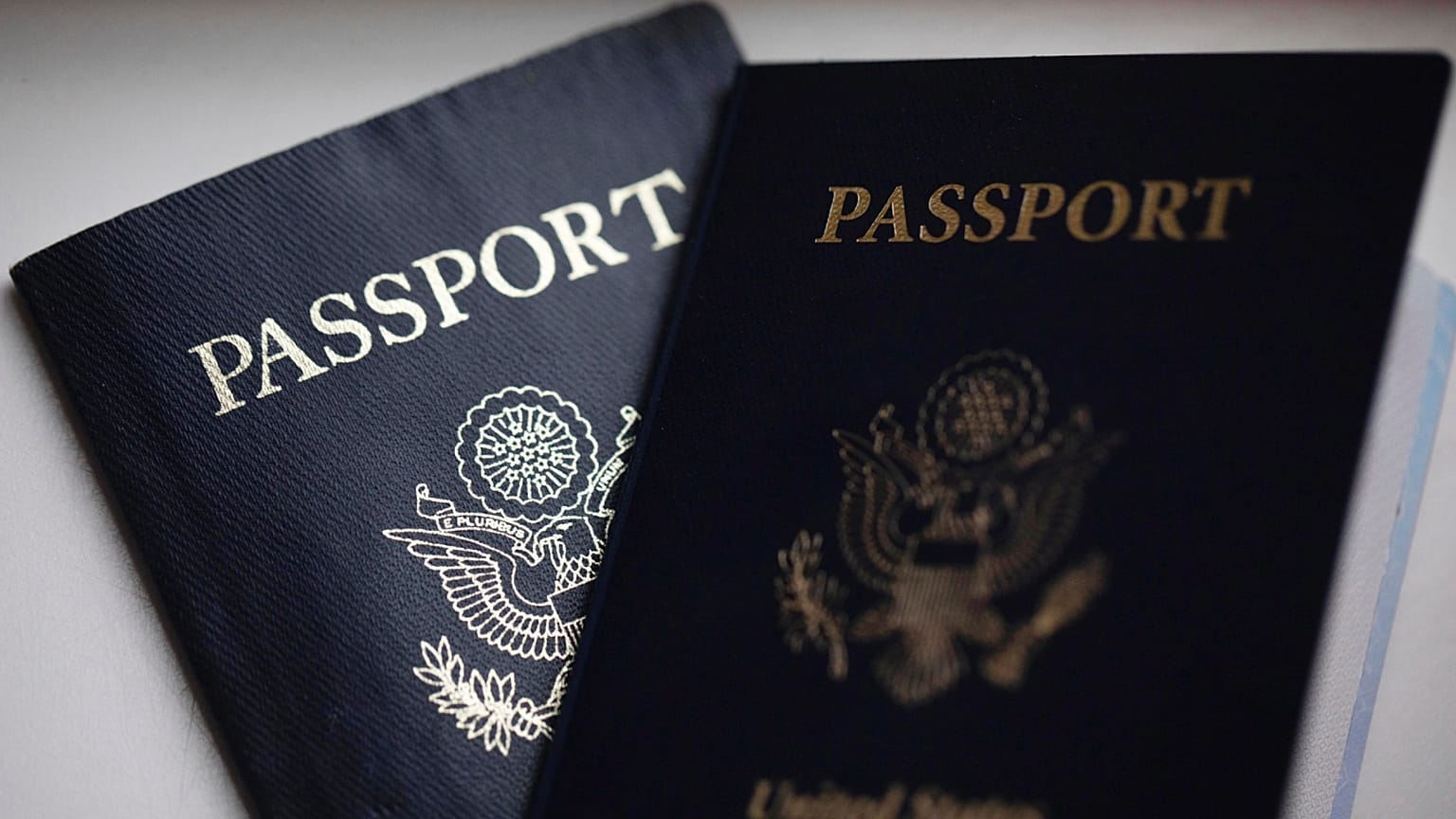
US passports are arranged for a photograph in Tigard, Ore., Dec. 11, 2021.
Copyright Copyright 2021 The Associated Press. All rights reserved.

By Liam Gilliver
Published on 

America’s passport power has plummeted to an all-time low, while Europe retains its stronghold thanks to visa-free access.

The world’s most powerful passports have been revealed - and while it’s good news for the EU, the US has suffered a huge blow.

More than 25 European countries remain in the top 10 position of the Henley Passport Index, outranked only by a trifecta of Asian nations.

However, for the first-time in 20 years, the US no longer ranks in the top 10, while the UK has also plummeted to an all-time low.

Which country has the world’s most powerful passport?

Using data from the International Air Transport Association (AITA), the Henley Passport Index ranks the world’s passports based on the number of destinations their holders can enter without a prior visa.

Singapore came out victorious with visa-free accessto an impressive 193 destinations, shortly followed by South Korea (190) and Japan (189).

EU nations continued to dominate the tables, while the UK also dropped to its lowest-ever position on the index - slipping from 6th place to 8th place.

  1. Singapore
  2. South Korea
  3. Japan
  4. Germany, Italy, Luxembourg, Spain and Switzerland
  5. Austria, Belgium, Denmark, Finland, France, Ireland and the Netherlands
  6. Greece, Hungary, New Zealand, Norway, Portugal and Sweden
  7. Australia, Czechia, Malta and Poland
  8. Croatia, Estonia, Slovakia, Slovenia, United Arab Emirates and the United Kingdom
  9. Canada
  10. Latvia and Liechtenstein

American passport holders can currently access 180 destinations visa-free. As a result, the country has dropped joint 12th on the index, tied with Malaysia.

The blow comes after President Donald Trump unleashed a widespread visa suspension to travellers from 12 nations, imposed heavy restrictions on seven more and threatened dozens of countries with bans.

The US itself only allows 46 other nationalities to enter without a visa, putting the nation in 77th place on the Henley Openness Index, which ranks 199 countries and territories worldwide according to the number of nationalities they permit entry to without a prior visa.

A ‘fundamental shift in global mobility’

Dr Christian H. Kaelin, chairman of Henley & Partners and creator of the Henley Passport Index, argues that while these changes may seem small they have “outsized consequences”

“The declining strength of the US passport over the past decade is more than a reshuffle in rankings - it signals a fundamental shift in global mobility and soft power dynamics,” he says.

Dr Kaelin adds that nations that “embrace openness and cooperation” are surging in the rankings, while those reliant on “past privilege” are being left behind.

China’s boosted passport power

China has witnessed the biggest boost in passport power, climbing from 94th place in 2015 to 64th in 2025 as visa-free access has increased to include 37 more destinations during the decade.

In the past year alone, China has granted visa-free access to an additional 30 countries. This means it now sits at 65th position on the Henley Openness Index.

“Trump’s return to power has brought fresh trade conflicts that weaken America’s mobility, while China’s strategic openness boosts its global influence,” says Dr Tim Klatte, partner at Grant Thornton China.

“These diverging paths will reshape economic and travel dynamics worldwide.”

‘The new American dream’

Henley & Partners suggests the decline in US passport power is fuelling an “unprecedented surge” in demand for alternative residence and citizenship options.

Data shows that Americans have now become the largest group of applicants for investment migration programs in 2025. By the end of Q3, applications from US nationals were already 67 per cent higher than the total for 2024.

Professor Peter J Spiro of Temple University Law School says in the coming years more Americans will be trying to gain additional citizenship in whatever way they ca

“Multiple citizenship is being normalised in American society. While it may be a bit of an exaggeration, as one social media poster recently put it, ‘dual citizenship is the new American dream’,” he adds.


Doctors are facing a burnout crisis. Will AI help or hurt?

Syrian doctor Ayham Darouich, 40, examines a patient in his doctor's office in Berlin, Germany, Tuesday, Dec. 17, 2024. (AP Photo/Ebrahim Noroozi)
Copyright AP Photo

By Diana Resnik
Published on 


Experts say artificial intelligence can support health workers, but if it is too complicated, hospital doctors will only have more work to do.

The World Health Summit sparked a debate on the burden on the health workforce, as emergency medicine and primary care doctors around the world continue to grapple with long hours, administrative demands, and mental fatigue.

The three-day summit in Berlin brought together leading figures from the fields of medicine and science to discuss innovative solutions in the medical field and reimagine the global health architecture.

The current situation makes it more necessary than ever, said Axel Pries, director of the World Health Summit, who criticised the heavy bureaucratic burden on hospital doctors.

"It's true that many doctors, but also others, often feel that they are no longer doing what they were trained to do and what they studied for, namely, to interact meaningfully with patients, but rather to feed the huge bureaucratic juggernaut," Pries said.

He cited artificial intelligence (AI) as a potential solution, but noted that while it is often touted as a cure-all, there are also negative examples from practice

"The funny thing is that one of the main reasons why doctors in America have suffered from burnout over the last 20 years was the introduction of digital systems," he said. "But that's because these systems weren't intelligent; they were stupid, and you had to sit there and press every button correctly and do even more work".

Can AI really be of help here?

AI is complex. But so is the human organism. So, is AI intelligent enough to do justice to this? According to Pries, the answer is relative, as this innovative tech can only function well if it uses high-quality data.

"If for example, AI is trained with data that is incorrect, let's say all the data that goes into it is from people in America, then of course it may not be suitable for Chinese people or people in Africa," he said, adding that similar problems exist on gender representation.

People have also raised concerns about data protection in AI models, which Pries said was somewhat contradictory with their willingness to share personal information on social media.

"Well, people today are willing to share an incredible amount of data about themselves on social media, but on the other hand, they are very cautious when it comes to official use," he said.

"I see a huge difference between giving my data to Amazon or Google and giving it to Charité, for example".

Hospital doctors waste an average of three hours a day on bureaucracy—time that could be spent with patients, a 2020 survey by the medical union Marburger Bundin Germany revealed. The situation affects 60 per cent of all medical professionals in the country, according to the survey.

Experts say AI can help, but if it is too complicated, hospital doctors will only have more work to do.

It all comes down to proper implementation and political measures. Without practical digitalisation, hospital doctors will soon be suffering from burnout, they say.


‘There will be pain’: Scientists warn billions face dangerous levels of heat this century

The Earth could add nearly two months of superhot days, according to a new study
Copyright AP Photo/John Locher

By Craig Saueurs & Seth Borenstein and AP News
Published on 

A new study finds poorer nations will bear the brunt of rising deadly heat days, despite contributing least to global emissions.

The world is on track to add nearly two months of dangerous superhot days each year by the end of the century, with small, poorer nations hit far more often than the biggest carbon-polluting countries, according to a study released Thursday.

But efforts to curb emissions of heat-trapping gases that started 10 years ago with the Paris climate agreement have had a significant effect.

Without them Earth would be heading to an additional 114 days a year of those deadly extra hot days, the same study revealed.

The Earth could double its number of superhot days

The international collection of climate scientists World Weather Attribution and the US-based Climate Central teamed up to use computer simulations to calculate just how much of a difference the landmark accord has made in terms of one of the biggest climate effects on people: heat waves.

The report – which is not yet peer-reviewed but uses established techniques for climate attribution – calculated how many superhot days the world and more than 200 countries got in 2015, how many Earth gets now and what’s projected in two future scenarios.

One scenario is if countries fulfil their promises to curb emissions and by the year 2100 the world warms 2.6**°**C above preindustrial times.

That adds 57 superhot days to what Earth gets now, according to the study.

The other scenario is the 4°C of warming that the world had been on track to hit before the Paris agreement. The study found that would double the number of additional hot days.

“There will be pain and suffering because of climate change,” said Climate Central Vice President for Science Kristina Dahl, a report co-author.

“But if you look at this difference between 4°C of warming and 2.6°C of warming, that reflects the last 10 years and the ambitions that people have put forth. And to me, that’s encouraging.”

The study defines superhot days for each location as days that are warmer than 90 per cent of the comparable dates between 1991 and 2020. Since 2015, the world has already added 11 superhot days on average, the report said.

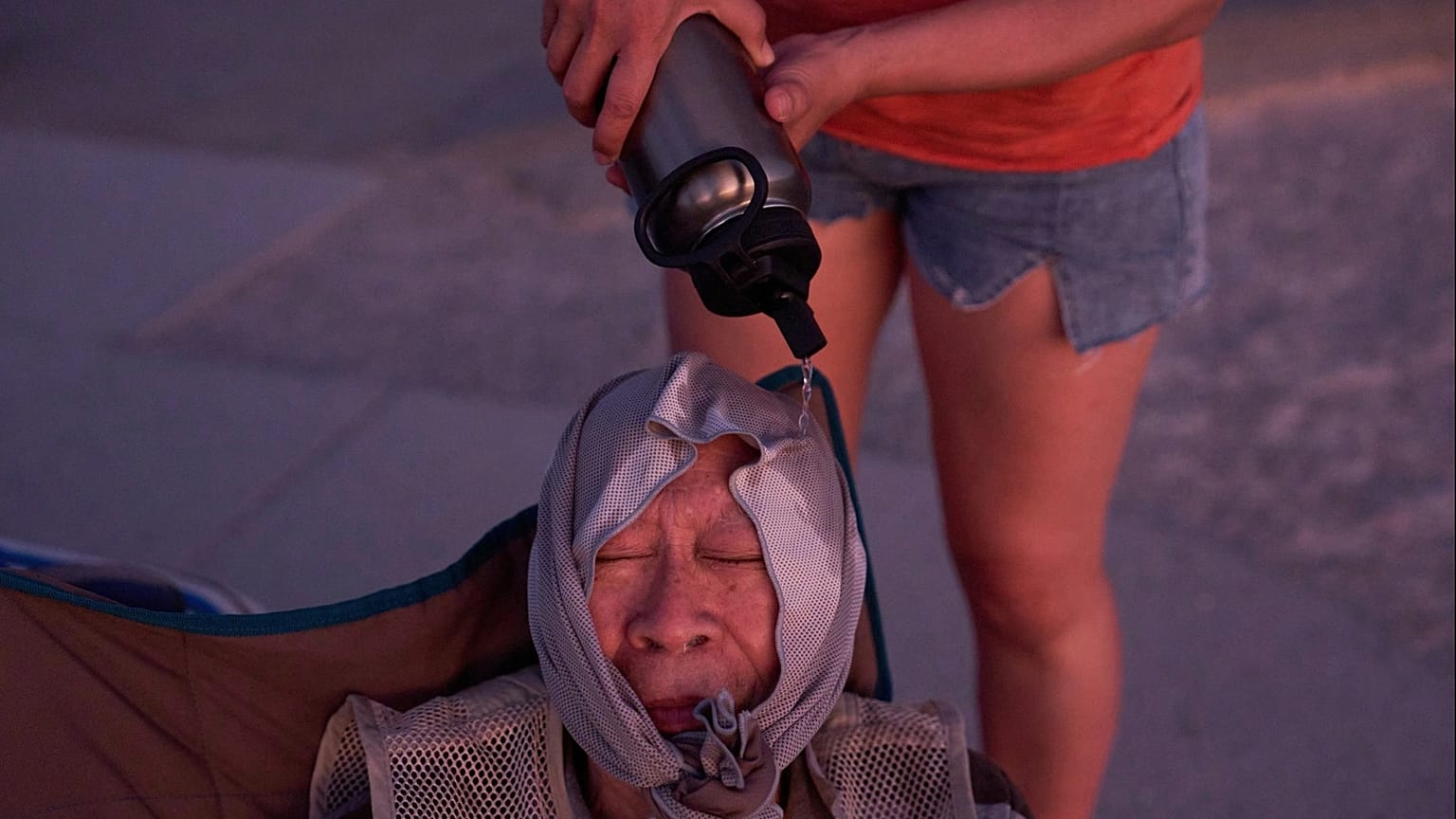
“That heat sends people to the emergency room. Heat kills people,” Dahl said.

The report doesn’t say how many people will be affected by the additional dangerously hot days, but co-author Friederike Otto of Imperial College London said that “it will definitely be tens of thousands or millions, not less.”

She noted that thousands die in heat waves each year already.

Heat waves are only going to get hotter

Thursday’s study calculated that the weeklong southern Europe heat wave in 2023 is now 70 per cent more likely and 0.6°C warmer than it would have been 10 years ago when the Paris agreement was signed. And if the world’s climate-fighting efforts don’t increase, a similar heat wave at the end of the century could be 3°C hotter, the report estimated.

A heat wave similar to last year’s Southwestern United States and Mexico heat wave could be 1.7°C hotter by the end of the century under the current carbon pollution trajectory, the report said.

Other groups are also finding more than hundreds of thousands of deaths from recent heat waves in peer-reviewed research with much of it because of human-caused climate change, said University of Washington public health and climate scientist Kristie Ebi, who wasn’t part of Thursday’s report.

High heat will not be distributed equally

More than anything, the data shows how unfair the effects of climate change seem, even under the less extreme of the two scenarios.

The scientists broke down how many extra superhot days are expected for each country by the end of the century under that scenario. The 10 countries that will see the biggest increases in those dangerous heat days are nearly all small and dependent on the ocean, including the Solomon Islands, Samoa, Panama and Indonesia.

Panama, for example, can expect 149 extra superhot days. Altogether the top 10 of those countries produced only 1 per cent of the heat-trapping gases now in the air but will get nearly 13 per cent of the additional superhot days.

But top carbon polluting countries, the United States, China and India are predicted to get only between 23 and 30 extra superhot days. They are responsible for 42 per cent of the carbon dioxide in the air, but are getting less than 1 per cent of the additional superhot days.

“This report beautifully and tangibly quantifies what we’ve been saying for decades. The impacts of global warming are going to disproportionally affect developing nations that historically haven’t emitted significant quantities of greenhouse gases,” said University of Victoria climate scientist Andrew Weaver, who wasn’t part of the study team.

“Global warming is driving yet another wedge between have and have not nations; this will ultimately sow seeds of further geopolitical instability.”

While the report makes sense, Potsdam Climate Institute Director Johan Rockstrom, who wasn’t part of the research, said people shouldn’t be relieved that we are no longer on the 4-degree warming pre-Paris trajectory because the current track “would still imply a disastrous future for billions of humans on Earth.”


Italy's anti-Mafia police launch probe after leading investigative journalist's car explodes


Copyright AP Photo

By Gavin Blackburn
Published on 17/10/2025 - EURONEWS

Sigfrido Ranucci works for Report, one of the few investigative programmes on Italian television that regularly breaks news involving prominent Italian figures.

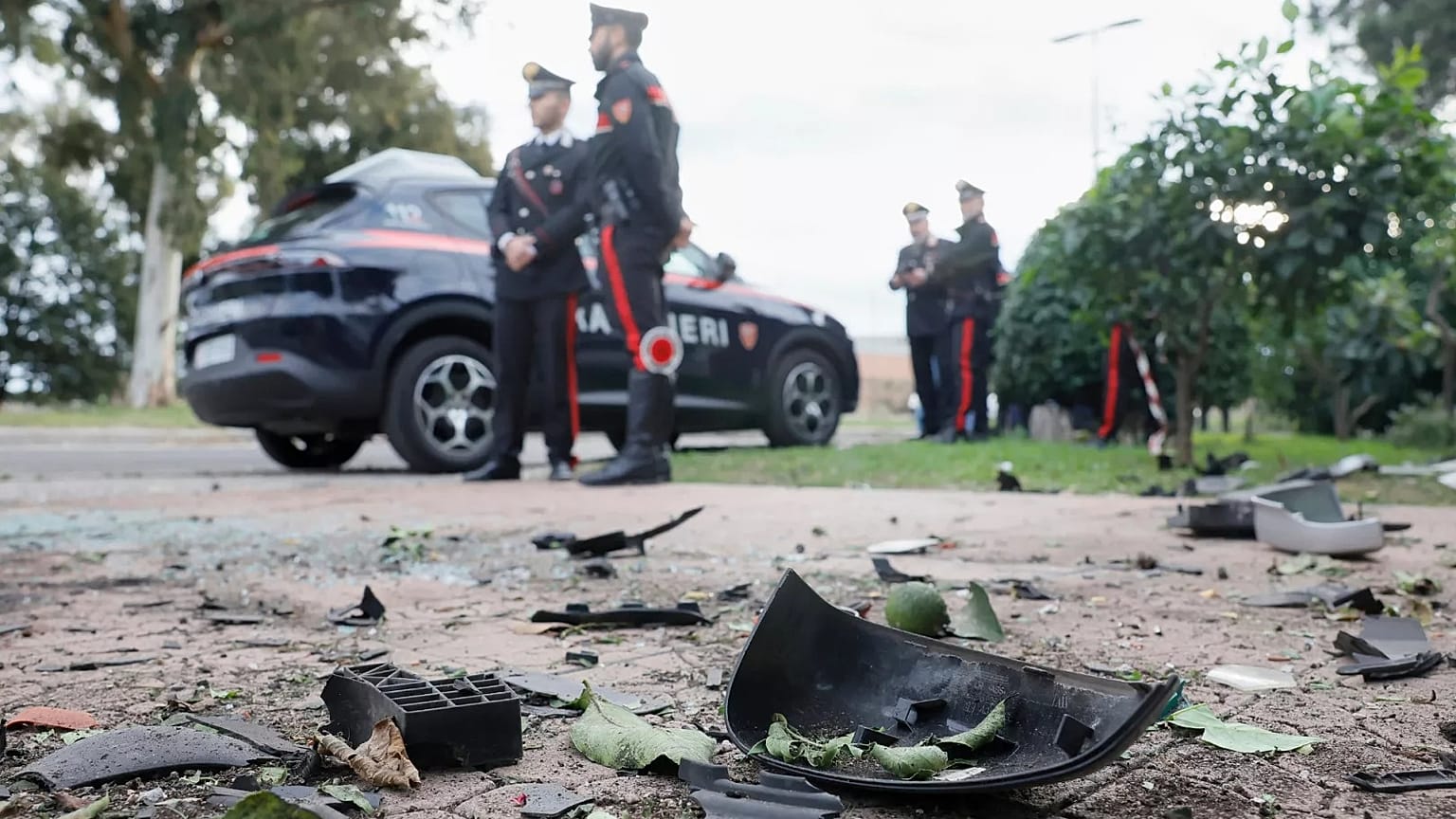
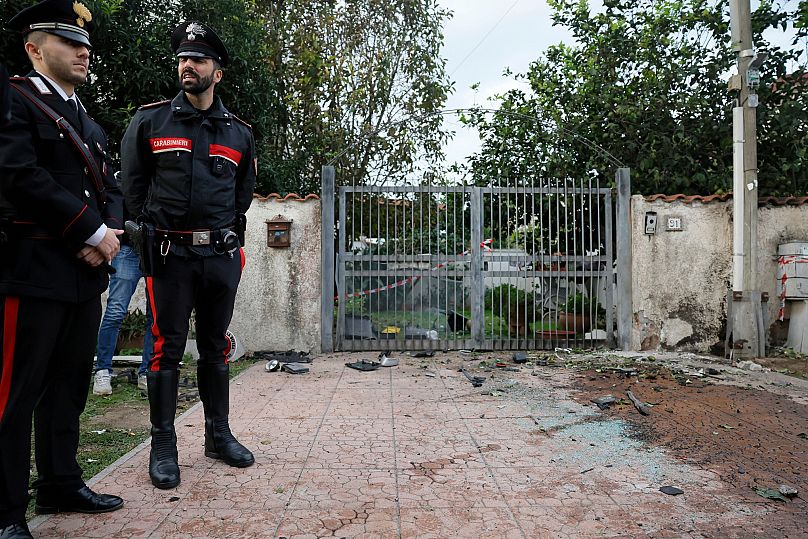
An explosive device detonated under the car of one of Italy's leading investigative journalists that was parked outside his home, prompting an investigation by the countty's anti-Mafia authorities and condemnation from Prime Minister Giorgia Meloni and others.

Report, the investigative series on Italy's state-run RAI3, said the explosion overnight destroyed the car of Sigfrido Ranucci and damaged a second family car and the house next to it in Pomezia, south of Rome.

It said the blast was so powerful that it could have killed anyone passing by but that no one was injured in the explosion.

Police, firefighters, forensic crews were investigating, Report said.

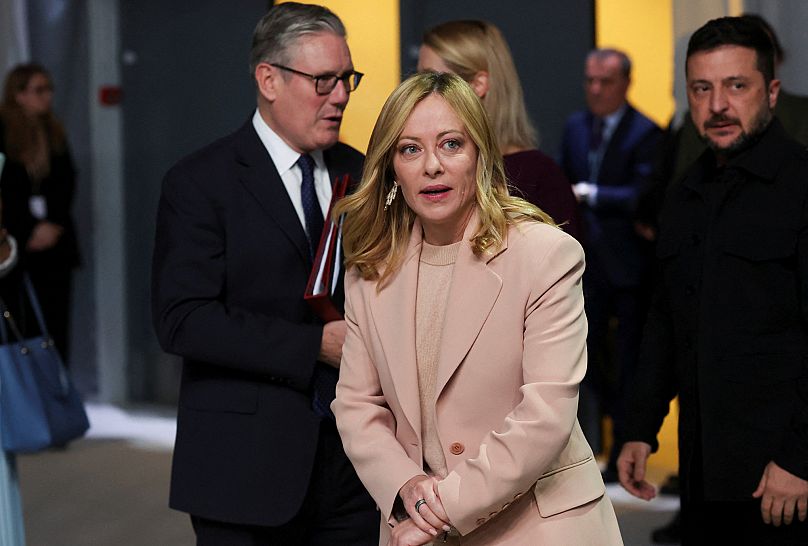
Meloni expressed her solidarity with Ranucci, the lead anchor of Report, and condemned what she called "the serious act of intimidation he has suffered."

Italian Premier Giorgia Meloni at the European Political Community summit in Copenhagen, 2 October, 2025 AP Photo

"Freedom and independence of information are essential values of our democracies, which we will continue to defend," she said in a statement.

Report is one of the few investigative programmes on Italian television and regularly breaks news involving prominent Italian politicians, business leaders and public figures.

Just this week, Ranucci was absolved in the latest defamation case he has faced for one of Report’s stories.
Solidarity from across the political spectrum

"We hope that the investigations will be swift and that the truth about what happened, and who committed the attack, will be known soon. The most urgent duty we have, especially in politics, is to stand by Ranucci, without ifs or buts," wrote Green and Left Alliance (AVS) leader Nicola Fratoianni.


"Every half-sentence, every half-word can sound like an attempt at delegitimisation. And we have unfortunately learned from the recent past of this country that there is no easier target than a man left alone. With Ranucci, with his family and with the entire Report editorial team," Fratoianni concluded.

"A terrifying attack that takes us back to the darkest years. We stand by Sigfrido Ranucci and his family after his car exploded in front of his house last night. His daughter had passed by just minutes before," the trade union Usigrai said in a statement issued hours after the attack.
Parts of a car are seen on the ground as Carabinieri military police stand outside the home of investigative journalist Sigfrido Ranucci in Pomezia, 17 October, 2025 AP Photo

"We are certain that neither Sigfrido nor his colleagues at Report will be intimidated. We will always stand by them so that they can continue their investigative work freely," the union's statement continued.

"In recent months, we have denounced how Rai has reduced the airtime available to Report and particularly the climate of hatred and intolerance towards the editorial staff's investigations. In prime time on Rai1, the second highest office of the state even went so far as to describe Report staff as 'serial slanderers,' without either the presenter or the company distancing themselves. A hate campaign against investigative journalism that must end."

Additional sources
Kabul blames Pakistan for renewed air strikes that kill at least 10


Pakistan launched air strikes in Afghanistan late Friday, killing at least 10 people and shattering a fragile 48-hour ceasefire that had briefly paused days of deadly border clashes. Afghanistan would retaliate after the Pakistani strikes in Paktika provice, said a senior Taliban official.


Issued on: 17/10/2025 - 
By: 
FRANCE 24

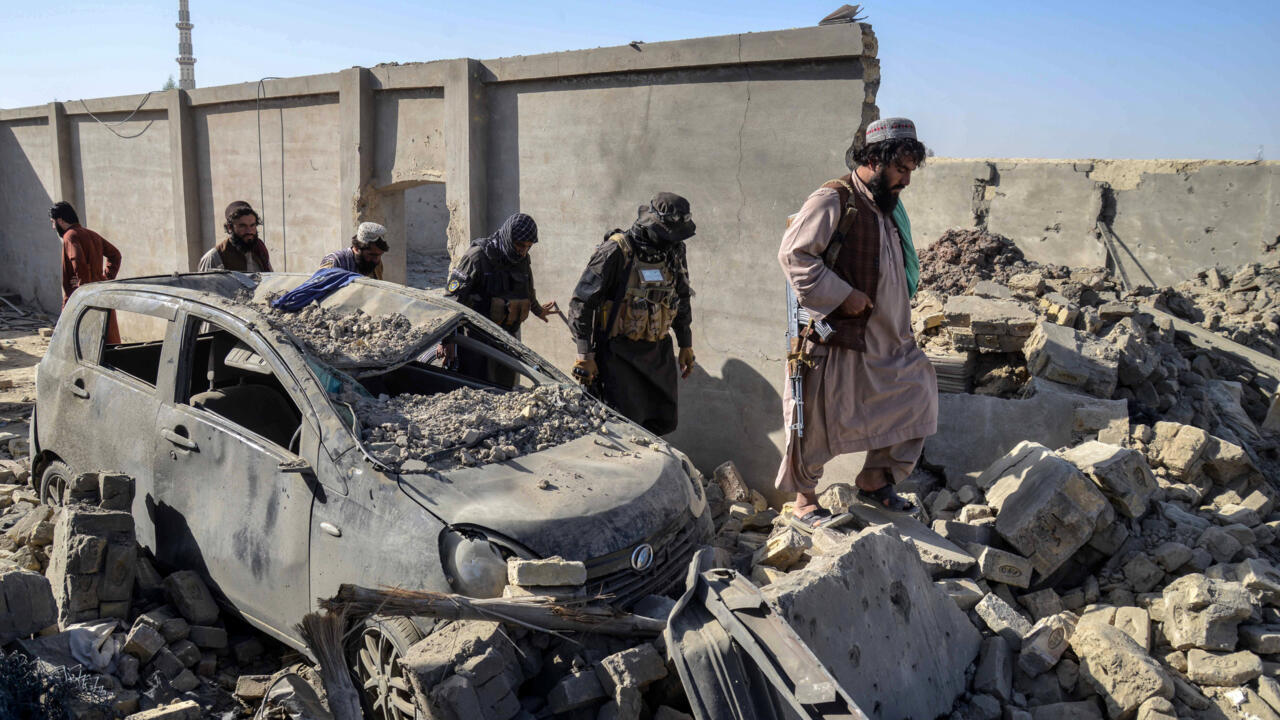
Taliban security personnel walk past a damaged car in the Spin Boldak district of Kandahar province on October 16, 2025. © Sanaullah Seiam, AFP
Pakistan launched strikes on Afghan soil late Friday, killing at least 10 people and breaking a ceasefire that had brought two days of calm to the border, officials told AFP.

The 48-hour truce had paused nearly a week of bloody border clashes that killed dozens of troops and civilians on both sides.

"Pakistan has broken the ceasefire and bombed three locations in Paktika" province, a senior Taliban official told AFP, speaking on condition of anonymity. "Afghanistan will retaliate."

Ten civilians were killed and 12 others wounded in the Pakistani strikes, a provincial hospital official told AFP on condition of anonymity, adding that two children were among the dead.

The Afghanistan Cricket Board told AFP that eight players who were in the region for a tournament were killed.

The cross-border violence had escalated dramatically from Saturday, days after explosions rocked the Afghan capital Kabul, just as the Taliban's foreign minister began an unprecedented visit to India, Pakistan's longtime rival.

The Taliban then launched an offensive along parts of its southern border with Pakistan, prompting Islamabad to vow a strong response of its own.

When the truce began at 1300 GMT on Wednesday, Islamabad said that it was to last 48 hours, but Kabul said the ceasefire would remain in effect until Pakistan violated it.

Pakistan's Defence Minister Khawaja Muhammad Asif accused Kabul of acting as "a proxy of India" and "plotting" against Pakistan.

"From now on, demarches will no longer be framed as appeals for peace, and delegations will not be sent to Kabul," Asif wrote in a post on X, before news of the fresh strikes emerged.

"Wherever the source of terrorism is, it will have to pay a heavy price."

Taliban government spokesman Zabihullah Mujahid said its forces had been ordered not to attack unless Pakistani forces fired first.

"'If they do, then you have every right to defend your country,'" he said in an interview with the Afghan television channel Ariana, relaying the message sent to the troops.
'Concrete and verifiable'

Security issues are at the heart of the tensions, with Pakistan accusing Afghanistan of harbouring militant groups led by the Tehreek-e-Taliban Pakistan (TTP) – the Pakistani Taliban – on its soil, a claim Kabul denies.

"Pakistan has repeatedly shared its concerns" related to the presence of militant groups operating from Afghan soil, Pakistani foreign office spokesman Shafqat Ali Khan said in a weekly press briefing Friday.

"Pakistan expects concrete and verifiable actions against these terrorist elements by the Taliban regime."

Just before the truce ended, seven Pakistani paramilitary troops were killed in a suicide bombing and gun attack at a military camp in the North Waziristan district that borders Afghanistan, an administration official told AFP.

A faction of the TTP claimed responsibility for the attack.

Earlier on Friday, Afghans in the frontier town of Spin Boldak – where the fighting had been particularly intense – described scenes of normalcy.

"Everything is fine, everything is open," Nani, 35, told AFP.

"I'm not afraid, but everyone sees things differently. Some say they're going to send their children elsewhere as the situation isn't good, but I don't think anything will happen," said Nani, who did not give a surname.
'Mixed feelings'
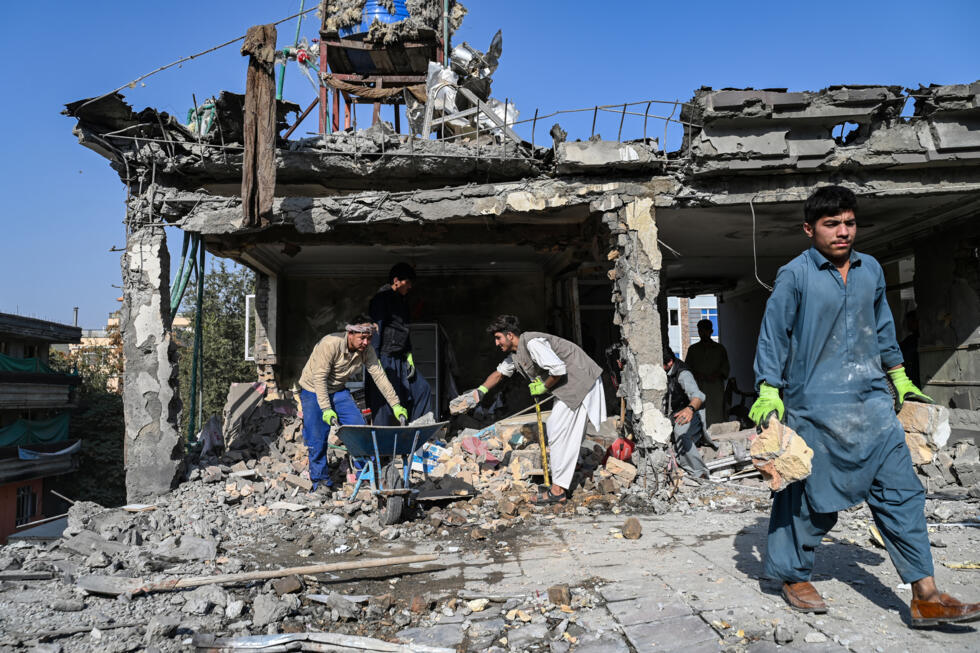
Workers remove debris from a house damaged after a a suspected air strike in Kabul. © Wakil Kohsar, AFP

The United Nations Assistance Mission in Afghanistan said 37 people were killed and 425 wounded on the Afghan side of the border, calling on both sides to bring a lasting end to hostilities.

An AFP correspondent in Spin Boldak said they saw hundreds of people attending funerals on Thursday, including for children whose bodies were wrapped in white shrouds.

"People have mixed feelings," Nematullah, 42, told AFP. "They fear that the fighting will resume, but they still leave their homes and go about their business."

Calm had also returned to Kabul, where new explosions rang out shortly before the ceasefire announcement on Wednesday.

Nobody claimed responsibility for the blasts, but Pakistani security sources said they had undertaken "precision strikes" against an armed group in the Afghan capital.

Sources in Afghanistan suggested that Pakistan was behind at least one of the blasts and that they were air strikes, but the government has not formally accused Islamabad.

(FRANCE 24 with AFP)
Global Headwinds Continue To Test Africa’s Recovery And Resilience – Speech


October 16, 2025 

By Abebe Aemro Selassie

IMF African Department Director.

Introductory Remarks at the IMF’s African Department Press Briefing

Good morning, and good afternoon to colleagues joining us from outside the US.

Thank you for being here today for the release of the IMF’s October Regional Economic Outlook for sub-Saharan Africa.

Six months ago, our assessment highlighted the region’s strong policy efforts and that growth had exceeded expectations in 2024. But we also noted a sudden realignment of global priorities and increasingly turbulent external conditions—marked by weaker demand, softer commodity prices, and tighter financial markets.

Today, these global headwinds continue to test the region’s recovery and resilience.

Sub-Saharan Africa’s economic growth is projected to hold steady at 4.1 percent in 2025, with a modest pickup expected in 2026. This reflects ongoing progress in macroeconomic stabilization and reform efforts across key economies.

Several countries—Benin, Côte d’Ivoire, Ethiopia, Rwanda, and Uganda—are among the world’s fastest-growing. However, resource-intensive, and conflict-affected countries continue to face significant challenges, with only modest gains in income per capita.

The external environment remains challenging. Global growth is slowing, and commodity prices are diverging. Oil prices are declining, while prices for cocoa, coffee, copper, and gold remain elevated.

External financing terms have improved somewhat, allowing a few countries, notably Kenya and Angola most recently, to access international capital markets.

The global trade policy and aid landscape has also deteriorated. Tariffs on exports to the United States have increased, and preferential access under the African Growth and Opportunity Act has expired. While the direct exposure is relatively modest for most countries in the region, broader trade policy uncertainty is weighing on growth.

The projected sharp decline in foreign aid leaves several lower-income and fragile economies particularly exposed. Affected governments have sought to reallocate budgetary resources but with limited fiscal space, they have limited room for maneuver.

It is encouraging to see the region showing remarkable resilience. Although this will continue to be tested in the coming months. Pressure points include:Rising debt service costs, which are crowding out development spending,
A shift toward domestic financing that is deepening the sovereign-bank nexus,
Inflation that has eased at the regional level but remains in double digits in about one-fifth of the region, and
External buffers that are under pressure and need to be rebuilt.

Against this difficult backdrop, our October 2025 Regional Economic Outlook highlights two broad policy priorities.

First, domestic revenue mobilization:


There is significant potential for countries in the region to raise revenues through comprehensive tax policy reforms and improved tax administration. This includes modernizing tax systems through digitalization, streamlining inefficient tax expenditures, and strengthening enforcement via targeted compliance strategies.

However, these efforts must go beyond technical adjustments.

It will be essential to build public trust in tax institutions, strengthen institutional capacity, and conduct careful impact assessments—including distributional analysis—to ensure that reforms are both effective and equitable.

Second, debt management:

Enhancing debt transparency and strengthening public financial management can help reduce borrowing costs and unlock innovative financing. Publishing comprehensive debt data and reinforcing budget oversight are key steps forward.

These priorities are critical for building resilience and supporting inclusive, sustainable growth across sub-Saharan Africa.

The IMF remains committed to supporting the region. Since 2020, we have disbursed nearly $69 billion, including about $4 billion so far this year. Our capacity development efforts also remain substantial, with sub-Saharan Africa as the largest recipient.

Thank you for your attention. I am now happy to answer your questions.


Abebe Aemro Selassie

Abebe Aemro Selassie is the IMF's African Department Director.
‘I ended up losing my mind’: Six days in solitary confinement at an ICE facility

As the Trump administration sends unprecedented numbers of people into detention facilities, researchers and NGOs are raising alarms over an increase in the use of solitary confinement. Our Observer, who spent six days in solitary confinement at an ICE detention centre in Texas, describes the psychological toll of that isolation.


Issued on: 17/10/2025 
By:
The FRANCE 24 Observers/
Lise KIENNEMANN

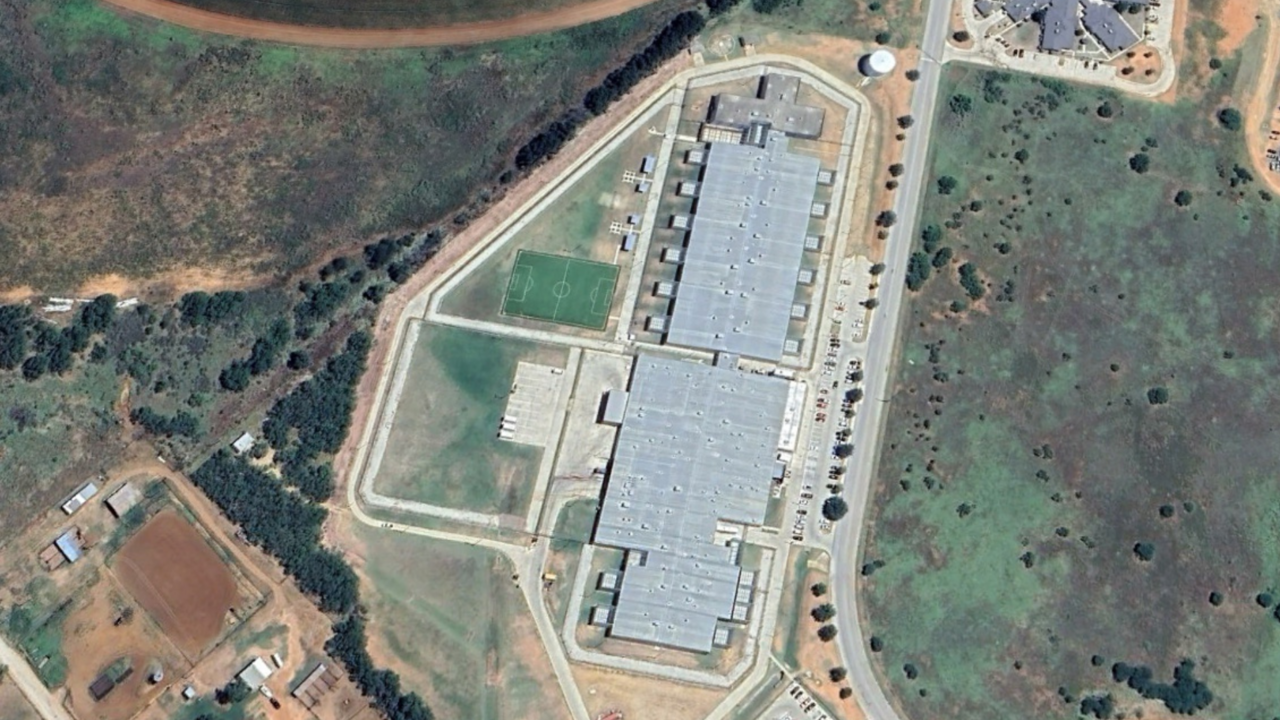
This is a 2023 satellite image of the South Texas ICE Detention Facility, where our Observer spent six days in solitary confinement. © Google Earth

“The worst days of my life” – that’s how “John” (a pseudonym we use to protect his identity) describes his stay in solitary confinement.

The man, a Latin American national in his twenties, said he spent six days in isolation while requiring medical care at an ICE detention facility in South Texas. Speaking in a video call from Latin America, where he currently lives, he told our team:

“I was in a place where I was alone. It was horrible. I didn’t have the right to do anything. I was allowed to go out for one hour in a very small place with a basketball hoop. It was a cell too, where I would be by myself."

Solitary confinement – which ICE refers to as “segregation” – is the isolation of a person in a small, individual cell without meaningful human contact for 22 hours or more per day.

Amid an intensifying immigration crackdown since President Donald Trump’s inauguration on January 20, human rights groups are sounding the alarm over the growing use of this practice by US Immigration and Customs Enforcement (ICE) – and the psychological impact on thousands of detainees.

Since Trump’s inauguration, authorities have arrested more than 220,000 people, according to data published by The Guardian. Some 59,760 were in detention as of September 22, 2025, compared with 39,700 in mid-January 2025, just before Trump took office.

Between December 2024 and the end of August 2025, the number of ICE detainees who spent at least a day in solitary confinement increased by 41%, according to an analysis by nonprofit news organisation The Marshall Project and Spanish-language network Univision. The analysis found that in August, more than 1,100 ICE detainees had spent time in solitary.

A study by Physicians for Human Rights released in September 2025 found that during the first four months of the second Trump presidency, the number of individuals placed in solitary confinement increased by an average of 6.5 per cent per month – nearly twice the average monthly increase observed from 2018 to 2023. The group noted that the trend of more frequent use of isolation by ICE had started during the Biden administration.
A ‘very small room’ with a ‘very small window’

Our Observer arrived in the US legally several years ago, but later lost his visa due to a relative’s neglect. After he was arrested by ICE in 2025, he spent three days in an ICE “hold room”, where he says he slept on the ground without a blanket in a small, overcrowded space and was denied a shower. Following this, he was transferred more than 2,000 kilometres away to the South Texas Detention facility.


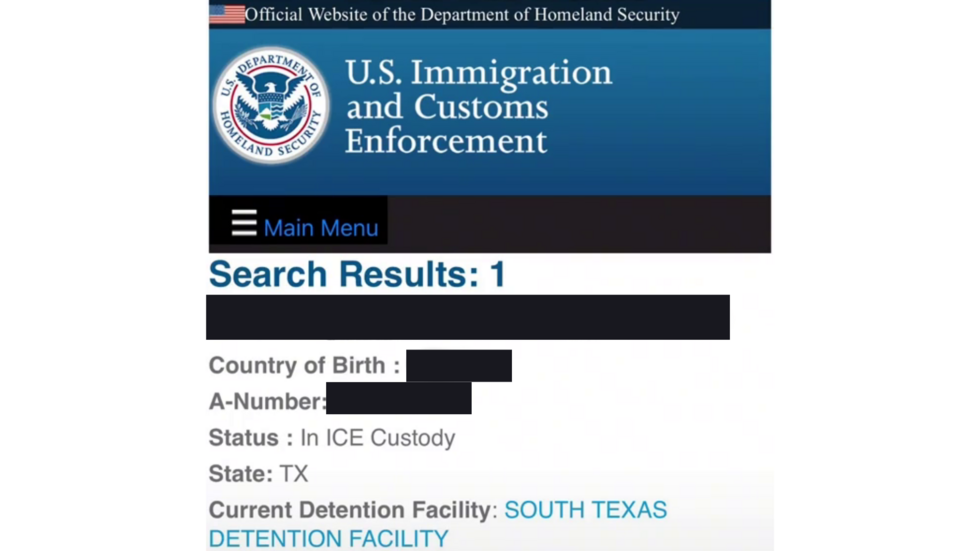
Screenshot from the ICE website showing John's location. Some information has been masked to protect our Observer's identity. © The Observers


From there, he recalls the "terrible food" and the cells holding 100 people, whose cellphones had been confiscated and had to rely on just four working phones for outside calls. But it was in solitary confinement that he claims he "ended up losing [his] mind".

John claims he was put in solitary confinement after he developed a painful rash, and the medical unit nurse couldn't identify it. He says he then spent a whole day in isolation without seeing a doctor.

In a call to his girlfriend, which she recorded and shared with the Observers team, John said, while sobbing, that a doctor was supposed to visit but hadn’t arrived. John said he was worried that he had been forgotten.

He was finally sent to the medical unit the following day, where he was examined and spent two days. However, he was then returned to solitary confinement, because, he says, there were too few beds in the medical unit, and people in worse condition than him. He was released from solitary five days later.

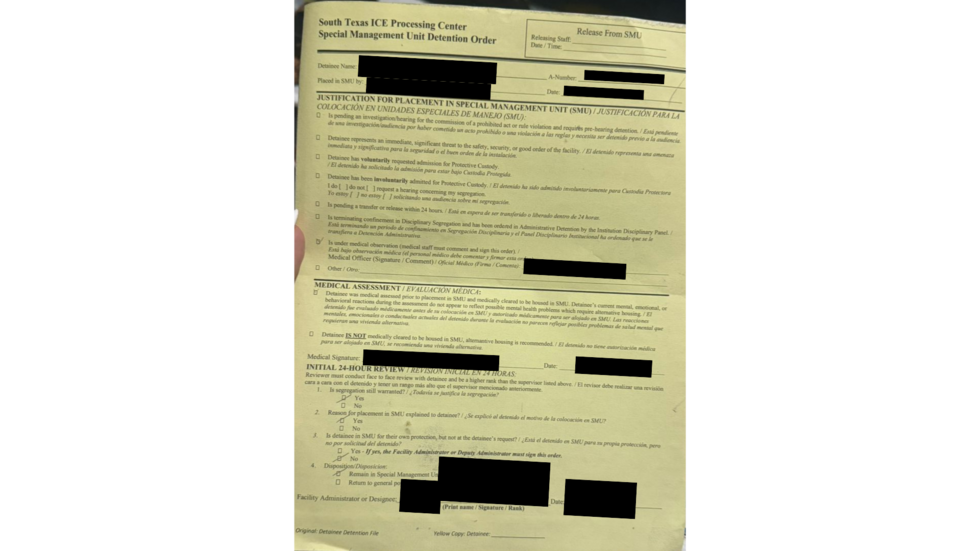
This is the form John received when he was put in solitary confinement. The term "Special Management Unit" (SMU) is ICE's designation for solitary cells. It indicates John has been placed in an SMU because he “is under medical observation”. © The Observers


John and the other detainees referred to the solitary cells as "el pozo", Spanish for "the well". He described it as follows:


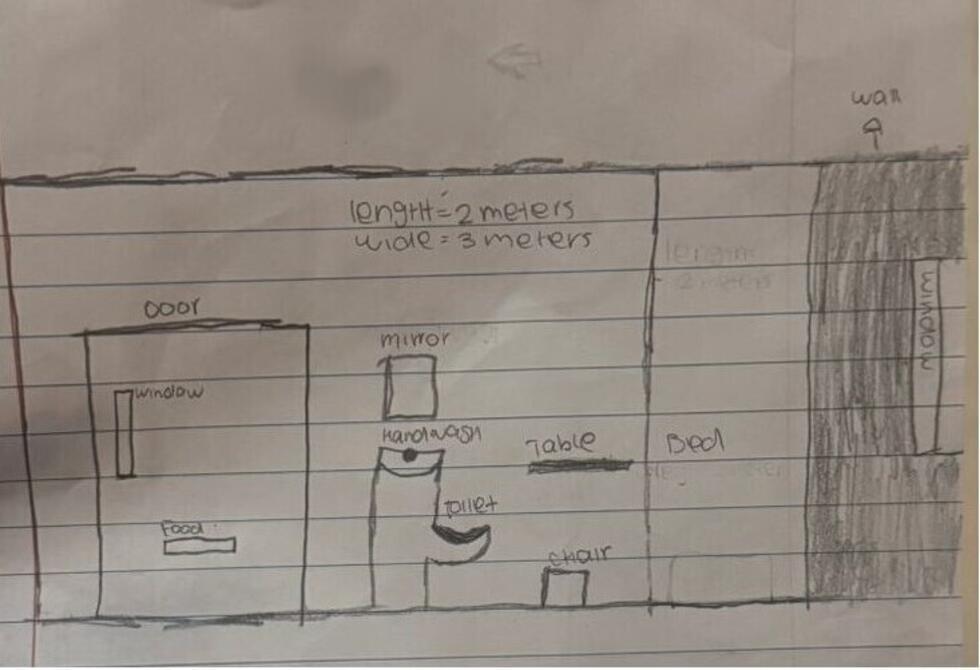
“It was a very small room: about 4 feet [1.2 metres] long and 8 feet [2.4 metres] wide. There was a toilet and a sink on top; one bed and a thin mattress; and a very, very small window. The window was above me, so I couldn't even see what was behind.

There was no space for anything. There was only a small space on the door where they were able to pass me the food.

It was just horrible. It was very, very cold. Sometimes, when I tried to sleep, I couldn't because it was too cold.”

The company operating the South Texas Detention Facility does not release photographs of the interior of the cells. ICE also declined our request for images. John made this drawing showing the solitary cell he was held in. © The Observers

‘They wouldn't change my clothes’

Contacted by the FRANCE 24 Observers team, ICE referred us to a directive originally issued in 2013. It indicates: “ICE shall ensure the safety, health, and welfare of detainees in segregated housing in its immigration detention facilities.” The document outlines two reasons for the use of segregation: “administrative segregation” for the safety of the detainee or other detainees and “disciplinary segregation” as punishment for “serious misconduct” following a hearing.


“At some point, the doctor went to solitary confinement and explained to me why I was there and that I was only going to be able to get out of there once I was healed. But it took me more time being there because they didn't give me medicine. The doctors only came every other day.

When you are in solitary confinement, they take everything that people may use to kill themselves. You are not allowed to have medicine. Because that place is horrible, officers are scared that people might take a lot of pills.

They wouldn't change my clothes. I spent several days in the same clothes. It was horrible.”

In a call to his girlfriend recorded just after he was sent back to solitary, he said he was receiving no medical care. He can be heard banging on the door and asking the guards to bring him medicine.

Regarding John’s allegations that he lacked adequate care during his stay, the ICE spokesperson said that without further information, the agency could not comment on his case.
This is a 2023 image of the entrance of the South Texas ICE Detention Centre by Google Street View. © Google Street View

‘I felt helpless’

John’s girlfriend, Lina (a pseudonym), is a Latin American national who now lives with John in his home country. She recalls the day she received his first call from solitary:

“ That day, he called me at 8am. I answered, and he said to me, ‘I need you to start recording this.’

I was desperate because he was again crying and asking me for help. And I felt helpless.

I called the centre asking them: ‘Hey, this person needs a new set of clothes.’ They would only say, ‘Oh, yeah, we're going to do it.’ And then [John] will call me, saying that he's been wearing the same clothes. He sweated for several days. His wounds were open, and he was sweating. So it made it worse.”

Just like John, dozens of detainees served one or more days in “segregation” each month at the South Texas Detention Facility in 2025, according to ICE data. In August, for instance, 129 individuals spent time in solitary. The centre has a capacity of 1,904 according to Geo Group, the company that operates the facility.

‘Inside the solitary cell is where I ended up losing my mind’

Solitary confinement also impacted John’s immigration fate:

“I was supposed to wait a few more weeks in detention because, as I came to the US with a visa, I was fighting my case [to remain in the US]. But because I was in solitary confinement, I ended up losing my mind, and I ended up requesting my bond hearing.”

A bond hearing – a court proceeding to determine if a defendant can be released from jail before trial – was scheduled while John remained in solitary confinement. His virtual presence at the hearing was granted after his girlfriend made numerous calls to both the detention centre and the court. However, his bond was denied.

That same day, he was supposed to face the first hearing of his removal proceedings. But he claims he was not allowed to attend, even virtually: “Those things started to let me down emotionally.”

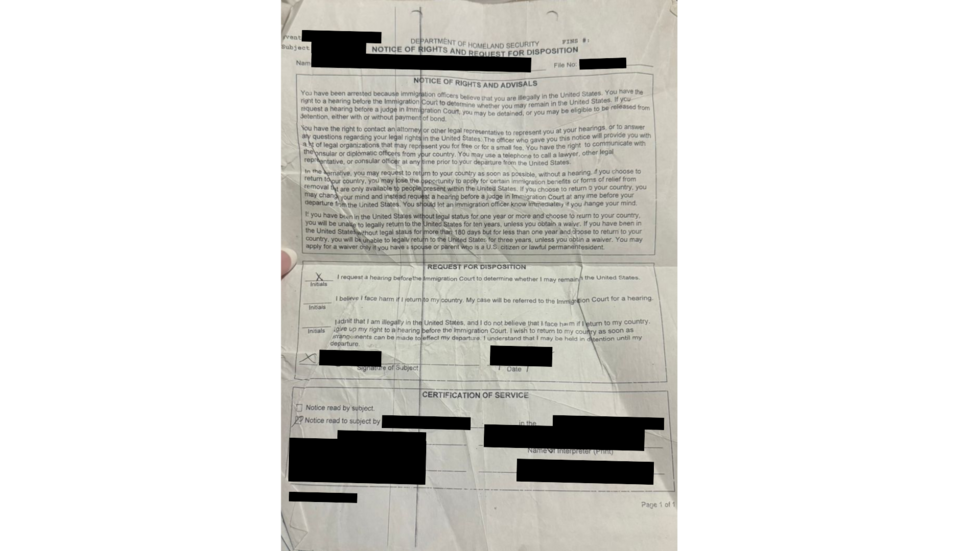
The document John received when he was arrested shows he requested “a hearing before the Immigration Court,” indicating his intent to fight his deportation case. © The Observers


Following the bond rejection, he decided to drop his efforts to stay in the US. He cited the time spent in solitary confinement as a factor in his decision to agree to be deported to his home country.


“Emotionally, I was drained. Most of the other detainees from my country decided to give up too, and in my detention centre, ICE was not letting people get out. So nobody was released from detention except if they were deported. There were people who were in that place for over a year, and I didn't want that.”
‘I have nightmares’

The United Nations has said that holding a person more than 15 days in solitary confinement constitutes torture – a threshold ICE frequently exceeds, according to the September 2025 report.

Focusing on the northeastern United States, the study found that nearly three-quarters of solitary confinement placements exceeded the 15-day limit. The report referred to the “systemic use of solitary confinement for arbitrary and retaliatory purposes, including punishing people for filing grievances; requesting basic needs like showers; sharing food; or reporting sexual assault”.

The detrimental health effects of prolonged solitary confinement have been extensively documented, spanning everything from posttraumatic stress disorder to self-harm, higher suicide risks, and hallucinations.

However, research shows that even brief periods of isolation can be detrimental to an individual's mental health.

Months after his release, John remains haunted by his stay in that cell.

“I have a lot of nightmares. Sometimes, when I lie down, I close my eyes, and then I remember solitary confinement or the detention itself. I will feel physically in that place. I try not to think about that, but sometimes it's very hard because the picture is on my mind. I will feel the same way I did when I was in solitary confinement.”

As immigration raids step up, human rights groups have been stressing the profile of those subjected to such confinement. "We are torturing people simply because they want a better life in the US," said Sam Zarifi, executive director of Physicians for Human Rights, to American news website Axios.