Monday, October 27, 2025


Earthquake data could hold the key to predicting Mount Etna’s next eruption, study finds
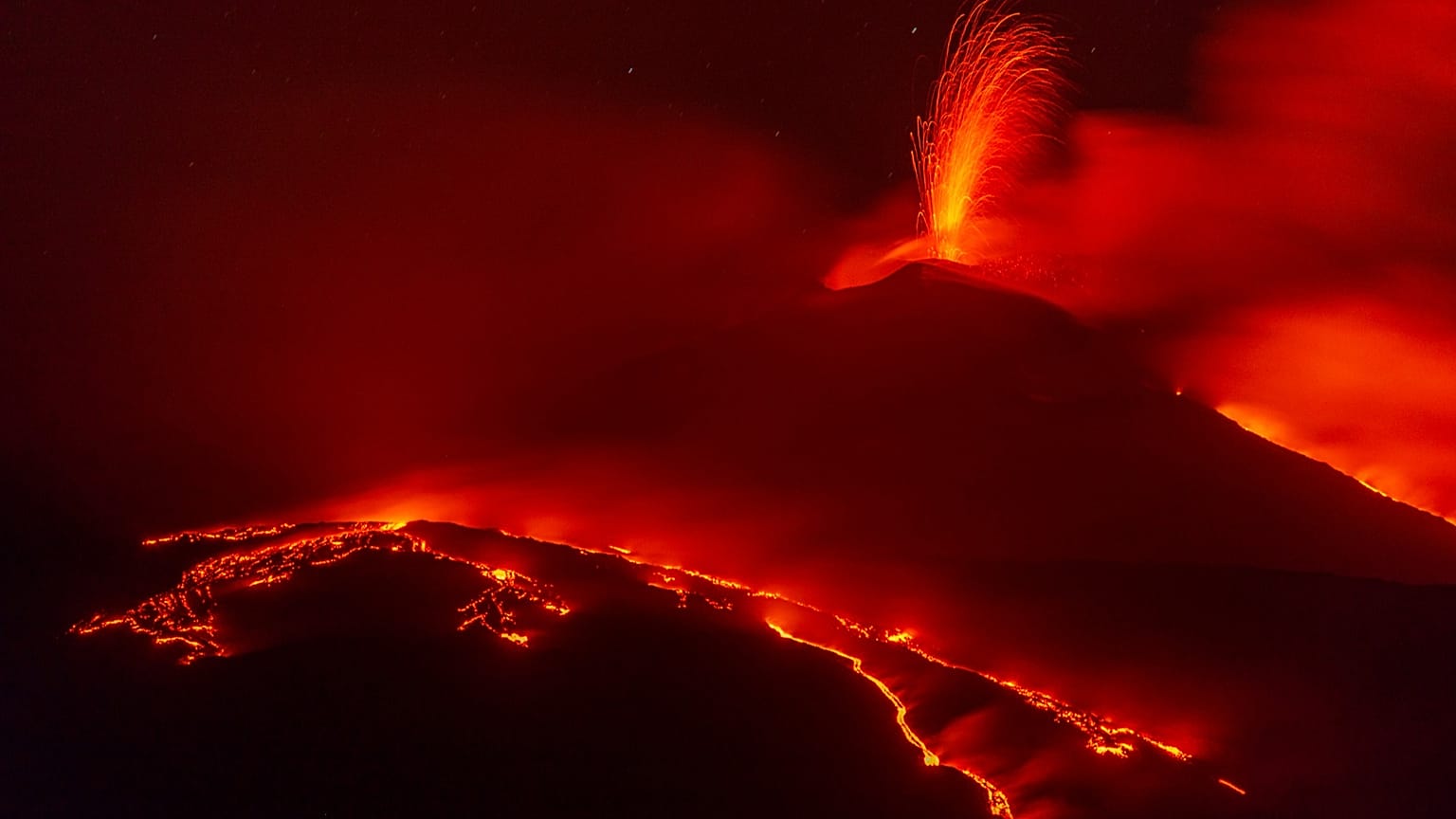
Eruptive activity on Mount Etna
Copyright Copyright 2025 The Associated Press. All rights reserved.

By Hannah Docter Loeb
Published on 

New research shows earthquake patterns can help forecast Mount Etna eruptions

Mount Etna is one of the world’s most active volcanoes. Located on the east coast of Sicily, it erupts multiple times per year - most recently in June this year.

While it is somewhat possible to predict eruptions, a new study publishedin Science Advances proposes a new prediction method that analyses earthquake patterns. It could allow for earlier and better preparedness.

How to predict volcanoes

Scientists currently monitor Mount Etna by looking at seismic, geological, geophysical, and geochemical data, especially how magma moves in the upper crust. From this, they are able to get a sense of whether the volcano will erupt shortly, as when magma erupts on the surface, it becomes lava. But oftentimes, there’s not a lot of time between an alert and aneruption.

This new study offers a different paradigm: looking at earthquakepatterns and magma movements on a deeper level.

Earthquakes and volcanoes are often interconnected. Earthquakes occur along tectonic plate boundaries, and Mt. Etna is situated right at the meeting point of the African and European tectonic plates. Small and big earthquakes affect the volcano’s magma movement, potentially influencing the eruption

A new method

The study, conducted by researchers National Institute of Geophysics and Volcanology, analysed two decades' worth of earthquake data from Mount Etna.

Researchers honed in on the “b value,” which basically assesses the proportion of small to large earthquakes. They found a correlation between volcanic activity and b value: the ratio changed as the magma rose through the crust. By plotting the “b value” over time, they could identify some early signs of volcanic eruption.

“Our results show that monitoring the b value over time offers a valuable opportunity to track magma movements from deep to shallow portions of the plumbing system and could be integrated into Etna’s multiparametric surveillance system to improve the assessment of impending eruptions,” the authors write.

Avoiding catastrophe

Earlier and more accurate prediction is crucial for the communities surrounding Etna. According toNASA, nearly one-third of Sicily’spopulation lives along the slopes of the volcano. June’s eruption saw ash plumes of 6.5 kilometres.

The authors see this new method as a way to avoid catastrophe, both at Mount Etna and other similar volcanoes.

“The b value could be used as an eruption precursor for other volcanoes where a sufficient number of earthquakes is available, ultimately leading to better management of volcanic hazard and public safety,” they write


Why earthquakes sometimes still occur in tectonically silent regions


Utrecht University

Distribution of natural and induced earthquakes 

image: 

Global distribution of natural and induced seismicity. Natural earthquakes with moment magnitude higher than 5 are color-coded according to their hypocenter depth (upper right colorbar, U.S. Geological Survey (USGS) catalog, year 2021). Induced earthquakes are plotted with red markers. Injection-induced, extraction-induced, and events with unclear causes are marked by different markers (bottom right legend, Human-Induced Earthquake Database (HiQuake) catalog, till 2022, note that the catalog is not exhaustive).

view more 

Credit: Utrecht University/Nature Communications


Earthquakes in the American state of Utah, the Soultz-sous-ForĂȘts region of France or in the Dutch province of Groningen should not be able to occur even if the subsurface has been exploited for decades. This is because the shallow subsurface behaves in such a way that faults there become stronger as soon as they start moving. At least that is what geology textbooks teach us. And so, in theory, it should not be possible for earthquakes to occur. So why do they still occur in such nominally stable subsurfaces? Geosciences researchers from Utrecht University considered this question. They discovered that as a result of millions of years of inactivity, extra stress can build up on the faults which can result in a single release. This research, recently published in the journal Nature Communications, is vitally important in the search for safe locations for applications such as geothermal energy production and energy storage.

“Faults can be found almost everywhere. Faults in the shallow subsurface are usually  stable, so we do not expect shock movements to occur along them”, says Dr Ylona van Dinther, who supervised the research. Nevertheless, shock movements often do occur in the stable first few kilometres of the subsurface. In such instances, we generally find a correlation with human activities. What exactly explains that paradox of shallow faults, which become stronger with movement, but then suddenly become weak and are subsequently released with a tremor?

Inactive faults heal slowly

Induced earthquakes (those caused by human activities) often take place on inactive faults that have not moved for millions of years. Although these faults do not move, we still observe a very slow growth of the surface that connects them. This sort of ‘fault healing’ gives rise to additional strength. It is this extra fault strength that can cause an acceleration once a fault has been set in motion. This acceleration is what causes earthquakes to occur in stable subsurfaces, despite textbooks telling us that this ought not to happen there.

Shallow

As such areas do not have a history of earthquakes, the people living there are more at risk as infrastructure has not been built to withstand earthquakes. “Furthermore, these earthquakes take place at a depth where human activities occur, in other words, no more than several kilometres deep. That is considerably less deep than the majority of natural earthquakes.” Therefore, they can be more hazardous and cause more ground shaking.

Lack of recurrence reduces earthquake risk

Interestingly, this potential acceleration, in the form of an earthquake, occurs only once. As soon as that extra fault strength, which has been built up over millions of years, finds a way out, the situation becomes stable again. “As a result, there is no more earthquake activity at that spot”, states Van Dinther. “This means that, although the subsurface in such areas will not settle immediately after human operations stop, the strength of the earthquakes — including the maximum expected magnitude — will gradually decrease.” If faults do indeed become stronger when they move, then these already broken pieces will quietly slip past each other, and in doing so, act as a barrier. That makes it harder for earthquakes to increase in size. This makes it possible to lower the estimated risk of an earthquake, as this risk is primarily determined by the maximum magnitude of an earthquake.

Lessons learned for future sustainable subsurface use

These findings also have important implications for the future use of the subsurface. On the one hand, earthquakes, contrary to what was previously assumed, can indeed occur on faults in more stable subsurfaces. However, these earthquakes only occur once on a single fault. Subsequently, the situation becomes safer once the fault has moved, whether through an earthquake or gradual slipping. That being the case, we need to gain a deeper understanding of the behaviour of faults (will they accelerate or slow down?), the role of fault healing, and how this translates into movements on the fault. Then we will also be able to better estimate and anticipate one-off risks, and improve how we communicate this information. Utrecht University is already taking the first steps in this direction with new calculation models.

Putin terminates plutonium disposal agreement with US

Moscow (AFP) – Russian President Vladimir Putin signed a law on Monday terminating an already defunct plutonium disposal agreement with the United States that aimed to prevent both sides from building more nuclear weapons.


Issued on: 27/10/2025  RFI

Putin had already suspended Russia's participation in the agreement in 2016
 © Alexei Babushkin / POOL/AFP

The move comes as ties cool between Putin and US President Donald Trump, who has expressed mounting frustration at his Russian counterpart for refusing to accept a peace deal in Ukraine.

Trump scrapped plans for a peace summit with Putin last week, saying it would have been a "waste of time", and ruled out rescheduling unless the Russian leader sent signals he would agree to a deal.

The Plutonium Management and Disposition Agreement, signed in 2000 and amended in 2010, committed Moscow and Washington to reduce their vast Cold War-era stockpiles of plutonium by 34 metric tonnes each and use it for nuclear power instead.

US officials estimated the agreement would eliminate the material needed to produce the equivalent of around 17,000 nuclear weapons.

Putin had already suspended Russia's participation in the agreement in 2016, when ties were fraying with Trump's predecessor Barack Obama.

The law that Putin signed on Monday, approved by Russian lawmakers earlier this month, is a formal "denunciation" of the agreement.

Western leaders have accused Russia of nuclear sabre-rattling since it sent troops into Ukraine in February 2022.

Days after launching the offensive, Putin put his nuclear forces on high alert, and last year the Russian leader signed a decree lowering the threshold for using nuclear weapons.

On Sunday, Putin announced Russia had launched a successful final test of a new nuclear-powered cruise missile.

© 2025 AFP


Polio vaccination rates fell in Europe and Central Asia last year. Here's why the WHO is concerned

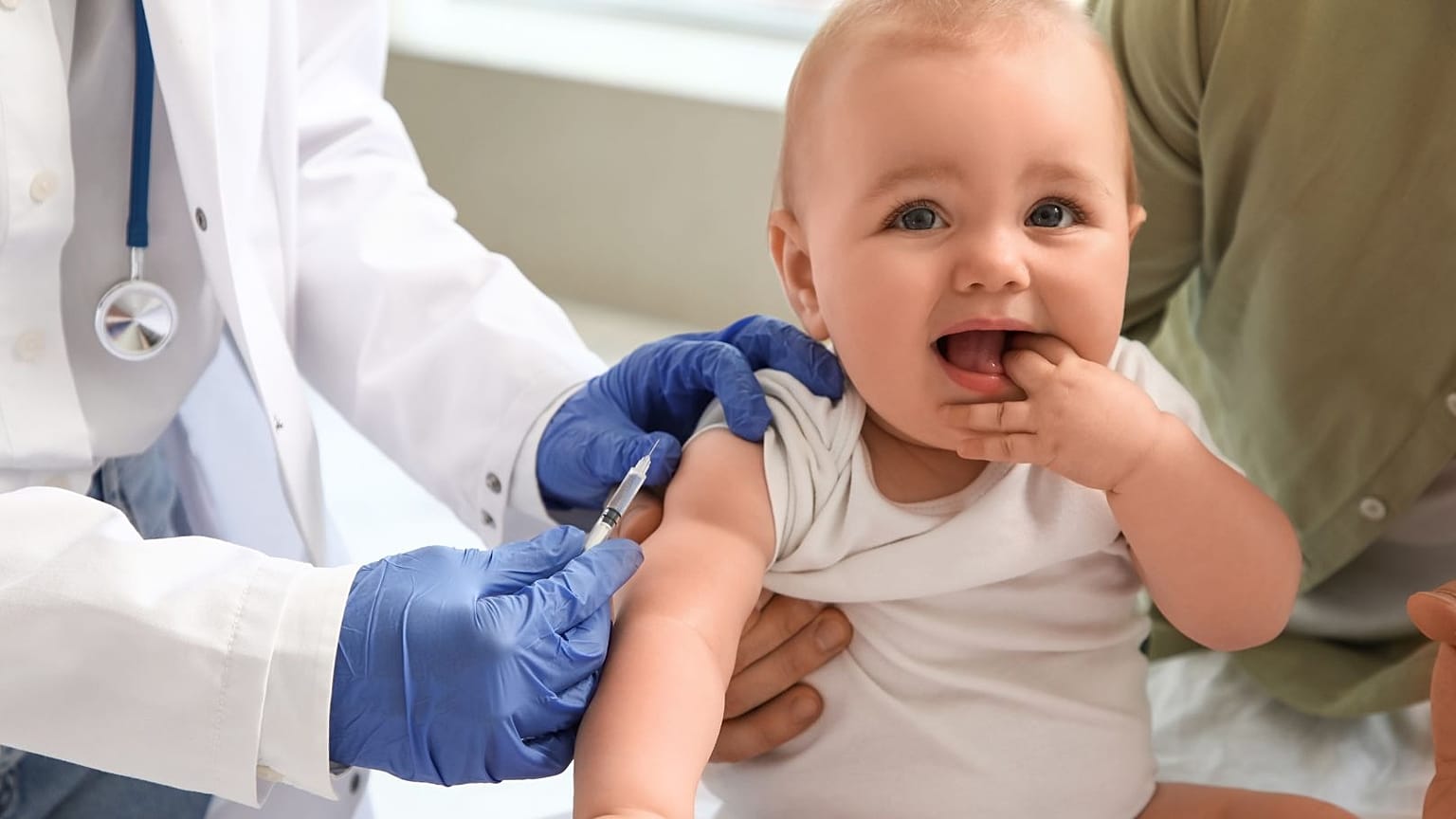
A health worker prepares to give a baby a vaccine.
Copyright Canva

By Gabriela Galvin
Published on 

Global health officials said efforts to maintain Europe’s polio-free status ‘continue to be challenged’.

Polio vaccination rates fell across Europe and Central Asia last year, leaving about 450,000 babies vulnerable to the highly contagious disease, according to the World Health Organization (WHO).

Poliomyelitis, known also as polio, can invade the nervous system, causing paralysis in severe cases. While it once paralysed 350,000 children per year globally, massive vaccination campaigns have nearly wiped it off the planet.

The European Centre for Disease Prevention and Control (ECDC) recommends that at least 90 per cent of people are vaccinated against poliovirus to protect against its spread.

Europe is still there. In 2024, the polio vaccination rate was 93 per cent in the WHO’s European region, which includes 53 countries in Europe and Central Asia. But that is the lowest level since 2017, amid a concerning decline in routine childhood immunisations more broadly.

Coverage is also much lower in some countries, such as Romania, where 79 per cent of people had the third dose of the poliovirus vaccine last year.

The region has not seen a regular spread of the virus since it was declared polio-free in 2002 – but the WHO said efforts to eliminate polio globally and maintain Europe’s polio-free status “continue to be challenged”.

Poliovirus has been detected in the sewageof six European region countries since last autumn, most recently in Germany in September 2025. The other countries include Finland, Israel, Poland, Spain, and the United Kingdom

These countries’ vaccination rates are high enough that no actual polio cases or community spread have been detected. But public health experts say that when pockets of people are unvaccinated, it creates opportunities for the virus to take hold.

“Gaps in immunisation coverage leave children vulnerable and present a health security risk to our region and beyond,” Ihor Perehinets, who leads health security and regional emergency work for WHO’s Europe office, said in a statement.

According to ECDC estimates, about 600,000 one- and two-year-olds may not have received a full course of polio vaccination in 2022 and 2023.

Poliovirus is still present in other countries – notably Afghanistan and Pakistan, the only two countries where it is still endemic – so there is always a risk that cases could be imported to Europe and begin to spread among unvaccinated people.

WHO officials called for stronger polio surveillance worldwide, as well as reinvigorated efforts to boost immunisations and respond quickly to the virus when it is detected.

“We must not return to a time when polio regularly threatened lives and overwhelmed health systems,” Perehinets said.


‘Most people don’t know it exists’: Europe’s last healthy flat oysters at risk, researchers warn

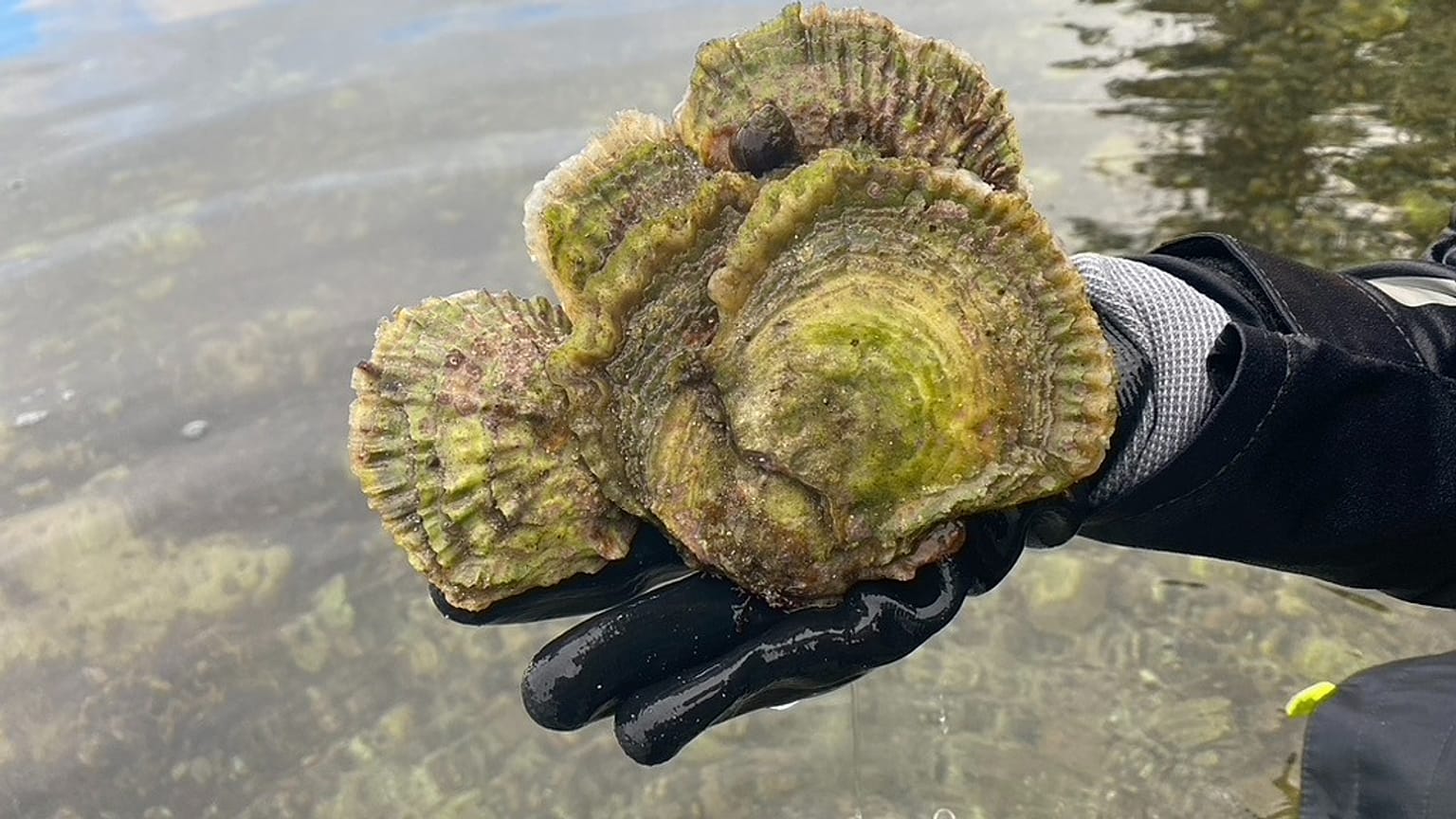
A flat oyster
Copyright Molly Reamon

By Hannah Docter Loeb
Published on 

Norway has one of the last disease-free populations of flat oysters.

Flat oysters are in trouble. Once abundant in Europe, overharvesting, disease, and invasive species have threatened populations across the continent.

Some of the few remaining naturally occurring disease-free populations are in Sweden and Norway.

Recently, the Norwegian Directorate of Fisheries published a proposal to protect flat oysters in Norway. But local researchers believe more needs to be done to curb harvesting and ensure healthy populations remain intact.

The plight of the flat oyster

Flat oysters are native to Europe, and have been common in the region since prehistory.

“We can't even comprehend how abundant it was,” says Philine Zu Ermgassen, an independent consultant and Honorary Researcher at the University of Edinburgh who has spent the past decade working on flat oyster restoration in Europe. She and her team have done historical analyses and found that there were once tens of hectares of dense reefs with oysters “piled upon each other”.

However, around the 17th century, humans began to overharvest them, especially as royalty gained a newfound respect for the mollusc.

“When the French kings discovered oysters, all of a sudden it went from being a poor person's food along the coastal areas to food for nobility and the French kings,” explains Ane Timenes Laugen, a professor of marine ecology at the University of Agder (UiA) in Kristiansand, Norway. “Then all of a sudden, there was much more overexploitation.”

This overexploitation continued throughout the centuries: the majority of oysters in Europe declined as a result of overharvesting. To add insult to injury, in the 1980s, a parasite was introduced that has decimated flat oyster populations across Europe.

Now, only a few healthy populations remain, primarily in Sweden and Norway. A recent survey in southern Norway, conducted by researchers at the UiA and not yet published, assessed 373 different locations in Norway. They found flat oysters in only about a third of sites, and only one per cent of the locations were densely populated, hinting at the species’ vulnerability.

And while flat oysters were recently reclassified from “near threatened” to “least concern” on the Norwegian Red List, researchers and the Directorate believe this classification undermines conservation efforts by reducing the perceived urgency to act.

“There is a clear understanding that this is a species worth preserving, and that local measures may be necessary to secure healthy and resilient populations,” says NjĂ„l (Njaal) Wang Andersen, Senior Adviser at the Norwegian Directorate of Fisheries, Section of Fisheries Management and Regulations.

‘A unique international responsibility’

While some flat oysters are eaten, these oysters are not usually the ones found in restaurants. But that doesn’t mean they aren’t crucial critters. Like other bivalves, they are filter feeders, helping to clean the ocean’s water. They also fall under the banner of ecosystem engineers or organisms that have a large impact on their habitats.

“Most people don't recognise it as a species, but even fewer people recognise it as a habitat builder,” says Ermgassen.

Oysters form reefs that are important habitats for other species.

“They're making animal forests and or structures that create habitat for other species, for hiding or for settling down,” says Johanna Marcussen, a PhD research fellow at the university. “When you pick up an oyster reef, there's a lot of life.”

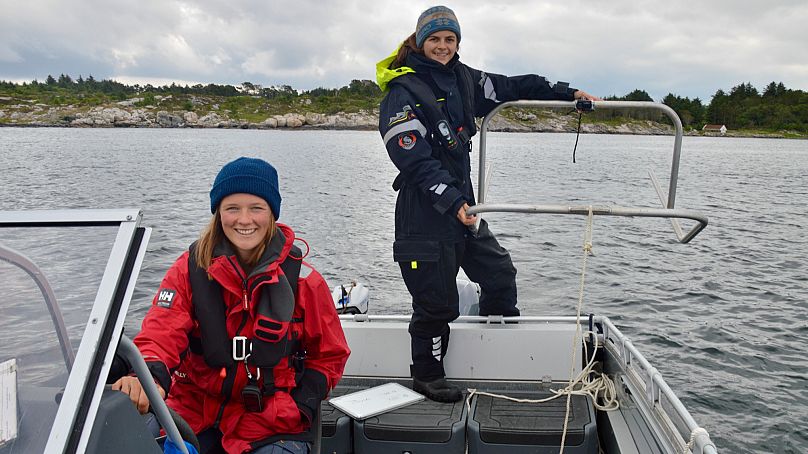
Molly Reamon and Johanna Marcussen map oysters along the Norwegian coast using an underwater video sled. Ane Laugen

Naturally formed oyster reefs are also very rare nowadays. In these reefs, the oysters are present not just as a species, but as a habitat. Ermgassen explains that there are reef-building populations on a small scale in France, Scotland, and Ireland, but Norway stands out.

“It's really rare to find populations where you get 50 or more oysters per square metre, Norway's pretty unique for that,” she says, noting that these habitats are “worth cherishing.”

There are efforts across Europe to preserve and restore flat oysters. But UiA researchers believe Norway has an international responsibility to conserve its populations.

“We host some of the last remaining reefs or the habitat of the flat oysters,” says Molly Reamon, a doctoral candidate at UiA. “It's super rewarding to work with.”

The key to oyster preservation

Currently, Agder is a “no take zone,” meaning that harvesting is completely banned. The Institute of Marine Research has a strict surveillance program to monitor the oysters and check for disease progression.

The Norwegian Directorate of Fisheries also recently released aproposalthat includes measures for future protection, namely adding one more “no-take zone,” partially banning fishing in two small areas.

“We're happy that the fishery directorate are doing something, but it's far from enough,” says Marcussen.

The UiA researchers are pushing for more awareness, preservation, and also data. While they commend the proposal of the fisheries, they still see the need for even more comprehensive measures. Protected areas should be more widespread as connectivity is important for oyster restoration.

“You can't just restore little habitat patches, they're not resilient enough,” explains Ermgassen, who was not involved in the proposal. “If we're talking about ecosystem recovery, we need populations, reefs to be connected over space so that they can interact with one another,”

The UiA researchers are also calling on the fisheries to enact a more national or regional harvesting ban. This could last anywhere from three to ten years, and would ensure the already diminishing healthy population doesn’t decrease even more before there is sufficient data.

As Andersen explains, they chose the one area because it has one of the densest and most unique populations, whereas other areas have no indication of overharvesting. “Enforcement of a full ban would be difficult and not necessarily justified,” he says

The directorate has not yet concluded the matter, as they will need time to review the public comments before submitting a final recommendation to the Ministry of Trade, Industry and Fisheries. He stresses that the Directorate’s legal authority is limited to regulating harvesting activity. If protection is needed against other pressures, such as development, pollution, or traffic that falls under the competence of environmental authorities.

“Our goal is to apply proportionate and knowledge-based regulation: strong enough to protect the species where it is most at risk, but also practical and enforceable in areas where populations are stable and not under harvesting pressure,” he wrote in an email to Euronews.

Beyond tangible restrictions and actions, the UiA researchers stress that reputation is also important. People often confuse the flat oysters with the invasivePacific oysters, which can wreak havoc on ecosystems.

“They have this very negative association with the Pacific oyster, and then they automatically have a very negative association with oyster in general,” says Reamon. “Most people in Norway don't know that flat oyster exists.”

Climate change is making oat cultivation viable in Northern Europe 

By
Aurora Velez
Published on 27/10/2025 - 


Climate change is making oat cultivation viable in the Northern Periphery and Arctic. Researchers from Finland, Iceland, Ireland, Norway and Sweden are testing 400 oat varieties to see which ones are best suited to the current Arctic climate and to promote their production in Northern Europe.

Climate change is making cereal cultivation viable in areas of Europe that were previously ruled out due to their extreme conditions. But the arctic climate is changing. Researchers from five countries in the Northern Periphery and Arctic are involved in OatFrontiers, a pan-European interregional project.


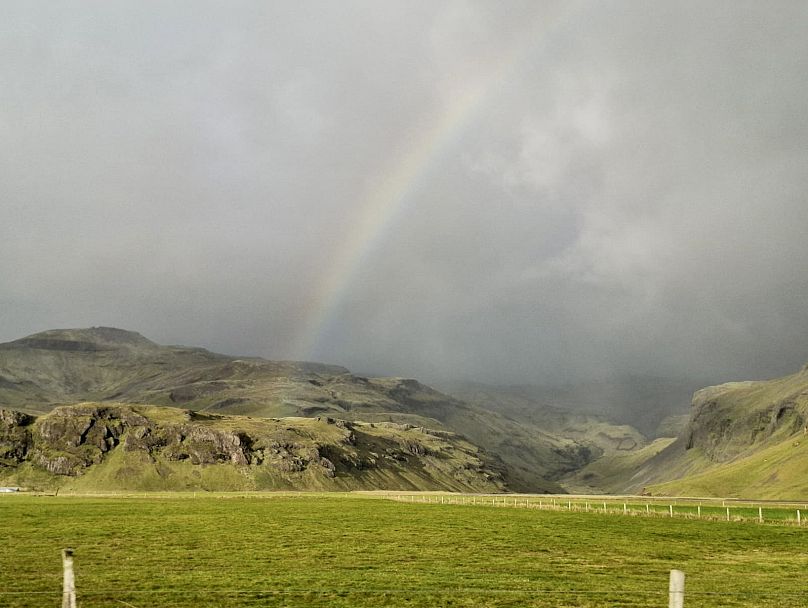
Rainbow on the way to KirkjubÊjarklaustur @goizlyonphoto (Aurora Vélez)

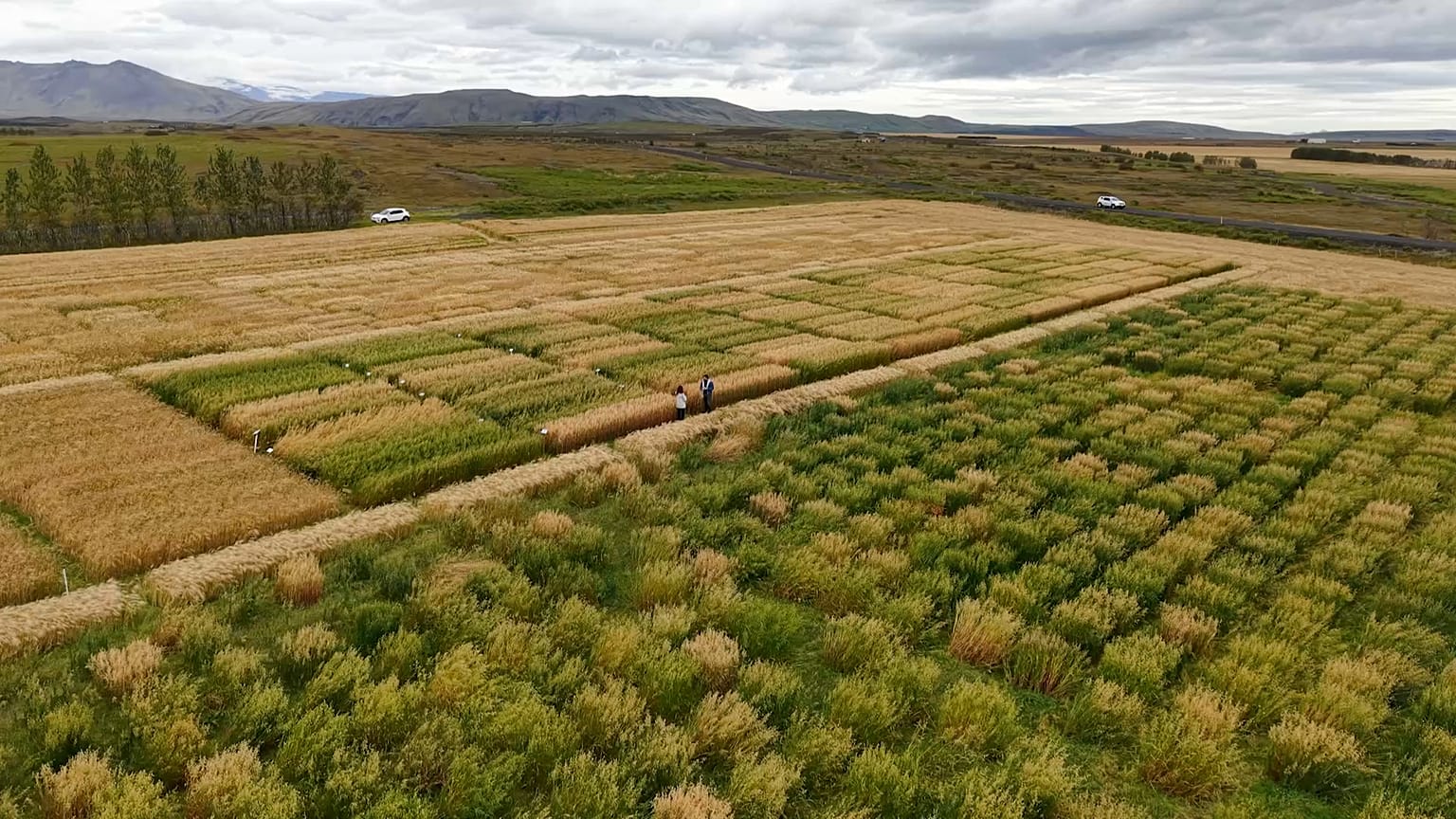
Hrannar SmĂĄri Hilmarsson, head of OatFrontiers in Iceland, explains that, in participating countries, they have tested around 400 varieties of the cereal in various control plantations, with different photoperiods and stress factors during cultivation. “We are at Gunnarsholt, in the south of Iceland, at the 64th parallel north. Here there is an oat yield test field where we test the yield of different varieties. We want to see how oats react in an extreme environment which can be very cold, snowy, very windy and even with periods of rain and drought. We want to examine the conditions and adapt oats to this latest frontier,” he explains.

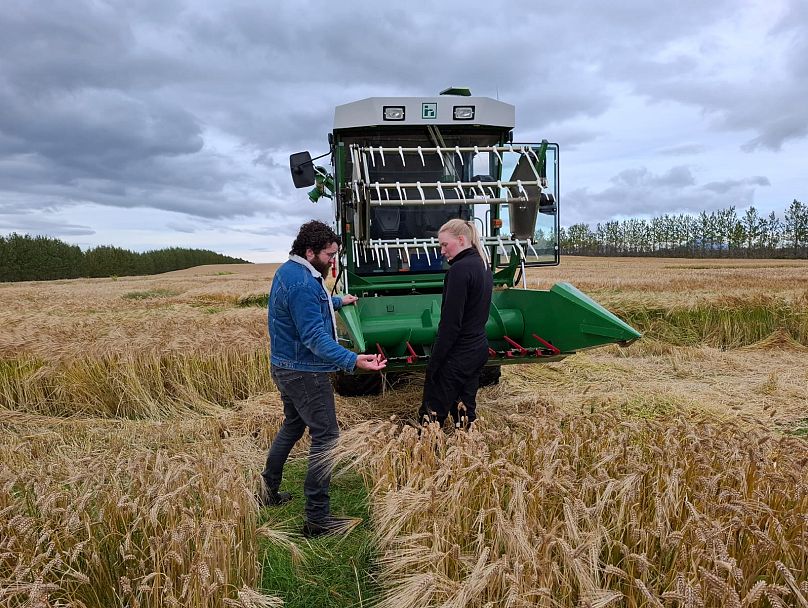
Hrannar Småri Hilmarsson and a mini harvester driver in a barley field @goizlyonphoto (Aurora Vélez)

“We want to see how oats react in an extreme environment which can be very cold, snowy, very windy and even with periods of rain and drought. We want to examine the conditions and adapt oats to this latest frontier.”
 Hrannar SmĂĄri Hilmarsson 
Head of OatFrontiers in Iceland

The idea for OatFrontiers began at the University of Agriculture in Iceland. Helga RĂșn JĂłhannesdĂłttir, a research assistant, identifies and records the properties of the different types of oats in the lab. The seeds, which are previously selected in sacks depending on each variety harvested, are weighed and measured, before and after being dried and cleaned. "Once cleaned, we know the total yield and we can calculate how many tonnes per hectare we have collected and how much each gene, each type of oat, can yield in total. Oat is a very resilient plant. It can grow in very poor conditions and still yield excellent results”,she says_._

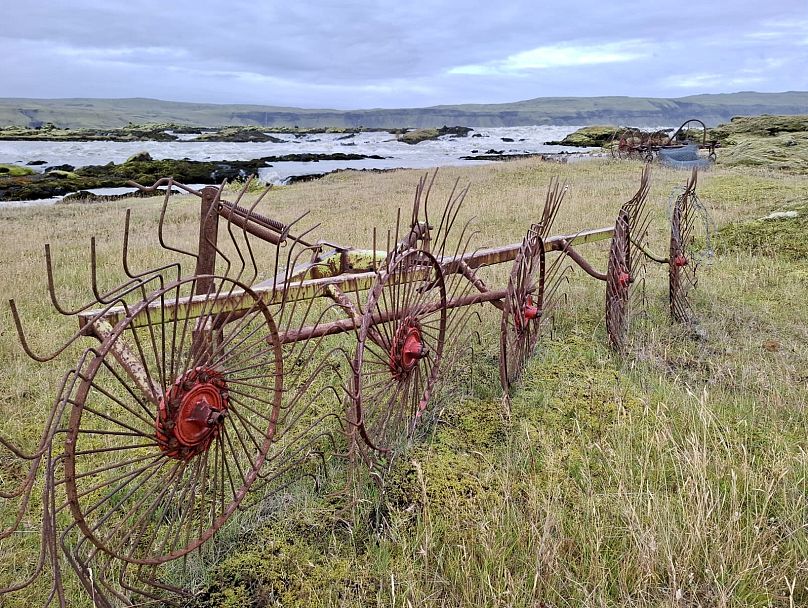
Turning plough at a river towards Nupsstadur @goizlyonphoto (Aurora Vélez)

Nordic oats: resilient and with no fungicides

Örn Karlsson started growing cereals for his livestock in southern Iceland in 2009. Today, he is the only producer in the area who sells oats for human consumption. “When you start planting oat seeds, you need a temperature above 10 degrees for 110 days, a little over three months. This year we are going to have a good harvest,” he explains. He adds that when he was a child “it often snowed in September, whereas now that never happens. It's warmer in southern Iceland”. Örn points out that in Nordic countries “the yield is lower than in warmer countries, but oats are very healthy. We don't use any chemicals, so we can produce a lot of grain. We are now using a Swedish variety, but I am sure that in the future there will be new varieties that are much larger, much better, and that is the long-term goal of this project."

“You need a temperature above 10 degrees for 110 days, a little over three months (…) The yield is lower than in warmer countries, but oats are very healthy. We don't use any chemicals, so we can produce a lot of grain. We are now using a Swedish variety, but I am sure that in the future they will bring us new varieties that are much larger, much better, and that is the long-term goal of this project”
 Ă–rn Karlsson 
Farmer, SandhĂłll, Iceland

The total budget for the project is €1.6 million; of which 60 percent has been funded by the European Cohesion Policy and the remaining 40 percent by private public contributions. Ten partners are participating in OatFrontiers from five different countries_:_ Iceland, Ireland, Finland, Norway and Sweden.

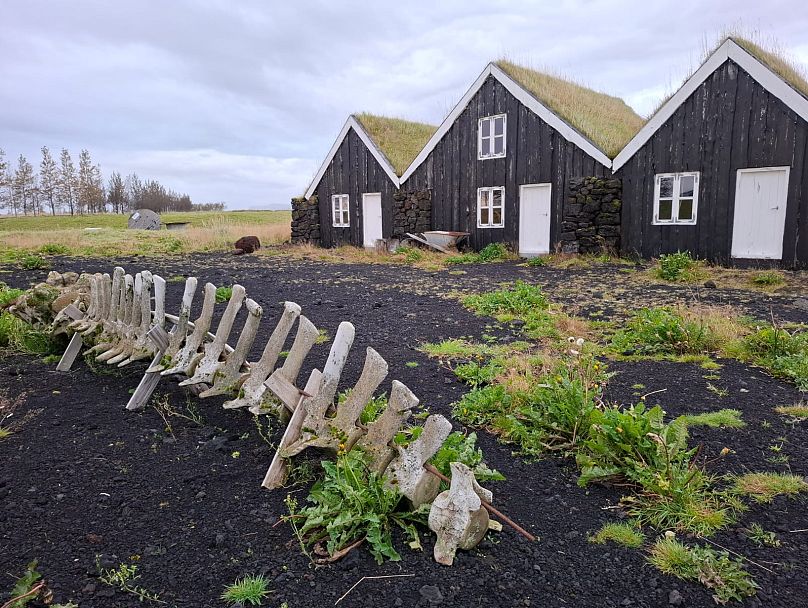
Thatch or turf house in KirkjubÊjarklaustur. This type of dwelling, which was common between the 9th and 19th centuries, was built using roots, grass and sometimes stone @goizlyonphoto (Aurora Vélez)

Compared to wheat or barley, oats are more resilient and require fewer fungicides, but how do they determine which variety is suitable for each region? Is there one variety for the entire Far North? “We call this genotype-environment interaction, and we want to know if we can find a variety that is good in all locations, or if there may be one that works well in Ireland but is not the same as the one that works in Finland or elsewhere. We don't know yet, but we will”, says Hrannar SmĂĄri Hilmarsson.

“We want to know if we can find a variety that is good in all locations, or if there may be one that works well in Ireland, but is not the same as the one that works in Finland or elsewhere. We don't know yet, but we will”
 Hrannar SmĂĄri Hilmarsson 
Head of OatFrontiers in Iceland

The project findings are scheduled to be released by the end of 2026.

Europe’s water crisis: How waste is ‘amplifying’ the climate crisis and costing millions

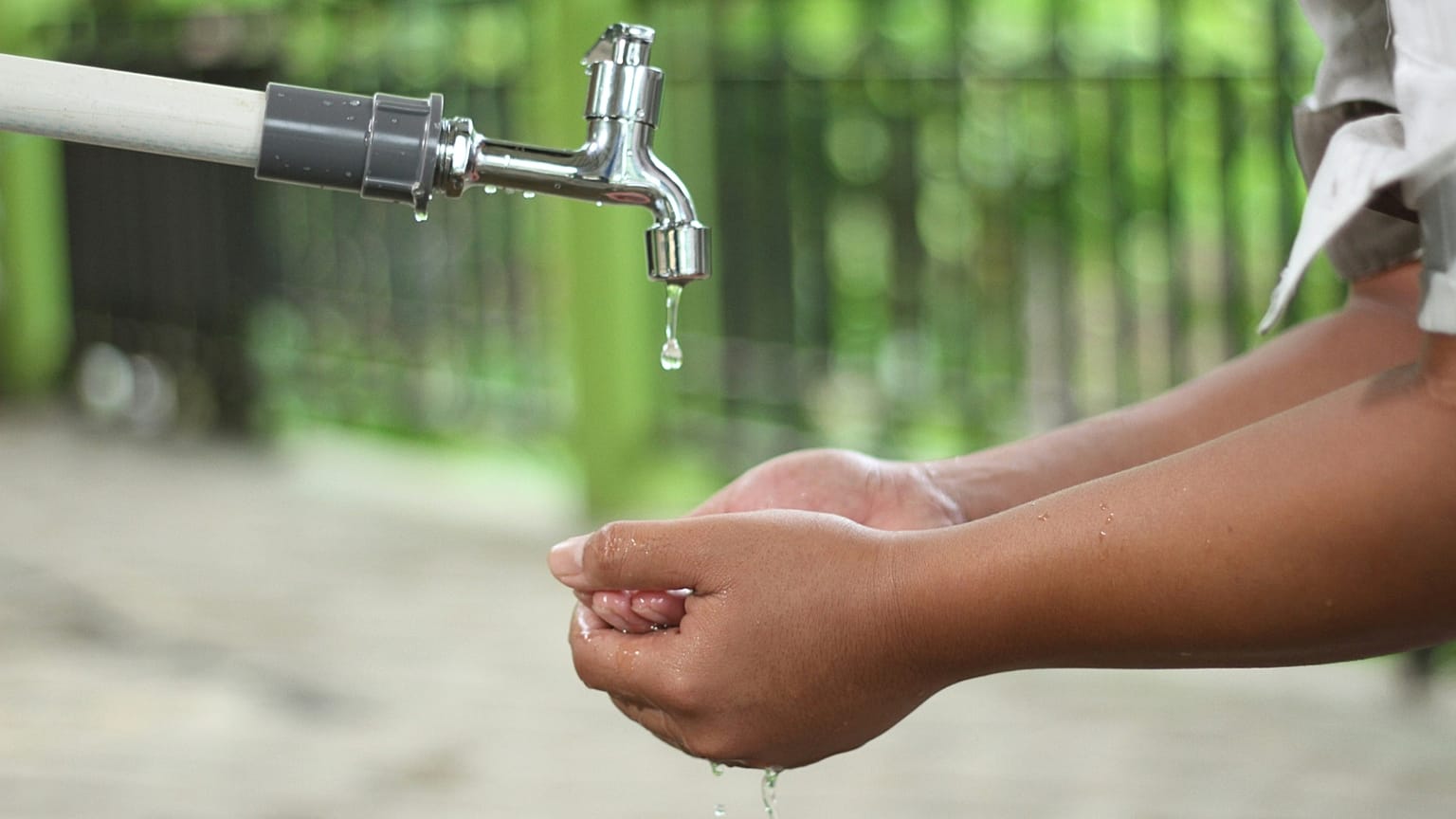
A boy washing his hands from an outdoor tap.
Copyright Gallery DS via Unsplash.

By Liam Gilliver
Published on 

Europe’s ‘strained’ energy and water system could slash GDP by up to eight per cent in high-income countries.

Water waste is “amplifying the climate crisis” and damaging economic resilience. Experts are now calling for urgent action.

A new report from Danfoss warns that the water sector’s energy consumption is expected to double by 2040, while the energy sector’s water demand could rise by almost 60 per cent.

Global water demand could also outstrip supply by 40 per cent in the next five years, adding to the 3.6 billion people who already lack adequate access to water all year round.

How are energy and water connected?

Every stage of the water cycle requires energy: from extraction and treatment to delivery and use.

As the global population grows, the demand for freshwater increases, meaning more energy is needed to pump, treat, and distribute it. Already, the energy sector accounts for around 14 per cent of global freshwater withdrawals.

This is where water is taken from natural resources like rivers and lakes for uses such as drinking, farming, making products or producing electricity. Some of the water gets cleaned and returned to nature, but much of it goes into food and products.

This mutual dependence means that stress on one system will directly affect the other. For example, energy shortages can limit water supply operations, while droughts and heatwaves risk disrupting power generation.

Experts have therefore argued that Europe can no longer afford to address these systems separately.

“How we use energy in our water system carries significant resilience and competitiveness risks,” Kim Fausing, CEO of Danfoss, tells Euronews Green.

“In Europe, far too much treated water, and the energy used to pump and treat it, is wasted through leaks and inefficiencies, posing an economic and security challenge.”

Europe’s water crisis. How much will it cost?

Ignoring inefficiencies in water and energy risks spiralling costs, and could even knock downGDP in high-income countries by eight per cent, or 10-15 per cent in lower-income countries, by 2050.

So far, global water-related challenges have already added around $9.6 billion (approximately €8.26 billion) in expenses to the power sector.

In Europe, most EU member states will need to spend between €500 and €1,000 more per person in total by 2030 on water supply and sanitation just to comply with existing water regulations.

Aside from financial impacts, the water crisis threatens public health, infrastructure stability, and geopolitical security. Limited access to affordable water or energy can fuel hardship and even conflict, especially in regions reliant on imported energy or shared water resources.

However, technological solutions that already exist could help strengthen water and energy efficiencyacross all phases of the water cycle.

“We need ambitious regulation, water efficiency targets, and incentive systems that stimulate investment in proven technologies like leak detection, smart metering, pressure management, and energy efficiency optimisation,” Fausing adds.

“Governments should consider integrating water efficiency into energy audits and set national industrial water reuse targets. Every drop saved means less energy wasted.”

Danfosssays that if all existing desalination plants (which turn seawater into drinking water) around the world were retrofitted to operate at the current technological potential, it could save €34.5 billion and reduce CO2 emissions by 111 million tonnes.

Wastewater treatment plans can also significantly reduce energy use and operational costs using variable speed drives (VSDs).

These allow motors and pumps to adjust to real-time demand rather than running at the same speed all of the time. A plant in Chennai, India, saved around 22 per cent of its energy use with this initiative.

Are data centres to blame?

Data centres are a huge culprit when it comes to water use, currently consuming around 560 billion litres of water annually.

According to the International Energy Agency, this could double to a staggering 1,200 billion litres by 2030, which is six times the EU’s total freshwater abstraction in 2022.

This sky-high water consumption is mainly due to processing units producing excess heat, which needs to be cooled down.

Liquid cooling of data centres, which rely on a closed water loop, could, however, help lower water consumption. Direct-to-chip liquid cooling systems are also at least 15 per cent more energy efficient than their air-cooling counterparts.

“The increasing excess heat generated by the powerful processing units in modern data centres not only requires operators to adopt innovative cooling methods, but it can also be reused to meet heat demand elsewhere,” the report states.

According to the International Energy Agency (IEA), waste heat from data centres could meet 10 per cent of Europe’s space heating demand by 2030.

“While the largest data centres will be placed too far away from urban areas to meaningfully use the waste heat, excess heat from data centres can meet 300 TWh of head demand for off-takers within a few kilometres distance,” the report adds.