Sunday, September 06, 2026

Sweet-stealing capitalists and the definition of kissing: The 2026 Ig Nobel award winners
Fungi was the theme of this year's event, which was held in Zurich, Switzerland
Copyright Eric Workman/Improbable Research - Canva

By David Mouriquand
Published on

The annual awards highlight strange, funny and thought-provoking research. This year's ceremony took place in Europe, with “fungi” as the theme of the 36th edition.

Nobel prize winners get prestige, a gold medal, and a little over a million dollars. Ig Nobel prize winners don’t get such sublime considerations.

They do get acclaim, but instead of all the Nobel perks, they are instead showered with paper planes and 10 trillion Zimbabwean dollars.

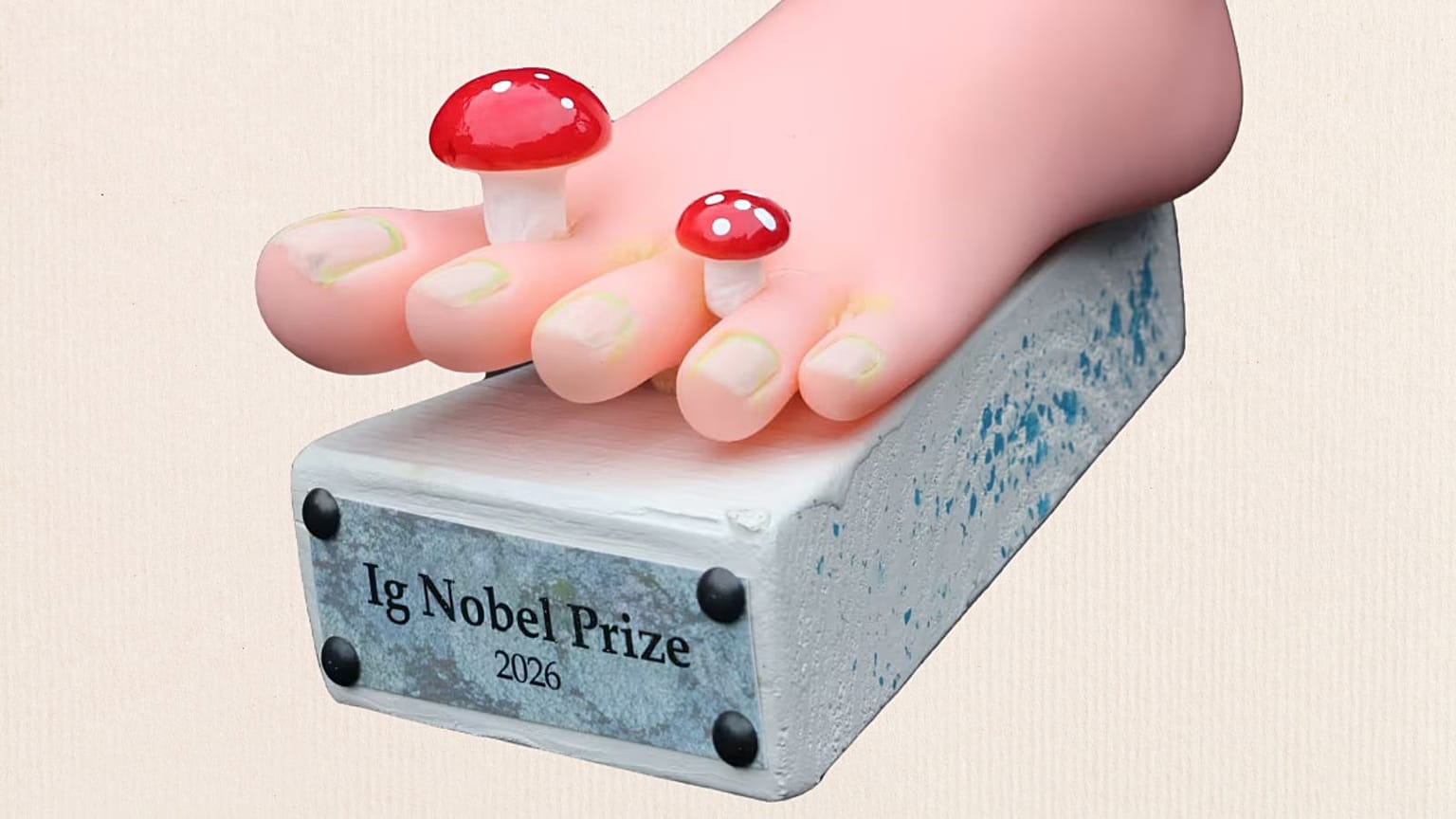
The snag is that the currency cratered years ago, so 10 trillion Zimbabwean dollars is worth next to nothing. Still, last year’s winners went home with a single packaged moist towelette, so swings and roundabouts... Plus, this year's winners were given a statuette representing a slab of blue cheese trampled on by a foot erupting with toadstools in honour of this year's “fungi” theme. What's not to love?

Established in 1991 as a satirical version of the Nobel prize, the Ig Nobels aim to promote public engagement with scientific (and culturally resonant) research, honouring “achievements that first make people laugh, and then make them think".

This year’s Igs were awarded yesterday at a ceremony in Zurich, Switzerland – a first, as the award ceremony is usually held in the US. The reason, the organisers say, comes down to the hostile climate in the US toward science, as well as international travellers being increasingly reluctant to travel Stateside.

A perfectly ordinary and not at all alarming English sentence.

“During the past year, it has become unsafe for our guests to visit the country,” Marc Abrahams, master of ceremonies and editor of The Annals of Improbable Research magazine, told AP. “We cannot in good conscience ask the new winners, or the international journalists who cover the event, to travel to the US this year.”

Back to this year's research and winners, who have discovered that the upper classes are more prone to behaving badly, that kissing can be redefined and cockroaches will inherit the Earth in more ways that one.

Here's a look at some of this year’s winners:

Biomechanics: Evolutionary smooching

Evolutionary smooching
Evolutionary smooching Canva

Winners: Matilda Brindle, Catherine Talbot, Stuart West (UK, USA).

Rationale: "Devising a more precise definition of kissing – non-agonistic interactions involving directed, intraspecific, oral-oral contact with some movement of the lips/mouthparts and no food transfer" – in ants, polar bears, and humans.

Research: A comparative approach to the evolution of kissing. Dr Matilda Brindle and her colleagues developed a rigorous definition of kissing through the study of different species. They found that kissing occurs in most living large apes and likely in Neanderthals - arguing that early humans and Neanderthals may have even kissed one another. "Next time you kiss someone, you can think, 'This is a 21.5 million-year-old tradition that I'm honoring here,” said Dr Brindle. “It's not just a modern human behaviour. It's really ancestral. And to us, that suggests that it probably has quite a useful evolutionary function."

Economics: Rich people are the worst
Why would you?
Why would you? Canva

Winners: Paul Piff, Daniel Stancato, Stéphane Côté, Rodolfo Mendoza-Denton, and Dacher Keltner (USA, Mexico, Canada)

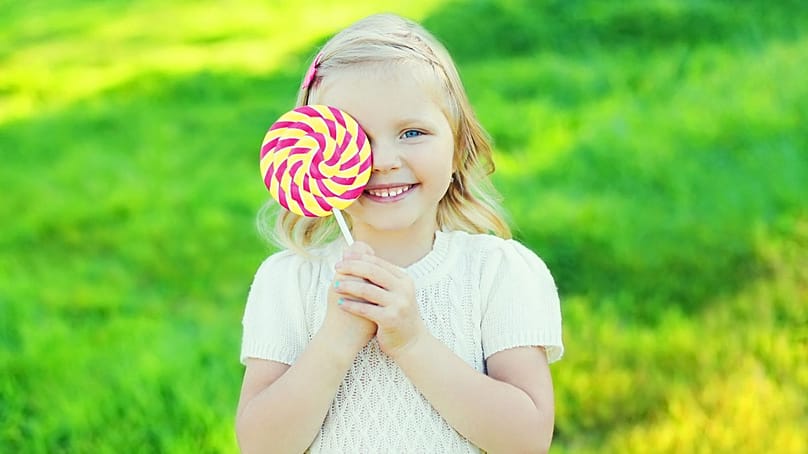
Rationale: "Amassing evidence that upper-class people are more likely to snatch from a children's candy, and engage in other kinds of unethical behaviour."

Reasearch: Higher social class predicts increased unethical behaviour. The researchers amassed evidence through seven studies that prove rich people are just the worst. They’re more likely to take sweets from children, excel at lying when it comes to their scores during dice rolls, are more likely to cut other cars off at junctions, and view greed as a positive attribute. “The general pattern seems to be that with wealth and rising power, you become less engaged with the needs of others and less burdened by the needs of social relationships,” Piff said. “Taking candy from children might be the least of our worries but it’s emblematic of the tendency to prioritise one’s own needs over those of others.”

Turns out Dorothy Parker was right: “If you want to know what God thinks of money, just look at the people he gave it to."

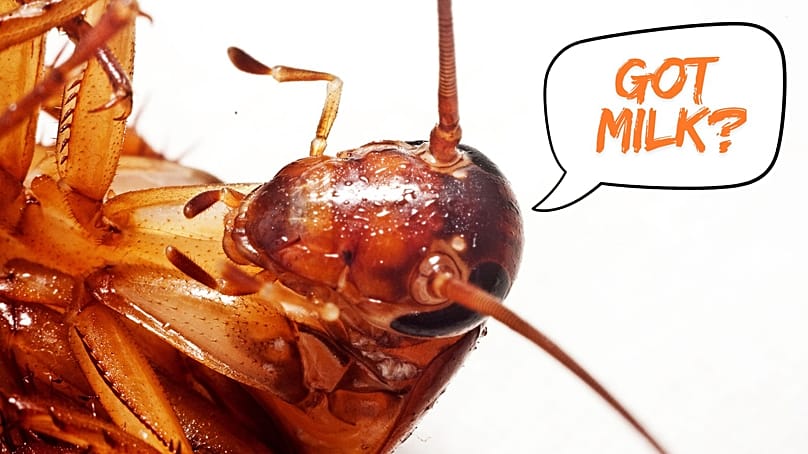
Chemistry: Cockroach milk, anyone?
Got milk?
Got milk? Canva

Winners: Sanchari Banerjeee, Nathan Coussens, Francois-Xavier Gallat, Nitish Sathyanarayanan, Jandhyam Srikanth, Koichiro Yagi, James Gray, Steven Tobe, Barbara Stay, Leonard Chavas, Sumabramanian Ramaswamy (India, France, Japan, USA).

Rationale: "Discovering that milk proteins from vivaporous cockroaches contains three times as much energy as milk proteins than from cows."

Research: Structure of heterogeneous, glycosylated, lipid-bound, in vivo-grown protein crystal at atomic resolution from the viviparous cockroach Diploptera punctata. If that sentence just gave you a headache, it boils down to the authors extracting milk crystals from the guts of Diploptera punctata roach embryos harvested from a brood sac to determine the protein structure of the crystals. Essentially, cockroach milk is powerful.

Physics: The optimization of urination

No more splash back
No more splash back Canva

Winners: Randy Hurd, Zhao Pan, Tadd Truscott, Kaveeshan Thurairajah (Canada, USA, China, Saudi Arabia).

Rationale: "Theoretical and experimental attempts to design a splash-free urinal."

Research: Splash-free urinals for global sustainability and accessibility. A team of students at the University of Waterloo in Canada worked out that urinal splash is almost entirely eradicated if the stream strikes the urinal at less than 30 degrees. They even designed a urinal whose shape ensures minimal splash regardless of the user’s aim. “I am very proud,” said Dr Zhao Pan. So he should be.

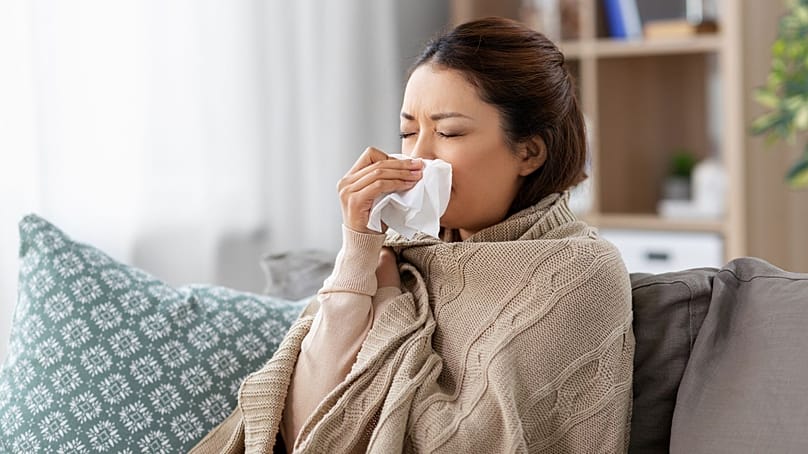
Medecine: Thrusting mucus
The culture and science of blowing
The culture and science of blowing Canva

Winner: Takuji Unno (Japan).

Rationale: "How to Blow the Nose – An Aerodynamic Study of the Nose Blowing."

Research: Unno explored the cultural differences between Europeans and Japanese people when it comes to proper nose-blowing, quantifying the key aspects of the practice “to give good instructions to those who do not understand how to blow the nose.” He concluded that the faster the “expiratory thrust” of the blow, the more efficiently one can expel mucus. “A big and long nose blow is therefore recommended to prevent upper and lower respiratory tract diseases.”

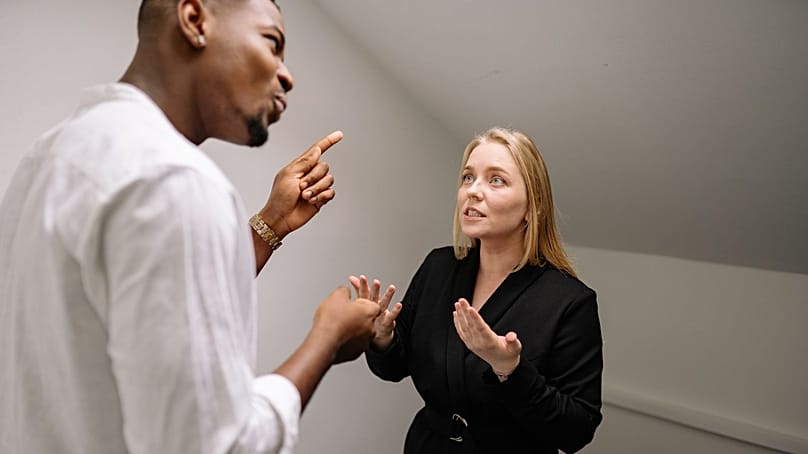
Peace: The benefits of vicious friends
The benefits of vicious friends
The benefits of vicious friends Canva

Winners: Jaimie Arona Krems, Rebecka Hahnel-Peeters, Laureon Merrie, Keelah Williams, and Daniel Sznycer (USA, Argentina, Australia).

Rationale: "We value friends who are vicious to people we dislike."

Research: People have nuanced preferences for how they want their friends to behave toward them versus others. No one likes a friend who treats them poorly; but in a broader social context, the authors explored how dynamics shift when it comes to how people want their friends to behave toward their enemies. In those cases, some prefer their friends to be more vicious toward those people. “Sometimes we want our friends to be more vicious and indifferent when they interact with our enemies,” said Dr Jaimie Krems. “I’ve felt, in many instances, incredibly loved when people have carried my hate for me and been willing to have my back.”

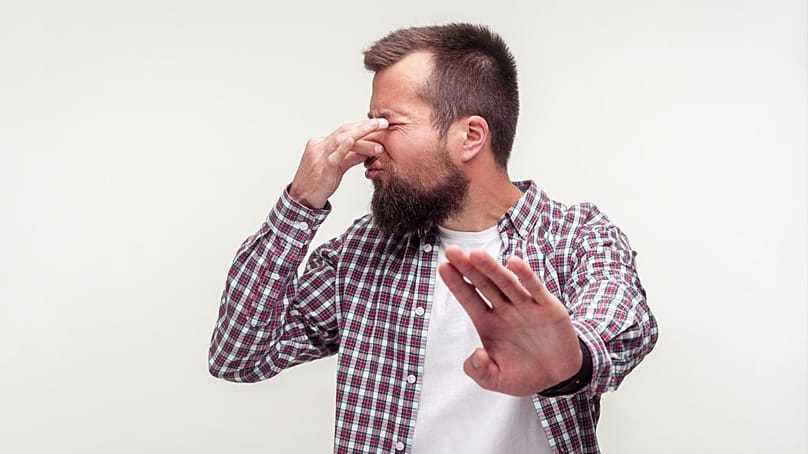
Olfaction: Smelly children
Damn hormones
Damn hormones Canva

Winners: Ilona Croy, Tomasz Frackowiak, Thomas Hummel, and Agnieszka Sorokowska (Poland, Germany, Sweden).

Rationale: "Collecting evidence that babies smell wonderful to their parents but teenagers do not."

Research: "Babies Smell Wonderful to Their Parents, Teenagers Do Not: an Exploratory Questionnaire Study on Children’s Age and Personal Odor Ratings in a Polish Sample." Conclusion: Parents usually find their babies’ body odour very pleasant, as it activates reward centers in the brain. However, once puberty hits, it’s a different matter. Bloody hormones.

Elsewhere, other researchers landed prizes for turning mosquito proboscises into 3D printing nozzles, burying cotton underwear to monitor soil quality, and gently stepping on various parts of snakes to try to learn what induces a venomous snake to bite a human. They're more likely to bite during the day, in warmer climates, and if you trample their head. And before you ask, yes, they wore safety boots.

Next year’s Ig Nobel ceremony will be held in Antwerp, Flanders.

Additional sources 

ANTI MIGRANT RIGHT WING 

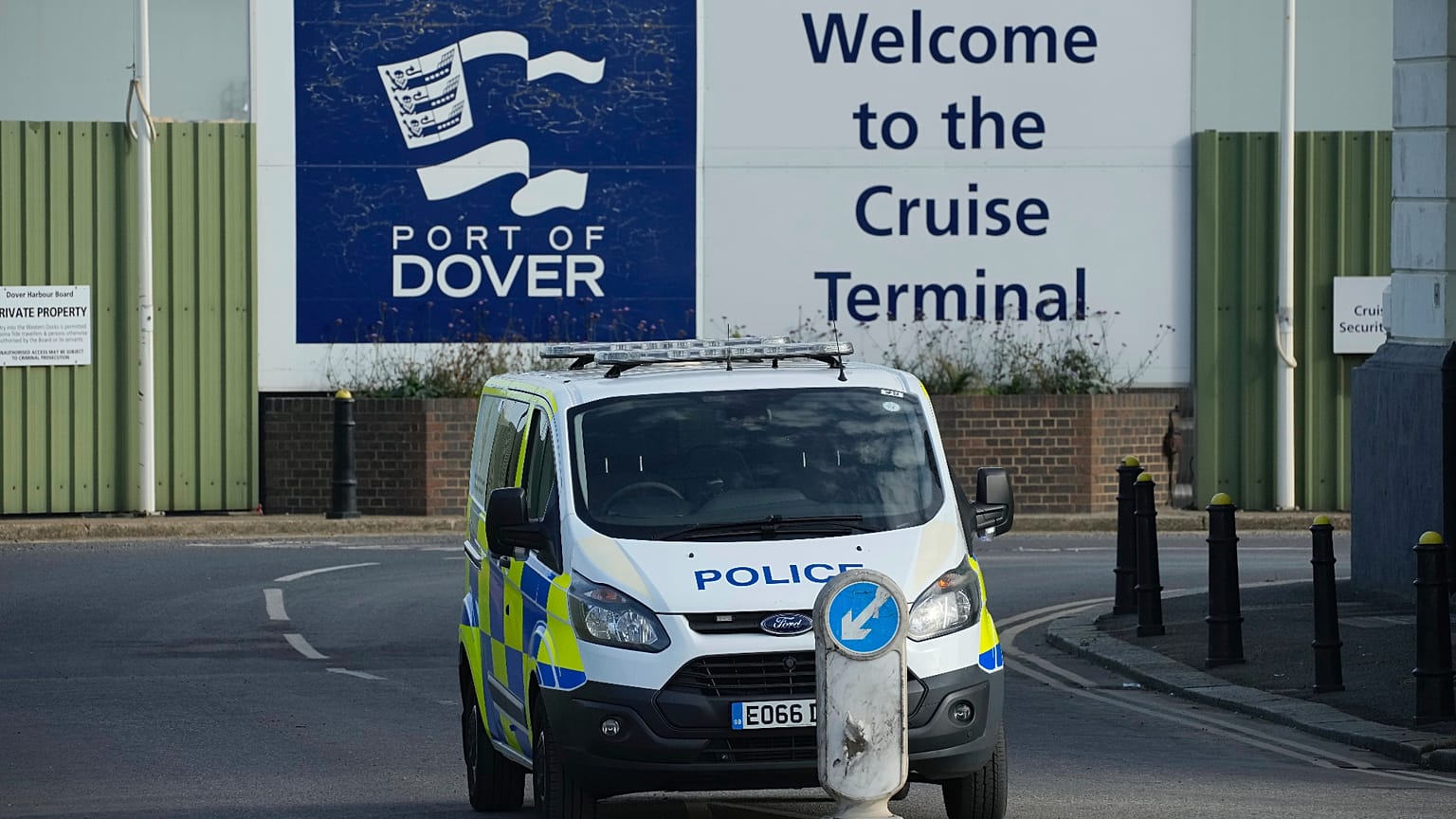
'Protest' at Port of Dover causes delays to ferry services as masked men descend on the town

A police van parked outside the migrant processing centre in Dover, England, Monday, Oct. 31, 2022.
Copyright Copyright 2022 The Associated Press. All rights reserved


By Nathan Rennolds
Published on

"No arrests were made. Traffic is flowing normally, and all involved had dispersed by midday," Kent police said in an update on Saturday afternoon.

Dozens of masked men dressed in all black descended on the Port of Dover on Saturday morning in what police have described as a "protest."

Port authorities said there was an "ongoing public order incident" happening across the town, which is a key passenger hub for ferry services between the UK and mainland Europe.

The Port of Dover has since confirmed that "operations have returned to normal," with routes in and out of Dover and the port open and traffic "moving freely."

It had earlier said the incident was "affecting all routes in and out the port and town.

P&O Ferries, which operates a ferry from Dover to Calais, said its services were operating with delays of up to an hour following the disruption.

Video footage circulating online shows protesters - many wearing balaclavas, hoods and hats - gathering in the Kent town and chanting.

Far-right anti-immigration activist Tommy Robinson shared a video of the protest on his X account, writing in the caption: "British patriots send a warning shot to the establishment in Dover this morning."

"Patriots can organise and gather huge numbers without the need for social media. Watch this grow," he continued, adding: "We want our country back."

Mike Tapp, the Labour MP for Dover and Deal, criticised those involved in another post on X, telling protesters to go home and saying he was speaking with police.

"Dover Park Run cancelled, port access disrupted, the lives of residents made more difficult," he wrote.

"I am fed up with idiots coming to Dover to cause disruption. I bet if you asked any one of those 'protesters' they wouldn’t know small boat crossing are down by 40%," Tapp added, referring to migrant Channel crossings.

Officers from Kent police attended the scene and were "engaging with protesters," according to the force.

"No arrests were made. Traffic is flowing normally, and all involved had dispersed by midday," it added in an update on Saturday afternoon.


Bardella signs pact with Farage to stop small boat crossings 'forever'

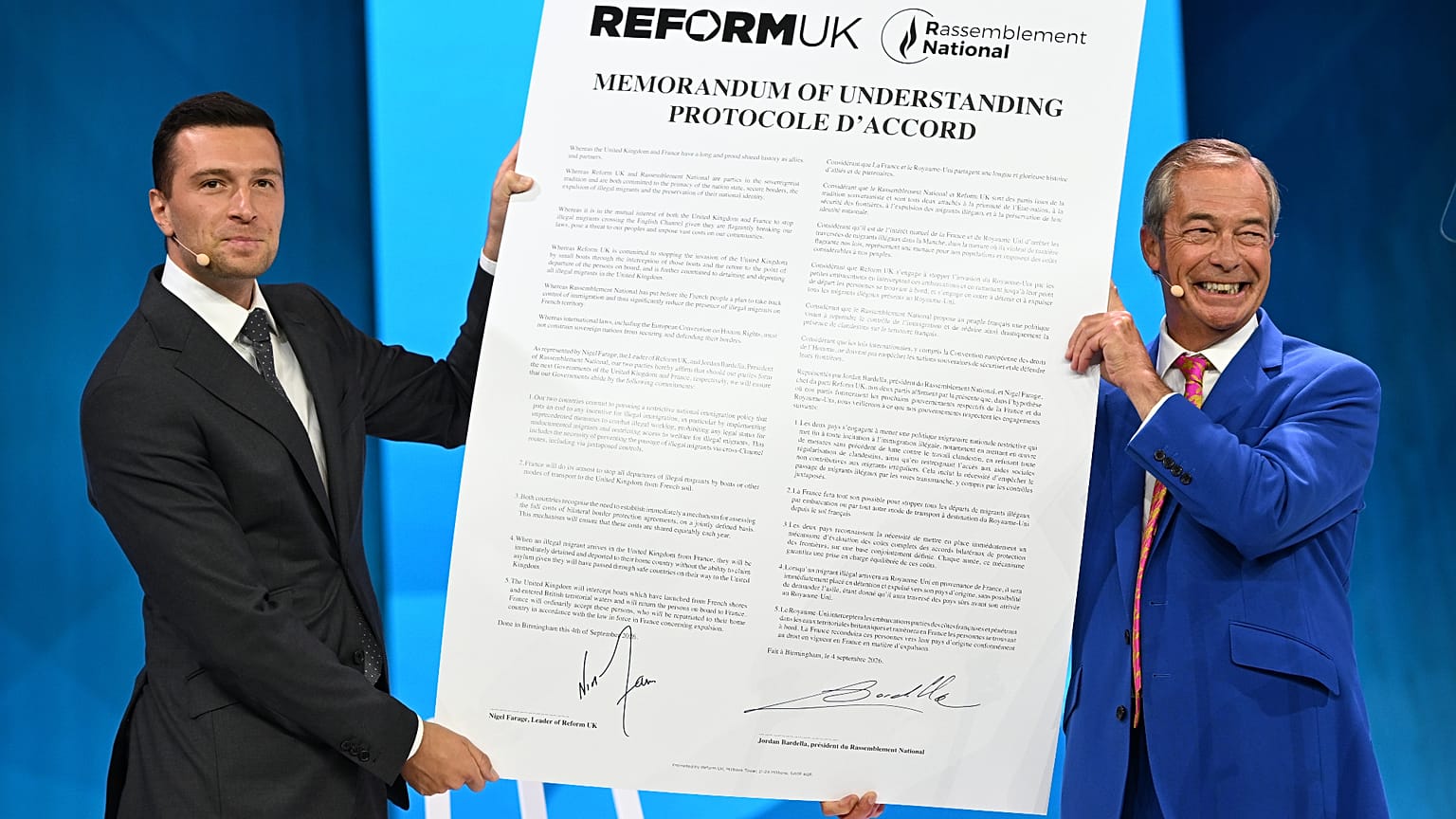
President of National Rally, Jordan Bardella and Reform Party Leader Nigel Farage, right, hold a poster during the Reform party's annual conference, 4 September 2026.
Copyright AP Photo

By Estelle Nilsson-Julien
Published on

At the Reform UK Party conference on Friday, Nigel Farage and Jordan Bardella signed an agreement, vowing to end irregular migrant crossings "forever", should their respective parties come to power.

On Friday, Jordan Bardella of the far-right National Rally party signed a "memorandum of understanding" with Reform UK leader Nigel Farage, aimed at stopping the boats "forever" — should their parties come to power — at the party's annual conference in Birmingham

Farage and Bardella signed the agreement which vows to end irregular migrant crossing on stage. The Reform UK leader hailed the deal as a "genuine new entente cordiale" between the two countries and political parties.

Bardella — who is hoping to become France's next Prime Minister — said that "the United Kingdom must not be the destination for illegal immigrants entering France. They must be sent back to their countries of origin.”

Delivering his speech in English, something he rarely does, he accused French President Emmanuel Macron of "failing" to protect France. Switching to French for the press conference that followed his speech, Bardella argued that “if France managed its borders better, no one would leave Calais.”

Bardella and Farage's meeting followed the French President's trip to London on Thursday, where he met with British Prime Minister Andy Burnham to discuss how to "scale up" efforts to tackle illegal crossings and strengthen the UK's relationship with Europe.

Britain's Labour government said this week that the UK had recorded the lowest number of boats carrying migrants and asylum seekers across the Channel from France to England this summer since 2019.

Tense past relations with the National Rally party

Farage and Bardella last met in December last year at a private members' club in London. But despite their shared eurosceptic views, Farage has not always had a smooth relationship with the National Rally Party — or with Le Pen.

In 2014, Le Pen accused Farage of "aggression" against her party, after he refused to form an alliance with the National Rally party (which at the time was known as the National Front) in the European Parliament due to what he described as the party's "anti-Semitism and general prejudice."

When questioned about his past ties to the National Rally party by the press, Farage conceded on Friday that he had been “nervous” about the National Front, founded by Jean-Marie Le Pen, when he began his career as a member of the European Parliament in 1999.

“When Marine took over, I observed the situation; I didn’t get involved right away. What she has accomplished, namely ridding the party of those extremist elements and bringing it into the mainstream is a considerable achievement", said Farage.

Reform UK led national polls in the UK for over a year until July, but the party's standing has slumped in recent weeks amid multiple scandals involving allegations of irregular political funding.

On Friday, hours before Reform's conference was set to begin, Farage's Reform UK was reported to the Metropolitan Police and the Electoral Commission over alleged illegal donations.

This followed an undercover investigation aired by British broadcaster Channel 4 News, in which an investigative group called Verbatim posed as a wealthy American financier and his UK-based son. Under UK law, donations from foreign investors are illegal.


Bosnian Serb war criminal Mladić commemorated in Belgrade, but no state honours

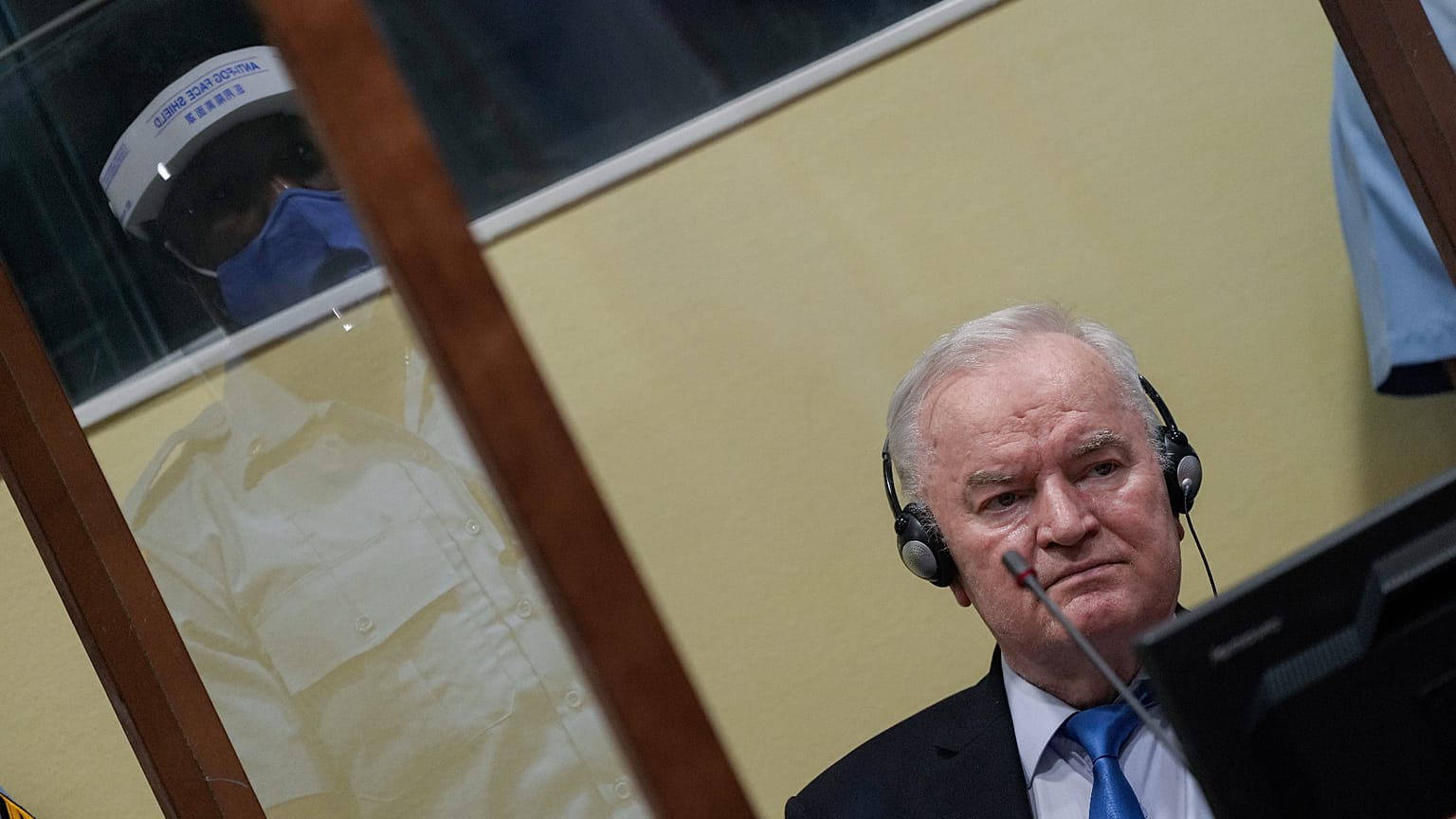
FILE: Former Bosnian Serb military chief Ratko Mladic sits in the court room in The Hague, Netherlands, 8 June 2021
Copyright AP Photo

By Aleksandar Brezar
Published on

Thousands are expected at Mladić's burial in Belgrade on Monday, which will proceed without serving officials, artillery salutes or ceremonial military presence. Brussels has said earlier any glorification would be "incompatible with the values on which the EU path is built".

A commemoration for former Bosnian Serb army commander and convicted war criminal Ratko Mladić opened on Saturday at the House of the Serbian Army in Belgrade as Serbia faces mounting European pressure over what Brussels has described as his glorification — an accusation Serbia rejects.

Mladić died last week while serving a life sentence for genocide, war crimes and crimes against humanity during the war in Bosnia. His remains were flown to Serbia from The Hague on a government plane on Thursday.

Serbian army soldiers carried the coffin with Mladić’s body wrapped in the national flag from the plane to an unmarked maroon van, which was then given a police escort down Belgrade’s main motorway.

Serbia's Justice Minister Nenad Vujić — who initially announced that Serbia would give Mladić "all the military and state honours" — was on the plane along with Mladić’s son Darko and two of his former army assistants.

The body was transferred to the military hospital in Belgrade for an autopsy before his coffin is displayed at a church near the Košutnjak cemetery on Monday morning, where he will be buried later in the day, his family announced on Friday.

He will be buried without state or military honours, with no serving officials in attendance including President Aleksandar Vučić, the prime minister and the speaker of parliament, Euronews has learned.

There will be no artillery salutes or ceremonial military presence, and he will not be buried in the Alley of the Greats or the Alley of Distinguished Citizens despite requests to that effect.

Serbian authorities clarified earlier that Saturday's commemoration was not organised by the state, but rather by an association of retired generals. Mladić's family said he would be buried next to his daughter, who died by suicide in the 1990s, according to domestic media outlets.

Belgrade has contributed to covering Mladić's personal expenses and family visits while at the Hague tribunal, and has repeatedly asked for an early release on humanitarian grounds due to his declining health in recent years.

Thousands to gather at funeral

After Bosnia declared independence from Yugoslavia in early 1992 following in the footsteps of Slovenia and Croatia, Bosnian Serb leaders, backed by the government in Belgrade led by Slobodan Milošević, created their own parastate.

The ensuing military offensive led by Mladić — a career Yugoslav army officer who also took part in the fighting in neighbouring Croatia — aimed at ethnically cleansing as much of the country’s territory as possible of the other two ethnic groups, Bosniaks and Croats.

The International Criminal Tribunal for the former Yugoslavia (ICTY) convicted Mladić of genocide for orchestrating summary executions of more than 8,000 Bosniak men and boys in Srebrenica in July 1995 — considered the worst bloodbath on European soil since the end of World War II.

He was also found guilty of war crimes and crimes against humanity during the siege of Sarajevo, the longest siege of a capital city in modern warfare.

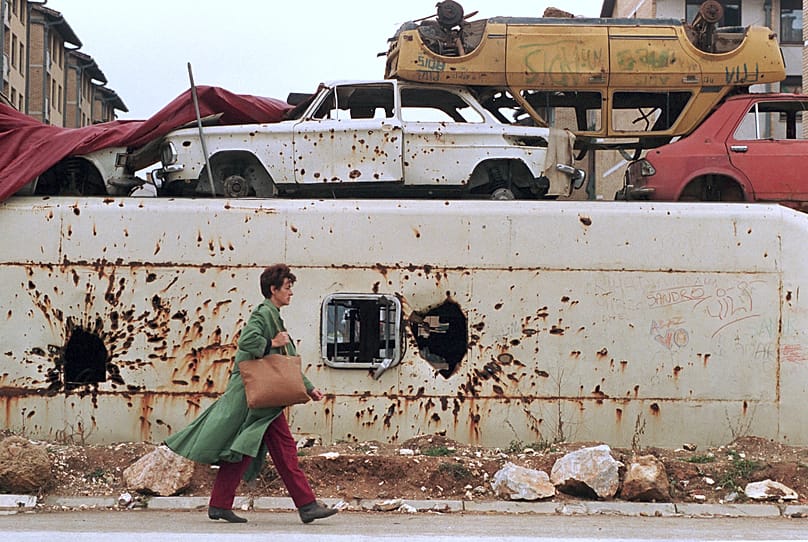
His troops in the surrounding hills terrorised the residents of the Bosnian capital with daily shelling and sniping for nearly four years after the war broke out in early 1992.

Known as the “Butcher of Bosnia,” he became the most notorious figure of the war in the former Yugoslav republic of 3,5 million that left more than 100,000 people dead and over 2 million displaced or seeking refuge abroad before it ended in late 1995 in a US-brokered peace agreement.

FILE: A woman walks next to a barricade made of mortar and damaged vehicles as she makes her way through the frontline neighbourhood of Dobrinja in Sarajevo, 13 November 1994
FILE: A woman walks next to a barricade made of mortar and damaged vehicles as she makes her way through the frontline neighbourhood of Dobrinja in Sarajevo, 13 November 1994 AP Photo/Jacqueline Arzt

Serbian President Aleksandar Vučić predicted that Mladić’s admirers — who consider him a hero despite his sentence — could come to the funeral in large numbers.

“It will be hard to secure and guarantee security to everybody,” Vučić said. He added that Serbia’s police and the state security agency predicted that “tens of thousands” could attend. “It will be a demanding job for our services and we will use everything at our disposal to provide security.”

“I have spoken to the Mladić family and I wish it all passes in a dignified way,” Vučić added.

The Serbian president later said he would not attend Mladić’s funeral because of a previously scheduled high-level visit.

“I have an official visit on Monday and all day Tuesday by the President of Uzbekistan (Shavkat Mirziyoyev), scheduled four months ago,” Vučić, who is touring the country to showcase infrastructure development, stated on Friday.

“Have I done everything necessary and everything possible for this to proceed in a dignified manner, in a serious and responsible manner, for the state to conduct itself properly? That is exactly what I have done,” he added.

Sparks fly over glorification accusations

Following Mladić’s death last Thursday, thousands of Serbs held vigils and marches in his honour, drawing condemnation from Brussels and elsewhere.

EU Enlargement Commissioner Marta Kos on Friday cancelled an upcoming visit to Serbia, a long-standing candidate for membership in the 27-member bloc.

"The glorification surrounding his death is incompatible with the values on which the EU path is built," Kos said on X.

"Ratko Mladić was convicted of genocide, crimes against humanity and war crimes," Kos said. “The return of his remains to Belgrade reminds Europe of the darkest pages in our recent history.”

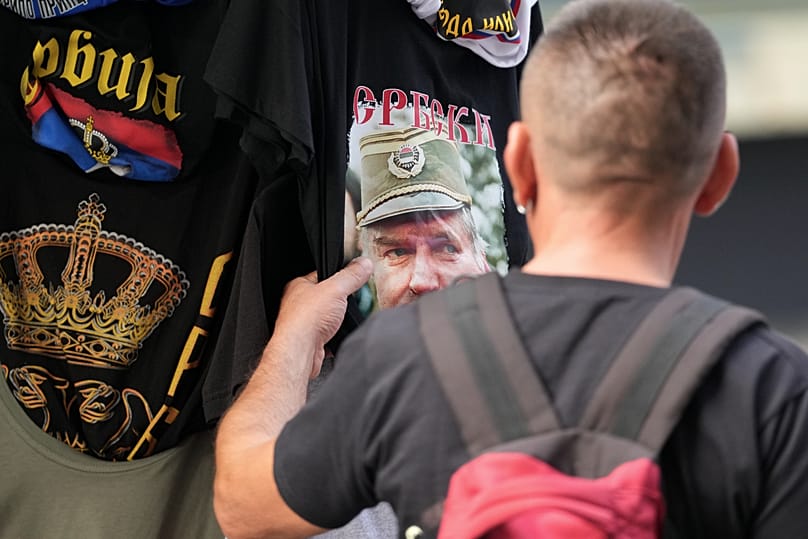
A buyer checks a T-shirt with a picture of former Bosnian Serb wartime general Ratko Mladic displayed on Belgrade's main pedestrian street, 4 September 2026
A buyer checks a T-shirt with a picture of former Bosnian Serb wartime general Ratko Mladic displayed on Belgrade's main pedestrian street, 4 September 2026 AP Photo

Vučić responded by stating that Kos’ explanation was "very short but stupid, as usual".

"I suppose we should ban people from showing up, ban the funeral, make cemeteries for dogs," he added.

Earlier on Friday, Kos said the next days ahead of the burial "will be a very important test" for Belgrade.

The Council of Europe Commissioner for Human Rights Michael O’Flaherty on Friday urged authorities in Serbia and in the Bosnian Serb-run entity of Bosnia to "counter the glorification of convicted war criminals," which is illegal in Bosnia and "is not protected speech under the European Convention on Human Rights."

"I abhor the public glorification of Ratko Mladić, a deceased war criminal convicted for the Srebrenica genocide and crimes against humanity," O'Flaherty said in a statement.

Calls have also multiplied for the European People’s Party (EPP) to cut its ties to the ruling Serbian Progressive Party (SPS).

European Commission President Ursula von der Leyen is an EPP member, along with European Parliament President Roberta Metsola and other top officials.

The legacy court in The Hague, now formally known as the International Residual Mechanism for Criminal Tribunals, said it stood “in solidarity with the victims, survivors and their families who suffered the crimes for which Mr Mladić was found guilty.”

It condemned “any actions that glorify those convicted of war crimes, crimes against humanity and genocide by international courts.”

Belgian and Irish foreign ministers have both publicly objected to any honours granted to a person convicted of genocide.

Meanwhile, Serbian football club Red Star Belgrade was fined by UEFA for fans chanting in honour of Mladić, who died on the day of their Europa League game last week, which Red Star lost 5-1 against Czech club Viktoria Plzeň.

UEFA said late Friday its judges fined Red Star €90,000 for charges including chants not fit for a sports event plus "racist and/or discriminatory behaviour".

The European footballing body doled out a similar penalty to Bosnia's FK Borac Banjaluka, fining it €39,500 for chants in favour of Mladić and other fan infractions during their Conference League match against Iceland's Vikingur Reykavik.

Red Star is the most decorated football club in the former Yugoslavia, winning the Champions League in 1991.


Berlin cyberattack: hackers leak highly sensitive data across dark web


By Nela Heidner & Euronews
Published on

A large amount of personal data has also been leaked, particularly relating to state civil servants, including birth certificates, what appear to be absence lists, telephone numbers and home addresses.

The hacker group "Rhysida" has published almost six terabytes of data from Berlin's state administration on the dark web. Among the data is said to be highly sensitive information.

The scale of the leak is enormous: 1,439,893 files. So far, there has been hardly any response from Berlin's administration and political leaders.

Among the published files is a folder titled "AG CBRN-Rahmenplanung." CBRN stands for chemical, biological, radiological and nuclear threats. This means that highly sensitive information about potential threat scenarios may now be publicly accessible and could also be viewed by terrorists or foreign intelligence services.

Investigative journalist Lars Winkelsdorf has sounded the alarm on "X." According to him, the cyberattack is "of a magnitude that threatens the state."

"In addition to LKA documents related to investigations, the files also include plans concerning national defense—ranging from the federal government’s secret communication channels in the event of an apocalypse to defense-related companies and emergency plans developed by government agencies," he wrote.

A large amount of personal data has also been leaked, particularly relating to state civil servants, including birth certificates, what appear to be absence lists, telephone numbers and home addresses.

The hackers had previously threatened to publish the data on their leak site and demanded a ransom of 30 Bitcoin, around two million euros. They set a countdown that expired at about 3.35 pm on Friday. The Berlin Senate had already made it clear before the ultimatum expired that, as a matter of principle, it does not give in to such blackmail demands.

Shortly after the countdown ended, the data package was published on the dark web, and members of the hacker group have already been sharing lists of filenames on social media.


Paris drops Mercator projection: France now looks smaller on world maps

Foreign Ministry
Copyright MAE\

By Alexander Kazakevich
Published on

France is redrawing its world map: deeming the Mercator projection misleading, the foreign ministry will drop it in favour of a map that better reflects actual continental sizes, especially Africa.

A shrunken Africa, a Greenland and a northern Russia that seem to stretch into infinity: that is about to disappear from the maps used by French diplomacy.

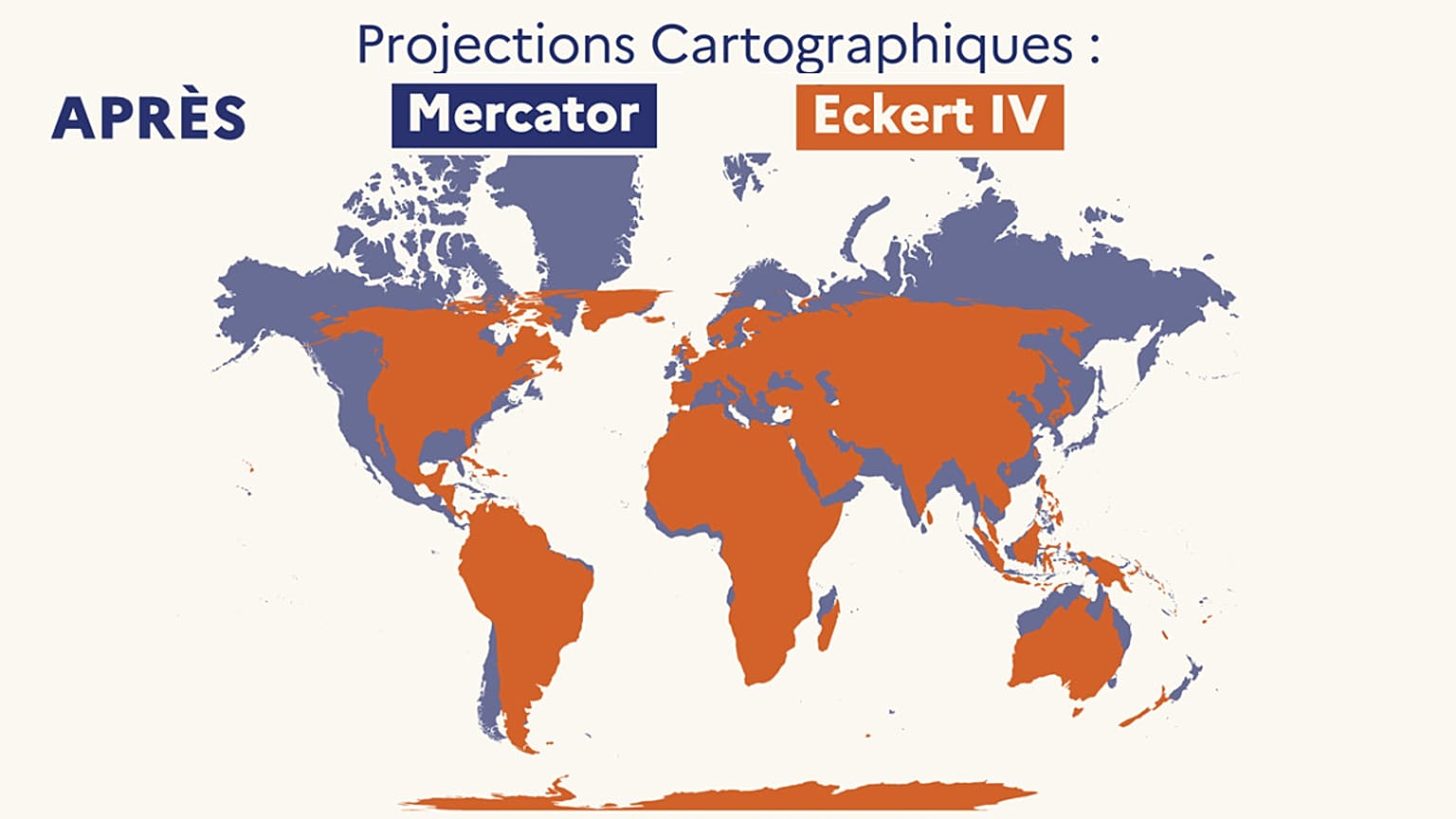
Foreign Minister Jean-Noël Barrot announced on Friday that his department is abandoning the so-called Mercator projection, which artificially enlarges polar regions and visually downplays the size of equatorial areas. France will now use instead the Eckert IV projection, which reflects the true proportions of the continents more accurately.

As a result, France will appear smaller on the map compared with countries close to the equator, just like the United States or Russia.

'A map is never entirely neutral'

In a speech at the Sorbonne university during the public event "La Fabrique de la diplomatie" or "The making of diplomacy", the French minister said that "the time has come" to "correct" how the world is perceived through maps inherited from 16th-century Western navigators.

In a speech delivered at the Sorbonne for the public event "La Fabrique de la diplomatie", the French minister said that "the time has come" to "correct" how the world is perceived through maps inherited from 16th-century Western navigators.

"A map is never entirely neutral. Take the Mercator projection, the one every one of us has known since childhood. The areas we see on it do not correspond to actual areas: (...) The United States, Russia, China take on a disproportionate visual importance compared with Africa, Latin America or South-East Asia," the French foreign minister said.

Jean-Noël Barrot also cited the example of Greenland, which is roughly the same size as the Democratic Republic of Congo or Algeria, even though it "seems almost as vast" as the entire African continent.

"Changing the map obviously does not change the world. But correcting a representation that distorts it is already an act of truth," he stressed.

The ministry began reducing its use of the Mercator projection in 2021

Meanwhile, French diplomatic maps will not change overnight but the process is already underway, Euronews has learned from a diplomatic source. The ministry began reducing its use of the Mercator projection in 2021, "with the aim of providing a more accurate geographical representation of the world."

The projection has been "gradually phased out" across all public diplomacy websites, the source said.

"The advantages and biases associated with each type of representation are presented at various events attended by the ministry's cartographers," the Quai d'Orsay added, citing the European Heritage Days and the International Geography Festival in Saint-Dié-des-Vosges.

"France will continue this work, prioritising map projections suited to different purposes and providing a more accurate reflection of geographical realities in its diplomatic communications."

French diplomats nevertheless acknowledge that the Mercator projection remains relevant "in a limited number of cases", including regional or local uses around the equatorial zone, as well as for navigation charts.

At the UN, a cartographic victory for Africa

The announcement in Paris comes as, in New York, the world map is also being redrawn. A few hours later, the United Nations General Assembly officially abandoned the Mercator projection in favour of a projection based on the Equal Earth model, created in 2018 and closer to the real proportions of the continents.

The non-binding resolution, entitled "Correcting the map"and sponsored by Togo, was backed by 164 member states. The African Union had already adopted Equal Earth in March, and the text now encourages countries to do the same.

Only the United States voted against, denouncing what it called a "radical ideological project", notably because of a passage in the resolution stating that "correcting cartographic distortions relating to the size of continents constitutes an act of cognitive justice and memorial reparation".

Six countries – Estonia, Georgia, Lithuania, Moldova, Serbia and Ukraine – abstained.

The United Nations General Assembly adopts an African proposal for a new world map In favor: 164 Against: 1 Abstentions: 6

The UN stresses that the resolution does not ban the Mercator projection, "nor does it impose a single map". The resolution "encourages governments, educational institutions, international organisations and technology companies to make use of the Equal Earth projection, or of other so-called 'equal-area' maps that preserve the true proportions of surface areas.

France has therefore joined this movement, but has opted to adopt the Eckert IV projection, created in 1906. It is similar to the Equal Earth projection recommended by the UN, though not identical. Both represent the size of the continents much more faithfully than the Mercator projection, but they differ slightly in the shapes they give to the landmasses.

As the UN points out, Mercator mapping will not disappear altogether. Digital platforms such as Google Maps also currently use a version of this projection.

In French schools, most world maps are still in Mercator. "You can find Eckert or Peters* in some textbooks, but that is very rare," says Grégory, a senior history and geography teacher in Rennes, speaking to Euronews.

It remains to be seen whether the maps used in schools will also follow the shift launched by the foreign ministry.

*another equal-area projection, which provides a better representation of the continents' true surface area – Euronews.