Saturday, May 10, 2025

TIK TOK TORTURE

‘This is terribly inhumane’: Viral TikTok video of woman air frying blue crabs prompts outrage
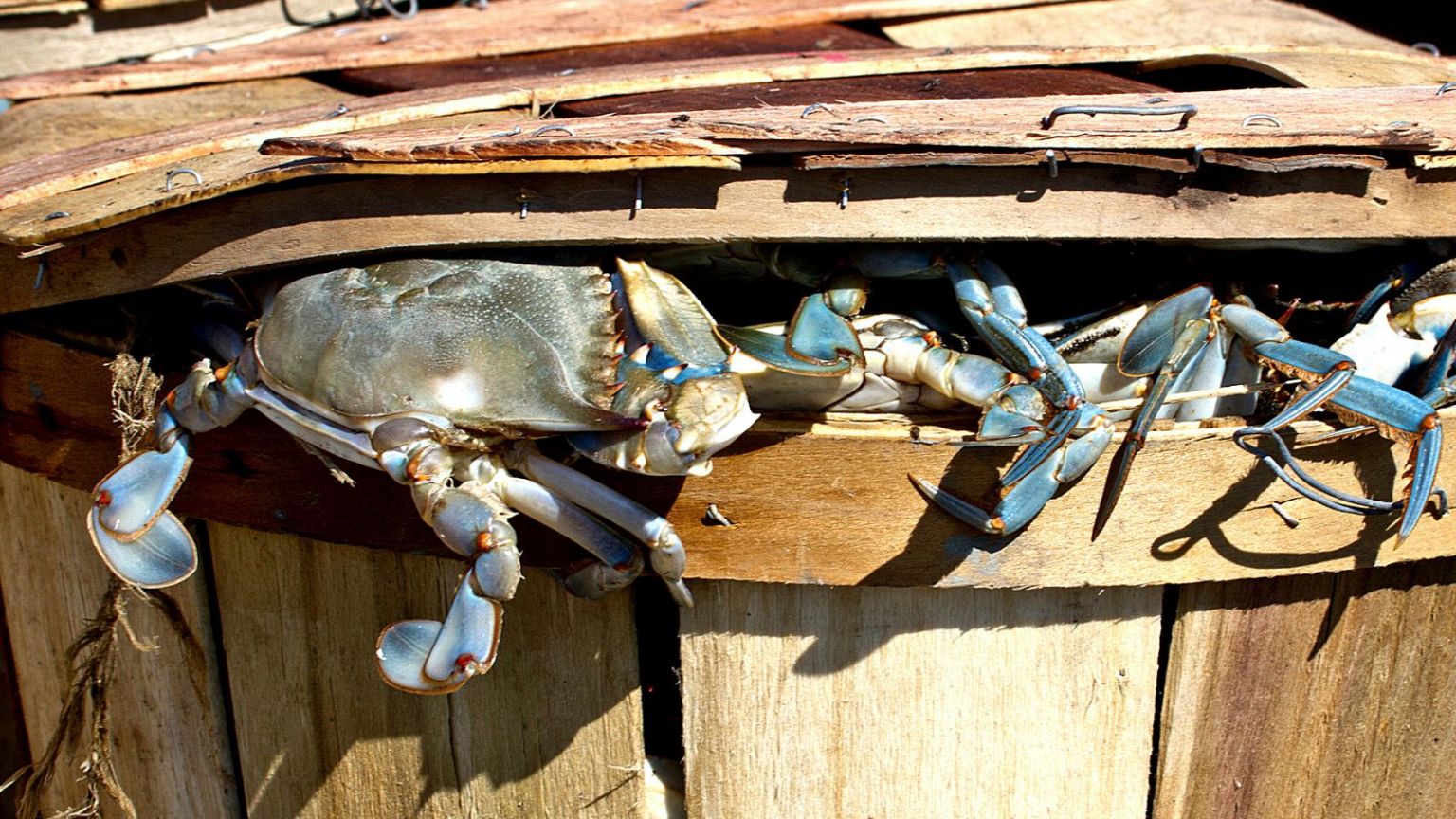
A bushel of blue crabs. A TikTok video of woman air frying the animals has prompted outrage, but the views are still adding up.
Copyright Joe Fudge/The Daily Press via AP
By Christopher Sebastian
Published on 

Ever wonder what happens when you put live animals in an air fryer? Turns out they die horribly. But that wasn’t common knowledge for one TikTok user.

“How is that not a community guideline violation? I feel like I just watched a crime.” That’s what TikTok user @werty1627 said when she posted her response to the latest viral TikTok that spawned countless reaction videos and stitches (where users clip parts of other creator’s videos into their own). 

In this one, a woman whose screen name is Chels is making typical recipe content. It starts out uneventfully, her chirpy voiceover narrating the action in the style you come to expect from such material. “Y’all let’s make a crab boil in the air fryer…”

You see her hands, clad in blue plastic gloves adding potatoes and corn to the bowl of a glass air fryer. But that’s where the fun ends and the video takes a turn. 

She adds two live Maryland blue crabs to the bowl and proceeds to dump enough seasoning on them to colour the whole dish orange. She then states that she turned the air fryer on to 400 degrees Fahrenheit (200 C) and cooked them for 15 minutes while she looked on. 

She goes on to sheepishly say, “Do not knock it until you try it. It was sad watching them kinda…you know. But these crabs came out so good and juicy. I was not expecting them to come out this good.” 

But the internet disagrees. The overwhelming take from across the app was that cooking crabs alive is, to steal a phrase from the kids, diabolical. 

Do crabs feel pain?

Josh Cottle is an anatomy teacher and self-proclaimed science nerd. And with nearly a million followers and 27 million likes, he’s one of the most beloved science creators on TikTok. 

He said, “This is terribly inhumane. Crabs […] have a pretty advanced nervous system. They have nociceptors just like you and have demonstrated avoidance behavior from pain. 

“They can learn a stimulus and avoid it in the future. They will also demonstrate something called limb guarding. If something is injured, like if they break their claw, they will guard that and keep it away from further stimulation, indicating that they do feel pain.”

Research from the University of Gothenburg backs him up. Their study published in October 2024 is among the first to prove that painful stimuli are sent to the brain of shore crabs, providing evidence for pain in crustaceans.

Paul McCartney's famed quote became a popular animal rights slogan, "If slaughterhouses had glass walls, everyone would be vegetarian." 

But this video suggests that we are a long way off from that. Despite watching the crabs’ painful demise through a glass air fryer, few users declared they were going vegetarian


Social media has turned the slaughterhouse
into a spectacle, and this is an escalation of 
what people are willing to do for views and virality.

Instead, social media has turned the slaughterhouse into a spectacle, and this is an escalation of what people are willing to do for views and virality. 

One can argue that the countless stitches and comment backlash indicate that animal cruelty is deeply unpopular, but unpopularity doesn’t mean it can’t be monetised. Rage bait views are still views nonetheless and, frankly, negative reactions make videos trend just as highly as, if not more than, positive ones. 

Animal abuse is rising on social media

According to a 2024 report from the UK Safer Internet Centre, there has been a significant rise in animal abuse reports across social media channels. 

This correlates with 2023 findings from the RSPCA, which attributes a rise in animal abuse in England and Wales to social media, citing their Kindness Index, a national survey of attitudes towards animal welfare. Their research found that 43 per cent  of 16- to 17-year-olds had witnessed cruelty online that year, with Instagram, TikTok and X being the main platforms on which they saw it.

Another case in point: just this past week, an American woman in a suburb of Philadelphia was found guilty on four charges of aggravated cruelty to animals. 

According to police, Anigar Monsee tortured animals to gain popularity on social media. In one video, Monsee is seen with a chicken

Speaking to Action News, Upper Darby Police Superintendent Timothy Bernhardt said, "During the video, she is soliciting more likes and more viewers. And once she gets to the point where she is satisfied with the number of viewers, she then proceeds - over the course of 10 minutes - to harm and ultimately kill that chicken." 

Such a conviction would be impossible to secure for crabs, however. 

In the United States, crabs, being invertebrates, are not explicitly covered under federal animal cruelty statutes like the Animal Welfare Act, which primarily applies to warm-blooded animals and certain invertebrates like some marine mammals and farm animals.

What animals are protected in Europe?

In the European Union, animal welfare laws tend to be more comprehensive and include protections for a wider range of animals, including certain invertebrates like crustaceans. 

The EU's legislation on animal welfare, such as Regulation (EC) No 338/97 and subsequent amendments, has increasingly recognised invertebrates, especially crustaceans like crabs and lobsters, as capable of feeling pain and stress.

Specifically, the EU has taken steps to improve the humane treatment of crustaceans, including regulations around how they should be kept and slaughtered to minimise suffering. For instance, some countries have banned live boiling of lobsters and crabs without stunning, reflecting a recognition of their capacity to suffer.

Unfortunately, Chels - now dubbed by TikTok’s search as the ‘glass air fryer crab lady’ and who could not be reached for comment at the time of this writing - did not get that memo. 

She declares near the end of her video that she will be air frying her crabs from now on. No word yet on whether or not her future crab dinners will come with a show.

2025 is ‘a pivotal year for methane mitigation’ in EU thanks to world-first rules. What’s changing?


Copyright AP Photo/Martin Meissner

By Euronews Green
Published on 08/05/2025

Most of the methane emissions from fossil fuels used in Europe are tied to imports, the report also finds.

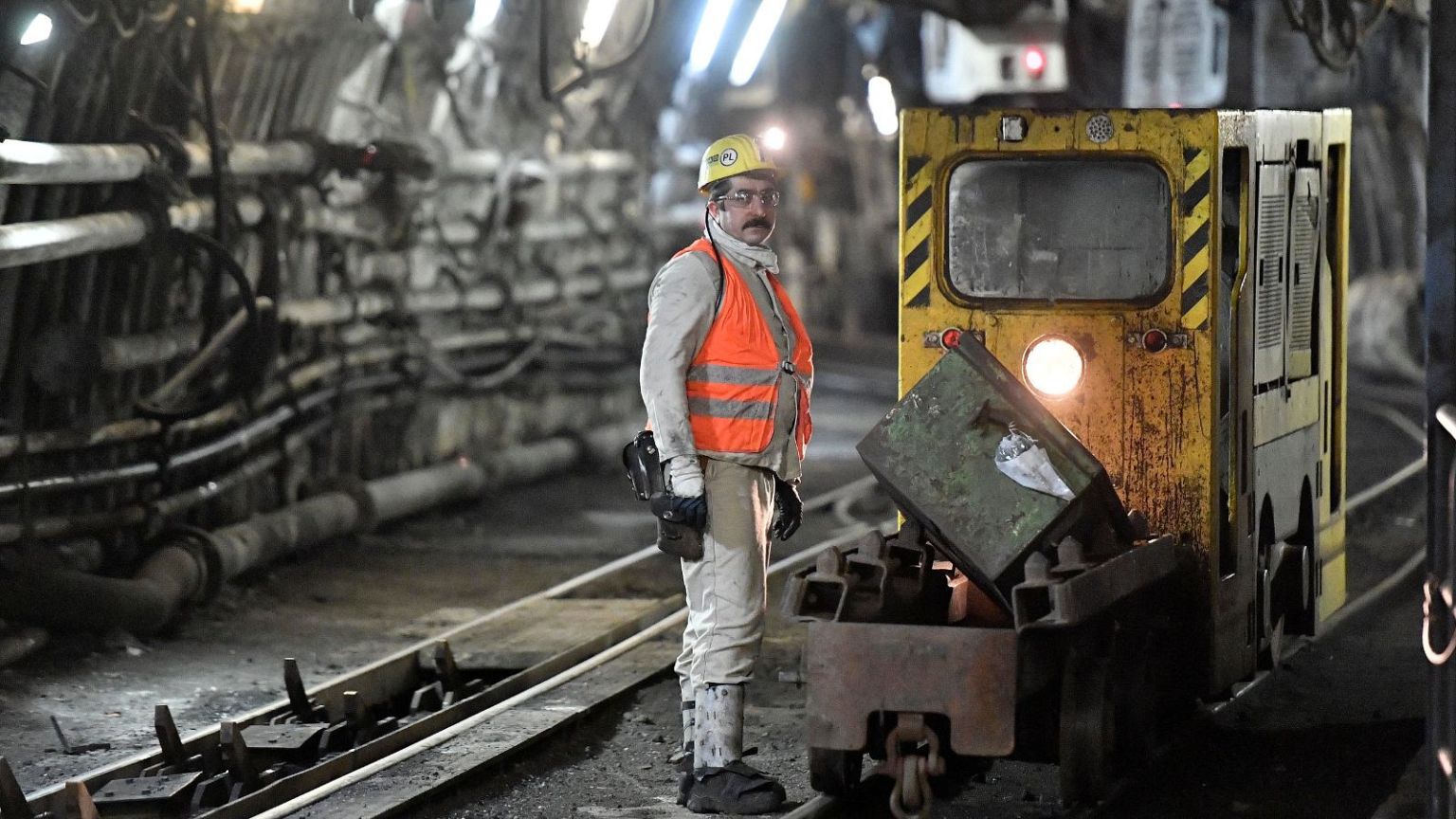
Methane emissions from EU coal mines have dropped for the first time, according to the latest annual report from the International Energy Agency (IEA).


The region is the first to officially constrain this major source of pollution after adopting a Methane Regulation last year. Coal mine methane emissions decreased by 8 per cent in 2024 compared to 2023.

But the greenhouse gas - which is responsible for around 30 per cent of the rise in global temperatures since the Industrial Revolution - remains a huge problem in Europe and around the world.

Record production of oil, gas and coal has kept emissions above 120 million tonnes (Mt) annually, according to the IEA’s 2025 Global Methane Tracker. The analysts included abandoned wells and mines for the first time - finding that these sources contributed around 8 Mt to emissions in 2024.

Related


How has Europe contained methane emissions?

The EU Methane Regulation was the world’s first regulation to set a threshold on how much active underground mines, as well as abandoned and closed underground mines, can emit.

It forces the fossil fuel industry to follow measurement, reporting and verification requirements; bans routine flaring and venting; sets leak detection and repair (LDAR) mandates for all oil and gas facilities; and limits venting in thermal coal mines.

“2025 marks a pivotal year for methane mitigation, with coal mine emissions decreasing for the first time as the EU Methane Regulation for the energy sector takes effect,” says Dr Sabina Assan, methane analyst at global energy think tank Ember.

The new regulation also stipulates that by 2027, importers must demonstrate that imported fossil energy meets the same requirements.

“By ensuring that all fossil fuels meet the same methane standards, the regulation will create a level playing field between importers and domestic producers, extending the regulations' impact far beyond European coal mines,” adds Dr Assan.

Related
Coca-Cola and Unilever among dozens of plastic brands tied to Texas fracking, investigation reveals

This is significant, as most of the methane emissions from fossil fuels used in Europe are tied to imports.

In 2024, according to IEA’s tracker, methane emissions from the supply chain for oil, gas and coal imports were around 6 Mt - nearly four times what Europe emits within its own fossil fuel sector.

Around 55 per cent of the fossil fuel methane emissions that occur within Europe come from the oil and gas sector, mostly from downstream operations. 45 per cent come from coal mines, mainly in Poland and Ukraine.

Upstream oil and gas operations are responsible for the majority of emissions in Romania and the UK. Norway and the Netherlands have the lowest upstream intensities in the world, it says, while most other countries in the region perform near the global average.


Related


How do abandoned underground mines emit methane?

Abandoned underground coal mines constitute a significant and overlooked source of methane emissions.

Methane gas is generated when organic matter turns to coal and is buried underground in these coal seams. When mining creates a route to the surface, much of the methane escapes. If it is not plugged, these emissions can continue for decades after a mine is abandoned.

Globally, the IEA estimates that abandoned coal mines emitted nearly 5 Mt of methane in 2024, and abandoned oil and gas wells released just over 3 Mt. Combined, these sources would be the world’s fourth-largest emitter of fossil fuel methane - after China, the US and Russia, and ahead of Iran, Turkmenistan and India.

Since most emissions result from mines and wells that have recently been abandoned, timely action is critical, the IEA urges. Options include plugging and monitoring wells that are no longer in use, sealing abandoned coal mines, and directing methane flows for energy use.

In total, the energy sector – including oil, natural gas, coal and bioenergy – accounts for more than 35 per cent of methane emissions from human activity.

The agriculture and waste sectors are also major sources of methane emissions, but fossil fuel supply offers the greatest potential for immediate reductions in methane emissions, the IEA notes.

Chlorine fire triggers chemical emergency in Catalonia leaving multiple towns under lockdown

Copyright Ayuntamiento de Vilanova i la Geltrú | x.com
By Jesús Maturana
Published on 

A dangerous toxic cloud caused by a fire on Spain’s Catalan coastline forced multiple towns into lockdown, but the restrictions have now been lifted.

A dangerous toxic cloud formed following a fire at a swimming pool chemicals factory in Vilanova i la Geltrú. The blaze erupted at around 02:20 on Saturday, 10 May, at Clim Waterpool, a company specialising in cleaning products for swimming pools.

The affected site, located at 18 Rambla dels Països Catalans in Vilanova i la Geltrú, contained approximately 70 tonnes of chlorine—a highly toxic substance when it burns.

Catalonia's Civil Protection activated its chemical risk plan, PLASEQCAT, and sent emergency alerts to residents' mobile phones in the affected areas.

Immediate Response and Containment Orders

Lockdown orders have been lifted, however vulnerable people are still advised to stay inside for the moment. The towns affected were:


  • Vilanova i la Geltrú (Barcelona).
  • Sant Pere de Ribes (Barcelona)
  • Cubelles (Barcelona)
  • Cunit (Tarragona)
  • Calafell (Tarragona)
  • The centre of Roquetes

Authorities had instructed residents to stay indoors, keep doors and windows closed, and not to use air-conditioning devices that can filter contaminated outdoor air.

Fire Status and Emergency Response

Firefighters from Catalonia report that the blaze is now in the stabilisation phase, with efforts successfully preventing its spread to nearby industrial buildings. Civil Protection has confirmed that no injuries have been reported so far, as the wind is directing the toxic cloud towards the sea, minimising the threat to densely populated areas.

Vilanova i la Geltrú town council warned on its social media that activities at the "La Fira Conte Va!" festival, outdoor sports activities, libraries, the Central Market and the Fish Market have been cancelled.

Emergency deployment

Sixty firefighters are working in the area with teams specialised in chemical risks constantly assessing the situation.

The Medical Emergency System (SEM) has sent three units that remain on alert. Local Police are ensuring civilians comply with confinement orders.

Coordination between authorities

Civil Protection, operating from its coordination centre (CECAT), is in continuous contact with town councils and local police of all affected municipalities to ensure a coordinated response.

Health authorities are advising anyone experiencing symptoms such as eye irritation, breathing difficulties, or general discomfort to seek immediate medical assistance.

Recommendations for the affected population

Authorities stress the importance of strictly following official recommendations. It is essential to remain indoors until the containment order is lifted.

In case you need to go out due to an unavoidable emergency, it is recommended to protect your respiratory tract with appropriate masks and minimise the time you are exposed to the open air.

Stay informed through official channels such as local radio stations, official social media accounts of Civil Protection and affected municipalities.

Soviet-era spacecraft plunges to Earth after 53 years stuck in orbit

Story by Marcia Dunn
Published on  10/05/2025 - 

Soviet-era spacecraft plunged to Earth on Saturday, more than a half-century after its failed launch to Venus.

Its uncontrolled entry was confirmed by both the Russian Space Agency and European Union Space Surveillance and Tracking. The Russians indicated it came down over the Indian Ocean, but some experts were not so sure of the precise location. The European Space Agency’s space debris office also tracked the spacecraft's doom after it failed to appear over a German radar station.

It was not immediately known how much, if any, of the half-ton spacecraft survived the fiery descent from orbit. Experts said ahead of time that some if not all of it might come crashing down, given it was built to withstand a landing on Venus, the solar system’s hottest planet.

The chances of anyone getting clobbered by spacecraft debris were exceedingly low, scientists said.

Launched in 1972 by the Soviet Union, the spacecraft known as Kosmos 482 was part of a series of missions bound for Venus. But this one never made it out of orbit around Earth, stranded there by a rocket malfunction.

Much of the spacecraft came tumbling back to Earth within a decade of the failed launch. No longer able to resist gravity’s tug as its orbit dwindled, the spherical lander — an estimated 3 feet (1 meter) across — was the last part of the spacecraft to come down. The lander was encased in titanium, according to experts, and weighed more than 1,000 pounds (495 kilograms).


Related video: Soviet space hardware is set to crash down to Earth, but where? (The Weather Network)

Any surviving wreckage will belong to Russia under a United Nations treaty.

After following the spacecraft’s downward spiral, scientists, military experts and others could not pinpoint in advance precisely when or where the spacecraft might come down. Solar activity added to the uncertainty as well as the spacecraft’s deteriorating condition after so long in space.

After so much anticipation, some observers were disappointed by the lingering uncertainty over the exact whereabouts of the spacecraft’s grave.

“If it was over the Indian Ocean, only the whales saw it,” Dutch scientist Marco Langbroek said via X.

As of Saturday afternoon, the U.S. Space Command had yet to confirm the spacecraft's demise as it collected and analyzed data from orbit.

The U.S. Space Command routinely monitors dozens of reentries each month. What set Kosmos 482 apart — and earned it extra attention from government and private space trackers — was that it was more likely to survive reentry, according to officials.


It was also coming in uncontrolled, without any intervention by flight controllers who normally target the Pacific and other vast expanses of water for old satellites and other space debris.

___

The Associated Press Health and Science Department receives support from the Howard Hughes Medical Institute’s Science and Educational Media Group and the Robert Wood Johnson Foundation. The AP is solely responsible for all content.

Marcia Dunn, The Associated Press

Kazakhstan to regain legendary Soviet space launch site, 'Gagarin's start'

The transfer of "Gagarin's Start", the launchpad for the world's first spaceflight, will be finalised by June.


Copyright AP Photo

By Galiya Khassenkhanova
Published on 09/05/2025 - 

Russia will return the oldest and most famous launch pad in the Baikonur Cosmodrome, also known as “Gagarin’s Start,” to Kazakhstan, handing it over by 1 June.

Kazakhstan plans to turn the world’s first crewed space launch site — which was decommissioned back in 2019 — into a museum.

“The Gagarin’s Start was decommissioned due to its unsuitability for launching the new Soyuz-2 rockets, which are now launched from the 31st platform of the cosmodrome,” said the spokesperson for the Kazakh Ministry of Digital Development, Innovation and Aerospace Industry.

To fund the site's modernisation, Russia and Kazakhstan partnered with the United Arab Emirates and signed a trilateral agreement in 2021.

However, the project stalled amid shifting geopolitical dynamics. Russia’s war in Ukraine forced countries to reevaluate their partnership and the use of Soyuz-2 rockets.

In the meantime, Russia turned its attention to its own launching sites of Plesetsk and Vostochny, shifting commercial launches to one of them.

While it still leases Baikonur from Kazakhstan until 2050, it has presented Kazakhstan with a list of 234 facilities it no longer needs, to be struck from the lease agreement. According to authorities, 53 have already been accepted by the Kazakh side.

“The Russian side will continue to use the Baikonur Cosmodrome in the future. A total of nine launches were planned for 2025, of which two were completed,” the ministry said.

Meanwhile, Kazakhstan continues to develop its own Baiterek space complex, though progress has been slow. Experts warn that delays, coupled with the waning relevance of Baikonur, could result in outdated infrastructure and missed economic opportunities.
From launch site to heritage landmark

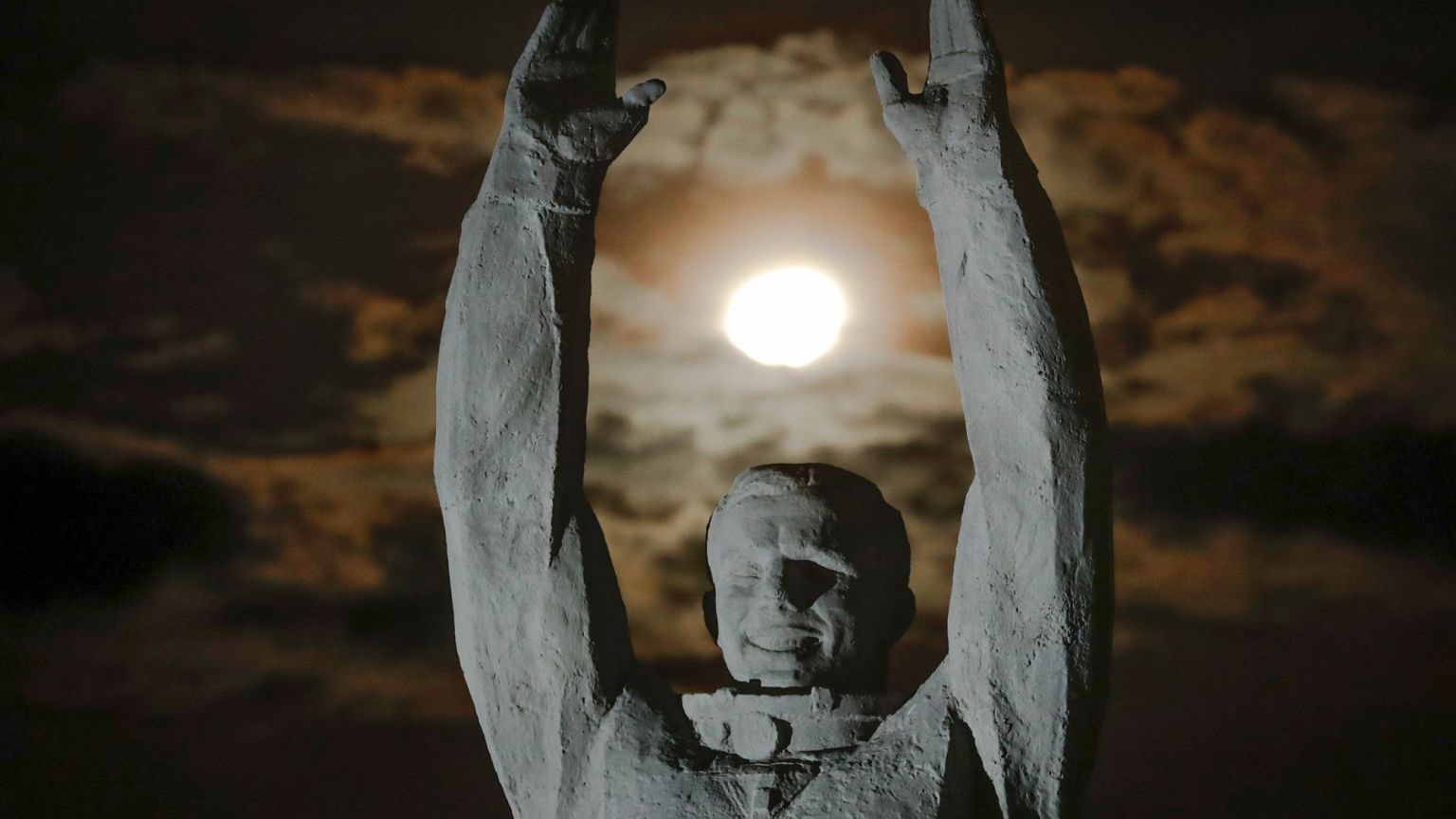
The Gagarin’s Start, also known as Baikonur Site 1 or Site 1/5, holds deep historical significance. In 1961, Yuri Gagarin became the first human to journey into space from this pad. The Earth’s first artificial satellite, Sputnik, was also launched from this pad.

After mulling over an upgrade, Russia’s space agency Roscosmos initially proposed turning the launch pad into a museum, citing the importance of preserving the site as a global heritage site. Soon to be in charge of the project, Kazakhstan hopes to increase Baikonur's tourism potential by opening it to the public.

“Given the historical significance of the Gagarin’s Start and for the purpose of developing tourism at the Baikonur complex, the Kazakh side, in collaboration with the Russian side, plans to create a museum complex dedicated to the history of space exploration,” said the statement by the Kazakh ministry.

The future museum will showcase rockets, space equipment and other artefacts from Baikonur’s 70-year history.

Both sides will also work on including the launch pad in the UNESCO World Heritage List.

Currently, visiting Baikonur requires a special permit issued two months in advance, limiting broader access. The ministry said it was working on reducing the time needed to obtain the access permit and develop a digital pass.

Officials hope the museum project will boost the region's domestic and international tourism.

When art meets activism: A powerful collage for press freedom in Paris


Copyright Euronews

By Sophia Khatsenkova
Published on 09/05/2025 


Young volunteers and artists displayed a united front to raise awareness of the importance of freedom of expression as they highlighted the challenges of modern journalism to mark World Press Freedom Day.

In a busy street by a canal in central Paris, where walls are usually covered in graffiti and bursts of spray-paint, something unique has taken shape.

An image not scrawled but carefully glued, piece by piece, onto a brick wall. A boy on a bicycle throws a newspaper with such force that it shatters a stone wall.

The project is the idea of multiple non-governmental organisations (NGOs), including Europeans Without Borders, Cartooning for Peace and Reporters Without Borders.

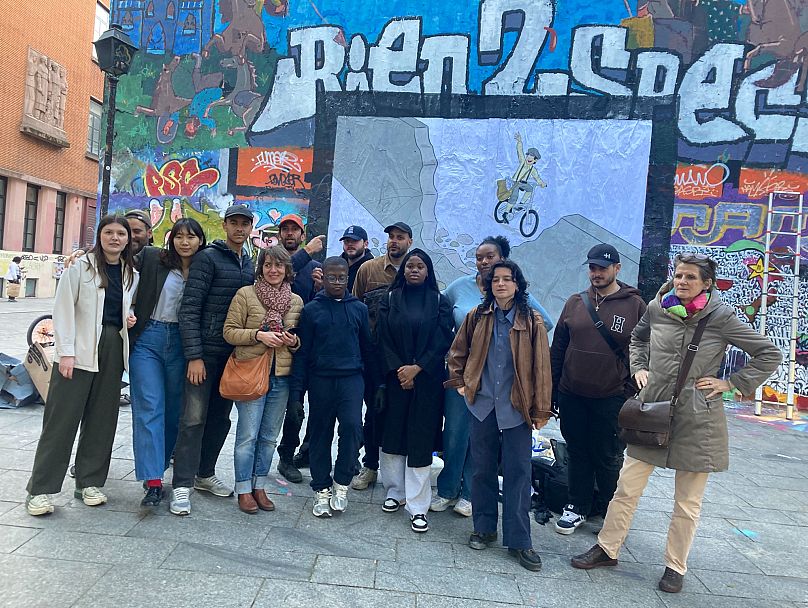
A dozen young volunteers, many from underprivileged backgrounds and neighbourhoods, united to raise awareness of freedom of the press around the world - through art.

“It’s important to celebrate this freedom,” said Naomi, a 20-year-old volunteer.

“In some countries, freedom of the press is censored. Some are not allowed to publish or put their ideologies in the press. This collage is there to show the world that the press isn't just about articles, it’s also about drawing and art. Through art, we can express a lot of ideas and subjects," she told Euronews.

Young volunteers with representatives from Europeans Without Borders and Cartooning for PeaceSophia Khatsenova/Euronews

Many tourists and locals took a brief moment to observe and take in the new art piece. “It’s great to see this,” said Sandra, an American tourist who stumbled upon the collage.


“It’s very in keeping with Paris and what Paris represents. And in America right now, we could use some freedom of the press," she added.

In its 23rd annual ranking, published on 2 May, Reporters Without Borders warned that increasing financial pressure on media outlets poses a real threat to the general public. The NGO stressed that financial burdens may limit access to reliable information.
Street art contributors show the collage to the original Mexican artist Guffo
Sophia Khatsenova/Euronews

“Although Europe remains at the top of the ranking by region, it is increasingly divided. We can see that the situation for media freedom is under major threat, particularly in Portugal, Croatia and Kosovo. Even France has dropped by four points compared to last year," said Léa Rocchiccioli, Campaign Director at Europeans Without Borders.

Among those observing the group was Wimar Verdecia, a Cuban cartoonist, who currently lives in exile in France.

“It gives me a bit of hope to see people are interested in press cartoons, even street art," he said.

For Rocchiccioli, the cartoon serves is a symbol that draws attention to the importance of accurate reporting.

“It’s a positive message,” she said. “You can see that it’s a newspaper breaking down that wall. We wanted to start a debate marked with hope in the public space.”

The original cartoonist, Guffo, based in Mexico, was contacted through a video call by the proud group of young adults.

"I am so honoured," he exclaimed, witnessing his art crossing borders and sparking meaningful dialogue.

ROMANIAN ELECTION

'Our position is very clear. It's a Russian war against Ukraine,' says Simion


Copyright Euronews
By Andra Diaconescu
Published on 09/05/2025 -

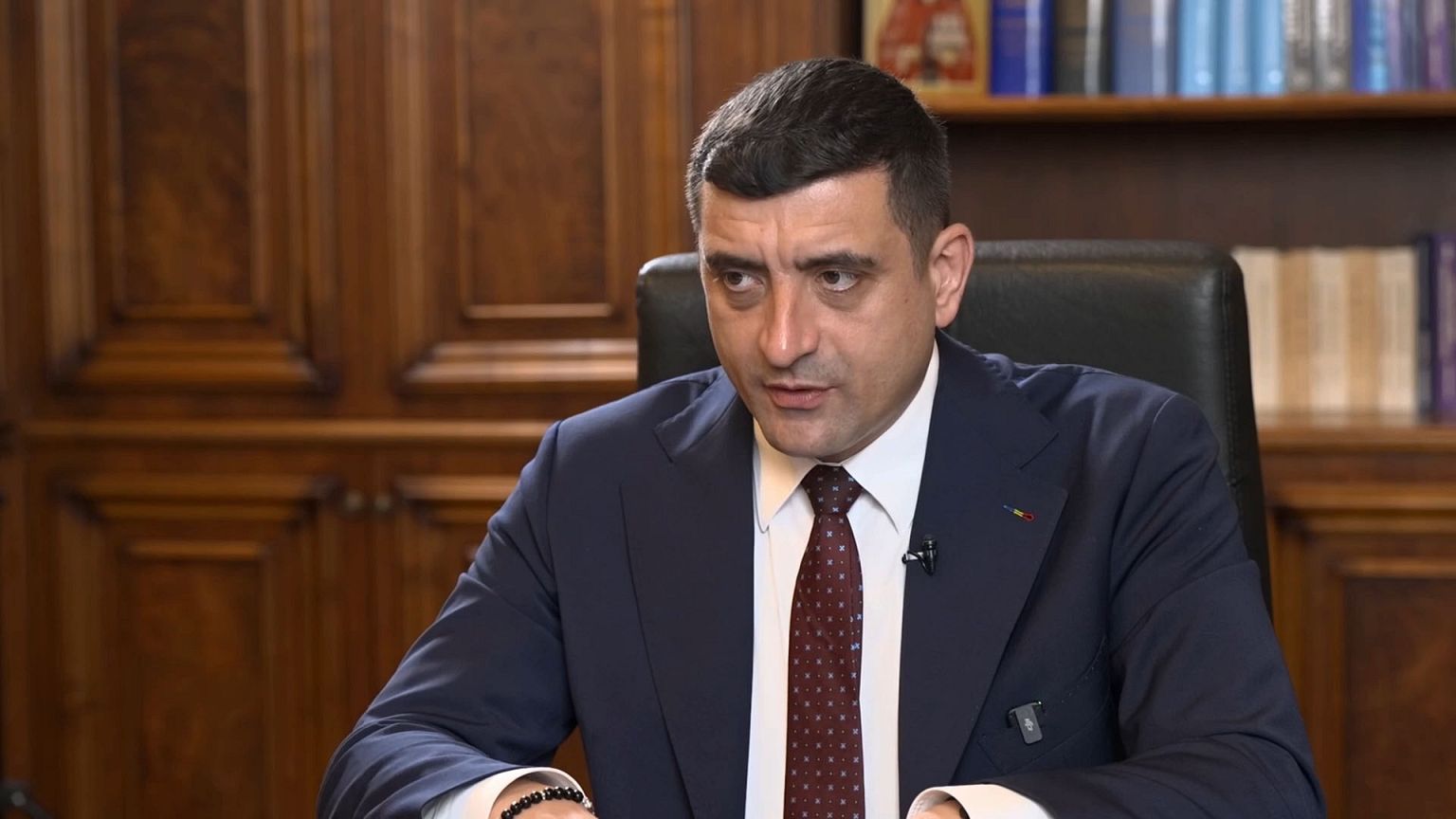
In an Euronews and Euronews Romania exclusive, the AUR party leader, who won the first round of the Romanian presidential election repeat on Sunday, said Russia is waging war on Ukraine, but that Ukraine must respect international treaties and the rights of national minorities.

George Simion is a self-described Euro-realist with differing views on Ukraine. Yet he's not fallen to any kind of anti-Ukrainian sentiment, he says. It's patriotism and protecting the interests of the Romanian minority living there, plain and simple.

And to prove that point, in his mind there is no doubt over who's to blame for the war in Ukraine, or who can be the peacemaker.

"Our position towards the Russian war is very clear. It's a Russian war against Ukraine, against all international treaties, and our hopes and prayers go towards a peaceful solution of the Trump administration in this region because escalating the conflict is not the answer," Simion explained in a joint interview with Euronews and Euronews Romania.

"Our problems with Ukraine is not about hatred, about opposing something. It's about Ukrainians who must respect international treaties and the rights of national minorities," Simion said.

"We have half a million Romanian speakers in Ukraine, and they don't have the right to school and to church."

Simion still has a standing ban on entry to Ukraine, as well as neighbouring Moldova, however. Yet, he is confident the bans will get lifted once he enters office.

"Probably after I win on 19 May, these false interdictions will disappear because it is in Chisinau and Kyiv's interest to work with us. I want to work with them on several topics and I want to have good neighbourly relations," he said.

When asked whether Romania will continue to support Ukraine, defending itself from Russia's all-out war, now in its fourth year, or if Bucharest will put that on hold, Simion was clear.

"This is not an obligation so far as I know, and I will not help Ukraine until Ukraine manages to respect the right of the Romanians living in the sovereign territory of Ukraine," he said.

Does that mean Romania would withdraw its support? Simion said yes.

"I said it numerous times. The solution is a ceasefire and peace negotiation, de-escalating the conflict and we must follow the interests of the Romanian nation, not of other nations that are not part of the European Union and of NATO. And NATO is a defensive alliance," he pointed out.

Yet Romania's future is closely tied to that of the EU in Simion's views, while there's no chance his country would ever leave NATO under his leadership, he emphasised.

"For us, being a member of NATO is vital. We sacrificed a lot for being admitted to NATO. We invested a lot, and our defence spending is quite large."

"So we want to be, along with Poland and the Baltic states, the eastern flank of NATO, and we want to invest more in our defence spending. We want a NATO led by the United States," he added.

Simion has emerged as the frontrunner for Romania's next president, securing 40.5% of the votes in the repeat's first round held last Sunday.

Just two days after his victory, in an interview before the Euronews Romania debate, Simion was optimistic about his chances — and very vocal about his policies.

He's neither a Eurosceptic nor a pro-Russian politician, and he's tired of the relentless name-calling, especially from abroad, he pointed out.

"I am a Euro-realist," Simion told Euronews. "We want a Europe of nations, and I am the person who fought the most before entering politics against Russian propaganda."

His opponent in the second round, Nicușor Dan, who received 21% of the vote on Sunday, is a staunch pro-Ukraine ally.

Both candidates participated in a debate, organised by Euronews Romania Thursday night, in which Ukraine was one of the key topics of discussion.


'I want Romania to maintain its pro-Western direction,' presidential hopeful Dan says


Copyright Euronews
By Andra Diaconescu
Published on 09/05/2025 

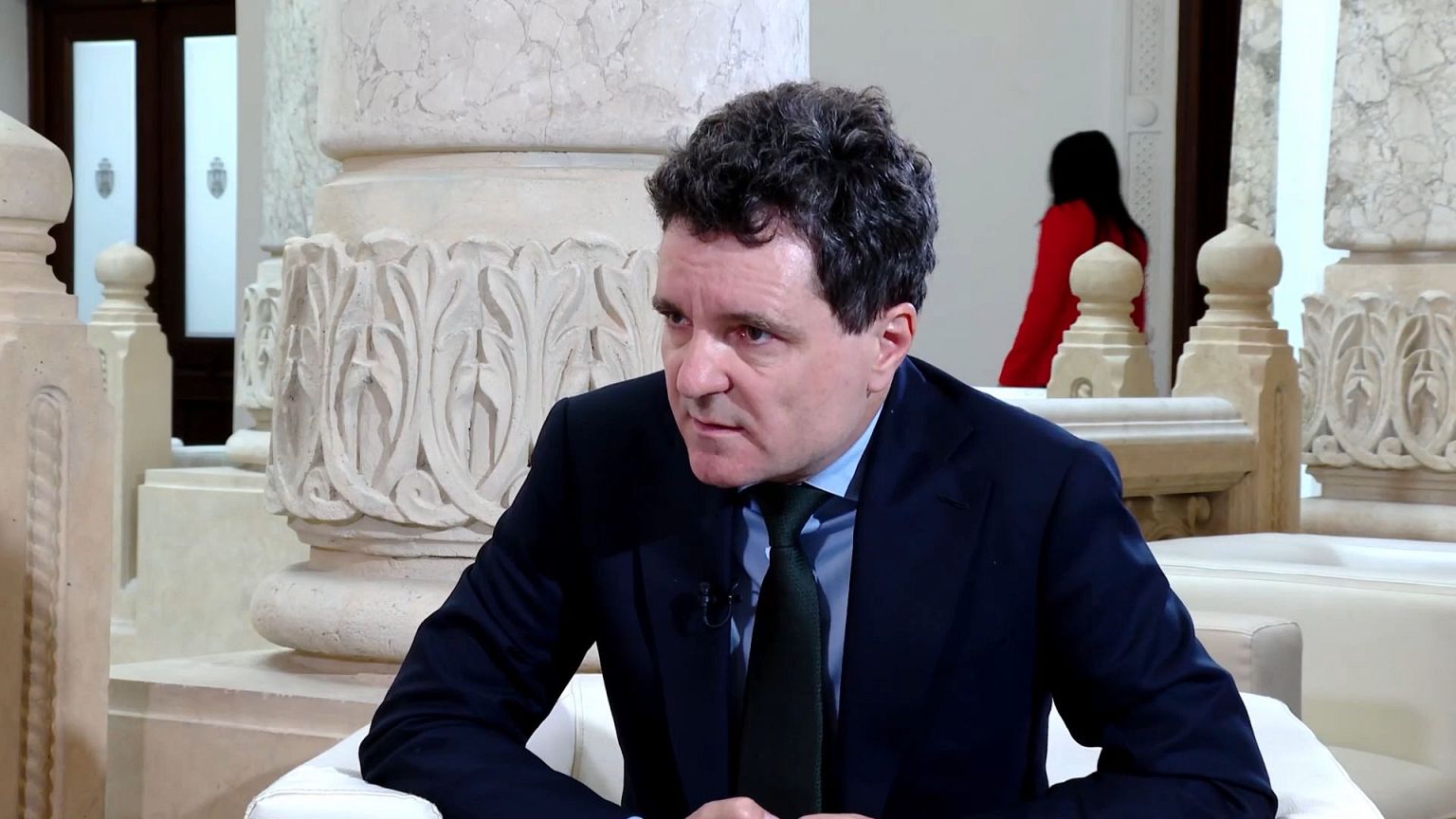
In a joint interview with Euronews and Euronews Romania, Dan, who came in second on Sunday's vote count, maintained his strongly pro-Western stances, especially on Ukraine, starkly contrasting with those of his opponent, George Simion.

Mathematician and Bucharest mayor Nicușor Dan has remained steadfast in his support of a pro-Western policy, despite the threat emanating from Russia.

Highlighting his beliefs, Dan is confidently pro-European, though he is not turning his back on good relations with US President Donald Trump's administration in Washington.

"I want Romania to maintain its pro-Western direction," Dan said in a joint interview with Euronews and Euronews Romania, "which means pro-European, for Romania to be active in the European Union."

"On the other hand, I want to preserve the strategic partnership Romania has with the United States, which is very important, especially in the security area."

Asked about Trump himself, Dan underlined pragmatism in Romania's approach with his administration.

"Romania has a strategic partnership with the US that I want to see continued and expanded. I would like a greater presence of American companies in Romania," he pointed out.

"And I would obviously like a retention of American troops in Romania, which is an additional security guarantee for Romania."

The biggest question hanging over the election, though, is what has led to Simion's meteoric rise on the right, an event that saw the first attempt at the election cancelled because of alleged irregularities in the first round.

"It is a failure of the traditional political class, one that was exploited by those who shouted louder, who had stronger, more populist messages," Dan says of his opponent's success.

"Romania has a big problem, which is corruption. This is the reason why the doubling of GDP in the last 10 years has not been reflected in the living conditions of ordinary people," Dan said.

"Romania has a problem with the functioning of the state apparatus that people, again, see very well. But on the other hand, Romania has the resources to correct all these things and transfer the economy to prosperity."

The Bucharest mayor and his nationalist opponent offered sharply differing attitudes on support for Ukraine in their first television debate, hosted by Euronews Romania.

In the interview conducted prior to the debate, Dan said he wanted to remain aligned with Western partners, more importantly, from Western Europe, as he explains it is about the "security of Romania and the Republic of Moldova at stake."

"In the event that I am president, I will campaign for this within the European structures," Dan said.

Dan has an uphill battle receiving 21% of the vote on Sunday compared to 41% from Simion. The second round will take place on 18 May, with the future direction of Western alliances at stake.

Domestically, Dan will look to stabilise Romania financially, with a first quarter deficit of 2.3%. "That means a prediction of a 9% deficit per year, which is not healthy at all, the target being 7%."

"This is the first thing that needs to be done, limit certain expenses, see what are the obstacles to attracting European funds, very high pressure on big tax evasion and also on the functioning of state-owned companies, on the management of state-owned companies," Dan concluded.


Kurdish PKK group says 'historic' decisions made at congress but is silent on disbanding


Copyright AP Photo/Metin Yoksu, File

By Oman Al Yahyai with AP
Published on 09/05/2025 


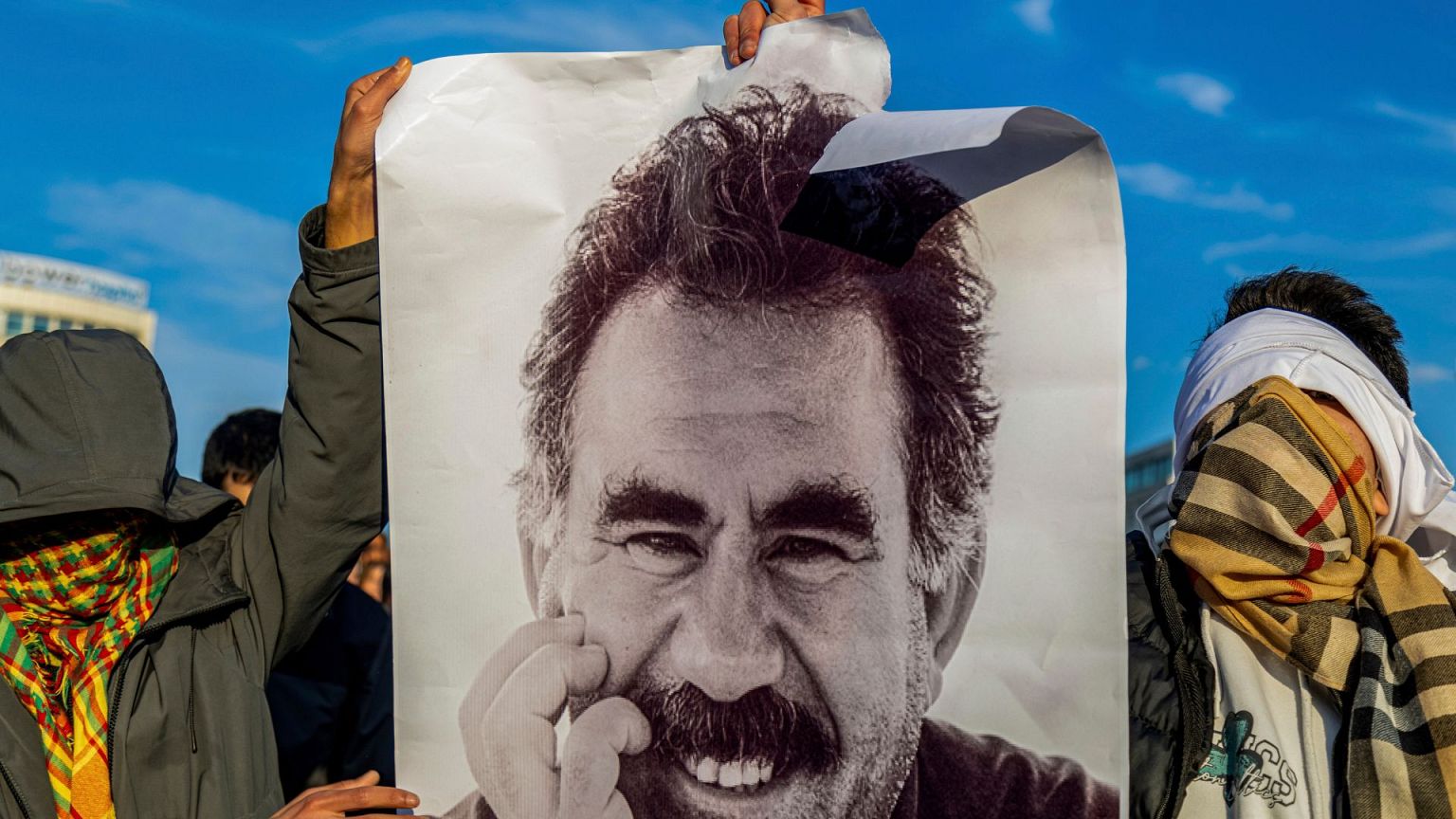
The congress followed a February appeal by imprisoned PKK leader Abdullah Öcalan for the group to dissolve and end its four-decade insurgency with Turkey.

The Kurdistan Workers' Party (PKK) has declared that "historic" decisions were made during its long-anticipated congress held earlier this week in northern Iraq, though the group has not confirmed whether it intends to disband or disarm as part of a new peace initiative with Turkey.

According to a statement carried by Firat News Agency, which is closely affiliated with the outlawed group, the congress was held across two locations in northern Iraq, Suleymaniyah and Duhok, between Monday and Wednesday.

The group said further details of the resolutions would be shared with the public shortly.

In February, PKK founder and imprisoned leader Abdullah Öcalan had called for the group to convene a congress to dissolve and lay down arms to bring an end to the decades-long conflict with Turkey.

Since the 1980s, the insurgency has resulted in tens of thousands of deaths.

The PKK, designated a terrorist organisation by Turkey, the United States, the European Union and other Western nations, declared a ceasefire shortly after Öcalan’s appeal.

However, it stipulated that certain conditions must be met before any disarmament, including establishing a legal framework for peace negotiations.

Öcalan’s messages highlighting his "perspectives and proposals" were read during the congress, Firat News reported.

The Turkish broadcaster Habertürk also confirmed the congress locations, both known strongholds of the PKK's senior leadership.

Turkey's pro-Kurdish DEM Party, which is involved in the current peace initiative, said on Friday that a formal declaration from the PKK could be imminent.

Related

PKK leader Abdullah Öcalan calls on banned Kurdish group to lay down arms and dissolve

"We, too, are awaiting this historic step, this historic decision," said party spokesperson Aysegül Doğan.

The latest peace overture was launched in October by Turkish far-right politician Devlet Bahçeli, who proposed that Öcalan could be considered for parole if the PKK renounced armed struggle and formally dissolved.

Earlier efforts at reconciliation, including a major initiative in 2015, have ultimately collapsed.

The conflict between Turkey and the PKK has led to tens of thousands of deaths since it began in 1984.

Its initial aim was to create a separate Kurdish state, but later changed to demands for greater autonomy.

Are we seeing the end of the UK's political duopoly?


Copyright AP Photo
By Rory Sullivan
Published on 09/05/2025 

Labour and the Conservatives have had a stranglehold on political power for decades — but as Reform UK's victory in last week's election shows, this now appears to changing.

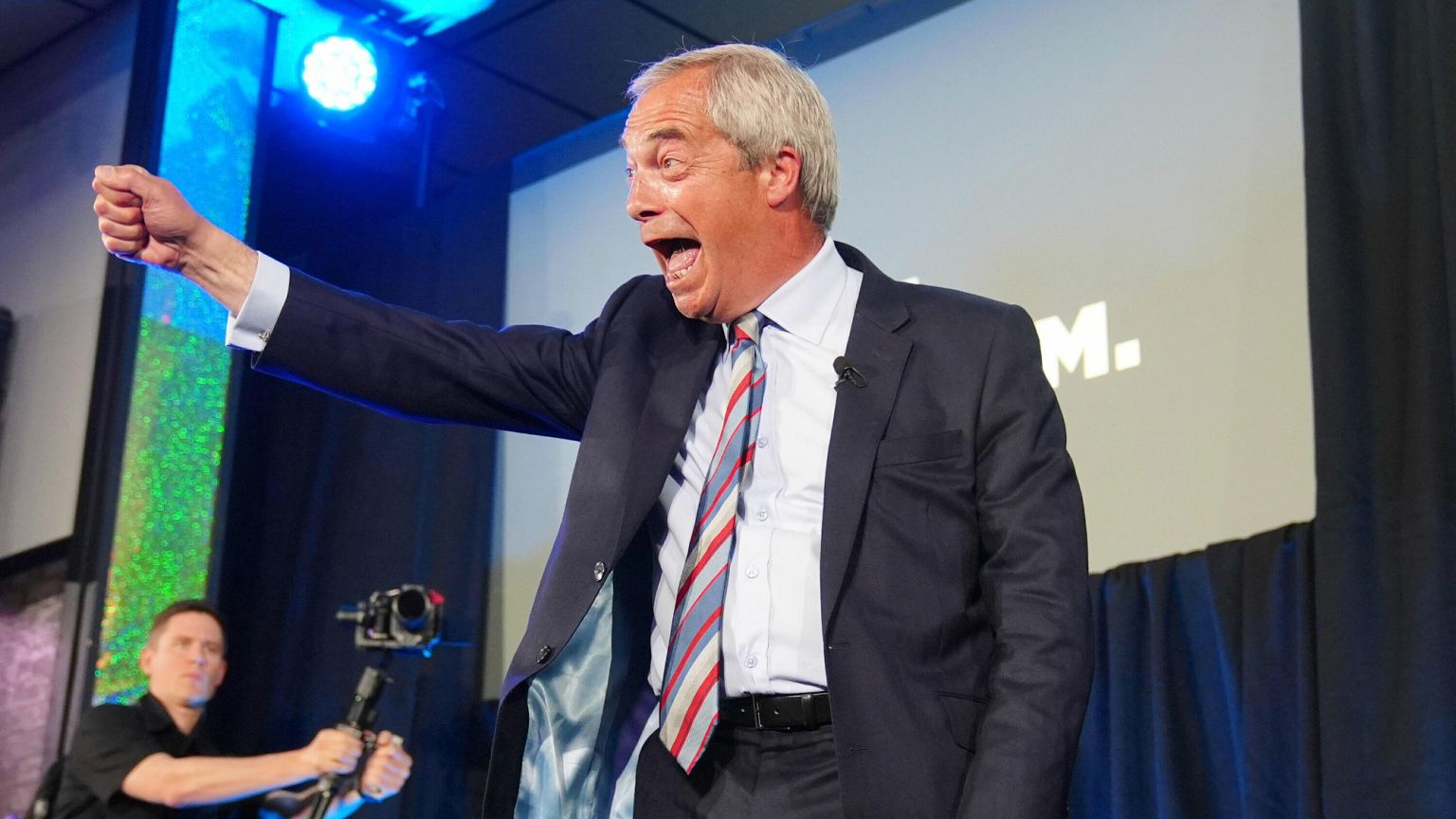
Britons awoke last Friday to images of a giddy Nigel Farage.

The leader of Reform UK, an anti-immigration, populist right-wing party which has surged in the polls in recent months, was celebrating his candidate’s narrow victory in a by-election in Runcorn and Helsby, a constituency in northwest England.

Below his beaming smile, Farage showed just how tight the race was by holding up six fingers to represent the six deciding votes.

“It may be a small margin but it’s a huge win,” he said, congratulating his colleague Sarah Pochin, who had become Reform’s fifth MP and the first woman to represent the party in Westminster.

Overturning Labour’s almost 15,000-vote majority in Runcorn and Helsby was indeed an enormous win, but Reform’s performance in last Thursday’s local elections sent an even starker political message to its opponents.

Reform gained control of 10 of the 23 councils up for grabs, and won 677 of the 1,600 council seats being contested. It also finished first in two mayoral elections — one in Greater Lincolnshire, the other in Hull & East Yorkshire.

Conversely, support for the Conservatives and Labour, the historically dominant forces in British politics, crumbled: the parties lost 674 and 187 local seats respectively, and neither won control of a single council.

As the scale of his success began to emerge, Farage said the country was now experiencing a “whole different politics”.

“We are now the opposition party in the UK to Labour, and the Tories [the Conservatives] are a waste of space,” he declared.

Beyond two-party politics

Over the past week, many political commentators have suggested that Britain’s decades-long political duopoly could be over.

“The results confirm that we're in an era of four or even five-party politics," said Tim Bale, a politics professor at Queen Mary University of London. "The fragmentation of the party system has been going on really since the mid-1970s, but it's accelerated considerably over the last few years.”

“And as a result, we've seen the domination of Labour and the Conservatives possibly come to an end for good.”

While Reform came first by some distance in the local elections, the Liberal Democrats also did well, making inroads in plenty of former Tory strongholds.


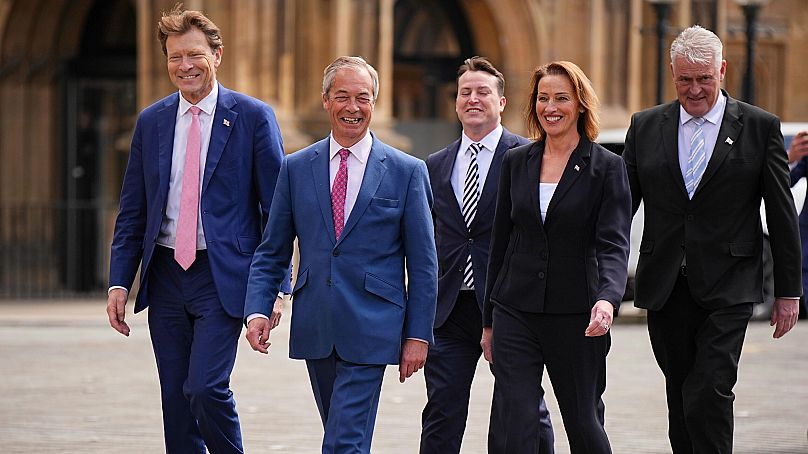
Sarah Pochin, the newly elected MP for Runcorn and Helsby, is joined by her fellow Reform UK MPs outside the Houses of Parliament on 6 May, 2025.AP Photo

Reform’s rise is partly the result of the traditional parties’ failure to tangibly improve people’s lives and public services, and their tendency to overpromise and underdeliver, according to Bale — who also points to a growing impatience at the speed of political change.

A problem for Labour, a crisis for the Conservatives

Political analysts told Euronews that Farage’s win last Thursday posed a problem for Labour, but a much greater threat to the Conservatives.

As the next general election doesn’t have to be held until 2029, Labour, the ruling party, still has up to four years to set the agenda and attempt to bring about the change they have promised, the experts said.

“The results confirm that we're in an era of four or even five-party politics."
Tim Bale, politics professor at Queen Mary University of London

Government success could dent Reform’s popularity.

“They have to hope that the things that parties used to be able to provide — economic growth, improvements in living standards, relatively good quality public services — will in the end be more attractive to voters than the emotive performance politics that they get from leaders like Nigel Farage,” said Bale.

However, the Conservatives, who did disastrously in July’s general election after 14 years in power, do not have as strong a hand to play.

While cautioning that local elections are not always indicative of voting behaviour at general elections, Robert Ford, a political scientist at the University of Manchester, said the Tories could face “an existential crisis” at the national level.

“The most successful election-winning machine in British history — and one of the most successful in world democratic history — has been absolutely knocked to the canvas here,” he said, referring to this year’s local elections, a far cry from their performance four years earlier.

“They went from being the party of everywhere in 2021 to being the party of nowhere in 2025. They got completely wiped out, lost every single council and 70% of their council seats.”

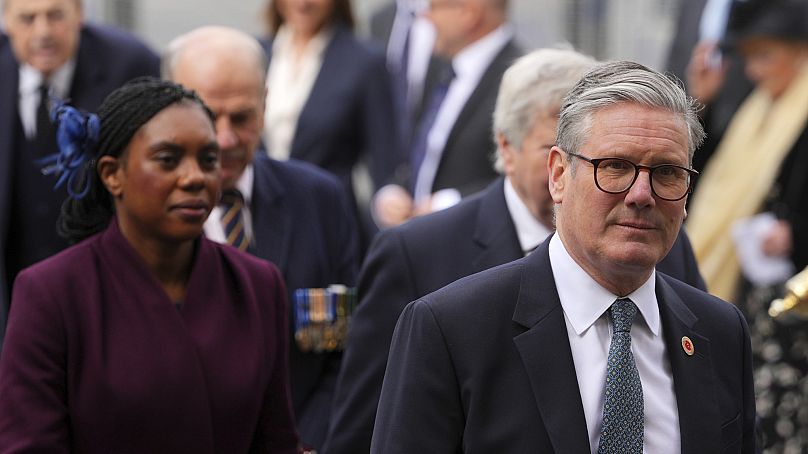
Prime Minister Keir Starmer, leader of the Labour party, and Kemi Badenoch, leader of the Conservative party, attend a V-E Day event in London on 8 May, 2025.AP Photo

Ford noted that it will be difficult for the Tories to rebuild their brand in opposition, as unlike Labour, they have fewer opportunities at their disposal.

According to the latest YouGov polling, if a general election were held tomorrow, 9% of 2024 Labour voters would choose Reform, as would 26% of Conservative voters.

Still, it may be too early to declare the Tories dead, said YouGov Director of Political Analytics Patrick English.

“The two most-established parties of British politics have survived everything thrown at them for the past 120 years, so we probably shouldn't write either of them off,” English noted.

“What the last few months of polling, and the general election, have been telling us is that Labour and the Conservatives face serious, structural challenges to their voter coalition and supporter base which they do not, currently, seem properly equipped to deal with,” he added.

The trap of Farageism

Both Labour and the Conservatives need to focus on themselves, said Ford, rather than being tempted to ape Farage’s politics. He cited the example of immigration and the Conservative former Prime Minister Rishi Sunak’s pledge to “stop the boats” bringing migrants over from Europe.

“They [the Conservatives] went from being the party of everywhere in 2021 to being the party of nowhere in 2025."
Rob Ford, political scientist at the University of Manchester

“They have been trying to offer people a poundshop, knock-off Farage. But no one wants that. Why would you accept the knock-off when you can have the original?” he said.

Labour should also be wary too, he warned. “They need to have this fight on their terrain, not on Farage's terrain. It needs to be a home fixture, not an away fixture.”

Both traditional parties will hope that Reform struggles under the scrutiny that comes with controlling local councils, or that it starts to suffer from the fragmentation to which radical-right parties are prone.

Asked whether Farage could become prime minister in the coming years, Ford said it was “still not the likeliest outcome”, but that “it's a substantially more plausible outcome than it was a week ago”.

“These are the kind of results in terms of depth and breadth and strength of support that Farage needs if he's to be a credible aspirant for power,” he said.
RelatedReform UK wins by-election by just six votes to gain fifth MP

English, the YouGov political analyst, said only time would tell. “There is nothing in the data we can currently see to suggest that Farage and Reform UK will fade away any time soon.”

“In fact, there is plenty to suggest the opposite — that their support will continue to grow and solidify. But we are years away from the next general election, and so much can happen in between now and then.”

The death of ‘first past the post’?


One thing that the local election results have made clearer is the potential need to change the UK’s first-past-the-post (FPTP) system, which historically has given the bigger parties, Labour and the Conservatives, an advantage.

For example, with just 33.7% of the vote in last year’s general election, Labour won 412 of the country’s 650 seats.

But with Reform’s growing popularity, it is not just the main two parties who can now benefit disproportionately from the current system. Farage’s party proved as much in the local elections, where it won around 31% of the vote but gained a much higher percentage of councillors.

The UK’s changed political landscape may start to change minds among those who have always backed FPTP.

”If you are a Conservative or Labour politician or activist or voter who views a Nigel Farage majority government as the worst of all possible outcomes, there is only one electoral system that will ever deliver that outcome. And that is FPTP,” said Ford.

“Electoral reform is not just about what it enables, it is about what it prevents.”


Two men found guilty of criminal damage in UK for felling beloved Sycamore Gap tree


Copyright AP Photo

By Gavin Blackburn with AP
Published on 09/05/2025 

Prosecutors offered no evidence of a motive for the 2023 crime other than calling it senseless vandalism.

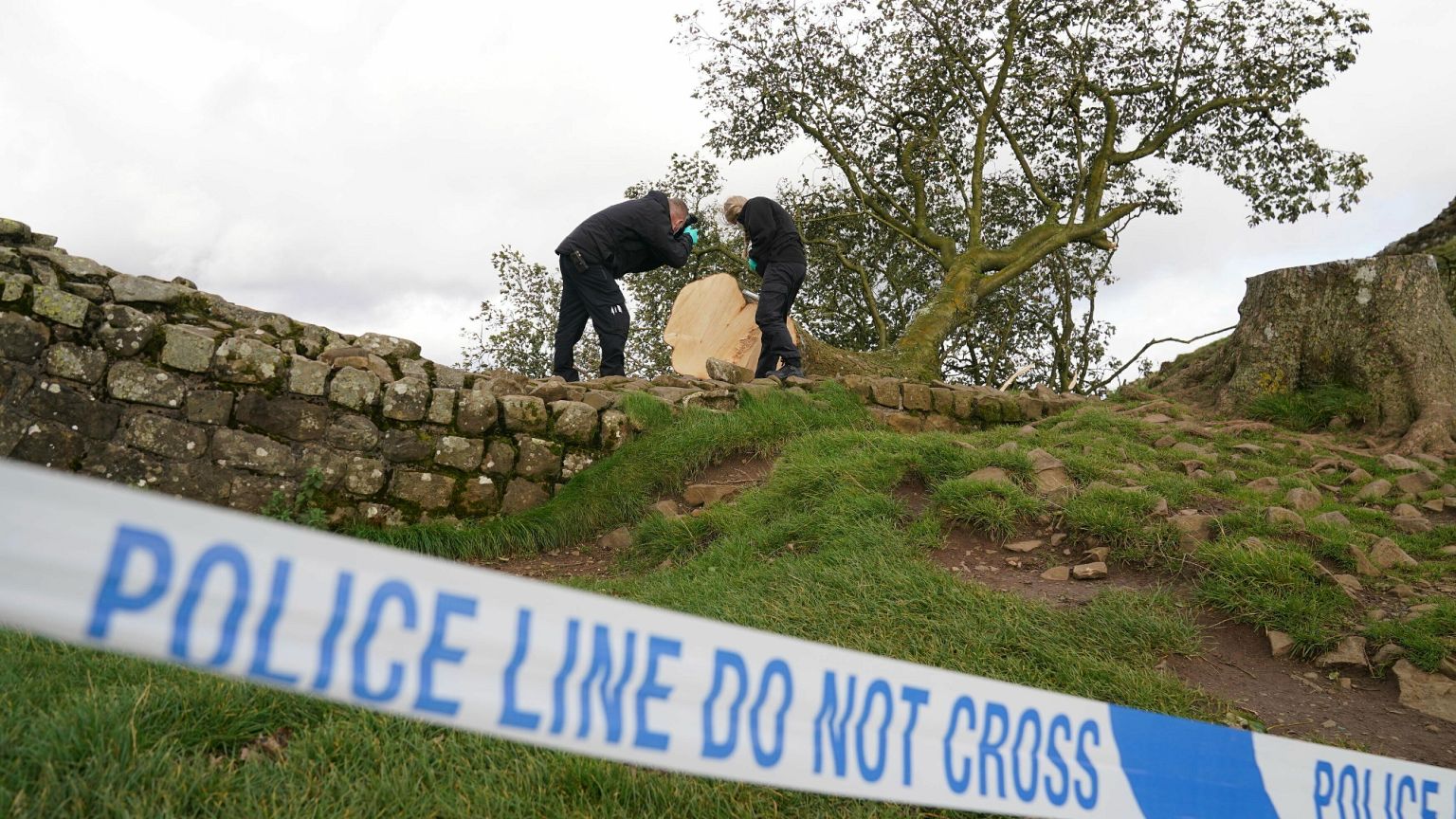
Two men have been found guilty of cutting down the beloved Sycamore Gap tree in northern England in 2023 in an unexplained act of vandalism that sparked widespread outrage.

A Newcastle Crown Court jury found Daniel Graham and Adam Carruthers guilty of two counts each of criminal damage for felling the tree, causing it to topple onto Hadrian's Wall.

The tree was not Britain's biggest or oldest, but it was prized for its picturesque setting symmetrically planted between two hills along the ancient wall built by Emperor Hadrian in AD 122 to protect the northwest frontier of the Roman Empire and had attracted generations of followers.

The tree had been known to locals but received international attention in Kevin Costner's 1991 film "Robin Hood: Prince Of Thieves."

It drew tourists, lovers, landscape photographers and even those who spread the ashes of loved ones.

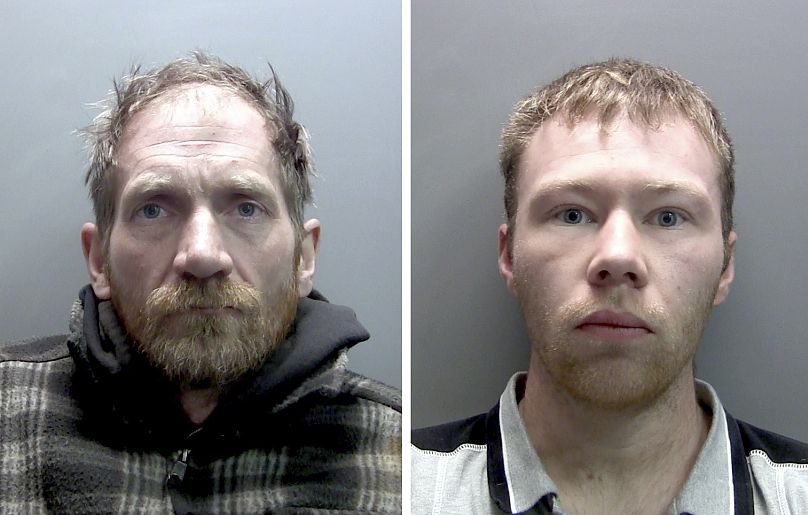
This is a photo provided by Northumbria Police of Daniel Graham, left and Adam Carruthers who have been convicted of cutting down the Sycamore Gap tree, 9 May, 2025AP/AP

"For over a century, Sycamore Gap has been an iconic natural landmark in the northeast of England, bringing immeasurable joy to those visiting the area," Gale Gilchrist, chief prosecutor for the region, said in a statement after the verdict.

"In just under three minutes, Graham and Carruthers ended its historic legacy in a deliberate and mindless act of destruction."


Jurors deliberated about four hours on Thursday and reached a verdict after meeting for less than 30 minutes on Friday morning.

Neither defendant showed any visible reaction as the verdicts were read.
Facing jail time

Justice Christina Lambert ordered both men held in custody until sentencing on 15 July and said they could face "a lengthy period in custody."

The maximum sentence for criminal damage is 10 years in prison.


The defendants, once close friends, both testified that they had nothing to do with cutting down the tree. Graham pointed the finger at Carruthers.

Prosecutors showed grainy video from Graham’s phone of the tree being cut down, a video sent shortly afterward to Carruthers' phone.

Metadata showed it was taken at the tree's location in Northumberland National Park. Data showed Graham's Range Rover had travelled there.

Prosecutor Richard Wright said he couldn't say who cut the tree and who held the phone, but the two men were the only people in the world who had the video on their devices.

The following day, Carruthers and Graham exchanged text and voice messages that captured their excitement as the story went viral.
The stars above Sycamore Gap prior to the Perseid Meteor Shower above Hadrian's Wall, 12 August, 2015Scott Heppell/Copyright 2023 The AP. All rights reserved.

Prosecutors offered no evidence of a motive for the crime other than calling it senseless vandalism.

But Wright suggested to jurors in his closing argument that the men cut the tree down for "a bit of a laugh" but had failed to realise the anger they would spark in the "arboreal equivalent of mindless thuggery."

"They woke up the morning after and soon realised — as the news media rolled in, as the outrage of the public became clear — it must have dawned on them that they couldn't see anyone else smiling," Wright said.

"Far from being the big men they thought they were, everyone else thought that they were rather pathetic."

Prosecutors originally said the tree was valued at more than £620,000 pounds (€732,000) and damage to the wall was estimated at £1,100 pounds (€1,300).

But on Friday prosecutor Rebecca Brown said those figures are in dispute and are likely lower, but would still fall in the top category of harm for sentencing purposes.