Wednesday, November 19, 2025

Law of the Sea, the Abysmal Plain, and the Value of Intentional Obsolescence


Rapacious Capitalism
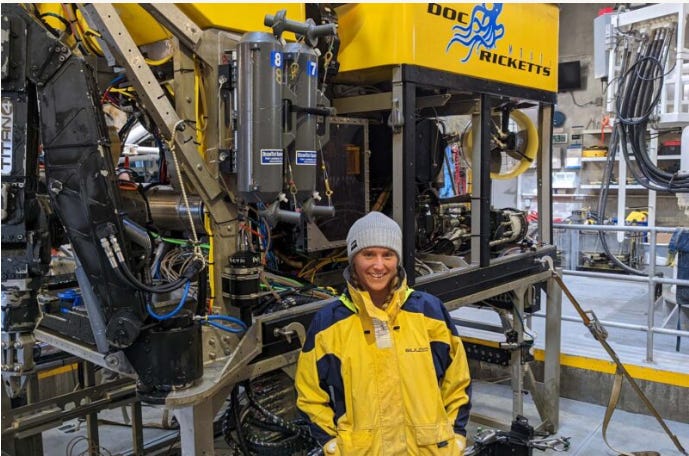


REE’s — Rare Earth Elements.

We’re all connected to the deep sea. There is no line in the ocean that says to us, ‘below this, nothing matters.’ The ocean is all connected. It’s the largest livable habitat on the planet.
— Astrid Leitner, Oregon State U assistant professor.

 

The interview HERE, to be aired, in 2026, KYAQ.Org (Finding Fringe — Voices from the Edge) covers, well, the part we do not see, for the most part, at the bottom of the sea:
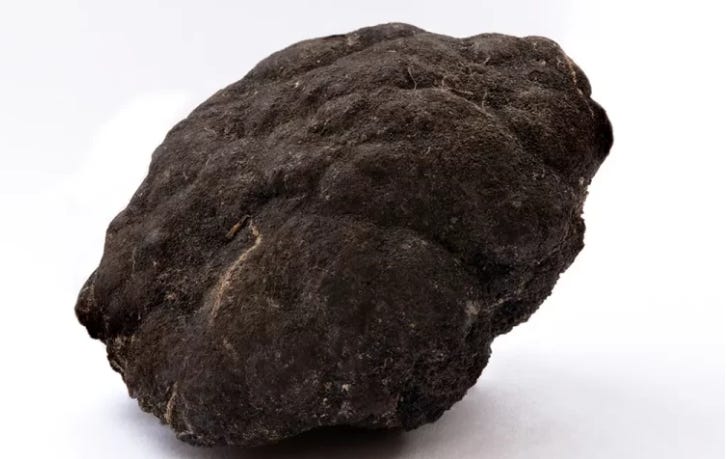
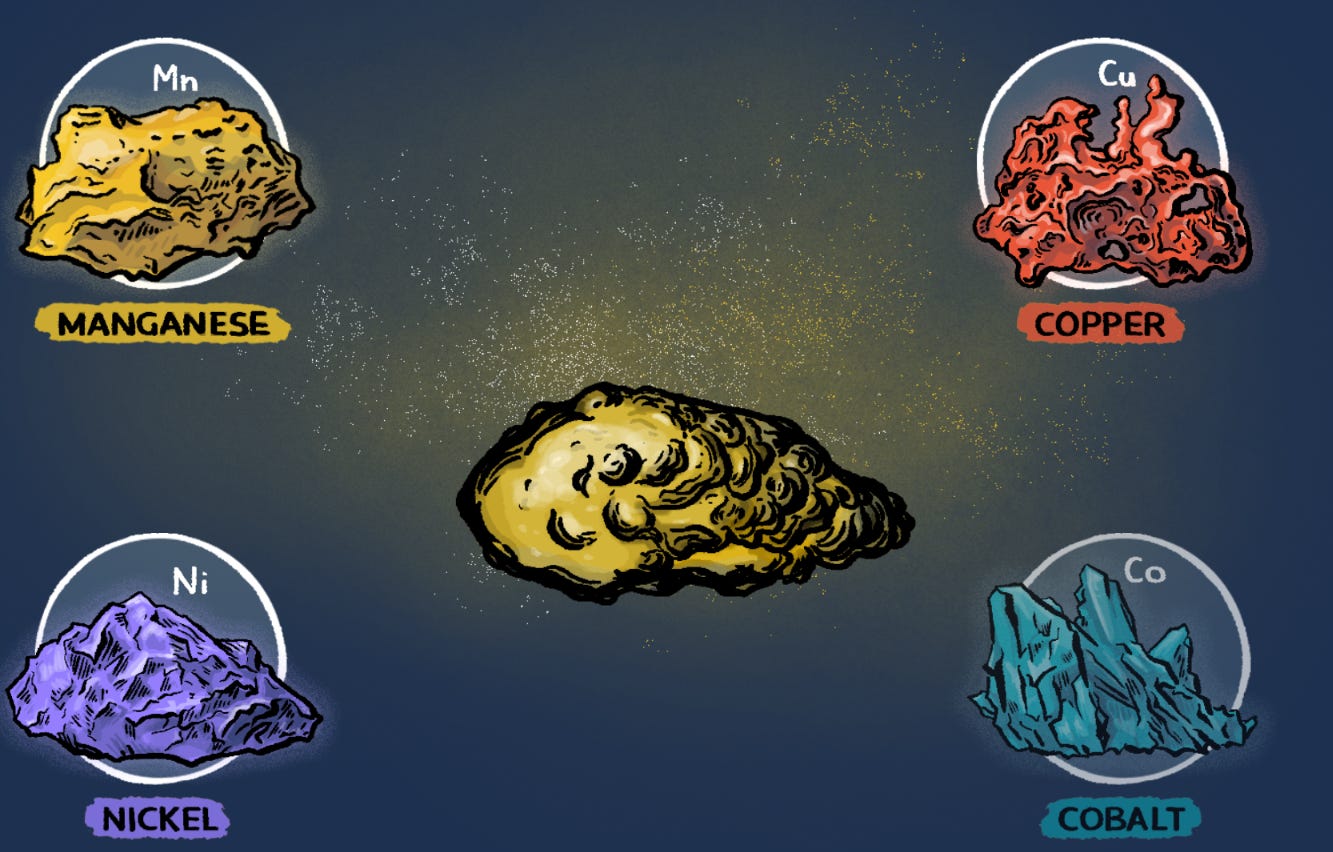
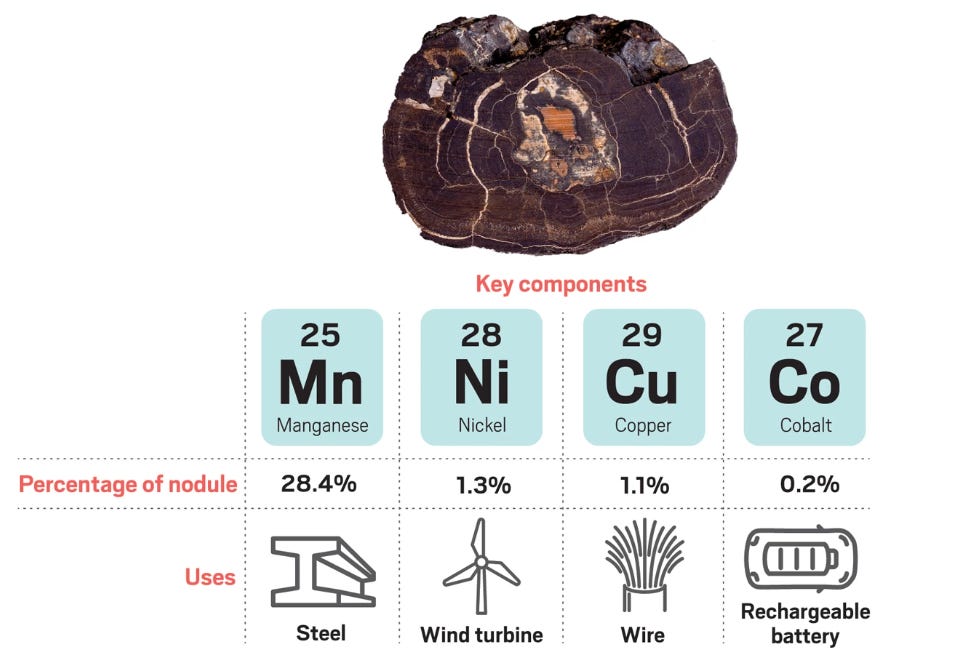
…formed over millions of years from falling debris like shark’s teeth or fish bones—acted as nuclei to gather trace minerals. The estimate is that the nodules grow about one millimeter every thousand years and, in some areas of the seabed, there are billions of these potato-sized rocks, each one teeming with minute marine organisms
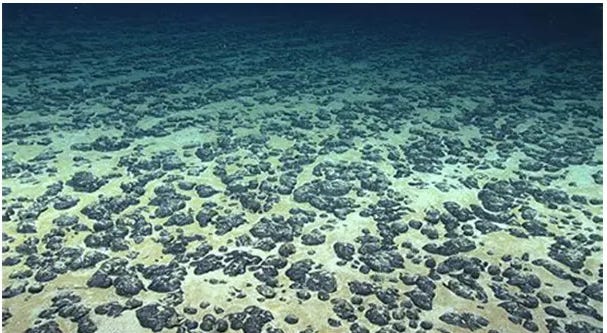
This is Astrid’s work:
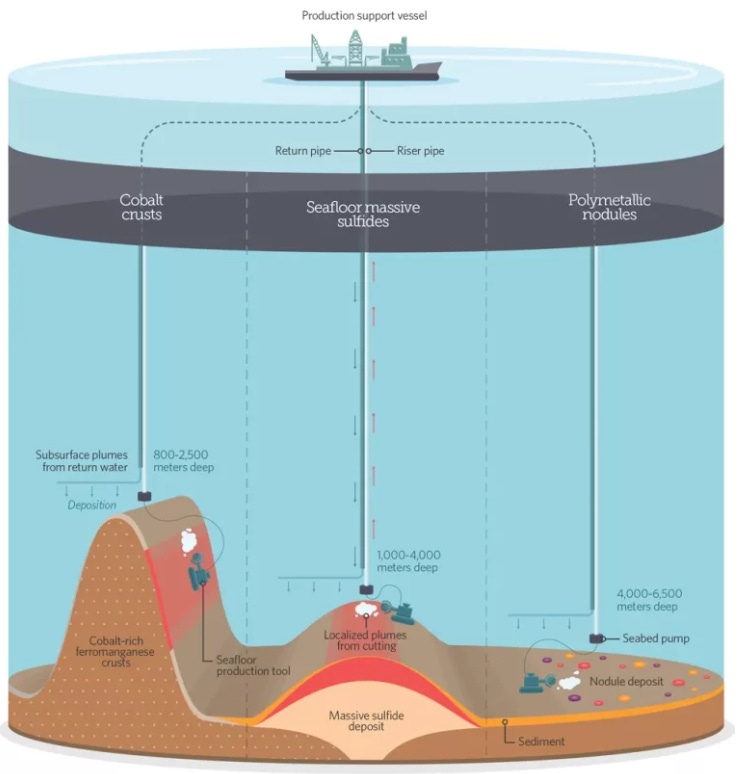
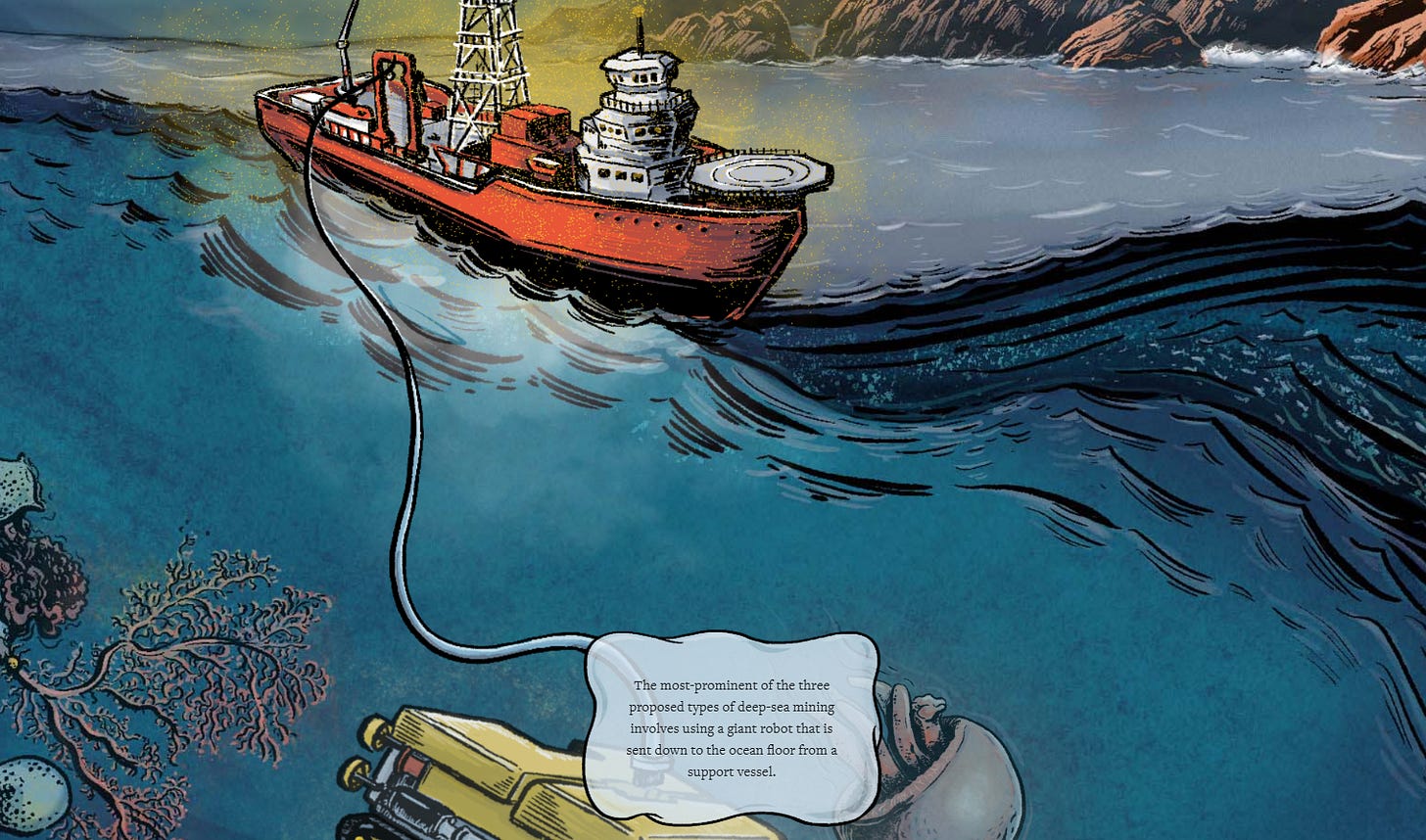
How will it impact the already diminished populations of phytoplankton which provide up to 70% of the oxygen in the atmosphere? How will it impact the already diminished populations of krill, the foundation of the food pyramid in the sea? How will deep sea mining influence the climate, the movement of currents, and the migration and viability of sea life? The industry has not answered these questions because there is no answer that they will acknowledge—because such answers will expose them as harbingers of global destruction.

Since 2001, the International Seabed Authority (ISA), an intergovernmental body in charge of regulating deep-sea mining in waters beyond national jurisdictions, has granted 31 exploratory licenses to private companies and governmental agencies. The organization is unlikely to approve commercial mining applications until its 36-member council reaches consensus on rules regarding exploitation and the environment. Member states have set a 2025 timeline to finalize and adopt the regulations.

Read more here: The promise and risks of deep-sea mining
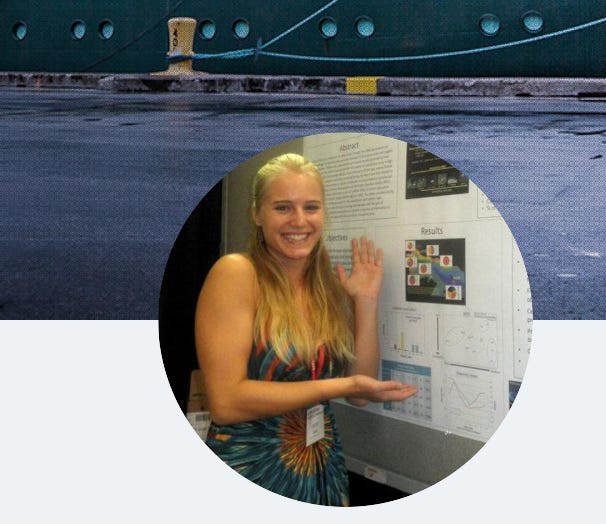
Astrid Leitner completed two bachelors degrees at the University of California at Santa Cruz in 2012. She has one degree in Marine Biology and another degree in Earth and Planetary Sciences. During her undergraduate career she focused mainly on coastal ecology, working for the Partnership for Interdisciplinary Studies of Coastal Oceans (PISCO). Astrid began her career working in the intertidal on a barnacle recruitment project. Later on, she began to work as an AAUS scientific diver in the California Kelp Forests studying the impacts of local, small-scale physical processes on the rockfish community.

Additionally, she spent one semester at STARESO (Station de Recherches Sous-marines et Oceanographiques) in Corsica, France where she studied factors influencing schools of Chromis, the Mediterranean damselfish. Astrid also completed an NSF Research Experience for Undergraduates (REU) program at Oregon State University where she worked on her first deep sea project. While in Oregon, she worked on the fish community in Astoria Canyon, a large submarine canyon beginning at the mouth of the Columbia River. For this project Astrid analyzed Remotely Operated Vehicle (ROV) footage from depths ranging from 100 to 1400 meters.
As a part of her research, Leitner discovered the largest aggregation of fish ever documented at abyssal depths of 10,000 to 20,000 feet. She also recently discovered a distinct midwater boundary community along the wall of the Monterey Canyon. In addition to her role as an oceanographer, Leitner is a dedicated advocate and mentor for women in science.
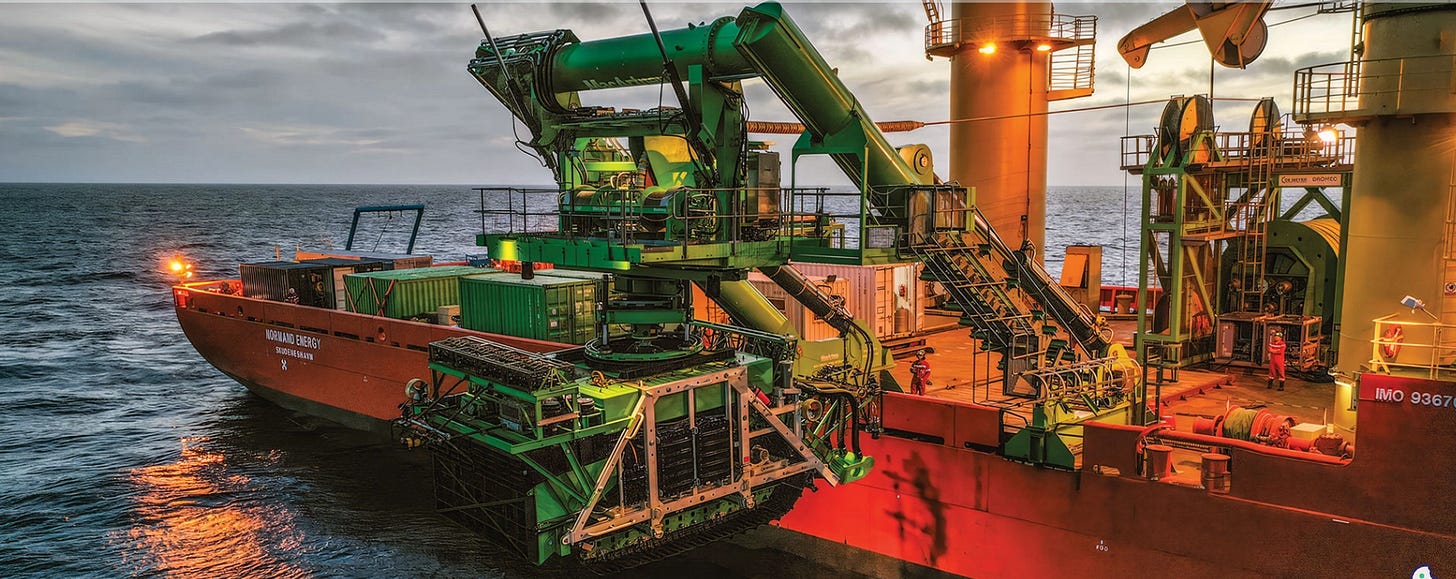
“Her subsequent work in graduate school at University of Hawaii and as a postdoctoral fellow at the Monterey Bay Aquarium Research Institute helped her hone her focus on the effects of steep and dramatic undersea features on deep-sea community ecology. Leitner’s work asks, what species use various abrupt deep-sea habitats? What are they doing in these habitats? How do the observed species interact with each other? How does community structure change over space and time? (Astrid Leitner shines light on the deep, dark sea.” — By Nancy Steinberg)
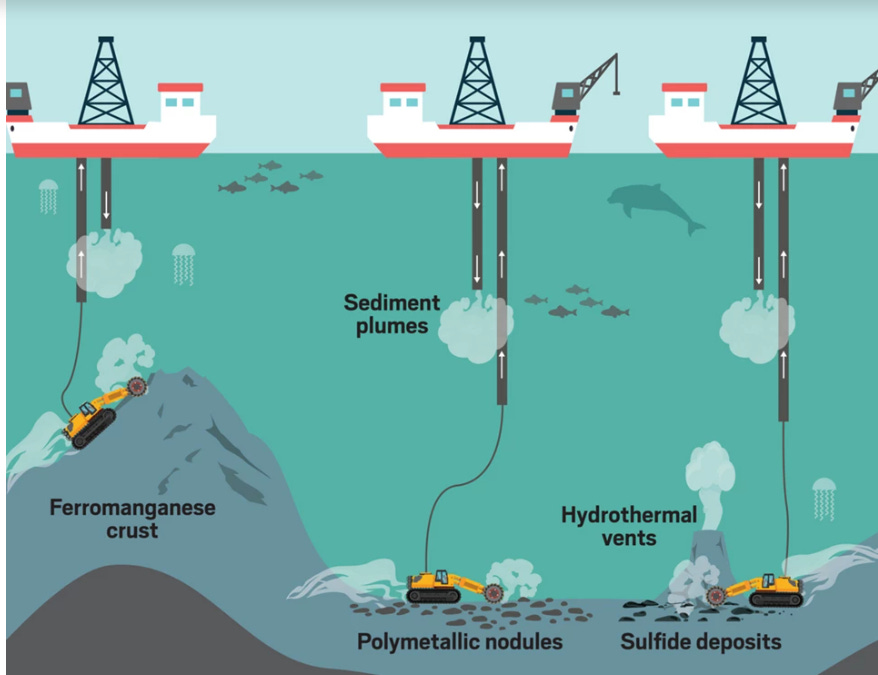
Recently, a team led by researchers at the Natural History Museum in London identified 5,000 new animal species from an untouched area of the Clarion-Clipperton Zone (Curr. Biol. 2023, DOI: 10.1016/j.cub.2023.04.052).

“And there’s millions, possibly tens of millions of species in the deep sea still to be described,” Travis Washburn, an ecologist who worked with the Geological Survey of Japan to study impacts of seabed mining tests, says. “Without knowing what’s down there, scientists can’t understand mining’s full impact.”
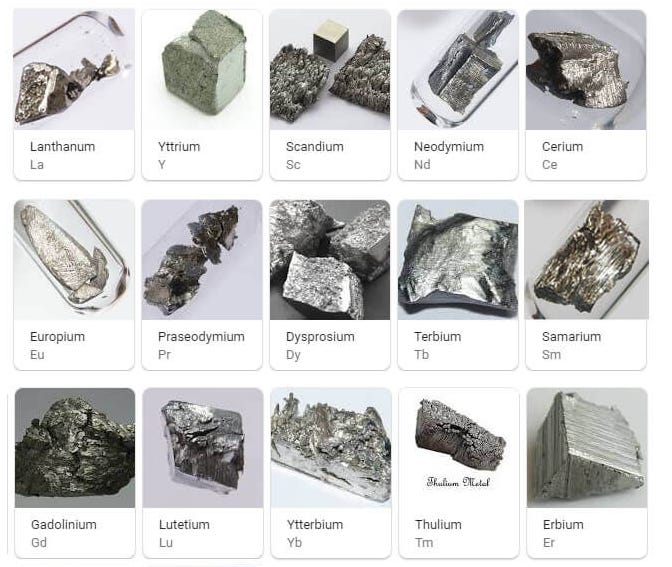
…copper, cobalt, nickel, zinc, silver, gold… Strategic Metals! War War War.

“It is difficult to get a man to understand something, when his salary depends on his not understanding it.” ― Upton Sinclair, I, Candidate for Governor: And How I Got Licked

Rare metals

Rare metals are metals having a low average abundance and/or availability in the Earth’s crust (i.e. the capacity to concentrate in deposits). This is the case, for example, for indium, cobalt and antimony. Rare earths comprise a group of fifteen metals (the lanthanides) which form an integral part of the earth’s rare metals. They are commonly associated with yttrium and scandium. Their unique properties (lightness, strength, energy storage, thermal resistance, magnetic and optical properties, etc.) make them the elements of choice in a range of technology fields, ranging from defence to digital and energy transition sectors (e.g. permanent magnets, batteries, catalytic systems, etc.). Despite their name, the rare earths are not in fact that rare. However, their deposits – in other words, naturally-occurring concentrations that are economically exploitable – are typically not found in abundance.

Strategic metals

A metal is strategic if it is essential to a State’s economic policy (security, defence, energy policy, etc.). A metal may also be considered strategic for a particular company or industry (e.g. aerospace, defence, automotive, electronics & ICT, renewable energies, nuclear, etc.).

Critical metals

A metal is deemed critical if difficulties with the metal’s supply could have negative industrial or economic impacts. In most international studies the criticality of a metal (as of any mineral) is judged on two criteria: supply-side risk (geological, technical, geographical, economic, geopolitical), and economic importance which reflects the vulnerability of the economy to potential shortage or supply interruption creating a surge in prices. According to RaphaĆ«l Danino-Perraud, “In short, critical metals are metals associated with supply chain pressures, in terms of both supply and demand.” For the US National Research Council and the European Commission, a metal or mineral is critical when it is “both essential in use and potentially subject to supply constraints.”

This is what Astrid and I talked about: have a listen.

[A marine organism in the genus Relicanthus is attached to a dead sponge stalk tethered to a nodule.]
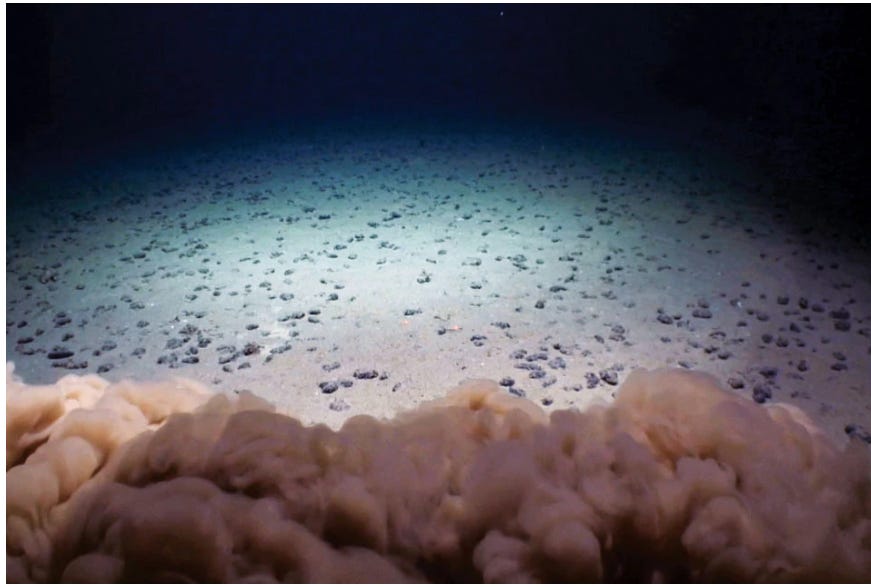
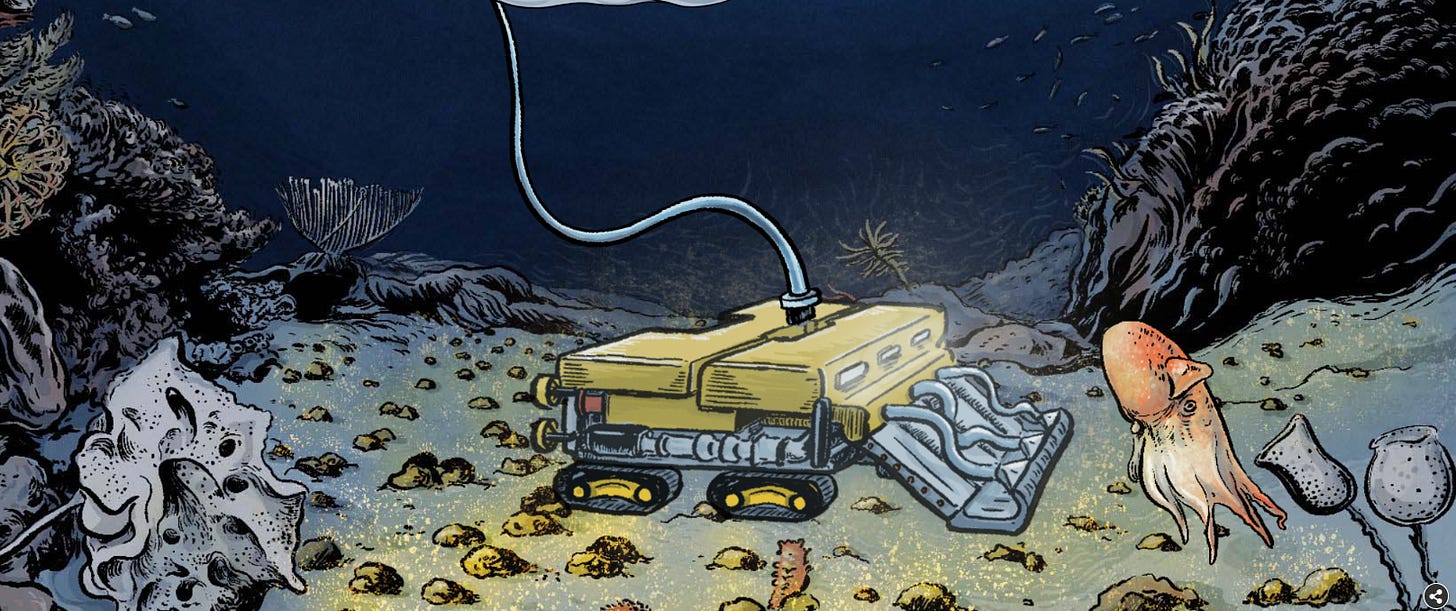
[While collecting nodules from the seabed, mining vehicles create sediment plumes that can harm ocean life.]

+—+

Rare Earths in the AI Era: How Data Centers Are Driving Demand for Forgotten Metals — Rare earth elements (REEs) consist of 17 metallic elements with similar chemical traits. This group includes the 15 lanthanides, plus scandium and yttrium. These elements aren’t truly “rare” regarding their presence in the Earth’s crust. However, they are typically scattered rather than gathered in deposits that are easy to mine profitably. This spread-out nature complicates their extraction and purification. Despite their name suggesting scarcity, rare earths are vital to modern tech. Their unique physical and chemical features drive their importance.
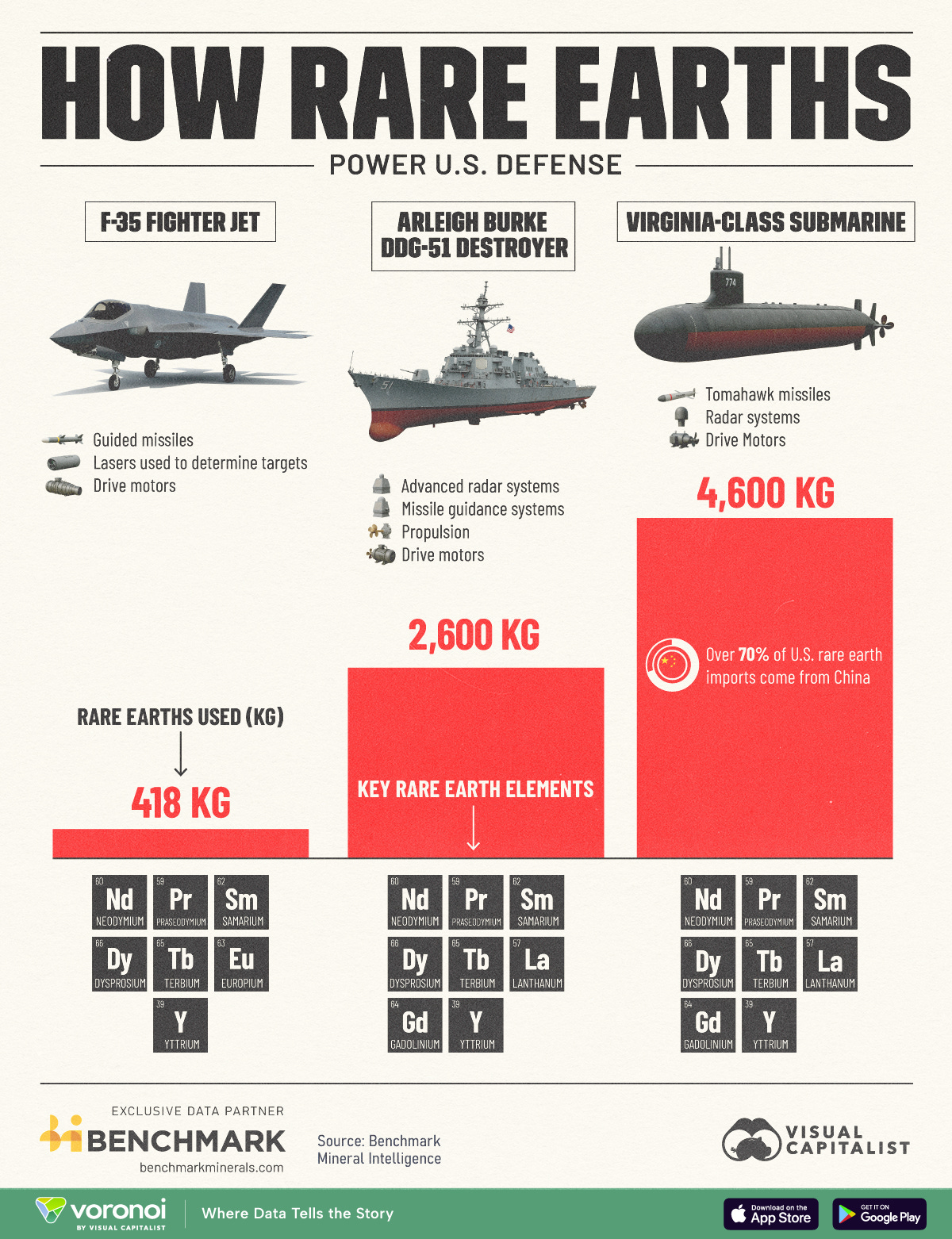
Rare earth in U.S. defense: How elements like neodymium and dysprosium power submarines, jets, and destroyers.

Here are some of Astrid’s publications, co-authored, and such.

We got into her research, the power of economics driving this dirty industry, and the various laws of the open sea and the laws around deep sea mining, those written, those proposed, those not on the books.

But this is the empire of pain, dirt, pollution, lies, terror, and as we know, Trump is manipulated by Big Tech, MIC, and billionaires. We will pay for the mining, the costs, the external damage, costs, to us, to the sea, and even pay for the metal and mining companies going belly up.
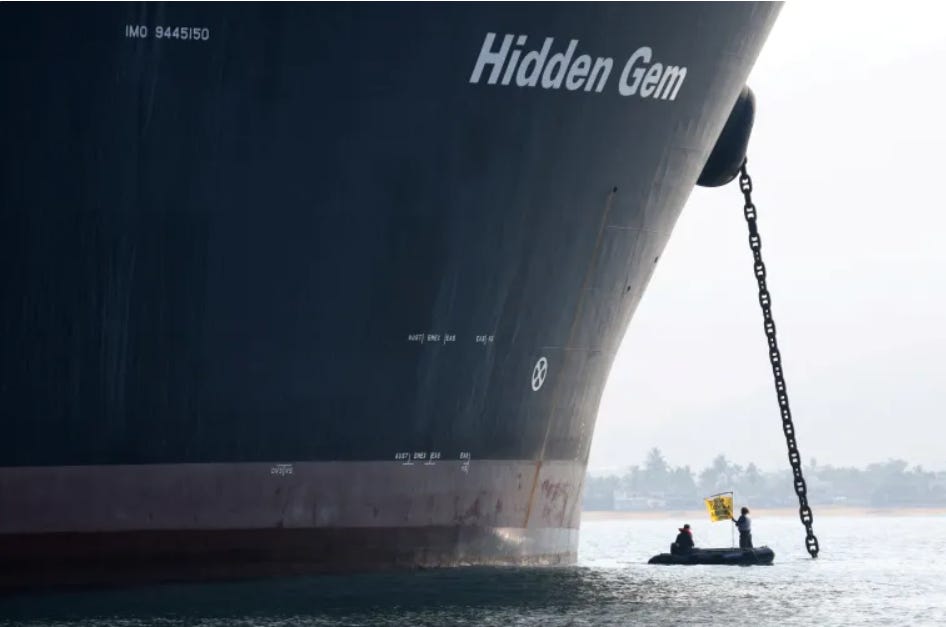
[A Greenpeace activist holds a banner during a protest near a deep-sea mining vessel in Mexico, on September 27, 2023]

“The United States has a core national security and economic interest in maintaining leadership in deep-sea science and technology and seabed mineral resources,” Trump said in the order.

The order directs the US administration to expedite mining permits under the Deep Seabed Hard Minerals Resource Act of 1980 and to establish a process for issuing permits along the US outer continental shelf.

It also orders the expedited review of seabed mining permits “in areas beyond the national jurisdiction,” a move likely to cause friction with the international community.

The White House says deep-sea mining will generate billions of metric tonnes of materials, while adding $300bn and 100,000 jobs to the US economy over the next decade.

Environmental groups are calling for all deep-sea mining activities to be banned, warning that industrial operations on the ocean floor could cause irreversible biodiversity loss.

“The United States government has no right to unilaterally allow an industry to destroy the common heritage of humankind, and rip up the deep sea for the profit of a few corporations,” Greenpeace’s Arlo Hemphill said.
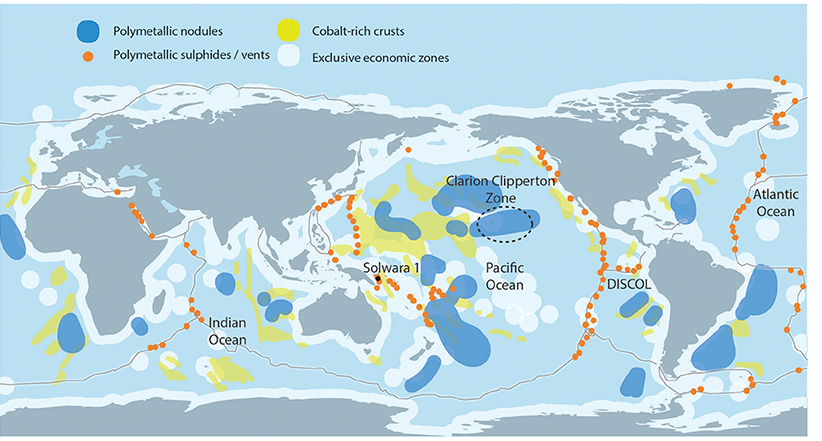
The 30th session of the International Seabed Authority (ISA) Assembly established 1 November as the International Day of the Deep Seabed as proposed by the sponsoring countries, Fiji, Jamaica, Malta and Singapore. The annual observance will promote greater understanding of the deep seabed and its resources while fostering international cooperation in its sustainable management. — Source
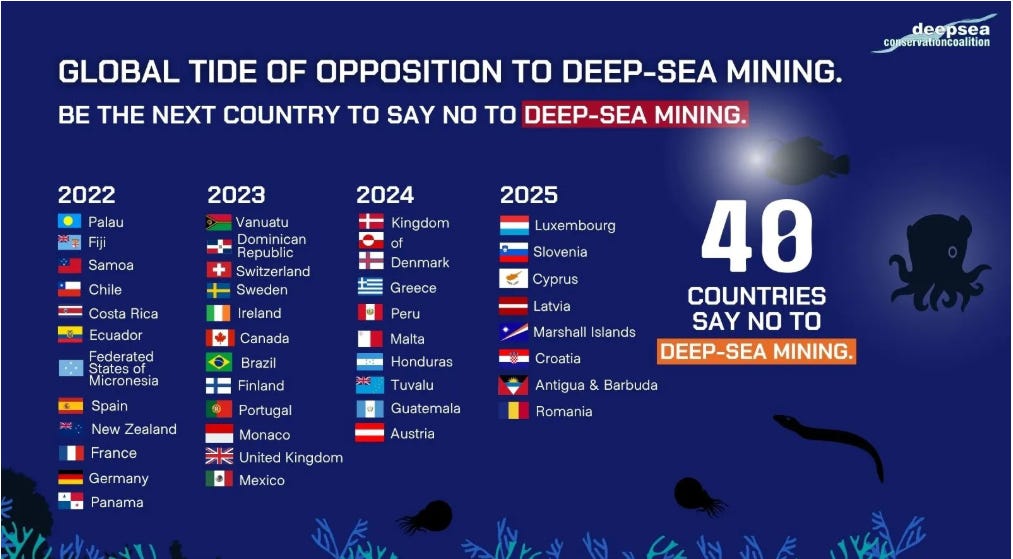
Externalities for the Taker Race of people: The price of irreversible ecological damage with deep sea mining could be staggering, estimated to potentially surpass the entire global defence budget of about 2 trillion dollars.

Over 950 marine science and policy experts from more than 70 countries have signed a statement calling for a pause in the development of deep-sea mining.

Trump and Company: Trump’s New Executive Order Promotes Deep Sea Mining in US and International Waters While Bypassing International Law

“You cannot authorize mining that’s going to cause biodiversity loss, that’s going to cause irreparable damage to the marine environment.”

— Matthew Gianni, Deep Sea Conservation Coalition

[Marine biologist Diva Amon explores the deep sea around the Saint Peter and Saint Paul Rocks in the Atlantic Ocean, off the coast of Brazil.]

So, out of sight, out of mind? The attack on critical thinking, logic, common sense, precautionary principles, and the attack on real science, and research, well well, a Brave New World INDEED.

*****
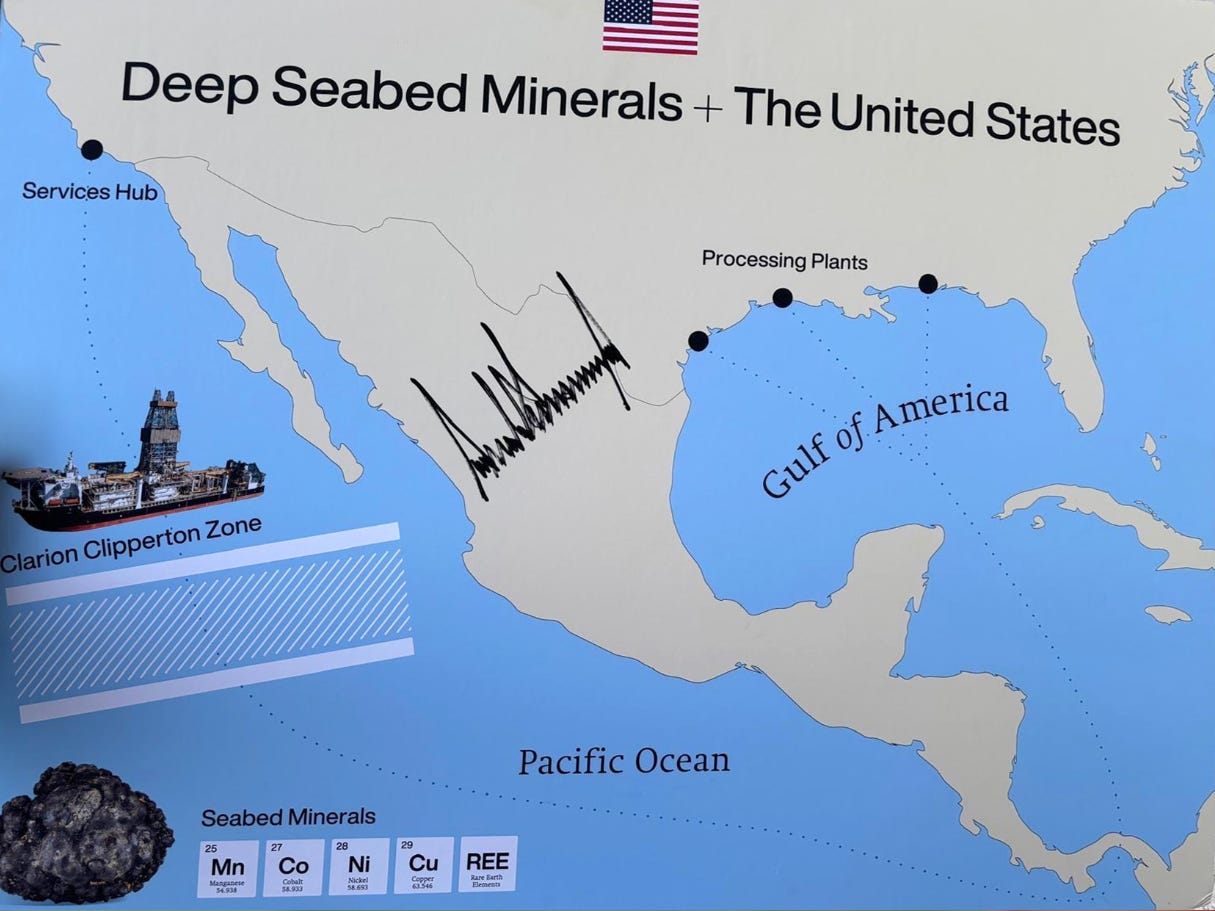
 

In an online post last month, the National Oceanic and Atmospheric Administration (NOAA) described the political move as a step towards paving the way for “The Next Gold Rush,” stating: “Critical minerals are used in everything from defense systems and batteries to smartphones and medical devices. Access to these minerals is a key factor in the health and resilience of U.S. supply chains.”

The order, titled “Unleashing America’s Offshore Critical Minerals and Resources,” charges NOAA and the Secretary of Commerce with expediting the process for reviewing and issuing licenses to explore and permits to mine seabed minerals in areas beyond national jurisdiction.

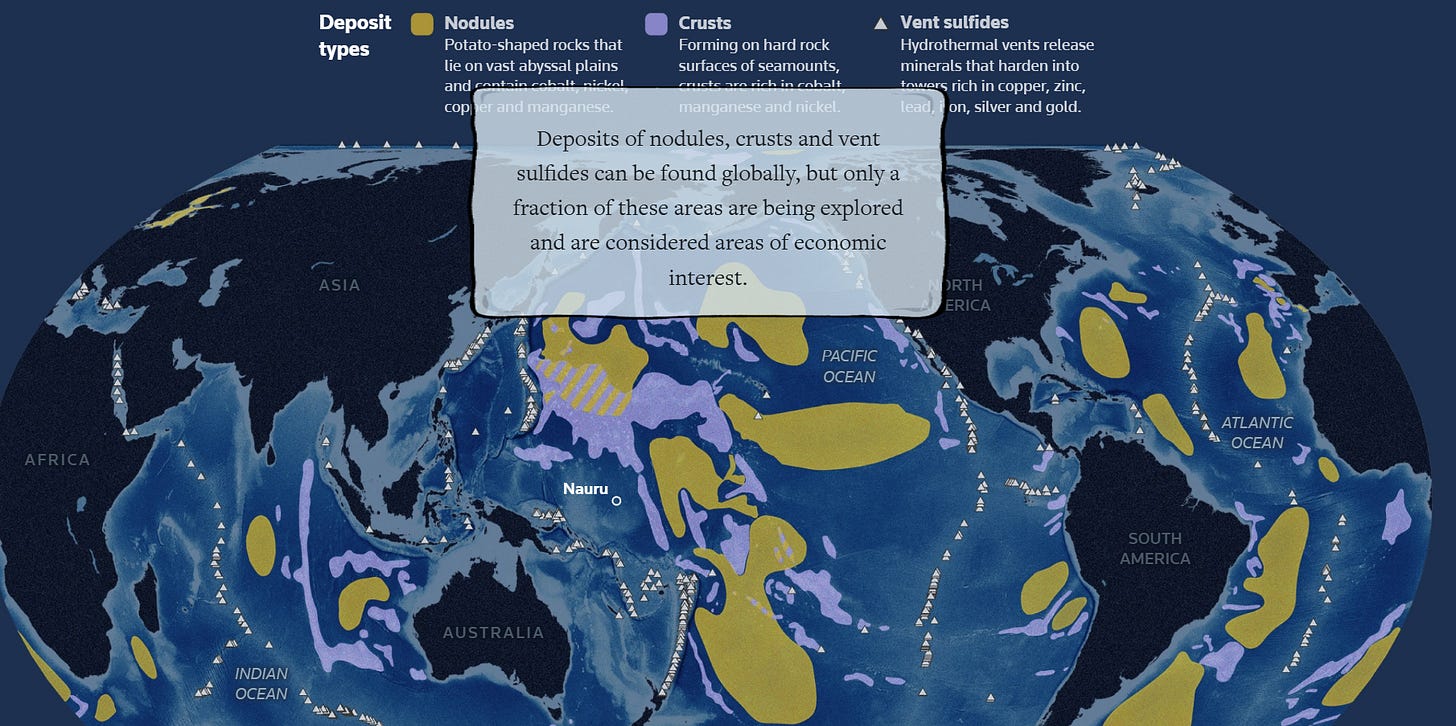
Less than a week after it was issued, a U.S. subsidiary of the Canadian deep-sea mining corporation called The Metals Company submitted its first applications to explore and exploit polymetallic nodules in the Clarion-Clipperton Zone.

*****

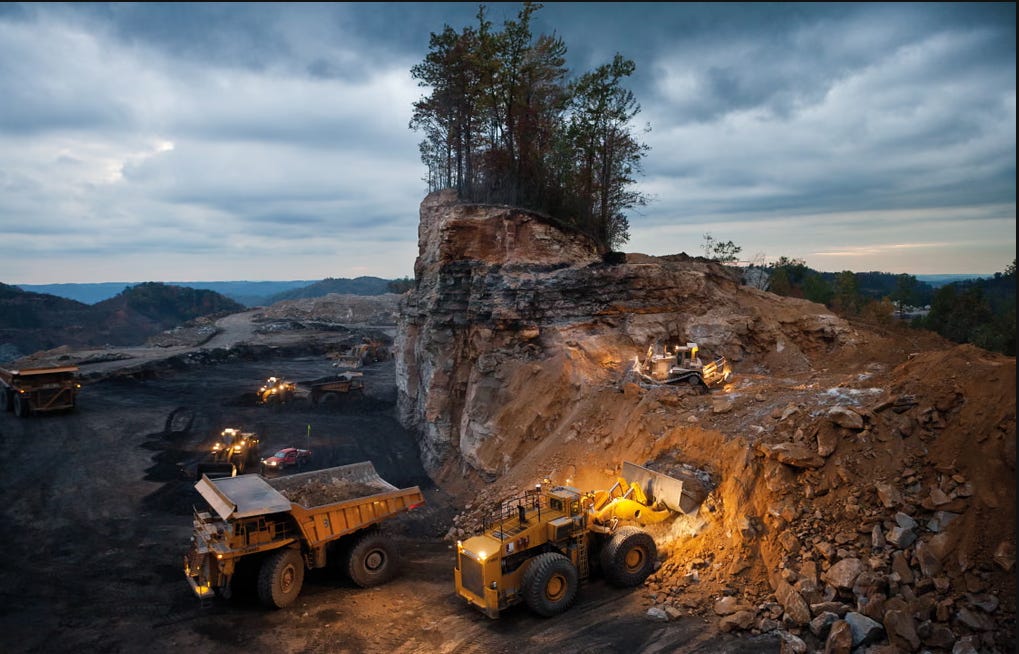
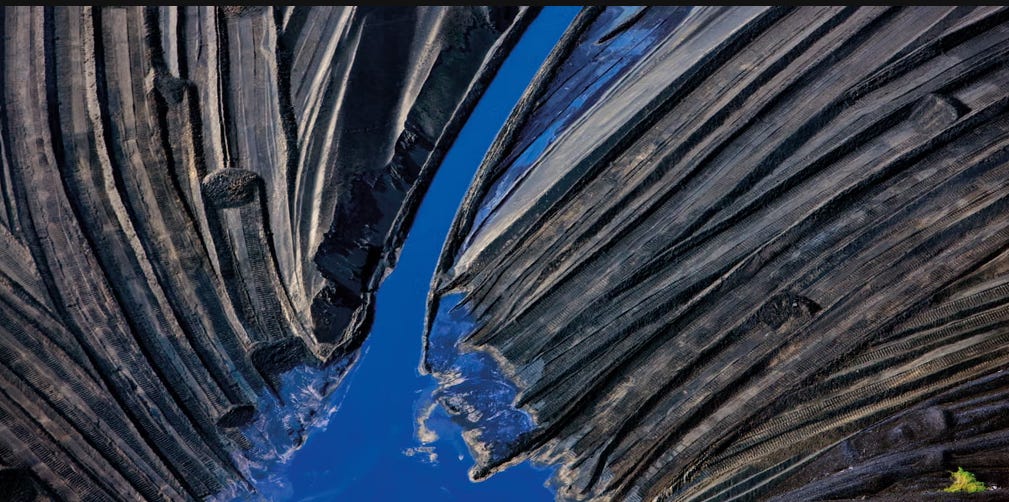
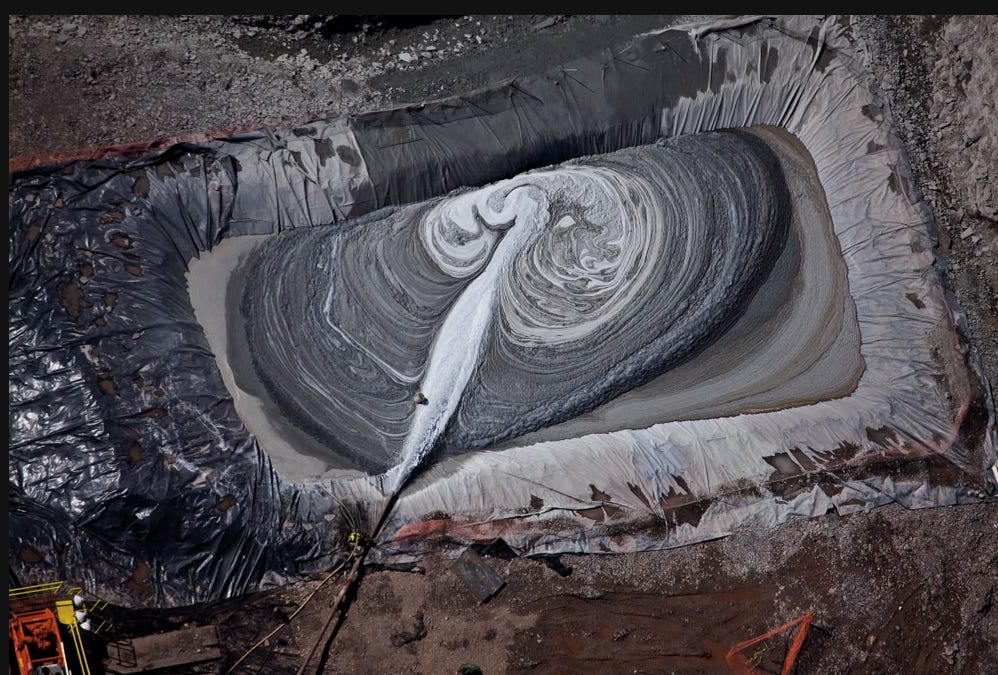
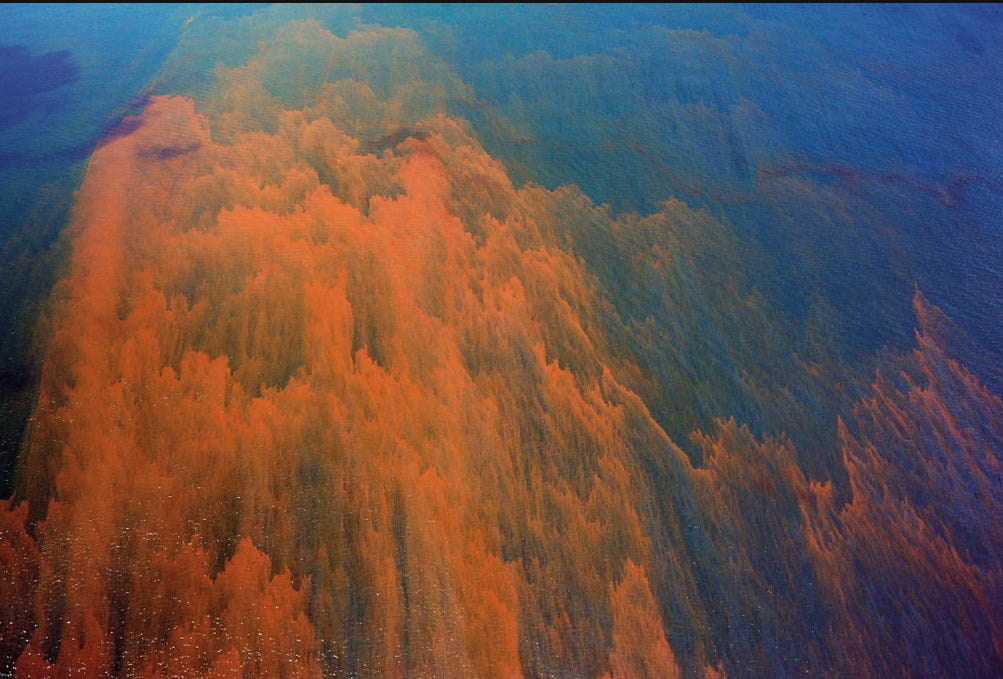
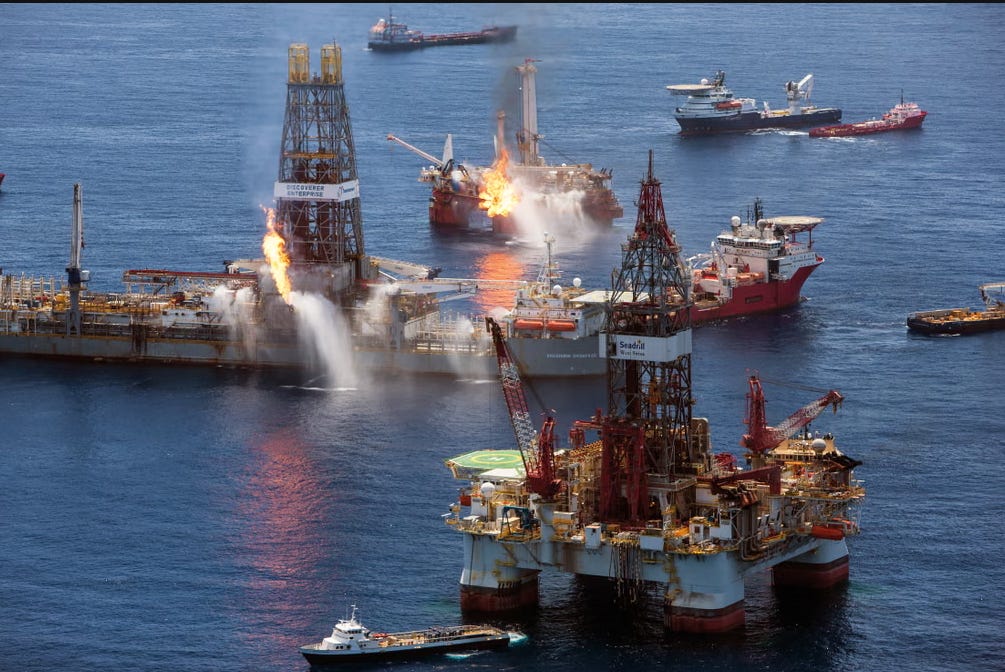
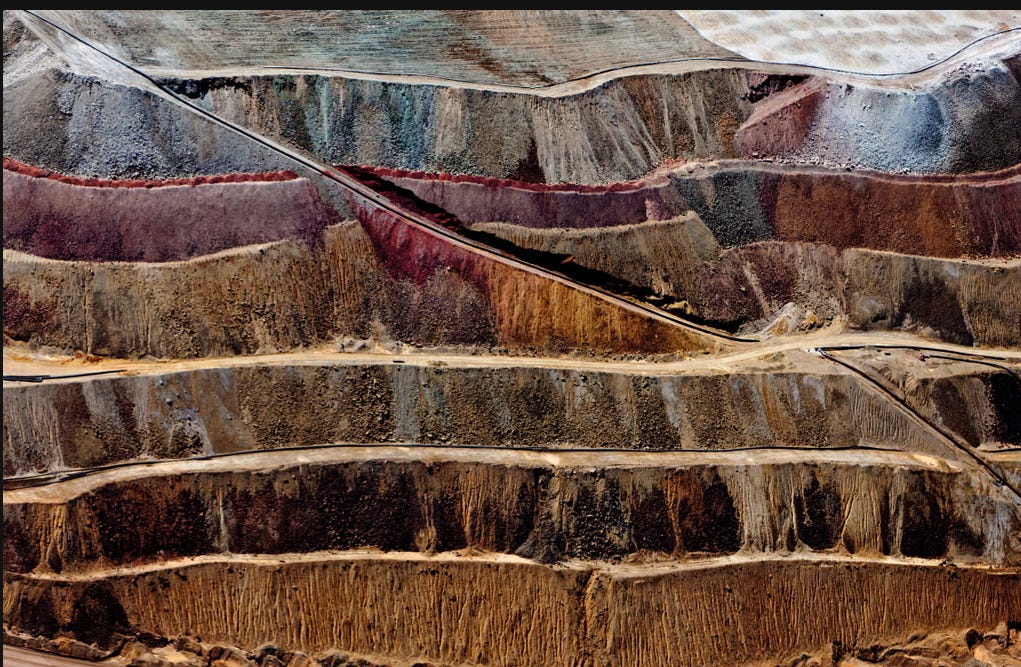
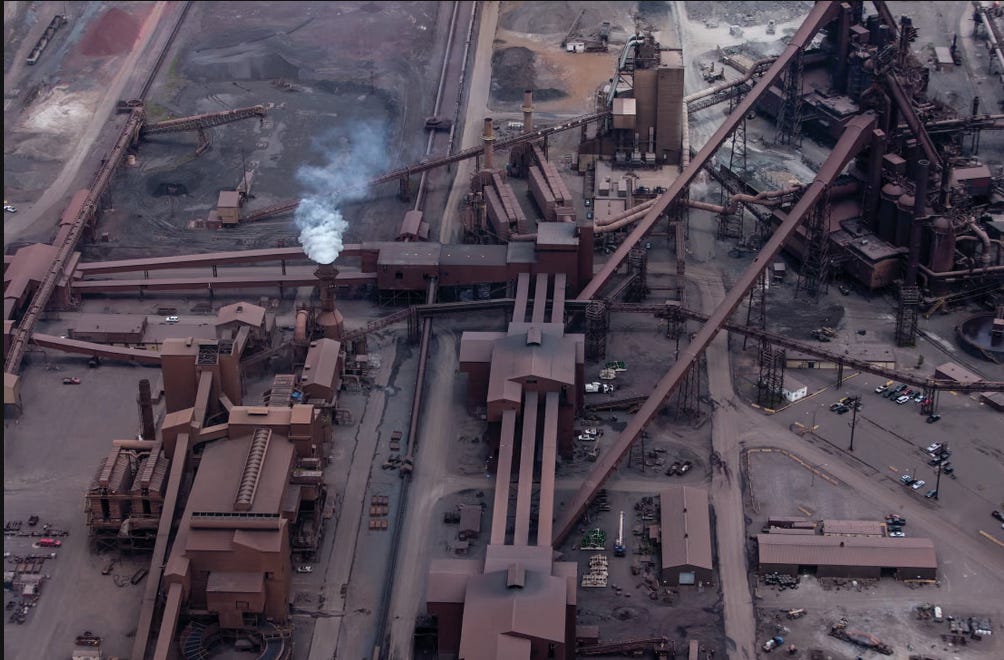
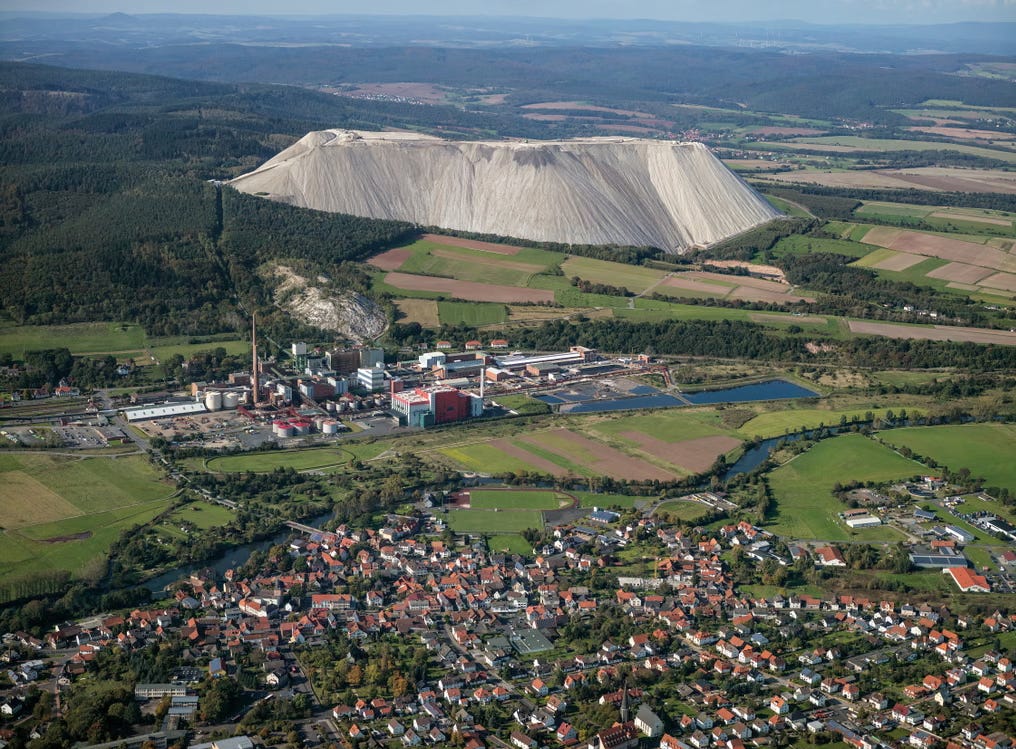
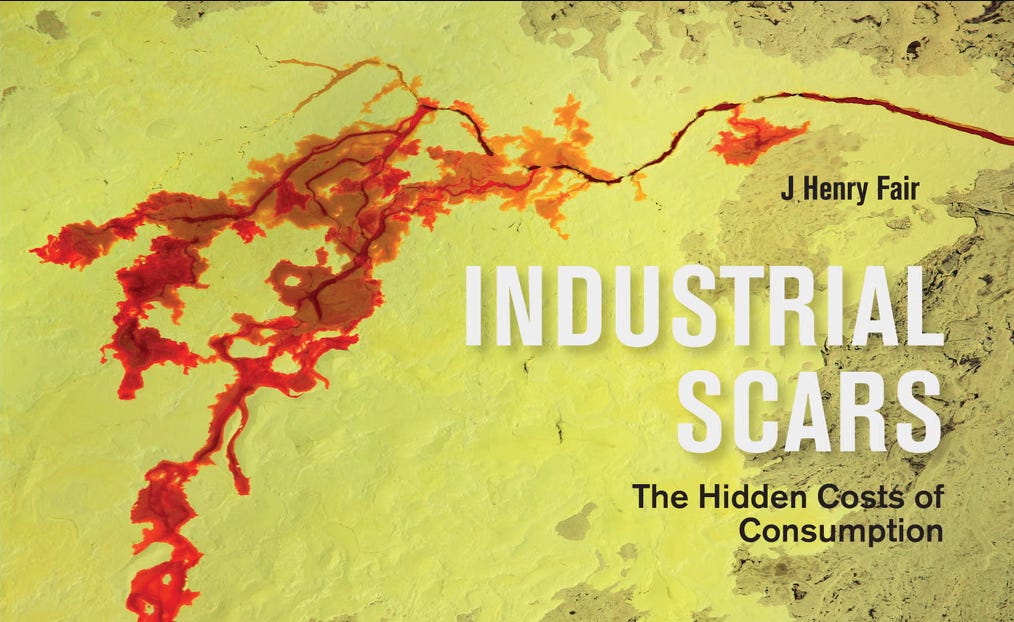
Trigger Warming: Capitalism and Industrialization images cause many to have PTSD.
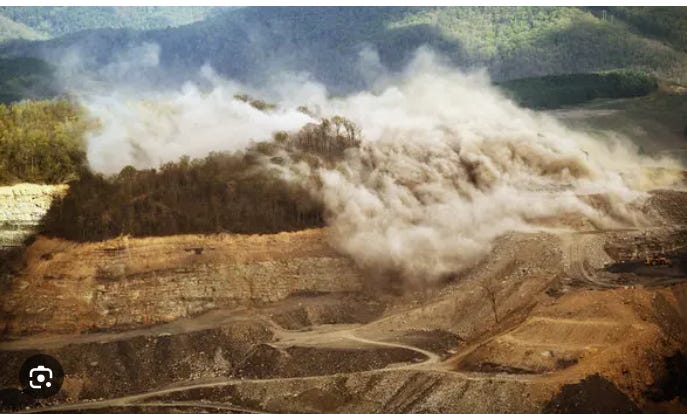
Acceptable headline? How the Coal Industry Flattened the Mountains of Appalachia –
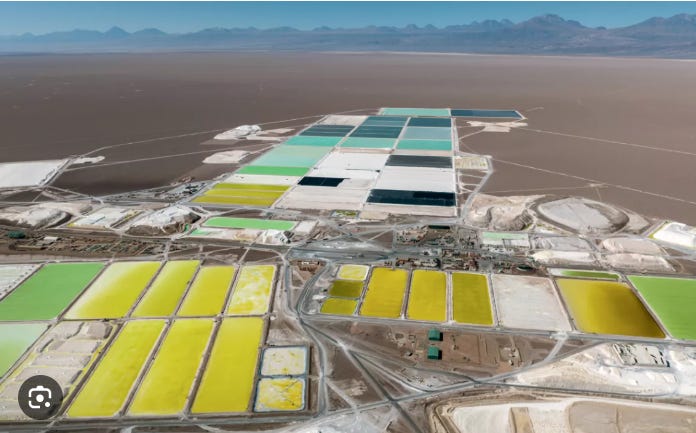
Acceptable? Green Energy’s Dirty Secret: Its Hunger for African Resources

Considering the “dirty” impacts of critical minerals mining
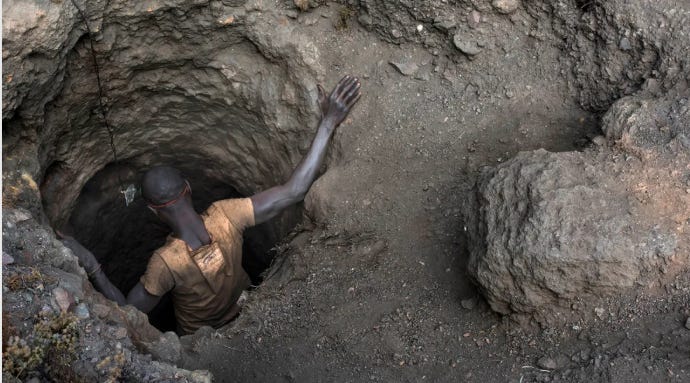
Oh, business as usual: Amazon rainforest destruction is accelerating, shows government data
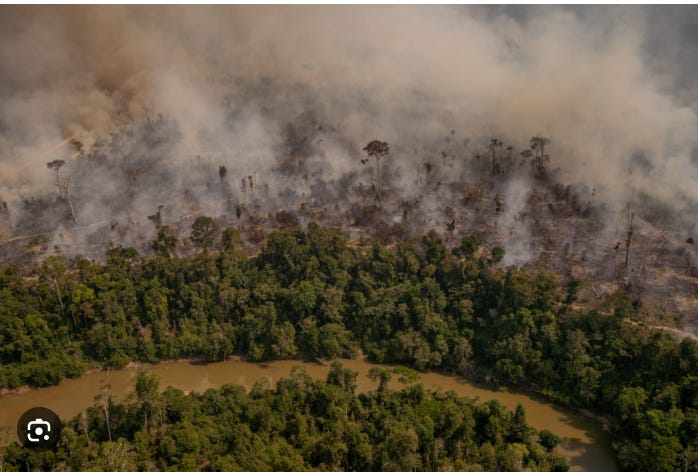
Study warns that vast swaths of Amazon are dead –
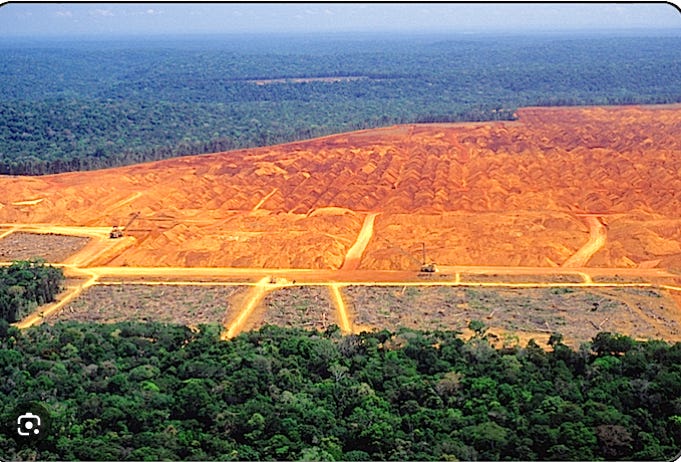
Worst environmental problems on planet earth?


Mix and match the photos with the environmental crimes, the scars!

Match the images above with any of these descriptors”: Potash – Heringen, Germany; Food – Baton Rouge, Louisiana, US, Food – Huelva, Spain (Most of the phosphate rock used to supply fertilizer for southern Europe is mined in Morocco and sent to facilities such as this one in Spain for processing.), Food – Luling, Louisiana US (New evidence contradicts previous claims of the relative safety of glyphosate, the world’s most widely used herbicide, which is manufactured here.), Steel – Kiruna, Sweden, Steel – Burns Harbor, Indiana, US, Copper – Hurley, New Mexico US, Copper – Hurley, New Mexico US, Aluminium – Gramercy, Louisiana, US, Aluminium — Bauxite waste from aluminum production, Oil – Gulf of Mexica, US, Oil – Gulf of Mexico, US, Oil – Fort McMurray, Canada, Fracking – Williston, North Dakota, US, Fracking – Springville, Pennsylvania, US, Coal– Garzweiler, Germany, Coal – New Roads, Louisiana, US, Kayford mountain, West Virginia, US

Find your answerers here: Industrial scars: The environmental cost of consumption – in pictures
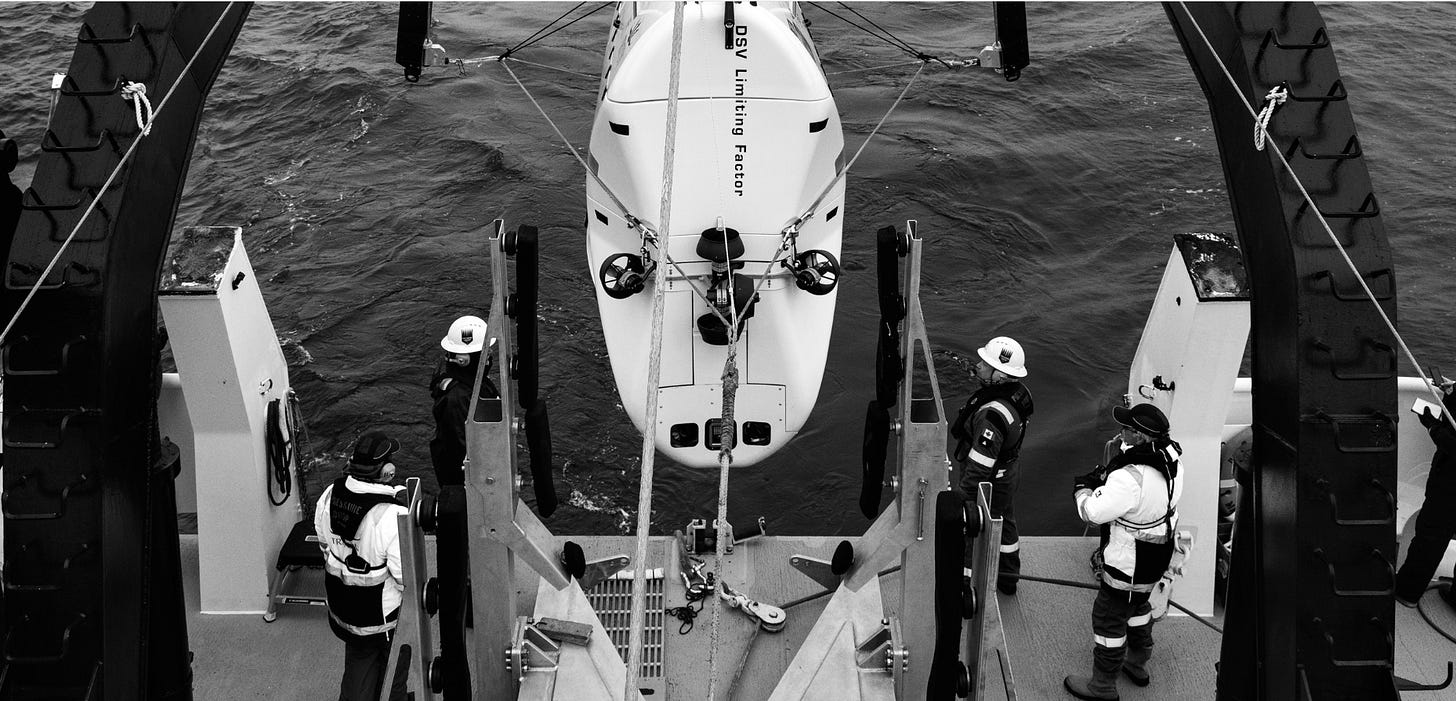
The oceans became a dumping ground due to a long-standing “out of sight, out of mind” philosophy, driven by the sheer vastness of the sea, a lack of scientific understanding of pollution’s effects, and the rise of the Industrial Revolution and mass production.

Oh, the Oppen-Monster-Heimers of the world, going to the very deepest parts of the ocean, for . . . ?
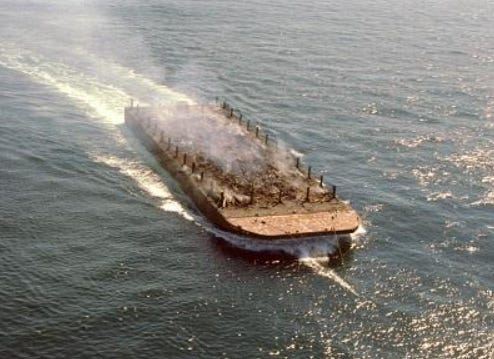
Thirty-six Thousand Feet Under the Sea — The explorers who set one of the last meaningful records on earth.

Although no complete records exist of the volumes and types of materials disposed in ocean waters in the United States prior to 1972, several reports indicate a vast magnitude of historic ocean dumping:

  • In 1968, the National Academy of Sciences estimated annual volumes of ocean dumping by vessel or pipes:
    • 100 million tons of petroleum products;
    • two to four million tons of acid chemical wastes from pulp mills;
    • more than one million tons of heavy metals in industrial wastes; and
    • more than 100,000 tons of organic chemical wastes.
  • A 1970 Report to the President from the Council on Environmental Quality on ocean dumping described that in 1968 the following were dumped in the ocean in the United States:
    • 38 million tons of dredged material (34 percent of which was polluted),
    • 4.5 million tons of industrial wastes,
    • 4.5 million tons of sewage sludge (significantly contaminated with heavy metals), and
    • 0.5 million tons of construction and demolition debris.
  • EPA records indicate that more than 55,000 containers of radioactive wastes were dumped at three ocean sites in the Pacific Ocean between 1946 and 1970. Almost 34,000 containers of radioactive wastes were dumped at three ocean sites off the East Coast of the United States from 1951 to 1962.
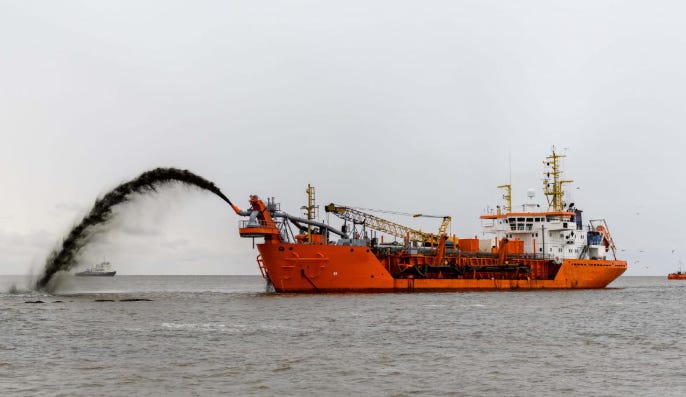
Following decades of uncontrolled dumping, some areas of the ocean became demonstrably contaminated with high concentrations of harmful pollutants including heavy metals, inorganic nutrients, and chlorinated petrochemicals. The uncontrolled ocean dumping caused severe depletion of oxygen levels in some ocean waters. In the New York Bight (ocean waters off the mouth of the Hudson River), where New York City dumped sewage sludge and other materials, oxygen concentrations in waters near the seafloor declined significantly between 1949 and 1969.
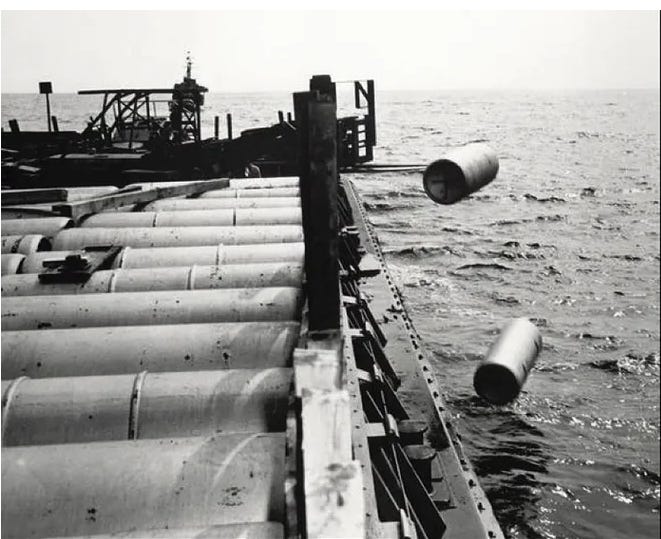
Mustard gas containers, how lovely! Dumped from barges or sent to the bottom aboard scuttled ships, estimates are that millions of pounds of military munitions — unexploded 250-, 500- and 1,000-pound bombs, land mines, mustard gas and other chemical weapons, including munitions confiscated from Nazi Germany and elsewhere following World War II — were sunk the eastern seaboard of the United States, around the Gulf of Mexico and off the coasts of the Hawaiian islands. Records of the dumped munitions, if kept at all, are scarce. Some likely are inaccurate. Some likely were destroyed.

Into the abyss - Strata

Again, here, the Interview, a month-plus ahead of 91.7 FM airing for DV readers.

Paul Haeder has been a teacher, social worker, newspaperman, environmental activist, and marginalized muckraker, union organizer. Paul's book, Reimagining Sanity: Voices Beyond the Echo Chamber (2016), looks at 10 years (now going on 17 years) of his writing at Dissident Voice. Read his musings at LA Progressive. Read (purchase) his short story collection, Wide Open Eyes: Surfacing from Vietnam now out, published by Cirque Journal. Here's his Amazon page with more published work AmazonRead other articles by Paul, or visit Paul's website.

 CANADA

The Highest Form of Democracy: The Grassroots Campaign of Yves Engler; For Leader of the NDP

The farce of Western regard for democracy has been revealed in several countries. Well known are the machinations of the Democratic National Commission to prevent the social democrat Bernie Sanders from becoming the leader of the so-called Democratic Party in the US. In the UK, there was the coalition of Labour Party insiders with Israeli Zionists who upended the elected party leader Jeremy Corbyn. Consider the Western support for the continuation of the corrupt government of Volodymyr Zelenskyy well past his democratic mandate; consider the abandonment of the presidential election in Romania when it appeared certain that frontrunner Călin Georgescu would win. The pretext given by the EU was that Georgescu is “a nationalist figure, known for promoting conspiracy theories, including anti-EU, anti-NATO narratives, and for previously expressing admiration for controversial authoritarian leaders. His rhetoric often echoed messages favoured by the Kremlin.” A candidate anathema to the EU, well, can’t have that. The solution was to just ban Georgescu from standing for election.

Couldn’t happen in Canada? It already has. The candidacy of Dimitri Lascaris, the progressivist defender of Palestinian rights, for the Green Party of Canada leadership was torpedoed by the incumbent leader, a staunch Zionist, Elizabeth May.

Yves Engler is a slim, bespectacled man who usually is seen wearing jeans, a button-up sleeved shirt or t-shirt. He looks like an everyday person. There is no pretentiousness. He looks like most of us. Engler epitomizes grassroots.

Engler is a writer/author/podcaster. When he writes or talks, he speaks to the aspirations of everyday people. He eschews wars, racism, and poverty. He stands for the rights of Indigenous peoples, social justice, and protecting the environment.

But the greedy hands that pull the levers that control the political scene are arrayed against him. The fear that Engler evokes among the political hierarchy causes them to try to destroy Engler’s campaign to become a revolutionary leader of Canada’s federal New Democratic Party (NDP), a party that has also been ravaged over the years by capitalism and Zionism. In so doing, the backroom elitists expose their adherence to democracy as being a Canadian value is, in fact, a farce.

So it was to be expected that the anti-capitalist candidacy of Yves Engler would incur the wrath of the Establishment.

On 3 October, Yves Engler for NDP Leader (Team Engler) released a full policy platform  crafted by 45 activists and researchers on the policy committee.

Shortly thereafter, the NDP Establishment raised concerns. On 7 October, Engler reported on his strategy to protect democracy:

the Chief Electoral Official for the leadership race suggested to the National Post and Toronto Star that we were violating the party’s rules by fundraising. It’s untrue, as explained here and here. In his statement to the corporate media the CEO said I’ve misled people by describing my candidacy as having not “yet been approved” even though I’ve stated in a dozen public forums that we have yet to submit to party vetting because we fear that a committee of three-party insiders will quietly block our thousand strong volunteer campaign.

On 2 November, Engler declared his hope to win Hochelaga—Rosemont-Est for the NDP. It is a riding next to where the bilingual Engler lives in MontrĆ©al. Engler noted that the Electoral District Association (EDA) executive is sympathetic to his candidacy. A campaign goal of Engler is to “test support for abolishing billionaires, applying Canadian law towards Israel, bucking Trump on war spending, shuttering the tar sands and massively investing in co-op and public housing.”

On 10 November, the Globe and Mail published an article that quoted Engler explaining, “party vetting is a threat to democracy. Differences of political opinion should be determined by the membership, not a three-person back-room committee. NDP members should be allowed to decide whether they support or oppose a candidate calling for the party to vote down a budget that plows tens of billions of dollars more into a military that is structured to assist the U.S. war machine.”

Engler reported on 14 October:

A rightist columnist recently labeled me “repellent” while a left-establishment commentator publicly proclaimed, “f*** Yves Engler”. Canada’s ideological apparatus is whipped into a frenzy over my multilayered challenge to Canadian foreign policy and my campaign’s activist anti-capitalism.

On 14 November, an email from Engler stated,

Ben Mulroney doesn’t like me. On his radio program Wednesday he called me an “agitator extraordinaire, troublemaker, rabble rouser, generally unproductive member of society, antisemite of the highest order … A toxic and terrible human being.”

I guess Mulroney’s still mad I asked him in March for a comment on the killing of Palestinian children.

Mulroney’s intemperate words spoke to the simplistic strategy to preclude candidates deemed unacceptable by the Establishment: ad hominem and lies.

There have also been attempts to block Team Engler from campaign venues. CTV quoted the Sarnia mayor rejecting a bid to shut down the Team Engler event. Engler was quoted, “it’s those who promote apartheid and genocide that are the racists” not critics of Zionism. The Sarnia Observer reported that the Engler campaign campaign is “challenging genocide, militarism, and corporate power” while seeking to build a “bold, grassroots left alternative.”

*****

Engler is no weak-kneed Bernie Sanders or Jeremy Corbyn. The Establishment will do whatever it can to undermine a grassroots movement led by Engler. And whatever the outcome of the Team Engler campaign, this writer firmly believes that Engler will continue to stand and fight for everyday people. He will oppose poverty, capitalism, imperialism, and genocide. He has already been jailed by Montreal police for his social media posts criticizing Israel’s actions in Gaza. Engler is a candidate that will breathe new life into the moribund NDP and give more than just hope for progressivists.

Disclosure: I have never met Yves Engler. I have communicated by email over the years. I am not and never have been a member of the NDP — nor any other political party for that matter.

Kim Petersen is an independent writer. He can be emailed at: kimohp at gmail.com. Read other articles by Kim.
UK

Rachel Reeves urged to drop ‘dangerous and damaging’ PFI plans for NHS health centres


Yesterday
Left Foot Forward


"The only lesson we can learn from the disaster of PFI is to keep private finance - in all its forms - out of our NHS."


Rachel Reeves is facing calls from experts, academics and patients to steer clear of new private finance deals for the NHS ahead of the Autumn budget on 26 November.

Labour’s 10-year Health Plan includes developing a business case for public private partnerships (PPPs) to deliver neighbourhood health centres, before a final decision at the autumn budget.

The Department of Health and Social Care has awarded £3 million in contracts to Deloitte and lawyers Addleshaw Goddard.

The firms will advise the government on whether to use public-private partnerships (PPPs) to build dozens of “neighbourhood health centres” in England.

More than 50 academics, including LFF columnist Lord Prem Sikka, have written to the Chancellor asking her to “abandon this dangerous and damaging proposal and fund public services through direct taxation or borrowing”.

Conservative prime minister John Major launched private finance initiative (PFI) in 1992, and its use was expanded under Tony Blair.

PFI involves the public sector hiring private companies to build and maintain an asset. They then pay the private company back over 25-30 years, with repayments often costing far more than the value of the asset itself.

As of April 2024, PFI schemes in the UK have generated an estimated £306 billion in debt.

The letter – coordinated by campaign group We Own It and Professor Christine Cooper of the Glasgow Business School – calls the arguments for private finance “bogus”.

They have also warned Reeves that “Using private capital in the NHS is no different from a family buying their home using a payday loan.”

This afternoon, MPs, patients and members of the public will hold a protest outside the Department of Health and Social Care, demanding the NHS be protected from private finance.

The government said that the “lessons of PFI have been learned”. However, We Own It argues that PFI has already been repackaged as PF2, LIFT, Scottish NPD and now the Welsh Mutual Investment Model (MIM).

Sophie Conquest, Lead Campaigner at We Own It, said: “The cost of private finance in our NHS is literally sickening. Taxpayers’ money has been diverted away from patient care towards private profit for shareholders. Under PFI, we are paying £80 billion for just £13 billion of actual investment”.

“Some trusts are having to choose repaying PFI debts over buying medicine for patients.”

“Private finance has been repackaged time and time again. New models like the Welsh Mutual Investment Model are no different – they cost the taxpayer much more for the same asset.”

“The only lesson we can learn from the disaster of PFI is to keep private finance – in all its forms – out of our NHS.”

Olivia Barber is a reporter at Left Foot Forward


Opinion

Will the 10-year plan save the NHS?


Mark E Thomas 
Yesterday
Left Foot Forward

Although the last Labour government turned around the NHS, this plan looks set to fail


In July, the government published Fit for the Future, its 10-year health plan for England. In a few days’ time, the Chancellor will unveil her Budget. Between them, the 10-year plan and the Budget will determine the future of the NHS.

The omens are bad: although the last Labour government turned around the NHS, this plan looks set to fail – and it needs more than tweaks to fix it.
How to turn around the NHS

By 1997, patient satisfaction with the NHS had reached all-time lows. Between 1997 and 2010, satisfaction rose to all-time highs.

Independent international benchmark providers recognised that performance. By the end of the turnaround, the US-based Commonwealth Fund rated the NHS the best system in any of the countries they covered.

So, how did the government do it?

Their plan was strategically sound: they understood that the success of the NHS is inextricably intertwined with the success of the UK as a whole.

Without a healthy population, you cannot have a strong economy; and without a strong economy, you cannot tackle the causes of ill-health or fund healthcare properly. Getting it wrong creates a vicious circle; getting it right creates a virtuous circle. They got it right: they funded the NHS in line with need; tackled the causes of ill-health; and ensured effective prevention.

Funding first: Conservative governments from 2010 onwards claimed “we are putting record amounts of money into the NHS.” This was true only if you’re prepared to ignore the combined impact of inflation, a growing population, an ageing population and an increase in the rate of ill-health within age cohorts.

Adjusting for those factors, you see that funding vs need rose from 1997 until the Global Financial Crisis and then fell. When funding vs need rises, NHS performance improves; and when it falls, NHS performance declines. So, funding was the first thing the last government got right.

The second thing was that they tackled the causes of ill-health. Sir Michael Marmot showed that if you are living in poverty, you’re more likely to have substandard housing, to be unable to heat it properly or to eat healthily or take regular exercise, and more likely to be living with mental stress. So, you are much more likely to fall ill. Poverty fell significantly under the last Labour government.

The third thing they got right was prevention as shown by the 2010 Inquiry Our Health and Well-being Today.

So the 1997-2010 government succeeded because it had a sound strategy; but they didn’t get everything right. There are three areas where there is evidence that the impact of their initiatives was significantly negative:The private finance initiative (PFI), which added capacity but at great cost which is contributing to the financial pressures we face today;
Blunt use of performance indicators: which produce perverse behaviours in order to ‘game’ this system. Over-focus on financial indicators was a key contributor to the scandal in the mid-Staffordshire hospital which caused serious harm to patients;
Using public money to build private sector capacity is often more expensive, draws resources away from the NHS, distorts medical priorities and delivers worse outcomes for patients.

The last Labour government succeeded because its strategy was sound – despite flawed tactics.

Will this plan also succeed?

The 10-year plan has three shifts: from hospital to community; from analogue to digital; and from treatment to prevention.

If done well, all three could be positive. Early intervention in the community to catch medical issues before they become serious would be helpful. Automating paperwork and sharing data more effectively within the NHS must be good. And encouraging people to avoid harmful substances like tobacco, ultra-processed foods, etc is sensible.

The plan, however, raises concerns about each of these shifts. Most fundamentally, however, even if the three shifts were executed perfectly, they do not substitute for sound strategy.

How does this plan stack up against what the last Labour government did strategically? In summary, the plan stacks up poorly against what the last Labour government did. It will not fund in line with need; it will do some good on prevention but has important gaps; and wider government plans that we have seen so far suggest nothing that will produce the necessary impact on poverty.

Strategically, the plan is gravely flawed … and it hopes to make up for this with tactical reforms.

Unfortunately, it is planning to repeat the mistakes of the last Labour government.

So, what should the government do now?
What would it take to fix this plan?

The key lesson from last time was to get the strategy right. We need to fund in line with need, tackle poverty and make prevention effective.

We must also avoid the mistakes of the past; and the first step is to acknowledge them: we need a rapid but rigorous analysis of the tactics highlighted above.

These points should be obvious, but they sound almost impossible because the government has created red lines for itself which it is now afraid to cross.

I have sympathy: this government had a difficult inheritance. But it is nothing like as difficult as what Clement Attlee’s government faced in 1946.

What would have happened if Attlee had followed this government’s approach? After the war, debt:GDP stood at over 250%; more than half of national income had been diverted to the war effort and over 5 million people mobilised into the Armed Forces; 5% of national wealth had been destroyed, and 1% of the population lost.

Had Attlee been constrained by today’s fiscal rules, he would have had to shelve the Beveridge plan and the NHS would never have been born. Generations of Britons’ lives would have been blighted – and shorter.

Fortunately, Attlee’s government rose to the challenge, listened to Keynes and Beveridge, and created the NHS and the Welfare State, when it had been told that it would be economically irresponsible to try. And what was the economic cost? The UK enjoyed the most successful economic period in our history.

We must learn from Keynes, Beveridge and Attlee.

Mark is an economist and Visiting Professor at IE Business School.

Image credit: Lauren Hurley / Number 10 – Creative Commons