Sunday, February 09, 2020

Dorothea Lange: An alternative look at the photographer who humanised the Great Depression

Her iconic photograph ‘Migrant Mother’ cemented Dorothea Lange’s place in history. Now a new exhibition and book seeks to expand the way we see Lange’s substantial body of work


Eve Watling @evewatling
1 day ago

Beyond 'Migrant Mother': Rediscovering Dorothea Lange
Show all 8


Dorothea Lange is best known as a documenter of America’s Great Depression. Over the second half of the 1930s, she worked for the Farm Security Administration, capturing the plight of migrant labourers, sharecroppers and the rural poor with an unflinching empathy.

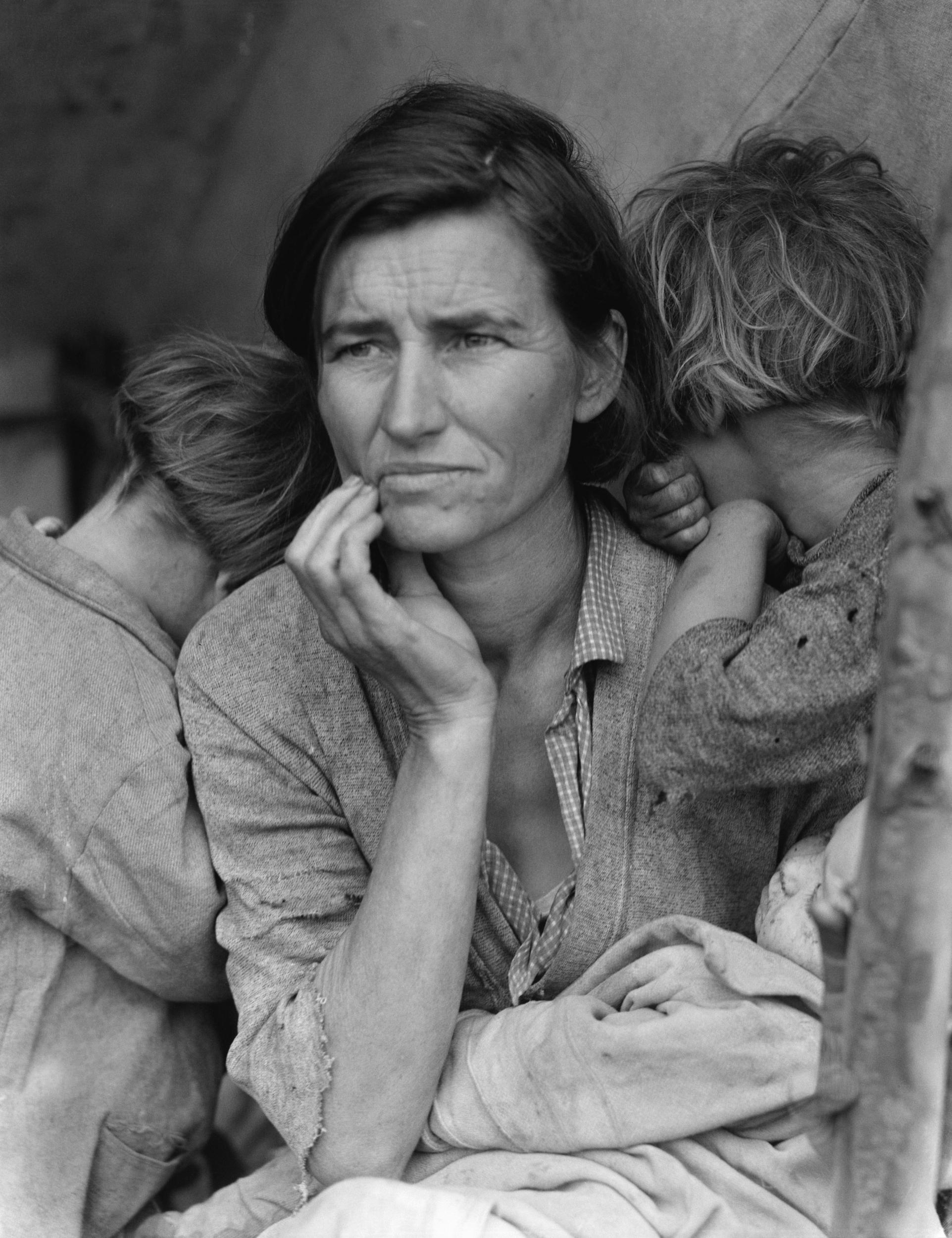
Her most famous picture is Migrant Mother, a closely framed portrait of a careworn farm labourer, her dirt-smeared children hiding their faces in her shoulders. Taken in 1936, Migrant Mother has become one of the most famous photographs ever, credited by TIME magazine for doing “more than any other [image] to humanize the cost of the Great Depression”. When it was first published in a newspaper, the State Relief Administration delivered food rations to 2,000 migrant workers the next day.


Although Migrant Mother cemented Lange’s place in history, its oversized presence has tended to obscure the rest of her work. Now an exhibition at New York’s Museum of Modern Art (MoMA), and a new book from MACK, seek to expand the way we see Lange’s substantial body of work.

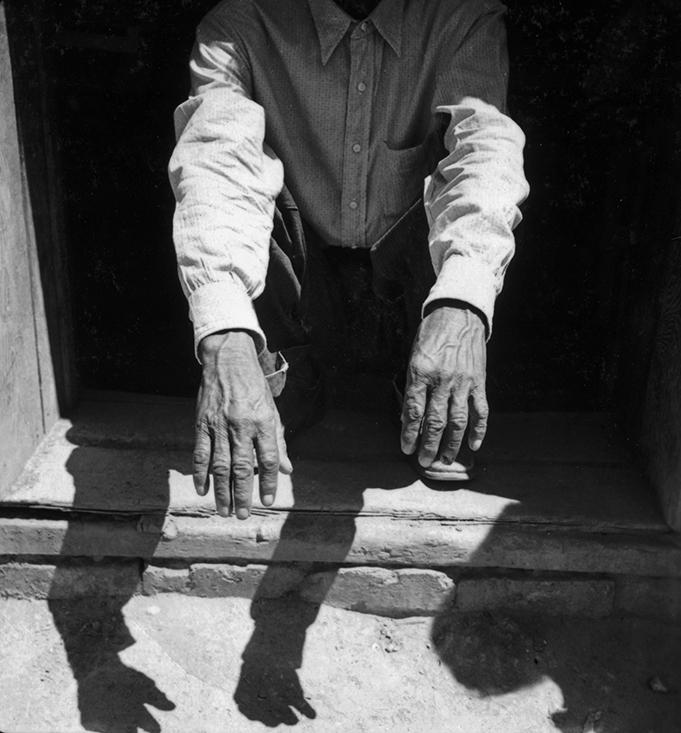
In 2017, artist Sam Contis discovered a trove of Lange’s negatives and contact sheets at the Oakland Museum of California, the majority of which had not been seen before. This unexplored archive, featuring pictures of Lange’s family, travels and studio portraiture, recasts her work. Untethered from the heavy responsibility of telling the stories of people in dire situations, they delight in the texture of cotton shirts and weathered hands, more ambivalent and playful than her state-sponsored work.

“The archive felt very alive and open to me,” Contis told The Independent. “I had never felt that with another artist before. I was struck by her interest in gesture, her obsession with hands, the fragments of bodies, the ways she conveys intimacy in her photographs. There’s also a beautiful choreography and sense of movement in her work, and even in the way she presents her work, that I also hope to convey in mine.”
Migrant Mother, 1936 (Dorothea Lange)

Contis has included her research in the upcoming MoMA exhibition of Lange’s work, and her new book Day Sleeper collects her archival discoveries, which are presented along with Lange’s captions and fragments from a 1956 interview. “I wanted to reveal a largely unknown side of Lange,” says Contis, “but also do it in a way that felt fresh and reflected how contemporary I saw the individual pictures to be. In my book, Lange’s photographs are loosened from their original, temporal context. I wanted Lange’s photographs to feel alive to this present moment in a more unexpected way.”

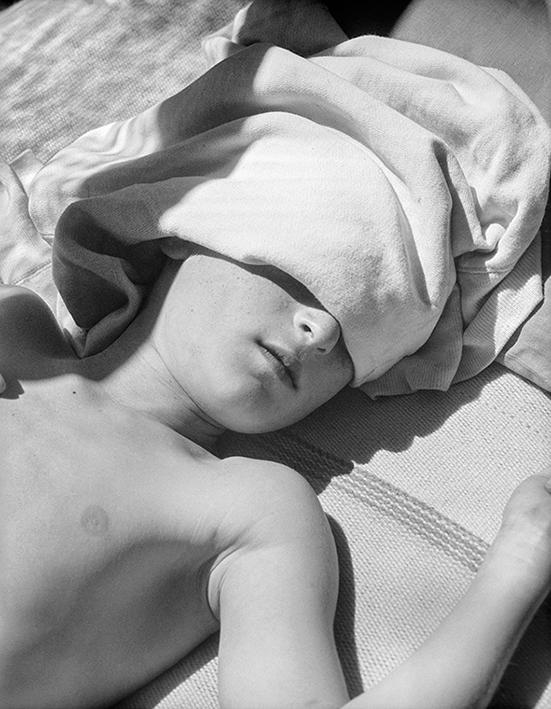
The book is centred around the figure of the sleeper, a recurring subject for Lange, who struggled throughout her life with fatigue, chronic pain and disability after contracting polio as a child. The sleeper has a paradoxical relationship to photography – a sightless figure in a visual medium, it suggests a sense of impenetrability. “As viewers, we can’t see what the sleeper ‘sees’; we’re cut off from their interior vision, even though we can look as freely as we like without our gaze being returned,” says Contis. “In a way the book invites the viewer into this hidden, interior world: the sequences of images can be read as a sort of fragmented fever dream.”
Read more

Dorothea Lange, review: These photographs have a fearless honesty

Lange, who died in 1965, was interested in seeing the unseen, and “wanted to explore photography to its limits, whatever those limits might be,” says Contis. It seems appropriate her work is now being looked at from a new perspective, expanding the limits of how we view this celebrated photographer.

‘Day Sleeper’ by Dorothea Lange and Sam Contis is available from MACK; Dorothea Lange: Words & Pictures is at the Museum of Modern Art in New York until 9 May
‘I’m gambling every time I have sex’: How contraception shortages are affecting women in the UK

As health officials urge the government for support, Olivia Petter speaks to women who have suffered the consequences of contraceptive shortages


Getty Images/iStockphoto


Margot* always felt confident taking her contraceptive pill. “I never experienced any side effects aside from getting slightly larger breasts, which I thought was great,” she says. “I took it religiously for four years and everything was going great until my GP told me they could no longer offer me that same pill because it had run out.”

Instead the 26-year-old from London was offered a cheaper alternative that she was promised contained the same ingredients, just with different branding. “It made me so unwell,” she recalls. “Suddenly I was experiencing constant nausea in the mornings, vomiting and I had the mother of all periods.” Thankfully, Margot was eventually able to get hold of her old pill through private healthcare provided by her employer. “If I didn’t have that, I’d be screwed.”


Margot is just one of the women across the UK who has suffered the consequences of contraceptive shortages, which health officials have warned is causing “chaos”. It’s not clear why the shortages are happening, but without access to their regular contraception, women around the country are being forced to find alternatives that require major expenses, lifestyle changes or leave them with a whole host of uncomfortable side effects.

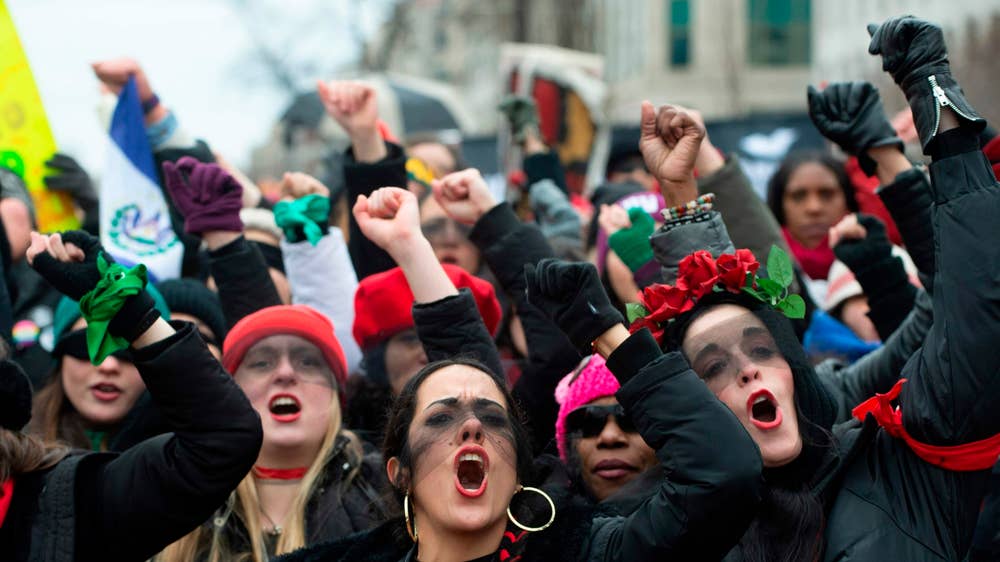
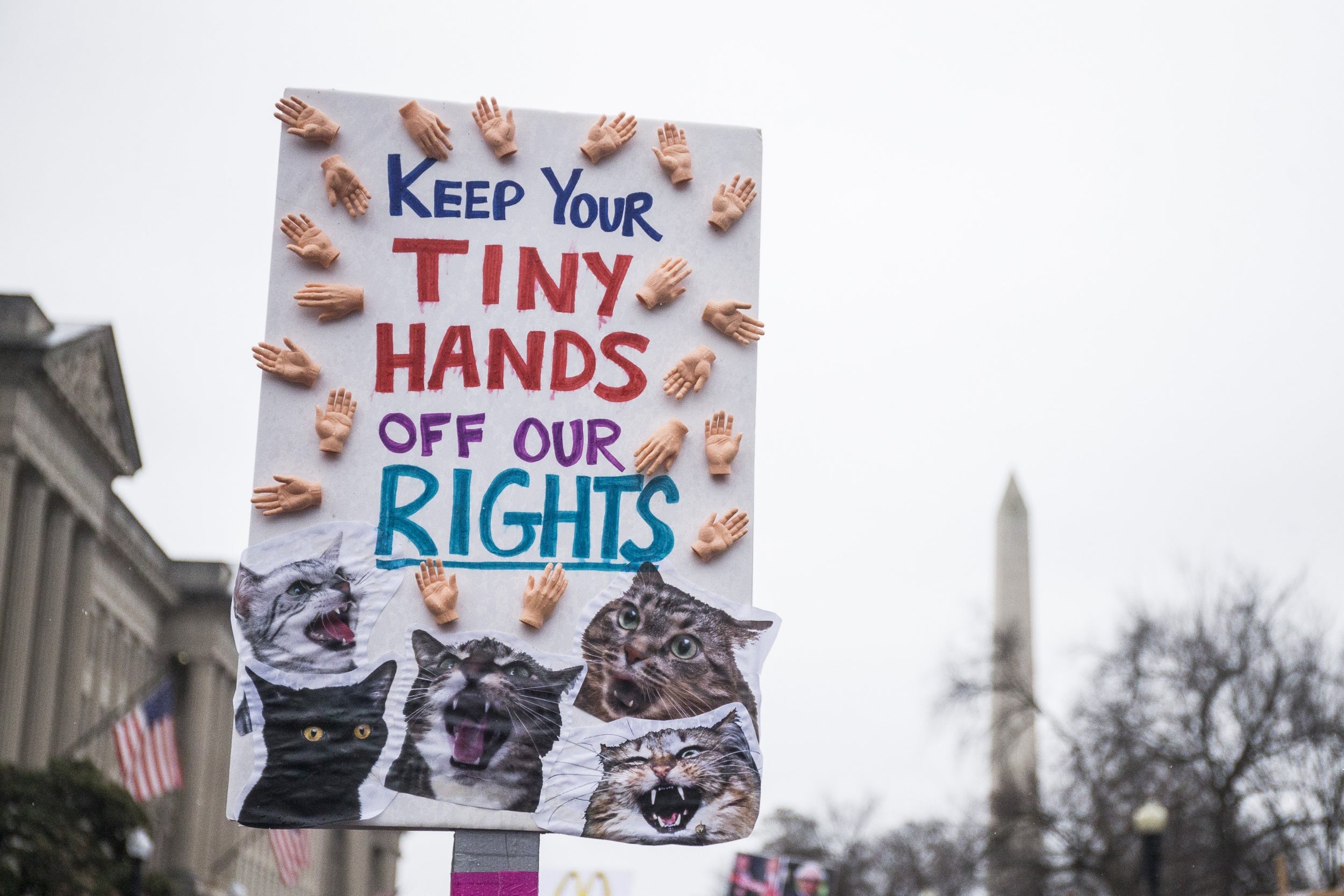
Women's March 2020: in photos
Show all 19


On Friday, the Royal College of Obstetricians and Gynaecologists (RCOG), the British Menopause Society and The Faculty of Sexual and Reproductive Healthcare (FSRH) wrote to the secretary of state for health and social care, Matt Hancock, urging for a working group to be set up to address ongoing supply constraints for both contraceptives and hormone replacement therapy in the UK. As well as this affecting the physical and mental wellbeing of women and girls, the professional bodies are concerned that contraceptive shortages will affect the most vulnerable in society. The RCOG has also said shortages could lead to a rise in unplanned pregnancies and abortions.

Speaking to The Independent, Julia Hogan of Marie Stopes – one of the UK’s leading abortion providers – explains that they regularly speak to women who have experienced difficulties accessing contraception. “Not only have many services been shut down due to cuts to sexual health clinics, but when women do manage to find a clinic many are being denied the full range of contraception, including some of the most effective long-acting methods,” she says.

Such restrictions, Hogan says, put limits on women’s bodily autonomy and leave them with fewer choices. “It’s enormously concerning and frustrating,” she adds, “because investment in contraceptive care is one of the most cost-effective public health measures, with every £1 invested in contraception saving £11 in averted costs.”

One form of contraceptive that has been impacted is Sayana Press, a self-injectable contraceptive for which there is no exact alternative. “Women who use Sayana Press now have to see a healthcare professional to access a non-self-injectable alternative, which is undoubtedly an extra burden for them, increasing demand in busy GP practices and sexual and reproductive healthcare clinics,” said Dr Asha Kasliwal, president of the FSRH. “At the moment, the resupply date for Sayana Press is unknown.”
Read more

Women unhappy with their breast size less likely to check for cancer

Paige, 26, had been on Sayana Press for 11 months and found it an accessible and easy to manage form of contraception. But when she recently went to her GP for a top-up, she was told they had run out and was promptly sent around to walk-in clinics, pharmacies and other doctors to no avail. “The whole experience left me feeling anxious and stressed,” Paige says, explaining that she regularly had to leave work early to make calls to clinics or attend doctor appointments.


“I felt as though my right to access my chosen contraception was being taken away from me and I didn’t want to drastically change my contraceptive during a time when I was already moving house and going on holiday.” While on her hunt for Sayana Press, Paige, who is based in London, visited one walk-in clinic, called two, attended one GP appointment, one appointment with a nurse and visited three different pharmacies.

“Not one of these informed me that there was a shortage of Sayana Press in the UK.” It was only through her own research that she discovered Sayana Press had been recalled due to a manufacturing fault, which had resulted in the shortage. “Ultimately, I had to change my contraception and am now using Depo-Provera, which I’ve been on for four weeks so far.”


Paige said the changeover has been fairly straightforward, although she can no longer administer the injections herself at home and must visit a nurse every 12 to 13 weeks to receive it. “I liked using Sayana Press because it removed the issue of trying to book an appointment so often with the nurse,” she says. “Securing appointments is getting harder and harder and when you do, managing to get one out of work hours is nearly impossible.”


Funding for sexual health services has plummeted in the last eight years after sexual health clinics were made the responsibility of local councils, rather than NHS England in 2013. This meant that funding clinics receive is part of the same pool that also pays for bin collections and speed bumps. The change has seen a reported £64m less being spent on sexual health services, according to the British Association for Sexual Health and HIV. With less funding, clinics around the UK are closing while others have started turning patients away. These contraceptive shortages mean there is additional strain being put on an already stretched service.

Alex*, 42, also had a negative experience when the pill she’d been taking for years was suddenly discontinued. “I liked it because I had very slight monthly bleeds and it gave me no side effects,” she explains. “Suddenly it just stopped being manufactured, and my GP could give me no explanation as to why. Instead, my doctor prescribed me another pill that was the wrong dose and severely affected my mental health.

“I just had a tough time emotionally, and it was hard to know if it was just life load or it was because the levels of oestrogen in my body were wrong”. Now, Alex has started using a different pill that seems to be “okay” so far, though it gives her headaches. “I’ll try it for a couple of months to see if it settles and just take paracetamol in the meantime.”

Alex says the impact is undoubtedly gendered and creates an unfair burden on women. “It’s just yet another responsibility that falls to me as a woman,” she says. “It’s up to me to go to three chemists in my lunch hour to see if they’ve got it in. It’s up to me to go back to the doctor and ask for a new script. It’s up to me to collect it, try it, feel ill, go back, try another one. But ultimately I’ve just had to get on with it.”

Sex Education star says she thought masturbation ‘was only a boy thing’

Molly*, 27, from south east England, suffers from an autoimmune disease, which means she’s not medically allowed to use any of the hormonal contraceptives. “I can only use the copper coil,” she explains.”It took months just to get an initial consultation appointment at my local sexual health clinic. Then I had to book another appointment after that before I could even book my coil fitting. I called seven different clinics looking for someone who could sort me out sooner.”

Molly now has to wait four months for her copper coil to be fitted; the waiting time is making her anxious. “I’m just trying to be a responsible adult,” she says, explaining that she’s just started seeing a new romantic partner. “I feel like I’m gambling every time I have sex. It’s not fair and is making me feel really uneasy, which I shouldn’t have to feel in a new relationship when everything’s meant to be so fun and natural.”

*Some names have been changed to protect identity
‘A global conservation disaster’: Fury as Botswana sells 60 elephant shoot permits to trophy-hunters

‘The species will be more prone to disease and the risk of extinction is greater,’ says wildlife activist
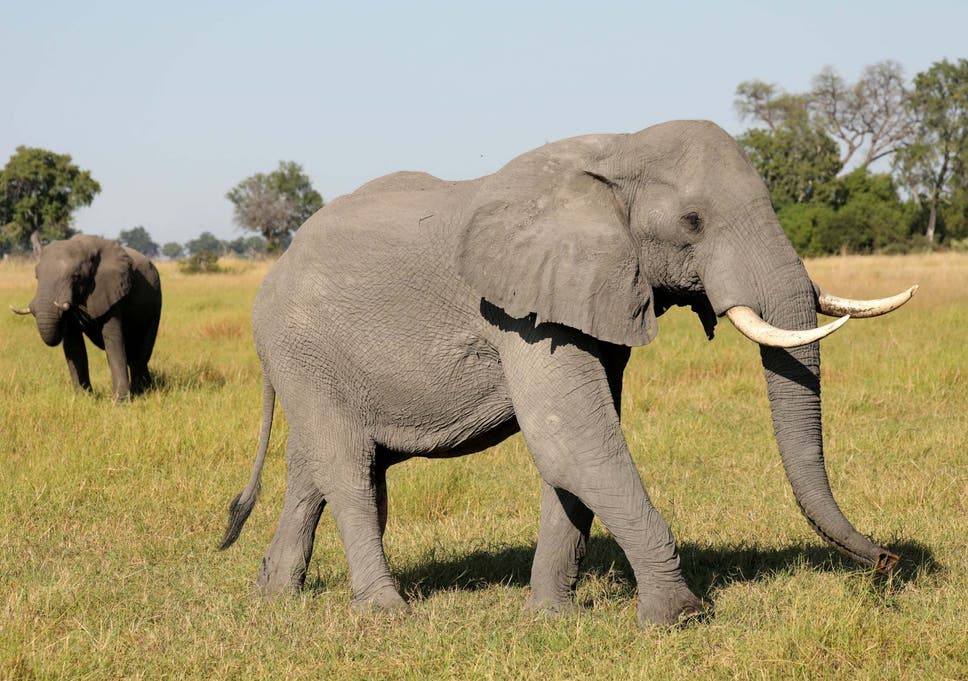

A pair of male elephants is seen in the Okavango Delta, Botswana
(File photo) ( REUTERS )

Botswana has sold licences to shoot dead dozens of elephants for tens of thousands of pounds each, in what experts are warning could be a “major global conservation disaster”.

The country auctioned off hunts for 60 of the huge mammals for a total of 25.7m Botswanan pula – £1.8m, or more than £30,200 each.

Conservationists have told the country’s leaders they risk hastening elephant extinction.

And African organisations that wanted to bid at the auction and put the money towards local community projects instead of shooting animals were angry at being excluded from the bidding.

The EMS Foundation tweeted afterwards: “Shame on you, President Masisi – we will not forget.”

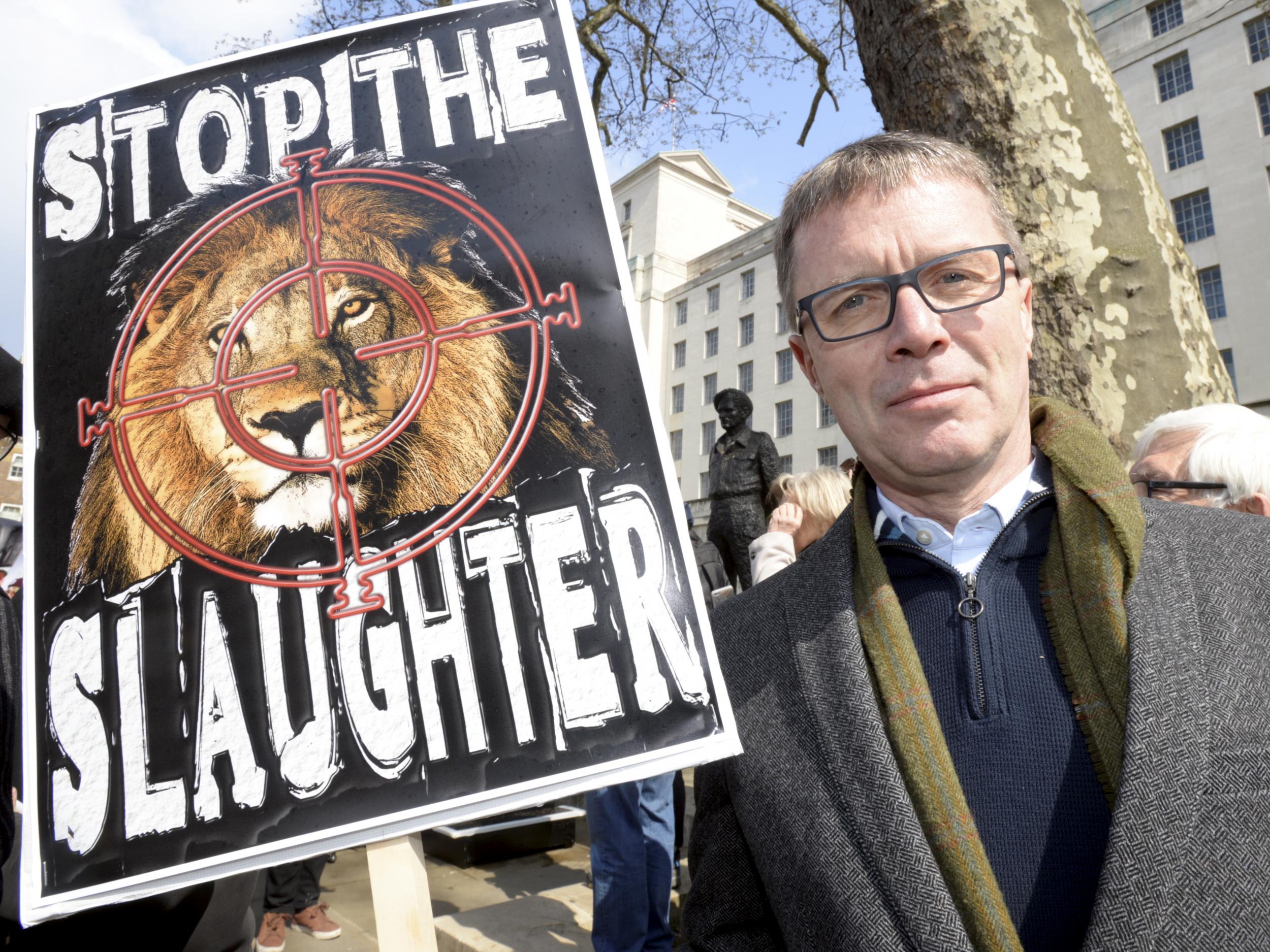
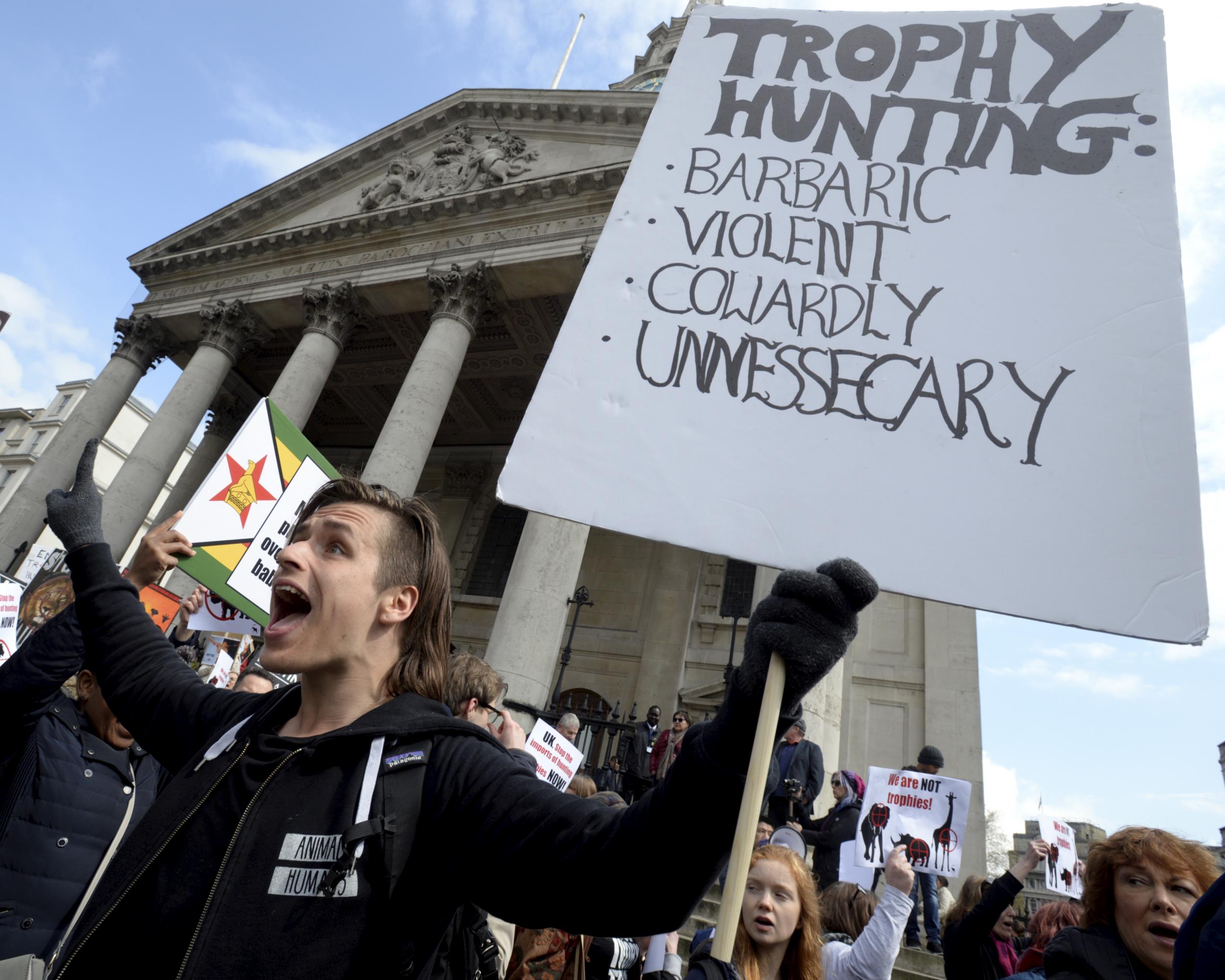
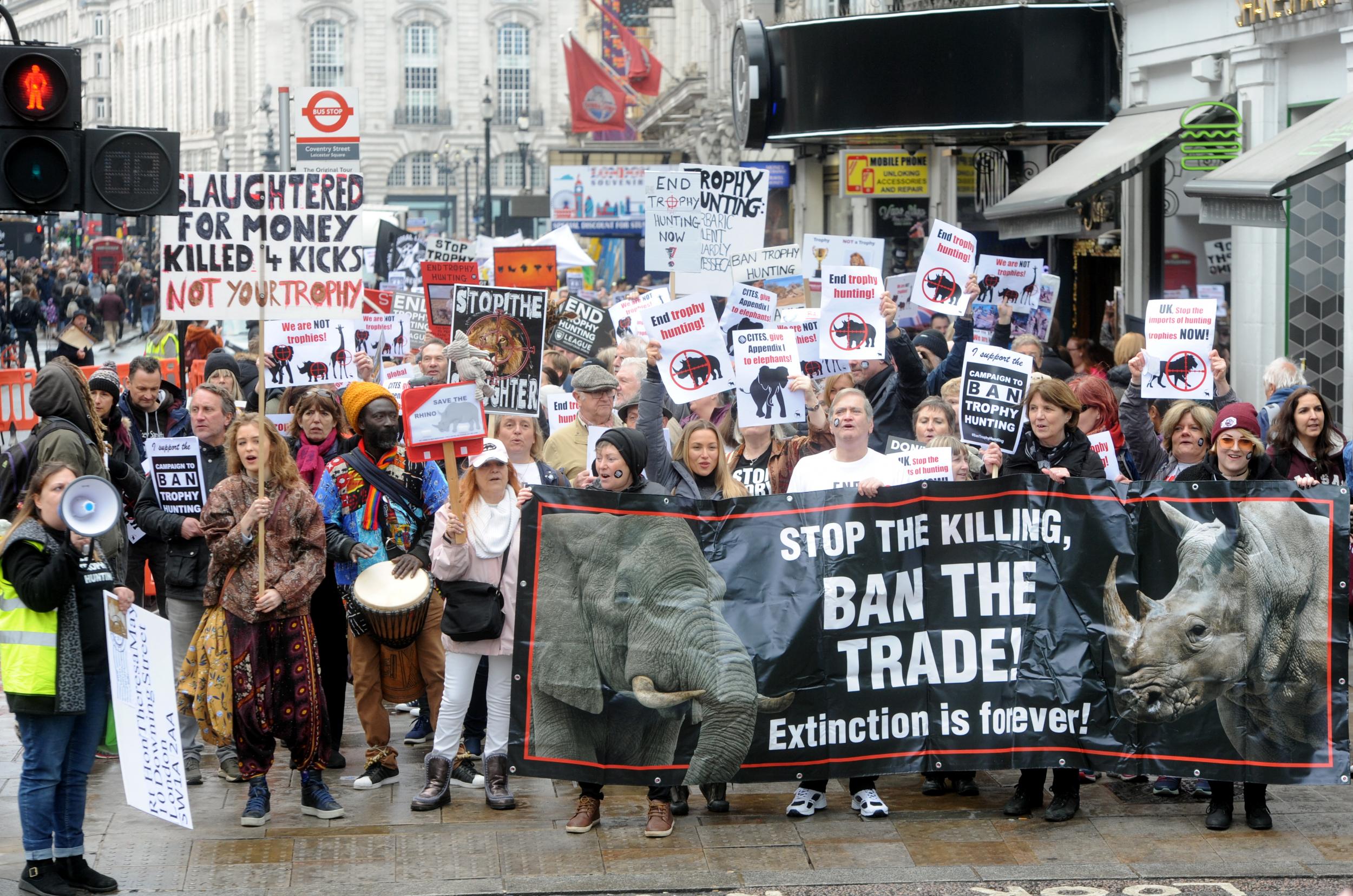
Protesters demand a UK ban on imports of 'trophy hunt' animal parts
Show all 15
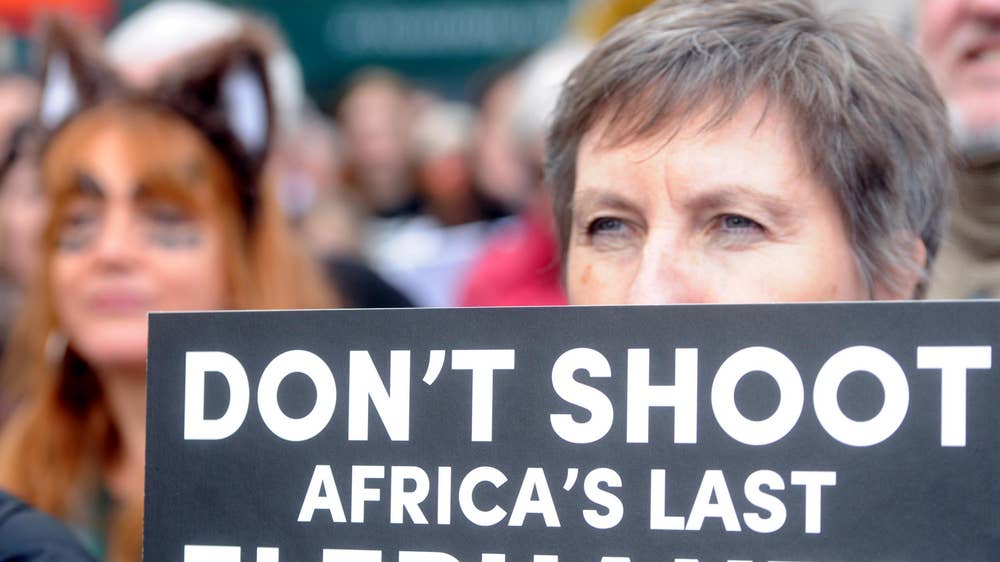


Wildlife activists had lobbied against the decision last year by Mokgweetsi Masisi to end Botswana’s five-year ban on big-game hunting.

The government has issued a quota for the killing of 272 elephants during this year’s hunting season, from April to September.

A seventh lot at Friday’s auction – to shoot 10 others - failed to meet the reserve price of 2 million pula (£141,000).

Africa’s elephant population has plummeted by more than two-thirds in 40 years: from 1.3million in 1979 to 415,000 in 2015, official figures show, and the species is listed as vulnerable to extinction by wildlife body the IUCN. Poaching is the leading cause of the decline.

But Botswana has the world’s biggest population of elephants – about 130,000 – almost one-third of the continent’s total.

Their numbers in the country have grown since the 1990s, and as humans have expanded farmland, elephants have increasingly taken crops, prompting officials to promote hunting to ease the “human-elephant conflict”.

Read more
Why Botswana resents their once-loved elephants

However, some environmentalists fear licensed hunting could fuel demand for body parts and so encourage even more illegal poaching, opening the path to extinction.

Eduardo Goncalves, founder of the Campaign to Ban Trophy Hunting, told The Independent that attrition from trophy-hunting and poaching was greater than the annual birth rate of elephants in Africa.

“Scientists have noticed that trophy hunting and poaching of African elephants is leading to elephants having shorter tusks and that there are now more adult elephants with no tusks,” he said.

“Trophy hunting is artificial selection. By targeting the biggest and strongest animals, it leaves the weaker, smaller animals behind. This means the best genes are being lost, so the species will be less able to adapt to accelerating climate change, it will be more prone to disease, and the risk of extinction is greater.”

He said the move would be bad for some of Botswana’s poorest communities, as it meant one-off trophy fees replacing income streams from nature tourism of $2m (£1.5m) over an elephant’s lifetime.

A letter from wildlife experts and celebrities, including explorer Sir Ranulph Fiennes, to President Masisi when he was reconsidering the ban said: “Trophy-hunting of elephants often brings a slow, painful death. With its population dwindling and increasingly scattered, the impact of trophy-hunting could be disastrous and possibly contribute to the extinction of the species.

“This would be a major global conservation disaster – potentially the worst in living memory – and have tremendously damaging consequences for efforts to conserve endangered fauna and flora everywhere.”

The country’s government says the large sums of money from trophy-hunters benefit local communities.
Read more

Hundreds of vultures die after eating poisoned elephants in Botswana

But Leslie Olonyi, an environmental lawyer from Kenya, said: “African youth are now, more than ever, alive to the truth that elephants are part of our pride and heritage to conserve and hold in trust for future generations. Shortsighted politicians, poachers, trophy-hunters and their silver bullets must never be allowed to endanger this heritage.”

Animal Defenders International appealed to people to protest outside the Botswanan embassy in their country.

Rosemary Alles, co-founder and president of the Global March for Elephants and Rhinos, said: “Studies have shown that local communities do not reap the benefits that they are promised from the hunting industry.

“Killing 272 elephants in Botswana will not control elephant numbers, it will not reduce human-elephant conflict and will not create jobs in areas where opportunities are scarce.

“Appropriate land-use planning including dedicated migratory corridors will aid elephant dispersal and increase the probability of amicable human elephant coexistence.”

When the government last year decided to allow new culls, an environment ministry spokesperson said: “Predators appear to have increased and were causing a lot of damage as they kill livestock in large numbers.

“There is a negative impact of the hunting suspension on livelihoods, particularly for community-based organisations that were previously benefiting from consumptive utilisation [of wildlife].”

Tiro Segosebe, who lives in the capital, Gaborone, said: “Elephants have killed a lot of people and destroyed livelihoods. I think government is doing the right thing in reducing their numbers.”

Last year, Botswana banned two professional hunters who shot dead a research elephant and tried to hide the evidence.


Botswana to start auction of elephant hunting licences

AFP

Botswana, home to the world's largest elephant population, on Friday was set to hold its first major auction for trophy elephant hunting quotas since scrapping a hunting ban last year.© Kun TIAN Map of Africa's elephant populations, with chronology of species protection measures, the ivory trade ban and poaching

The sale will be conducted by a local firm Auction It from the premises of the Ministry of Environment, Nature Conservation and Tourism in the capital Gaborone.

President Mokgweetsi Masisi raised the ire of conservationists in May when he revoked a moratorium, just a year after he succeeded Ian Khama, an avid environmentalist, who introduced a blanket ban in 2014 to reverse a decline in the population of wild animals. 

© MONIRUL BHUIYAN Botswana is auctioning licences to kill elephants by trophy hunters, a move that has sparked widespread anger

Masisi fended off criticism of his government's decision, saying the move would not threaten the elephant population.


The government is issuing seven hunting "packages" of 10 elephants each, confined to "controlled hunting areas", a wildlife spokeswoman Alice Mmolawa told AFP on Thursday.

In a text message, she said hunting would help areas most impacted by "human wildlife conflict," a reference to elephants roaming off game parks into communities.

The 2020 hunting season is expected to open in April.

Bidding is open to "companies that are either owned by Botswana citizens or are registered in Botswana," she added.

Bidders must make a refundable deposit of 200,000 pula ($18,300) to participate.

According to an auction advisory, bidders must have "demonstrable appropriate elephant hunting experience" and have no previous wildlife criminal convictions.

Hunting of collared elephants will be prohibited.

All elephant hunting expeditions will be compelled to be accompanied by a guide and a professional, at all times, according to the auction notice.

Masisi's decision to lift the hunting ban last year was highly praised by local communities but derided by conservationists and ignited tension between Khama and Masisi.

- Overpopulation -

He has defended his decision to end the hunting ban saying Botswana has an overpopulation of elephants, and pledged to regulate the practice.

His predecessor Khama was bitter.

"I have been against hunting because it represents a mentality (of) those who support it, to exploit nature for self interest that has brought about the extinction of many species worldwide," he told AFP in a phone interview.

He said allowing commercial hunting could "demotivate those who are engaged in anti poaching, who are being told to save elephants from poachers but the regime is poaching the same elephant and calling it hunting".

Audrey Delsink, Africa's wildlife director for the global conservation lobby charity Humane Society International said "the Botswanan elephant hunting auctions are deeply concerning and questionable".

"Hunting is not an effective long-term human-elephant mitigation tool or population control method," she said from neighbouring South Africa.

Neil Fitt, who heads Kalahari Conservation Society in Botswana, said hunting was a new source of revenue for the country, but cautioned it had to be practised "ethically and properly".

With unfenced parks and wide-open spaces, Botswana has the world's largest elephant population with more than 135,000 animals -- about a third of the African continent's total.

Most of the animals are in the Chobe National Park, an important tourist draw.

But elephants invade villages located near wildlife reserves, knocking down fences, destroying crops, and at times killing people.

---30---

Cannabis compound discovered by scientists could be 30 times more powerful than THC

Findings may explain why especially potent types of marijuana have a more powerful impact than can be explained simply by THC levels


Maya Oppenheim @mayaoppenheim

The study involved giving a fairly low dose of the newly discovered compound to lab mice ( Getty )

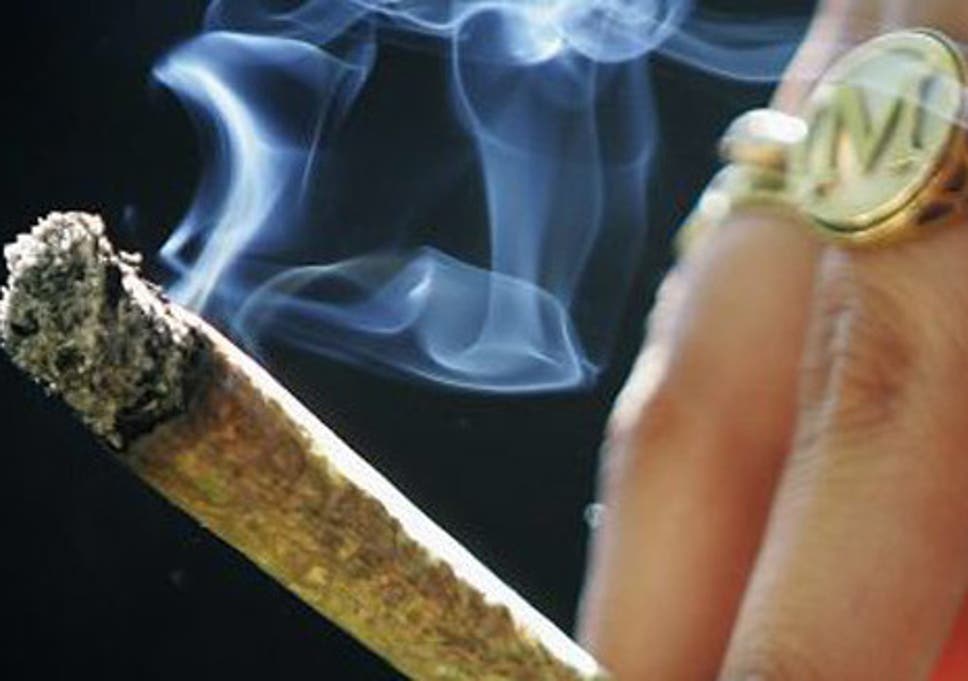
A cannabis compound has been found to be potentially 30 times more powerful than THC (tetrahydrocannabinol), the plant's main psychoactive constituent.

A study, published in academic journal Scientific Reports, involved giving a fairly low dose of the newly unearthed compound, known as THCP (tetrahydrocannabiphorol), to lab mice.

These mice responded less strongly to painful stimuli and also behaved like they had consumed THC, moving around leisurely.

Italian scientists have not tested THCP on humans, so it is yet to be established if the new cannabinoid will get users high.

But the researchers said THCP could be the reason why certain especially potent strains of the drug have a more powerful impact than can be explained simpy by the THC content.

Dr Cinzia Citti, the report’s lead author, of the University of Modena and Reggio Emilia in Italy, said: “In cannabis varieties where THC is present in very low concentrations, then we can think that the presence of another, more active cannabinoid can explain those effects.”


At the end of last year, Italy’s Supreme Court ruled growing small quantities of cannabis at home for private usage to be legal in a landmark verdict.

The farming and selling of cannabis was barred under legislation which dates back to the 1990s, but contradictory court decisions since then have generated uncertainty around the law. Shops that sell low-strength “legal weed” - with only minute quantities of THC - are widespread in Italy.

Cannabis resin typically contains CBD (cannabidiol) as well as THC. CBD may offset some of the damaging effects of THC, such as paranoia and memory impairment.

New resin production techniques in Morocco and Europe have boosted levels of THC but not CBD.

In Britain alone, THC levels in herbal cannabis remained roughly similar between 2006 and 2016, but police seizures indicate they have increased steeply in cannabis resin.
Dying doctor warns of asbestos ‘hidden epidemic’ caused by NHS failures

‘The managers who make these decisions, I don’t know how they sleep at night. They made an economic decision and it condemned me to death,’ Dr. Kate Richmond says


Shaun Lintern Health Correspondent @ShaunLintern
5 hours ago

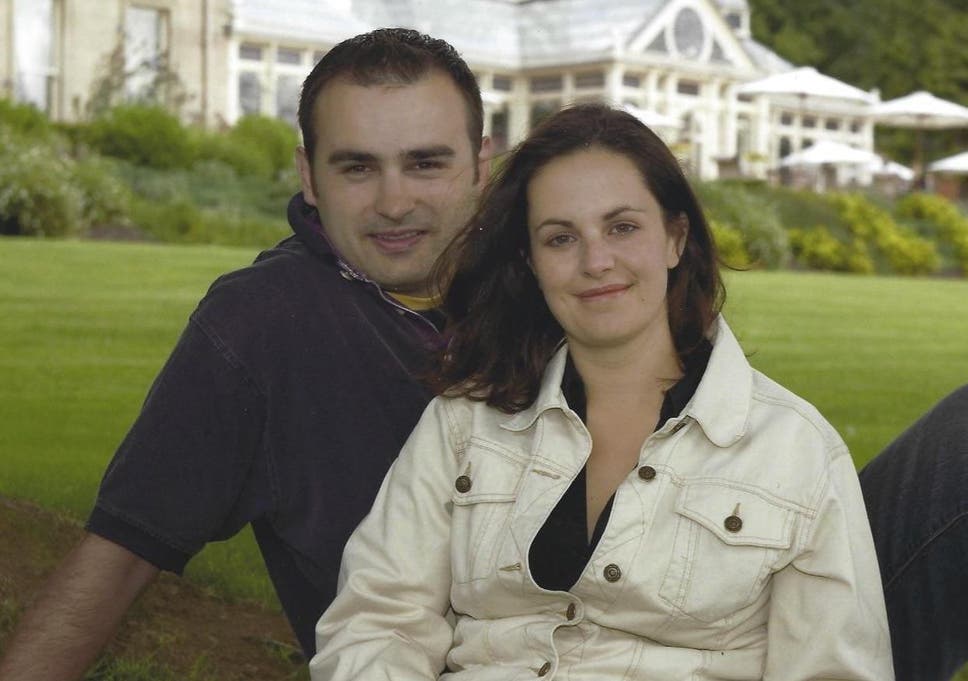
Dr Kate Richmond, with her husband Brett, was exposed to asbestos at the old Walgrave Hospital in Coventry while working as a junior doctor


A doctor and mother of two with just months left to live has warned of a “hidden epidemic” of asbestos-related cancers among NHS staff and patients because hospitals have failed to properly handle the toxic material.

Kate Richmond, 44, has spoken out to raise awareness after she won a legal case against the NHS for negligently exposing her to asbestos while she was working as a medical student and junior doctor.

An investigation by The Independent has learnt there have been 13 prosecutions linked to NHS breaches of regulations for the handling of asbestos since 2010, while 381 compensation claims have been made by NHS staff for work-related diseases, including exposure to asbestos, since 2013, costing the health service more than £26m.

According to data from the Health and Safety Executive, between 2011 and 2017, a total of 128 people working in health and social care roles died from mesothelioma, the same asbestos-related cancer which is killing Kate Richmond.

She described how maintenance staff removed asbestos ceiling tiles with no protective measures, allowing dust and debris to fall on to wards where patients were in their beds and staff were working. Managers at the Walsgrave Hospital in Coventry failed to heed warnings by workers that they were putting people at risk.

“They made an economic decision that condemned me to death,” said Dr Richmond, adding: “No amount of money can compensate for my children growing up without their mother.


She believes the true extent and cost for NHS staff and patients is likely to be much worse than current data suggests as it can take up to 50 years for disease to emerge after exposure.

Speaking to The Independent from her home in Australia, Dr Richmond, who has been told she may die as soon as July this year, described how she was exposed to asbestos at the old Walsgrave Hospital in Coventry, run by the University Hospitals Coventry and Warwickshire Trust between 1998 and 2004.

As well as the exposure during maintenance work on wards, she said she regularly used underground service tunnels, where asbestos-lined pipes were common, to move between areas.

Her lawyers, from law firm Leigh Day, successfully brought a claim against the hospital after a former maintenance worker responded to a public appeal and corroborated her testimony that they openly worked on ceiling tiles and asbestos materials with no safety measures.

In a statement one worker described how debris fell from the ceiling: “We had to clean it up afterwards, so I just swept up the dust. It was always busy, so we just put a couple of cones up where we were working. The doctors and nurses walked past where we were working.”

More than 20 former members of staff provided evidence of asbestos at the hospital and emails revealed managers had been warned of the risk. The court ruled there had been “serious and repeated failings”.

A decision on the amount of compensation she will receive may not be made for several months.

“I will be lucky if this comes to a close while I am still alive,” she added.

Explaining why she took legal she said: “The trust knew about it and they chose to do nothing. It is terrifying. I have become sick relatively early, but there are lots of other people who I worked with who could be affected in the future. I really wanted to make things easier for them. I felt I had a duty to my colleagues.


“I am far from unique, this is the tip of the iceberg. I strongly believe there is a hidden epidemic.”

She added: “We had no idea and just walked around the ladders with the dust and debris falling down into the ward where there were still patients in their beds.

“It is indefensible not to do the right thing. The managers who make these decisions, I don’t know how they sleep at night. They made an economic decision and it condemned me to death.”


The GP, who emigrated to Australia with her husband Brett, has endured six operations and chemotherapy after being diagnosed in May 2018.

She said: “My children were nine and six at the time and I’ve had to come to terms with the fact I am not going to be around to bring them up. It has taken all my dignity, my ability to care for my children and I can’t work so it’s taken me away from my patients too.”

She and her husband are now having to prepare for life after her death.

“Brett has been very strong. We have long conversations about whether the kids should be there when I die, whether I am going to die in a hospice or hospital, all these conversations you never want to have. No amount of money can compensate for my children growing up without their mother.”

Mesothelioma is a form of cancer that affects the lining of the lung and is almost always fatal, causing around 5,000 deaths a year.

Many older NHS hospitals built between the 1950s and 1980s may contain asbestos, which can be dangerous when disturbed. Strict regulations are in place for how to handle its removal.

The Health and Safety Executive said it had launched 13 prosecutions against six NHS trusts for asbestos failings since 2010.

In 2019 it prosecuted the Shrewsbury and Telford Hospital Trust after it exposed workers and contractors to asbestos despite concerns being reported to trust bosses by whistleblower Les Small, who won an unfair dismissal ruling against the trust before his death from cancer last year. The trust was fined £16,000 and ordered to pay costs of £18,385.

NHS Resolution, which handles compensation claims on behalf of hospital trusts, told The Independent: “Since 2013, NHS Resolution has received 381 industrial disease claims and has paid out £26.1m in compensation during this same period (damages and legal costs combined). However, these are matters that stretch back over many years.”

NHS Providers, which represents NHS hospitals, has warned the mounting backlog of maintenance work in the NHS, including dealing with older buildings that contain asbestos, is a risk to safety. It is calling on the government to launch a major investment programme.

Saffron Cordery, deputy chief executive of NHS Providers,​ said: “Ensuring staff and patient safety is a fundamental priority for trusts. That means being able to provide the right environment. But years of cuts to capital funding have made this increasingly difficult and this is showing.

“Trusts urgently need the resources to renew and refurbish buildings and equipment. Their staff, and patients, deserve nothing less.”

A spokesperson for the University Hospitals Coventry and Warwickshire Trust said: “We would like to extend our heartfelt sympathies to Dr Richmond and her family at this difficult time. We believe there were stringent controls in place to manage asbestos at the old Walsgrave Hospital, which closed in 2006.

“After a thorough review with those directly involved at that time, the trust felt that the opportunity for any incidental exposure would have been very low. We are pleased that the settlement will enable Dr Richmond to meet her ongoing care needs and will provide security for her and her family into the future.”

An NHS England spokesperson said: “Hospitals have established processes in place including undertaking inspections, maintaining a register and when appropriate disposing of relevant materials safely.”
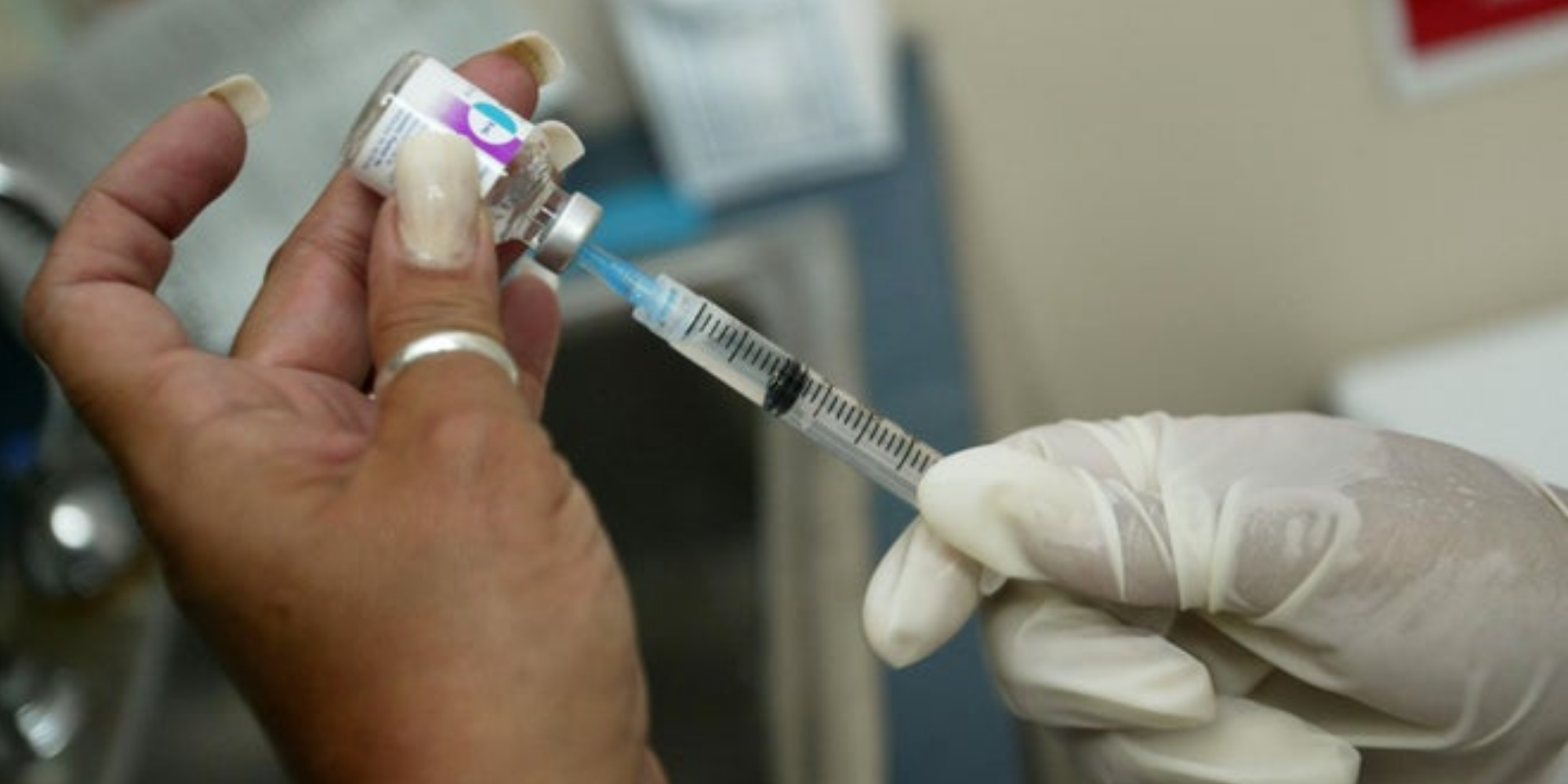
Young boy dies from flu after his mother asks anti-vaxx Facebook groups for medical advice

Posted 2 days ago by Moya Lothian-McLean in news

Getty

The anti-vaxx movement has gained frightening ground in the last decade.

Thanks to the internet, misinformation surrounding vaccines has spread, leading to a drop in vaccination rates in the US and the UK.

According to a 2019 report, two in five UK parents with children under 18 are exposed to negative messaging about vaccinations online.

And last year, the UK saw its measles-free status revoked after too few people were vaccinated against the disease.

In America, the anti-vaxx movement is more virulent and is causing a serious headache for health authorities trying to combat unsubstantiated rumours and fear-mongering surrounding vaccines.

But now the anti-vaxx movement has been linked to a tragedy.

NBC news reported that a four-year-old boy in Colorado died after contracting flu this week. According to their investigation, his mother had posted in one of the biggest anti-vaccination Facebook groups, asking for advice on how to treat the illness without taking the Tamiflu, the antiviral medication prescribed by their family doctor.

“The doc prescribed tamiflu I did not pick it up,” she wrote, in a now deleted thread.

According to NBC, the woman (whose identity has been reported in other outlets) explained that two out of four of her children had fallen sick.

She said her four year-old – who was later declared brain dead after becoming unconscious at home and being rushed to hospital – had experienced a febrile seizure.

She added she was treating her children with “natural cures,” like peppermint oil and Vitamin C, but that they weren’t working.

Advice given to her by the Facebook group included breastmilk and thyme.

“Perfect, I’ll try that,” she replied.


In 2017, the mother also stated her children were not vaccinated.

Details of her posts began circulating on social media after a GoFundMe was set up to pay for hospital costs following her son’s death.

Confusingly, in a later interview with a local news outlet she implied that the child had been given medicine prescribed by doctors, although it's unclear whether she is referring to the initial Tamiflu prescription or not.

In response to the criticism, the father of the boy has asked people to remember the family is grieving the loss of a child.

“We don’t look at none of it,” he told FOX6 News.

“The negative comments — keep [them] to yourself because at the end of the day, what’s important is that each one of these parents goes home and kisses their kids”.

Please vaccinate.
Modern-day witches still facing ‘endless abuse and threats’
‘We have had somebody come into the shop and say they will burn it down with people inside’


‘Witchcraft isn’t worshipping the devil, it’s not cursing people, it’s not black magic. It’s a belief in the planet’ ( Getty )

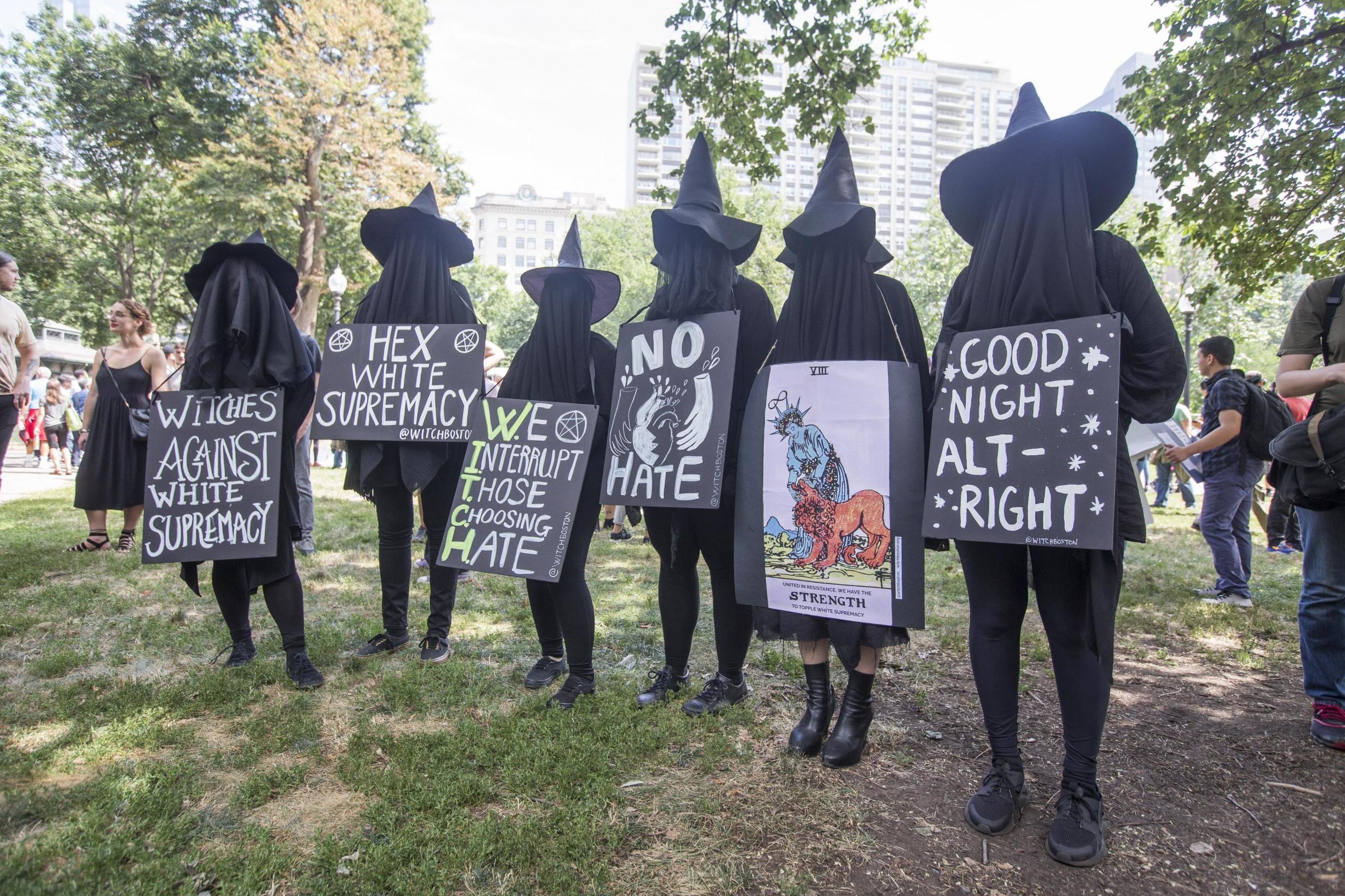
They were once ducked in water, burnt at the stake and hanged – but modern-day witches say that even in 2020 they are still facing persecution.

Abuse, intimidation, property damage and threats of murder are all common, a new investigation has found.

“We have had somebody come into the shop and threaten to burn it down with the people in it,” said Toni Hunter, who runs a witching store in Gloucester. “We have had very intimidating people stand outside and prevent customers coming in and accost the customers outside with their Christian leaflets.

“We have had eggs pelted at the windows, I’ve had my car keyed. It’s endless.”

The issue is raised in a BBC investigation due to be aired on its Inside Out West programme on Monday.

“Witchcraft isn’t worshipping the devil, it’s not cursing people, it’s not black magic,” Ms Hunter said. ”It’s a belief in the planet, it’s a respect for everything, it’s positive thinking, cosmic ordering.”

She added: “Lots of people don’t know they are witches – they’ll be into holistic therapies, they’ll be into crystals for remedial stuff.


“They’ll see spirits or they may have a high intuition that means that they can think of a person and they turn up or they know who’s on the end of the phone, so they have all these different abilities but they have never been able to speak about because it would have been still so controversial.

“People like me would probably have been sectioned years ago because if I admitted that I was psychic they wouldn’t have seen it as psychic, they’d have seen it as mad.”

Witchcraft has its origins in pre-Christian Europe. Followers worship the planet, use herbal remedies for healing and believe in the power of positive energy to cast spells.

An estimated 200,000 women accused of practising witchcraft were tortured and killed across western Europe from 1484 to the 1750s after Pope Innocent VIII denounced it as heresy. It became a capital offence in England in 1563.

MORE ABOUT
WITCHES | CHRISTIANITY | PAGANISM | WICCA


BOOK LOVER
I spent a week becoming a witch and the results were worrying
Inspired by Luna Bailey’s new book ‘The Modern Witch’s Guide to Happiness’, our columnist Ceri Radford set herself a New Year, New Me challenge


Sunday 12 January 2020 06:00

109 comments

Ceri Radford gets down to some witching business

It’s the new year. I could have given up booze and bacon, or embarked on a punishing new fitness regime. But these seemed too harsh for the drab days of January and besides, I had more ambitious plans for personal transformation. Namely, to turn myself into a witch.

At this opening of a scary new decade, we’re in the midst of a resurgent interest in all things mystic, superstitious or more than a little bit woo. As the New Yorker magazine observed, “astrology is currently enjoying a broad cultural acceptance that hasn’t been seen since the 1970s”. And its cousin in dogged resistance to logic, specifically witchcraft, is also having something of a moment, refitted for the age of self-care as a way for women to reconnect with themselves and the natural world. Think crystals, not cauldrons. Last summer, Publishers Weekly noted that witchcraft was one of the strongest trends in the “mind-body-spirit” category, and the interest shows no sign of abating.
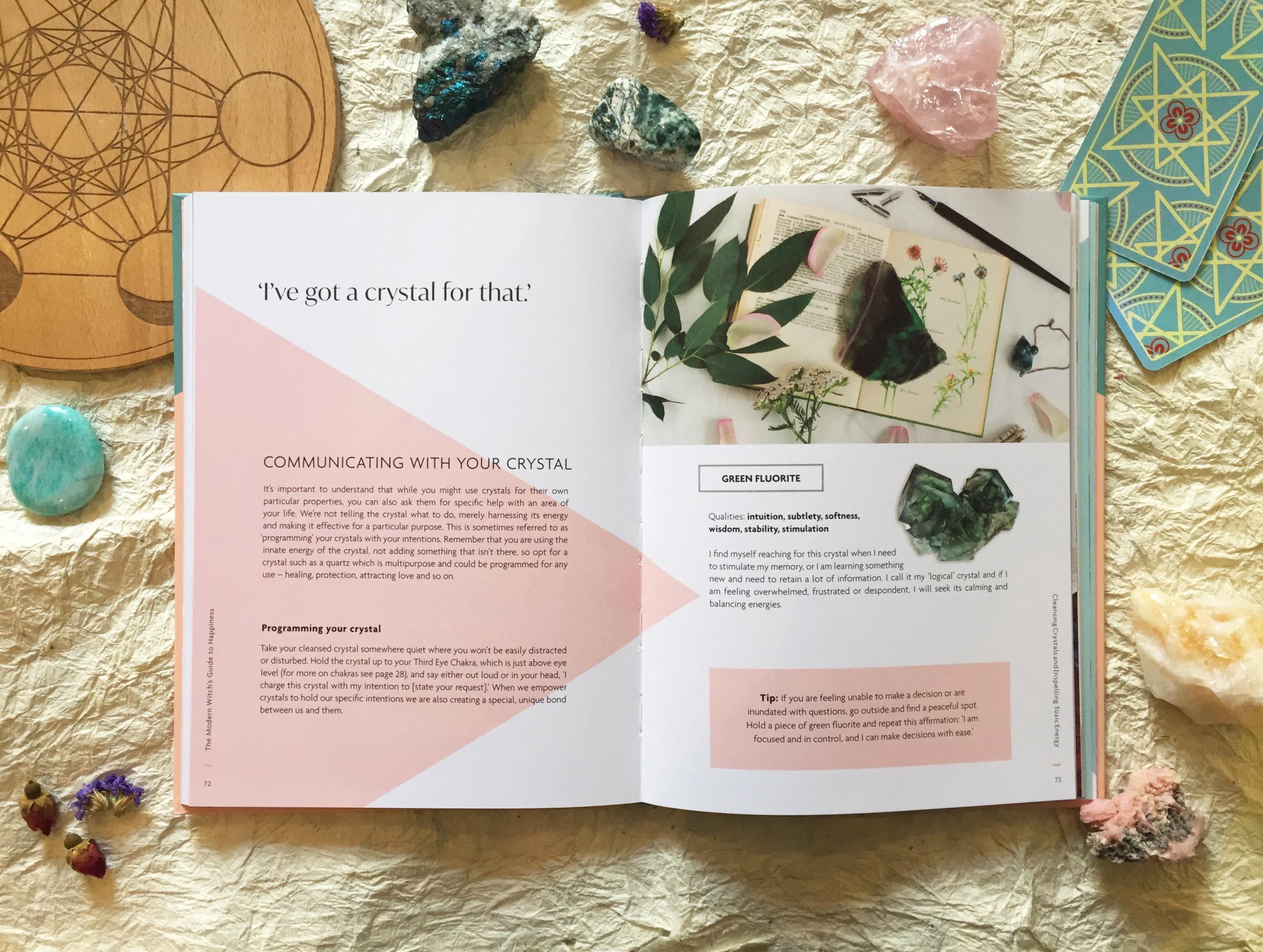
While never knowingly on trend – it took me five years to attempt a jumpsuit – I decided, for once, to seize the cultural zeitgeist. I picked up a copy of the newly published The Modern Witch’s Guide to Happiness by Luna Bailey and set my cynical self a New Year, New Me challenge

Monday

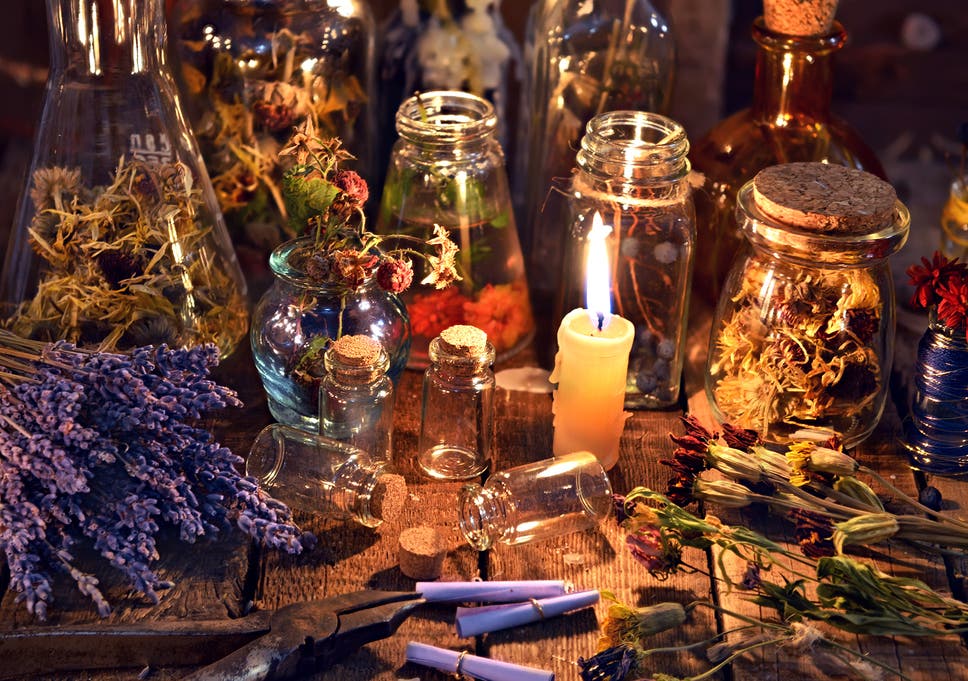
Right. This witching business. One of the things I need, along with a suspension of belief in the scientific underpinnings of the universe, is an altar. Not to sacrifice a goat upon – no, this book is whiter than a student union snowflake – but to claim a space for “creativity, spiritual growth and guidance”. Recommendations include some bright cloth, salt (“protective and purifying and represents the Earth’s energy”), plus objects to suggest earth, fire, air, water and spirit. I manage a pot plant, a small bottle of Polish plum vodka (spirit and fire in one – boom) and a stripy scarf. It doesn’t look anything like the Instagrammable extravaganza in the book, but at least it made me tidy my bedside table. By the end of the day, though, it has been joined by a light smattering of cat hair and my four-year-old’s lego T rex. Is the universe trying to tell me something?
modern-witch-0.jpg


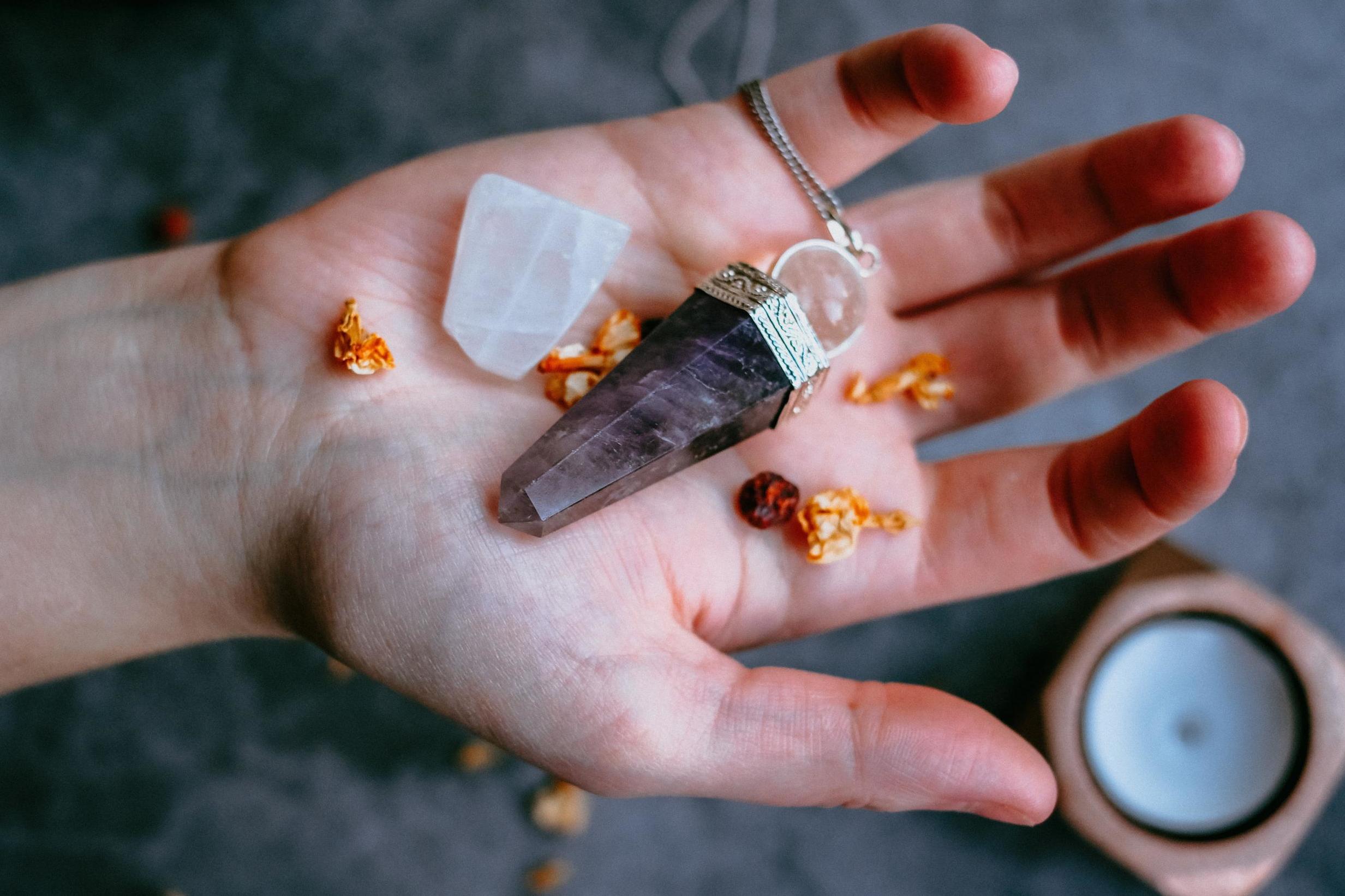
Witches collect objects that suggest earth, fire, air, water and spirit (Joanna Kosinska/Unsplash)

Tuesday

Crystal-shopping time: no self-respecting witch in this new age of Aquarius would be without these ubiquitous lumps of pretty rock. I take myself to a gift shop. The book informs me that I should allow myself to be drawn to the crystal that has meaning for me. I position myself in front of a stand of crystal bracelets. Will it be the pastel-pink rose quartz, with qualities of “love, peace and tenderness” apparently laced into its silicon and oxygen atoms; or the “playful” inky-black bornite? I close my eyes, then open them. I found myself uncannily drawn to something, after all. It’s the price tag. Ten quid! I am propelled out of the shop by unseen forces.


Wednesday

Finally, some advice I can wholeheartedly embrace: five tips for making simple connections with nature, from touching leaves to noticing sights and sounds. Tricky but not impossible if you’re schlepping to work on the tube; easy where I live and instantly soothing. A frail yellow autumn leaf clinging by a thread; a rubbery weed poking through a desert of gravel; you get the picture. Another edict is to appreciate the seasons, including picking up an acorn or pine cone in autumn and keeping it through winter. Turns out I was witchy all along, as some colleagues would probably attest: in my coat pocket I still have a perfect, hard conker that I found in October. I don’t believe it offered me protection through the winter months, as the book claims; I just like the feel of it. I suspect a large part of the appeal of witchcraft today is the emphasis it places on slowing down, switching off from your phone and taking notice of the natural world.
modern-witch-2.jpg


Crystals are essential – but they don’t come cheap (Dan Farrell/Unsplash)


Thursday

Since I am well into my first week as a witch, I decide the time has come to attempt my first spell. None of the “magick” incantations listed involve putting a pox on my enemies, which will be a relief to the landlord who has failed to fix my broken boiler; they’re all perky personal growth exercises. After a skim, I settle on a “burning and banishing spell”. This involves writing down worries or unwanted personality traits on a piece of paper, then setting fire to it. Next to “tax return” I put “knee-jerk scoffing cynicism”. I would have set it on fire but I was too cynical to waste a match.

In fairness, there is a reasonable body of evidence to suggest that “journaling” is good for us. Taking time to think about and articulate what we want to let go of is no doubt psychologically healthy; for me, it’s the puff of smoke that’s a step too far.

img-9435.jpg

The Modern Witch’s Guide to Happiness (Michael O’Mara Books Ltd)


Friday

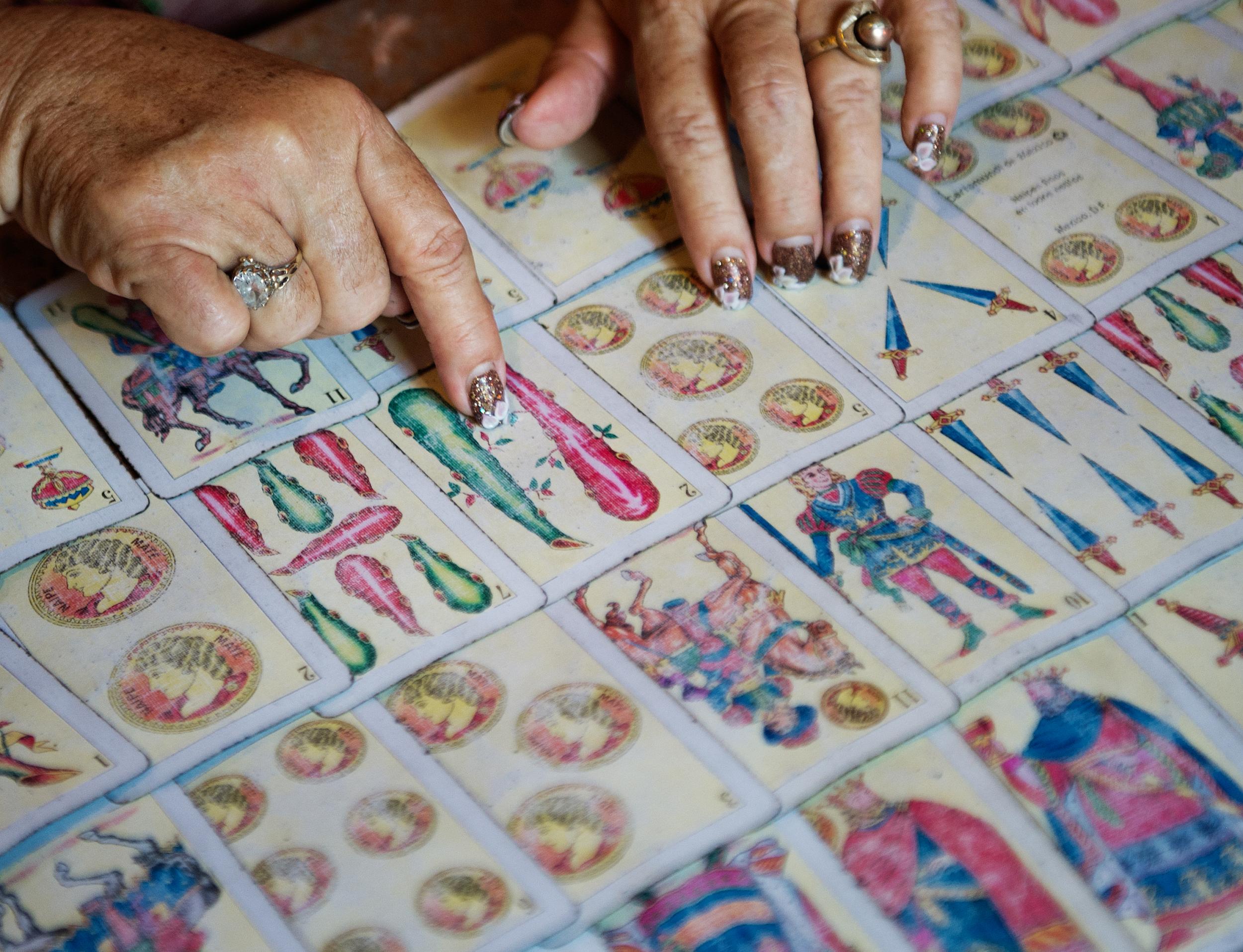
The last weekday, and time to take it up a level: I open the chapter on tarot and prepare to dabble in divination. I don’t have an actual set of cards, but witchcraft has a relaxed, homespun kind of vibe so I improvise. I raid my daughter’s toy drawer, find a set of sea-creature playing cards, and get reading. I must focus on my personal objectives, then hold the cards or lay them on a surface. The book suggests I start by selecting three cards and using them to answer three questions: “What is my dream? What is stopping me? What is the reality?”
If you go looking for a pattern in tarot cards, you will find it (Getty)

I turn three cards over: dolphin, shark, dolphin. The interpretation should apparently come from my own intuition. Dolphins are playful creatures; sharks are scary. For an actual moment, I find myself thinking: this makes sense! I want to spend more time on creative work; fear is holding me back; but the reality is I’m still a creative person underneath.

And there we have it: confirmation bias. You go looking for a pattern, and you will find it, even in a pack of deeply non-mystic marine-animal cards bought to entertain a small child on a rainy holiday in France. Our brains are built to leap to conclusions, to see what’s not really there – helpful if the twitching leaves might hold a crouching sabre-toothed tiger; misleading in modernity. It’s part of the reason we’re all such credulous suckers, still seduced by superstition at a time when we have the technology to make a space probe orbit Saturn.
gettyimages-146466745.jpg

Saturday and Sunday

I spend the weekend pondering all things witchy. On the one hand, it’s hard not to snort coffee through your nostrils when you read that water that has had rose quartz soaking in it can be given to soothe traumatised animals. On the other, witchcraft is no less irrational than any other religion and many of its practices are in fact a fairly reasonable response to the major challenges of our time. Rediscovering nature, reclaiming the sexist trope of the witch as a symbol of female empowerment, switching off from the constant thrum of social media and consumerism: what’s not to like?
Many of witchcraft’s practices are a fairly reasonable response to the major challenges of our time (Getty)

The answer, of course, is that however benign or even beneficial the rituals, it’s all built on a wobbling base of bats***. No matter how many spells we cast to ask the universe for help, the universe isn’t listening. On a personal level, it’s probably better for us to just accept that life doesn’t always go our way and lower our expectations: Catherine Gray’s wonderful The Unexpected Joy of the Ordinary is a lovely new year read on finding the magic (no k needed) in the mundane. And on a broader level, the recent zest for the mystic is part of a worrying backlash against the enlightenment values that have driven human progress. On the one end of the political spectrum, you get the anti-vaxx movement; on the other, climate change deniers. Standing in the light of a full moon to recite our resolutions may be harmless, but as a society we shun science at our peril.

MORE ABOUT
WITCHCRAFT | ASTROLOGY | BOOKS


Comments

Iliana Adler3 weeks ago
Dear Independent, As a witch of 30 years, that had to study hard to try to become one, and that still feels that there is so much more that I need to learn, I found this article ridiculous and childish. A biased review of one single new age book does not a witch makes. I wonder if she would ever consider spending a week to become a pianist, or even better she should spend a week becoming an astronaut, by Sunday morning she should be able to launch herself to Outerspace and never subject any of us to another inane article such as this one. I am particularly offended by her obvious attempt to join in different agendas from anti-vaxxers to climate change deniers with the Craft; she climbed into her high horse named science and proceeded to give us her condescending opinion after one week of not being able to follow simple directions from one simple book but somehow she is an expert now. Journalism is dead, lazy 5-minute penup essays seem to be the norm, nowadays. My deepest condolences for the death of your art. We Witches will make sure to protect ours by voicing our opinions on garbage like this. Have a good day.
Reply
231

David Cox3 weeks ago
I could only skim through the self-congratulatory, disingenuous, intellectually and journalistically barren, common click bait drivel. This intentionally offensive, smug dismissal of something that brings peace and joy to a wide diversity of practitioners can only lead me to belive that The Independent took its name because the content is independent of thought, independent of empathy, independent of any shred of integrity. The derisive smirk of the author would be equally fitting in any photograph of a biased judgemental bigot wearing the garb of any belief system or culture as cheap drag while touting their own superiority. I make these comments not as someone who has ever self-identified as any variety of witch, but as someone who supports all people who embrace a guiding principle -- whether religious or philosophical -- that brings them comfort and pushes them to be better people. It is utter irony that this piece, which pales in comparison to hundreds of thousands of works written by journalistically-minded secondary school children worldwide, conflates belief with a rejection of science, when Ms. Radford is utterly devoid of any scientific approach to her inane rambling.
Reply
200

Marcus Katz3 weeks ago
Dear Independent I am writing in response to the article "I spent a week becoming a witch and the results were worrying" by your columnist Ceri Radford, published 12th January 2020. I am writing as an initiated Witch of forty years, author on Tarot and co-director of the Tarot Association. I wanted to register our response to the article, which we found misleading, non-factual, poorly researched and which I found personally offensive to my own spiritual practice. It is unclear that the column or article is a review, and at that, a review of a book by a likely pseudonymous author whose own credentials to write on the subject matter are not clarified. The purpose of an altar, for example, is not merely to look like an “Instagrammable extravaganza”. It is a religious or spiritual space made sacred by intent. To rubbish this on the basis of a half-hearted attempt to poke fun at it is beneath standards of both review and journalism. I would go so far as to suggest that the ‘Lego T-Rex” which appeared on the altar might be considered a magical comment on the childishness of the article and the way in which such articles are now themselves, extinct. The columnist misses the point that the universe not only listens but has a sense of humour. Similarly, the columnist attempts to conduct a tarot reading - not necessarily part of witchcraft per se - by not using a tarot deck, on the pre-conceived basis that it is all “confirmation bias”. Which, I guess, she does manage to prove to herself. The review cannot be based on not following the book, surely. The click-bait title of the article itself - that the practice of our beliefs is “worrying”, leads to an ill-informed and potentially dangerous slant on our life choices. If a journalist had spent a year exploring pagan practices worldwide, consulted authors and teachers, and then made this conclusion, it would only then bear the weight of the title. The “review” does not mention any of the many hundred other books on the subject, seemingly to give the practice given in one book the value that would give rise to the reviewer claiming they were “becoming a witch”. I would advise at least one academic book on the subject for future articles or reviews, such as ‘The Triumph of the Moon’ (1999) by Ronald Hutton. The lazy conflation of a spiritual practice with the “anti-vaxx movement” and “on the other [end of the spectrum], climate change deniers” is simply absurd. The columnist cannot suggest that her bad practice from one book represents any knowledge of the beliefs of “a witch” (from the title) and that those beliefs are associated in any way with the movements she references. There is much else to say on this poor and misleading article, and I am sure that many others will add to the response. I will at least follow one recommendation of the reviewer, and that is to “lower my expectations”, in this case, with deep sadness, of modern journalism. Bio Marcus Katz is an author of over fifty books on Tarot, Witchcraft and the Western Esoteric Initiatory System. He was initiated into the Witchcraft tradition of Gerald Gardner over forty years ago. He holds an M.A. in Western Esotericism (University of Exeter). He is co-director of the Tarot Association and course author for Magicka School.
Reply
220

TSuarez3 weeks ago
The universe is listening but not to something you try for a week. It listens over years and decades. Magic is getting information from "the cloud" through our intuition, dreams, visions etc. Sometimes a peak into the future, sometimes a warning, sometimes a symbol. Pay attention to messages that pop into your head as if out of nowhere, pay attention to synchronicity and recurring dreams.
Reply
60

madtom19994 weeks ago
A week? I wont bother reading this then.
Reply
230

Scientists discover mysterious virus with no recognisable genes

Bizarre organism found in amoebae in Brazil is named after mythical sea siren


The newly identified Yaravirus is unlike any recorded before 
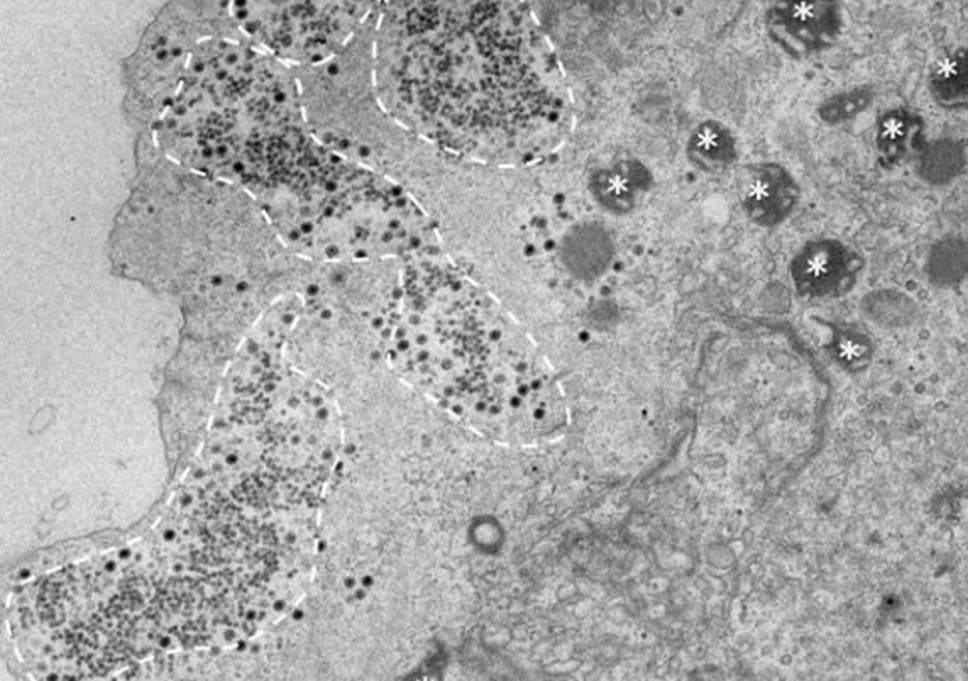
( J. ABRAHÃO AND B. LA SCOLA/IHU-MARSEILLE/MICROSCOPY CENTRE UFMG-BELO HORIZONTE )

Viruses are some of the world’s smallest life-forms – and the jury is still out as to whether they actually are life-forms at all, as they cannot live or reproduce outside a host organism.

A new form of virus is currently causing scientists to scratch their heads after it emerged the organism had almost no recognisable genes.

This “mysterious” virus collected from amoebae in an artificial lake in Brazil was considerably smaller than the viruses usually known to infect amoebae.

The team named it “Yaravirus”, after Yara, also known as “Iara”, meaning “mother of all waters” and representing a beautiful mermaid-like figure from Brazilian mythology who would lure sailors underwater to live with her forever.

When the scientists sequenced the yaravirus genome – the process of determining the complete DNA sequence which makes up an organism – they discovered over 90 per cent of it was formed of the genes had never been found before.

Writing in the open access bioRxiv biological sciences website, the team which examined the virus said: “Here we report the discovery of Yaravirus, a new lineage of amoebal virus with a puzzling origin and phylogeny.

Jônatas Abrahão, a virologist at the Federal University of Minas Gerais, in Brazil, said the results were indicative of just “how much we still need to understand” about viruses.
Watch more

Some of Yaravirus’s genes look like those in a giant virus, but it is still unclear how the two are related, Professor Abrahão told ScienceMag.org.

He and his colleagues are now investigating other features of the novel virus’s existence.

One scientist unconnected with the study suggested the findings represented “a whole new treasure chest of previously-unseen biochemical processes”.
Masked neo-Nazi white supremacists march in Washington DC

Demonstrators yell ‘Reclaim America!’ and ‘Life, liberty, victory!’


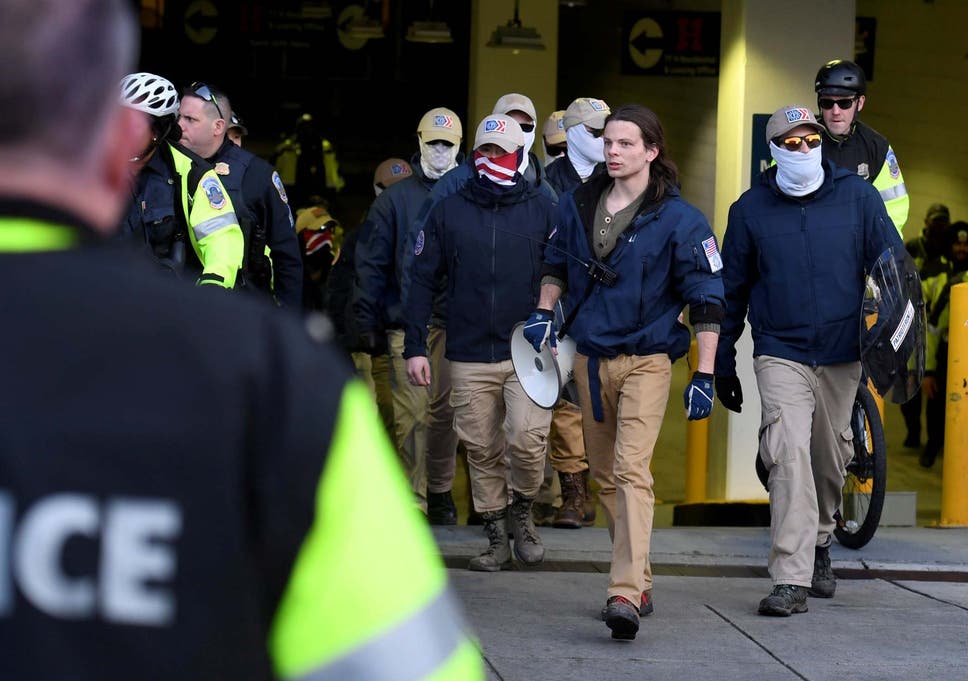
Members of the group were accompanied by police ( REUTERS )

Masked members of a neo-Nazi white supremacist group called Patriot Front marched through Washington’s National Mall on Saturday.

Patriot Front, which is part of the so-called “alt right” movement, was established by disillusioned members of another white supremacist group called Vanguard America in September 2017 in the wake of a white supremacist rally in Charlottesville.

Members of the group were accompanied by police as they marched but officials said no violence erupted and no arrests took place.
More than 100 members of the Patriot Front, dressed in khaki trousers and caps, blue jackets and white face masks, yelled “Reclaim America!” and “Life, liberty, victory!” footage of the march showed.

Video of Saturday’s march in Washington posted on the News2Share Facebook page showed occasional hecklers, but there appeared to be no organised counter-protest movement waiting for the Patriot Front as the group marched from the Lincoln Memorial to the US Capitol grounds and later a nearby Wal-Mart parking garage.
Watch more

White supremacist who praised ‘psychedelic Nazis’ arrested

They were accompanied by dozens of police officers, some on bicycles, but it was not clear whether the group had acquired a permit for the march.

A spokesperson for District of Columbia Metropolitan Police said it had no record of a permit for the march. Capitol Police and the National Park Service could not immediately be reached for comment.

The police spokesperson said that the “First Amendment demonstration was peaceful with no incidents or arrests”.

The white supremacist rally in Charlottesville in August 2017 saw anti-fascist activists clash with neo-Nazis, Ku Klux Klan members and alt-right supporters.

Violence on the streets of Charlottesville
Show all 9


James Fields, a self-described neo-Nazi, drove his car into a crowd of peaceful anti-fascist demonstrators and killed a 32-year-old civil rights activist called Heather Heyer. He was convicted of first-degree murder and sentenced to life in prison in 2018.

Donald Trump drew criticism from his fellow Republicans as well as Democrats for saying that “both sides” were to blame for the deadly 2017 incident.

While the problem of white supremacy has gained increasing attention since the election of Mr Trump in 2016 and then Charlottesville, it has been an ongoing and persistent problem America.

According to the Anti-Defamation League, a manifesto posted to Patriot Front’s website soon after it was established called for “American Fascism” which it referred to as a “return to the traditions and virtues of our forefathers”.


The manifesto also made it obvious people who were not white were not deemed to be Americans.

---30---

Anne Sacoolas: Harry Dunn’s alleged killer a more senior spy than husband, report claims


‘I do not know what the government think they are doing or why they are treating us the way they are,’ teen’s mother says

Vincent Wood @wood_vincent
2 hours ago

The mother of teenager Harry Dunn has hit out at the UK government after it was reported his alleged killer had served in the CIA.

The family of the motorcyclist have struggled with both US and UK officials as they push for Anne Sacoolas to stand trial, having been accused of driving on the wrong side of the road when she allegedly collided with the 19-year-old near RAF Craughton in Northamptonshire .

Now Dunn’s mother Charlotte Charles has said the family is “full of anger” following claims Ms Sacoolas, who was able to flee the country after claiming diplomatic immunity due to her husband’s work as an intelligence analyst, was employed as an agent by the CIA.

As first reported by the Mail on Sunday, who cited officials on both sides of the Atlantic, Ms Sacoolas is believed to have been more senior in intelligence circles than her husband, but had reportedly not been conducting spy operations in the UK at the time of the incident.

Ms Charles said the claim took her back to the early days following her son’s death when she claims the British government was “trying to kick this all under the carpet”.

The family is understood to have written to the Foreign Office asking for an explanation as to what it knew about Ms Sacoolas’s history with the CIA.

She added: “We are determined to make sure that this never happens to another family again. I do not know what the government think they are doing or why they are treating us the way they are.

“It is an absolute scandal and I know [family spokesman Radd Seiger] is calling for a full public inquiry and an action plan from the government.

“We will not rest until Anne Sacoolas is back and we have secured the safety of the nation in so far as so-called diplomats committing crimes here in the UK is concerned.”

Harry Dunn’s family hail ‘huge step’ as US suspect charged over his death

A spokeswoman for the Foreign Office said: “Anne Sacoolas was notified to us as a spouse with no official role.”l

Since leaving the country Ms Sacoolas has been charged with causing death by dangerous driving – but the US is refusing to extradite the 42-year-old, and last month US secretary of state Mike Pompeo refused to explain why.

On a visit to London the official was asked why he was allowing “a US citizen to run over and kill an English boy and evade justice”, but declined to say what lay behind the decision.

Instead, he said London and Washington were “doing everything we can to make it right” and seeking “a resolution that reflects the tragedy that took place”.

Watch more
Epstein’s accusers demand Prince Andrew is exchanged for Anne Sacoolas

Speaking on Sunday, former foreign secretary Jeremy Hunt said the US should treat the UK like an ally and extradite Ms Sacoolas.

Speaking on Sky News, he said: “I think we just need to ask what would have happened if the boot had been on the other foot, if a British diplomat had been involved in a road accident in the United States where someone had died and had fled on a private plane back to the UK and was evading justice – I don’t think President Trump would stand for that for one second.

“And I would just say to the United States, I’m someone who is the strongest supporter of the special relationship, I think in a very uncertain world the democracies of the world need to stand together, but if we’re going to be in an alliance we need to treat each other like allies and that is not happening.”

Additional reporting by Press Association