Wednesday, April 08, 2020

Anti-Asian racism during coronavirus: How the language of disease produces hate and violence
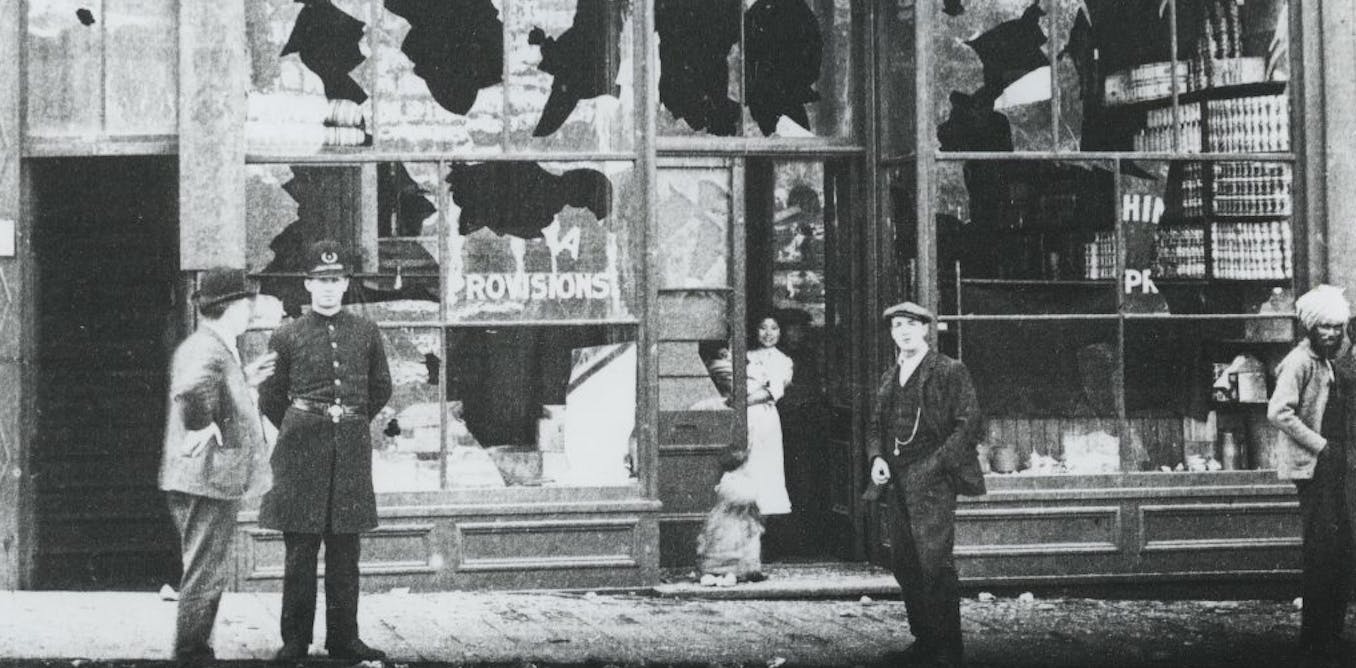
A building damaged during anti-Asian riots in Vancouver in 1907. (UBC Archives, JCPC_ 36_017)

Self-isolation. Quaratine. Lockdown. The outbreak of COVID-19 and its subsequent dissemination across the globe has left a shock wave of disbelief and confusion in many countries.

Accompanying this wave has been a spike in racist terms, memes and news articles targeting Asian communities in North America. Asian Americans report being spit on, yelled at, even threatened in the streets. There has been a recent stabbing in Montréal and increased violent targeting of Asian businesses. Asian Americans reported over 650 racist attacks last week according to the Asian Pacific Policy and Planning Council. These incidents demonstrate rising racism against Asian communities in North America.

History tells us this is not the first time that fear of disease has led to outbreaks of anti-Asian racism. Underlying prejudice against Asian communities has been a staple feature of North American society since the first Chinese workers arrived in the mid-19th century.

Looking back at these outbreaks of discrimination is a sobering lesson of the consequences of racial labels for disease.
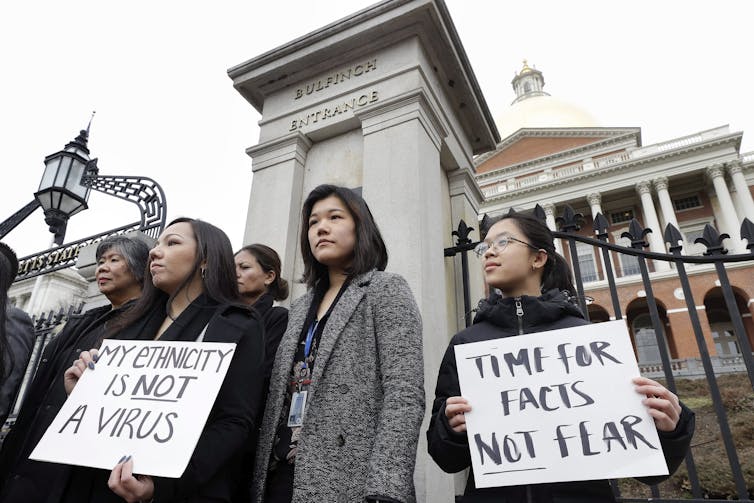
Jessica Wong, front left, Jenny Chiang, centre, and Sheila Vo, from the Asian American Commission in Massachusetts, stand together during a protest to condemn racism, fear-mongering and misinformation aimed at Asian communities on the steps of the statehouse in Boston on March 12, 2020. AP Photo/Steven Senne

Increased racist rhetoric by politicians, like President Donald Trump’s erroneous use of the term “China Virus” for COVID-19, is often the first step to racialized violence. Trump recently agreed to stop using the racist label, acknowledging in series of tweets (@realDonaldTrump): “It is very important that we totally protect our Asian American community in the United States … the spreading of the Virus … is NOT their fault in any way, shape, or form.”

But more than 100 years ago, white spokespeople in North America had labelled Chinese people as “dangerous to the white,” living in “most unhealthy conditions” with a “standard of morality immeasurably below ours.”

Since then, white settler resentment of Chinese presence has consistently boiled over into outright racism and violence. Seminal work by Peter S. Li, professor emeritus of sociology at the University of Saskatchewan, highlights such incidences throughout Canada’s history, while historian Roger Daniels explores the rise of anti-Asian movements within the United States.
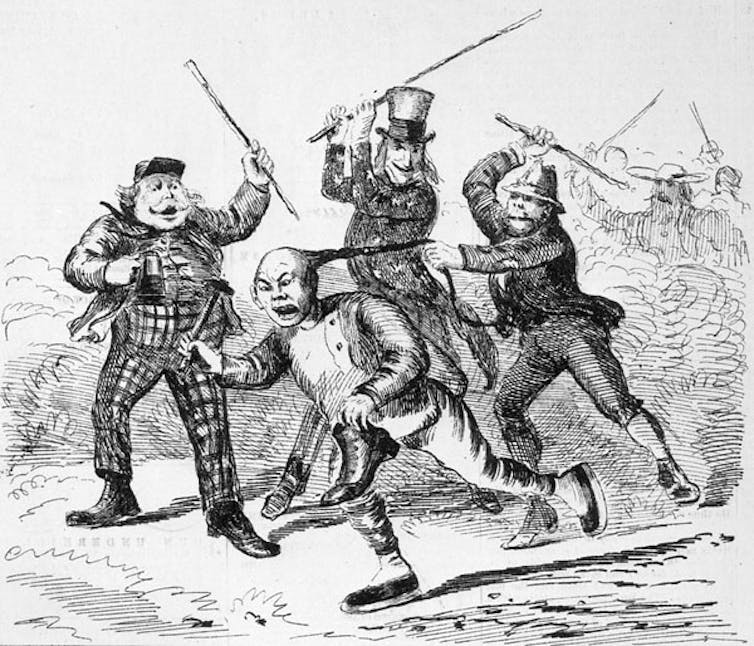
A cartoon from the Canadian Illustrated News depicting a Chinese worker being beaten by Uncle Sam and two other men, Oct. 15, 1870. (Library and Archives Canada, Copy negative C-050449)

Indispensable Chinese labour

The gold rush of the mid-19th century attracted many prospectors to the West Coast of North America. Chinese immigrants arrived alongside those from Japan, the United Kingdom, Europe and elsewhere. Although the majority of prospectors travelled south to California, large prospecting encampments developed in British Columbia.

When B.C. joined Canadian Confederation in 1871, the Canadian government initiated a system to recruit and attract Chinese labour to supplement the growing requirements of building the Canadian Pacific Railway. Thousands of Chinese workers were hired and arrived by boat.
Chinese labourers at work on CPR Railway, 1884. (Boorne & May, Library and Archives Canada, C-006686B)

Many factors contributed to their departure from China, but in Canada, they were indispensable workers that helped complete the railroad, working at minimal pay compared to their white counterparts. Indeed, the fact that Chinese workers could be exploited for cheap labour was exactly why Canada’s first prime minster, John A. Macdonald encouraged Chinese immigration.

Chinese communities thrived in the growing cities of the West Coast, setting up businesses and finding employment in laundries, grocers and labour camps, as well as in domestic service, especially as cooks.
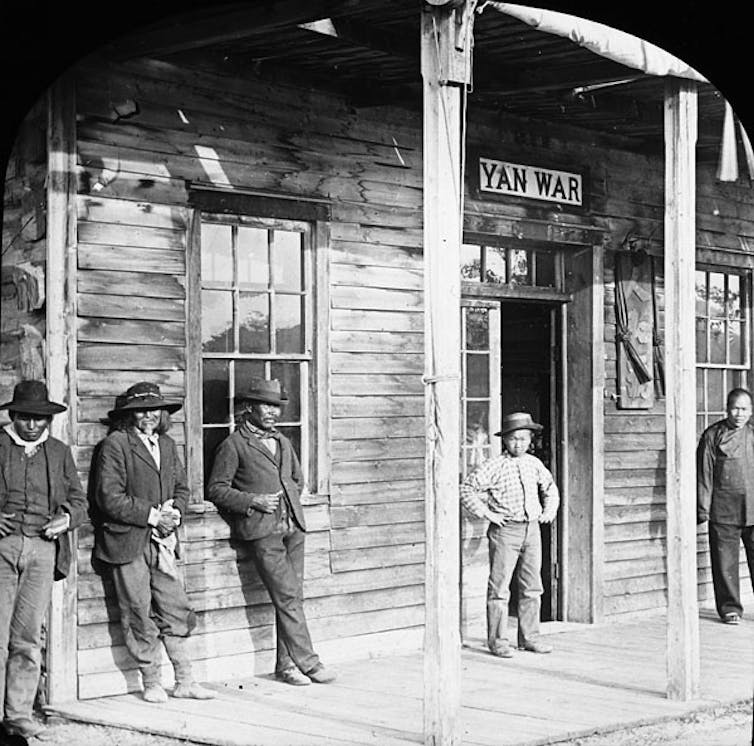
A Chinese store, probably in British Columbia, 1890-1910. (Library and Archives Canada, PA-122688)

The railway was completed in 1885, seemingly ending the continued need for good but cheap Chinese labour.


The rise of anti-Asian racism

Around this time, white communities were growing disgruntled at the presence of Asian settlers in the cities. In 1880, the Anti-Chinese Association of Victoria submitted a petition to Ottawa against “the terrible evil of Mongolian usurpation” in Canada. The 1882 passage of the Chinese Exclusion Act in the United States soon led Canadian officials to consider similar measures.
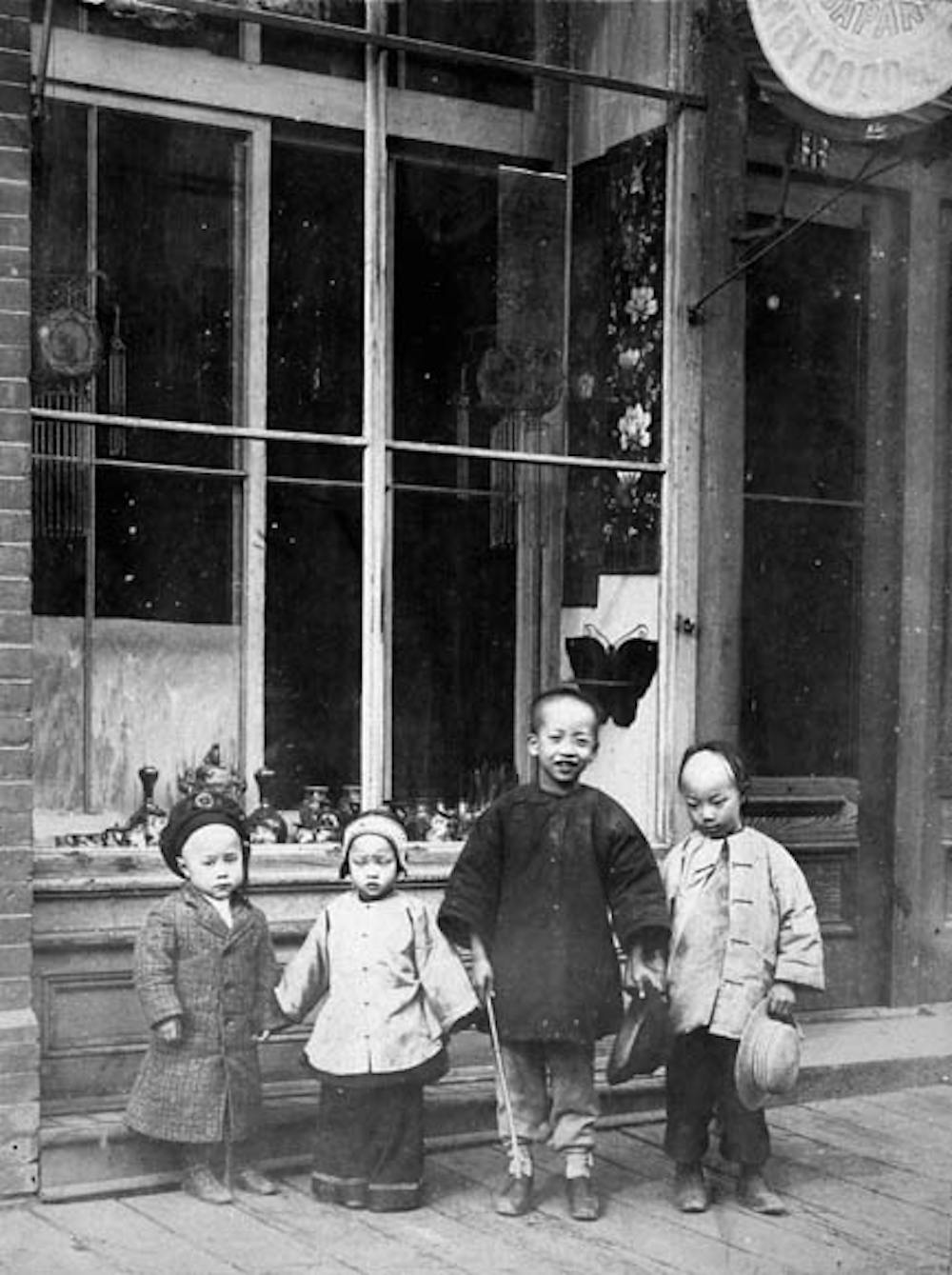

Early Chinese immigrant family, possibly in Montréal. No date. (Library and Archives Canada, C-065432)

In 1884, the Royal Commission on Chinese Immigration was established, to determine the impact of Chinese presence in Canada. The commission held hearings in British Columbia, San Francisco and Portland, to gather evidence from witnesses — over fifty people from among from the police, government, physicians and the public. Only two of the witnesses were Chinese.

The witness accounts reveal how underlying race prejudice has long formed the basis of North American attitudes towards China.
Blame for disease

The Royal Commission report concluded: “The "Chinese quarters are the filthiest and most disgusting places in Victoria, overcrowded hotbeds of disease and vice, disseminating fever and polluting the air all around.”

Yet the commissioners were aware that such conditions were derived from poverty, and that the overcrowded slums could occur just as easily among “any other race” that was similarly impoverished.

Despite this, both the public and many politicians continued to connect disease with race.
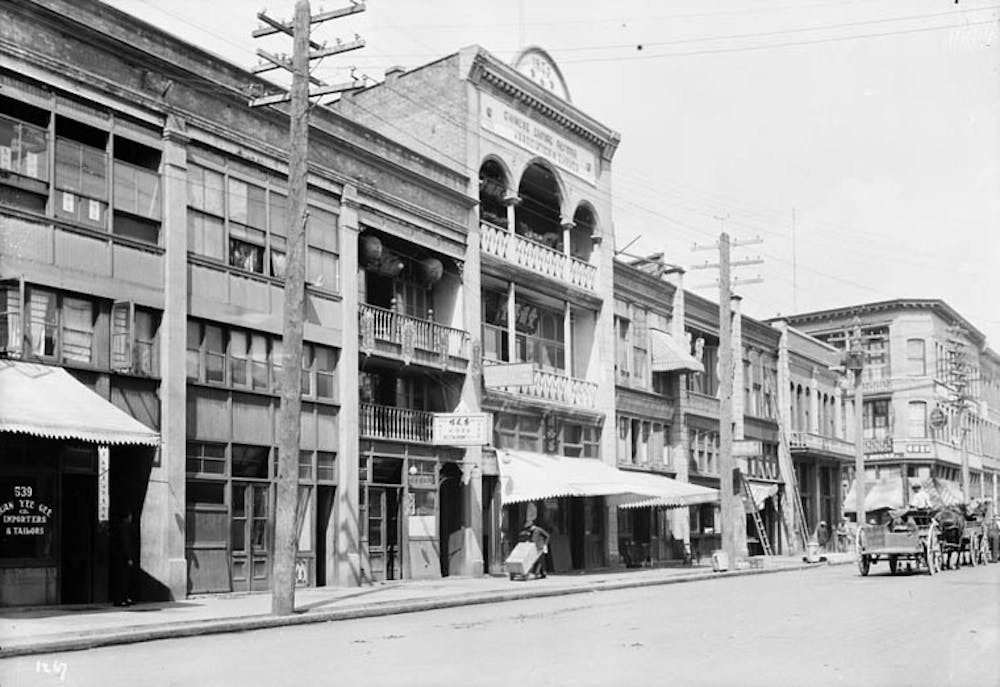
Chinatown, Vancouver, B.C. No date. (William James Topley, Library and Archives Canada, PA-009561). EVERY TOWN AND CITY ALONG THE CPR LINE ON THE PRAIRIES HAD A CHINATOWN. The Chinese were consistently accused of being carriers of infection. In the Royal Commission report, it was a common belief that syphilis, leprosy and especially smallpox were “communicated to the Indians and the white population” from Chinese communities. This despite the fact that at the time China legally required inoculation for all its citizens, and the physicians interviewed by the commission declared having “never seen a case of leprosy amongst them.”

By 1885, Canada had passed the Chinese Immigration Act which placed a “head tax” on all Chinese immigrants.

Quarantine officers at the ports were ordered to inspect all on board of Chinese origin, stripping down and examining any Chinese person suspected to be sick. Over the next 20 years, recurring smallpox epidemics were erroneously blamed on Chinese communities.

Unidentified man, Chinese immigrant in British Columbia, 1885. (Library and Archives Canada C-064764)

Such sentiments were accompanied by violence. In 1886, anti-Asian riots broke out in Vancouver, resulting in violent attacks on Asian workers. Similar riots occurred again in 1907, after the formation of a Canadian branch of the American Asiatic Exclusion League in Vancouver. The group organized public, inflammatory speeches against the “filth” of British Columbia’s Asian residents. On Sept. 7, 1907, a mob violently attacked Asian shops and homes in Vancouver’s Chinese and Japanese quarters.

These historical incidents of discrimination clearly demonstrate how the language of disease is often encoded with underlying racial prejudice.

“Viruses know no borders and they don’t care about your ethnicity or the colour of your skin or how much money you have in the bank,” said Dr. Mike Ryan, executive director of the World Health Organization’s health emergencies program.

Yet language can easily spark discrimination in times of fear, with dire consequences.

ORIGINALLY PUBLISHED IN THE CONVERSATION

 Paula Larsson
Doctoral Student, Centre for the History of Science, Medicine, and Technology, 
University of Oxford
Disclosure statement

Paula Larsson receives funding from the Social Sciences and Humanities Research Council (SSHRC).
Paula Larsson is in her final year of a Doctor of Philosophy degree at the University of Oxford. Her research focuses on the history of medicine, with specific interest on how historical social and racial factors influence medical equity today. She is currently writing a monograph on the history of vaccine policy in Canada. In addition to her research, Paula is incredibly passionate about Public Engagement and in 2018 she co-founded Uncomfortable Oxford, a public engagement project that highlights legacies of historical inequality within the city of Oxford. Paula holds a Bachelor of Arts (Hons) from Mount Royal University and two Master degrees.

THIS WAS ALSO PUBLISHED IN THE SOUTH CHINA MORNING POST WEEKLY
Coronavirus: pandemic could last for months says top Hong Kong expert, as he disputes claim from Chinese peer crisis will be under control within weeks

Professor Gabriel Leung from the University of Hong Kong says summer might bring a lull, but not because of the warmer weather

Chinese expert Zhong Nanshan had predicted that heavy-handed prevention measures could see crisis brought under control by end of April


Zoe Low Published: 3 Apr, 2020


Professor Gabriel Leung was the founding director of the World Health Organisation’s Collaborating Centre for Infectious Disease Epidemiology and Control. Photo: Dickson Lee

The global coronavirus pandemic could last a few more months even with heavy-handed prevention measures in place, a top Hong Kong epidemiologist has said, disputing the claim from another Chinese infectious disease expert that the crisis could be curbed in a matter of weeks.


Professor Gabriel Leung, of the University of Hong Kong, made the prediction on Friday, after China’s leading respiratory disease expert Zhong Nanshan said the day before the pandemic could be under control by late April, as countries took aggressive control measures and warmer weather diminished virus activity.

“Is warmer weather going to give us some respite? The answer is maybe, but probably not,” Leung said, during a live-streamed coronavirus updates forum organised by the Asia Society of Hong Kong.

“I agree for the northern hemisphere, the summer months might give us a bit of a breather, but not because it is the summer,” he said. “But because most of the susceptible people have already been exposed and either have been infected and recovered, while a small portion have died.”

The virus has already infected more than 1 million people globally, killing over 52,000. In Hong Kong, there have been 802 confirmed cases, and four deaths.

On Thursday, Zhong predicted the pandemic would be under control in a month, but did not say how he came to that conclusion.
“After late April, no one can say for sure if there will be another virus outbreak next spring or if it will disappear with warmer weather … though the virus’ activity will certainly diminish in higher temperatures,” Zhong said.

However, there is little solid evidence to support the theory that warmer weather slows the virus, and countries such as Saudi Arabia and Indonesia, which have temperatures in the low to mid-30s this time of year, and have each recorded more than 1,750 infections, and multiple deaths.

And Leung was at pains to point out that the virus that caused Covid-19 was completely new, meaning people had no immunity, and it could spread quickly, while 40 per cent of infections were spread by people displaying no symptoms during the incubation period, which made the pandemic hard to control.

It would take up to half the population having immunity, either through natural infection and recovery or a vaccine, before the outbreak would settle down. But a vaccine would not be available for at least a year, Leung said.

“This is going to be a marathon,” he said. “We are probably going to go through a few cycles of suppressing [infections] by very heavy-handed measures if necessary, lifting them as we see a lull, and then suppressing for the next few months at least.”

While Hong Kong has so far avoided a complete lockdown as in mainland China or parts of Europe, the authorities have ordered the closure of pubs and bars, karaoke lounges, mahjong parlours and nightclubs, while gatherings in restaurants have been limited to four people.

Another respiratory disease expert, Dr David Hui Shu-cheong, said on Thursday while it would soon be summer for the northern hemisphere, it would be winter in the southern half of the world.

“Through international travel, it can spread to the northern hemisphere. I think it will become seasonal for quite some time, until we have some level of herd immunity,” he said.

This article appeared in the South China Morning Post print edition as: Pandemic to last months, not weeks, local expert says


Zoe Low is a reporter at the South China Morning Post, joining in 2018. Previously, she was an intern at The News Lens International in Taipei, covering Taiwan-China relations and foreign policy and social issues around Asia, particularly Southeast Asia. She graduated from the London School of Economics and the National Chengchi University in Taiwan.
Coronavirus has exposed the diseased heart of the global economy


Ironically Donald Trump may have been right that some goods should be ‘Made in America’. He was just wrong about what these should be

There seems to be no mechanism, nor motivation, for manufacturers to make something in the public interest


Chandran Nair Published: 5 Apr, 2020

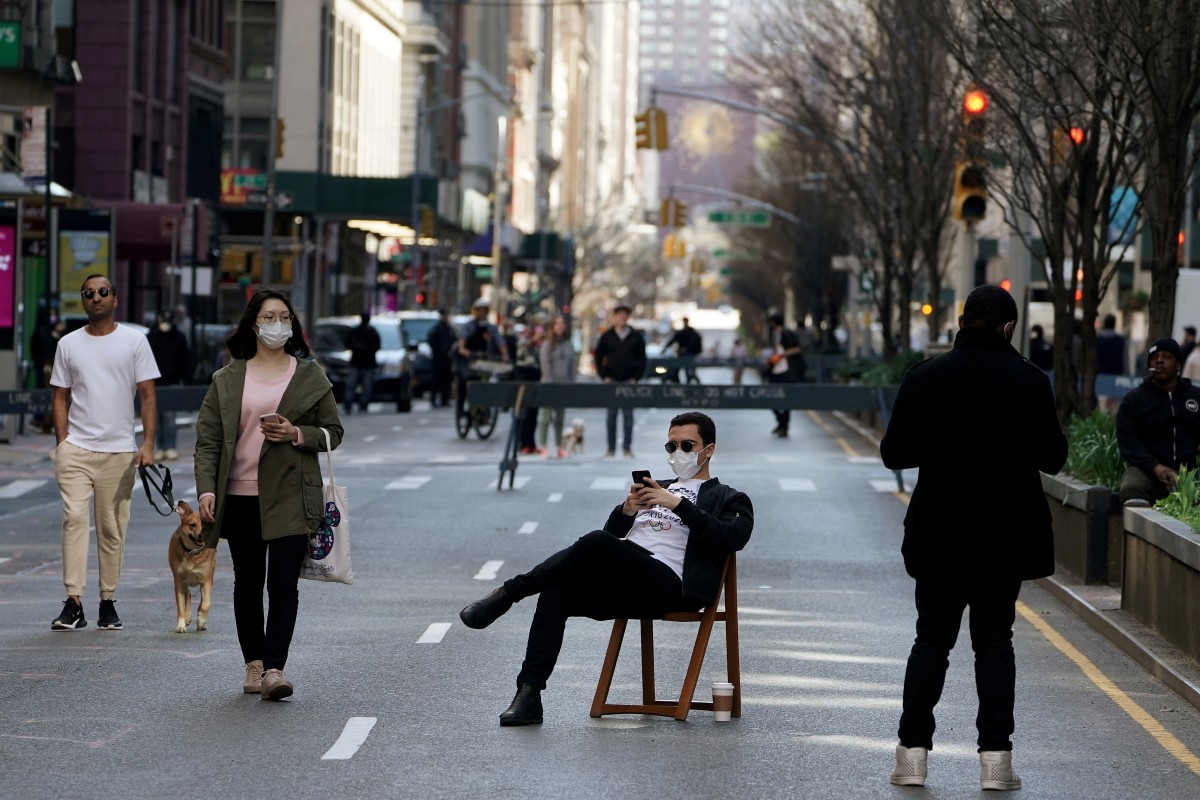
Park Avenue in Manhattan is closed to traffic due to the coronavirus. Photo: Reuters

Many non-Americans (and likely many Americans) would have been amazed at the dirty linen being aired on global news networks over the past week.

Given the tense arguments between municipal, state and federal leaders in the
United States, it seems like the country is facing disunity unseen since its Civil War.

It is still surprising that the US – the world’s largest and most advanced economy – is clearly struggling to make and procure basic medical equipment.

One of the world’s great cities – New York – has been shut down, with hospitals stretched to their limit and medical staff begging for supplies.

Those who have been critical of the American model of extreme capitalism, economic growth and shareholder greed may see the crisis as ultimate proof of that system’s failings, but even they are probably surprised at how unprepared the country was.

America’s reputation as an economy that could make anything well and quickly has been shattered by this crisis. Asian countries should look critically at the global systems that underpin the world economy.

SHORTAGES

Images of empty store shelves have led to public criticism of hoarders. Yet a study from consulting firm Kantar revealed that shortages in Britain were driven by a small number of shoppers buying one or two extra items in the face of future uncertainty. But with the world now running on “just-in-time” supply chains – something currently celebrated in business school curriculums – a lack of store inventory meant a minor increase in demand led to cleaned-out shelves. And once images of barren store shelves went viral, the true panic buying began.

It is the same for manufacturing. Analysts have hailed as innovations the complicated supply chains that ensure goods are assembled, manufactured and sent to retail stores as quickly and cheaply as possible. But China’s months-long shutdown and the collapse of global travel mean manufacturers around the world are now facing possible shortages of important materials and parts.

Holding inventory may lower corporate margins, but it allows retailers and manufacturers to meet demand spikes. Governments should consider mandating the holding of inventory so that companies are prepared next time there is a crisis.

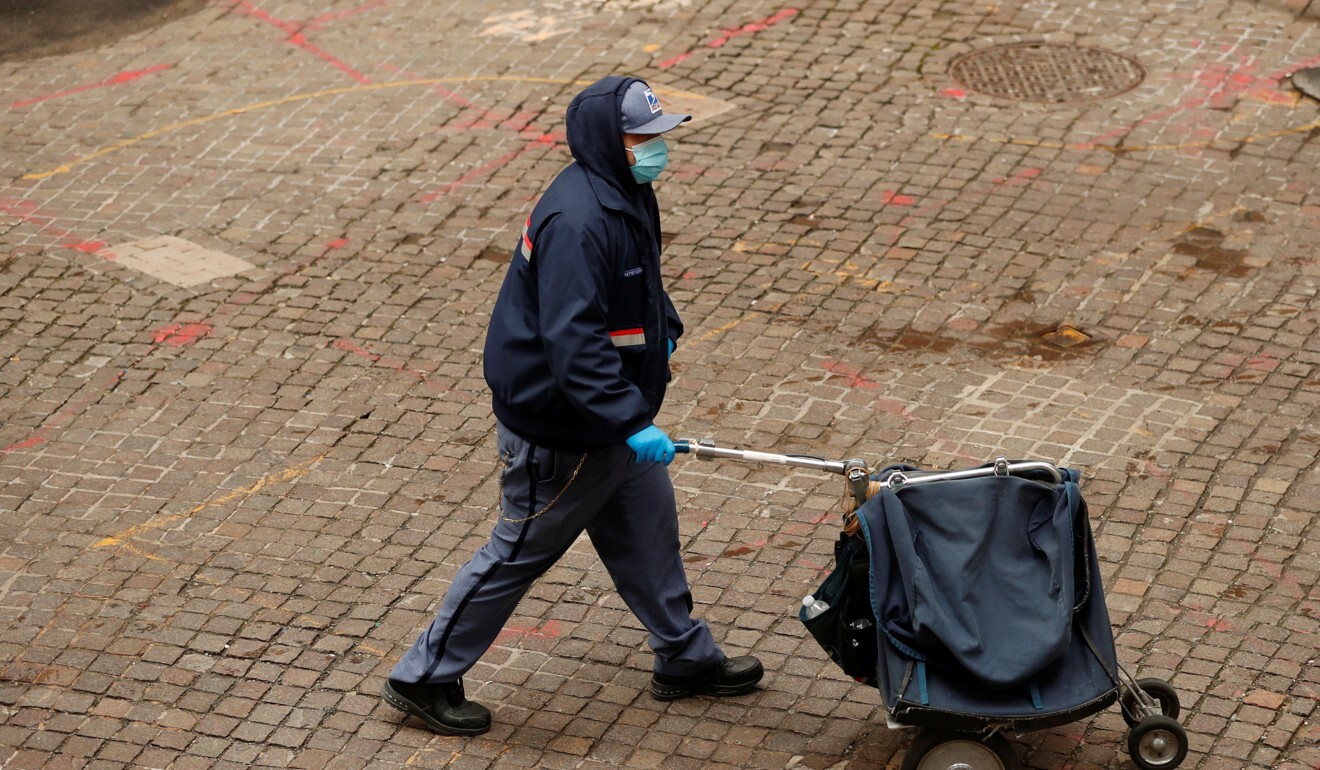
A United States Postal Service worker in New York. Photo: Reuters


SHAREHOLDER VALUE


Despite the concept becoming passé in recent months, the current ventilator crisis shows that maximising shareholder value still drives business decision-makin

One might think that manufacturing companies, especially those as large and experienced as General Electric and General Motors, could repurpose parts of their factories to meet this new and urgent demand.

However, there seems to be no mechanism, or even motivation, for manufacturers to make something in the public interest and to sell these items at a reasonable price. If GE were to agree to make ventilators at a small margin, shareholders – not to mention the markets – would push for higher margins to maximise profits.


Corporate decision-making has already denied the US a cheap ventilator. American plans to develop a low-cost ventilator in 2010 were crushed when the company contracted to do so was swiftly bought by a larger medical device manufacturer two years later. Some observers suspect this was done to ensure that the bigger firm’s larger, more expensive products would not face so much competition.

This is why governments need to compel private companies to act in the public interest first, as it is not clear that companies are even capable of doing so. This has not happened in China, Japan, Korea or Singapore, where links between government, corporations and social responsibility are much tighter than in the West.

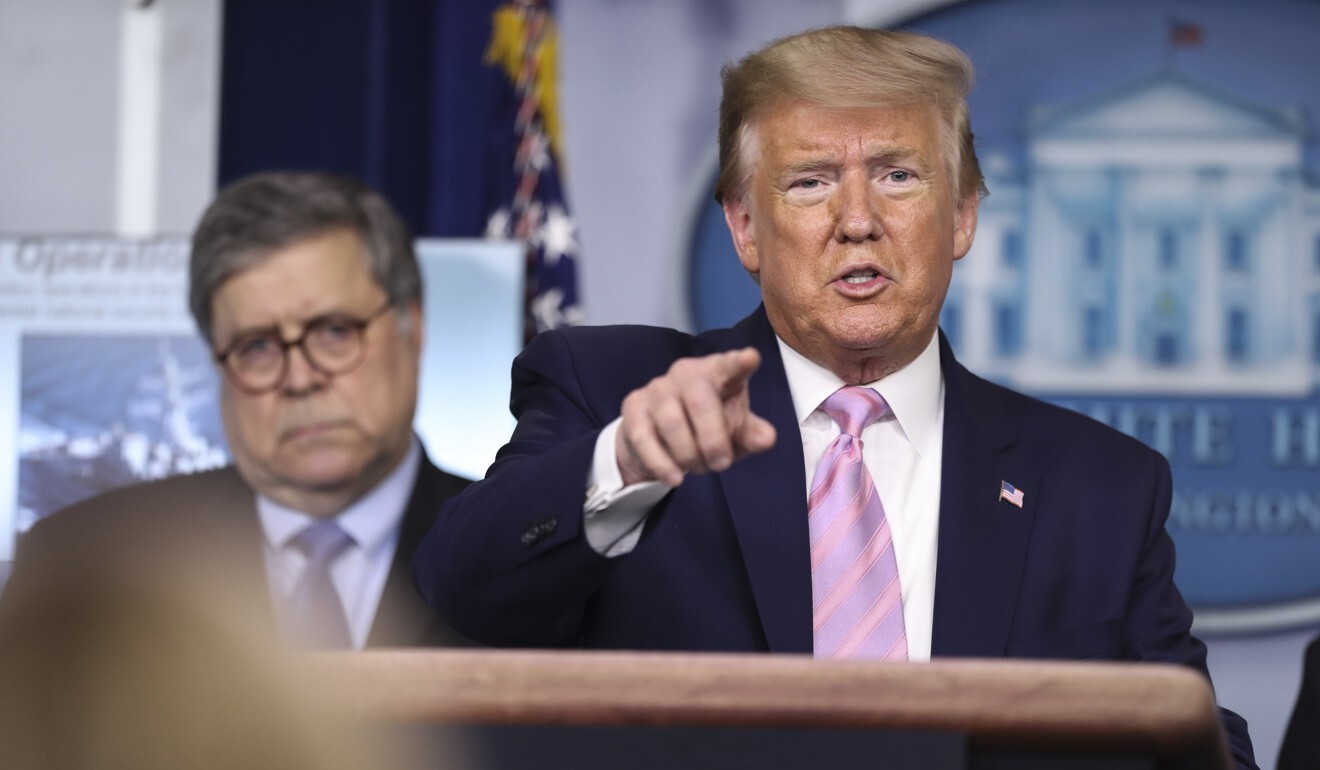
US President Donald Trump: right about something? Photo: Bloomberg

SHORTAGES
The shortage of medical gear and equipment shows that some products cannot be outsourced entirely. The irony is that President  Donald Trump may have been right that some goods need to be “Made in America” but wrong about what these should be.
Instead of producing goods that hark back to America’s past glory, such as steel, or support its geopolitical agenda, like 5G technology, perhaps what the US needed was the capability to produce face masks or hand sanitiser.

Other places need to learn this lesson as well. Hong Kong’s early shortage of face masks remains a source of public discontent, despite the city’s relative success in controlling the outbreak. After a public push for local production, Hong Kong companies now aim to produce 10 million masks monthly. This would not be enough to completely meet local demand, but it could help stabilise the market when demand spikes.
In contrast, despite being one of the largest producers of circuit boards, rubber gloves and condoms, Malaysia has run out of masks. The country could easily produce these itself, building a whole new production line of sanitary products made with local materials.

Other products and services are strained when the global system is paused, such as staple foods. People need to be fed even when economies are on lockdown, and reliable local production could ensure availability and affordability. Local agriculture has often been ignored by countries in favour of modernisation and urbanisation, so the current crisis should be a wake-up call for policymakers to see food production as a key pillar of their local economy.
In short, the world needs to pivot from “protectionism” to “strategic self-sufficiency”. Protectionism in the form of erecting trade barriers goes against the grain of globalisation but strategic self-sufficiency is different.


Countries would invest in local manufacturing not to develop a leading world producer but to ensure there is local production capability and capacity for products critical to the country. It is a move to ensure economic resilience if and when the global supply chain faces disruptions. We cannot turn back the clock on globalisation and we should not hope to do so. Neither is this a call for broad autarky – decision makers would be fully aware that under normal circumstances, other countries can make things at lower cost and higher quality, and few goods are truly critical enough to warrant industrial support.

Planning a better and more resilient form of economic development that can survive the next global crisis is not only necessary, but also beneficial to all economies, big or small. ■


Chandran Nair is the founder of the Global Institute for Tomorrow and member of the Club of Rome. He is also the author of The Sustainable State: The Future of Government, Economy and Society

Coronavirus has lit the fuse on a time bomb in China’s economy: debt

Beijing has a tough choice to make: tolerate an unprecedented hit to the economy or go for massive stimulus and risk explosive consequences


It should beware, a financial virus can be every bit as toxic as a biological one


Cary Huang Published: 5 Apr, 2020

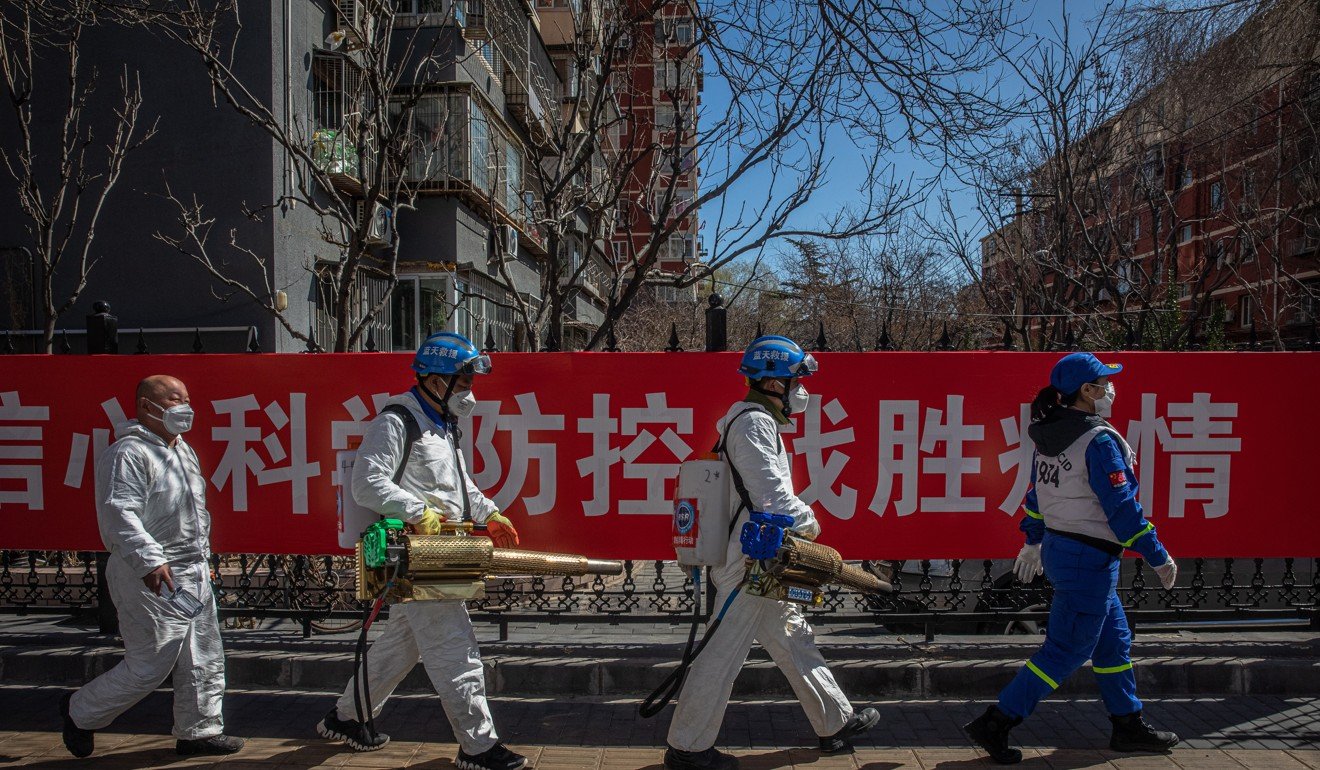
Members of the Blue Sky Rescue team disinfect a residential area in Beijing. Photo: EPA
The coronavirus outbreak has already taken a great toll on the Chinese economy, with all headline readings pointing towards a record slowdown in growth during the first two months of the year.

But there is an even greater danger for what was once the world’s fastest-growing major economy: that Covid-19 will become the catalyst that will bring its many long-simmering
problems to the boil. At the centre of these problems is a rising systemic risk in its banking and financial systems caused by a high level of debt accrued over the past decade.

The outbreak could not have occurred at a worse time. The past 10 years have not only seen the economy saddled with this debt, but it has also involved a steady structural slowdown that last year saw the growth rate fall to 6.1 per cent, the lowest in decades. Now, just at the very time the country might consider spending more to prop up that growth rate, a raging pandemic means it will be making much less money than usual.

The latest data from the Chinese Ministry of Finance shows fiscal revenue plunged by 9.9 per cent in the January-February period, the steepest drop since 2009. Overall tax revenue fell 11.2 per cent, driven by a 19 per cent slump in value-added tax (VAT) revenue, the main source of fiscal income. These drops come just as the government has offered a handsome tax cut in response to the pandemic.

Meanwhile, the escalation of the pandemic in the rest of the world will only further weigh on China’s economic growth, corporate profits and personal income. In turn, this will inevitably drag down government revenue in months to come.

Coronavirus: March 2020, the month Covid-19 changed the world

Beijing’s proposed stimulus spending will only exacerbate China’s already-massive debt pile, which had reached 310 per cent of gross domestic product by the end of last year, according to the Institute of International Finance. Many economies that have experienced such levels of debt have gone on to suffer a financial crash or economic crisis. China now accounts for about 60 per cent of the US$72.5 trillion emerging market debt.

A deleveraging campaign had reduced Beijing’s debt mountain in 2018. But it has since returned to credit-driven stimulus to support growth and combat the effects of its
trade war with the United States.


About 80 per cent of China’s debt stock was accumulated over the past decade as the country strived to achieve the politically significant milestone of doubling its economic sizefrom 2010 to 2020. The milestone was a key goal in President Xi Jinping’s Chinese dream of “national rejuvenation”.


While the coronavirus threat has receded in China itself, any hope of an early recovery is forlorn as Covid-19 is still ripping through the major developed economies – essentially, China’s customers and trade partners. Plunging demand from abroad will create a second shock wave that will hit China’s export-oriented economy just as it is recovering from the first shock of having to lock down its cities.

China’s balance sheet will be hit by both dwindling revenue and a spiralling demand for spending. Rising corporate debt, surging local government borrowings, and soaring non-performing loans for commercial banks are three areas that could wreck its fragile financial and banking systems. The non-financial corporate debt-to-GDP ratio jumped from 93 per cent in 2009 to 153 per cent last year, one of the highest in the world. The Institute of International Finance warned that China was the major driver of global non-financial corporate debt. China’s bond defaults also hit records in 2018 and 2019.


Coronavirus could cause global food shortages by April as export curbs worsen supply chain problems


Meanwhile, China’s local government debts will jump as a result of more infrastructure-driven stimulus. This will add to a debt pile already worth up to 40 trillion yuan – about 40 per cent of the country’s 100-trillion-yuan GDP last year. S&P Global Ratings has singled out local government financing vehicles as being chiefly responsible for the accumulation of hidden debt. At issue is that while local governments want to spend more, their income from land sales, the main source of local fiscal revenue, is decreasing. The Ministry of Finance said revenue from land sales, which are off-budget, fell by 16.4 per cent in the first two months of the year.


China’s commercial banks also face a severe test as bad debts are likely to rise. Even before the outbreak, China’s banking system was a ticking time bomb, with the state having to step in to rescue a string of embattled medium-sized lenders. A Financial Stability Report released by the People’s Bank of China at the end of last year described 586 of the country’s almost 4,400 lenders as “high risk”. Data from the China Banking and Insurance Regulatory Commission shows there has been a steady rise in the non-performing loan balances of commercial banks since the middle of last year, a result of Beijing scaling back itsdeleveraging campaign.

China’s policymakers face a difficult choice: tolerate an unprecedented slowdown or go for massive stimulus and risk detonating a financial time bomb.

China’s economic planners have a habit of relying on massive levels of debt-financed stimulus whenever growth slows. The closed nature of its financial system affords policymakers the luxury of complacency, as they have a war chest of US$3.1 trillion in foreign exchange reserves.

All the signals suggest this is what they will do once more, despite the risk. Leaks suggest Beijing has amended its 2020 budget to raise the deficit to 3.5 per cent of GDP from an original cap of 3 per cent to fund this massive stimulus. Analysts say the actual fiscal deficits could jump much higher than last year’s 4.9 per cent, which included off-budget sheet borrowing and spending. Indeed, a meeting of the politburo, China’s top decision-making body, on March 27 suggested scaling up the stimulus package, with calls to raise the fiscal deficit ratio, increase issuance of Special Treasury bonds, and raise the quota of local government special bond issuance. Policymakers have also directed commercial banks to tolerate a higher threshold for bad loans, hoping to keep thousands of small and medium-sized enterprises from collapsing. The government has already sped up the issuance of bonds. The issuance of special-purpose bonds almost tripled to 950 billion yuan in the first two months of 2020, compared with last year.

It is to be expected that China’s debt will rise substantively in coming months, as in all previous crises. However, Beijing should beware that this time its fiscal measures will be limited. They will help only the country’s internal issue of supply and do nothing for external demand. China should exercise extreme caution: a financial virus can be as toxic, contagious and lethal as a biological one if it is allowed to spread. ■


Cary Huang is a veteran China affairs columnist, having written on this topic since the early 1990s. He joined the Post in 2004, and was based in Beijing between 2005 and 2013, first as a correspondent and then as bureau chief. He was previously China editor at The Standard from 1992 until 2004.
Coronavirus is paving the way for a return to military rule in Asia

Poor leadership, weak institutions and public mistrust have exposed the fragility of countries which have embraced democratic reform

As the going gets tough, some are falling back on militaries that still command extensive networks of power and influence


Asian Angle by 
Michael Vatikiotis Published: 4 Apr, 2020

Philippine President Rodrigo Duterte visits a military checkpoint during the coronavirus lockdown. Photo: Presidential Security Group

As governments in Southeast Asia struggle to contain the spread of Covid-19, poor leadership, weak institutions and high levels of public mistrust have exposed the fragility of countries that made a transition to more democratic government over the past two decades. The worry is that coping with Covid-19 will mean a return to authoritarian habits, backed by military power.

Two trends are discernible. The first is the tendency in those countries that have experienced either direct military rule, or periodic military intervention, to fall back on the military to lead or bolster management of the health crisis.

The second is that post-transition governments that allowed some measure of decentralisation but which retained extensive centralised power, are seeing an erosion of control as communities introduce their own preventive and protective measures. This may tempt governments to pull in the reins and roll back decentralisation.


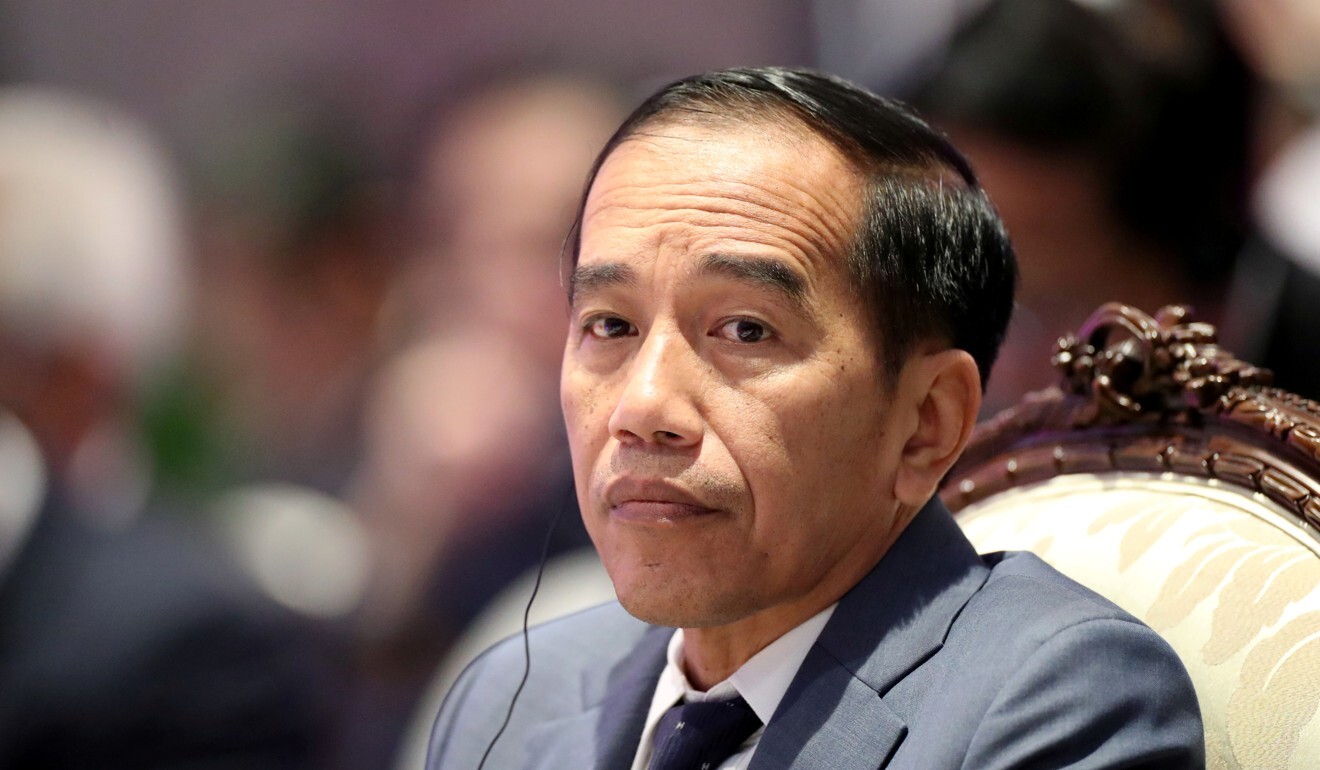
Indonesian President Joko Widodo. Photo: Reuters


Indonesia illustrates both trends amply.
President Joko “Jokowi” Widodo dithered and delayed a firm response to the spread of Covid-19, following advice he was given by his inner circle of the dangers of social unrest if restrictions on movement were too stringent. Initially, the president relied on cabinet members such as health minister Terawan Agus Putranto, who made a mess of messaging at a critical moment.

Then in mid-March, the president pivoted and appointed someone else to lead the government’s task force. Lieutenant General Doni Monardo was already head of the country’s national disaster agency. On March 13, the former special forces general was appointed chief of the Covid-19 task force. Since then, local media reports say, he has not left his office: a black couch is marked up with yellow tape to remind people to keep a safe distance when they visit him.

The two-star general has close ties to other members of the president’s inner circle, who have military backgrounds, observers say. The Jakarta military commander, Major General Eko Margiyono, was also appointed to lead the team in the capital, which has been badly hit by infections, killing more than a dozen doctors.

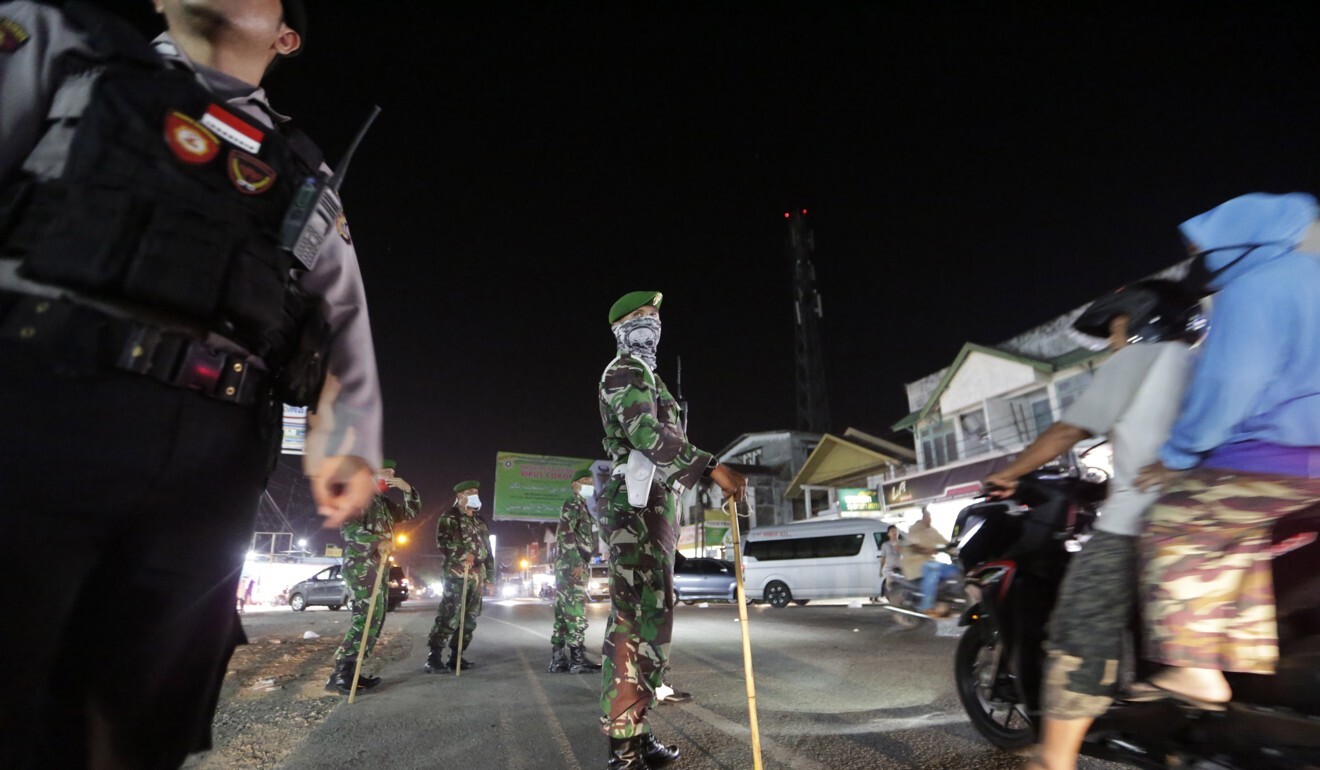
A joint police and military patrol enforces coronavirus measures in Indonesia. Photo: EPA

Even before re-election last year, Jokowi showed an inclination to rely on the military to make up for weak, often factional civilian bureaucracy, and also because many of the country’s problems are beyond his own experience and ability. Often this has made sense because the Indonesian military is a large, relatively cohesive organisation that can draw on an extensive network across the country because of a strategy of internal security that in the past ensured that soldiers were posted in every village. As The Jakarta Post commented in mid-March: “Having clung to power or revolved around it for most of the nation’s history, former military figures are able to tap into the ample resources of a well-established network of influence.”

The Indonesian military’s reach down to the local level may help protect the integrity of the central government. Many governors, mayors and local heads of communities have started imposing their own lockdowns to prevent the spread of the virus, challenging central authority. Asked about this recently, Doni Monardo said the deputies of provincial governors were the regional military commanders – implying a more effective and assertive chain of command.

How the coronavirus may change the geopolitics of Southeast Asia
23 Mar 2020


There is no question that even in countries where civilian primacy has been long established, governments have turned to the military to accelerate the implementation of Covid-19 countermeasures, although this has dredged up memories of military intervention at the political level.

In the Philippines, the lockdown of Manila and other areas of Luzon was quickly enforced by the military and police. Philippines army chief Lieutenant General Gilbert I. Gapay posted on social media that “as the country’s fight against Covid-19 is expected to impair some of our government services, the Philippine Army is projected to perform functions beyond its major roles”.

That’s all very well, but some reports from areas where the Armed Forces of the Philippines already operate in a counter-insurgency role say that overzealous commanders have operated checkpoints more stringently, which has become a source of tension.
Some have commented that the current situation is a de facto state of martial law, but the president’s office has stated multiple times that the quarantine is not, nor is it leading to, martial law. Still, people were not comforted when President Rodrigo Duterte later said he had “given a go signal” to the military and the police to shoot people violating the lockdown orders.

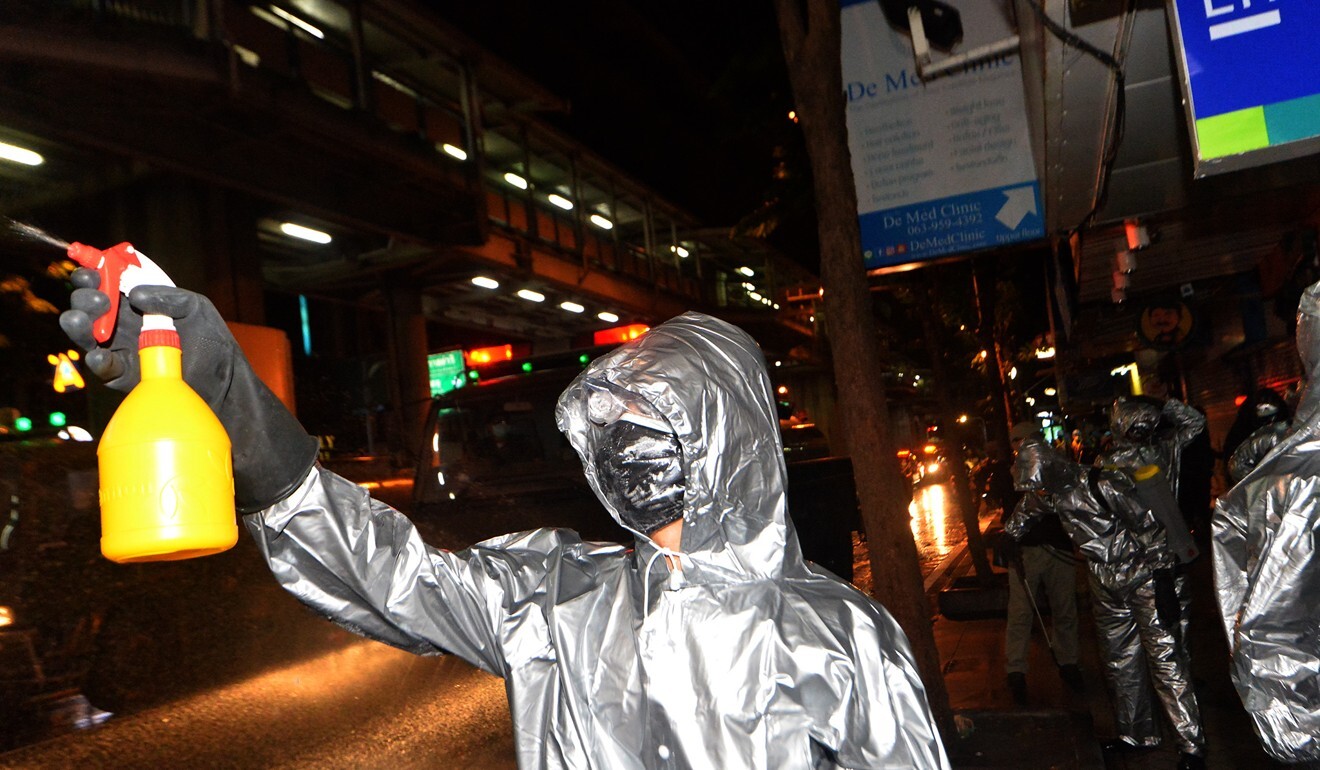
A soldier disinfects Silom Road as a coronavirus measure in Bangkok, Thailand. Photo: Xinhua

Thailand has experienced nothing but military rule since a coup in 2014. An election last year partially restored a parliamentary system of government, but the former army chief who launched the 2014 coup, General Prayuth Chan-ocha, has remained as prime minister. His handling of the Covid-19 crisis so far has been heavily criticised for being too little, too late.

Initially it seemed the experts would fill the policy vacuum as groups of doctors connected with civil society pressured the government to roll out measures to tackle the crisis. But as the number of cases went up and local administrators and strongmen in the provinces began to put their own restrictions in place, the army stepped in. Prayuth has now declared a state of emergency and a panel set up to oversee the crisis reportedly does not include medical experts and is mostly composed of senior military officers.

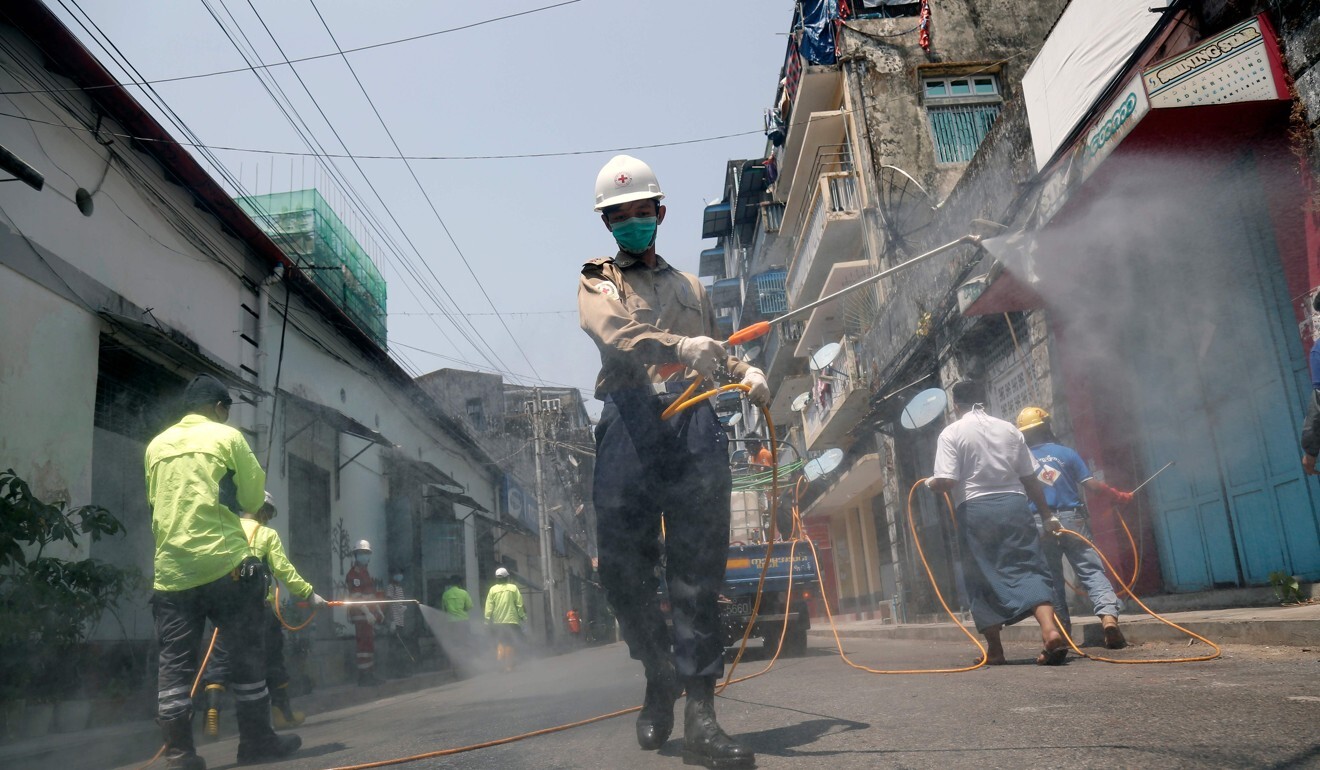
Members of the Myanmar Red Cross disinfect a street as a preventive measure against the coronavirus in Yangon. Photo: AFP

It’s the same in Myanmar, where the civilian-led government of Aung San Suu Kyi has been struggling to contain the powerful military since elections in 2015. When the government finally woke up to the threat of Covid-19 at the end of March, the response was to form an emergency task force comprised mostly of military and one civilian-led ministry – social welfare. This has mostly had the effect of stricter controls over media – with hundreds of websites shut down – and barring humanitarian access to conflict-wracked Rakhine State on the grounds that ongoing military operations are a priority.

In many countries around the world, fears of social unrest and the lack of trust in government authority are resulting in a resort to tougher law enforcement. But the integrity of political reform has always been weak and prone to setbacks in Southeast Asia, particularly in countries where the military has a long history of political intervention, such as Indonesia, Myanmar and Thailand. Notions of civilian primacy are weak, and, with a paucity of external threats, the army sees itself as the guardian of internal national security, especially in times of crisis. The aftermath of the Covid-19 crisis could therefore see a weakening of boundaries that had begun to strengthen between military and civilian power. 

Michael Vatikiotis is the author of Blood and Silk, Power and Conflict in Modern Southeast Asia
Coronavirus quarantine murders and domestic violence mean Malaysian ministry’s sexist advice is no laughing matter

The Malaysian women’s affairs ministry putting the onus on wives to maintain harmony in the family during the coronavirus lockdown is particularly insidious given the rise in cases of violence against women worldwide


Alice Wu Published:6 Apr, 2020

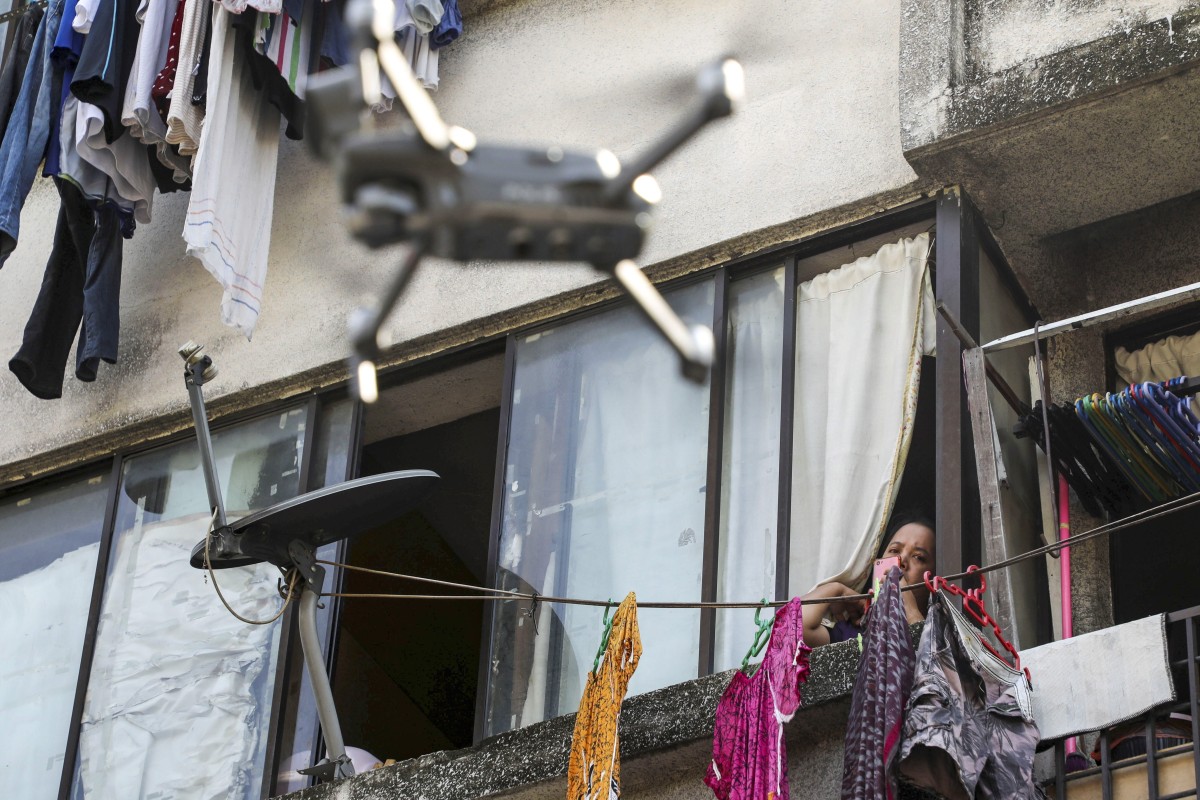
A woman watches a drone, used by the Malaysian police to remind people to stay at home during a lockdown imposed to contain the spread of Covid-19, in Kuala Lumpur on March 24. Photo: Reuters

Confirmed coronavirus cases  crossed 1 million last week and most of the world remains under lockdown or practising social distancing. One of the best pieces of advice on how to cope is to keep getting “ready in the morning” – get out of bed, change out of our pyjamas and try to maintain a semblance of normality as much as possible.

When our days morph into night and night into day, and we lose count of how many days we’ve been living in our PJs, we are 
at risk of getting depressed. That’s no way to fight the plague.

However, it takes very little effort to turn well-intentioned advice into a political disaster – and that’s what happened with a series of public service announcements put out by the Malaysia’s Ministry of Women, Family and Community Development last week.

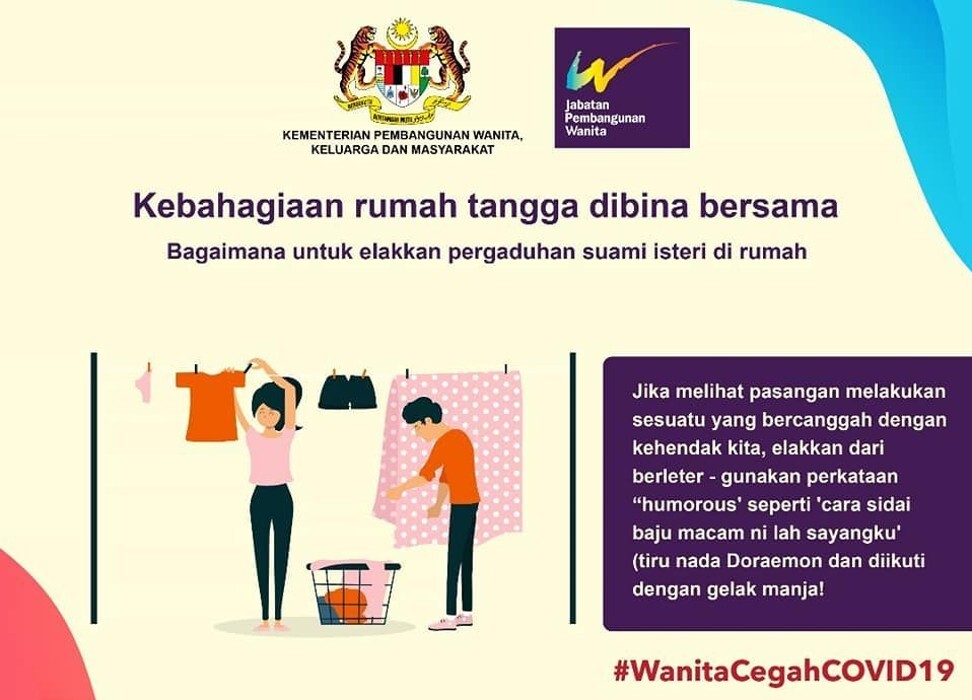
In the global fight against Covid-19, the ministry suggested women should dress up and wear make-up when working from home, refrain from sarcasm if they need help with household chores, avoid nagging their husbands and, instead, talk like the blue robot cat Doraemon, a popular Japanese anime character, to keep the peace at home.


One of the coronavirus campaign posters shared by Malaysia’s women’s affairs ministry. Photo: Twitter


Leaving aside why anyone would want their wife to sound like a robot cat, let’s try to get past the absurdity of these tips and the ensuing hilarity, and recognise the sinister thinking behind them. The most obvious is that the onus of “maintain[ing] a positive family relationship while working from home” – as the ministry claims to be its intention – lies with the wives. And nothing objectifies women like telling them to imitate a robot cat.


The ministry has since removed these misogynist posts and offered the classic “nonpology”: “We apologise if some of the tips we shared were inappropriate and touched on the sensitivities of some parties.”

Coronavirus: Malaysia arrests hundreds for violating restrictions
29 Mar 2020


Well, I’m not sorry for my “sensitivities” because here are some harsh truths. A Malaysian government-run helpline for vulnerable people, which includes victims of domestic abuse, has reportedly seen the number of calls for help rise by more than 50 per cent since the beginning of the country’s March 18 lockdown. And the tips, no doubt, were issued, in response to that.

The government ministry is tasked with achieving gender equality, family development and a caring society in line with the country’s commitment to the UN Convention on the Elimination of All Forms of Discrimination Against Women. So when it blames women for increased tensions at home during the pandemic, and its rationale is exactly the sort of poison that has sustained gender inequality and reinforces the abuse of women in the home, no one should be giggling like Doraemon.

There has been a surge in domestic violence worldwide. Lockdowns and social distancing are pushing families at risk over the edge. We are seeing a spate of “quarantine murders” and victims of domestic violence are forced to be with their perpetrators 24/7, with no chance of escape in the form of work or social gatherings.

Just last week, Britain recorded two cases of lockdown-related femicide. Since the beginning of France’s lockdown, domestic violence has risen 36 per cent, including two cases of femicide. The Australian prime minister has noted the alarming 75 per cent rise in Google searches for domestic violence help since the start of its lockdown.


According to Chinese activists, the enforced lockdown in China saw a tripling of the number of domestic violence cases reported to local police in February.


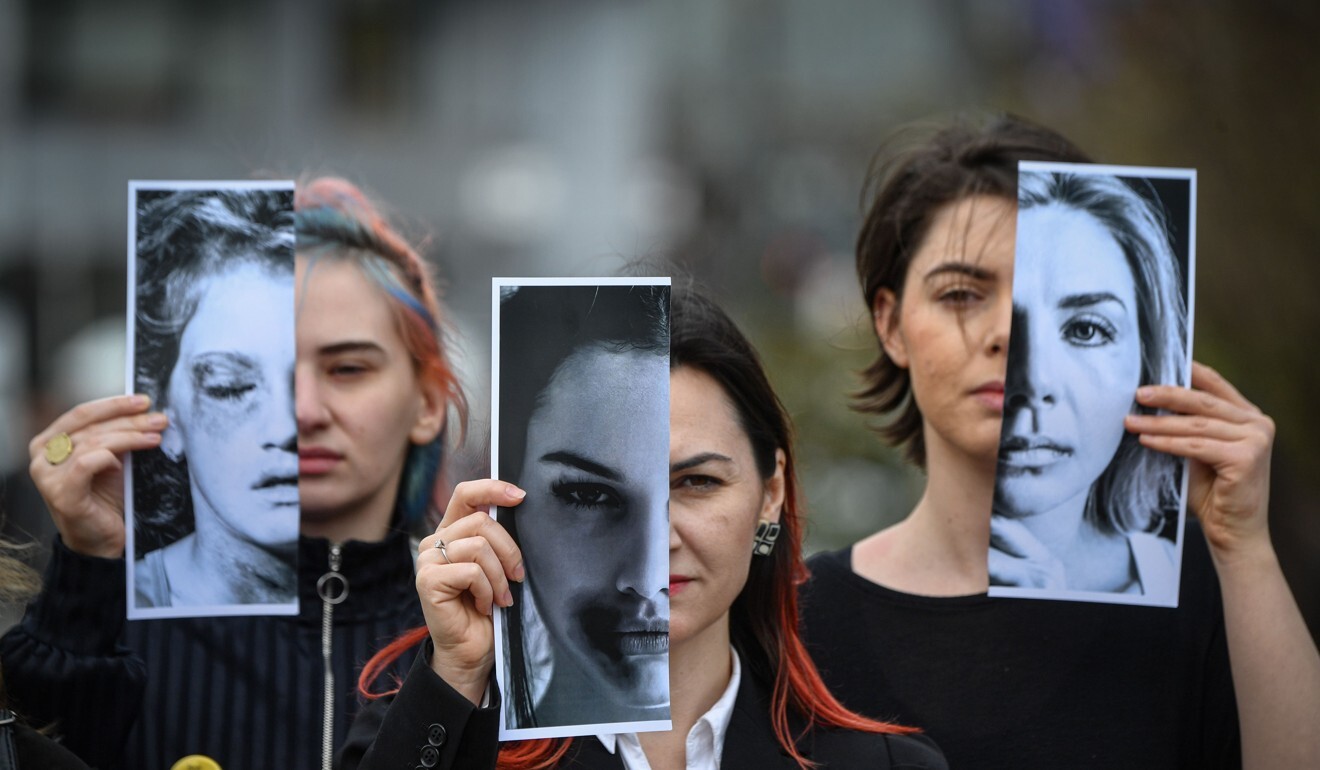
Activists hold photographs showing half the faces of victims of domestic violence during a protest in Bucharest on March 4 to draw attention to the lack of monitoring bracelets on the aggressors once a restraining order has been issued. Photo: AFP

Even in normal times, one in three women experience gender-based violence. While the United Nations and NGOs are calling for governments to step up measures to prevent such violence during the Covid-19 pandemic, the Malaysian government is telling women to stop nagging.

Researchers at Northwestern University, the University of Mannheim in Germany and the University of California, San Diego, have just put out a new paper examining the impact of Covid-19 on the economy and, right off the bat, the researchers pointed out that the pandemic will have “a disproportionate negative effect on women and their employment opportunities”.

This is the onslaught women now face.


Alice Wu is a political consultant and a former associate director of the Asia Pacific Media Network at UCLA

Alice Wu
Alice Wu fell down the rabbit hole of politics aged 12, when she ran her first election campaign. She has been writing about local politics and current affairs for the Post since 2008. Alice's daily needs include her journals, books, a multi-coloured pen and several lattes.
Why we need to uncover the origins of Covid-19

Washington and Beijing are playing an unproductive blame game, but getting to the bottom of it all has nothing to do with politics


To prepare for the next such viral outbreak, every effort must be made to understand how Covid-19 came about

Asian Angle by Leslie Fong Published: 8 Apr, 2020

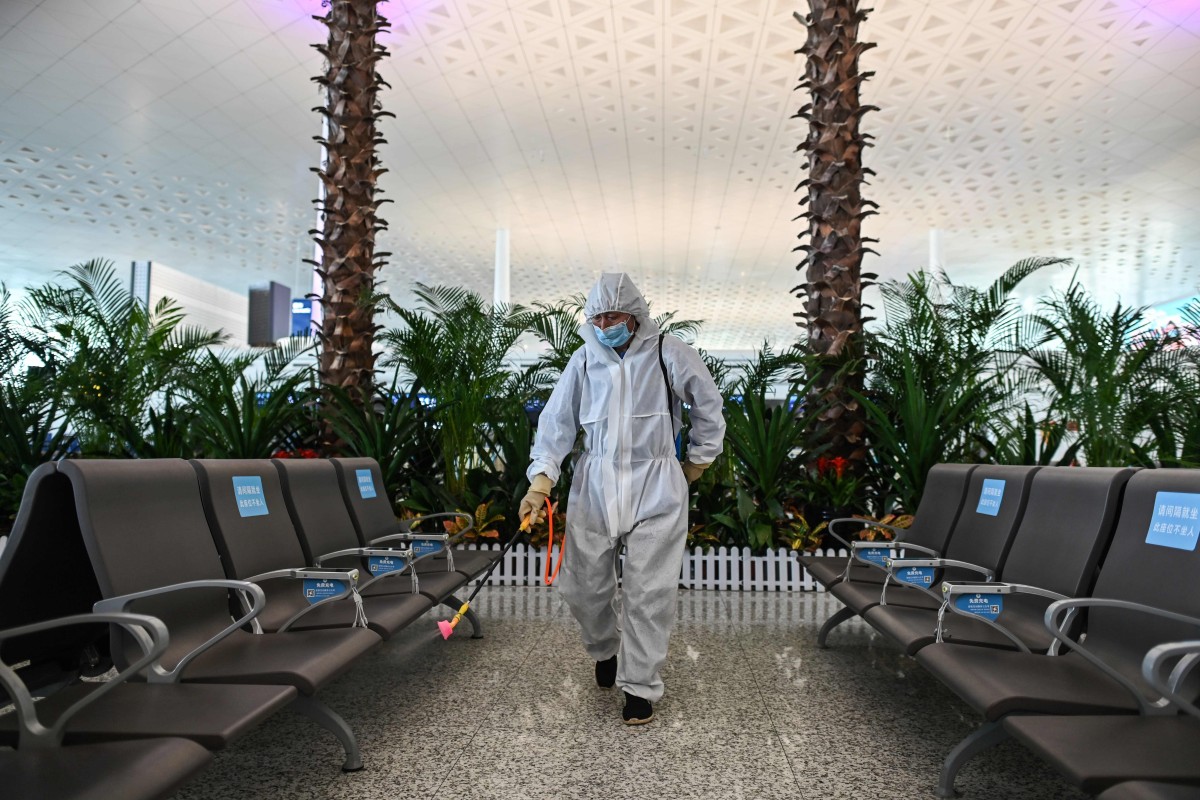
A worker wearing protective gear sprays disinfectant at Wuhan’s Tianhe Airport after it was reopened on April 8. Photo: AFP

China and the  United States may have stepped back, for now, from their war of words on the origins of Covid-19 and the labelling of it as the “China” or “Wuhan” virus, but the facts have still to be established.

Some might argue that we should move on and not be mired in an unproductive blame game. But that is not the point. Getting to the bottom of it all has nothing to do with politics. Instead, it is about uncovering the truth, because that will guide governments when they need to formulate policy responses should another pandemic strike in the years ahead – something experts have not ruled out.

It is thus imperative that every effort be made, under the auspices of the World Health Organisation, to understand how the virus came about, its paths of transmission, the mutations it can go through, indeed everything that can be known about it, just so the world can better prepare for the next such viral outbreak.

Far-sighted people like Microsoft founder Bill Gates had years ago warned the global community of the real probability of a pandemic such as Covid-19. Hardly any government, except possibly Singapore’s, paid enough attention, much less geared up for the eventuality. Hopefully, history will not repeat itself because of a reluctance to uncover facts deemed too politically sensitive or embarrassing for some governments.

Separately, people of Chinese ethnicity around the world, who have been at the receiving end of racist taunts and even physical assaults, deserve closure. The H1N1 pandemic at the end of World War I that infected about 500 million people globally and killed an estimated 17 to 50 million has been mislabelled the “Spanish flu” pandemic ever since – even though it has been established beyond doubt that the virus did not originate there.

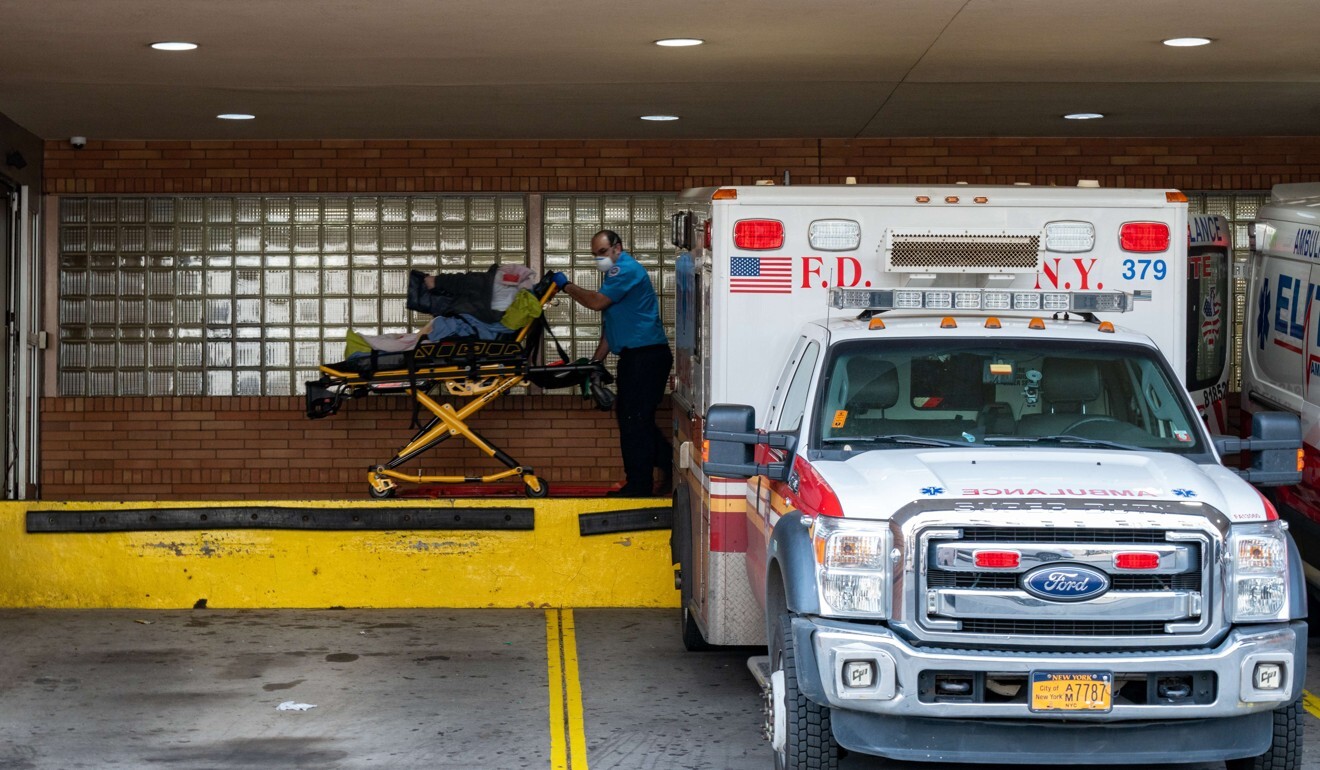
A person is transported from an ambulance to the emergency room at Wyckoff Heights Medical Centre in New York, United States. Photo: AFP

Spain, neutral at that time, was stuck with this dubious honour because it was the first to report the outbreak, whereas Britain, the US and other Allied countries suppressed all news to preserve troop morale. No doubt the first reported spread of Covid-19 was in Wuhan, but if it should transpire that the virus did not originate there, then it would be unfair for ethnic Chinese, and probably other East Asians too, to bear the brunt of increasing anger and hate from those whose lives and fortunes are being devastated by the pandemic.

The seeds of the Sino-US spat were sown on January 24 when The Washington Times, known for its ties with the anti-China religious cult, Falun Gong, published two articles alleging that the virus – formally called Sars-Coronavirus 2 (Sars-CoV2) by the International Committee on Taxonomy of Viruses – was part of a Chinese biological weapons programme conducted at the Wuhan Institute of Virology (WIV).

This allegation was spread on social media and soon, the WIV and its 55-year-old lead researcher on coronaviruses, Dr Shi Zhengli, came under attack. She refuted any suggestion that the WIV was involved in bio-warfare research and that the virus could have leaked from her laboratory. When pressed on other allegations, she replied tersely that she had more important things to deal with than answer baseless accusations.

She did indeed have plenty on her plate, as she has been in the thick of China’s fight against the pandemic. A virologist who did her doctoral dissertation at Montpellier 2 University in France, she has spent the past 16 years of her life researching into coronaviruses and was the first scientist to link them to bats.

As Scientific American reported, Shi was recalled to Wuhan from a conference in Shanghai on December 31 last year after health authorities there detected a novel coronavirus in two patients with atypical pneumonia. The first thing she did upon arrival at her high-security laboratory was to spend several days without sleep checking through every piece of paper logging every specimen to satisfy herself that there had not been any accidental, improperly supervised or unauthorised removal, disposal or transfer of any sample.

Shi’s denial did not stop Tom Cotton, the Republican senator for Arkansas, from repeating the accusation in a tweet on January 31 – which in turn elicited a response from Cui Tiankai, China’s ambassador to the US.

When interviewed by CBS host Margaret Brennan on the programme Face the Nation on Feb 9, Cui said it should be left to scientists to investigate and determine the origins of the virus.


Then he added: “It’s very harmful, it’s very dangerous to stir up suspicion, rumours and spread them among the people. For one thing, this will create panic. Another thing is that it will fan up racial discrimination, xenophobia, all these things that will really harm our joint efforts to combat the virus.”

Undaunted, Cotton shot off another tweet: “Here’s what’s not a conspiracy, not a theory: Fact; China lied about virus starting in Wuhan food market.” Then he added another: “Fact: super-lab is just a few miles from that market. Where did it start? We don’t know. But burden of proof is on you and fellow communists. Open up now to competent international scientists.”

Notwithstanding his warped logic – that it is the accused party that has to disprove baseless accusations – he was soon joined by other right-wing politicians and their media supporters in putting China on the defensive.

Perhaps they had taken a cue from the National Security Council, no less. According to The Daily Beast and two State Department officials, the NSC had issued a directive to all levels of American government to point the finger at China in all their public communication.

By the third week of March, “China virus”, “Wuhan virus” , “cover up” and similar invectives echoed across congressional and other forums, with even President Donald Trump and Secretary of State Mike Pompeo making it a point to insert them into their speeches – in flagrant disregard for the WHO’s admonition not to stigmatise any country and to just call the virus Covid-19. Pompeo was particularly hawkish, nearly scuttling a communique by G7 foreign ministers on joint action to curb the pandemic with his insistence that “Wuhan virus” be inserted into the text.

Meanwhile, on March 11, an unexpected bombshell dropped. Testifying before Congress, Dr Robert Redfield, director of the Centres for Disease Control and Prevention (CDC), admitted that posthumous autopsies had shown that some deaths in the US that were attributed to flu were actually the result of Covid-19. He did not elaborate when such deaths occurred or over which period.


This prompted Zhao Lijian, a spokesman for China’s Ministry of Foreign Affairs (MFA), to tweet: “CDC was caught on the spot. When did patient zero begin in the US? How many people are affected? What are the names of the hospitals? It might be the US Army who brought the epidemic to Wuhan. Be transparent! Make public your data! US owes us an explanation!”

His remark about the US Army was a reference to reports circulating on Chinese social media that five people from the American delegation taking part in the world military games in Wuhan from October 18 to 27 last year had to seek treatment at the Jinyingtan Hospital there for an unspecified illness.

It had also been widely reported by then that Dr Zhong Nanshan, the respiratory diseases specialist who led the Chinese team fighting severe acute respiratory syndrome (Sars) more than 16 years ago, had said in January that while Wuhan reported the first cases, the virus did not necessarily originate in a seafood market there, as speculated.

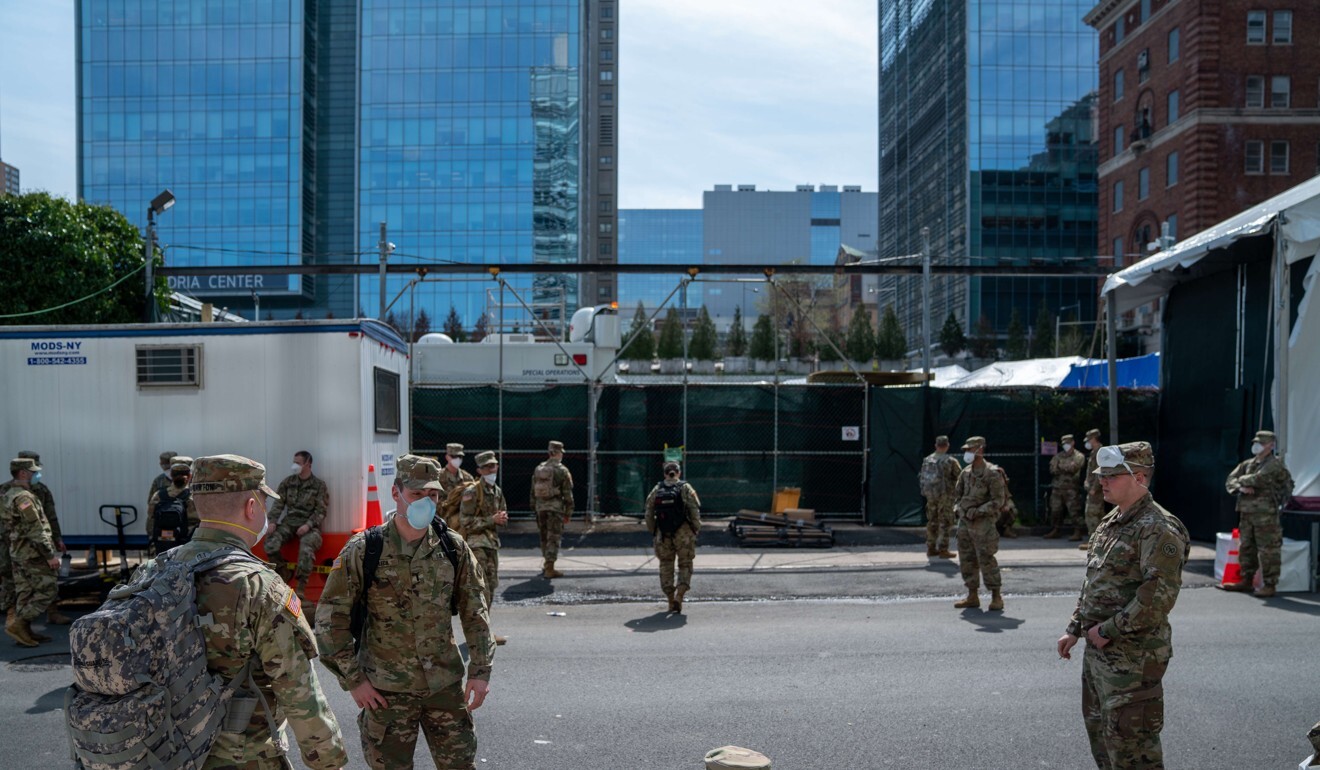
A group of soldiers on a side street behind the medical examiner’s office in New York, United States. Photo: AFP

Also on the mind of Zhao from the MFA, no doubt, was the fact that the CDC had ordered a shutdown of Fort Detrick in Maryland, the US Army research centre for biological warfare, late last July after discovering that it had failed to follow safety procedures in handling specimens, including coronaviruses and Ebola.

Prior to that, there had been reports of some deaths from pneumonia near Fort Detrick attributed to vaping, or inhaling vapours from e-cigarettes. Lung scans from these victims – shared on the likes of the New England Journal of Medicine and Researchgate – showed white patches akin to ground glass, exactly like those found in Covid-19 deaths.

The CDC did not say there had been any leakage from Fort Detrick. But soon after, flu cases spiked in Maryland and nearby Virginia to Level 5, the highest seen since 2014, according to tracking statistics from CDC and other monitoring bodies.

As expected, Zhao’s tweet raised hackles in the US. And so the war of words intensified, culminating at one stage with Hua Chunying, another Chinese MFA spokesman, accusing Pompeo of “lying through his teeth”. It only abated when Trump abruptly stopped using the term “China virus”, saying he did so to protect innocent Asian Americans from “nasty remarks”. Oh, really?

What is one to make of all this? As of now, one convergence of research in universities and medical centres from Sydney to Edinburgh is the conclusion that Covid-19 is not a synthetic, bio-engineered weapon.

Another is that intensive tracing shows that the early patients in Wuhan detected in December last year could not be linked to that seafood market. A study by Chinese scientists published in the authoritative British journal, The Lancet, also ruled out the link. As reported in the South China Morning Post, Chinese government data points to a 55-year-old from elsewhere in Hubei province being the first ever patient

A spokesman for the Jinyingtan Hospital has also clarified that the five US soldiers admitted during last year’s world military games were treated for malaria, not atypical pneumonia. But whether others in the contingent carried a virus without showing symptoms can only be determined if tests for antibodies are carried out on them.

Also unanswered is the question why the viruses found in Hubei and other Chinese provinces carried only Group C haplotypes (genetic determinants on a single chromosome), which in plain language means they are the third generation in the mutation cycle.


These haplotype findings were discovered by Chinese research scientists who shared their mapping of the virus genomes with the world through the WHO in January. These are also published in scientific journals as well as Researchgate. All five haplotypes from A to E are found in the US.

But the most critical questions that need to be answered centre on what Redfield told Congress, that some deaths originally attributed to the flu were later found to be from Covid-19. How many were there? When? How many of the thousands of deaths attributed to the flu epidemic throughout the US from September last year, way before the Wuhan outbreak, were misdiagnosed cases?

Dr Helen Chu, lead researcher for a project called the Seattle Flu Study, wants to know and has asked for access to the trove of flu swabs collected by the CDC during that period. The CDC as well as the Federal Drug Administration said no, citing national security.

Unless CDC answers Senator Cotton’s call and opens up to competent international scientists, the world will never know.

Leslie Fong is a former editor of Singapore’s The Straits Times

RIP
Honor Blackman, Who Played Pussy Galore In The James Bond Movie "Goldfinger," Has Died Aged 94

Blackman was also known for her work in the 1960s TV series The Avengers.

Ariane LangeBuzzFeed News Reporter
Posted on April 6, 2020, at 1:29 p.m. ET

Rosie Greenway / Getty Images
Honor Blackman recording a single in 2008.

Honor Blackman, the English actor best known for being a Bond girl in the 1960s, has died, her family announced Monday. She was 94.

In a statement to the Guardian, Blackman's family said she died "peacefully of natural causes" at her home in Lewes in Sussex surrounded by her family.

Her family described her as a much-adored mother and grandmother who doubled as an actor of "of hugely prolific creative talent."

"With an extraordinary combination of beauty, brains and physical prowess, along with her unique voice and a dedicated work ethic, she achieved an unparalleled iconic status in the world of film and entertainment and with absolute commitment to her craft and total professionalism in all her endeavors she contributed to some of the great films and theatre productions of our times," said her family.


ABC Weekend Television / Getty Images
Patrick Macnee and Honor Blackman on the set of The Avengers.

Born in 1925, Blackman grew up in working-class London, where both she and her brother, Ken, learned how to box as children. Encouraged by the elocution teacher who coached away her East End accent, she started taking acting lessons. During World War II, Blackman volunteered to ride a motorbike around London transporting medical supplies; she would have to turn off the headlight during blackouts.

Although she began acting professionally in the 1940s, it wasn't until Blackman's 1962 debut on The Avengers that her career took off: She played Cathy Gale, the spy, anthropologist, and martial artist who replaced David Keel as the male lead's sidekick. Her Avengers episodes were filmed without stunt doubles, and Blackman became very good at judo. She said she received a lot of fan mail, including a sizable amount from lesbians; some of the letters were very shocking to her publicist. In the Toronto Star in 1987, she said, "While [Cathy] wasn't the first female who was allowed to think or be without reference to a man — although she was that — she was certainly the first woman to defend herself physically. I think it must have been threatening for the male sex." In the 1960s, she wrote Honor Blackman's Book of Self-Defence, the cover of which features an image of Blackman doing something very painful to a man's arm.

Despite the character's acknowledged threat to the male ego, Blackman diagnosed Cathy's limitations in the Globe and Mail in 1987: "Judo was her specialty, and with judo it's almost impossible to attack somebody." Because the martial art relies on the attacker's momentum, "Cathy only defended herself. That is why she seemed so pure and good and righteous."

Sunset Boulevard / Getty Images
Gert Fröbe, Honor Blackman, and Sean Connery in Goldfinger.

Blackman left The Avengers to appear in 1964's Goldfinger as Bond girl Pussy Galore, whose slightly obscene name was censored multiple times during the publicity tour for the movie.

Blackman told the New York Times in 1981 that many people didn't know Pussy was a lesbian in the 1959 Ian Fleming book. The filmmakers "wouldn't allow that in the movie," she said, though there are hints: She is a pilot who runs the all-women Pussy Galore's Flying Circus, and she tells Bond she's "immune" to his charms. Blackman was glad the character's homosexuality wasn't made explicit, "because it would have seemed so ridiculous that she would change overnight just because James Bond took her to bed."

MGM In Goldfinger, 1964.

The role did not particularly help Blackman's career: Post-Goldfinger, she said, she was typecast as a "glamour puss." Blackman said Mervyn LeRoy, directing her in 1965's Moment to Moment, would call for "a wobble shot" — a shot in which her breasts were jiggling.

Blackman remained a realist about her work: In 2007, she told the Guardian that she got the role of Pussy Galore because "I was very, very hot at the time." In the same article, the reporter made a crude joke about getting into bed with her.

In addition to appearing in more than 100 films and TV series, Blackman worked extensively in theater, including a turn in Nunsense, in which nuns stage the musical Grease. In 2007, she told the Halifax Courier that she had no wish to retire: "I would just be bored and get fat," she said. At the time, she was in her eighties and touring a one-woman show.

She was also active in politics, campaigning for the Liberal Party in 1964 and advocating for the UK to become a republic. She joined the list of people who've turned down a CBE when she refused the royal distinction in 2002, citing her opposition to the monarchy.

After a divorce from her second husband and the father of her two children in the 1970s, the actor never remarried, and she embraced living alone. She told Lady, "I do whatever I want when I want and that's how life should be as far as I am concerned."

Blackman is survived by her two children, Lottie and Barnaby, and her four grandchildren.


David Mack contributed reporting.

Ariane Lange is a national reporter for BuzzFeed News and is based in the Bay Area.