Thursday, December 26, 2024


Palestinians Endure Another Christmas of Genocide and Displacement

American lawmakers will be celebrating the holiday with their families as Palestinians endure US-financed genocide.
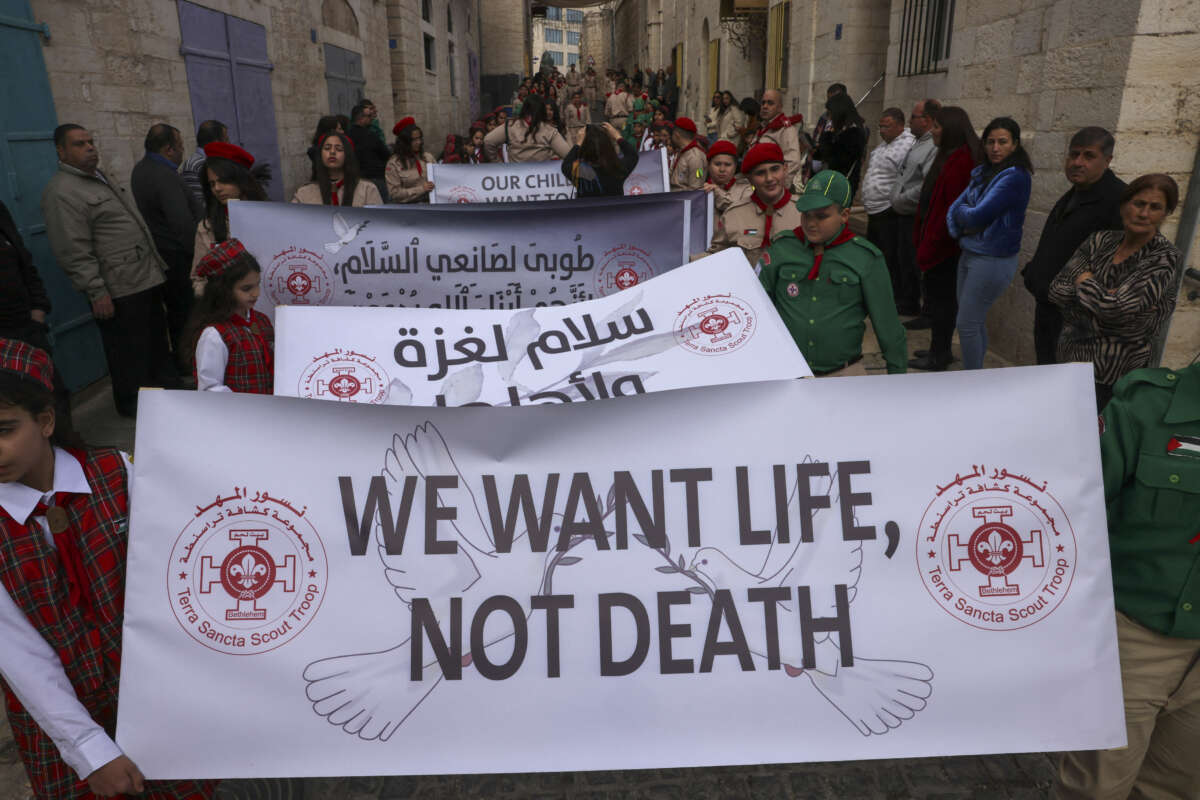
Palestinians partake in the yearly Christmas procession towards the Church of the Nativity in Bethlehem town in the Israel-occupied West Bank on December 24, 2024.

Truthout’s December fundraiser is our most important of the year and will determine the scale of work we’ll be able to do in 2025. Please support us with a tax-deductible donation today.

Over the past 14 months, I have watched in horror as fellow Palestinians in Gaza have been subjected to Israel’s relentless bombardment — targeting refugee camps, residential neighborhoods, schools, hospitals, universities and bakeries — and forced to live the nightmare of homelessness in leaky tents without food, water or medical care. I have listened to friends and family in the West Bank and East Jerusalem talk about their despair and describe the daily terror they are subjected to at the hands of the Israeli military and armed settlers, whose aim is to get them to leave their homes and land.

Meanwhile in the U.S., our elected officials are now on holiday recess, celebrating Christmas with their families, friends and loved ones in the warmth of their cozy homes — despite their direct responsibility for facilitating the massacres and starvation of Palestinians in Gaza, the displacement of over a million residents in southern Lebanon, and the recent Israeli bombardment of Syria and Yemen.

Palestinian families in Gaza will be huddling in freezing cold tents shivering as they mourn the loss of loved ones and await their turn to be killed by a U.S.-supplied bomb or burned alive in their tents. As President Joe Biden celebrates his last Christmas in the White House with his son Hunter, Palestinians will still be searching with their bare hands for their children that remain missing under the rubble.

Under the watchful eyes of U.S. lawmakers, Israeli forces have killed more than 17,000 Palestinian children in Gaza and 169 children in the West Bank since October 7, 2023. According to the Gaza Government Media Office, nearly 26,000 children are now without one or both parents. A recent report by the United Nations says that Gaza is home to the largest number of amputee children in modern history.

Defense for Children International-Palestine said in its report, “Targeting Childhood: Palestinian children killed by Israeli forces and settlers in the occupied West Bank,” since October 7, 2023, Palestinian children in the West Bank are being killed by the Israeli military at the rate of one child every two days. During the past 14 months, nearly 800 West Bank Palestinians were killed by the Israeli military and armed settlers and close to 12,000 arrested and imprisoned, according to the Palestinian Prisoners Club, a prisoners’ rights group.

Palestinians wonder: What would it take to stop the massacres and end this nightmare? What did Palestinians do to deserve the horror being inflicted daily on their families? Why do Palestinians have to pay the price for Europe’s war crimes? And does Israel really think it can erase us; annihilate our cities; steal our lands; torture, imprison and kill our children; obliterate our cultural heritage; and wipe us off the face of the Earth?

Christmas in the Holy Land Is Magical

I am a descendant of Palestinian Christian Nakba survivors from the Old City of Jerusalem. Although I have deeply rooted Palestinian Christian Eastern Orthodox ancestry, and I wholeheartedly embrace the holidays and traditions of my ancestors, I am mainly a cultural Christian. I feel very much at home with my Palestinian sisters and brothers, regardless of whether they follow any religion.

Before the 1967 War, I spent my childhood in the Old City of Jerusalem. Each year, I would await the arrival of Christmas with great anticipation. I have vivid memories of the last magical Christmas I had with my grandparents in Jerusalem, when I was barely 11 years old.

My grandfather was the Mukhtar (literally, the chosen), the head of the Eastern Orthodox Christian Arab community in Jerusalem, which he dutifully served for over 50 years, as his father had done before him and his eldest son after him. In 1948, after my grandparents’ expulsion from their home in the Katamon Quarter of West Jerusalem, and because of my grandfather’s position in the church, my family was given residence inside the Greek Orthodox Convent, which abuts the walls of Mar Ya’coub (St. Jacob’s Orthodox Church) and the Church of the Holy Sepulcher. From the convent’s rooftop the view of the Mount of Olives, the Dome of the Rock, the al-Aqsa Mosque, and the Church of the Holy Sepulcher overwhelmed my 11-year-old eyes every time I gazed in the distance.

In 1966, in the run up to Christmas, I remember accompanying my grandfather as he went about performing his official duties and preparing for the celebrations and festivities of the season. With him, I lit candles at Jesus’s tomb inside the Church of the Holy Sepulcher and I visited church dignitaries, family members and even the Batrak, the grand old Patriarch of the Greek Orthodox Church in Jerusalem, whose hand I had to kiss after he placed around my neck a gold chain with a black and gold cross. Inside it was a wood splinter that my grandfather told me came directly from the cross of Jesus Christ.

I remember being mesmerized by the chanting, the carols on Christmas Eve, the incense, and the prayers in Arabic and ancient Greek. And I will never forget the Christmas dinner that my grandmother prepared: keftas and kababs, hashwet jaaj (chicken with rice and pine nuts) and koosa mahshi (stuffed zucchini), and mezze plates as far as the eye could see, including hummus, baba ghanouj, stuffed vine leaves, glistening black olives, braided white cheese, glossy vegetables, plump nuts and lush, juicy fruits.

Christmastime in the Old City of Jerusalem was one of the most beautiful experiences imaginable. But the next year, the 1967 War broke out.

It was the last Christmas I spent in Jerusalem, and the last time I saw my grandparents.

Palestinian Christians in the Holy Land Are Not Okay

The Palestinian Christian community in the Holy Land — the oldest Christian community in the world, with ancestors dating back to the first followers of Christ — face numerous challenges, including daily harassment by settlers, bans on public Christmas treesspitting on priestsbombings of churches and attacks on Christian clergy. Several family members have asked the same question: “Where’s the outcry from Christians in the West?”
Palestinian Christians are angry at the World Council of Churches and its “Statement on the Escalating Crisis in Gaza,” released this past June at a meeting in Bogota, Colombia. Kairos Palestine, a Christian Palestinian Movement, called the statement “neither accurate, nor adequate” for refusing to use the word genocide and failing “to mention Israel’s 7-decades settler colonial regime, apartheid and prolonged occupation with total impunity as the root cause and the context that laid the grounds for the events of 7 October and the ensuing genocide against the Palestinians in Gaza and the grave escalation of Israel’s atrocities in the West Bank, including East Jerusalem.”

Palestinian Christians are furious at Evangelicals and decry the more than 10 million Christian Zionists in the U.S. who believe that their support of Israel at any cost is a fulfillment of a divine promise, even if it means committing genocide against the Indigenous Palestinian inhabitants of the land. And they dread the arrival of Donald Trump’s appointee for the U.S. ambassadorship to Israel — ultra-Zionist evangelical Christian former-Gov. Mike Huckabee of Arkansas. Huckabee, an advocate of West Bank annexation and a proponent of Greater Israel, has said there was “really no such thing as a Palestinian” and that “God gave historic Palestine to the modern state of Israel.”

In a November 9 interview in Al Jazeera, Khalil Sayegh, a Palestinian Christian resident of Gaza City who was able to leave and now lives in Washington, D.C. said, “Everyone I speak to who’s currently sheltering at the St. Porphyrius Church is looking to leave Gaza.” He added, “The majority of the houses in the north, where the Christians lived, have been bombed. Everything is destroyed. People have no reason to stay.”

Lamenting the silence of Christians in the West, Sayegh said, “We’re used to our brothers and sisters in the West totally ignoring us. It’s not new.”
Gaza City’s Greek Orthodox Church of Saint Porphyrius, which dates back to the 5th century CE, was hit in October 2023 by an Israeli strike, killing 18 of the 450 or so parishioners who took refuge in the church’s compound. Two months after that, two Christian women — Nahida and Samar Anton, a mother and a daughter — were shot dead by an Israeli military sniper as they crossed the courtyard of the Catholic Parish of the Holy Family on the other side of town. Since then, Israel’s atrocities continue to decimate the Christian community in Gaza, while destroying their historical roots in their homeland.

Christmas Is a Story About a Family Seeking Refuge

Now more than ever, Palestinian Christians see a close resemblance between their story of forced displacement from their homes and the story of Advent and Christmas — the injustice, oppression and displacement of Mary and Joseph to Bethlehem from Nazareth. Palestinian mothers today identify with Mary, the tragic loss of her son, and her resilience when confronted with discrimination against her newborn child.

The Rev. Munther Isaac, the Palestinian Christian pastor for the Evangelical Lutheran Christmas Church in Bethlehem, powerfully proposed during Christmas last year the idea that “Jesus is born this Christmas not in a stable in Bethlehem, but among the wreckage of war in Gaza. ‘God is under the rubble,’” he proclaimed.

On December 8, Reverend Isaac repeated last year’s plea in a post on X:

This Christmas, once again, we find ourselves reflecting on the meaning of Christmas through the image of Christ in the Rubble. Christ is still under the rubble in Gaza, as children are still being pulled from under the rubble in Gaza. It is heartbreaking that we are still calling and pleading for a ceasefire. Decision makers seem to be content with this war continuing as long as it has. They have decided that Palestinians are dispensable. … It is literally hell on earth in Gaza. … We insist: we see the image of Jesus in every child killed. They are precious to God.

How can we have a joyous Christmas when our people are being massacred and are grieving the deaths of their loved ones?

Leaders of Christian churches in the Holy Land have released a joint Christmas message that calls for an end to the war in Gaza. They called on the faithful to celebrate in a modest way and to keep the focus on the religious ceremonies and the true meaning of the birth of Jesus Christ.

Sami El-Yousef, the CEO of the Latin Patriarchate of Jerusalem, said in a statement: “Advent is certainly a time of waiting and preparation for the celebration of Jesus’s birth at Christmas. Celebrating an advent is a season of prayer, fasting, and repentance followed by anticipation, joy and hope. How can we still have hope amidst all the destruction, killing, and hatred?”

Pope Unveils Solidarity Nativity Scene, Removed After Backlash

In the Holy Land, where Palestinian baby Jesus was born in a manger and where Christ’s message of love, compassion and caring for the oppressed was first heard, Palestinians live their lives in daily fear under the gun of Israeli soldiers and armed settlers.

Last year, the Church of Nativity in Bethlehem canceled its Christmas festivities, put away its Christmas decorations, and instead of the church’s normal nativity scene, it placed baby Jesus on top of a pile of rubble inside the church.

On December 7, 2024, in a message of solidarity, Pope Francis unveiled the annual nativity scene in St. Peter’s Square, which this year featured baby Jesus laying on a Palestinian keffiyeh. The scene was created by Palestinian artists Johny Andonia and Faten Nastas Mitwasi from Bethlehem.

Following the unveiling, Ibrahim Faltas, Angeli Chapel deputy custodian of the Holy Land, praised Pope Francis’s message and said, “These nativity scenes remind us of those who, in the land where the Son of God was born, continue to suffer due to the tragedy of war.”

The nativity scene was removed by the Vatican five days later due to pro-Israel backlash. No official explanation was given.

Interviewed on December 13, Bethlehem artist Mitwasi explained, “The keffiyeh is not a symbol of violence. It is part of our cultural heritage. I feel that those who see it as a symbol of violence need to learn more about Palestinian history and culture.”

She added, “As a Christian Palestinian, I should have the freedom to create my nativity scene and use any Palestinian symbol I find suitable.”

Like all Palestinians — and people of conscience everywhere — Palestinian Christians are overwhelmed by the unending cruelty of the daily massacres and terror in Gaza, the West Bank and East Jerusalem. They are outraged at people and governments in the West — from political leaders to church leaders, and from mainstream media outlets to academia and the medical establishment — who have been silent in the face of an ongoing genocide, but openly and loudly show their support for Israel, a racist, nuclear-armed, apartheid state with expansionist ambitions that has been terrorizing and ethnically cleansing Palestinians and stealing their lands for over 76 years.

But Palestinians such as myself, irrespective of their faith, direct the bulk of their anger towards the U.S. for its complicity in the genocide and for its continued supply of the Israeli state with arms shipments and bombs — in violation of U.S. and international law — that are responsible for the deaths of tens of thousands of civilians, the destruction of 70 percent of homes in the Gaza Strip, and the displacement of nearly 90 percent of Gaza’s 2.3 million inhabitants. They also hold the U.S. responsible for shielding Israel from accountability by using its veto power to thwart and derail UN Security Council resolutions that call for an immediate ceasefire.

But through all the daily hell that Palestinians are experiencing, one thing that remains strong is their belief in a free Palestine. So when you gather with family and friends this holiday season, talk about the Palestinian struggle for freedom and equality — and remember those in Palestine who can no longer celebrate with their loved ones.

As Palestinians Starve and Freeze, Israeli Troops Unwind at Gaza 'Beachfront Resort'

"And U.S. taxpayers are funding this," fumed one critic.


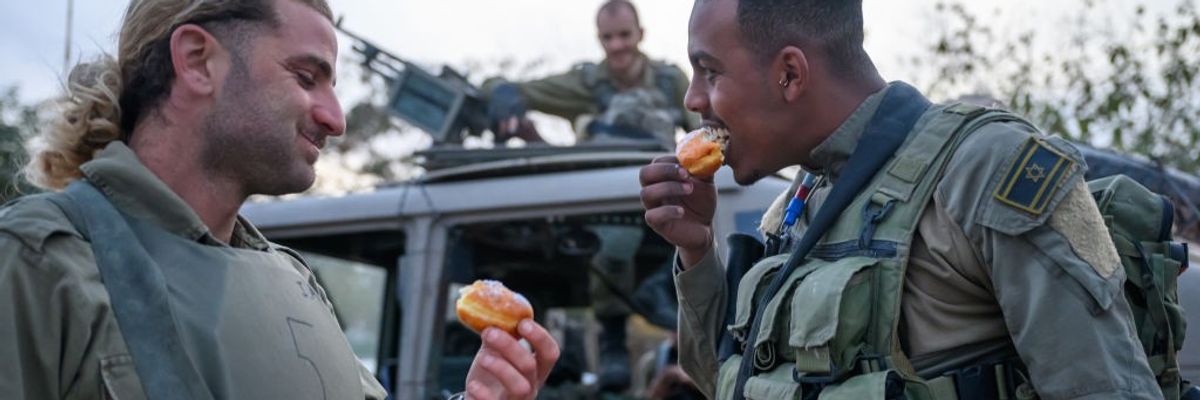
Israelisoldiers eat jelly doughnuts near the Gaza border on December 7, 2023.
(Photo: Alexi J. Rosenfeld/Getty Images)

Brett Wilkins
Dec 24, 2024
COMMON DREAMS

As the people of Gaza suffer hell on Earth, Israeli soldiers committing what the world increasingly recognizes as a genocide against them can now kick back and relax at a beachfront resort in the embattled strip and enjoy treated water from a desalination plant while Palestinians die from lack of water, food, and other necessities.

The Israeli outlet Ynetreported Thursday that Israel Defense Forces troops in northern Gaza are relaxing at a "beachfront resort" located "amid the devastation" wrought by the IDF's U.S.-backed 445-day assault, which, according to Gazan and international agencies, has left more than 164,000 Palestinians dead, maimed, or missing; millions more forcibly displaced, starved, or sickened; and most of the coastal enclave in ruins.


According to Ynet:

Throughout the retreat, beanbags are scattered for lounging. One soldier relaxes with an iced energy drink, while another enjoys a hot cappuccino paired with meringue cookies. Soldiers can shower and use pristine restroom facilities that feel "just like home." In the center of the green lawn, a long table is laden with lavish breakfasts reminiscent of a hotel buffet. For lunch and dinner, a barbecue station operates nonstop, serving more than the standard wings and hotdogs—steaks and other premium cuts are grilled to perfection... Additional comforts include a coffee bar with a large espresso machine, popcorn and cotton candy stations, and a lounge offering Belgian waffles and fresh pretzels.

David Turjeman, head of food services for the IDF's Southern Command, told Ynet: "You know this is Gaza, right? Yet we've created a sense of home here, with iced coffee, espresso, protein shakes, toast, shakshuka, fresh fruit, and even ice cream on warmer days."

As Palestinians suffer "complete psychological destruction" as a result of Israel's onslaught, IDF troops visiting the retreat "have access to mental health support from counselors and remote consultations." As Israeli forces besiege and attack Gaza's few remaining hospitals, the retreat offers "on-site care from a nurse and a paramedic," as well as "massages for sore backs and legs" and the services of a mobile dental clinic.

There's also a desalination plant capable of producing 60,000 liters of drinking water daily. This, as Human Rights Watch last week accused Israel of "extermination and acts of genocide" in Gaza "by intentionally depriving Palestinian civilians there of adequate access to water, most likely resulting in thousands of deaths."


Israeli soldiers expressed their surprise at the amenities available at the retreat.

"We didn't get a house, but the food is amazing, and the drinks are great," Sgt. Yaron Rabinovitch told Ynet.

Sgt. Daniel Vakrat said: "We didn't expect anything like this. It's an incredible morale booster."
At Least 3 Palestinian Babies Freeze to Death in Gaza Amid Israeli Blockade

"As you celebrate the holidays in the U.S., be sure to remember all the holidays the U.S. has robbed from Palestinians through funding and supporting genocide," said one American jurist.


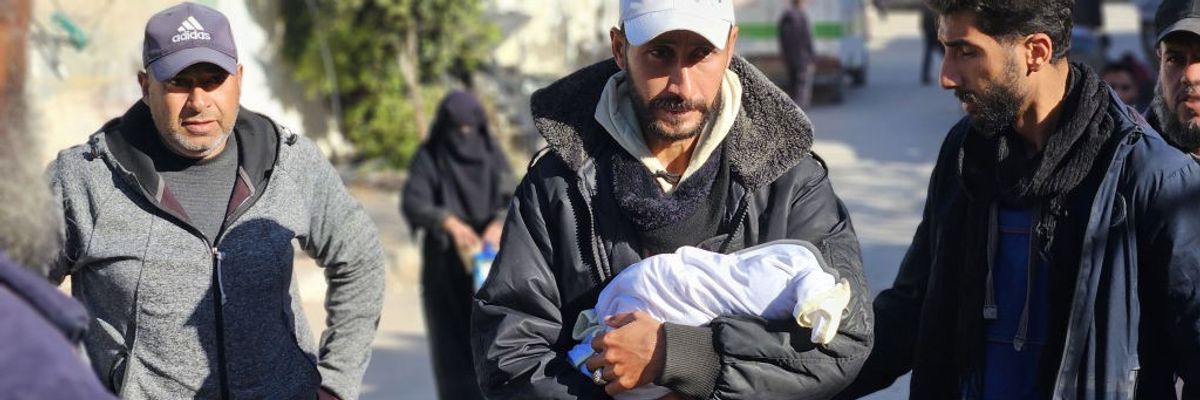
Relatives carry the shrouded, lifeless body of Sila Mahmoud Al-Faseeh, a Palestinian newborn who froze to death on December 25, 2024 in Khan Yunis, Gaza, Palestine.
(Photo: Hani Alshaer/Anadolu via Getty Images)

Brett Wilkins
Dec 25, 2024
COMMON DREAMS

At least three Palestinian infants have frozen to death in Gaza in recent days amid winter temperatures and inadequate shelter due to Israel's 446-day U.S.-backed assault and blockade of the besieged coastal enclave, according to medical officials there.

Gaza Health Ministry Director Dr. Muneer Alboursh said that Sila Mahmoud Al-Faseeh, a 3-week-old baby girl, died Sunday "from the extreme cold" in a tent where her forcibly displaced family is sheltering on a beach in al-Mawasi, an Israeli-designated "safe zone" for displaced Palestinians.

Sila's father, Mahmoud al-Faseeh, told The Associated Press that he wrapped the infant in a blanket and tried to keep her warm as the temperatures fell to 48°F (9°C)—below the fatal threshold for hypothermia—on a windy night in their unsealed tent on cold ground.

"It was very cold overnight and as adults we couldn't even take it," al-Faseeh explained. "We couldn't stay warm."

Al-Faseeh said that when he woke up, he found his daughter unresponsive and stiff, her body "like wood."

Warning: Video contains images of death.


Sila was rushed to a field hospital where doctors unsuccessfully tried to revive her. Ahmed al-Farra, director of the children's ward at Nasser Hospital in Khan Younis, confirmed to the AP that the girl died of hypothermia and said that two other babies, ages 3 days and 1 month, were also brought to the hospital within the past 48 hours after freezing to death.

Gazan officials and international humanitarian agencies say that at least 18,000 children are among the more than 45,361 Palestinians killed in Gaza since Israel began bombing, invading, and besieging the coastal strip after the October 7, 2023 Hamas-led attack. More than 2 million Palestinians in Gaza have also been wounded, forcibly displaced, starved, or sickened.

Israel's conduct in the war is the subject of an ongoing International Court of Justice genocide case led by South Africa. Israeli Prime Minister Benjamin Netanyahu and Yoav Gallant, his former defense minister, are fugitives from the International Criminal Court, which in November issued arrest warrants for the pair and for Hamas leader Mohammed Diab Ibrahim Al-Masri for alleged war crimes and crimes against humanity.


Most of the verified Palestinian deaths in Gaza during the first 10 months of the war were children aged 5-9, according to the United Nations Office of the High Commissioner for Human Rights.

"For over 14 months, children have been at the sharp edge of this nightmare," United Nations Children's Fund (UNICEF) communications specialist Rosalia Bollen said last week. "In Gaza the reality for over a million children is fear, utter deprivation, and unimaginable suffering."

"The war on children in Gaza stands as a stark reminder of our collective responsibility," Bollen added. "A generation of children is enduring the brutal violation of their rights and the destruction of their futures."

UNICEF has called Gaza "the most dangerous place in the world to be a child."

In June, U.N. Secretary-General António Guterres added Israel to his so-called "List of Shame" of countries that kill and injure children during wars and other armed conflicts.


On Tuesday, Philippe Lazzarini, who heads the U.N. agency for Palestinian refugees, said that "in Gaza, one child gets killed every hour."


"These are not numbers," he stressed. "These are lives cut short."
Israel’s War on Gaza Is a War on Children

Children in Gaza are not merely collateral damage; they are often actively being targeted.
December 21, 2024

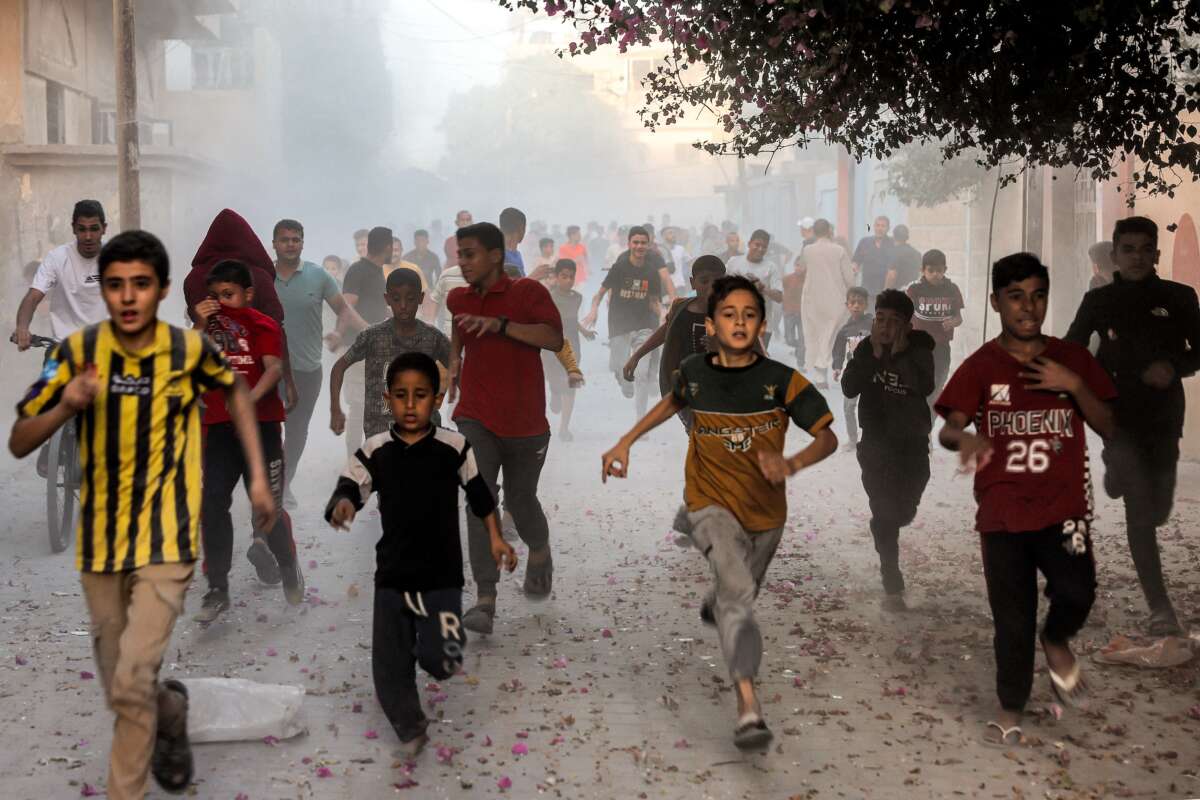
Palestinian children flee from Israeli bombardment in Rafah in the southern Gaza Strip on November 6, 2023.MOHAMMED ABED /AFP via Getty Images

In November, over a year into Israel’s genocide in Gaza, a report by the Gaza-based Community Training Center for Crisis Management produced a grim statistic: “Nearly all children in the embattled Palestinian enclave believe their death is imminent — and nearly half of them want to die.”

It is no wonder why the statistic, which came from a survey of families with disabled, injured or unaccompanied children, is so bleak. Amnesty International’s recent report lays bare the magnitude of the crisis: “Israel’s actions … have brought Gaza’s population to the brink of collapse. Its brutal military offensive had killed more than 42,000 Palestinians, including over 13,300 children, and injured over 97,000 more, by 7 October 2024, many of them in direct or deliberately indiscriminate attacks, often wiping out entire multigenerational families.”

This unfathomable suffering — inflicted disproportionately on women and children — represents a moral abomination, a political travesty, and a militaristic cruelty of the highest order. The destruction of lives, institutions and essential humanitarian infrastructure goes beyond the annihilation of a people; it constitutes an assault on future generations and the very fabric of our shared humanity. Genocidal language dehumanizes and legitimizes the unthinkable: an indiscriminate war waged against the most defenseless — children.

Israel’s war on Palestinian youth is genocidal — not only in the starvation, maiming and unimaginable killing of children but in its relentless assault on any viable notion of what it means for these young people to be valued, human and alive with hope. It seeks to strip them of their dignity, rendering them invisible and unworthy in the eyes of the world, as if their lives are expendable, their dreams inconsequential. This overpowering violence amounts to what we may term childcide, which is the deliberate or systematic destruction of children, whether through direct violence, neglect, or the conditions of war and oppression that render them uniquely vulnerable. It is a traumatic manifestation of collective failure — a war against innocence, in which the fragile promise of childhood is extinguished before it can bloom. In Gaza, where children face relentless bombings, displacement and deprivation, childcide becomes not just an act of violence but a moral collapse: the erasure of futures, dreams and entire generations. It is a crime not only against the child but against humanity itself, leaving behind a void that no words can fill and no justice can fully repair.

In the U.S., the violence of childcide manifests more covertly in the censorship and repression of free speech driven by right-wing politicians, neoliberal educators and a reactionary billionaire donor class. This assault seeks to stifle the imagination and critical capacities of young people, eroding their ability to envision a more just future.

Related Story

19,000 Children Have Been Hospitalized for Malnutrition in Gaza in Last 4 Months
The UN has also reported that there are at least 50,000 pregnant women in Gaza who can’t access essentials like food.
By Sharon Zhang , Truthout December 18, 2024

In Gaza, childcide takes on an overt and devastating form. The violence there kills and maims children, denies them lifesaving medical treatment, and robs them of their futures — sometimes their very limbs. The scale of this horror is staggering, matched only by the indifference or active complicity of nations like the United States, whose silence or direct support fuels this mass atrocity.

Under the incoming Trump administration, these forms of childcide in both the U.S. and Gaza are likely to intensify.

The War on Children


In October, close to 100 U.S. health care providers who have volunteered in the Gaza Strip over the past year sent a letter to President Joe Biden and Vice President Kamala Harris detailing “every one of us who worked in an emergency, intensive care, or surgical setting treated pre-teen children who were shot in the head or chest on a regular or even a daily basis. It is impossible that such widespread shooting of young children throughout Gaza, sustained over the course of an entire year is accidental or unknown to the highest Israeli civilian and military authorities.” Put differently, many of these children were deliberately killed by Israeli snipers and other troops.


This overpowering violence amounts to what we may term childcide, which is the deliberate or systematic destruction of children, whether through direct violence, neglect, or the conditions of war and oppression that render them uniquely vulnerable.

This violence is not merely an attack on bodies but on the spirit, denying Palestinians the right to be seen as fully human, to belong to a community that nurtures their future, and to inhabit a world where intimacy and compassion prevail over violence and despair. Such cruelty is not just a crime against a people — it is a wound to the very essence of our shared existence.

The face of childcide was on full display for the world to see when news reports and videos circulated revealing a teenage boy, Sha’ban al-Dalou, burning alive in a tent in a refugee camp which had been hit by an Israeli airstrike. Zak Witus, writing in The Guardian describes what he saw:


I clicked on the accompanying video and I could not believe what I saw: an inferno blazing, people running around screaming, and there, amidst the flame, a body writhing, crackling; a raised arm, reaching out for help, still attached to an IV. I waited for the following morning to share the video, until the event had been reported by reputable news outlets, because the images appeared too gruesome to be real — like they were something out of a movie — but they were real: an Israeli airstrike hit near the grounds of al-Aqsa Martyrs’ hospital in the central Gaza city of Deir al-Balah and killed at least four people. The man that we saw burning alive? His name was Sha’ban al-Dalou, a 19-year-old software engineering student.

The killing of Sha’ban al-Dalou is not an isolated act — it is part of a war of annihilation. How can any nation continue to support Israel, a rogue state pursuing a policy of extermination? How can the U.S., with full knowledge of this genocidal war waged with impunity, not act to oppose it? This is not just a war of brutality — it is also a damning indictment of Western European nations, who pride themselves on being democracies yet remain complicit through their refusal to condemn or obstruct the mass killing and extermination of Palestinian women and children. The evil of fascism lies not only in its acts of systemic violence but also in the silence of those who enable, justify and profit from it.

As Iain Overton, executive director of the United Kingdom-based group Action on Armed Violence, notes, “The world’s failure to protect Gaza’s children is a moral failing on a monumental scale. We must act decisively and compassionately to ensure that these children’s voices are heard and their futures protected.” Parliament member Jeremy Corbyn goes further, stating that, “Every single supplier of arms to Israel has blood on its hands — and the world will never forgive them.”

Of all those complicit, the Biden administration has the most blood on its hands. Even as Biden’s presidency comes to an end and Prime Minister Benjamin Netanyahu has been declared a war criminal by the International Court of Justice, Biden refuses to end the U.S.’s complicity in Israel’s war crimes. As Jeffrey D. Sachs notes, Biden has turned “the U.S. military and federal budget over to Netanyahu for his disastrous wars … which have been an unmitigated disaster for the American people, bleeding the U.S. Treasury of trillions of dollars, squandering America’s standing in the world, making the U.S. Complicit in his genocidal policies, and bringing the world closer to World War III.”
Gaza Is a Warning

The elimination of the Palestinian people and the genocidal war against its children are not merely a campaign of death; they are a calculated assault on history, heritage and memory, systematically erasing an entire generation and leaving behind a void where lives, dreams and the promise of a future once flourished. This assault is being committed by an authoritarian state sustained by a cruelty so profound it extinguishes any semblance of morality, justice or freedom, leaving only the desolation of unchecked cruelty. James Baldwin once wrote, “The children are always ours, every single one of them, all over the globe; and I am beginning to suspect that whoever is incapable of recognizing this may be incapable of morality.” Today, this form of immorality is everywhere — it has become a signifier of power, a weapon wielded by those who conflate might with right.

The dream of democracy, once a beacon of hope, has been hollowed out by the militarized machinery of death. In Gaza, this machinery lays bare its darkest truth: Children are not only expendable but deliberately targeted, their deaths a chilling symbol of a deeper intent. Here, the global war on youth reaches its most grotesque conclusion. The bodies of Palestinian children litter the ruins of Gaza, serving as grim declarations — a warning that not only fighters and militants must be extinguished, but the very possibility of a Palestinian future must be annihilated.

What is unfolding in Gaza is not an isolated atrocity; it is a preview of the insidious fascism colonizing the globe. The deliberate targeting of the most vulnerable reveals a chilling calculus of power, one that sees children not as the bearers of hope but as obstacles to a supremacist vision of conquest. Their destruction is meant to erase not only their lives but also the memory and resilience of their people, ensuring that the very idea of Palestine is consigned to oblivion.

This is the bitter lesson of our time: the war on youth, waged in countless ways across the world, finds its endpoint in Gaza. There, children are not merely collateral damage; they are the targets of a brutal ideology that seeks to eradicate the possibility of a Palestinian tomorrow. If we cannot rise to this moment, if we cannot defend the sanctity of childhood and the universality of human rights, we risk forfeiting what it means to be human — as well as the ideals, promises and hopes for a radical democracy.
How We Resist

Resistance must begin by exposing the fascist threat for what it truly is — a systemic and calculated assault on democracy, justice and human dignity. This is not simply a matter of defending the rule of law; it demands a mobilization of collective passions and civic courage to fight repression and ignite mass resistance. The fight for justice can only commence with a clear recognition of the state of injustice that grips the U.S. today. This is both a political and pedagogical imperative.


The face of childcide was on full display for the world to see when news reports and videos circulated revealing a teenage boy, Sha’ban al-Dalou, burning alive in a tent in a refugee camp.

For resistance to be lasting and meaningful, people must grasp not only how these violations shape their own lives but also how they harm their neighbors and erode the broader social fabric. This recognition fosters solidarity, building the foundation for resistance that is rooted in shared purpose and mutual accountability.

When the political and the personal intersect, thinking becomes a form of action. It is this interplay — between the intimate realities of individual lives and the structural conditions of the social order — that fuels movements capable of transformative change. Only then can resistance transcend fleeting gestures and ignite a sustained fight for justice and democracy.

We must create spaces and strategies that enable people to question, think critically and reclaim their agency. This means investing not only in direct action but also in educational efforts that cultivate a collective understanding of how capitalism and imperialism dehumanize and divide, eroding both social responsibility and democratic ideals. Resistance requires not just acts of defiance but the formation of a new language, a new imaginary, and new institutions capable of inspiring solidarity and sustaining a culture of resistance.

The intertwined crises of scholasticide and childcide represent not merely a breakdown in politics and morality but a failure of ideas and critical consciousness. What is needed is an ongoing struggle over ideas — a battle for radical imagination and awareness as the foundation for mass resistance. The staggering inequalities of wealth and power must not only be named and addressed but systematically dismantled. The stakes are too high to ignore: democracy itself, the lives of the marginalized, the futures of young people, and the survival of the planet are all at risk.

Palestine exemplifies the resilience and power of such resistance, where education under siege becomes a weapon against erasure, and the act of learning transforms into a form of defiance.

Popular education initiatives, underground schools and steadfast communities refusing to abandon their heritage are living testimonies to the unyielding Palestinian character. The spirit of Palestinian resistance embodies the moral and political essence of collective courage, unwavering determination and an unrelenting struggle for freedom, justice and sovereignty against overwhelming odds. Their struggle reveals that even in the face of unrelenting oppression, the collective imagination for justice and freedom can thrive.

In her poem, “We Teach Life, Sir,” Palestinian poet Rafeef Ziadah touches on these themes, refuting a common refrain from U.S. pundits that Palestinians “teach their children to hate.” Instead, Ziadah asserts, “We Palestinians teach life after they have occupied the last sky. We teach life after they have built their settlements and apartheid walls, after the last skies.” A multiracial, multi-class movement must absorb these lessons of life. We must draw inspiration from this steadfastness, transcending its divisions, and uniting around a shared commitment to confronting and defeating both Trumpism and the neoliberal fascism that made it possible.

As I have argued before, under these circumstances and at this juncture in history, resistance is not optional — it is an absolute necessity. To resist is to reclaim hope, justice and the possibility of a radically better future, drawing strength from the enduring examples of those who, like Palestinians, refuse to relinquish their humanity or their dreams for liberation.
What Hurricane Helene Relief Taught Me About Preparing for Trump’s Second Term

We can mobilize mutual aid to feed and shelter people all the time, not just after major environmental disasters.
December 25, 2024

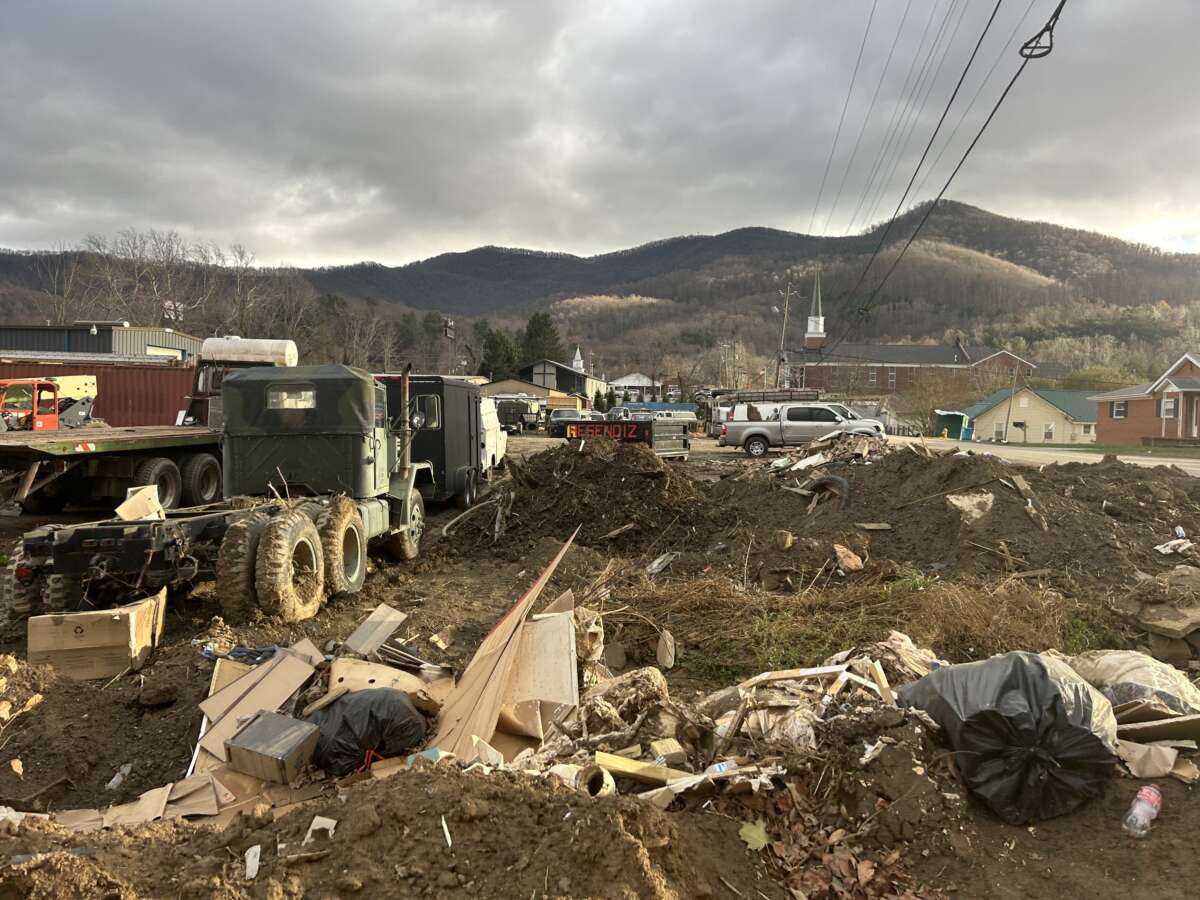
A view of the damage in Swannanoa, North Carolina, one of the many Appalachian towns that were hit particularly hard by Hurricane Helene, on November 28, 2024.
Schuyler Mitchell

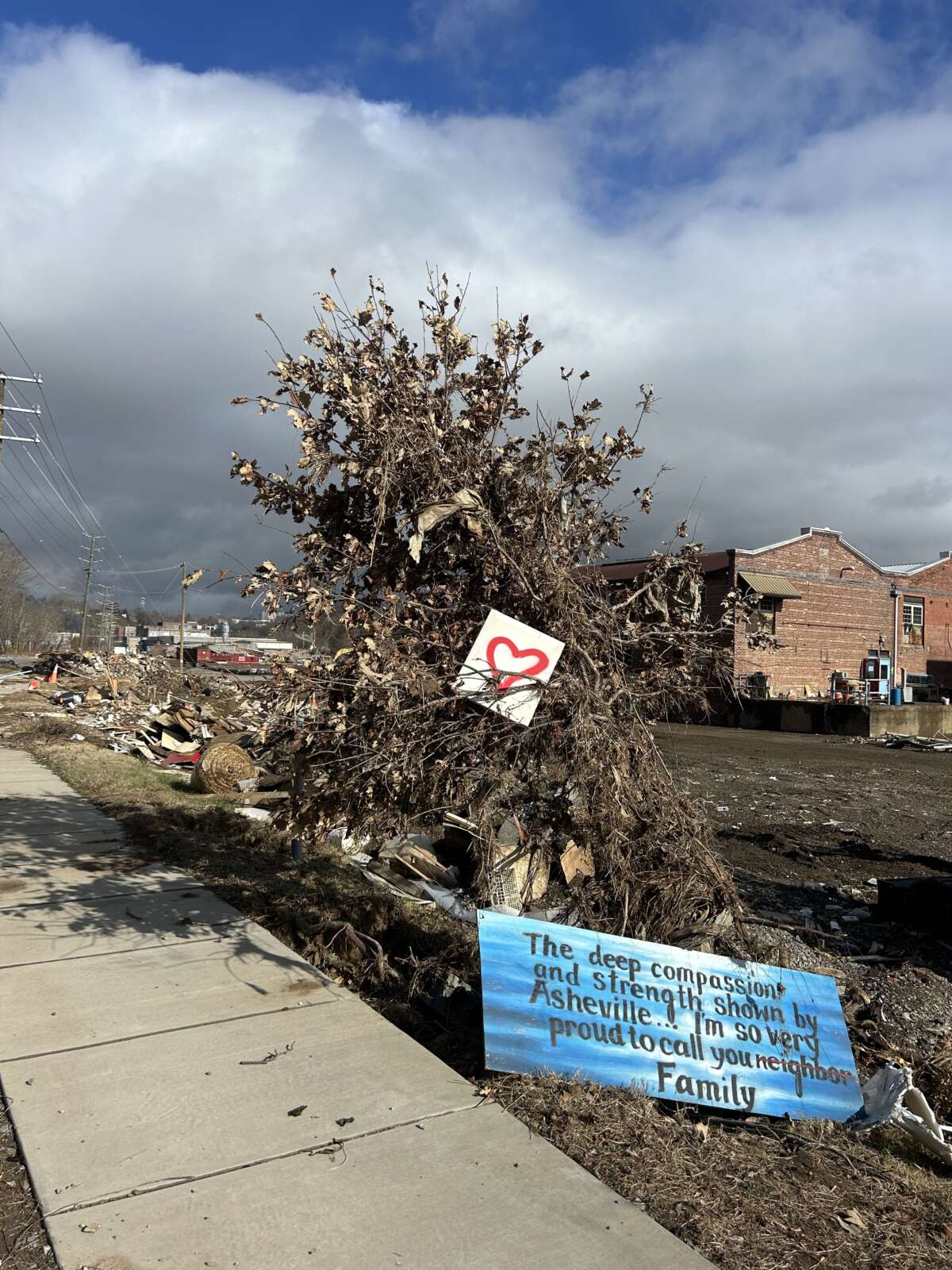
The autumn sun was sinking low behind the Blue Ridge Mountains as we pulled into Swannanoa. It was Thanksgiving Day, and two months since Hurricane Helene ransacked the Southeast. The small town, like so many communities across western North Carolina, was still a scene of utter devastation. Heaping piles of debris dotted the roadside, and neighborhoods of collapsed homes sat empty in the cold dusk light. On the window of one building, someone had spray-painted a message: “WE ALRIGHT.”

This was not the Thanksgiving Day anyone had envisioned months ago. But inside the kitchen of a local bakery, volunteers with Grassroots Aid Partnership (GAP) gathered to cook up a community feast — just like they’d been doing every day for weeks. That day we were prepping turkeys, whole birds stuffed with fresh herbs and citrus, pulled piping hot from the smoker. A GAP volunteer told me that, even though the area’s water service had recently been restored, the community’s need for aid was still there. GAP planned to continue cooking, serving and delivering hot meals through the end of the year, at least.

GAP is just one of many groups across western North Carolina that have mobilized in the wake of Hurricane Helene, and I was grateful to spend three short days helping with various relief efforts over the Thanksgiving holiday. Since the late September floods, the outpouring of community support has been held up by national media as an example of what grassroots solidarity looks like in action. Now, as the year winds down and the threat of Donald Trump’s second administration looms, I can’t stop thinking about the lessons we can glean from the region’s hurricane response.

After Trump’s reelection, social media exploded with calls for the left to get organized. It’s a crucial directive, but one that might seem near-impossible in these highly atomized times. Again and again, I saw or heard people lamenting that, while they would love to “get organized,” they weren’t really sure what that could look like in practice. X, the platform formerly known as Twitter, erupted in debate over one viral infographic that listed things like “community gardening” and “talking to your neighbors” alongside mutual aid fundraisers as examples of ways to organize. Critics said that calling everything “organizing” diluted its meaning and political potential; others noted that finding ways to build community is an important first step to fostering a working-class movement

.
A memorial constructed from the rubble of buildings destroyed by Hurricane Helene in the River Arts District of Asheville, North Carolina, taken on November 28, 2024.
Schuyler Mitchell

Indeed, part of why western North Carolina’s recovery response to Helene was so swift was because of the community networks already in place before the storm. Appalachian communities have a long history of mutual aid, since remote landscapes and years of government abandonment have forced self-reliance in the historically poor region. There’s also a culture of knowing your neighbors — regardless of whether or not an online infographic has told you to. Even though I grew up in central North Carolina, I’ve spent the last eight years in major cities; whenever I return home, I find myself caught off guard by the genuine warmth of strangers. This has long been the reality, of course, in most places across the country, but it’s also true that many people have felt their organic connections to others fracture in recent years.

Social media and the COVID-19 pandemic, in particular, have caused a troubling loneliness epidemic to take hold. In suburban areas — where most U.S. residents live — the architecture itself inhibits social connection. The rise of consumer surveillance technologies like the Ring camera, or crowd-sourced public safety maps like the Citizen App, fuel an all-pervading fear of crime that is out of step with national trends. A nationwide surge of far-right extremism, stoked in part by Trump’s hateful rhetoric, has fanned the flames of political division. Meanwhile, “third places” — spaces for people to gather outside of home or work — are disappearing across the country. In these sorts of conditions, it’s hard to build trust among neighbors.

This is also part of why spiritual communities have played a large role in western North Carolina’s Helene recovery efforts. It can’t be overlooked that the many churches scattered throughout the region have been instrumental in getting help to the people who need it. Churches are a conventional third place, offering both a built-in community of people and the space to gather them. As tax-exempt entities with traditions of tithing, churches also often have the funding structures in place to do aid work.

What can we learn from this? Churches are only one piece of the puzzle. A large part of the battle is just (a) finding a network of people, and (b) having the physical space for them to come together, in whatever form that may take. Financial resources, of course, are critical — but it’s hard to put them to good use without the first two building blocks.

World Central Kitchen has provided potable water for Hurricane Helene relief efforts at Blunt Pretzels in Swannanoa, North Carolina. Photo taken on November 29, 2024.Schuyler Mitchell

People in western North Carolina have found creative ways to make relief work happen. GAP uses the kitchen facilities of the Swannanoa bakery, Blunt Pretzels, to cook meals. But it hasn’t always been this way: One volunteer told me that, in the immediate aftermath of the storm, without any electricity or running water, a few people set up shop in the parking lot and used pepperoni slices from Subway to make strombolis. Now, they’ve been flush with supplies, donations and volunteers, including receiving potable water and food deliveries from World Central Kitchen. As a dozen people helped clean up on Thanksgiving Day, the volunteer looked around the kitchen in awe: “Wow,” he said. “We sure have come a long way.”

Valley Strong Disaster Relief has turned the Silverados outdoor concert venue in Swannanoa, North Carolina, into a temporary hub to distribute critical supplies to families impacted by Hurricane Helene. Photo taken on November 30, 2024.Schuyler Mitchell

Just down the road from Blunt Pretzels, Silverados, an outdoor concert venue on the border of Swannanoa and Black Mountain, has turned into a temporary hub for people to donate, sort and receive supplies. Neon vest-clad volunteers open the gates every morning and organize cars into either pick-up or drop-off lines. The site has everything from bottled water to tents, baby formula and Christmas toys. Nobody is turned away: Check off what you need from a list, and volunteers will run to different shipping containers to collect the goods.

When I visited to drop off supplies, I was struck by how well-organized the massive hub had become in just two months; it’s rare to see something run entirely by volunteers operate with such efficiency and logistical finesse. I walked away thinking about how I wished something like it could exist all the time, for anyone that needs support, regardless of whether or not a hurricane has struck. How motivated many are to mobilize people when a disaster feels particularly acute — never mind the fact that the crisis of poverty is, for many people, experienced as an emergency every single day.

GAP is a nonprofit organization, as is the Silverados supply hub, which is now registered as the 501(c)(3) Valley Strong Disaster Relief. But if you start talking to people on the ground, you realize that much of the work in the region has been done outside of nonprofit scaffolding. For two days, for instance, my mother and I helped an elderly couple in Barnardsville, a rural area about 20 miles outside of Asheville, whose farmhouse and property had been pummeled by the flooding of a nearby creek. We showed up knowing very little: My mom had found them through a Facebook post, called a phone number and decided we should show up one day. When we were there, we learned that they’d been receiving countless volunteers on a near-daily basis — word of mouth and Facebook had spread their requests for help far and wide.

Someone left a message for neighbors in the River Arts District of Asheville, North Carolina, taken on November 28, 2024.Schuyler Mitchell

It’s important to note that much of the Helene relief work is not being done on explicitly political grounds. Outside of Asheville, western North Carolina leans quite red. And so it’s taken a cross-coalition of people and groups, from various backgrounds, to fill in the gaps where the government has failed. For those of us on the left, attaching political development and anti-racist class consciousness to this grassroots work is crucial. But that can’t happen if people are splintered and frozen, infighting online or doing nothing at all.

In a way, I think that fixating on the semantics of phrases like “mutual aid” and “community organizing” can start to act as barriers to doing the work that needs to be done. No, simply getting to know your neighbors is not the same as organizing — but how many people hear that and then simply do nothing at all? How much good could be accomplished if everyone, everywhere committed to doing some form of mutual aid work today? And how can we think strategically about galvanizing the communities of which we are already apart? Start small. Start now.

introduction i preface xiii. OUR RICHES. 1. WELL-BEING FOR ALL. 17. ANARCHIST COMMUNISM. 34. EXPROPRIATION. 50. FOOD. 70. DWELLINGS. 110. CLOTHING.


It’s time for Dems to commit to getting big money out of American politics


Shutterstock
bribery, corruption, money, cash
December 24, 2024


In the wake of Kamala Harris’s loss to Trump, House Minority Leader Hakeem Jeffries says he isn’t going to criticize Trump’s nominees “because that’s all a distraction.”

A distraction from what? Governing?

Had 35-year-old Alexandria Ocasio-Cortez succeeded in her recent bid to become the lead Democrat on the House Oversight Committee, she would have represented a generational shift for the party and given it an energetic communicator with anti-establishment views.

But the party wouldn’t have it. The position went instead to 74-year-old Gerry Connolly, a longtime representative from Virginia who was next in line.

Some Democrats are now even calling for Biden to pardon Trump.

South Carolina Rep. Jim Clyburn says a pardon for Trump would be a way of “cleaning the slate” for the country. Pennsylvania’s John Fetterman posted (on Trump’s Truth Social, no less) that the “Trump hush money and Hunter Biden cases were both bullshit, and pardons are appropriate.”

Now, that’s bulls---.

I’ve been around long enough to remember how Democrats reacted to Adlai Stevenson’s two defeats to Republican Dwight Eisenhower: They said it was time for Democrats to move to the center.

When Humbert Humphrey lost to Richard Nixon, Democrats said it was time for Democrats to move to the center. When Jimmy Carter lost to Ronald Reagan? Move to the center! When Walter Mondale lost to Reagan? The center! When Mike Dukakis lost to George H. W. Bush? When Al Gore … When John Kerry … When Hillary Clinton … And on it goes: center, center, center.

What has this refrain bought Democrats apart from campaign contributions from big corporations and the wealthy? A loss of purpose.

Some Democrats warned along the way that a move to the so-called “center” would erode the party’s noblest goals. Ted Kennedy admonished Democrats at the 1980 national convention not to forget the fight for “the cause of the common man and the common woman.”

Historian Arthur Schlesinger Jr. wrote in The New York Times that “me-too Reaganism” would be disastrous for Democrats because “if American voters are in a conservative mood, they will surely choose the real thing and not a Democratic imitation.”

But Democrats didn’t listen. In the late 1980s they became “New Democrats,” almost indistinguishable from “Reagan Democrats.” In 1996, Bill Clinton said “the era of big government is over” — ending welfare, enacting a vicious crime bill, and deregulating Wall Street.

Twenty years later, when Bernie Sanders tried to return the Democratic Party to giving voice to working people being shafted by CEOs and Wall Street, he was knee-capped by the Democratic National Committee to make way for Hillary Clinton — who lost to Trump.

Democrats have been moving to the so-called “center” so long they’ve pushed the “center” toward authoritarianism.

It’s more important than ever for Democrats to hold Trump accountable, even if doing so takes years. Democrats must also oppose any Trump move to prosecute those who have tried to hold him accountable.

Democrats must commit to opposing Trump’s agenda of deporting millions of people who, although undocumented, have been longstanding members of their communities; substituting Trump loyalists for dedicated civil servants; and appointing dangerous wackos like Robert F. Kennedy Jr., Kash Patel, Tulsi Gabbard, and Peter Hegseth, who shouldn’t be allowed to get anywhere near our government.

Now more than ever, Democrats should call out the multimillionaires and multibillionaires who are taking over our system by making gigantic campaign contributions and then seeking tax cuts, regulatory rollbacks, and exemptions to tariffs for their own businesses. Yes, I’m talking about you, Elon Musk.

It’s time for Democrats to commit to getting big money out of American politics.

Now is the time for Democrats to do what they used to do before the Democratic Party tried to move to the so-called “center.” Comfort the afflicted and afflict the comfortable. Strengthen safety nets. Increase public investments. Pay for all this by raising taxes on the super-wealthy.

This is no time for retreat. No time for compromise.

There can be no center between decency and indecency, no center between democracy and authoritarianism, no center between a government of billionaires and a government of the people.

Robert Reich is a professor of public policy at Berkeley and former secretary of labor. His writings can be found at https://robertreich.substack.com/
How Hanukkah came to America
December 25, 2024

Hanukkah may be the best known Jewish holiday in the United States. But despite its popularity in the U.S., Hanukkah is ranked one of Judaism’s minor festivals, and nowhere else does it garner such attention. The holiday is mostly a domestic celebration, although special holiday prayers also expand synagogue worship.

So how did Hanukkah attain its special place in America?

Hanukkah’s back story

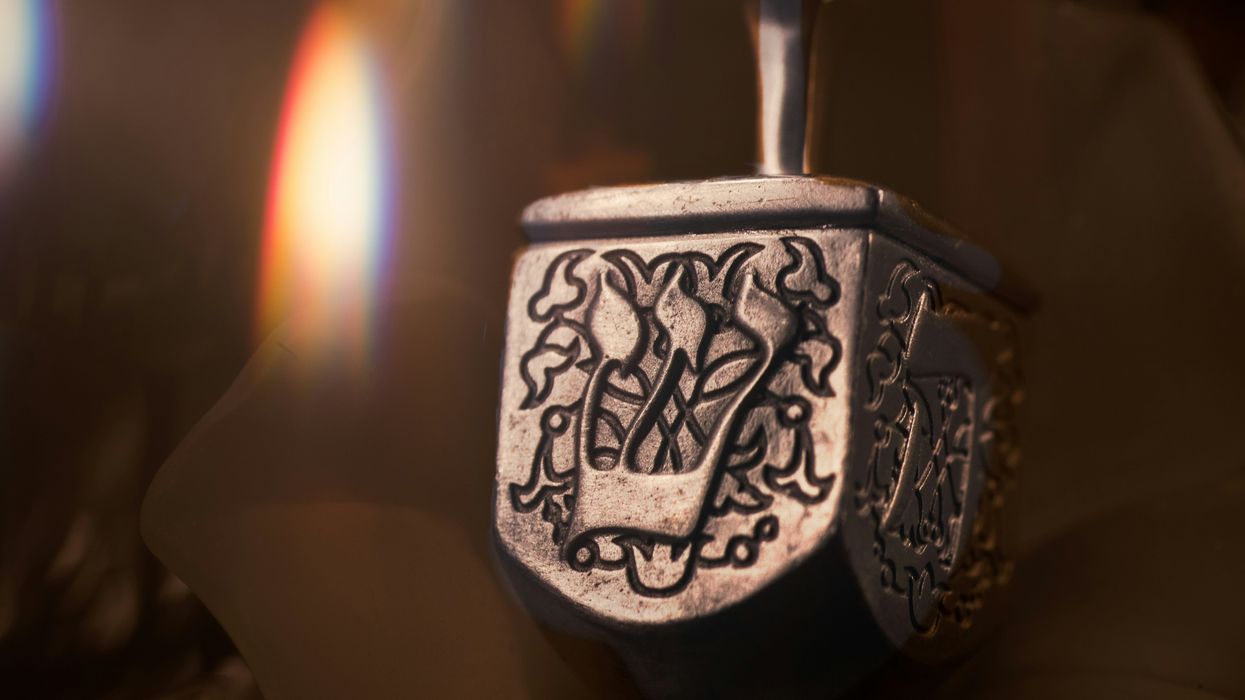
The word “Hanukkah” means dedication. It commemorates the rededicating of the ancient Temple in Jerusalem in 165 B.C. when Jews – led by a band of brothers called the Maccabees – tossed out statues of Hellenic gods that had been placed there by King Antiochus IV when he conquered Judea. Antiochus aimed to plant Hellenic culture throughout his kingdom, and that included worshipping its gods.

Legend has it that during the dedication, as people prepared to light the Temple’s large oil lamps to signify the presence of God, only a tiny bit of holy oil could be found. Yet, that little bit of oil remained alight for eight days until more could be prepared. Thus, each Hanukkah evening, for eight nights, Jews light a candle, adding an additional one as the holiday progresses throughout the festival.

Hanukkah’s American story

Today, America is home to almost 7 million Jews. But Jews did not always find it easy to be Jewish in America. Until the late 19th century, America’s Jewish population was very small and grew to only as many as 250,000 in 1880. The basic goods of Jewish religious life – such as kosher meat and candles, Torah scrolls, and Jewish calendars – were often hard to find.

In those early days, major Jewish religious events took special planning and effort, and minor festivals like Hanukkah often slipped by unnoticed.

My own study of American Jewish history has recently focused on Hanukkah’s development.

It began with a simple holiday hymn written in 1840 by Penina Moise, a Jewish Sunday school teacher in Charleston, South Carolina. Her evangelical Christian neighbors worked hard to bring the local Jews into the Christian fold. They urged Jews to agree that only by becoming Christian could they attain God’s love and ultimately reach Heaven.

Moise, a famed poet, saw the holiday celebrating dedication to Judaism as an occasion to inspire Jewish dedication despite Christian challenges. Her congregation, Beth Elohim, publicized the hymn by including it in their hymnbook.

This English language hymn expressed a feeling common to many American Jews living as a tiny minority. “Great Arbiter of human fate whose glory ne'er decays,” Moise began the hymn, “To Thee alone we dedicate the song and soul of praise.”

It became a favorite among American Jews and could be heard in congregations around the country for another century.

Shortly after the Civil War, Cincinnati Rabbi Max Lilienthal learned about special Christmas events for children held in some local churches. To adapt them for children in his own congregation, he created a Hanukkah assembly where the holiday’s story was told, blessings and hymns were sung, candles were lighted and sweets were distributed to the children.

His friend, Rabbi Isaac M. Wise, created a similar event for his own congregation. Wise and Lilienthal edited national Jewish magazines where they publicized these innovative Hanukkah assemblies, encouraging other congregations to establish their own.

Lilienthal and Wise also aimed to reform Judaism, streamlining it and emphasizing the rabbi’s role as teacher. Because they felt their changes would help Judaism survive in the modern age, they called themselves “Modern Maccabees.” Through their efforts, special Hanukkah events for children became standard in American synagogues.

20th-century expansion

By 1900, industrial America produced the abundance of goods exchanged each Dec. 25. Christmas’ domestic celebrations and gifts to children provided a shared religious experience to American Christians otherwise separated by denominational divisions. As a home celebration, it sidestepped the theological and institutional loyalties voiced in churches.

For the 2.3 million Jewish immigrants who entered the U.S. between 1881 and 1924, providing their children with gifts in December proved they were becoming American and obtaining a better life.

But by giving those gifts at Hanukkah, instead of adopting Christmas, they also expressed their own ideals of American religious freedom, as well as their own dedication to Judaism
. 
A Hanukkah religious service and party in 1940. Center for Jewish History, NYC

After World War II, many Jews relocated from urban centers. Suburban Jewish children often comprised small minorities in public schools and found themselves coerced to participate in Christmas assemblies. Teachers, administrators and peers often pressured them to sing Christian hymns and assert statements of Christian faith.

From the 1950s through the 1980s, as Jewish parents argued for their children’s right to freedom from religious coercion, they also embellished Hanukkah. Suburban synagogues expanded their Hanukkah programming.

As I detail in my book, Jewish families embellished domestic Hanukkah celebrations with decorations, nightly gifts and holiday parties to enhance Hanukkah’s impact. In suburbia, Hanukkah’s theme of dedication to Judaism shone with special meaning. Rabbinical associations, national Jewish clubs and advertisers of Hanukkah goods carried the ideas for expanded Hanukkah festivities nationwide.

In the 21st century, Hanukkah accomplishes many tasks. Amid Christmas, it reminds Jews of Jewish dedication. Its domestic celebration enhances Jewish family life. In its similarity to Christmas domestic gift-giving, Hanukkah makes Judaism attractive to children and – according to my college students – relatable to Jews’ Christian neighbors. In many interfaith families, this shared festivity furthers domestic tranquility.

In America, this minor festival has attained major significance.

Dianne Ashton, Professor of Religion, Rowan University

This article is republished from The Conversation under a Creative Commons license. Read the original article.

Increased surveillance at the Canada-U.S. border means more asylum seekers could die


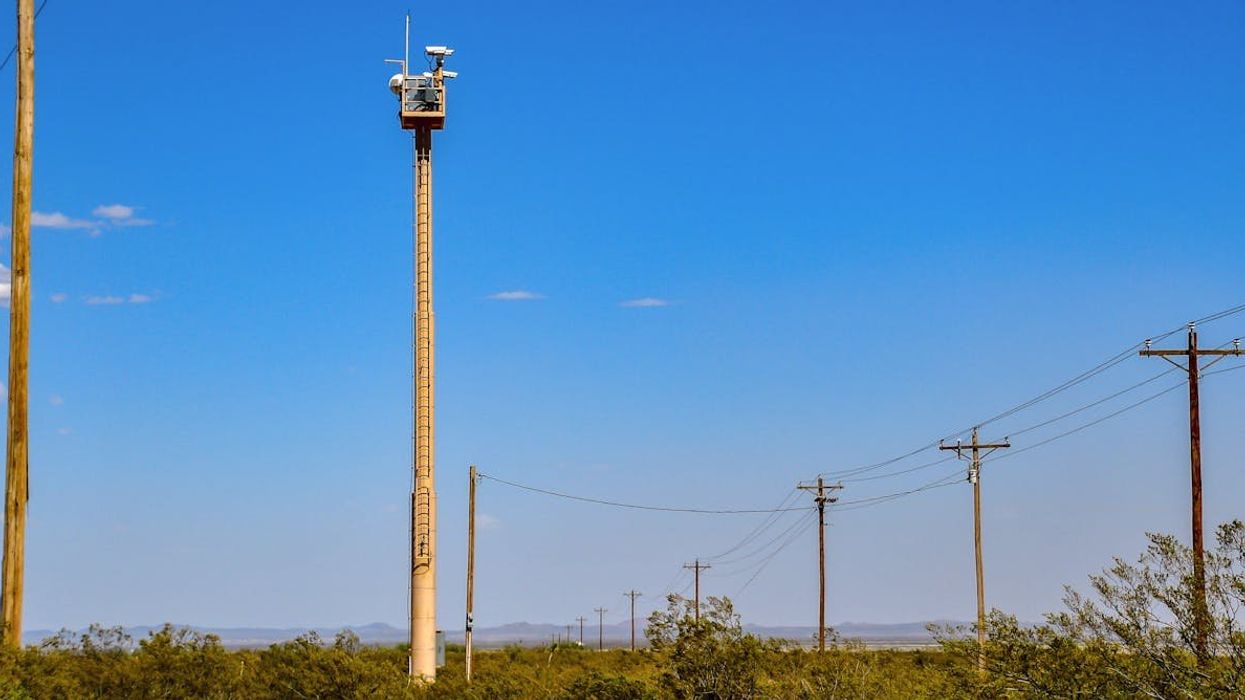
The Canadian government proposes expanding surveillance technologies at the Canadian-U.S. border like the cameras in use in the Sonoran Desert at the U.S.-Mexico border. (Shutterstock)

The Conversation
December 25, 2024

At a press conference on Dec. 17, the Canadian federal government announced proposed new measures to expand its management of Canada’s border with the United States. These measures were intended to appease the incoming Trump administration and to avoid a threatened 25 per cent import tariff.

The proposal includes expansions of border technologies, including RCMP counterintelligence, 24/7 surveillance between ports of entry, helicopters, drones and mobile towers. But what will this mean for people seeking asylum?

If the U.S.-Mexico border is any indication, it will mean more death.

 
The U.S.-Mexico border wall in California. (Shutterstock)


Criminalizing migration


At the press conference, Dominic LeBlanc, the minister of finance and intergovernmental affairs, reaffirmed Canada’s relationship with the incoming Trump administration. Framed around politics of difference, and relying on the fearmongering trope of migration as a “crisis,” Canada’s new border plan will also cost taxpayers $1.3 billion.

During the press conference, LeBlanc’s remarks conflated migration with trafficking and crime, relying on “crimmigration,” or the use of criminalization to discipline, exclude, or expel migrants or others seen as not entitled to be in a country. LeBlanc also made direct reference to preventing fraud in the asylum system, with the driving forces behind this new border plan being “minimizing border volumes” and “removing irritants” to the U.S.

 
Minister LeBlanc details Canada’s border security plan on Dec. 17, 2024.


However, these framings weaken the global right to asylum, which is an internationally protected right guaranteed by the 1951 Refugee Convention and sections 96 and 97 of Canada’s own Immigration and Refugee Protection Protection Act.


Canada’s own courts have also found that the U.S. is not a safe country for some refugees.


Deadly borders

Since 2018, I have been researching technology and migration. I have worked at and studied various borders around the world, starting in Canada, moving south to the U.S.-Mexico border and including various countries in Europe and East Africa, as well as the Palestinian territories. Over the years, I have worked with hundreds of people seeking safety and witnessed the horrific conditions they have to survive.

The Sonoran Desert containing the U.S.-Mexico border has become what anthropologist Jason de Leon calls “the land of open graves.” Researchers have shown that deaths have increased every year as a result of growing surveillance and deterrence mechanisms. I have witnessed these spaces of death in the Sonoran Desert and European borders, with people on the move succumbing to these sharpening borders.
Author’s photograph of graves in the Sonoran Desert — research has shown that more people die every year crossing into the U.S. through Mexico. (P. Molnar), CC BY

Canadian borders are not devoid of death. Families have frozen and drowned attempting to enter Canada. Others, like Seidu Mohammed and Razak Iyal, nearly froze to death and lost limbs as a result of frostbite; they later received refugee status and became Canadian citizens in 2023.

‘Extreme vulnerability’

Throughout the press conference, a clear theme emerged again and again: Canada’s border plan will “expand and deepen the relationship” between Canada and U.S. through border management, including both data sharing and operational support. The border management plan will include an aerial intelligence task force to provide non-stop surveillance. The mandate of the Canada Border Services Agency will also expand, and include a joint operational strike force.

In November, president-elect Donald Trump named former Immigration and Customs Enforcement director Tom Homan as his administration’s “border czar.” Homan explicitly called out Canada after his appointment, calling the Canadian border “an extreme vulnerability.”

Trump has also made pointed comments directed at Justin Trudeau, referring to him as “governor” and to Canada as the 51st state. And with Trump’s aggressive “America First” policies and the 25 per cent tariff threat, appeasing the incoming administration by strengthening border surveillance at the Canada-U.S. border is the lowest hanging fruit for the Trudeau administration to strengthen its hand.

Creeping surveillance

Border surveillance technologies do not remain at the border. In 2021, communities in Vermont and New York have already raised concerns about possible privacy infringements with the installation of surveillance towers.

There are also fears of growing surveillance and repression of journalists and the migrant justice sector as a whole.

And surveillance technologies used at the border have also been repurposed: for example, robo-dogs first employed at the U.S.-Mexico border have appeared in New York City and facial recognition technologies ubiquitous at airports are also being used on sports fans in stadiums.

 
A remote-controlled robot dog in San Bernardino, Calif. used for search-and-rescue operations and law enforcement use. (Shutterstock)

The big business of borders

Taxpayers will foot the bill of this new border strategy to the hefty tune of $1.3 billion. This amount is part of a growing and lucrative border industrial complex that is now worth a staggering US$68 billion dollars and projected to grow exponentially to nearly a trillion dollars by 2031.

But taxpayers do not benefit. Instead, the private sector makes up the market place of technical solutions to the so-called “problem” of migration. In this lucrative ecosystem built on fear of “the migrant other,” it is the private sector actors and not taxpayers who benefit.

Instead of succumbing to the exclusionary politics of the incoming U.S. administration, we should call for transparency and accountability in the development and deployment of new technologies. There is also a need for more governance and laws to curtail these high-risk tech experiments before more people die at Canada’s borders.

Instead of spending $1.3 billion dollars on surveillance technologies that infringe upon people’s rights, Canada should strengthen its asylum system and civil society support. Canada should also remember its international human rights obligations, and resist the U.S. political rhetoric of dehumanizing people who are seeking safety and protection.


Petra Molnar, Associate Director, Refugee Law Lab, York University, Canada

This article is republished from The Conversation under a Creative Commons license. Read the original article.


Wednesday, December 25, 2024


Which infectious disease is likely to be the biggest emerging problem in 2025?


Photo by Kylee Alons on Unsplash
December 25, 2024

COVID emerged suddenly, spread rapidly and killed millions of people around the world. Since then, I think it’s fair to say that most people have been nervous about the emergence of the next big infectious disease – be that a virus, bacterium, fungus or parasite.


With COVID in retreat (thanks to highly effective vaccines), the three infectious diseases causing public health officials the greatest concern are malaria (a parasite), HIV (a virus) and tuberculosis (a bacterium). Between them, they kill around 2 million people each year.

And then there are the watchlists of priority pathogens – especially those that have become resistant to the drugs usually used to treat them, such as antibiotics and antivirals.

Scientists must also constantly scan the horizon for the next potential problem. While this could come in any form of pathogen, certain groups are more likely than others to cause swift outbreaks, and that includes influenza viruses.

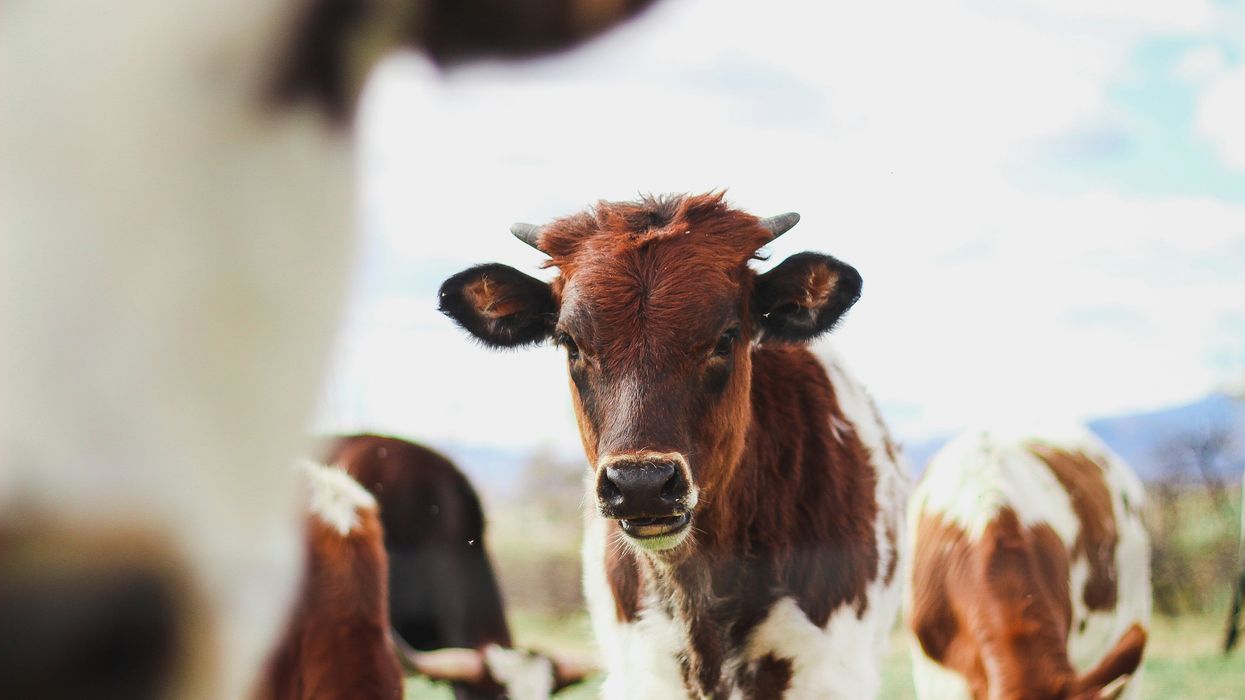
One influenza virus is causing great concern right now and is teetering on the edge of being a serious problem in 2025. This is influenza A subtype H5N1, sometimes referred to as “bird flu”. This virus is widely spread in both wild and domestic birds, such as poultry. Recently, it has also been infecting dairy cattle in several US states and found in horses in Mongolia.

When influenza cases start increasing in animals such as birds, there is always a worry that it could jump to humans. Indeed, bird flu can infect humans with 61 cases in the US this year already, mostly resulting from farm workers coming into contact with infected cattle and people drinking raw milk.

Compared with only two cases in the Americas in the previous two years, this is quite a large increase. Coupling this with a 30% mortality rate from human infections, bird flu is quickly jumping up the list of public health officials’ priorities.

Luckily, H5N1 bird flu doesn’t seem to transmit from person to person, which greatly reduces its likelihood of causing a pandemic in humans. Influenza viruses have to attach to molecular structures called sialic receptors on the outside of cells in order to get inside and start replicating.

Flu viruses that are highly adapted to humans recognise these sialic receptors very well, making it easy for them to get inside our cells, which contributes to their spread between humans. Bird flu, on the other hand, is highly adapted to bird sialic receptors and has some mismatches when “binding” (attaching) to human ones. So, in its current form, H5N1 can’t easily spread in humans.

However, a recent study showed that a single mutation in the flu genome could make H5N1 adept at spreading from human to human, which could jump-start a pandemic.

If this strain of bird flu makes that switch and can start transmitting between humans, governments must act quickly to control the spread. Centres for disease control around the world have drawn up pandemic preparedness plans for bird flu and other diseases that are on the horizon.

For example, the UK has bought 5 million doses of H5 vaccine that can protect against bird flu, in preparation for that risk in 2025.

Even without the potential ability to spread between humans, bird flu is likely to affect animal health even more in 2025. This not only has large animal welfare implications but also the potential to disrupt food supply and have economic effects as well.

 
Bird flu has been spreading in dairy herds in the US.


Everything is connected


This work all falls under the umbrella of “one health”: looking at human, animal and environmental health as interconnected entities, all with equal importance and effect on each other.

By understanding and preventing disease in our environment and the animals around us, we can better prepare and combat those diseases entering humans. Similarly, by surveying and disrupting infectious diseases in humans, we can protect our animals and the environment’s health too.

However, we must not forget about the continuing “slow pandemics” in humans, such as malaria, HIV, tuberculosis and other pathogens. Tackling them is paramount alongside scanning the horizon for any new diseases that might yet come.

Conor Meehan, Associate Professor of Microbial Bioinformatics, Nottingham Trent University

This article is republished from The Conversation under a Creative Commons license. Read the original article.


Bird lovers urged to be cautious as avian flu spreads

Photo by Vivek Kumar on Unsplash
brown duck near ducklings

December 25, 2024

All year H5N1 bird flu has been spreading across the world, recently making its way to birds in Arizona, but what does that mean for bird lovers and backyard aviaries?

Arizona is one of approximately 10 states that have had confirmed cases of avian flu that are being monitored by federal, state and local health officials. There is no evidence of human-to-human transmission of the virus in Arizona or anywhere else and risk to the public is considered low.

However, the virus is often fatal to birds and some other animals. It was recently reported that five animals at the World Wildlife Zoo and Aquarium in Litchfield Park died after being exposed to the virus

Other cases reported in Arizona include geese at a park in Scottsdale and two workers at a poultry farm in Pinal County who contracted the virus from birds at the farm but fully recovered. Other cases have been reported at a wastewater plant in Flagstaff and a backyard poultry flock in Maricopa County.

Health officials have been advising people to avoid raw milk where the virus has been found. Raw milk has become a fad among conservatives with right-wing influencers, including Phoenix-based Turning Point USA, boosting debunked misconceptions around the health benefits of raw milk.

Domestic and wild animals are at risk of infection from the virus with backyard flocks being especially susceptible.

Those who feed wild birds in their backyards have been advised in some areas like California to stop feeding the birds all together as a preventative measure to keep them from congregating in large groups that could contribute to further spread of the virus. Animal groups are advising that if you decide to keep feeding wild birds in your backyard to regularly clean the feeders and water.

The National Audubon Society, a group that advocates for the protection of birds, also recommends planting native plants that attract birds and local insects but don’t lead to them congregating in the same way feeders do.

Cats, dogs and dairy cattle can all contract the virus,and humans can become infected after being exposed to an infected animal.

Those with backyard flocks or pet birds should look out for symptoms such as low energy or appetite, purple discoloration or swelling of various body parts, reduced egg production or misshapen eggs, coughing, sneezing and lack of coordination.

People with cats and dogs should look for fever, lethargy, low appetite, reddened or inflamed eyes, discharge from the eyes and nose, difficulty breathing, seizures or sudden blindness. Veterinarians recommend avoiding giving your pet raw milk and making sure they have not eaten a dead bird or any other animal.

In humans, the virus can cause mild to severe upper respiratory symptoms, multi-organ failure and death.

The current strain, called Eurasian H5N1, has proved to be deadly for wild birds, killing bald eagles, great horned owls, Canadian geese, snow geese and other wild birds. The virus has been detected in over 80 wild birds in Arizona, according to the Center for Disease Control.


You can report sick wild birds by calling the Arizona Game and Fish Department at 623-236-7201 and if you need to report a sick domestic bird contact the Arizona Department of Agriculture at 602-542-4293.

Arizona Mirror is part of States Newsroom, a nonprofit news network supported by grants and a coalition of donors as a 501c(3) public charity. Arizona Mirror maintains editorial independence. Contact Editor Jim Small for questions: info@azmirror.com.