It’s possible that I shall make an ass of myself. But in that case one can always get out of it with a little dialectic. I have, of course, so worded my proposition as to be right either way (K.Marx, Letter to F.Engels on the Indian Mutiny)
Monday, May 12, 2025
Orban backs away from far-right Romanian presidential candidate Simion
Hungarian Prime Minister Viktor Orban worried ethnic Hungarians in Romania when he quoted far-right politician George Simion at the reopening of a Benedictine abbey in Tihany. / Viktor Orban via Facebook
Hungarian Prime Minister Viktor Orban has distanced himself from Romanian far-right presidential candidate George Simion. Orban stating that the Democratic Alliance of Hungarians in Romania (UDMR), which supports Simion's rival in the presidential election runoff will determine the community’s stance in the upcoming May 18 runoff election, he announced in a Facebook post after a phone conversation with UDMR leader Hunor Kelemen.
With Simion now lacking an endorsement from Hungary’s rightwing ruling party and facing resistance from religious and ethnic leaders, his hopes of securing Hungarian minority support in the second round appear increasingly unlikely.
Simion, leader of the isolationist Alliance for the Union of Romanians (AUR), had been expected to court support from Romania’s Hungarian minority in his race against pro-European candidate Nicușor Dan. Dan's statements against the use of signs of the informal Szekel Land, a region populated mainly by ethnic Hungarians, in official contexts, seemed to distance him from the Hungarian electorate.
Simion, meanwhile, has previously said he draws inspiration from Orban’s fight to preserve national identity and Christianity in the face of EU pressures. In an interview with Euronews, Simion said he hoped to “follow many of Viktor Orban’s steps”, particularly in family policy and resisting EU influence.
Still, Simion remains a highly divisive figure among ethnic Hungarians. The head of the ultranationalist AUR opposed language rights and cultural autonomy of Hungarians in the past.
Orban’s reversal, which indirectly favours Dan, follows public opposition from the UDMR and criticism from both Hungarian and Romanian political circles.
Orban had initially made remarks on May 9 that were interpreted as tacit support for Simion, who has repeatedly praised Hungary’s national conservative policies and expressed interest in replicating them in Romania.
“Romanians can count on Hungarians in their fight for Christianity and sovereignty,” Orban wrote on X.
The message triggered strong reactions, including from UDMR president Kelemen Hunor and Hungarian opposition leaders.
Hungary’s nationalist leader has long cultivated the support of the 1.2mn ethnic Hungarians beyond his country’s borders through voting rights, financial aid and symbolic overtures. This is the first time Orban’s most steadfast allies abroad have expressed open disappointment.
Péter Magyar, head of Hungary’s main opposition Tisza Party, said Orban had “spit in the face and betrayed Hungarians abroad”. UDMR, which has already declared its opposition to Simion, played a decisive role in Orban’s subsequent clarification.
Following a phone call with Hunor, Orban acknowledged that “the Hungarian government considers the position of the UDMR to be decisive”, adding on Facebook that “in matters of national policy, the interest of the Hungarians in Transylvania is the indicator”.
The Hungarian minority, which traditionally votes in high numbers and could prove pivotal in a tight runoff, appears increasingly aligned against Simion. Several church leaders representing Hungarian communities in Transylvania — including Roman Catholic, Reformed, Evangelical-Lutheran and Unitarian denominations — have also urged voters to oppose “extremist forces”, implicitly referring to Simion.
Brazil poised to challenge China's rare earth dominance
Brazil's rare earth potential has already attracted international investment. / unsplashFacebook
By bnl Sao Paulo bureauMay 12, 2025
Brazil could emerge as a major competitor to China in the strategically critical rare earths market amid escalating global trade tensions and surging demand for these essential elements in high-tech manufacturing, Bloomberg Linea reported.
Latin America’s powerhouse could leverage its position as the holder of the world's second-largest reserves, with approximately 21mn tonnes of rare earth reserves as of 2024, second only to China's 44mn tonnes, according to the US Geological Survey data cited by Statista.
This positions Brazil favorably in the global race to secure supply chains for these elements, which are vital components in technologies ranging from smartphones and electric vehicles to renewable energy systems and defence applications.
"Becoming a global supplier of raw materials — adding rare earths to the range of products already exported — is crucial for the Brazilian economy," said Francisco Américo Cassano, a professor and consultant, adding Brazil should aim to strengthen its position as "a global supplier of commodities and an importer” of products with higher added value.
Brazilian mining company Serra Verde Group is spearheading the country's push into this market from its base in Goiás state, aiming to deliver 5,000 tonnes of rare earth oxide annually by 2026. It projects demand for its products to increase by 8.5% annually through 2035.
This development comes as rare earths take centre stage in the escalating trade conflict between the US and China. Earlier this month, US President Donald Trump announced an investigation into potential tariffs on critical minerals, including rare earths, which his administration considers "building blocks of the defence industrial base."
The US currently imports approximately 70% of its rare earths from China, which controls about 61% of global production according to International Energy Agency (IEA) figures.
Market analyst Alexander Londoño of ActivTrades believes Latin America is "really just beginning to explore the potential of rare earths," noting that while the initial investment is substantial, "these are the materials that will be most used” in the future.
However, he cautioned that exploitation of these resources depends heavily on government policies and environmental considerations, as ecosystem disruption is a concern in extraction processes.
The increasing strategic importance of rare earth elements is reflected in their price outlook. Financial analyst Gregorio Gandini told Bloomberg that prices are expected to rise significantly over the coming years.
For example, lanthanum oxide, used in pharmaceutical applications and optical glass manufacturing, currently trades at approximately $550 per tonne on the Shanghai Metal Exchange but could reach $1,100 per tonne by 2030.
Brazil's rare earth potential has already attracted international investment. In January, Saudi mining company Ma'aden announced plans to invest approximately BRL8.0bn ($1.41bn) in Brazilian mineral exploration, according to Alexandre Silveira, Minister of Mines and Energy.
Meanwhile, the government is exploring alliances with Middle Eastern partners to optimise the processing of strategic minerals, including rare earths.
Despite these opportunities, the professor and consultant Cassano expressed concern that Brazil is not fully capitalising on its rare earth potential for domestic technological development.
He argued, for instance, that the country should focus more on training scientists capable of generating knowledge and technology for local applications rather than exporting intellectual talent to more advanced nations.
Beyond rare earths, Brazil is also a significant regional producer of other strategic elements vital to new technologies, including cobalt, lithium, manganese, and silicon.
While these are not classified as rare earths, they play crucial roles in emerging technologies, particularly in energy storage and electric mobility applications.
A report published by Diario do Comercio focused on the regions in Brazil rich in rare earths, which are widely distributed around its vast geography in a country where much more development is still needed.
The country's deposits of the 17 critical elements are strategically distributed across several Minas Gerais states, with the Araxá locality containing deposits of monazite, niobium and smaller amounts of other rare earths.
Bahia's Caetité locality focuses on yttrium and neodymium; Amazonas' Seis Lagos Province offers high potential despite environmental challenges; while Goiás and Pará also feature promising occurrences in alkaline rocks.
The report also highlighted how rare earths could deliver substantial economic benefits due to the higher prices compared with other materials Brazil currently exports – they cited materials like neodymium oxide, which currently trades at $75,000 per tonne, compared to just $120 per tonne for conventional iron ore.
As global demand for these critical minerals continues to grow amid technological advancement and energy transition efforts, Brazil's vast natural resources position it to potentially reshape global supply chains and strengthen its economic standing in global markets.
Earlier in May, Malaysia-headquartered Lynas Rare Earths, the world's largest rare earths producer outside China, said it was exploring potential acquisitions of deposits in its domestic market as well as Brazil as part of its growth strategy, according to CEO Amanda Lacaze.
Colombia to join Beijing's Belt and Road initiative
For Colombia, whose infrastructure quality ranks 83rd globally according to the World Economic Forum, potential BRI investments could help address critical gaps in transportation networks and digital connectivity.
By Cynthia Michelle Aranguren HernándezMay 12, 2025
Colombia will formally join China's Belt and Road Initiative (BRI), President Gustavo Petro Urrego announced during his visit to the Great Wall on May 12. Petro stated the country would "sign the Silk Road," referencing the historic trade routes that inspired China's global infrastructure programme, Reuters reported.
The South American nation, which has seen bilateral trade with China grow to approximately COP73.5 trillion ($20bn) annually according to Trading Economics, appears to be diversifying its economic partnerships beyond traditional allies, just as the US pulls away from international commitments and becomes more isolationist under President Donald Trump. Petro explicitly mentioned leveraging potential BRI funding for artificial intelligence development and youth employment initiatives, signalling a technology-focused approach to the partnership.
Colombia would become the latest Latin American country to embrace Beijing's signature development framework, joining regional neighbours including Chile, Peru and Venezuela, which have previously signed BRI cooperation agreements. The move is yet another signal of growing Chinese influence in a region traditionally considered within the US sphere of influence.
"This represents a significant shift in Colombia's international economic strategy," says Ricardo Ávila, senior analyst at Portafolio, noting that Chinese infrastructure investment across Latin America has already exceeded COP147 trillion ($40bn) since the BRI's inception. The programme typically provides financing for major infrastructure projects, often constructed by Chinese companies.
For Colombia, whose infrastructure quality ranks 83rd globally according to the World Economic Forum, potential BRI investments could help address critical gaps in transportation networks and digital connectivity. The country faces an estimated COP110 trillion ($26.6bn) infrastructure deficit, particularly in rural regions where development has lagged.
However, financial experts caution about potential debt implications. Analysts warn that Chinese infrastructure financing often comes with less stringent governance requirements than Western alternatives, but can create substantial sovereign obligations. Several Latin American nations have experienced debt sustainability challenges following major Chinese-funded projects.
The announcement has sparked mixed reactions within Colombia's political landscape. Lawmakers from opposition parties, including members of the Centro Democrático, have criticised the move as a potential risk to national sovereignty and questioned the transparency of future BRI-funded projects.
Conversely, figures within Petro’s Pacto Histórico leftist coalition have hailed the decision as a pragmatic step toward diversifying Colombia’s global alliances and securing funding for underdeveloped regions. Analysts note that while the executive branch can sign international cooperation agreements, congressional approval may still be required for binding financial commitments tied to the BRI framework. Colombia's move follows similar agreements by regional neighbours, whose experiences offer a mixed picture.
In Peru, for instance, Chinese firms have heavily invested in mining and port infrastructure, contributing to economic growth but also drawing criticism over environmental concerns and labour practices. Chile has benefited from enhanced agricultural exports and digital cooperation, particularly in 5G network infrastructure, although tensions have emerged over data security concerns.
Meanwhile, Venezuela's reliance on Chinese financing has raised alarms, with opaque loan terms and stalled projects contributing to fiscal instability. These precedents suggest that while BRI participation can unlock significant investment, outcomes depend heavily on domestic governance and project oversight. Even after restructuring its debt in 2022, Ecuador remains on the hook for nearly $3bn to China.
Before Colombia formally enters the Belt and Road Initiative, a series of complex negotiations are expected to take place, according to Daniela Rueda, an analyst at Colombia Risk Analysis, who spoke to Entorno.
She warned that poor handling by the Colombian government could have severe repercussions, potentially tipping the country into a precarious debt position.
“As with any international integration effort, there are clear opportunities—but also substantial risks,” Rueda noted. “For Colombia, the prospect of increased indebtedness stands out as a critical issue requiring prudent consideration,” Rueda said.
The geopolitical dimensions of Colombia's decision cannot be overlooked. With US-Colombia trade reaching approximately COP140 trillion ($38bn) annually, Washington has traditionally been Bogotá's principal economic partner. But the relationship has soured with the return of Trump to the White House, as the new US administration pursues aggressive trade policies and ratchets up rhetoric against Latin American nations, accused of not doing enough to stem the flow of illegal migrants heading north. The US Embassy in Bogotá has not yet commented on Petro's announcement.
China's expanding economic footprint in Latin America includes substantial investments in energy, mining and infrastructure sectors. The BRI has evolved since its 2013 launch, increasingly incorporating digital infrastructure and technology transfer alongside traditional physical infrastructure projects.
The Petro administration has consistently sought to balance Colombia's international relationships while addressing domestic economic challenges, including a sluggish growth rate that slowed to 1.9% in 2024. Whether BRI participation will deliver the employment and technology transfer benefits Petro envisions remains to be seen, as outcomes have varied significantly across participating nations.
While specific projects and investment figures have not yet been announced, the formal signing would mark a milestone in Colombia-China relations and potentially reshape regional economic dynamics for years to come.
Ghana battles illegal mining crisis as forests and waterways face devastation
By bne IntelliNewsMay 12, 2025
Ghana has lost over 5,252 hectares of forest land to illegal mining activities, while 44 of the country’s 288 forest reserves have been degraded, the Minister for Lands and Natural Resources, Emmanuel Armah-Kofi Buah, has revealed.
River turbidity levels now exceed 5,000 Nephelometric Turbidity Units (NTU) — ten times the acceptable limit — due to contamination from mercury, cyanide, and other toxic chemicals used in illegal mining, commonly known in Ghana as galamsey.
“It requires the collective will of communities, industries, stakeholders, traditional leaders and environmental advocates,” the Daily Graphic quoted Buah as saying.
Updating stakeholders on progress in tackling illegal mining, Buah disclosed that 150 excavators, five bulldozers and multiple weapons had been seized, while 71 individuals had been arrested. He added that enforcement efforts had made seven of nine previously inaccessible forest reserves open for monitoring.
Despite these interventions, the minister said: “Illegal mining persists, fuelled by weak political will, inconsistent enforcement and complicity at various levels of governance.”
Buah listed additional factors, including security lapses, lack of geological data, delayed prosecutions, foreign infiltration, and the use of armed gangs to resist enforcement. He also cited the importation of unregulated equipment as a key enabler.
He stressed that the government remained resolute in its mission and called for renewed citizen participation to root out illegal mining and safeguard national resources, according to the Daily Graphic.
Among the government’s new measures is the replacement of the Community Mining Scheme with a Cooperative Mining Scheme.
Buah announced reforms to the licensing process, stating that new licences would be issued at the district level, involving traditional leaders and the Environmental Protection Agency (EPA).
Additionally, all excavators imported into Ghana will be registered and tracked, with existing ones also brought under monitoring. The machines will be geo-tagged and subject to 24/7 surveillance, with remote immobilisation in cases of non-compliance.
A reinforced joint task force made up of the military, police, and the Forestry Commission is now operational to dislodge illegal miners from protected areas.
The minister encouraged Ghanaians to report illegal activities to help build a mining sector anchored in “sustainability, equity and national pride.”
He also noted that while the artisanal and small-scale mining (ASM) sector plays a vital economic role — contributing a third of Ghana’s gold production and employing about 3mn people — its future remains threatened by the impact of illegal mining.
“Yet, its potential is undermined by the scourge of galamsey, which ravages our environment, pollutes water bodies and threatens public health,” Buah warned.
ECtHR grants interim measure concerning Serbia: Controversies in the possible use of sonic weapons against protesters
On 29 April 2025, the European Court of Human Rights (ECtHR or the Court) granted part of the applicants’ requests to issue an interim measure in the case of Đorović and Others v. Serbia (App.no. 8904/25). The case involves the alleged use of a sonic weapon for crowd control by the authorities at demonstrations and the concern that it could be used at future demonstrations. In this contribution, I argue that at this point, the decision of the Court to grant interim measures was justified while we wait to see what will be written down in the application and subsequently what decision will be delivered by the Court. Moreover, the contribution discusses the lack of legal basis for the possible use of these kinds of weapons in Serbian legislation and the latest published report from the investigation conducted by the Russian FSB.
Context and content of the request for the interim measure
For five months and more, students across Serbia have been demanding that the institutions act in accordance with the rule of law and prosecute those responsible for the railway station collapse in Novi Sad in November 2024. They are blockading universities, and their protests are supported by large sections of the population.
On 15 March 2025, the applicants (47 Serbian nationals) took part in a protest in Belgrade. While observing 15 minutes of silence in memory of those who had died following the collapse of the canopy at Novi Sad train station in November 2024, at around 7 p.m., loud sounds and airwaves disrupted the demonstration.
The applicants, as described in their own words, experienced intense instinctive fear, panic, shock, accelerated heartbeat, trembling, hearing problems, vomiting, nausea, tachycardia, and similar symptoms. Some of them sustained physical injuries due to the panic. People who were on the demonstrations described how it started like a human stampede; people were running, and then they started falling, screaming, and panicking while they could not see anything. Hundreds of witnesses described a sound akin to a passing plane or a train descending on them, which caused significant distress, panic, and numerous injuries. Up to 4,000 people reported their experiences of the incident, and many of them sought medical attention even in the days after the demonstrations for ongoing symptoms. This has sparked a debate over the use of sonic or acoustic weapons, which authorities maintain that they were not employed, while students, the non-governmental sector, and the opposition insist on determining what transpired, what type of weapon was used, and under whose orders.
The applicants in the request for interim measures, had requested that the Court issue an interim measure that the Serbian authorities would (i) prevent use of sonic weapons in such circumstances; (ii) prevent criminal prosecution of those who take part in public debate on the use of a sonic weapon on 15 March 2025; and (iii) conduct an effective investigation into the allegations that a sonic weapon had been used. The Court indicated to the Government that it should prevent any use of sound devices for crowd control.
On 24 March 2025, the applicants requested that the Court indicate, in particular, that the Serbian authorities prevent using such means against demonstrators in future protests. The Court (a Chamber of seven judges) decided to issue an interim measure. Concerning the applicants’ request that the Court indicate that the State should prevent the use of sonic weapons or similar devices at future protests by the State and/or non-state actors, the Court indicated to the Government, until further notice, that any use of sound devices for crowd control (other than for communication purposes) must be prevented in the future. It noted that use of such weapons for crowd control was unlawful in Serbia and, in particular, potentially serious health effects that could be caused to a large number of persons. This request was granted in accordance with Rule 39 from the Rules of Court under which the Court may, in exceptional circumstances, whether at the request of a party or any other person concerned, or on its own motion, indicate to the parties any interim measure that it considers should be adopted. Such measures, applicable in cases of imminent risk of irreparable harm to a Convention right, which, on account of their nature, would not be susceptible to reparation, restoration, or adequate compensation, may be adopted where necessary in the interests of the parties or the proper conduct of the proceedings. Although the Court reiterated that the decision did not mean it had taken any position as to whether use of sonic weapons had occurred on 15 March 2025, with the granting the interim measure, the Court might have thought that there was a prima facie case that a sonic weapon was actually used or could be used again, and in order to prevent possible use in future decided to grant the interim measure until deciding upon the case.
What are sonic weapons?
Acoustic (sonic) weapons aim to use the propagation of sound a variation in pressure that travels through a fluid medium (such as air) to affect a target. Most of the acoustic weapons that have been speculated upon are based on either ultrasound, low frequencies or infrasound deployed at high levels. Although they are often branded as ‘non-lethal’ or ‘less lethal’, acoustic devices are open to the same questions and criticisms levelled against other technologies given that label and their use in conjunction with kinetic weapons actually increases the risk of death.
Sonic weapons such as Long Range Acoustic Devices (LRAD or “sound cannon”), instead of bullets, fire sound waves, emitting extremely loud noises. Regular sound waves weaken the farther the people stand from the emission point. However, the acoustic signals from the sound cannon can be heard loudly up to a kilometre. That is because the sound waves are fired at a high-pressure rate. With extremely loud noises, such as those from sonic weapons, the sound waves hit the eardrum at high pressure and can cause significant damage. More important is the psychological damage that can also occur due to the “invisible attack”.
Legitimacy over the use of sonic weapons in Serbia
‘Acoustic weapons’ are not authoritatively defined or regulated in international law, nor are they the subject of dedicated multilateral policy discussions. The potential to use acoustic devices to communicate or warn, as well as to compel, intimidate, or injure, for domestic law enforcement has sparked debate in legal quarters about how such devices, in particular the LRAD, should be properly categorized.
The Serbian Law on Police does not provide for the use of any kind of sonic or acoustic weapons. Hence, controversies sparked due to the fact that firstly, the Minister of Interior gave a statement that the Ministry of Interior does not possess a sonic cannon or any other similar weapons, and afterwards he confirmed for the media that the police possess sonic weapons or colloquially called “sound cannons”, i.e., that these systems, which were purchased in 2021, are owned by the Ministry of Interior, but that they were never used because they are considered illegal weapons according to Serbian legislation.
Following the demonstrations, in April 2025, the Council of Europe Commissioner for Human Rights, Michael O’Flaherty, conducted a mission to Serbia focusing on policing of demonstrations and the working environment for civil society and human rights defenders. He observed that it is critical to ensure that the framework for democratic policing is maintained in order to ensure the safety of all citizens and that the authorities should avoid stigmatizing demonstrators through discourse that mischaracterizes demonstrations as a “color revolution”. Moreover, the Commissioner expressed concern about the unfavorable working environment for NGOs and human rights defenders, which has been further negatively affected by the reported recent action by the authorities such as the alleged use of spyware on human rights defenders and journalists, “foreign agent” type smear campaigns and the leaking of personal data in the media, including information from the files obtained during search operations by the police at several NGO premises in relation to investigations into the use of USAID funds. During his visit, he also met with Gina Romero, the United Nations Special Rapporteur on the Rights to Freedom of Peaceful Assembly and of Association.
Hence, the debate over the possible use of sonic weapons on the protests held on 15 March 2025 continues, while the prosecution opened an investigation, and the Serbian activists delivered a petition with more than half a million signatures to the United Nations in Belgrade demanding an international investigation into the alleged use of sonic weapons. Meanwhile, the Ministry of Interior, Security and Information Agency (BIA), the police, the president of the State and the president of the Government denied the use of such weapons. Consequently, the Serbian authorities requested assistance from the U.S. FBI and Russia’s FSB security service.
The Serbian Security and Information Agency published the report prepared by the Russian FSB. The report was prepared based on the: (1) study of the technical characteristics of the acoustic (sound) emitters LRAD 100X MAG-HS and LRAD 450XL, which are owned by Serbian police authorities and which opposition have stated were used by official authorities to influence civilians participating in the protest; (2) analysis of video material provided by the BIA (Security Information Agency) from the site of the “alleged” use of the acoustic weapon and the movements of persons participating in the protest; and (3) implementation of operational measures by the BIA regarding the interrogation of BIA members, police and medical teams who attended the protest. Hence, the report concludes that acoustic devices to disperse the protest participants were not used and that there are public indications of a staged provocation with the participation of a specially prepared group of people and the use of smartphones to synchronize movements while imitating the effect of an acoustic cannon and also blocking emergency services. Experts discuss that the report lacks formal requirements that a document of this kind should contain with respect to the name of the institution or expert that prepared it, the methodological structure, solid arguments, facts, and evidence from all relevant factors.
Meanwhile, the investigation, which must be independent and impartial, should provide the much-needed answers about the possible use of acoustic weapons. At the same time, if the applicants submit an application before the ECtHR, the Court will rule if there was a violation of the Convention’s rights and if Serbia failed to provide not only adequate protection of the people present on the demonstrations, but also violated their human rights by using acoustic weapons, which according to the Serbian legislation, are considered illegal weapons. This would possibly mean that the state has failed to comply with the positive obligations, especially under Article 3 ECHR of the Convention, which comprise; firstly, an obligation to put in place a legislative and regulatory framework of protection; secondly, in certain well-defined circumstances, an obligation to take operational measures to protect specific individuals against a risk of treatment contrary to that provision; and thirdly, an obligation to carry out an effective investigation into arguable claims of infliction of such treatment.
In conclusion, this case will be the first in the Court’s jurisprudence prior to the decision for granting interim measure about the use of sonic weapons. Undoubtedly, it will trace the path for the use of these kinds of acoustic weapons throughout Europe and how states should comply with their positive obligations under the Convention.
Dr. Vesna Stefanovska is a Program Coordinator for Judiciary and Legal Researcher in the Institute for Human Rights. Since October 2019, she is Associate Editor of the professional law journal…
Montreal borough passes motion recognising Tamil Genocide Remembrance Day
CANADA HAS THE LARGEST TAMIL DIASPORA OUTSIDE OF SRI LANKA
May 12, 2025
TAMIL GUARDIAN
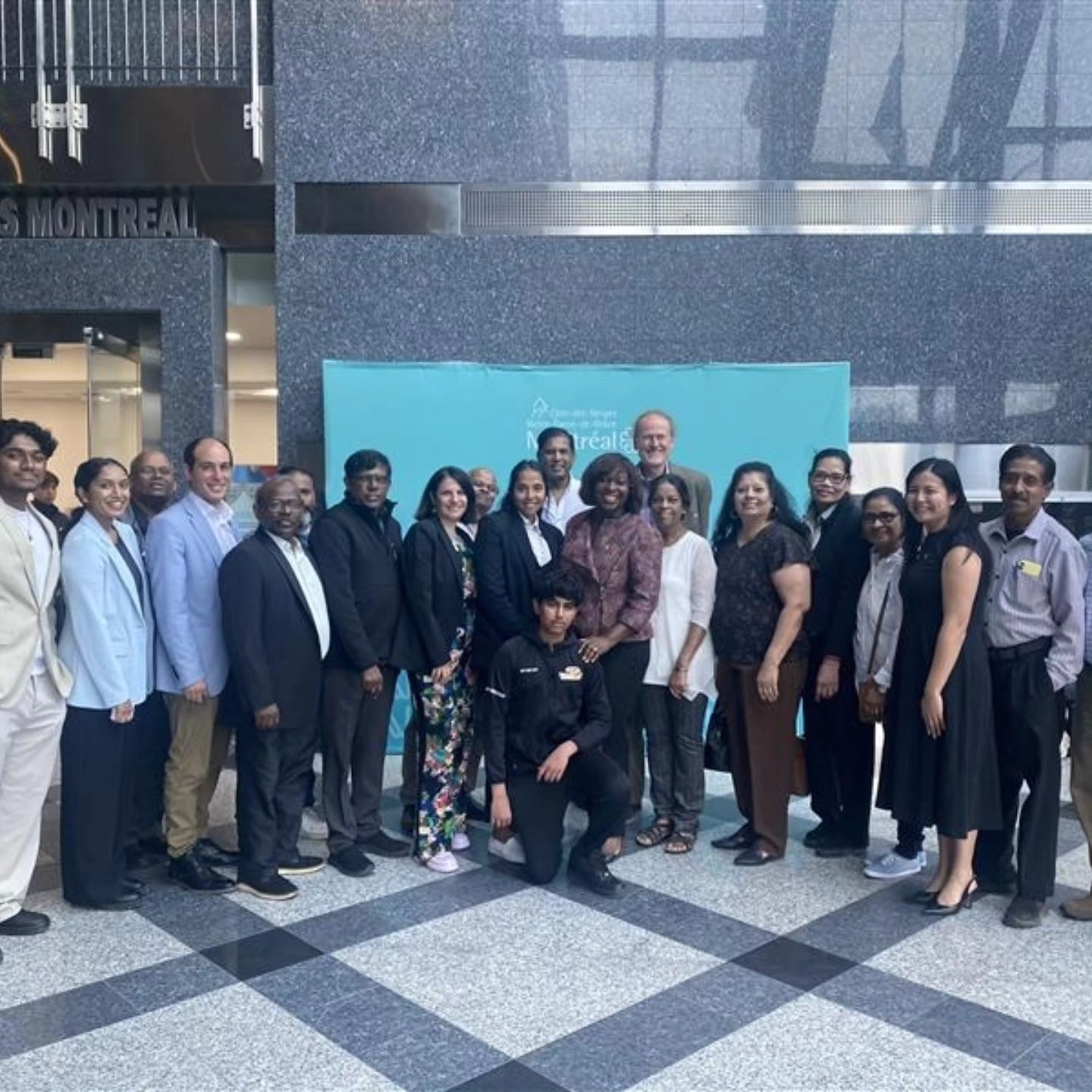
Côte-des-Neiges-Notre-Dame-de-Grâce, a borough in Montreal, has passed a motion recognising May 18 as Tamil Genocide Remembrance Day.
The motion comes as the Tamil nation marks 16 years since the genocide at Mullivaikkal, where an estimated 169,796 people were killed by the Sri Lankan army in the final days of the armed conflict.
Tamil activist Subitha Tharmakulasagaram said the recognition is "a powerful step toward truth, justice, and accountability."
"As Tamils in the diaspora, we carry the responsibility to speak for our brothers and sisters back home who have suffered and continue to suffer under the Sri Lankan government. No one is coming to save us; we must be our own saviours," Tharmakulasagaram said.
"We live in safety today because others sacrificed their lives for our future. We must honour that by pursuing education, building financial and political power, and demanding justice for those who have been silenced," she added.
In a letter supporting the motion, the Director General of United Against Hate Canada, Marvin Rotrand, said:
"It is vital to publicly declare that the killings and all aspects of the genocide constitute a crime against humanity. We support the creation of a permanent monument in Montreal honouring the victims and see the work of the City of Brampton in Ontario to create such a monument as exemplary."
In 2022, Canada's parliament adopted a motion recognising May 18 as Tamil Genocide Remembrance Day, making it the first parliament in the world to recognise the Tamil genocide.
Interview In conversation with feminist and activist Yosra Akasha
‘Sexual violence remains a weapon of war in Sudan. It must be addressed internationally’
The war in Sudan is entering its third year. The devastation is enormous, the scars deep. Not least because of sexual violence, which is once again being used as a war tactic. ‘Sexual violence keeps coming back in Sudan because the perpetrators keep getting away with it’, Sudanese feminist and women’s rights activist Yosra Akasha observes.
This article was translated from Dutch by kompreno, which provides high-quality, distraction-free journalism in five languages. Partner of the European Press Prize, kompreno curates top stories from 30+ sources across 15 European countries. Join here to support independent journalism.
When Yosra Akasha heard, barely two days after war broke out in Sudan, that women had been raped two streets away, her decision was quickly made. Leaving was the only option. Three days later, she and members of her family arrived in the Kenyan capital Nairobi.
‘I was living in the centre of Khartoum. And when you know that women were raped in their own homes, you know that the perpetrators went into the neighbourhoods and invaded the houses. This means that all women are targeted and can become victims of sexual violence.’
Akasha, a feminist and women’s rights activist, is one of 12 million Sudanese who have fled their homes since the outbreak of civil war in April 2023, and one of more than 3 million Sudanese refugees who have sought safety outside their country’s borders. She is among the ‘privileged’. She was able to settle quickly in another country and pick up the threads of her life from there.
‘When women and girls are raped, it is the men who are targeted. Because it means the men are worthless because they abandoned the women and could not protect them. Their honour is damaged that way.’
Akasha sees her flight as a direct result of the sexual violence. That violence is more than a side effect of war or an incidental problem in a war situation, she says. ‘Sexual violence is a weapon of war. It humiliates communities and drives people to flee. When women and girls are raped, it is the men who are targeted. Because it means the men are worthless because they abandoned the women and could not protect them. Their honour is damaged that way.’
It is the reason why warring factions target women deemed to belong to the community of ‘the enemy’. ‘Whether these women are effectively or hypothetically part of the other side’s community does not matter’, Akasha knows. ‘This is why in wars, women of a certain class, clan or ethnicity are targeted. Sudan is unfortunately a good example of this.’
Social stigma and fear of retribution
The war tactic of sexual violence is heavily used in the current conflict in Sudan. This erupted on 15 April 2023 between the Sudanese government army (SAF) and the Rapid Support Forces (RSF), the paramilitary group led by the infamous Mohamed Hamdan Dagalo, better known as Hemedti.
Several organisations have already raised the alarm and reported on the widespread use of sexual violence. In November 2024, for instance, Plan International reported a "significant" increase in sexual violence against women and girls in Sudan.
Human Rights Watch reported in December 2024 on gang rape and sexual slavery in areas where displaced people had settled, in southern Kordofan. All these crimes were committed by the Rapid Support Force (RSF) and allied militias, HRW wrote in its report.
Even children were not spared. In March this year, Unicef announced that it had documented 221 rapes of children, 16 of whom were under five and four under a year old. According to the UN children’s rights organisation, these figures are just the tip of the iceberg. A third of the recorded cases are boys, which Unicef says indicates the large scale of sexual violence deployed in this war.
Seeking help is not obvious, especially in a country like Sudan. ‘Many victims will never report sexual violence or seek help for fear of retribution or the social stigma attached to this issue’, Akasha confirms.
But numbers are not the main means of attracting the interest of public opinion and policymakers. Giving victims a face has more impact. It can generate empathy and spur action, believes the women’s rights activist - who is also a media expert. That is why it is important to bring testimonies from victims. That is the role of the media, Akasha says.
And that is what local journalists are also doing. In a Noon Post video (see below), shared on social media in June 2024, a Sudanese journalist recounts how girls from the same family, the oldest nineteen and the youngest barely thirteen, were raped in their own home, and how their mother was only allowed to show herself to bring food to the rapists.
Ashwaq Saif, a Sudanese journalist from the Arabic-language Turkish channel TRT, also brought the testimony of one of the victims and received a lot of praise for it on social media.
Yet Yosra Akasha is critical of the way local and social media deal with the issue. She feels that they are too often sensationalist and sometimes even send false information into the world. For instance, the story circulates that women have allegedly committed mass suicide to avoid further sexual violence. But that story is very difficult to verify.
Many atrocities were committed in central Gezira state when the Rapid Support Forces took control of the region. But the story of mass suicide has more to do with Sudan’s past than the current war, Akasha says. That this story has been revived, she says, shows how great the impact of sexual violence can be, not only on the individual but on the whole society.
‘The impact of sexual violence does not end with the end of the war, but can linger for decades.’ The mass suicide of women and girls took place during the Mahdi uprising, from 1881 to 1899, and the story recurs again and again and is a source of pride for Sudanese society to this day.
‘While those victims may not have known how to continue within their own families after becoming victims of sexual violence, they are seen by society as heroines. This confirms the narrative that Sudanese women are good women, protecting themselves from rape and defending their honour at all costs. You see this reflected in cinema, for example, and now also in the story about the mass suicide in Gezira, which could not be confirmed.’
Impunity
‘Sexual violence against women and girls is widespread in Sudan and has long been a major problem, not only during periods of war but also in peacetime’, says Yosra Akasha. ‘The conflict in which sexual violence received the most attention is probably the war in Darfur that started in 2003, as some of the sexual crimes committed then were documented and considered war crimes and crimes against humanity.’
Yet that United Nations condemnation did not help prevent these crimes. The irony is that those responsible for the sexual crimes back then are also held responsible for the sexual violence in the current war. The Rapid Support Forces (RSF) are nothing but the heirs of the infamous Janjaweed militias. Of both groups, Hemedti was and is the military leader.
‘UN resolutions against sexual violence do not working in Sudan because there is a lack of political will to implement them.’
UN resolutions against sexual violence do not work in Sudan because there is a lack of political will to implement them.
But Hemedti has no patent on these war tactics, Akasha stresses. It is true that the RSF are responsible for most of the crimes now. But the army and allied forces are also guilty of sexual violence, past and present, she clarifies.
Sexual violence was also used during the popular uprising that led to the fall of President Omar al-Bashir in 2019. And sexual violence was also used later, during the transition period under the control of the civil-military transitional government that was supposed to lead Sudan to a democratic system, during demonstrations against the 25 October 2021 military coup. Best known are the rapes of female protesters on 19 December 2021. ‘Sexual violence was committed to punish’, says the women’s rights activist.
‘We should also remember that the army and Hemedti were allies before the coup. Only now it suits the army’s stall to talk about the RSF’s crimes. A war tactic to discredit the opponent and keep alive the narrative that the army is “the defender of the nation” and the “protector of honour”.
Resolution 1325
It is no coincidence that sexual violence in Sudan keeps coming back and is widely deployed. It comes back because the perpetrators get away with it, Akasha believes. ‘Feminist organisations and human rights organisations tried to lobby the transitional government to end impunity for sexual violence and support victims. Unfortunately, the coup followed and the current conflict only made the situation worse.’
But sexual violence committed during the war in Darfur also remained unpunished until now, more than 20 years later, despite UN condemnations. Even though UN resolution 1325, on Women, Peace and Security, calls for greater attention to women and girls in the negotiation and implementation of peace agreements and to take action against sexual violence.
‘UN resolutions against sexual violence do not work in Sudan because there is a lack of political will to implement them’, says Akasha.
‘Sudanese activists cannot change this on their own. It has to be addressed internationally. That is why the UN and its member states should review resolution 1325 on the protection of women in armed conflict and strengthen it with additional measures.’
That could be a first step, the researcher-activist believes. To remove the stigma attached to victims of sexual violence. And it may allow Sudanese society to transcend the issue of honour and make prosecution easy.
This article was translated from Dutch by kompreno, which provides high-quality, distraction-free journalism in five languages. Partner of the European Press Prize, kompreno curates top stories from 30+ sources across 15 European countries. Join here to support independent journalism.
The translation is AI-assisted. The original article remains the final version. Despite our efforts to ensure accuracy, some nuances of the original text may not be fully reproduced.
Analyse
Student protests in Indonesia: ‘The fight for our future cannot wait’
Violent clashes between students and security forces
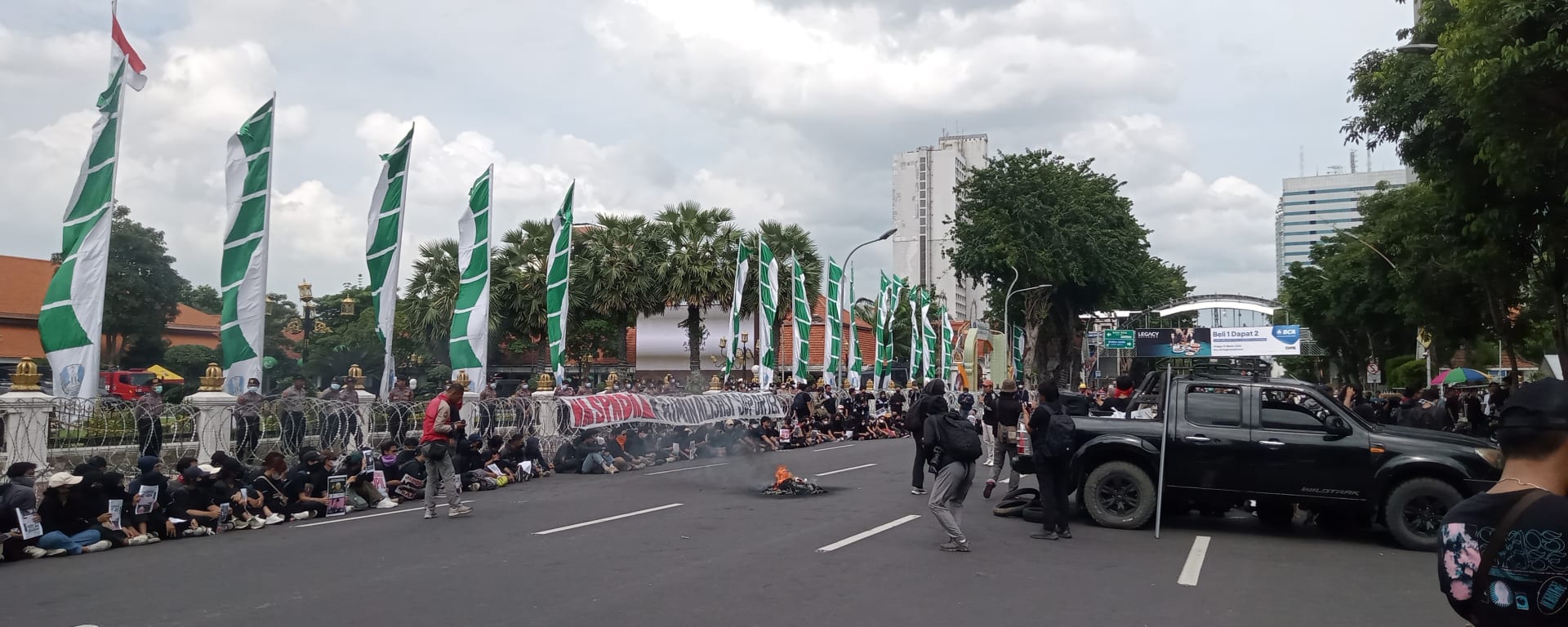
In late March, tens of thousands of students in Indonesia took to the streets to protest against the controversial army law reform. Critics say President Prabowo is eroding the rule of law and wants to curb press freedom. But a young generation of educated people is not simply acquiescing.
This article was translated from Dutch by kompreno, which provides high-quality, distraction-free journalism in five languages. Partner of the European Press Prize, kompreno curates top stories from 30+ sources across 15 European countries. Join here to support independent journalism.
Indonesia has been in turmoil in recent weeks due to ongoing protests against a reform of a law relating to the Indonesian National Armed Forces (TNI). The reform was approved by the House of Representatives in Jakarta on 20 March and allows senior army officers to combine up to as many as 15 civil service positions with their role in the army.
According to President Prabowo Subianto, the reform is necessary because of national security. He said tensions in the region, including between China and Taiwan, would call for more powers for the army.
‘The president’s record on human rights violations and the non-transparent manner in which the law has been implemented mainly confirm that Prabowo wants to expand his military power’, said Nadine Sherani, International Advocacy Officer at human rights organisation KontraS. Experts also fear the risks of the law, which puts pressure on the separation of powers.
The law change was not announced in advance and appeared on the legislative agenda on the sly. People’s representatives discussed the reform behind closed doors at a luxury hotel in capital Jakarta. When local CSOs denounced this, protests erupted on 20 March.
A collection of mostly students, CSOs and labour groups then protested under the banner #TolakRUUTNI (‘Reject the TNI bill’) for more than a week at more than 69 locations in just about every major province in the world’s fourth-largest country. It is a movement with no central leadership, organising from the bottom up and organically through social media – especially through X.
But the situation in Indonesia has been tense for some time, as protests have been taking place since Prabowo took office in October 2024. The biggest protest coincided with the inauguration of provincial governors on 20 February in front of the presidential palace in Jakarta.
Students took to the streets to demonstrate against, among other things, the new government’s austerity plans, which they said were neither fair nor well thought-out. The students called the protests ‘Indonesia Gelap’ or ‘Dark Indonesia’, a term that points to the problems the country is facing, but also capitalises on ‘Golden Indonesia’, the government’s aspiration to make the country a developed nation by 2045.
Police brutality
‘I was kicked and before I knew it, I tasted blood in my mouth’, Demi* is editor of the Indonesian Student Press Organisation (PPMI) and a communication studies student. On 27 March, despite him and his team immediately showing their official press cards, he was harshly detained.
‘Behind the doors of the House of Representatives, soldiers beat up me and my fellow students. We were then taken on a vehicle to a police station. There, we underwent similar treatment. The officers did not believe I was a journalist and they took photos of all the students’, he says. The student press in Indonesia has long been a victim of harassment.
Demi’s story is not an isolated case. The protests were dealt with firmly by the police and, much to the concern of the protesters, the army. Even though the protesters also provoked themselves, that approach was disproportionate, according to many observers. Human rights organisation KontraS speaks of dozens injured between 20 and 27 March. More than 150 protesters were arrested.
Ahmad* is a student at Brawijaya University and recently witnessed excessive police brutality in the Malang region. ‘I saw how a group of policemen raided a medical post that was partly manned by volunteers’, he says. ‘They caused destruction and intimidated everyone. It was totally unnecessary, but this kind of arbitrariness is unfortunately commonplace.’
Human rights organisation KontraS closely monitors the incidents and keeps a database of police brutality. ‘Several students were often detained for no valid reason. However, demonstrating is their right.’
Distrust of the police has been alive for some time. In 2022, 135 supporters were killed in a stampede at Kanjuruhan stadium after police unnecessarily deployed tear gas against enraged supporters. That tragedy became a national trauma. Amnesty International is therefore sounding the alarm over the years of violent crackdown by security forces.
Indonesia has a specific history of militarisation, which explains the outrage over the renewed army law. During the presidency of notorious general Muhammad Suharto (1967-1998), the army’s entanglement with civilian government was even greater than today.
‘Suharto basically ruled as a dictator and held all the power’, says Sherani of KontraS. ‘His reign he himself called the “New Order” and was accompanied by excessive and unpunished violence against opposition and activists.’ He also ordered the abduction of activists, some of whom have never been found since 1998.
‘We don’t want to go back to that situation’, says Indonesian geography student Anissa*. ‘But Prabowo is pulling all the strings and is increasingly eroding the rule of law.’
A former commander of the Indonesian Special Forces, Prabowo is a very controversial figure suspected of human rights violations and war crimes during Suharto’s rule, among other things. Prabowo, incidentally, was the former president’s son-in-law.
Prabawo had already stood up twice in presidential elections, but it was only when he gained the support of his immensely popular predecessor and former rival Joko ‘Jokowi’ Widodo that he finally got elected in late 2024.
‘With a populist campaign that capitalised on the country’s economic problems and his image as a “strong man”, he scored a major victory’, points out Kris Vanslambrouck, Asia director of 11.11.11.
One of the spearheads of Prabowo’s campaign was offering free lunch in schools. Given the high poverty rates and inequality in the country, this was music to many people’s ears. ‘But to pay for that plan, he cut all kinds of public sectors, such as welfare and education. That came in hard’, says Vanslambrouck. Moreover, questions are being raised about the sustainability of the programme, and Prabowo is suspected of tampering in its outsourcing.
With his symbolic politics, the president was able to score with a young audience that has little clue about the country’s dictatorial history. Prabowo also cleverly campaigned on social media, marketing himself as a kind of ‘cute grandpa’. ‘This enabled him to win over low-educated and poorer social groups’, says Vanslambrouck. It is therefore not surprising that mostly educated students are leading the protests.
Prabowo’s right-wing nationalist Gerindra party has an almost absolute majority in the House of Representatives. ‘That large electoral weight has allowed him to win over almost all parties. Critics argue that some coalition partners are cooperating willy-nilly because Prabowo possesses incriminating material about them. This is especially the case with opposition party PDI-P.’
‘But the main motivation to cooperate still seems to be power participation’, Vanslambrouck said, ‘because that brings good business opportunities. There is a lot of corruption in Indonesian politics.’
Rule of law at risk
With a population of 280 million, Indonesia is officially the third-largest democracy in the world. Yet Human Rights Watch (HRW) points out that political and civil rights have been in decline for a decade. Andreas Harsono, a researcher at HRW since 2008 and author of several books on the subject, is deeply concerned.
‘Prabowo is breaking down the rule of law step by step’, says Harsono. ‘He started by continuing Jokowi’s parliamentary control and is now working further through bills such as the TNI Act. Protests he continues to call “foreign interference”, putting him on a par with that of Donald Trump and other so-called strongmen.’ Prabowo is therefore a great admirer of Trump.
‘The Supreme Court is also under pressure’, says Harsono. By law, presidential and vice-presidential candidates must be at least 40 years old to participate in elections. ‘But at the end of his term, Jokowi changed that law through that court so that his 36-year-old son could become vice-president. The chief justice, but also Jokowi’s brother-in-law, was demoted because of that controversial decision, and after fierce protests. But the damage was done.’
Journalist Erin Cook has been working for years as a correspondent for regional English-language media such as The Jakarta Globe and The Diplomat. According to her, a battle is raging internally in the legal community. ‘Some follow the government line to avoid conflict, others defend the independence of the judiciary’, she says. ‘Students have now appealed against the reformed TNI Act. How the court will deal with that will say a lot about what we can expect from the rest of Prabowo’s term.’
Prabowo is also tightening the reins on the economic front. ‘He has set up Danantara, an investment company to attract foreign funds. But it is completely under Prabowo’s control and not independently managed’, HRW’s Harsono warns. ‘And some of the biggest money also comes from state-owned banks.’
Yet the protests barely get any coverage in the national media. According to journalist Erin Cook, the big media companies are under pressure. ‘When the Indonesia Gelap movement weakened at the end of February, Prabowo summoned all the chief editors of the major media’, she says. ‘What exactly was said there, we do not know, but it is clear that agreements were made.’
Although Cook says Indonesia has one of the freest press in Southeast Asia, large media groups run by oligarchs dominate the field. ‘A handful of independent media outlets, such as the influential weekly Tempo, do dare to report critically on the government.’
But even that medium gets a hard time. A few weeks ago, a Tempo journalist received an anonymous package containing dead rats and the head of a pig. ‘We don’t know who it came from, but this kind of harassment is increasing’, says Harsono of Human Rights Watch.
This makes the work of student journalists from the Indonesian Student Press Association (PPMI) all the more important, but also risky. Budi*, an English literature student, recounts how his and his colleagues’ cameras were snatched just like that when filming in Kediri. ‘Even with our official status, we are at risk. The arbitrariness of the police scares us and the government’s plans only make it worse.’ Fighting for the future
Due to the national leave after the end of Ramadan, the protests are now at a standstill, but Cook expects them to flare up again soon. ‘The January and February demonstrations attracted many people, but what was striking was the geographical spread. Protests took place not only in big cities, but also in smaller and even rural villages.’ Moreover, they are no longer carried only by students, which Cook says indicates growing dissatisfaction with Prabowo.
Andreas Harsono thinks the protests are also having an impact. ‘The stock market drop proves that. If the economy continues to fall, protests will also grow. The president cannot ignore that.’ The value of the Indonesian rupiah is also currently under great pressure, and is now even lower than during the 1997-98 Asian economic crisis.
However, controversial bills are still on the agenda: the reform of the police law that would give more power to law enforcement agencies, and an amendment to the cyber security law that would give security agencies more freedom to act against dissidents online. ‘A disaster for freedom of protest and expression’, Cook calls it.
‘It will get worse before it gets better’, says biology student Sari*. ‘But the fight for our future cannot wait. We don’t have five years, we want to be at the table now and influence the future of our country. We only have one country and we are not going anywhere else.’ *The students in this article testified anonymously as a precaution. Their names are known to the editors.
This article was translated from Dutch by kompreno, which provides high-quality, distraction-free journalism in five languages. Partner of the European Press Prize, kompreno curates top stories from 30+ sources across 15 European countries. Join here to support independent journalism.
The translation is AI-assisted. The original article remains the final version. Despite our efforts to ensure accuracy, some nuances of the original text may not be fully reproduced.
Interview History is being rewritten in several countries
Professor Berber Bevernage: ‘A culture of remembrance is an attractive target for politicians who want to polarize’
A dictatorship always leaves deep wounds. To heal them, memory culture and transitional justice are crucial elements. In an increasing number of countries, the memory of the horror is being traded today for a rewritten history in which uncomfortable truths are replaced by pride in the homeland.
This article was translated from Dutch by kompreno, which provides high-quality, distraction-free journalism in five languages. Partner of the European Press Prize, kompreno curates top stories from 30+ sources across 15 European countries. Join here to support independent journalism.
In the United States, President Trump recently demanded that more than 20 museums present a more positive picture of US history. If they do not, they risk losing their subsidies. In Russia, meanwhile, Stalin’s crimes are durably put into perspective. Here and there, new images of the former Soviet dictator even emerge. And finally, in Israel, the Netanyahu government is constantly reshaping history to erase the existence of Palestine.
The examples of autocratic leaders making a mockery of history for their own gain are numerous. In some countries, this calls into question the already fragile process of transitional justice. Berber Bevernage is professor of Historical Theory in the Department of History at the University of Ghent. He has an in-depth knowledge of transitional justice in Argentina, where the Milei government also wants to rewrite the past these days.
‘Transitional justice is the collective term for extralegal or ostensible judicial mechanisms designed to account for human rights violations committed by a previous regime, in situations where traditional criminal law does not suffice, or is even considered counterproductive, to make the transition to democracy successful’, Bevernage teaches.
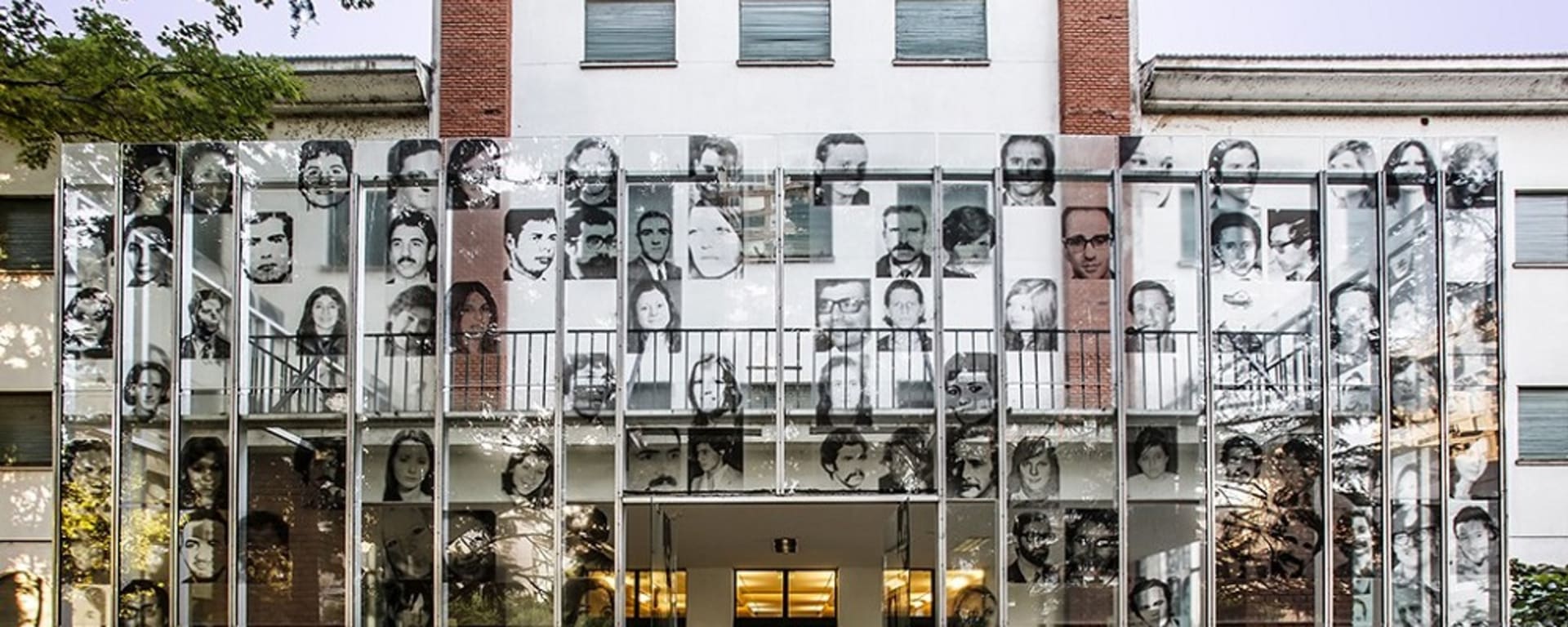
Argentina, however, was a pioneer in this process. President Raúl Alfonsín (1983-1989) created the National Commission on the Disappearance of Persons, CONADEP, there in 1983. By investigating and publicly reporting on the facts, those responsible and the victims of the military dictatorship (1976-1983), this truth commission not only provided crucial information for the criminal trial of a small group of junta leaders, but also laid the foundations for a broader culture of remembrance.
This culture of remembrance took shape in museums, cultural centres, memorial sites, formative materials and in a plethora of documentation. A lot of countries have since gone through such a process: South Africa after the abolition of apartheid, Cambodia, Rwanda, Brazil, Chile, El Salvador, Guatemala, Germany, Spain and Northern Ireland.
But never is this a guarantee that outrage at evil retains its power or that evil does not return in a new guise. Even if societies have agreed: ‘Never this again’.
In Brazil, Jair Bolsonaro, who glorified dictatorship, came to power. El Salvador got Nayib Bukele. In Italy, with Giorgia Meloni’s victory, the timidity of bringing a party with ties to Mussolini back to power fell away. In Germany, the far-right AfD struggled to be kept from power, although that party had received additional backing from Elon Musk. The far-right, which likes to joke about the horror of the Holocaust, was an honoured guest at a conference on fighting anti-Semitism in Jerusalem last week, a slap in the face to numerous Jewish organisations.
Fragile balance of power
What makes the work of truth commissions and the whole culture of remembrance so fragile?
Berber Bevernage: ‘Internationally, we notice a growing scepticism towards remembrance initiatives. The idea that moral remembrance, or moral remembering, can put up a dam against authoritarian leaders taking office seems to be waning. This vulnerability has partly to do with context. Transitional justice is often set up in circumstances where the balance of power is extremely fragile. This was certainly the case in Argentina. People there speak of the "civil-military dictatorship" because part of society supported the dictatorship. The military withdrew, but not without giving itself amnesty first.’
Argentine former president Raúl Alfonsín withdrew that amnesty, didn’t he?
Berber Bevernage: ‘Yes, but only after issuing two important laws. When the Punto Final law came into force in December 1986, prosecutions could no longer take place. With the Obediencia Debida law, soldiers who only carried out orders, especially juveniles, went free. Only senior officers were prosecuted.’
‘President Carlos Menem (1989-1999; ed.) again wiped the sponge over the convictions, but under the government of Nestor Kirchner (2003-2007; ed.) the process was fully resumed. This was done with broad support to the memorial bodies like the Mothers and Grandmothers of the Plaza de Mayo, to human rights organisations and through the recognition of memorial sites.’
‘But even this full government support is delicate, because when such a process is too close to the ruling political power, the organisations involved become associated with it and the whole process can be dismissed as leftist.’
Consequently, this dependence also makes organisations vulnerable?
Berber Bevernage: ‘That’s right. It is one of the contradictions of transitional justice. The process is initiated by NGOs and CSOs, but they often remain dependent on the state for logistical and financial support. Moreover, these groups also seek recognition from the state, which is at the same time the perpetrator. This strained relationship makes the process vulnerable in the event of regime change.’
Yet the link with the state is necessary?
Berber Bevernage: ‘You cannot do without it. Transitional justice is not only about punishing the perpetrators, but also about restoring trust between the state and its citizens. With state terror, as a citizen you experience ultimate powerlessness when the government does not recognise your rights. That trust must be restored in the long run. If a politician violates that trust, the state again proves untrustworthy.’
‘Countries with such a complex balance of power are also often very polarised and have low trust in political systems. This makes it very attractive for authoritarian or populist leaders to play on old fault lines. A wrong photo or gesture can create a storm of outrage.’
Explain.
Berber Bevernage: ‘It often plays on resentment, on feelings of wounded pride or of hurt patriotism. In a recent past in Poland, the National Remembrance Institute was completely taken over by the right-wing PiS (Law and Justice; ed.). In the process, all sorts of revisionist stories began to circulate about how Poland was never involved in the Holocaust. It was very clear that the pride of the nation should not be violated.’
‘Populist politicians like to play on such old fault lines because there are quite a lot of people who still adhere to this provocative streak. The passage of time and generational change also dilutes the outrage about it. Or the past is seen as a burden that people would rather not carry around. The future is more important, it is then called.’
Patriotism and honour is one thing. Isn’t the imposition of a certain economic model often the underlying motive?
Berber Bevernage: ‘That was certainly the case in Argentina, but also in Chile and Brazil. The military dictatorships there organised an economic neoliberal model. The military saw itself as the pioneer of a modernisation in which society was reorganised by combating trade unions and political dissidents. Very many of the victims were trade union militants.’ Painful Congress committee
Are there any lessons for that transitional justice based on today’s decline in moral outrage?
Berber Bevernage: ‘It is important that the civil society networks continue to spread the message to bring justice and rebuild the democratic foundations. Moreover, several aspects are important in that process. A lot of mechanisms of memory politics or transitional justice are largely based on what some thinkers call its "expressive dimension", its symbolic meaning and substantive awareness. It is about more than acknowledging facts, but also about what is expressed in that process. There is also a difference here between knowledge and acknowledgement.’
How do you mean?
Berber Bevernage: ‘Acknowledgement is, for example, when knowledge is officially recorded by a state in school textbooks and official reports. It’s about the expressive power of that recognition and for a lot of people it is very important. In the Congress Committee, for example, politicians couldn’t get around to giving that official recognition, so you have to decide that it doesn’t matter enough to us. That’s very painful. And there again you see that fragility. Because at the end of the day, there are a lot of people in Belgium who do support it, but still this could not lead to an official acknowledgement of responsibility for the abuses.’
‘Also, offering a political apology is often seen as something futile. It is not if the government turns that gesture into action and links those apologies to a remembrance programme, for example. That is part of the process of rebuilding trust. It is that expressive dimension, the substantive meaning, that makes transitional justice so sensitive. When a new politician breaks from restoring trust, the idea that the state is untrustworthy resurfaces. Such a process occurs in a fragile balance of power that can always tilt to the other side.’
It is never acquired, you say?
Berber Bevernage: ‘Exactly. It has to be constantly reaffirmed and secured. And then you bump into another paradox. Because so much is invested in it, and so much symbolic importance is attached to it, that memory becomes all the more attractive to politicians who want to polarize. But alongside that fragility, insights have been gained and networks built that cannot be completely undone. Stories and techniques have been built up on how to remember, but when the context changes, we have to reinvent them each time.’
This article was translated from Dutch by kompreno, which provides high-quality, distraction-free journalism in five languages. Partner of the European Press Prize, kompreno curates top stories from 30+ sources across 15 European countries. Join here to support independent journalism.
The translation is AI-assisted. The original article remains the final version. Despite our efforts to ensure accuracy, some nuances of the original text may not be fully reproduced.