Barrick Mining considers splitting into two entities
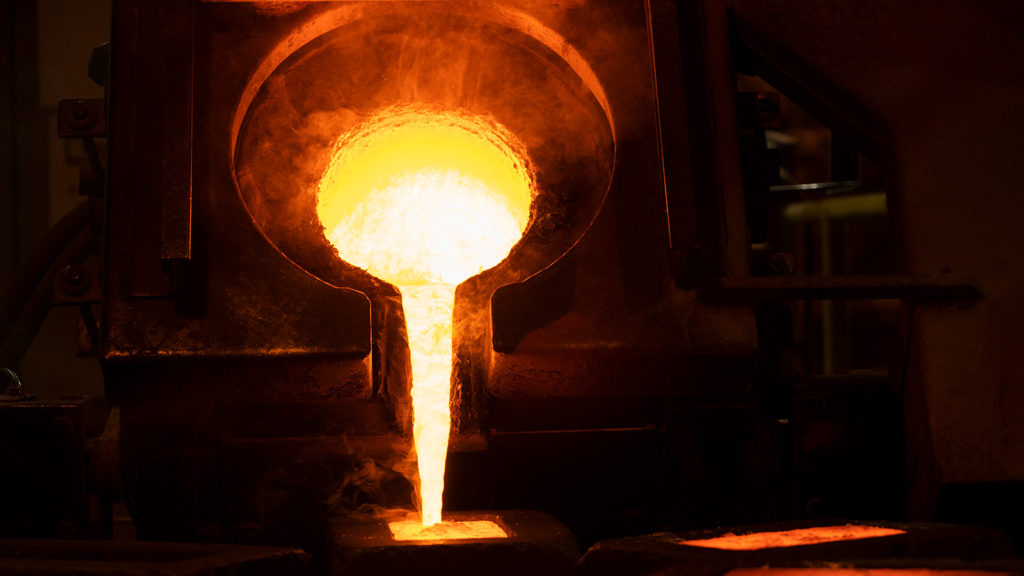
The board of Canada’s Barrick Mining has raised the possibility of splitting the company into two separate entities, one focused on North America and the other on Africa and Asia, four sources familiar with the company’s thinking told Reuters.

A split could also include the outright sale of Barrick’s African assets as well as of the Reko Diq mine in Pakistan, once it has secured financing, according to the sources.
In Mali, Barrick is looking to resolve a dispute with the African nation’s military administration before selling the asset, sources said.
A Barrick spokesperson did not immediately respond to requests for comment. Interim CEO Mark Hill, asked on Monday about a possible split, said the company does not comment on speculation.
Talks are ongoing and nothing has yet been finalized, the sources said.
The plans, if they go through, would essentially reverse Barrick’s merger with Randgold in 2019, and shed assets brought in by former CEO Mark Bristow.
The company’s focus on North America, including Fourmile, a major undeveloped gold mine in Nevada, would ensure that Barrick does not get undervalued in case of a potential takeover offer, one of the sources said.
Fourmile mine test production is not due to start until 2029. Hill said earlier this week that the company would shift its focus to North America, prompting a ratings upgrade on its shares by analysts at Jefferies and elsewhere.
Shares of Barrick rose on the Toronto Stock Exchange on Friday following the Reuters report, closing up 3%.
Investors have said Barrick’s shares are undervalued and have asked the company to find ways to take better advantage of a historic rally in gold prices.
Although Barrick shares have jumped 130% this year, in the last five years the company’s returns have been lower than its peers, gaining 52% while Agnico Eagle has jumped 142%.
Investors had previously proposed that the company divide into one division with stable assets such as Nevada and Fourmile, and another with riskier assets in Africa, Papua New Guinea and Reko Diq, one of the people said.
As one of the few gold mining companies with assets spanning multiple continents, Barrick’s biggest risk has been mines in politically volatile regions, investors say.
Earlier this year, Barrick lost control of its most profitable mine, the Loulo-Gounkoto complex in Mali, leading to a $1 billion write-off. A dispute over the country’s new mining tax code led to the seizure of 3 metric tons of gold and a provisional administrator taking charge of the mine. Four Barrick employees are still incarcerated by the Malian administration.
“There has been a view that there is a lot of value in Nevada,” said one Barrick investor. If the Nevada mine were a publicly listed company on its own, it would be one of the world’s largest-capitalized gold mining companies, the investor added, asking not to be identified as they were not authorized to speak to the media.
The company has resisted splitting in the past because without Nevada, this investor said, there is not much of value in its other mines. Barrick runs the Nevada gold mine in partnership with Newmont Corp.
In addition to Nevada and Mali, the company’s other working facilities include copper mines in the Democratic Republic of Congo, gold in Tanzania, the Dominican Republic and Papua New Guinea.
(By Divya Rajagopal; Editing by Veronica Brown, Lisa Shumaker and Edmund Klamann)
Ghana scraps tax on minerals exploration to boost investment
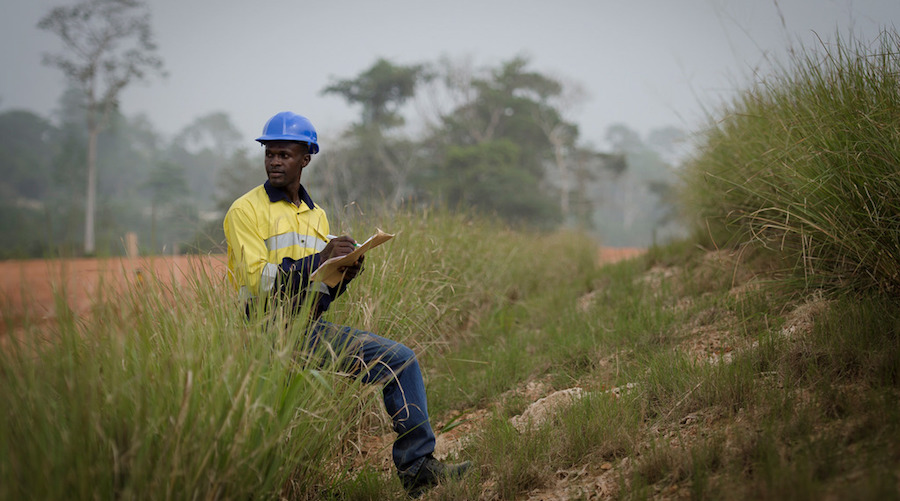
Ghana will abolish value-added tax on mineral exploration and reconnaissance to boost investment in its mining sector, its finance minister said, as Africa’s top bullion producer seeks to reverse over two decades of sluggish new development.
Ghana, which has been overhauling its mining sector, introduced the levy 25 years ago amid broader fiscal reforms.
The 15% tax covers exploration-related expenses such as drilling and assay work, hiking upfront costs for companies operating in the high-risk early stages of mining projects.
Industry groups, including the Ghana Chamber of Mines, have long argued that the tax discouraged greenfield investment and eroded Ghana’s competitiveness versus the likes of Ivory Coast, Burkina Faso and Kenya, which exempt exploration from VAT.
“Abolishing VAT will revive investor confidence, stimulate greenfield activity, and ensure the long-term sustainability of the country’s mining sector,” Cassiel Ato Forson told parliament during the 2026 budget presentation on Thursday.
The measure, part of a broader VAT review, is aimed at promoting responsible mining and curbing unregulated prospecting that has degraded forests and waterways, Forson added.
Record gold output
The policy shift comes after Ghana posted record small-scale gold exports between January and October.
Shipments surged to 81.7 metric tons worth about $8.1 billion, surpassing large-scale exports of 74.1 tons worth $6.6 billion for the first time, according to finance ministry data. Ghana had aimed to produce about 144.5 tons of gold in 2025.
The surge underscores the impact of recent regulatory reforms that have formalized artisanal mining and tightened export controls, Forson said.
The Chamber of Mines welcomed the VAT removal.
“VAT on exploration negatively affected our competitiveness as a mining jurisdiction and was a clog on the pipeline of projects,” its president, Michael Akafia, told Reuters.
Ghana’s mining sector, which accounts for over a third of export revenues, is dominated by gold alongside bauxite and manganese.
The government launched an audit this month – part of broad reforms – to boost earnings from the industry.
Major operators include Newmont, AngloGold Ashanti, Gold Fields, Perseus, and China’s Zijin and Cardinal Namdini.
(By Christian Akorlie, Emmanuel Bruce and Maxwell Akalaare Adombila; Editing by Mark Potter)

No comments:
Post a Comment