Sunday, June 25, 2023

Saving Poland’s Democracy
Jun 25, 2023
KATI MARTON

Only Poles can decide their country’s political future, but the world’s democracies must not assume that voters will pull Poland back from the brink of full-blown authoritarianism in this fall's general election. A victory for the ruling Law and Justice party could threaten the foundations of the post-Cold War order in Europe.

NEW YORK – Elections are always high-stakes affairs in countries experiencing democratic backsliding. This was true of Turkey’s recent presidential election – described as “free but unfair.” Likewise, when Poles go to the polls this fall, democracy itself will be on the line.

Since coming to power in 2015, Poland’s populist Law and Justice (PiS) party has politicized the judiciary, harassed civil society, and worked tirelessly to drive independent media out of business. It has capitalized on the politics of fear and grievance, pitted urban voters against rural constituencies, and touted a mythologized version of Polish history.

In this sense, the PiS has been following in the footsteps of both Turkish President Recep Tayyip Erdoğan and Hungarian Prime Minister Victor Orbán, whose country can no longer even be considered a democracy, though it remains a member of the European Union. The difference is that Poland’s de facto leader, Jarosław Kaczyński, has left the presidency to someone else – Andrzej Duda – thereby shielding his influence from vigorous scrutiny.

These tactics may well be working in Poland, just as they have in Turkey and Hungary. During a recent trip to Poland, I was shocked by the sometimes poisonous anti-European – and, specifically, anti-German – tone of public discourse.

Ultimately, only Poland’s voters can decide their country’s political future. But that is no reason for complacency on the part of the international community, especially the world’s democracies. Full-blown authoritarianism would inflict incalculable damage on the West while a war rages next door.

A Polish government that eschews democracy, the rule of law, and European unity would embolden illiberal forces elsewhere, including in the United States, where Donald Trump is leading the Republican field ahead of next year’s presidential election.

Another PiS victory might also weaken Poland’s position as a bulwark against Russian President Vladimir Putin’s imperial designs. Since Russia launched its full-scale invasion of Ukraine last year, Poland has provided sanctuary for millions of refugees and has served as the main conduit for Western military supplies flowing to Ukraine’s armed forces. Poles can identify with the refugees’ plight, which recalls the barbarism they suffered at the hands of the Nazis, including the destruction of Warsaw on Hitler’s orders (while the Red Army, on Stalin’s orders, sat on the opposite bank of the Vistula and watched).

The PiS government deserves the highest praise for its support for Ukraine, which stands in stark contrast with the Orbán government’s “Hungary for Hungarians” stance and grotesque embrace of Putin. But its commitment to this approach may have its limits. In an apparent attempt to secure farmers’ votes, it announced in April that it was halting imports of Ukrainian grain, though it must be said that Bulgaria, Hungary, Romania, and Slovakia also have prohibited grain imports from Ukraine, and all have done so with the EU’s blessing.

Fortunately, the US and the EU do have some leverage that they can use to prevent Poland from threatening foundations of the post-Cold War order, including Poland’s obvious reliance on NATO for its security, and the EU for financial support. The EU must adopt a constructive yet firm approach to the Polish government, backed by the enforcement of the rule-of-law conditionality that was imposed on diplomatic and financial support for both Poland and Hungary last year. Already, the EU has withheld billions of euros that were supposed to go to Poland.

Moreover, the European Court of Justice has imposed a massive daily fine on the country – recently reduced from €1 million ($1.07 million) to €500,000 – over its refusal to comply with EU demands to alter its 2019 judicial reforms, which the ECJ ruled violate EU law. The EU must back this ruling with even more institutional and financial muscle. The restoration of judicial independence is non-negotiable.

Democratic and humanist values – the values for which the Ukrainian people are now fighting, at extraordinary cost – are at the heart of the post-Cold War European order. Fortunately, Polish civil society remains robust, with younger generations – people in their twenties and thirties – increasingly leading the fight against PiS’s depredations. They are committed to preventing further democratic backsliding and upholding European values, even if Kaczyński is not. And they deserve greater support from their Western allies.

The large Polish diaspora in the US and Western Europe is uniquely positioned to help, along with the broader international community. Brave Polish NGOs – such as Women’s Strike – are fighting on the front lines to defend women’s rights, under direct threat from PiS. We must amplify their voices, as well as those of Poland’s increasingly threatened LGBT+ community.

It is up to today’s Poles to take up the mantle of the Gdansk shipyard workers whose strike in 1980 led to the establishment of the anti-authoritarian Solidarity trade union and social movement, which ultimately brought down communist rule in Central Europe in 1989. But Poland’s friends also must support those Poles who embody this spirit. Without solidarity, Poland may well lose its democracy.


KATI MARTON
Writing for PS since 2022
Kati Marton, Chair of Action for Democracy Advisory Council, is a journalist, human-rights activist, and the author, most recently, of The Chancellor: The Remarkable Odyssey of Angela Merkel (William Collins, 2021).
SINGAPORE
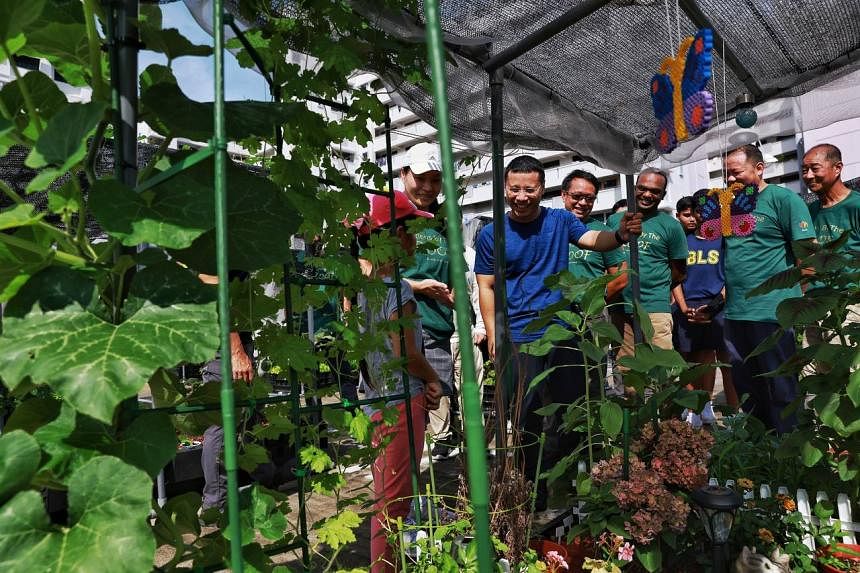
Residents turn community farmers in Jurong’s first rooftop allotment garden at HDB carpark

National Development Minister Desmond Lee visiting a garden plot on the multi-storey carpark rooftop garden at Block 673 Jurong West Street 65 on June 25. 
ST PHOTO: KEVIN LIM

Grace Leong
Senior Business Correspondent
ST

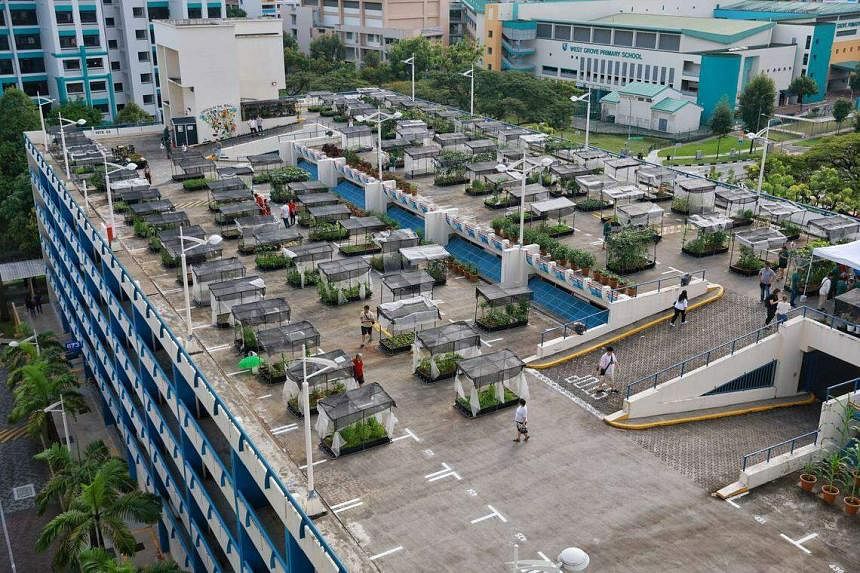
SINGAPORE - Residents have recently started growing their own greens at an allotment garden on top of an HDB multi-storey carpark in Jurong, a pilot that is part of the Housing Board’s latest initiative to provide more green spaces for residents.

Comprising 89 gardening plots that are managed by 81 households, Boon Lay Secondary School and pre-school My First Skool, the rooftop garden at Block 673 Jurong West Street 65 is also a space to help promote interaction among neighbours.

Residents are free to plant herbs, vegetables, or any other ornamental plants in their plot. Down the line, some of these urban farmers will share their harvests with their neighbours.

Jurong resident David Yu said: “Our kampung spirit extends beyond this allotment garden.

“Neighbours are now helping one another with daily tasks, and what used to be just simple ‘hellos and goodbyes’ have now become meaningful conversations, discussing ways to help neighbours in need and sharing ideas to better improve the community.”

Another four pilot allotment gardens in Woodlands and Sembawang will be completed in 2024 under HDB’s Green Towns Programme (GTP).

Launched in 2020, the GTP is a 10-year plan to make HDB towns more sustainable and liveable.

Green spaces play a crucial role in reducing ambient temperatures, as well as making the environment more pleasing to the eye.

Implementing green features such as rooftop greenery and urban farms will reduce energy consumption in HDB estates by a targeted 15 per cent by 2030.

Under the GTP, HDB will work with the community to identify suitable multi-storey carparks to locate the allotment gardens, before retrofitting the rooftops with infrastructure, such as a piping system and water points.

A modular greening solution, the Prefabricated Extensive Green (PEG) Roof Tray System, is then installed for plants to be cultivated in.

Developed by HDB, the PEG Roof Tray System is lightweight and can be easily installed on rooftops, without the need to carry out structural retrofitting works.

With an integrated water storage compartment that retains rainwater, the plants in the PEG trays are able to weather through dry spells without rain. Conversely, the piping system connected to the trays drains off excessive rainwater during heavy downpours.

Measuring about 1m by 2m, each gardening plot in the allotment garden is typically made up of eight PEG trays.

Compared with community gardens which are typically bigger and involve a group of gardening enthusiasts to maintain, allotment gardens are suitable for residents who have a budding interest in gardening and want to have greater ownership of the type of plants they cultivate.

Implementing green features such as rooftop greenery and urban farms will reduce energy consumption in HDB estates by a targeted 15 per cent by 2030. 
ST PHOTO: KEVIN LIM

Residents began planting at their allocated plots in the Jurong rooftop garden in April 2023, after signing up for them in late 2022.

The garden was one of nine winning projects under the Lively Places Challenge 2023, a competition under the HDB’s Lively Places Programme.

Under the challenge, Mr Yu, a project team leader who applied for funding to spruce up the Jurong allotment garden, and his team from Boon Lay zone F resident network, received $20,000 in funding.

Together with 400 neighbourhood residents, he and his team then painted a wall mural, set up a composting area, and constructed a toy car racetrack and seating areas. They completed the project in early May.

In the coming months, the team plans to schedule regular harvests, where gardeners share the fruits of their labour, and hold workshops on gardening and food sustainability.
CRIMINAL CAPITALI$M
Investigative outlet sets key test for media freedom in S.Africa


By AFP
Published June 25, 2023


Sam Sole's organisation is running an investigation into a powerful businessman accused of unscrupulous business dealings - Copyright AFP Alberto PIZZOLI

Gersende RAMBOURG

The amaBhungane Centre for Investigative Journalism draws its name from the Zulu word for dung beetle — a diligent species that fulfils a crucial role.

The tiny South African non-profit specialises in delving into political corruption — “digging dung and fertilizing democracy,” its editor-in-chief, Sam Sole, said with a chuckle in a recent interview with AFP.

Sole, a lean and bearded 61-year-old, has had little opportunity for laughter of late.

His organisation has been running a lengthy investigation into a powerful businessman accused of unscrupulous business dealings, including with President Emmerson Mnangagwa of neighbouring Zimbabwe.

The probe has unleashed a legal and financial headache for the centre as it faces a full-throated challenge from Zunaid Moti, the tycoon in question.

The case reaches a key stage on Tuesday when the High Court will hear Moti’s objections that the investigation is based on stolen documents which should be handed over.

The outcome has huge importance for whistleblowers who until now have been largely shielded from identification by the law.

– Graft scandals –


South Africa emerged from the tentacles of apartheid nearly three decades ago, astonishing the world with a brand-new liberal constitution and commitment to free space and a multi-racial society.

But the past decade or so has seen the nation fall into a dark spiral of crime, cronyism and graft, which in some areas has burrowed deep into its institutions.

Earlier this month, amaBhungane was stunned when a lower court ordered it to stop publishing any further reports into Moti and to hand over documents used for the investigation.

That ruling was overturned by another court, which said the media was protected by the freedom of the press and protection of sources. The case has now gone to the High Court.

Sadibou Marong, sub-Saharan Africa director for the media watchdog Reporters Without Borders, sounded the alarm.

“The High Court must quash the entire initial ruling restricting the work of amaBhungane’s journalists and compromising the confidentiality of their sources,” he said.

“We are outraged by the injustice suffered by this public interest investigative media outlet, whose seriousness and professionalism are undeniable.”

Sole’s 13 journalists are funded by public donations and NGOs.

“We try to be strategic and choose stories that represent a systemic threat… at the intersection of business, politics and crime, where the most severe institutional damage takes place,” he said.

His organisation, along with another online newspaper, the Daily Maverick and the news site News24, did pioneering work into state corruption that flourished under former president Jacob Zuma.

Zuma was forced out by the ruling African National Congress (ANC) in 2018 when the scandals became too much.

– Legal fees –

Sole said he later learned that his phone calls were being monitored for about six months at the height of the Zuma saga.

Today, though, in the Moti affair, “the level of pushback in terms of the PR campaign and legal campaign is unprecedented,” he said.

The Black Business Council, a pressure group of black entrepreneurs, this week declared its support for Moti, who has built an empire in property, mining, aviation and supplies.

The Moti group, it said, had suffered an “invasion of privacy” by certain journalists “who have increasingly distinguished themselves by their almost singular focus on targeting black people for denigration, vilification, and badmouthing.”

Sole pointed to the financial strain of having to mount a defence against someone with deep pockets.

“This case has already cost us one-twentieth of our annual budget in legal fees,” he said.

“When does it become a slap suit to shut people up? That’s what is at the core of this suit. It is the biggest challenge we have faced in our 13-year history.”

Mathatha Tsedu, 71, a journalist for 40 years before he retired in 2018, said South Africa’s tradition of courageous journalism dated back to the apartheid era.

“It comes from the history of defiance of the general approach of the South African media, fighting the system back then and not wanting to become part of the system that was in place at the time,” he said.

Branko Brkic, editor-in-chief of the Daily Maverick, said, “We have a talented generation of investigative journalists doing the right thing… We are an incredibly stubborn bunch.”

But, he said, the media in South Africa were in dire straits and amaBhungane itself was “fighting for its life.”

“AmaBhungane is absolutely vital to the survival of South Africa’s democracy,” he said.

“If shady businessmen shut us up and bring us to bankruptcy, then we have a serious systemic problem.”

Africa: Global Community Celebrates Medical Innovations and Milestones Since Defining Leprosy Discovery 150 Years Ago


Nairobi — The 1873 discovery of Mycobacterium leprae, the causative agent of leprosy by Norwegian doctor Gerhard Armauer Hansen, remains one of the greatest paradigm shifts in medical history, a true revolution.

"Before the great discovery, even in the days when communication and transportation technologies were not as developed as today, leprosy was detested by the entire world. Leprosy was believed to be a divine punishment or a hereditary disease; once affected, patients were segregated to remote areas and islands for life," says Yohei Sasakawa, WHO's Goodwill Ambassador for Leprosy Elimination.

Sasakawa, who also serves as chairperson of The Nippon Foundation, spoke during a two-day conference in Bergen, Norway, to commemorate the 1873 discovery. In attendance were over 200 people, including medical, human rights, and historical preservation experts, researchers, NGOs, and organizations of persons affected by the disease.

The Bergen International Conference on Hansen's Disease, held on June 21 and 22, 2023, was organized by the Sasakawa Leprosy (Hansen's Disease) Initiative and the University of Bergen. It focused on medical efforts against leprosy, human rights, and dignity issues and preserving the history of leprosy for the lessons it can teach future generations. All three are pillars of the Sasakawa Leprosy (Hansen's Disease) Initiative's activities for a world free of leprosy and the discrimination it causes, in line with the UN's Resolution on Elimination of discrimination against persons affected by leprosy and their family members.

In his speech to delegates, Sasakawa acknowledged the extraordinary advances made by medical professionals since Dr Hansen's discovery that leprosy was neither a curse nor a punishment from God but a chronic disease caused by a bacillus.

With the 1873 discovery, leprosy went from being a mythological divine disease shrouded in mystery to something one could observe and explain--although it would take more than half a century before a cure was found.

Margareth Hagen, Rector, University of Bergen, said there was a clear shift in the scientific discourse about leprosy before and after the discovery.

Sasakawa said the journey towards a cure started with a single anti-leprosy drug to more effective drug regimens and, ultimately, a recommendation from WHO's medical team that leprosy patients receive drug regimens consisting of multiple drugs.

"A single anti-leprosy drug tended to increase drug resistance. Since the development of multi-drug therapy, with early detection and treatment, leprosy has become totally curable. About 60 million patients have been cured over the last 40 years," he said.

Abbi Patrix, the great-grandson of Dr Hansen, now responsible for his great grandfather's history, spoke about the man behind the science in a session titled, 'My grandfather, my mother, the documents and me.'

Patrix, a European performance storyteller, talked about the day his mother, the only direct descendant of Dr Hansen at the time, learned that leprosy was named Hansen's disease after her grandfather.

She was moved and wondered why? His mother was informed that Dr Hansen's discovery had put a name to a disease that had confounded scientists and society alike and that labeling it 'Hansen's disease' meant freedom for those afflicted because a cure could now be found.

The conference venue was, therefore, a recognition of his renowned great-grandfather because he was born in Bergen, and this was the site for his landmark 1873 discovery at only 32 years of age.

WHO Director-General Dr Tedros Adhanom Ghebreyesus told the audience: "WHO was born halfway between 1873 and today, 75 years ago. Much progress has been made since the two major milestones in the fight against leprosy. But much remains to be done toward our shared goals of zero disease, zero disability, and zero discrimination. Cases of leprosy have decreased significantly in recent decades, but more effort is needed to recover from the health system disruptions of the COVID-19 pandemic and move further ahead."

Ghebreyesus said the WHO was committed to supporting countries in their bid to eliminate leprosy in line with the roadmap for neglected tropical disease for 2021 to 2030.

"So far, 49 countries have eliminated at least one neglected tropical disease, including Human African trypanosomiasis, rabies, and trachoma. With your support and those of our global partners, we can achieve that goal for leprosy too."

Other dignitaries who spoke at the conference include United Nations High Commissioner for Human Rights Volker Türk, who said the conference celebrated medical innovations over the last 150 years.

"But when leprosy was eliminated as a global public health problem in 2000, it did not mean that the disease disappeared. Over 250,000 people suffer from leprosy every year, 15,000 of them are children. The actual figures are likely far higher," he emphasized.

"Around three to four million people who have already been cured still bear varying degrees of impairment. The burden of leprosy is heaviest in countries with the greatest inequality, poverty, and marginalization."

Türk further said that to better the lives of people affected by leprosy, "We need to address the physical symptoms, but we also need social and behavioral measures to address stigma and discrimination. We need comprehensive strategies with access to quality care, education, and social protection," and told participants that "together we can make a real difference in ending leprosy, which causes immense preventable and unjustifiable suffering for thousands of people."

Against this backdrop, Sasakawa stressed that further action is needed to combat stigma and discrimination, pointing out that as many as 130 discriminatory laws against leprosy are still in place in more than 20 countries.

"When respect for human rights is a must, it is unacceptable to leave such a large-scale and serious human rights violation unaddressed," he said.

As the curtain fell on the Bergen conference of a remarkable journey to end leprosy over the last 150 years, Dr Takahiro Nanri, executive director of Sasakawa Health Foundation, noted that this was the third international conference that the foundation has helped to organize since launching its "Don't Forget Leprosy" campaign in 2021 to help to ensure that the disease and those affected by it are not overlooked amid the coronavirus pandemic.

"Our purpose in organizing these conferences is to make the world aware that there are still many people who have Hansen's disease and its consequences; to build momentum for collaboration toward the realization of a leprosy-free world; and to provide a setting for both formal and informal exchanges that can be a catalyst for innovative solutions that we as a foundation are ready to support," he said.

IPS UN Bureau Report

Follow @IPSNewsUNBureau

DESANTIS DEPOPULATES FLORIDA
Florida immigrants detail their exit following DeSantis immigration law: 'I had to leave'

An undocumented immigrant who built a business and a life in Tampa is one of many who have left. "They don't want us here," he said.

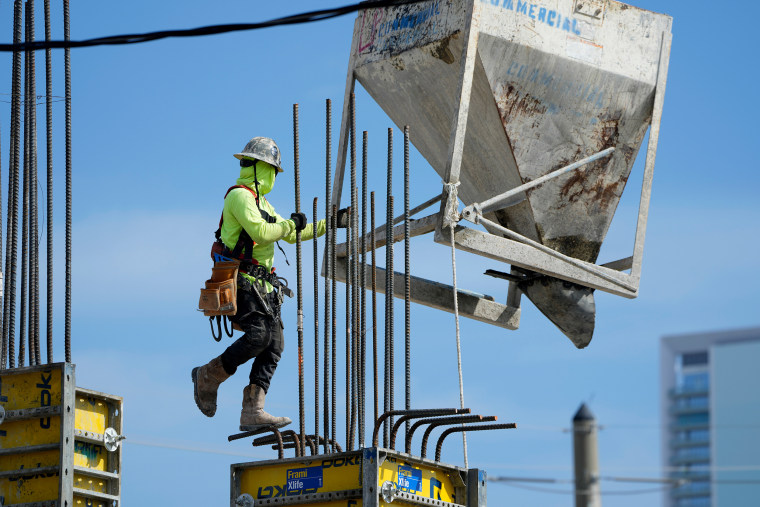
Some 2.7 million immigrants made up 26% of Florida’s labor force in 2018, according to a census analysis. More than 300,000 worked in the construction sector.
Lynne Sladky / AP file

June 25, 2023
By Anagilmara Vilchez, Noticias Telemundo

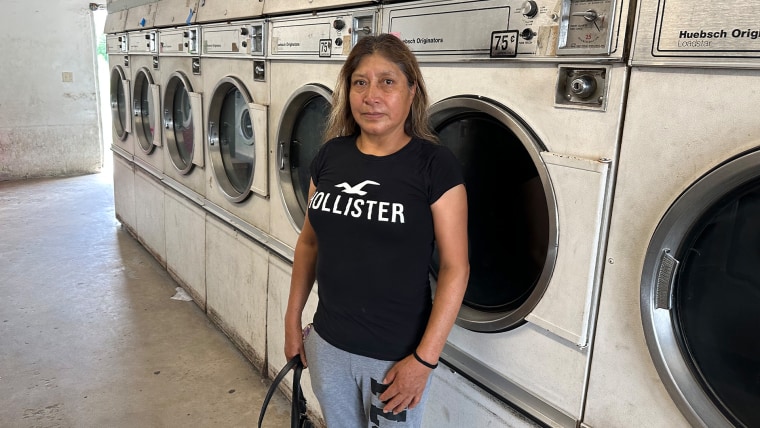
When David Guerra and his large family fled Florida in May, they left behind beds, mattresses, furniture and the construction tools they used to make a living. But it's when he thinks of his children's toys that his voice breaks.

“That is what has hurt me the most, my girls, who no longer have toys,” said Guerra, who is from El Salvador and who, until a few weeks ago, had a home, a yard and a business with his family in Tampa.

.
David Guerra and his family.Cortesía

Their life as they knew it changed, according to Guerra, when Gov. Ron DeSantis, signed SB 1718, the immigration law that goes into effect on July 1. The law imposes strict restrictions and penalties to deter the employment of undocumented workers in the state.

Of the 10 people who lived in the Guerra house, only three children were U.S. citizens. The others didn't have legal immigration status. They left Tampa on May 30, from the same street where, a month earlier, Guerra had seen the belongings left behind by other immigrants and joked in a popular TikTok video that he would be next.

“After a month, I had to leave," Guerra told Noticias Telemundo from Maryland, where he moved with his family.

Guerra is not the only one. In various cities across the state, such as the farming community of Immokalee, many immigrants say they have at least one acquaintance, friend or neighbor who left after the law was passed. Some have posted of their exile on social networks.

.
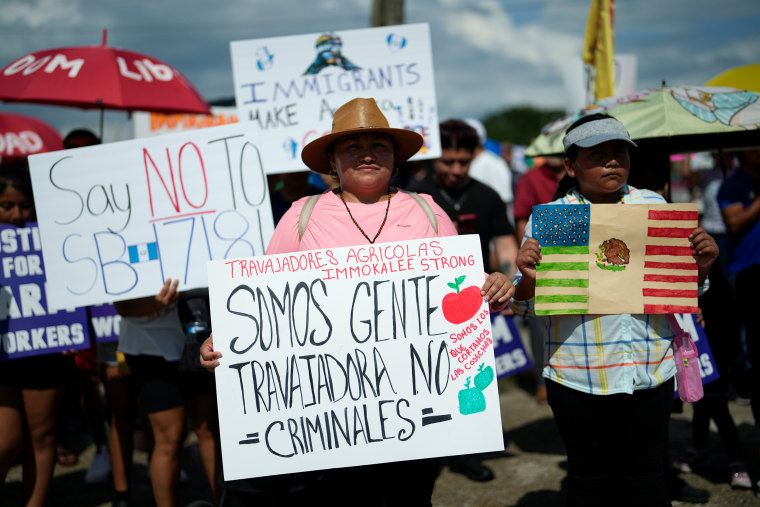
A woman carries a sign that reads: "We are working people, not criminals; we are the ones who harvest the crops; Immokalee farm workers strong" as hundreds gathered on June 1 in Immokalee, Fla. to protest Florida Senate bill 1718, which imposes restrictions on undocumented immigrants.
Rebecca Blackwell / AP

“They don’t want us here”

Guerra, a construction worker, came to the U.S. more than 20 years ago. Together with his partner, his sister-in-law and his stepdaughter — who's a beneficiary of the Deferred Action for Childhood Arrivals ( DACA) program — they worked polishing and putting the finishing touches on walls and ceilings in houses across the Tampa area.

Guerra has been in Tampa for six years, where he built a clientele and bought his tools. Leaving some of them behind when he left the state cost him more than $2,000 in losses, he said. In Maryland, neither he nor his family has been able to get a job.

"I was well, well, well situated in Florida. I was doing well financially, stable with work. There was no problem. Now it's the opposite," he said.

Some 2.7 million immigrants made up 26% of Florida’s labor force in 2018, according to a census analysis. More than 300,000 worked in the construction sector, like Guerra and his family.

Guerra said neighbors started to leave when the Legislature first introduced the immigration bill. By the time the Legislature voted on the law and DeSantis signed it, there were no workers on one of the projects he was working on.

“So the time came to make a decision: “I told my wife ‘no way, she’s going to have to go because they don’t want us here’”.

'Leaving your life'

Guerra packed what he had into two trucks and a car. In Maryland they live with a relative and have settled in as best they can. His two daughters, age 3 and 8, have to sleep with the adults.

“There (in Florida) they had their little bed, in the shape of a house, their rooms and now, well imagine,” he said with sadness.

His young daughter asks to go home and cries for her toys, he said.

Nearly 100 miles from Tampa, where Guerra lived with his family, a 25-year-old undocumented immigrant rented an apartment with her boyfriend in the city of Ocala.

Maria Fernanda, whose last name has been withheld because of her immigration status, arrived with a visa four years ago from Colombia. The visa was for a temporary stay that was extended by the Covid-19 pandemic.

Florida was “one of my favorite states,” Maria Fernanda said, until she feared what could happen when the law took effect. Her boyfriend is also undocumented, and before DeSantis’ law was passed, they decided to leave for New York.
Maria Fernanda moved to New York from Florida in April.
Courtesy Maria Fernanda

“I said, ‘I don’t want to go through that fear or that need to see a policeman that can deport me or that they can stop me or ask me for my documents,’” Maria Fernanda said.

They left without saying goodbye to their acquaintances and left their belongings behind, but not their cats, Loki and Alicia. She documented her journey in a series of videos that she shared on TikTok. Most of the commenters, she said, have thanked her for not abandoning her pets.

“Where I go, they go, and where I have a roof, they will have a roof," she said.

Her boyfriend got a job in Delaware and she stayed in New York for work. The separation hurts; they must drive more than four hours to see each other and share the time with their cats.

“It is sad that couples, families are separated, that sometimes they abandon animals on the street because they cannot take them. They leave their things lying around, their houses abandoned," she said. "That is sad because it's leaving your life."

Gauging the exodus

It's difficult to know the number of immigrants who have left the state. Local communities and leaders base counts on what they hear by word of mouth: a neighbor who left his house, a worker who never came to work.

“This is happening at such a fast level that we don’t have a concrete number,” Rosa Elera, of the Florida Immigrant Coalition, told Noticias Telemundo.

The Florida Policy Institute has stated the legislation could cost Florida’s economy $12.6 billion in one year. Six industries, including construction, agriculture and services, employ an estimated 391,000 undocumented workers, or about 10% of workers in those sectors.


Elera said people are frightened and confused by the law.

Even though the law hasn't yet taken effect, the Florida Immigration Coalition has already received complaints that some clinics have been asking patients about their immigration status, even though only hospitals that accept Medicaid are required to ask about immigration status, and patients may decline to answer the question, Elera said.

“Primary doctors or clinics or emergency centers that do not receive Medicaid do not have to be asking the immigration status of a patient,” she said.

Guerra said he believed the environment changed after the law was passed. “Many Americans didn’t even greet you anymore, they looked down on you, so to speak,” he said. “That was what most led me to make the decision to come to Maryland."
Fear of leaving and returning

In Immokalee, Berta, an undocumented Guatemalan mother, picks tomatoes, chiles, squash and eggplants in the searing heat. About 40,000 farmworkers, many of them undocumented, work every season harvesting a variety of fruits and vegetables.

But for the first time in more than 18 years, Berta, 52, said she's afraid of living in the U.S.

“We are used to working here without anyone scaring us," she said. Now, “when I see police I am afraid that they will stop us, detain us and call the immigration authorities.”

Many of her acquaintances, she notes, have gone to Delaware, Maryland, Virginia and Washington.

When the harvest in Florida ends, Berta travels to other states to pick crops, but this year she wonders if she'll be able to come back.

For the first time in more than 18 years, Berta said she's afraid of living in the U.S.Anagilmara Vílchez / Noticias Telemundo

Not everyone who fears the law can flee the state. Rosa Bartolo, 22, is an asylum seeker. Although she obtained a work permit, her husband and 15 other family members who live in Florida are undocumented.

Although the Guatemalan family has thought of leaving, they're staying because they know only farming and they speak only their Indigenous language, Akateko Maya.

Starting from scratch in another state for them “is more difficult because you don’t speak Spanish, you don’t speak English, it’s much more difficult. People see you badly, as a strange thing," she said.

'Like a rat'

When asked if he would return to Florida, Guerra said it's not in his plans, because he feels "damaged."

"It hurt, it hurt to have to throw everything out," he said. "It's a humiliation what they did, to take you out, like a rat."

In Maryland, he said, people treat him differently, better. Seven years ago he got his driver’s license in that state and in Florida, when the legislation takes effect, an undocumented immigrant won't be able to use a valid driver's license. “Thank God here you can breathe peace and tranquility,” he said.

María Fernanda is not afraid in New York. “I don’t feel that anyone who sees me and sees me as a Latina is going to stop me and say: ‘Hey, show me your documents.’ Here, where I am, I don’t feel persecuted because of my race."

Meanwhile, Guerra takes comfort in knowing that before he left Florida he could give away some of his family's belongings to other immigrants in need. A young Cuban recently arrived in the country, he said, and took almost everything.

“’Thank God,’ (the young man) told me, ‘I was sleeping on the floor and look, now I have beds,’” Guerra said. “Starting from scratch is very sad.”
DNA scientists once halted their own apocalyptic research. Will AI researchers do the same?


AI app icons, including one for ChatGPT, on a smartphone screen.
(Olivier Morin/ AFP via Getty Images)

BY MICHAEL ROGERS
JUNE 25, 2023

In the summer of 1974, a group of international researchers published an urgent open letter asking their colleagues to suspend work on a potentially dangerous new technology. The letter was a first in the history of science — and now, half a century later, it has happened again.

The first letter, “Potential Hazards of Recombinant DNA Molecules,” called for a moratorium on certain experiments that transferred genes between different species, a technology fundamental to genetic engineering.

The letter this March, “Pause Giant AI Experiments,” came from leading artificial intelligence researchers and notables such as Elon Musk and Steve Wozniak. Just as in the recombinant DNA letter, the researchers called for a moratorium on certain AI projects, warning of a possible “AI extinction event.”

May 30, 2023

Some AI scientists had already called for cautious AI research back in 2017, but their concern drew little public attention until the arrival of generative AI, first released publicly as ChatGPT. Suddenly, an AI tool could write stories, paint pictures, conduct conversations, even write songs — all previously unique human abilities. The March letter suggested that AI might someday turn hostile and even possibly become our evolutionary replacement.

Although 50 years apart, the debates that followed the DNA and AI letters have a key similarity: In both, a relatively specific concern raised by the researchers quickly became a public proxy for a whole range of political, social and even spiritual worries.

The recombinant DNA letter focused on the risk of accidentally creating novel fatal diseases. Opponents of genetic engineering broadened that concern into various disaster scenarios: a genocidal virus programmed to kill only one racial group, genetically engineered salmon so vigorous they could escape fish farms and destroy coastal ecosystems, fetal intelligence augmentation affordable only by the wealthy. There were even street protests against recombinant DNA experimentation in key research cities, including San Francisco and Cambridge, Mass. The mayor of Cambridge warned of bioengineered “monsters” and asked: “Is this the answer to Dr. Frankenstein’s dream?”

March 31, 2023

In the months since the “Pause Giant AI Experiments” letter, disaster scenarios have also proliferated: AI enables the ultimate totalitarian surveillance state, a crazed military AI application launches a nuclear war, super-intelligent AIs collaborate to undermine the planet’s infrastructure. And there are less apocalyptic forebodings as well: unstoppable AI-powered hackers, massive global AI misinformation campaigns, rampant unemployment as artificial intelligence takes our jobs.

The recombinant DNA letter led to a four-day meeting at the Asilomar Conference Grounds on the Monterey Peninsula, where 140 researchers gathered to draft safety guidelines for the new work. I covered that conference as a journalist, and the proceedings radiated history-in-the-making: a who’s who of top molecular geneticists, including Nobel laureates as well as younger researchers who added 1960s idealism to the mix. The discussion in session after session was contentious; careers, work in progress, the freedom of scientific inquiry were all potentially at stake. But there was also the implicit fear that if researchers didn’t draft their own regulations, Congress would do it for them, in a far more heavy-handed fashion.

With only hours to spare on the last day, the conference voted to approve guidelines that would then be codified and enforced by the National Institutes of Health; versions of those rules still exist today and must be followed by any research organization that receives federal funding. The guidelines also indirectly influence the commercial biotech industry, which depends in large part on federally funded science for new ideas. The rules aren’t perfect, but they have worked well enough. In the 50 years since, we’ve had no genetic engineering disasters. (Even if the COVID-19 virus escaped from a laboratory, its genome did not show evidence of genetic engineering.)

May 14, 2023

The artificial intelligence challenge is a more complicated problem. Much of the new AI research is done in the private sector, by hundreds of companies ranging from tiny startups to multinational tech mammoths — none as easily regulated as academic institutions. And there are already existing laws about cybercrime, privacy, racial bias and more that cover many of the fears around advanced AI; how many new laws are actually needed? Finally, unlike the genetic engineering guidelines, the AI rules will probably be drafted by politicians. In June the European Union Parliament passed its draft AI Act, a far-reaching proposal to regulate AI that could be ratified by the end of the year but that has already been criticized by researchers as prohibitively strict.

No proposed legislation so far addresses the most dramatic concern of the AI moratorium letter: human extinction. But the history of genetic engineering since the Asilomar Conference suggests we may have some time to consider our options before any potential AI apocalypse.

Genetic engineering has proven far more complicated than anyone expected 50 years ago. After the initial fears and optimism of the 1970s, each decade has confronted researchers with new puzzles. A genome can have huge runs of repetitive, identical genes, for reasons still not fully understood. Human diseases often involve hundreds of individual genes. Epigenetics research has revealed that external circumstances — diet, exercise, emotional stress — can significantly influence how genes function. And RNA, once thought simply a chemical messenger, turns out to have a much more powerful role in the genome.

April 9, 2023

That unfolding complexity may prove true for AI as well. Even the most humanlike poems or paintings or conversations produced by AI are generated by a purely statistical analysis of the vast database that is the internet. Producing human extinction will require much more from AI: specifically, a self-awareness able to ignore its creators’ wishes and instead act in AI’s own interests. In short, consciousness. And, like the genome, consciousness will certainly grow far more complicated the more we study it.

Both the genome and consciousness evolved over millions of years, and to assume that we can reverse-engineer either in a few decades is a tad presumptuous. Yet if such hubris leads to excess caution, that is a good thing. Before we actually have our hands on the full controls of either evolution or consciousness, we will have plenty of time to figure out how to proceed like responsible adults.

Michael Rogers is an author and futurist whose most recent book is “Email from the Future: Notes from 2084.” His fly-on-the-wall coverage of the recombinant DNA Asilomar conference, “The Pandora’s Box Congress,” was published in Rolling Stone in 1975.


Protests Held Over Shooting Hardeep Singh Nijjar In British Columbia

The Consulate General of India office in Vancouver British Columbia was surrounded by Indian-origin protesters. They were outraged due to the recent shooting that killed Hardeep Singh Nijjar.


UPDATED: 25 JUN 2023 
Protesters chant outside of the Consulate General of India office during a protest for the recent shooting of Shaheed Bhai Hardeep Singh Nijjar in Vancouver, British Columbia.
Protesters chant outside of the Consulate General of India Office following the recent shooting of Shaheed Bhai Hardeep Singh Nijjar in Vancouver, British Columbia.

Protesters chant outside of the Consulate General of India Office following the recent shooting of Shaheed Bhai Hardeep Singh Nijjar in Vancouver, British Columbia.

Protesters chant outside of the Consulate General of India office during a protest for the recent shooting of Shaheed Bhai Hardeep Singh Nijjar in Vancouver, British Columbia.


Protesters chant outside of the Consulate General of India Office during a protest for the recent shooting of Shaheed Bhai Hardeep Singh Nijjar in Vancouver, British Columbia.

 Photos: Ethan Cairns/The Canadian Press via AP
‘Dead or alive’: 2  Pakistani men trapped in coal mine since May 4

Families and rights groups condemn the government after whereabouts of the two men are not known in Balochistan.

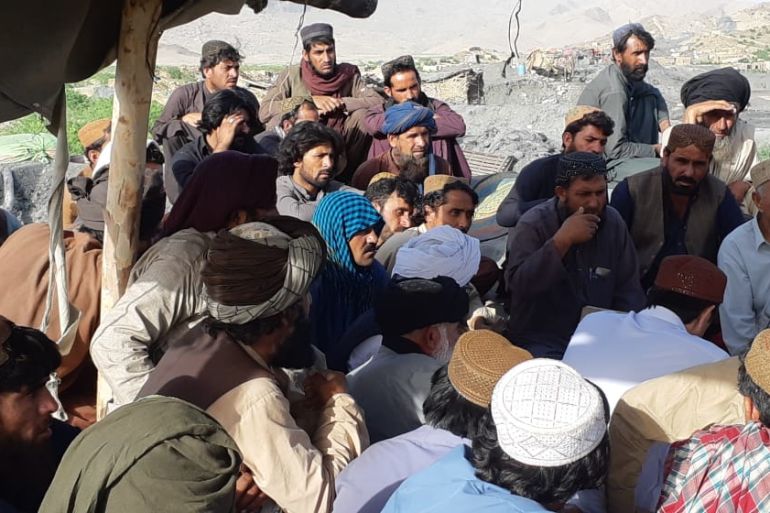
People in Pakistan's Balochistan province gather outside the coal mine where two men are trapped [Syed Ali Shah/Al Jazeera]

By Syed Ali Shah
Published On 1 Jun 2023

Quetta, Pakistan – For nearly a month now, rescue officials in Pakistan’s southwestern Balochistan province have been searching for two men trapped inside a coal mine, as their anguished families prepare for the worst and demand their bodies.

The two coal miners have been trapped since May 4 inside the mine in Dukki district, 320km (198 miles) from Balochistan’s capital Quetta, the hub of Pakistan’s coal production.

KEEP READING

“Rescue workers have dug 900 feet [274m] into the mine and are now digging from all four sides to locate the miners, but the chances of finding them alive are quite bleak,” Abdul Ghani, Balochistan’s chief inspector of mines told Al Jazeera.

“It would be a miracle if they are found alive,” he said.

The two men, 22-year-old Abdul Baqi and Sharafuddin, 26, were trapped after the mine collapsed following heavy rainfall, officials said.

Family members of the trapped miners have been camping close to the mine and have urged officials to hand over their bodies.

“We are tired of waiting and want our men back – dead or alive,” Abdul Sattar, a relative of one of the men, told Al Jazeera.

Local police officials say there is little hope of locating the men at all.

“Rescue workers are clueless about the [location of the] miners,” Syed Saboor Agha, a police officer in Dukki, said

.
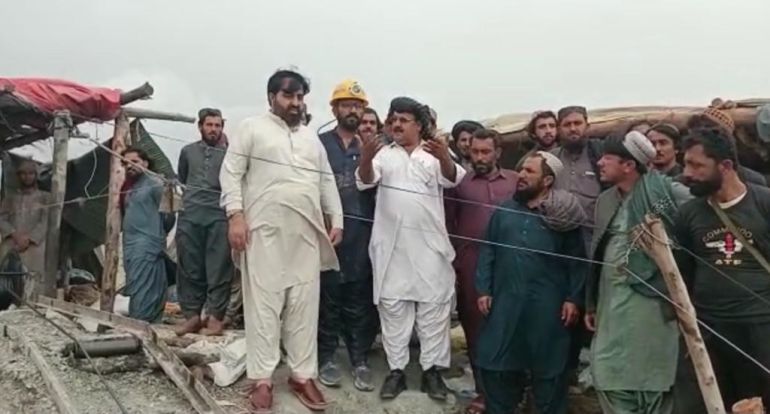
Rescue officials and residents are seen outside the coal mine in Balochistan province [
Syed Ali Shah/Al Jazeera]

According to the relatives, both men belong to families struggling with extreme poverty.

They moved to Dukki from Kila Saifullah, another Balochistan district located 134km (83 miles) away in search of a better living. They made about $10 a day after a long day’s shift working deep inside the mine under hazardous conditions.

The agonising wait for the men has added to the miseries of the families struggling to put food on the table.

“Their parents and children are suffering from psychological trauma,” Azeem Khan, Baqi’s cousin, told Al Jazeera.

Balochistan is Pakistan’s largest but least populous and least developed province, where a large part of the population lives in poverty.

The province contributes 50 percent of the country’s coal production, with Dukki being one of its five leading coal-rich districts.

Residents refer to coal as “black gold” as working in mines earns them a higher daily wage than other such professions.

However, hazardous working conditions in the coal mines kill dozens of people every year. Landslides, methane gas blasts and industrial accidents are among the leading causes of casualties inside the coal mines across Balochistan.

According to Ghani, at least 27 miners have died and 14 were injured in mining-related accidents in the province so far this year.

At the site of the latest accident, more than two dozen rescue workers have been working day and night to recover the miners, but officials fear the two men are buried deep inside the muddy mine.
‘Black death holes’

Rights groups and labour associations have criticised mine owners, contractors and the government for their failure to improve the working conditions of the coal miners despite warnings by international labour rights organisations.

According to the Mines Act, introduced in 1923 by the British during their colonial rule over the subcontinent, mine inspectors must carry out checks and assess conditions each morning before letting the workers in. It also forbids children and women from entering or working in mines.

Pakistan is a signatory to the International Labour Organization’s Safety and Health in Mines Convention, but rights groups say that has done little to improve safety measures.

Peer Muhammad Kakar, a local representative of the All Pakistan Mines Association, accused the mine owners of “minting money at the cost of the miners’ [lives]”.

“These are black death holes, not mines,” Kakar said.

Miners and labourers from other parts of Balochistan have also been protesting in Quetta, urging the authorities to ensure an immediate end to the trapped miners’ misery.

Syed Fateh Shah Arif, a member of the mine owners’ association in Balochistan, told Al Jazeera the owners were paying huge amounts to the government’s mines and mineral department to ensure the safety of the miners. He said it was the government’s responsibility to implement the Mine Act.

However, rights activists say the mine owners rarely follow the procedures mandated by the law.

“The [Mines] Act is only in the books,” Tahir Habib, former chairman of the Human Rights Commission of Pakistan’s Balochistan chapter, told Al Jazeera.


He alleged that mine owners are rarely questioned due to their “strong presence in the legislative assemblies” and called for a probe into such incidents.


https://www.geo.tv/latest/193561-in-the-shadows-unearthing-struggles-of-balochistans-coal-miners

May 1, 2018 ... QUETTA: Working in semi-darkness and breathing in corrosive air, the coal miners of Balochistan risk their lives daily for a meagre income ...

https://www.dawn.com/news/1434931

Sep 25, 2018 ... The other incident occurred due to an explosion in a coal mine in the Sanjdi area of Balochistan, claiming the lives of 15 labourers.

https://peoplesdispatch.org/2019/05/16/coal-miners-continue-to-lose-lives-in-pakistan

May 16, 2019 ... The miserable conditions in mines have led to the death of more than 120 workers in recent months. ... Coal miners in Pakistan continue to lose ...


https://www.dawn.com/news/1560199

May 31, 2020 ... In Pakistan between a 100 and 200 coal miners die every year. A lot of these workers come from Khyber Pakhtunkhwa's Shangla district, where ...

https://www.sciencedirect.com/science/article/pii/S0301420721005432

in a recent study points to inappropriate safety procedures in the mining sector of Pakistan, mainly due to lack of mechanization coupled with management's low ...

http://web.uob.edu.pk/uob/Journals/Balochistan-Review/data/BR%2001%202017/167-178%20The%20Unsafe%20Methods%20of%20Coal%20Mining%20in%20Balochistan%20A%20case%20study%20of%20Mach%20coal%20fields%20at%20tehsil%20Mach%20district%20Kachi,%20Muhammad%20Asif.pdf

If we talk about the mining sector in. Balochistan which is the heart of natural minerals the workers here also lack all the basic facilities whether related to ...


Manipur: Indian army releases 12 militants after being confronted by ‘mob of 1,200-1,500 led by women’


Move to release militants defended by army that calls it ‘mature’ and reflective of its ‘humane face’

Namita Singh

The Indian Army “released” at least 12 militants after they were surrounded by a 1,500-strong “women-led mob” in the northeastern state of Manipur that has been experiencing ethnic violence for about two months.

The security forces confirmed they were forced to release the militants belonging to separatist group Kanglei Yawol Kanna Lup (KYKL). The army had earlier held with arms, ammunition and war-like stores.

Under the grip of unprecedented violence, the clashes first erupted after a “Tribal Solidarity March” was called by the All Tribal Students’ Union of Manipur (ATSUM).


The march was organised in protest against the demand for inclusion of the area’s majority Meitei community in the Scheduled Tribe (ST) category, following a 19 April Manipur High Court directive.

Under Indian law some government jobs, college admissions and electoral seats – from village councils to parliament – are reserved for communities under the ST category as a form of affirmative action to tackle historical structural inequality and discrimination.

Recommended
Modi government’s internet blackouts hurt the poor and curbed job opportunities, HRW says

The Kuki community has opposed the Meitei community’s inclusion in the list, fearing opportunity and job loss due to the group’s demographically and politically advantageous position.

“At around 2.30pm, acting on specific intelligence inputs, an operation was launched by security forces in Itham village in Imphal East after which a cordon was laid... In the ensuing operation, 12 KYKL cadres were apprehended along with arms, ammunition and war-like stores,” an army spokesperson told Hindustan Times.

Soon after “a mob of 1,200-1,500 led by women and [a] local leader immediately surrounded the target area and prevented the security forces from going ahead with the operation. Repeated appeals to the aggressive mob to let security forces carry on with the operation as per the law did not yield any result”, the spokesperson said.

The army defended the move to release the militants belonging to the separatist group, calling it “mature” and saying that it “shows [the] humane face of the Indian Army”.

“Keeping in view the sensitivity of use of force against the mob led by women and likely casualties due to such action, decision was taken to hand over all 12 cadres to the local leader,” a spokesperson told The Times of India.

The widespread violence, displacement of people and destruction of property that has occurred in recent weeks has been described as one of the worst ethnic flare-ups in decades.

The state has seen more than 100 deaths, and 40,000 people have been displaced in clashes between the Meitei and Kukis.

Houses, churches, temples, shops and businesses have been torched amid widespread violence in the state raging over the demand of Meiteis to seek tribal status for access to economic benefits and quotas in government jobs and education.

Earlier on 4 June, the federal government formed a three-member judicial panel to investigate the violence.

An all-party meeting was held on 24 June, with federal home minister Amit Shah saying that prime minister Narendra Modi has been “constantly monitoring the Manipur situation since day one” and “guiding us with full sensitivity”, reported Press Trust of India.

The opposition Congress party has called out Mr Modi for his absence from the scheduled high-level meeting as he wrapped up his state visit to the US from where he embarked on his maiden state visit to Egypt.

Rahul Gandhi, opposition leader of Congress, said: “Manipur has been burning since 50 days, but the prime minister remained silent.”

“An all-party meeting was called when the prime minister himself is not in the country! Clearly, this meeting is not important for the prime minister.”

Mr Modi, who has promised efforts to restore peace in Ukraine during his meeting with Joe Biden, has been criticised for his “stoic silence” over the violence in the region.

Recommended
Toll of northeast India clashes now 60 dead, 35K displaced

Ten leaders of opposition parties in Manipur had submitted a letter three-page memorandum to the Prime Minister’s Office to request a meeting with him before his state visit to the US.

In Manipur, people raised posters showing Mr Modi’s face with the words: “Still missing. Have you seen this man? Status: blind and deaf.”