Saturday, October 14, 2023


Study on the economic connection between health and mobility

Study on the economic connection between health and mobility
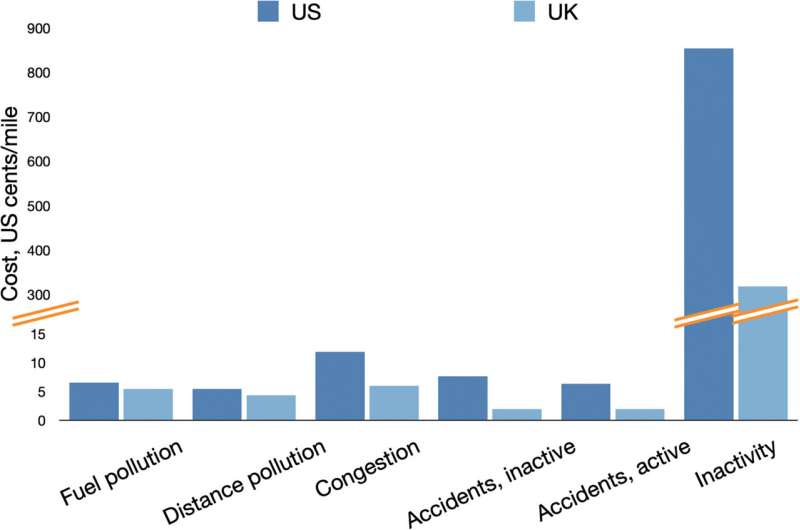
Social costs of personal car travel in U.S. cents per mile in 2022 prices, fuel pollution in
 U.S. cents per gallon; own calculations. Notes: Distance pollution comprises local air 
pollution; fuel pollution accounts for climate damages.
 Credit: Economica (2023). DOI: 10.1111/ecca.12497

The health benefits of walking and cycling are so significant for society that they should be taken into account in setting fuel taxes. This is the conclusion of an international study published today (Oct. 13) in the journal Economica, in which Professor Linus Mattauch, a researcher at the Climate Change Center Berlin Brandenburg, is involved.

"We find that taking into account the  of physical activity increases the optimal fuel tax by 44% in the U.S. and 38% in the U.K.," concludes the international research team, which comprises researchers from Oxford, Utrecht and Berlin. "The significant  benefits of active forms of mobility such as walking and cycling suggest that economic transport policies need to be re-evaluated," says Mattauch, co-author of the study.

"We provide a novel argument for balancing the benefits of car use with its cost to society. While our economics model allows us to quantify  specifically, our argument also applies to other elements of sustainable transport such as urban redesign."

In Germany, too, he says, about 60% of the population does not get enough exercise. Transportation policy needs to be reassessed in areas where the health benefits of increased movement are particularly high. "In the evaluation of urban transport policy measures, an urban toll on motorized vehicles in particular would have many economic advantages because it already reduces congestion and air pollution," Mattauch says.

The new study shows that a toll would have the additional advantage that citizens also get a little more exercise and that this can actually lead to savings in . Other policy instruments that create better conditions for non-motorized traffic, from wider bike lanes and pedestrian paths to low-traffic neighborhoods and urban greening, also have higher  than previously thought for the same reasons.

More information: Inge van den Bijgaart et al, Healthy Climate, Healthy Bodies: Optimal Fuel Taxation and Physical Activity, Economica (2023). DOI: 10.1111/ecca.12497


Increasing minimum wage has positive effects on employment, says study

happy worker
Credit: Unsplash/CC0 Public Domain

In labor markets where employers have more control over wages, increasing the minimum wage often results in a rise in employment, according to a new study coauthored by Ioana Marinescu, an associate professor at Penn's School of Social Policy & Practice (SP2) who is director of the SP2 Master of Science in Social Policy Program and currently working with the National Bureau of Economic Research

In the paper published in the Review of Economic Studies, Marinescu and co-authors study the effects of  increases on a low-wage retail sector. The authors also utilize nationwide data on labor market concentration—a measure of competition for workers, where high concentration means that a few companies dominate hiring. Their results apply to the fast-food sector and the entire low-wage labor market.

"We find that in  that are more concentrated or less densely populated, minimum wage increases lead to overall positive employment effects," Marinescu and co-authors write.

The findings reveal that in less competitive job markets where employers have more wage-setting power, and tend to pay workers less, there is more room to increase . In the most concentrated labor markets, the authors found that employment rises following a minimum wage increase.

This research provides evidence that the degree of "monopsony power"—or the ability of companies to pay workers less than their contribution to the companies' bottom line—in the labor market can determine how minimum wage changes affect employment.

"This paper provides compelling evidence that responses to a key labor market institution (the minimum wage) are influenced by the structure of the labor market. As such, the findings also help to further underscore the role of employer concentration in the ," the researchers write.

More information: José Azar et al, Minimum Wage Employment Effects and Labour Market Concentration, Review of Economic Studies (2023). DOI: 10.1093/restud/rdad091


What does El Nino mean for the coming winter?

shoveling snow
Credit: Pixabay/CC0 Public Domain

El Niño, a weather phenomenon associated with warmer temperatures in the northern U.S. and wetter weather in the South, has arrived.

But that doesn't mean people in New England and other  should keep their snow shovels in storage, says Auroop Ganguly, co-director of Northeastern's Global Resilience Institute.

Temperature rise based on El Niño is an average that allows for fluctuations that could become more intense due to , he says.

"In places like Boston or the Northeast in general, just because temperatures will be warmer in general doesn't mean we will not have one or two fairly intense snowstorms," Ganguly says. "You should always be prepared."

The National Oceanic and Atmospheric Administration says the —which means "little boy" in Spanish—got its name from South American fishermen who first noticed periods of unusually warm water in the Pacific Ocean in the 1600s.

"The full name they used was El Niño de Navidad, because El Niño typically peaks around December," NOAA says.

El Niño can affect global weather significantly by causing a weakening of the trade winds that typically blow west over the equator and across the Pacific, and by causing the Pacific jet stream to move south, according to NOAA.

"Typically, moderate to strong El Niño conditions during the fall and winter result in wetter-than-average conditions from southern California to along the Gulf Coast and drier-than-average conditions in the Pacific Northwest and Ohio Valley," NOAA says.

And this year, El Niño is strong, Ganguly says.

During an El Niño pattern, winter means the chances for warmer-than-average temperatures across the northern states increase, while conditions in the Northeast will be wetter than in the West and Midwest, Ganguly says.

In Southern states, El Niño increases the chance of flooding and wild storms, he says.

El Niño and its opposing —La Niña for "little girl," when Pacific waters are colder than normal—occur every two to seven years but not on a regular basis, according to NOAA. La Niña is associated with colder Pacific temperatures.

The  associated with the El Niño Southern Oscillation typically last nine to 12 months, are most noticeable in the fall and winter, and taper off in the spring, Ganguly says.

"El Niño causes many changes in weather patterns across the globe," Ganguly says.

"It has been called the 'seesaw' effect" for the way it causes floods in Peru and parts of South America and droughts in the Sahel section of Africa, he says. The Sahel extends from northern Senegal on the Atlantic Ocean into Sudan.

El Niño's weather patterns, though complex, change global atmospheric circulation in known ways.

A question that remains is how it interacts with climate change, Ganguly says. "The oceans are already warm. How does El Niño interact with that warming? I don't think we know that well yet."

Climate change is already making extremes more extreme at both ends of the spectrum, Ganguly says. Cold snaps may become less frequent but more intense and longer lasting, for instance, he says.

There is some evidence to show that El Niño could amplify fluctuations, but that is still being debated, Ganguly says. He points to a March 2023 article in Time magazine that says the natural periodic temperature increases associated with El Niño—the last strong one was in 2015—are no excuse for abandoning efforts to combat climate change.

"Each El Niño signature is different and manifests itself in different ways," Ganguly says. "These are very interesting times, in the sense that we are learning a lot about how these things interact."

Provided by Northeastern University 

El Niño likely to develop this summer, says scientists


Scientists' model increases accuracy of tide forecasts

The tides couldn't be controlled—only predicted. And for one day, June 6, in the spring of 1944, the tide prediction for the beaches of Normandy just may have been the most important in history.

Made with a machine nicknamed Old Brass Brains, that  for the French coast helped Allied forces pull off the largest amphibious invasion ever undertaken, providing them with the time of ideal tidal conditions that would not only make it easier to see and disarm mined obstacles placed in the surf but also prevent their landing craft from getting stuck.

Today, tide predictions are still important. A team of University of Miami scientists is helping to increase their accuracy. They have developed a  that can produce short-term high-tide forecasts for Virginia Key that are 50% more accurate than those produced by the National Oceanic and Atmospheric Administration (NOAA), even out to ten-days.

"I never envisioned this tool achieving such success, but it has. It's capable of giving people a heads-up when tidal flooding events are going to occur," said Nate Taminger, a research associate at the Rosenstiel School of Marine, Atmospheric, and Earth Science, who began working on the model four years ago as a University undergraduate majoring in meteorology, marine science, and math.

With two years of funding support from the South Florida Water Management District (SFWMD), Taminger is spearheading efforts to improve the model's effectiveness with the goal of generating regular tide forecasts for Lake Worth in Palm Beach County, Fort Lauderdale's Port Everglades, Key West, Vaca Key in the Florida Keys, Virginia Key near Miami, and Naples on Florida's southwest coast.

Updated sea level rise data and other meteorological and oceanographic variables make the tide forecast tool effective. Specifically, it incorporates three adjustments to NOAA's baseline tide predictions.

"For now, NOAA's tide predictions are based on the average sea level during the 1983–2001 period. So, to bring that up to modern sea level, an appropriate offset is made using a linear trend through the past 20 years of data," explained Brian McNoldy, a senior research associate and tropical cyclone expert at the Rosenstiel School, who mentored Taminger when he was an undergraduate at the University and is part of the team that created the model.

"Then, the current and forecast atmospheric surface pressure is used to make the second adjustment," McNoldy continued. "High- and low-pressure systems in the atmosphere affect the sea surface height with a known relationship: Higher pressure causes a dip or dent in the ocean surface and lower pressure causes a dome or bulge in the ocean surface.

"Finally, a multiple linear regression model is utilized on four additional environmental parameters, and that can adjust the water level up or down as well. The model is trained on each tide gauge's available history, so it learns what environmental factors generate a given response in the water level at that location."

Taminger detailed the specifics of the model during a climate resiliency conference held at the University of Miami campus in April 2022 and later to officials at the SFWMD, which used the model in advance of a recent flooding event in the region.

"We got the alarm out early and once [the model is refined], we hope to make the output easier for the public at large to see," said Todd Kimberlain, SFWMD's lead meteorologist. "It's essential that we have better tide predictions. With this model, there's just a very small difference between what the forecasts are and what actually occurs."

McNoldy posts the model's daily tide plots for Virginia Key, Key West, Vaca Key, and Lake Worth on a public webpage and plans to add tide forecasts for Port Everglades and Naples by December.

Tide forecasts are just as essential today as they were when Allied forces were planning the D-Day invasion, McNoldy noted. "They are important for coastal shipping and boating interests, as some shallow features can be dangerous during low tide but fine during high tide," he said. "And for low-lying coastal infrastructure, knowing when to expect high tides and how high they might be can help prepare for potential flooding events."

Sea level rise, he explained, is making tidal flooding more frequent and more severe. "In the Miami area, sea level is rising at an average rate of about 0.25 inches per year, or about 7.5 inches in the past three decades," McNoldy said. "There are ups and downs in the mean sea level from one year to the next, but the overall trend is upward. This means that places now flood during some high tides that did not flood before, and places that used to experience some flooding during high tides now experience it much more often and with deeper water."

The scientists are working on improving their tide forecast model at a time when the annual king tides have returned. Combined with the effects of sea level rise and heavy rains, king tides—which occur each fall when climatological, atmospheric, and oceanic conditions align to cause water levels to surge—can make flooding in Miami Beach much worse.

Professor of atmospheric sciences Brian Soden, who also served as one of Taminger's faculty advisors and is part of the team that developed the model, said the new forecast tool could "help coastal communities better prepare and plan for disruptions caused by king ."


Scientists use drones to land sensors onto 'unreachable' glaciers threatened by climate change

Scientists use drones to land sensors onto 'unreachable' glaciers threatened by climate change
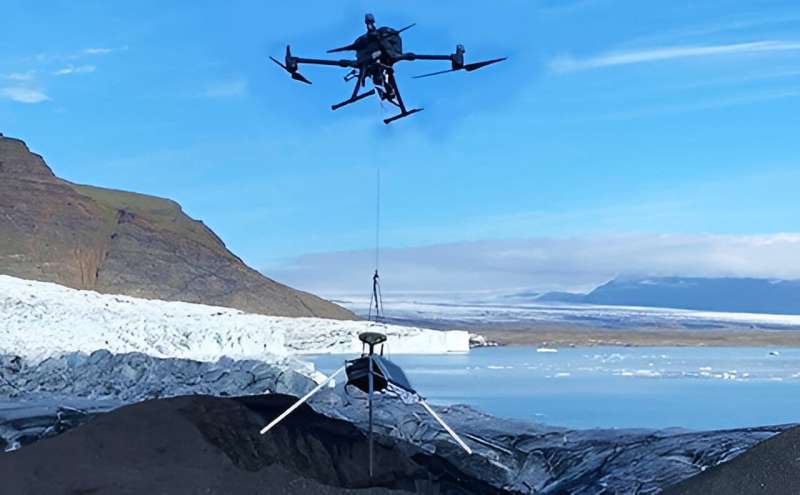
Drone drops global warming-monitoring sensor onto Icelandic glacier
 Credit: University of Southampton

Scientist have unveiled a new climate change-monitoring sensor which can be airlifted onto icy glaciers using drones to measure the impact of global warming.

The device, built by experts from the University of Southampton, can be flown for miles and land directly onto glaciers which are usually be impossible to reach by humans.

The scientific team have already deployed two of the sensors in Iceland to assess melting ice and its contribution to rising sea levels.

Professor Kirk Martinez, from the University of Southampton team, said the tech is the first of its kind to examine the precise movement of glaciers.

He added, "These sensors are lightweight enough to be delivered by drone to give us access to places which are usually unreachable manually. We have already begun receiving data daily which shows changes in the glacier's behavior and its fluctuations in velocity."

The scientists behind the  are now inspecting the findings from the two sensors that have been flown to freezing conditions in Iceland.

The team are also aiming to use the sensors in other locations worldwide, said Professor of Geography Jane K. Hart also from the University of Southampton.

She added, "Glaciers are like the canaries as they provide us with a  for . The sensors we are landing on the glaciers provide a new way of observing their behavior."


An extended critique of the EIGE Gender Equality Index

An extended critique of the EIGE Gender Equality Index
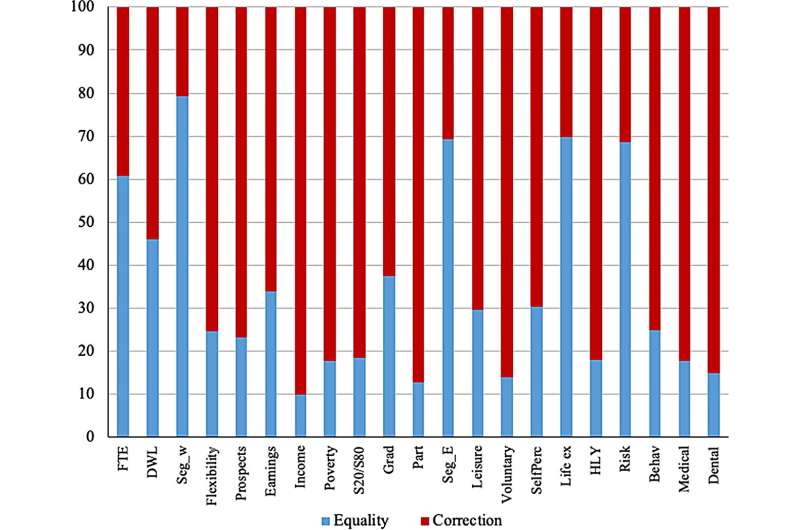
Percent contribution of the equality and correcting coefficient component by indicator 
across countries in EIGE’s 2017 index (using 2015 data). 
Credit: Social Indicators Research (2023). DOI: 10.1007/s11205-023-03126-5

New research by staff from Social Statistics has reviewed the methodology of one of the most comprehensive indices of gender equality, the Gender Equality Index by the European Institute for Gender Equality (EIGE).

The research shows that in addition to the use of the correcting coefficient, other methodological choices (such as the use of ratios and geometric means) result in an unjustified penalization of lower-GDP countries and the reinforcing of biased assumptions about gender equality progress.

The research calls for  around theory, method and the relationship between the two while also proposing methodological improvements.

These changes would bring the EIGE index closer to fulfilling its potential to provide a nuanced understanding of gender equality levels in the European Union and effectively inform policy development toward .

The paper is published in Social Indicators Research.

More information: Caitlin B. Schmid et al, "Why Call It Equality?" Revisited: An Extended Critique of the EIGE Gender Equality Index, Social Indicators Research (2023). DOI: 10.1007/s11205-023-03126-5


Exploring the genetic potential of eggplant's wild relatives for sustainable agriculture

Exploring the genetic potential of eggplant's wild relatives for sustainable agriculture
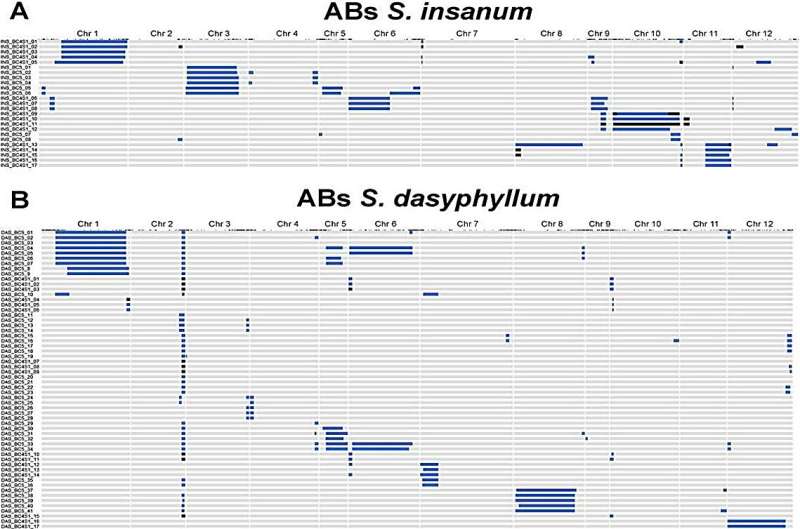
Graphical genotypes of ABs lines of S. insanum (A; n = 25), S. dasyphyllum (B; n = 59), 
and S. elaeagnifolium (C; n = 59) assessed for the present experiment. 
Credit: Horticulture Research

In the pursuit of sustainable agriculture, enhancing nitrogen use efficiency (NUE) in crops stands as a primary objective. With the prolific use of nitrogen (N) fertilizers since the 20th century, agricultural productivity has seen remarkable growth. However, excessive use of N fertilizers has resulted in serious environmental threats and energy consumption.

Crop wild relatives (CWR) provide valuable genetic resources to address this issue through breeding programs. Wild relatives of eggplant (Solanum melongena L.) are classified into primary (GP1), secondary (GP2), and tertiary (GP3, which are unexploited gene pool. Yet, direct utilization of CWRs in breeding is complex due to inherent genetic barriers. This underscores the imperative to develop and study advanced backcrosses (ABs) for seamlessly incorporating these beneficial traits.

In a study titled "Evaluation of three sets of advanced backcrosses of eggplant with wild relatives from different gene pools under low N fertilization conditions" published in Horticulture Research, 22 morpho-agronomic, physiological, and NUE traits were evaluated under low  (LN) fertilization conditions in CWRs of eggplant (S. insanum, S. dasyphyllum and S. elaeagnifolium) and their advanced backcrosses (ABs; BC3 to BC5 generations).

Genome coverage of the donor wild relatives varied, with the highest coverage observed in S. elaeagnifolium at 99.2%. For S. insanum, significant representation was observed on chromosomes 1 (86.8%) and 3 (80.9%), while for S. dasyphyllum, emphasis was on chromosomes 1 (84.8%) and 5 (86.3%).

Upon characterizing S. melongena recurrent parents (MEL5, MEL1, and MEL3), notable disparities emerged between nitrogen treatments. For instance, a 3.7-fold and 5.0-fold change in yield and fruit number (F-Number), respectively, was identified across treatments for MEL5. Additionally, fruit metrics, such as fruit pedicel length in MEL5, exhibited differences under varied nitrogen conditions.

Principal components analysis (PCA) revealed trait groupings among the AB sets, with 48.8% total variation accounted for in the S. insanum and its recurrent parent S. melongena MEL5. Pearson linear correlations showcased significant trait relationships across the AB sets.

A total of 16 putative quantitative trait loci (QTLs) were identified across the AB sets, hinting at underlying genetic controls for specific traits, and potential candidate genes were pinpointed from the eggplant reference genome assembly. Of the 16 putative quantitative trait loci (QTLs) identified, five were localized to the same position on chromosome 9 of S. insanum. The "67/3" eggplant reference genome further pinpointed potential candidate genes, including the nitrate transporter 1/peptide transporter on chromosome 9.

In summary, this research emphasizes the vast potential of eggplant wild relatives for genetic improvement under low nitrogen conditions to promote sustainable agriculture. The identified QTLs and their associations provide a basis for innovative eggplant breeding efforts to support improved yield, quality and  of  under LN conditions.

More information: Gloria Villanueva et al, Evaluation of three sets of advanced backcrosses of eggplant with wild relatives from different gene pools under low N fertilization conditions, Horticulture Research (2023). DOI: 10.1093/hr/uhad141


Journal information: Horticulture Research 


Provided by NanJing Agricultural University How Eggplants became Asian – genomes and elephants tell the story


Unlocking the secrets of cold tolerance: A dive into tomato plants' molecular responses to chilling stress

Unlocking the secrets of cold tolerance: a deep dive into tomato plants' molecular responses to chilling stress
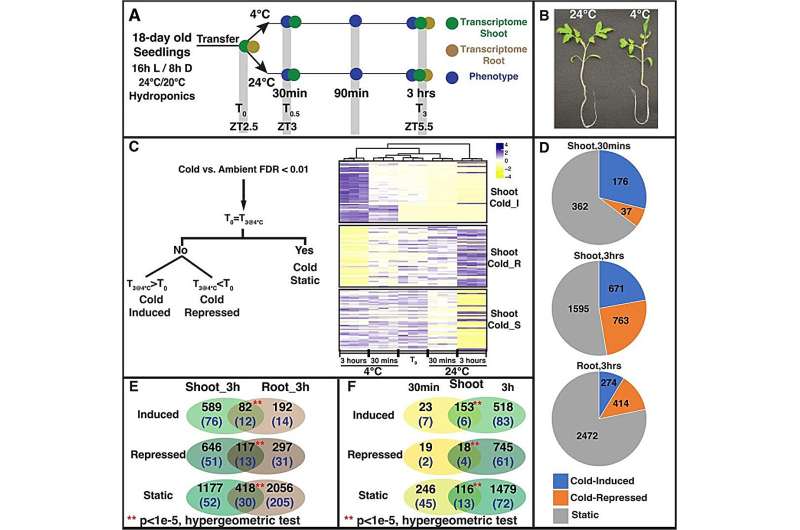
Transcriptional response to chilling stress is largely driven by disruption of rhythmic gene
 expression. Credit: Horticulture Research

Cold sensitivity poses a significant challenge for certain essential crops. While there's an indication that these plants may possess cold acclimation capabilities, the molecular dynamics, particularly involving the CRT binding factor (CBF) family, are not fully explored.

One primary concern has been the disparity in cold tolerance between temperate plants and tropical species such as the tomato. Additionally, the accumulation of small metabolites, termed cryoprotectants, plays a crucial role in enabling plants to resist damage from .

Adding to the complexity is the plant's circadian clock, which potentially intertwines with the cold response mechanism. As the world faces unpredictable weather patterns due to , understanding these intricate processes becomes paramount to safeguarding crop health.

In July 2023, Horticulture Research published a  entitled by "Chilling stress drives organ-specific transcriptional cascades and dampens diurnal oscillation in tomato."

First, researchers exposed 18-day-old tomato seedlings to 4°C cold stress at ZT2.5 (ZT = time of onset of light) and conducted phenotype analysis at 30 minutes, 90 minutes, and three hours. The stem transcriptome was sampled at 30 minutes and three hours after treatment, while the root was only sampled at three hours.

The results indicate that when tomato seedlings are exposed to low temperatures, there is extensive transcriptional reprogramming in both buds and roots. Further research found that the expression of CCA1 gene was more affected by temperature than by light incidence. The mRNA levels of genes that catalyze the biosynthesis of trehalose, raffinose, and polyamines in cold-treated plants increased by an average of 10 times, indicating an increase in the accumulation of these cryoprotectants in response to cold stress.

To identify functional enrichment among the cold-responsive differentially expressed genes (DEGs), Kyoto Encyclopedia of Genes and Genomes (KEGG) pathway enrichment analysis was performed.

Analysis showed that many genes involved in photosynthesis, hormone signaling, etc. are induced by cold stress. Under cold stress, the most significantly affected process/pathway in tomato plant branches is the photosynthesis pathway. In the cold-treated samples, the operational efficiency of photosynthesis (PSII) began to increase, but as the cold treatment continued, despite the continuous upregulation of photosynthetic related genes, PSII still decreased.

The significant upregulation of most photosystem genes failed to compensate for the net loss of photosynthetic efficiency caused by low temperature stress. The observed amplitude loss of core clock genes during cold stress likely disrupts their rhythmic regulation. Additionally, using a CBF3 knock-out mutant, the study revealed that CBF3 is not essential for the induction of certain cryoprotectant biosynthesis genes under cold stress in tomato.

In summary, this study offers a comprehensive view of the complex transcriptional landscape of tomato seedlings under cold stress, highlighting both unique characteristics of tomato and shared mechanisms across plant species. The intertwining of cold response and circadian regulation underscores the multifaceted nature of plant responses to environmental stressors.

More information: Tina Agarwal et al, Chilling stress drives organ-specific transcriptional cascades and dampens diurnal oscillation in tomato, Horticulture Research (2023). DOI: 10.1093/hr/uhad137


Journal information: Horticulture Research 


Provided by NanJing Agricultural University Study finds linkage between DNA methylome and RNA transcriptome in Fe deficiency in tomato roots


Seismic survey not expected to impact oyster yield in Australian waters

Seismic survey not expected to impact NW oyster yield
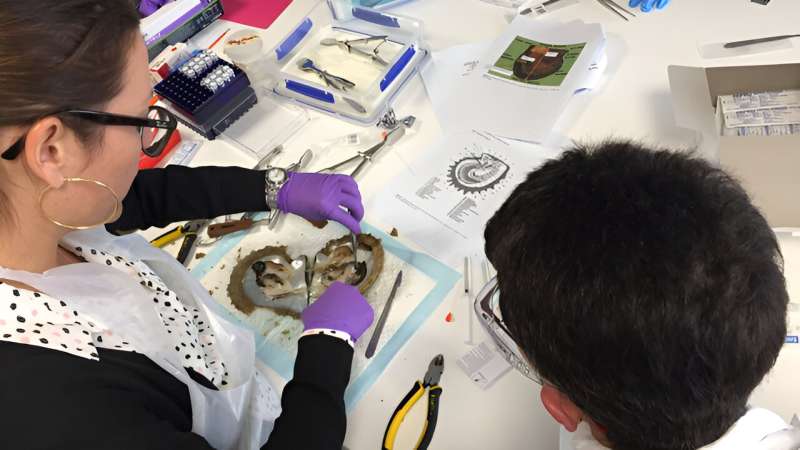
Researchers analyze silverlip pearl oysters. Credit: Nick Thake

New research suggests that exposure to a single seismic survey is unlikely to increase mortality or affect pearl production in adults of an oyster species farmed in Australian waters.

In a study led by Australian Institute of Marine Science (AIMS) researchers, and published in Marine Pollution Bulletin, about 11,000 silverlip  oysters (Pintada maxima) were exposed during a dedicated four-day seismic source .

They were then monitored over a two-year period with results indicating the surveys were unlikely to have had an effect on the quality or quantity of pearls produced.

Dr. Miles Parsons, an AIMS acoustic scientist and lead author on the study, said the research reduced previous uncertainty for this .

"It has given us valuable real-world results," he said.

"It is important to recognize that this was the first time anyone has used a dedicated seismic vessel and a commercial-sized airgun array to look at the effects of seismic energy on this species in an area where pearl oysters are commercially farmed.

"Previous studies into the effects of seismic energy on mollusks—the family of marine invertebrates to which oysters belong—had found damage to cells, adverse changes in behavior and impairment of immune systems, and in some cases, mortality, raising concerns. But some of these studies involved small-scale, laboratory, and single-airgun trials or opportunistic sampling designs.

"The robust design and delivery of our experiment means our findings reduce uncertainty and allow managers, marine industries and policy makers to make more informed decisions about the sustainable use of seismic surveys in relation to this species."

The silverlip pearl  is a dinner plate–sized species found in the Indo-Pacific region and is a valuable species for jewelry. Western Australia's pearling industry, estimated to be worth $67 million in 2014, grows the oysters commercially in waters off the Pilbara and the Kimberley—an area that overlaps with offshore oil and gas exploration and development.

A seismic vessel and a commercial-sized airgun array were used for the research at various distances from groupings of oysters in Roebuck Bay, south of Broome in Western Australia.

In seismic surveys, an airgun array produces loud, repetitive underwater sounds that penetrate the sea floor. The rebounding sound creates detailed pictures of the rock layers below the seabed, allowing industry to locate oil and gas deposits.

Oysters from one of the four seismic survey days exhibited higher levels of mortality and lower pearl production than other days, but oysters from many other test groups that received similar or higher levels of exposure did not display the same response. Dr. Parsons said it was likely an unknown stressor had driven this response, rather than the seismic survey, but scientists could not rule out that an unknown factor might have worked in synergy with seismic exposure to affect these oysters.

The research was part of a wider experiment conducted in 2018 which also looked at responses to seismic surveys of commercially valuable demersal fish species in the north west Australian environment.

The research was a collaboration between AIMS, The University of Western Australia, Curtin University, the Department of Primary Industries and Regional Development, University of Tasmania and collaborators from the Australian pearling industry and was part of the North West Shoals to Shore Research Program.

More information: Miles J.G. Parsons et al, A large-scale experiment finds no consistent evidence of change in mortality or commercial productivity in silverlip pearl oysters (Pinctada maxima) exposed to a seismic source survey, Marine Pollution Bulletin (2023). DOI: 10.1016/j.marpolbul.2023.115480


Journal information: Marine Pollution Bulletin 


Provided by Australian Institute of Marine ScienceSeismic surveys have no significant impact on commercially valuable fish in NW Australia


Prezygotic isolation between sympatric dioecious figs may not yet be established

Prezygotic isolation between sympatric dioecious figs may not yet be established
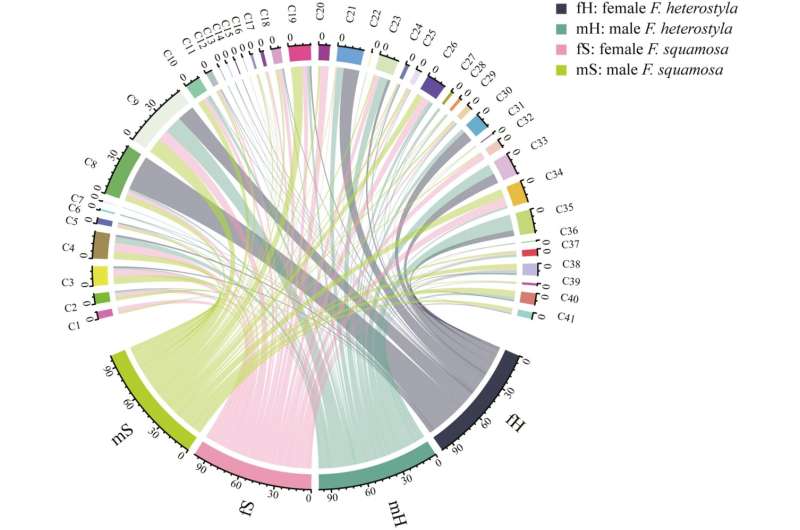
Circular chart showing the relative percentage of volatile organic compounds in receptive
 figs from F. heterostyla and F. squamosa. 
Credit: Evolution Letters (2023). DOI: 10.1093/evlett/qrad045

Cospeciation is generally considered a key process driving the diversity of figs and their pollinating wasps. Ficus squamosa and Ficus heterostyla are two closely related dioecious figs. This pair represents a good system for gaining insights into cospeciation dynamics and processes, as well as the potential biological consequences of heterospecific visitation.

A research team from the Xishuangbanna Tropical Botanical Garden (XTBG) of the Chinese Academy of Sciences have investigated both pre- and post-zygotic isolation in a sympatric fig pair consisting of F. heterostyla and F. squamosa, to reveal the final stages of speciation between the two closely related specimens.

The study was published in Evolution Letters on Oct. 7.

The researchers analyzed volatile profiles at the receptive phase, which was crucial for attracting pollinators. They identified  for the two fig species and found that most compounds were shared, despite significant interspecific dissimilarity. The lengths of the wasp ovipositors were well within the range required for access to heterospecific ovules.

The team then produced hybrid seeds through manipulative experiments and observed that wasps of F. heterostyla reproduced in F. squamosa figs, while wasps of F. squamosa did not reproduce in F. heterostyla figs. Although the species are morphologically distinguishable and are generally pollinated by distinct wasp species, reproductive isolation is not fully realized.

The researchers recorded weak geographic barriers, minimal volatile dissimilarity, compatible morphology, complementary reproductive phenologies and the production of hybrid seeds and wasp offspring in heterospecific hosts.

"Together with geographic barriers and complementary reproductive phenologies, our findings suggest that prezygotic  between F. heterostyla and F. squamosa may not yet be established," said Huang Jianfeng, first author of the study.

The researchers suggest that F. heterostyla and F. squamosa represented an example of incomplete wasp specialization and potentially incomplete .

More information: Jian-Feng Huang et al, Pollinator sharing and hybridization in a pair of dioecious figs sheds light on the pathways to speciation, Evolution Letters (2023). DOI: 10.1093/evlett/qrad045


Journal information: Evolution Letters 


Provided by Chinese Academy of Sciences Two closely related fig species show signatures of hybridization at climatic margins