It’s possible that I shall make an ass of myself. But in that case one can always get out of it with a little dialectic. I have, of course, so worded my proposition as to be right either way (K.Marx, Letter to F.Engels on the Indian Mutiny)
Saturday, October 14, 2023
GREEN CAPITALI$M
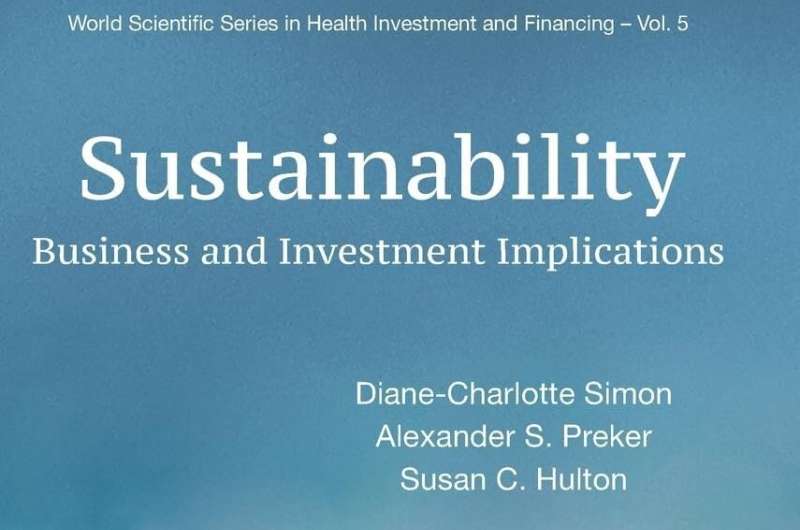
Sustainability presents huge opportunities for business and financial institutions
Why does sustainability matter for businesses and financial institutions? For centuries, competitive markets have been drivers for growth and improvement of quality of life. It is paramount to ensure these markets are compatible with sustainability and can adequately mitigate and adapt to climate change. These changes require a significant amount of capital, and knowledgeable investment and business professionals to deploy it.
Over the past years, the United Nations and global leaders have emphasized the role that the private sector can play in protecting the environment and addressing sustainability issues such as climate change. Historically, governments have played the leading role in addressing sustainability issues and externalities, mainly through environmental policies, laws, and regulations. Though governments have recently demonstrated their ability to provide large amounts of capital to support the economy amidst the COVID-19 pandemic, their high level of debt and fiscal constraints have led many to question their ability to tackle sustainability issues on their own. The private sector is well-positioned to fill the gap.
But while the awareness of sustainability has significantly increased over the past decade, there are still major gaps in both investments and skilled professionals who understand sustainability-related opportunities and threats. These factors led to the development of this handbook.
"Sustainability" provides insights for businesses and investors on how to navigate this complex landscape of sustainability. It is intended as a primer for university business schools and schools of public policy and administration. It also appeals to a broader readership, including practitioners, thought-leaders, entrepreneurs, professionals, policymakers, regulators, technical specialists, and the public at large.
Corporate sustainability and sustainable finance are evolving so quickly that it can be difficult to keep up. Multiple frameworks, regulations, strategies (impact investing, shareholder engagements, etc.), and acronyms (ESG, SRI, etc.) have emerged over time. This book untangles these various terms and explores the implications of sustainability for financial institutions and companies of various sizes (from start-ups to large multinational corporations). It delves into the financial impacts of sustainability, analyzing both profitability and market valuation indicators, and also presents the financial case for embedding sustainability at the core of business strategy.
Written by 15 contributors ranging from world leading experts, to professionals with hands-on experience in businesses and financial institutions (including multilaterals) as well as professors from leading institutions in the United States, France and Switzerland, "Sustainability" explores the fundamentals of corporate sustainability, sustainable finance and the transition to a lower carbon economy.
The editors and chapter authors invite readers to be part of the solution—whether they work for a large company or a not-for-profit, whether they build their own business or become an investor, a banker, an engineer, a researcher, or a policymaker. Sustainability is multi-faceted and requires professionals of all kinds. The editors and chapter authors hope that readers will be inspired by this book so that they can address the challenges and seize the opportunities that lie ahead.
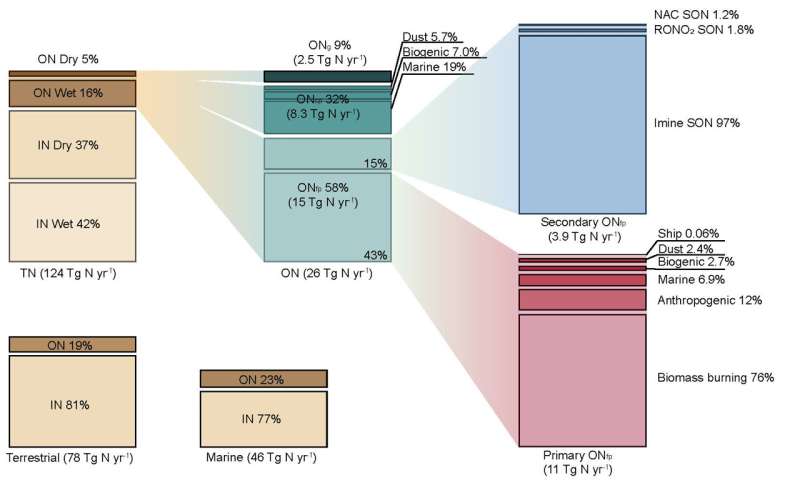
The global atmospheric total nitrogen (TN) deposition flux and the contributions of different N components as simulated by this study. Credit: Science China Press
New research emphasizes the previously underestimated significance of atmospheric ON aerosol depositions on ecosystems. Additionally, the ecological effects of ON aerosol depositions are anticipated to increase due to global warming and the decrease in nitrogen oxide emissions from human activities.
The study was led by Dr. Yumin Li of Southern University of Science and Technology (SUSTech), in collaboration with Professor Tzung-May Fu's team at SUSTech and Professor Jian Zhen Yu's team at Hong Kong University of Science and Technology (HKUST). The research is published in the journal National Science Review.
Atmospheric deposition of organic nitrogen (ON) plays a crucial role in the global nitrogen cycle. Surface measurements showed that 2% to 70% of the local atmospheric deposition flux of total nitrogen was organic. However, previous models have largely neglected the spatial and chemical variations of atmospheric ON, leading to inadequate assessment of its global impacts.
The scientists from SUSTech and HKUST developed a comprehensive global model of atmospheric gaseous and particulate ON, incorporating the latest knowledge on emissions and secondary formations. Their simulated surface concentrations of atmospheric particulate ON (ONp) were highly consistent with global observations, a feat that had not been achieved previously. In addition, their simulated atmospheric deposition flux aligned with global observations within an order of magnitude.
The scientists estimated that the global atmospheric ON deposition was 26 Tg N yr-1. This majority of this deposition (23 Tg N yr-1) occurred in the form of ON aerosol and accounted for 19% of the global atmospheric total N deposition (124 Tg N yr-1). The main sources of ON aerosols were wildfires, ocean emissions, and secondary formation.
"Our simulation showed that the deposition of ON aerosol from the atmosphere is a crucial external source of nitrogen to nitrogen-limited ecosystems worldwide, such as the boreal forests, tundras, and the Arctic Ocean," Fu says.
In a future warming climate, wildfires will likely become more frequent and intense. Climate warming will also lead to surface ocean stratification, making atmospheric ON deposition an increasingly important source of nitrogen to these ecosystems. "We need to further examine the environmental impacts of atmospheric ON aerosol and how those impacts respond to climate change."
More information: Yumin Li et al, Dissecting the contributions of organic nitrogen aerosols to global atmospheric nitrogen deposition and implications for ecosystems, National Science Review (2023). DOI: 10.1093/nsr/nwad244
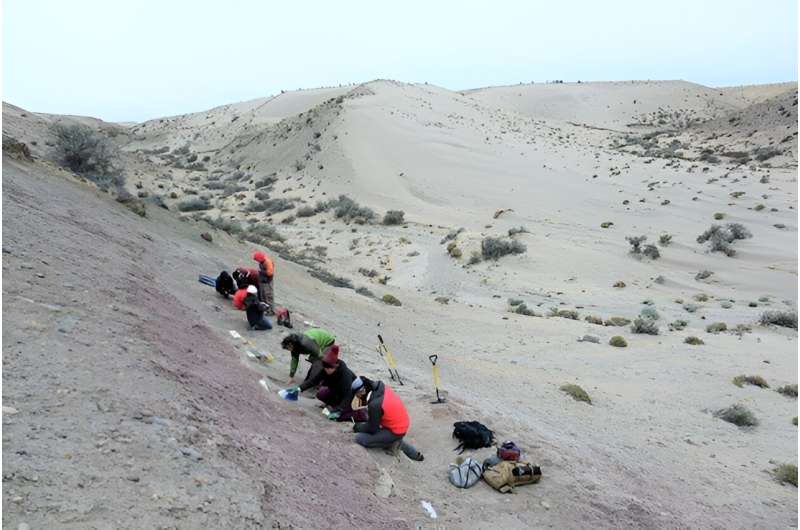
Overview of the Cañadón Tomás Quarry (CTQ) site as of March 2023. Credit: Kara Fikse/Carnegie Museums of Pittsburgh
The discovery of a spectacular fossil site in Argentina is helping shed new light on life at the end of the Cretaceous, the time period just before the non-avian dinosaurs went extinct.
New research being presented this Monday (Oct. 16) at the Geological Society of America's GSA Connects 2023 meeting by Matthew Lamanna, a paleontologist and the principal dinosaur researcher at Carnegie Museum of Natural History, describes exciting fossil finds from a site known as the Cañadón Tomás Quarry in southern Argentina's Patagonia region.
"In general, dinosaurs and other continental vertebrates from the Cretaceous tend to be less known from the Southern Hemisphere than they are from the Northern, and that creates an imbalance in our understanding of biodiversity, evolution, and paleobiogeography," says Lamanna.
"We know enough about continental vertebrates in the Late Cretaceous to know that there were some very different kinds of animals thriving in the Southern Hemisphere. One thing that we'd really like to know is, how did non-avian dinosaurs in the southern half of the world fare at the Cretaceous-Paleogene boundary?"
The Cañadón Tomás site was first discovered in early 2020 due to petroleum interest in the region. Oil companies were required to carry out a paleontological impact study before they could begin work, and the study soon uncovered dinosaur fossils.
"The paleontological impact study was done by people from the Museo de La Plata and they found some bones belonging to hadrosaurs (large-bodied duck-billed dinosaurs). This information was shared with the paleontology crew of the Universidad Nacional de la Patagonia San Juan Bosco (UNPSJB), who started to explore the area, finding some bones. At the end of 2020, a few bones were recovered in the outcrop that today is Cañadón Tomás, and little by little, we began to expand that excavation hoping to find something interesting," says Noelia Cardozo, a Ph.D. student at the UNPSJB and member of the Cañadón Tomás research team.
Continued excavations at the site have revealed dozens of bones from hadrosaurs. These plant-eaters are common and well known in Northern Hemisphere sites from Late Cretaceous times, but they are comparatively rare and poorly known from Southern Hemisphere sites. Interestingly, the hadrosaur fossils at Cañadón Tomás appear to belong to individuals of multiple sizes.
"The site could capture a social group, potentially even a herd of individuals that were related to each other that were all buried together. These are the kinds of things that we'll be investigating as we dig into the site more," says Lamanna.
In addition to the hadrosaur fossils, the team discovered the remains from two individuals of non-avian predatory dinosaurs: a tooth, likely from an abelisaurid, and a claw, likely from a noasaurid or a baby abelisaurid.
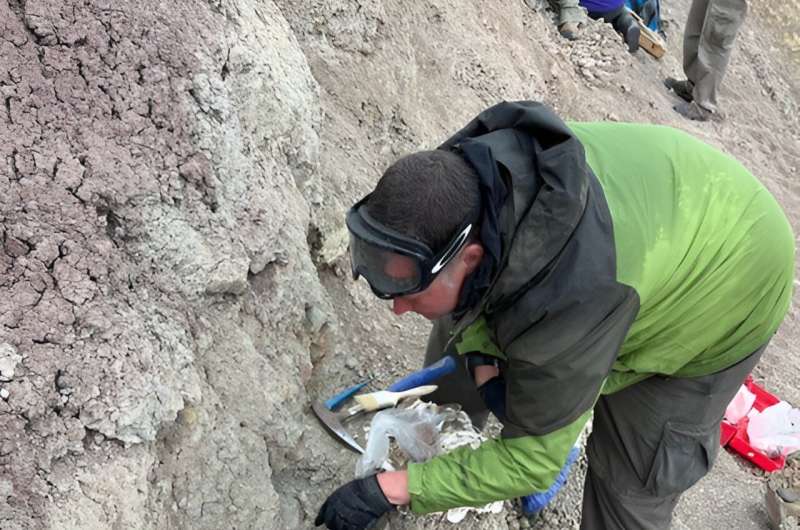
Field team members Matt Lamanna (top) and Kara Fikse of CMP excavate a large hadrosaur limb bone at the CTQ, March 2023. Credit: Derek Fikse
While the dinosaur fossils at Cañadón Tomás are exciting and provide crucial insight into Southern Hemisphere non-avian dinosaurs before their extinction, it's other fossil finds of rare and small-bodied vertebrates that have the research team most excited.
The team discovered a vertebra of a snake, likely a madtsoiid, the first Cretaceous snake found in this region of Patagonia known as the Golfo San Jorge Basin. What really put the site high on their radar, according to Lamanna, was the discovery of the upper jaw containing teeth of a small mammal known as a reigitheriid.
"For me, the most exciting discovery from this site so far was the small fragment of the jaw of a mammal," says Cardozo. "Because this formation is mainly well known for its record of dinosaurs, that's what I expected to find. But when that little piece [of jaw] appeared, we knew it was different from everything that we had been working on so far."
In March 2023, Cardozo and fellow UNPSJB student Ivanna Mora had spent only two hours sieving through rocks and sediment when they discovered the mammal jaw—relatively speaking, a lightspeed find in the world of paleontology. The fossil is now the first Cretaceous mammal of any kind found in the Golfo San Jorge Basin. According to Lamanna, the jaw is "one of the best fossils of its kind of mammal ever discovered."
Mammals in the Cretaceous were typically small, rodent-sized creatures—not as foreboding and as easy to capture the imagination as dinosaurs. However, understanding mammalian life at the end of the Cretaceous is crucial to having a full picture of life leading up to the extinction of non-avian dinosaurs, as well as understanding how mammals expanded and proliferated following the extinction.
While research and excavations at the Cañadón Tomás site are still in a preliminary stage, the fossil discoveries thus far have shown that the site is extremely promising.
"Cañadón Tomás is a site of great interest not only for the great diversity, but also for the great quantity of materials that are being discovered at the site," says UNPSJB Ph.D. student Bruno Alvarez. "As excavation work continues, more and more materials are being found. There is still a lot of work left to do at Cañadón Tomás with a lot of field work to complete, and we suspect there will be many more fossils to discover and study."
Lamanna notes that people should "keep their eyes peeled for new discoveries" from Cañadón Tomás.
"We think [Cañadón Tomás] holds so much potential to not only inform our understanding about Cretaceous-Paleogene faunal dynamics and extinction dynamics in the Southern Hemisphere, but it's probably also going to produce new species of animals. Right now, it's one of the sites I'm involved with that has me the most excited and fired up," says Lamanna.
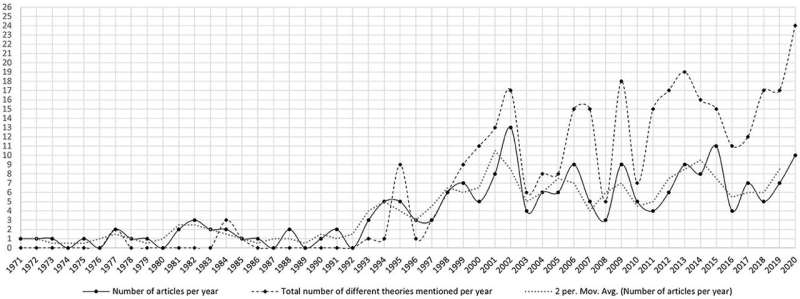
Yearly distribution of articles and different theories mentioned from 1971 to 2020. Credit: Frontiers in Sociology (2023). DOI: 10.3389/fsoc.2023.1136972
The majority of research on environmental attitudes and behavior is coming from the United States and other English-speaking countries, a recent study by scientists from Lithuania and Austria reveals. Thus, the global applicability of the theories, which are used in designing environmental policies, becomes arguable.
The scientific field of environmental sociology is counting its seventh decade. In the 1970s, social sciences saw the shift towards the new ecological paradigm, where human beings and society are perceived as interrelated, belonging to the larger natural ecosystem. That is when the first scientific papers on environmental attitudes and behavior were published.
"Since the end of the last century, the global environmental problems have become increasingly topical. Environmentalists were warning about ozone depletion, the greenhouse effect, global warming, and climate change. Today, according to the United Nations, we are living in a planetary crisis, including climate change, biodiversity loss, pollution and land degradation. Naturally, the society's environmental concern grew together with the growing amounts of scientific data," says Professor Audronė Telešienė from Kaunas University of Technology (KTU), Lithuania.
According to her, policymakers around the world rely more and more on social scientists, while designing policies, which could encourage society's green transformation, i.e., shift to more environmentally friendly, everyday practices.
Behavioral change: One of the ways to mitigate climate crisis consequences
Telešienė says that the systemic literature review published in Frontiers in Sociology on environmental attitudes and behavior, which she carried out together with Professor Markus Hadler from the University of Graz, Austria, was aimed at shedding light on the environmental social sciences' landscape.
The study revealed that since the year 2000, the number of publications and topics on environmental attitudes and behavior has been steadily increasing. The scientists believe that this indicates environmental sociology becoming an established field of study.
"Research is getting more and more specific and looks into more details. The flip side of the coin is that a general overview might get lost and that we need people who keep an eye on the larger picture. Possibly a reason why interdisciplinary research is more and more wanted," says Hadler.
Telešienė adds that environmental attitudes and behavior is a very broad field, which includes individual practices and choices, such as waste sorting, energy usage and food consumption, environmental activism and other aspects. It means that new niches for research are opening up at the intersections of sociology and other sciences, such as economy, energy or food science.
She points out that environmentalists have long agreed that there are two ways to minimize the outcomes of the climate crisis—technological innovation and behavioral change. How can we change people's behaviors: the ways they get and use energy, their eating and food supply habits, and their usage of materials and things?
"We, scientists, face a great demand for research from stakeholders. We are asked to provide advice when designing political documents, and planning economic measures for achieving the desired behavioral change. This study helped get a fuller picture of the research, which can be used for drawing recommendations to the policymakers," says Telešienė.
Scientific ideas and theories are influenced by the English-speaking world
The most striking discovery of the study was geographical disbalance—the empirical research on environmental attitudes and behavior was mainly generated in the United States. According to Telešienė, partly it is natural, as the strongest environmental activism movements and the environmental social sciences were born in the U.S. half the century ago. However, it also means that the theories, on which sociologists base their recommendations in different parts of the world, are validated by the research findings from a few English-speaking countries.
"For example, a very popular theory in environmental sociology is: that values impact attitudes, attitudes impact intentions, and intentions become behavior. This theory is mostly based on research from the US, and, partly, from the United Kingdom and Canada. This is only a handful of countries, and although we might guess that similar patterns should be prevalent in the societies in other parts of the world, we don't know if the same is true for Asian, African or Latin American people," says Telešienė.
She adds that another popular theory claiming that there is a direct correlation between the amount of knowledge on environmental issues and environmentally friendly behavior is not applicable in Lithuanian society.
"Every society has a different social and cultural structure, that's why we need more knowledge from different places and regions of the world," says Telešienė, who together with colleagues from the Civil Society and Sustainability research group at KTU, has been conducting research on Lithuanian environmental attitudes and behavior since 2010.
Hadler points out another issue, related to what was discussed above—the most-cited scientific journals are published in English and often in the United States. Scholars in other countries, especially, in non-English speaking countries, face the problem that they have to inform the local stakeholders and community in their native language, while scientific work is more visible when it is written in English.
"It's more difficult to do both at the same time. As a consequence, scientific ideas and theories are more influenced by the English-speaking world," says the researcher from Graz University in Austria.
Psychological reasons can explain only 30% of behavior
The study also revealed that environmental behaviors and attitudes are more often explained by psychological variables, such as values, beliefs, and attitudes. Changing a society's or an individual's belief system is a very long process, which involves communication via media, and education. However, according to Telešienė, psychological variables can only explain about 30% of environmental behavior.
"Psychology-based explanations are overlooking the so-called social embeddedness, i.e. context in which behavior occurs. An individual can have very pro-ecological attitudes, but if there is no infrastructure, say, the place to dispose of the sorted waste, these attitudes will not translate into behavior," says Telešienė.
She reminds the precedent of the deposit system in Lithuania, which came into effect in 2016. During its second year of implementation, the collection rate of drinks containers reached 90% and exceeded all expectations. According to Telešienė, in this case, the economic motivation (receiving 0.1 euros per returned container) serves as an encouragement for a pro-ecological lifestyle.
"Context can be a very powerful catalyst bringing out an environmentally-friendly behavior without any psychological intervention or changes to an individual's belief system," says Telešienė.
The scientist, who has been researching local environmental attitudes and behavior for more than ten years, says that environmental concern in Lithuanian society is growing. However, it cannot be compared with, for example, Scandinavian societies, where the global climate crisis has been defined as one of the top three major societal concerns for several years now. In Lithuania, the global climate crisis is identified among major concerns only when people are asked specifically about environmental issues. According to the KTU sociologist, this indicates Lithuanian society's shift towards increased environmental awareness.
Politicians turn to scientists for advice
The researchers believe that the scientific, political, media and public discourses are interrelated. Although this specific study may not be directly applicable to design political measures, as the paper focuses on the development of theories and what was emphasized over time, certain indirect takeaways are likely.
"Just as the theories are more and more focused on individual explanations, the measures might also focus more on individuals, whereas societal structures and dynamics are overlooked," ponders Hadler.
Telešienė believes that scientists usually are those, who raise an issue; only later it becomes a topic of media and public discourse. On the other hand, scientists are also those, who are asked to define the established problems, to issue recommendations, which, in turn, leads to more research.
"We are working with the Lithuanian Ministry of Environment, using our research for informed discussions. Also, our researchers have been asked to assist in generating a strategy for environmental protection communication. The goal of the strategy is to change the environmental attitudes and behavior of Lithuanian society. Of course, one strategy will not make the change, but I am happy that we could contribute with our knowledge and research data," says Telešienė, a researcher at KTU Faculty of Social Sciences, Arts and Humanities.
Although such collaboration with local authorities requires local knowledge, local research needs to be shared internationally. Hadler, who is a member of the International Social Survey Program, is positive that data collection in different countries is happening. The problem is research visibility.
"In Europe, we have CESSDA, an archive that contains tens of thousands of European studies and data collections held by our Service Providers. Local researchers need to make sure that their data is visible in this consortium of archives," says Hadler.
The scientists believe that their study is an important attempt to synthesize knowledge on research on environmental attitudes and behaviors, which should attract the attention of the scientific community.
More information: Audrone Telesiene et al, Dynamics and landscape of academic discourse on environmental attitudes and behaviors since the 1970s, Frontiers in Sociology (2023). DOI: 10.3389/fsoc.2023.1136972
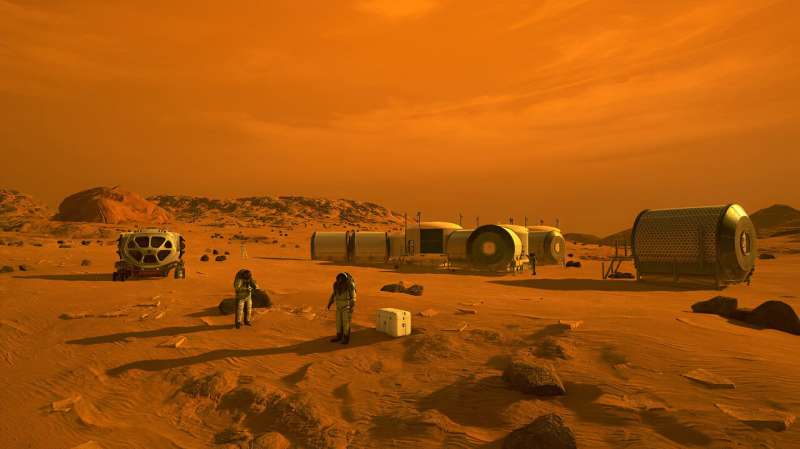
Artist's rendition of future astronauts and human settlements on Mars. Credit: NASA
Throughout the 20th century, multiple proposals have been made for the crewed exploration of Mars. These include the famed "Mars Project" by Werner von Braun, the "Mars Direct" mission architecture by Robert Zubrin and David Baker, NASA's Mars Design Reference Mission studies, and SpaceX's Mars & Beyond plan. By 2033, two space agencies (NASA and the CNSA) plan to commence sending crews and payloads to the Red Planet. These and other space agencies envision building bases there that could eventually lead to permanent settlements and the first "Martians."
This presents several major challenges, not the least of which have to do with exposure to radiation, extreme temperatures, dust storms, low atmospheric pressure, and lower gravity. However, with the right strategies and technology, these challenges could be turned into opportunities for growth and innovation. In a recent paper, a Leiden University researcher offers a roadmap for a Martian settlement that leverages recent advancements in technology and offers solutions that emphasize sustainability, efficiency, and the well-being of the settlers.
The proposal comes from Florian Neukart, an Assistant Professor with the Leiden Institute of Advanced Computer Science (LIACS) at Leiden University and a Board Member of the Swiss quantum technology developer Terra Quantum AG. The preprint of his paper, "Towards Sustainable Horizons: A Comprehensive Blueprint for Mars Colonization," was recently posted to the arXiv preprint server and is currently being reviewed for publication by Elsevier.
Evolution of a plan
Beyond exploration, many proposals have been made since the dawn of the Space Age to transform Mars into a second home for humanity. Some of these proposals have involved geological engineering (aka "terraforming") to make Mars habitable for terrestrial organisms. What's more, the history of proposals has reflected the history of exploration and our growing understanding of the Red Planet. Other factors include technological advancement, scientific discoveries, and socio-economic and political developments. As Nuekart explained via email, the earliest ideas were largely embodied in science fiction.
Examples include H.G. Wells' War of the Worlds, Edgar Rice Burroughs' Barsoon Series, Ray Bradbury's The Martian Chronicles, Arthur C. Clarke's The Sands of Mars, and Robert A. Heinlein's Red Planet and Stranger in a Strange Land. These books depicted Mars with limited scientific accuracy and reflected popular perceptions about Mars at the time. This included Schiaperelli's maps (that included Martian "canals") and Percival Lowell's speculations about a Martian civilization. They were also influenced by political events on Earth, which contributed to feelings of xenophobia, the decline of civilization, and environmental concerns.
However, things began to change with the dawn of the Space Age, where robotic exploration dispelled old myths and led to major discoveries about Mars's past and present. As Nuekart explained:
"The latter part of the 20th century and early 21st century marked the deployment of various robotic missions to Mars, such as the Viking program, rovers like Spirit, Opportunity, and Curiosity, and orbiters like Mars Odyssey. These missions provided invaluable Martian geology, climate, and potential habitability data. Post-2000, discussions about Mars have increasingly leaned towards human exploration and settlement.
"The strategies entailed harnessing in-situ resources, understanding potential health implications for astronauts, and developing the necessary technologies to support human life on Mars. The recent era has also seen the burgeoning involvement of private entities, such as SpaceX, in Martian settlement plans. Elon Musk's vision of making humanity a multi-planetary species, with particular emphasis on establishing a city on Mars, has introduced new perspectives and significant investment in Mars-related technologies."
Today, more space agencies are contributing to the exploration of Mars than ever before. Whereas the 20th century saw only NASA and the Soviet Union send missions to the Red Planet, the past two decades have seen new missions sent by the European Union, China, India, and the United Arab Emirates. This has contributed to a growing recognition that Martian settlement will likely be an international endeavor based on partnerships and cooperation rather than competition. And as Nuekert adds, our growing sense of climate awareness has had a noticeable effect on planning:
"Recent plans have emphasized sustainability more, ensuring that Martian settlements are self-sufficient and have minimal reliance on resupply from Earth. This includes considering closed-loop life support systems, in-situ resource utilization, and psychological sustainability for inhabitants. Martian settlement plans have evolved through these stages from speculative and primarily science-fiction-based ideas to more concrete, scientifically informed, and technologically feasible concepts rooted in actual data and evolving technological capabilities. As we progress, plans continue to become more refined, pragmatic, and inclusive of various scientific, social, and ethical considerations."
The challenges
To break it down, the challenges of creating a human settlement on Mars include the vast distances between our two planets, which means resupply missions would be infrequent, and communications would suffer latency issues. Launch windows would be restricted to every 26 months, coinciding with Mars and Earth being closest to each other (Mars Opposition), and transits would take up to nine months. Beyond that, there are the human factors, which (as Neukart indicated) are myriad:
Physiological Adaptation to the Martian Environment:
Radiation Exposure: The Martian surface is exposed to higher radiation levels than Earth. Prolonged exposure poses severe health risks, including increased cancer susceptibility.
Microgravity Effects: The reduced gravity on Mars (about 38% of Earth's gravity) can profoundly impact astronaut musculoskeletal and cardiovascular systems.
Psychological and Emotional Well-being:
Isolation and Confinement: The protracted isolation and confinement during Martian missions can have psychological implications, potentially impacting the crew's mental health and group dynamics.
Communication Delays: The significant communication lag between Mars and Earth (ranging from four to 24 minutes one way) requires the crew to operate with a high degree of autonomy, which might impact decision-making and stress levels.
Social and Interpersonal Dynamics:
Team Cohesion: Ensuring stable and supportive interpersonal relationships among the crew is paramount for maintaining morale and effective collaboration.
Conflict Resolution: Establishing mechanisms to manage and resolve conflicts within the crew becomes vital in the confined and isolated environment.
Human Performance and Workload Management:
Task Design and Workload: Ensuring that task designs are cognizant of the physical and psychological strains of the Martian environment and manage crew workload to prevent fatigue and burnout.
Skill Maintenance: Devising strategies to maintain and enhance the diverse skill sets required during the mission, especially given the autonomy necessitated by communication delays.
Habitat Design and Usability:
Ergonomic and Human-centered Design: Crafting habitats and tools that are ergonomic and conducive to the physical and psychological well-being of the astronauts.
Private and Community Spaces: Balancing the design to provide private spaces for individual respite and community spaces to foster social interaction.
Health and Medical Management:
Medical Preparedness: Ensuring the crew has the necessary training and resources to address medical emergencies, given the limited possibility of evacuation or immediate external support.
Health Monitoring: Continual health monitoring to preemptively address any medical or health-related issues.
Cultural and Ethical Considerations:
Diverse Crew Composition: Navigating through the cultural and individual diversities within the crew and ensuring an inclusive and respectful environment.
Ethical Decision-making: Establishing frameworks for ethical decision-making, especially in scenarios of resource scarcity or medical emergencies.
What can we do?
Addressing the challenges of sending humans to Mars and establishing an outpost of our civilization has historically led to some interesting proposed solutions. Things have also evolved historically here, mirroring our growing awareness of the Martian climate and environment, but much of the impetus has remained the same. "Ensuring the feasibility and sustainability of establishing a human presence on Mars necessitates a multi-disciplinary approach that synergistically combines advancements across various scientific and engineering domains," said Neukart. "Innovations must cater to the harsh Martian environment in the technological domain and facilitate human survival and productivity."
Since the 1990s, proposals have emphasized the need for In-Situ Resource Utilization (ISRU) to minimize the amount of supplies and building materials transported from Earth. Considerable research has also been dedicated toward creating closed-loop systems that maximize resource utilization, minimize waste, and are self-sufficient. To this end, researchers are looking to bioregenerative life support systems (BLSS) inspired by nature—i.e., they rely on organic components, such as algae, microbes, or artificial photosynthesis. Said Nuekert:
"Achieving this involves refining technologies that enable effective recycling and reuse of resources within the habitat and minimizing dependency on supplies from Earth. From a broader perspective, a thorough risk-management framework that anticipates potential crises and provides robust mitigation and adaptation strategies is vital. This includes developing technologies and protocols to manage unforeseen challenges, whether they be technical malfunctions, medical emergencies, or resource shortages."
Naturally, several technical developments need to happen before these challenges can be addressed. As to what those are, Nuekart emphasized the following:
Robust Technology Development:
Life Support Systems: Perfecting closed-loop life support systems that can reliably sustain human life through resource recycling and regeneration.
Habitat Technology: Developing durable habitats that protect inhabitants from radiation, maintain pressure integrity, and ensure overall livability.
Advanced Space Travel:
Transportation: Enhancing spacecraft technology for more efficient, safe, and feasible transportation between Earth and Mars, such as through the MFPD we discussed below.
Entry, Descent, and Landing (EDL): Achieving reliable and precise EDL systems for safely landing payloads and humans on the Martian surface.
In-Situ Resource Utilization (ISRU):
Resource Extraction and Utilization: Establishing viable technologies and methodologies for extracting and utilizing Martian resources (e.g., water-ice).
Energy Production: Ensuring sustainable and reliable energy production on Mars, potentially harnessing solar and nuclear power.
Astronaut Health and Safety:
Countermeasures: Developing effective countermeasures against the detrimental effects of microgravity and radiation exposure on human health.
Medical Facilities: Establishing comprehensive medical facilities and protocols to manage health contingencies.
Scientific Exploration and Understanding:
Geological Studies: Conducting thorough geological studies to understand Mars' terrain, subsurface, and potential resources.
Search for Life: Further exploration to understand the Martian environment, mainly focusing on life's potential existence or historical presence.
Psychosocial Preparations:
Crew Selection and Training: Establishing robust selection, training, and support frameworks for astronaut crews to manage psychological and social dynamics.
Mission Simulations: Conducting extensive mission simulations to understand and prepare for various mission scenarios and challenges.
Logistical Planning:
Supply Chains: Establishing reliable supply chains, ensuring the consistent availability of essential resources and spare components.
Communication Systems: Developing robust communication systems to facilitate effective communication with Earth despite the substantial delay.
Global Collaboration:
International Partnerships: Fostering international collaborations to pool resources, expertise, and share responsibilities and benefits.
Knowledge Sharing: Enabling a global knowledge-sharing framework to enhance collective understanding and technology development.
Societal and Cultural Aspects:
Public Engagement: Engaging with the global community to establish a collective vision and gain public support for Martian settlements.
Cultural Preservation: Considering how to preserve and convey Earth's cultural and biological heritage on Martian settlements.
Is it worth it?
This question is fundamental to any major undertaking and must be asked before (and after) all the challenges are considered and addressed. Much like proposals for exploring and establishing permanent infrastructure on Mars, numerous reasons have been given as to why the risks are acceptable and the endeavor a worthy one. As Nuekart addresses in his paper, these range from the need to ensure our survival to the scientific breakthroughs it will enable. Nevertheless, the process of permanently settling on Mars is fraught with challenges and hazards.
But as proponents of Martian settlement will argue, these same hazards represent an opportunity for innovation, development, and our growth as a species and civilization.
"The potential settlement on Mars holds numerous benefits that warrant undertaking the assorted risks and challenges. These benefits, among others, help elucidate why the pursuit of Mars settlement, despite the inherent risks and challenges, garners interest and investment from governmental and private entities globally. The endeavor is not just about establishing a human presence on another planet, but I also see the advancements, knowledge, and collaborative efforts that the journey there facilitates," said Neukart.
More information: Florian Neukart, Towards Sustainable Horizons: A Comprehensive Blueprint for Mars Colonization, arXiv (2023). DOI: 10.48550/arxiv.2309.16806
The World Meteorological Organization (WMO) recently presented its second report on the status of global water resources. According to this report, large parts of the world experienced drier conditions in 2022 than those recorded on average for the equivalent periods over the last 30 years.
"Nearly 40% of the territories examined were suffering from drier than normal conditions," said Professor Robert Reinecke of Johannes Gutenberg University Mainz (JGU).
"This means that the flow rate of many rivers worldwide was significantly below what would normally be expected. Added to this, the levels of moisture in the soil were frequently indicative of the effects of the heat waves we have experienced while the need for greater use of water has resulted in the groundwater table becoming lower than in the reference period."
Reinecke, who joined the JGU Institute of Geography in May 2023, has made a major contribution to the new WMO report—in collaboration with Dr. Hannes Müller Schmied of Goethe University Frankfurt and the Senckenberg Leibniz Biodiversity and Climate Research Center Frankfurt (SBiK-F) as well as the Global Runoff Database Center (GRDC) in Koblenz.
Together they supplied simulation data based on hydrological modeling, participated in the development of the corresponding methodology, and provided scientific validation of the report's key statements. With the WMO acting as coordinating body, the report results from the expertise provided by 11 international modeling groups.
Scientifically validated findings on the global water situation
The first State of Global Water Resources Report for 2021 was presented in late November 2022 at the WMO headquarters in Geneva. The report is to appear annually and provide an overview of the status of the Earth's water resources.
The effects of climatic fluctuations and changes can often also be seen by what happens to our water: Heat waves coupled with droughts can make wildfires more likely and these can then spread more rapidly due to the lack of soil moisture, to give only one example.
"The WMO report is thus also designed to provide politicians and the industry with knowledge so as to identify regions that are at risk of experiencing water emergencies or are already in crisis," added Reinecke.
Among the data shown in the 2022 report is information on the discharge rate of rivers, the levels of groundwater, soil moisture, and evaporation. However, generation of the data basis itself is problematic in that there are currently insufficient global statistics available.
"Thus, we need to undertake simulation modeling," explained Reinecke, a specialist in modeling techniques. There is a particular lack of data on the situation regarding groundwater. Even Germany cannot provide complete figures as to the related circumstances. However, there is no doubt that the dry conditions in 2022 had considerable impact in Germany, too.
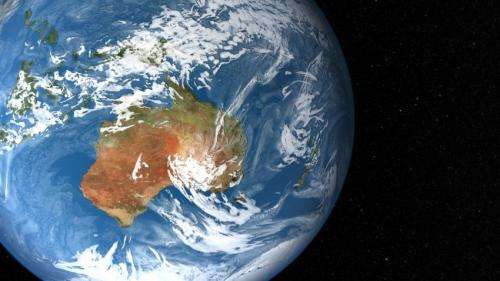
Just as in the case of the River Po in Italy, the water levels of the Rhine fell dramatically over longer periods, with the associated consequences for river traffic. France suffered from insufficient precipitation, resulting in difficulties when it came to providing the cooling required by nuclear power plants. South America experienced severe drought conditions while, despite increasing precipitation, groundwater levels in the important Murray-Darling Basin in Australia continued to drop below normal.
Credit: Gastronomica: The Journal of Food and Culture (2023). DOI: 10.1525/gfc.2023.23.3.74
Rats in the kitchen. Typically that implies issues with cleanliness and safety. But in medieval Japan, having rats in the kitchen could suggest an entirely different meaning.
Such is the case with "The Illustrated Rat's Tale" (Nezumi no sōshi emaki), an anonymous Japanese picture scroll created between 1550 and 1650 that depicts a rat wedding banquet.
"There were quite a few stories written in medieval and early modern Japan about rats, and many of these became picture scrolls combining illustrations with text," said Eric Rath, professor of history at the University of Kansas. "But what sets this example apart are the detailed scenes of cooking. There is only one other picture scroll that depicts cooking scenes for this period, so as a food historian, I wanted to see what I could learn from this rat story."
The result is his article "What Rats Reveal about Cooking in Late Medieval Japan." It examines how this artwork supplies an important source for understanding the staff and procedures for food preparation during this era and how the gendered and status-conscious division of labor reflected how food played a powerful role in the representation of authority. It appears as the cover story for the fall 2023 edition of Gastronomica: The Journal of Food and Culture.
The creators of "The Illustrated Rat's Tale" show the rodents taking on human roles, so the scroll can also be read as a representation of Japanese society.
"In other words, the way the artists depicted rats preparing for a banquet offers insights into the division of labor and workflow of kitchens in elite households in the 16th century, an age with very few other visual sources. We learn that specially trained male (rat) chefs handled prestigious tasks like carving meats and female workers performed manual labor such as milling the rice outside," Rath said.
The professor first learned there was a copy of this scroll in the New York Public Library. He then secured a grant from the Culinary Historians of New York that allowed him to study the item in person.
In addition to general commentaries on class and society, the scroll makes some specific ones as well.
"One of the leading cultural influencers of the late 1500s was the tea master Sen no Rikyu, whom many claimed invented Japan's traditions of the tea ceremony. He makes a cameo appearance as a rat in the picture scroll. Also it seems that rats were big fans of sake drinking as much as humans," Rath said.
There's no specific connection between rats and cooking in modern Japan, he said.
"No one likes to see a rat in the kitchen today, and the same was true in medieval Japan. Rats are consumers of food, and many of the stories about them are about their appetites. In the picture scroll I studied, some of the rat characters had names like Tobei the Bean-lover, Bad Taro the Glutton and Kuranojo the Rice-Chewer," Rath said.
However, "The Illustrated Rat's Tale" turns the idea of rats as consumers on its head by making them into producers because it is the story of a rat lord who wants to marry a human being. Thus he needs a fancy wedding banquet in the style of a shogun.
Rath said, "The wedding required an enormous and complex feast with specialty rat chefs, the medieval Japanese equivalent of the rat in the film "Ratatouille.'"
A 22-year veteran of KU, Rath teaches a course on the history of sushi. His book "Oishii: The History of Sushi" (Reaktion Books/University of Chicago Press, 2021) offers the first comprehensive chronicle of sushi written in English. His previous article for Gastronomica titled "Sake Journal (Goshu no nikki): Japan's Oldest Guide to Brewing" provides the first English translation of the earliest Japanese manual for brewing sake.
As for rats, this is the first time Rath has written about them. But he has enjoyed their company at home.
"My daughter received two 'male' rats from her fifth grade teacher, and we learned one of them was actually female, so we had a family of pet rats soon led by Mama-Razzi and Papa-Razzi. They proved to be good pets," he said.
Besides the insights the scroll imparts regarding foodways in late medieval Japan, Rath's article shows the interdisciplinary nature of food history.
He said, "It's a discipline where scholars like me frequently poach ideas from other fields and use a range of sources in writing about the past."
More information: Eric C. Rath, What Rats Reveal about Cooking in Late Medieval Japan, Gastronomica: The Journal of Food and Culture (2023). DOI: 10.1525/gfc.2023.23.3.74