What we know about the Hamas disarmament deal announced by Trump
Palestinian militant group Hamas confirmed Friday that it had agreed to a deal with Israel that would lead to the group's disarmament in return for the gradual withdrawal of Israeli troops from the Gaza Strip. Here's what we know so far.
Issued on: 31/07/2026
By: FRANCE 24
Video by: Peter O'Brien

01:43
Hamas said on Friday it agreed to a deal to end the war with Israel that included provisions addressing its weapons and the gradual withdrawal of Israeli forces from the devastated Gaza Strip.
The text of the deal has not been released publicly, and there was no immediate statement from Israel.
Here is what we know about the announced agreement:
What's in the deal?
US President Donald Trump announced the "complete disarmament" of Hamas, calling it a critical step towards a new Palestinian government in Gaza.
He said Israeli forces would withdraw from Gaza "as disarmament is completed".
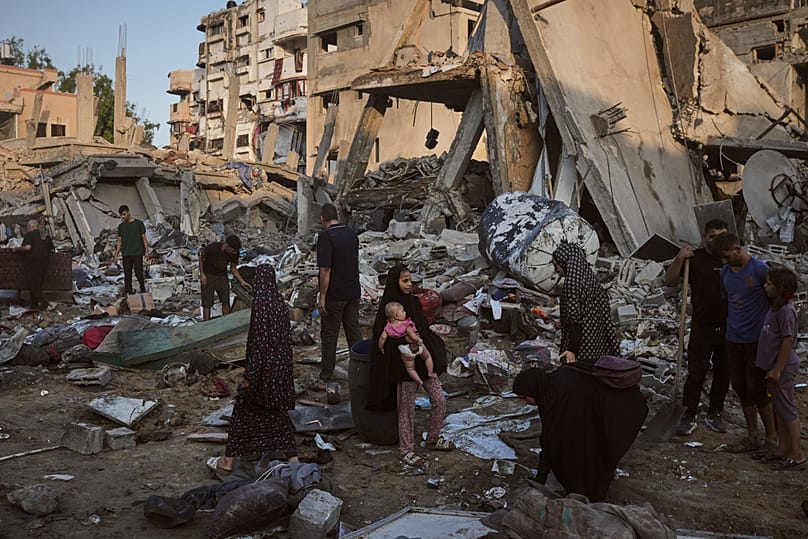
Israel’s military now occupies more than half of the Palestinian territory, leaving Palestinians confined to squalid tent camps and bombed-out urban neighbourhoods.

Hamas officials told AFP a committee established by Trump's Board of Peace to govern Gaza would oversee the process of storing the Islamist movement's weapons.
The group said it expected mediators and the Board of Peace to ensure Israel complied with the deal's terms, which included Israel's "gradual withdrawal" from Gaza.
Trump Board of Peace's official Gaza fund is empty despite billions pledged, source says
Ghazi Hamad, a member of the group's negotiating team, said the movement was making "concessions for the sake of our people in the Gaza Strip, to save them from killing and displacement".
"The agreement contains a clear provision stating that Israel must commit to and implement its obligations. If Israel does not implement the agreement, neither will we," Hamad said.
A diplomatic source told AFP before the deal's announcement that the plan would create "a process for the elimination of all tunnels, depots of weapons and any weapons production facilities".
Who will implement the deal?
The Board of Peace confirmed in a post on X that Hamas had "agreed to a detailed Roadmap for implementing the next phases of the Gaza ceasefire".
"Our focus now turns to implementation," the organisation wrote, adding that the National Committee for Administration of Gaza (NCAG), established by Trump's Board of Peace, will "soon begin a phased transition toward full authority".
Trump said in a social media post the International Stabilization Force "will work with a new Palestinian police force to take responsibility for Gaza being safe for its residents and its neighbours".
Hamas announced earlier this month that it had dissolved its government in Gaza and was preparing to transfer power to a technical committee backed by the United Nations as part of the ceasefire deal
What is the situation in Gaza?
An October ceasefire remains in place between Israel and Hamas, but it has not halted the violence in Gaza. Efforts to secure a lasting agreement to end the war have stalled.
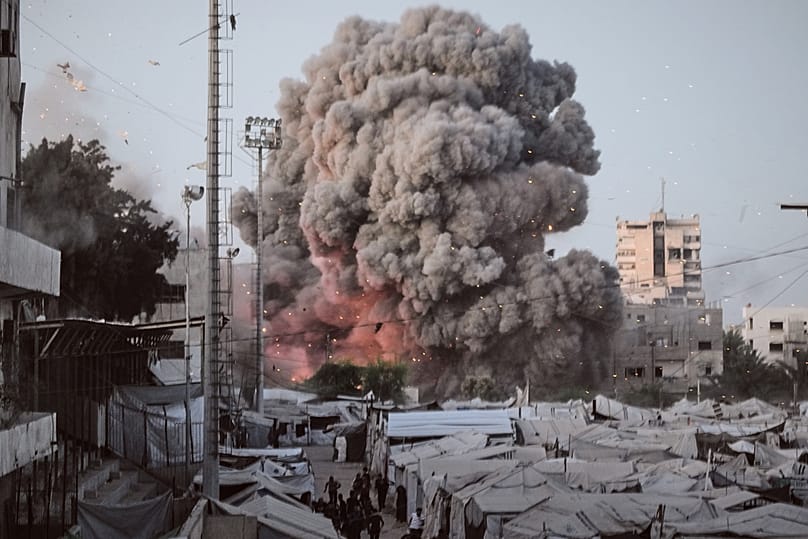
Israel has continued carrying out near-daily air and artillery strikes across the territory, more than 60 percent of which it occupies, since the fragile truce came into effect.

At least 1,214 Palestinians have been killed in Gaza since the ceasefire, according to the territory's health ministry, whose figures the United Nations considers reliable.
Israeli strikes on Thursday killed at least four people, including two children, health officials said.
Tens of thousands of people in Gaza still live in tents, after nearly three years of Israeli air strikes flattened much of the Palestinian territory's standing structures.
Hamas has accused Israel of repeated ceasefire violations, including air strikes, firing on civilians and advancing the so-called Yellow Line, an informal boundary separating areas under Israeli military occupation from those under Hamas authority.
What happens next?
Israel has yet to respond to the announced deal.
Egypt's state-linked Al Qahera News said early on Friday that Cairo is set to host a meeting "soon" of the Gaza truce mediators, which also include the United States, Qatar and Turkey, focused on the second phase of the Gaza ceasefire plan.
Nickolay Mladenov, the Board of Peace's high representative for Gaza, said the implementation stage of the plan "matters even more" than the initial deal.
"Implementation and verification have to be real," Mladenov wrote on X. "Withdrawal must move in lockstep with decommissioning."
Hamad told AFP Hamas would now discuss the implementation details with the mediators and agree on a timetable for carrying out the deal.
"This process will take about 14 days, or perhaps longer. We must agree on every detail: how the agreement will be implemented, when it will be implemented and the mechanisms for carrying it out. This is what will take place in the coming days."
(FRANCE 24 with AFP and Reuters)
Hamas agrees to 'historic' disarmament deal that includes Israeli withdrawal from Gaza
Trump said the deal to advance his 20-point peace plan will be rolled out in “carefully structured phases”, but did not announce a timeline as to when the process may be completed.
Hamas said on Friday that it has agreed to a deal to end the war with Israel that included provisions addressing its de-weaponisation and the gradual withdrawal of Israeli forces from the Gaza Strip.
Earlier, US President Donald Trump announced that the so-called Board of Peace has reached what he hailed as a “historic deal” on Thursday to disarm the Gaza-based group and all other armed groups and Israel to withdraw its forces from Gaza, but questions remained over conditions and timeline.
The deal, described by Trump in a post on Truth Social as a “monumental step”, comes nine months after a US-brokered ceasefire was signed to end Israel’s two year offensive on the enclave, signed in October last year in Egypt’s Sharm el Sheikh.
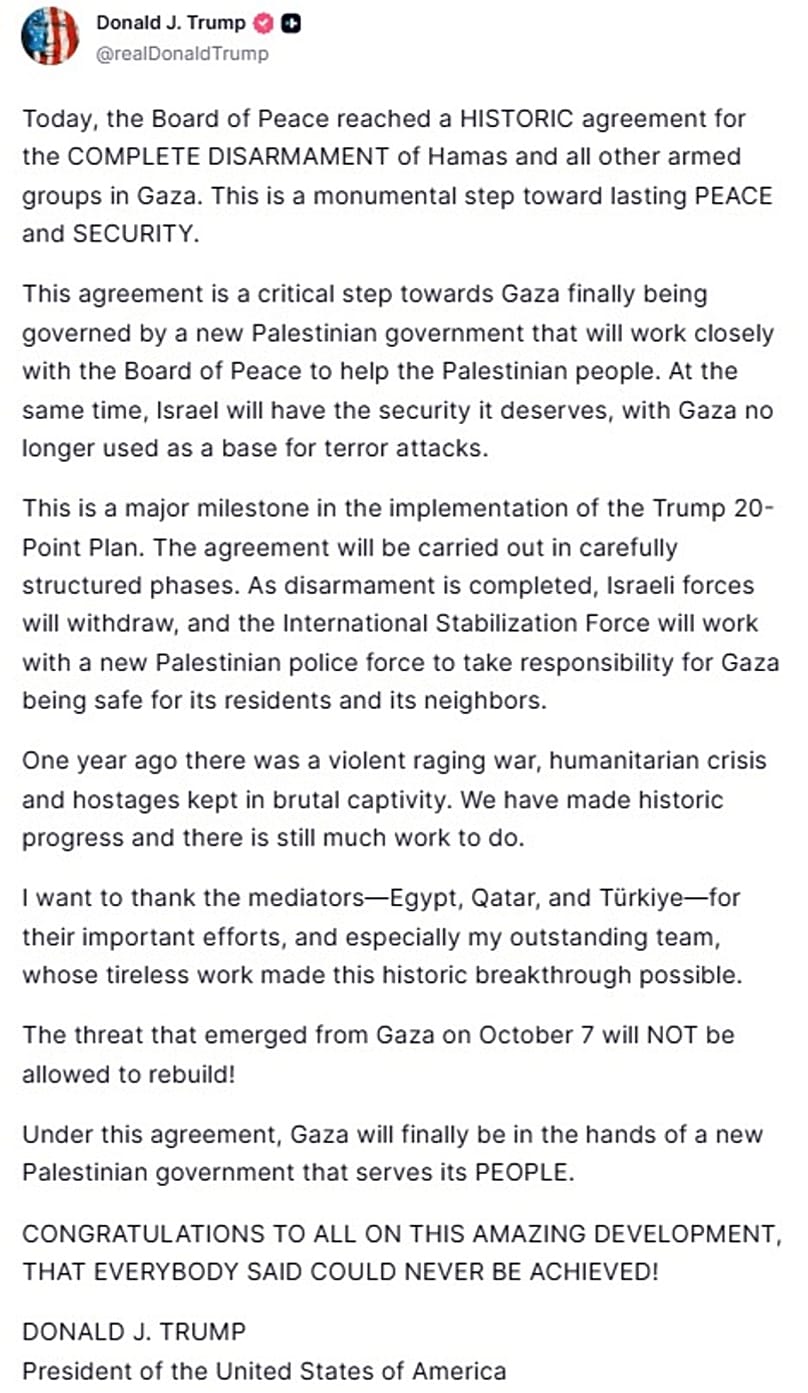
“This agreement is a critical step towards Gaza finally being governed by a new Palestinian government that will work closely with the Board of Peace to help the Palestinian people,” wrote Trump.
“At the same time, Israel will have the security it deserves, with Gaza no longer used as a base for terror attacks.”
Negotiations between Israel and Hamas had largely deadlocked over the implementation of its second phase, including the disarmament of Hamas and the reconstruction of Gaza.
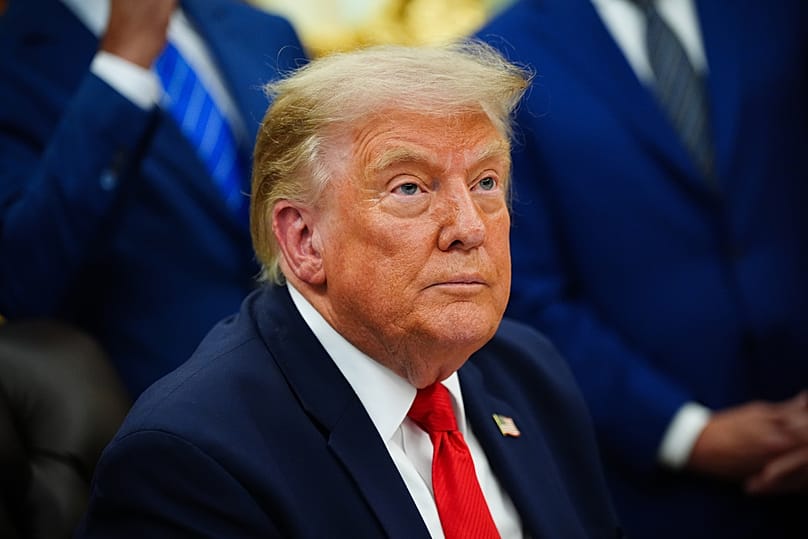
The US president says the deal will put to action the implementation of his 20-point peace plan in “carefully structured phases”.
Trump’s 20-point ceasefire plan calls on the Gaza-based group to surrender its weapons and destroy its vast network of tunnels. It also envisions the arrival of a new technocratic Palestinian government, led by former UK Prime Minister Tony Blair, who will lead Gaza’s rebuilding efforts.
Once disarmament is complete, Trump said Israel will then withdraw its forces out of the territory and hand over policing duties to a new “International Stabilisation Force”, which will work alongside Palestinian police to safekeep Gaza.
Rumoured timeline
US and Board of Peace officials, describing the deal to reporters on condition of anonymity under guidelines set by the White House, gave an extremely optimistic assessment of the agreement.
The officials were unable to offer specific timelines for the disarmament of Hamas or other groups that operate in Gaza, such as Palestinian Islamic Jihad, but said the Gaza police force would turn over weapons to the technocratic Board of Peace-backed Gaza administration in the next two weeks.
The Gaza police force, however, does not include the vast majority of Hamas militants and heavy weaponry is not included in that part of the agreement, according to the officials.
Instead, the surrender of heavy weapons and the decommissioning of Hamas tunnels and other infrastructure are to come later in a process that could take between 200 and 350 days, a Board of Peace official said.
Israel remains sceptical
A US official said Israel, which has been deeply sceptical about Hamas’ willingness to give up its guns or relinquish at least behind-the-scenes control of Gaza, had been consulted at every step of the negotiation.
However, the official said Israel was not being asked to do anything more than what it had initially committed to when it agreed to Trump’s 20-point plan, which essentially involves withdrawing its forces from Gaza and committing to ending airstrikes on the territory.
The official added that Trump would be “very, very disappointed” if Israel didn't adhere to the agreement.
The US president reiterated in his post on social media that not allowing Hamas to possess the strength it once did to pose a threat to Israel, remains a central part of the deal, adding that the new government will work to represent and serve its people.
Israel’s war on Gaza, which started in response to Hamas’ 7 October, 2023 incursion into southern Israel, killed at least 73,000 Palestinians, according to medical sources in the territory, including those killed since the ceasefire, Gaza’s Health Ministry said.
Trump and Israeli Prime Minister Benjamin Netanyahu met at the White House on Tuesday, but neither said much about what was discussed in their first face-to-face meeting since jointly launching the war against Iran.
Hamas announced earlier this month that it had dissolved its government in the enclave and was preparing to transfer power to a technical committee backed by the United Nations as part of the ceasefire deal.
The Israeli Defence Forces currently control more than half of Gaza, leaving Palestinians confined to squalid tent camps and heavily damaged urban neighbourhoods. The UN has repeatedly warned of dire living conditions across Gaza since the ceasefire came into effect.

No comments:
Post a Comment